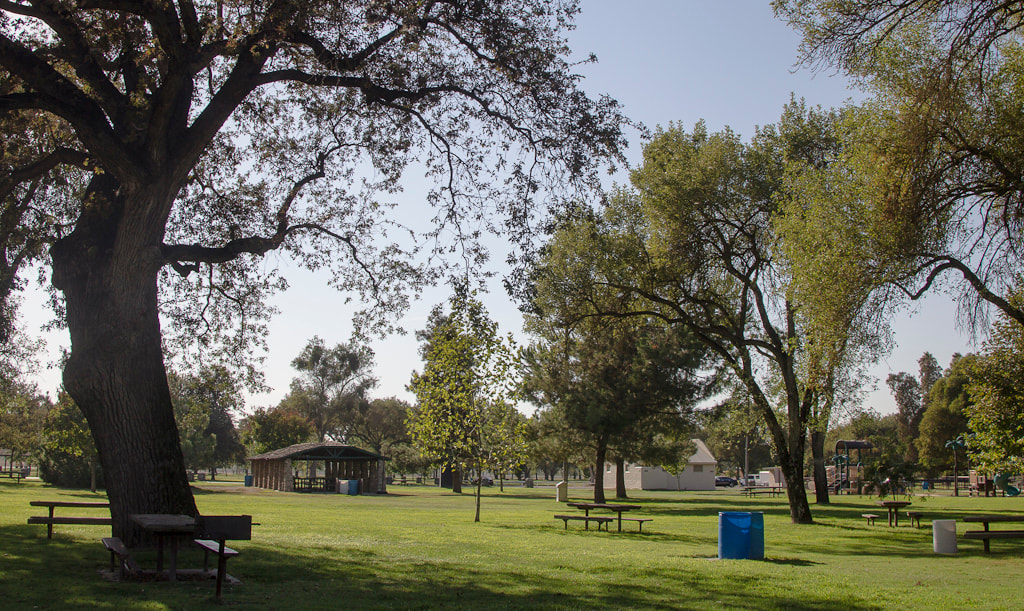
Click on photos for more information.
The Story of How Mooney Grove Park Came to be Saved
by William Tweed
Tulare County residents have a long history of going out of their way to protect trees. This urge has resulted in a number of important creations, including both Sequoia National Park and the Sierra Forest Reserve (now the Sequoia National Forest). Perhaps the most beloved locally of all these early efforts, however, is the Tulare County park known as Mooney Grove.
In the 1850s, when Euro-American settlers first began to occupy what is now the Visalia area, they found an extensive forest of valley oak trees (Quercus lobata) growing across the delta of the Kaweah River. The towering trees covered a large triangular wedge of land that had its eastern point near Lemon Cove where the Kaweah emerged from the Sierra and extended westward all the way to the shores of Tulare Lake southwest of modern Corcoran.
Settlement and agriculture soon brought many of these trees down, and by the end of the nineteenth century only a few remnant stands of oaks remained. Among these, one of the best stood along the public road between Visalia and Tulare.
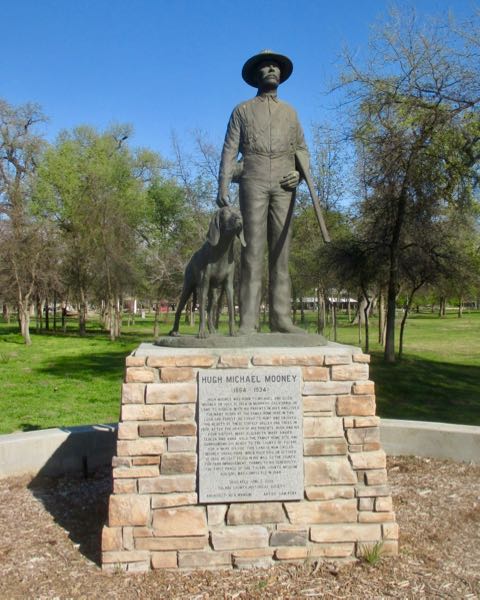
This tract belonged to the Mooney family. It had first been settled by an early rancher named Benjamin Willis in 1853, but Willis did not cut his trees, and the oaks still stood densely on the property when Willis sold the land to Michael Mooney in 1878. Mooney died three years later, having left the trees alone over that period, and control of the tract fell to Mooney’s wife. Mrs. Eliza Mooney inherited a relatively large estate from her husband and felt no need to cut the oaks, which she came to enjoy.
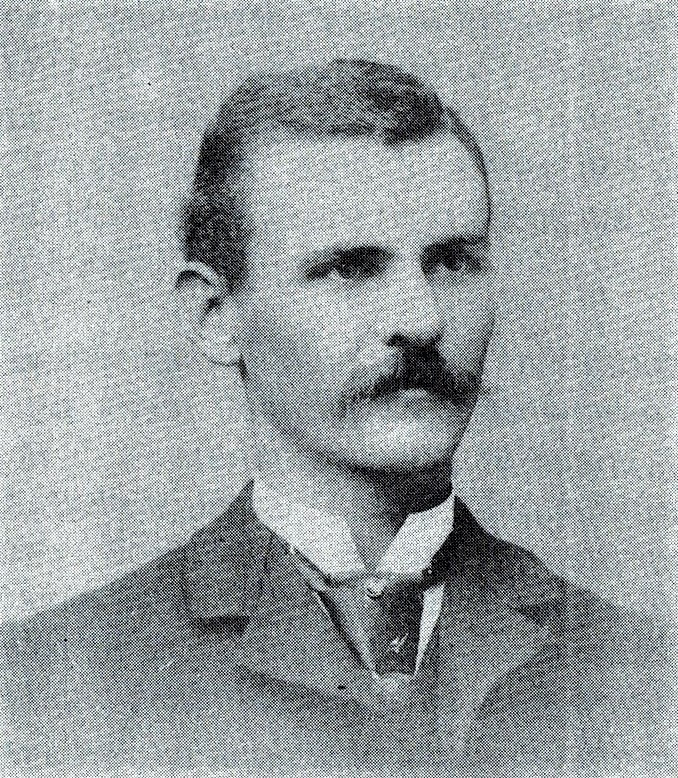
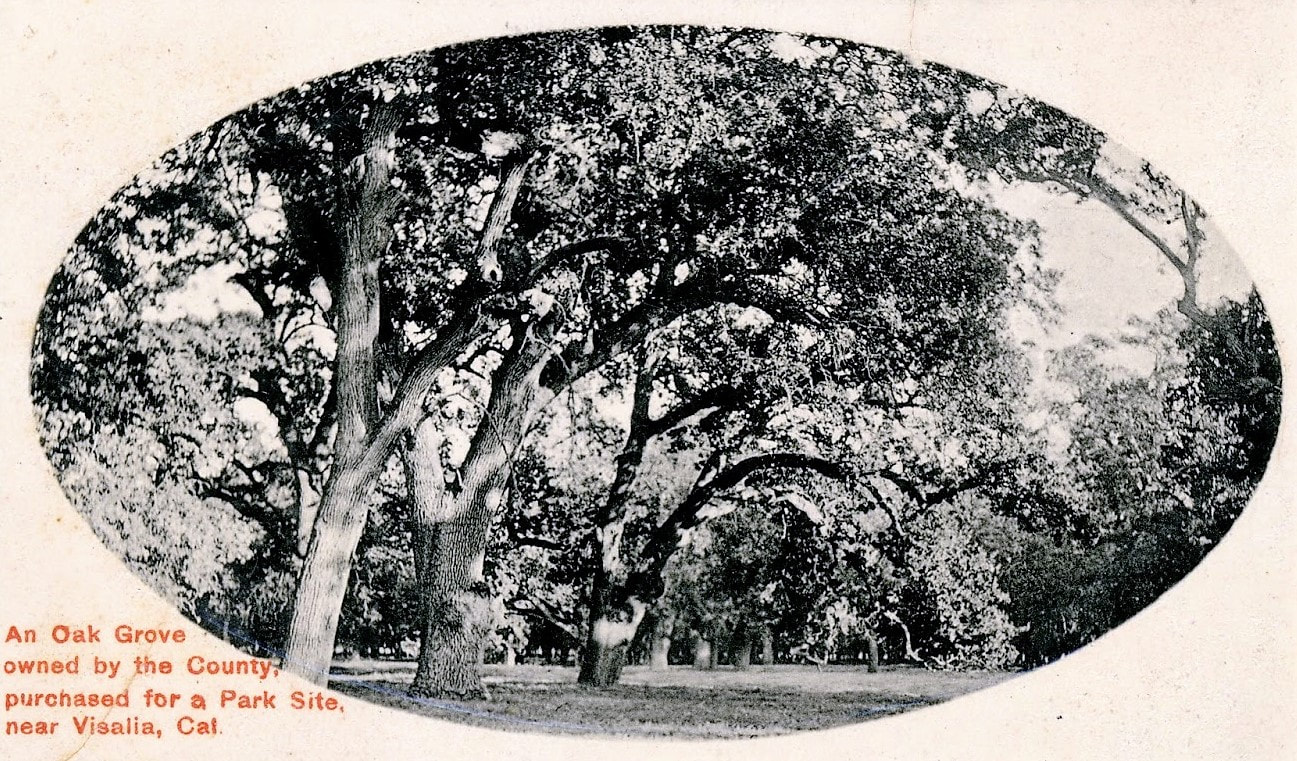
This state of affairs endured for several decades. Not until 1906, after Mrs. Mooney’s death, did a serious threat to the trees surface. The five Mooney children, who now owned the forest, were eager to dispose of the forested land and invest their inheritance in more profitable endeavors. They considered logging the land for firewood.
It was at this point that interest surfaced in saving the grove. The key figure was John Tuohy, a resident of Tulare. Tuohy had a long interest in preserving local trees. One of the four chief Tulare County residents who led the campaign to create Sequoia National Park, he had actually been responsible for identifying the area preserved in the first Sequoia National Park act of September, 1890.
Tuohy now approached the Mooney heirs, whom he knew, and negotiated an option to buy the property. His goal was to move the oak forest into public ownership as a park. There was considerable public support for the idea, but a problem surfaced: there was no law that authorized the Tulare County Board of Supervisors to purchase land for park purposes.
So Tuohy went to work on that problem. Partnering with local State Senator Edward O. Miller, Tuohy quickly got a bill to the governor’s desk authorizing just such actions.
Now things moved quickly. In August 1909, the county supervisors authorized the purchase of 100 acres of oak forest from the Mooney heirs for a total price of $15,000 (equal to about $350,000 in 2012 dollars).
John Tuohy had done his work well. The sales contract required that the 100 acres be maintained forever as a “public pleasure ground and park,” and forbade the cutting of oaks except to ensure public safety. Three months after the completion of the purchase, Tuohy made his final major contribution to the protection of the oak forest. He again approached the Tulare County Board of Supervisors, this time encouraging them to establish a three-person park commission to oversee the development of Tulare County’s first park.
The supervisors endorsed the idea, and the commissioners met for the first time on March 24, 1910. Looking after his new creation, John Tuohy served as the commission’s president until just before his death in 1916.
Today, more than a century later, Mooney Grove Park has become one of Tulare County’s most beloved public spaces. In this role, the park not only preserves a remnant of Tulare County’s valley oak forest but also reminds us how the county’s early residents worked to preserve that beauty. Somewhere, John Tuohy is smiling.
September, 2012
-
-
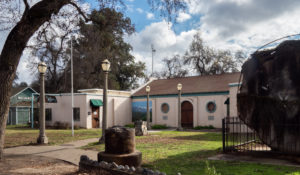
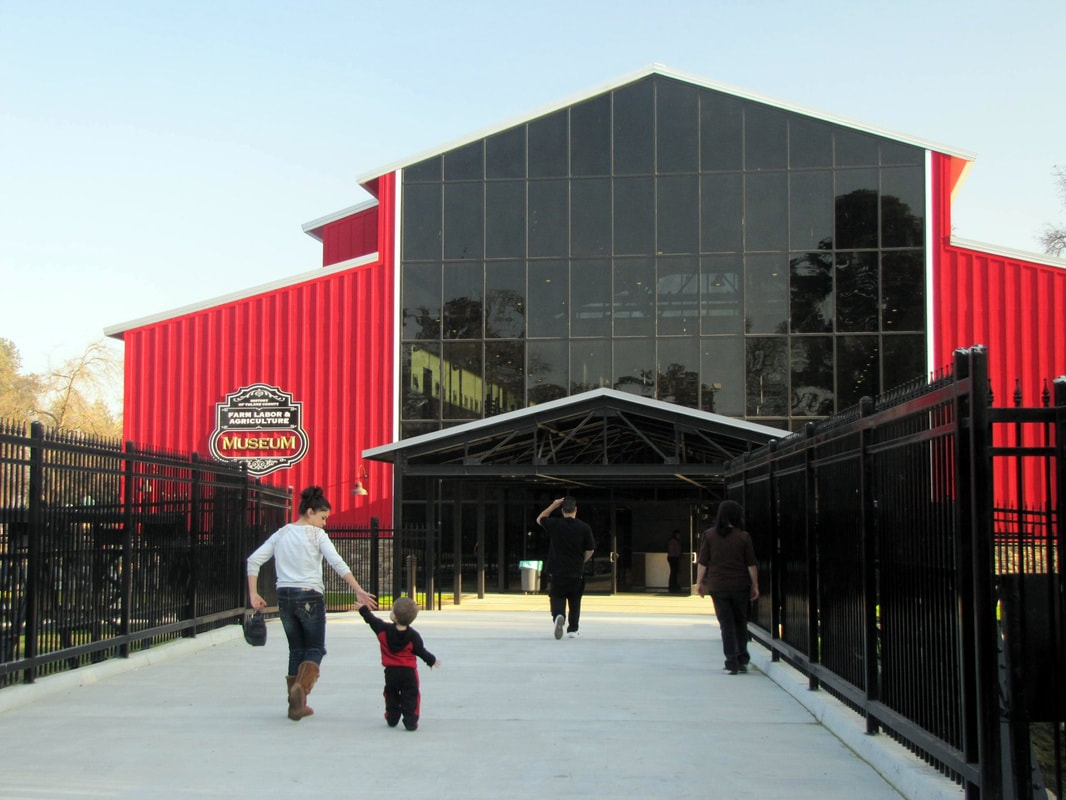
Museum Entrance
-
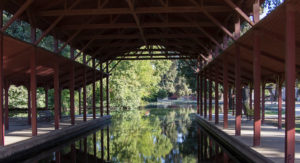
Boat House Interior
-
-

Fordson Tractor
-
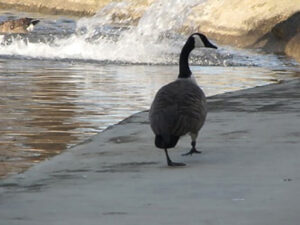
Goose by Lagoon
-
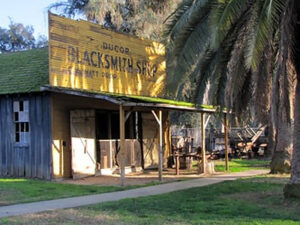
Historic Ducor Blacksmith Shop
-
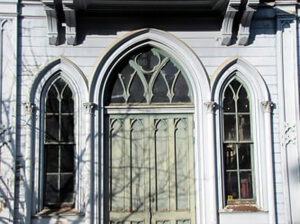
Historic Masonic Building Facade
-
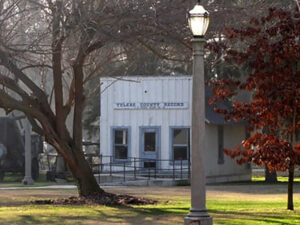
Historic Tulare County Record Office
-
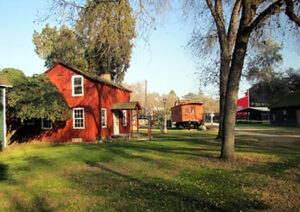
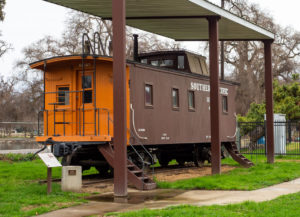
Cramer Home and Historic Caboose at Pioneer Village
-
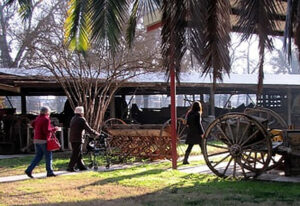
Historic Farm Implements Display
-
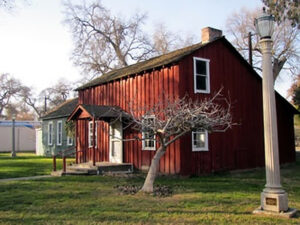
Historic Cramer Home in Pioneer Village
[
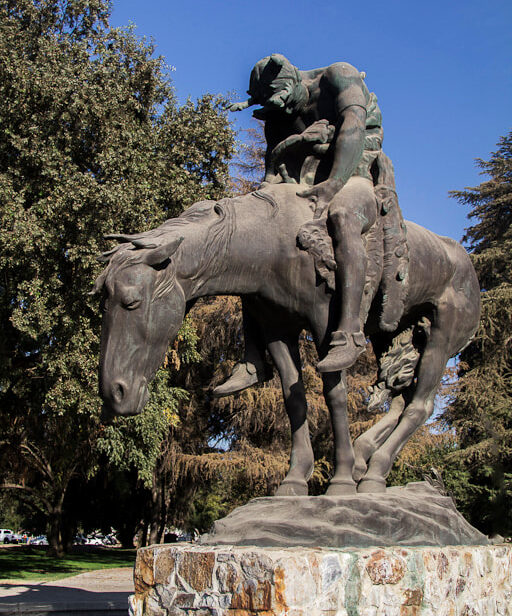
“[V]alley oaks covered a 400-square-mile area when the first pioneers arrived. By the 1890s, however, most of this magnificent forest had disappeared, a victim of relentless agricultural clearing and timber harvest.” — Ginger Strong
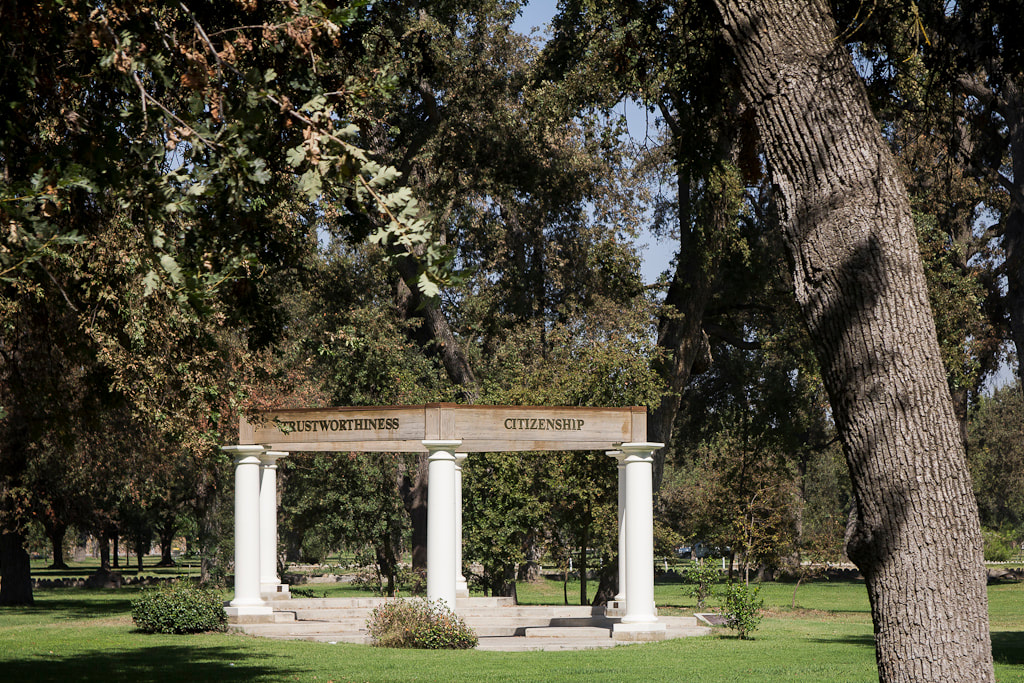
“The Mooney’s [sic] desired the grove saved. It will be a monument to their family name, which has been known in the county almost since the beginning of its history, and will now live through all eternity.” — Visalia Delta newspaper, October 8, 1909
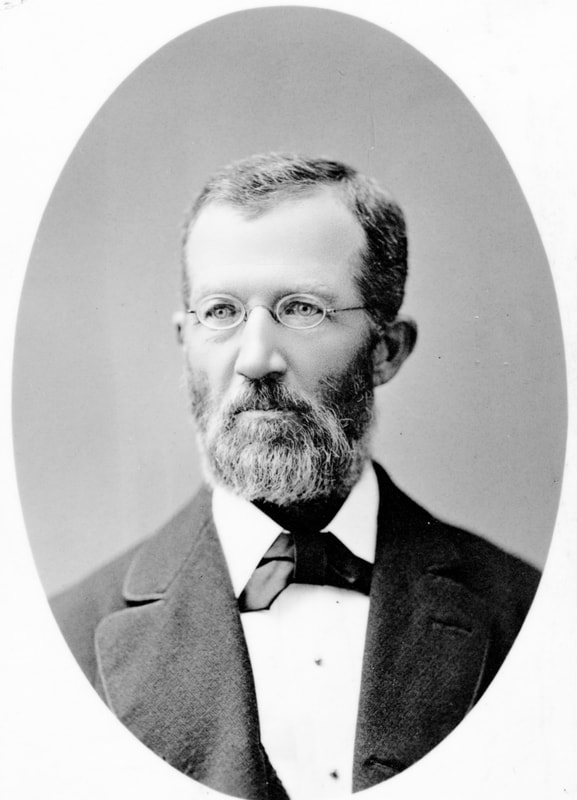
“One of the grandest objects of nature in Tulare county, second only to the majestic forest of sequoias within its confines . . ., is its oak trees . . . . ” — John Tuohy in the Hanford Journal, quoted in the Visalia Delta newspaper, October 8, 1909
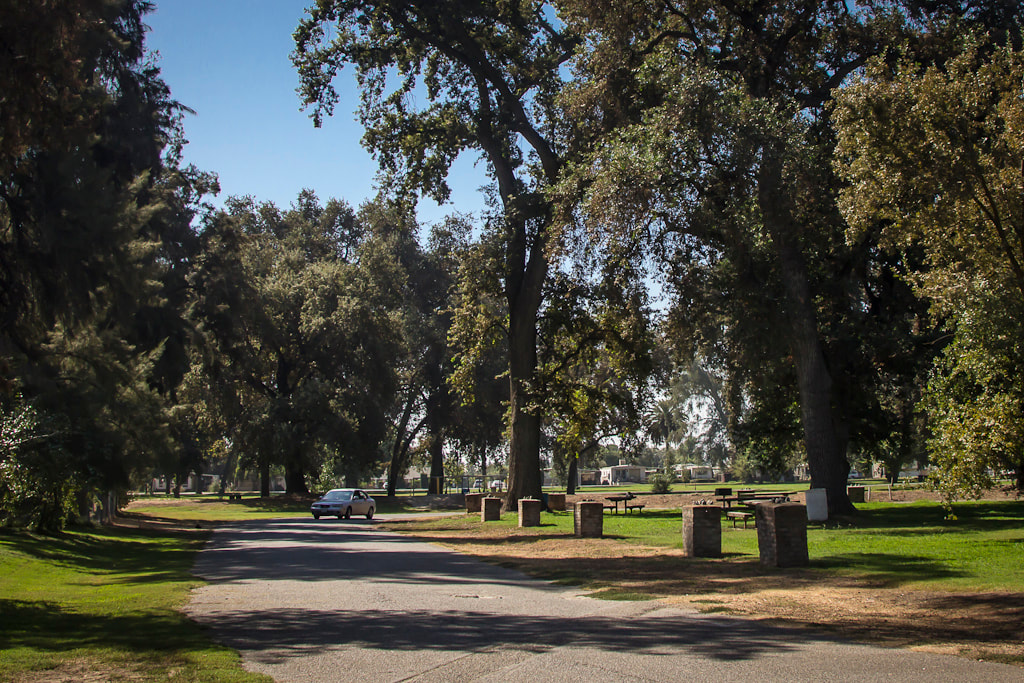
“Unless the Mooney grove is purchased by the county and preserved, one of the grandest oak groves in California will be forever lost to posterity. A county which has such a heritage as that should not allow it to be destroyed, for nature has there provided a noble and interesting object to be enjoyed by the children’s children of the present adults of Tulare county . . . .” — the Hanford Journal, quoted in the Visalia Delta, October 8, 1909
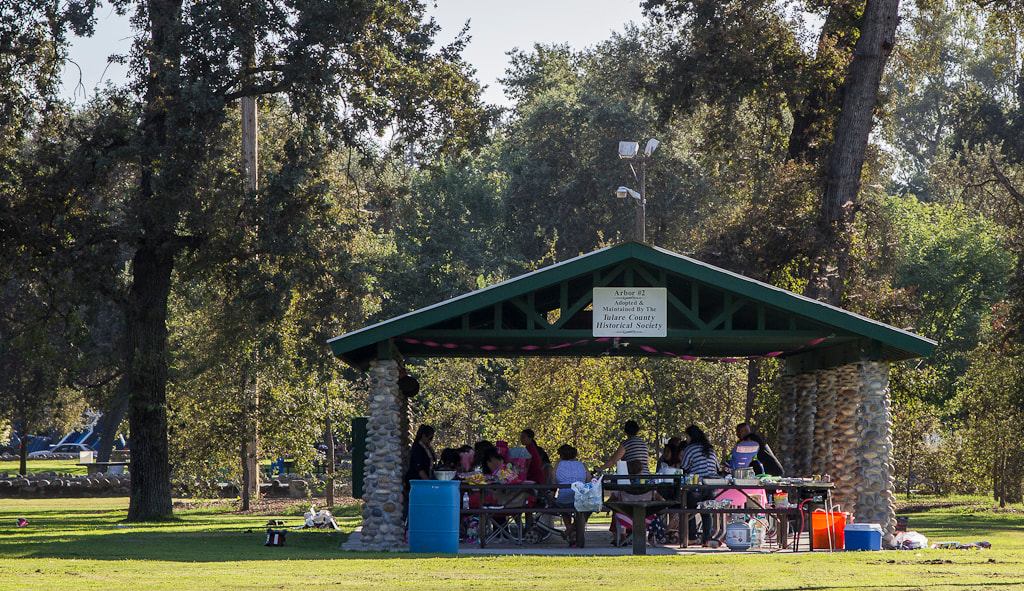
“A grander picnic ground can not be seen anywhere in the world than the Mooney grove of magnificent oaks, which have withstood the heat and storms and floods of centuries . . . .” — Hanford Journal, quoted in the Visalia Delta, Oct. 8, 1909
]
[
]
[