Click on photos for more information.
The Story of Wilsonia:
The Life and Times of a Mountain Town
by Louise Jackson
To walk the streets of Wilsonia is to walk through a living past. Perhaps nowhere is there a better example of the ever-changing American dream.
The mid to late 1800s was a time of dreams, especially in the far western United States. Freedom, equal opportunity, and settlement of vast, unoccupied government lands were seen as the unquestioned rights of every citizen. In sprawling, newly formed Tulare County, the forests were there for the taking, to explore, settle, and cut without restrictions, to divide into sections of ownership, to use and abuse at will. There was certainly more than enough for everyone.
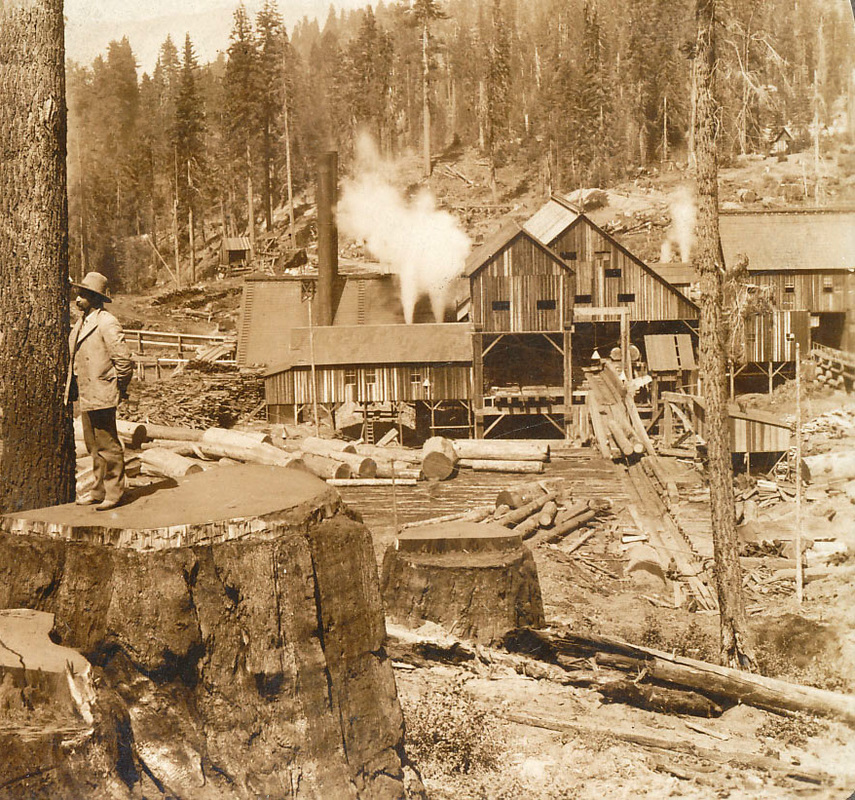
In 1857, Joseph Hardin Thomas set up a lumber mill in the county’s high timberlands near today’s town of Pinehurst. That opened settlement and logging in a prime area of Giant Sequoia trees until the 1870s, when a growing conservation-conscious public began an effort to save the grove.
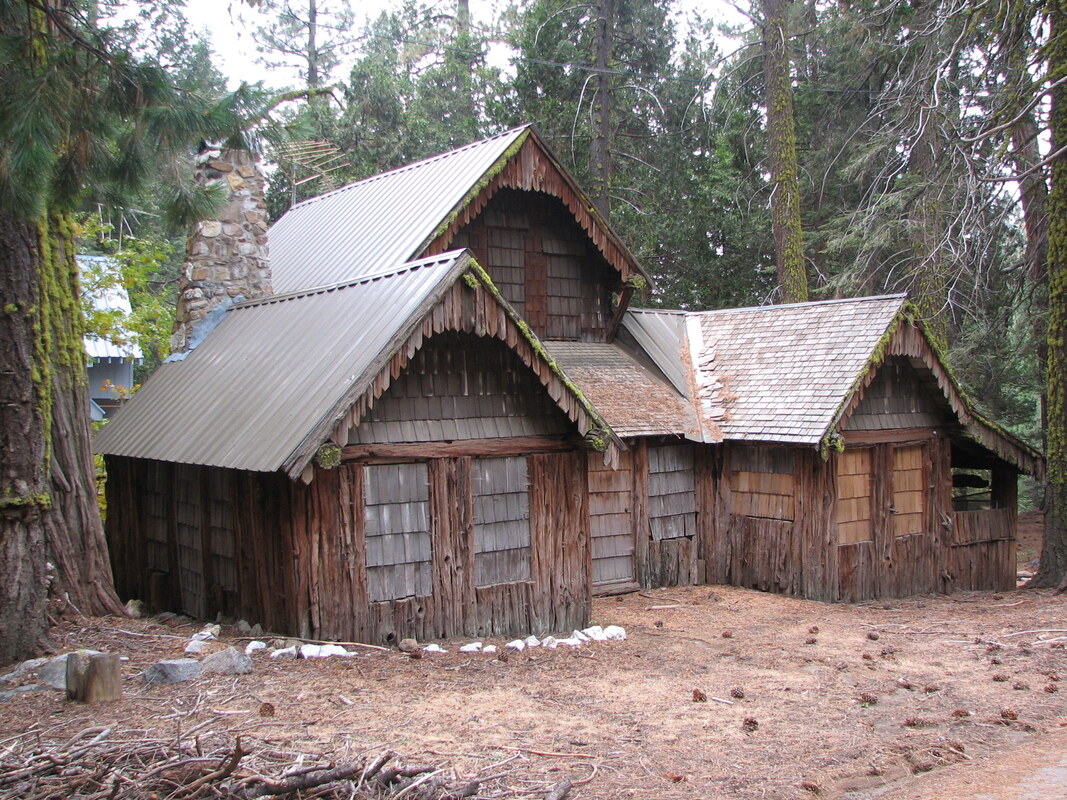
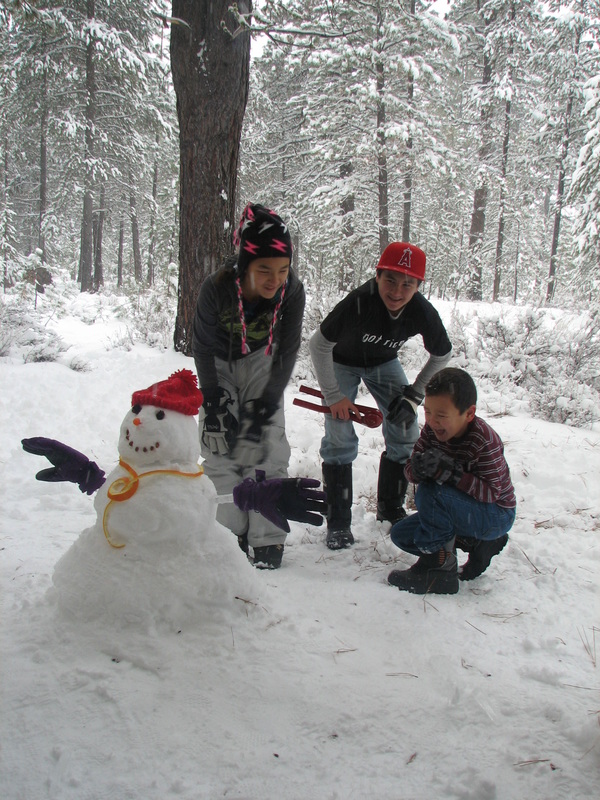
Daniel M. Perry held a homestead claim for 160 acres that lay just outside the grove. He watched as the conservation efforts grew through the years, and finally sold the parcel to lumberman Smith Comstock—just one year before the formation of General Grant National Park, in 1890. Times turned hard in the 1890s, the land changed hands several times, and no extensive logging on it ever took place.
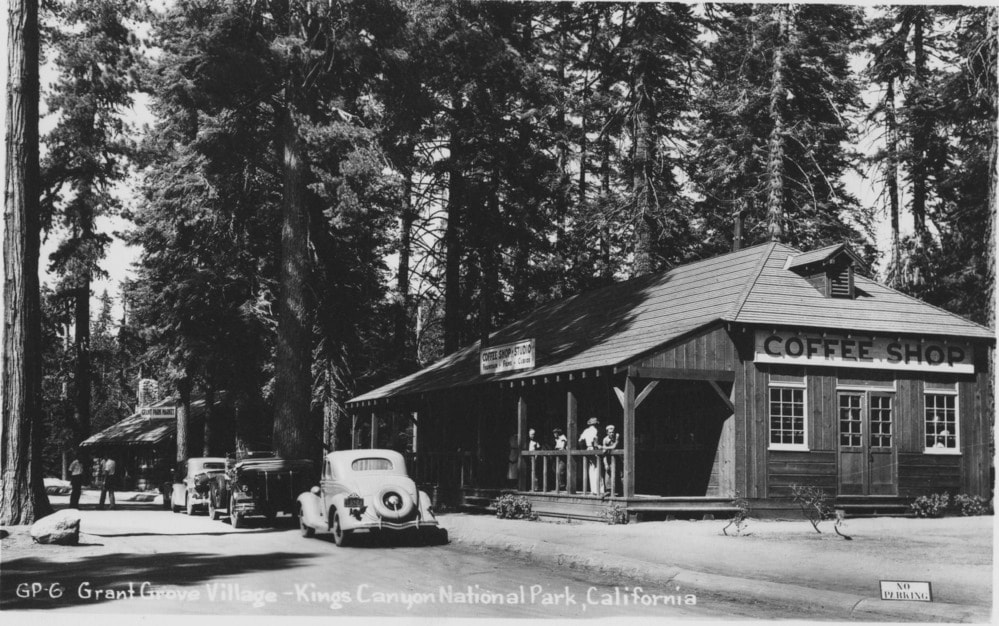
The turn of the 20th century heralded astounding changes for Tulare County. With the mass production of automobiles, recreational roads began to wind into the mountains, and interest in preservation of the forests gave way to new leisure-time pursuits.
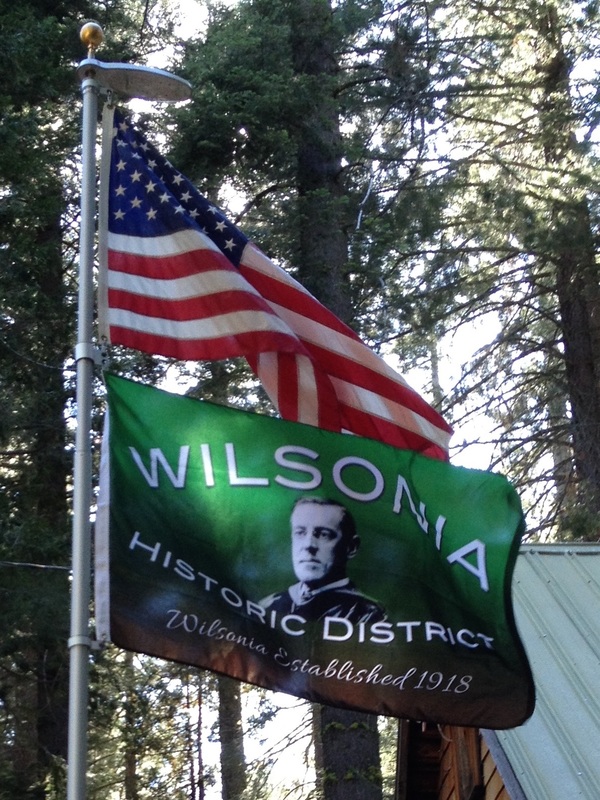
California Fish and Game Commissioner Andrew Ferguson could see the potentials. He gained private title to the Perry tract in 1918 and turned a portion of it into a summer home subdivision. A staunch Democrat and ardent admirer of then President Woodrow Wilson, Ferguson placed a large sign with a portrait of the President at the entrance to the subdivision, proclaiming it “Wilsonia.” He also placed some restrictions. No meadows could be sold and no trees over six inches in diameter could be cut without consent of Wilsonia’s governing body.
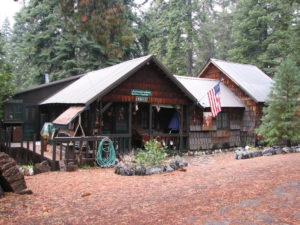
In 1919 Ferguson sold 20 of the 160 acres to a group known as The Masonic Family Club, and the self-governing group built 24 cabins as a separate part of the Wilsonia community. The rest of the land continued to be subdivided until, by the late 1920s, the tract had 180 landowners and 150 homes.
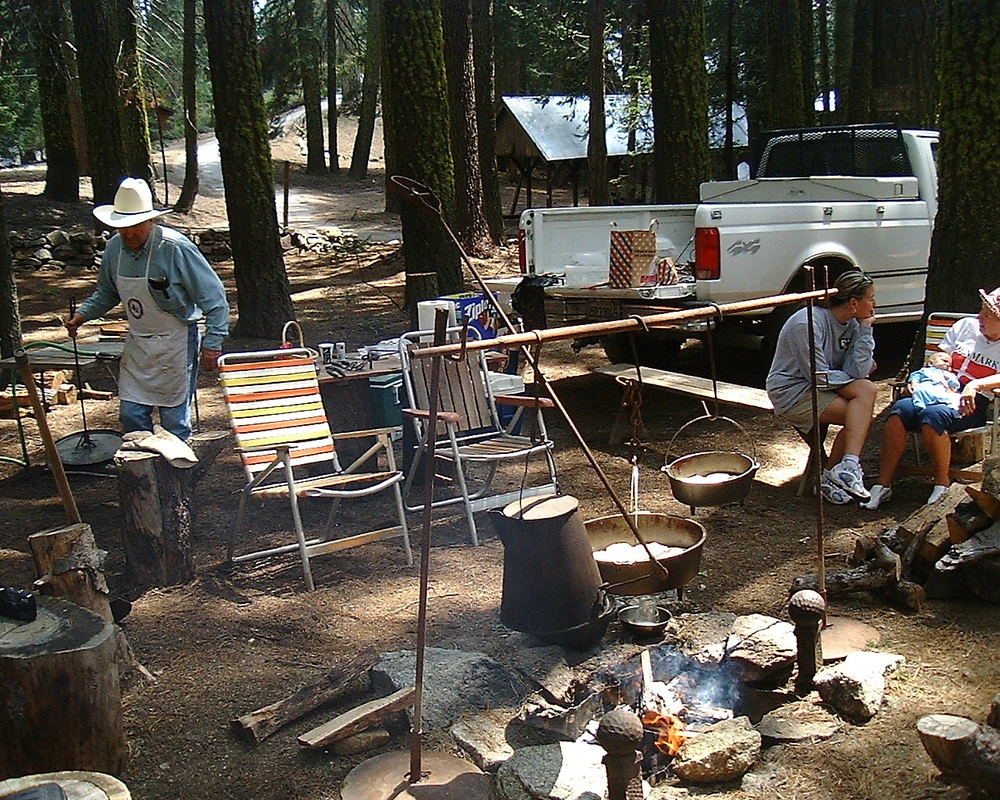
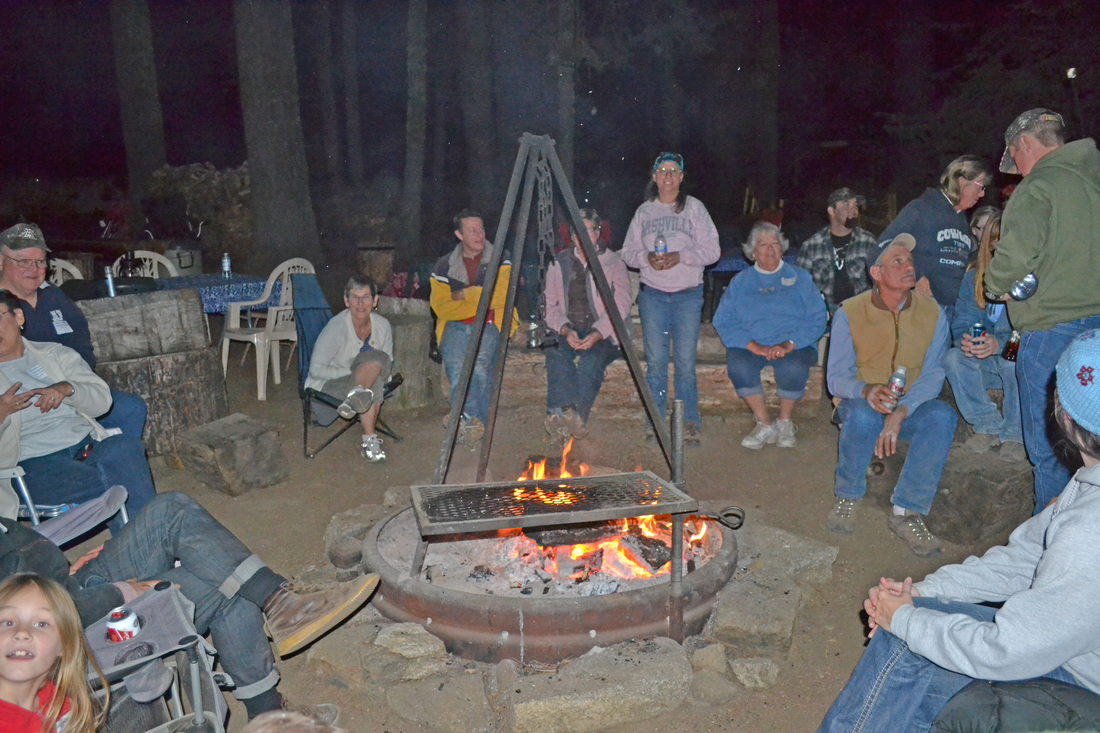

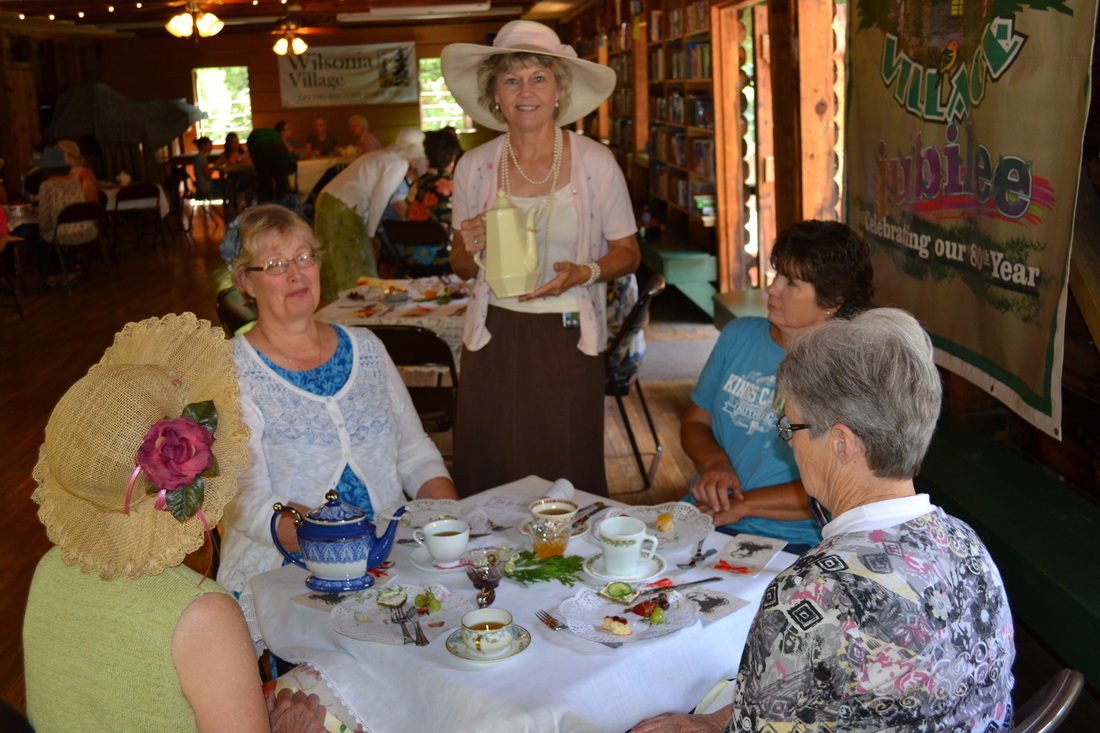
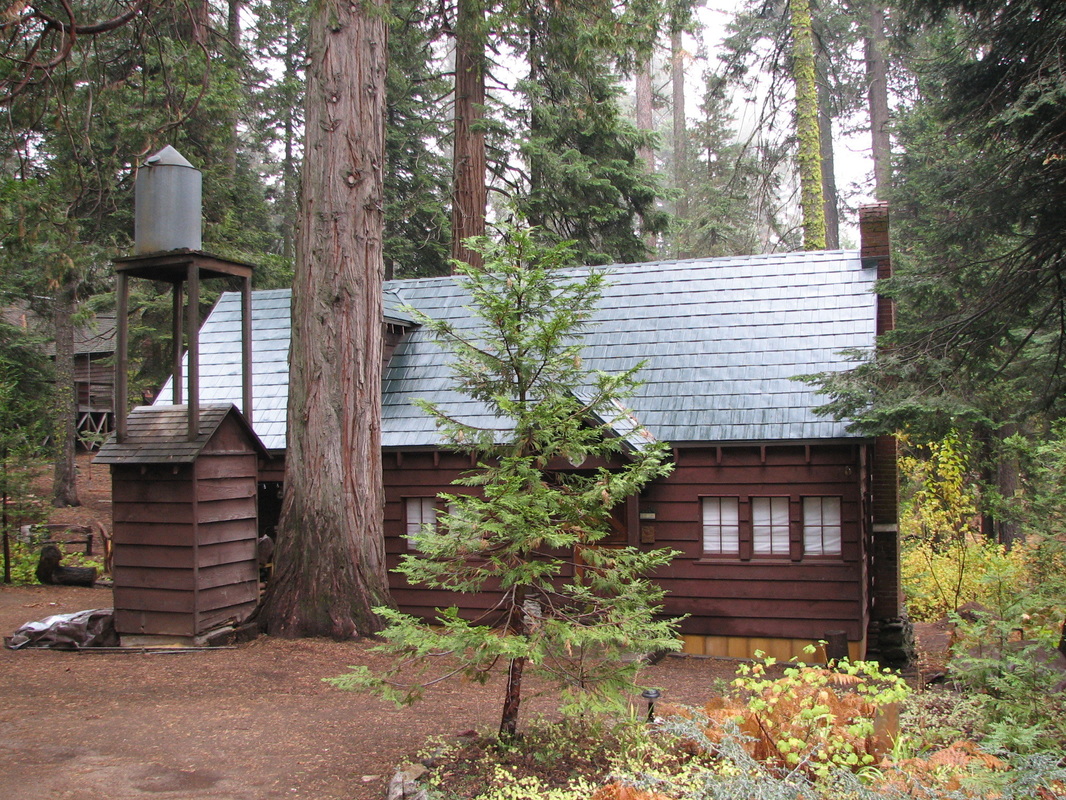
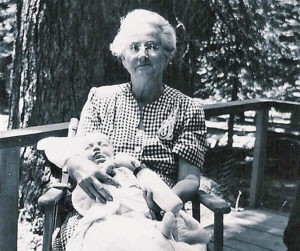
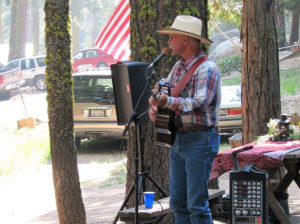
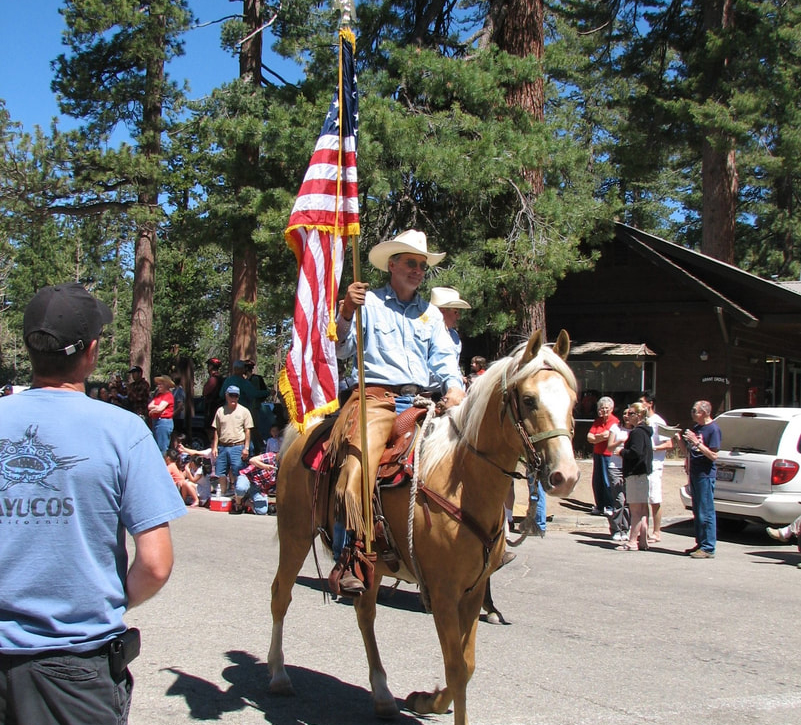
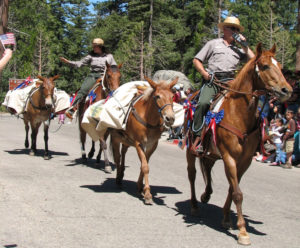
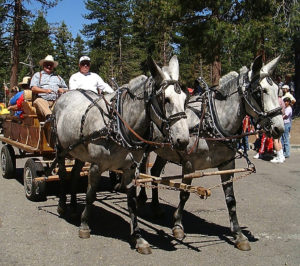
Wilsonia was the perfect example of a recreational mountain community of its times. It was a family retreat, with the women and their children making the rustic cabins their full-time summer homes. Dances, social gatherings, neighborhood barbecues, cooperative campfire programs with the Park, hikes, horseback riding, and functions to raise money for a community clubhouse filled the summer days.
But it didn’t last. In 1931, Andrew Ferguson died, and his son Thomas sold 20 acres of the Wilsonia tract to the federal government for a new approach to General Grant Park’s headquarters. Next, Thomas sold a 40-acre strip along the eastern boundary to a private individual. Finally, he sold the remaining unimproved land to the Park Service. This gave the federal government a large stake in the community and was to portend even more unsettling changes.
The biggest change came in 1940, when General Grant National Park became part of the new, greatly expanded Kings Canyon National Park. Overnight, Wilsonia was transformed from a private National Forest residential enclave into a National Park inholding.
Since the 1930s, the National Park Service had made it clear that one of its goals was to eliminate private inholdings in parklands. But it wasn’t until the 1960s, after the Great Depression, World War II, and recovery from them finally ended, that a new wave of conservation and preservation efforts could be addressed.
Sequoia and Kings Canyon National Parks then included Wilsonia on a list of their historic cultural resources; but they also began working toward a now-mandated Park Service policy to eliminate private inholdings. With passage of the federal Land and Water Conservation Fund in 1965, the parks set up a “willing seller-willing buyer” program to acquire as many inholdings as possible. Kings Canyon National Park used the funds to buy as many cabins and commercial properties in Wilsonia as possible..
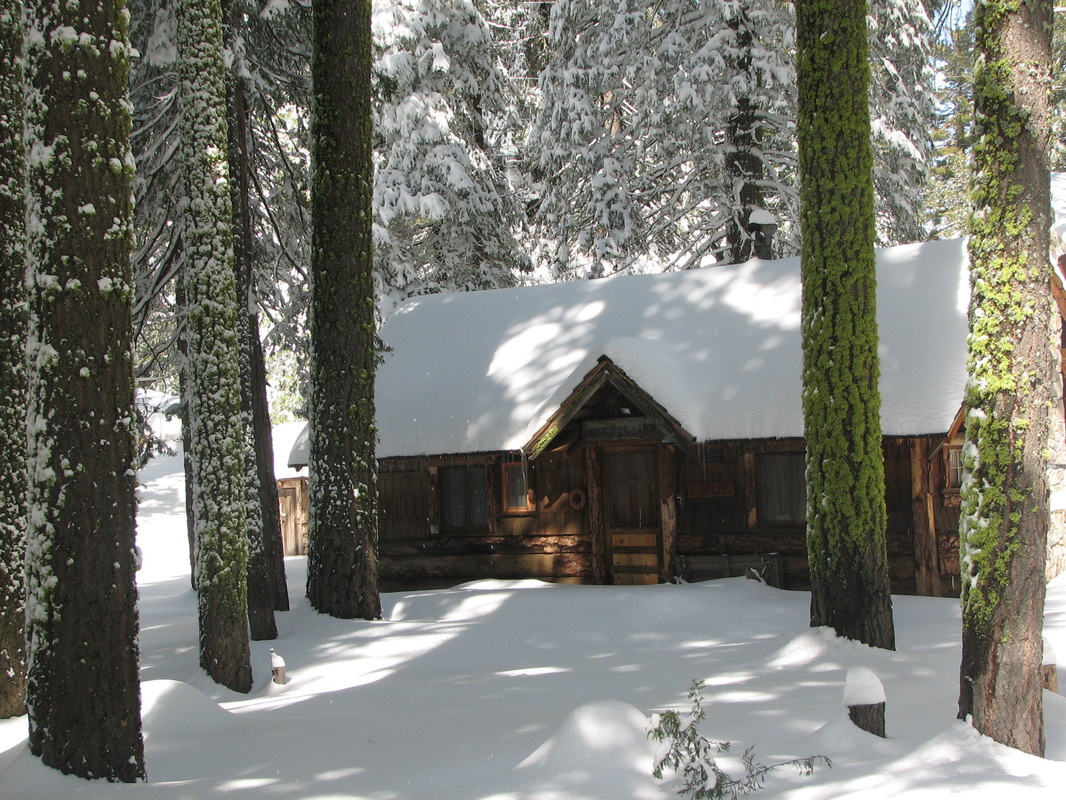
One commercial owner and 12 cabin owners took long-term leases and continued occupancy until their leases expired. Eleven of those cabins remain as historic structures. The Park burned or razed others to return the sites to their natural state, but left intact some that might possibly be used for park administration, only to let the structures deteriorate. It denied uses such as horse corrals on some of the open lands, leaving them untended and uncared for, while it actively pursued more landowners who might be willing to sell. And the historic community began to disintegrate.
The Park Service continued its land acquisitions until only 100 private acres remained. It also changed its management guidelines with a requirement that private property holders get approval from the Park Service before making any changes that might be deemed incompatible with the surrounding park.
In 1978, a group of Wilsonia residents took a complaint to the United States House of Representatives, protesting the new Park policies that had not had adequate public hearings. Their action helped establish new legal guidelines for public input on government policies. Still, the policies didn’t change, and the community continued to decline.
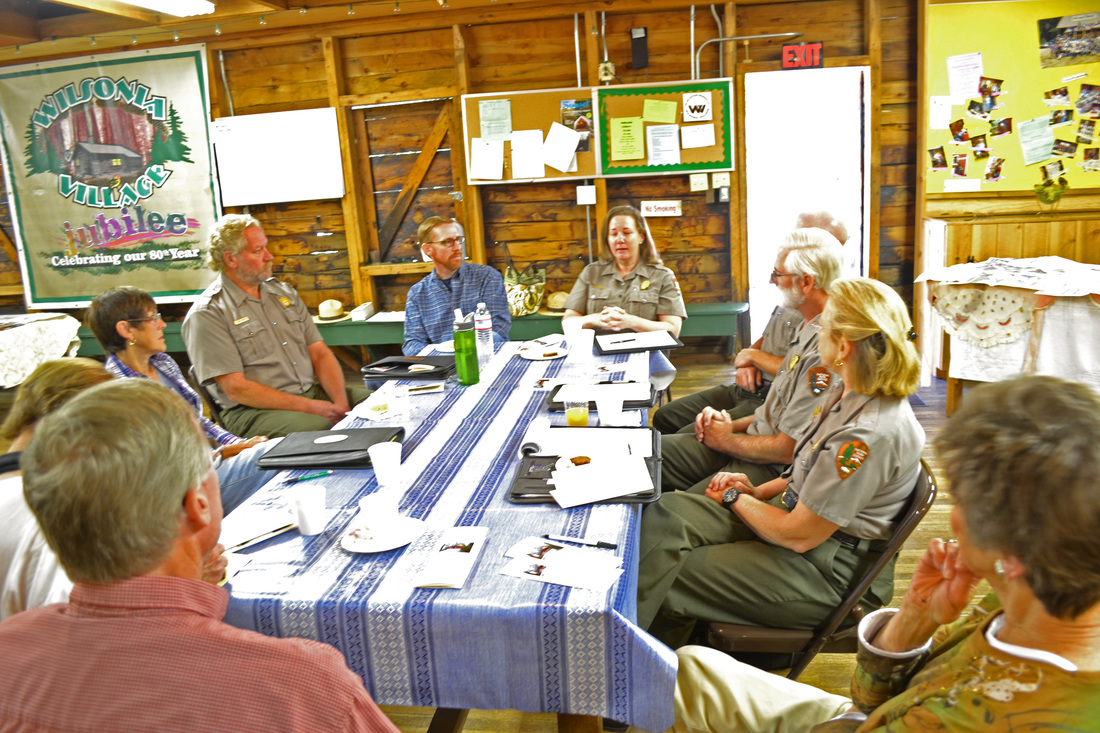
Finally, in the summer of 1991, another community group met to determine what could be done to save Wilsonia. Political action had achieved few results; perhaps national and state preservation guidelines would. If they could get Wilsonia listed on the National Register of Historic Places, further destruction of the community’s historic buildings might be stopped.
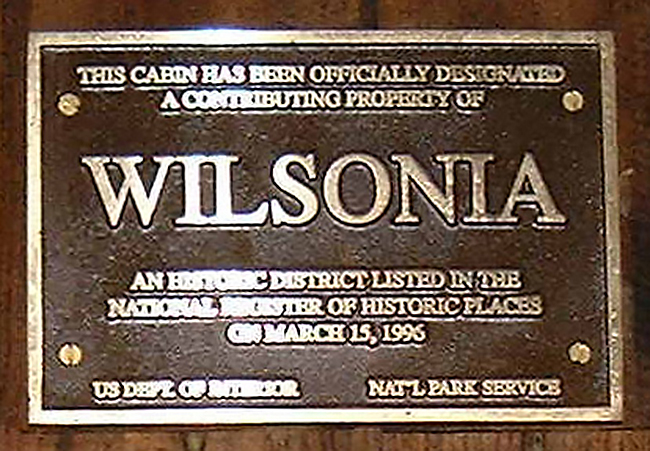
The project took years of effort. The community raised funds to employ a professional historian who documented the private holdings and history of the community. Then it hired a Los Angeles firm to guide it through a long process of California State Office of Historic Preservation determination of eligibility. After that, the Department of Interior reviewed the findings. Finally, on March 14, 1996, the Wilsonia Historic District was officially listed on the National Register of Historic Places.
In the following years, Sequoia and Kings Canyon National Parks have worked together with the community to maintain and improve the district’s lands and structures. Once again, changing times have helped the process. For the Parks, not only the listing’s required need for historic preservation, but a growing American emphasis on public/private partnerships, has opened opportunities for new programs and cooperation.
For Wilsonia, its recognition as an important historical resource has been the fulfillment of an American dream. That dream may continue to change, but the community and its vital history will live on for us to share.
April, 2016

“The mission of the Wilsonia Historic District Trust is to preserve, interpret, and perpetuate our community’s history, unique quality of life, intense and long-term family commitment, and natural resources that have been handed down over generations. Specific attention is given to the many cultural artifacts and natural resources which contribute to keeping Wilsonia a vibrant Historic community.” — Wilsonia Historic District Trust
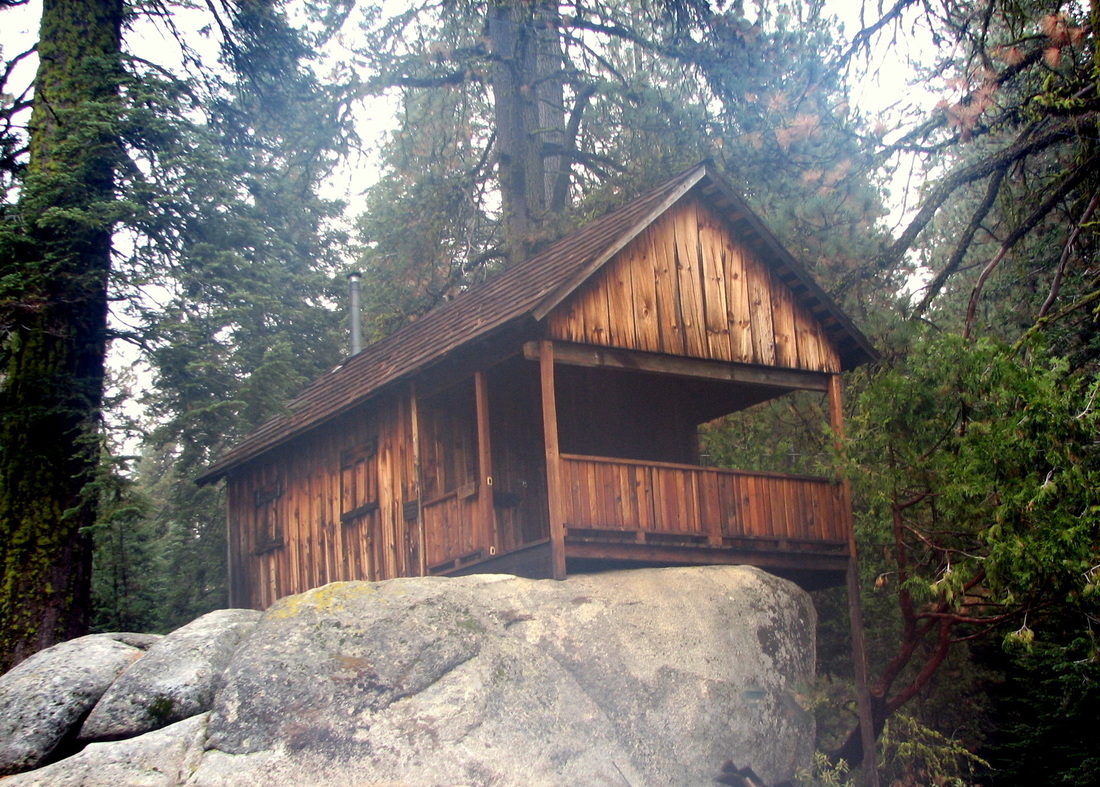
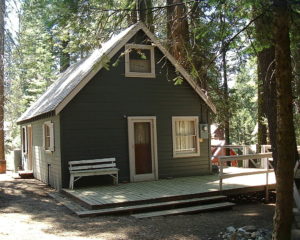
“The oldest extant cabins in Wilsonia date from 1919, the year after the first tract in Wilsonia was subdivided and lots went on sale.” — National Register of Historic Places (NRHP) Registration Form
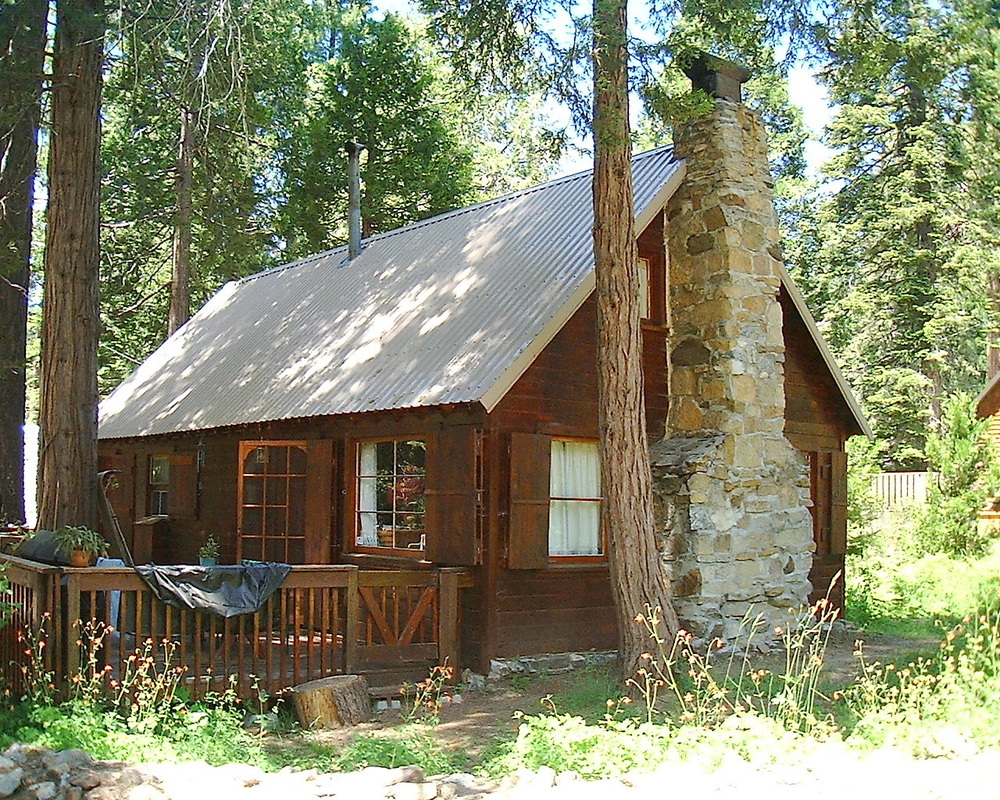
“. . . the majority remain modest and simple, reflecting the seasonal nature of their occupancy and the outdoor focus of life in Wilsonia.” — NRHP Registration Form
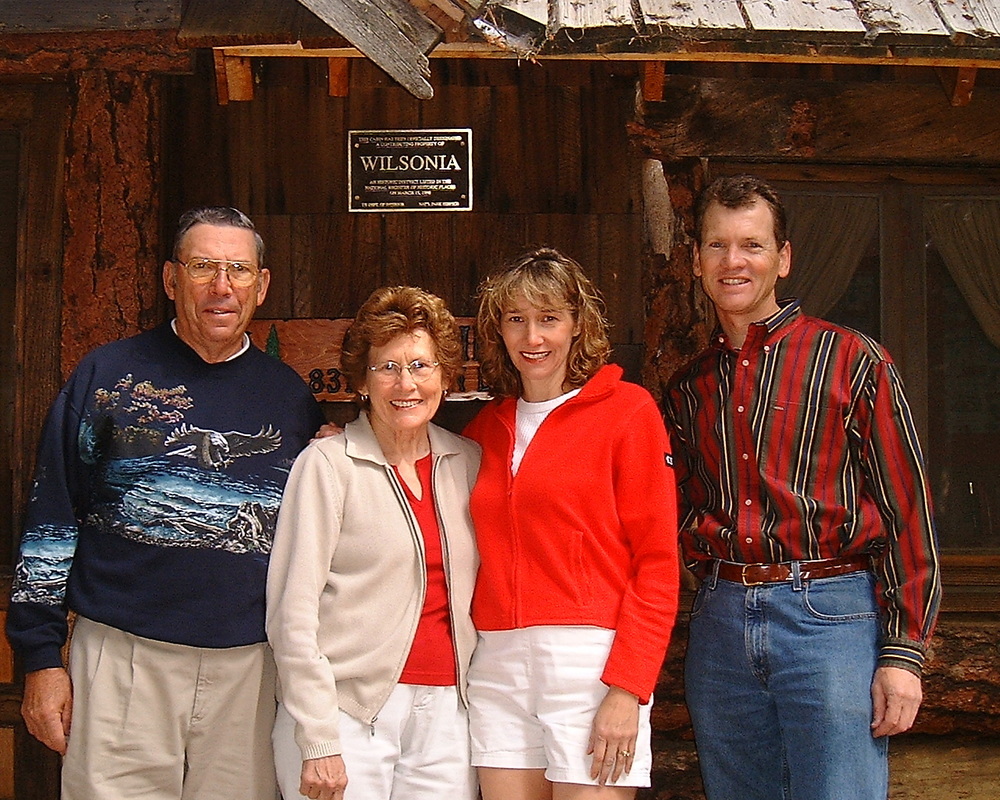
“Wilsonia still conveys a strong impression of a recreational mountain community devoted to single family use typical of those built between 1918 and 1945. [The] combination of built and natural elements creates a cultural and historic resource unusual within the State of California.” — NRHP Registration Form
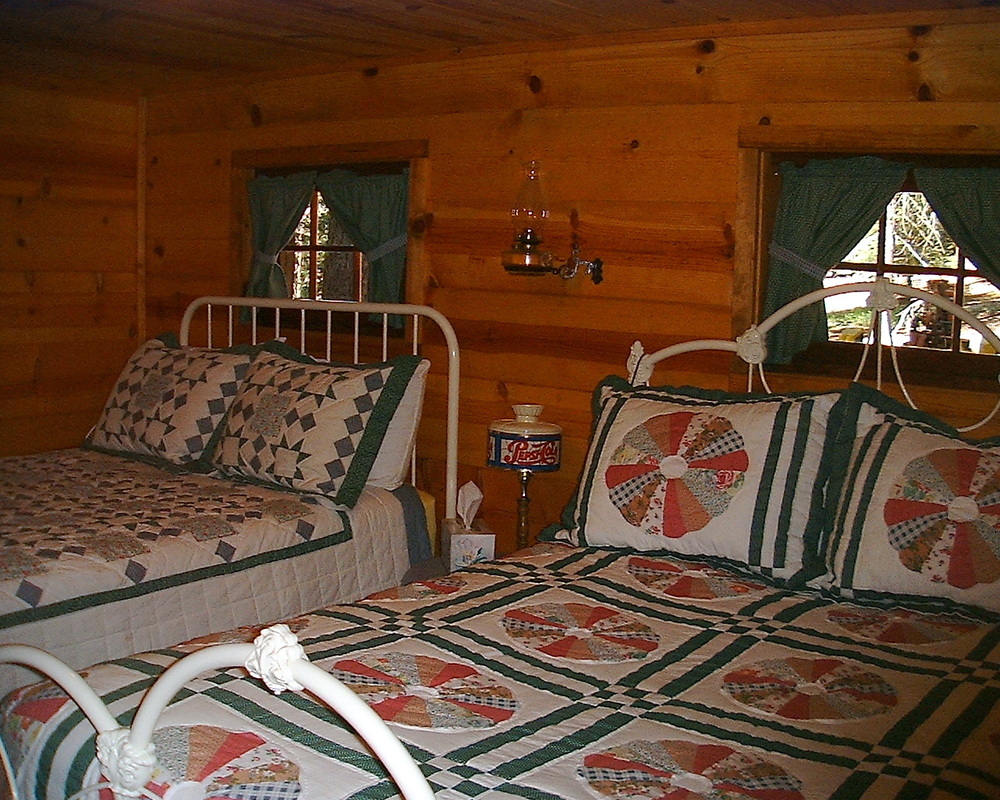
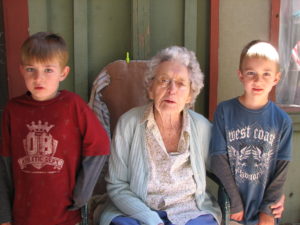
“Every summer we spent weeks at the cabin. It was fun to pump water, bathe in a big wash tub in front of the wood stove, and read or play games by lantern light before going to bed in the big dormitory room upstairs. The highlight of the week was the square dance at the club house on Friday or Saturday evenings. . . . ” — Patty Runyon, Wilsonia cabin owner, in The Wilsonia Experience
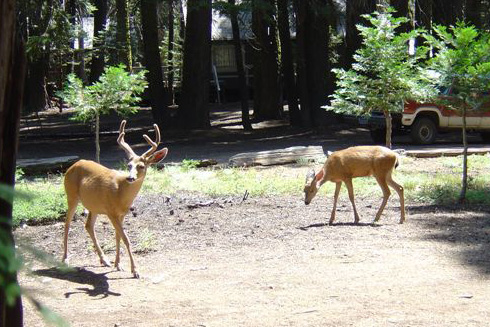
“California’s Sierra Nevada mountain resorts, cottages, cabins and summer homes built within or near national forests between 1850 and 1950, played a significant role in the development and appreciation of California’s natural environment . . .” — NRHP Nomination Form
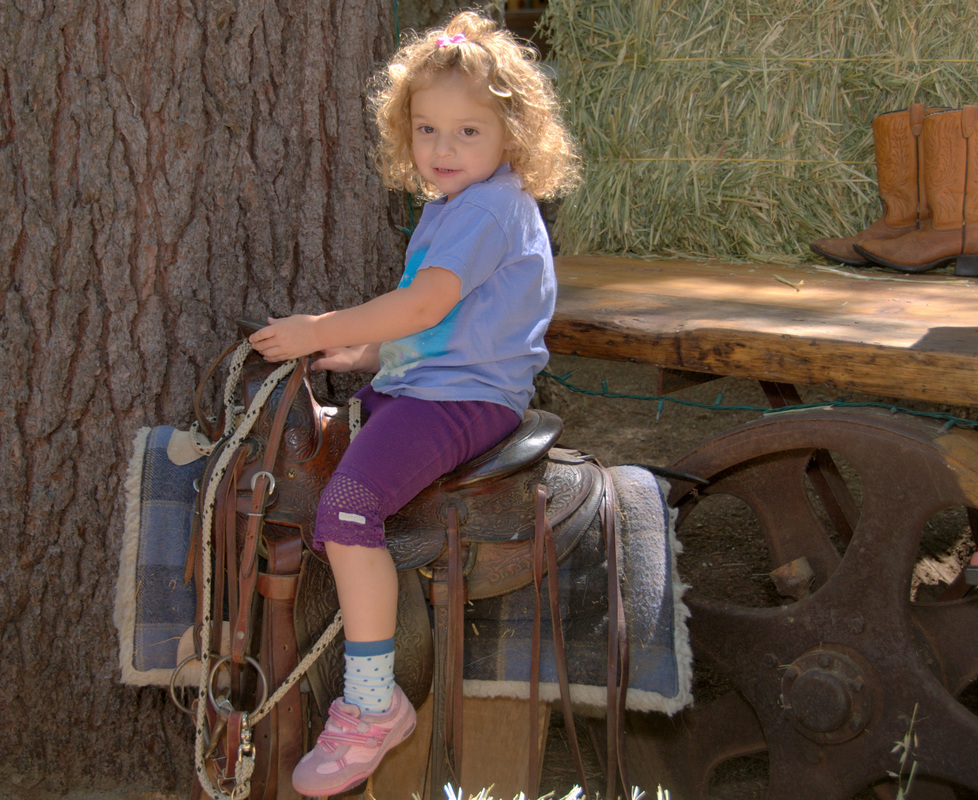
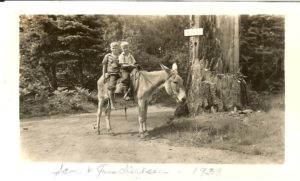
“Quite a few families brought horses up for a few weeks [or] the entire summer and they were kept in public corrals or in backyards. Our horses were trailered up, but some horse owners rode up from the valley, making the trip in one or two days.” — Pat Hillman, in The Wilsonia Experience
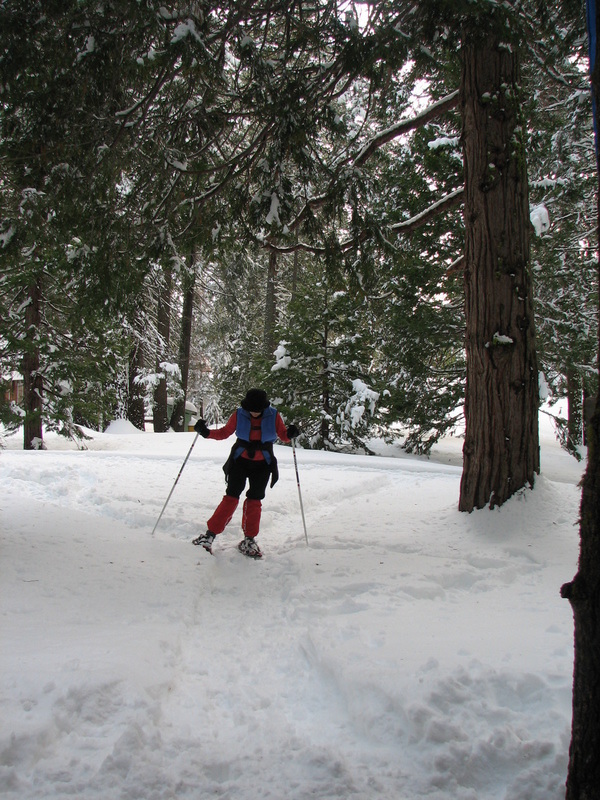
“During the late 19th century, recreation became a means to escape the role of domesticity for women who began to engage in fishing, hiking and mountaineering for the first time. By the turn-of-the-century, outdoor recreation . . . was becoming available to the middle and working classes due to increased leisure time and wealth resulting from urbanization.” — NRHP Nomination Form
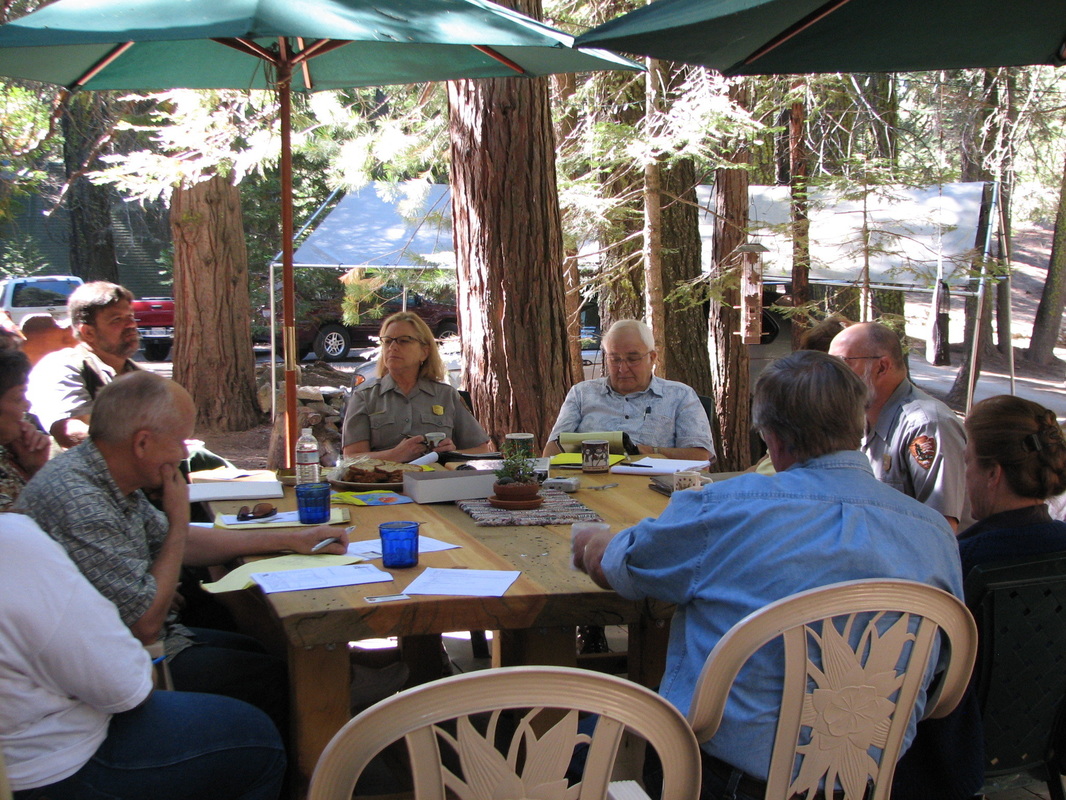
“‘The National Park Service is trying to eradicate Wilsonia from the map,’ declares Phi Nelson, board chairman of Wilsonia Village, Inc., the property owners’ association. . . . Henry Schmidt, superintendent of Sequoia-Kings Canyon National Park, agrees that the government wants eventually to eliminate the historic village. . . . What the villagers really feel is that Wilsonia has been there for years and they want it to stay the way it is. So far the little village is still on the map — the little village that refuses to sell out.” — The Christian Science Monitor, September 26, 1975
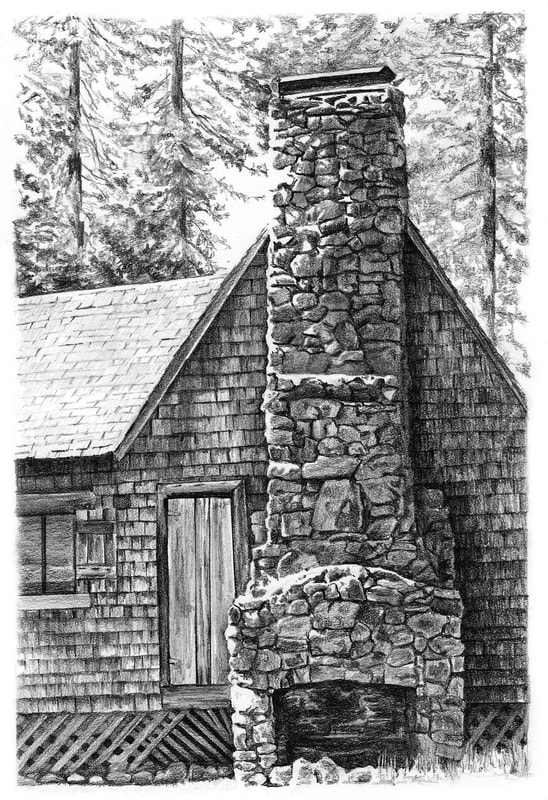
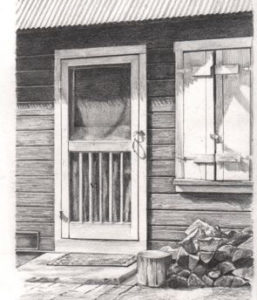
“We live in an era now where . . . people do away with the old. . . . I think to lose the historical art contained in those old structures is a tragedy. It’s to lose a little bit of ourselves.” — Jana Botkin
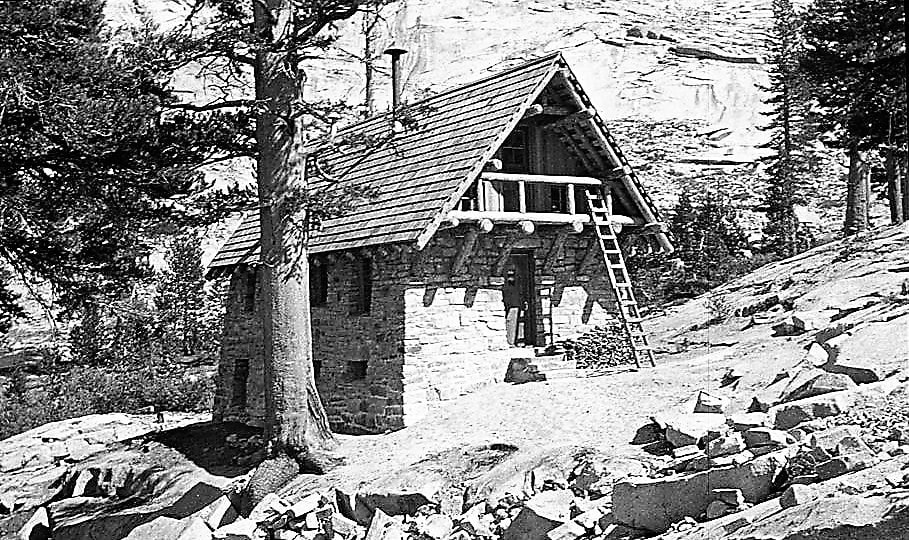
“Preserving historic structures and sites has been one of the duties of the National Park Service since its creation in 1916. But until recently the NPS focused its historic preservation attention on the most obvious and traditional sorts of history. Indian ruins, colonial plantations, cavalry forts, and the like, dominated the Service’s definition of history. During the past few years, however, as a result of the National Historic Preservation Act, the Park Service has begun to identify and preserve a much wider variety of buildings and sites within its areas.” — The Sequoia Bark, Sequoia and Kings Canyon National Parks, July 13-July 27, 1978
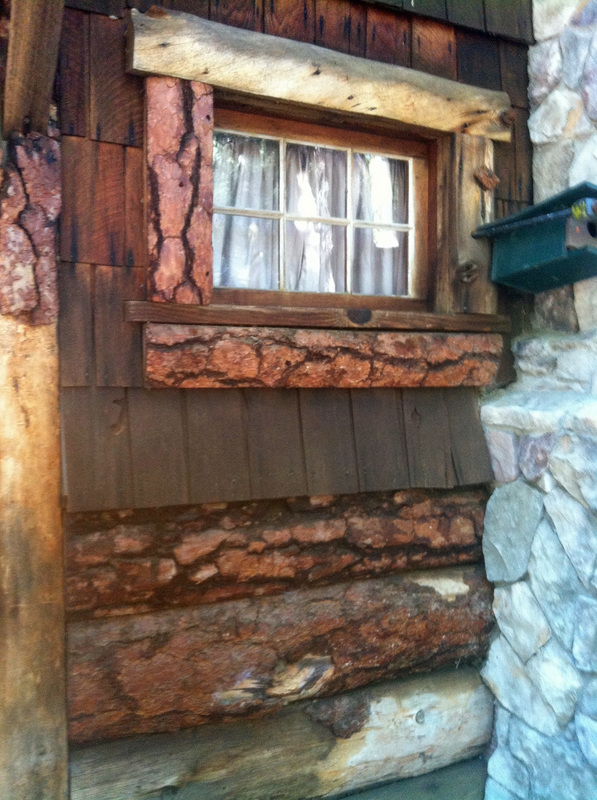
“Park Service naturalist and historian Bill Tweed . . . says Wilsonia residents and the Park Service share the same goals: to preserve Wilsonia’s rustic, rural character. . . . To preserve its historical status, Tweed said Wilsonia residents know they must preserve their cabins in a primitive, eccentric manner consistent with the community as a whole.” — Visalia Times-Delta, July 4, 1997
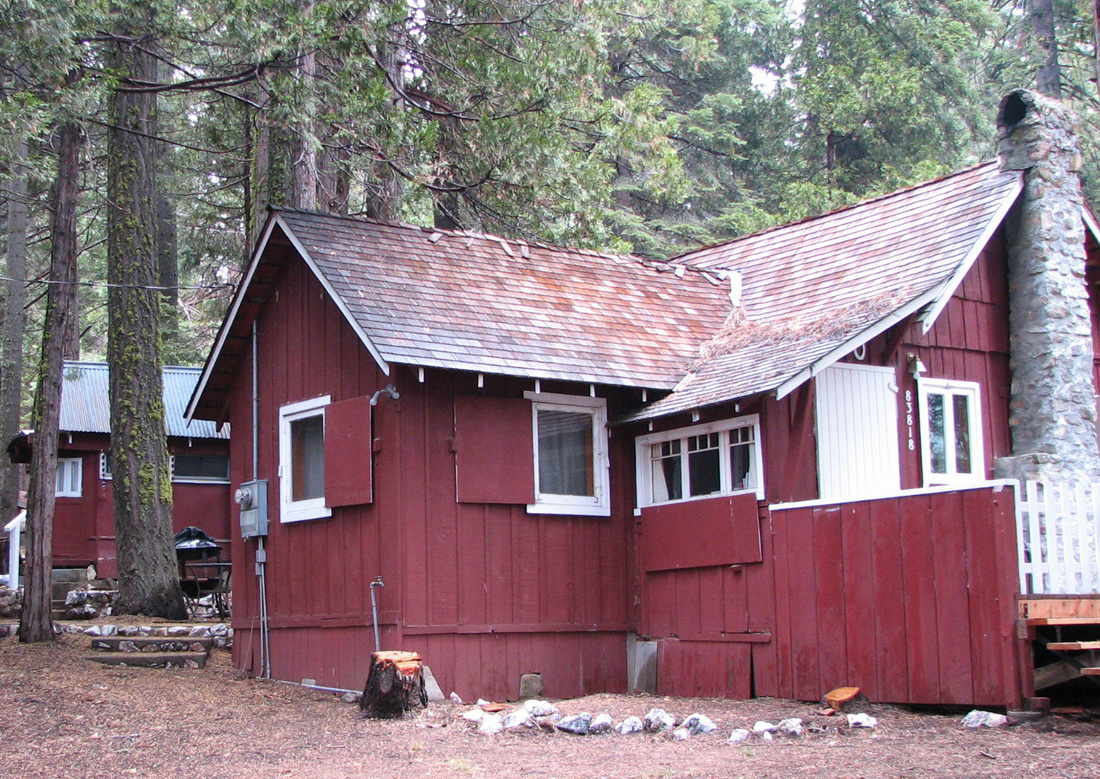
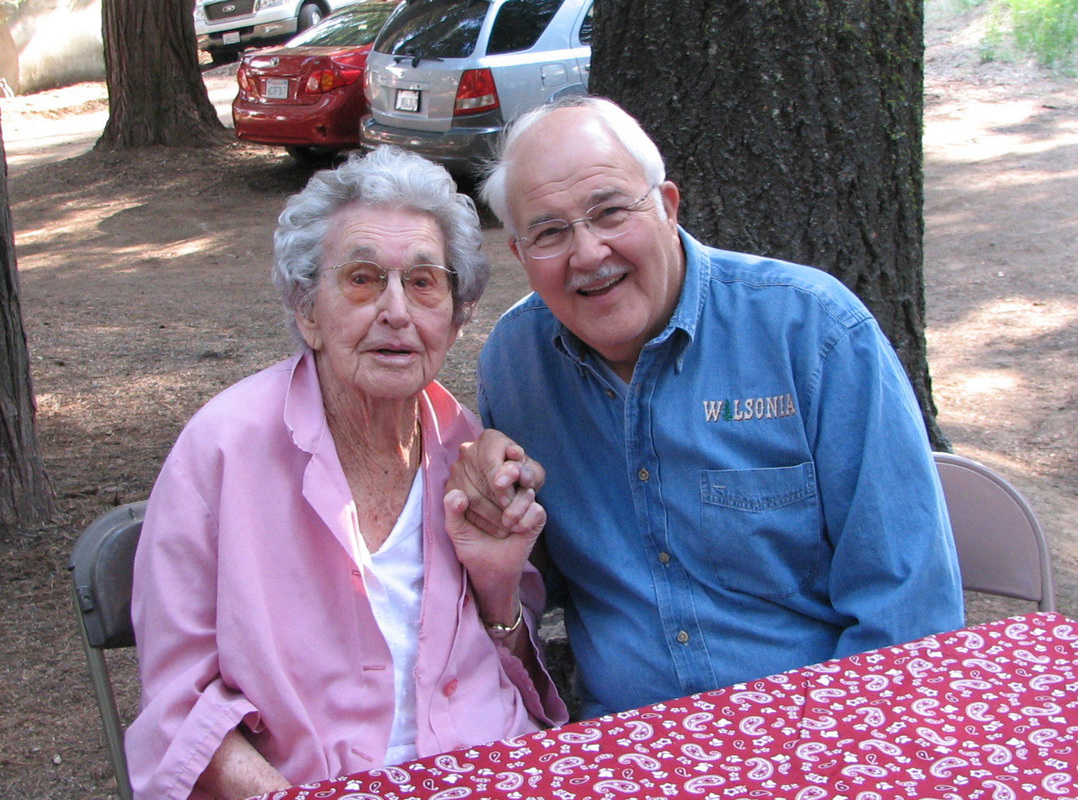
“We no longer belong to that group who are racing through life. We are anchored by the draw of . . . that little red cabin in the Sierras. Wilsonia now holds us in her arms and under her spell. We feel we belong to this forest, heart and soul . . . .” — Nancy A. Patterson, in The Wilsonia Experience
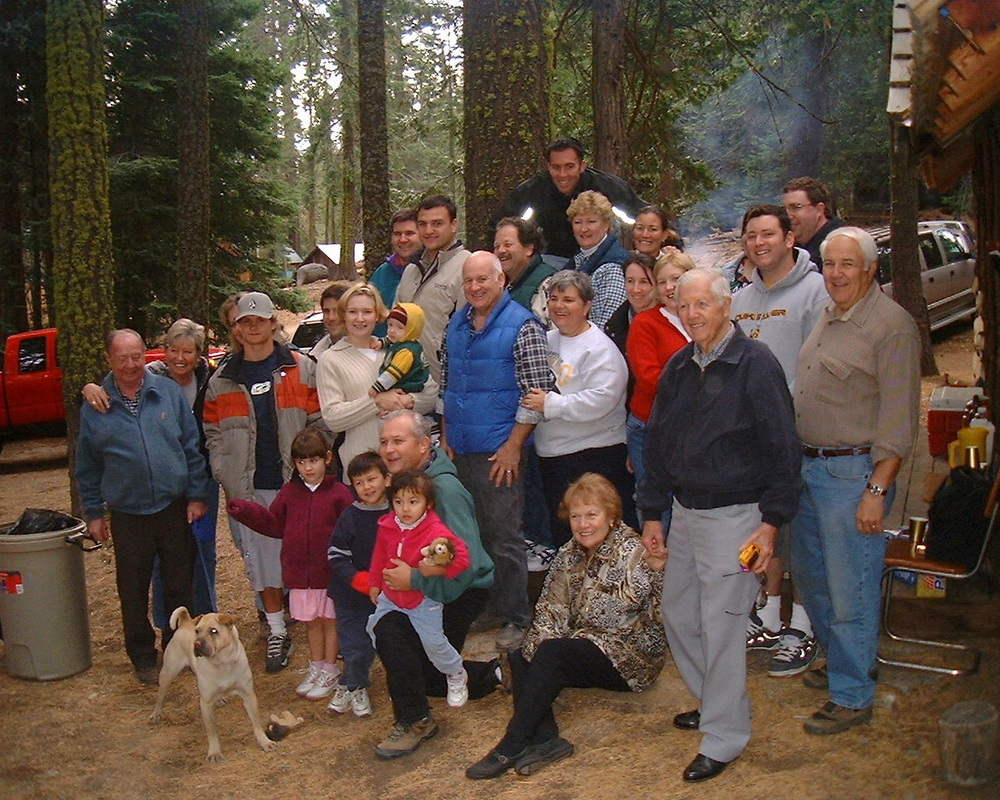
“In memory of its past; in respect for its present; in hope for its future; . . . For the majesty of its trees; the songs of its birds, the color of its wild flowers, the blue of its sky, the glory of its mountains; . . . For the joy of family and friends; for parents and grandparents; for children and grandchildren; for generations and generations to come; We dedicate Wilsonia.” — from dedication service of NRHP plaque at Wilsonia Clubhouse; July 4, 1997
From Visalia, take Hwy 63 north to Hwy 180 east to Kings Canyon National Park. At the “Y” about 1.75 miles after the park entrance station, turn left toward Grant Grove. Shortly before reaching Grant Grove Village, turn right at the sign for Wilsonia.
NOTE: Wilsonia predates Kings Canyon National Park and continues as private property. Please always be respectful of owners’ property and privacy.