Click on photos for more information.

The Story of the Ash Mountain Entrance Sign,
Sequoia National Park

by Laurie Schwaller

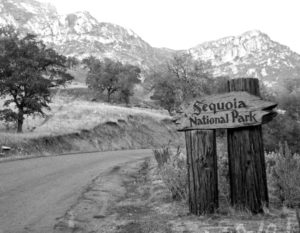
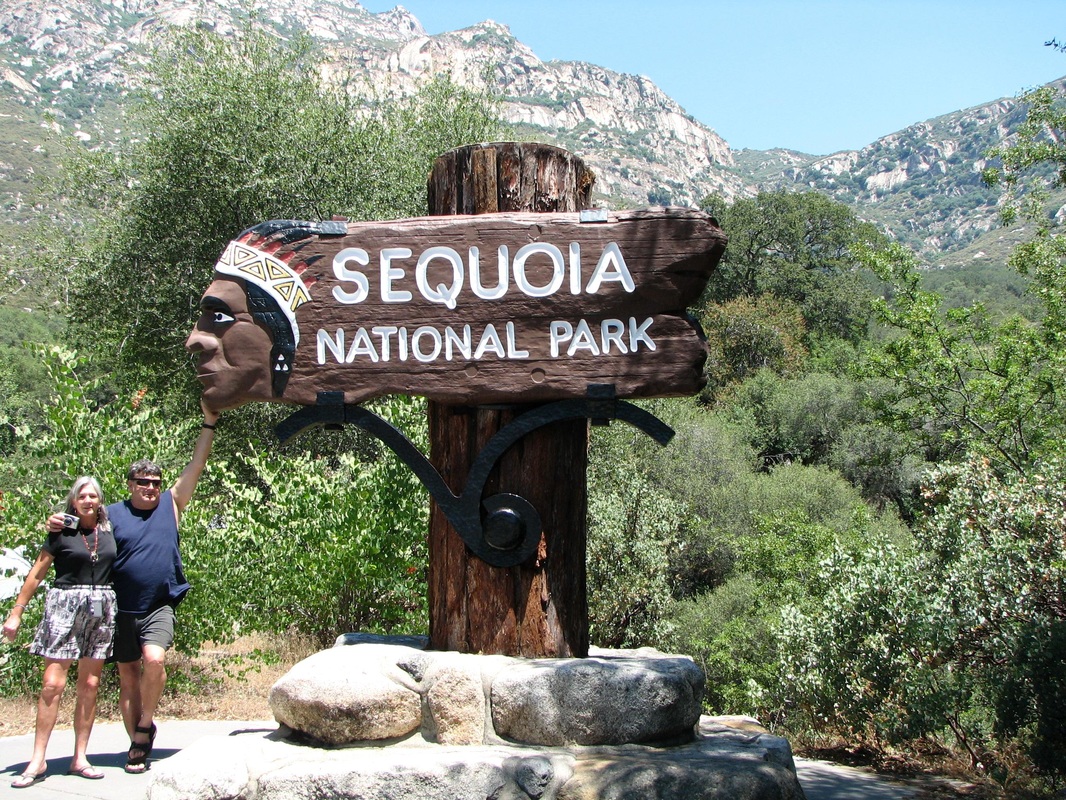
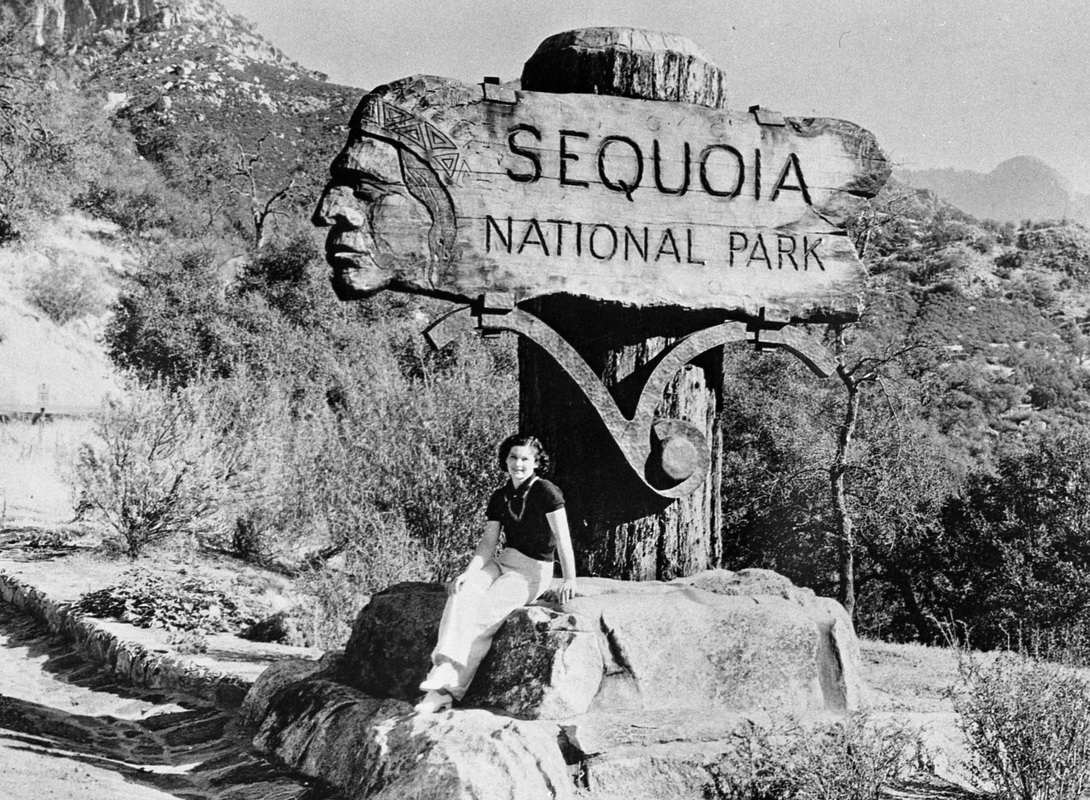
   Of the tens of millions of photographs taken in Sequoia National Park each year, perhaps the most popular man-made subject is the iconic Indian Head sign that welcomes visitors to the park about a quarter mile up the road from the Ash Mountain entrance station. But why does the sign depict an Indian instead of a Big Tree? And what does this Indian have to do with a sequoia?

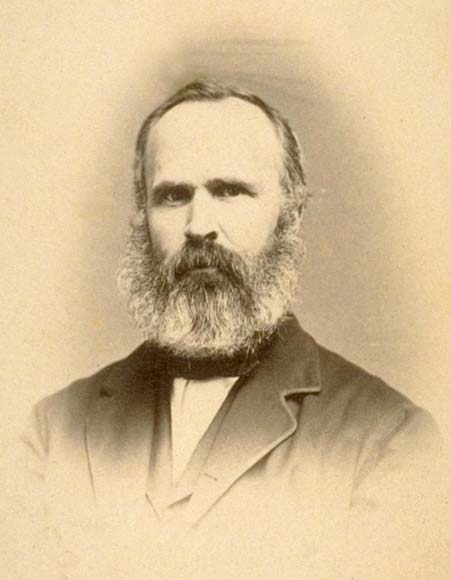
  Part of the answer might be traced to Stephan Friedrich Ladislaus Endlicher. A leading Austrian botanist, ethnologist, and linguist, Endlicher, in 1847, scientifically classified the coast redwoods and published Sequoia as their genus name. However, he left no record of the reason for this name, leading to much speculation ever since.

  When the massive redwoods of the Sierra Nevada were discovered in the early 1850s, they were originally given the scientific name Wellingtonia gigantea, but after further study revealed their similarity to the coast redwoods, the Sierra’s Big Trees became known as Sequoia gigantea. (The coast redwoods are now known as Sequoia sempervirens, and ours as Sequoiadendron gigantea.)

   In 1868, Josiah Dwight Whitney, California’s state geologist (for whom Mt. Whitney is named), published The Yosemite Book. In its chapter on “The Big Trees,” Whitney wrote, “The genus was named in honor of Sequoia or Sequoyah, a Cherokee Indian . . . known to the world by his invention of an alphabet and written language for his tribe.” In a footnote, Whitney explained that Endlicher had seen an article about Sequoyah in a magazine, “The Country Gentleman,” which led him to use the name Sequoia. However, that magazine’s first issue did not appear until 1852, three years after Endlicher died, and scholars have been unable to document Whitney’s conclusions.
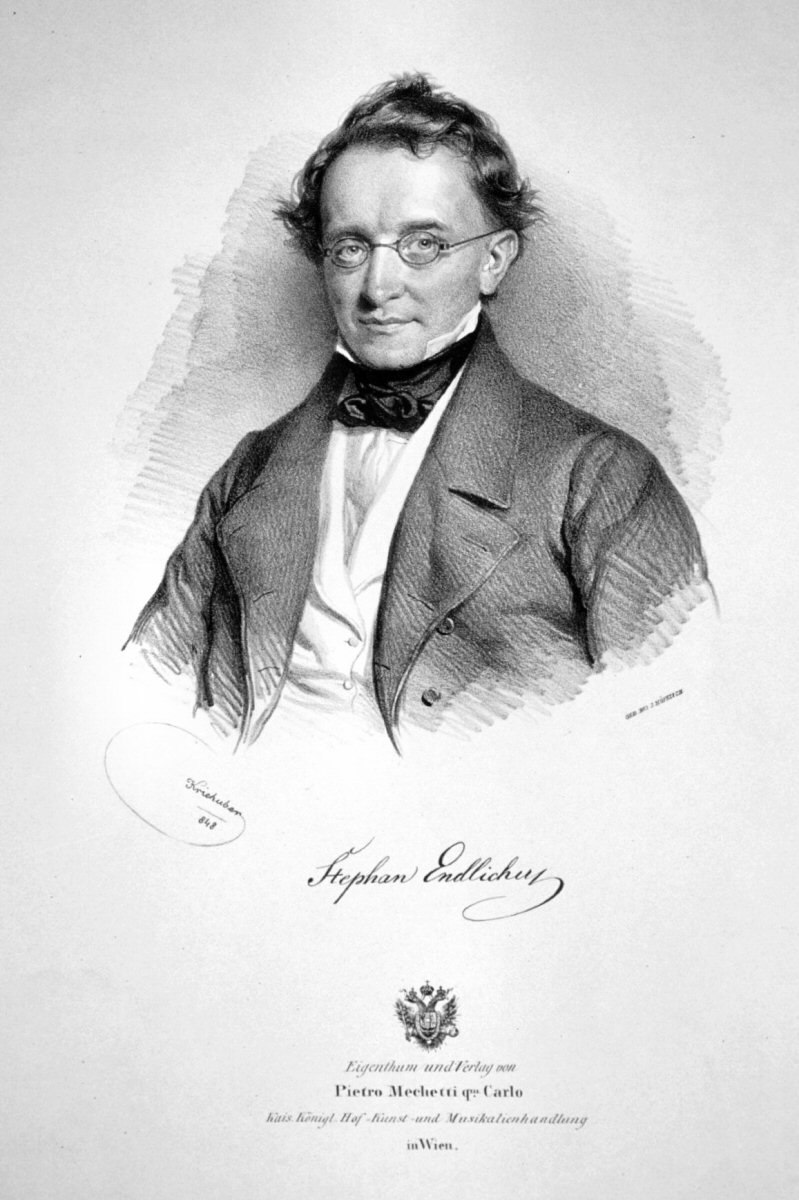
   More recently, it has been argued that Endlicher named the genus “Sequoia” because it is derived from the Latin for “sequence,” and the new genus fell in sequence with the other four genera in his suborder. But unless long-lost papers of Endlicher’s turn up stating his reasons for the name, these theories will remain speculation.

   Nevertheless, the idea that this great American tree was named for a great Native American has been widely repeated since Whitney’s time. And that’s why the Sequoia National Park entrance sign features an Indian, although he looks nothing like the real Sequoyah.

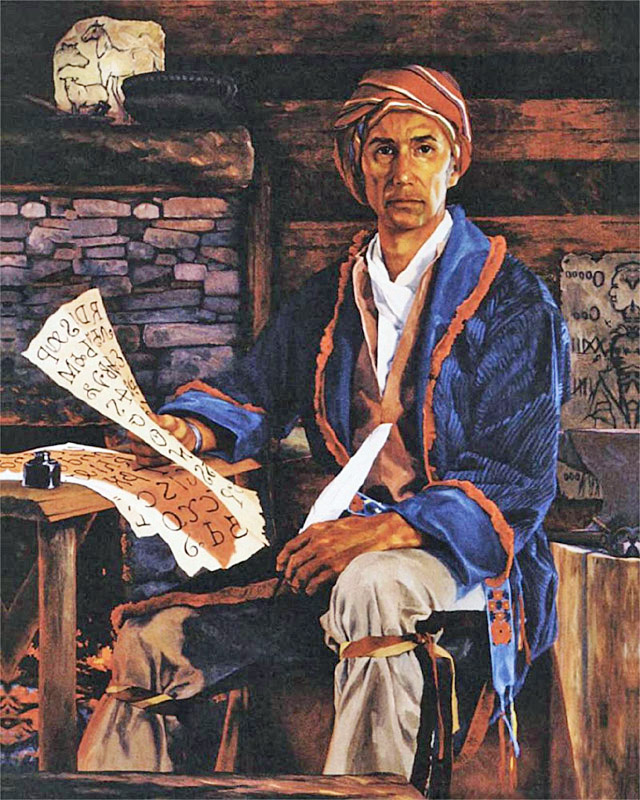
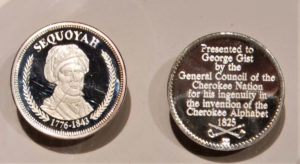
   Portraits of Sequoyah depict him in a red, striped turban, a white shirt, and a blue jacket or coat, often wearing a red cravat and his silver medal, holding a copy of his syllabary, and smoking a small pipe with a long slender stem. So, where did the image of the Indian wearing the feathered head-dress on the Sequoia sign come from?

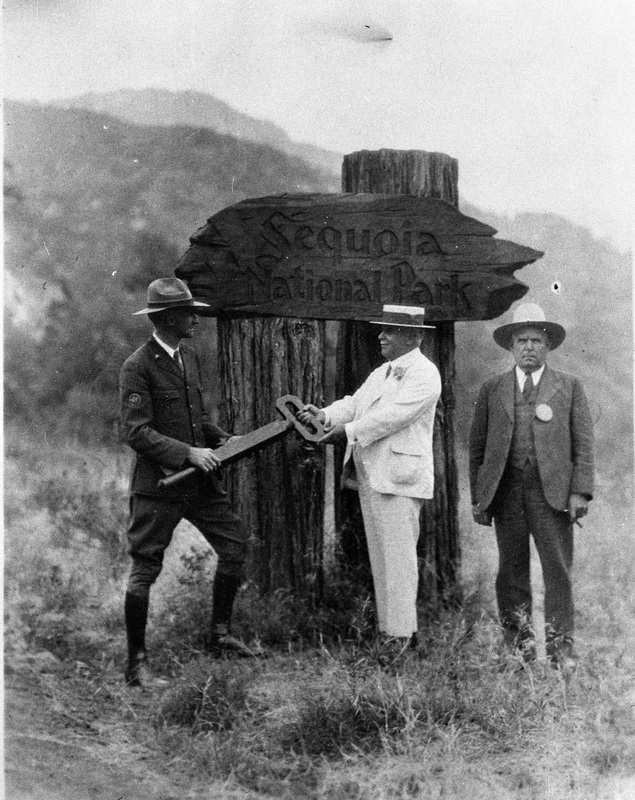
   In 1931, while working in Sequoia as a National Park Service Landscape Architect, Merel S. Sager designed an entrance sign for Ash Mountain featuring an Indian, possibly Sequoyah. This sign, like the current one, was carved out of redwood, but was only about a third as big — and it was soon replaced.
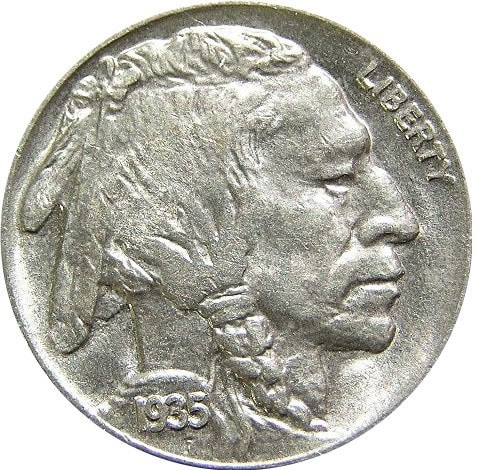
Indian Head Nickel
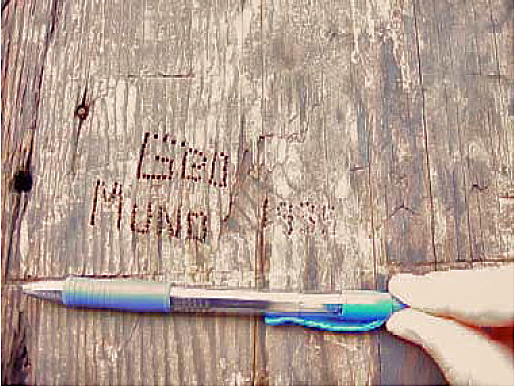
Muno Signed his Work, “Geo Muno 1935”

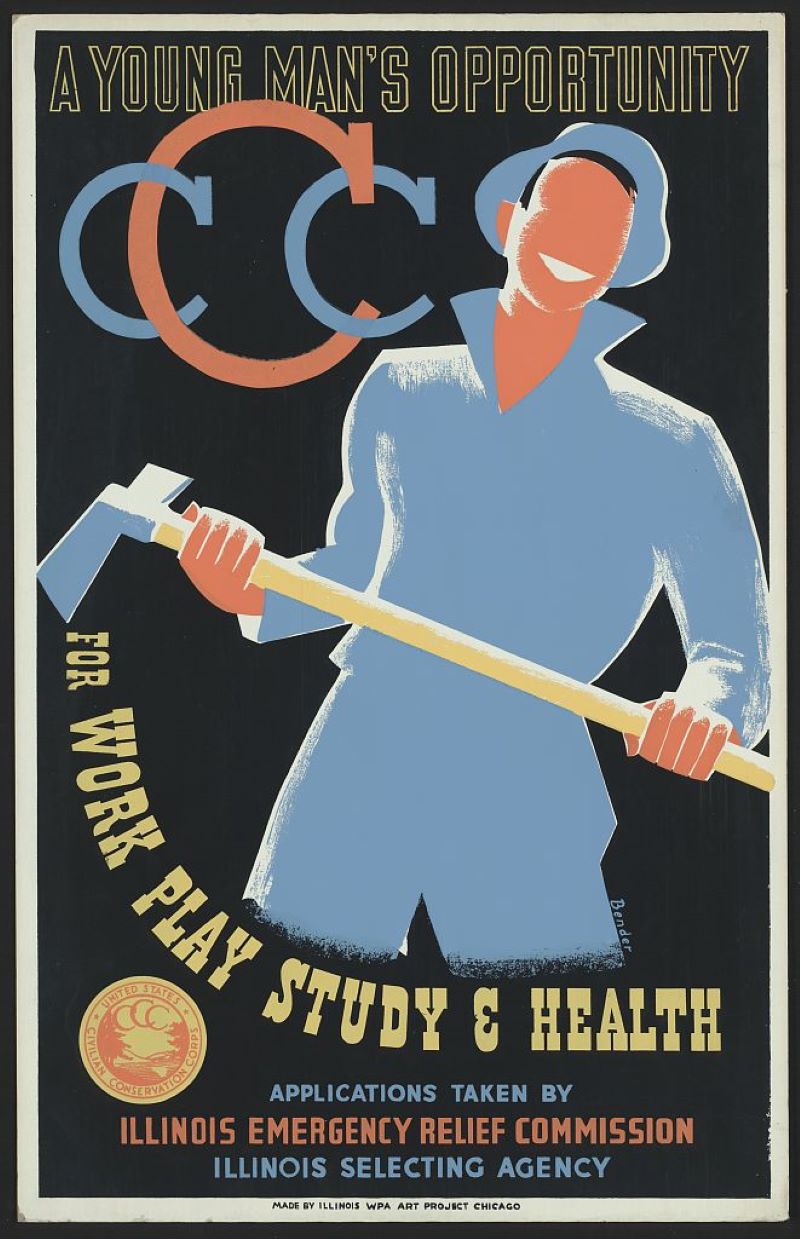
  By 1935, the next Sequoia National Park landscape architect, Harold G. Fowler, decided to improve the entrance sign. To execute his idea, he looked to the Civilian Conservation Corps (CCC) enrollees employed in Sequoia at the time. (Hundreds of thousands of unemployed young men across the nation were enrolled in the CCC, established by President Roosevelt’s New Deal in 1933 to provide relief from the Depression by putting them to work in conservation projects on public lands.)

  In CCC Company 915, Fowler found George Walter Muno, a native of nearby Lindsay. Muno had demonstrated woodworking skills in his high school industrial arts class, had taken a wood carving class offered to the CCCers, and had carved the High Sierra Trailhead marker at Crescent Meadow.

  Muno agreed to carve the big new sign. Up in the Giant Forest the two men found a piece of fallen sequoia wood large enough to hold Fowler’s idea. Then Fowler outlined on it in blue chalk the image he wanted Muno to carve. The model for it was in his pocket — the iconic profile of an American Indian on the obverse side of the “Buffalo Nickel,” first issued by the U.S. Mint in 1913.

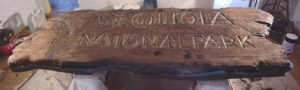
  Muno spent several months in Giant Forest, carving the Indian head and routing out the foot-high letters on the massive redwood slab, that was ten feet long, four feet high, and a foot thick. Meanwhile, the park machinist at Ash Mountain made the beautiful curved metal bracket to hold up the sign and CCC crews prepared the supporting log pylon and masonry. The pylon, a fifteen-foot sequoia trunk, four feet in diameter, rests on a two-tiered boulder masonry platform approximately ten feet square. Early in 1936, all the pieces were put together and “Sequoyah” began welcoming visitors to Sequoia National Park. Many stopped to have their pictures taken with the monumental Indian.
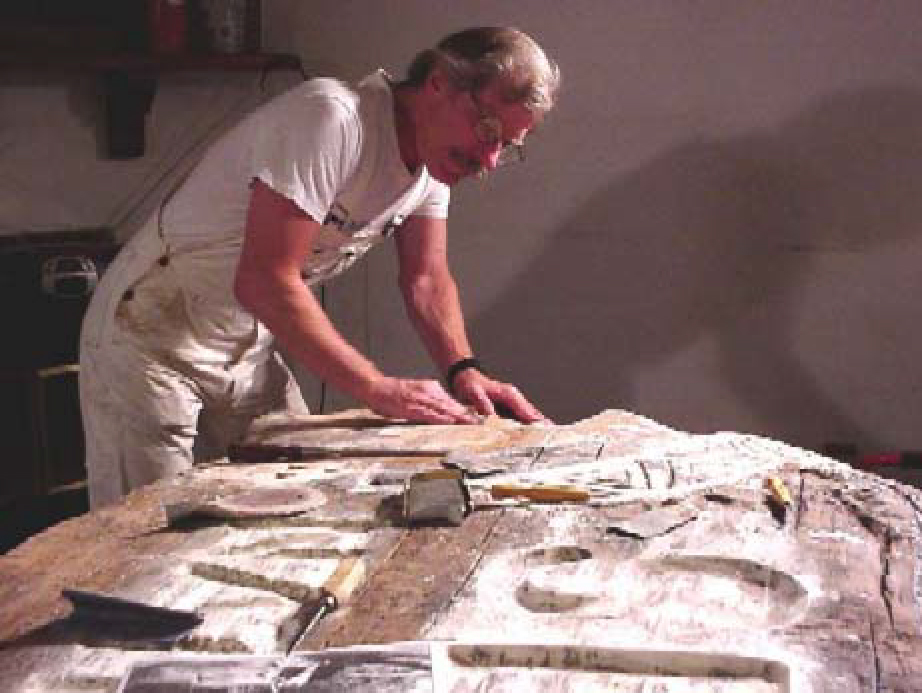
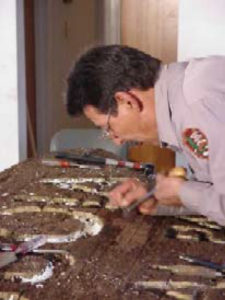
Steve Esson at Work in Sign Shop
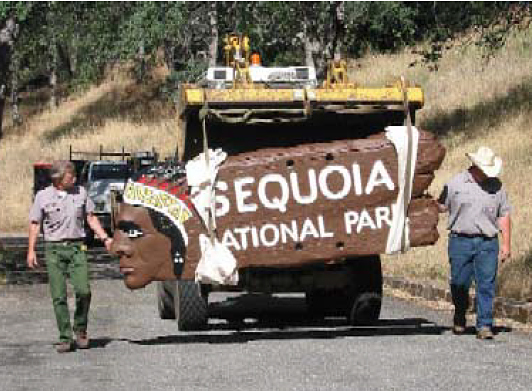
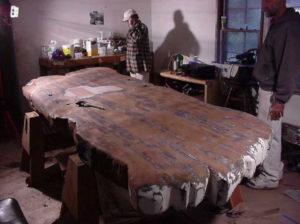
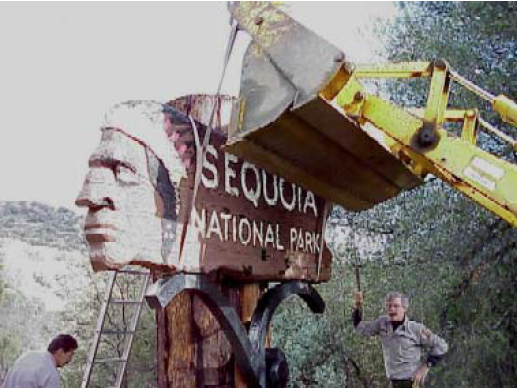
Shop Staff Returning Restored Sign

   In 1978, the Ash Mountain “Indian Head” Entrance Sign was listed on the National Register of Historic Places for its significance in the fields of art, landscape architecture, and social humanitarian endeavor. The nomination form concluded that, “Excepting required maintenance, no alterations should be allowed.”

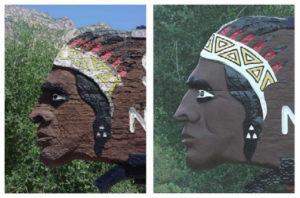
  However, the sign has been altered more than once since it was erected. Originally unpainted, it was stained a redwood color in the 1950s and Sequoyah’s face was painted. In 1964, the sign was moved about 100 yards, due to construction work on the entrance station, and a second log pylon, which had originally stood across the road from the Indian sign’s pylon, was destroyed.

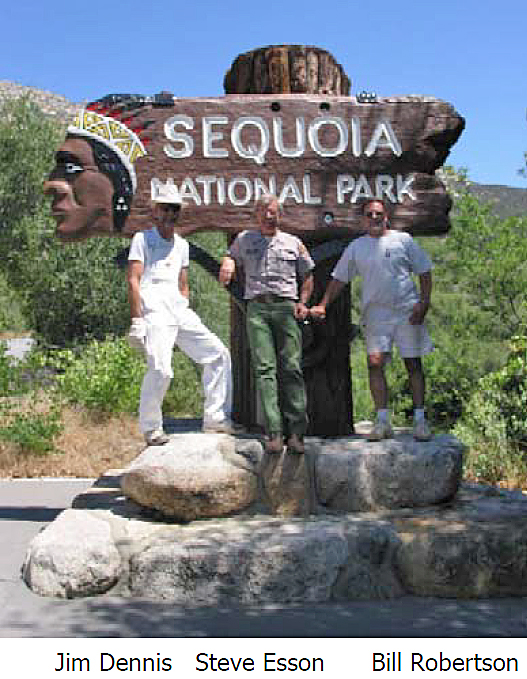
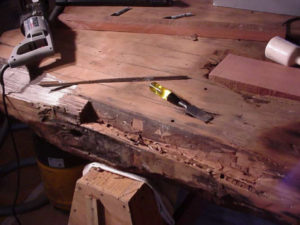
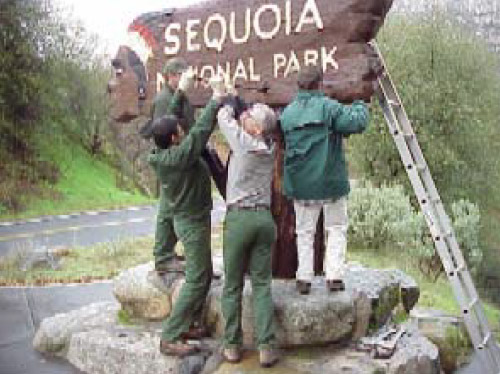
  From January to May, 2002, the sign was removed from its support for major restoration work, carried out by Steve Esson, Park Sign Maker, assisted by painters Bill Robertson and Jim Dennis. First, its paint was stripped off and the sign was allowed to dry out; it shed about 100 pounds of water weight that had accumulated over 65 years outdoors. Rot damage was removed. Cracks and insect damage were repaired. Epoxy was carefully applied to fill the voids and seal the 450-pound slab while maintaining its weathered character.

  After being painstakingly repainted, the sign was re-installed on May 24, 2002. And so “Sequoyah” — whether or not he was known to Endlicher, or considered by Sager or Fowler — continues to greet the millions of visitors streaming into the park at Ash Mountain, many of whom will stop to record their encounter with this famous face of Sequoia National Park.

                                                                                                                                                                                June, 2016
UPDATE: On November 29, 2017, the iconic “Indian Head” sign had to be removed once again for restoration work to be done at the Park’s sign shop at Ash Mountain headquarters. Water damage has been found on the top of the sign, along with a dangerous crack through its center. The shop is estimating that the known repair work needed will take four to six months, but more damage may yet be discovered. Meanwhile, an interpretive sign has been installed by the base of the famous sign, explaining what’s happening with “Sequoyah.”
UPDATE: The sign was re-installed on May, 18, 2018!

Note: See related article on Sager’s enduring work: Moro Rock Stairway.


Slideshow:


Quotes & More Photos:

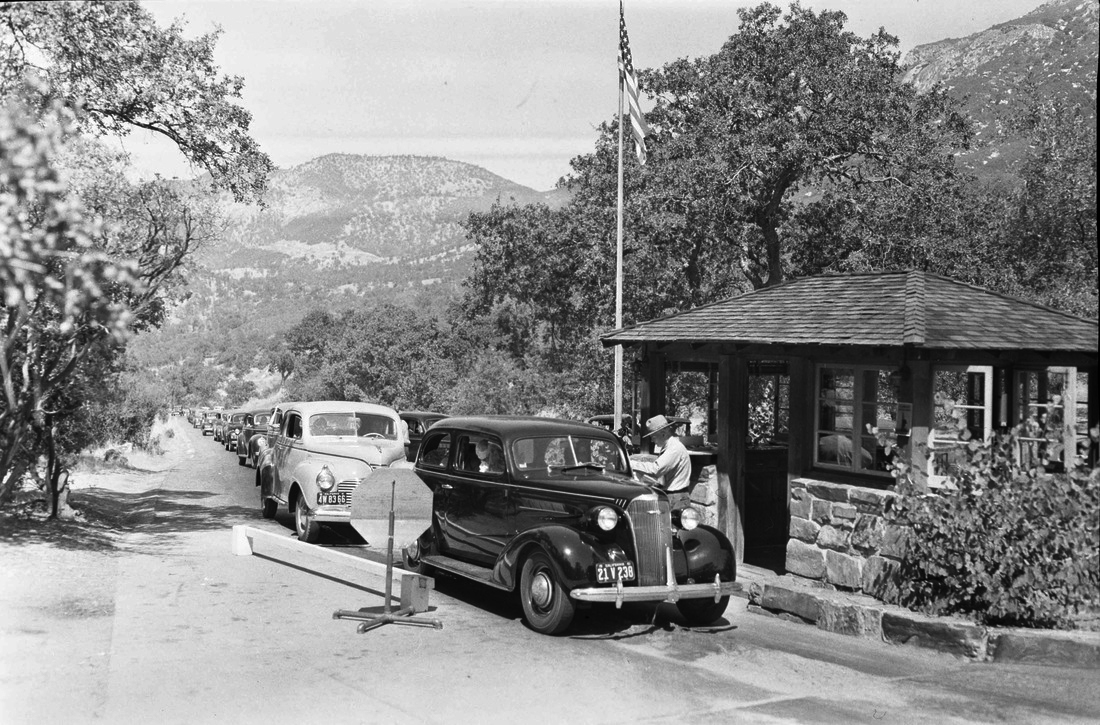
The growing popularity of automobile travel led to the building of the Generals Highway in 1926 opening up the Giant Forest to increased visitation. The Ash Mountain entrance became the main gateway to Sequoia . . . . — National Park Service
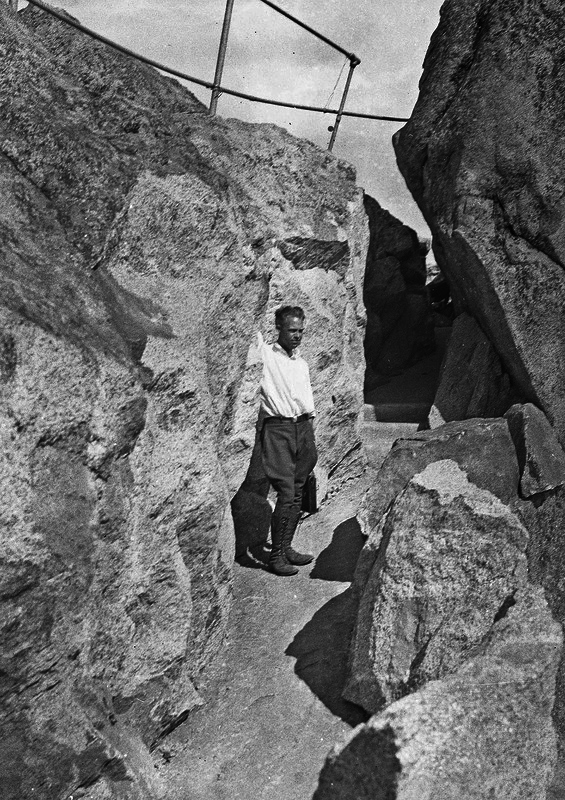
Merel S. Sager pioneered “National Park Service rustic” architecture. He began working for the Park Service in 1928 and became Chief Landscape Architect. His works for General Grant National Park and Sequoia National Park in the 1930s included the Moro Rock Stairway and several structures at Giant Forest Village-Camp Kaweah Historic District.
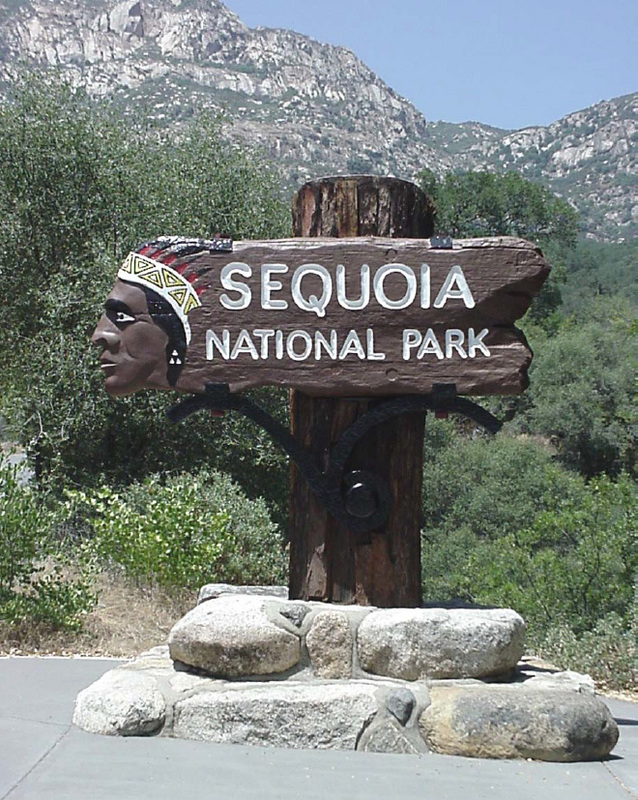
“The sign is . . . an example of monumental wood sculpture . . . common to government work of the 1930’s, especially that done by the CCC in the national parks and monuments.” — NRHP Nomination Form
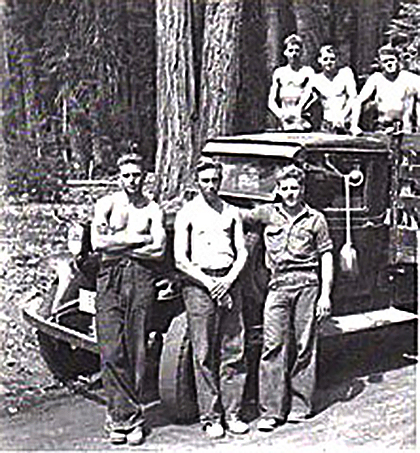
“After graduating from Lindsay High in 1931, George Muno did odd jobs for local farmers until the Civilian Conservation Corps was founded in 1933 to aid young men between the ages of 18 and 21.” — Mary Anne Terstegge
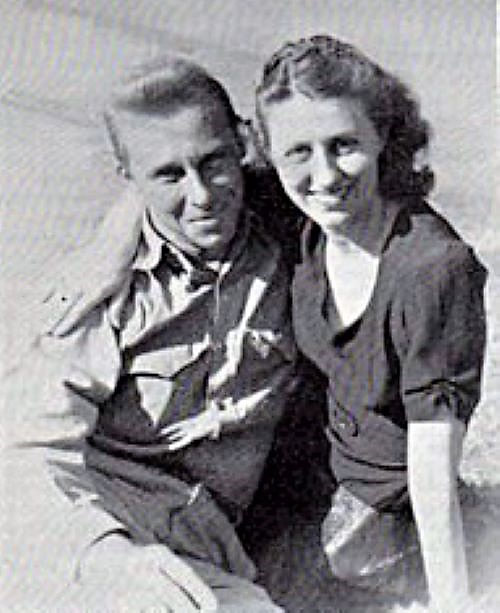
“George Muno began with KP duty then served successively as dining room orderly, road worker, truck driver, truck master, and tool, equipment and supply clerk. Because of his swimming ability, George was given the assignment of diving below the surface of the river to plant dynamite prior to bridge construction.” — Mary Anne Terstegge
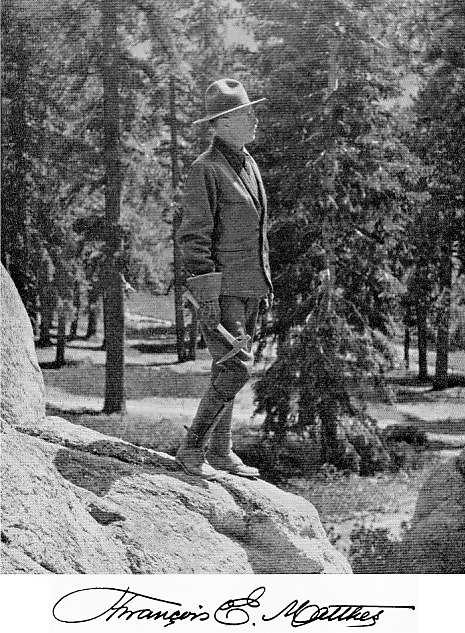
“[Muno] also served as packer and aide to Dr. Francois Matthes when the professor made an extensive geological study tour of Sequoia National Park; this included a trip to Mt. Whitney.” — Mary Anne Terstegge
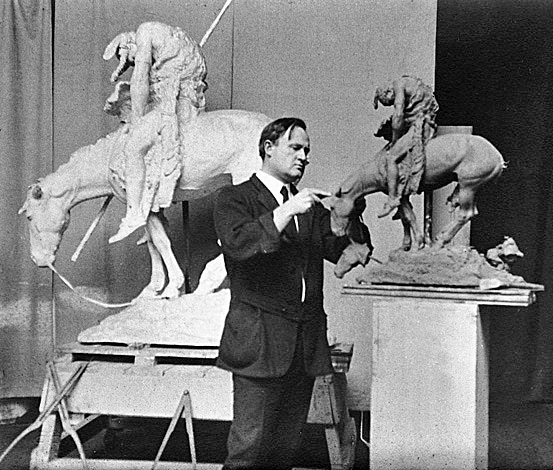
The famous Buffalo/Indian Head nickel was designed by sculptor James Earle Fraser. Coincidentally, Fraser’s best-known work, “The End of the Trail” statue, has been standing since 1920 in Visalia’s Mooney Grove Park.
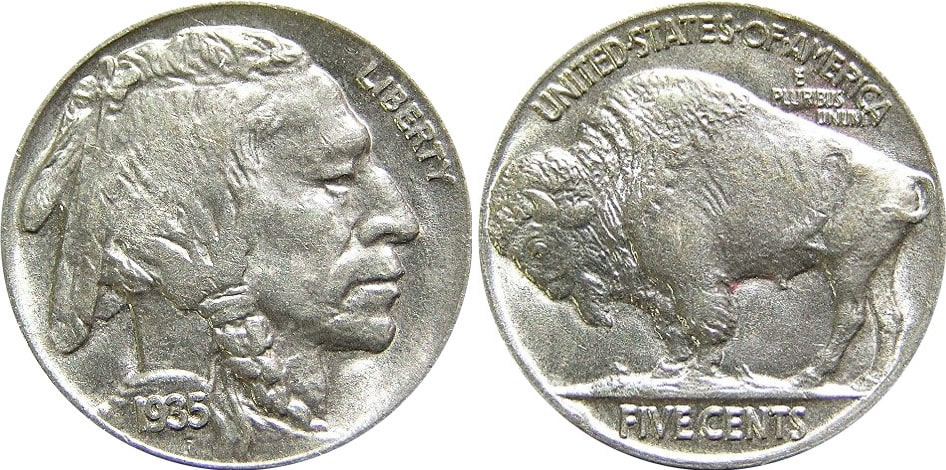
“. . . when I was asked to do a nickel, I felt I wanted to do something totally American — a coin that could not be mistaken for any other country’s coin. It occurred to me that the buffalo, as part of our western background, was 100% American, and that our North American Indian fitted into the picture perfectly.” — James Earl Fraser

The Native American visage sculpted by Fraser for the coin was a composite, combining features from several portraits he had done of North American Indians, none of whom were Sequoyah, although one was a Kiowa named Big Tree. Presumably, Fowler added the head-dress, something Sequoyah never wore.
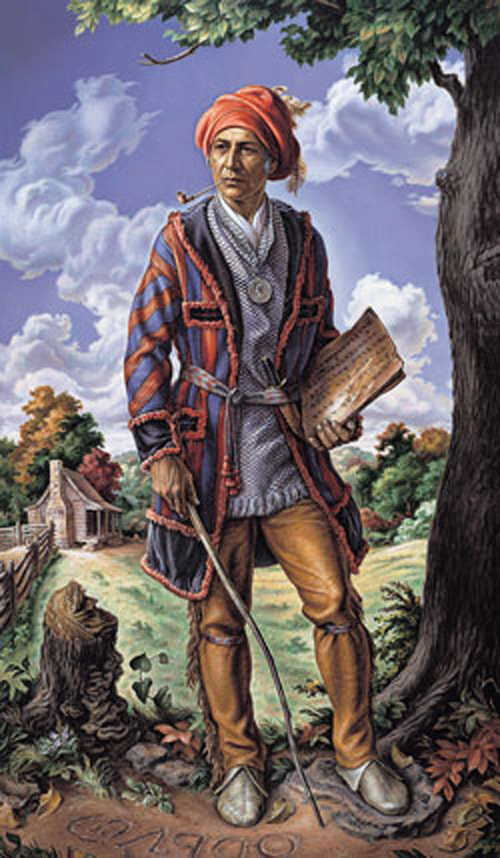
Sequoyah, aka George Gist, born in Tennessee, never attended school or learned to read or write English, but became a talented blacksmith and silversmith, and then fought under U.S. General Andrew Jackson in the War of 1812. In business and in the military, he saw the tremendous advantage of the “talking leaves,” the pieces of paper covered with writing that carried clear messages across distance and time.
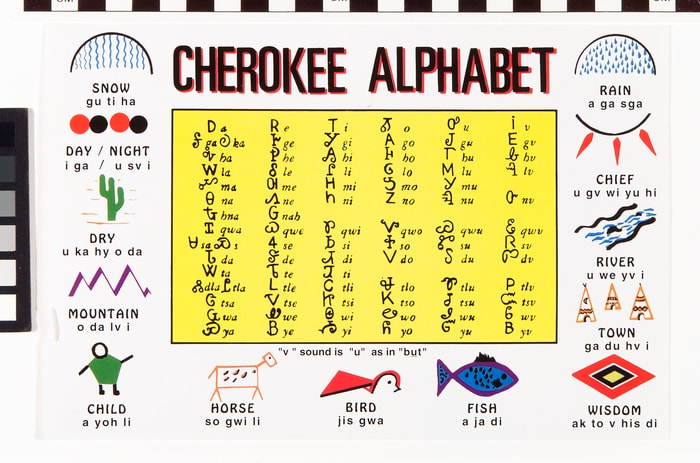
Sequoyah determined to create a written Cherokee language. After 12 years, despite many false starts, and laboring under ridicule and accusations of witchcraft, he demonstrated a phonetic syllabary of 85 symbols, each representing a unique syllable and sound. In 1821, the Cherokee Nation adopted Sequoyah’s system. Soon thousands of Cherokee people learned to read and write in their own language. Over 20,000 people speak Cherokee today, and Sequoyah’s syllabary is still in use.


Maps & Directions:


Coordinates: 36°29′15″N 118°50′9″W / 36.48750°N 118.83583°W / 36.48750


From Visalia: take Hwy 198 east through Three Rivers to the National Park entrance station (fee).

The historic Ash Mountain (Chief Sequoyah) Entrance Sign is on the right, about 1/4 mile up the road.


Site Details & Activities:

Environment: Foothills, Sequoia National Park entrance sign beside Generals Highway
Activities: art, history, photography, wildlife and wildflower viewing
Open: Sequoia National Park is always open, weather permitting, unless closed due to emergency conditions; park entrance fee
Site Steward: National Park Service, Sequoia National Park; 559-565-3341
Opportunities for Involvement: donate, volunteer; Sequoia Parks Conservancy membership
Links:


Click on photos for more information.

The Story of Bravo Lake Botanical Garden

by Paul Hurley

     From tiny seeds, great things grow.

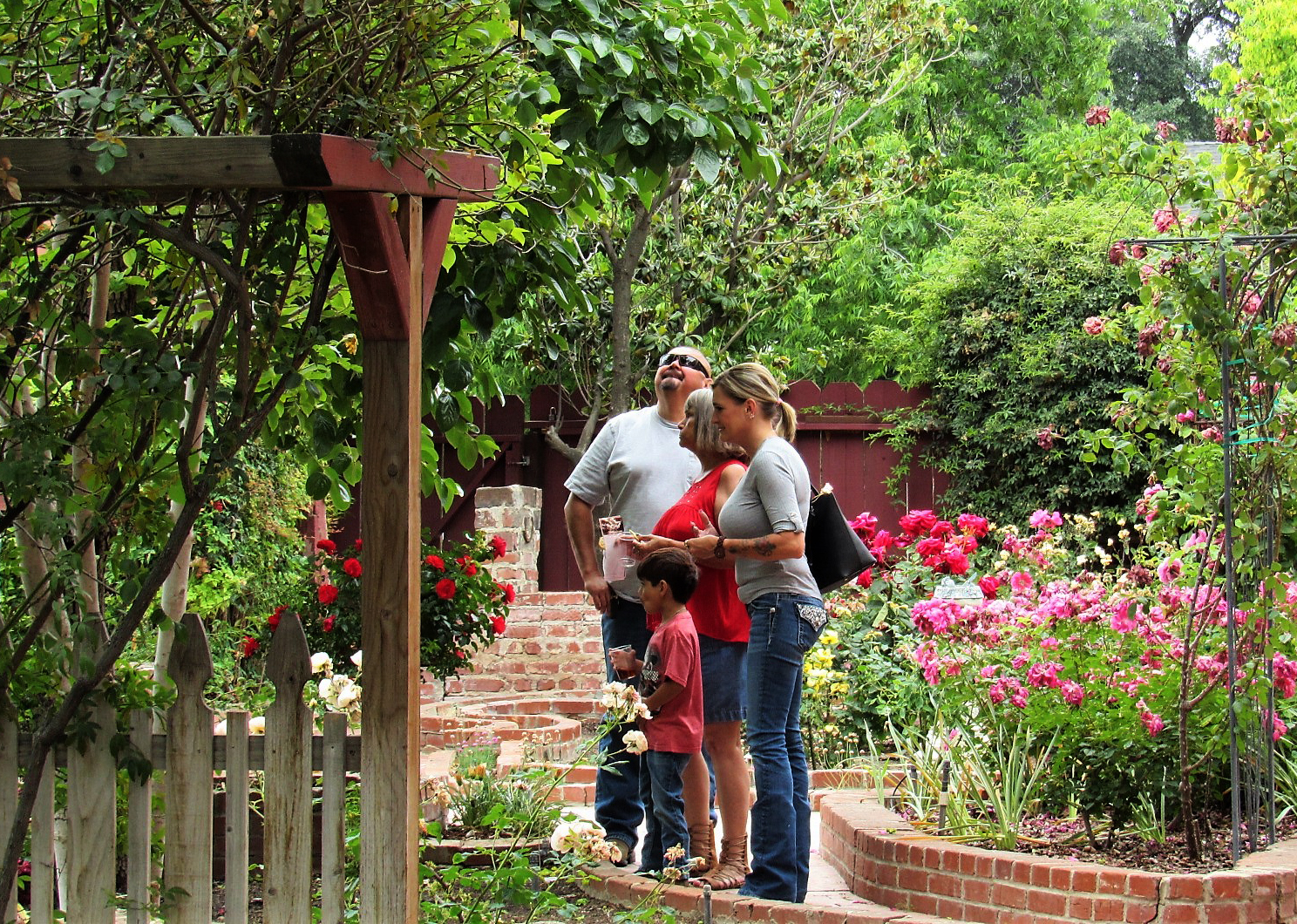
     In Woodlake, the Bravo Lake Botanical Garden has grown fruits and vegetables, flowers, trees, and samples of the San Joaquin Valley’s agricultural bounty since 2003. Its 13 acres of plantings extol the area’s botanical diversity, teach people about the value of natural resources, and promote community pride.

     “We sort of knew that we wanted to create the first agricultural botanical garden in California,” said its co-founder and director, Manuel Jimenez.

     Manuel and his wife and garden collaborator, Olga Jimenez, both lifelong Woodlake residents, trace the origin of the botanical garden to 1972, when they first began beautification projects and planting community gardens in Woodlake, with the help of youth volunteers. “Our premise was that we would grow kids by planting gardens,” Manuel said.

     The Jimenezes had almost 30 years of experience planting community gardens when the city of Woodlake approached them in 1999, wondering if they would be interested in a barren stretch of ground near Bravo Lake that had been the Visalia Electric Railroad right of way. “The city had an empty area that was available,” Olga said, “and we had been doing beautification projects in different parts of the little town.”

     The couple launched into the large project with their Woodlake Pride youth as grass-roots collaborators with the city of Woodlake. They sought funding from service clubs, including the Woodlake Rotary. They received donations of plantings from nurseries, notably L.E. Cooke for fruit trees and Monrovia Nurseries for ornamentals. They visited other botanical gardens throughout California. They appealed to local businesses and farms for financial and technical support, including carpenters, plumbers, and electricians for infrastructure. Grading and grooming the site took a couple of years.

     They planted tens of thousands of annuals with the help of a labor force composed mostly of volunteering teenagers. When they began planting, they solicited experts to lay out specific areas of the garden. They planted 1,700 rose bushes in 130 varieties. The garden began to take shape, not just as a ground for growing plants but as a complete ecosystem.

     “The botanical garden was just a piece of dirt that was barren,” Olga said. “Now, if you go and visit it, you will see that not only have we got plants growing, kids growing, but we also have a variety of birds that have come to visit us. We have cottontails that are there, and turtles, and doves, and lizards. Things that were never there. And since we put the plants down, we see a lot of variety of wildlife just existing in our area.”

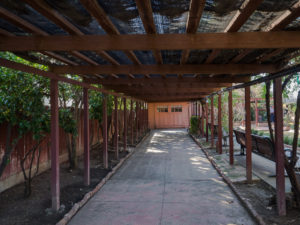
     The garden officially opened in 2003, and welcomes the public on weekends. Visitors walk a 1.2-mile trail that takes them past fruit trees and vegetable patches, ornamental shrubs and rose gardens, row crops and flower beds. Young people plant between 10,000 and 20,000 specimens a year.

     The garden is organized to show off not only the plants that grow in California, but the abundance of its agriculture and the heritage of farming in the San Joaquin Valley. “Once we did that, the next phase was to begin to include the key things that we thought were important for the community to learn, and that was conserving the natural resources that we have,” Manuel said.

     Water conservation was a priority, so the Garden installed several different efficient irrigation systems. They encouraged wildlife, and gradually observed snakes, frogs, birds, small mammals, and insects using the garden.

    We share our resources with the wildlife,” Manuel said. “So we plant fruit trees, you know. Fifty percent is for us, and fifty percent is for the wildlife. We let them feed.

     At the gardens, we let nature take its course.”

     The Bravo Lake Botanical Garden is a place for hands-on learning. People are encouraged to taste the produce. “You don’t have to visit 10 farms to see 10 crops. Our goal is eventually to plant everything that’s grown in the state. And so, I believe that people do seek to visit a facility like ours.”

     As complete as the garden is, it is not finished, Olga said. “I know that the seed, that it comes from the seed, but then the good Lord provides the water and all these beautiful plants that come up,” she said. “So, it’s been a learning experience, having this garden, and I’m sure that there’s more to be learned.”

October, 2012

 2017 Update: The City of Woodlake has changed the garden’s name to Woodlake Botanical Garden, and management, maintenance, plantings and purpose of the garden may be subject to change.


Slideshow:


Quotes & More Photos:

“You’re only as happy as your surroundings. And by planting gardens, we thought that people would be happy, and they were. They saw the gardens, and they would stop and say, you know, ‘This is beautiful.’ And they would tell the kids, ‘This is an awesome project that you guys have.'” — Manuel Jimenez

“And I think I haven’t found one lazy child yet, or one bad kid yet, and I’ve been doing this volunteer work over at the botanical garden for almost nine years.” — Olga Jimenez

“People from a planet without flowers would think we must be mad with joy to have such things around us.” — Iris Murdoch

“Tu, que caminas acaso con pensamientos perturbados, en entra aqui y reposa; y que la dulce serenidad de las cosas que brotan y la paz celestial, se reflejen en tu alma. You who walk, maybe with troubled thoughts, come, enter here and rest; and may the sweet serenity of growing things, and the heavenly peace be mirrored in thy soul.” — Doxis M. Palmer

“If we do not permit the earth to produce beauty and joy, it will in the end not produce food, either.” — Joseph Wood Krutch

“The legacy that I’d like to leave Tulare County and its residents is mostly the beauty, the beauty that can be.” — Olga Jimenez


Maps & Directions:

Directions:


Address: Naranjo Blvd. just east of Hwy 245, Woodlake, CA 93286


Latitude/Longitude:

36-24’28” N, Longitude: 119-05’49” W

36.4077273, -119.0970507


From Visalia, take Hwy 198 east to Hwy 245 (Valencia Blvd.).  Go left (north) on Hwy 245 about 5 miles into Woodlake, and take the first right turn on the roundabout to go east on Hwy 216 (Naranjo Blvd.).  Woodlake Botanical Garden is quickly on your right (south); parking is available along the street and in a parking lot.


Site Details & Activities:

Environment: Valley, in Woodlake, community agricultural botanical garden
Activities: birdwatching, botanizing, dog walking (on a 6′ leash; scoop poop), educational activities, photography, picnicking, produce tasting (during events), walking (1.2 mile trail, wheelchair accessible), wildlife viewing
Note: To schedule a group tour of the gardens, contact Manuel Jimenez at 559-280-2483
Open: The rose garden on the west side of the parking lot is open daily, year-round. The eastern, gated part of the garden is open Thursday, Friday, & Saturday 9:00 a.m.-3:00 p.m. Note: Please check the Garden’s Facebook page for any changes to Open days and for current hours and announcements of special events – (https://www.facebook.com/WoodlakeBotanicalGardens/)
Site Stewards: Woodlake Pride, Manuel and Olga Jimenez, 559-280-2483; City of Woodlake, 559-564-8055
Opportunities for Involvement: Donate, volunteer
Links:

Click on photos for more information.


The Story of Zalud House Museum

by John Greening

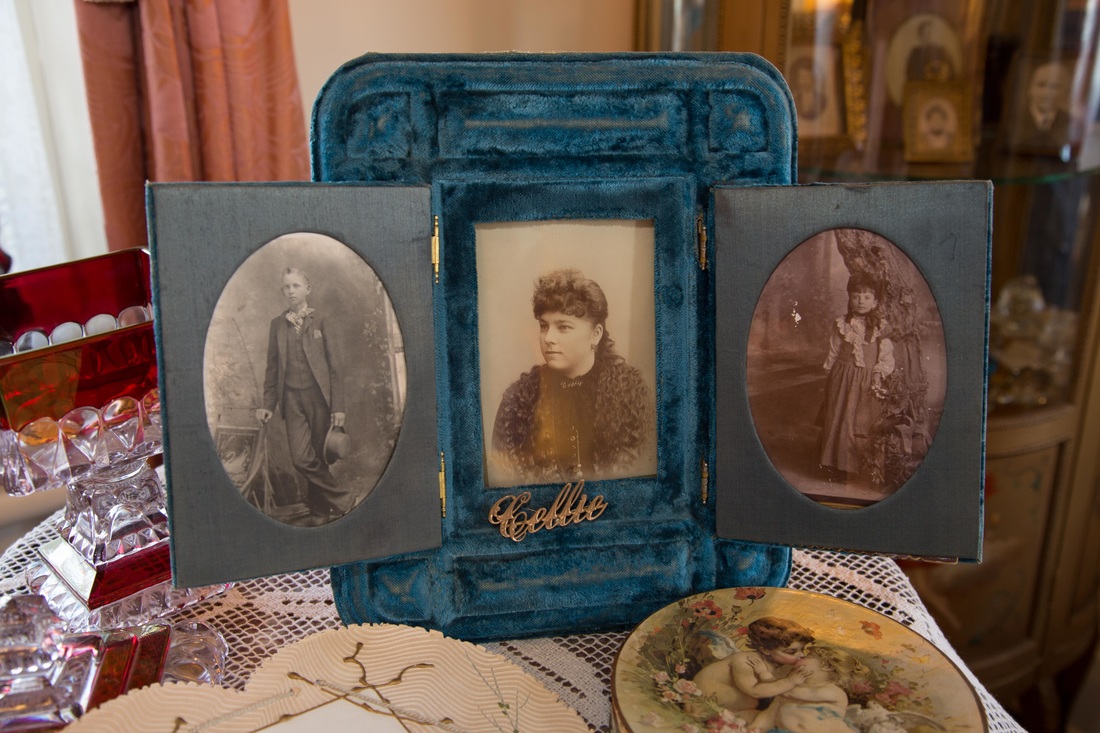
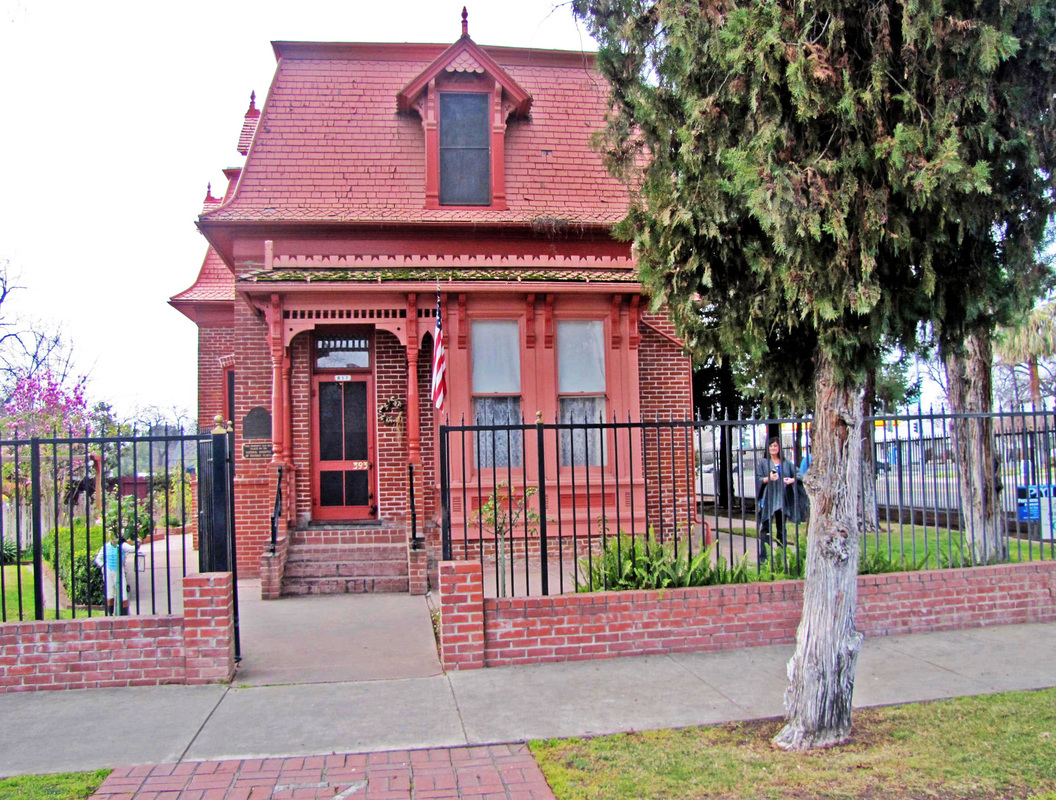
    On the corner of Hockett and Morton streets in Porterville sits an elegant historic home whose past involves tales of gambling, scandal, murder, bootlegging, and visitations from the spirits of those long dead. A tour of the house features these and other stories of the Zalud family members, prominent early Porterville residents who suffered a series of tragedies that by the 1960s left only one member still alive.

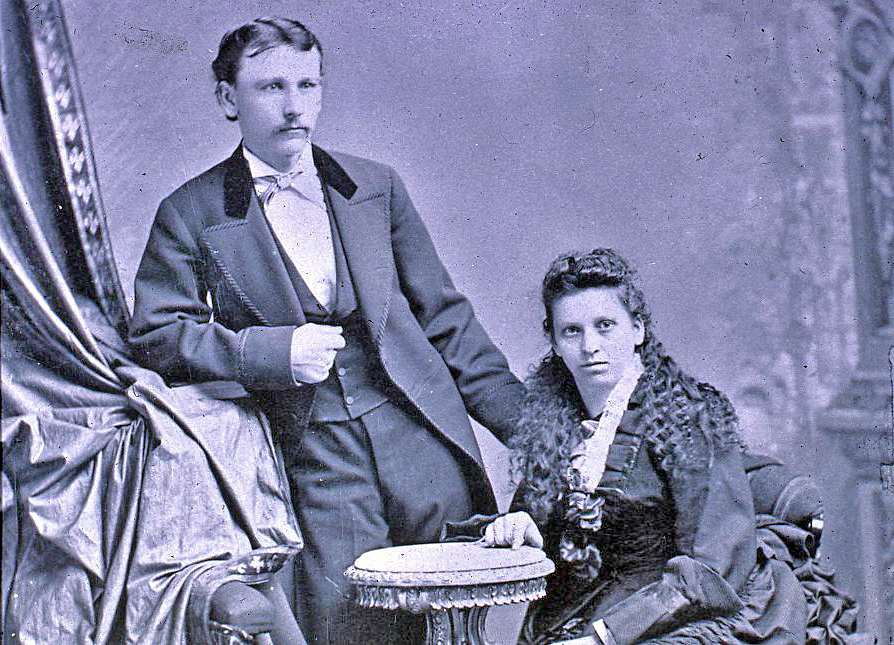
    The builders of the home, John and Mary Jane Zalud, were born in Bohemia, now part of the Czech Republic, in Central Europe. As children each immigrated with their families to the U.S. In 1875, John and Mary Jane wed in San Francisco. Later, they moved to Tulare, then, in 1888, to Porterville with their family of two daughters and a son: Anna (born in 1872), Pearle (1884), and Edward (1877).

1875 Wedding Photo of John & Mary Jane Zalud
Photo Display of Zalud Children
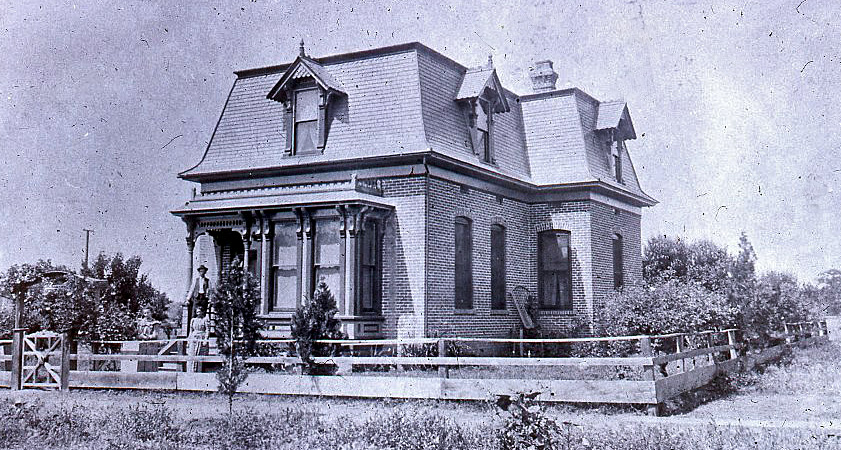
Zalud House Shortly after Construction, 1891

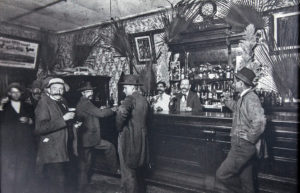
         In Porterville, John opened a saloon on Main Street next door to Scotty’s Chop House, where food was served. Connecting doors joined the two establishments and both were open 24 hours a day. A card room in the back of the Zalud Saloon proved to be a lucrative source of income. After some high stakes card games, John won several south county cattle ranches. These included a 3000 acre spread near California Hot Springs, where the family often stayed.

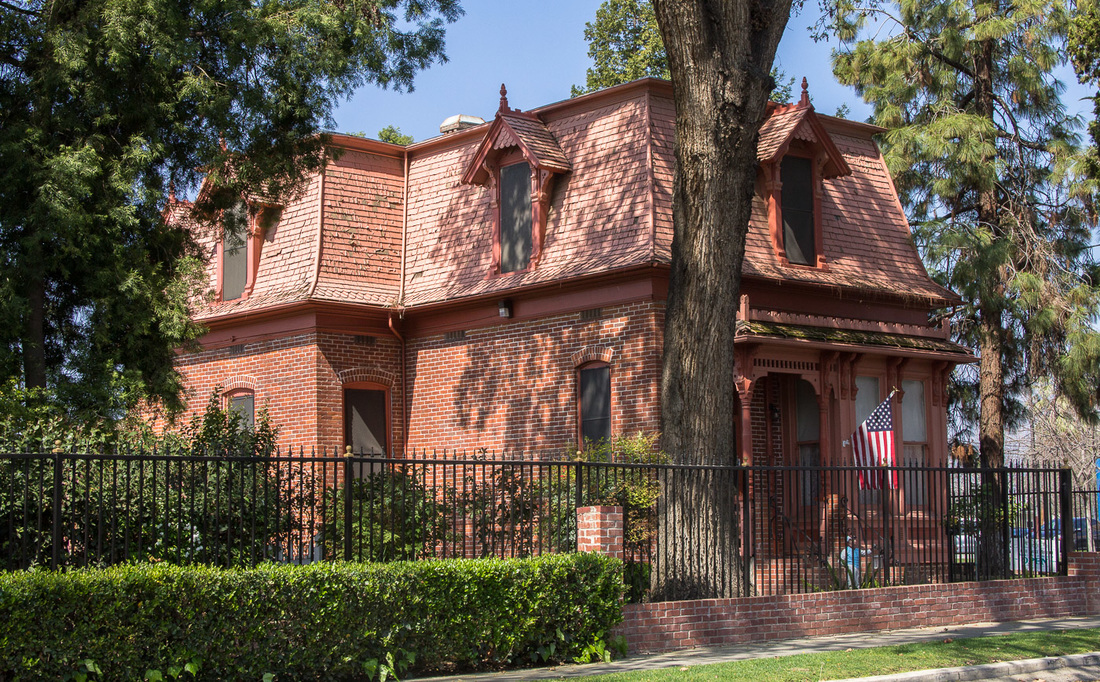
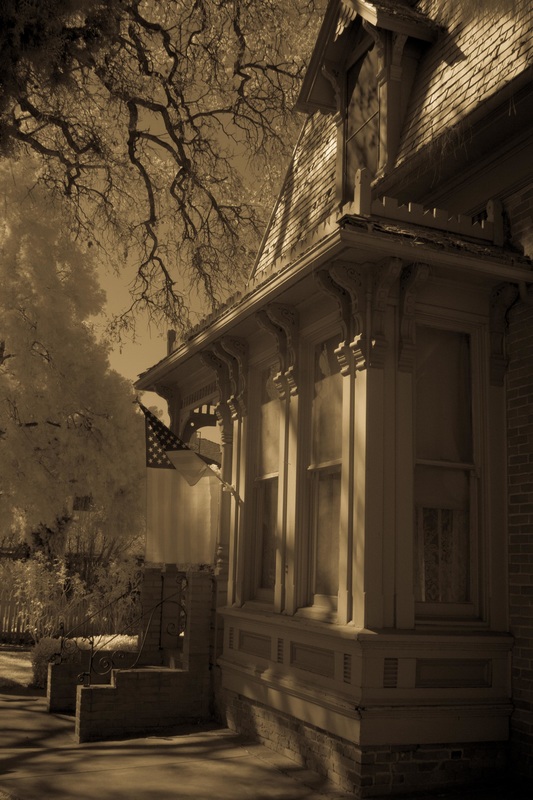
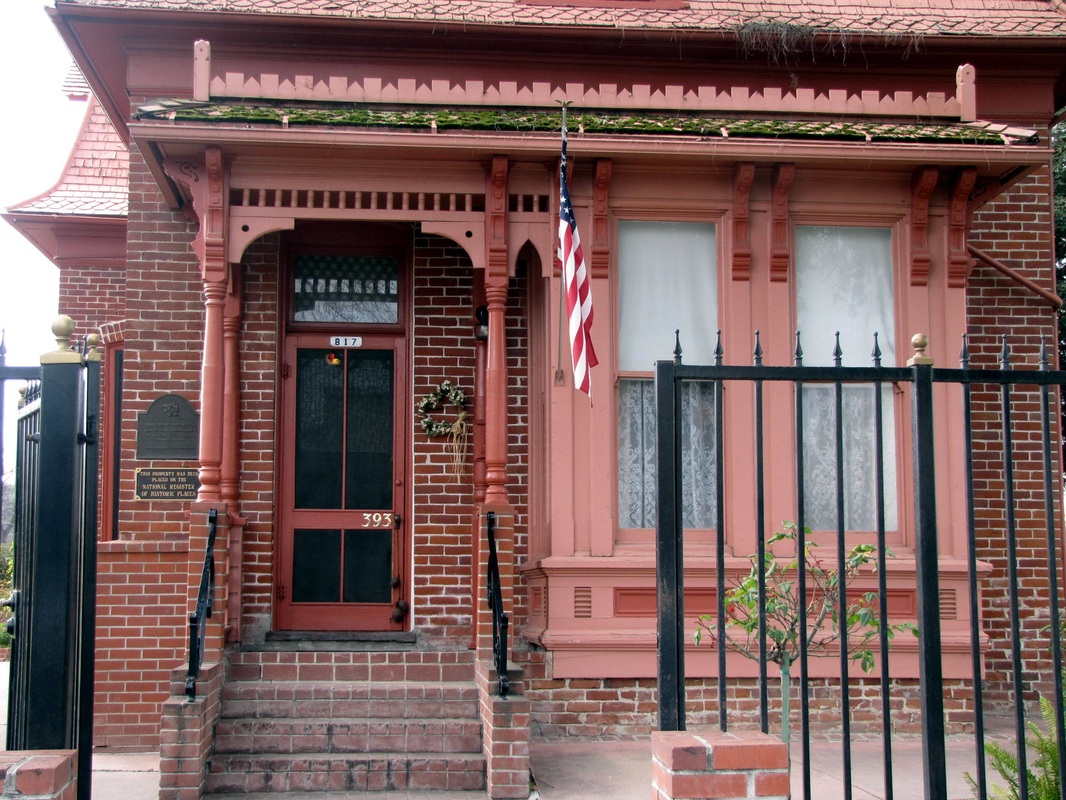
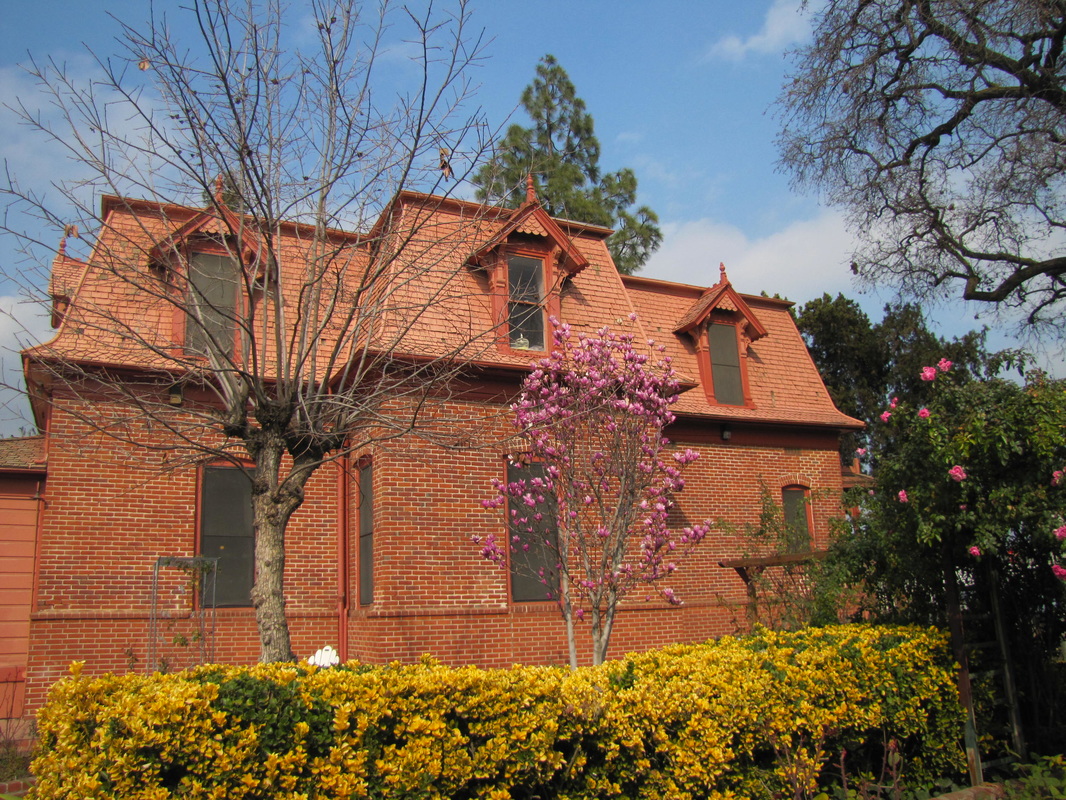
    The Zaluds’ elegant Porterville home was built in 1891, featuring a mansard roof. This roof style was popular in Europe, particularly in France in the 1860’s, and may have reminded John and Mary Jane of their European homeland. In California at the time it was not a common style and was therefore very distinctive.

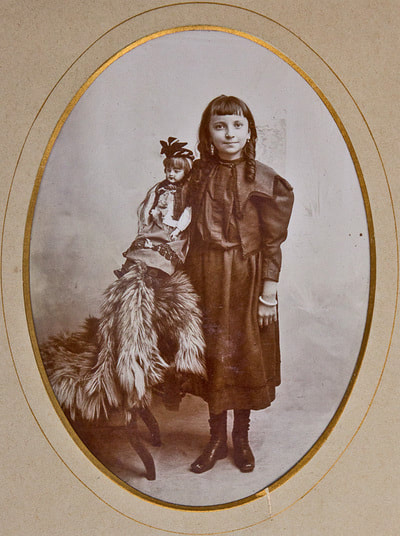
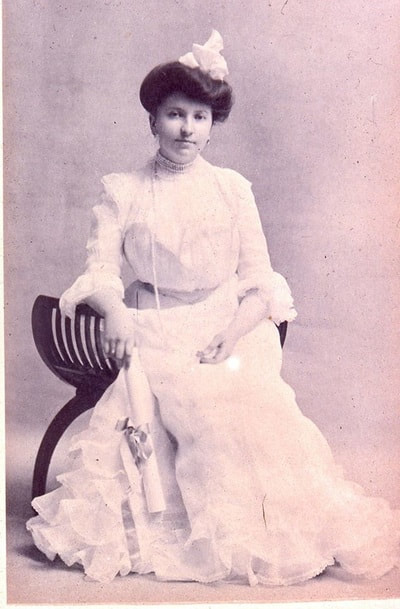
Pearle after Grammar School Graduation – circa 1895

Pearle’s Porterville High School Graduation Picture, 1902

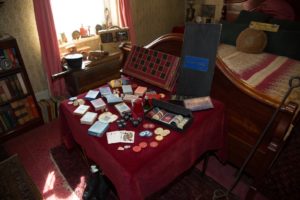
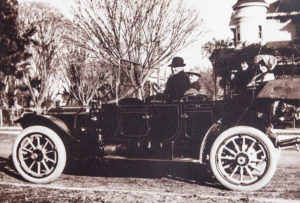
    In 1912, Mary Jane died of tuberculosis. The grieving family cancelled their travel plans until, in 1913, John and the children, and Anna’s husband, William Brooks, made the first of their several trips to different parts of the world, including Bohemia, Germany, France, China, Japan, Great Britain, and Australia. The Zalud house today is filled with their photographs and memorabilia from those extensive travels.

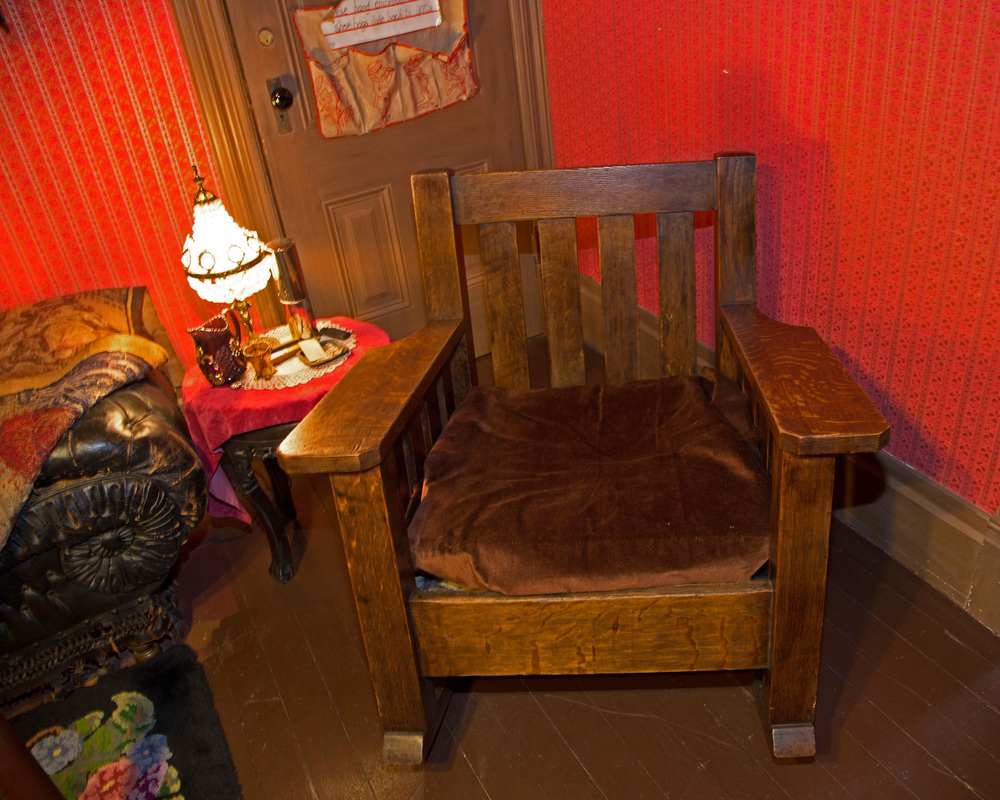
    In 1917, a second, shocking tragedy stunned the family: the murder of son-in-law William Brooks. Rumored to be a man with “an eye for the ladies,” in Oakland he supposedly made advances to a Mrs. Juliette Howe, who refused him. Afterward he spread dark rumors about her morality and she subsequently had a nervous breakdown. Nearly a year later, while in Porterville on business, Juliette heard the devastating rumors circulating again. She bought a pistol, intending to kill herself. But when Juliette saw William sitting in a rocking chair in the Pioneer Hotel, she shot and killed him instead. She showed no remorse. At her subsequent trial, the killing was ruled a justifiable homicide because William was adjudged partially responsible. The rocking chair, including bullet holes, now rests in an upstairs bedroom in the Zalud house.
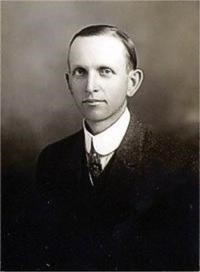
    Tragedy struck again in 1922. When Prohibition was established, John was forced to close his saloon. However, son Edward bought all the liquor and moved it into storage out of town. For the next several years, he ran a small bootlegging business in addition to working on the family ranches. During an afternoon ride in 1922, he was thrown from his horse, kicked in the head, and died, at age 45. This accident was the third tragedy in ten years for the family. Ed was friends with some of the area’s more notorious tough men, and since his death several versions of what happened or what might have happened that day have been recounted. Was it simply an accident, or was something more nefarious going on? After Edward’s death, John and Pearle spent most of their time with Anna, at her home in Los Angeles.

Rocking Chair in which William Brooks was Shot
Formal Portrait of Edward Zalud
Infrared Photo of Zalud House

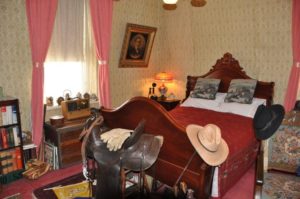
    Over the next twenty years, Porterville saw little of the Zaluds, although each spring and fall John and Pearle returned to check on the house and garden. In 1944, after her father’s death, Pearle began to spend more and more time at the Zalud house, and she lived there year-round from 1962 on. She lived downstairs and never married, but was convinced that the spirits of her family members came to visit her in the old family home. Today, on a special tour with a local paranormal investigation team, you can enter the house at night and find out whether they will visit you, too.
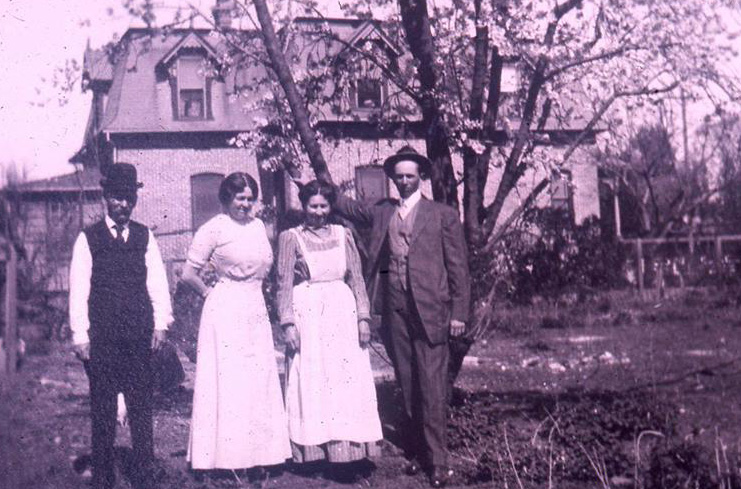
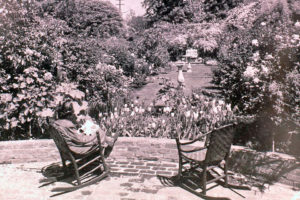
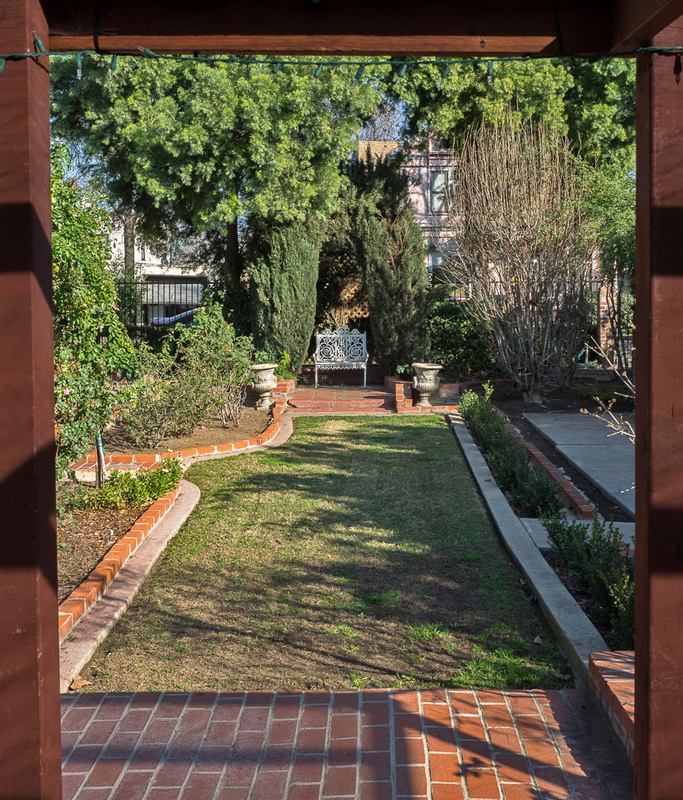
    Pearle had a few close friends, but was not an active community member, although she did host the 1968 reunion of the class of 1902 in her home. She loved to sit in her garden and particularly loved its roses, but toward the end of her life she allowed the garden to become hugely overgrown.

    Anna died in 1962, leaving Pearle as the sole survivor of the family — with a substantial inheritance. When Pearle died in 1970, she left an estate of $1,500,000, with the ranch properties going to various long-time friends. However, she willed fifteen acres in town, the house and all its belongings, and several hundred thousand dollars to the city.

    The land was to be used for a children’s park and rose garden, named for her beloved brother. Edward Zalud Park, at El Granito and Grand streets, has now been enjoyed by decades of Porterville families. The house was to become a museum in memory of her parents, and the money was to be used as an endowment to maintain it.

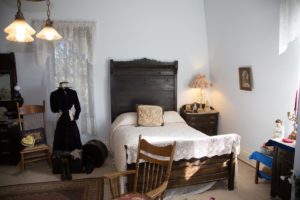
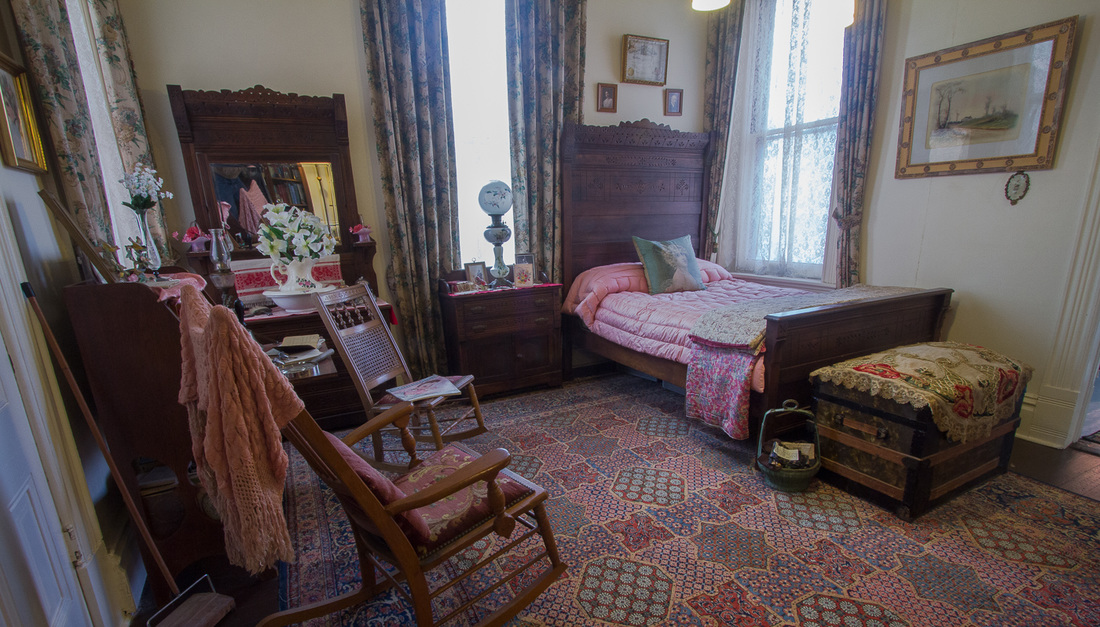
Pearle’s Bedroom Downstairs in Her Later Years
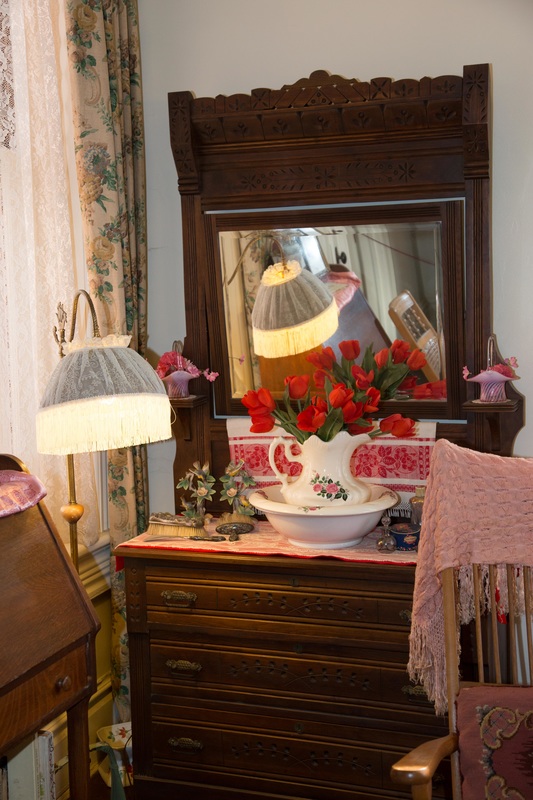
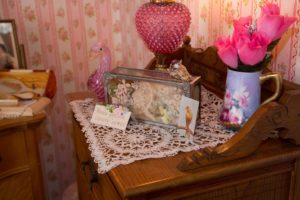
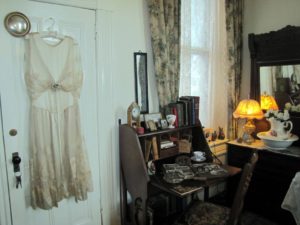
Dressing Table in Pearle’s Bedroom
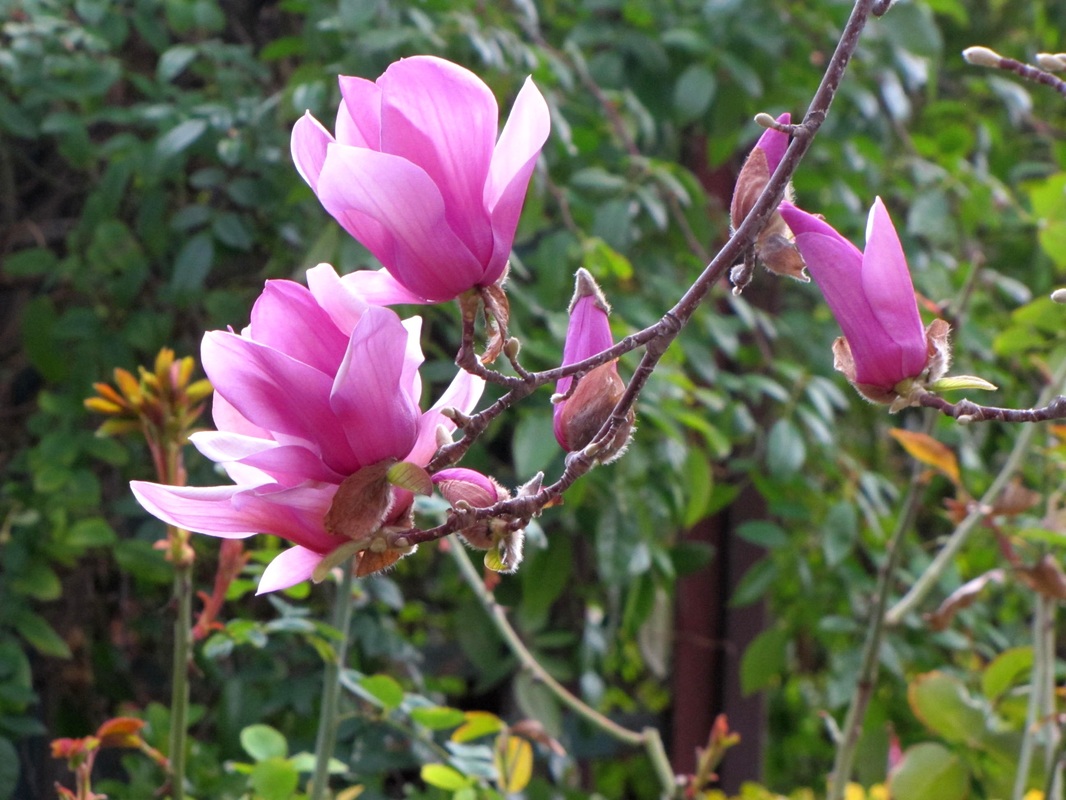
Magnolia Blossoms in Garden

    Unfortunately, it took several years for the city to gain undisputed control of the house and the land for the park. Joe Witt, his brother Marcus Witt, Jr., and Marcus’s son claimed that they had become friends with Pearle in Los Angeles, and that she had written a new will, leaving them everything. Finally, this version was ruled to be bogus, and in 1973 the three were convicted of fraud and forgery, and the city took possession of the house and land.

    After several years of repair work, including the replacement of its foundation, the Zalud House Museum was opened to the public on May 2, 1977. In 1986 the meticulously maintained house was listed on the National Register of Historic Places.

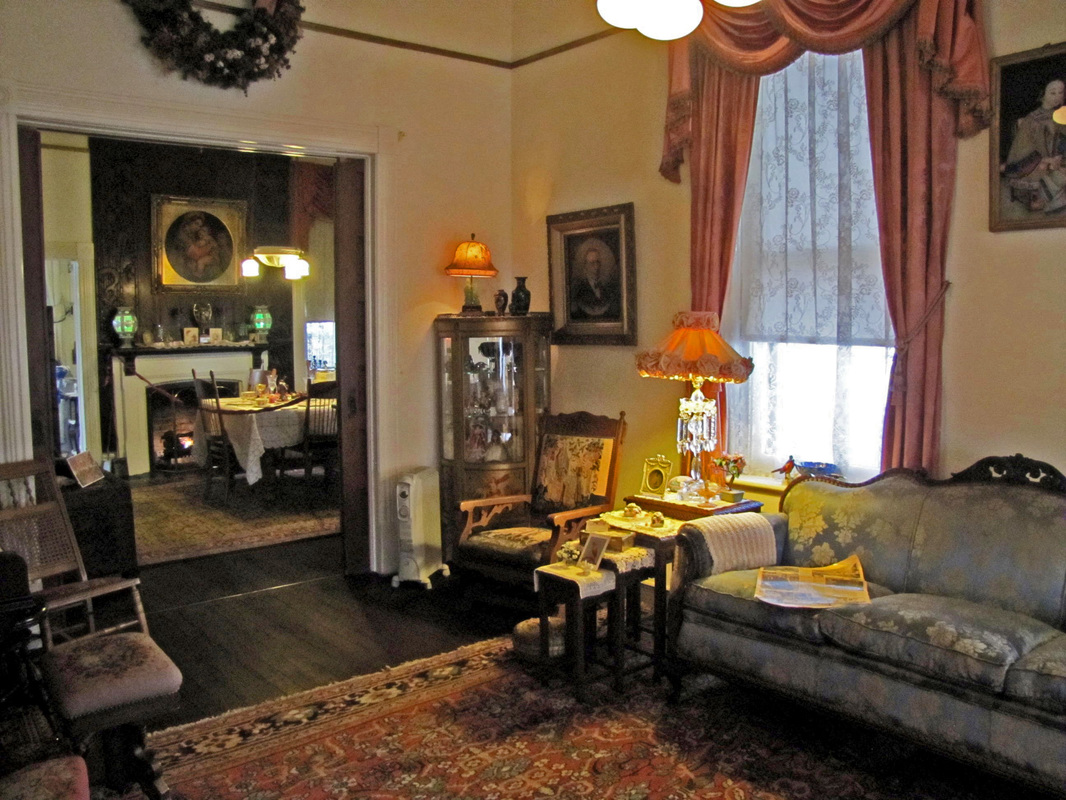
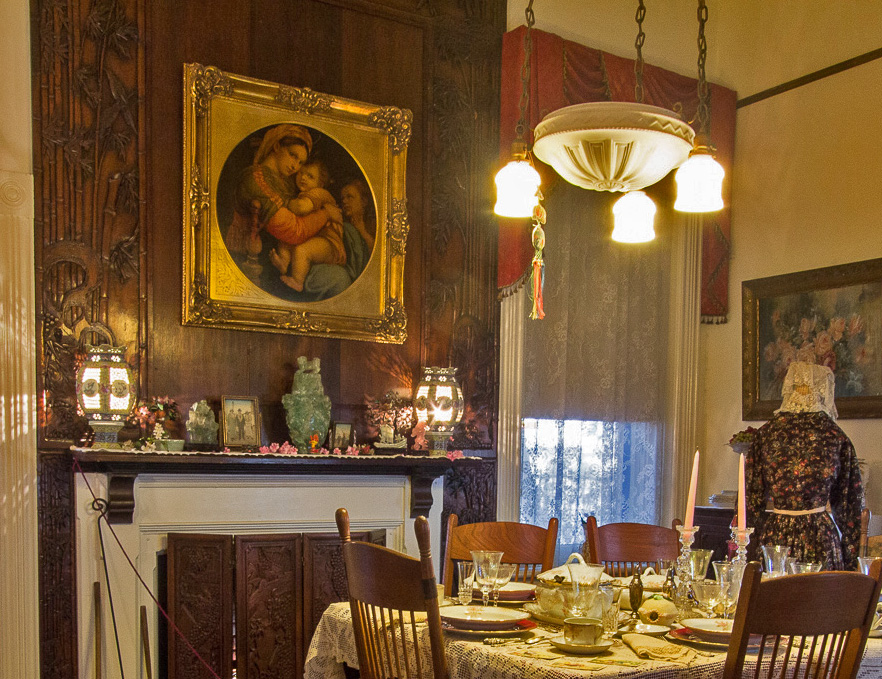
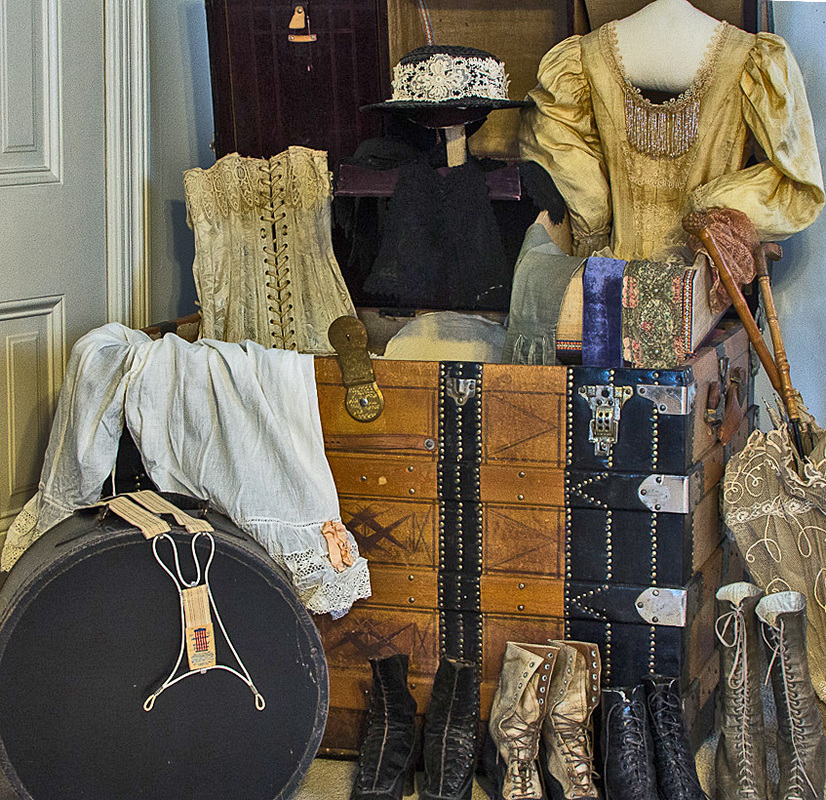
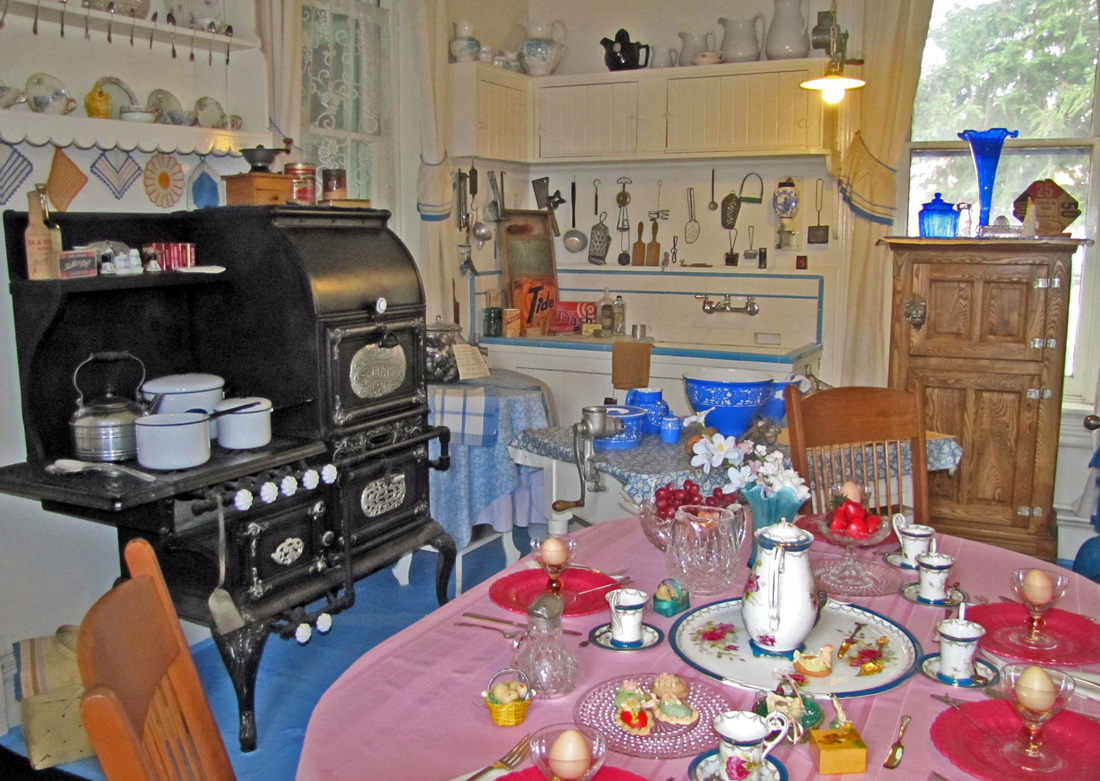
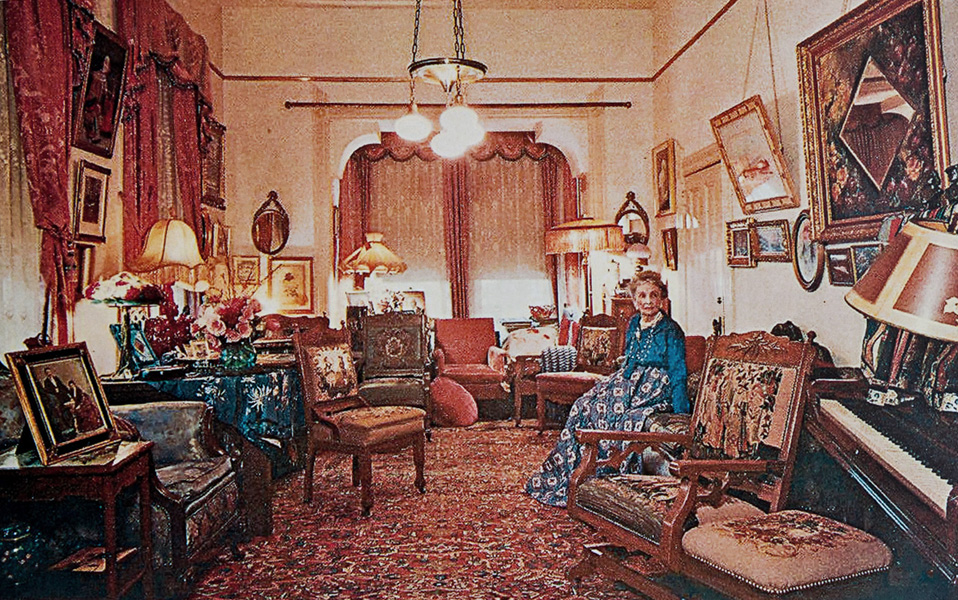
   With a superb collection of historic photos, keepsakes from trips around the world, works of art, closets full of vintage clothing, and seasonally decorated rooms filled with furnishings used by the family, the Zalud House today enables visitors to immerse themselves in the lives and lifestyle of a prominent Valley family of a hundred years ago. Here, their triumphs and their tragedies, and perhaps their spirits, live on.

April, 2015


Slideshow:


Quotes & More Photos:

“The John Zalud house is . . . a very fine example of Second Empire styling and the only one of its type in the town of Porterville . . . It is undoubtedly the finest nineteenth century residential structure in Porterville.” — National Register of Historic Places (NRHP) Nomination Form

“Italianate influence is obvious in the exuberant detail of upper level fenestration. The front porch is also extravagantly decorated with finely ornamental woodwork.” — NRHP Nomination Form 

“The Zalud House is a one and one-half story brick dwelling . . . with mansard roof and double walls of brick with air space in between to accommodate San Joaquin Valley weather. Its integrity is excellent, as the structure is virtually unaltered.” — NRHP Nomination Form 

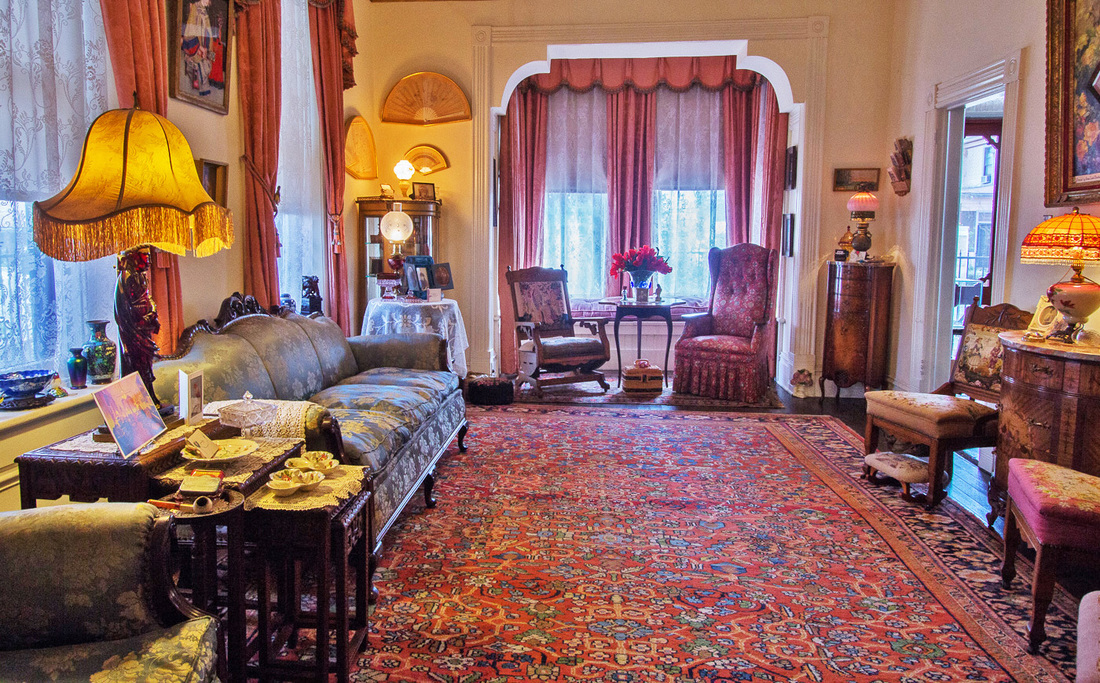
“The house also has unique properties as a museum because, unlike many other historical homes, it was owned and occupied exclusively by the original family, has undergone no major redesigns, and the furnishing and artifacts on display there are almost all Zalud family possessions.” — Darla Welles

“With few exceptions, the interior is structurally and aesthetically a mirror image of its Zalud family days. Most of its rich furnishings are family items, and wallpaper-paint restoration done in 1976 duplicates the original.” — NRHP Nomination Form

“Floors throughout are hardwood covered with oriental and Persian rugs collected by the Zaluds.” — NRHP Nomination Form

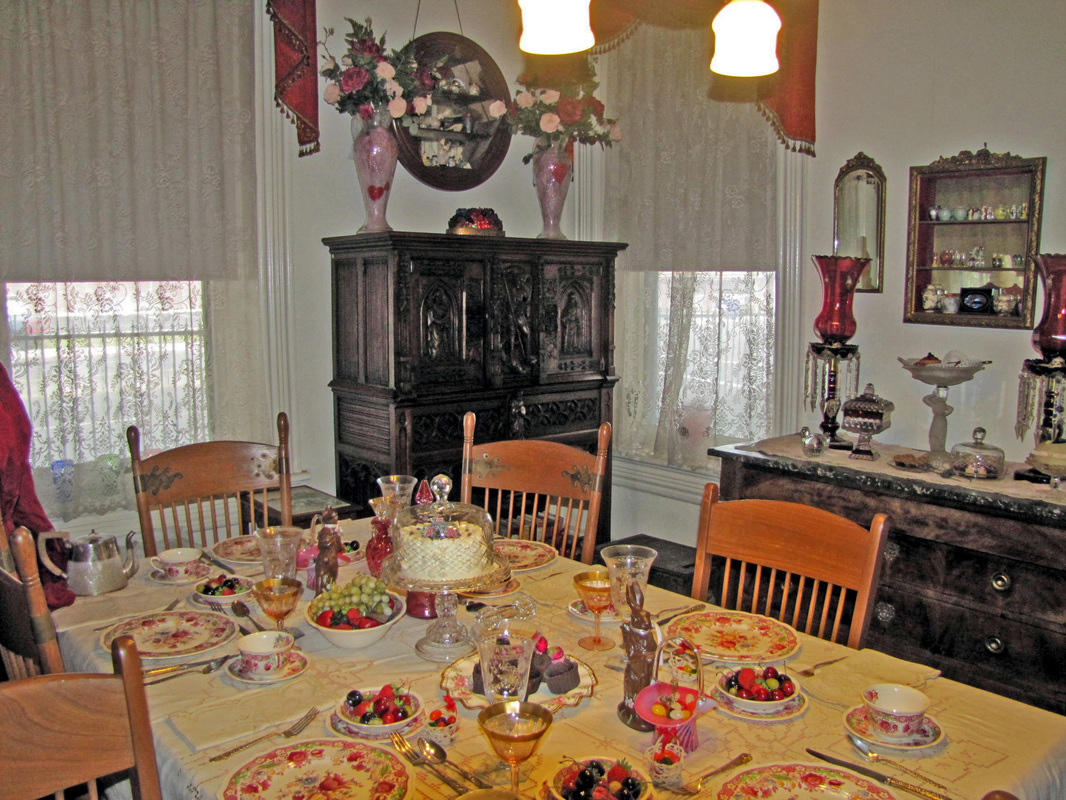
“Most significant feature of the dining room is a floor-to-ceiling rosewood wall completely hand-carved in a bamboo pattern commissioned by the Zaluds while in China.” — NRHP Nomination Form

“‘With that house, we received one of the largest collections of clothing of that era (mostly women’s gowns and hats from the 1890s to the mid- 950s) to be found anywhere in the country today.” — Gil Meachum

“The elder Zaluds started the garden in 1892, gradually creating a beautiful formal cultivated area. . . . It was described in garden magazines and newspaper stories and pictured in the ‘Pictorial Guide to American Gardens.'” — Annie Mitchell

“Both John Zalud and his wife Mary Jane were good cooks, and John loved to prepare breakfast for his family, and often made them jelly tarts as desserts.” — Jeff Edwards

“In memory of my parents, John and Mary Zalud, pioneers of Porterville, California, I give our home . . . and all of the contents of said home, to the City of Porterville . . . to be used for an ART CENTER and Exhibits of Art . . . [S]aid home is to be kept in good repair and not demolished, and the art contents therein shall not be removed from their present site . . . . ” — from the Will of Pearle Priscilla Zalud


Maps & Directions:

Directions:


Address:  393 N. Hockett St., Porterville, CA 93257


From Visalia, take Hwy 198 east to Hwy 65 south to Porterville.

Take the West Henderson Avenue exit east to J29/North Main Street.

Go right (south) on North Main to Morton Avenue.

Turn right (west) onto West Morton Avenue, then left (south) onto North Hockett Street.


Site Details & Activities:

Environment: Valley, historic home in urban Porterville
Activities:  architecture study, guided tours, Old Fashioned Christmas Candlelight Tours in December, paranormal tours, special events (garden area can be rented for weddings, etc.; contact Parks and Leisure Heritage Center Office, 559-791-7695), viewing historic furniture, furnishings, art objects, and apparel
Open:  Thursday-Saturday, 10:00-4:00 (except closed the month of January); admission fee: $3/adult, $1/child
Site Steward:  City of Porterville, Parks and Leisure Department, 559-782-7548
Opportunities for Involvement:  Donate, volunteer
Links:
Zalud House Museum – (Facebook)

Zalud House Museum – NRHP Asset Detail
Zalud House Museum – Porterville Parks Department
Books:
1) Porterville: Facts-Legends-Fires, by Jeff Edwards (Edwards Publishing, 1996)
2) Porterville Main Street Book II, by Jeff Edwards (Edwards Publishing, 1991)
3) Sites to See: Historical Landmarks in Tulare County, by Annie Mitchell (Panorama West Publishing, 1983)
4) Zaluds of Porterville, by Jeff Edwards (Edwards Book Publishing, 1989 [first edition 1977])