Click on photos for more information.

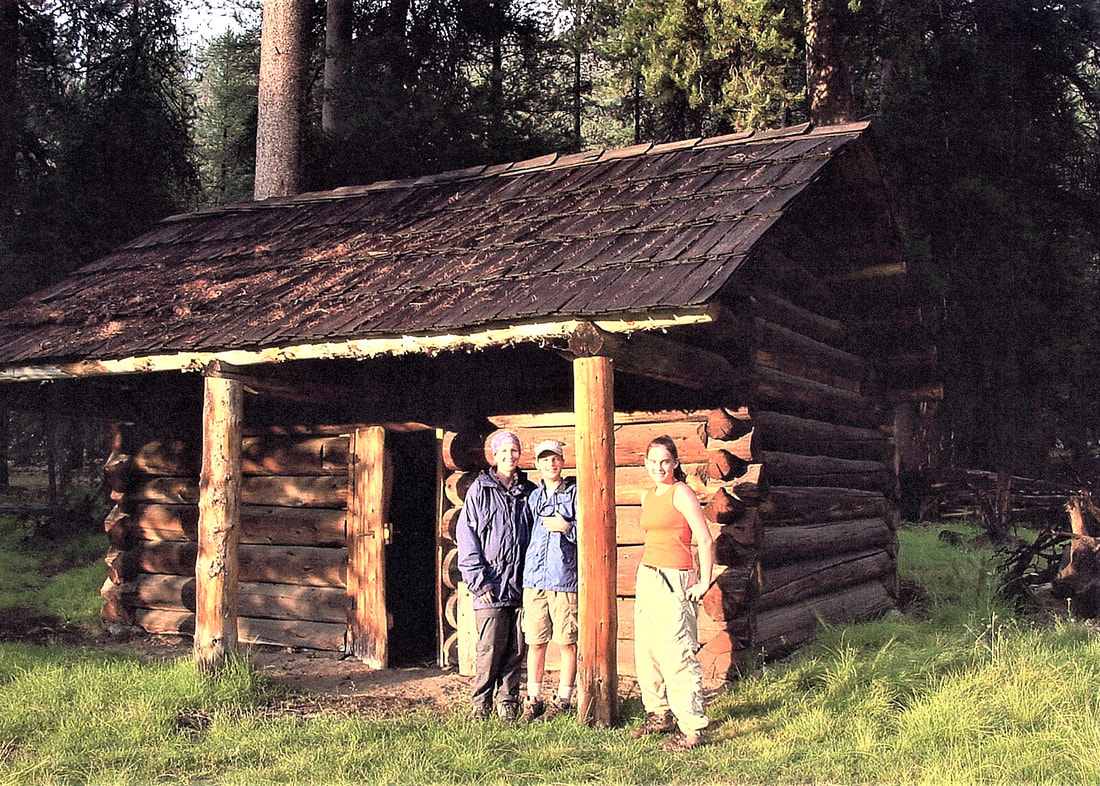
Barton-Lackey Cabin
AKA Barton Cattle Camp, Lackey Cattle Camp

by Laurie Schwaller

     If you would like to see one of the most interesting and seldom-visited mountain cabins in Tulare County, take a long day’s hike or horseback ride on a scenic trail to the Barton-Lackey cabin. Built as headquarters for a long-term summer cattle range, it preserves the history of both an important mountain industry and a prominent early Tulare County family.

     The Bartons were typical Tulare County pioneers in many ways. In 1865, James T. and Susan Barton, natives of New Jersey, crossed the plains from Illinois with their ten (sometimes reported as 9 or 11) children, and arrived in Visalia in October. Soon they took up land at the site of Auckland, a settlement on the old Millwood Road (now Highway 245) that runs north up to Badger and on to the sawmills and high country meadows beyond. The little town was an important stop for hundreds of teamsters on their journeys to and from the busy mills that supplied wood products to many growing Tulare County communities.
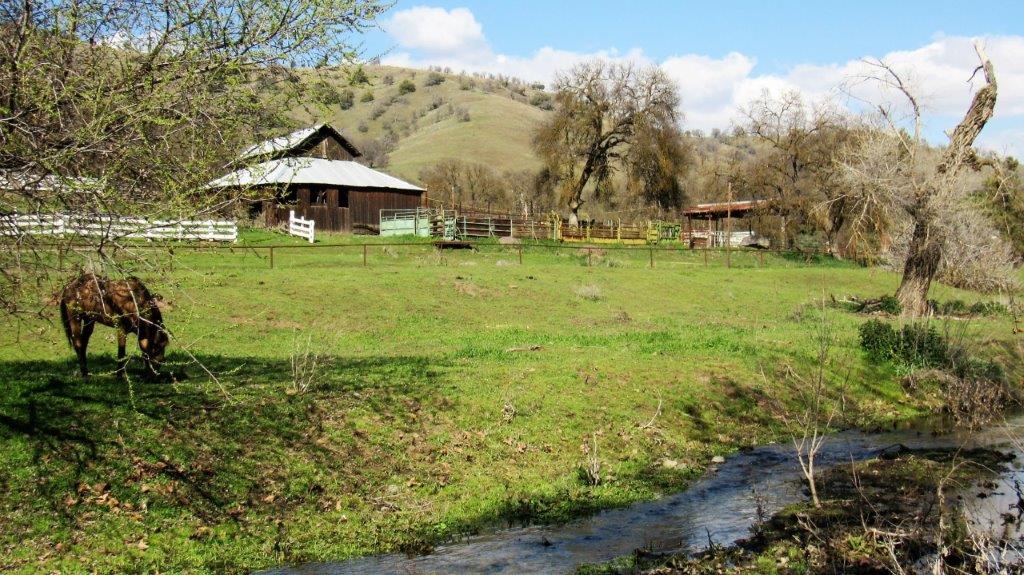
View of a horse and a stream with farm structures in the background.

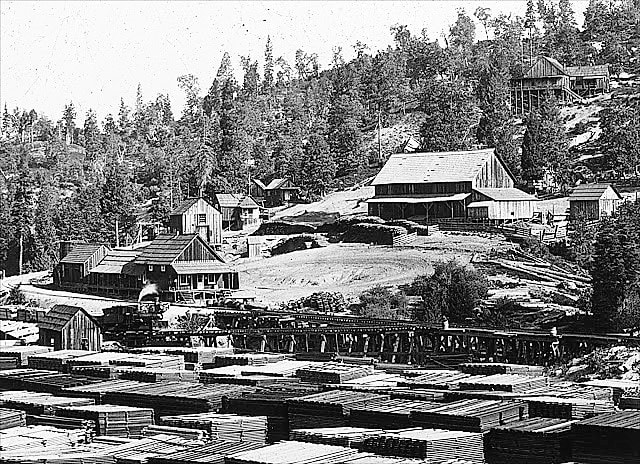
View of a sawmill

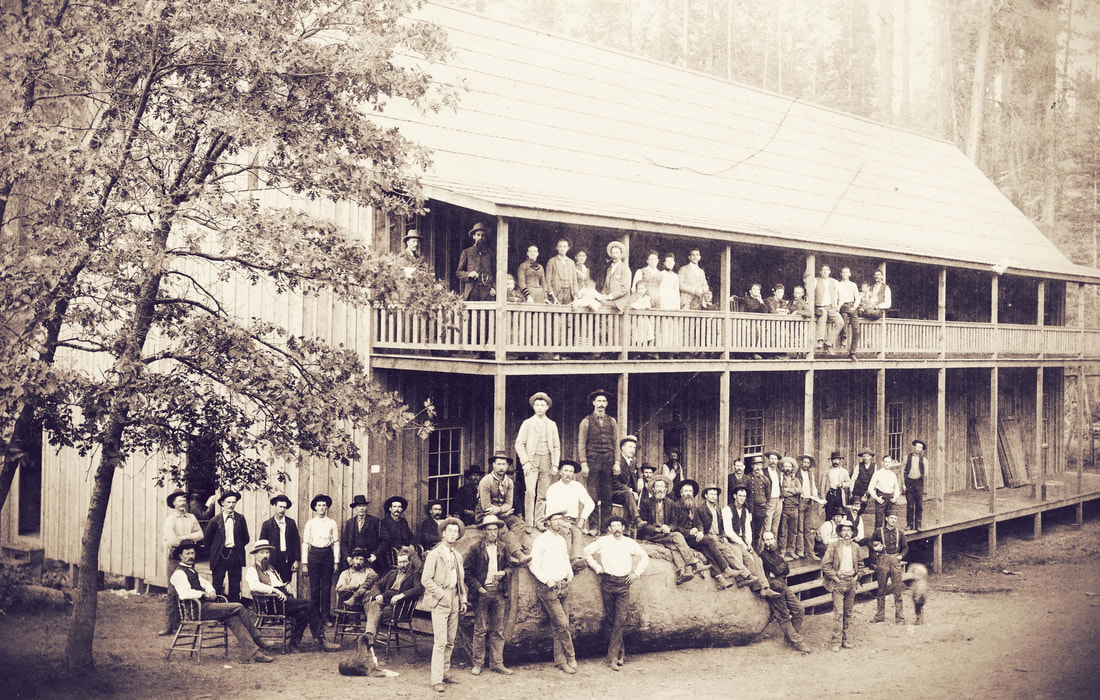
View of a two-story hotel with numerous people standing and sitting in front of it and on the balcony

     Four generations of Bartons lived at Auckland. James T. Barton raised cattle there on 440 acres for 14 years, then moved to Three Rivers in 1879.

     James and Susan’s sons Hudson (“Hud”) DeCamp Barton and Orlando Barton stayed in Auckland, where they ranched with their father and brothers and worked at the local sawmills. Hud, born in 1844, homesteaded land just above the village. He and Orlando built Auckland’s school and Hud was its first teacher. Over the years, he was also a rancher, sawmill owner, miner, hotel owner, orchardist, and carpenter. In his later years, he wrote many letters, a number of which were published in local newspapers, about his journey across the plains to California and events in our local mountains.
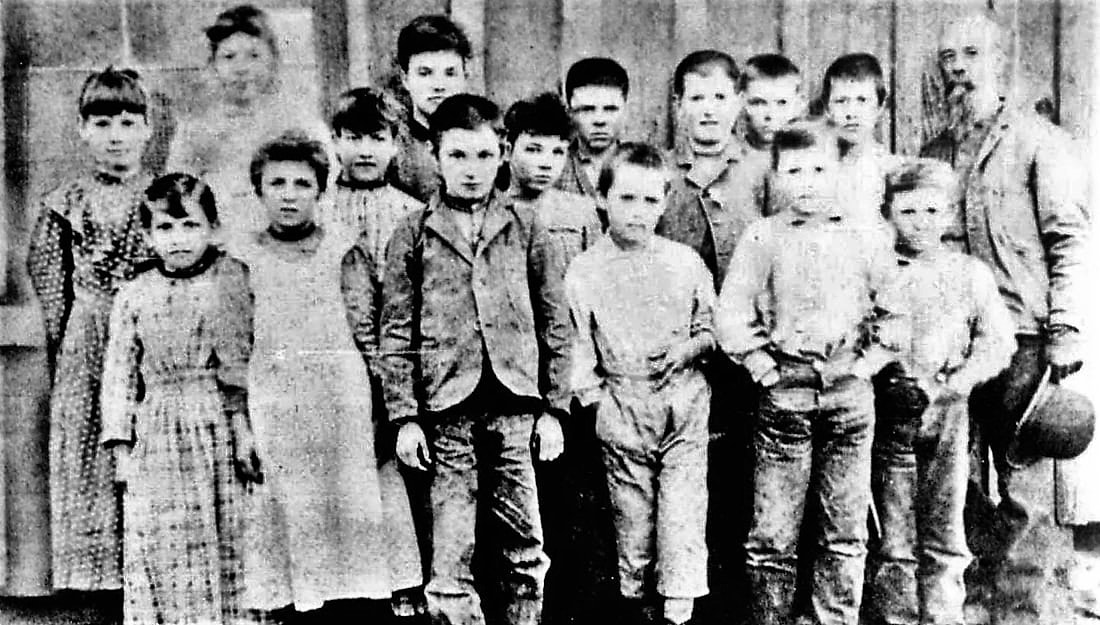
Group photo of school children

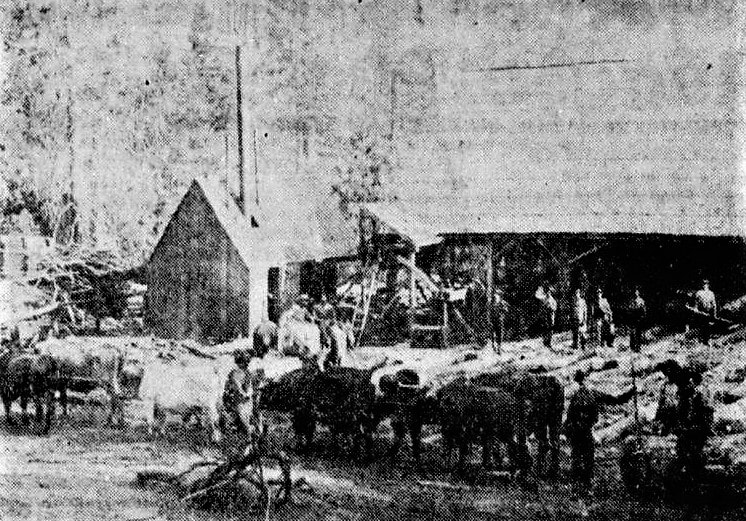
Image of a sawmill with livestock in front

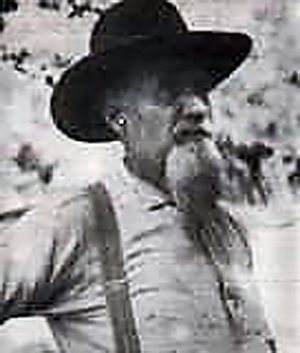
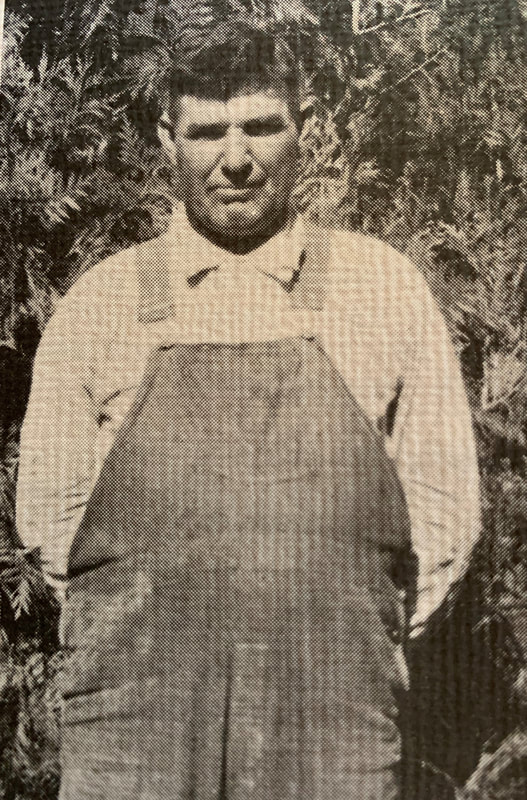
     Hud married Sarah Jane Harmon in 1870, and they had eight children. Their first son, James DeCamp (Jim) Barton, was born in Auckland in 1871. He married Nellie St. Clair in 1893, and they had two daughters. Early in life Jim acquired and lived on the property homesteaded by his grandfather (James T.), then gradually acquired much adjoining property, becoming a prominent cattleman. He also worked as a contract logger and owned a big bull team that hauled heavy freight. To advance his logging and ranching operations, he built many of the mountain roads leading into the high country.
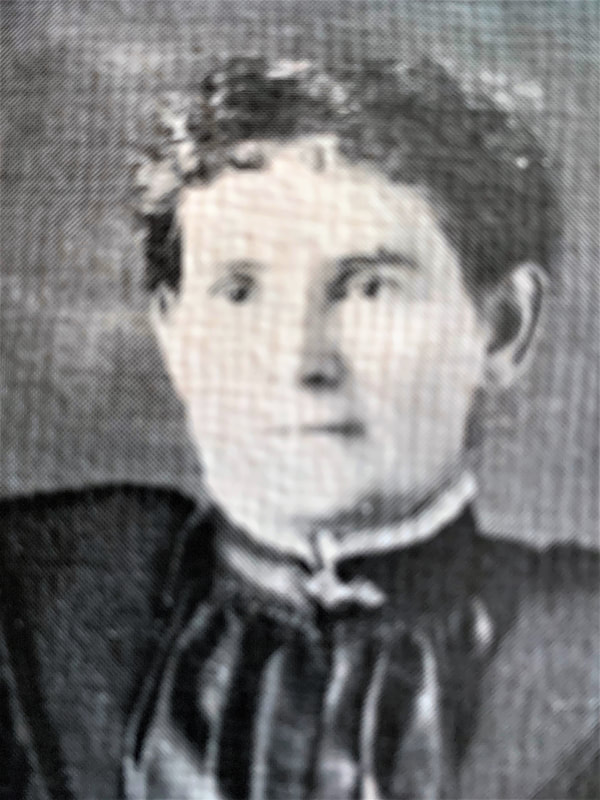
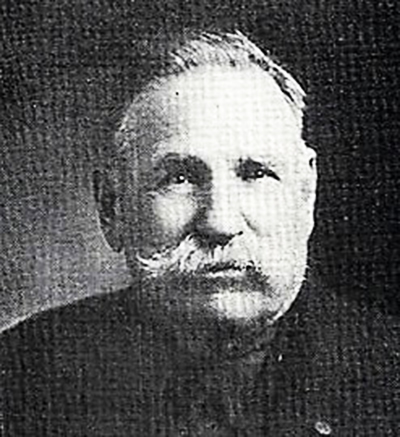
Portrait

Newspaper photograph of a man in overalls

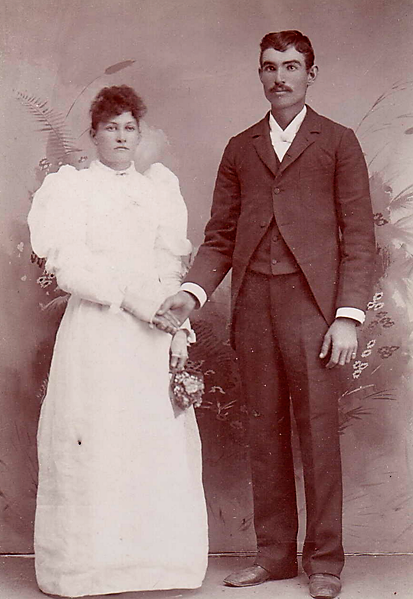
Photo of Nellie St. Clair and James Barton on their wedding day

     By 1904, the Bartons were driving cattle over these roads and trails to summer pasture on Federal Sierra Forest Reserve land. They chose the remote meadows at 7400′ along Roaring River in what is now Kings Canyon National Park, very near the present Roaring River Ranger Station.
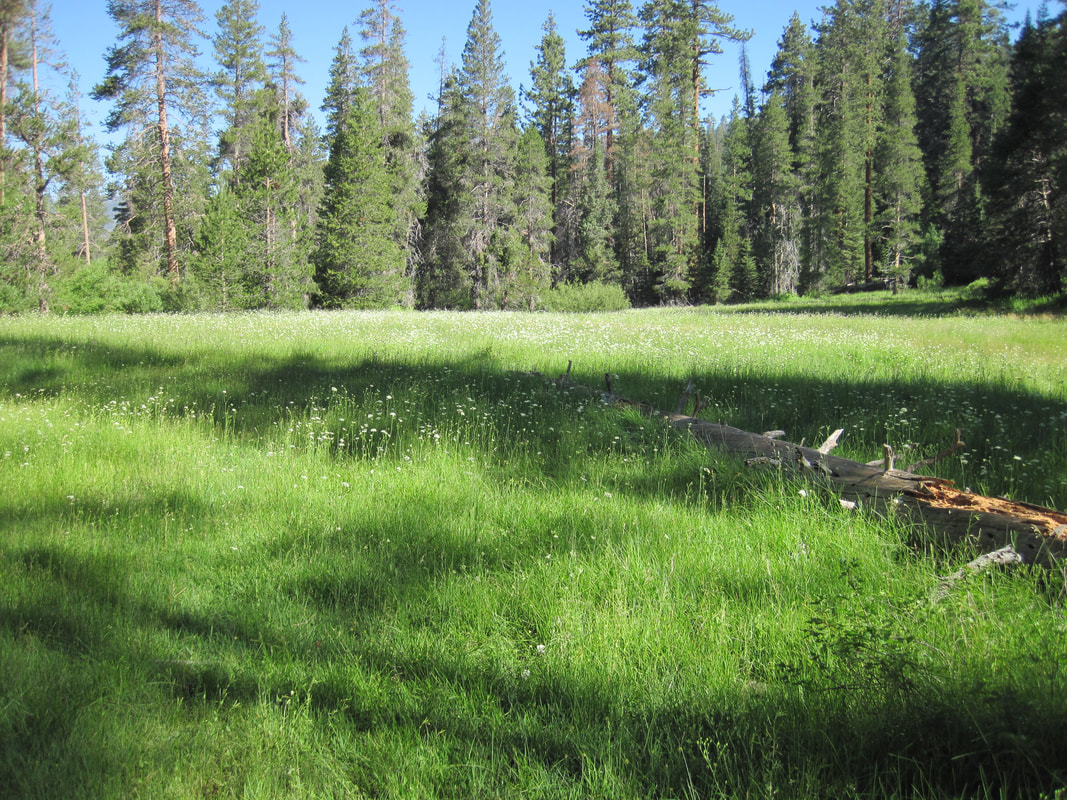
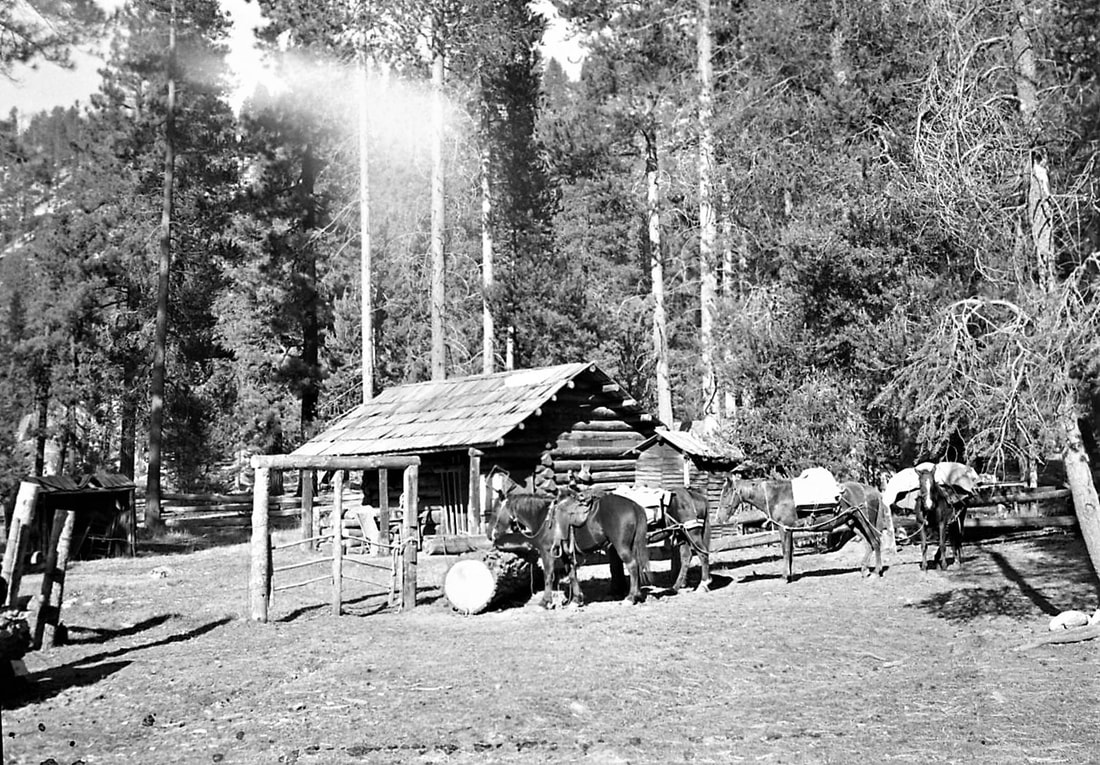
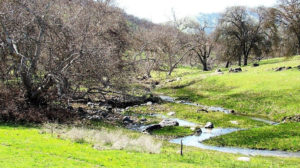
View of a grassy meadow

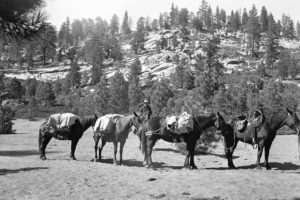
View of cabin with saddle horse and pack train in front

Stan Bechtel, 520000, Roaring River, KCNP, Ranger stations. Roaring River Ranger Station. Individuals unidentified.

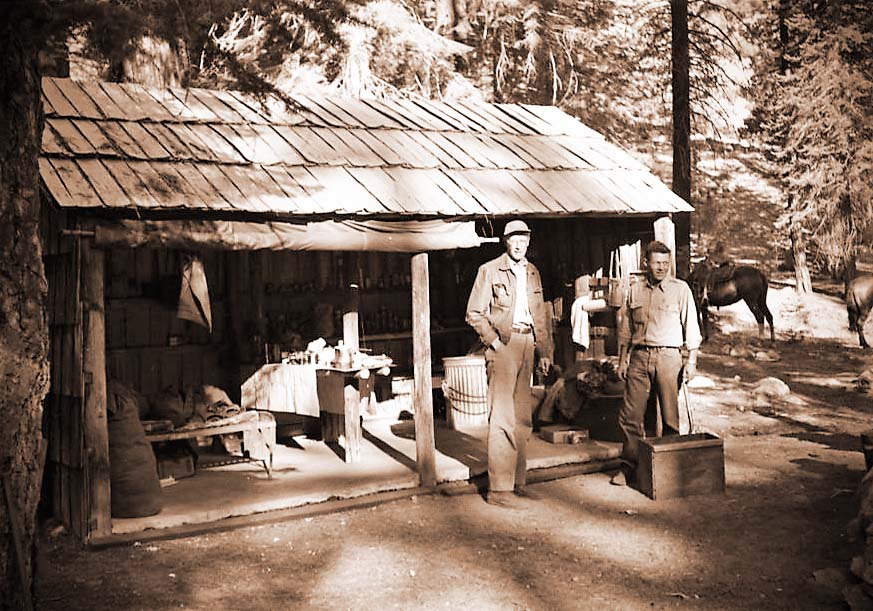
     Around 1910, the Bartons began constructing a number of improvements at their Scaffold Meadows cow camp. These included a one-room log cabin with a fireplace, a covered porch, a dirt floor and no foundation, along with corrals and hitching posts, and several outbuildings to house tack, tools, food, equipment, a kitchen, and summer herdsmen.

     In 1915, Hud wrote one of his many letters to the newspapers. Alarmed by rumors of a proposed enlargement of Sequoia National Park, he railed against the parties whose sole purpose, he claimed, was “getting the cattle shut out of the mountains and thereby letting vast quantities of feed go to waste for the selfish satisfaction of knowing that no one else can get any benefit from that which they cannot use or destroy themselves.”
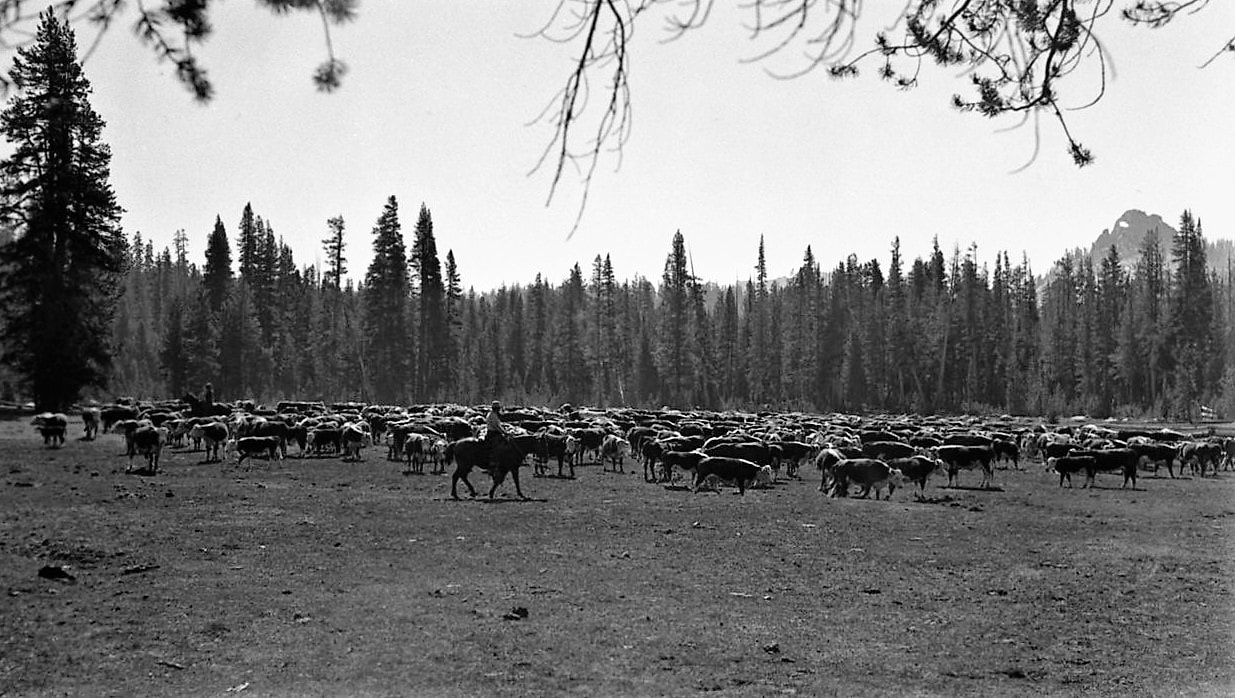
A herd of cattle in a meadow with two people on horseback

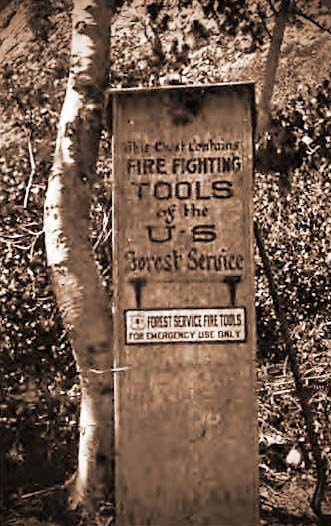
     He emphasized that the cattlemen were “always ready and willing to help the rangers in case of fire and also to help the fish and game wardens in stocking barren lakes and streams” and lauded the forest rangers as “men of intelligence, always on the lookout for the interests and welfare of the tourist.”

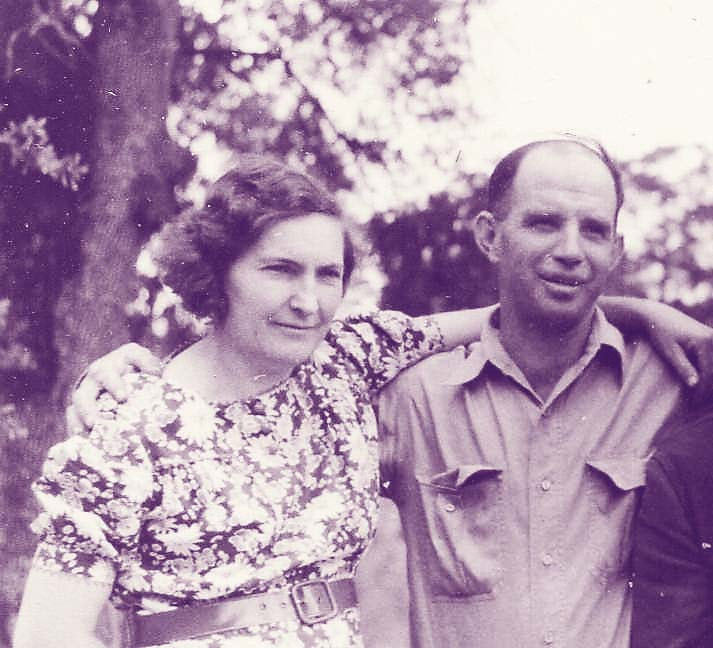
     Meanwhile, Hudson and Jim, father and son, continued to graze their livestock at Scaffold Meadows, and their children and friends often accompanied them on the annual trail drives. In 1922, they met the new administrator of their summer range. Forest Ranger Albert Roswell Lackey had transferred from the Sierra National Forest to take charge of the Kings Canyon District of the Sequoia National Forest. In March, 1923, Jim’s daughter Sylvia married Al Lackey, who took over the Barton family’s cattle business after Hud and Jim died.
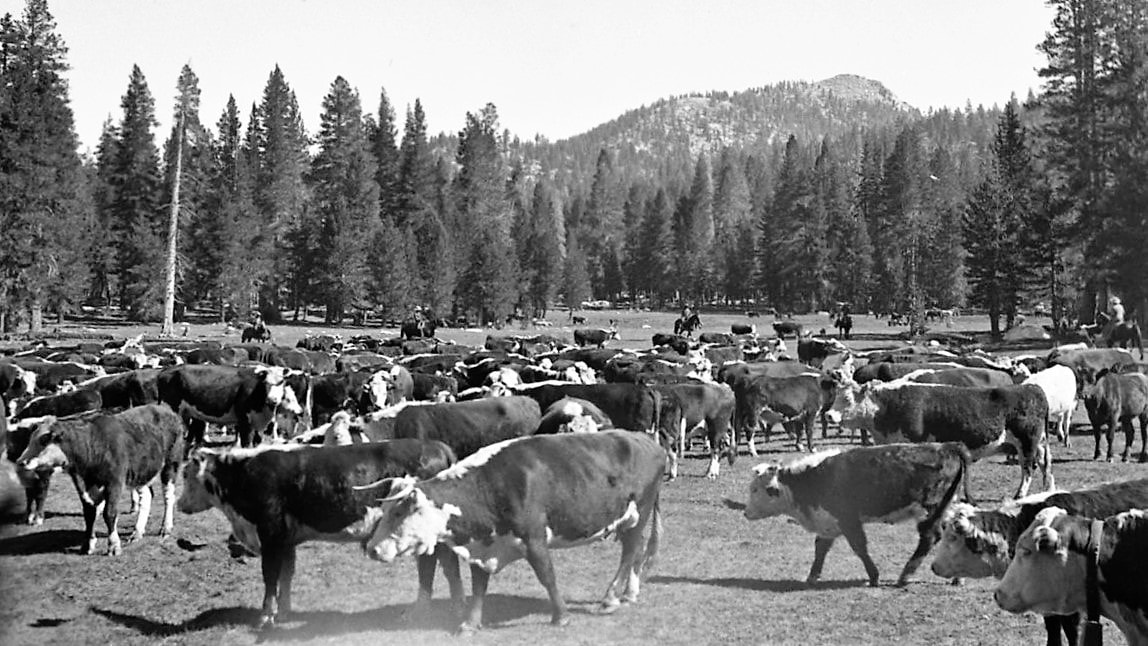
A herd of cattle in a meadow with people on horseback

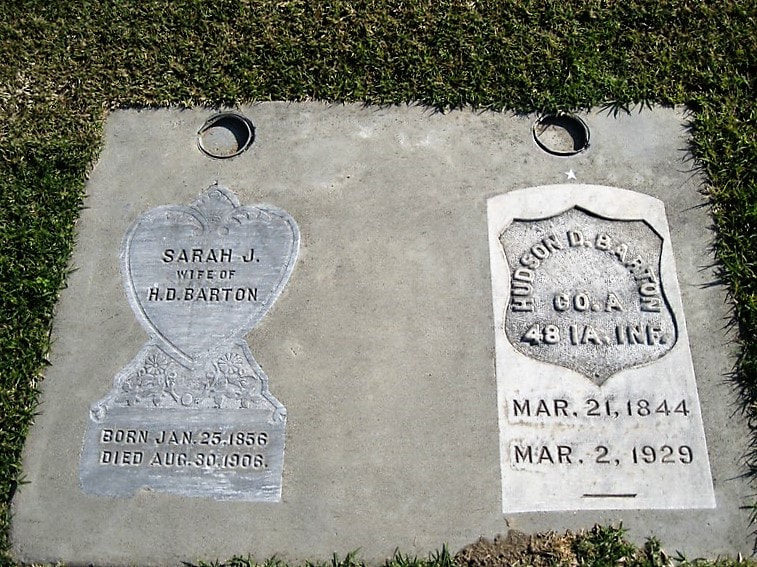
Headstone of Sarah Jane Harmon Barton and Hudson D. Barton

     Hud died in 1929, at age 84, followed by Jim in July, 1931, at age 61. In accordance with his wishes, Jim’s body was cremated, and his ashes were scattered in the Roaring River country, “which he loved so well.” Al Lackey continued to take the cattle there every summer.

     Then Kings Canyon National Park was established in 1940, and grazing was to be phased out. However, life-time use permits were granted to historic users of the area, including the Barton-Lackey cattle operation, since Nellie Barton was still alive. When she died, in 1955, Al Lackey obtained an extension of the grazing permit, but by 1960, the Barton-Lackey cattle had left the Roaring River country for good. Al continued the business in the Badger area until he retired three years before his death in 1967. (Sylvia died young, in 1953, of cancer.)
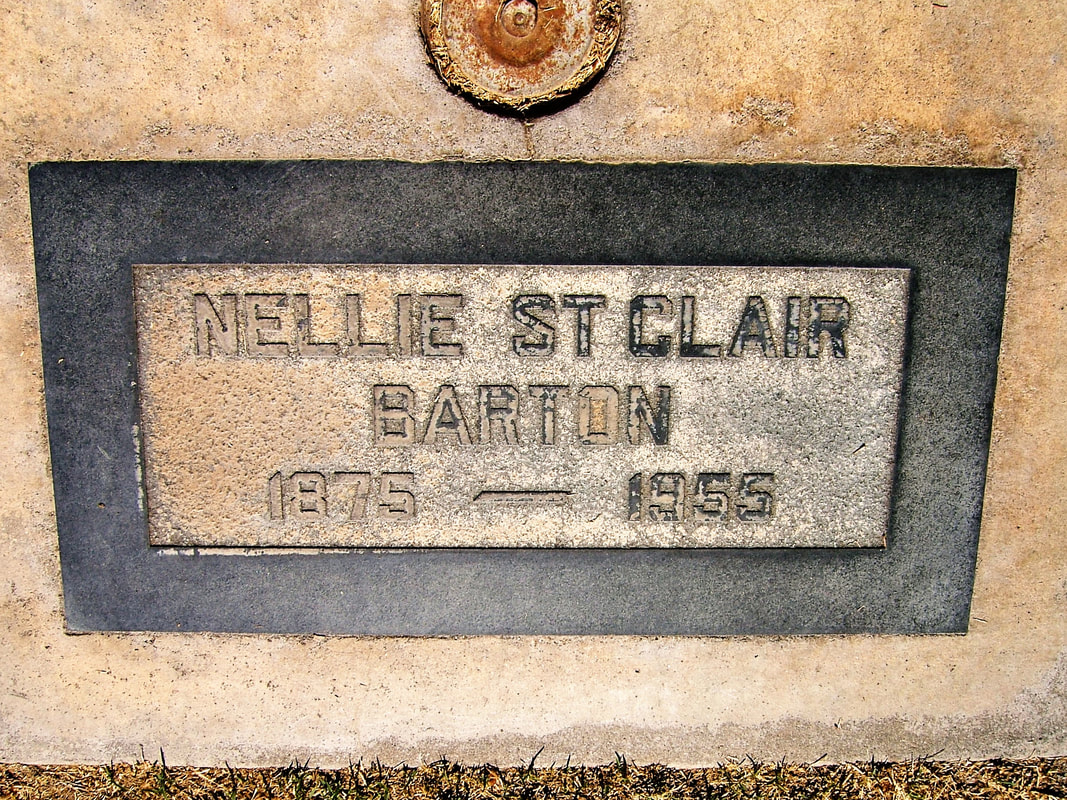
Headstone of Nellie St. Clair Barton, wife of James DeCamp Barton

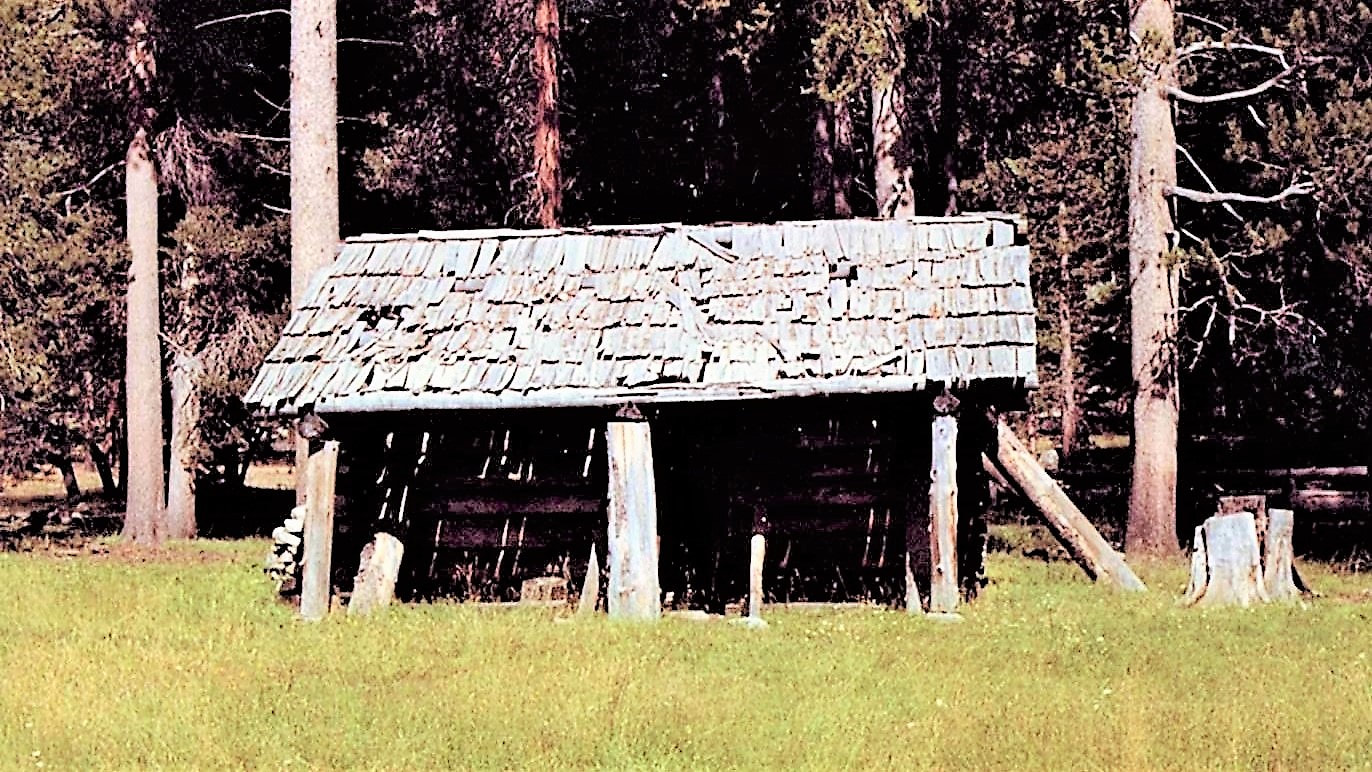
Image of the Barton-Lackey Cabin in Scaffold Meadow before it was restored

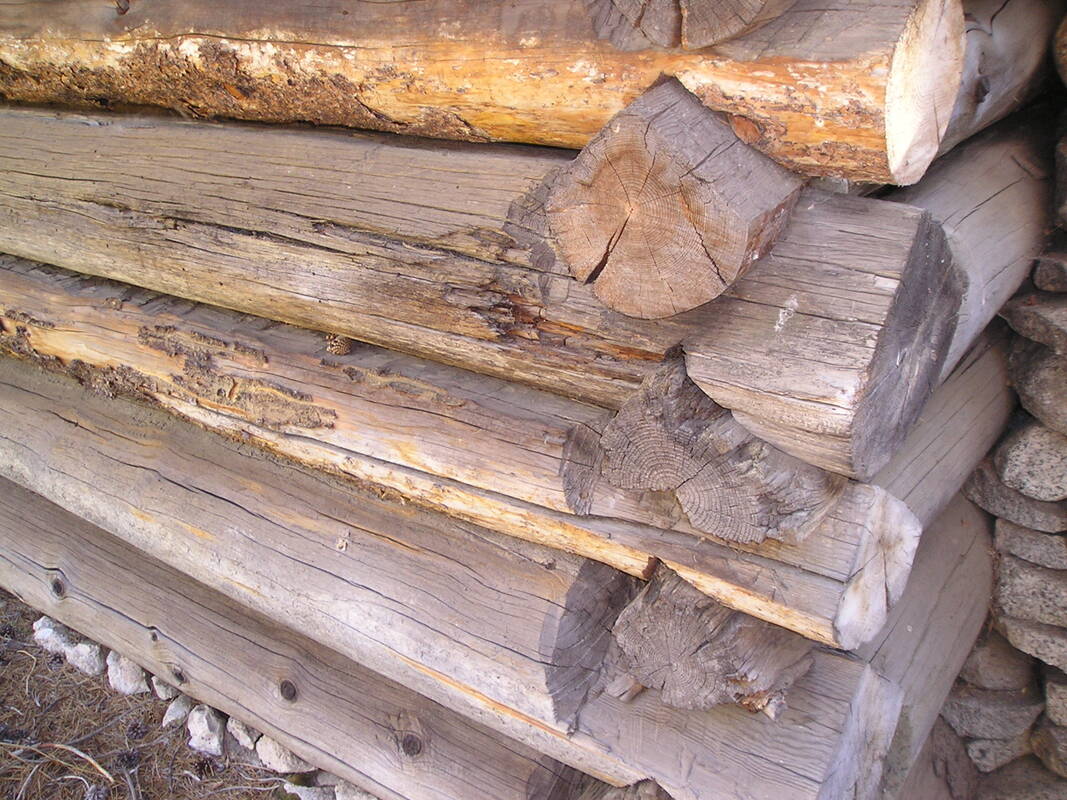
Corner of a log cabin

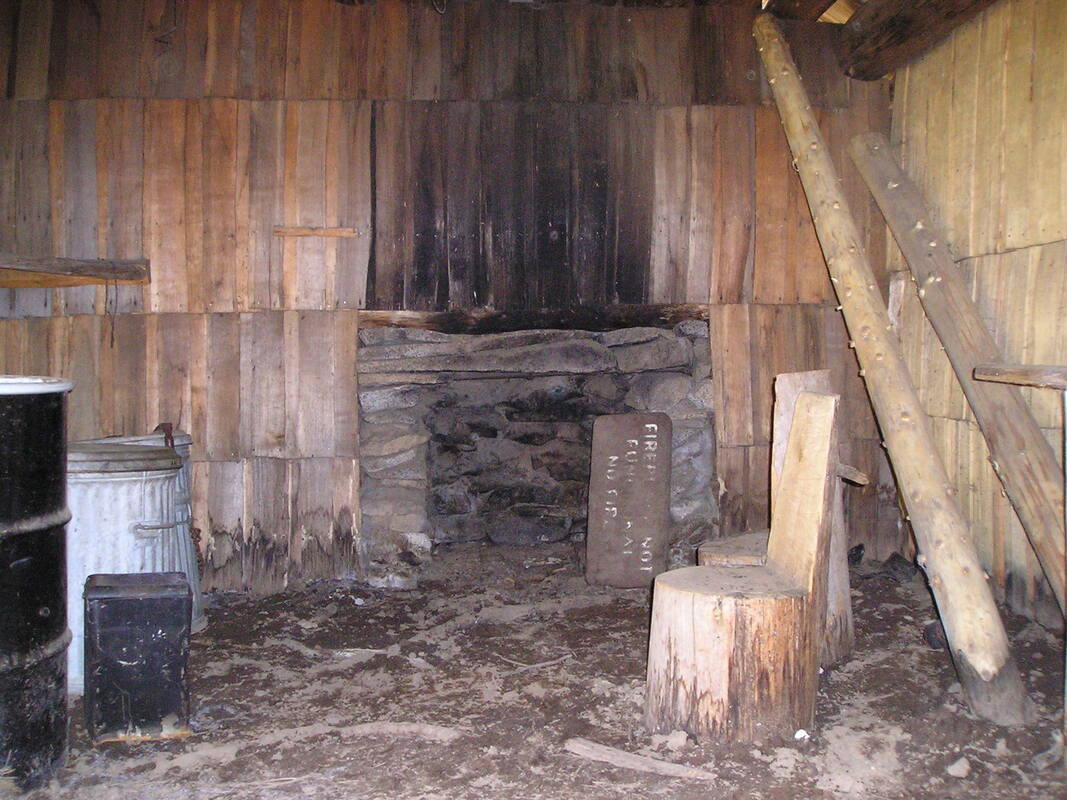
Interior of the Barton Lackey Cabin before it was restored

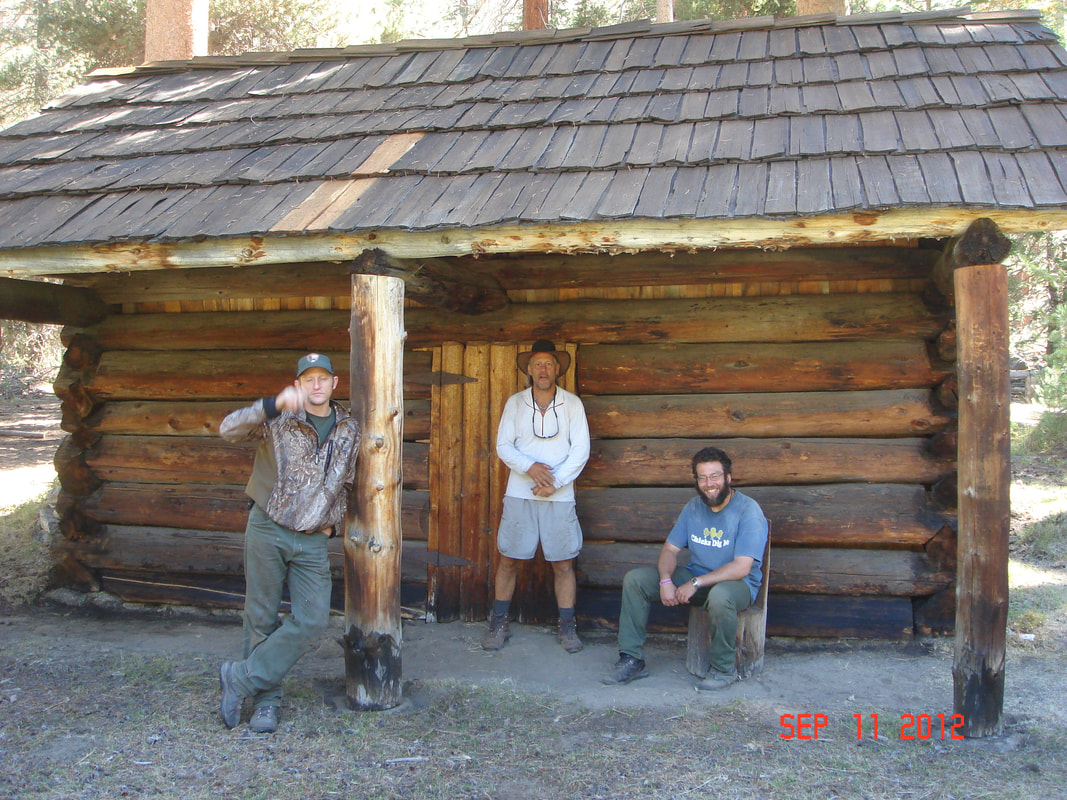
     The National Park Service took over the fifty-year-old Barton-Lackey cabin and used it for many years as a storage shed. By the time Park staff nominated it for the National Register in 1977, the old fences and out-buildings were all gone and the historic cabin, which had never been altered from its original appearance, needed significant repairs and reconstruction. That work was done in the early 1980s and was accomplished again authentically in 2012 by the Parks’ Historic Preservation crew, led by Thor Riksheim.
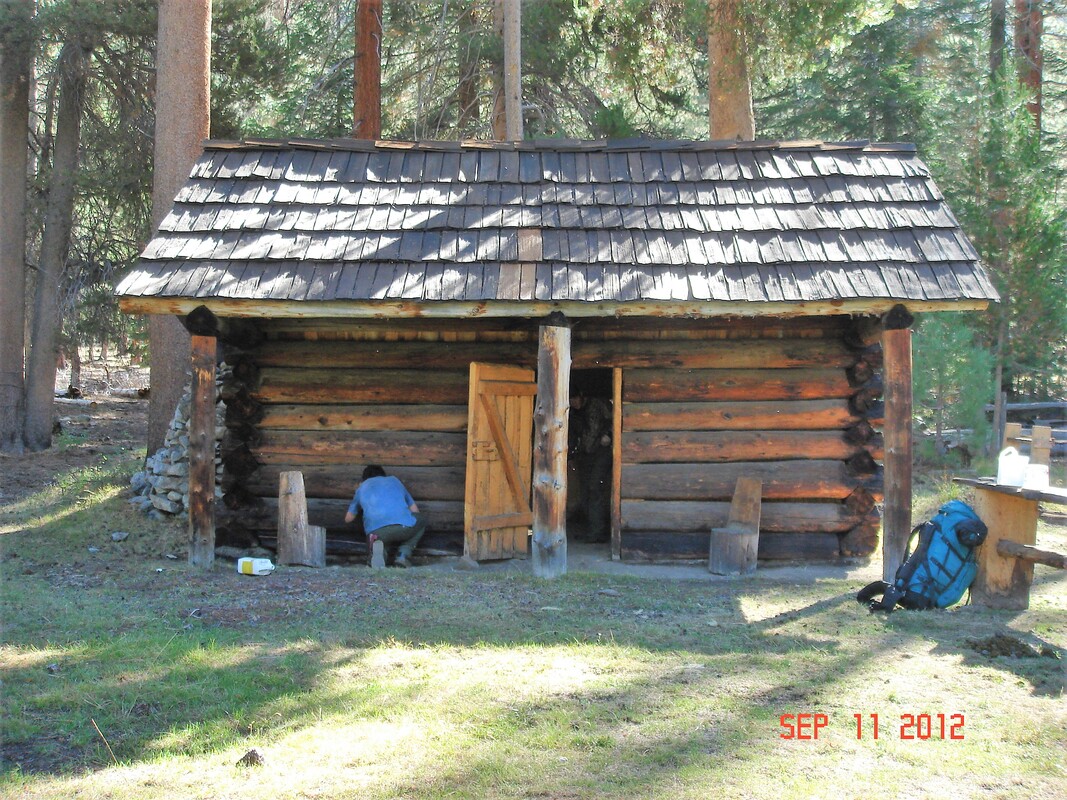
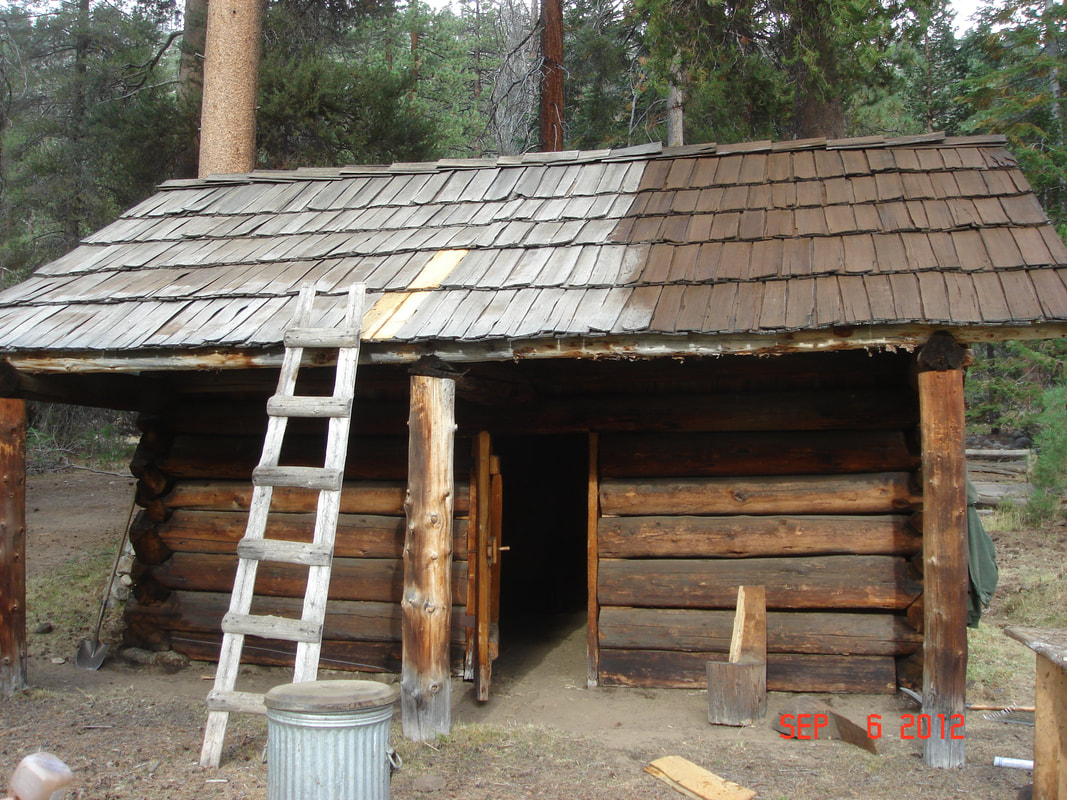
Image of front of cabin with a person working on restoration

Image of cabin with a hand-made wooden ladder in front and partially-restored roof shingles

Men sitting and standing in front of the cabin

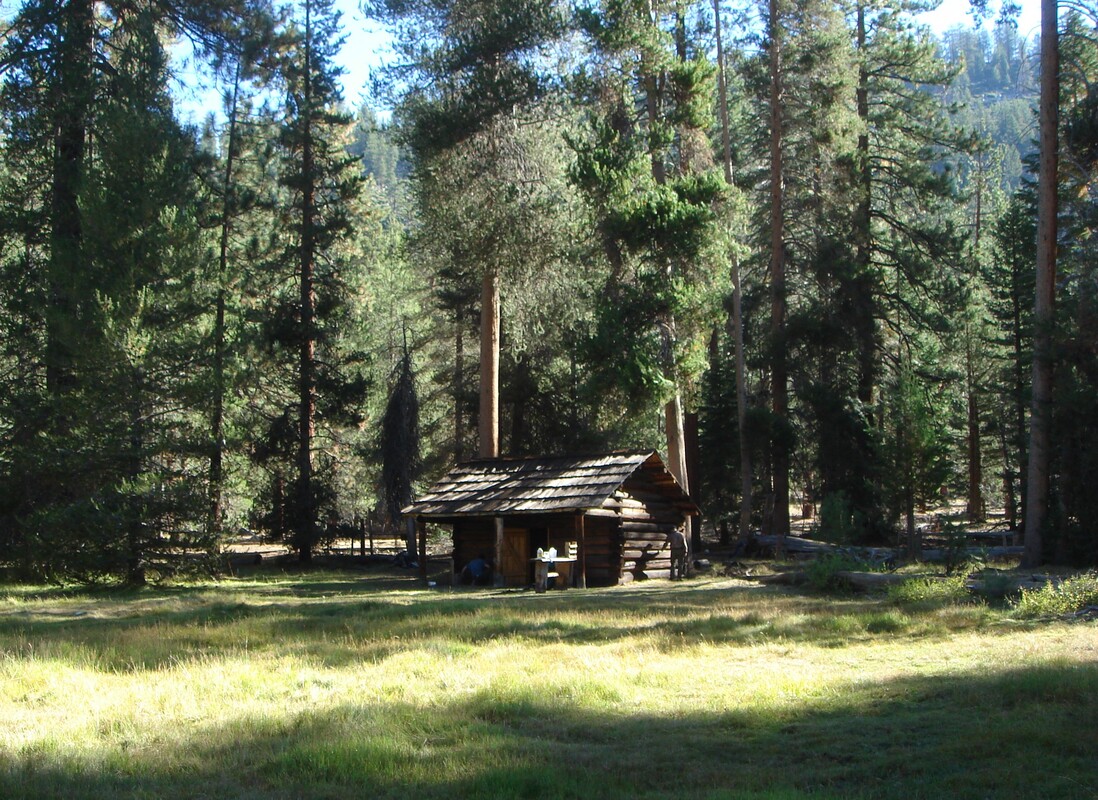
Bartin Lackey Cabin in the tree shadows

     Into the twenty-first century, Barton descendants, along with thousands of backpackers and trail riders, have continued to visit the family’s summer cabin and to recall its long history in Tulare County. While mining, logging, and domestic livestock herding are not allowed in the National Park, the Park Service preserves the Barton-Lackey cabin as a visible reminder of the Euro-American pioneers’ presence on and uses of this land, which sustained Native Americans’ summer uses for thousands of years before them and will be protected for as long as the national parks endure.

June, 2021

Slideshow:


Quotes & More Photos:

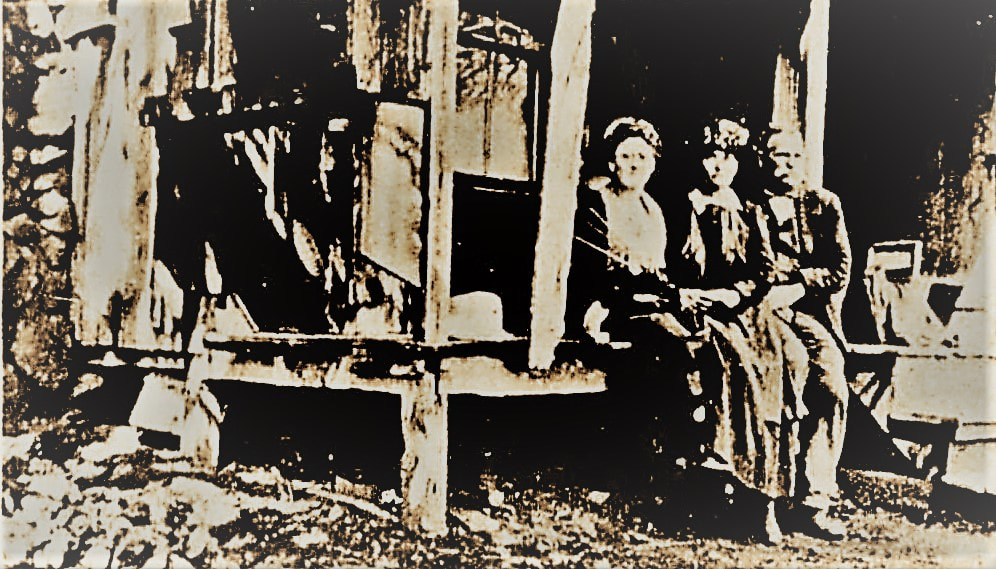
Image of three adults sitting on the edge of the front porch of the old Auckland store

“Auckland was located just north of Cottonwood Creek on the old Millwood Road . . . . Phillip Sweet, a native of Aukland, New Zealand, built a dry goods store there around 1860. . . . A post office was established on August 24, 1889, and lasted until November 19, 1912, by which time there was little left of Auckland but memories.” — Chris Brewer, 2002
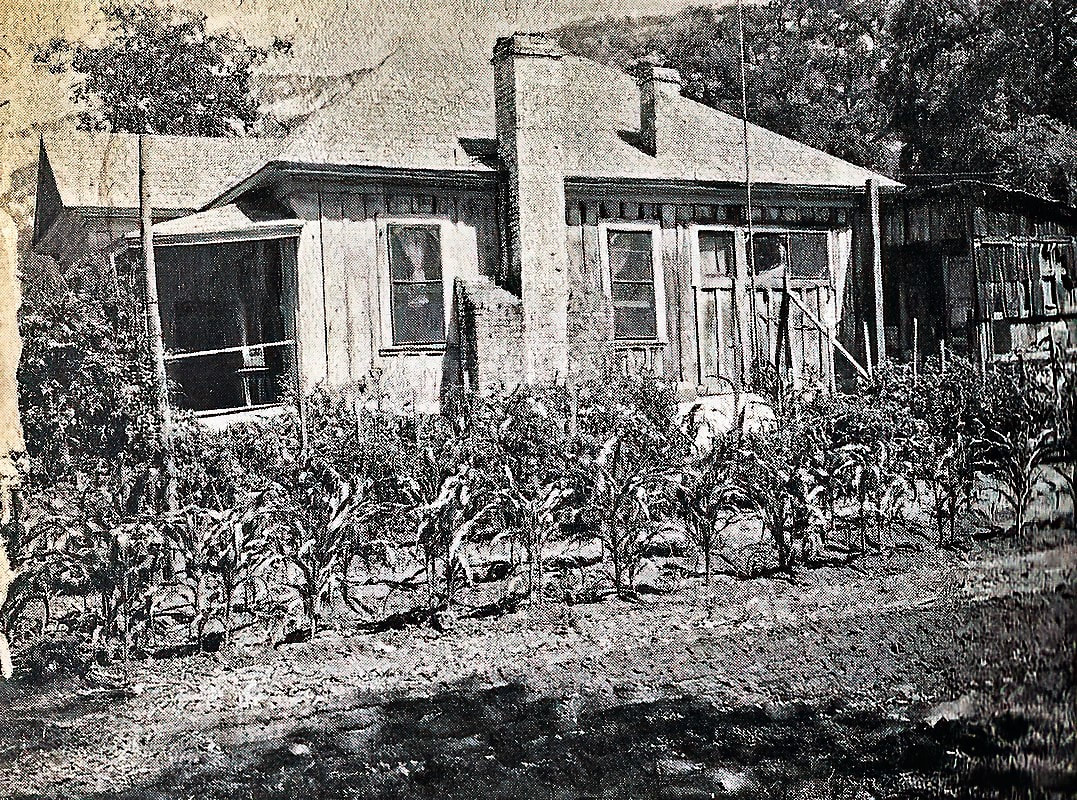
Image of a vegetable garden growing adjacent to the Barton home in Auckland

“Crossing Cottonwood Creek was the feed yards for the many teamsters and then, the old town of Auckland. [O]n the right was the Hud Barton homestead. . . . The Jim Barton place is where the Orlopp turkey ranch later was. . . . Again on the left was the Auckland School. To the right and across the road was the Ansel [sic] Smith place. . . . Ansel’s wife was Lottie, the daughter of Jim Barton.” — Crawford Osborn, 05/10/1920, via Pat Hart & Larry Jordan
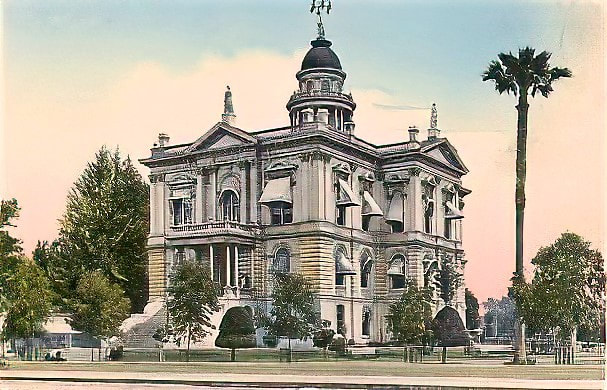
Colored illustration of the original Tulare County Courthouse

James T. Barton served five terms as a Tulare County Supervisor between 1869-1892; the county courthouse was built in 1876 under his supervision. He died in Three Rivers in 1912. His son Orlando also later settled on a ranch in Three Rivers and raised cattle and hogs on the site of what became the River Inn. He became a well-known writer of articles about Western subjects.
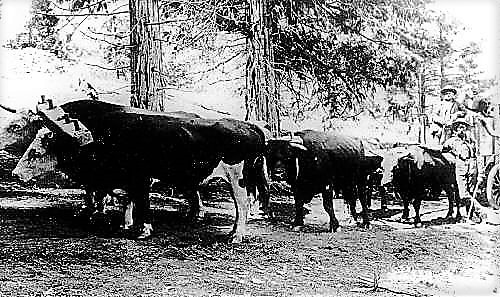
Image of a team of three bulls pulling a wagon

“One of the last bull teams to be used around our mills, in the mountains. This ‘power house’ belonged to Jim Barton, of Auckland, and his partner, Dave Wortman. . . . It was those teams along with the mule teams that started Auckland on its way.” — Pat Hart, 02/18/1975, in Dinuba Sentinel
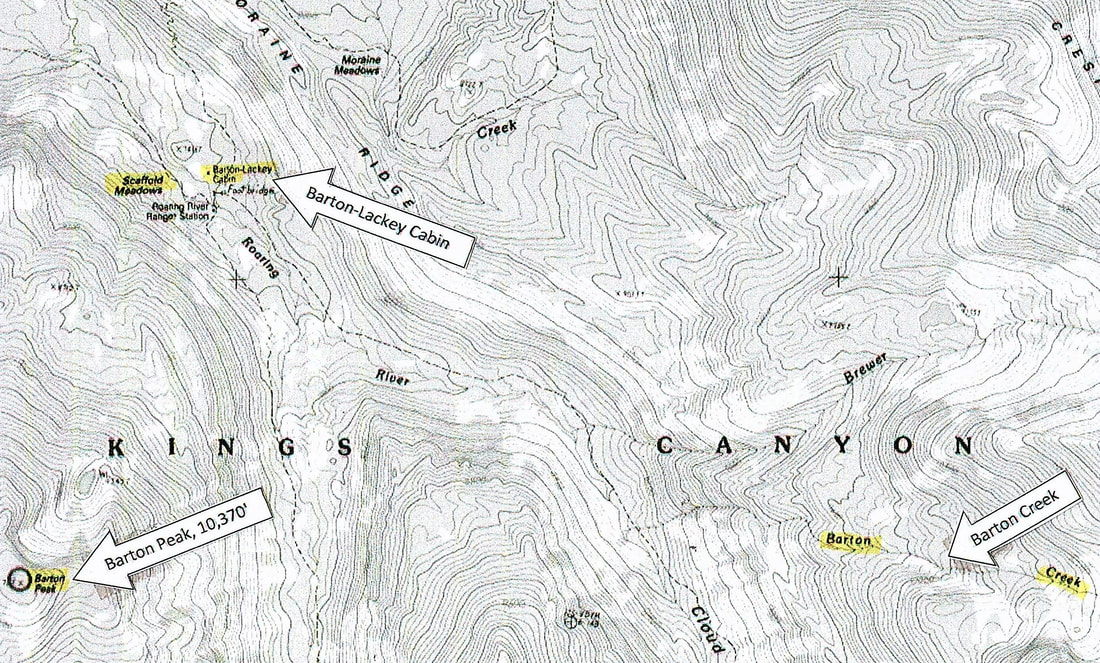
Map of a portion of Kings Canyon showing the location of the Barton-Lackey Cabin

“The early stockmen realized that the only way to save their animals from the recurring droughts was to drive them up to the Sierra high country [where] the grassy meadows provided relief . . . during the summer. Each year, the stockmen return[ed] to meadows they often claimed as their own. Within the rugged Kings River drainage, . . . their names became affixed to the high . . . Kings Canyon area . . . . ” — Gene Rose, 2011
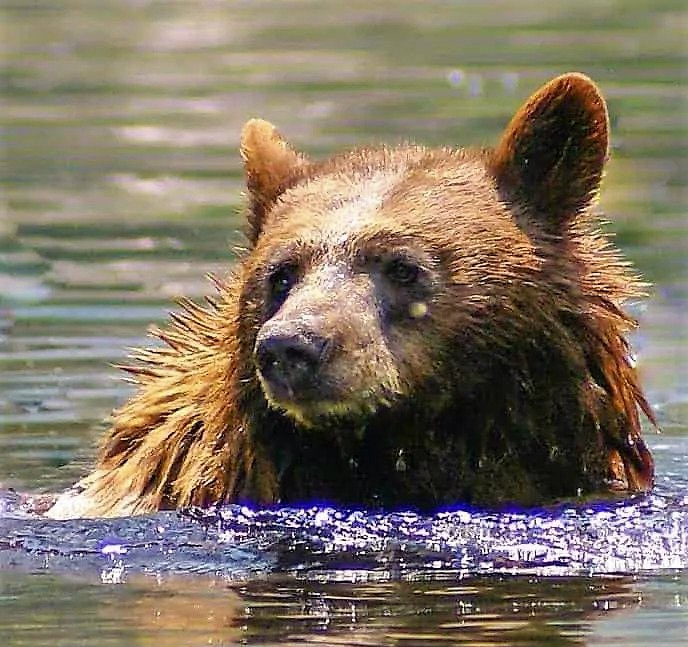
Image of a brown bear swimming in a river

“Neal Barton, [while] spending the summer at Jim Barton’s cattle camp . . . killed a brown bear [that] weighed 450 pounds, being six feet six inches from tip to tip. . . . The animal visited the camp of Ralph Merritt, president of the Sun Maid Raisin Growers on several occasions. . . . While . . . keeping watch alone, . . . Barton fired with a heavy rifle, the shot striking the animal which fell into the river, swam to the opposite shore, and there fell dead.” — Visalia Times Delta, 08/11/1927
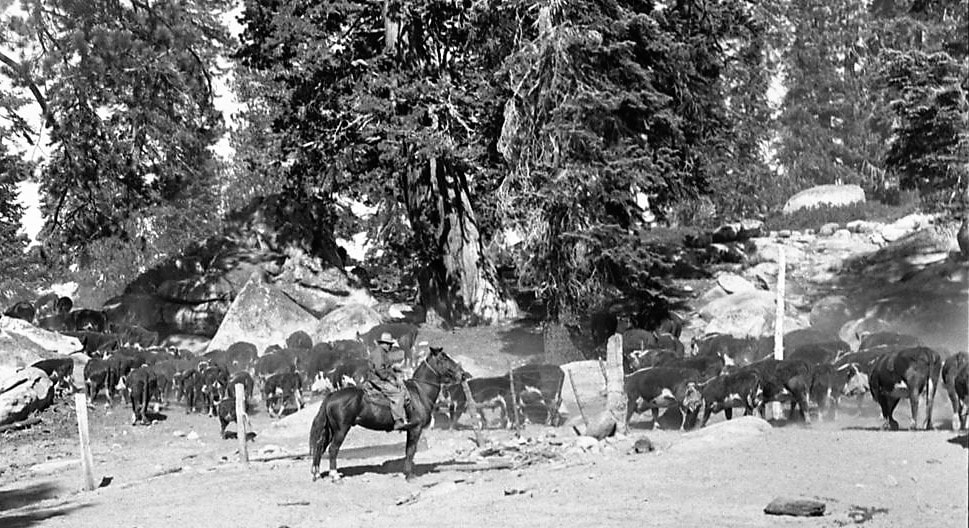
Image of a rider on a horse putting cattle onto the trail in 1941

“Most early stockmen saw the Sierra as open range, that is, public land and forage available to whoever got there first. Gradually they claimed ‘proprietary rights’ to certain meadows based on their established use — a de facto seniority system. But as the demand for forage increased, so did the competition for the mountain meadows.” — Gene Rose, 2011
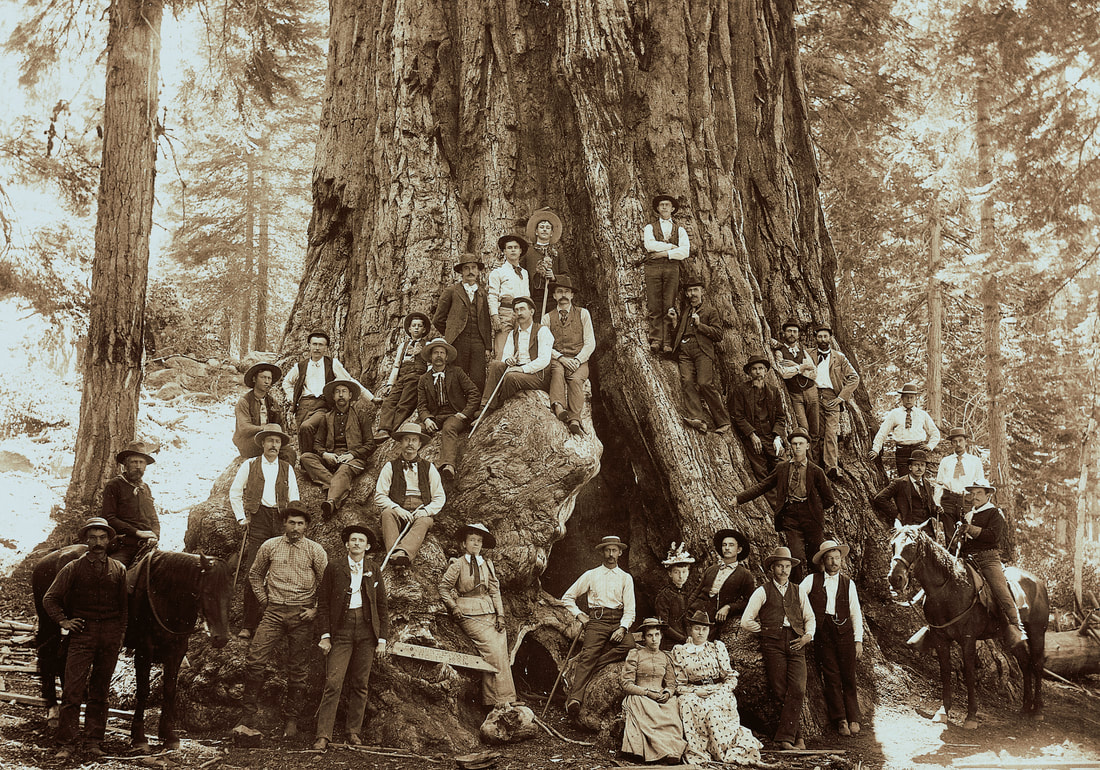
Image of women, men, and horses in front of the General Grant Tree

Numerous cattlemen were now bringing their animals to the summer range, and the Roaring River area was also popular with tourists and long-term campers (Tulare County residents had been escaping the Valley’s searing summer heat for decades by spending weeks and even months in the high country, and General Grant and Sequoia national parks had been established in 1890).
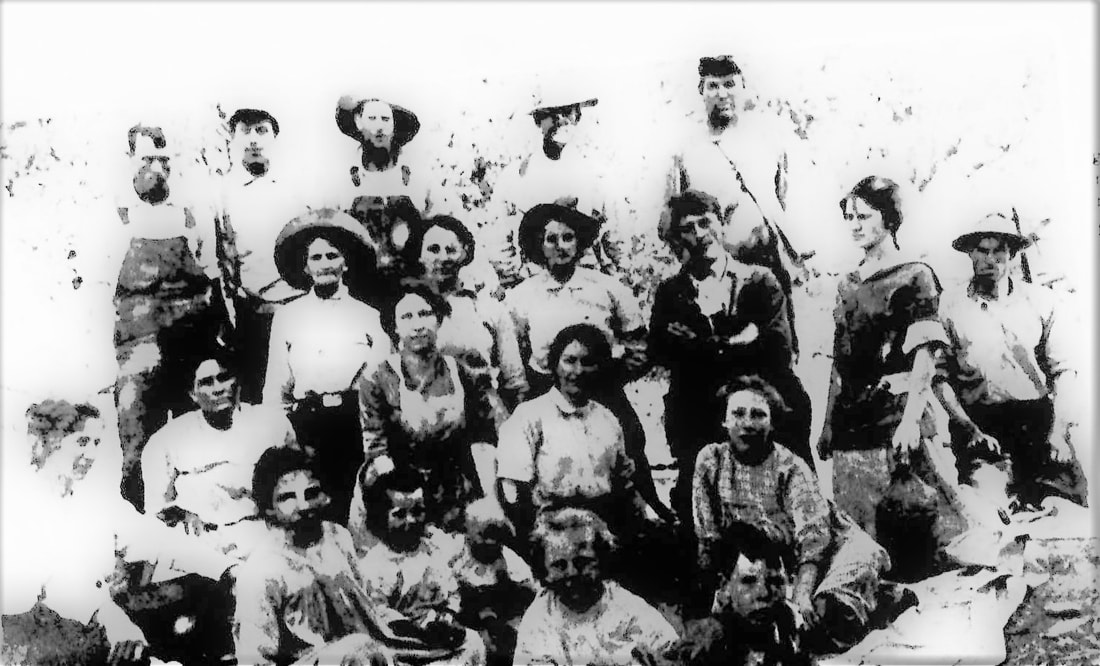
Image of group of people

“Those summer and fall cattle drives to the high country and back each year will long be remembered. It was always a thrill for the young people to make the trip back to Roaring River, Big Meadows, Quail Flat, and Zumwalt Meadows just for the sport of the trip, plus some nice fishing when they arrived.” — Pat Hart, 02/18/1975
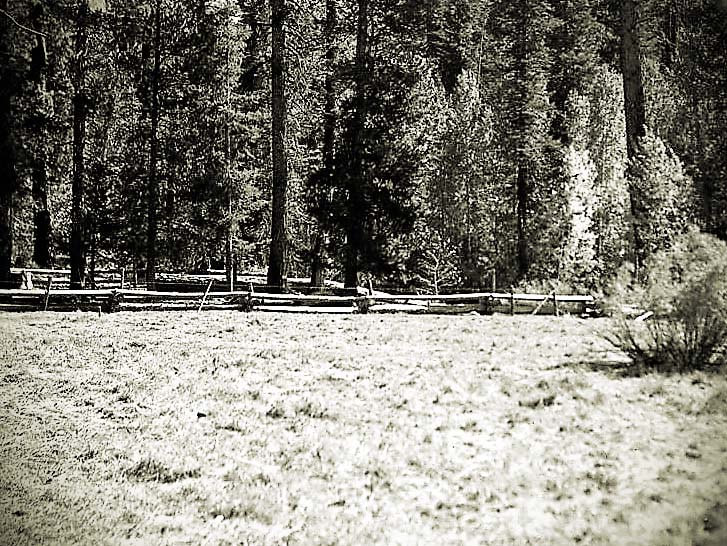
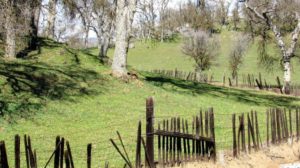
Image of a meadow with a fence and a forest in the background

The Bartons’ compound was located on land that since 1893 had been part of the Sierra Forest Reserve, which had set aside four million acres of land for permanent public ownership. In 1905, the U.S. Forest Service was established to administer these public lands, the Tulare County portion of which had been named Sequoia National Forest in 1908. In 1913, the Bartons and their neighbors the Cutlers fenced one of the Scaffold Meadows at their own expense for the use of tourists and campers, to be managed by the local forest ranger.
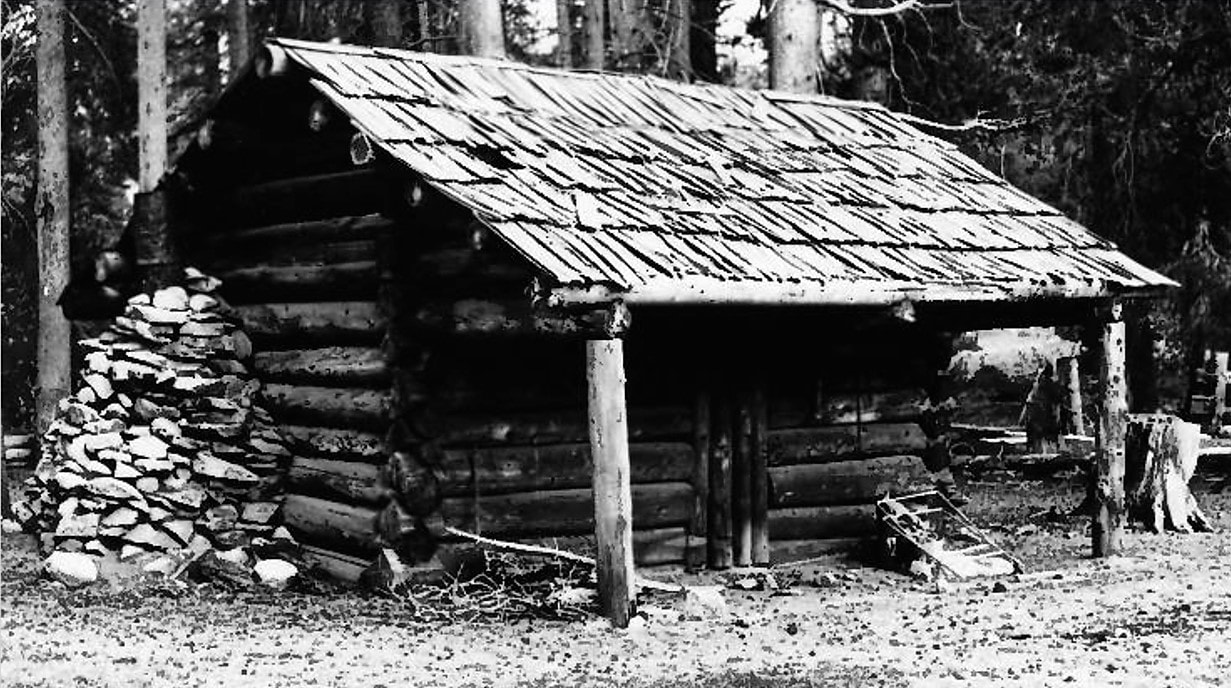
Image of a small log cabin

The Bartons’ traditional one-room log cabin measures 12 by 20 feet inside. Its covered porch runs the length of the southwest side, making the overall exterior size 17 by 21 feet. The wall logs rest directly on the ground without benefit of foundations. It has a shake roof. The northwest wall includes a large fireplace and chimney and a small window. — from William C. Tweed, NRHP Nomination Form, 1977
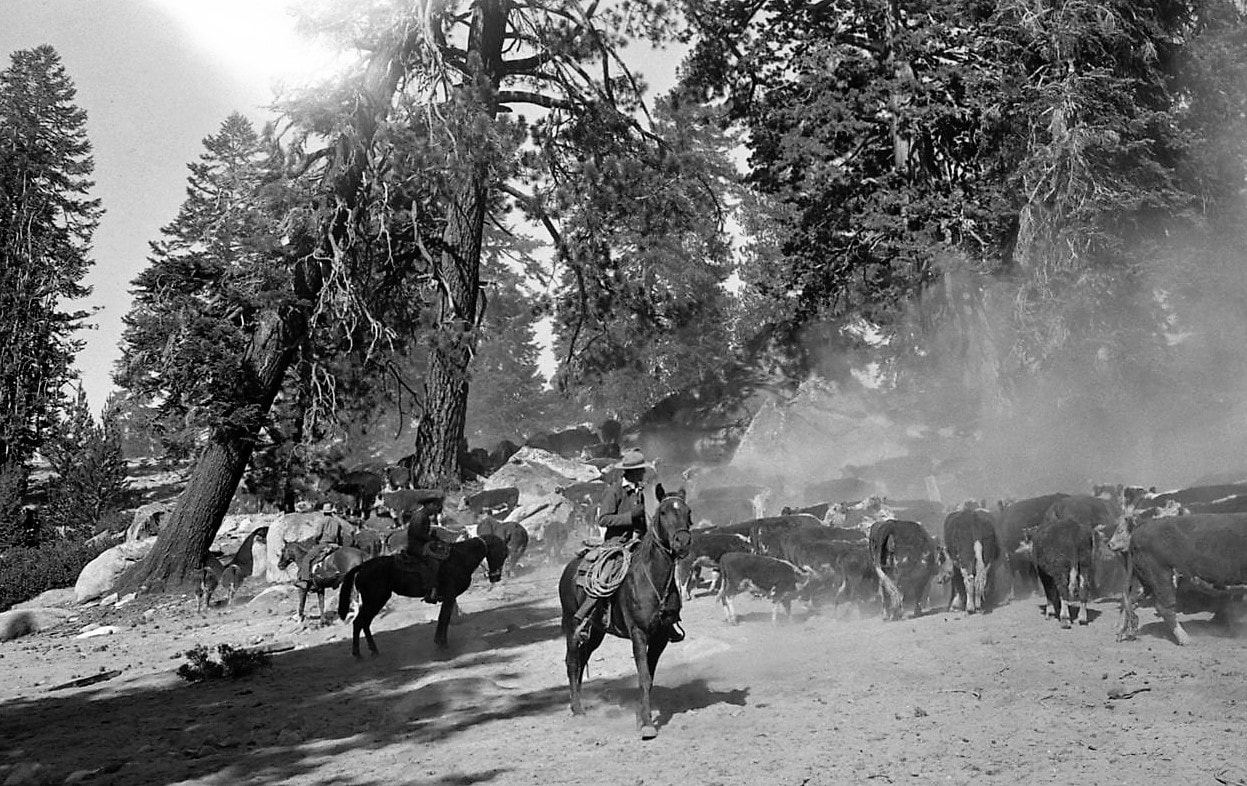
Image of two riders herding cattle (1941-3)

“Most of the cattle will be brought out of the forest reserve between the first and the middle of October, permits being granted until October 15.” — Dinuba Sentinel, 1913
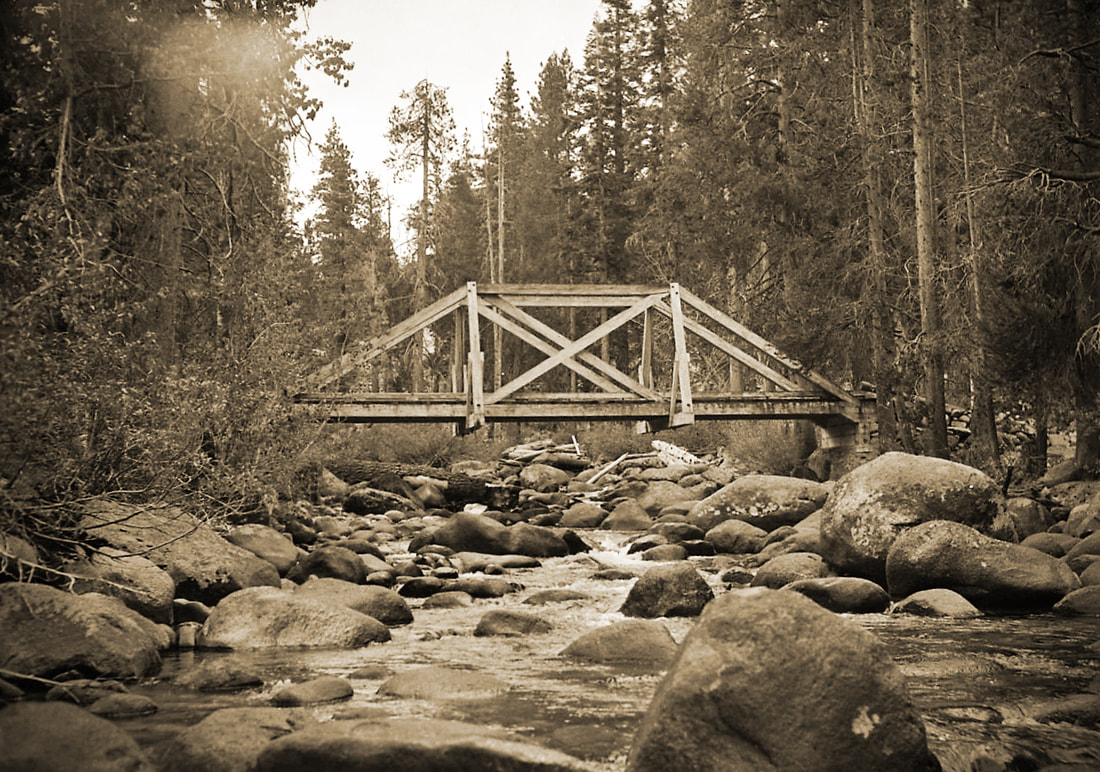
Image of a wooden bridge ove a rocky river

“To prove that the cattle men are not vandals,” Hud enclosed with his 1915 letter to the Visalia Daily Times opposing the expansion of Sequoia National Park “a picture of a bridge across Roaring River, built by cattle men by request of the ranger for the benefit of the public, which will very probably not be kept in repair if taken into the park.”
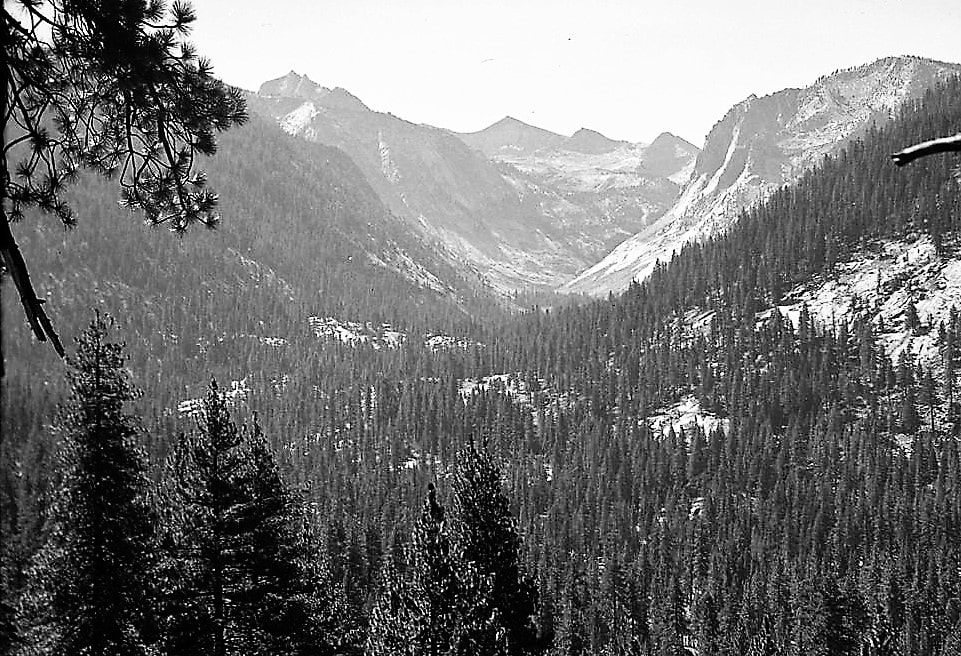
View up a glacial valley

“The Barton-Lackey cabin is a surviving remnant of the period when cattle grazing was the major industry of the Roaring River portion of the Kings Canyon country. The Barton-Lackey clan . . . were one of the first cattle families to enter the area and one of the last to leave. They are remembered in the name of Barton’s Peak which towers on the southern rim of the canyon near their old cabin.” — William C. Tweed, NRHP Nomination Form, 1977


Maps & Directions:


Directions:


From Visalia, take Hwy 198 east past Three Rivers and into Sequoia National Park, where it becomes the Generals Highway.

Follow this highway to the Big Meadows turn-off in Giant Sequoia National Monument.

Follow this road (Forest Rte. 14S11) past the Big Meadows Campground to the Marvin Pass/Rowell Meadow trailhead parking at the end of the Sunset Meadow spur road (Forest Rte. 13S14) from Horse Corral Meadow.

Take the trail (about 14.5 miles; see map below) via Rowell Meadow and Comanche Meadow to the Sugarloaf Trail to the Roaring River Ranger Station.

Cross the bridge over Roaring River, turn left, and follow the obvious use trail to the cabin.
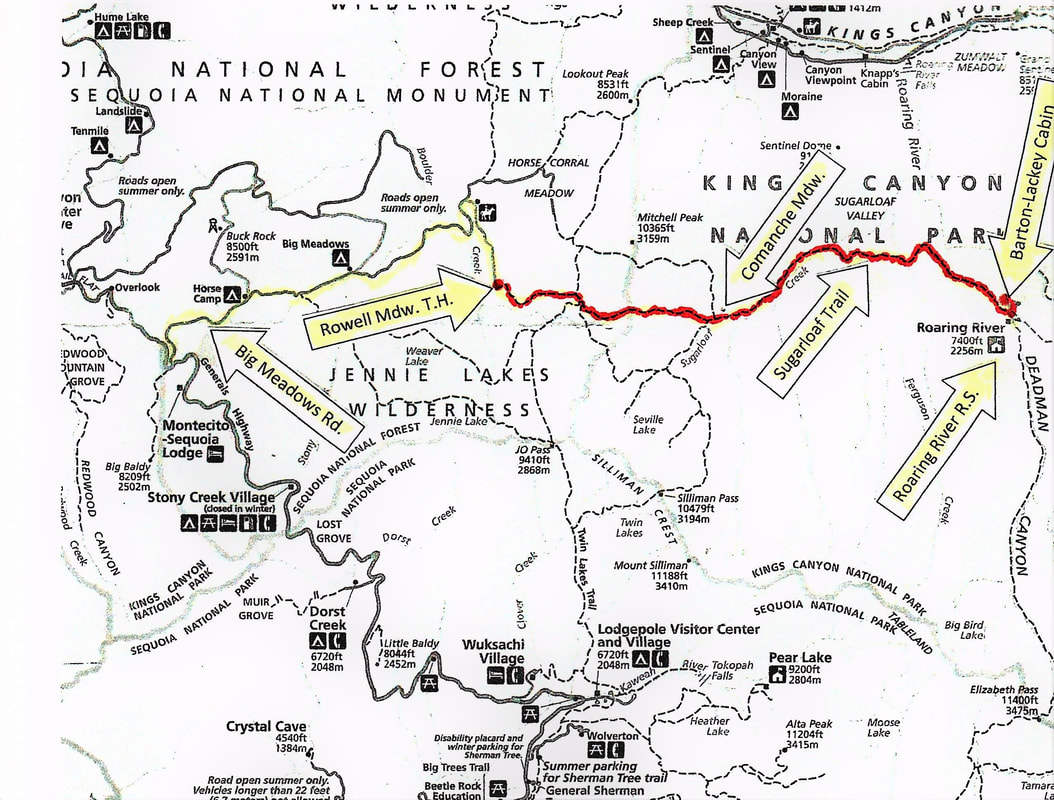


Map showing the route to the Barton Lackey Cabin in Kings Canyon National Park
                                            Click to enlarge map


Alternate Hiking Directions:

The Barton-Lackey cabin can also be reached out of Lodgepole via the Twin Lakes Trail, which quickly enters Kings Canyon NationalPark, and then via the Sugarloaf Trail (about 24 miles).

The Barton-Lackey cabin can also be reached from Roads End at the bottom of Kings Canyon via the Bubbs Creek and Avalanche Pass trails (about 15 miles and very scenic, but a very challenging 5,000 foot climb over the pass).


(Note that you can visit one of Shorty Lovelace’s cabins by starting from the Roaring River Ranger Station and hiking up nearby Cloud Canyon on the Colby Pass Trail about 6 miles to the area of Shorty’s cabin near the Whaleback.  See https://www.tularecountytreasures.org/shorty-lovelace-historic-district.html)


Site Details & Activities:

,
Environment: Scaffold Meadow, mixed conifer forest, Kings Canyon National Park, elevation about 7400′, accessible only by foot/stock trail
Activities: backpacking, birding, botanizing, camping (nearby), fishing (California fishing license required), hiking, history, photography, stock packing, wildflower and wildlife viewing
Open: The National Parks are always open, weather permitting, unless closed due to emergency conditions; park entrance fee; Wilderness Permit required for all overnight trips.
Site Steward: National Park Service-Sequoia and Kings Canyon National Parks; 559-565-3341; www.nps.gov/seki
Opportunities for Involvement: Donate, volunteer
Links:


Click on photos for more information.

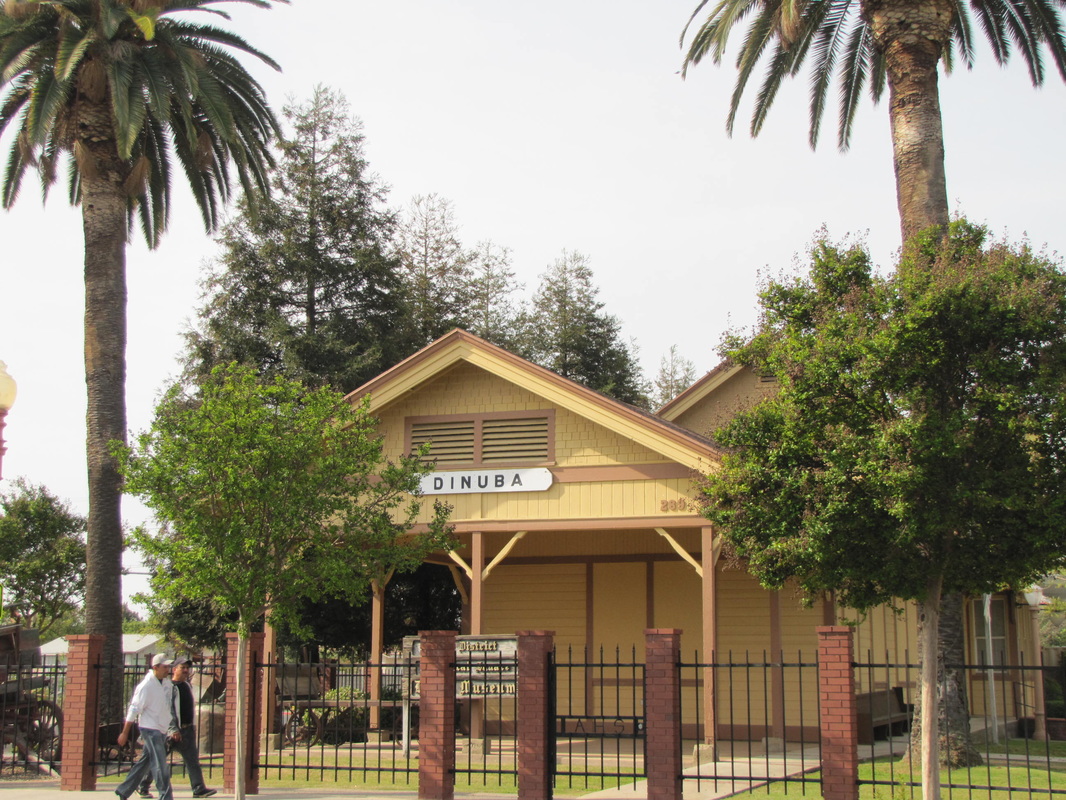
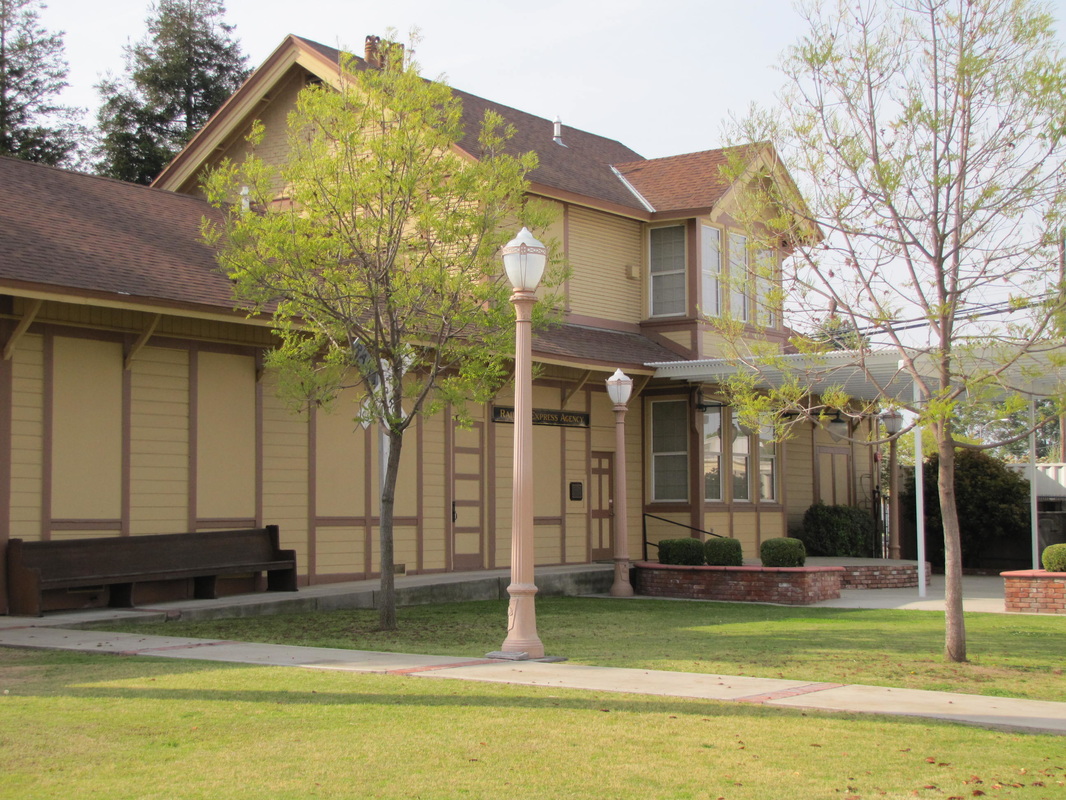
The Story of the Dinuba Southern Pacific Depot Museum

by Laurie Schwaller

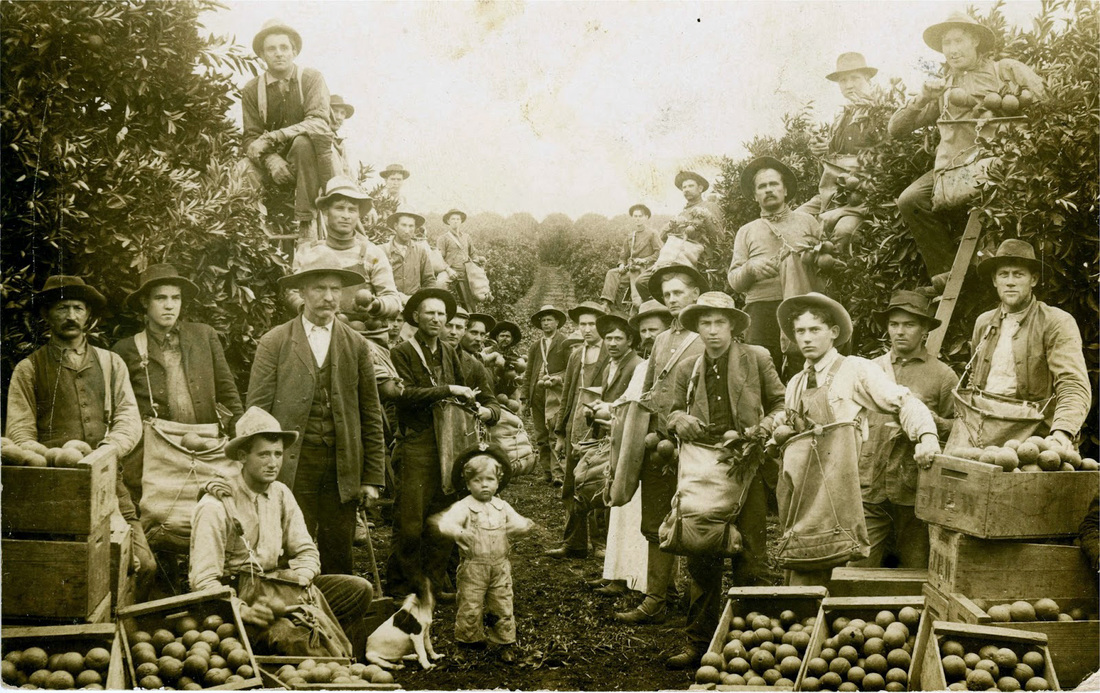
   In the mid-1800s, people from all over the world began settling in the great fertile valley of Tulare County. Most hoped to make their living by farming or ranching. They needed reliable water supplies to grow their crops and cattle, and efficient transportation to get their produce to market. Soon they were forming irrigation districts to lead water from the rivers to their land. Thus, in the early 1880s, the 129,000-acre Alta Irrigation District was established in the northern end of what was then a much larger Tulare County.

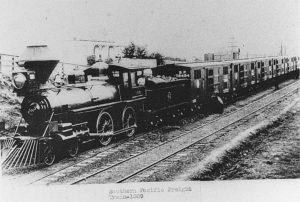
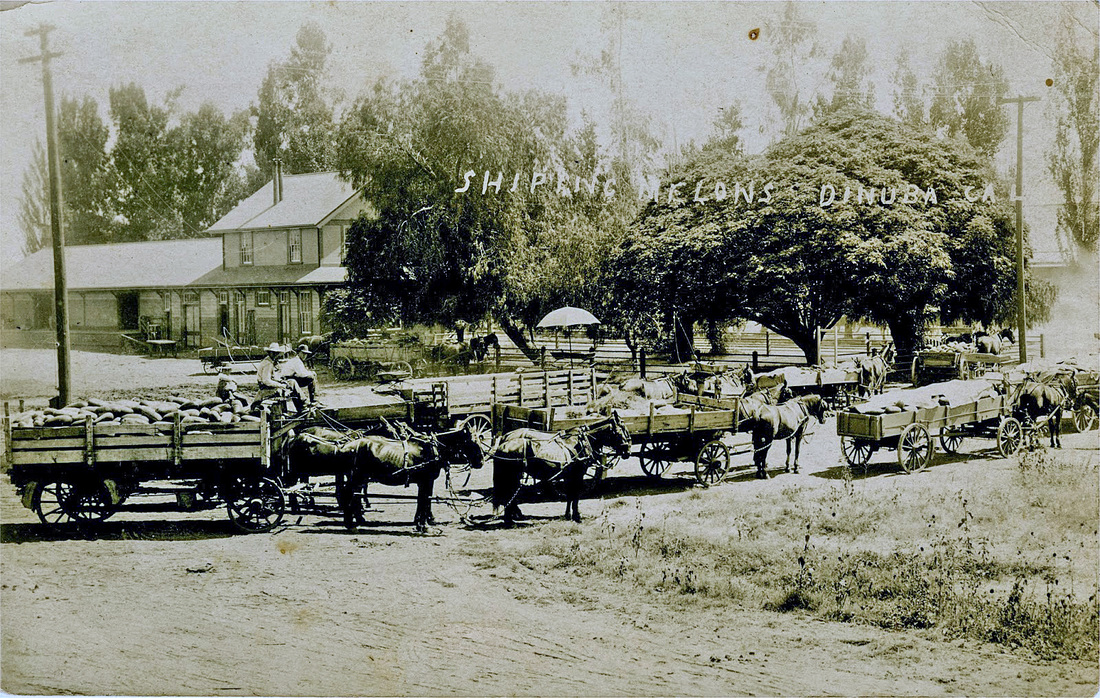
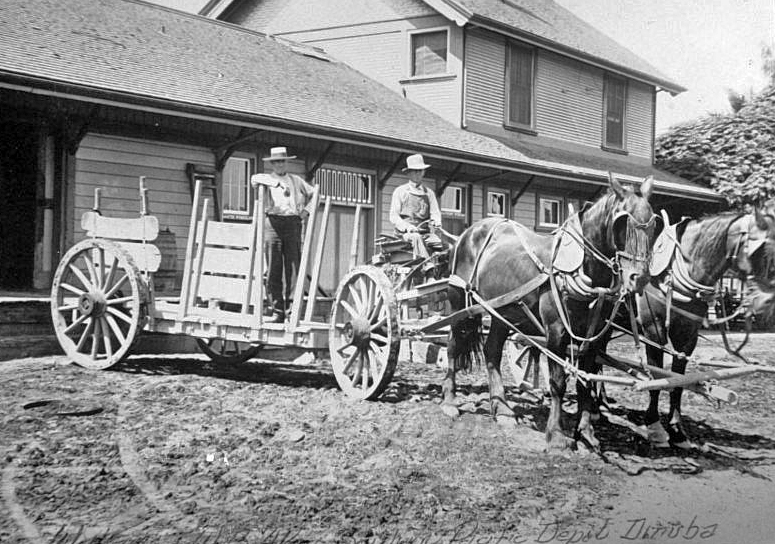
     Meanwhile, communities sprang up and grew, and as construction of the Southern Pacific Railroad moved south down the valley in the 1880s, all the little towns’ boosters vied to become stops on the railroad line. Joining forces, the boards of trade in Dinuba, Sanger, and Reedley managed to change the route of the Southern Pacific to come through their communities, and when the trains began to run in February of 1888, Dinuba built a depot to accommodate them.

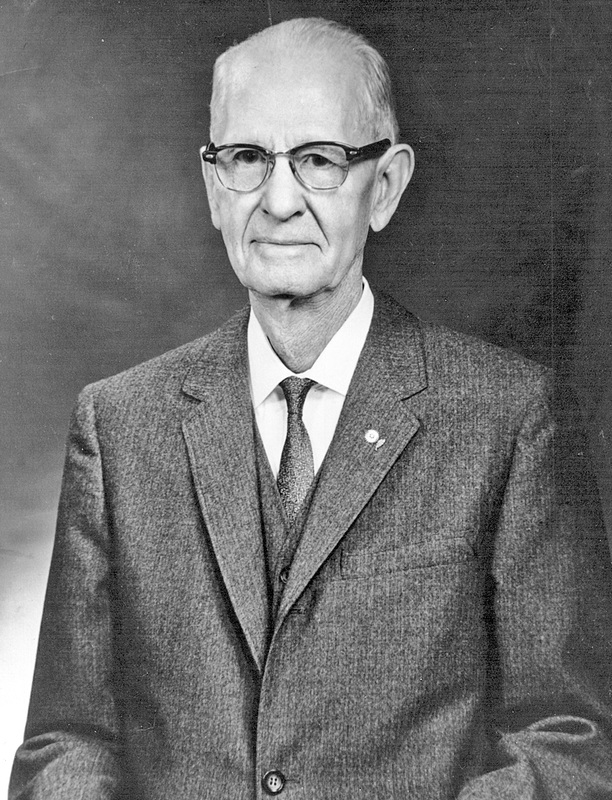
     That depot burned down in 1911, but it was promptly replaced. The handsome new depot served the town until the last stationmaster retired, in June, 1978. Fortunately, the Alta District Historical Society (ADHS), had been formed before then, in 1962, initiated by Dinuban W. N. Davis. Its purpose was to encourage and promote the study of the history and culture of the Alta District and surrounding environs, and to collect, classify, and publish related historical information, data, facts, and folklore.

     Recognizing the depot’s historic value, ADHS purchased it in 1979. However, as a condition of its sale, the building had to be moved. After an extensive search, in November of 1982, the society paid $40,000 for a large corner property, now known as Heritage Square, at Ventura and K streets in Dinuba, and in January, 1984, moved the depot to its new home. Having played such a critical part in the area’s history, the depot was to become the repository for that history — a museum for the Alta District, whose boundaries roughly followed those of the still-operating historic Alta Irrigation District and included the towns of Dinuba, Cutler, Orosi, Yettem, Monson, and Reedley.

   In July, 1984, Dinuban Evelyn Dopkins Corr donated the 1912 “White House” to the ADHS. She, too, required that her building be moved, but she included a $10,000 donation to cover the cost, so in January, 1985, this large historic home joined the Depot at Heritage Square.

     From 1976 through 1989, through volunteer and youth program efforts, as well as dues, donations, memorials, raffles, food booths, dinners, auctions, fireworks sales, and other fundraising efforts, ADHS was able to pay for substantial renovation work on the White House and the Depot, and numerous improvements on Heritage Square.

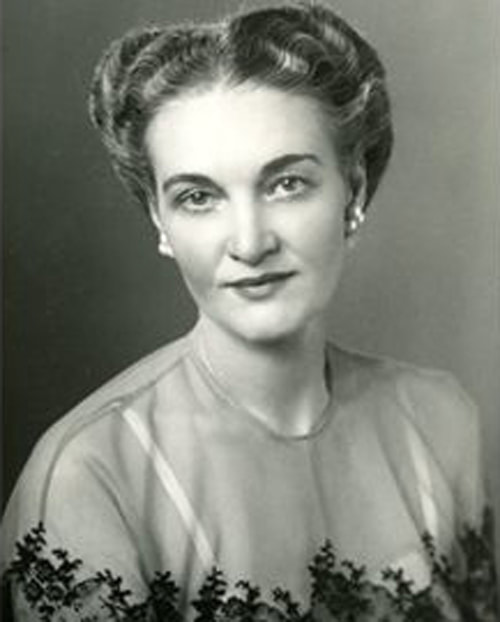
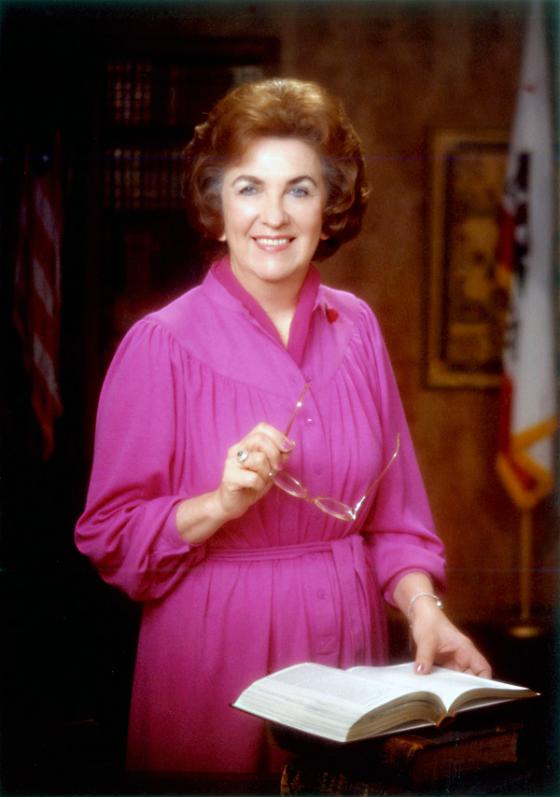
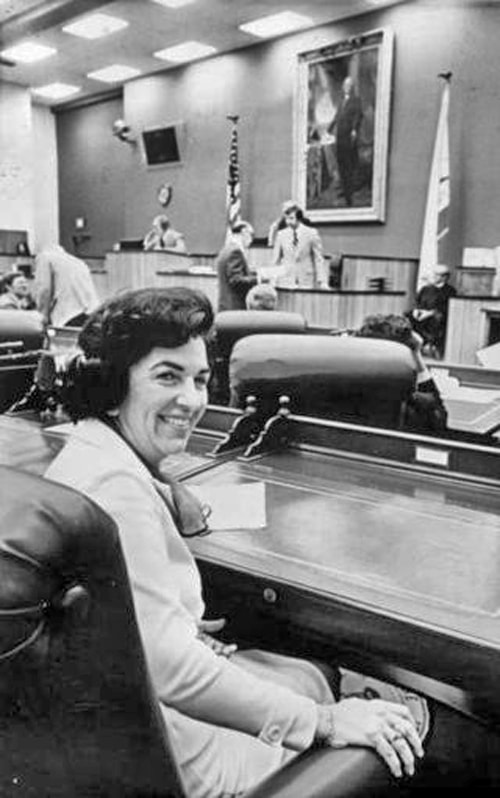
     Fundraising and construction projects have continued apace ever since. The White House gained a library, named in honor of donor Evelyn Dopkins Corr, in 1990. In 1991, Rose Ann Vuich of Dinuba (born in Cutler), the first woman to be elected a California State Senator (in 1977), donated $50,000 to ADHS, which greatly contributed to additional major work on the White House.

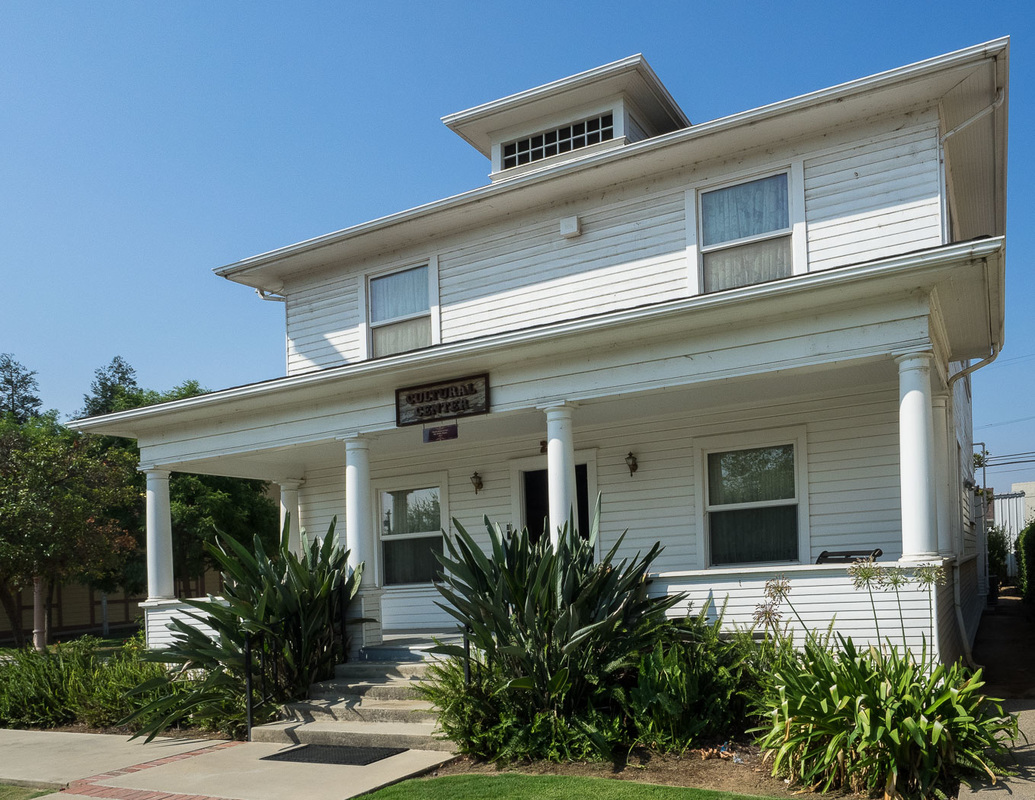
   This fine example of American Foursquare/Prairie architecture now serves as a cultural center for the community, and houses, in addition to the library, historical exhibits, art displays, and the ADHS offices. It hosts ADHS meetings and cultural and community celebrations, such as the annual Christmas at the White House.

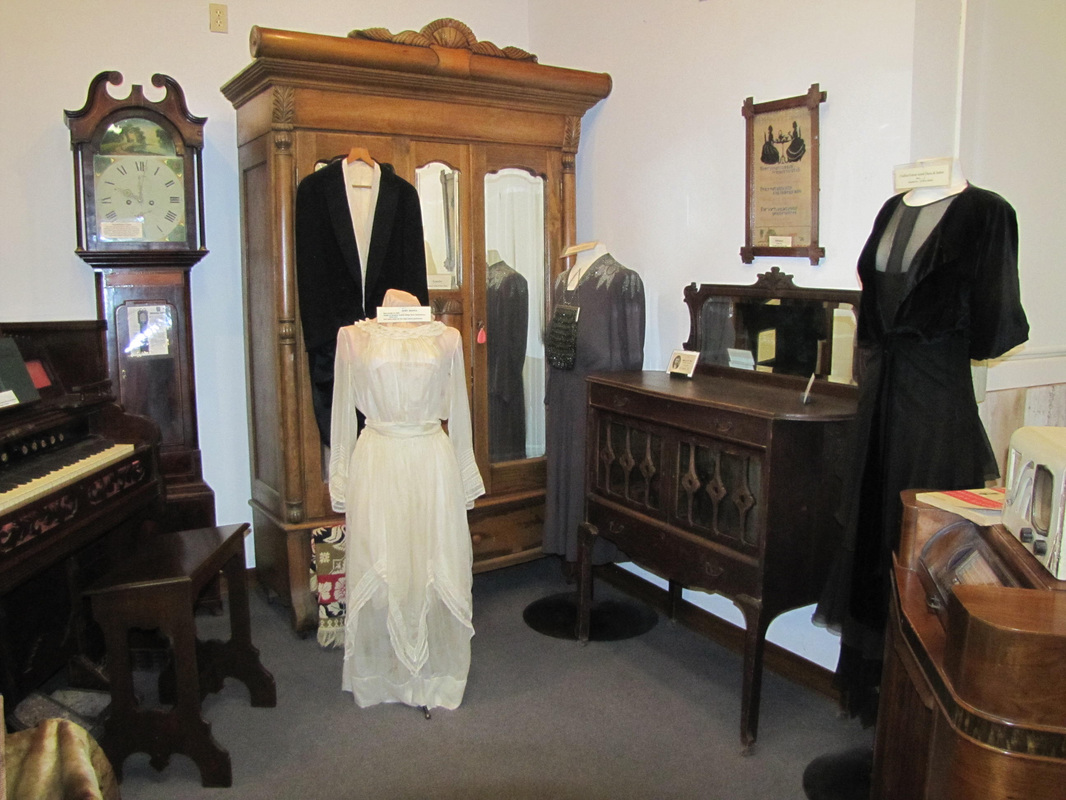
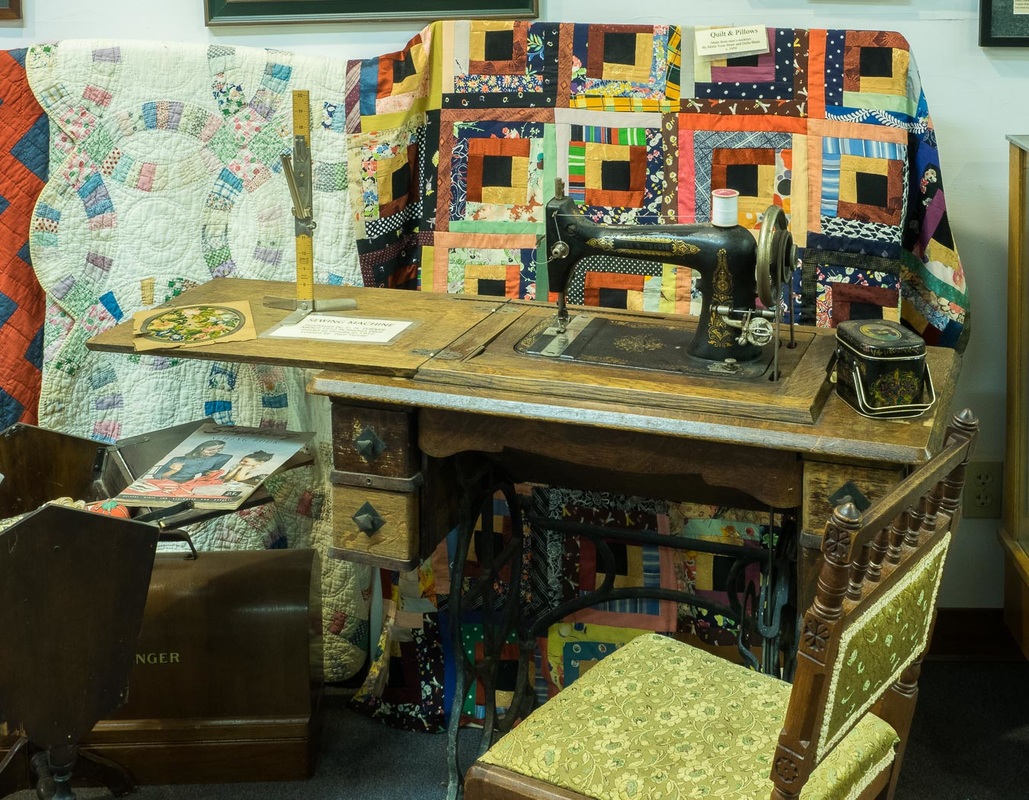
   Exhibits have included photography, quilts, Depression glass, wedding gowns, art from local schools, and Japanese, Armenian, Filipino, Mennonite, Cowboy, Korean, and Native American cultures. An exclusive highlight is the striking private collection of textile art and art on paper created by Dinuba resident Katchidor “K” Boroian, which he donated to ADHS in 1983. The White House can also be reserved for public and private functions.

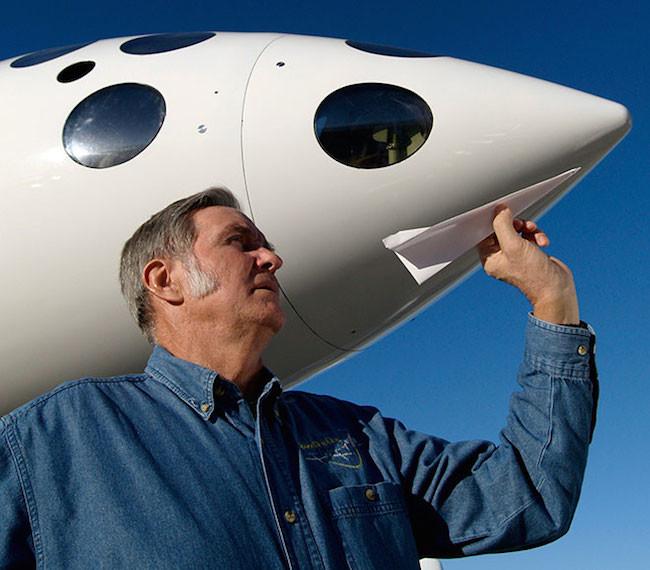
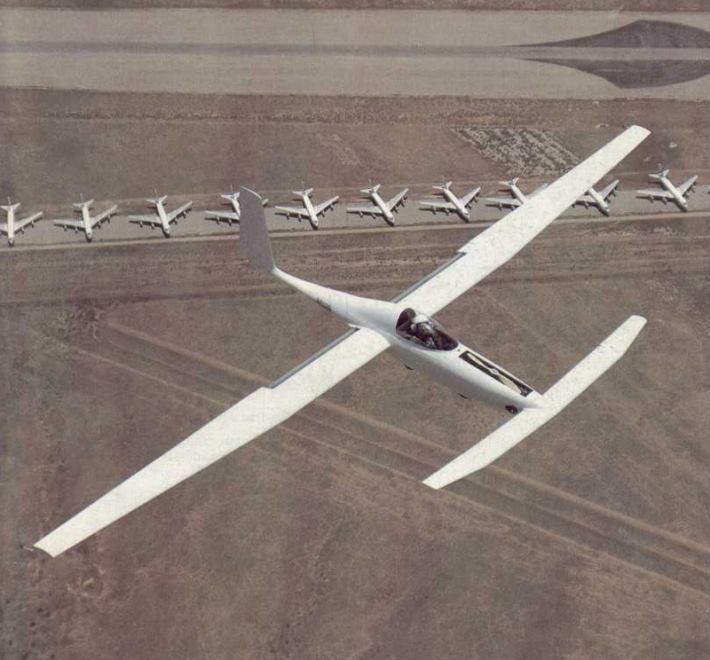
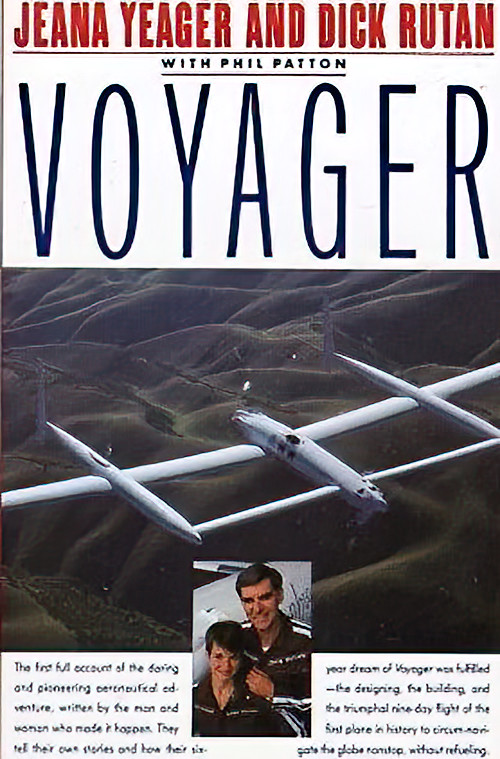
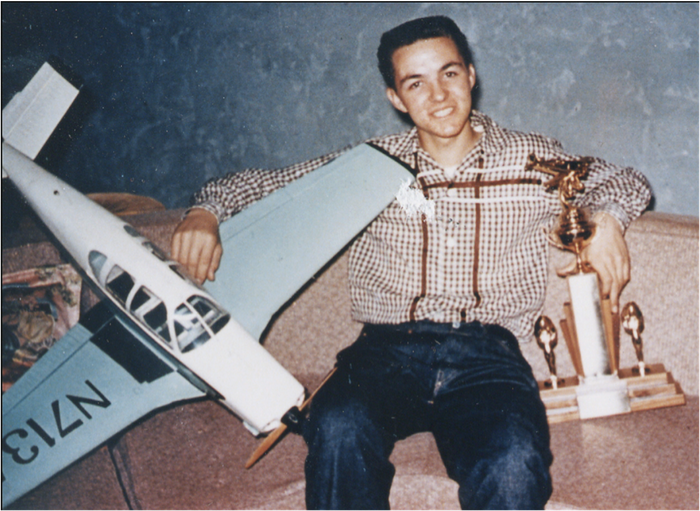
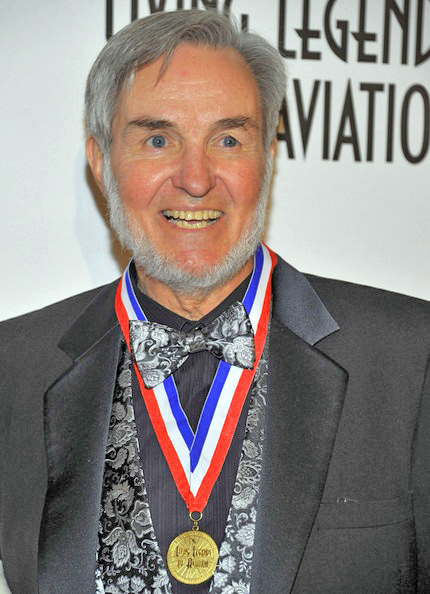
   The first display to be installed in the restored and refurbished Southern Pacific Depot Museum building was the Rutan Brothers Aviation Exhibit, in November, 1997. World-famous aviation pioneers Burt and Dick Rutan grew up in Dinuba, and graduated from Dinuba High School. Among many other innovations, Burt designed, and his brother Dick and partner Jeana Yeager piloted, the Voyager, the first plane to fly around the world without stopping or refueling. Burt also designed the sub-orbital spaceplane SpaceShipOne and the BiPod, a hybrid flying car.

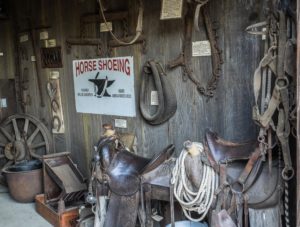
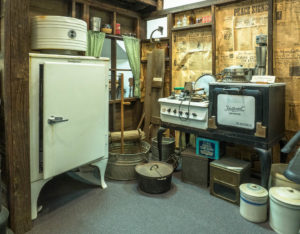
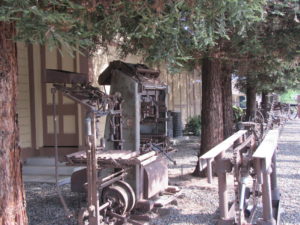
     The Rutan brothers arrived for the 1997 grand opening of the Depot in Burt’s experimental “Boomerang” plane. Since that grand opening almost 20 years ago, many exhibits on a wide range of subjects have been installed. Community members have donated hundreds of interesting items, including those comprising a veterans’ display, a Native American display, the Orosi Room, a kitchen from the early 1900s, a Rose Ann Vuich display, and a blacksmith shop.

     Recently, ADHS began searching for more exhibit space. In 1997, Burt Rutan donated to the museum another of his experimental aircraft, the “Solitaire” sail plane, “a product of the genius who lived among us.” The Society hopes to find a place in which to permanently display this exciting gift where it can be seen by the public.

     Additionally, the Society partners with schools and other organizations, making the Heritage Square facilities available for events, such as the Dinuba Festival of the Arts sponsored by the ADHS, the Chamber of Commerce, and the city.

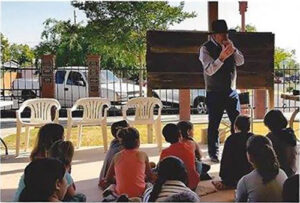
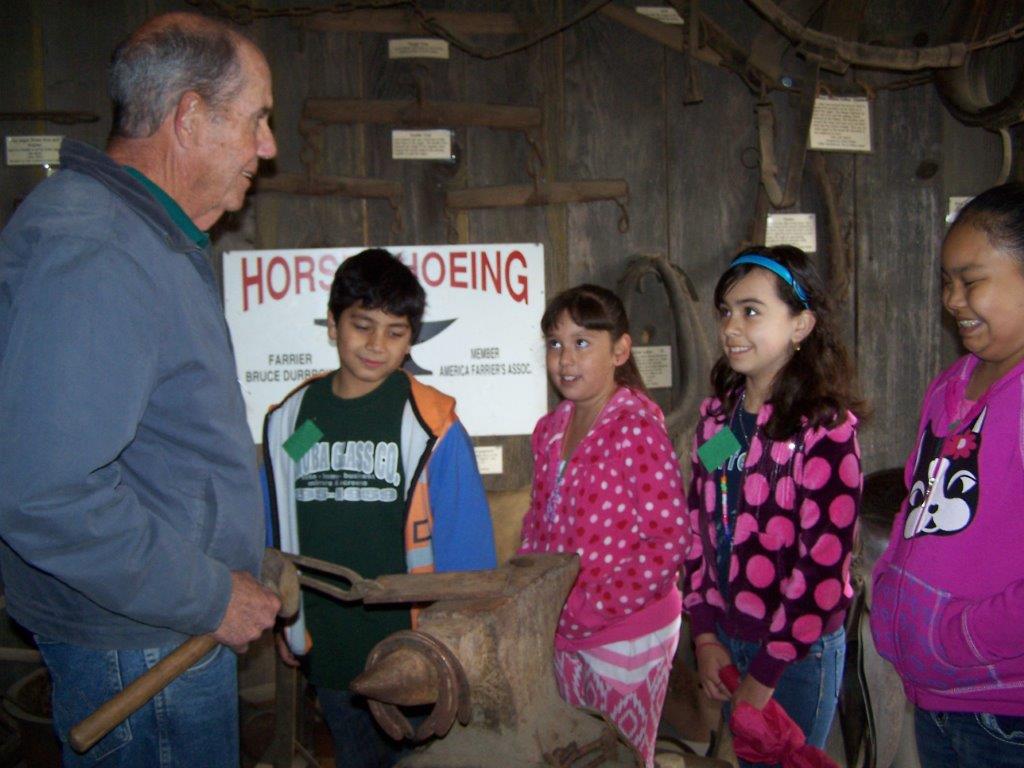
     ADHS has also been working with the school district, the city, and local service clubs to bring third-graders on field trips to Heritage Square. The service clubs finance the bus transportation, and volunteer docents guide the students through the exhibits and the blacksmith shop. The youngsters get introduced to 100-year-old technology such as wringer washing machines and to old-fashioned toys and games like jacks and horseshoes, then join in singing historical songs played by Brad McCord and Ron Jefferson on guitar and harmonica.

     Another innovative ADHS outreach project is volunteer Nancy Hoyt’s delightful “Museum in a Trunk.” Nancy visits classrooms with a trunk full of treasures to introduce students to the history and cultures that have created the community that they live in today.

  “Remembering the past, working for the future,” the ADHS strives “to preserve the cultures that have joined talents and customs to form the Alta District, and to educate and develop appreciation of their importance to present and future generations.”


                                                                                                                                                                                                                                    August, 2015

Slideshow:


Quotes & More Photos:

“The railroad depot was the social and commercial center of many small towns and villages across America. The fortunes of many cities would be made or broken by the passing of two steel rails through their limits.”–William J. Manon, Jr.

“The railroad provided a market for goods, grain and cattle and it brought the mail and other news of the outside world. It was also the primary mode of transportation in those pre-automobile days.” — William J. Manon, Jr.

“[T]oday, railroad depots are once again emerging as community centerpieces. After years of neglect, the buildings are being reclaimed, and now enjoy new lives as retail centers, museums and even transportation centers.” — William J. Manon, Jr.

“That’s why we have the Museum, . . . to remind us of how we came, and why: to start fresh, and begin a new place from what we had learned and carried from the old.” — Lois Lowry

“Museums provide places of relaxation and inspiration. And most importantly, they are a place of authenticity. We live in a world of reproductions – the objects in museums are real. It’s a way to get away from the overload of digital technology.” — Thomas P. Campbell

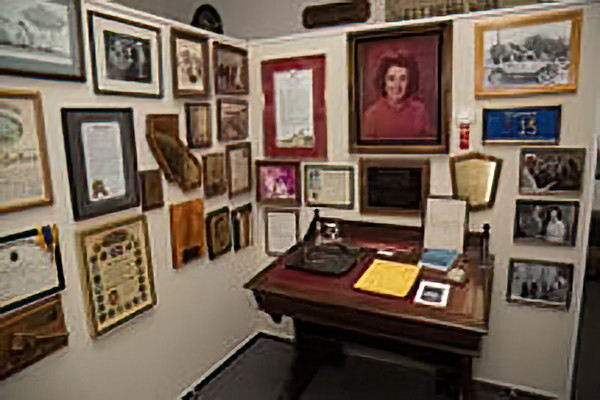
“She was sworn in at this desk, used it for her four terms and received it as a gift on her retirement. With her bell she wrought many changes in Senate procedures. Her work and her heart were always for her district.” — ADHS Rose Ann Vuich plaque

“The election of Rose Ann Vuich, the farm kid from the Central Valley, marked the beginning of positive change when subsequent women legislators joined her in shaping the past quarter century. She will forever remain as a symbol of great leadership to all women.” — Terry McHale

“Burt [Rutan] had a gift for being able to create model airplanes that were really works of art. His bedroom was a world full of Exacto knives, balsa wood, and glue. Lincoln School was our ‘airport,’ and helping Burt with takeoffs was the biggest thrill you could have.” — Richie Hachigian, Burt Rutan’s neighbor in the 1950s

“We knew that our friend was someone special, but we never guessed his creative genius would someday lead to aviation history.” — Richie Hachigian, Burt Rutan’s neighbor in the 1950s

“We can tell ourselves we will never forget and we likely won’t. But we need to make sure that we teach history to those who never had the opportunity to remember in the first place.” — Dan Rather


Maps & Directions:


Address: 289 South K Street, Dinuba, CA 93618

From Visalia, travel west on Hwy 198 to the Plaza Drive exit, just prior to Hwy 99. Exit north onto Road 80/J19/Alta Avenue. Proceed north about 15 miles to Dinuba. Continue north to W. Tulare Street. Turn right (east) and go to South K Street. Turn right (south) and proceed one and one half blocks to the museum at 289 South K Street, on the right.


Site Details & Activities:

Environment: Valley, downtown City of Dinuba
Activities: Tours of museum, cultural center, blacksmith shop, and grounds; special events; facility rental
Open: First Saturday of each month, 10:00-2:00; Tuesdays and Wednesdays, 9:00-noon and 1:00-3:00; or by appointment.
Tours can be arranged through the Alta District Historical Society (ADHS) office, which is open on Tuesdays and Wednesdays, 9:00-noon and 1:00-3:00: call 559-591-2144 or email altahistorical@yahoo.com.
Admission free; Donations greatly appreciated.
Site Steward: Alta District Historical Society–ADHS, 559-591-2144;
Opportunities: Donate, membership, volunteer
Links:
Publications: Dinuba Historical Tour Map (available at the museum)


Click on photos for more information.

Cutler Park

by Laurie Schwaller

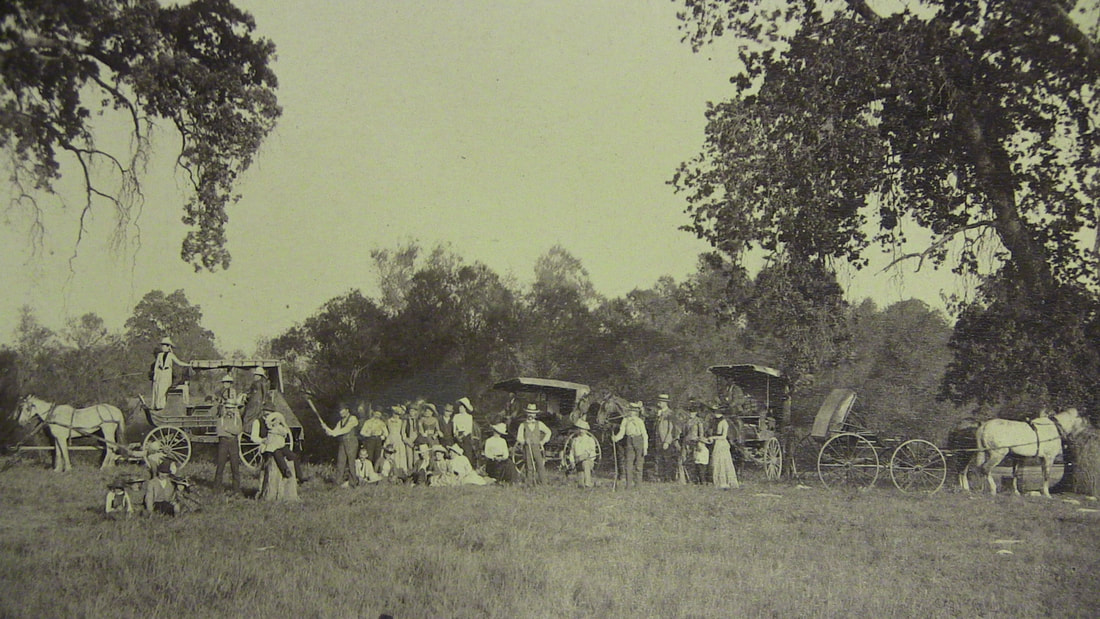
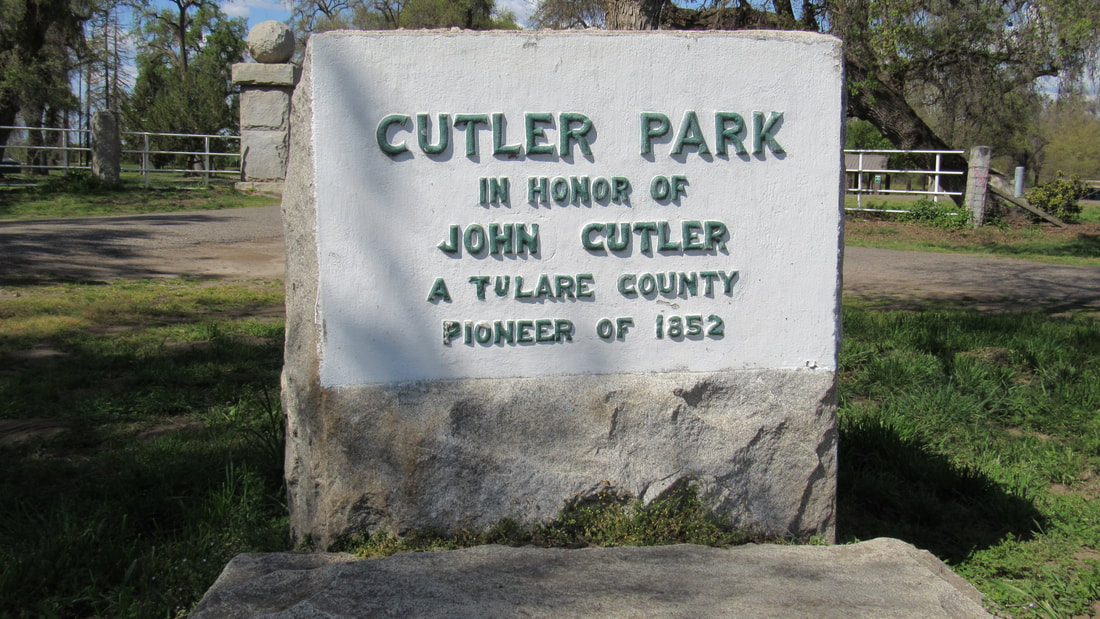
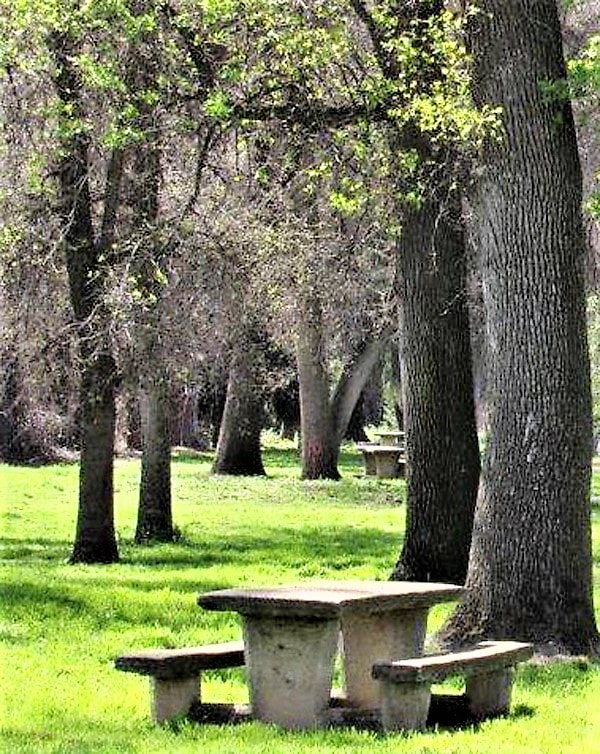
     On June 3, 1919, the people of Tulare County received a wonderful gift. John Cutler, Jr., and his wife, Mary, donated to the county approximately 70 acres of splendid oak woodland along the St. John’s River, stipulating that “Said lands shall be used and maintained forever by the [County] as and for a public park and public pleasure ground, and for no other purpose.” Thus our county acquired the land for its second park, for free, just ten years after purchasing the 100 forested acres of Mooney’s Grove for $15,000.

     The donated land was part of the Cutler family’s 1854 home ranch, where John, Jr.’s generation had been born and raised. He gave the gift as a memorial to his parents, John and Nancy Cutler, pioneer settlers and leading citizens of Tulare County, requiring that “Said lands and premises shall forever thereafter be named . . . Cutler Park.” The deed also emphasized the new park’s importance as a preserve for posterity, specifying that “None of the oak trees now growing on said premises shall ever be cut down, destroyed, or removed from said premises, so long as the same shall remain in a healthy, growing condition, excepting only such trees as it shall be found necessary to cut down or remove for the purpose of erecting buildings or structures on said premises for the convenience and pleasure of the public.”

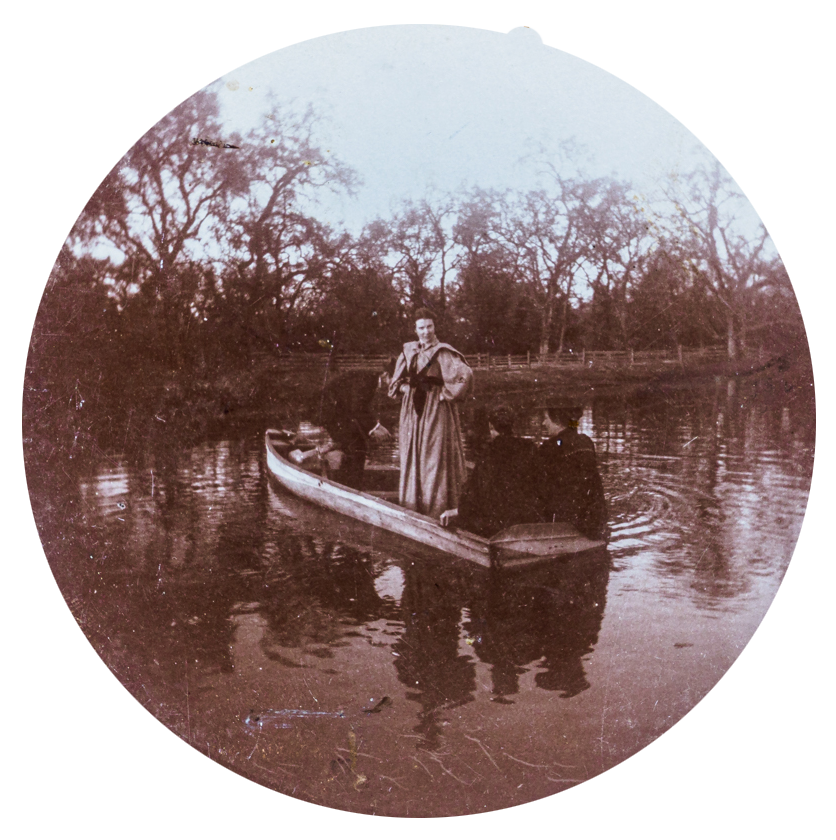
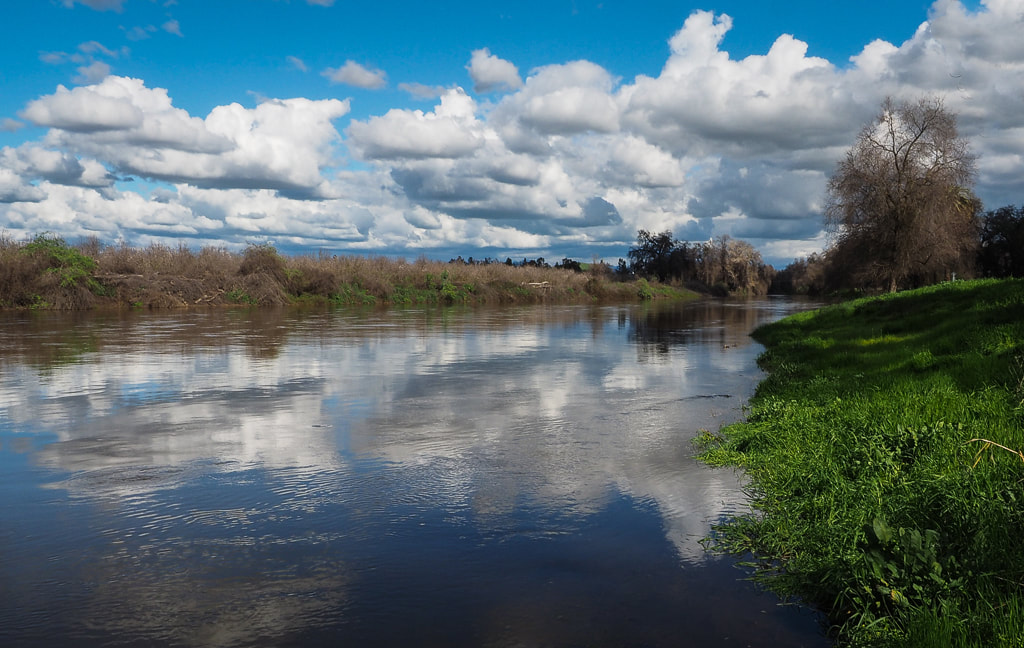
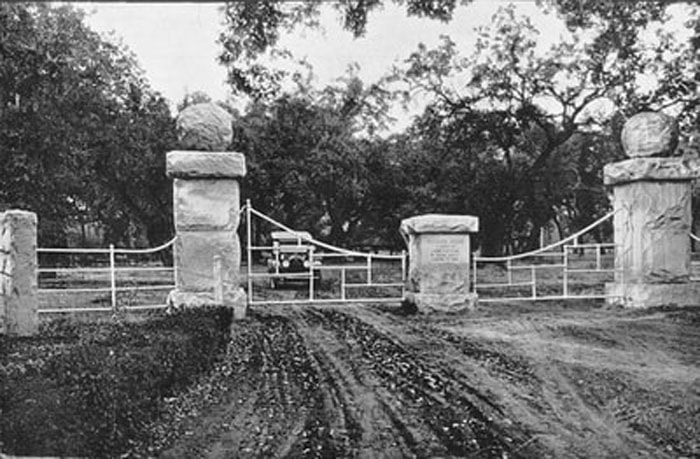
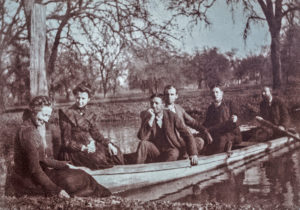
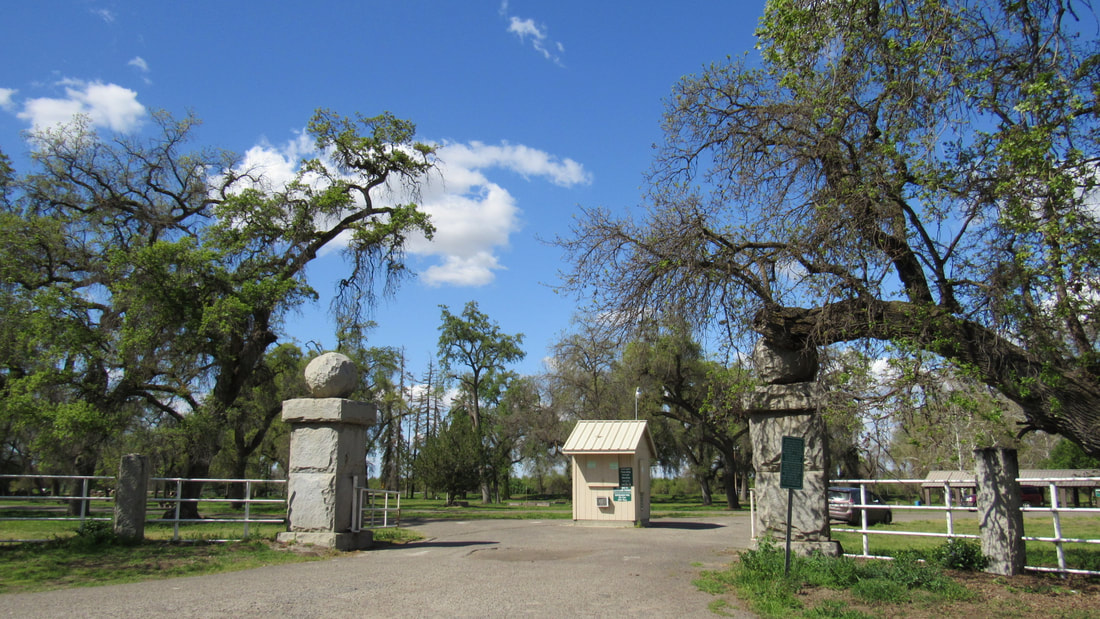
     Land to the center of the St. John’s River was included, to provide the public with boating and swimming opportunities. The county envisioned the new park as a picnic ground as attractive as Mooney Grove that would relieve the pressure of heavy use on its first park. It even considered moving some of its growing population of zoo animals from Mooney to Cutler. But first, it set to work to fence the new park, build an attractive entrance gate, and improve accessibility to the property.

     By July, 1920, two 12-foot driveways were under construction, leading into the park through the impressive new entrance and looping through the grounds. A well had been dug, brush cleared, trees pruned, and with comfort stations and picnic tables installed, it was expected that “The new park will be a delightful camping spot for motorists passing on to the mountains during the summer.”

     A year later, a large water tank, pump, and waterlines were installed, enabling 400 oak saplings, uncovered in the brush clearing, to be watered and cultivated for posterity. The Pomona Grange organized a big ceremony and all-day picnic on October 1 to celebrate the dedication of Cutler Park to the public. The whole county was invited to attend, with a special invitation to the old surviving pioneers to come and talk about early life in the area and their memories of John Cutler, Sr.

     Superior Judge W. B. Wallace, who had taught many of the Cutler children at the little school near the parkland, gave the dedicatory speech. Chairman Newman of the Board of Supervisors then formally accepted the park for the county and promised funding for its development and maintenance. “The gift of this fine grove of oaks constitutes one of the greatest acts anyone can do,” he said. “As we grow older as a county we find that more playgrounds are needed and must and shall be provided.”

     The next day, the Visalia Morning Delta announced that the County Supervisors had cut the tax levy for park purposes in the new county budget from two and one-half to two cents. The funds raised would not be sufficient to carry out the park’s development program, with the possible exception of a few swings and some road work. The paper noted later that week that as of the first of September, 100,000 people had visited Mooney Grove in 1921, and 37,000 had come to Cutler Park (out of a total county population of just over 59,000).

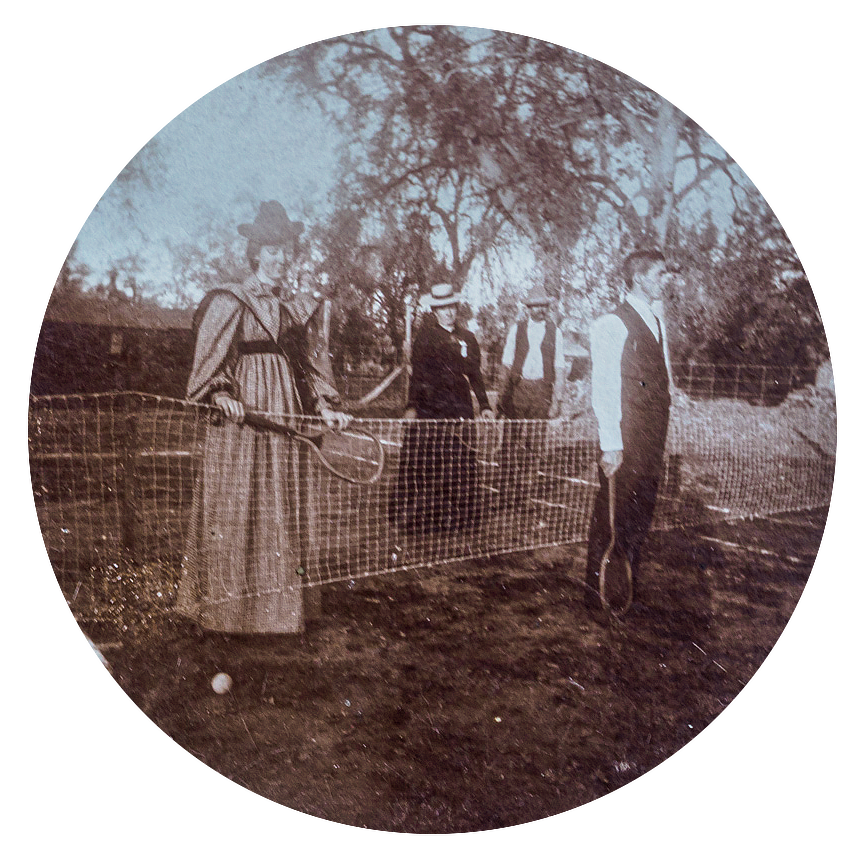
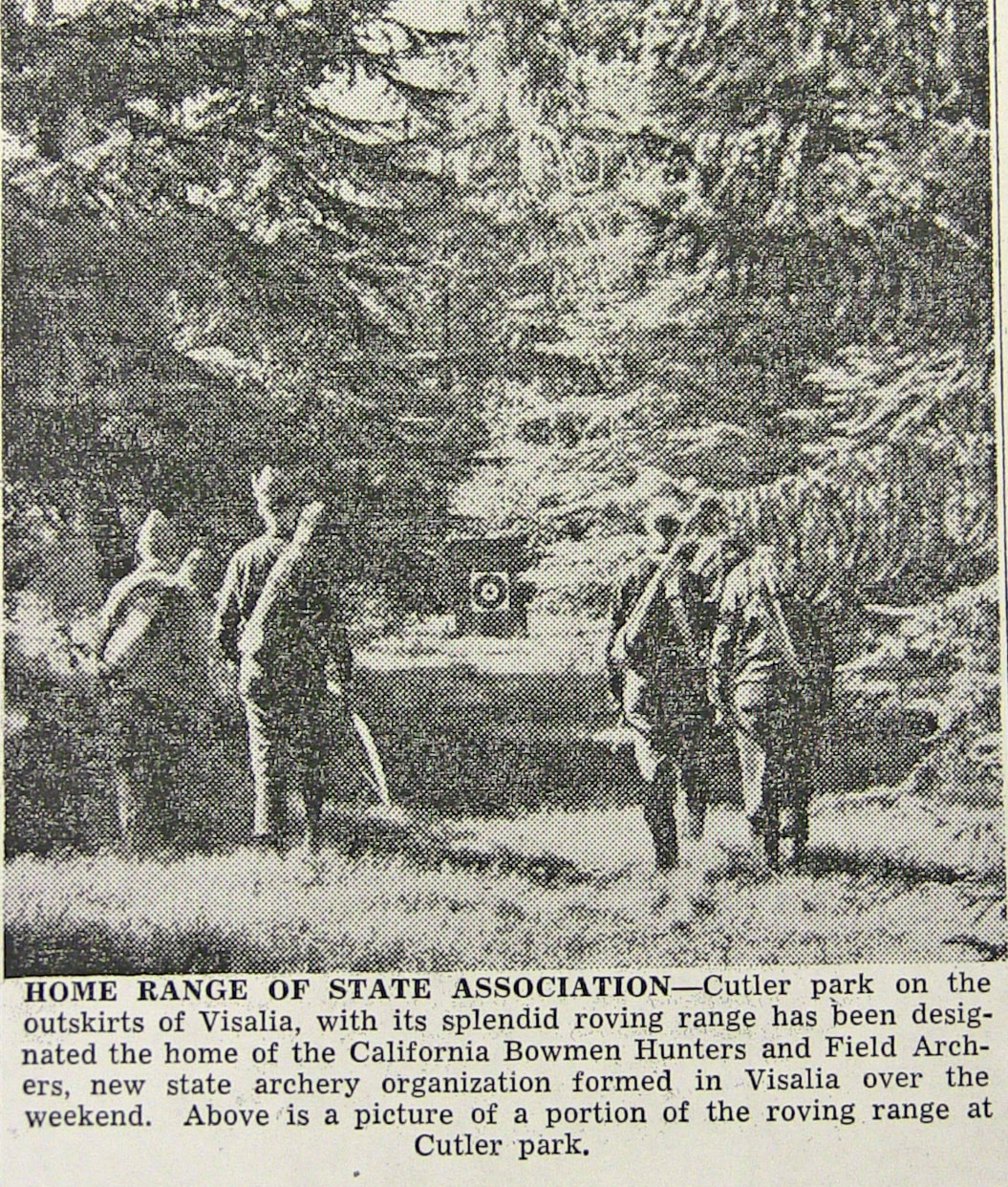
     Despite its continuing lack of facilities, the park continued to serve many outdoor recreational interests. In addition to picnicking and river play, it hosted statewide archery tournaments, training exercises by the Visalia Infantry Regiment, the sheriff’s pistol practice, and many Girl Scout and Boy Scout day camps and overnight Camporees.

     At last, in April, 1951, the county supervisors adopted a master plan for Cutler, with a number of proposed enhancements. Unfortunately, since park funding had been slashed, the planned improvements would be delayed.

     By 1954, none of them had been made. (Furthermore, the park was now described as comprising only 50 acres, far less than the 70 acres donated in 1919.) A Visalia Times Delta article in August described the park’s condition as “so poor as to render the area offensive to sight.” Declaring Cutler “unfit for public use due to lack of facilities and its generally run-down condition,” the Ivanhoe Chamber of Commerce, American Legion Post, Garden Club, Elbow Creek Grange, and Visalia Chamber urged the Supervisors to get a plan approved and funded and get to work on the park.

     Earl Ingrim, County Planner, outlined several proposed long-term developments, but emphasized that, unlike crowded Mooney Grove, “a commercial and carnival-type park suited primarily to mass recreation facilities,” Cutler should feature casual, family-type recreation.

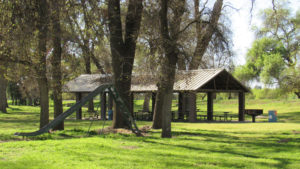
     In December, 1954, the Supervisors unanimously adopted the amended plan, which included adding a youngsters’ fishing pond and upgrading the roads. By September, 1956, the Times Delta was able to report that “Improvements Make Cutler Park Popular Recreational Spot.” The roads had been paved, nineteen acres of lawn planted for a children’s play area, and a third picnic arbor completed. And the new park superintendent, Merle Harp, had more plans for Cutler: irrigation sprinklers, barbecue pits, new playground equipment, more arbors, and eventually a bath house and rest rooms near the river.

     In six months, his work was underway, and by 1959, Cutler boasted horseshoe pits, 82 picnic tables, five arbors, twelve fire pits, the ball diamond, swings and merry-go-rounds, a new shop building, and parking space for 210 cars (but no pond or bath house). It was one of our county’s most popular parks.

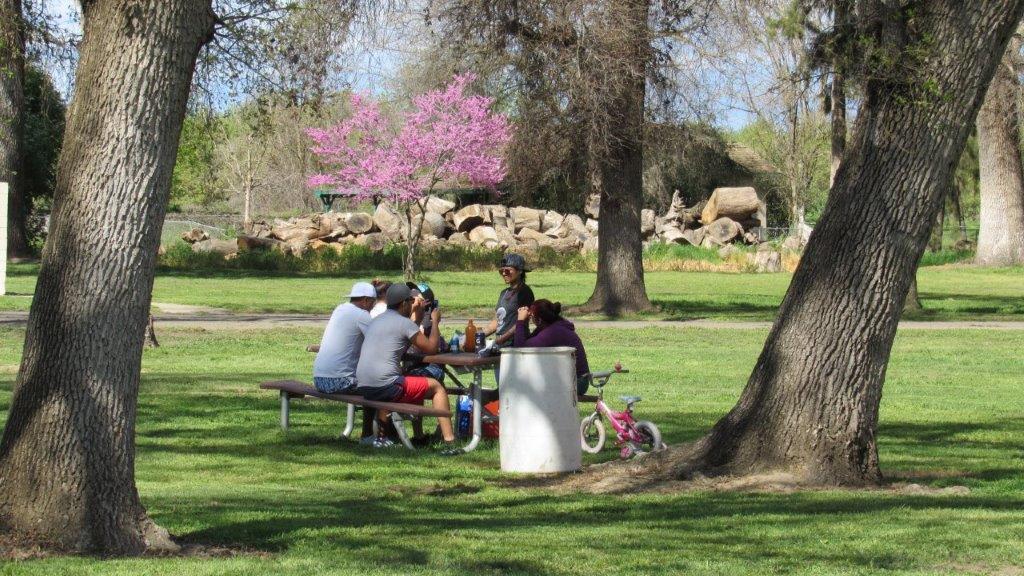
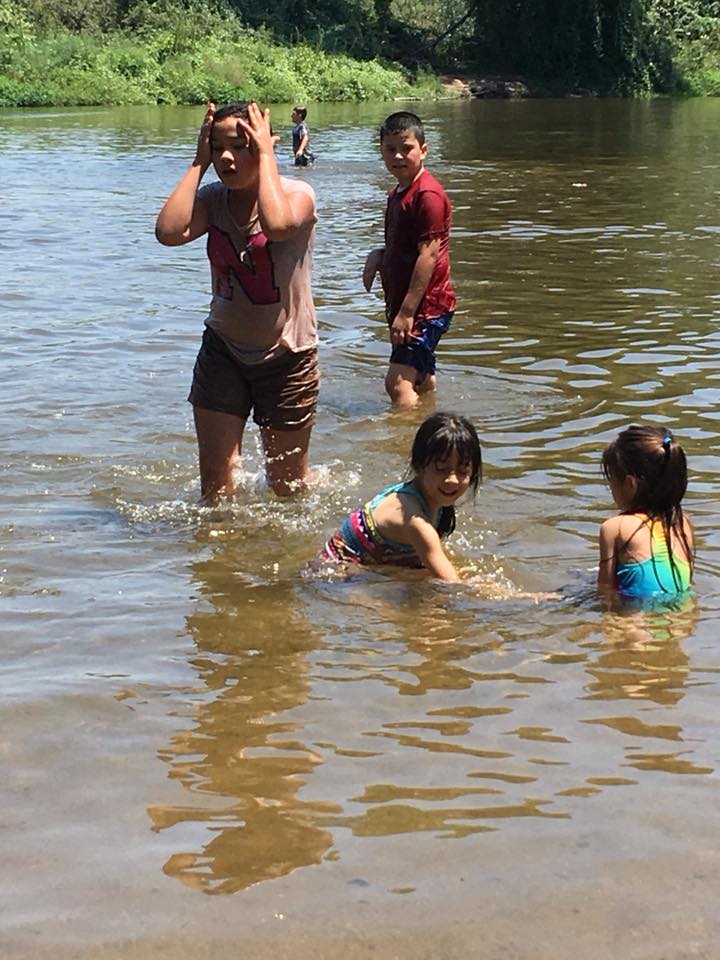
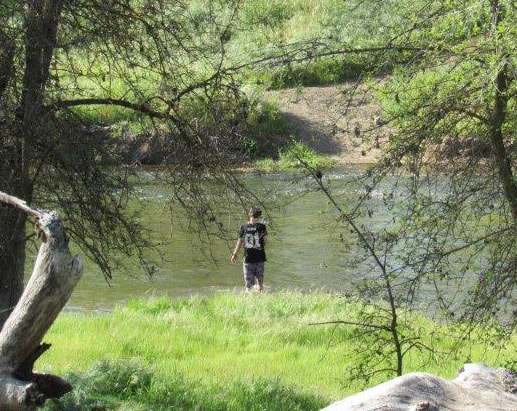
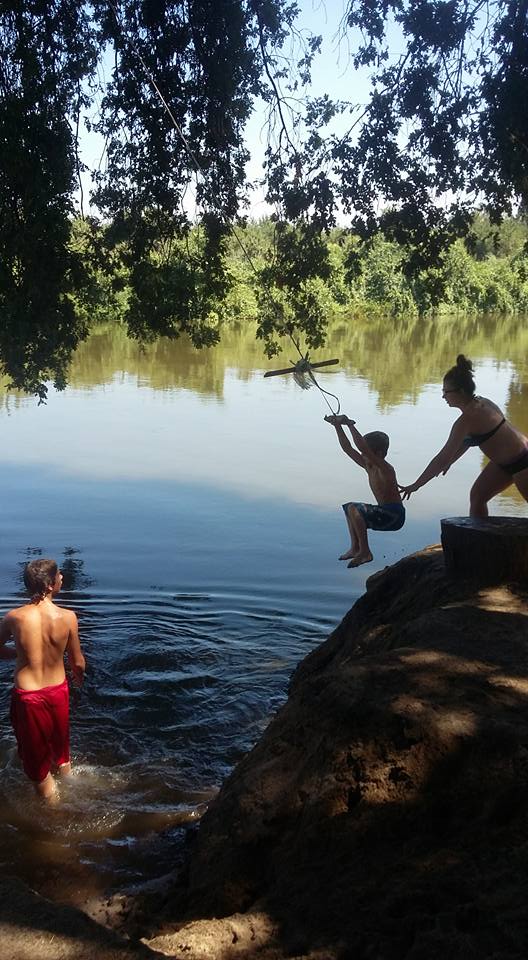
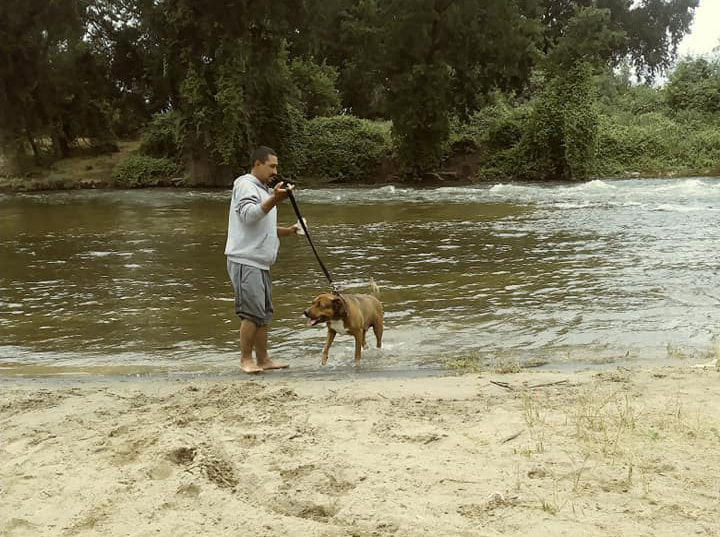
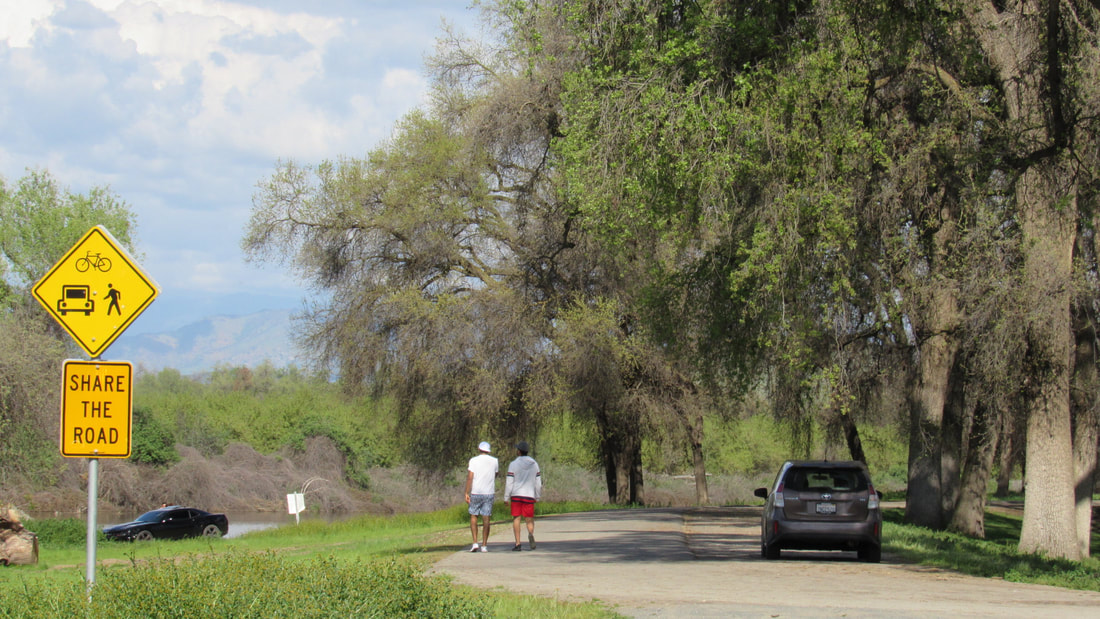
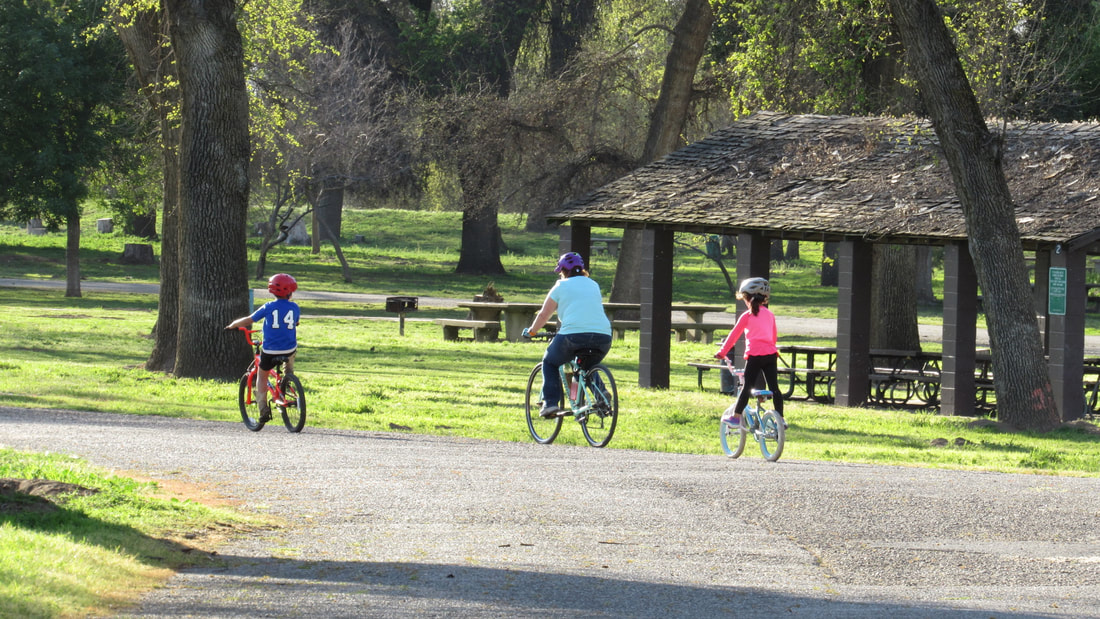
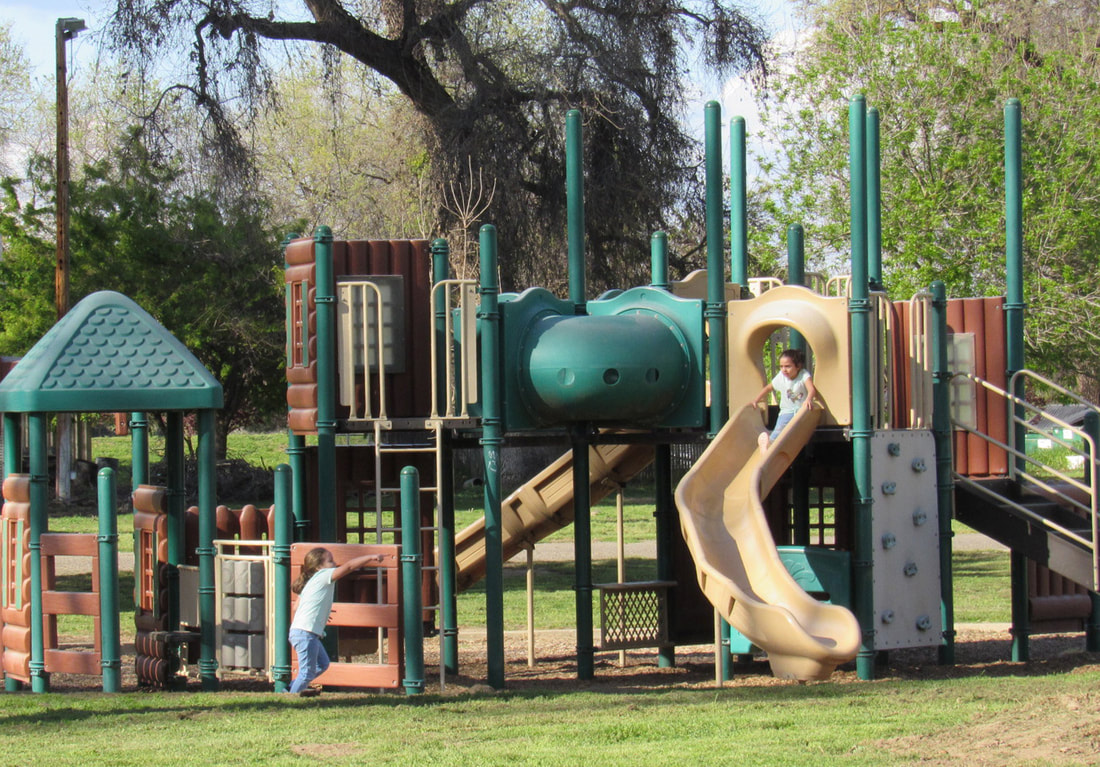
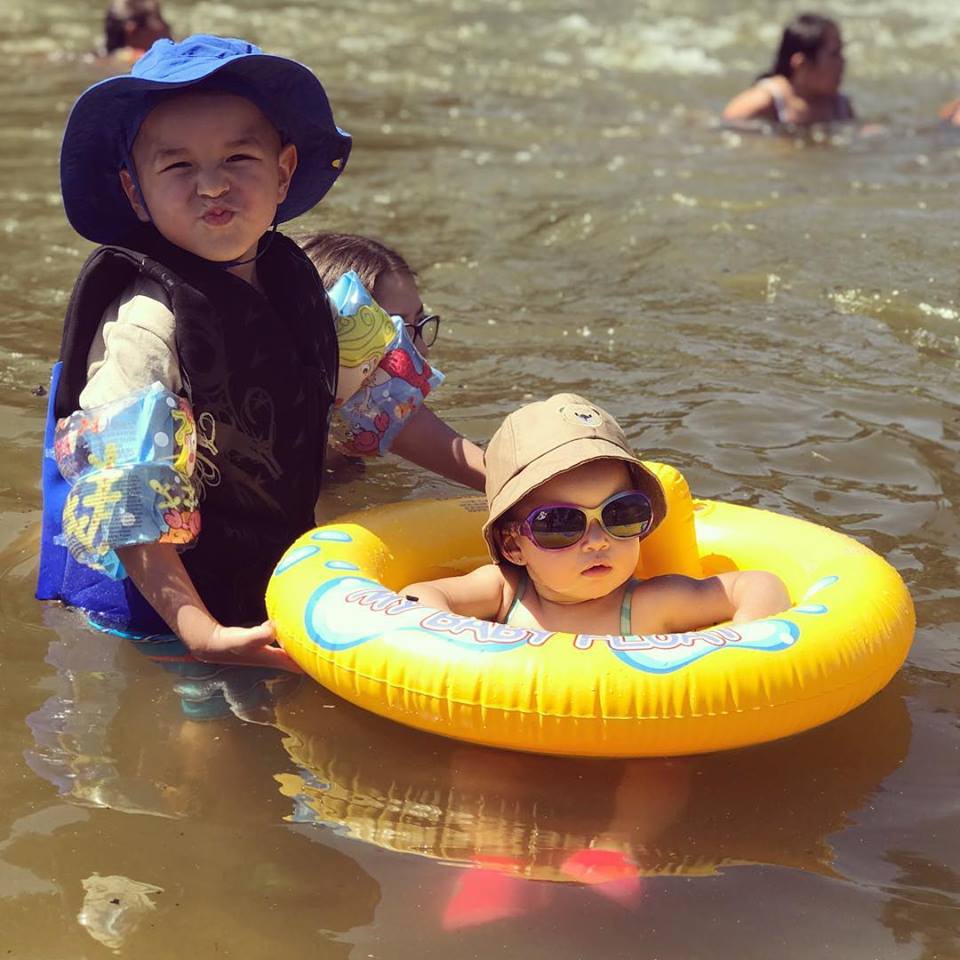
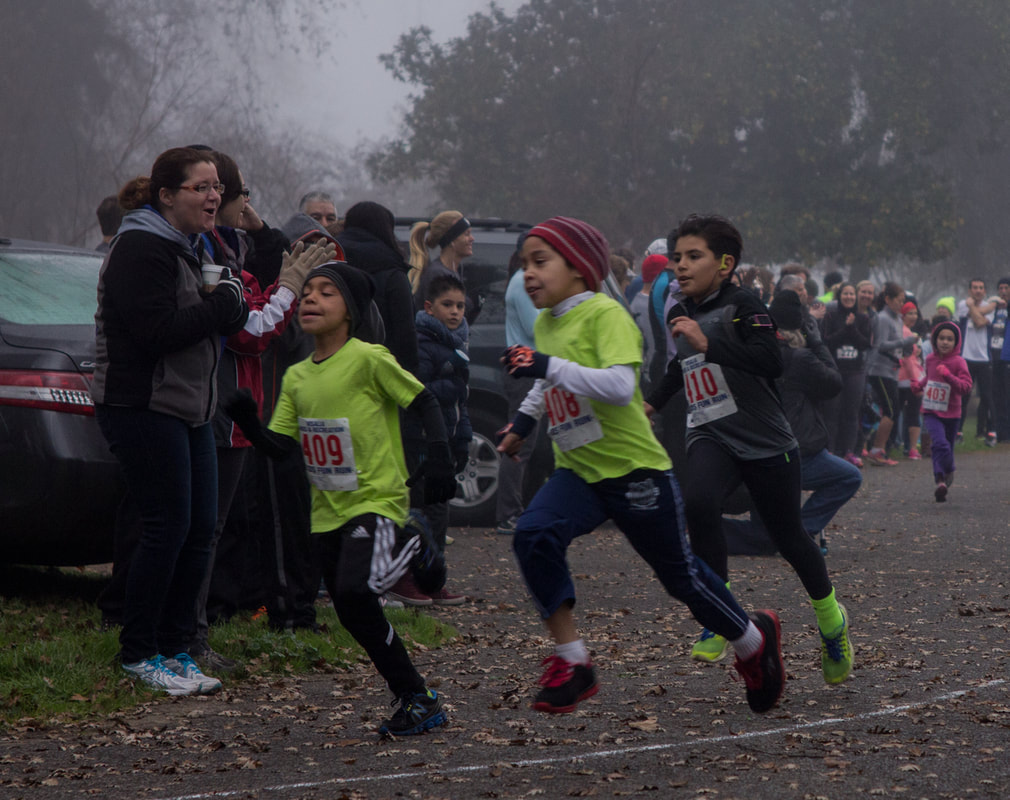
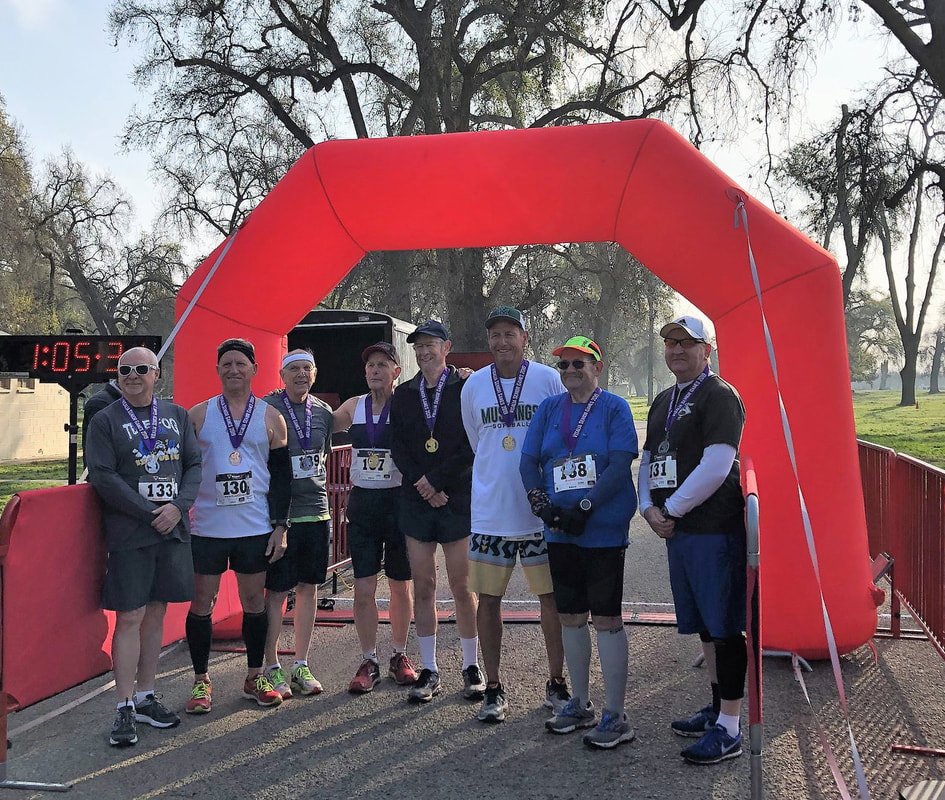
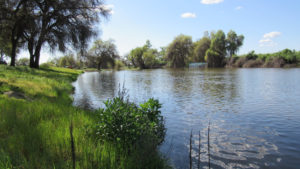
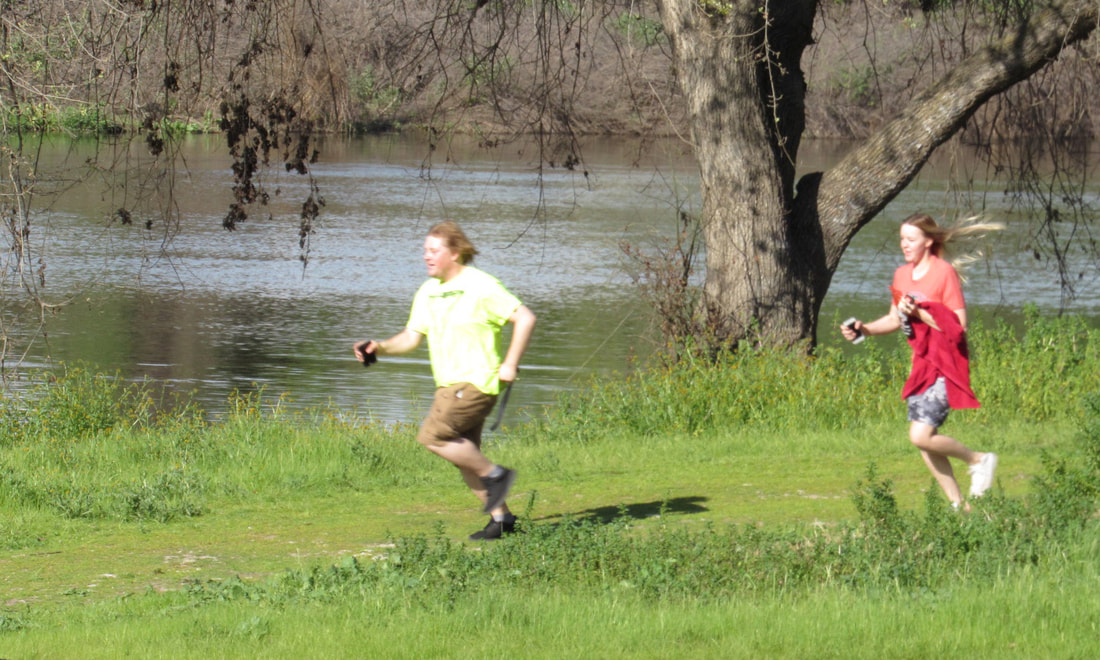
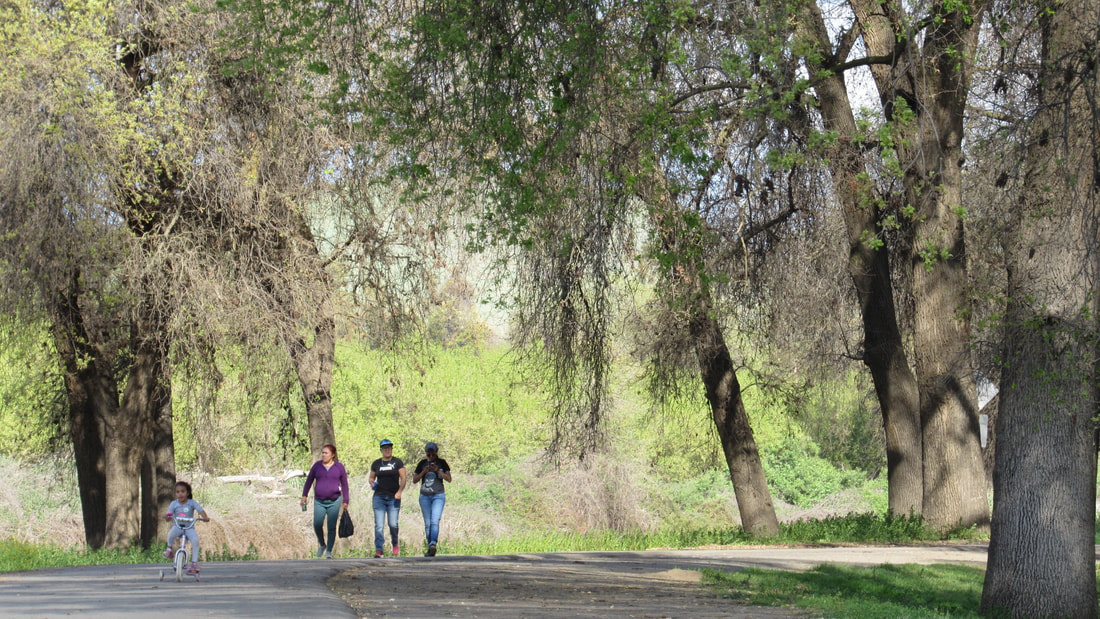
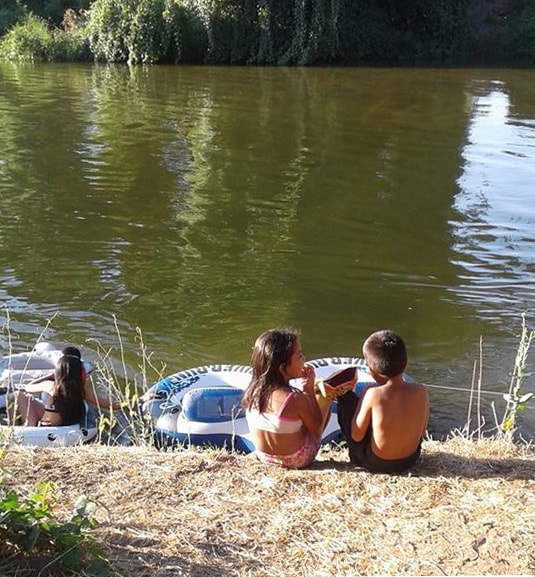
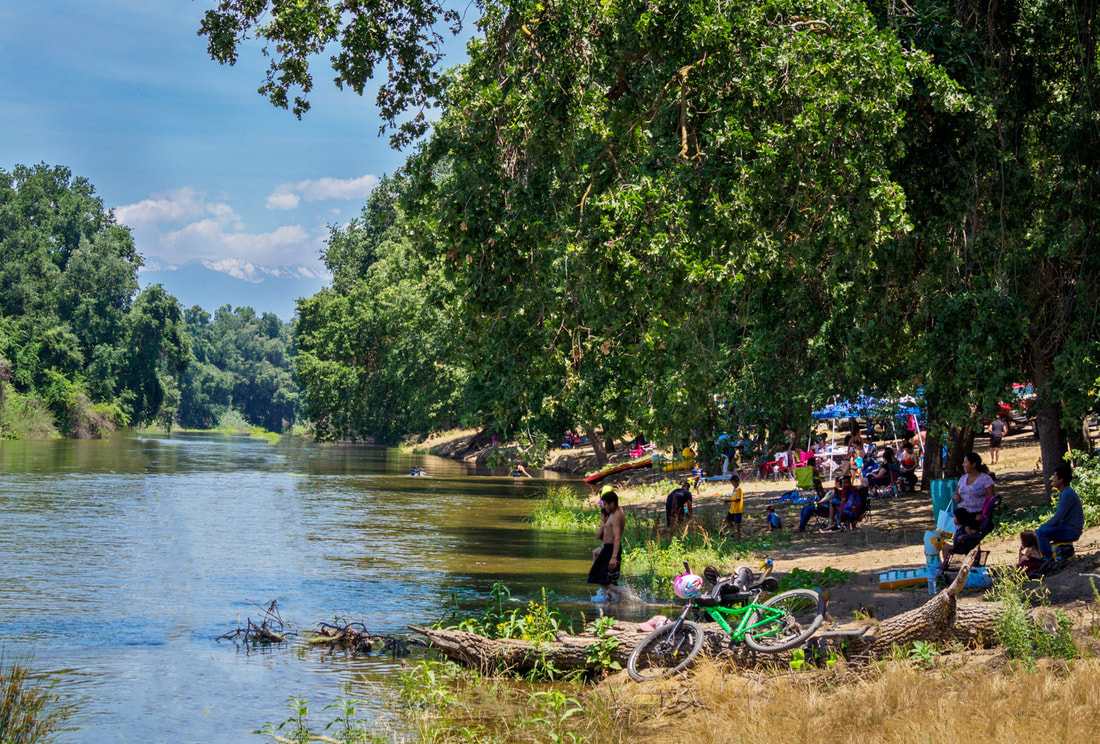
     Sixty years on, it still appeals to people of all ages. Eleven hundred cars filled Cutler on Easter Sunday in 2017. The mile-long loop of the park’s road through the picnic areas under the big trees and along the river on the levee hosts strollers, joggers, cyclists, and cars taking slow scenic drives. Children race to explore the two big modern sets of play equipment. In 2018, the County, working with Kaweah Delta Water Conservation District, built a beach to enhance enjoyment of the river. Rafters and waders, picnickers and bicyclists, students running cross-country meets and their elders racing in the Senior Games post photos of their good times on the park’s Facebook page.

     For those who relish the simple pleasures of being outdoors in beautiful, historic, natural, family-friendly surroundings, Cutler continues into its second century as a well-loved Tulare County treasure.

     CAUTION: The river may look calm and peaceful, but it can be running very fast, especially when water is being released from Terminus Dam at Lake Kaweah. Enjoy it carefully, and never leave children unattended.

June, 2019


Slideshow:


Quotes & More Photos:

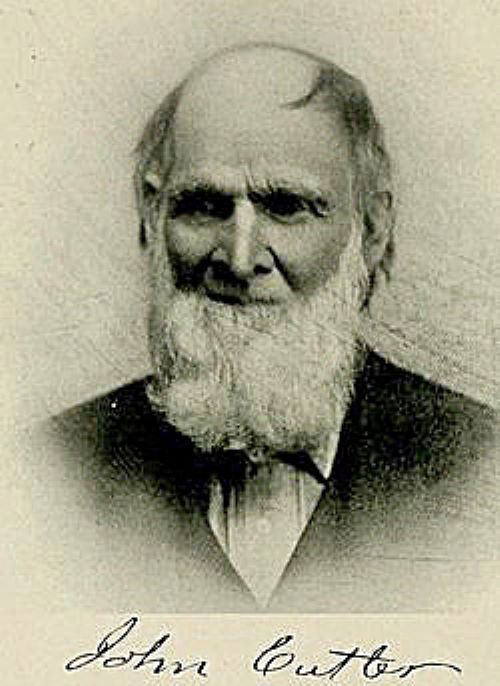
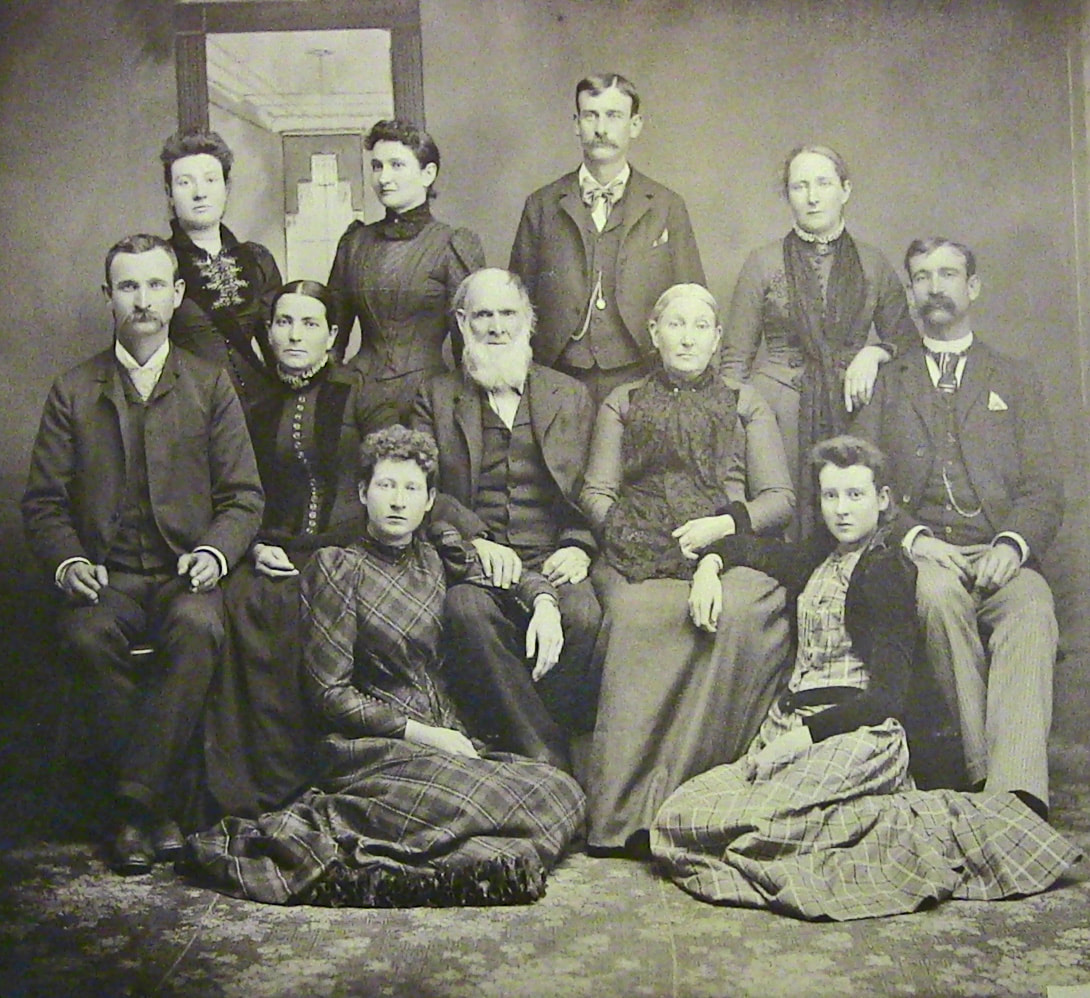
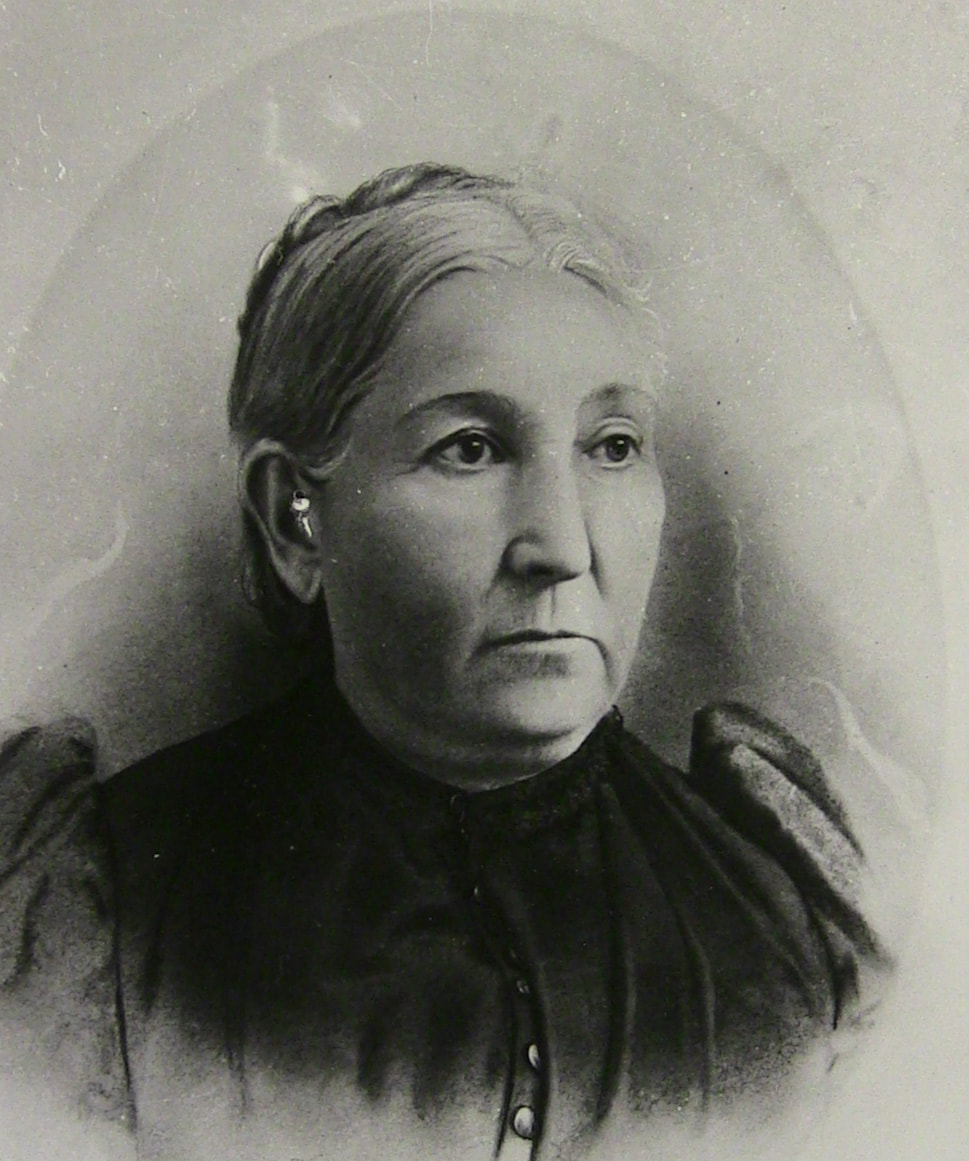
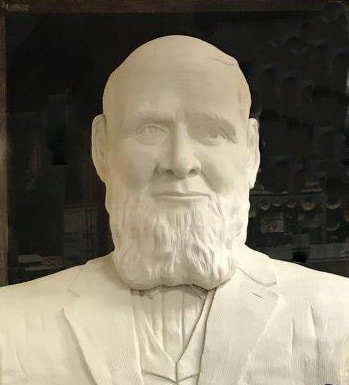
Born in Indiana in 1819, John Cutler became “one of Tulare county’s most venerated pioneers.” He earned his medical degree, came overland to California in 1849, and settled in El Dorado county, where the local miners elected him to represent [the] county in the state legislature. In 1852, Dr. Cutler came with a settlers to the Four Creeks area in newly-formed Tulare County and took up land and built up his holdings until he became one of the county’s largest landowners. In 1853, he was elected to “the most important office in the county, that of county judge,” serving from 1853 to 1858.” — Annie R. Mitchell

“Dr. Cutler was a profound student of the Bible and of Shakespeare and could quote at length from either source. . . . he did not live in the past but was well read and constantly alert to the events of the community, state and nation. This interest in education carried over again into official life for he served an appointive term as county school superintendent and served as trustee in his own school district.” — Annie R. Mitchell

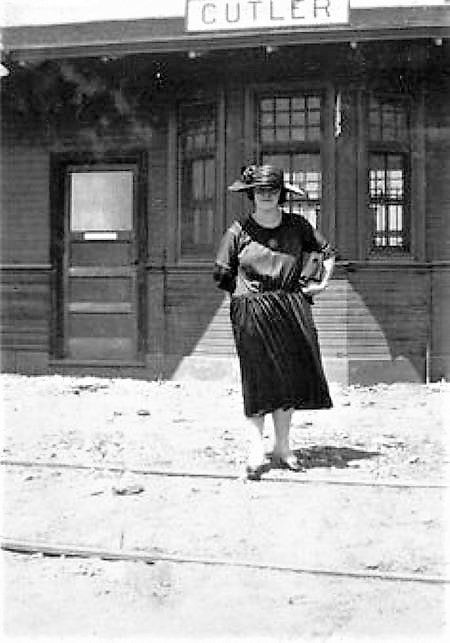
“When the Santa Fe Railroad came through the valley in 1897, Dr. Cutler deeded a right of way through his property and the railroad named the new community Cutler. In 1919 his son, John Cutler, Jr., donated seventy-six acres of the home ranch as a memorial park for his parents. Cutler Park has many oak trees and the Saint John’s River flows through it, making it a beautiful spot for picnickers.” — Annie R. Mitchell

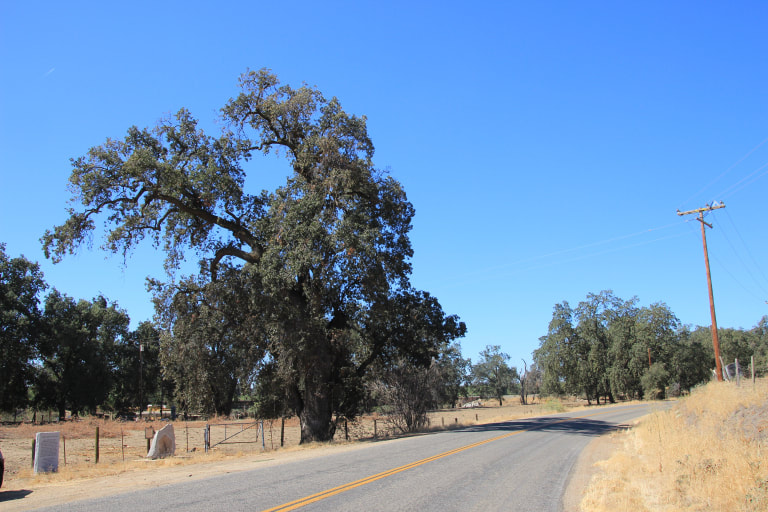
“[O]n this . . . quarter section, in 1854, . . . Mr. John Cutler, Sr., located [after] arriving in Tulare County with the first pioneers. He was here at the time of the organization of the county and took part in the deliberations under the Charter Oak, two or three miles from Cutler Park.” — Visalia Morning Delta, 02/07/1919

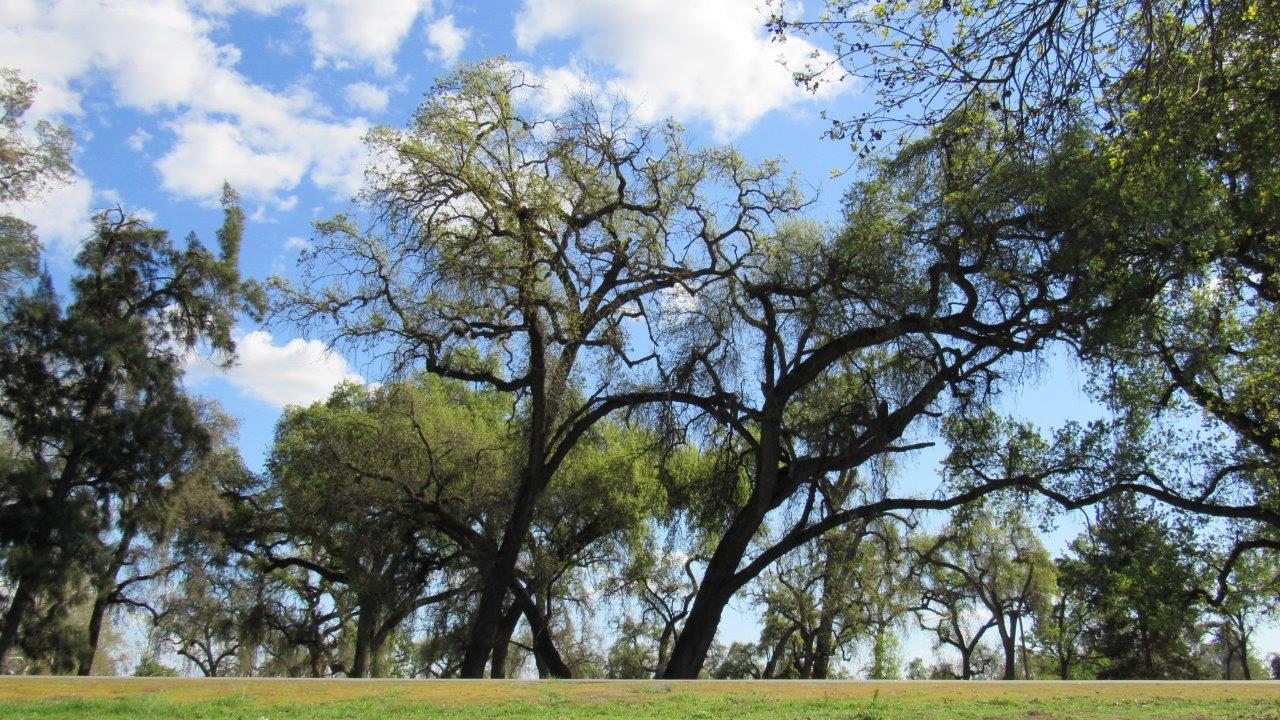
“[T]he county’s vast groves of oaks are rapidly disappearing — now nearly all gone — and such groves as there should [sic] be preserved for future generations. Not many years ago Visalia was known as the ‘City of Oaks’ and today finds the oaks all gone save a few here and there.” — Visalia Morning Delta, 05/11/1919

‘”It is the wish of . . . all of us,’ said Mr. Cutler, ‘that this park shall be always filled with laughing, happy faces, with men, women and children to whom and of whom we of recent years have just begun to realize are entitled to the great playgrounds nature provided and of which we have played such havoc but now preserve.'”– Visalia Morning Delta, 10/02/1921

“Superior Judge W. B. Wallace, making the address of the day, ably expressed the sentiments of all the people when , . . he said, ‘This will always be known as Cutler park and justly so, but the name appearing on the gate there is not alone symbolic of the Cutler family but of all those sturdy, noble, heroic pioneers whose work, energy and perseverance started Tulare county on the upward grade from the barren plains which once were traversed by naught but cattle.'” — Visalia Morning Delta, 10/02/1921

“[Judge Wallace] praised the character of Judge Cutler . . and directed a fitting tribute, also, to John Cutler, Jr. . . . as having made the greatest gift to Tulare county the county ever has received. ‘Would that other wealthy men would but follow his example,’ he said.” — Visalia Morning Delta, 10/02/1921

“Throughout California’s history, people have lived among the oaks, raised families in homes shaded by oaks, worked and played around these generous natural and cultural icons. Oaks have played a crucial role in supporting the health and well being of people, plants, and animals across the state for decades.” — Janet Cobb


Maps & Directions:

Directions:

15520 Ivanhoe Dr., Visalia, 93292

From Hwy 198 in Visalia, take Hwy 63/North Court St. north to Oval Park. Turn right onto N.E. 2nd Ave., then right again onto Hwy 216/E. Houston Ave. and follow it east past Golden West High School and then past 5th Ave. The park entrance will be on your left (north side of Hwy 216).


Site Details & Activities:

Environment: Valley, riparian Valley oak grove, St. John’s river access
Activities: biking, birding, disc golf, dog walking (on leash, scoop poop), hiking, photography, picnicking (arbors available via reservation), playgrounds, special events (fee for permits), water play
Open: Year-round, daily, except always CLOSED on Tuesday and Wednesday; check seasonal hours: Winter (Nov. 1 – Feb. 28), 8:00 a.m. – 5:00 p.m.; Spring (Mar. 1 – May 31), 8:00 a.m. – 5:00 p.m., except 8:00-7:00 on Sat. and Sun.; Summer (June 1 – Sept. 8), 8:00 a.m. – 8:00 p.m.; Fall (Sept. 9 – Oct. 31), 8:00 – 5:00, except 8:00 – 7:00 on Sat. and Sun.; entrance fee $5.00 per vehicle.
Site Steward: Tulare County Department of Parks and Recreation/General Services Agency, 559-205-1100; tularecountyparks@co.tulare.ca.us. Contact Site Steward for current fees
Opportunities for Involvement: donate, volunteer

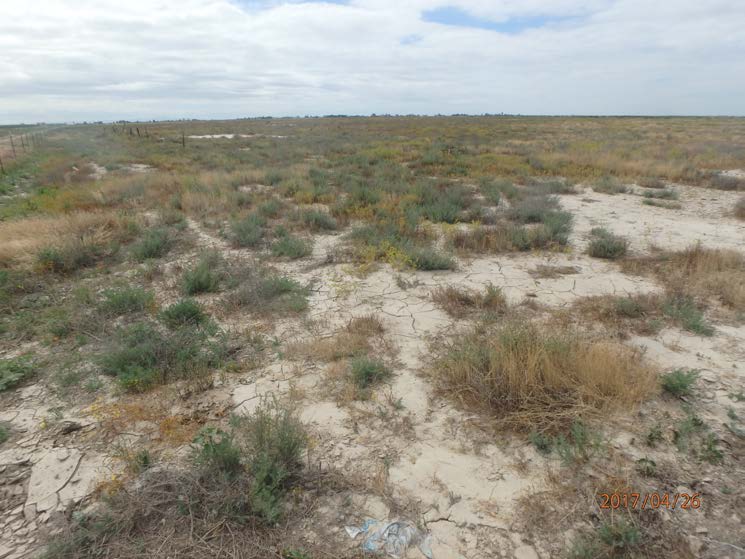
We see a long view of the low gray-green San Joaquin Valley scrub brush growing in the flat, dusty, cracked alkali habitat of Allensworth Ecological Reserve, with a cloudy sky above the long, straight horizon.

Visiting Allensworth Ecological Reserve


     The valley sink scrub community found at Allensworth Ecological Reserve is one of the best remaining examples of this rare alkali habitat in the southern San Joaquin Valley. Since 1980, the state of California has been purchasing land in this area, initially to protect habitat for imperiled species including the San Joaquin kit fox, blunt-nosed leopard lizard, and Tipton kangaroo rat, along with several other special status species and natural communities. The property was designated as an ecological reserve by the State Fish and Game Commission in 1983.

     Funding for these ongoing purchases has come largely through the State Wildlife Conservation Board, which does not provide funds for managing the lands. Thus, while the Reserve is conserved in perpetuity for the protection of lands vital to sensitive native species included in the Recovery Plan for Upland Species of the San Joaquin Valley, funds for management, monitoring, and maintenance by the California Department of Fish and Wildlife depend on allotments from the state’s general fund.

     Visitors exploring this flat land of valley sink scrub and valley saltbush scrub will see iodine bush, goldenbush, atriplex, and San Joaquin saltbush, ground squirrels, and possibly a coast horned lizard or two, along with native and migrating birds in season. Caution: Summer temperatures are very high, there are no visitor facilities, and there is virtually no shade. Carry water..

NOTE:  The Project Team will be conducting research for a full article as volunteer time allows.  Contact us if you’d like to help write about this Treasure.


                                                                                                                      March, 2022

Maps, Directions, and Site Details:

Directions:

From Visalia, take Hwy 99 south to Earlimart and exit West on County Road J22 (Ave. 56). In about one mile, turn left (south) onto Howard Road. In about two miles, turn right (west) onto Avenue 40. Proceed about one mile to the Allensworth Ecological Reserve gate, where parking is available. Access the reserve on foot, through the gate.

NOTE:  To change the starting point on the map, click ‘More options’.

Nearby Treasures:  Pixley National Wildlife Refuge, Colonel Allensworth State Historic Park, and Atwell Island Land Retirement Demonstration Site.

Site Details:
Environment:  Valley; south of County Rd. J22, mostly between Hwy 99 and Hwy 43; over 5,000 acres of mostly flat native valley sink scrub and saltbush scrub habitat on land previously used primarily for farming, grazing, and non-toxic waste disposal; no visitor facilities yet
Activities:  birding, hiking, nature study, photography, wildlife viewing; foot travel only for visitors inside the reserve; no visitor facilities (camping available nearby at Colonel Allensworth State Historic Park; picnic tables, playground equipment, and restroom at Alpaugh Park); all visitors are responsible for knowing and following public use regulations for this area: see CDFW Public Lands Regulations
Open:  daily, sunrise to sunset, weather permitting, unless closed due to emergency conditions; no fee
Site Steward:  California Department of Fish and Wildlife, Central Region; 559-243-4014
Opportunities for Involvement:  Donate, volunteer
Links:  Visitor Information

Photos for this article by:  courtesy of wildlandsinc.com