Click on photos for more information.
Bartlett Park: The Park that Moved
by Laurie Schwaller
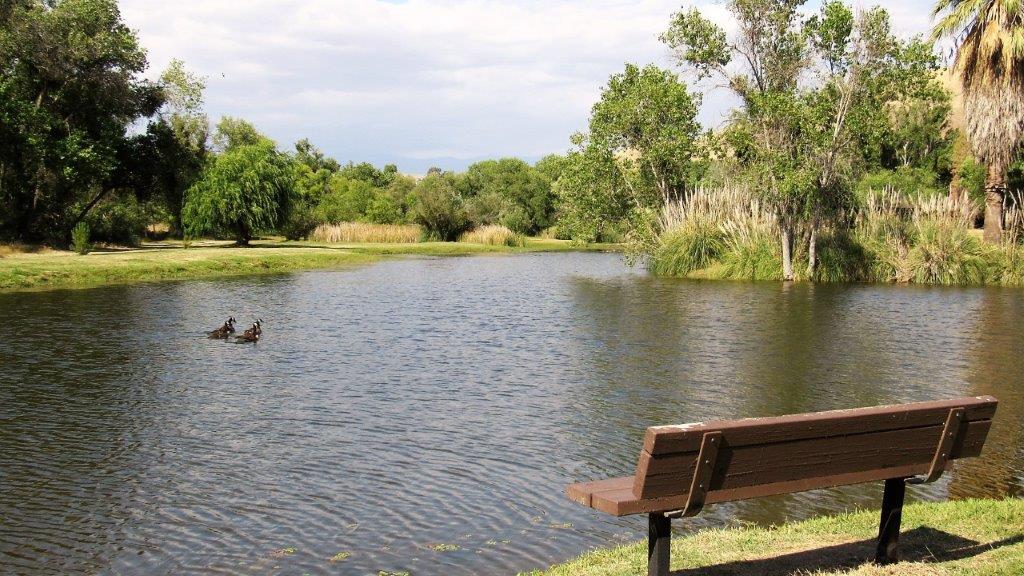
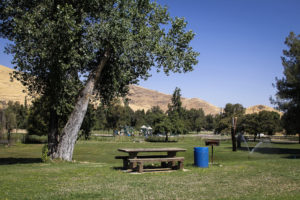
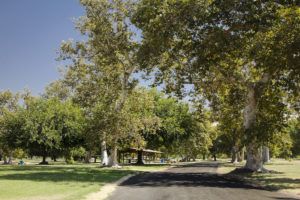
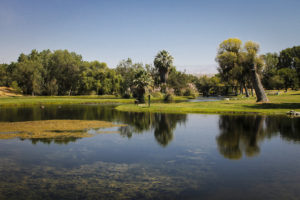
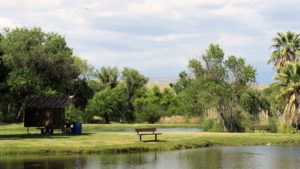
Just eight miles east of Porterville, there’s a big, beautiful, shady park named in honor of William Pitt Bartlett. This park offers amenities for everyone: plenty of picnic tables, group arbors, playgrounds, a little fishing lake with a picturesque fishing platform for kids and seniors and folks with disabilities, a disc golf course, fields for sports, volleyball poles, horseshoe pits, restroom facilities, scenic views, a lake right above it, a river running through it, and lots of room to roam.
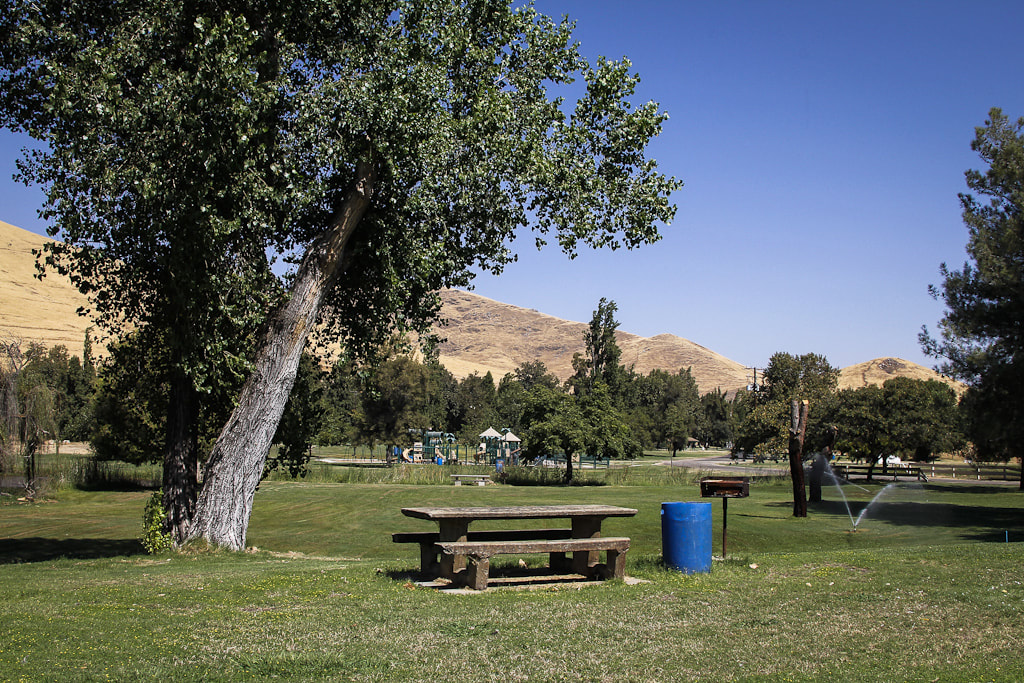
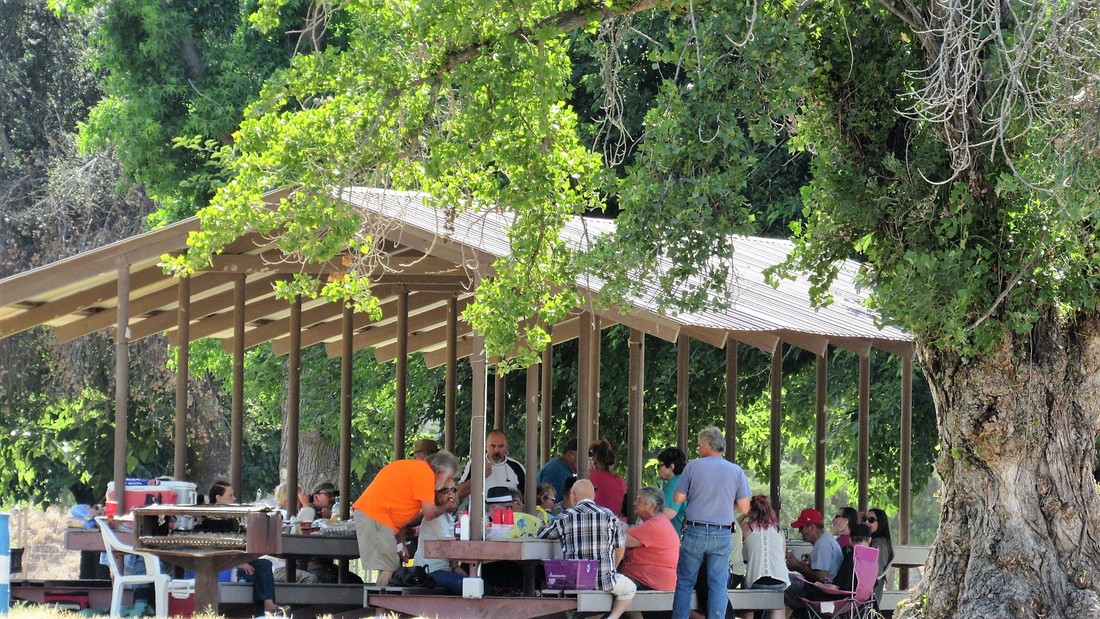
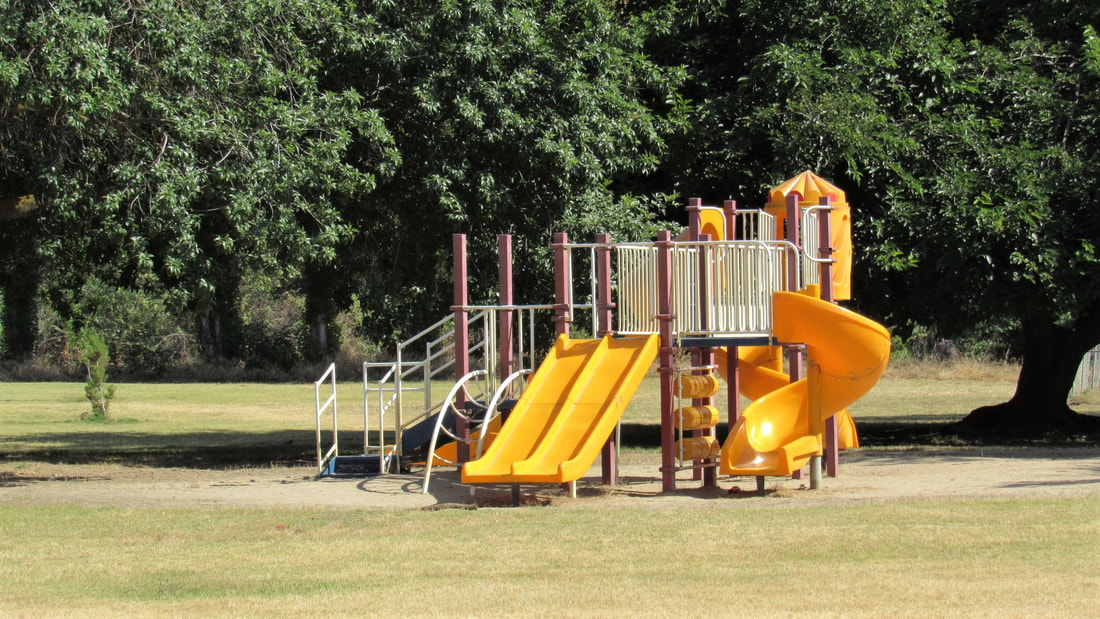
But it’s not where it used to be. The original park site now lies under the waters of Success Lake, which covered it in 1961. The “new” Bartlett Park stretches along the river below Success Dam.
In 1923, the citizens of Porterville wanted to secure the best easily-accessible swimming area along the Tule River for recreation and relief from summer’s heat. In response, the city’s Chamber of Commerce began a fundraising drive in early January of that year and collected the purchase price for the desired land before the month was out. The 34-acre parcel extended for a quarter to a half a mile along both banks of the Tule on the north side of what was then called Success Highway (now State Route 190), near the little dot then on the map named Success.
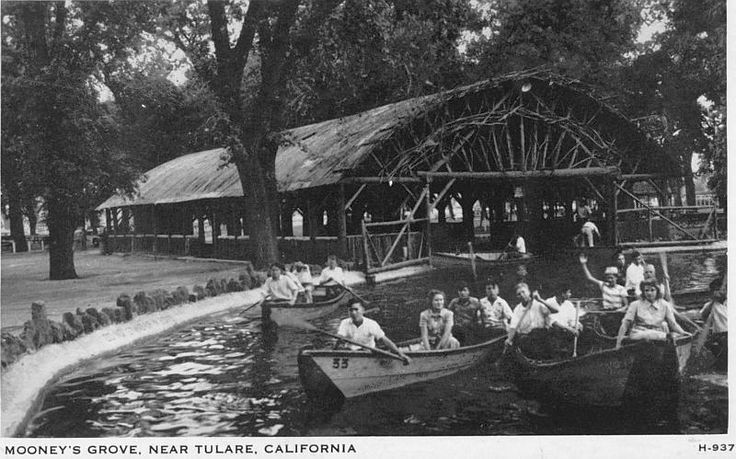
Tulare County had established two county parks by that time — Mooney Grove, which it had purchased in 1909, and Cutler Park, donated to the County in 1919 by the family of Judge John Cutler. These were managed by the County’s Board of Forestry, which in 1913 replaced its previous Park Commission. Prominent Porterville businessman and gardener extraordinaire William Pitt Bartlett headed the Forestry Board in 1923.


The Board had agreed to develop and maintain Porterville’s new river park if the Chamber purchased it and then donated it to the County. As soon as this was accomplished, Bartlett went to work, directing the development of the land to his specifications. By the last day of April, the Odd Fellows were initiating Tule River Park with a picnic, and the next week, a group of Porterville boys was at the park all day being instructed in forest lore, woodcraft, wildlife, and first aid, and participating in athletic events and hikes on the trails.
The park land was heavily forested, with sycamore, cottonwood, willow, and other trees and shrubs. The first year’s improvements included clearing brush, scooping out a swimming hole, erecting two buildings containing 16 dressing rooms each, putting in two driveways, and constructing picnic tables and seats. The park proved very popular, so in 1924, a caretaker’s cottage was added, along with a pavilion, tables and seats set in concrete to accommodate 400 people, more parking areas, fencing, and arbors over which to train the wild grapes to shade the picnic tables. When the river went dry that summer, the Forestry Board cleared its bed for 400 feet and built a rock dam that would fill the river to a depth of six feet in its middle.
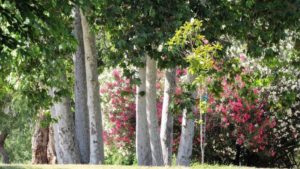
Bartlett’s design for the planting made the park unique. Only native plants — trees, shrubs, flowers, and vines — were used. In 1925, a new cemented swimming pool was opened, along with more dressing rooms. Another well was drilled, a water system was installed, and electric lights were put in so that the park could be safely enjoyed into the night.


In 1929, in response to a petition signed by many organizations, businesses, and citizens of Porterville, the Board of Supervisors changed the name of Tule River Park to Bartlett Park, as a “perpetual memorial to W.P. Bartlett, pioneer citizen . . . [who] was largely instrumental in developing this beautiful park.” Just a few months later, Bartlett, age 74, died.
But Bartlett Park continued to serve the residents of Porterville and all of Tulare County for the next three decades, until the tremendously damaging flood of 1955 generated huge demand for a dam on the Tule River. By 1957, planning for the new dam made it clear that beloved Bartlett Park would be inundated by Success Reservoir. Two years later, the County was awarded $16,975 and the right to remove from the park’s premises “the items of improvement and equipment,” which by then included the caretaker’s residence, a laundry and garage, a pump house with pump and pressure system, more than 4,000 feet of pipe, picnic pavilions, storage sheds, a tool shed, and a concession stand.
Meanwhile, the U.S. Army Corps of Engineers had prepared a license agreement to transfer to the County the administration of recreational purposes at the two new reservoirs it was creating — Success Lake and Lake Kaweah. By mid-1960, the Corps and the County had agreed that the County would lease and develop Area 11C below Success Dam into a 110-acre County park, to be named Bartlett Park at the urging of the County Historical Society and the City of Porterville.
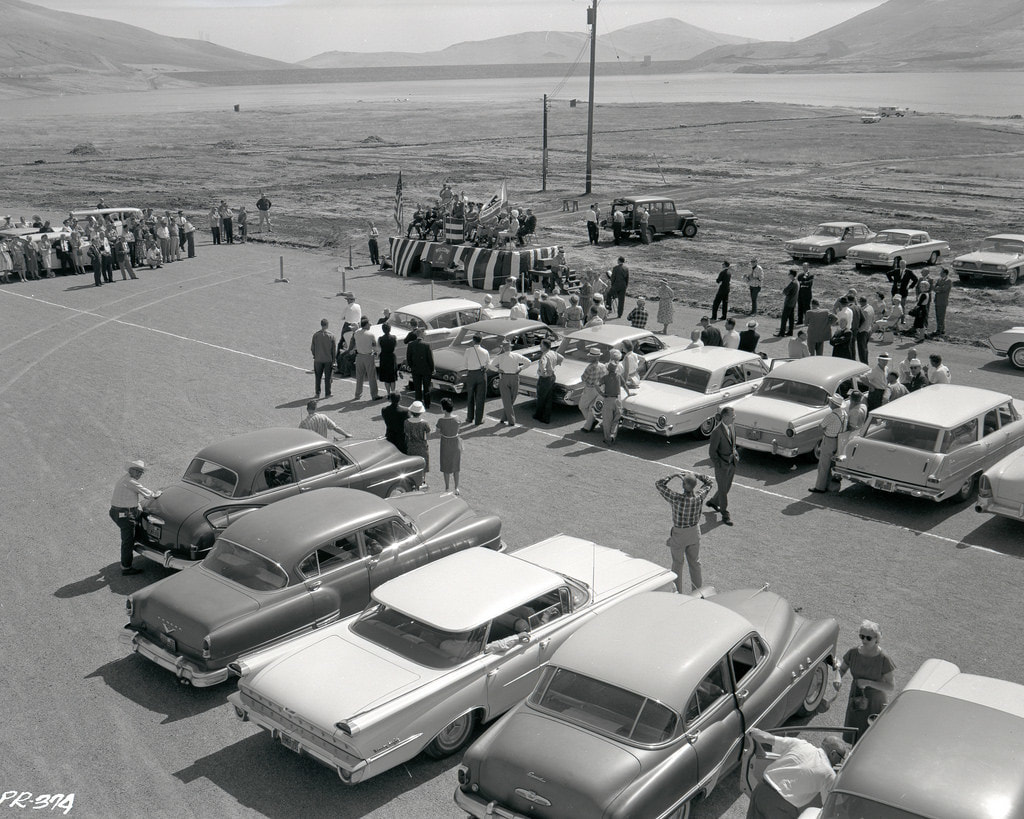

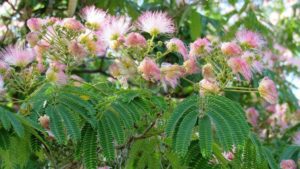
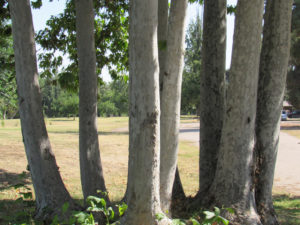
Success Dam was completed in June, 1961, and dedicated in May the following year. The Army Corps finished its work in Area 11C in February of 1961 and permitted the County to begin construction there. In its cost estimates to develop the new Bartlett Park, the County itemized funds for rest rooms, a bath house, fire pits, pipe, picnic arbors, roads, and wells, but listed nothing for trees and shrubs, since staff had determined to follow Bartlett’s example and use only native plants: oaks, sycamores, cottonwoods, and willows.
The new Bartlett Park was soon as popular as the original. In 1965, more than 136,300 people visited its delightful grounds. Then, in early December, 1966, another disaster struck. Heavy rains washed out the levee along the spillway of the dam, causing major flooding that destroyed 78 picnic tables, pipelines, 500 feet of road, part of the parking lot, large and small trees planted in the spring, and 10 acres of new lawn.
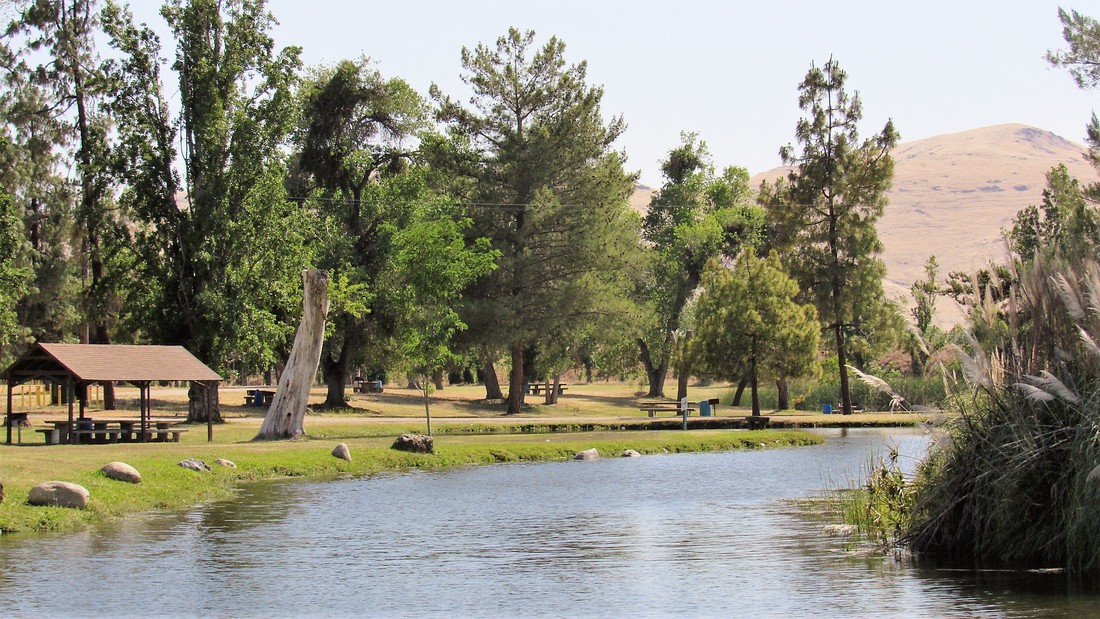
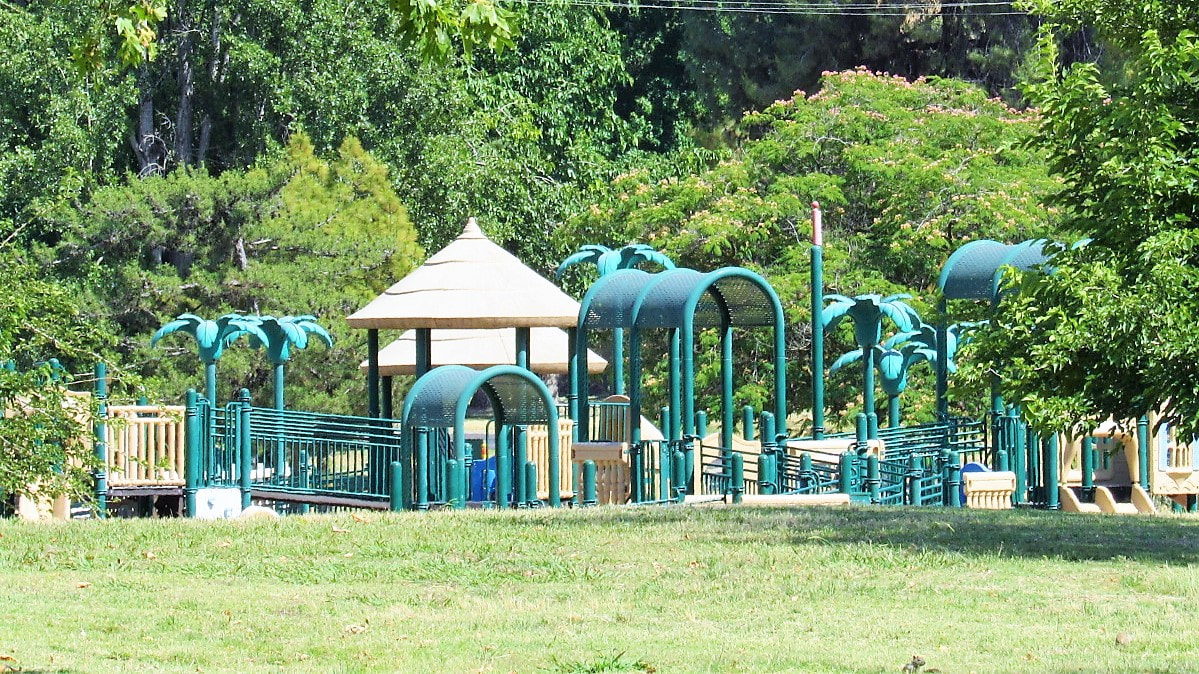
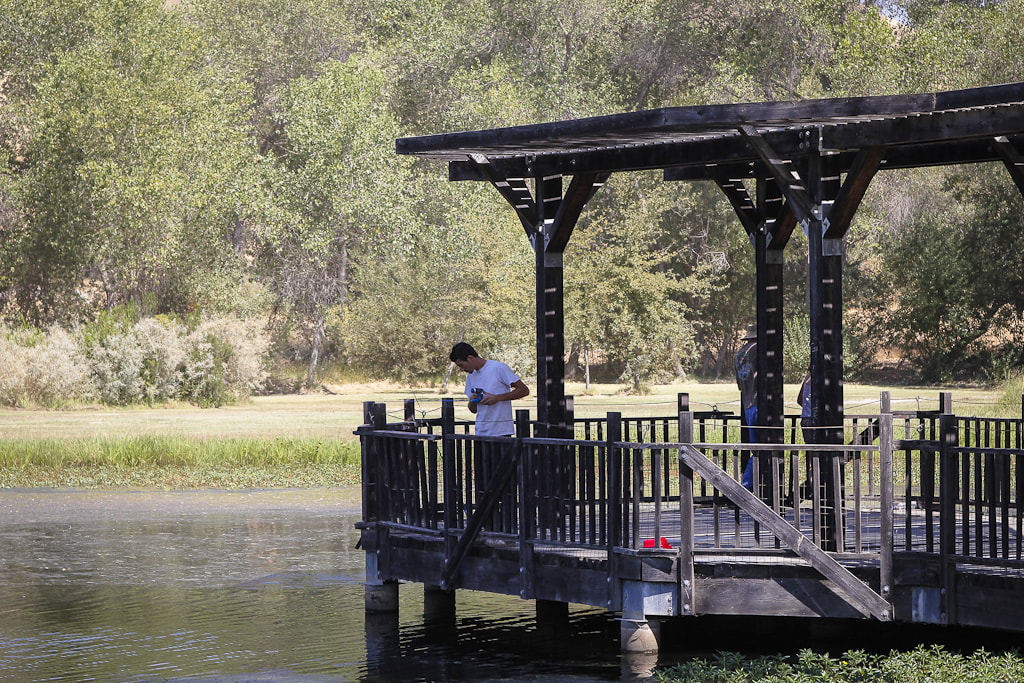
Undeterred, the County went back to work on the park. By 1969, its developed portion was being doubled, necessitating the hiring of an additional groundsman to assist the two who were maintaining the 50 already-developed acres, including 45 acres of lawn. Two more restrooms were being added, bringing the total to four. In the last 50 years, the ponds, playgrounds, and baseball field were added, and almost the entire property has been groomed and made accessible. This is our third-largest County park, but many residents have never heard of it. Bartlett Park is definitely worth discovering!
August, 2018

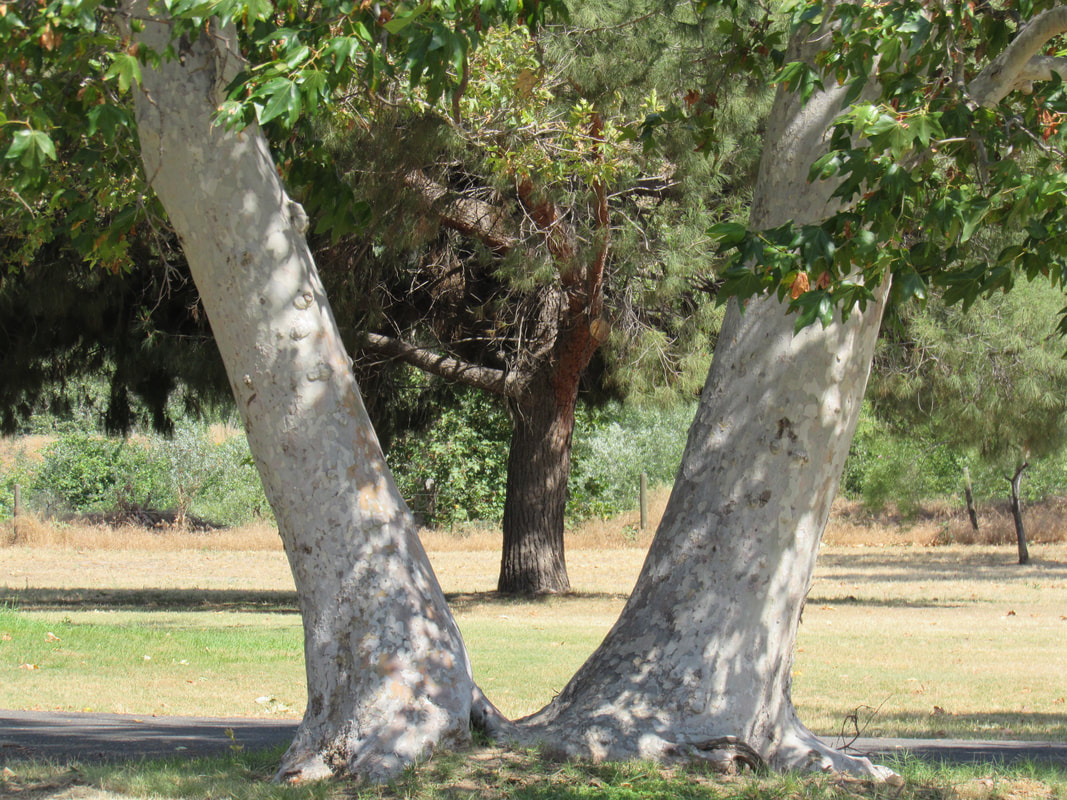
“Parks are works of art just as a painting or sculpture is.” — Thomas Hoving
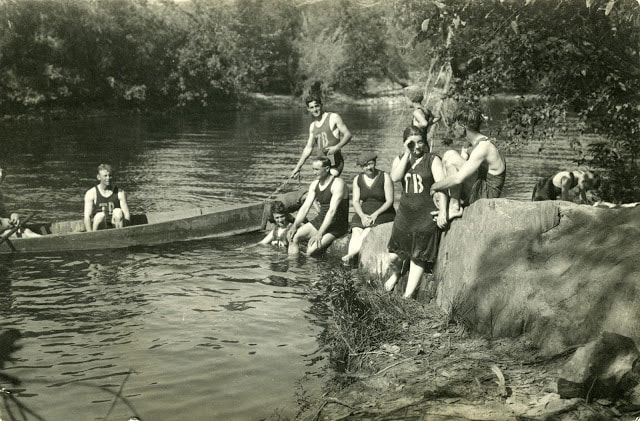
“Here [the] lure of ‘ye old swimmin’ hole’ combines with inviting shade of trees, suggesting picnics and day dreams. Oaks, alders and large grapevines form rustic retreats. Two large swimming-pools have been formed in the bed of the stream. Along each is found dressing-rooms for men and women. Tables, seats and fern nooks are found at vantage points.” — Los Angeles Times, January 31, 1926
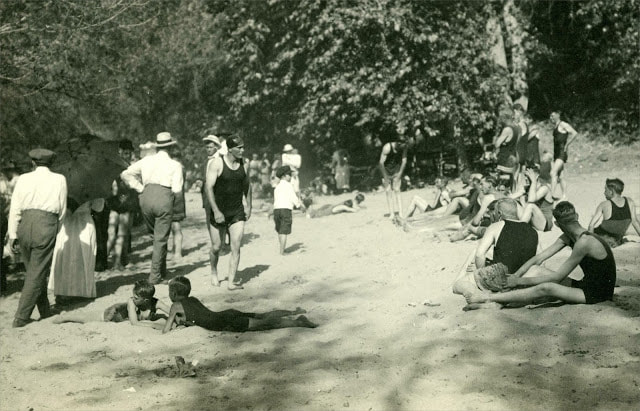
“With plenty of shade, and high enough in the foothills to escape the valley heat, the park is attracting hundreds of visitors every Sunday from all parts of Tulare county.” — Los Angeles Times, January 26, 1925
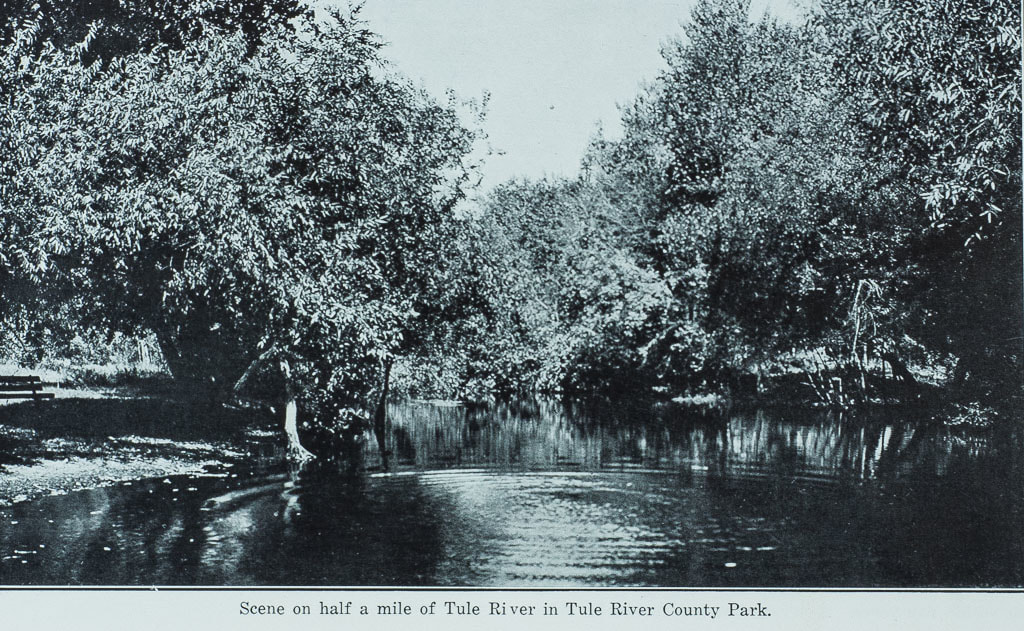
“To him, trees did not look well in shorts. He wanted to see them in full foliage as flowing robes touching the ground, so planted and kept to provide places of seclusion where one might feel as if they were among the virgin growth of the hills, where beauty and peace reign.” — Terra Bella News, June 12, 1942

“As the leading member of the Porterville Park Commission, he supervised the development of Murry Park and influenced the city in the beautification of many streets, and as a member of the Tulare county Forestry Board, he planned the development of Mooney Grove, Cutler Park, and the Tule River Park, which now bears his name.” — Terra Bella News, June 12, 1942
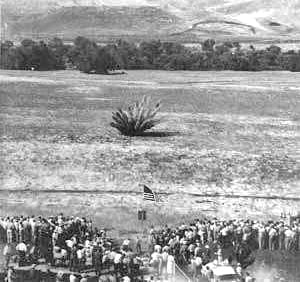
“The Tulare County planning commission has called a public hearing . . . . on the proposed rezoning of the Success and Terminus dam sites to permit recreational area developments. The largest development will be a 110-acre downstream site to be named Bartlett Park . . . . ” Los Angeles Times, August 17, 1960
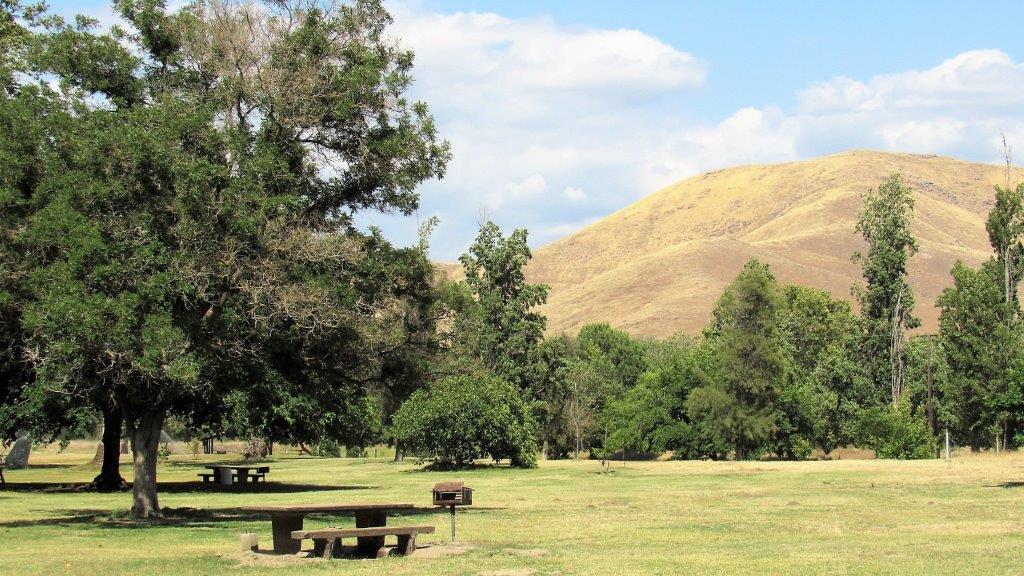
“The Tulare County planning commission has called a public hearing . . . . on the proposed rezoning of the Success and Terminus dam sites to permit recreational area developments. The largest development will be a 110-acre downstream site to be named Bartlett Park . . . . ” Los Angeles Times, August 17, 1960
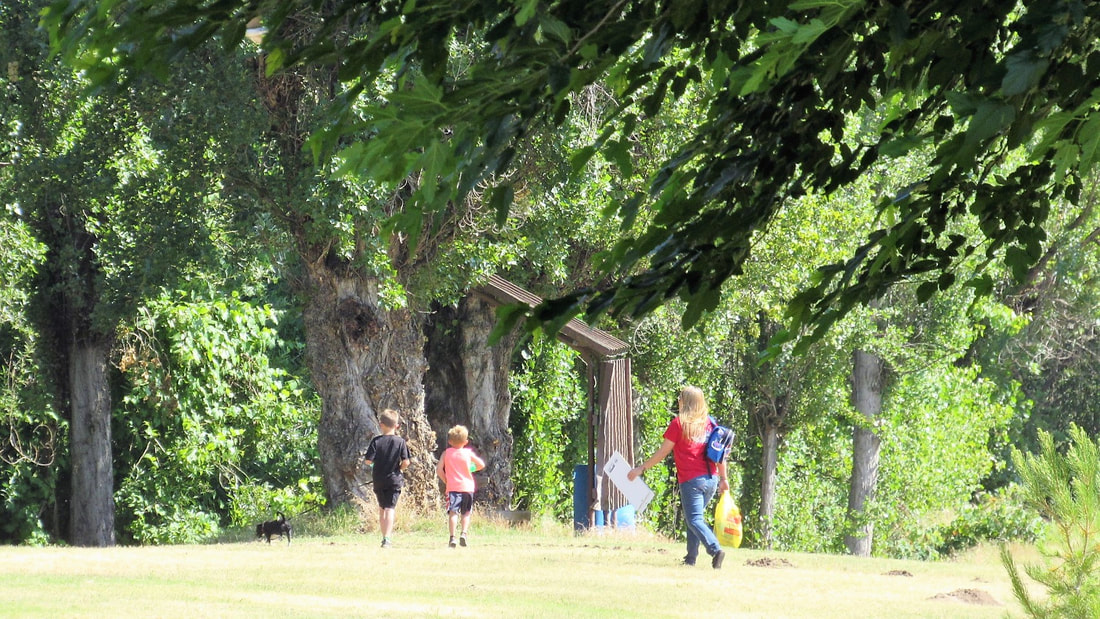
“A federal grant of $36,337 has been awarded to the city for development of 35 acres in Bartlett Park at Success Dam . . . through the Land and Water Conservation Fund, . . . . The money will be used for development of turf, sanitary facilities and improved access and play areas for children.” – Los Angeles Times, September 7, 1967
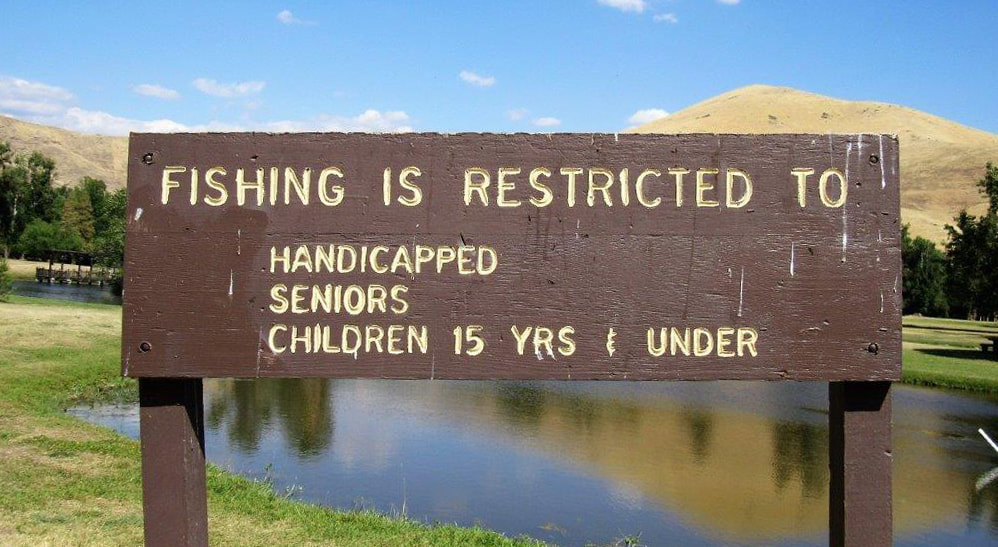
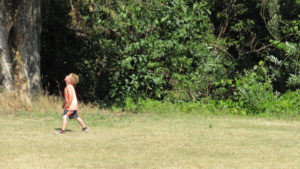
“You can’t tell a kid that it’s time to exercise; that’s a turn off…you have to say, “Let’s go to the park and have some fun! Then you get them to do some running, play on the swings, practice on the balance beam, and basically get a full workout disguised as play.” – Arnold Schwarzenegger
Bartlett Park Address: Located 8 miles east of Porterville at 28801 Worth Dr.
From Visalia, take Hwy 198 east. Turn right (south) onto Road 204/Spruce Rd. Turn left onto Hwy 65 south toward Porterville. Take Hwy 190 east toward Springville.
At the roundabout, exit left (north) onto Rd. 284. At the T intersection, turn right (east) onto Worth Dr. Park entrance is ahead on your right.
Link to Bartlett Park Map

.