 Click on photos for more information.
The Story of the Dinuba Southern Pacific Depot Museum
by Laurie Schwaller
In the mid-1800s, people from all over the world began settling in the great fertile valley of Tulare County. Most hoped to make their living by farming or ranching. They needed reliable water supplies to grow their crops and cattle, and efficient transportation to get their produce to market. Soon they were forming irrigation districts to lead water from the rivers to their land. Thus, in the early 1880s, the 129,000-acre Alta Irrigation District was established in the northern end of what was then a much larger Tulare County.
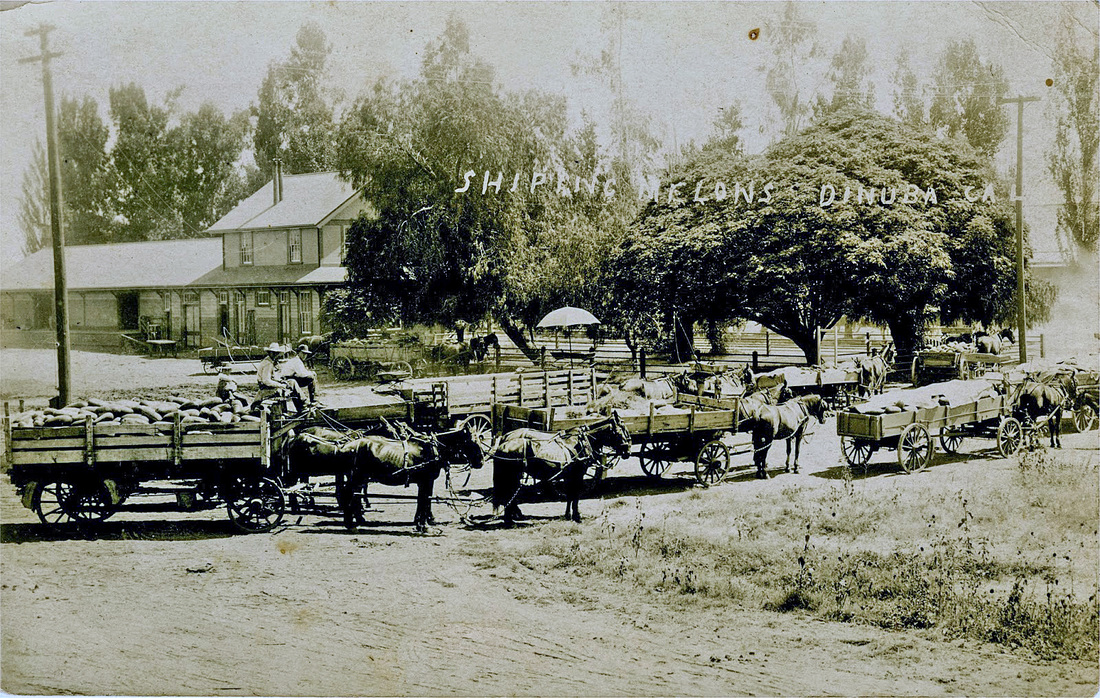
Meanwhile, communities sprang up and grew, and as construction of the Southern Pacific Railroad moved south down the valley in the 1880s, all the little towns’ boosters vied to become stops on the railroad line. Joining forces, the boards of trade in Dinuba, Sanger, and Reedley managed to change the route of the Southern Pacific to come through their communities, and when the trains began to run in February of 1888, Dinuba built a depot to accommodate them.
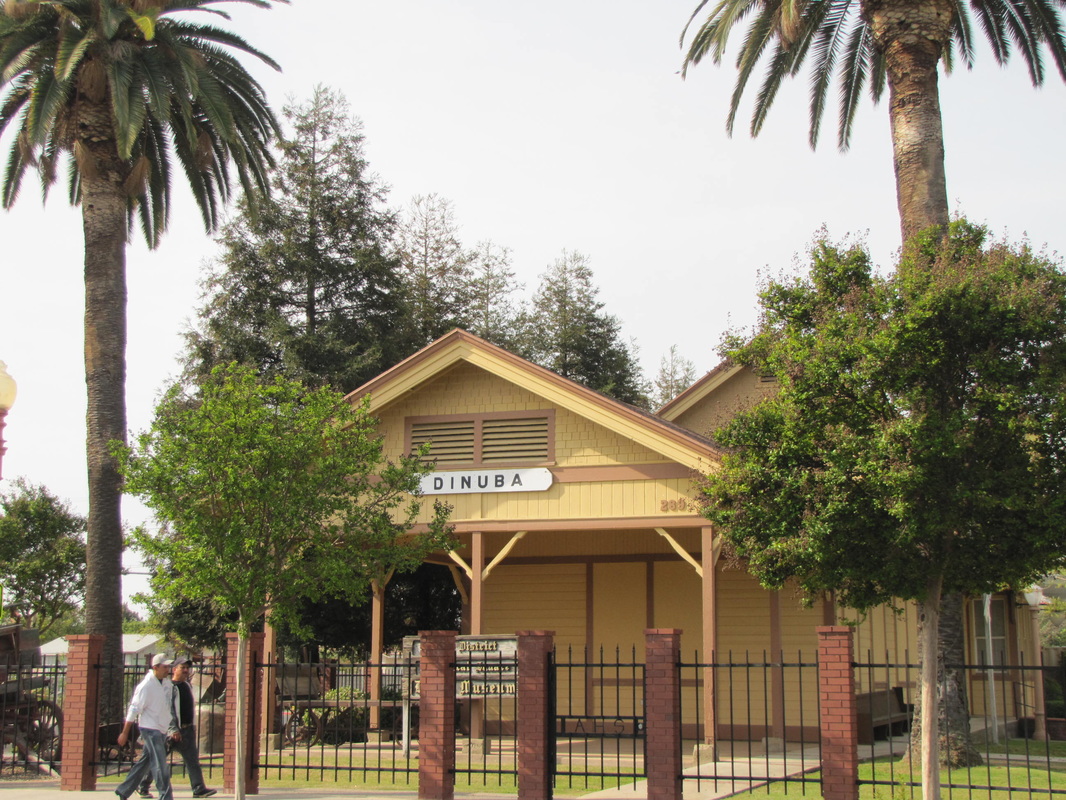
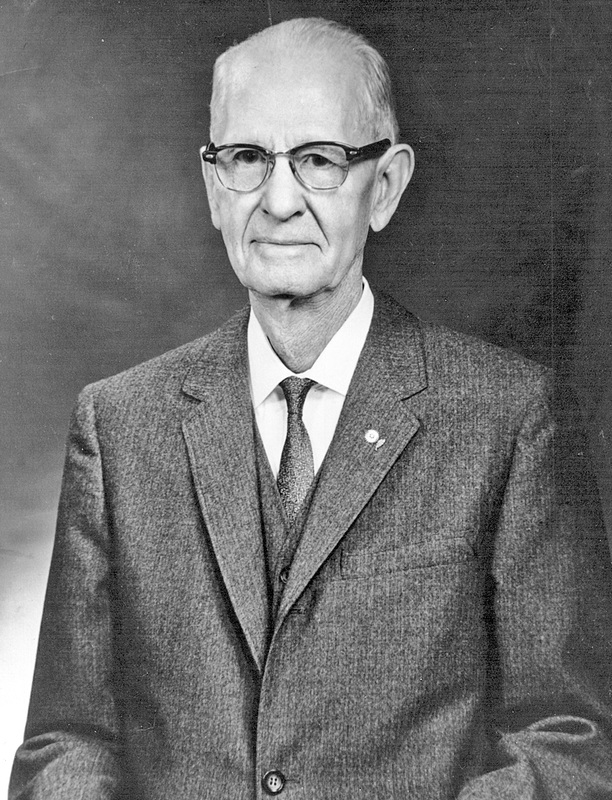
That depot burned down in 1911, but it was promptly replaced. The handsome new depot served the town until the last stationmaster retired, in June, 1978. Fortunately, the Alta District Historical Society (ADHS), had been formed before then, in 1962, initiated by Dinuban W. N. Davis. Its purpose was to encourage and promote the study of the history and culture of the Alta District and surrounding environs, and to collect, classify, and publish related historical information, data, facts, and folklore.
Recognizing the depot’s historic value, ADHS purchased it in 1979. However, as a condition of its sale, the building had to be moved. After an extensive search, in November of 1982, the society paid $40,000 for a large corner property, now known as Heritage Square, at Ventura and K streets in Dinuba, and in January, 1984, moved the depot to its new home. Having played such a critical part in the area’s history, the depot was to become the repository for that history — a museum for the Alta District, whose boundaries roughly followed those of the still-operating historic Alta Irrigation District and included the towns of Dinuba, Cutler, Orosi, Yettem, Monson, and Reedley.
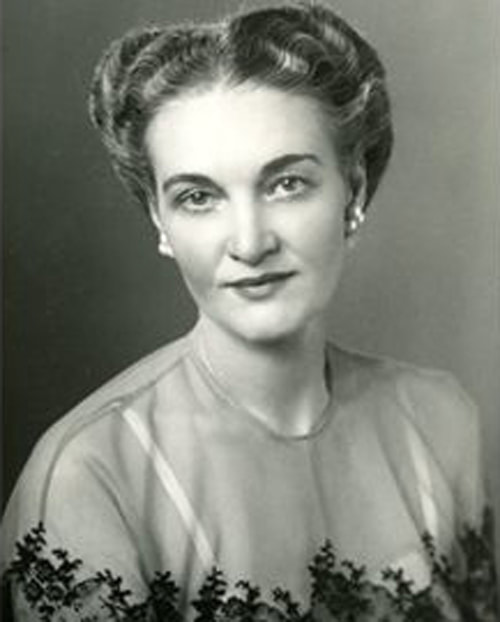
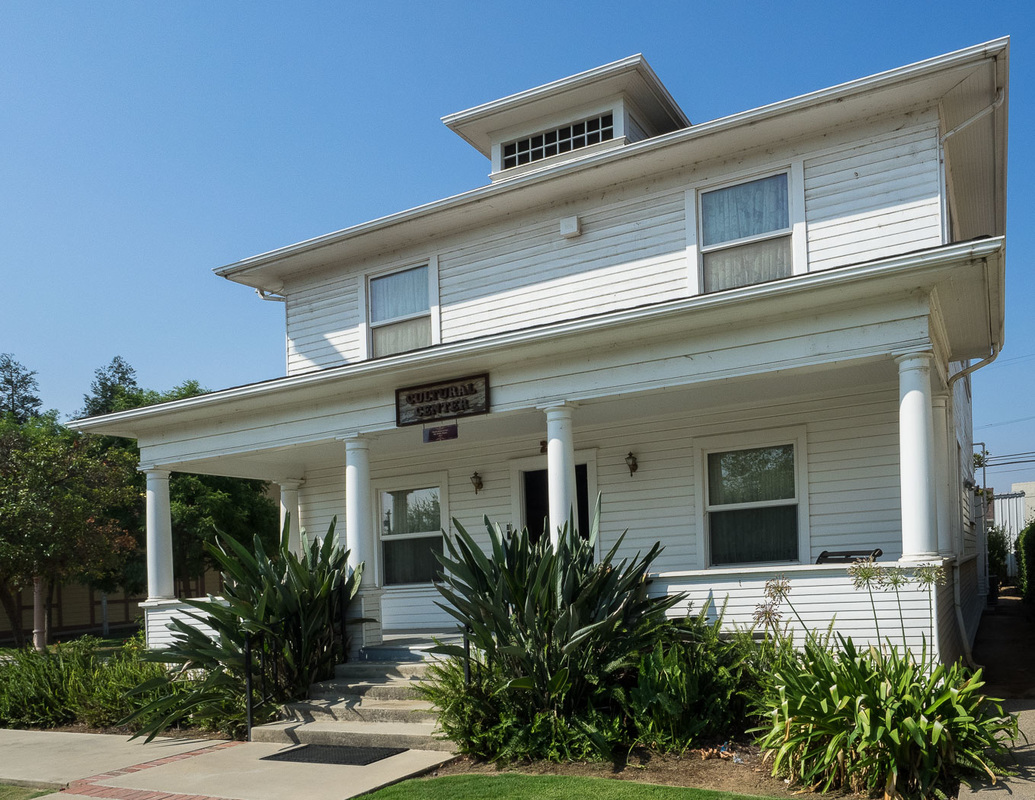
In July, 1984, Dinuban Evelyn Dopkins Corr donated the 1912 “White House” to the ADHS. She, too, required that her building be moved, but she included a $10,000 donation to cover the cost, so in January, 1985, this large historic home joined the Depot at Heritage Square.
From 1976 through 1989, through volunteer and youth program efforts, as well as dues, donations, memorials, raffles, food booths, dinners, auctions, fireworks sales, and other fundraising efforts, ADHS was able to pay for substantial renovation work on the White House and the Depot, and numerous improvements on Heritage Square.
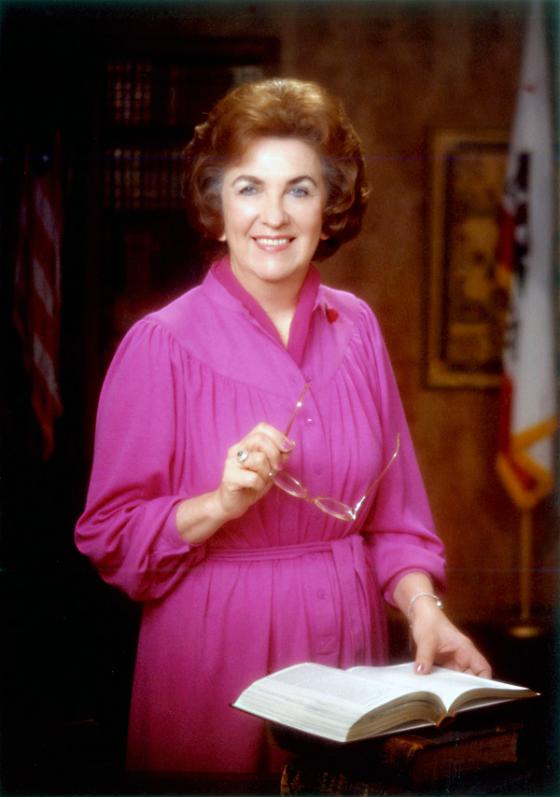
Fundraising and construction projects have continued apace ever since. The White House gained a library, named in honor of donor Evelyn Dopkins Corr, in 1990. In 1991, Rose Ann Vuich of Dinuba (born in Cutler), the first woman to be elected a California State Senator (in 1977), donated $50,000 to ADHS, which greatly contributed to additional major work on the White House.
This fine example of American Foursquare/Prairie architecture now serves as a cultural center for the community, and houses, in addition to the library, historical exhibits, art displays, and the ADHS offices. It hosts ADHS meetings and cultural and community celebrations, such as the annual Christmas at the White House.
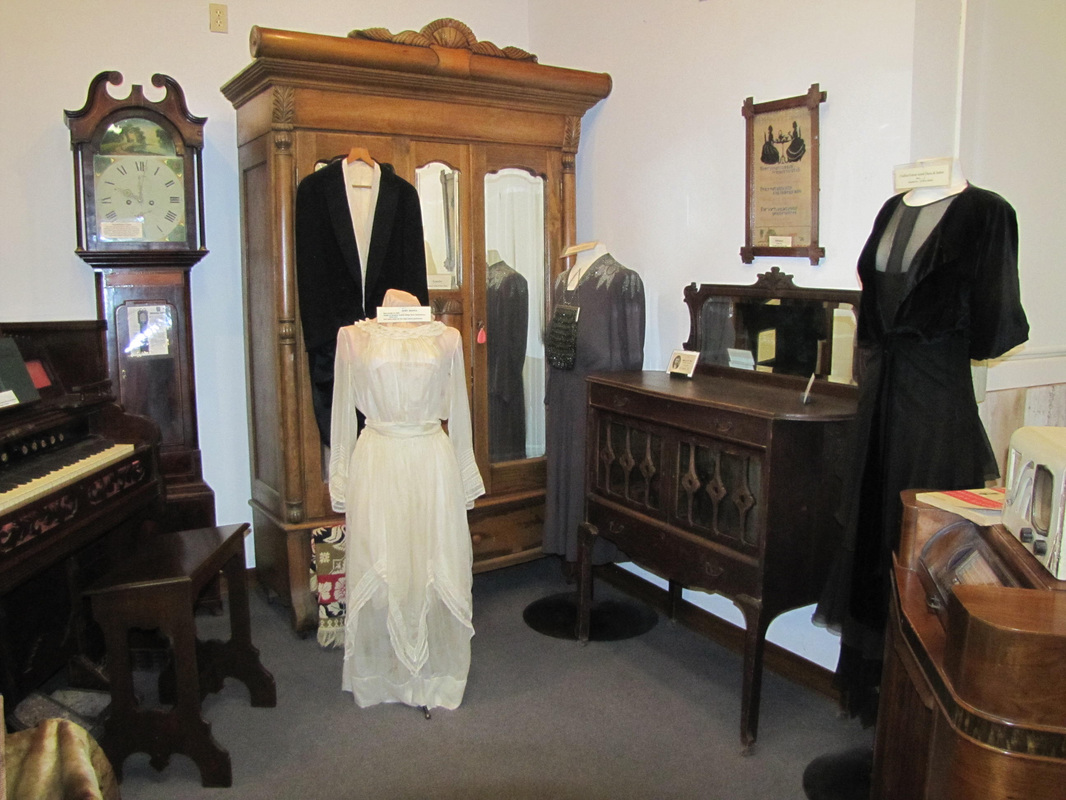
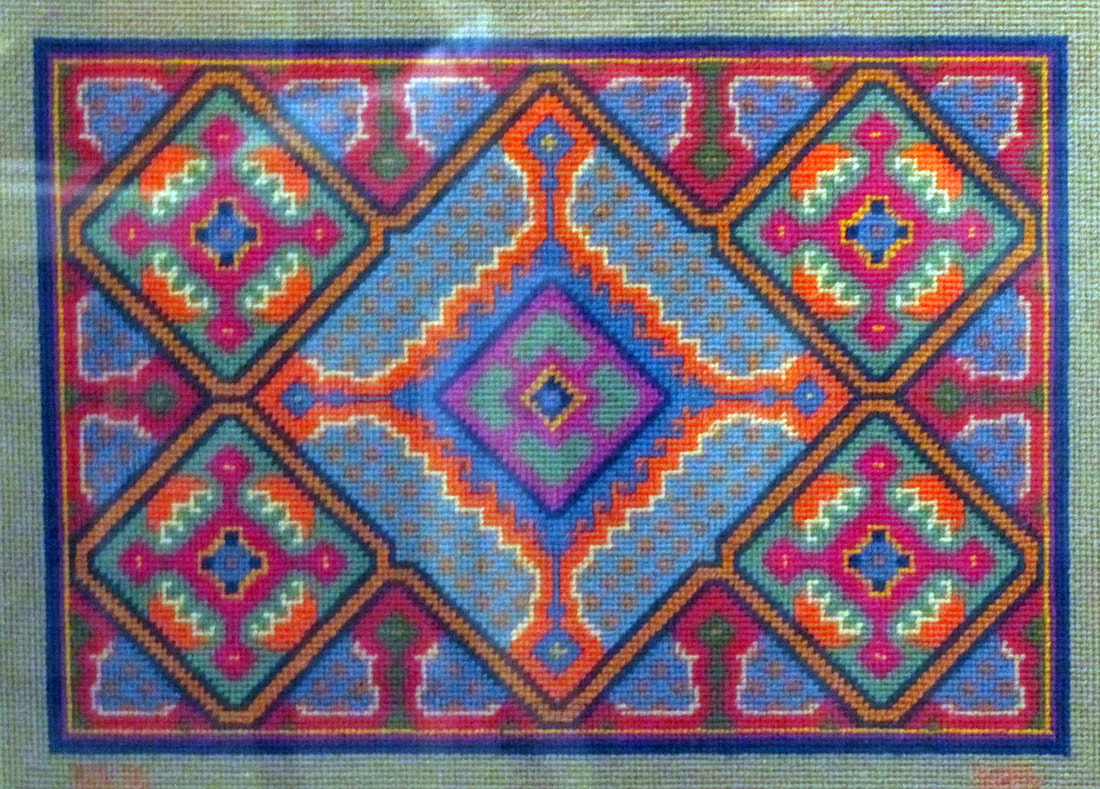
Exhibits have included photography, quilts, Depression glass, wedding gowns, art from local schools, and Japanese, Armenian, Filipino, Mennonite, Cowboy, Korean, and Native American cultures. An exclusive highlight is the striking private collection of textile art and art on paper created by Dinuba resident Katchidor “K” Boroian, which he donated to ADHS in 1983. The White House can also be reserved for public and private functions.
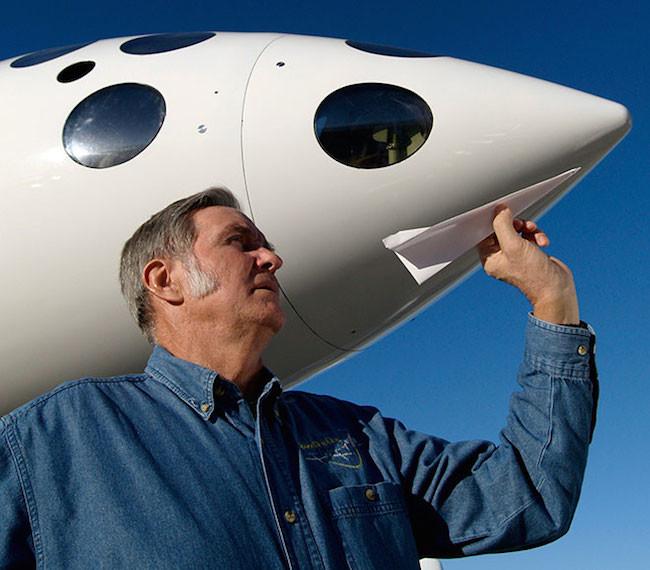
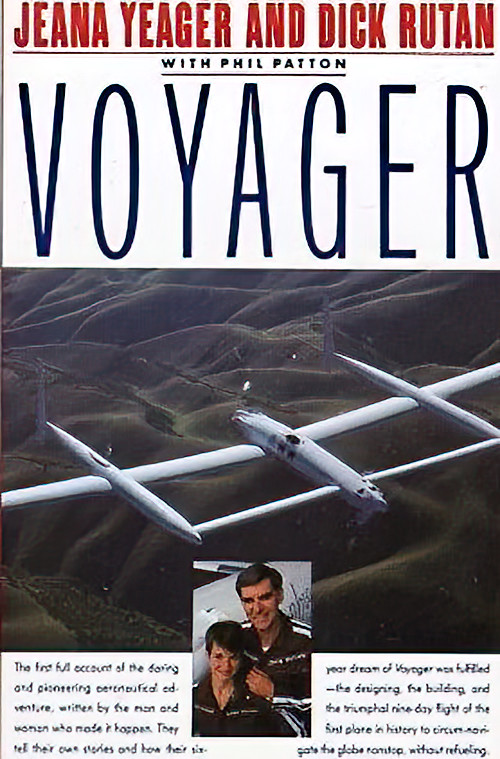
The first display to be installed in the restored and refurbished Southern Pacific Depot Museum building was the Rutan Brothers Aviation Exhibit, in November, 1997. World-famous aviation pioneers Burt and Dick Rutan grew up in Dinuba, and graduated from Dinuba High School. Among many other innovations, Burt designed, and his brother Dick and partner Jeana Yeager piloted, the Voyager, the first plane to fly around the world without stopping or refueling. Burt also designed the sub-orbital spaceplane SpaceShipOne and the BiPod, a hybrid flying car.
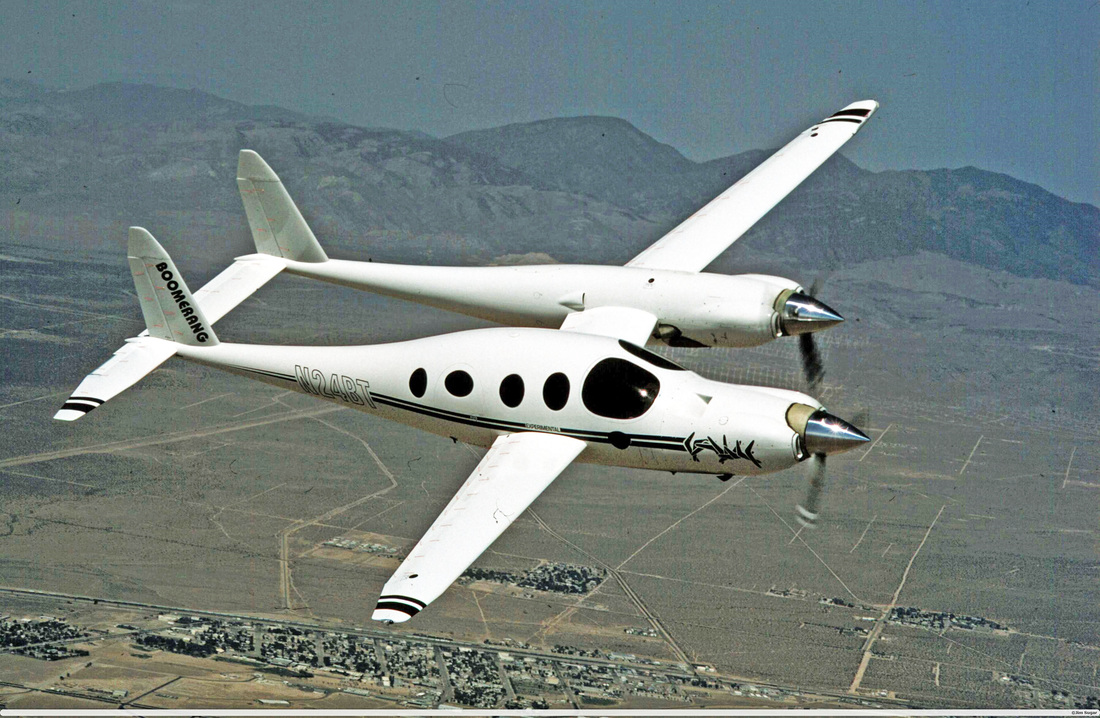
The Rutan brothers arrived for the 1997 grand opening of the Depot in Burt’s experimental “Boomerang” plane. Since that grand opening almost 20 years ago, many exhibits on a wide range of subjects have been installed. Community members have donated hundreds of interesting items, including those comprising a veterans’ display, a Native American display, the Orosi Room, a kitchen from the early 1900s, a Rose Ann Vuich display, and a blacksmith shop.
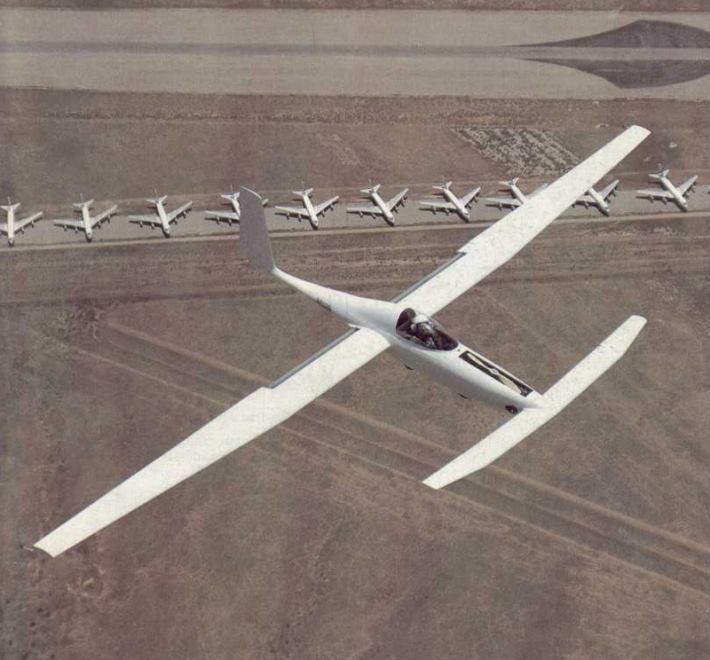
Recently, ADHS began searching for more exhibit space. In 1997, Burt Rutan donated to the museum another of his experimental aircraft, the “Solitaire” sail plane, “a product of the genius who lived among us.” The Society hopes to find a place in which to permanently display this exciting gift where it can be seen by the public.
Additionally, the Society partners with schools and other organizations, making the Heritage Square facilities available for events, such as the Dinuba Festival of the Arts sponsored by the ADHS, the Chamber of Commerce, and the city.
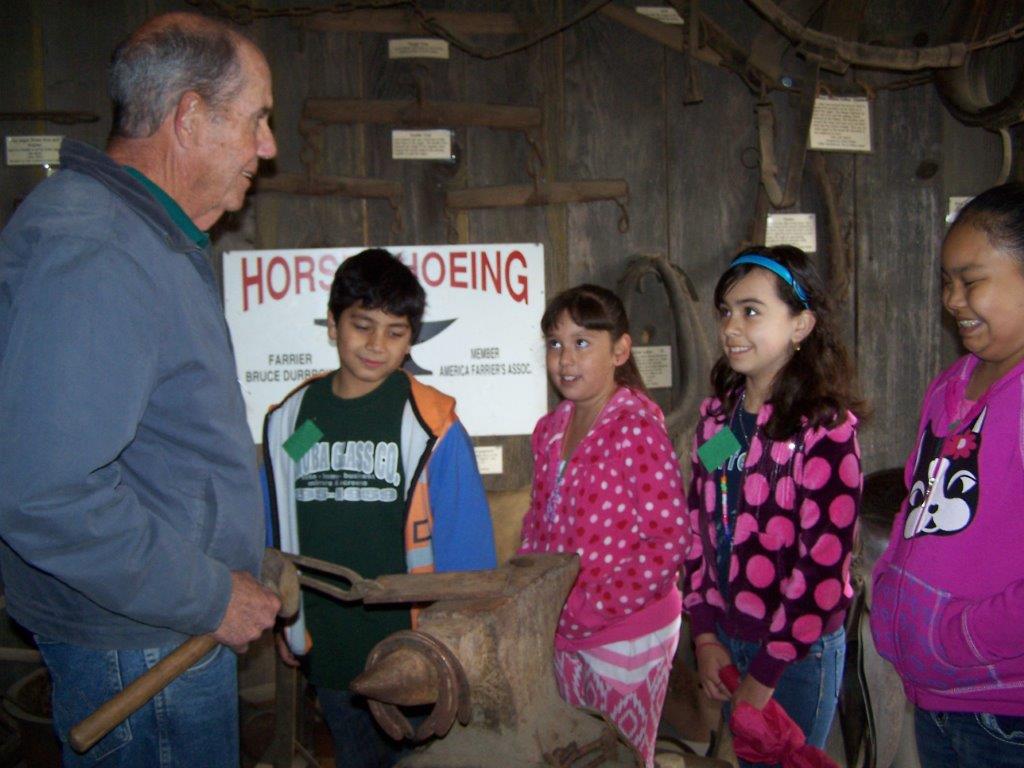
ADHS has also been working with the school district, the city, and local service clubs to bring third-graders on field trips to Heritage Square. The service clubs finance the bus transportation, and volunteer docents guide the students through the exhibits and the blacksmith shop. The youngsters get introduced to 100-year-old technology such as wringer washing machines and to old-fashioned toys and games like jacks and horseshoes, then join in singing historical songs played by Brad McCord and Ron Jefferson on guitar and harmonica.
Another innovative ADHS outreach project is volunteer Nancy Hoyt’s delightful “Museum in a Trunk.” Nancy visits classrooms with a trunk full of treasures to introduce students to the history and cultures that have created the community that they live in today.
“Remembering the past, working for the future,” the ADHS strives “to preserve the cultures that have joined talents and customs to form the Alta District, and to educate and develop appreciation of their importance to present and future generations.”
-
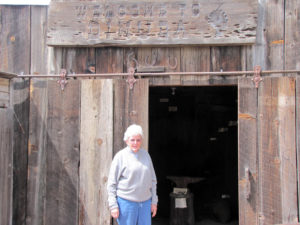
Joanne Ledbetter at Blacksmith Shop
-
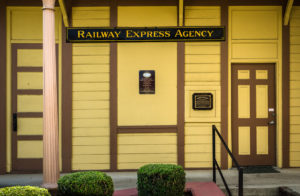
Depot “Railway Express Agency” Sign
-
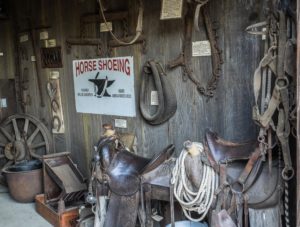
Saddles and Harness Collection
-
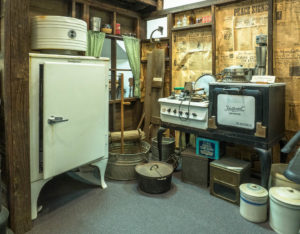
Old Kitchen Furnishings
-
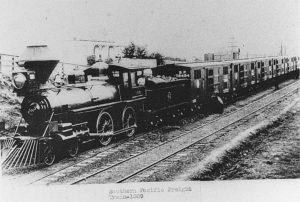
Southern Pacific Freight Train
-
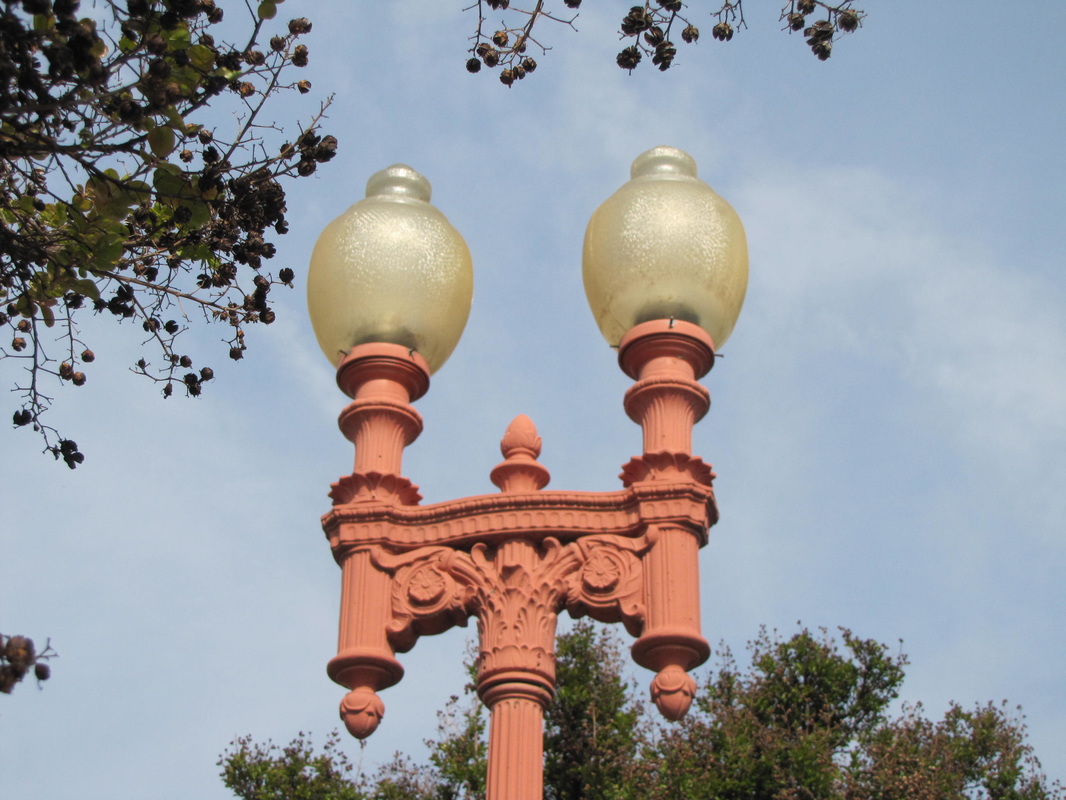
Historic Lamp Post
-
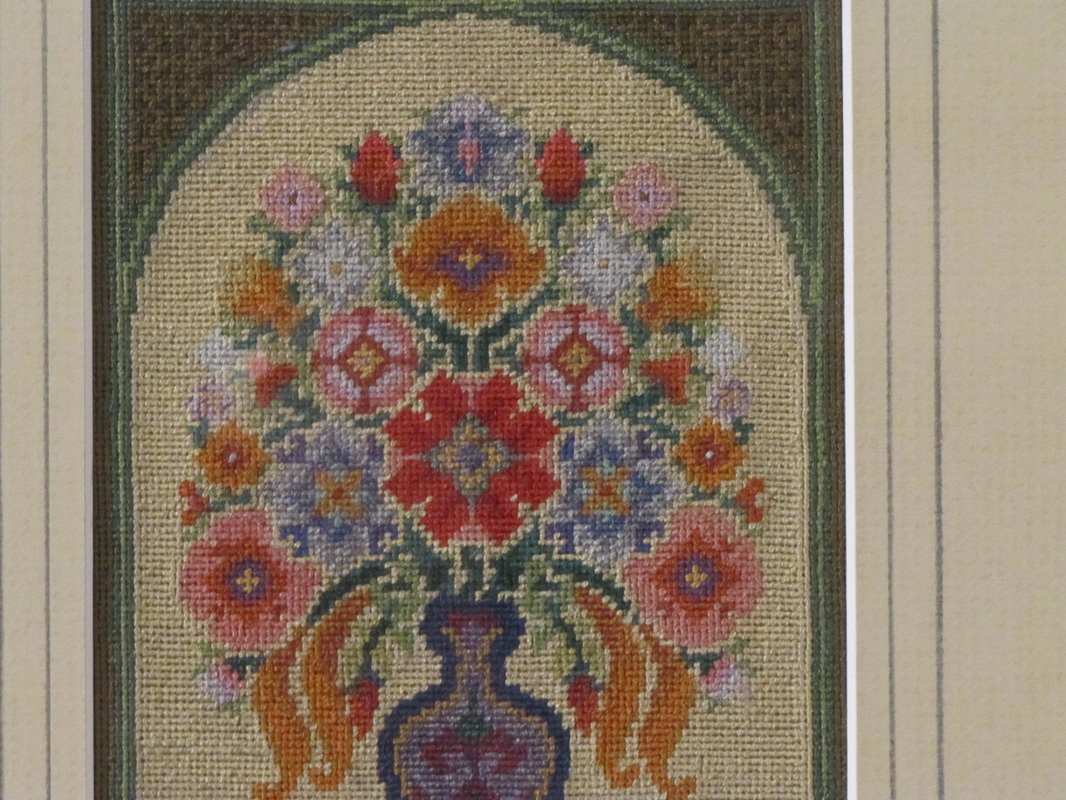
Textile Art
-
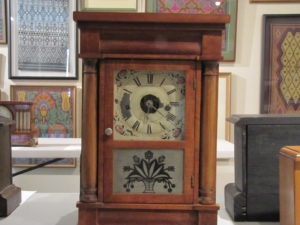
Historic Mantel Clock
-
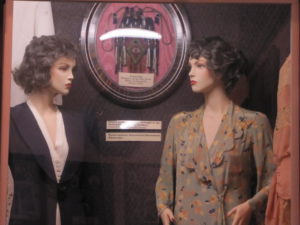
Vintage Women’s Apparel
-
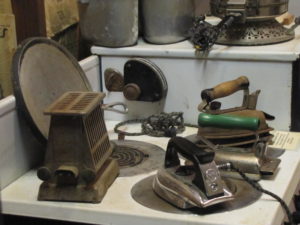
Old Irons
-
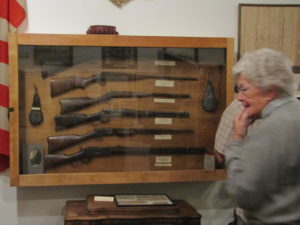
Historic Rifles
-
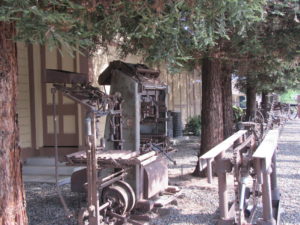
-
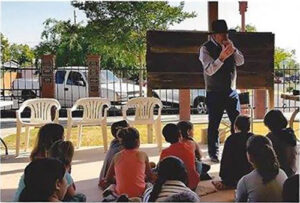
Students with Local History Teacher
“The railroad depot was the social and commercial center of many small towns and villages across America. The fortunes of many cities would be made or broken by the passing of two steel rails through their limits.”–William J. Manon, Jr.
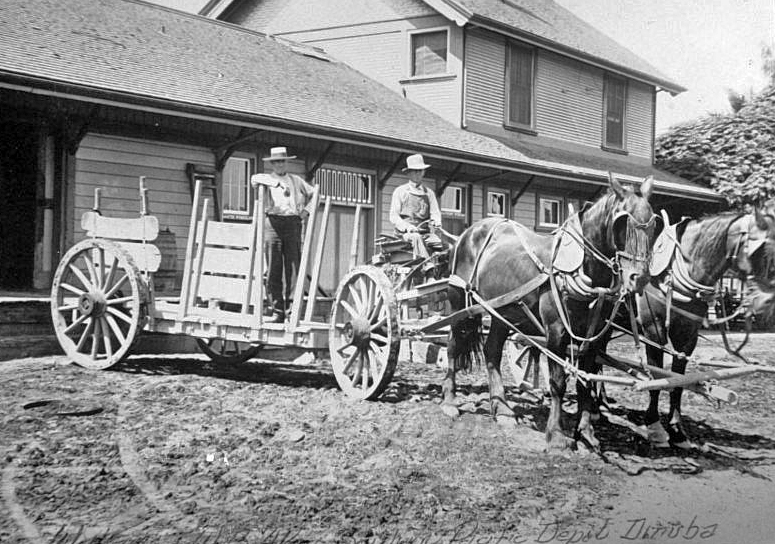
“The railroad provided a market for goods, grain and cattle and it brought the mail and other news of the outside world. It was also the primary mode of transportation in those pre-automobile days.” — William J. Manon, Jr.
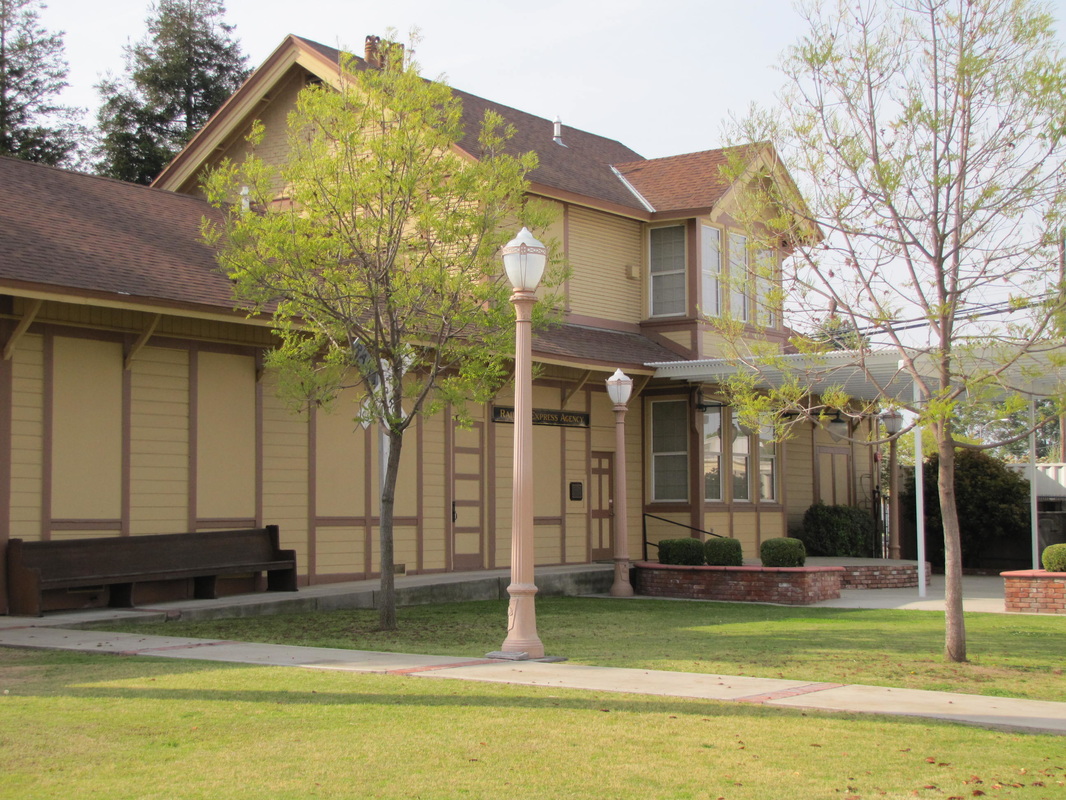
“[T]oday, railroad depots are once again emerging as community centerpieces. After years of neglect, the buildings are being reclaimed, and now enjoy new lives as retail centers, museums and even transportation centers.” — William J. Manon, Jr.
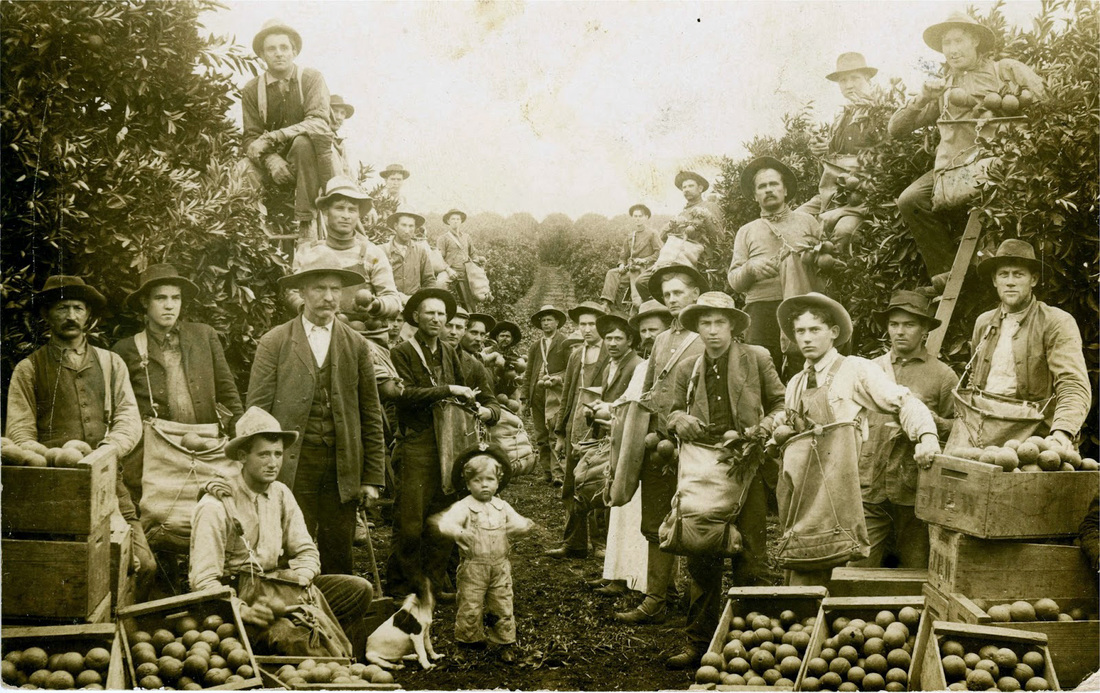
“That’s why we have the Museum, . . . to remind us of how we came, and why: to start fresh, and begin a new place from what we had learned and carried from the old.” — Lois Lowry
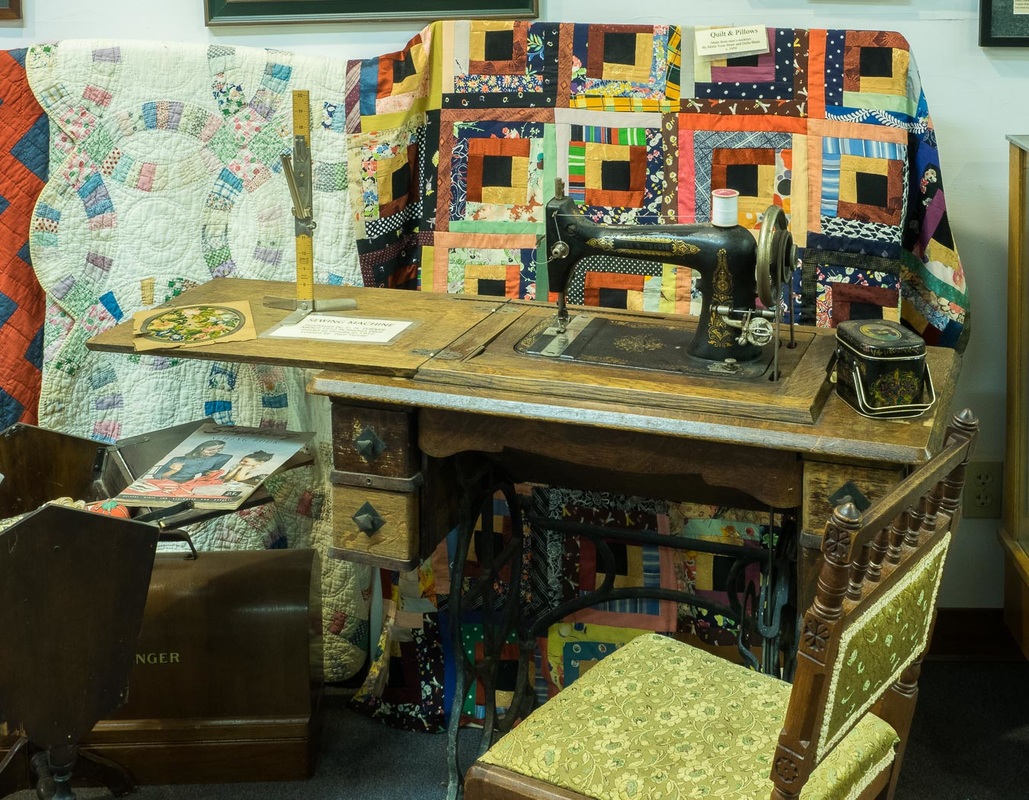
“Museums provide places of relaxation and inspiration. And most importantly, they are a place of authenticity. We live in a world of reproductions – the objects in museums are real. It’s a way to get away from the overload of digital technology.” — Thomas P. Campbell
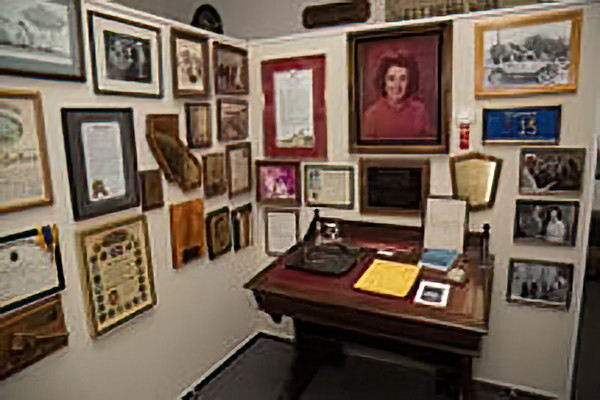
“She was sworn in at this desk, used it for her four terms and received it as a gift on her retirement. With her bell she wrought many changes in Senate procedures. Her work and her heart were always for her district.” — ADHS Rose Ann Vuich plaque
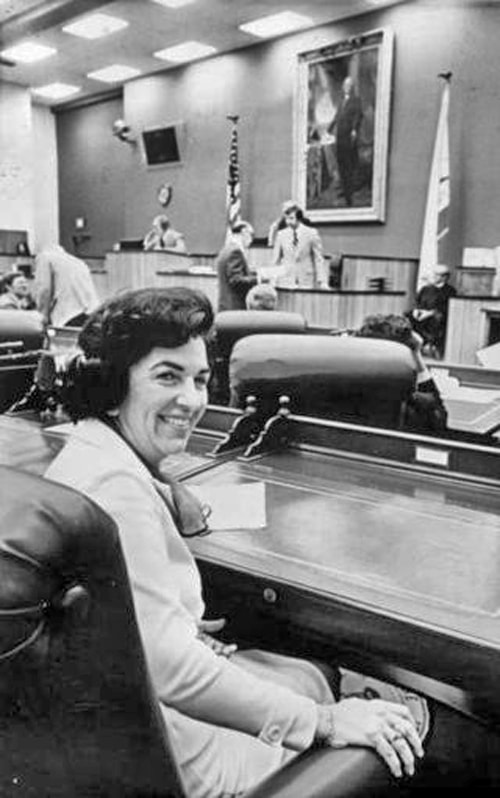
“The election of Rose Ann Vuich, the farm kid from the Central Valley, marked the beginning of positive change when subsequent women legislators joined her in shaping the past quarter century. She will forever remain as a symbol of great leadership to all women.” — Terry McHale
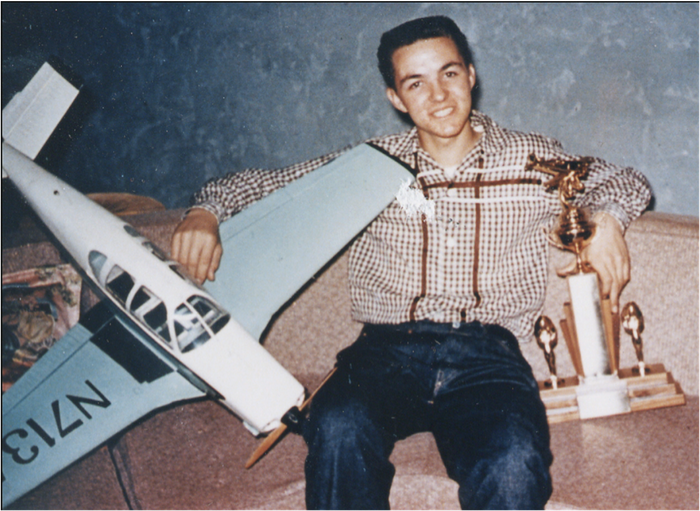
“Burt [Rutan] had a gift for being able to create model airplanes that were really works of art. His bedroom was a world full of Exacto knives, balsa wood, and glue. Lincoln School was our ‘airport,’ and helping Burt with takeoffs was the biggest thrill you could have.” — Richie Hachigian, Burt Rutan’s neighbor in the 1950s
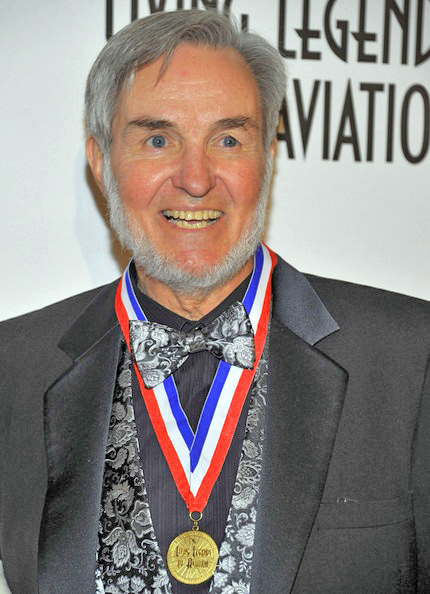
“We knew that our friend was someone special, but we never guessed his creative genius would someday lead to aviation history.” — Richie Hachigian, Burt Rutan’s neighbor in the 1950s
“We can tell ourselves we will never forget and we likely won’t. But we need to make sure that we teach history to those who never had the opportunity to remember in the first place.” — Dan Rather
Address: 289 South K Street, Dinuba, CA 93618
From Visalia, travel west on Hwy 198 to the Plaza Drive exit, just prior to Hwy 99. Exit north onto Road 80/J19/Alta Avenue. Proceed north about 15 miles to Dinuba. Continue north to W. Tulare Street. Turn right (east) and go to South K Street. Turn right (south) and proceed one and one half blocks to the museum at 289 South K Street, on the right.