ndi
Click on photos for more information.
A Stroll Through History
by Amy L. King-Sunderson
Nestled within the oak preserve protected by Visalia’s Mooney Grove Park, the Tulare County Museum complex holds a vast collection of our county and state’s history, including one of the largest Native American basket collections in California. It also displays a great variety of artifacts of the pioneer era, a trove of historic agricultural equipment, dozens of restored structures from the late 1800s on, and many other treasures, appealing to all ages, that tell the history of Tulare County.
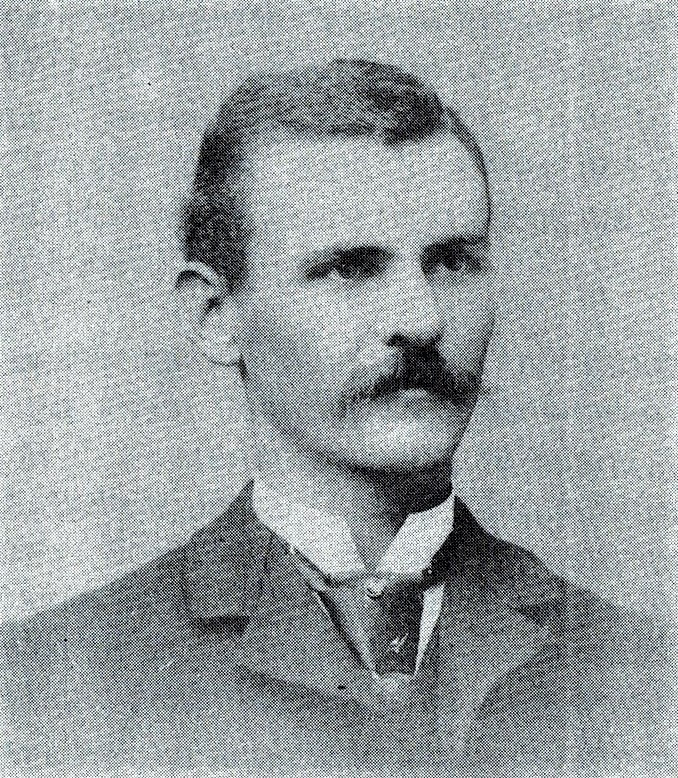
The seed of the Museum was planted in 1934, when Hugh Mooney and his family donated five thousand dollars to fund the building of a museum in Mooney Grove, which had itself been sold to the county in 1909 by his parents and is the oldest county park in California. But it wasn’t until 1947 that approval was given by the county Board of Supervisors to begin building the museum on the specified site.
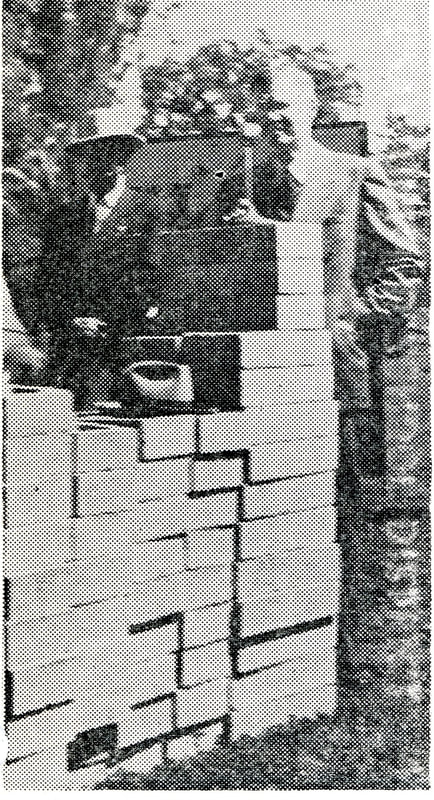
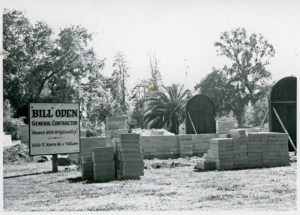
In 1948, construction began with the laying of corner stones and a dedicatory address by Dan McFadzean, who was one of the County Historical Society’s first members and also the attorney who had prepared the legal papers for the County’s acquisition of the park from the Mooneys in 1909. The museum was opened to the public on July 1, 1949, and the Tulare County Historical Society ran its operations from 1948 to 1956, when the county took over that responsibility.
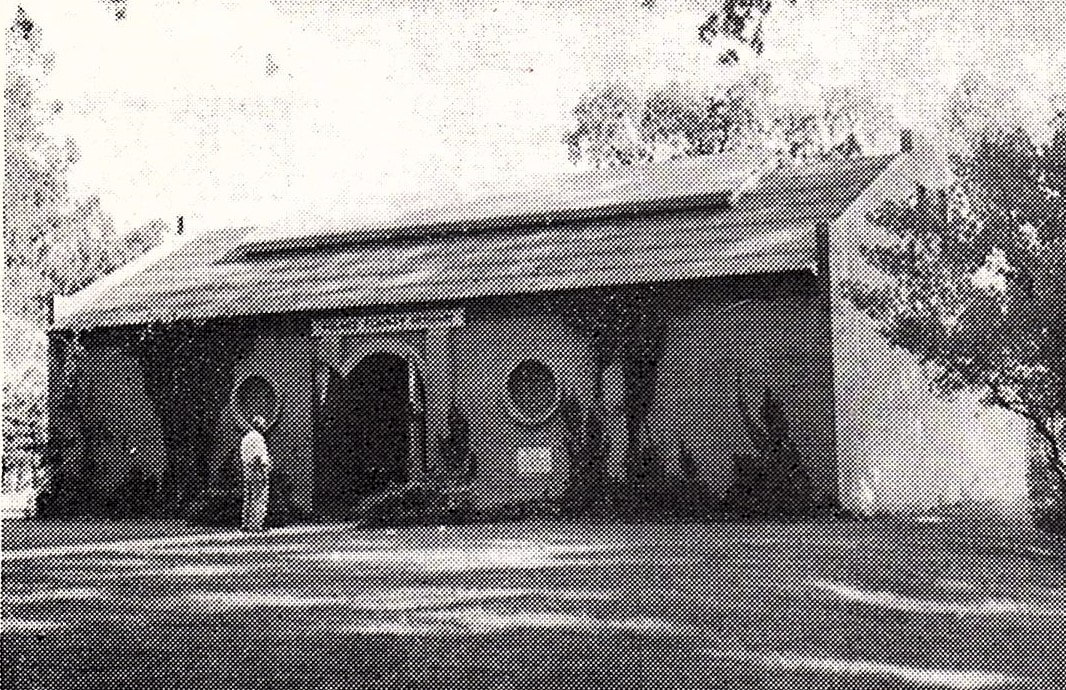
For almost three quarters of a century, the Tulare County Museum has actively partnered with the County Board of Supervisors, the County Historical Society, members of the county’s varied and historic cultures and communities, and many other local organizations and institutions “To protect, preserve and promote a shared understanding of Tulare County’s past and its place in the future by providing the community with innovative, diverse, and engaging exhibits and events.”
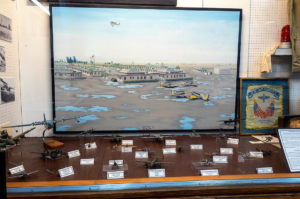
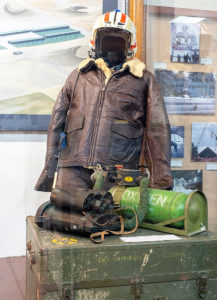
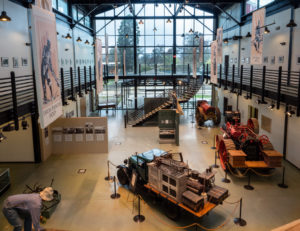
The 1948 structure was originally a single gallery, now known as the Middle Room. Today, it houses a military display, tractor exhibit, Sequoia and Rankin fields aviation display, a Visalia Electric Railroad model train, and the Mountain Connection exhibit, which highlights the Sierra Nevada mountains.
The East Wing, holding the native basket collection, was added in 1956 and the West Wing, or Annie Mitchell Room, with displays of living styles and early county families was added in 1967, making a total of three galleries. Around 1970, the Gun and Saddle gallery was added onto the main gallery to house the growing collection of firearms and tack, including several of the famous Visalia Saddles.
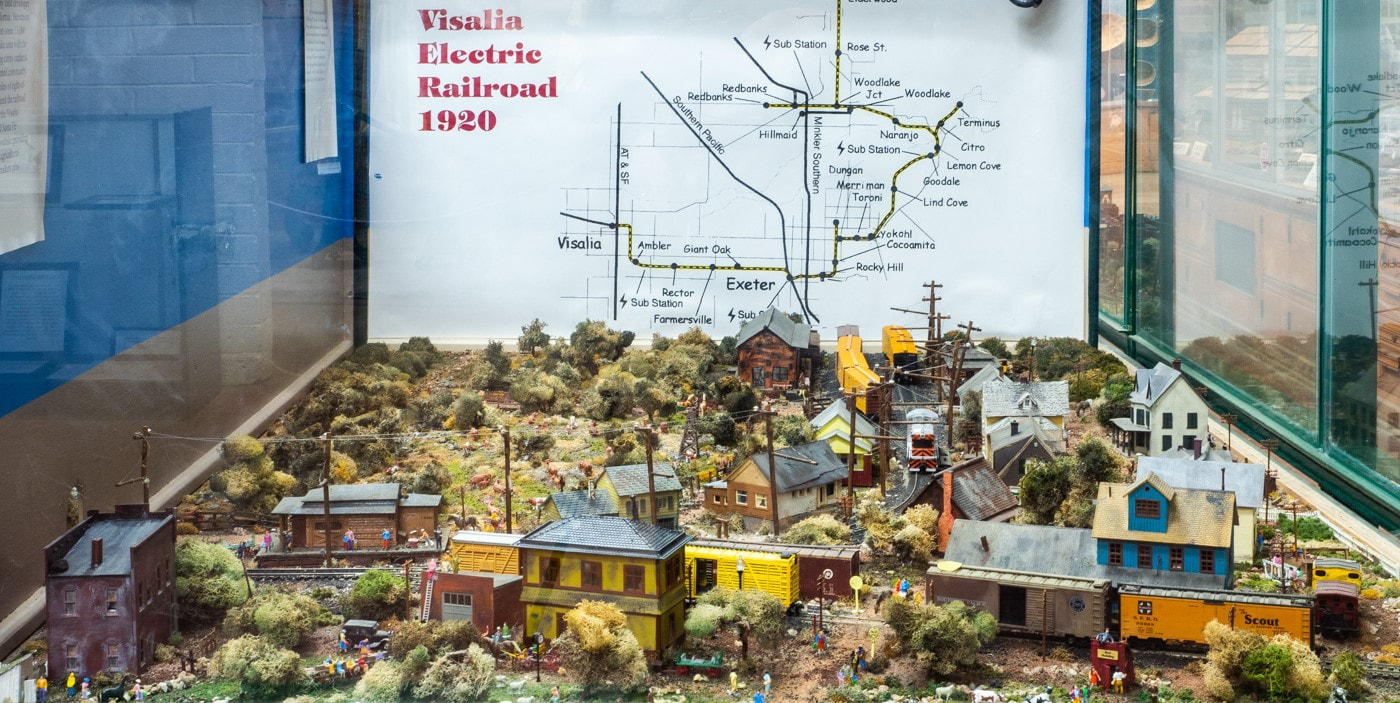
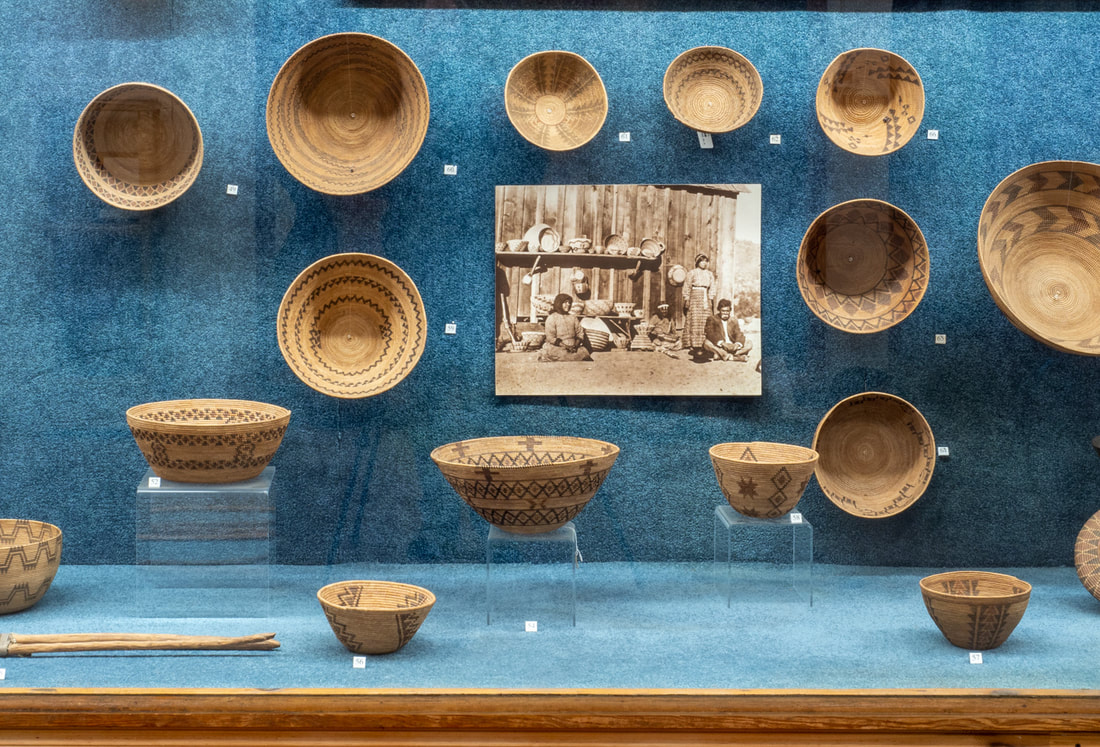
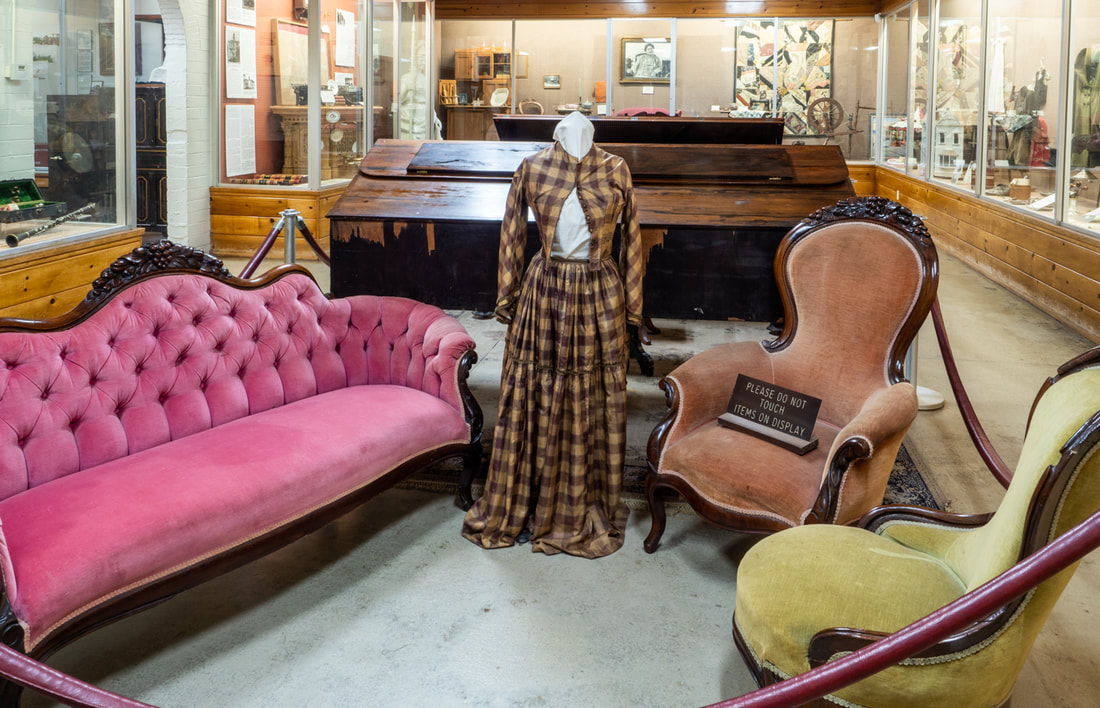
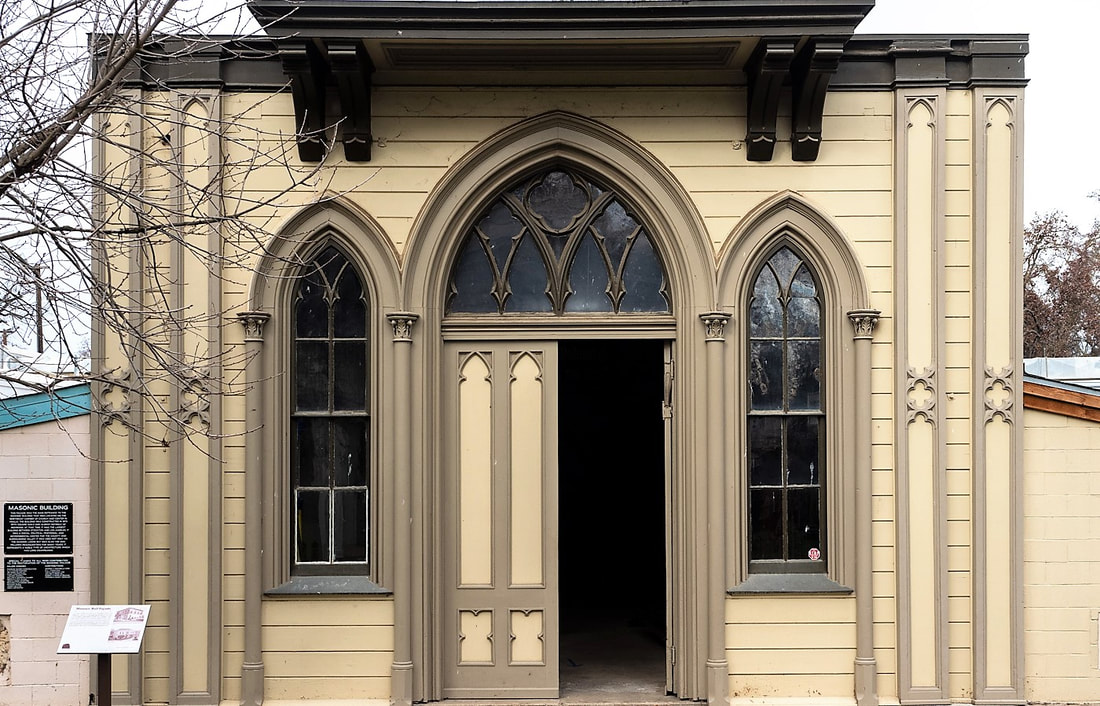
The beautiful Masonic Building Façade was donated in 1961 and placed behind the original museum building to create an enclosed space for the Main Street gallery, which holds life-sized replicas of historic business establishments. During the 1960s, many structures, such as the Surprise School, the Emken House, and Visalia’s first jail, were added to a Pioneer Village of original historic buildings and preserved on the museum grounds.
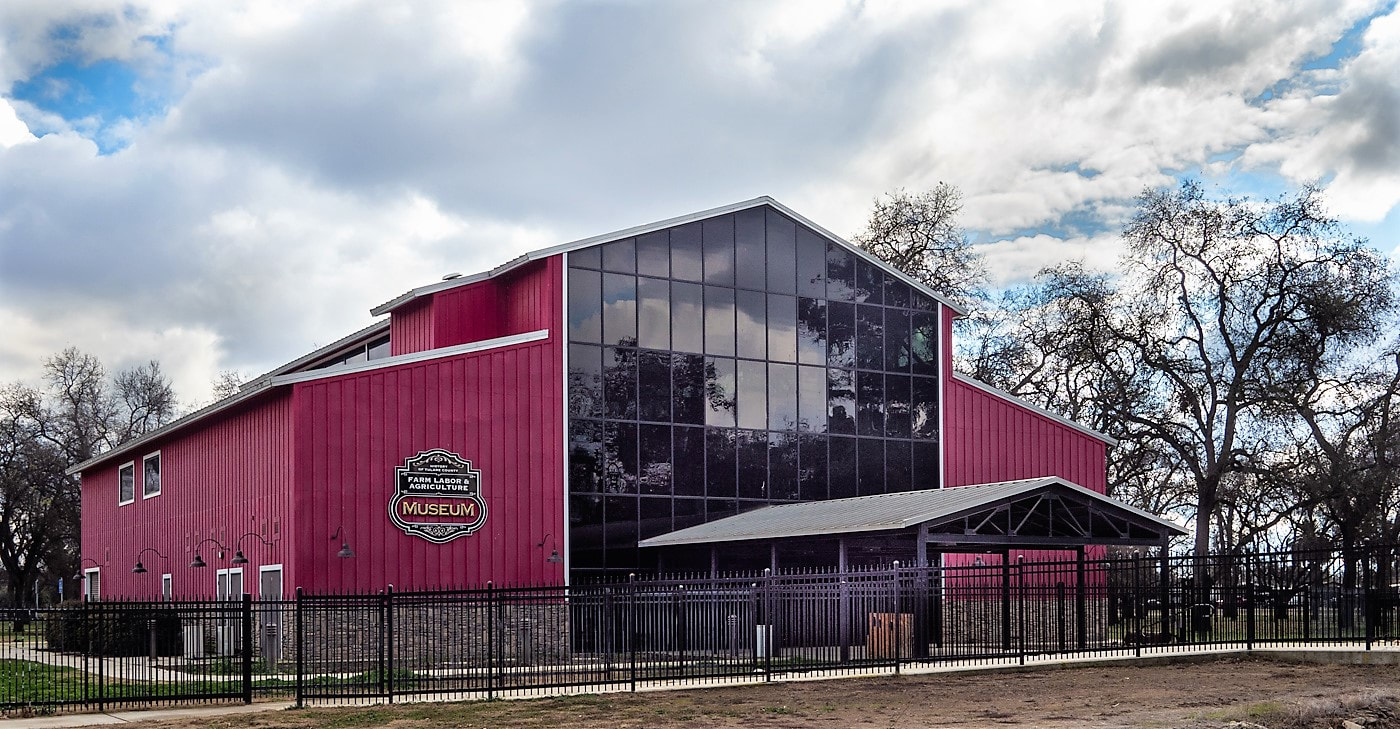
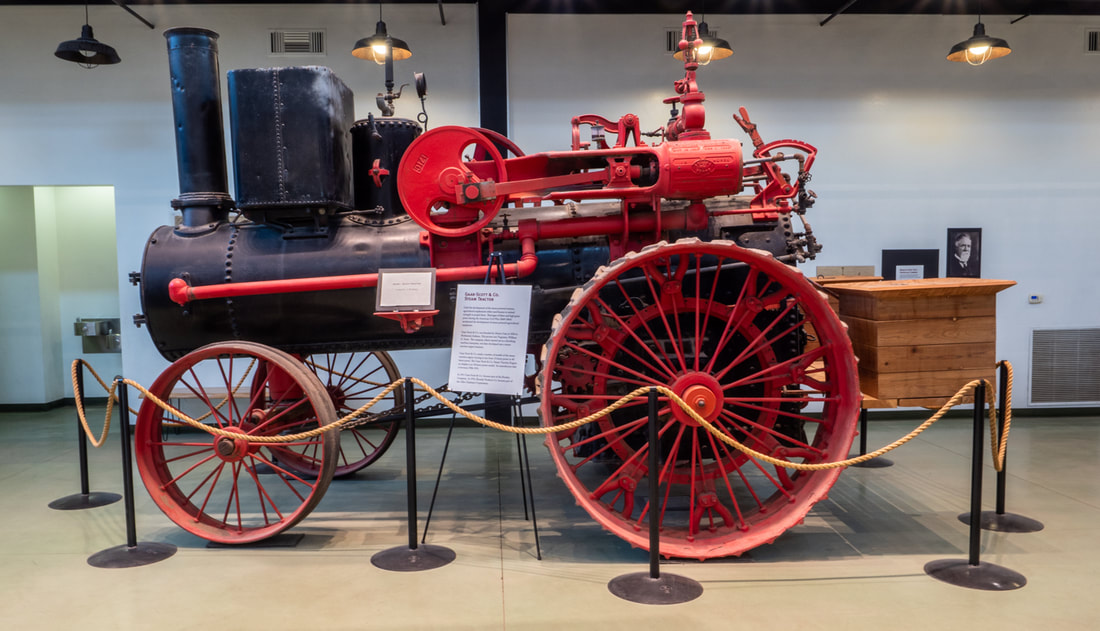
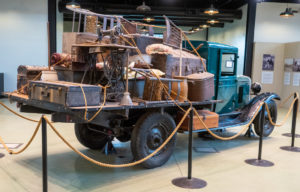
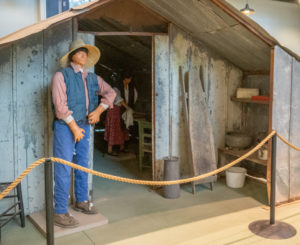
The museum’s newest addition is the History of Tulare County Farm Labor & Agriculture Museum. This building’s displays include a large steam tractor and a Hackney Auto Plow, along with a reconstructed Linnell Camp house that was used to shelter migrant farm workers. But the main focus of this Museum is its cultural gallery that highlights, one at a time, each of sixteen different cultural groups and their contributions to our county’s agricultural history.
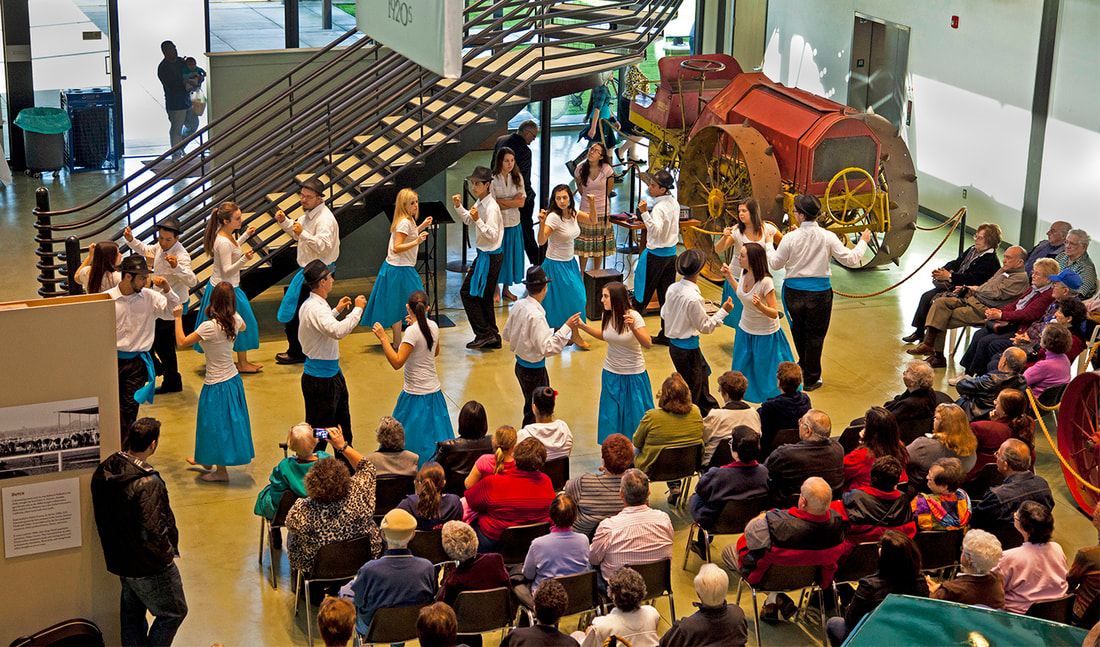
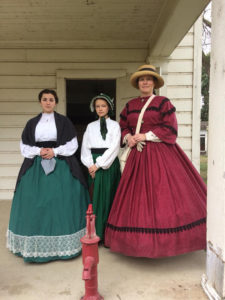
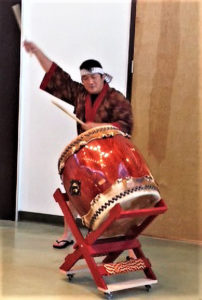
Each new exhibit brings new involvement in the museum as members of each group provide many of the photos and items on display. The Tulare County Office of Education also produces a video to accompany each exhibit, featuring interviews of local members of the highlighted group. An opening reception with food, guest speakers, and often music offers another opportunity for the Museum to connect with each community in a wonderful way.
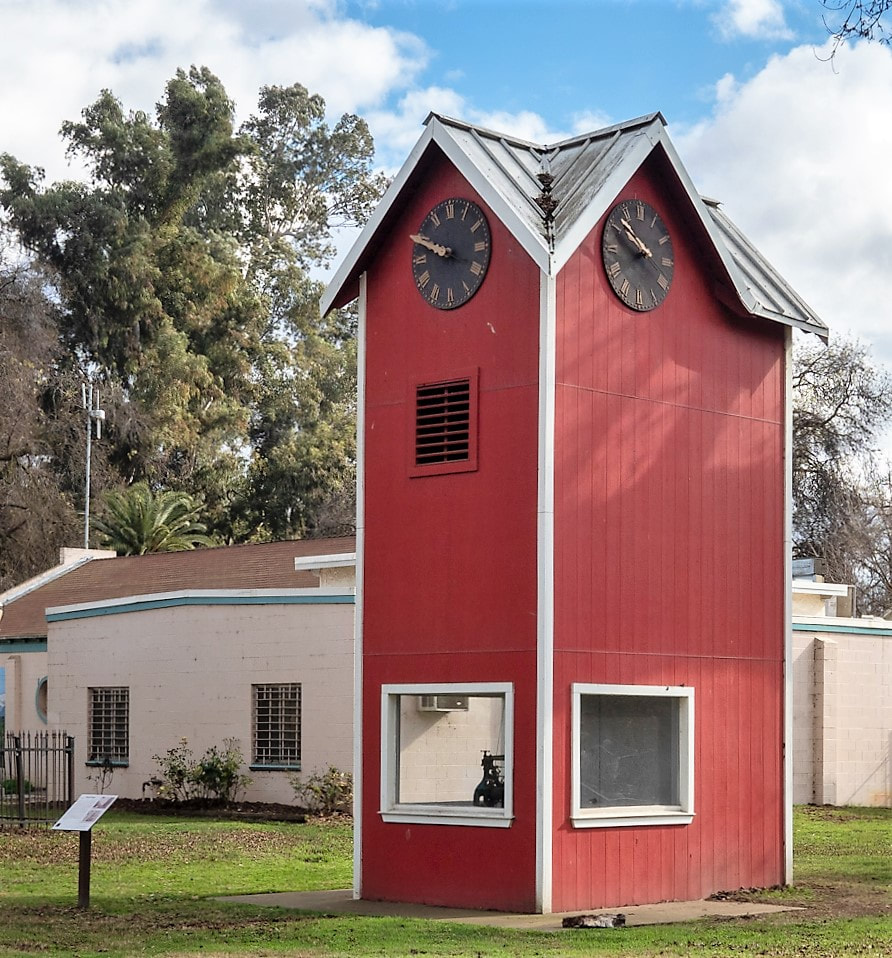
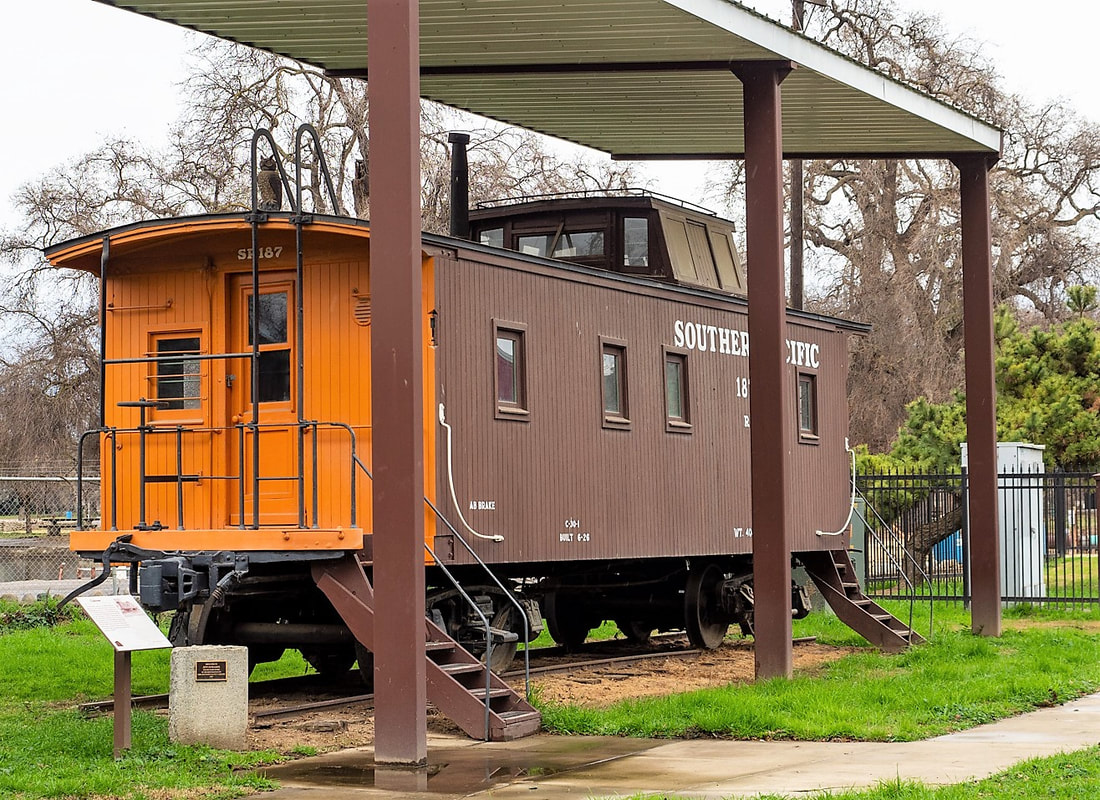
Over the years, the Museum has collaborated closely with the Tulare County Historical Society to acquire historical items for display and to host fundraising events that support vital restoration projects throughout the museum complex. The Clocktower that houses the clock that used to be in the Bank of Visalia building downtown, the Southern Pacific Caboose that was used on the Visalia Electric Railroad, the facade of the Masonic Building that used to be in downtown Visalia, the Main Street gallery, and recently the Agricultural Equipment project have all been funded by these events.
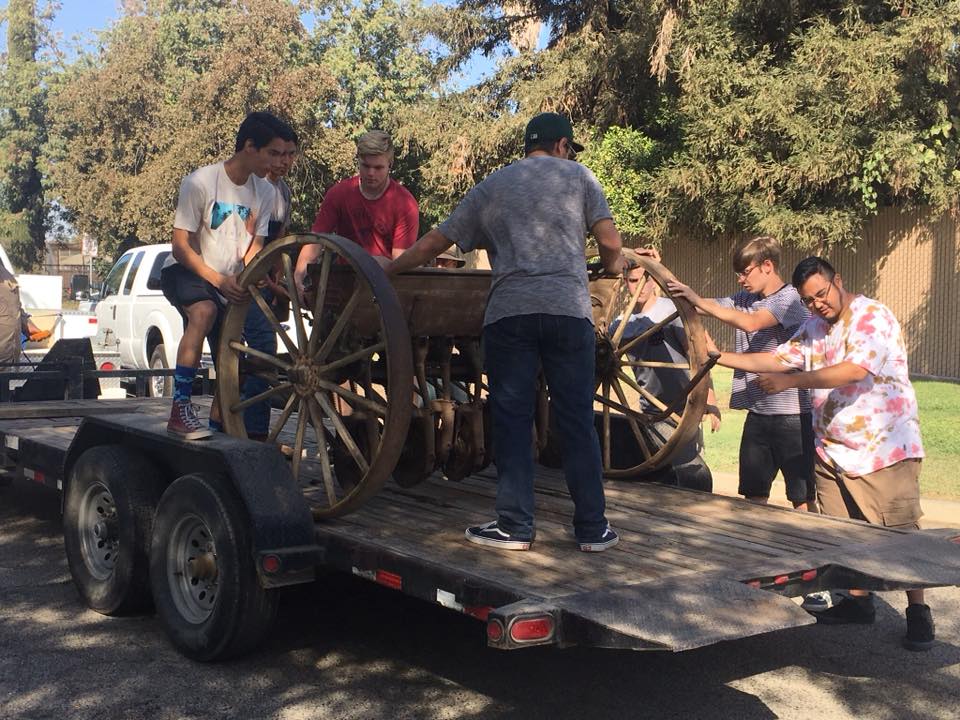
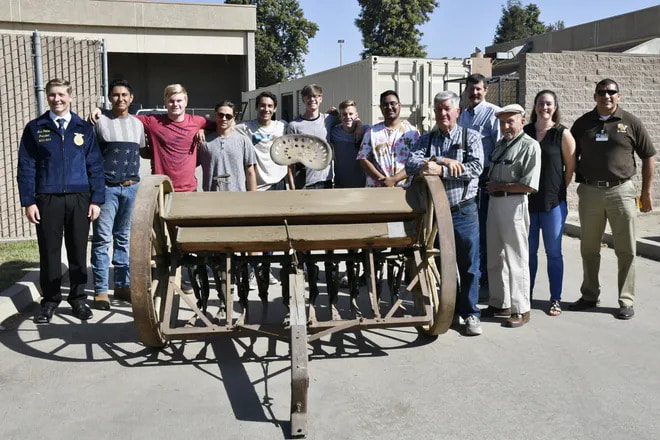
The Agricultural Equipment Project has been in the works for several years with two components – restoration of displayed equipment, and construction of a building in which to showcase it. Don Vieira and Carl Switzer, members of the Tulare County Historical Society, have been integral in the conception of the project as well as bringing it to fruition.
Through their efforts, the Museum has partnered with local high schools whose students have been working to restore several pieces of equipment from the collection that have been weathered by the elements over the years. The students’ research on each piece of restored equipment will contribute to the timeline of the history of local agriculture, a main focus of the new building.
As the Tulare County Museum continues to expand its collection and its educational programming — including yearly classroom tours, lectures, publications, and events — community engagement is vital in making those efforts successful. The Main Street Jamboree is one such free and fun event for the whole family that has helped to connect the museum to the community. Held each year on the last Saturday in April, the Jamboree provides many new and fun ways for visitors to learn about Tulare County history and its important part in the life and growth of California.
The Tulare County Museum, with its constantly growing and improving displays and events, lies at the core of our county’s history. Set in one of the most beautiful oak groves in Tulare County, it is the perfect place to discover the wonderful preservation of our fascinating past. History can be intriguing. It can be fun. Come join us!
March, 2021
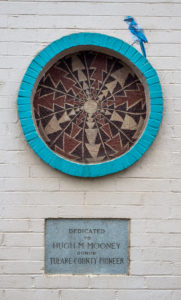

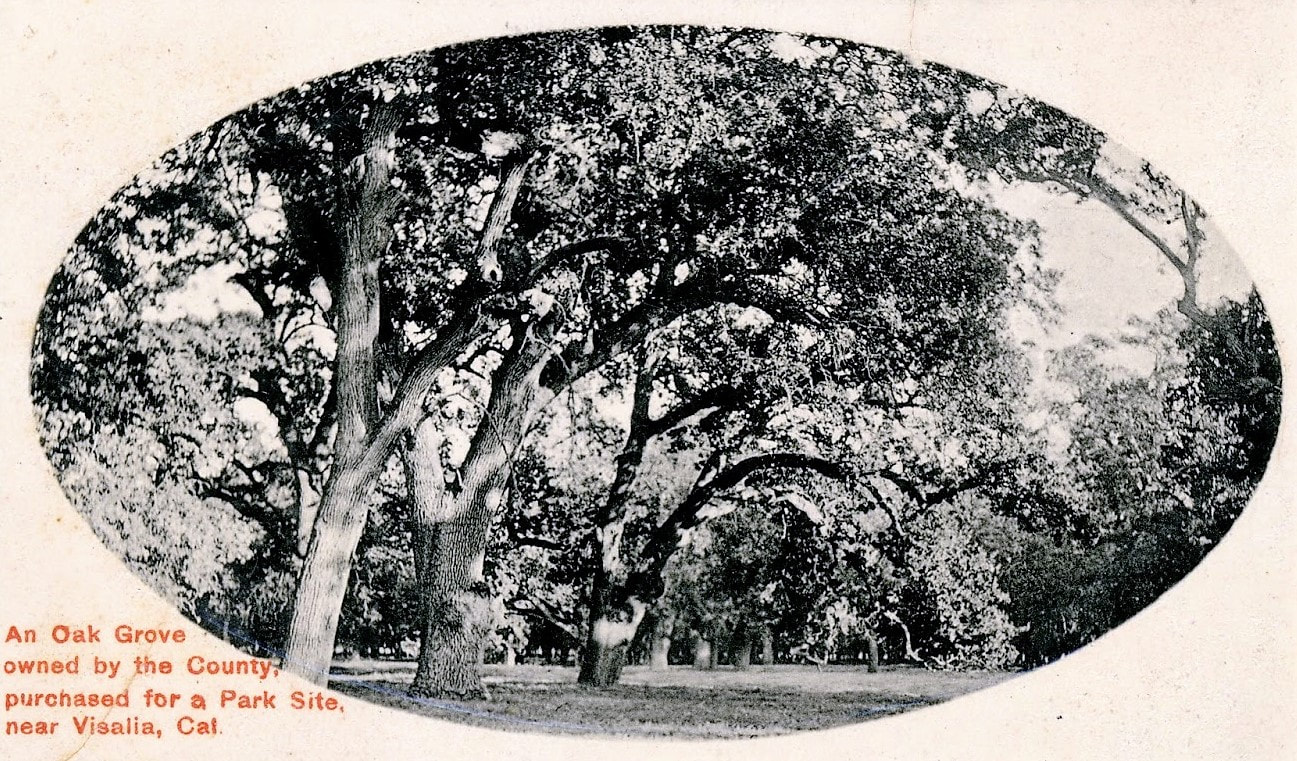
“The location itself is historic, being part of the great oak forest that extended from the foothills to old Tulare Lake along the delta of the Kaweah River.” — Joseph E. Doctor
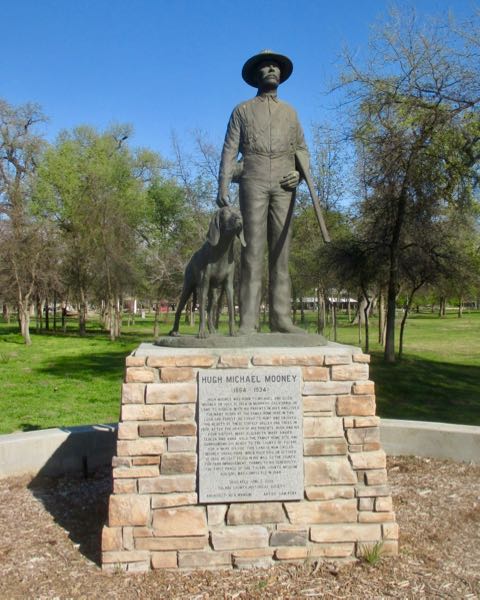
“A statue depicting Mooney and his favorite hunting dog was dedicated to his memory in June, 2006, by the Tulare County Historical Society.” — Visit Visalia
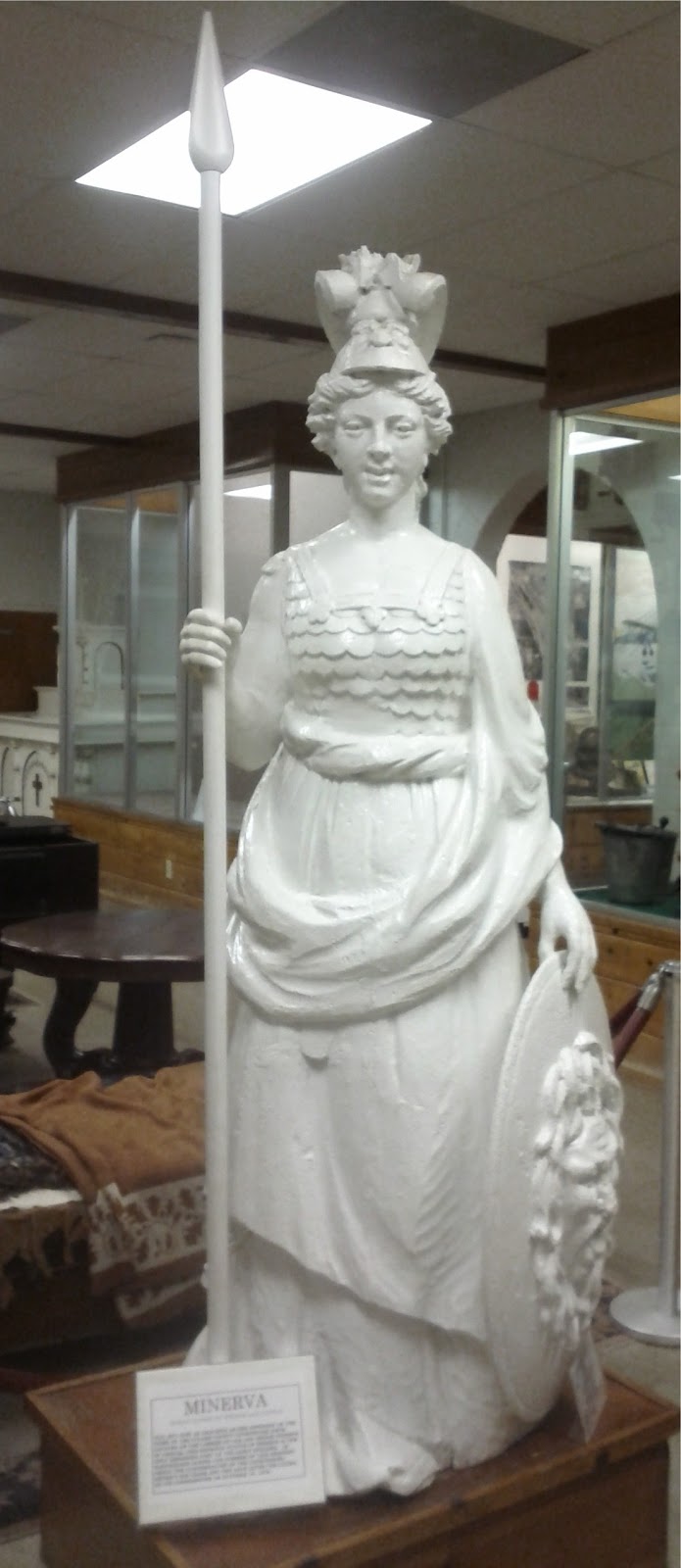
Entering the museum, one is met by a seven-and-a-half-foot tall statue of Minerva, the goddess of wisdom. She stood atop the dome of the old Tulare County courthouse from when it was built in 1876-77 until it was razed after the 1952 Tehachapi earthquake. — from Terry Ommen and Tulare County Historical Society, in Los Tulares, March, 1968
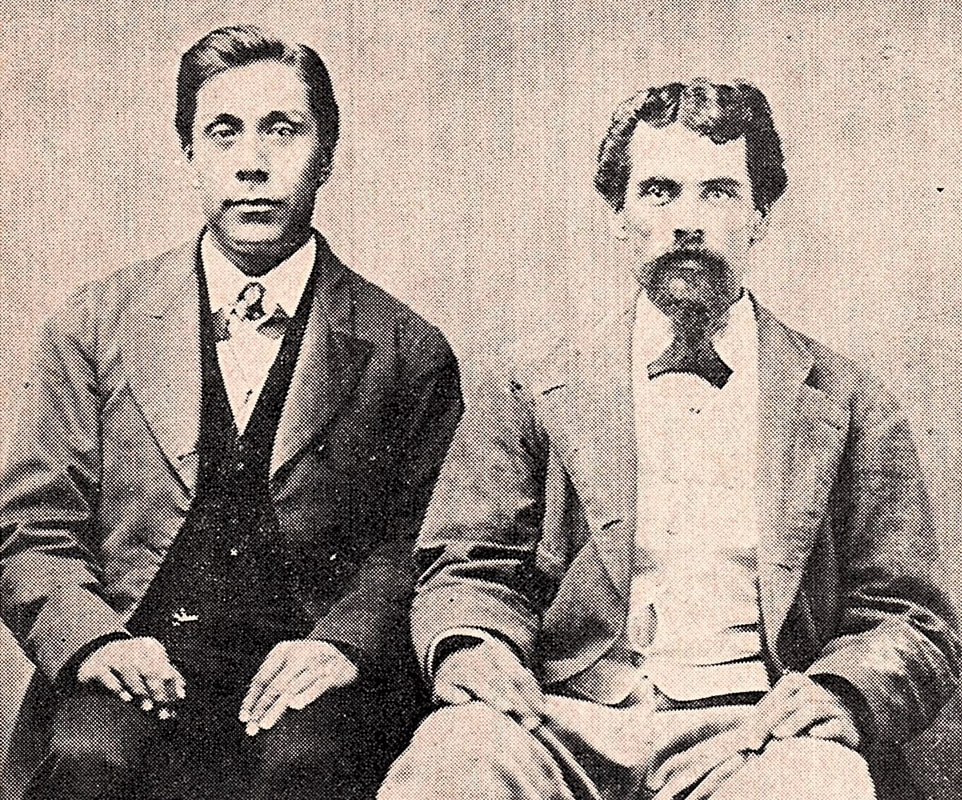
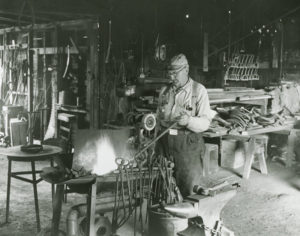
Alsalio Herrera and Ricardo Mattley worked with Juan Martarel at his Visalia saddle shop in 1869. Martarel radically changed the Mexican stock saddles used by the California vaqueros, making them lighter, stronger, and more comfortable for both rider and horse. Herrera, a skilled silversmith, made bits, spurs, ornaments, and metal parts for saddles and bridles, while for 20 years Mattley made all of the saddle trees used by Martarel and his successor, David E. Walker, who bought the business in 1870. — from Annie R. Mitchell, in Los Tulares, September, 1959
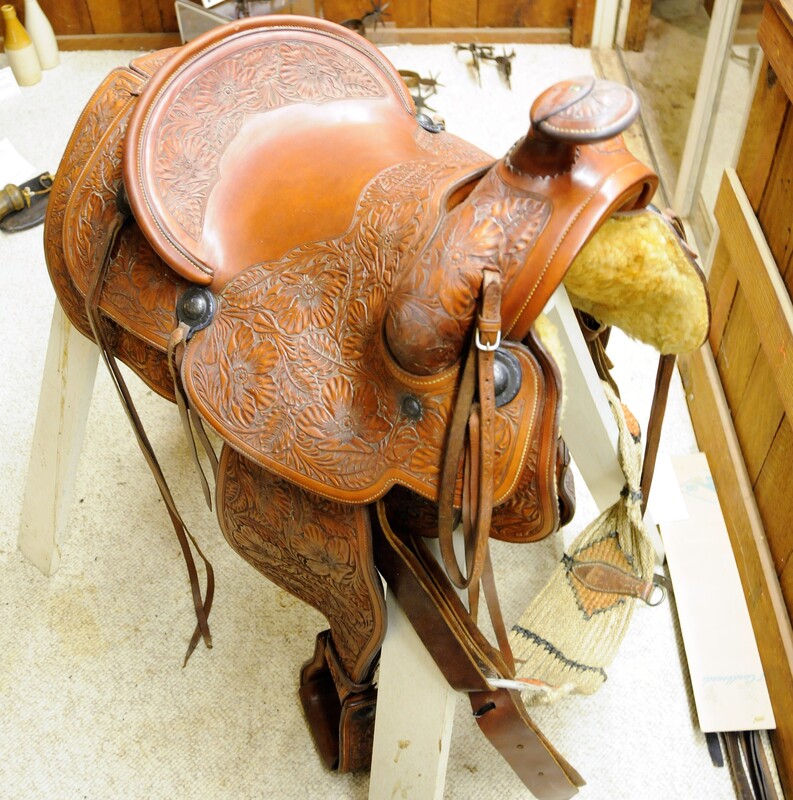
“D.E. Walker . . . was something of a merchandising genius and made ‘Visalia’ a by-word among stockmen.” — Tulare County Historical Society, in Los Tulares, March, 1968
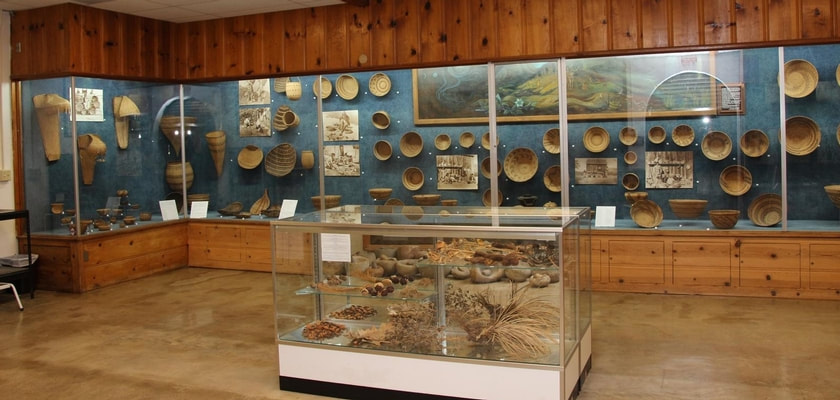
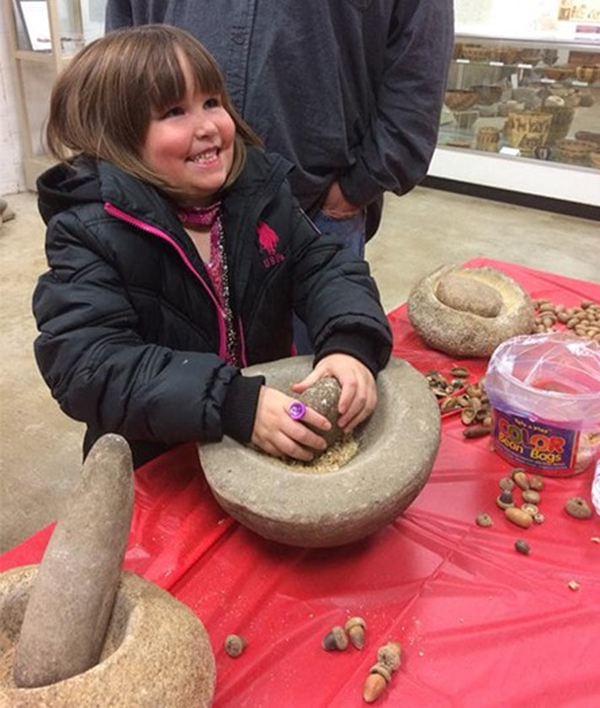
“The Yokuts Indians were among the best basket weavers and until recent years a few were still being made. In other cases are displayed arrow points, charm stones, arrow straighteners, ceremonial blades, [and]. . . portable rock mortars and metates. In the center case is a display showing how acorn flour was prepared . . . .” — Tulare County Historical Society, in Los Tulares, March, 1968
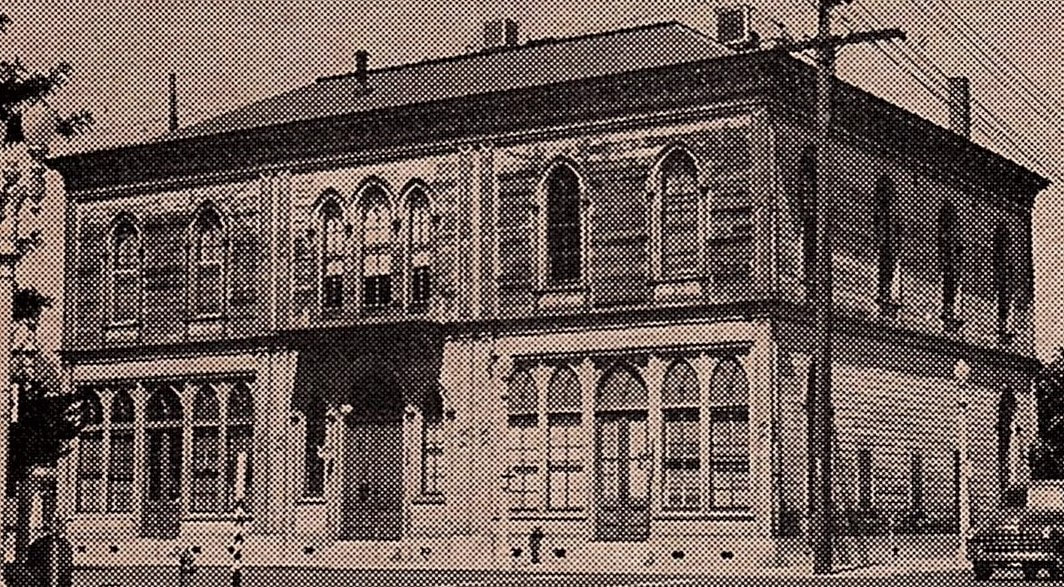
“”[T]he old Masonic building in Visalia . . . was constructed in 1873 and 1874 and at the time was the largest building between Stockton and Los Angeles. It was a social, political, fraternal, and governmental center for much of the county and the valley. . . . It represents a noble type of architecture which has virtually disappeared from California. . . . a magnificent example of the work of the old-time builders in wood . . . constructed almost entirely of redwood . . . .” — Joseph E. Doctor, President, Tulare County Historical Society, 1957
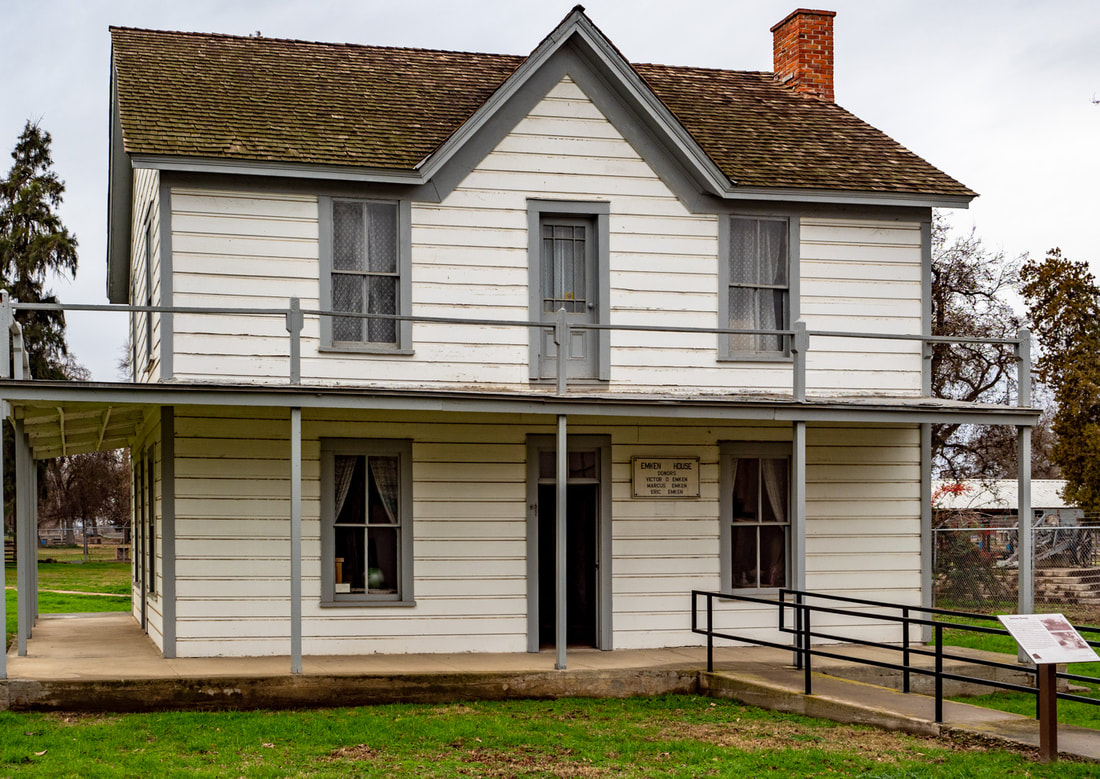
“The Tulare County Historical Society was privileged in 1961 to receive a donation of the Emken house from Marcus and Victor Emken. This lovely typical farm house was moved [from its original location west of Strathmore] into the historical village. The village is a delight to history buffs and is greatly used by various schools in Tulare and surrounding counties.” — Tulare County Historical Society, in Los Tulares, March, 1994
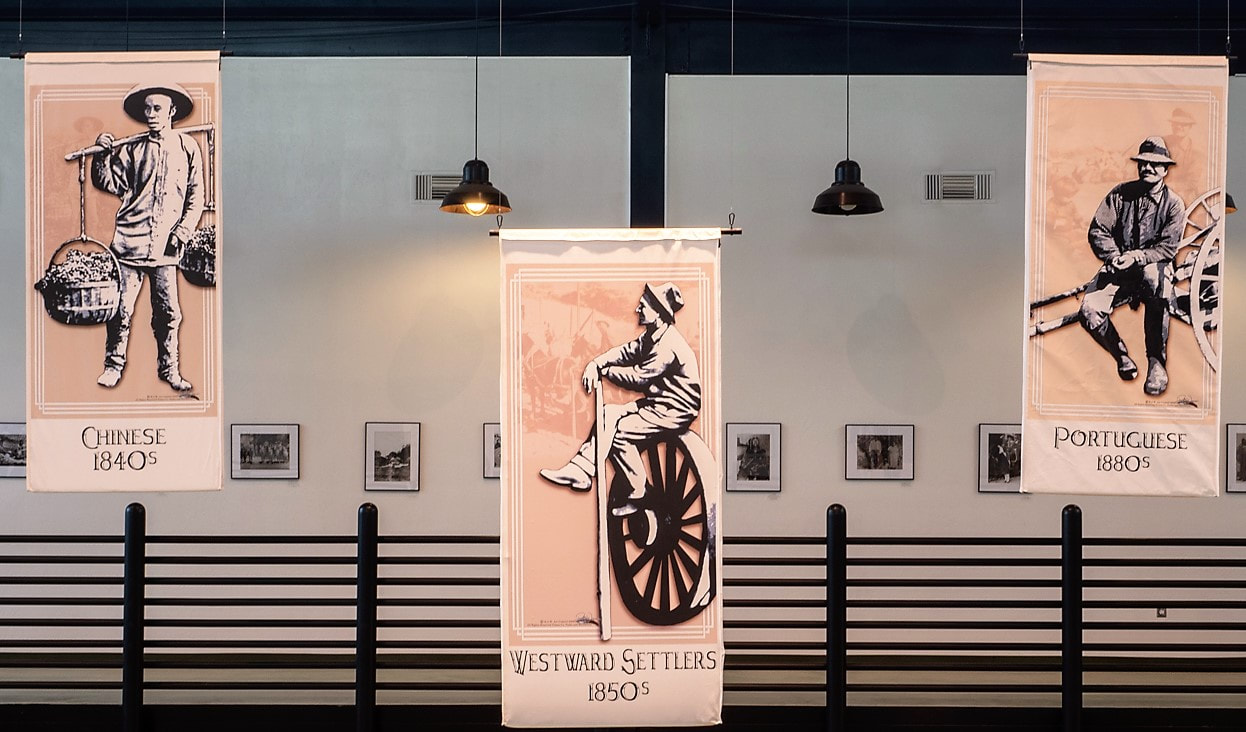
“The Farm Labor and Agriculture Museum recognizes the importance of the farmers . . . those special hardy men, women, and children from the many cultural and ethnic groups that tilled the soil. Well worth a visit.” –Terry Ommen
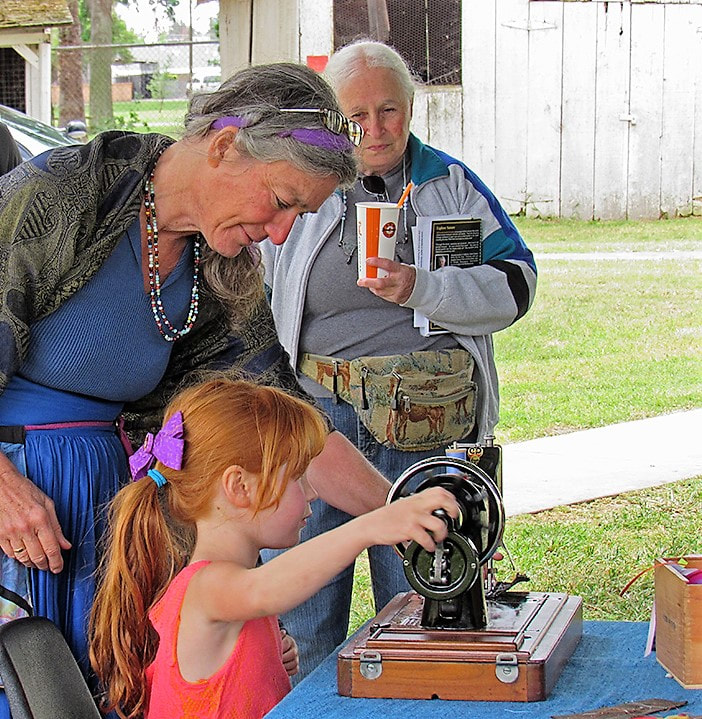
“It is difficult for the present generation to realize how people lived without high speed automobiles, TV, radio, even without electricity for any purpose. When chores meant filling the wood-box after school every day, when mom had to wash and polish the lamp chimneys and when kids’ spending money might be a penny or two.” — Tulare County Historical Society, in Los Tulares, March, 1968
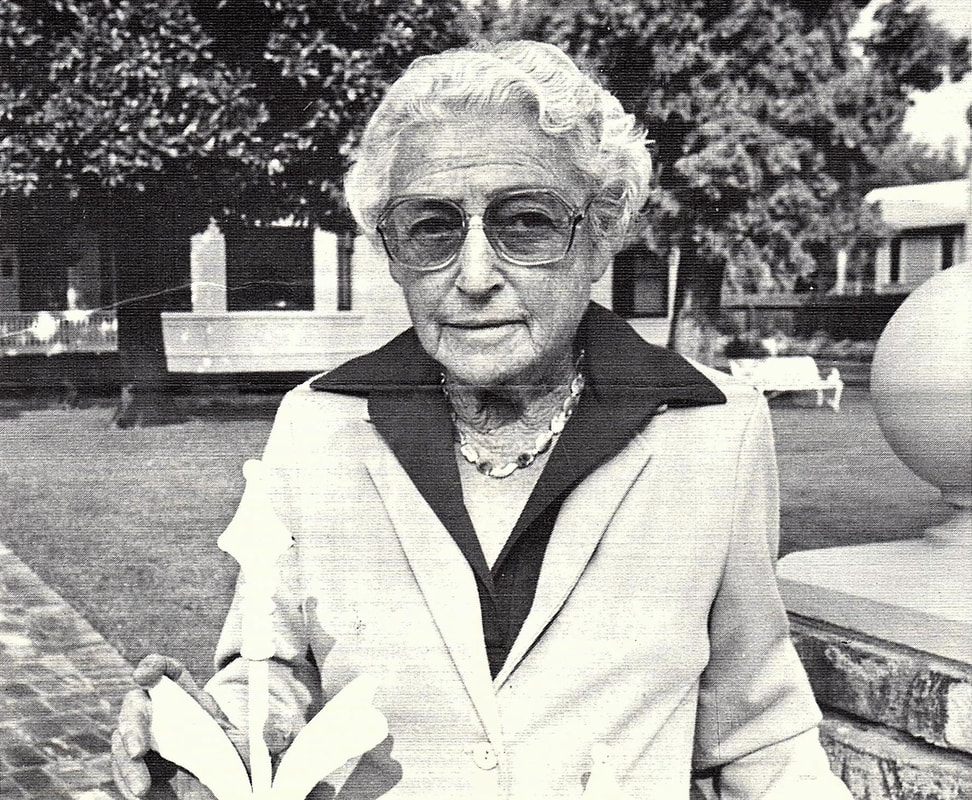
“From the beginning, the Tulare County Historical Society has been involved in the development of the museum, donating money for additions and repairs to the museum, as well as members’ time and effort. It would be impossible to think of the Tulare County Museum without thinking of Annie Mitchell. In 1947, . . . [she] was appointed Museum Curator. She was a member of the Board of Directors longer than anyone, and it was with regret that she resigned in January 1998 due to ill health.” — Tulare County Historical Society, in Los Tulares, September, 1998
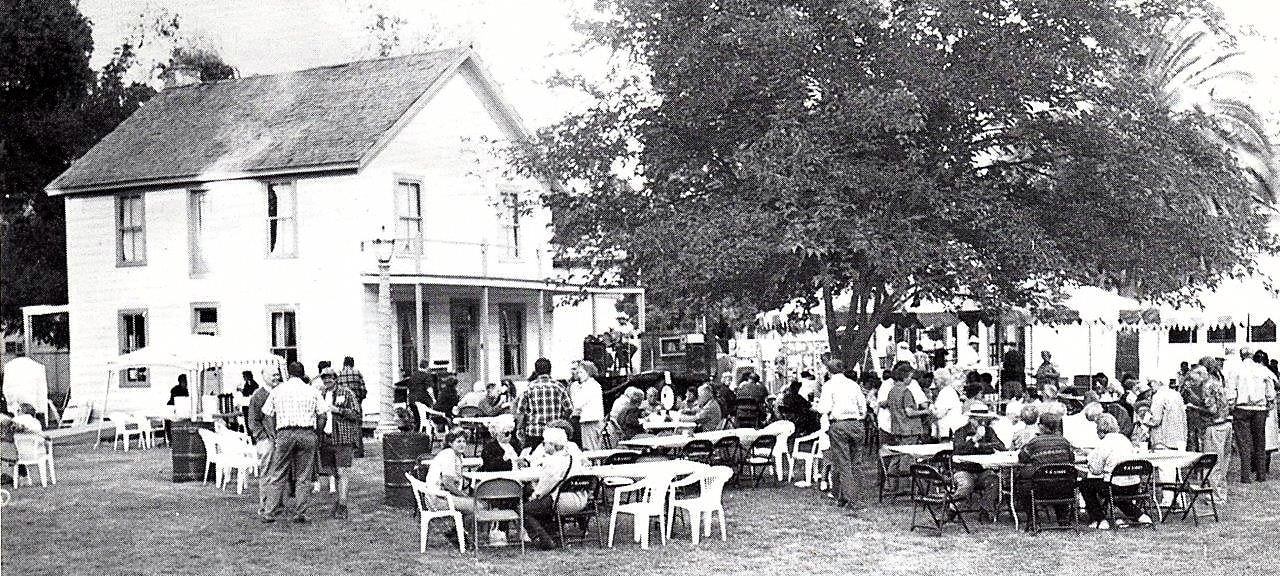
“A historical society . . . fundamentally . . . is a trustee of the past and its culture. As such, it faces the challenge of preserving not only what obviously has value now, but also what will have significance in the future.” — William B. Osgood; June, 1957
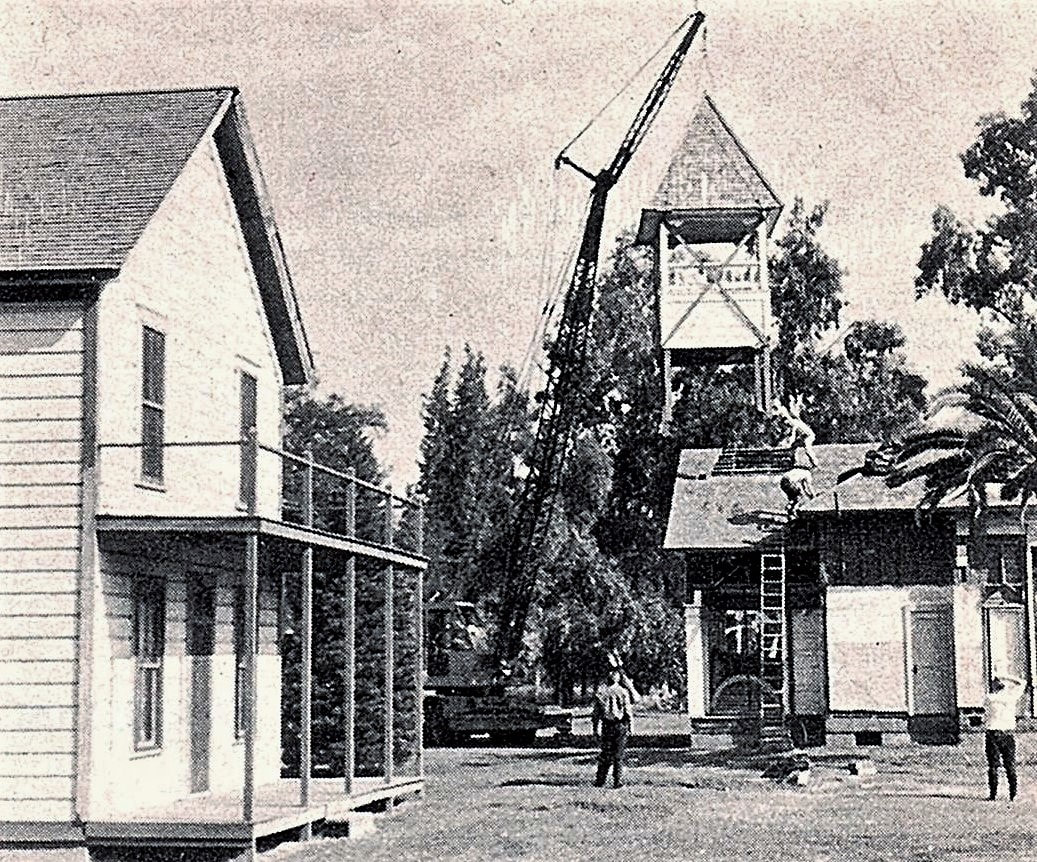
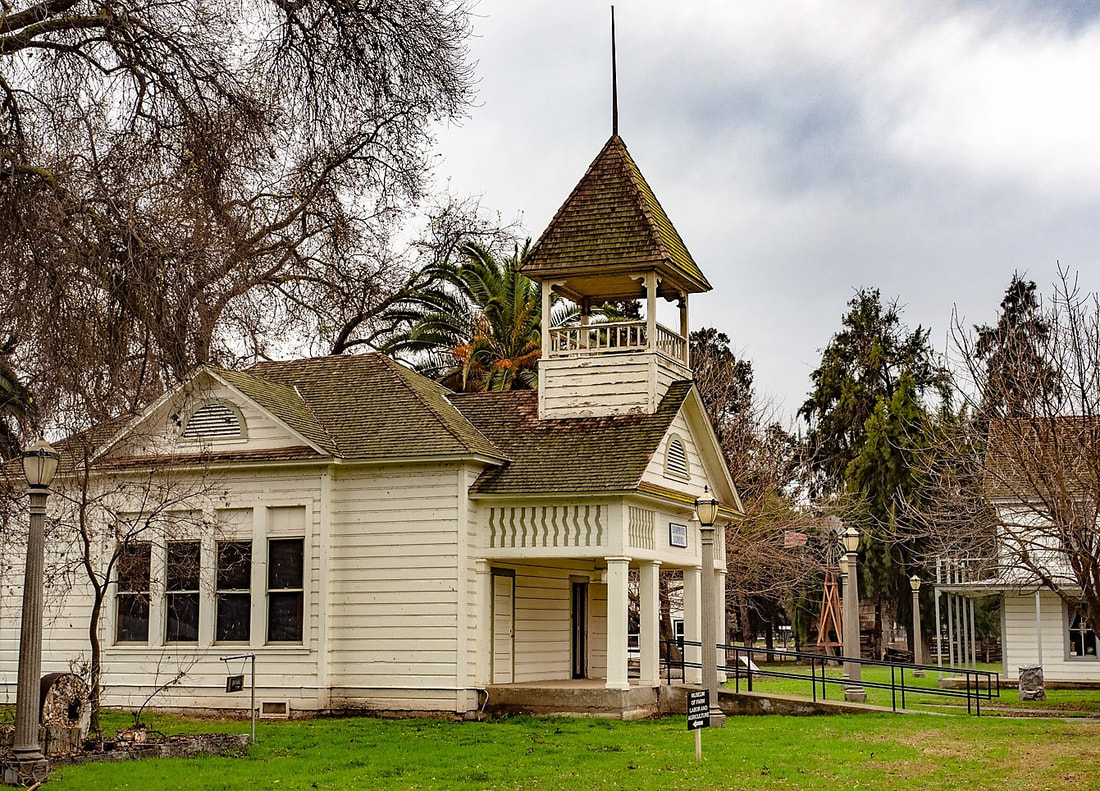
The first Surprise School dated back to 1876. It was replaced in 1906. When use of the 1906 school was discontinued in 1962, the Surprise Community Club raised money to move it from near Woodville to the Museum. “The belfry was lifted off and the roof removed to avoid cutting utility lines.” — Tulare County Historical Society, in Los Tulares, March, 1968
Directions:
Address: 27000 South Mooney Blvd., Visalia, CA 93277
From Visalia, go south from Hwy 198 in downtown Visalia on Mooney Blvd./Hwy 63 for 3.5 miles and turn left (east) into Mooney Grove Park.
Follow the park road to the original Museum building, which will be on your right.
NOTE: Admission to the Museum (as well as the Farm Labor & Agriculture Museum) is via the office in the original Museum building (except during special events).