Click on photos for more information.
Its Mighty Wurlitzer Still Sings
Adapted from “Porterville First Congregational Church Pipe Organ History,” by Eleanor Foerster
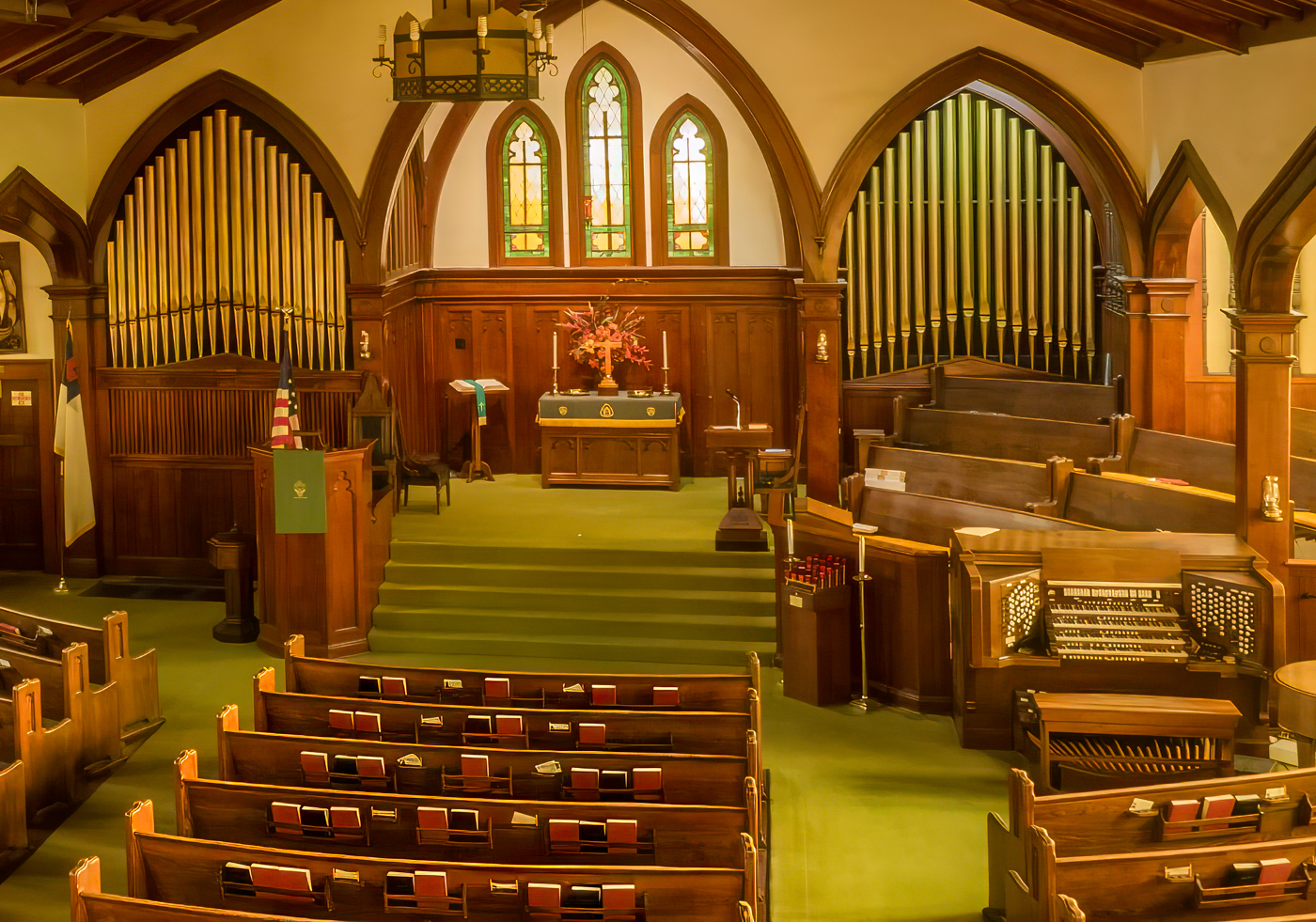
The First Congregational Church’s pipe organ is considered to be the oldest functioning Wurlitzer in California. It was built in 1916 to accompany silent films of the day in a Los Angeles movie house.
That day passed when “talkies” took over in the late 1920s. The only large market left for the theater organs would be churches. But it was then considered “improper” for churches to use theater organs which had provided music for entertainment and sometimes risqué vaudeville shows.
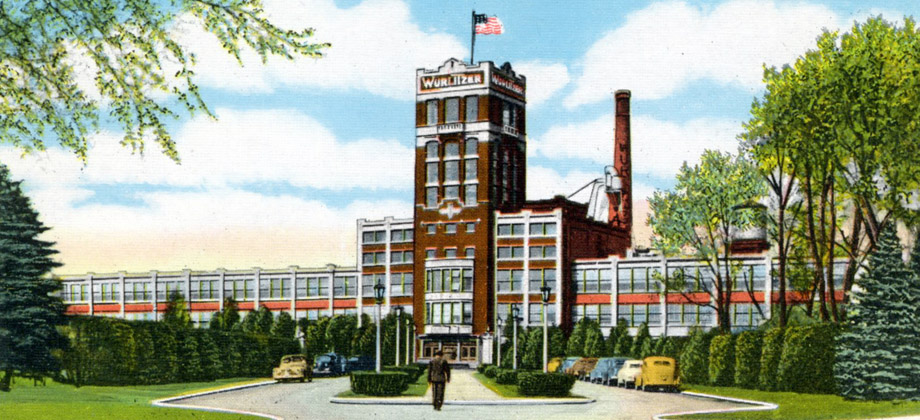
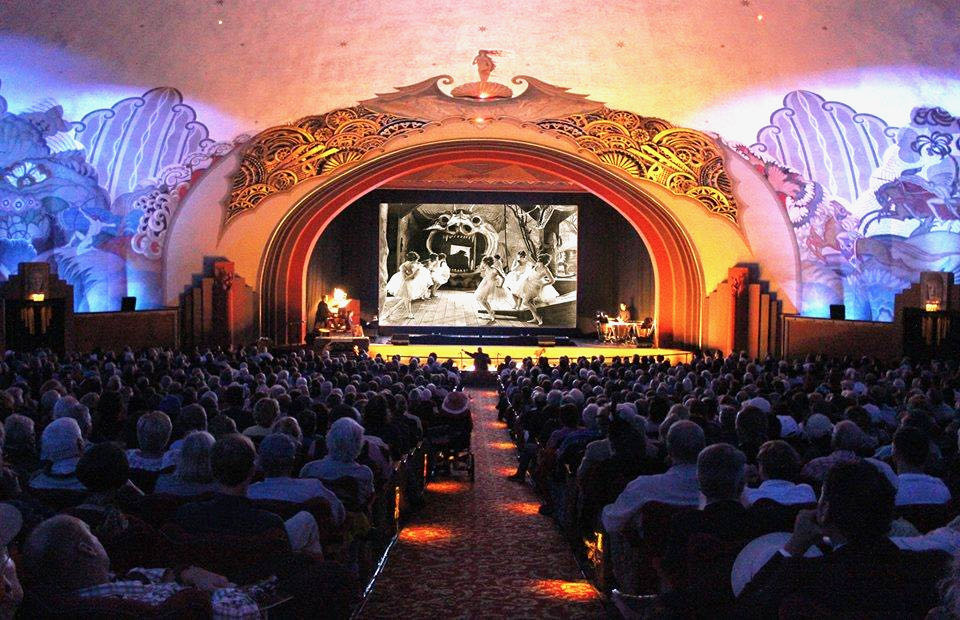
With their sales value rapidly dropping, the now almost worthless organs were stripped of their “toy ranks” that produced the sound effects — such as drums, whistles, and horns — for the movies. Their remaining ranks were renamed to sound more ecclesiastical, their consoles were stained darker to look more ecclesiastical, and the instruments were rebranded as “Robert Hope-Jones Concert Organs” and given false provenances that would make them more saleable to conservative churches.
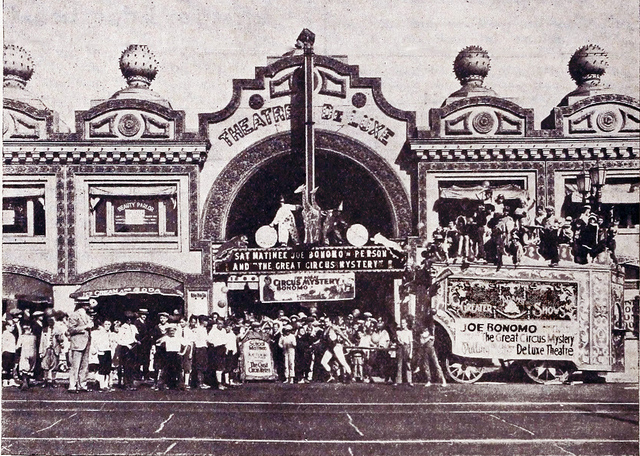
The First Congregational Church’s pipe organ was delivered in 1931, church officers having been told that it came from a large church in Chicago. But when the Crome Organ Company of Los Angeles came to rebuild the organ after it was damaged in the 1936 fire, the workmen recognized it as the old Wurlitzer from the Los Angeles Deluxe Theater.
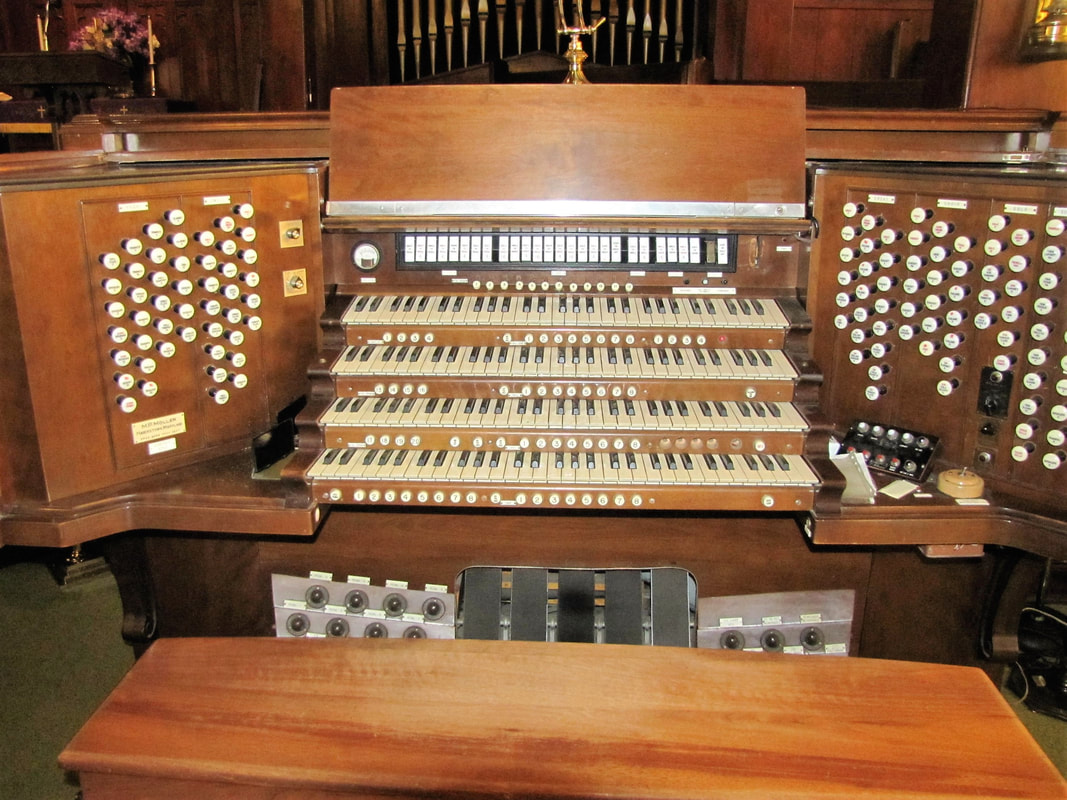
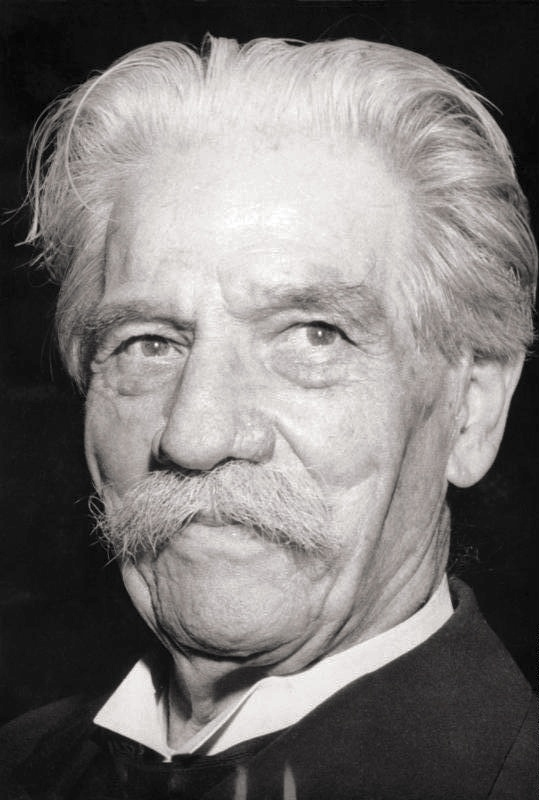

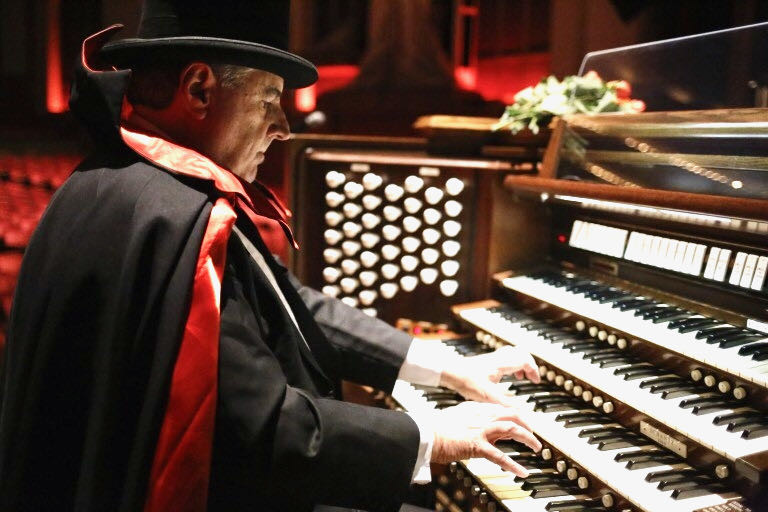
In 1963, a four-manual [keyboard] Moller console with a full AGO pedal board was purchased from Pomona College’s Little Bridges Hall of Music. Famous organists have played on this console: Albert Schweitzer and E. Power Biggs. Over the years, the church has methodically added back the stripped toy ranks so that silent films can be shown in the sanctuary with full accompaniment for the community’s enjoyment.
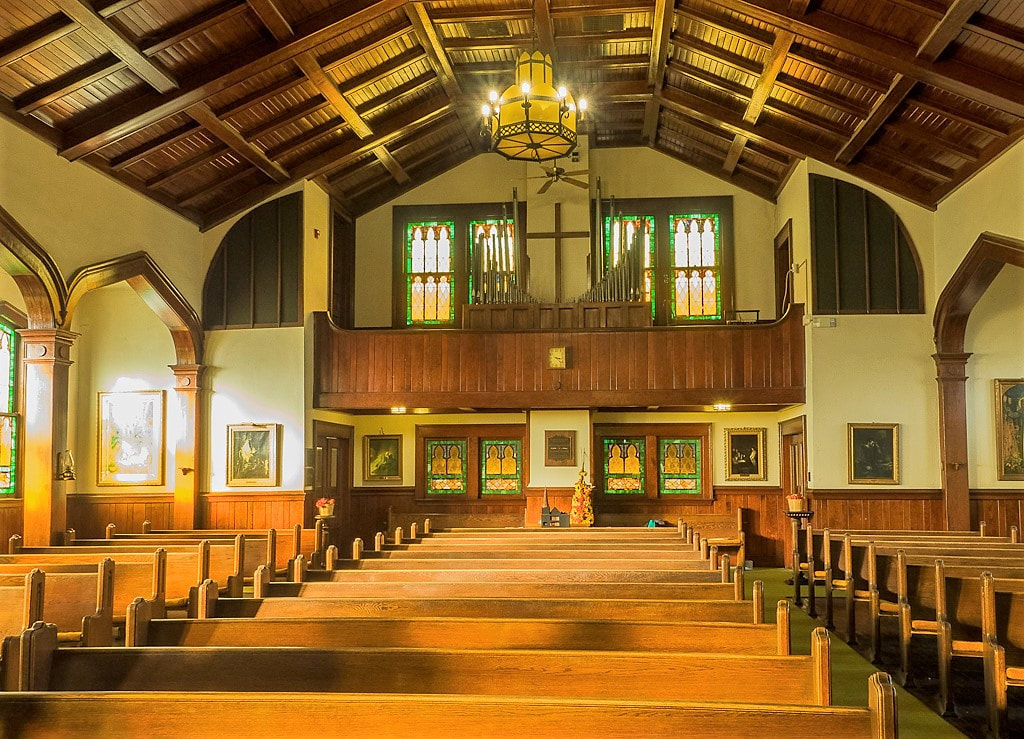
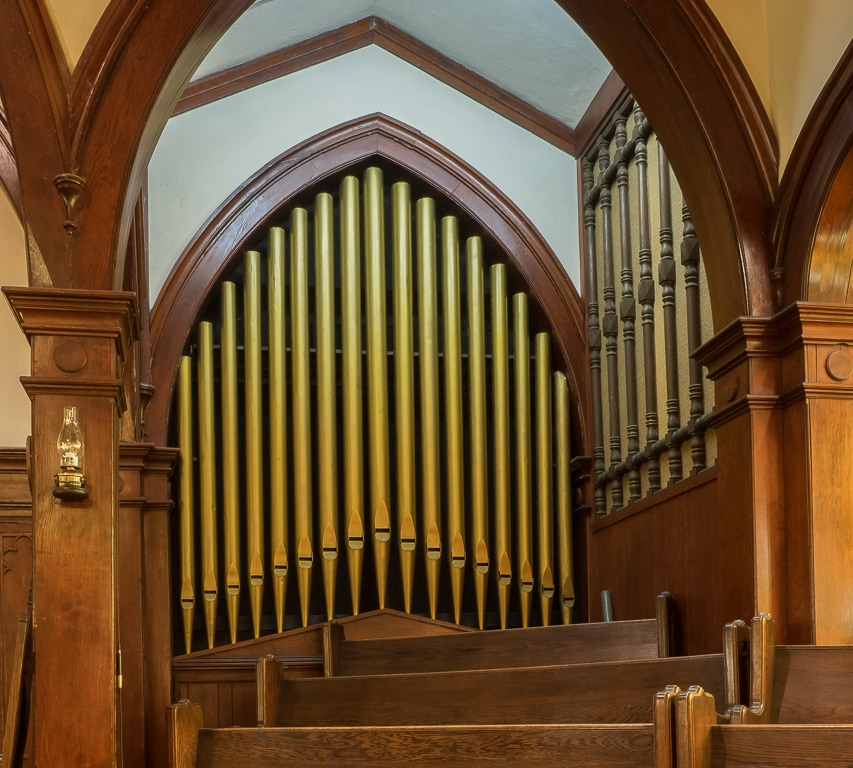
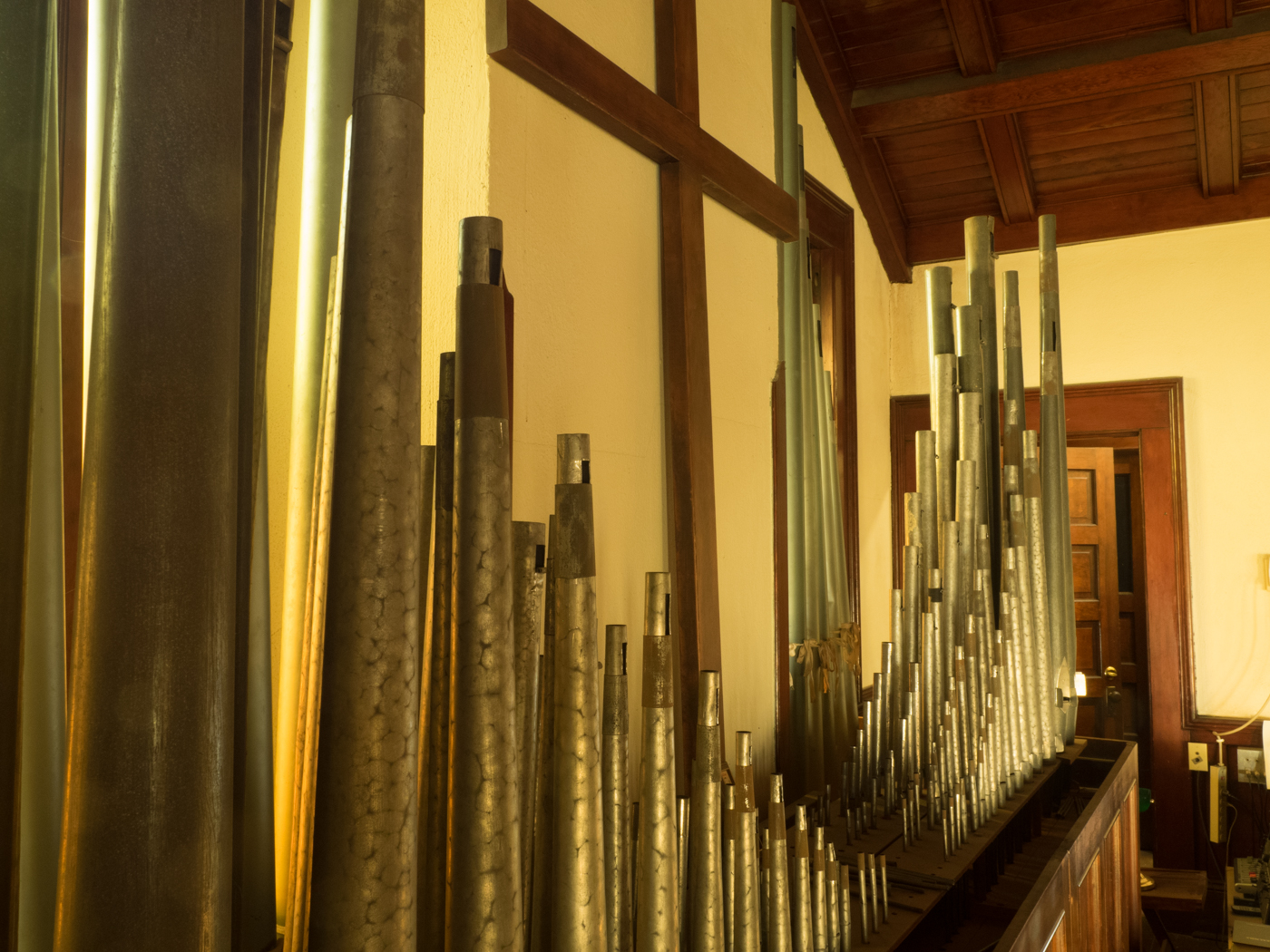

A major organ funding drive in 1991 raised over $45,000. In addition to upgrades, an endowment fund for future maintenance was established. The organ now has 24 ranks (rows of pipes) which can be expanded to thirty eight in the future. While false pipes have been added as architectural features behind the choir loft and pulpit, operating pipes are spread throughout the sanctuary.
Many generous congregation members — musicians and technicians, fundraisers and donors — have worked tirelessly to keep this great organ singing. Its magnificent voice may well resound for another hundred years.
April, 2017