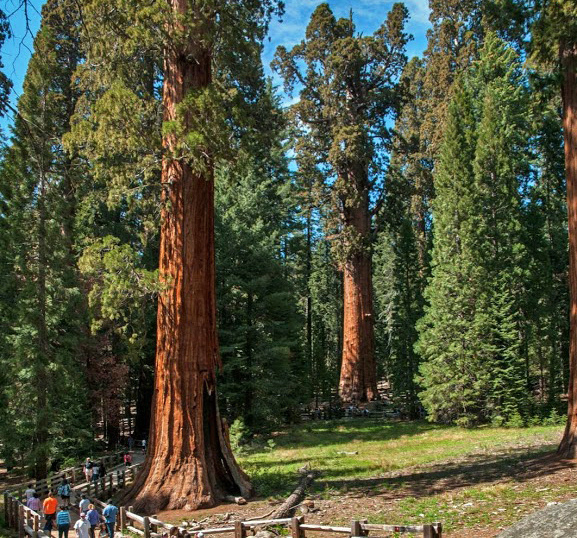
Click on photos for more information.
The Story of The Giant Forest of Sequoia National Park
by William Tweed
For more than a century, the people of Tulare County have had a special relationship with the Giant Forest, the giant sequoia grove that is the most-visited single feature in Sequoia National Park. Over the years, local residents have involved themselves in the grove in many different ways, and this involvement has made a real difference. The story reminds us that just because a place is “saved,” our responsibility for it is far from done.
The giant sequoia trees of the Sierra Nevada grow only in very limited geographical areas called groves. The entire Sierra Nevada contains only about seventy-five such places, which vary in size from less than an acre to several square miles. Tulare County provides a home for over three-quarters of these groves, and most are to be found within either Sequoia National Forest or Sequoia and Kings Canyon National Parks.
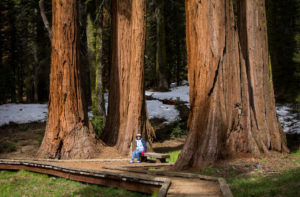
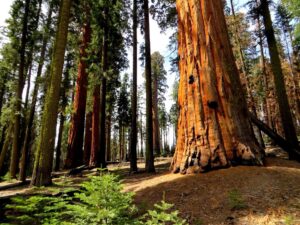
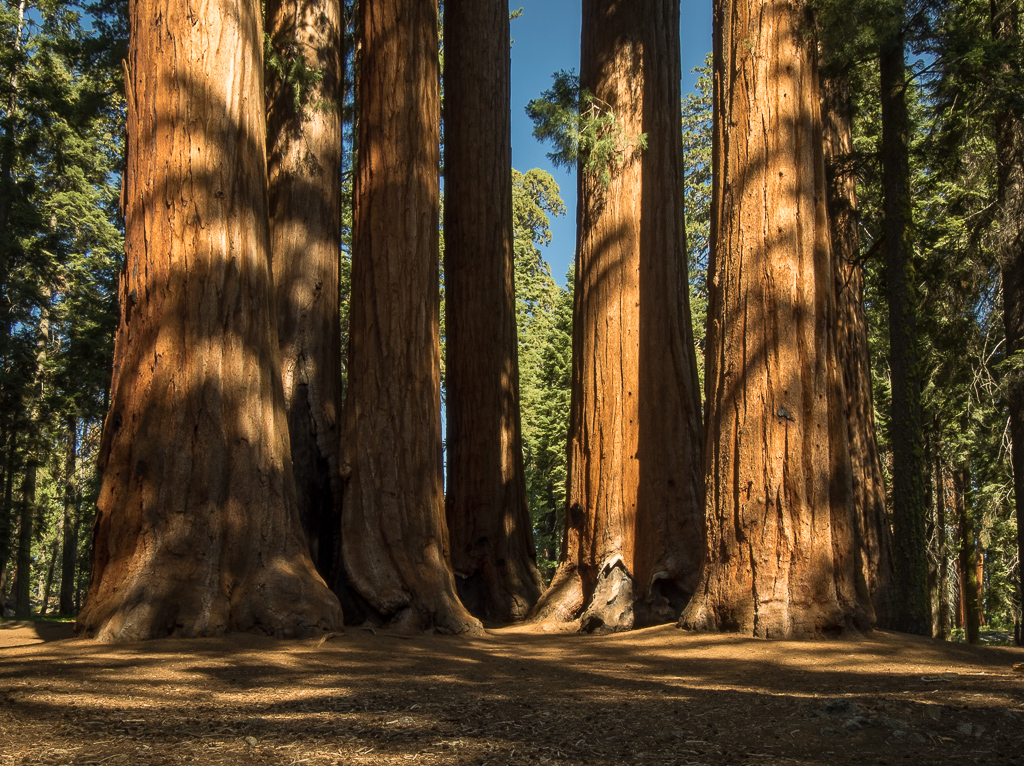
Only a handful of groves are larger than the Giant Forest, which covers about three square miles and contains about 2,000 sequoias larger than ten feet in diameter. Of the ten largest sequoias, five are found in this single grove, including the General Sherman Tree, the largest of them all. No other grove even comes close.
As detailed in our Sequoia National Park story, the addition of the Giant Forest to Sequoia National Park came as a surprise to those who had campaigned in the summer of 1890 to convince Congress to create that park. George Stewart of the Visalia Delta newspaper, who led the campaign that year, knew how special the grove was but believed that the government had already made a commitment to sell the forest to the Kaweah Colony.
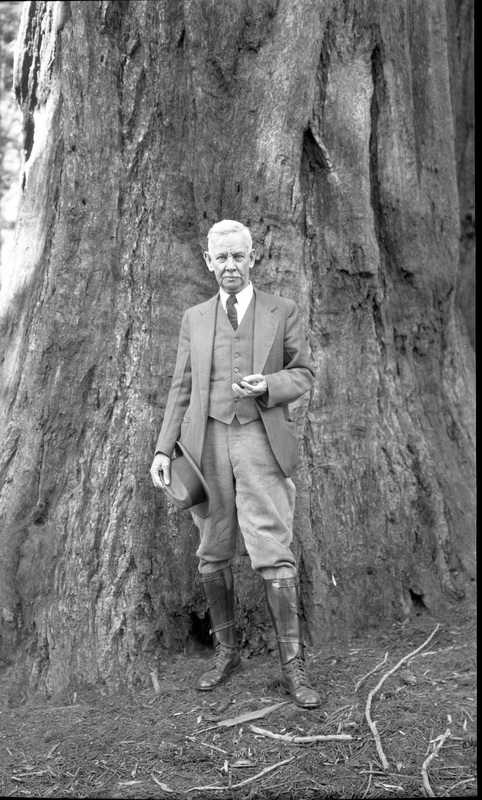
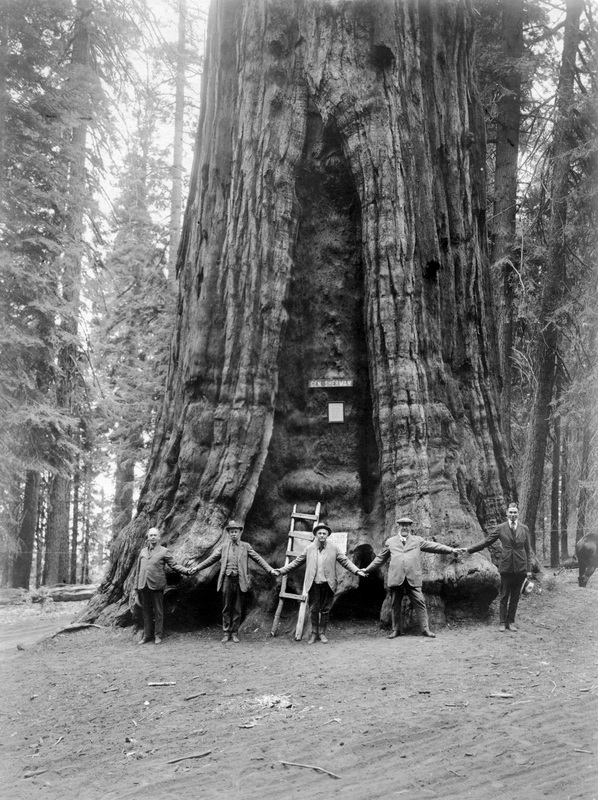
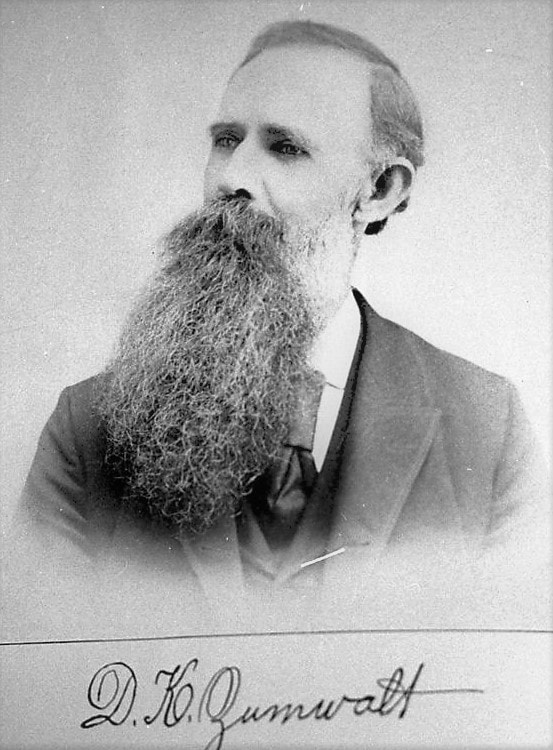
A week after the original Sequoia National Park bill was signed by President Benjamin Harrison on September 25th, a second bill arrived on his desk. Among other things, this second bill, signed by the president on October 1st, added the Giant Forest to the new national park. At the time, no one stepped forward to take credit for the second wave of legislation, but modern historians give credit to attorney and railroad land agent Daniel K. Zumwalt of Tulare. In the fall of 1890, when Congress was considering these questions, Zumwalt was visiting in Washington, D.C. After his death in 1905, Zumwalt’s family felt comfortable giving him public credit for the creation of General Grant National Park, which was another part of that same bill. Without Zumwalt’s likely involvement, it is quite possible that the Giant Forest would ultimately have been sold and logged.
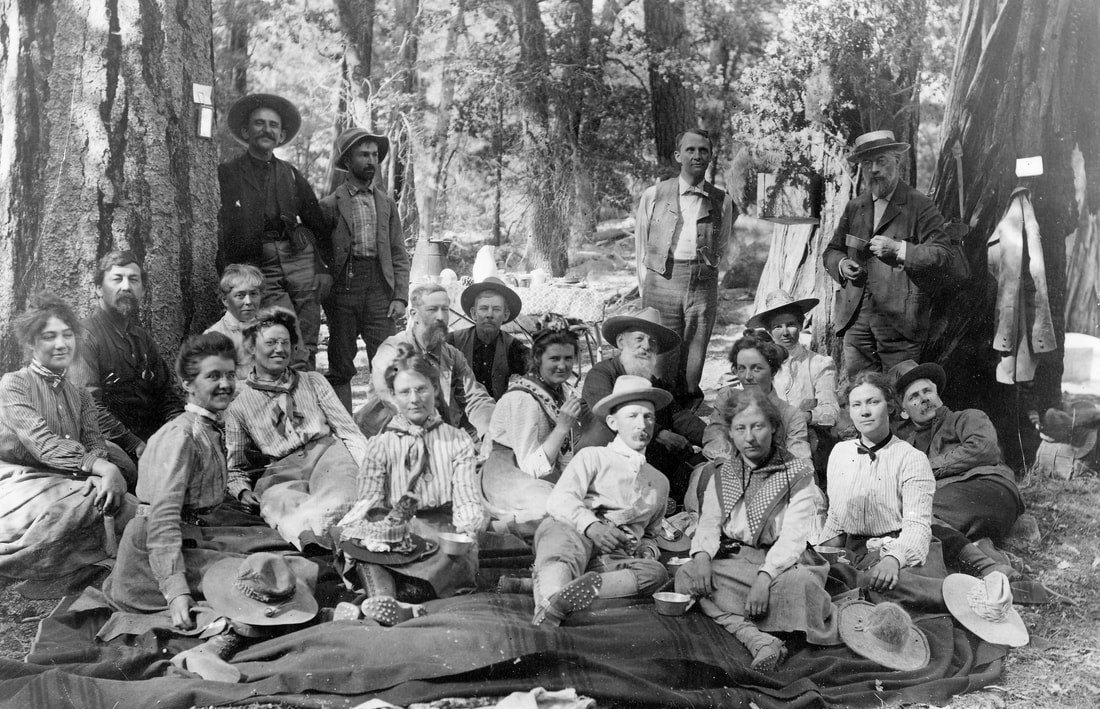
A century later, it’s easy to assume that everyone immediately understood the significance of Sequoia National Park, but for the first decade of its existence, Congress allocated no money whatsoever to make the park accessible to visitors. Frustrated by this obvious omission, the residents of Tulare County sought to correct the situation. In the summer of 1899, the Visalia Board of Trade (we now call similar organizations “chambers of commerce”) organized a political pack trip into the park to show off both its potential and its needs. Playing a key role was Ben Maddox, publisher of the Visalia newspaper known as the Tulare County Times (an ancestor of the modern Visalia Times-Delta). Out of this came an annual appropriation to build roads and trails within the park.
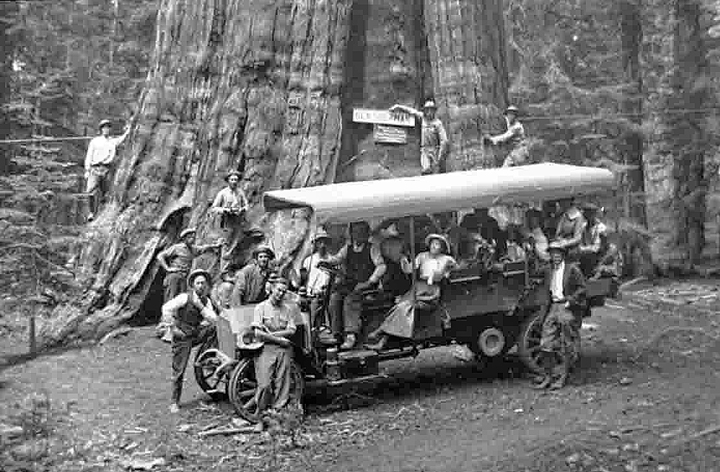
In 1903, using this money, the park completed a wagon road into the Giant Forest. Almost immediately, Tulare County residents started visiting the cool, green grove, especially during the hottest part of the year. Farmers and businessmen alike would take their wives and children up to the forest to camp for a month or two while they stayed in the valley to earn a living. By the 1910s, the Giant Forest sheltered a sizeable contingent of local residents each summer. To this day, old-time local families still remember stories of the many happy months they spent beating the heat in the shade of the towering sequoias.
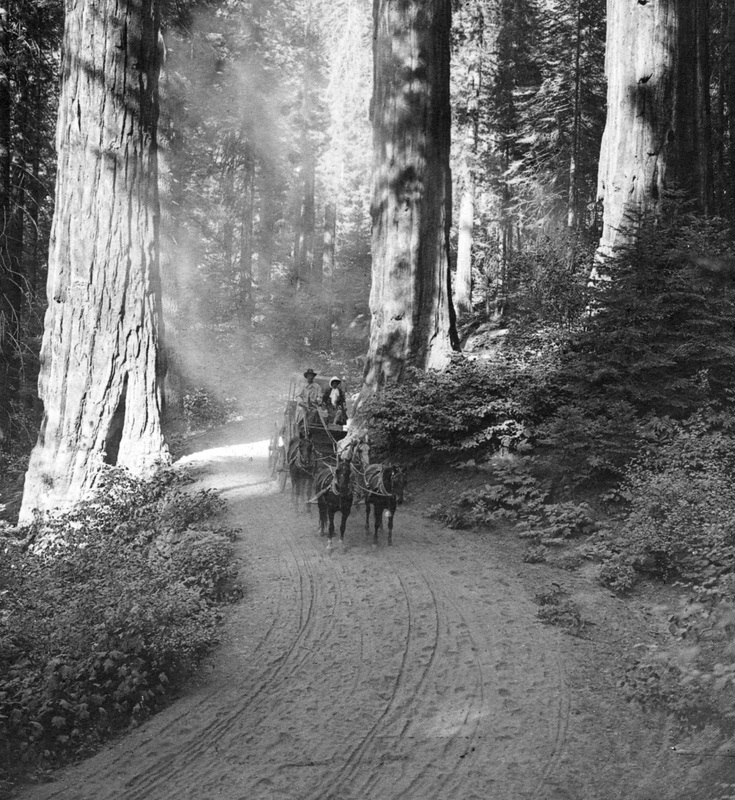
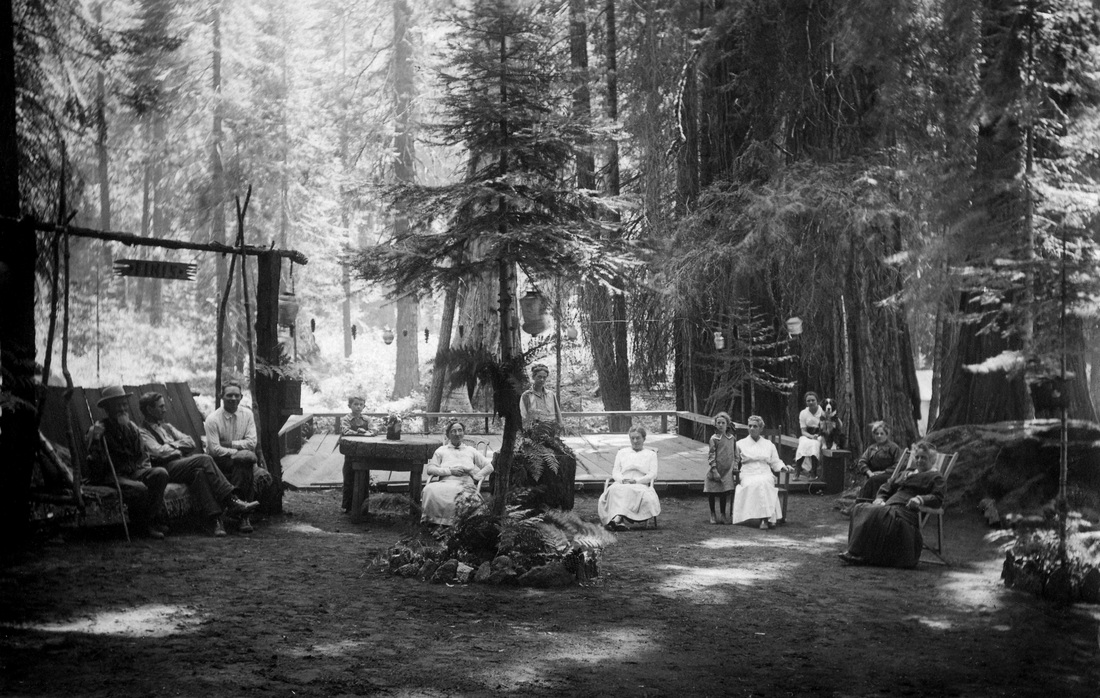
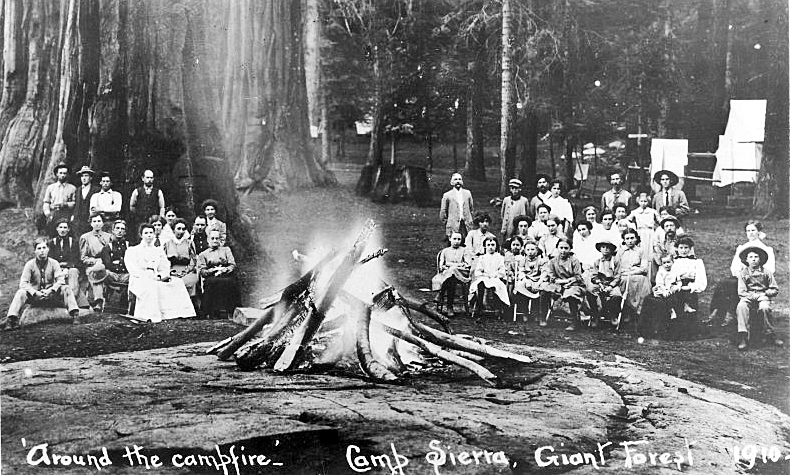
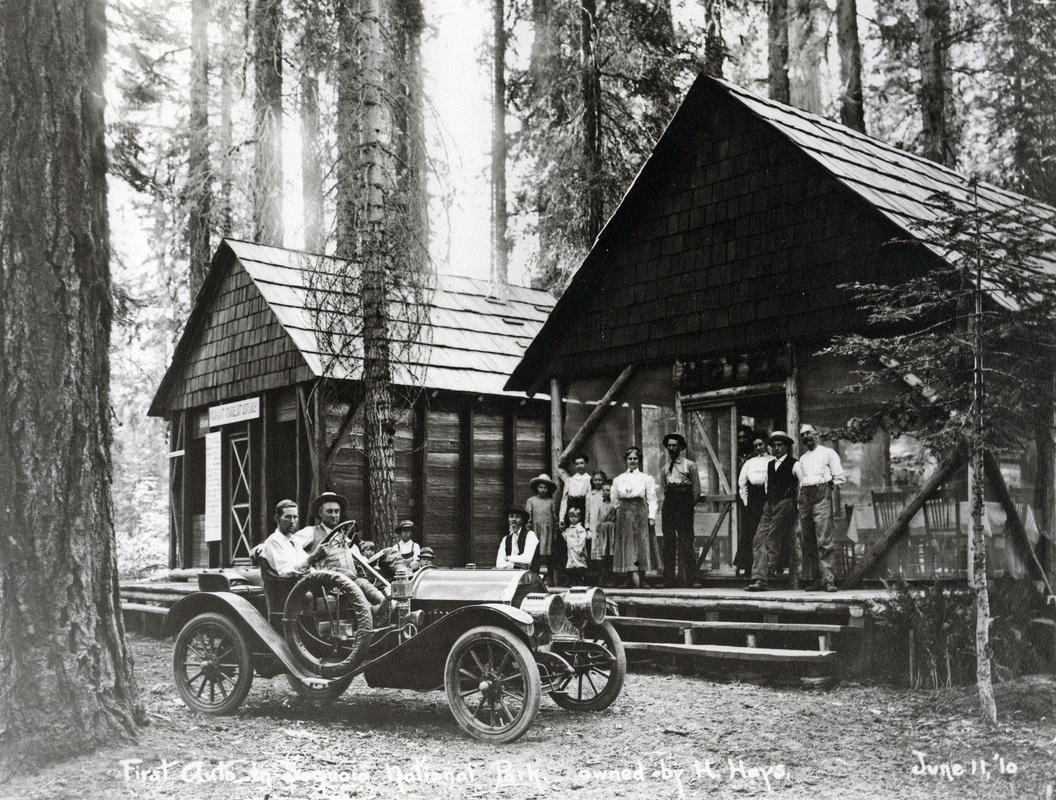
After 1926, additional connections linked Visalia and the Giant Forest. That summer a new road opened, the Generals Highway. Suddenly, it was easy to drive an automobile up to the grove. The trip took less than three hours in a car versus the two to three days the same journey had taken in a wagon via the original road.
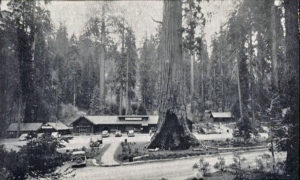
Visitation soared, and a park concessioner known as the Sequoia and General Grant National Parks Company built hundreds of cabins and tents in the heart of the grove. The company would make its headquarters in Visalia for the next forty years. In these same years, Visalia adopted the descriptive slogan “Gateway to the Sequoias,” a title it maintains to this day in its municipal marketing efforts.
In the 1970s, the size and scope of the human development within the grove became an issue. Simply put, many worried that the human footprint within the Giant Forest had become too large. In response, the National Park Service developed a proposal to remove all commercial development from the grove and relocate it a few miles away in new buildings outside the giant sequoia area.
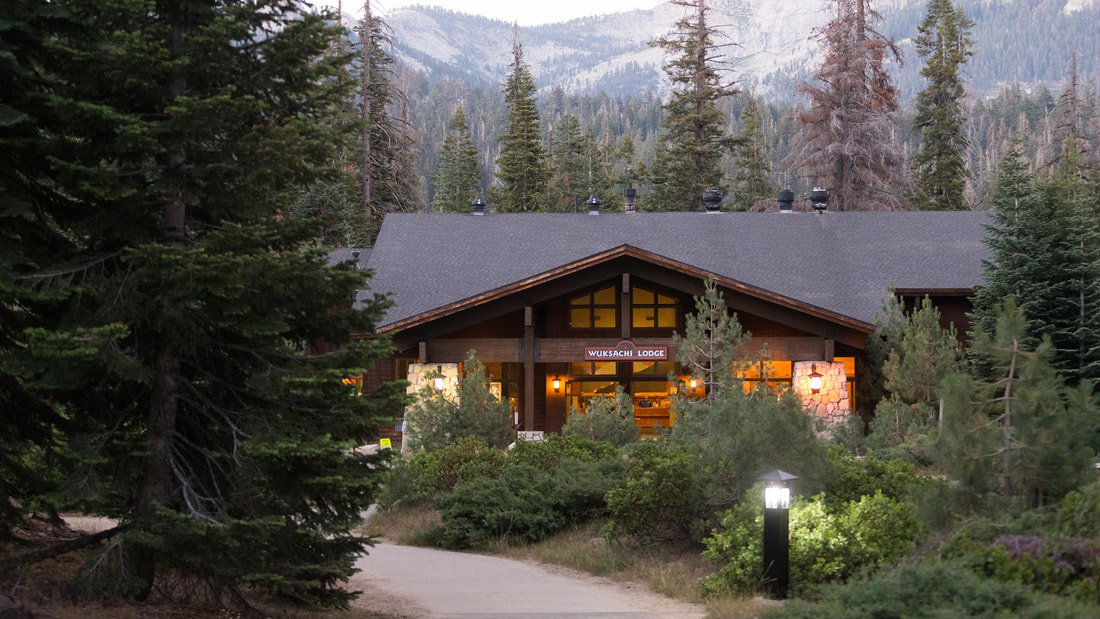
In August 1974, the Park Service took this proposal to the residents of Tulare County in the form of a public meeting in Visalia. At that meeting, the Park Service heard both that relocating the lodges made sense and that preserving park campgrounds was of the highest importance. This proved a key turning point in the development of the final plan. In the years to follow, all commercial development did leave the Giant Forest, to be replaced by the modern Wuksachi Lodge some six miles away. And as many Visalians had advocated, the nearby campground at Lodgepole was retained and remodeled.
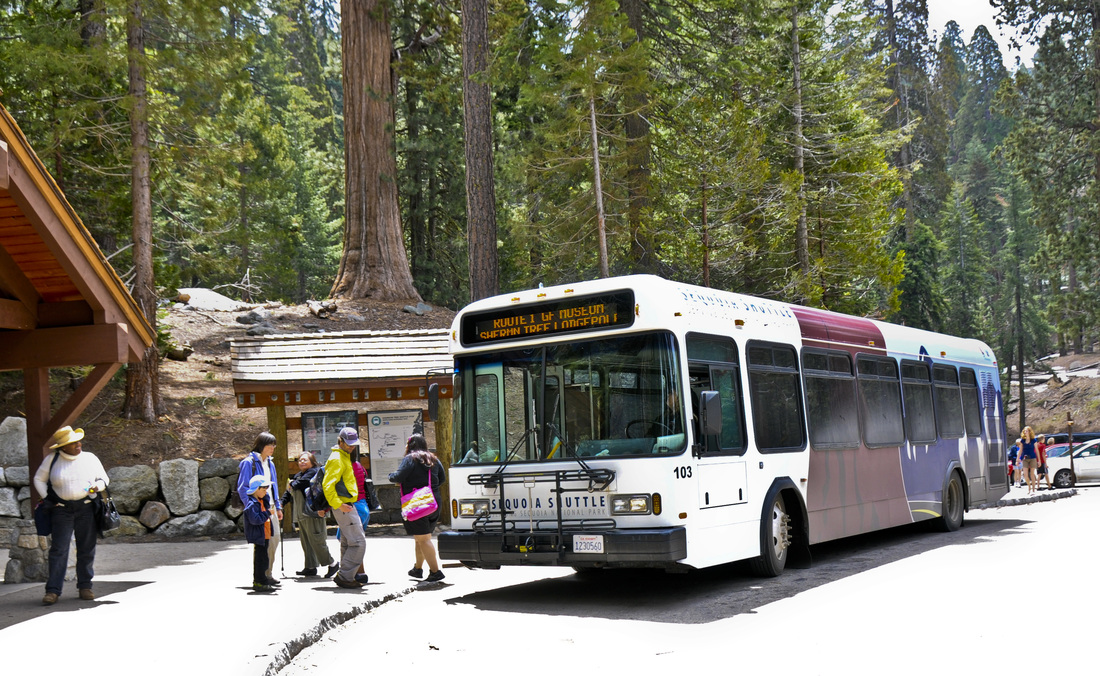
Today, the long-established relationship between Visalia and the Giant Forest continues to find new expressions. Since 2007, the city has operated a summer shuttle service between the transit center in Visalia and the Giant Forest Museum. Each summer day, buses connect these two destinations and provide an easy way for local residents to continue to do what they have done for so long – enjoy the Big Trees.
The many residents of Tulare County continue to take a very strong interest in the Giant Forest. Since the late nineteenth century, this special place has kept its hold on the hearts of its lowland neighbors. Visitors from all over the world would agree the Giant Forest, in many ways, is Tulare County’s ultimate sequoia grove.
July, 2015
SEE related articles: Moro Rock Stairway, Tharp’s Log, Sequoia National Park
“When the Mayflower arrived on the eastern shore of this continent, the great sequoias were already here. When the seal was fixed on the Magna Carta, the great sequoias were already here. They were here when the Roman Empire fell, and they were here when the Roman Empire rose. And had Christ himself stood on the spot, He would have been in the shade of this very tree.” — George W. Bush
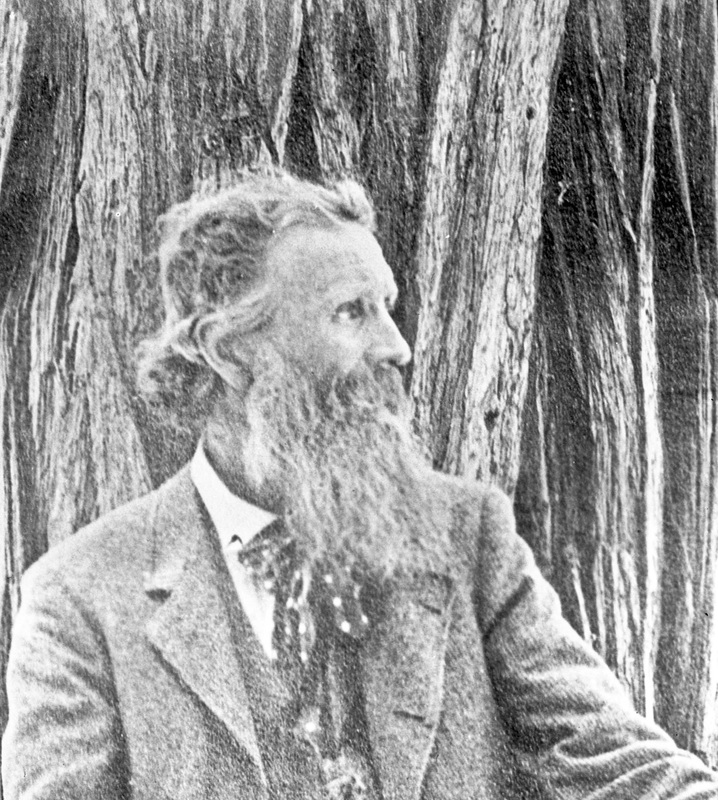
“After a general exploration of the Kaweah basin, this part of the Sequoia belt seemed to me the finest, and I then named it ‘the Giant Forest.’” — John Muir
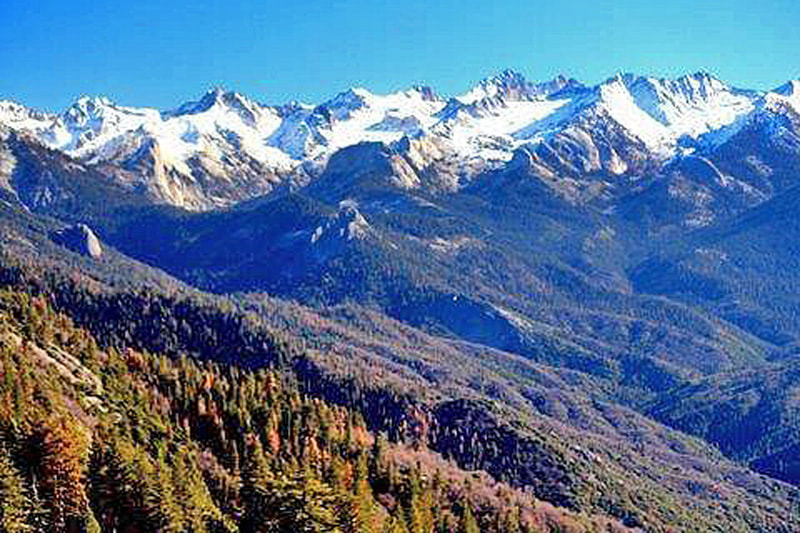
“It extends, a magnificent growth of giants grouped in pure temple groves, ranged in colonnades along the sides of meadows, or scattered among the other trees, from the granite headlands overlooking the hot foot-hills and plains of the San Joaquin back to within a few miles of the old glacier-fountains at an elevation of 8400 feet above the sea.” — John Muir
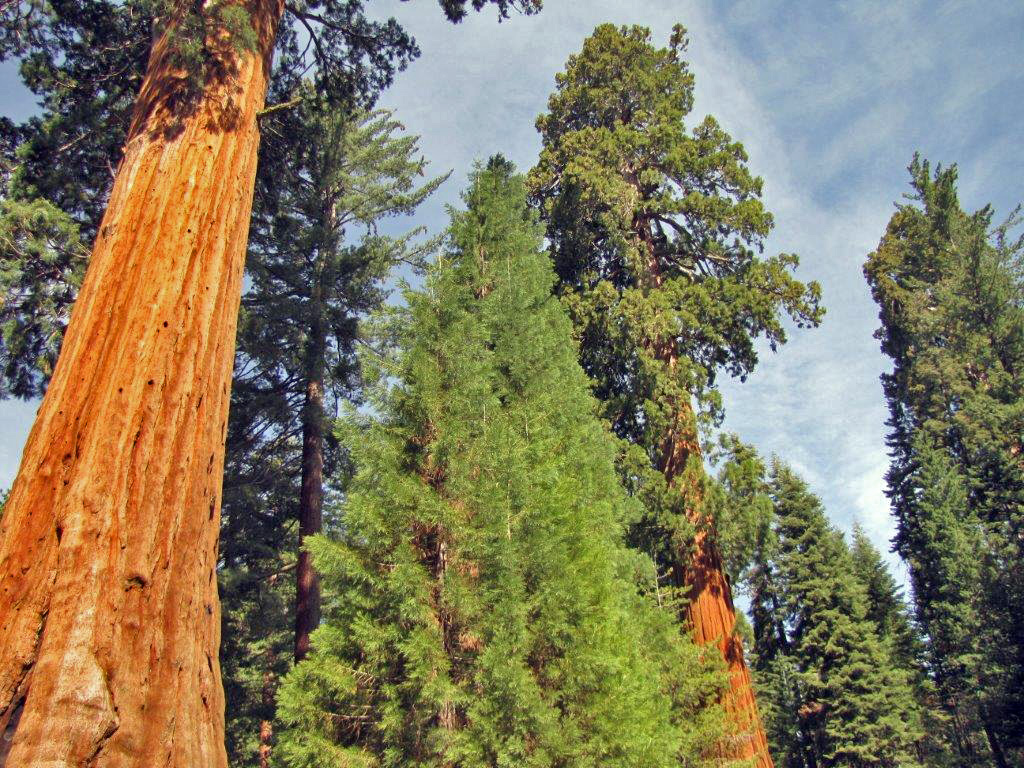
“Go where I would, sequoia ruled supreme. Trees of every age and size covered the craggiest ridges as well as the fertile, deep-soiled slopes, and planted their colossal shafts along every brook and along the margins of spongy bogs and meadows.” — John Muir
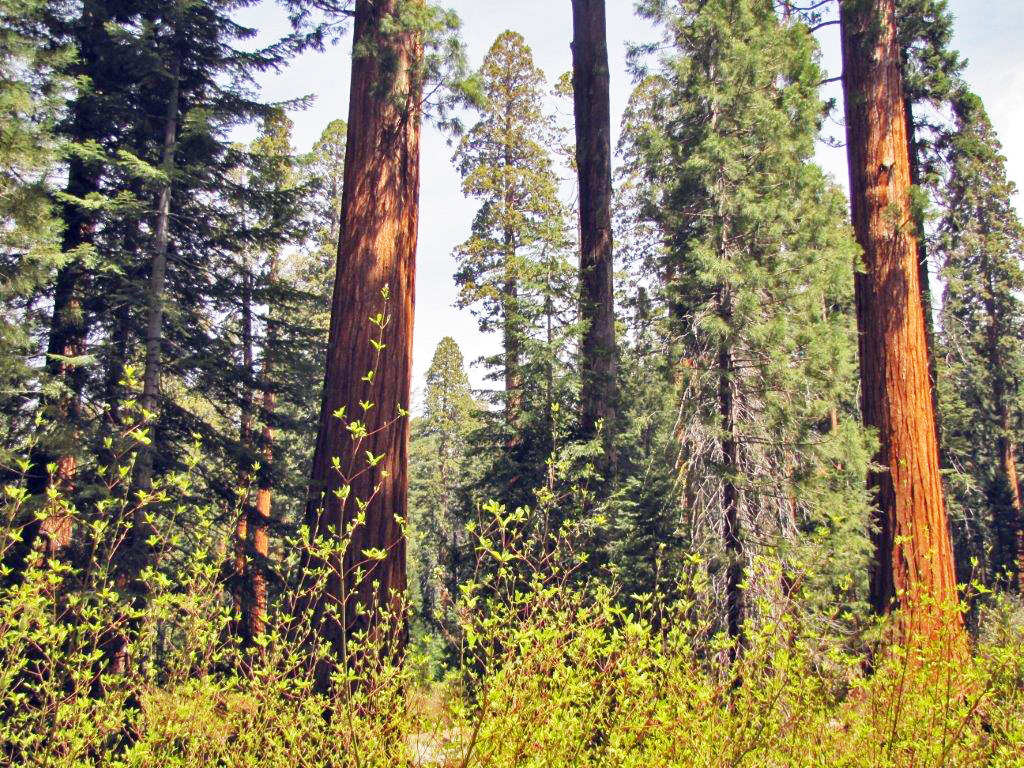
“. . . I discovered the majestic dome-like crowns of Big Trees towering high over all, singly and in close grove congregations.” — John Muir
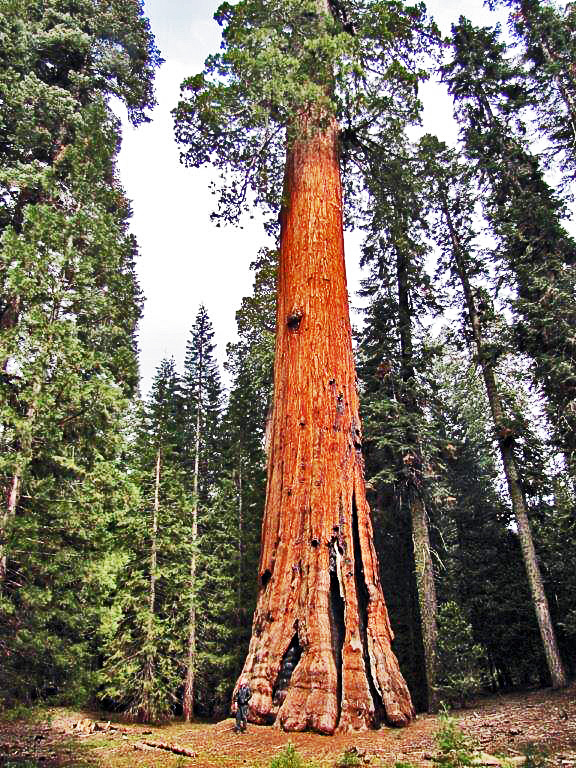
There is something wonderfully attractive in this king tree, even when beheld from afar, that draws us to it with indescribable enthusiasm; its superior height and massive smoothly rounded outlines proclaiming its character in any company, and when one of the oldest attains full stature on some commanding ridge it seems the very god of the woods.” — John Muir
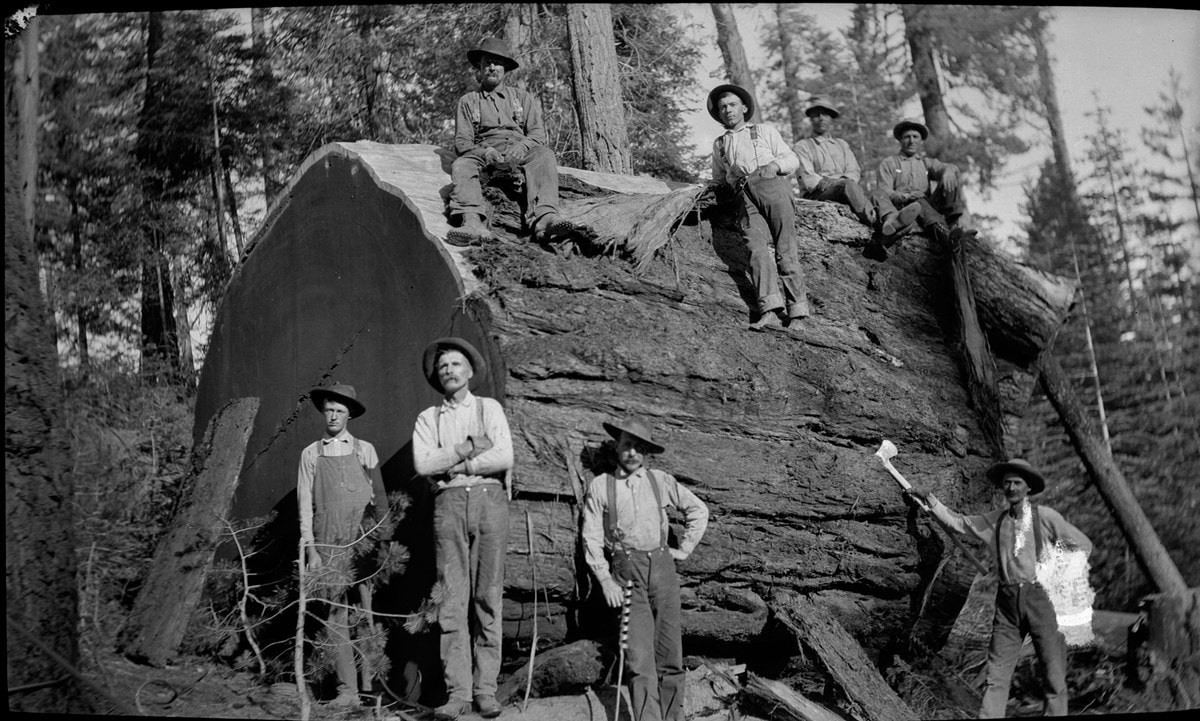
“Of all the forces on Earth, only man is capable of cutting down a sequoia, and only man is capable of fully appreciating its beauty. And fortunately, more than a century ago, the Government of the United States stayed the hand of all who would destroy this place and these trees. That decision . . . reflects an ethic of respect for the natural world that was once shared only by a few but is now a basic commitment of American life.” — George W. Bush
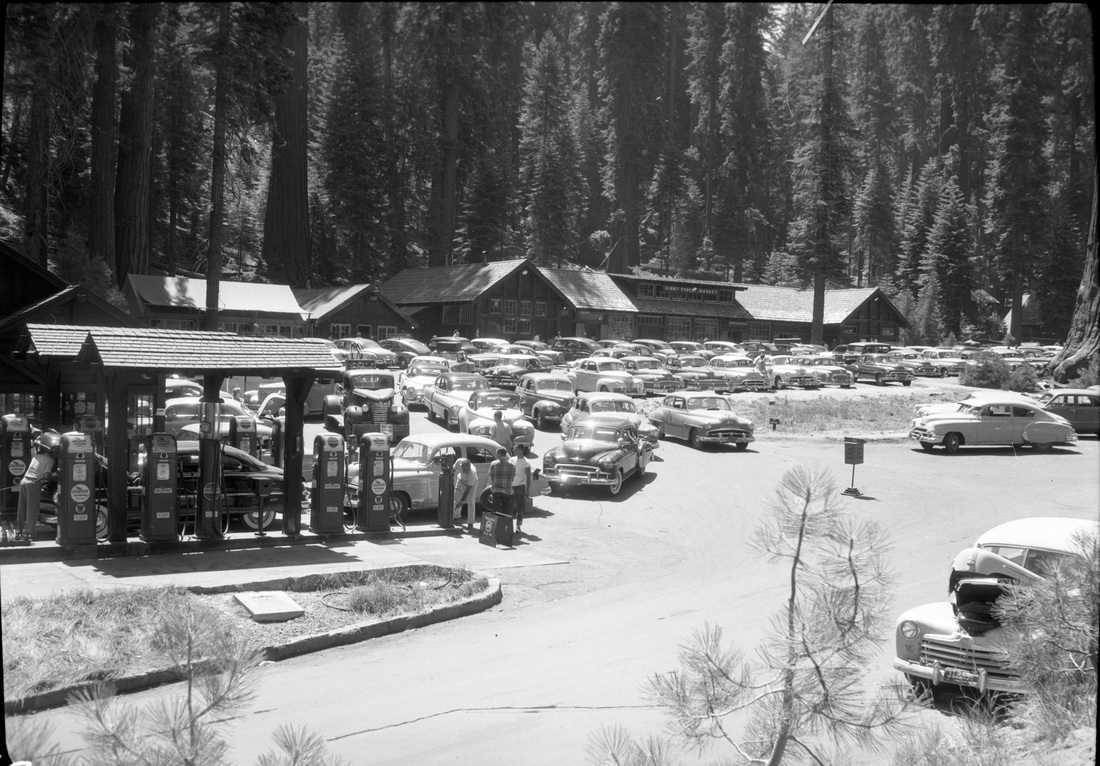
“We should boldly ask ourselves whether we want the national parks to duplicate the features and entertainments of other resorts, or whether we want them to stand for something distinct, and we hope better in our national life . . . . ” — Col. John R. White, Superintendent, 1936
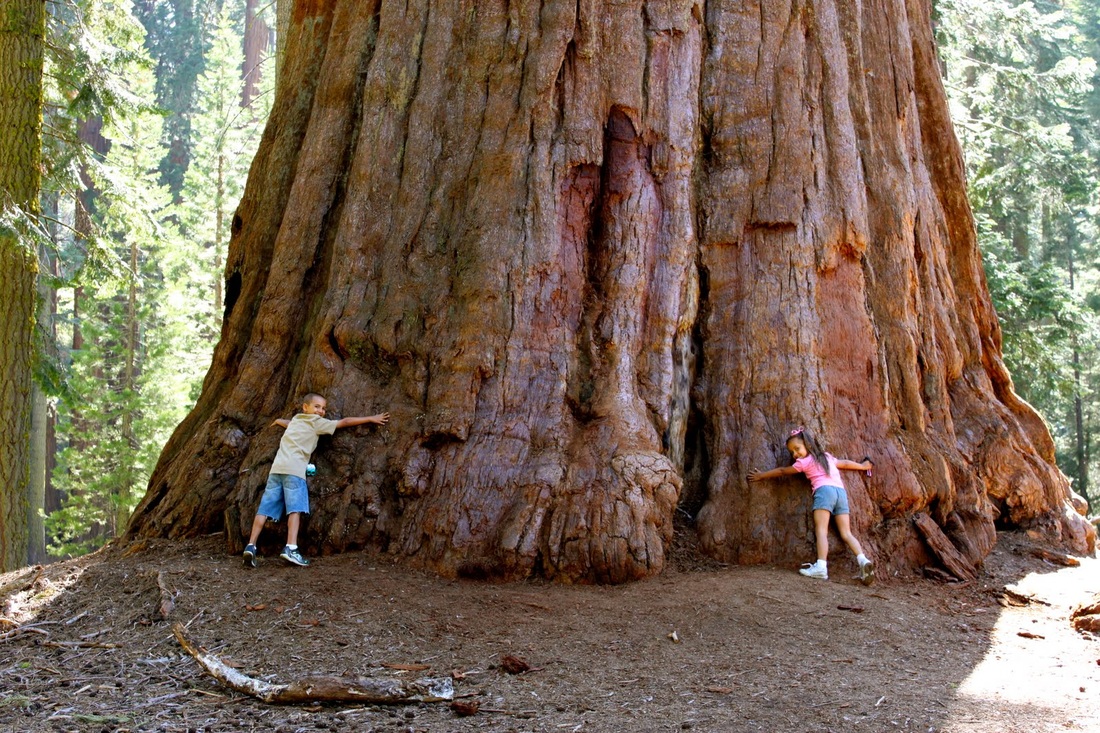
“[T]here is danger unless all plans are subordinated to that atmosphere which though unseen, is no less surely felt by all who visit those eternal masterpieces of the Great Architect which we little men are temporarily protecting.” — Col. John R. White, Superintendent, 1936
Directions:
From Visalia, take Hwy 198 east through Three Rivers to the Park entrance (entrance fee). Continue up into the Park on Generals Highway to the parking area across from the Giant Forest Museum. Giant Forest is entirely within Sequoia National Park.
Plan Your Trip: https://www.nps.gov/seki/planyourvisit/vehicle-restrictions.htm