Click on photos for more information.
The Story of the Hogwallow Preserve
by Delora Buckman
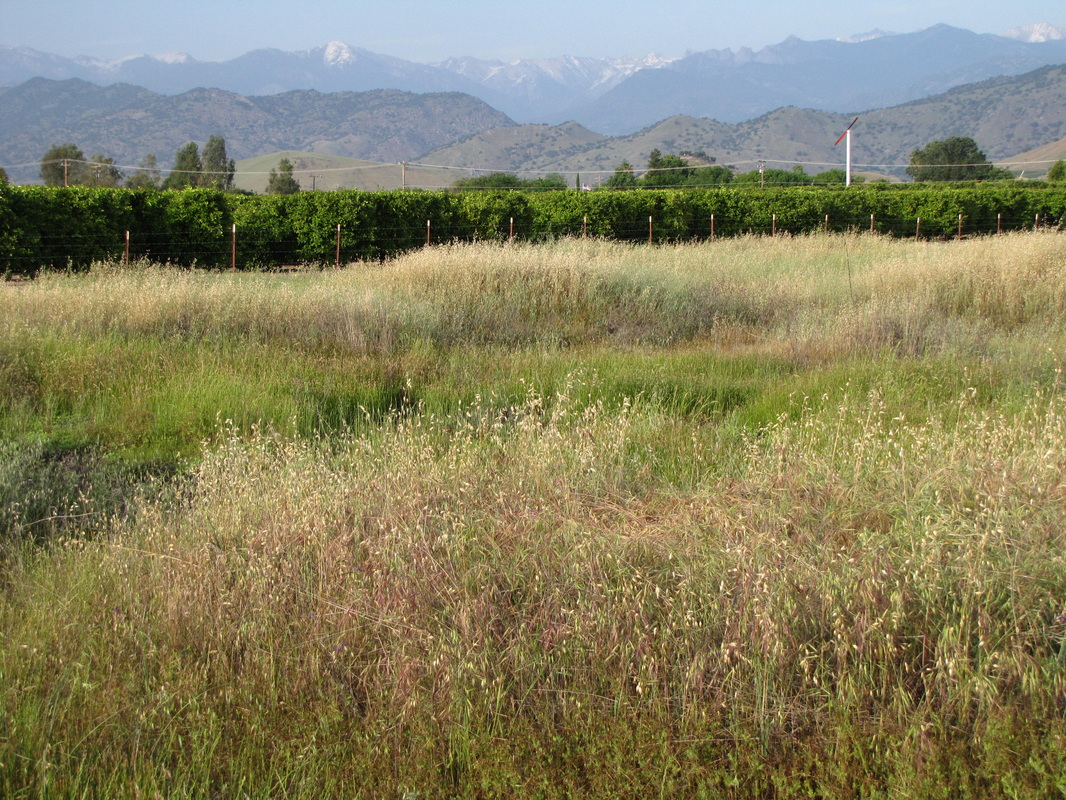
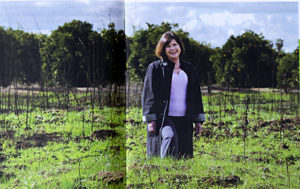
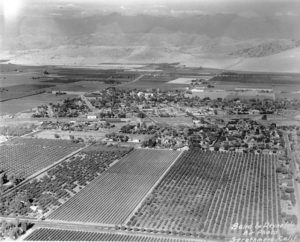
The Buckman family were Tulare County pioneers, arriving here in the late 1800s. The journey of those early settlers in covered wagons through mile upon mile of rough, uneven primitive land is an important part of our heritage; and it led to the creation of the Hogwallow Preserve – to protect in perpetuity some of that wild hogwallow land as it appeared for hundreds of thousands of years before intensive farming began.
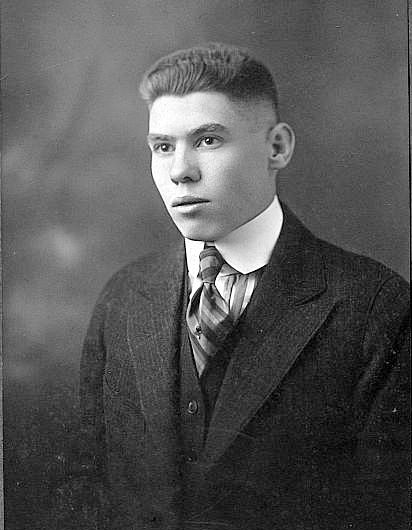
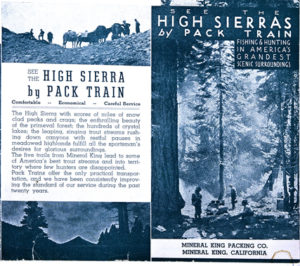
My father, Dr. Phil Buckman, purchased 40 acres of hogwallow property near Lindcove sight unseen in 1943. But he knew what he was getting. He knew the region well, having traveled through it every summer from his boyhood home in Exeter to the cool High Sierra country of Mineral King. He supported his college education by operating the Mineral King Pack Station during the summer months before graduating and eventually returning to Exeter to practice medicine.
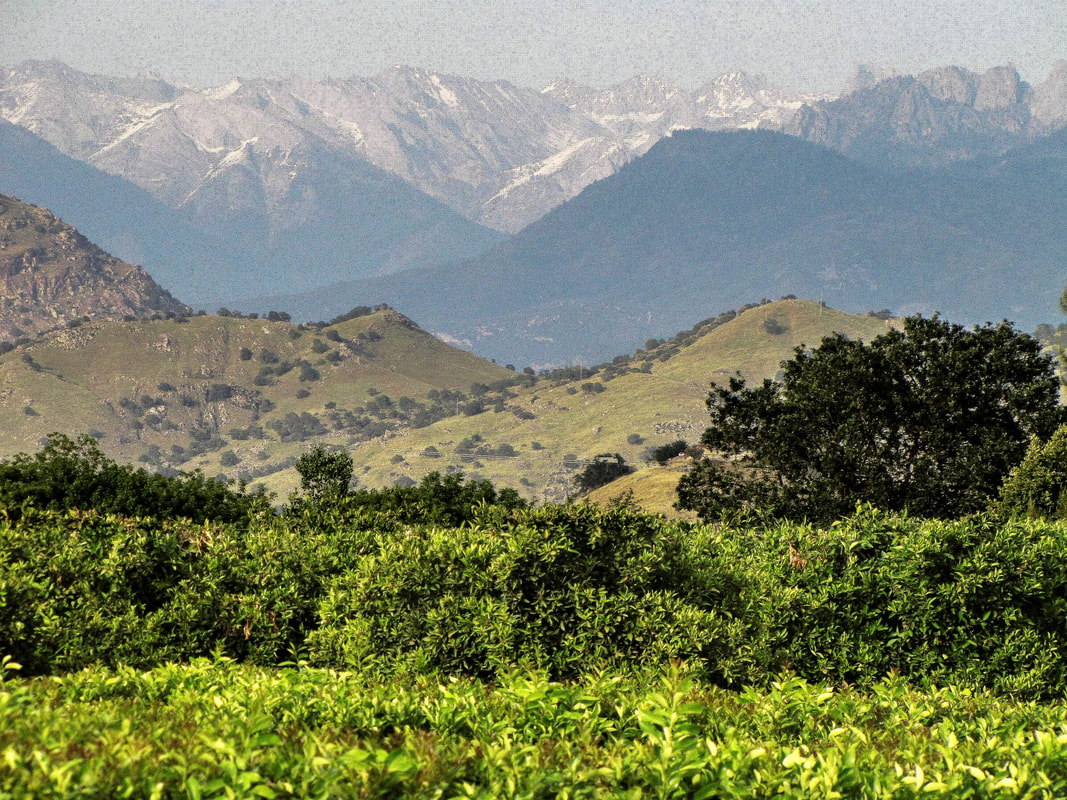
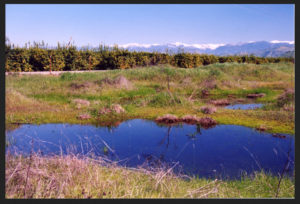
To him, the hogwallow land was much more than just a piece of property. It was one of his favorite places. He was humbled by the panoramic view of the Sierra Nevada that included Homer’s Nose and Sawtooth Peak. He used the clay soil to make the adobe bricks for his impressive home. He grazed livestock on the hogwallows’ mounds and swales and hunted quail. He appreciated the unique land’s rare plants, animals, and vernal pools, and its changing beauty in each season. He enjoyed its peace where he could sit quietly and hear birds sing.
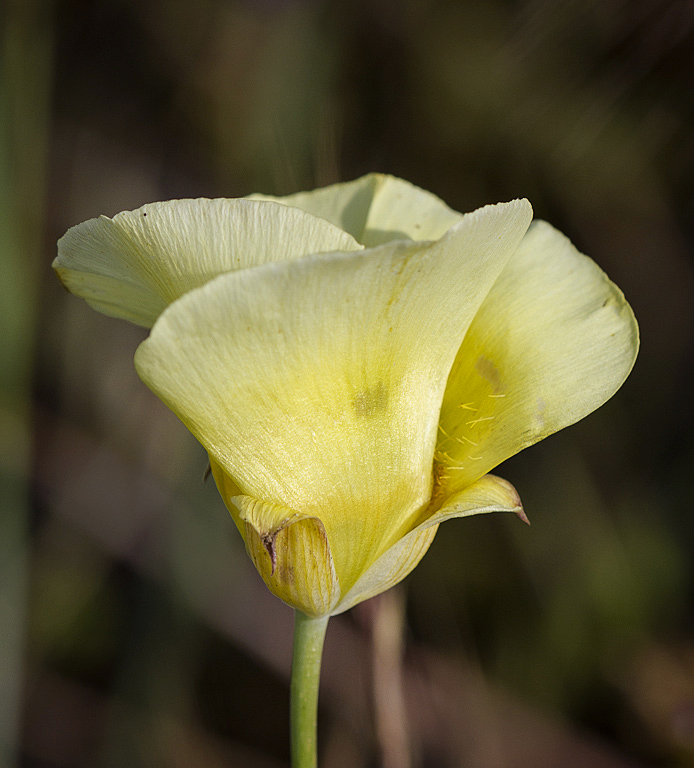
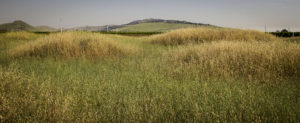
Hogwallows, also called mima mounds, are land forms of mounds and swales; some of the mounds are three or four feet high. Vernal pools appear in the low areas between the mounds in wet seasons, producing uncommon vegetation and providing habitat for wildlife. Mariposa lilies and brodiaea bloom during the spring; in the summer months the hogwallows are mostly covered with dried grasses.
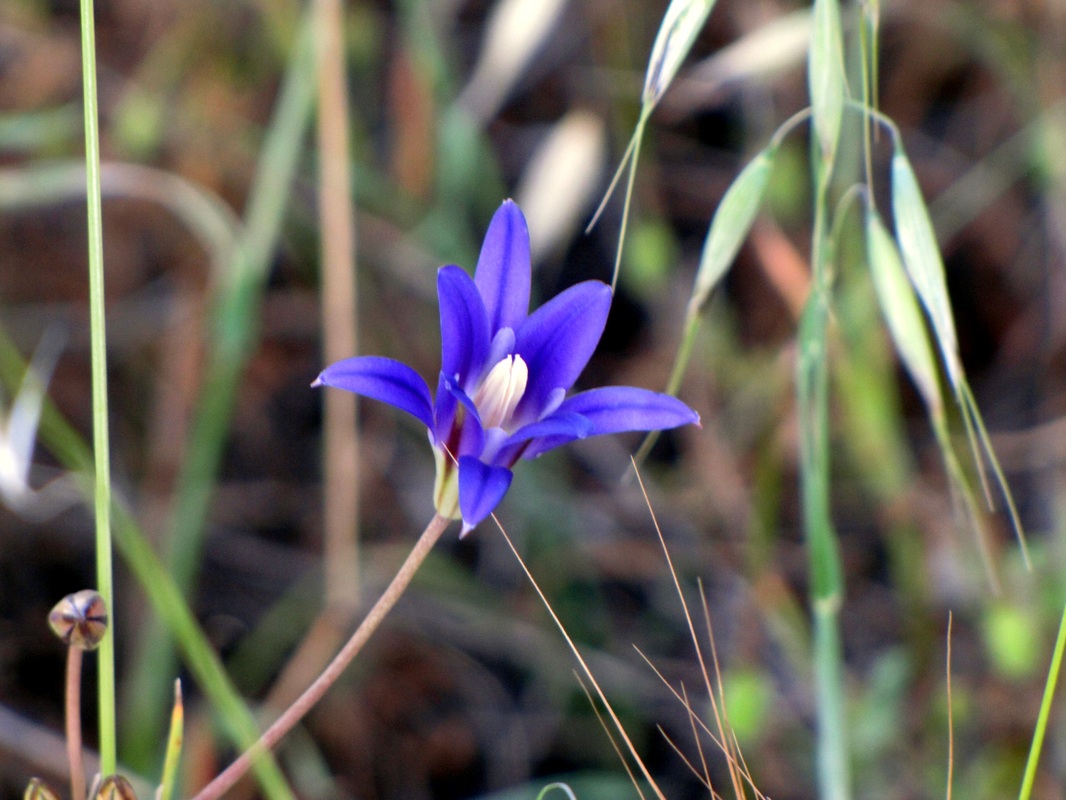
When we were children, my brother, sister, and I loved playing there, running up and down the mounds and discovering treasures like four-leaf clovers, frogs, and tiny, delicate plants. In really wet years when the vernal pools were very full, our hired man built a Tom Sawyer-type raft that we navigated across the pools by pushing with a long stick.
As nearby property owners leveled their parcels of native land to plant grapes and citrus, my father grew even more appreciative of the hogwallows. They once had covered thousands of acres in Tulare County, and soil scientists estimated them to be as much as 150,000 years old. He knew the mounds and swales were disappearing and he wanted to preserve an example of them for future generations. To him, the land was more valuable in its natural state than a cash crop or the profit from a sale.
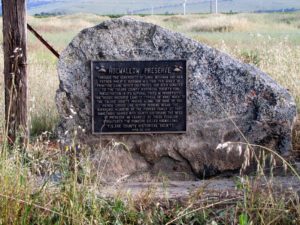
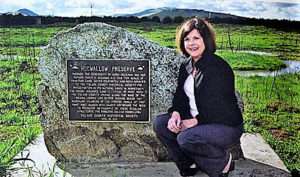
And so, on a beautiful day in April, 1979, the Hogwallows were formally dedicated to the Tulare County Historical Society to be preserved in perpetuity, through the generosity of Dr. Phil Buckman and his daughter, Carol Buckman.
I am very appreciative that my father and sister had the foresight to donate the ten acres of hogwallows to the Historical Society. Soil scientists continue to visit the preserve to study and evaluate the phenomenon of this ancient and remarkable landform. I hope that you, too, will visit the Hogwallow Preserve and enjoy seeing this piece of Tulare County as it once was.
June, 2013
Note: For additional information, see the Origins of the Hogwallows.
Read more about vernal pools at Mysterious Life of Vernal Pools.
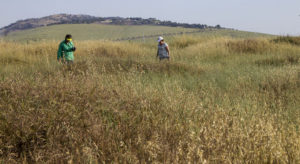
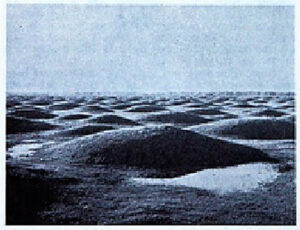
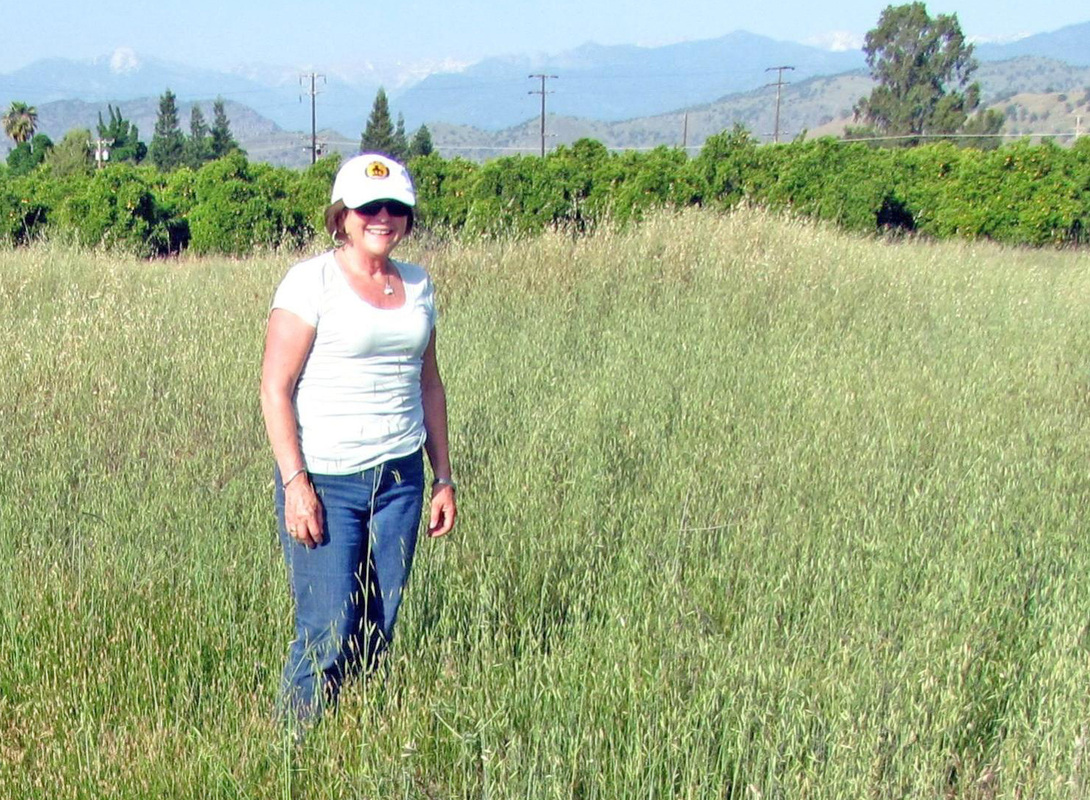
“For years people have said that a little patch of good ‘hog wallows’ ought to be preserved. They used to cover a considerable part of the valley near the foothills, but at the present rate of leveling they will soon be gone. The Society has done some work looking toward securing a few acres of these mysterious mounds. Should this effort be intensified?” — TCHS “Los Tulares,” #1, October 1948
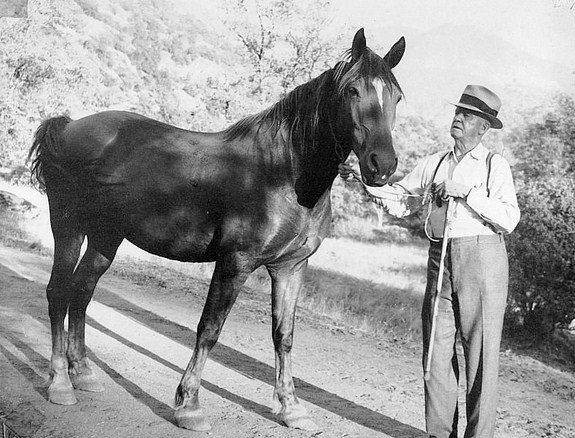
The Buckman family were pioneers, coming to Tulare County in the late 1800s, and homesteading property; the whole family farmed.” — Delora Buckman
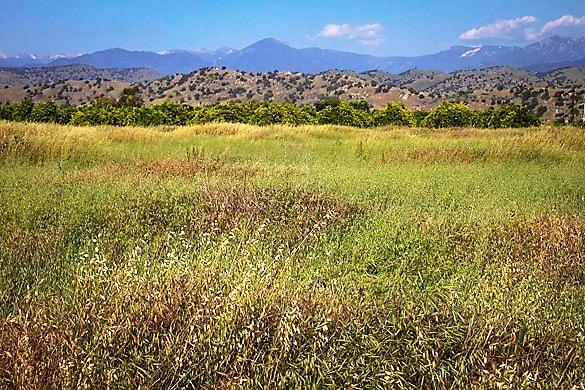
“If future generations are to remember us with gratitude rather than contempt, we must leave them something more than the miracles of technology. We must leave them a glimpse of the world as it was in the beginning, not just after we got through with it.” — Lyndon B. Johnson
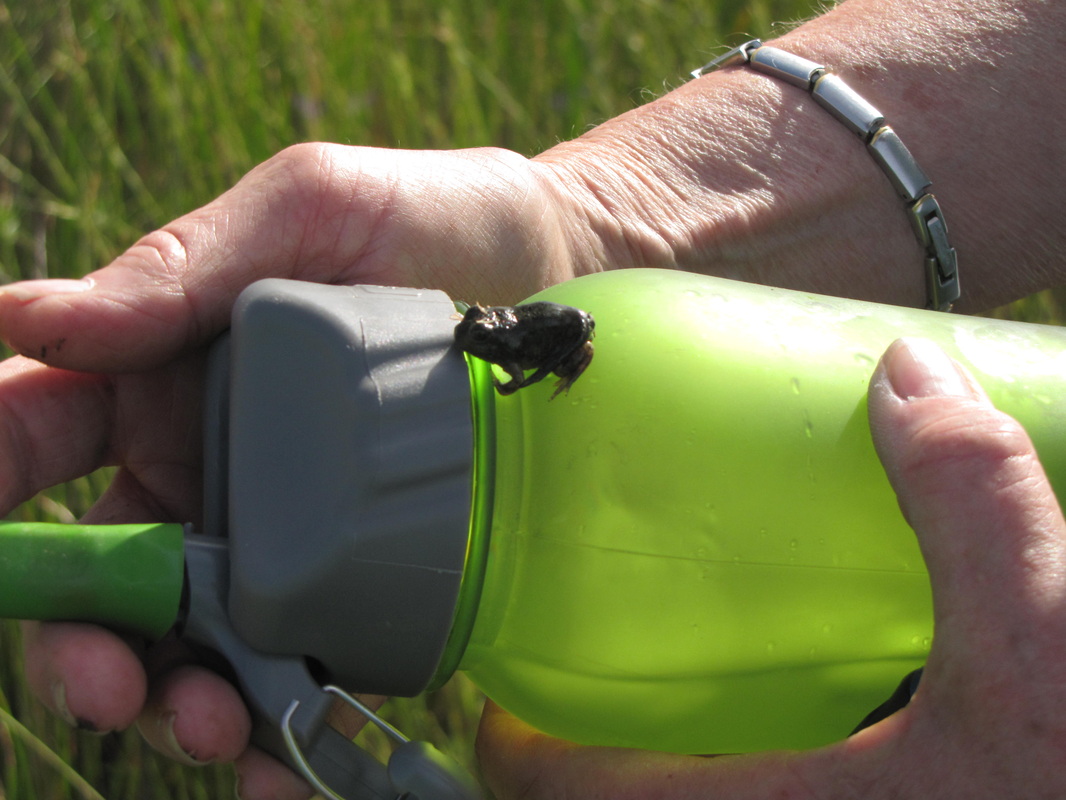
“[O]ne’s first appreciation is a sense that the creation is still going on, that the creative forces are as great and as active today as they have ever been, and that tomorrow’s morning will be as heroic as any of the world. Creation is here and now. . . . It is as impossible to live without reverence as it is without joy.” — Henry Beston
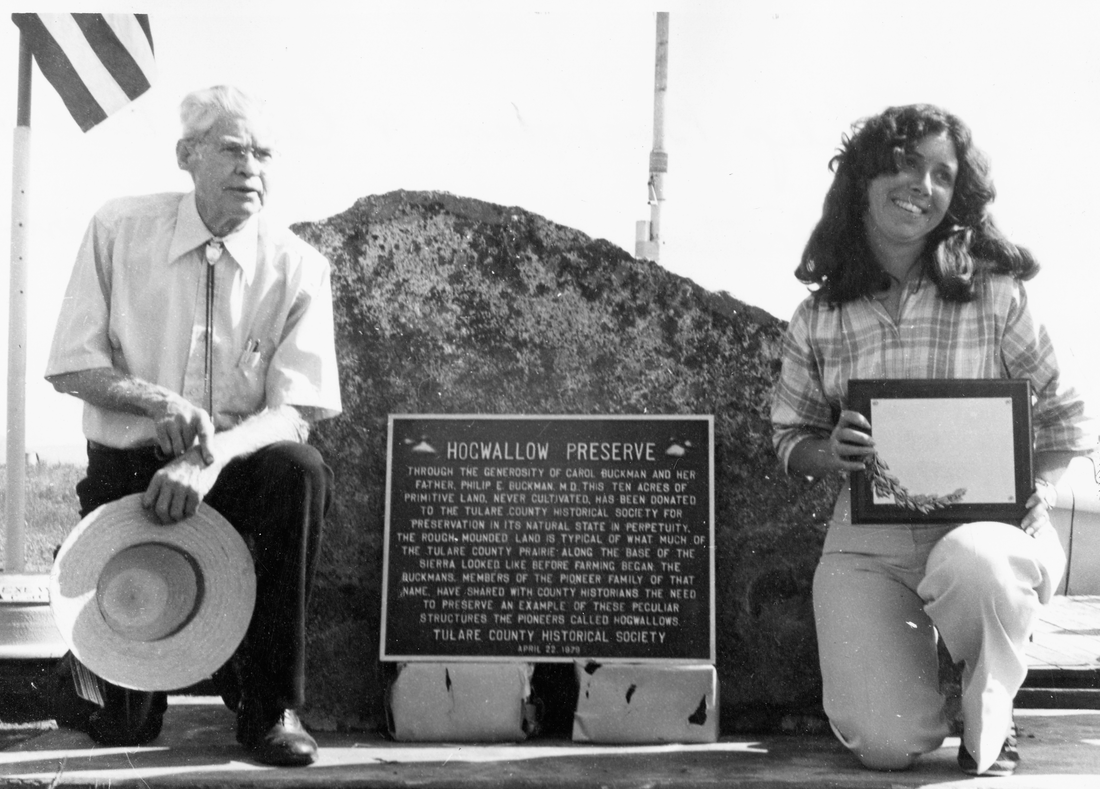
“Through the generosity of Carol Buckman and her father, Philip E. Buckman, M.D., this ten acres of primitive land, never cultivated, has been donated to the Tulare County Historical Society for preservation in its natural state in perpetuity. The rough, mounded land is typical of what much of the Tulare County prairie along the base of the Sierra looked like before farming began . . . . [T]hese peculiar structures the pioneers called hogwallows.” — Tulare County Historical Society, Preserve dedication plaque, 04/22/1979