Click on photos for more information.
The Story of Homer Ranch Preserve
by John Greening
Big Trees, the magnificent giant sequoias growing between 5,000 and 7,000 feet in our skyscraping Sierra Nevada, have made Tulare County world famous, and justifiably so. But our county is home to some other big trees that are also well worth visiting, beautiful in all seasons, and very easy to get to, with no mountain driving required. Head north from Lemon Cove for just a few miles on a scenic rural road and discover Homer Ranch Preserve, where majestic valley oaks and splendid sycamores enhance a picturesque foothill environment conserved and managed by Sequoia Riverlands Trust.
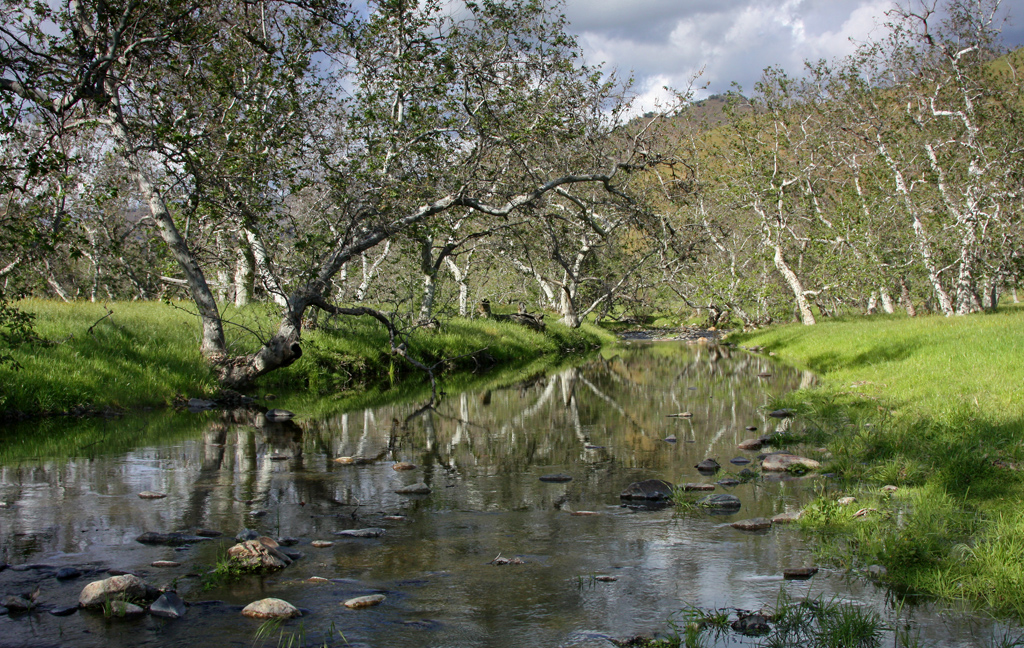
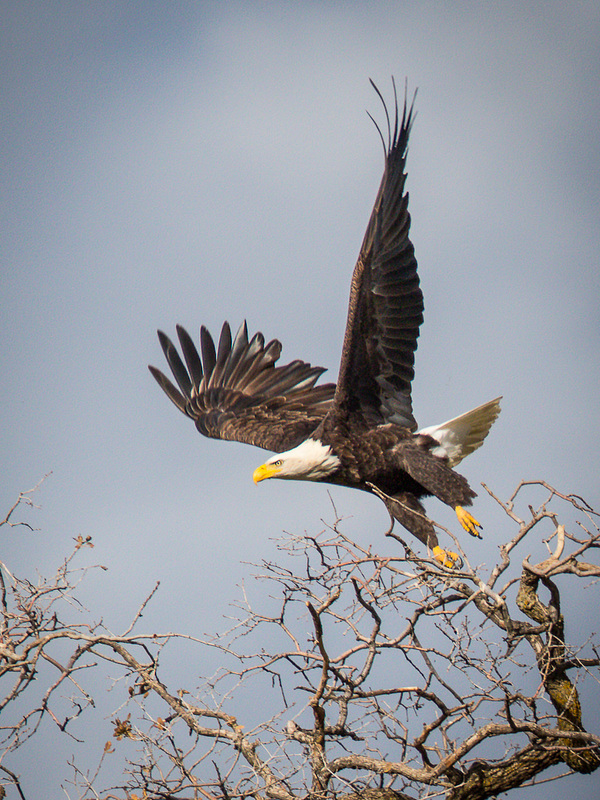
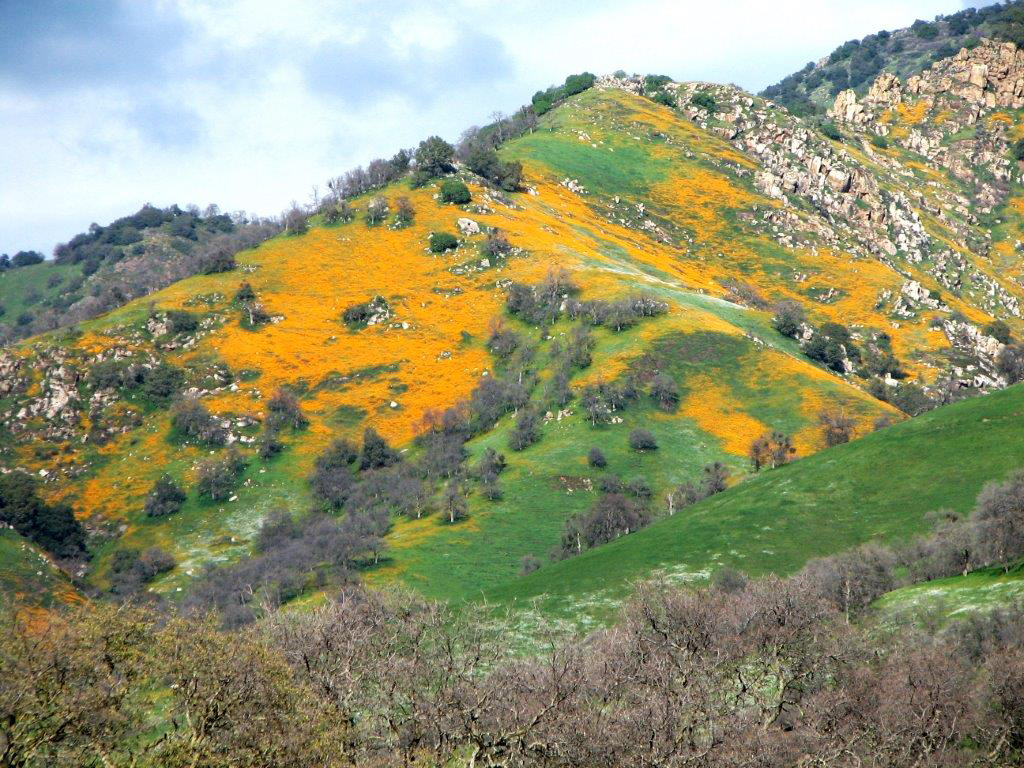
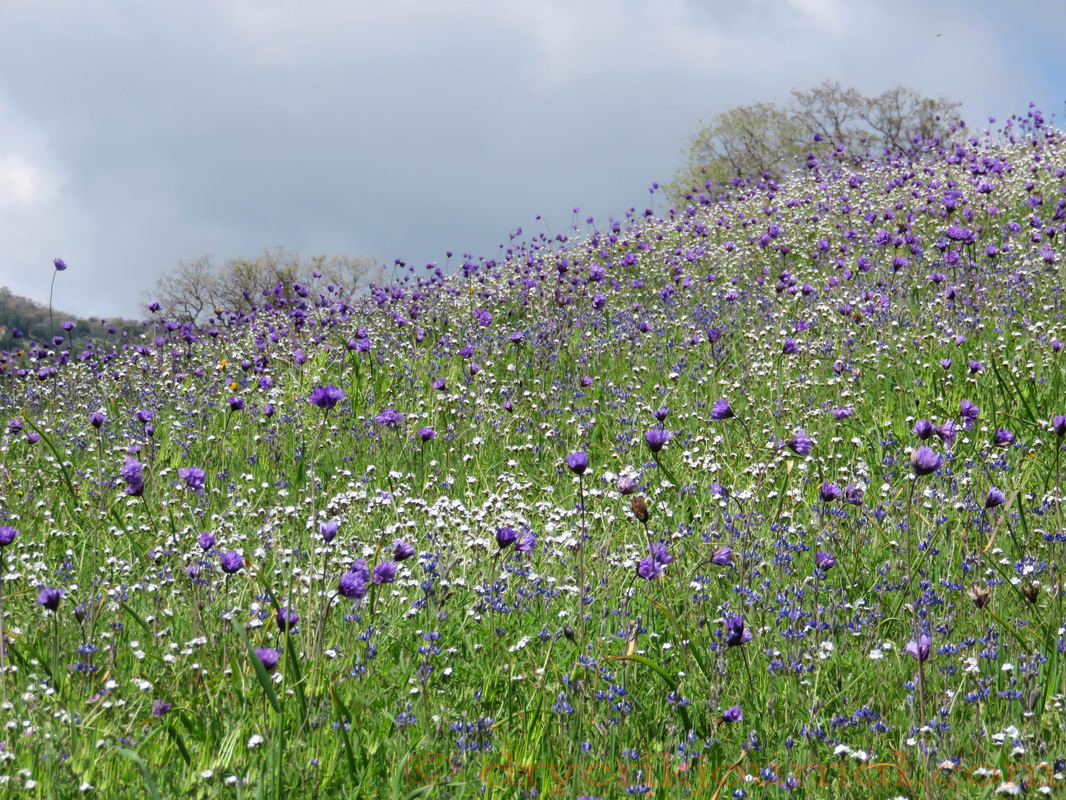
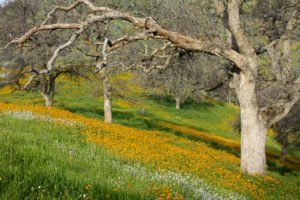
Spreading across 1,819 acres along Dry Creek Valley, the preserve protects one of California’s rarest habitats, a sycamore alluvial woodland, and provides critical habitat for native species such as the bald eagle, acorn woodpecker, and western pond turtle. The preserve combines historic land preservation with modern habitat-sensitive cattle ranching on its extensive grasslands and blue oak woodlands. In springtime, in most years, a spectacular display of wildflowers splashes the green hillsides with brilliant fields of yellow, orange, and purple.
Running through the valley is Dry Creek, a seasonal stream which drains approximately 25 square miles of watershed extending from the western edge of Kings Canyon National Park to its junction with the Kaweah River. The stream is shallow and dries up in the hot months, because it is not fed by any snowpack, but in wet winters it can produce startling, rejuvenating floods.
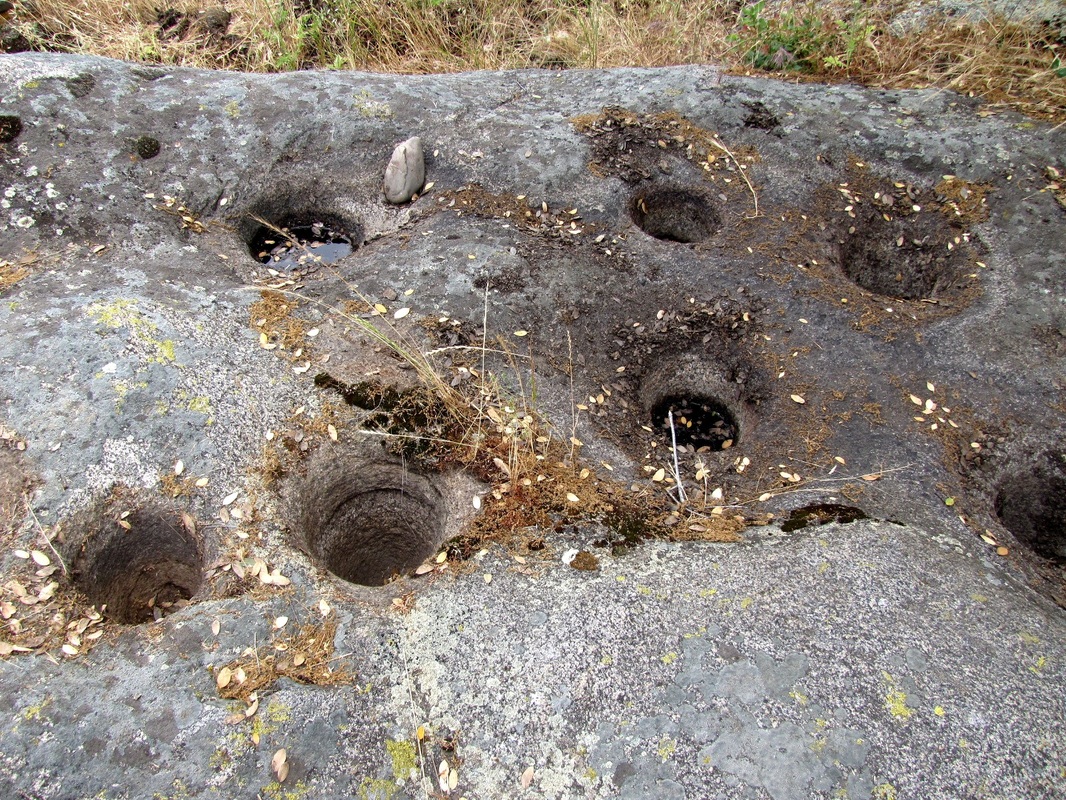
For many centuries, the Wukchumni Yokuts lived on and managed these lands. They used fire to stimulate the growth of useable plants. The men hunted small game such as squirrels and rabbits, and the women collected bulbs, seeds, and blue oak acorns. You can still see some of their mortar holes for grinding the acorns in two granite boulders just south of the preserve entrance. Remnants of campsites and villages in the valley give evidence of a stable, enduring population.
In 1882, the great-great-grandparents of Richard Homer settled and began ranching here. For 120 years, generations of the family raised cattle along Dry Creek. Then, in 2002, Richard and his wife, Stephanie, inspired by a visit to the Kaweah Oaks Preserve, approached Sequoia Riverlands Trust (SRT) about selling the ranch. They were moving out of state and wanted to ensure that their land would continue the Homer heritage as a working cattle ranch, but also that it would allow people to visit and enjoy its beauty.
SRT was immediately interested in the Homers’ offer to sell the ranch because the creek area along its western edge hosts such a significant sycamore alluvial woodland. Only 17 areas in the state still support this habitat, and Dry Creek is the second largest of these. The large size of the property prompted SRT to partner with The Nature Conservancy to raise funding for the $1.5 million purchase price. Generous support from the River Parkways program of the California Resources Agency and from the David and Lucile Packard Foundation met the goal.
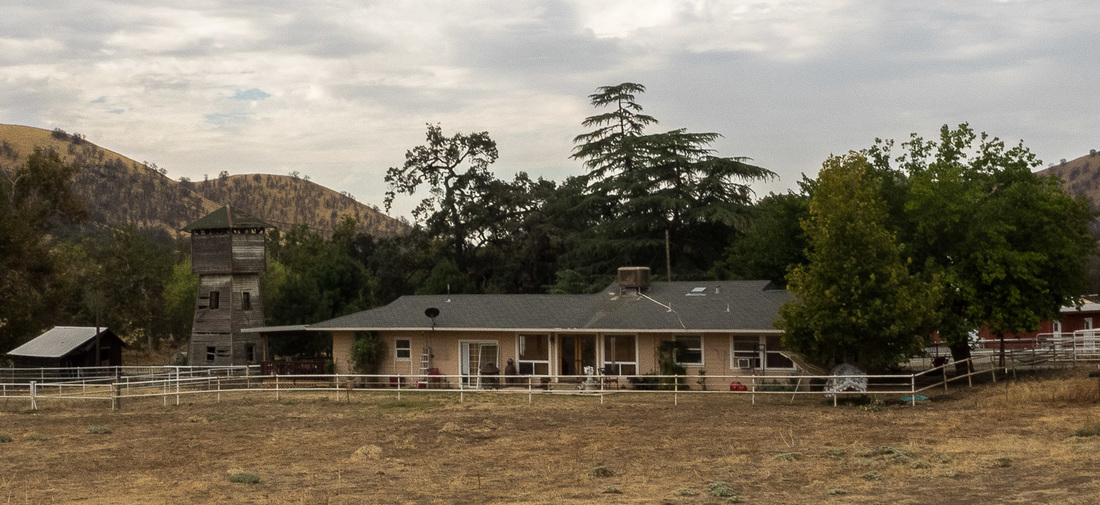
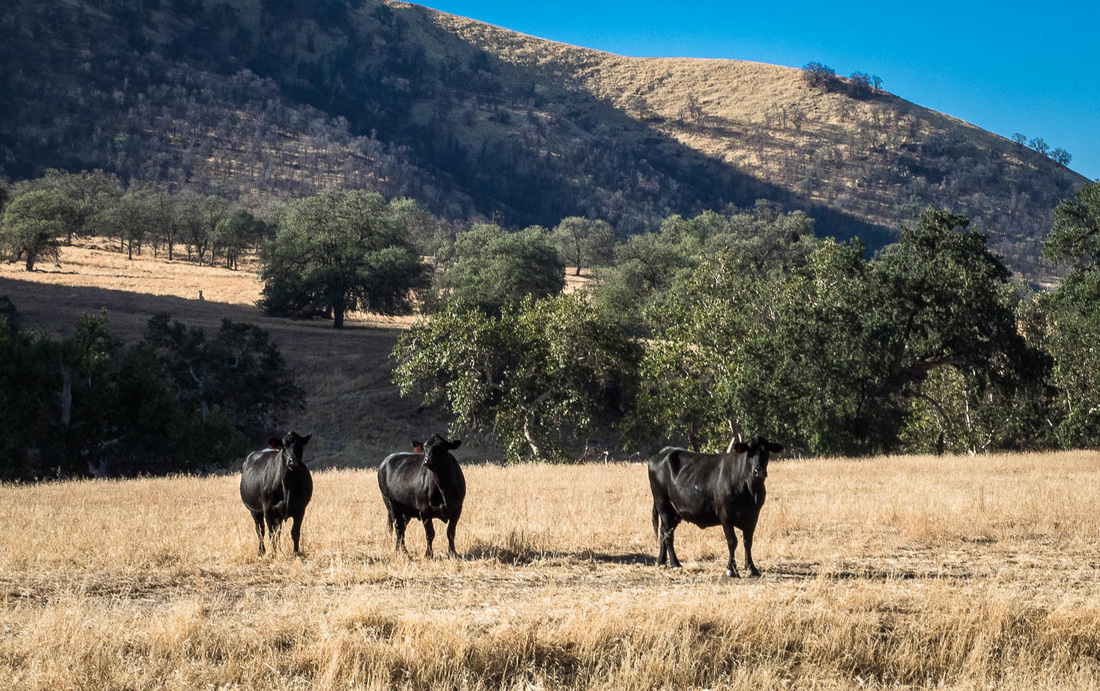
In June, 2004, SRT, in partnership with The Nature Conservancy, announced the enduring protection of the Homer Ranch lands. Cattle grazing would continue under a conservation plan as an integral part of managing the preserve, to ensure that invasive, non-native grasses would not out-compete and overwhelm the native species.
After acquiring the land, SRT’s initial challenge was to upgrade the fencing and to develop several water sources for the cattle to keep them away from the overgrazed creek area, where they were even eating the sycamores. By 2012, the fence work was completed, and three springs and ponds in the hills to the east had been rehabilitated, allowing the cattle to be moved away from the creek in summer.
Before cattle came to the San Joaquin Valley, elk would intensively graze an area and then move on, often not returning for several years. The elks’ hooves broke up the ground, allowing seeds, including the sycamores’, to become established. To learn what grazing patterns will be most effective today, SRT is partnering with Point Blue Conservation Science and the National Resources Conservation Service (NRCS) to establish sustainable grazing practices that are compatible with preserving the native species present.

After completing baseline inventories of native and non-native species distributions, the land trust and Point Blue, working with the preserve’s grazier, will experiment with modern rotational grazing patterns. The results will be shared with interested ranchers, so that they can evaluate options for their own land.
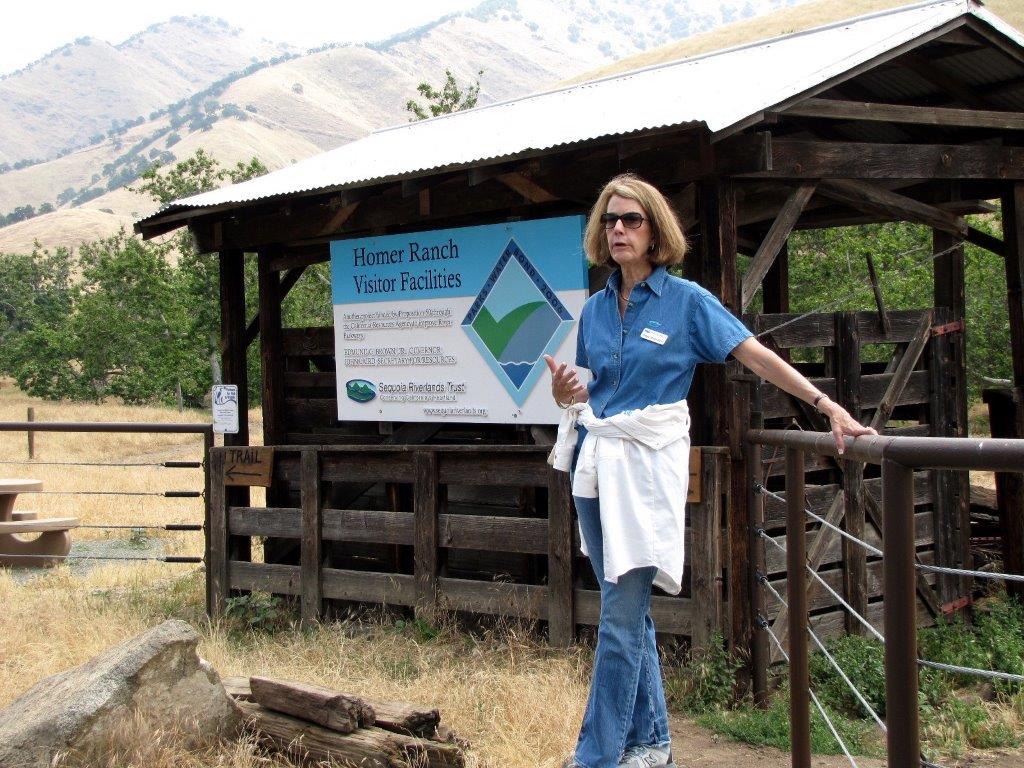
SRT completed another important project in 2012, the construction of a parking lot and a network of trails on the ranch, open on weekends all year except in summer and early fall, when fire danger is too high.
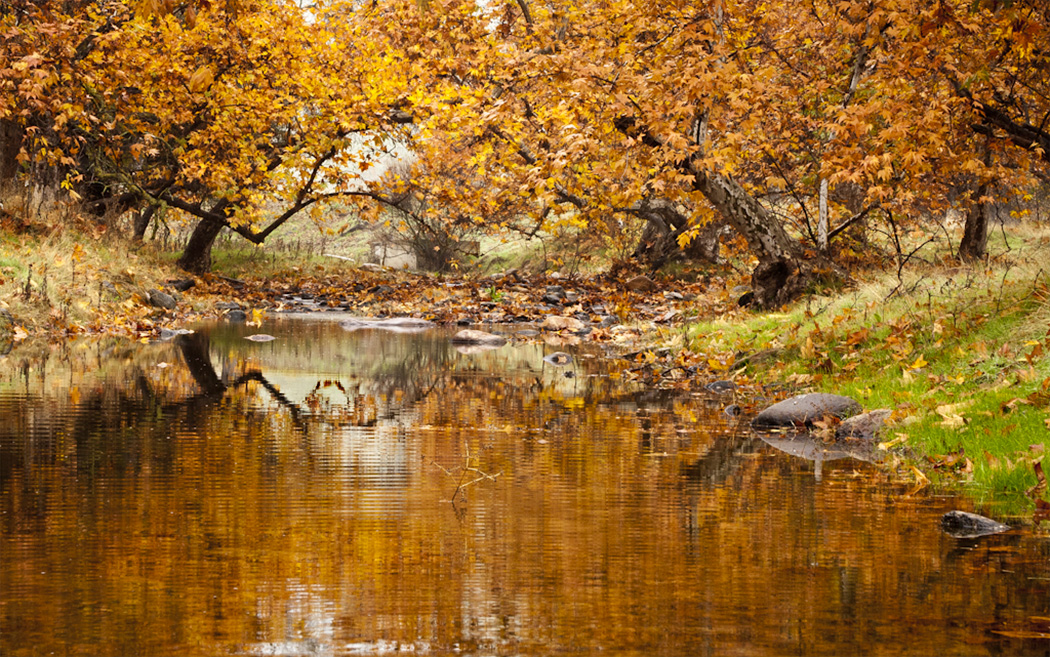
Late November is one of the nicest times of the year to enjoy the Homer Ranch trails. Fall storms and cooler weather then are turning the grasses green and coloring the big, leathery, five-lobed sycamore leaves yellow and red-orange, striking against the trees’ sinuous white trunks and limbs mottled with exfoliating bark. Dry Creek swells and sometimes floods, bringing new alluvial soil and sycamore seeds to higher ground, and recharging the aquifer.
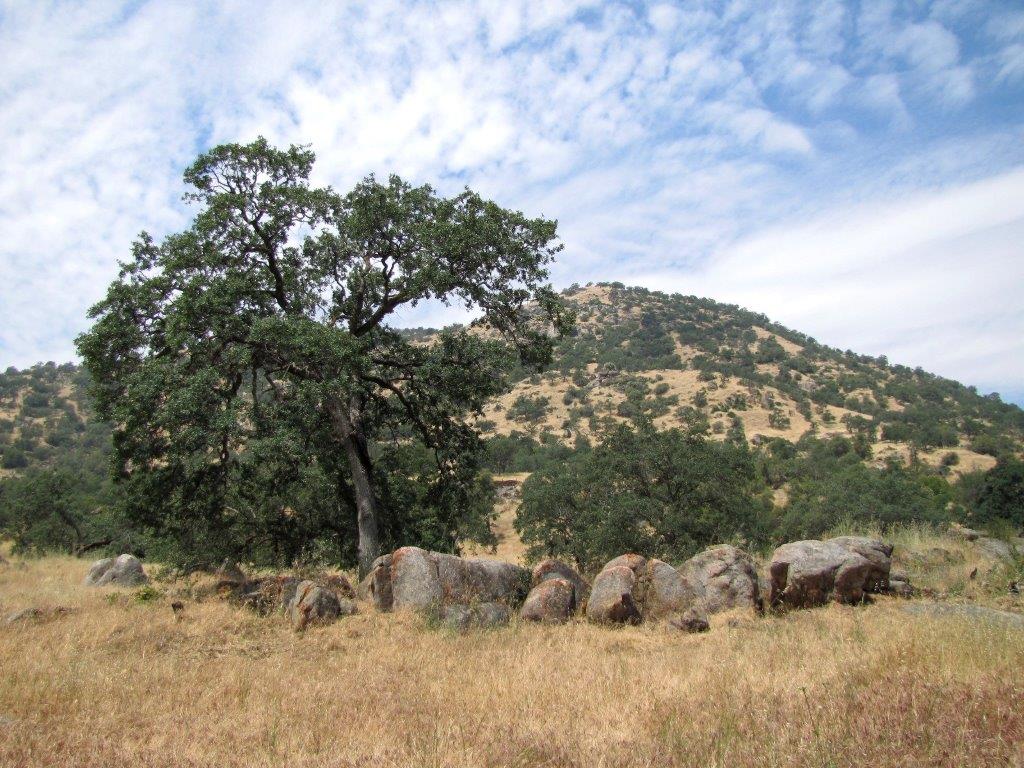
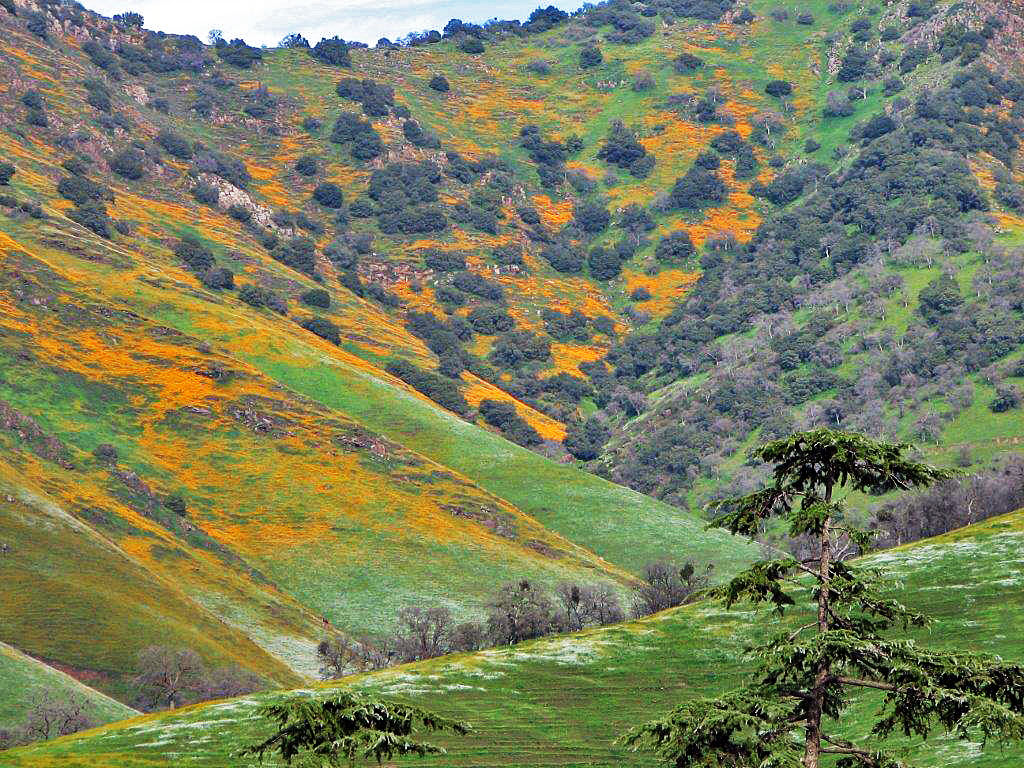
At the western edge of the floodplain, live oak trees shade granite boulders. To the east, an extensive blue oak woodland climbs the foothills, densest in the rocky canyons and on the north-facing slopes, while the south-facing slopes and flatter areas are covered with native perennial bunch grasses and annual non-native grasses.
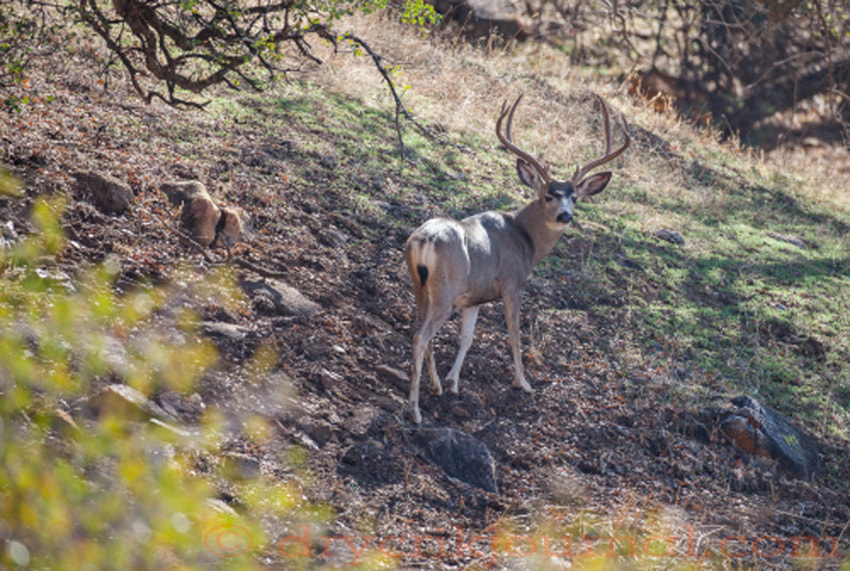
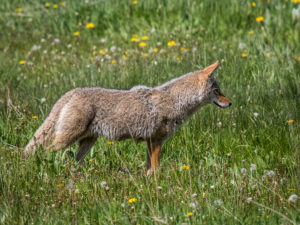
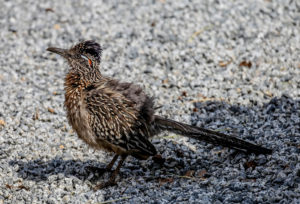
Watch for birds and small animals, black Angus cattle, and high-soaring hawks. Savor the solitude and the aromas of autumn as you walk where Wukchumni people once flourished.
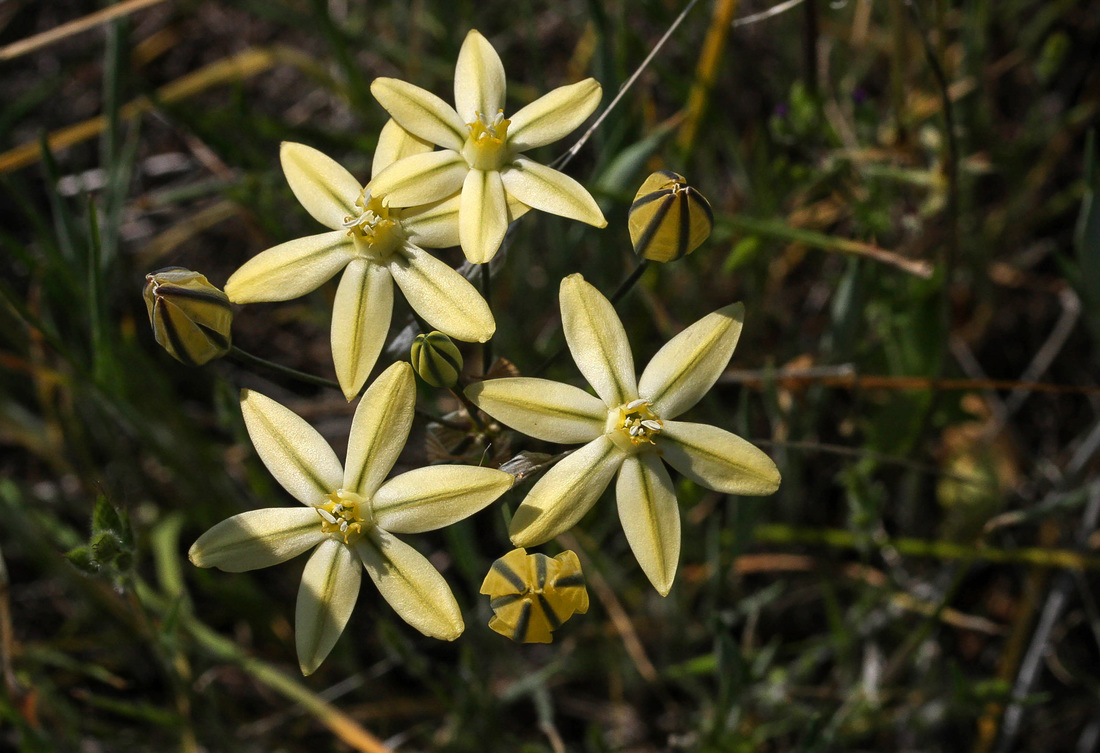
Be sure to come again in spring, when California poppies, lupine, fiddleneck, popcorn, clarkia, madia, and other wildflowers spread sensational patches of color across the grasslands and up the hillsides. At pastoral, historic Homer Ranch, you can still experience an exceptional Tulare County landscape that is little changed from when the first European settlers arrived.
(History Note: When Richard Homer’s great-great-grandparents and other European-American settlers such as the Pogue family arrived in their covered wagons and established homesteads there, Dry Creek and Dry Creek Valley were known as Limekiln Creek and Limekiln Valley, as they were named in Thompson’s Atlas of 1892.)
November, 2015
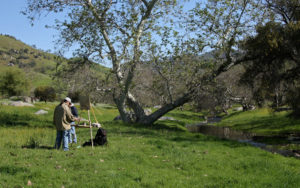
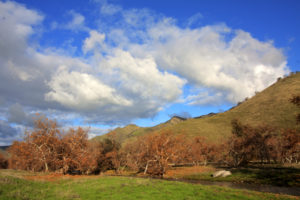


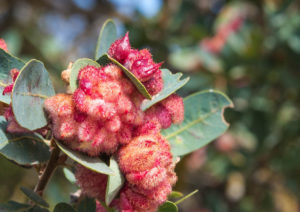
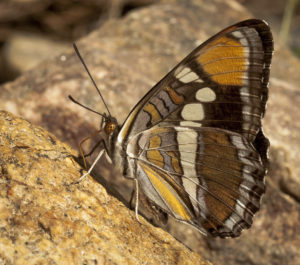

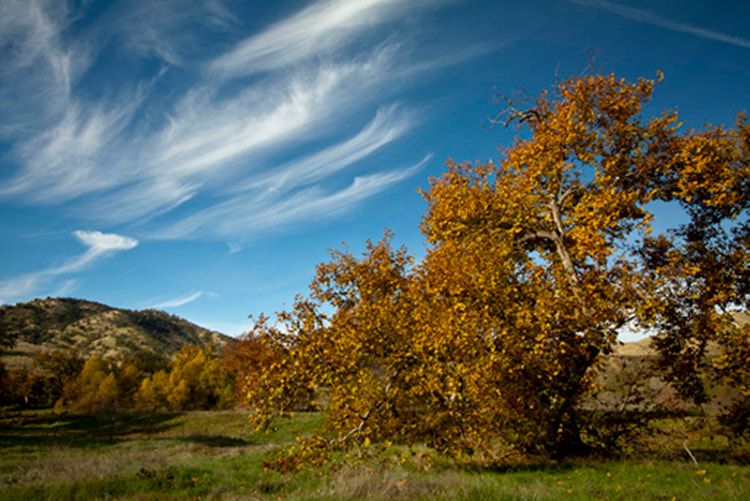
“The Dry Creek Watershed supports one of the most extensive stands of nearly pure California sycamore woodland in the world.” — Bobby Kamansky
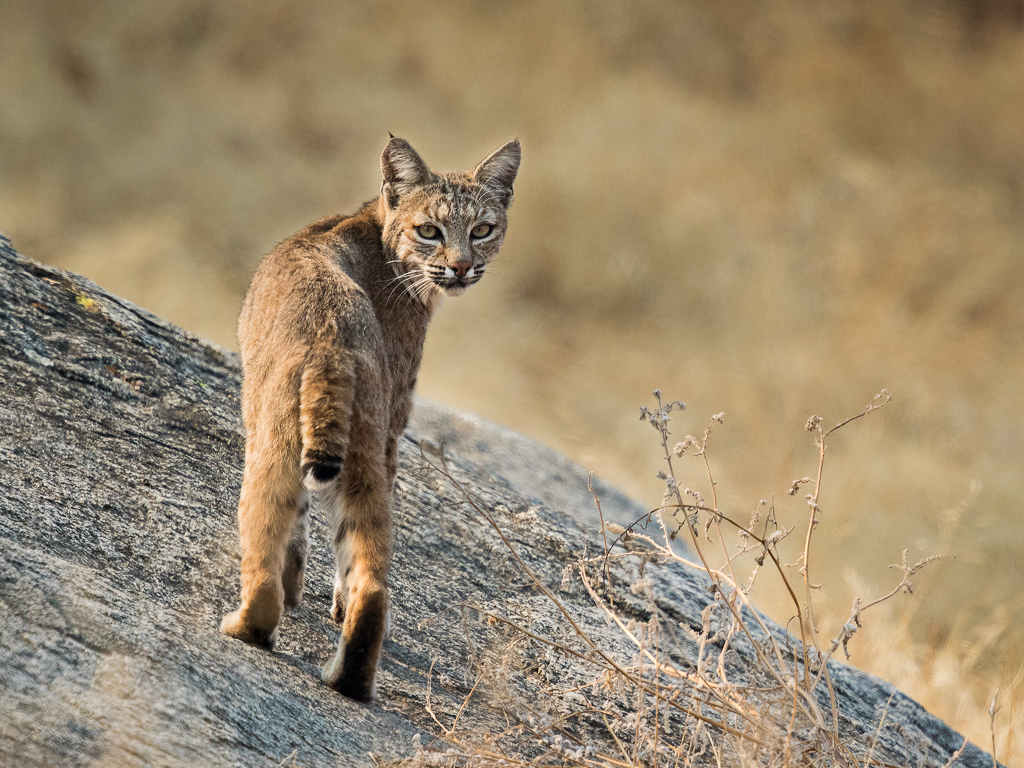
“California’s critical watersheds count on oaks to hold soil and filter the water supply needed for a growing population. Oak woodlands — those densely wooded areas where the dominant trees are oaks — support a surprising variety of wildlife.” — Janet Cobb
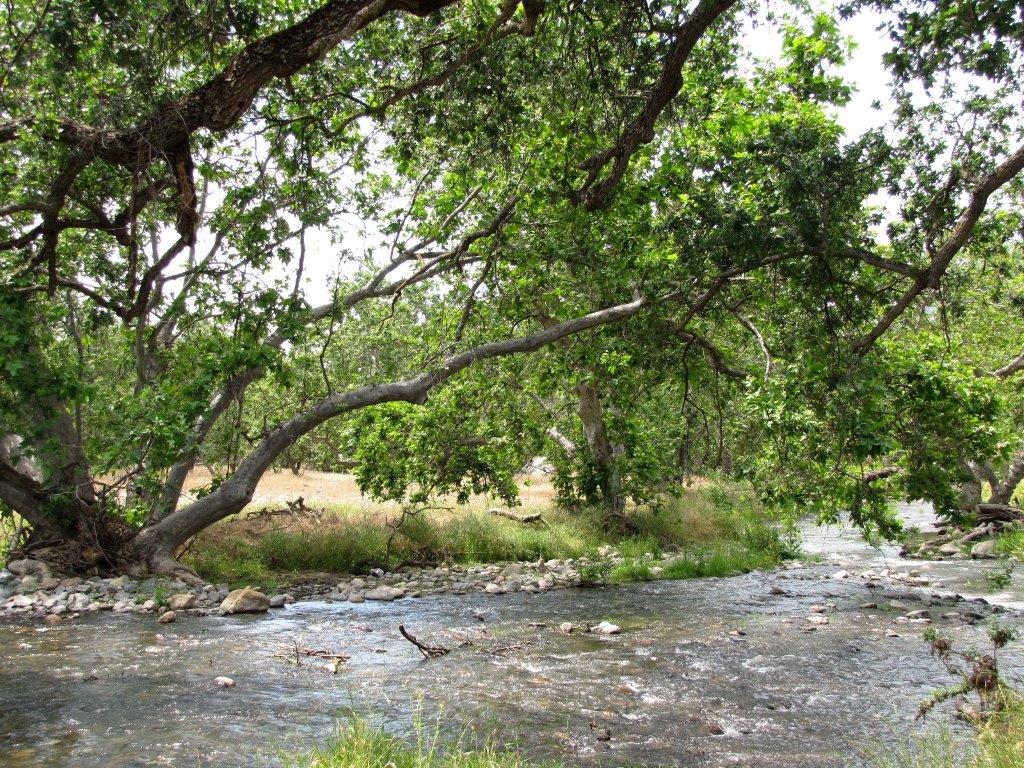
“If you want to feel whole again, sit with the creek and its meanderings through the old sycamores here.” — John Dofflemyer
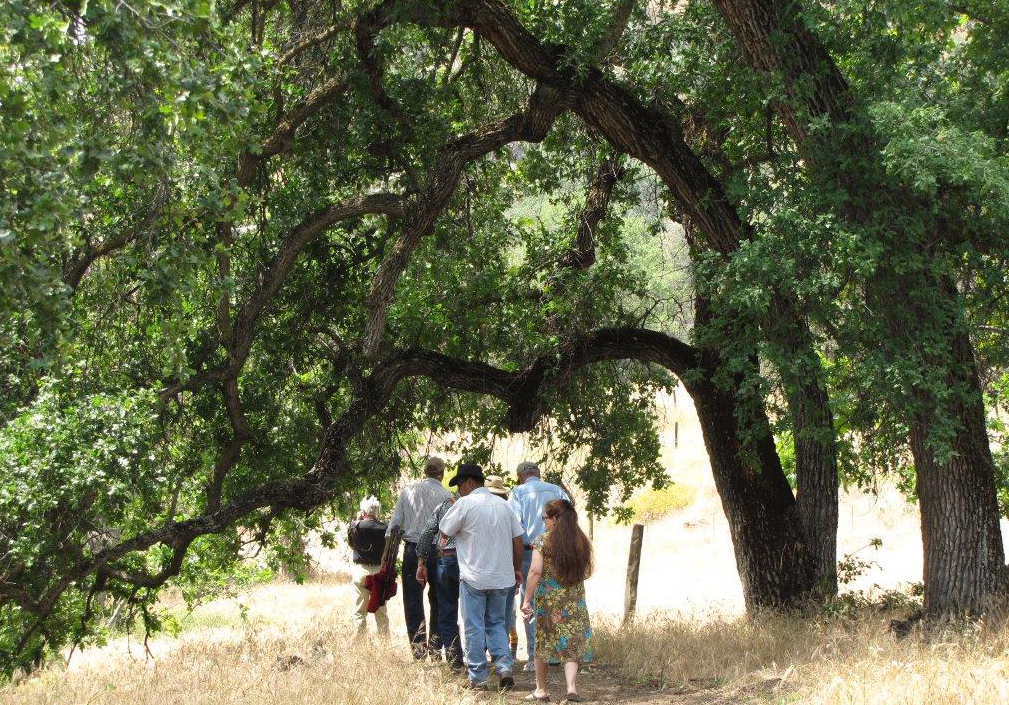
“It comes to me only now/That time is short for natives/Unless you are an oak/ Making shade and acorns/For the future/Adding more than/You take away /From this earth /– this tilted plain/ Of clay and rock — /sacred places/ Under oaks where we can talk.” — John Dofflemyer
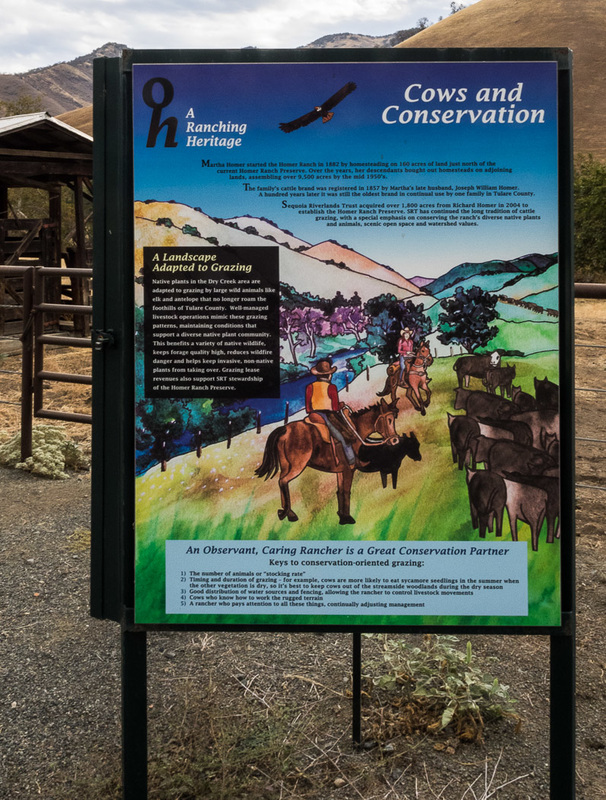
“The truth is: the natural world is changing. And we are totally dependent on that world. It provides our food, water, and air. It is the most precious thing we have, and we need to defend it.” — David Attenborough
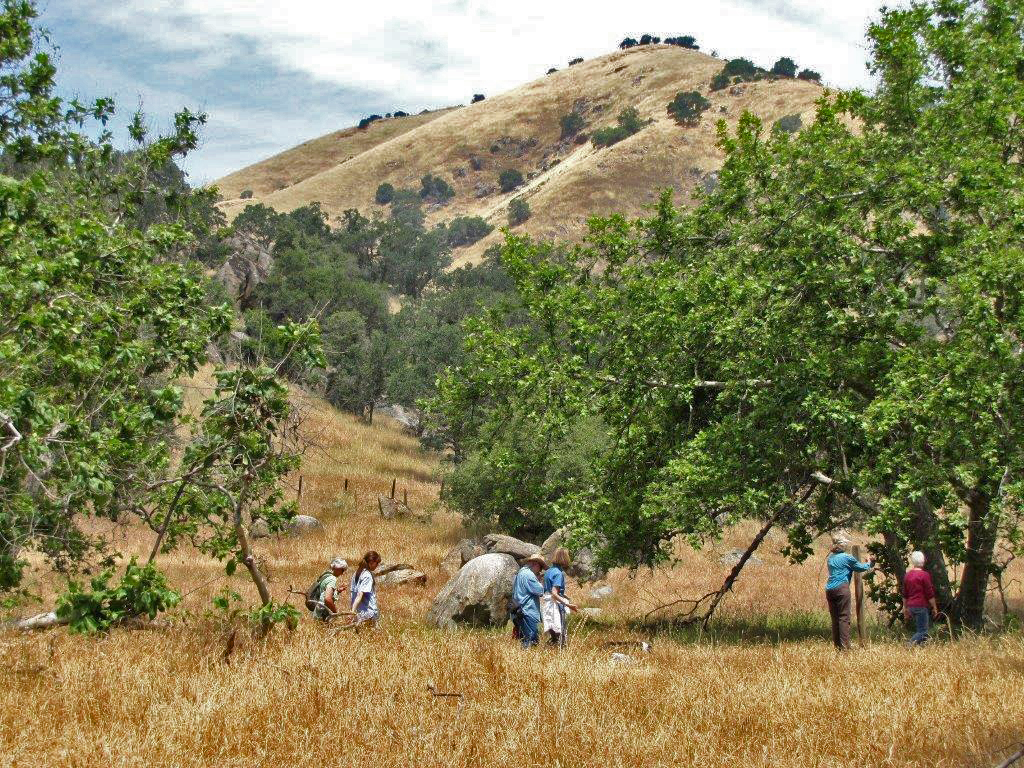
“There is new life in the soil for every man. There is healing in the trees for tired minds and for our overburdened spirits, there is strength in the hills, if only we will lift up our eyes. Remember that nature is your great restorer.” — Calvin Coolidge
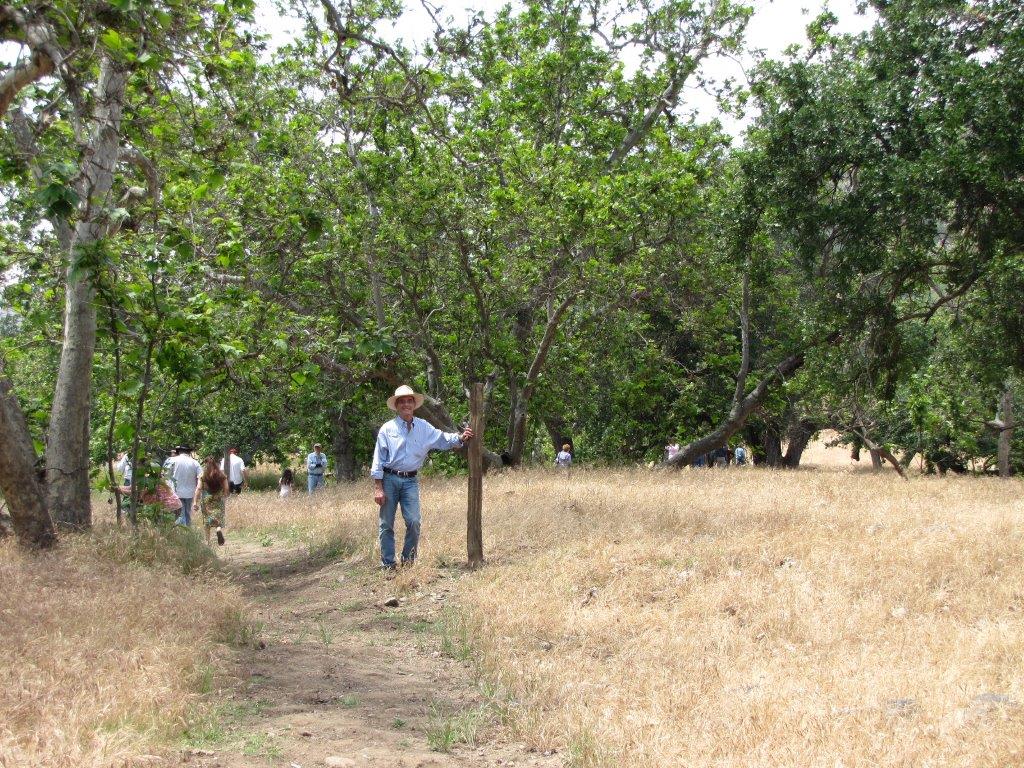
“[Forests are] the ‘lungs’ of our land, purifying the air and giving fresh strength to our people.” — Franklin D. Roosevelt
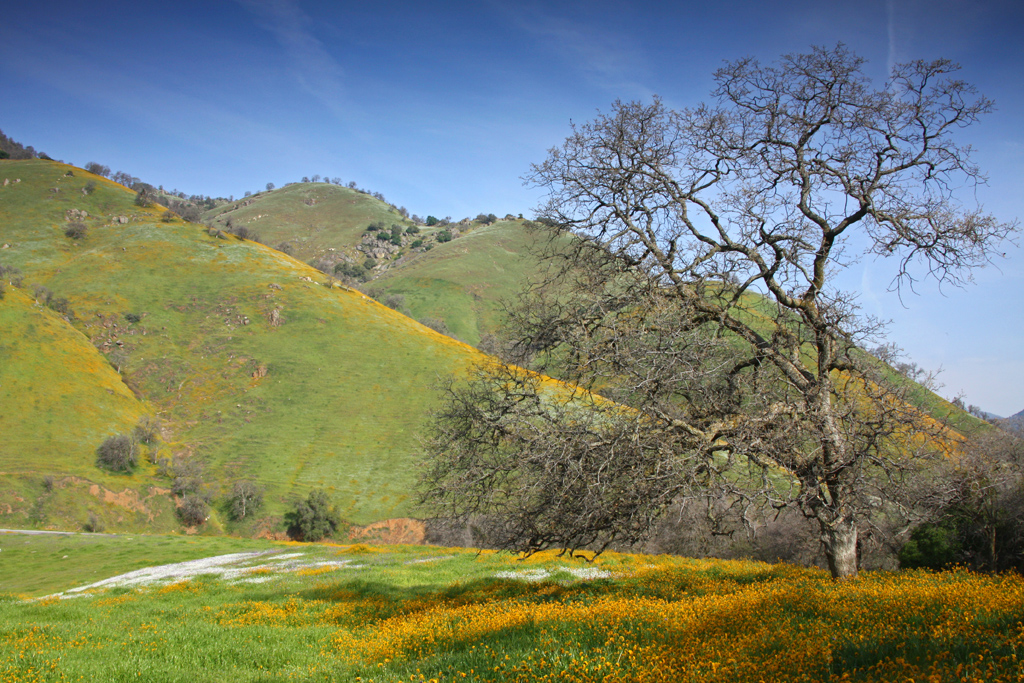
“I think having land and not ruining it is the most beautiful art that anybody could ever want to own.” — Andy Warhol
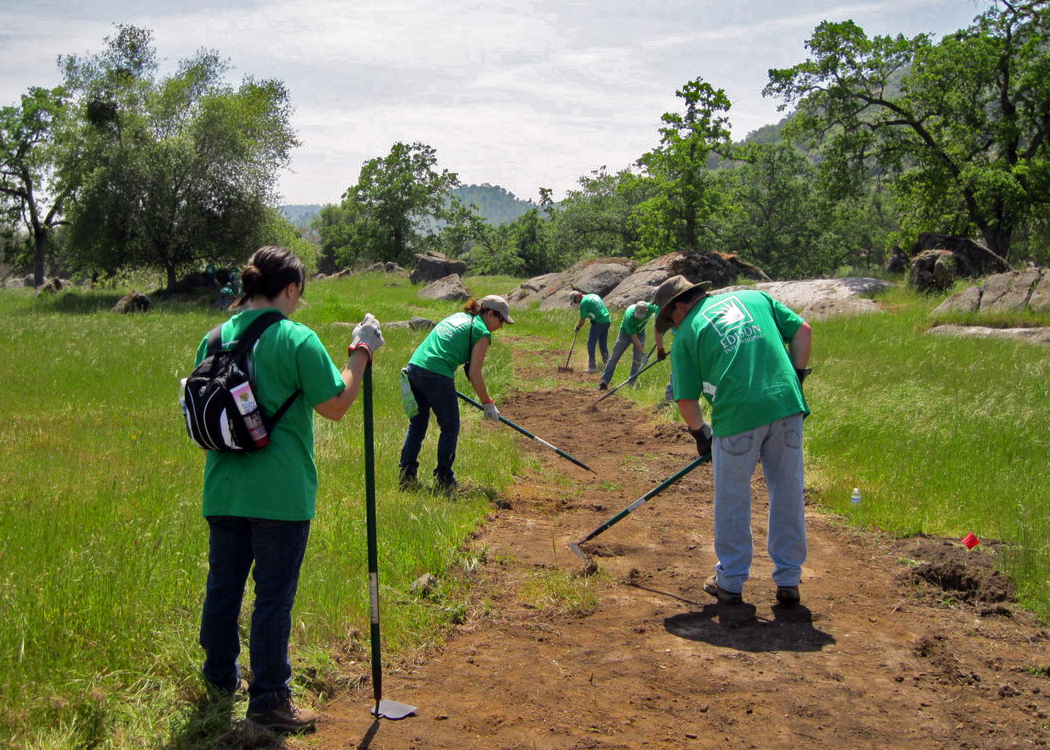
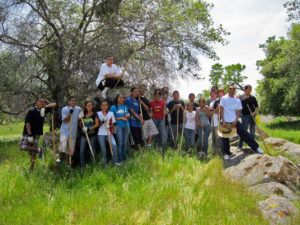
“[A] group of about 120 volunteers donated their time and muscle to complete a scenic hiking trail at the Homer Ranch Preserve . . . . The trailblazing event brought together groups of volunteers from the local business community — Southern California Edison and Kawneer — as well as student groups from CSET, Redwood High School’s Pro-Youth HEART program and COS Upward Bound, in addition to other committed volunteers from the community.” — Niki Woodard
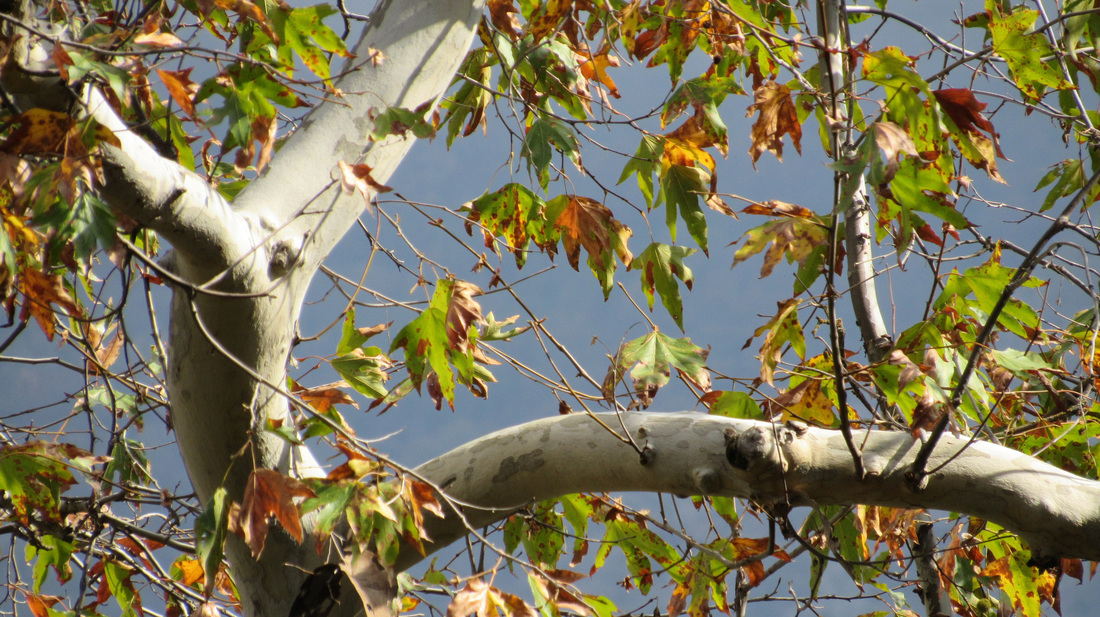
“Autumn is a second spring, when every leaf is a flower.” — Albert Camus
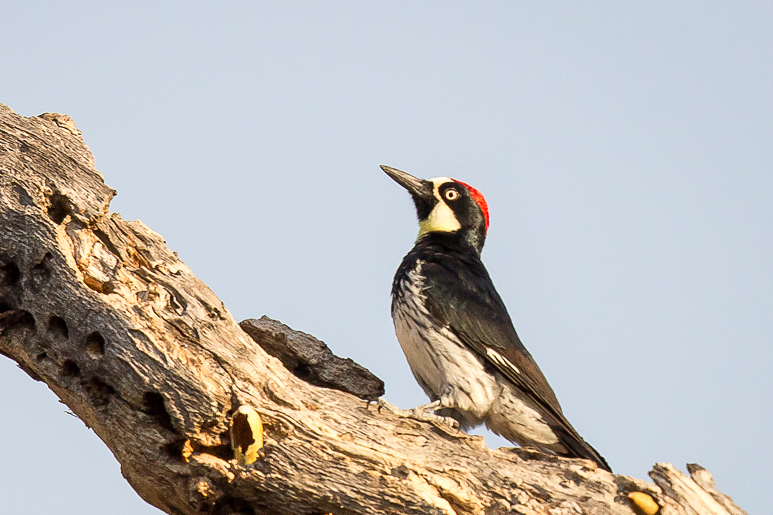
“A short and easy fall between summer and winter, oak trees heavy, woodpeckers overstocked for cold, every crack and post full, a left over crop drops in circles beneath the trees.” — John Dofflemyer
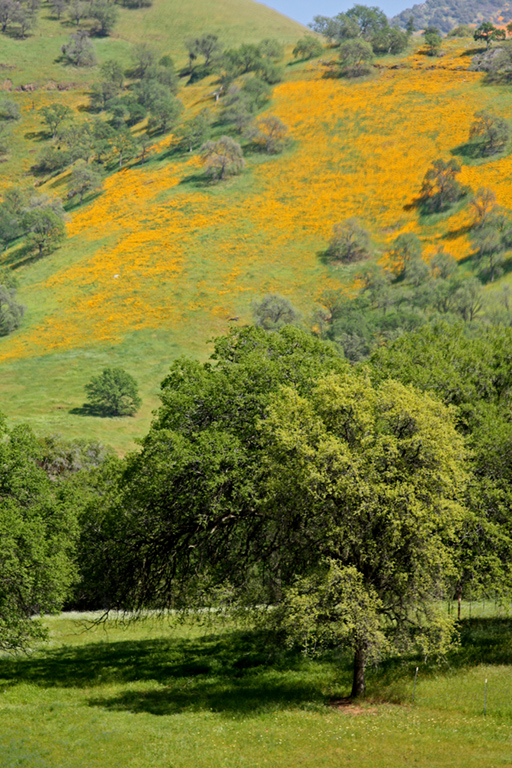
“Open spaces between scattered oaks hoard a springtime wealth, wildflowers flourishing with bright prodigality.” — Elna Bakker
Directions:
Address: 37628 Dry Creek Dr., Lemon Cove, CA, 93244
Latitude:36.4724488
Longitude:-119.0245483
From Visalia, take Hwy 198 east to Lemon Cove. Turn left onto Hwy 216 toward Woodlake. Cross the bridge in 1/2 mile and turn right onto Dry Creek Drive (J21). The Preserve is 5 miles north, on the right.