Click on photos for more information.
The Story of the James K. Herbert Wetland Prairie Preserve
by Laile Di Silvestro
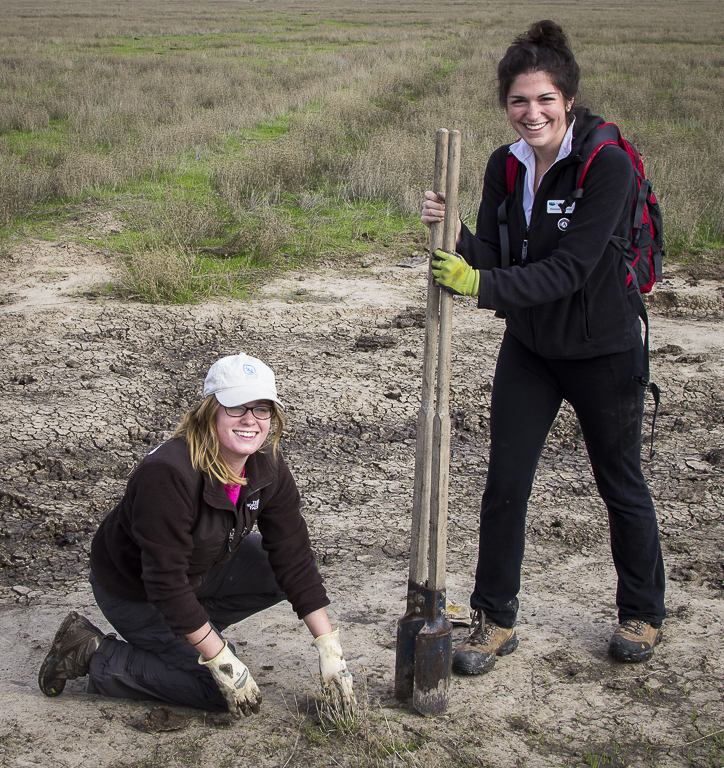
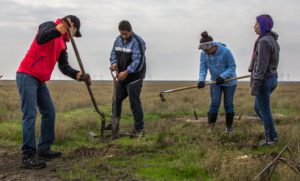
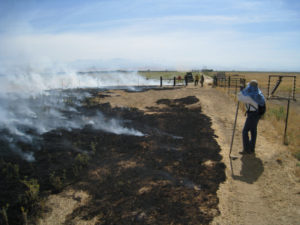
On the first planting day of the 2013-2014 rainy season, several students from College of the Sequoias spent hours bent over soil scoured by a prescribed burn. They dug holes and patted small seedlings of oak, willow, cottonwood, and elderberry into the ground before watering them thoroughly.
The students’ activity might not have seemed unusual to the Yokuts, the indigenous peoples of the Tulare Basin who lived off the land for thousands of years. They actively managed it by setting fire, by pruning dead undergrowth, by tending seedlings, and by transplanting some edible flora. Their resource management supported a diverse diet of seeds, roots, herbs, and meat, and helped them to maintain an adequate food supply despite variations in weather and water availability.
Less than 150 years ago the Tulare Basin held the largest freshwater lake west of the Mississippi. The shallow lake, the rivers that fed it, and the miles of tule marshes and wetland prairie around it nurtured a rich diversity of plant species and wildlife.
The first Euro-American settlers, who arrived in the 1850s, recognized the land’s agricultural potential and proceeded to drain the lake and marshes and divert its water sources to irrigation canals. By the early twentieth century, the lake had been reduced to small seasonal pools, and the basin was divided into a vast grid of intensively farmed land.
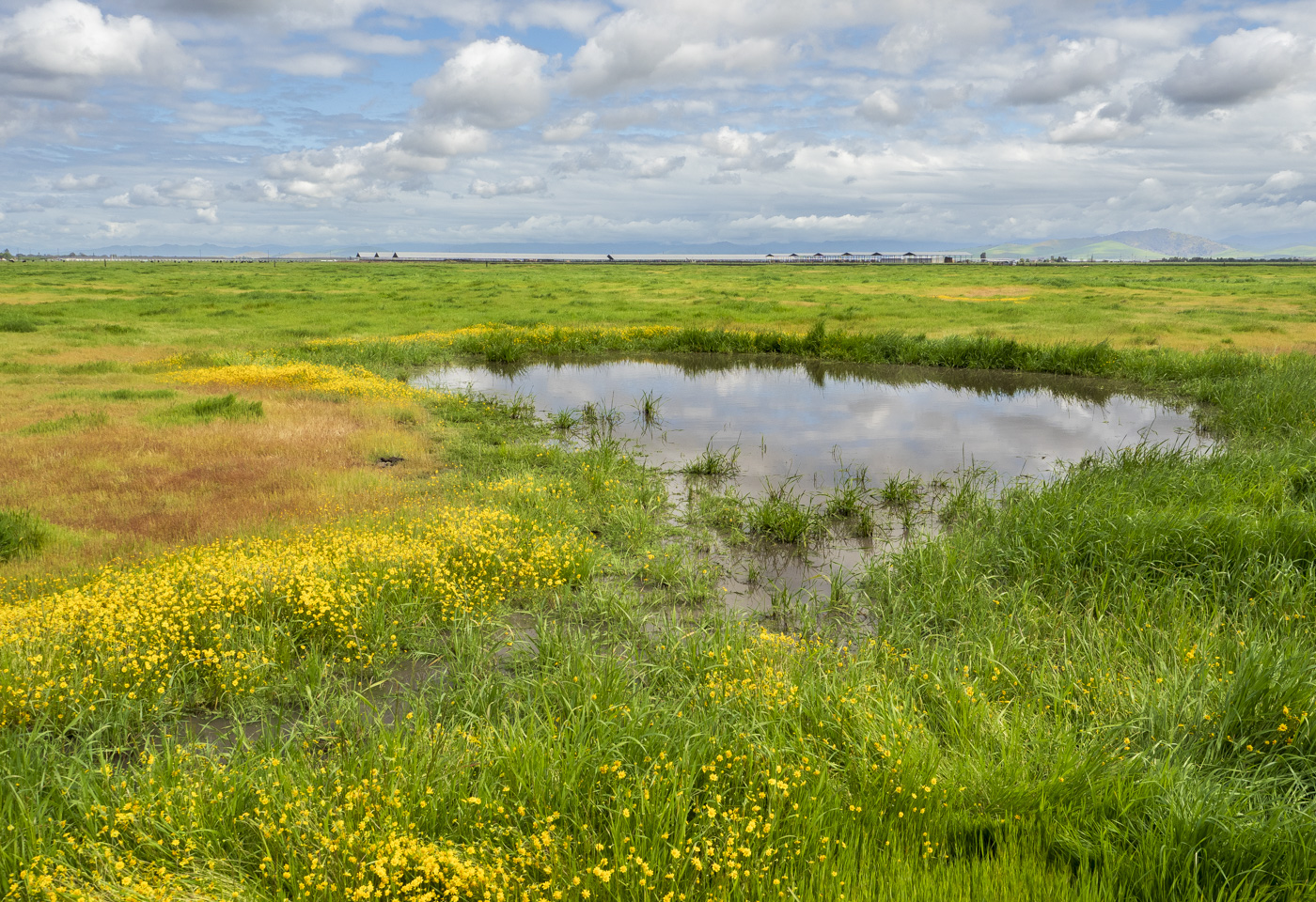
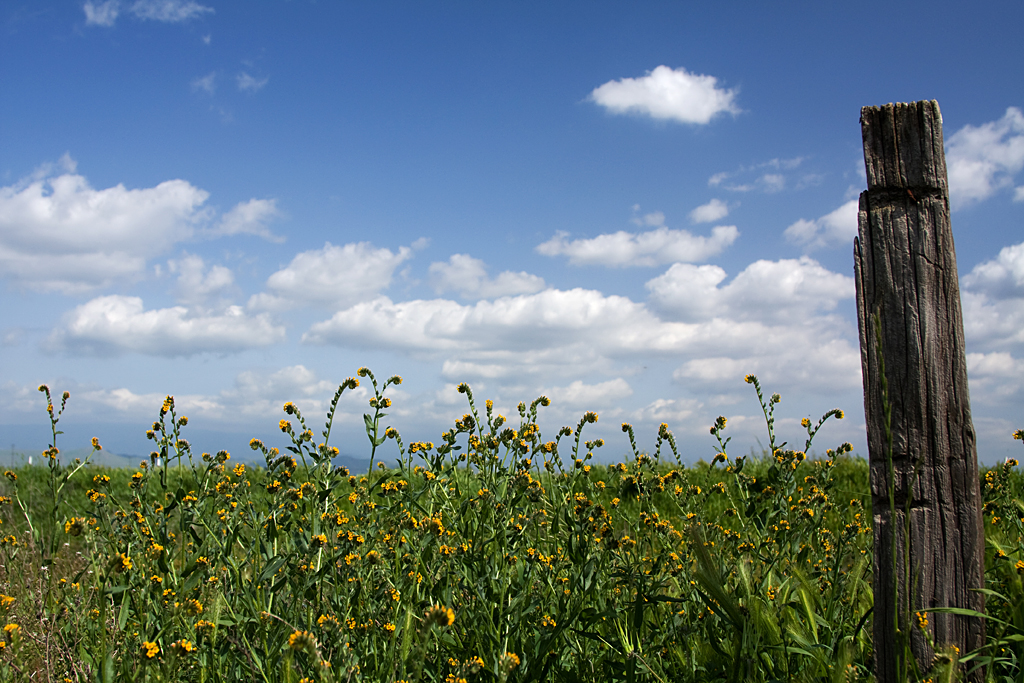
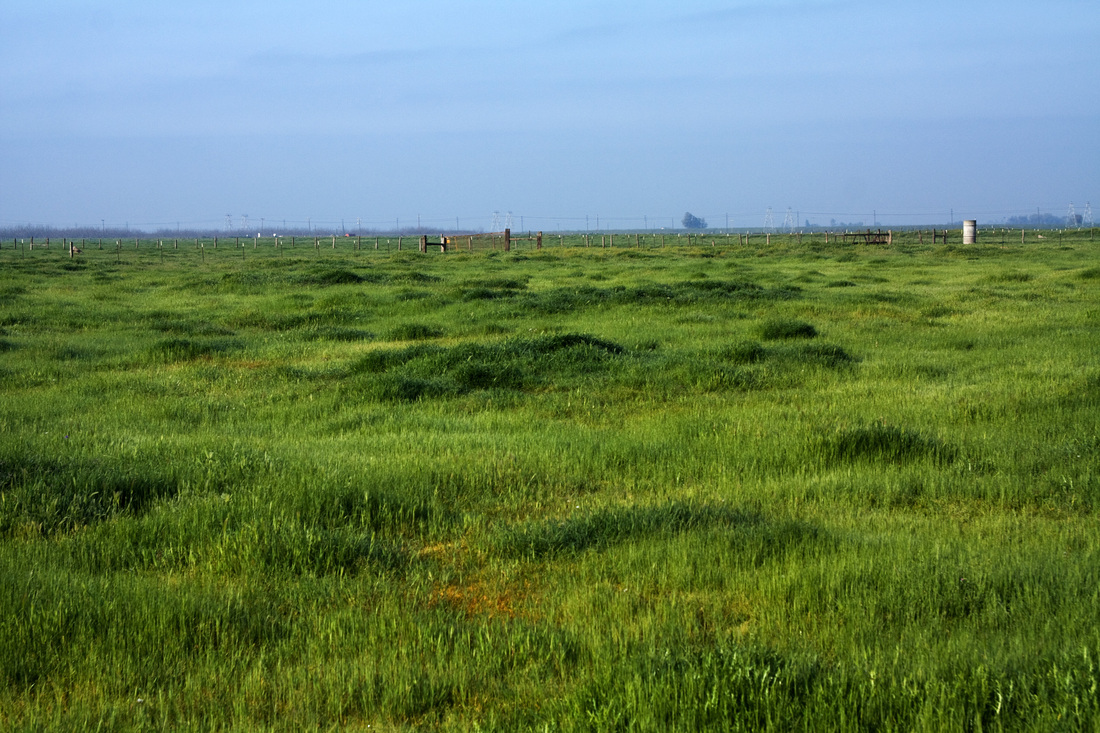
Yet, about four percent of the original landscape remains, and an invaluable portion of that is enclosed within the fences of the James K. Herbert Wetland Prairie Preserve. This 725-acre site lies to the east of the vanished Tulare Lake shore, between the Kaweah and Tule Rivers, and protects the largest remaining piece of natural prairie in Tulare County.
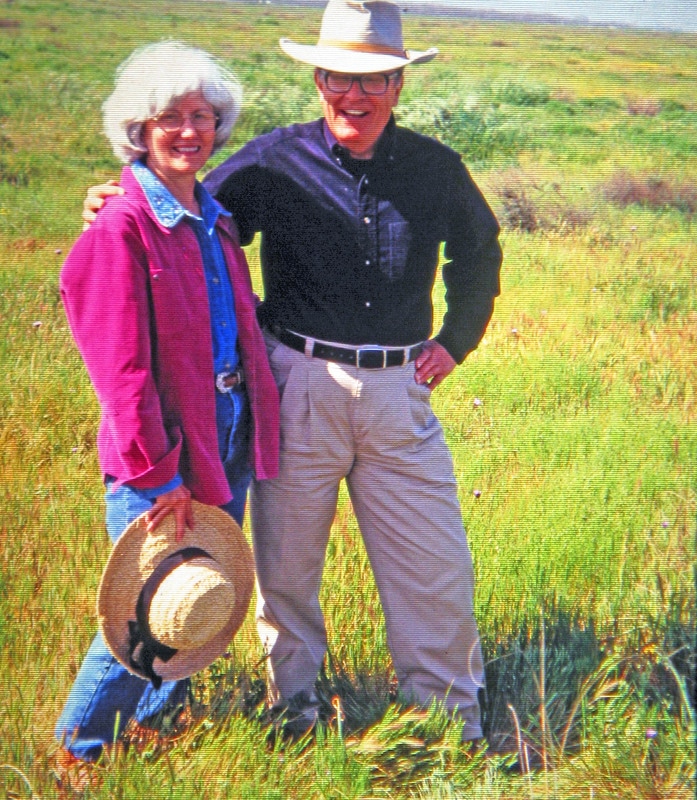
Its preservation is due to the efforts of biologist Robert Hansen, and the vision of farmers James and Carol Herbert. The Herberts hired Hansen in 1992 to assess the potential of the property. Hansen found a remnant of the land as it was before the Euro-American settlers arrived. It was ideally situated to serve as an important segment of the Oaks to Tules Wildlife Corridor and, if restored, could help preserve threatened plant and animal species while mitigating local flood and fire risk.
After several years of study, Hansen recommended that the land be conserved, rather than converted into a dairy farm or orchard. The Herberts embraced the idea of protecting this vanishing habitat, which they fondly called their “wilderness.” In 2000, a coalition of government and private organizations provided the funds necessary for the Sequoia Riverlands Trust to purchase the land from the Herberts at less than market value.
Two years later, the Trust took on restoration of the land with a rigorous scientific approach. With the help of the National Resource Conservation Service and the California Wildlife Conservation Board, the Trust began returning 83 acres of the site’s irrigated pasture to wetland.
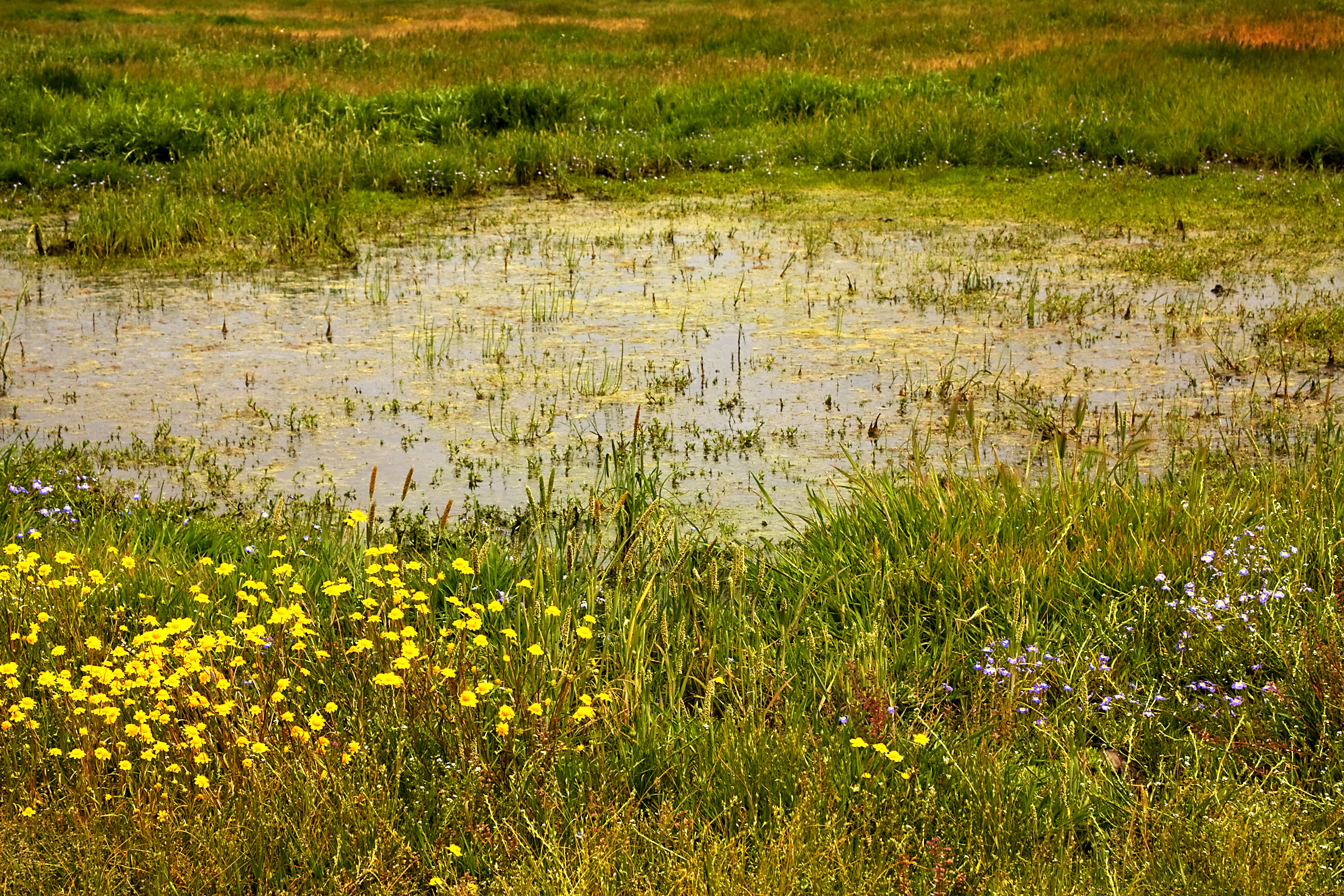
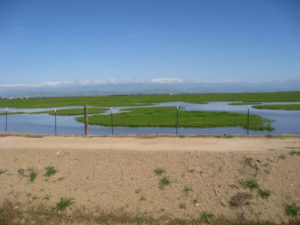
They restored vernal pools, dug three shallow ponds, constructed a meandering slough, and seeded the slough with native grasses. From 2005 to 2010, with a grant from the Central Valley Project Conservation Program, the Trust and dozens of volunteers continued wetland restoration while systematically monitoring how the native species respond to management programs that include prescribed fire and livestock grazing.
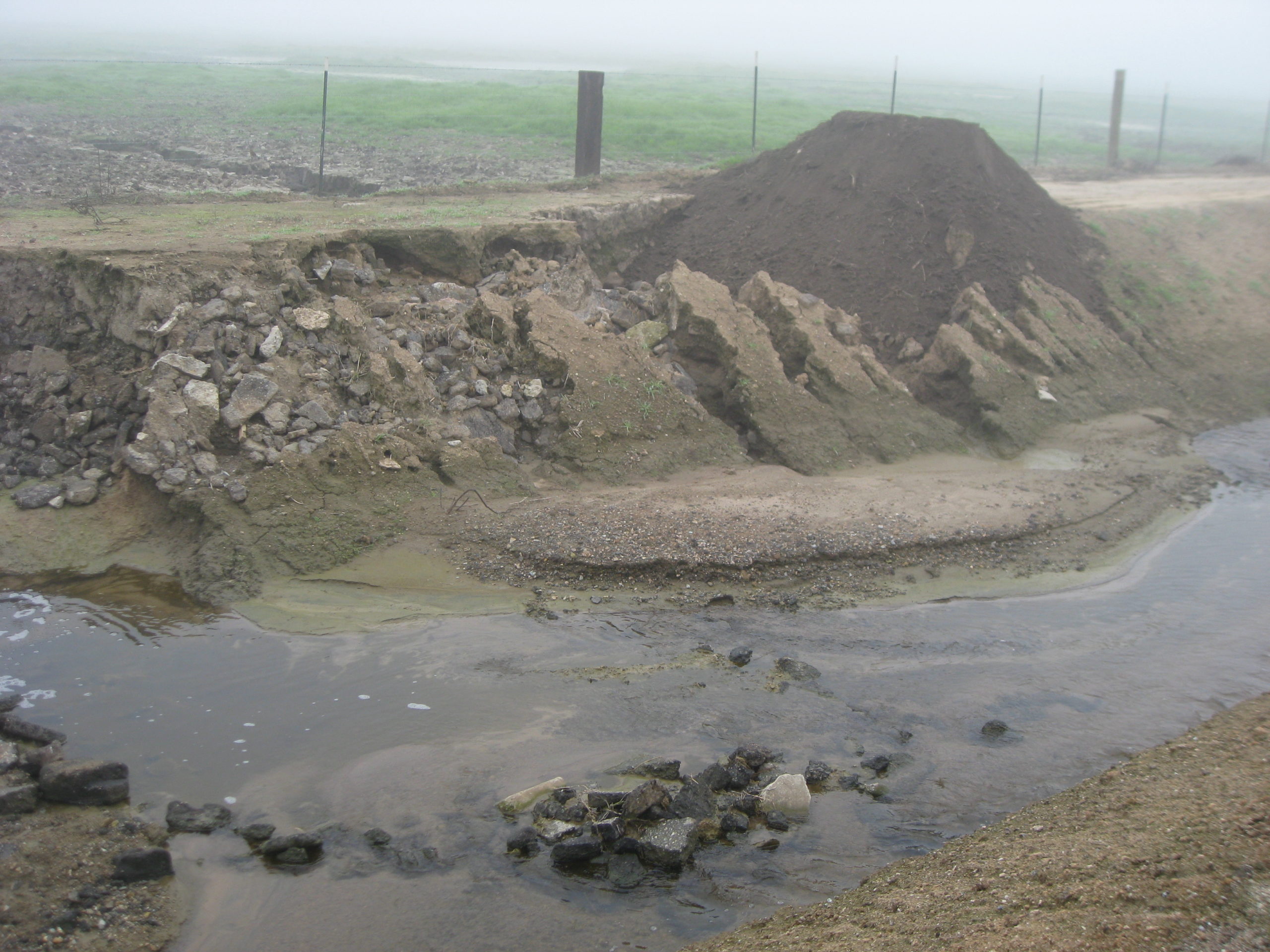
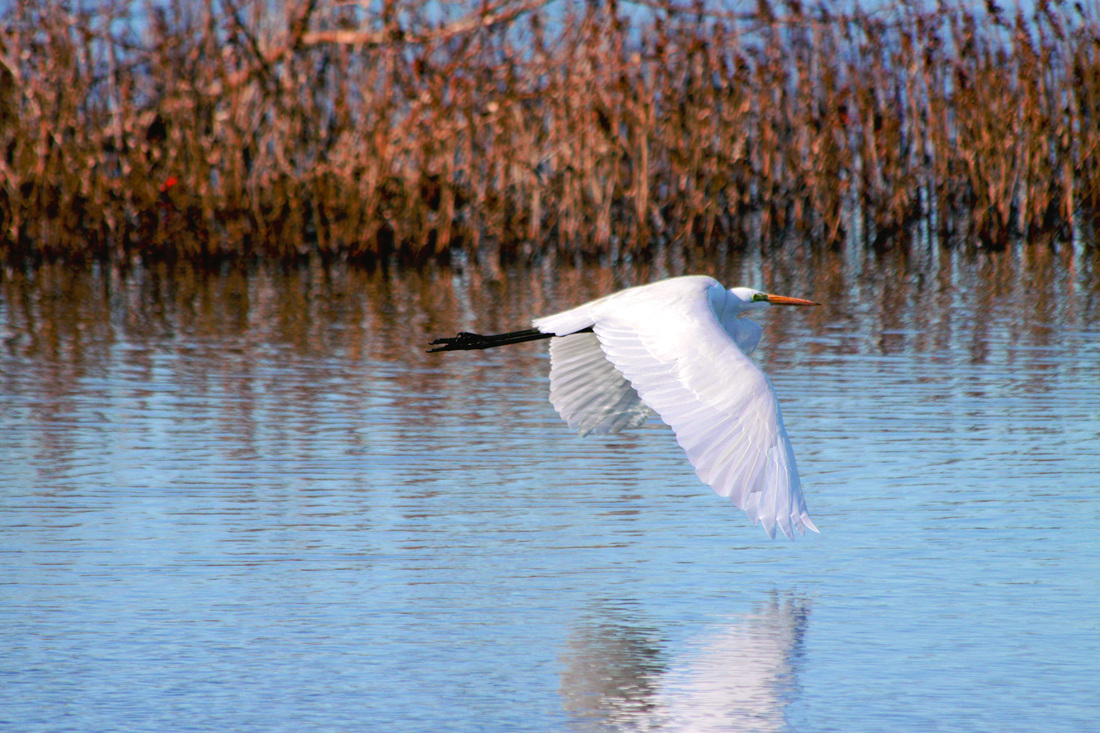
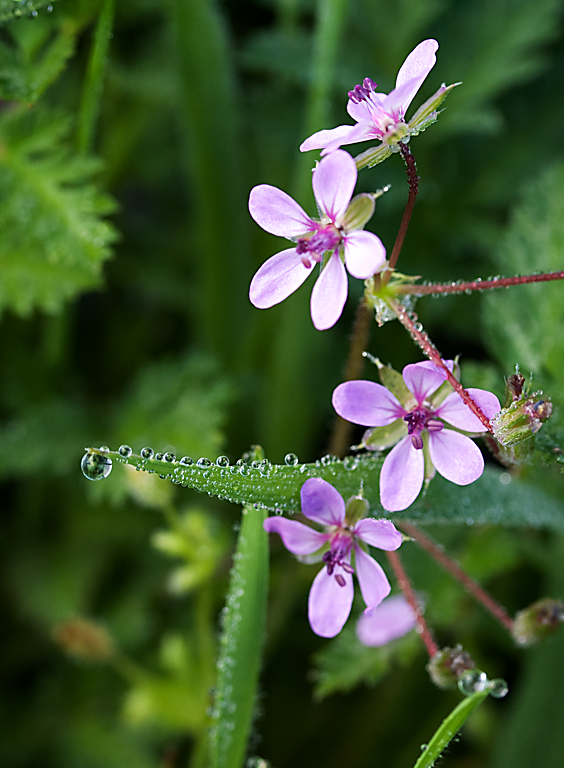
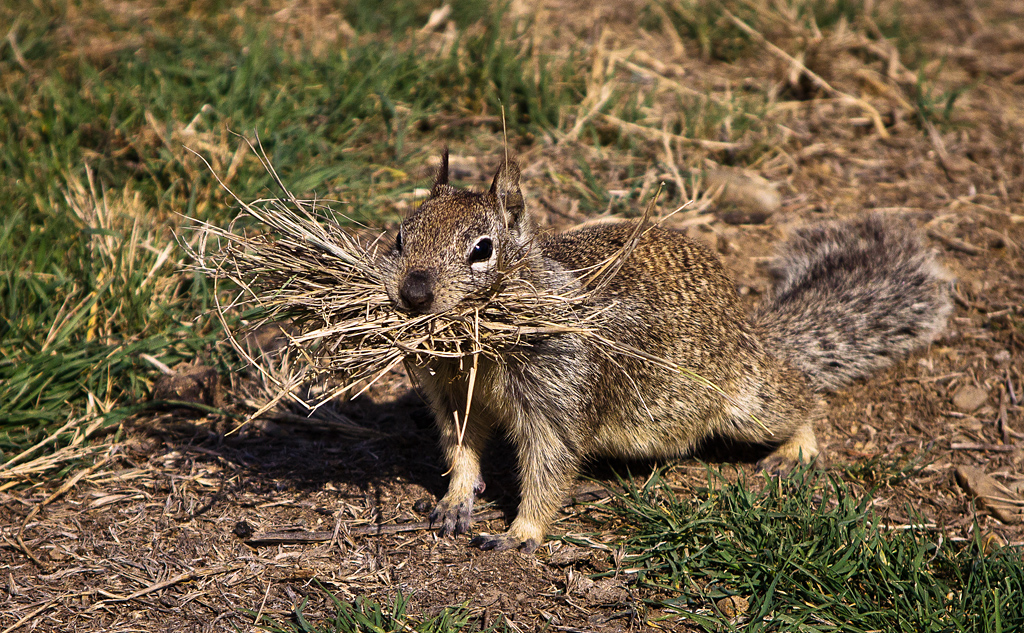
The results are astounding. The diversity and abundance of native wetland prairie plants has increased. As a result, western spadefoot and freshwater invertebrates abound (seasonally). With the restored habitat, the long-tailed weasel, coyote, Golden eagle, and Swainson’s hawk come to forage. Ducks, grebes, and redwing blackbirds have returned to feed and nest. In all, the number of bird species on the property, including burrowing owls, has increased from 76 to 153.
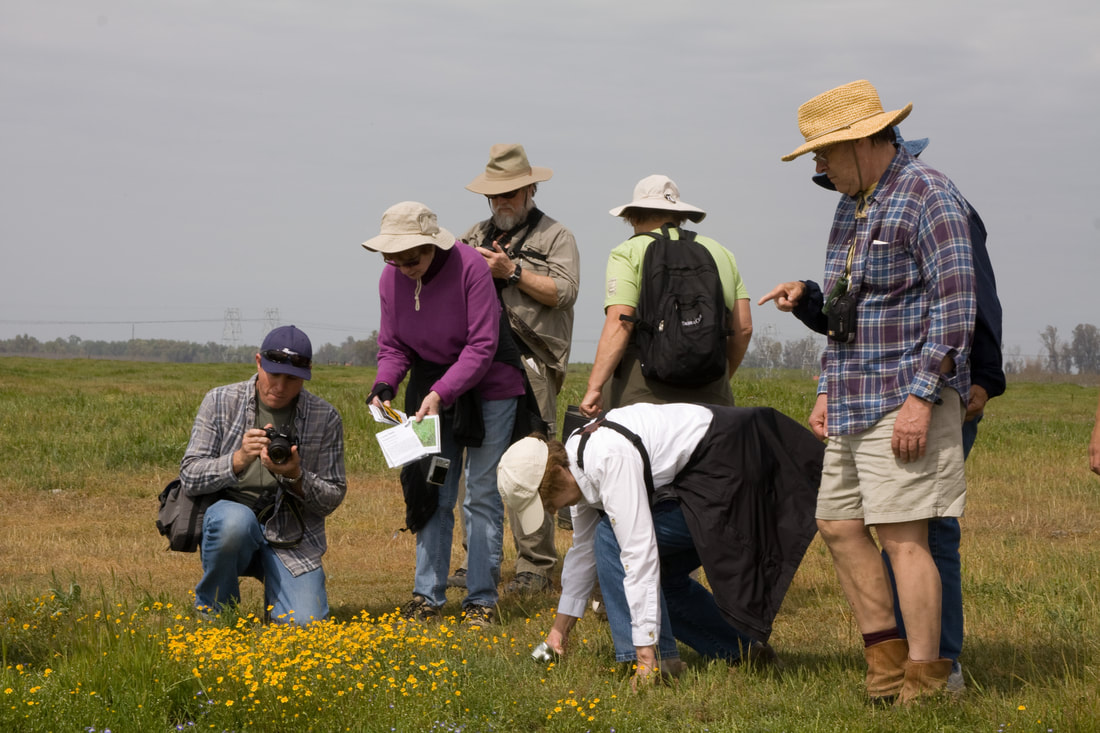
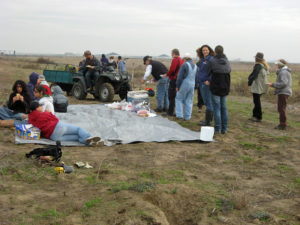
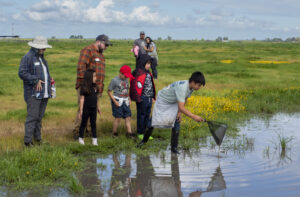
Of the animals that have returned to this land, perhaps none are more important than humans. Volunteers tend to return to the site again and again to see how the plants are doing and to enjoy the beauty of a thriving wetland prairie. “Human beings are a huge piece of the puzzle,” says project biologist Bobby Kamansky, “because we value biodiversity, and we, as a society, derive direct benefit.”
July, 2014
Note: Now read Rob Hansen’s SOME BIRDS OF THE HERBERT PRESERVE and MYSTERIOUS LIFE OF VERNAL POOLS. For more about hogwallows (Mima Mounds), see THE STORY OF THE HOGWALLOW PRESERVE.
“Good farmers, who take seriously their duties as stewards of creation and of their land’s inheritors, contribute to the welfare of society in more ways than society usually acknowledges, or even knows. These farmers produce valuable goods, of course; but they also conserve soil, they conserve water, they conserve wildlife, they conserve open space, they conserve scenery.” — Wendell Berry
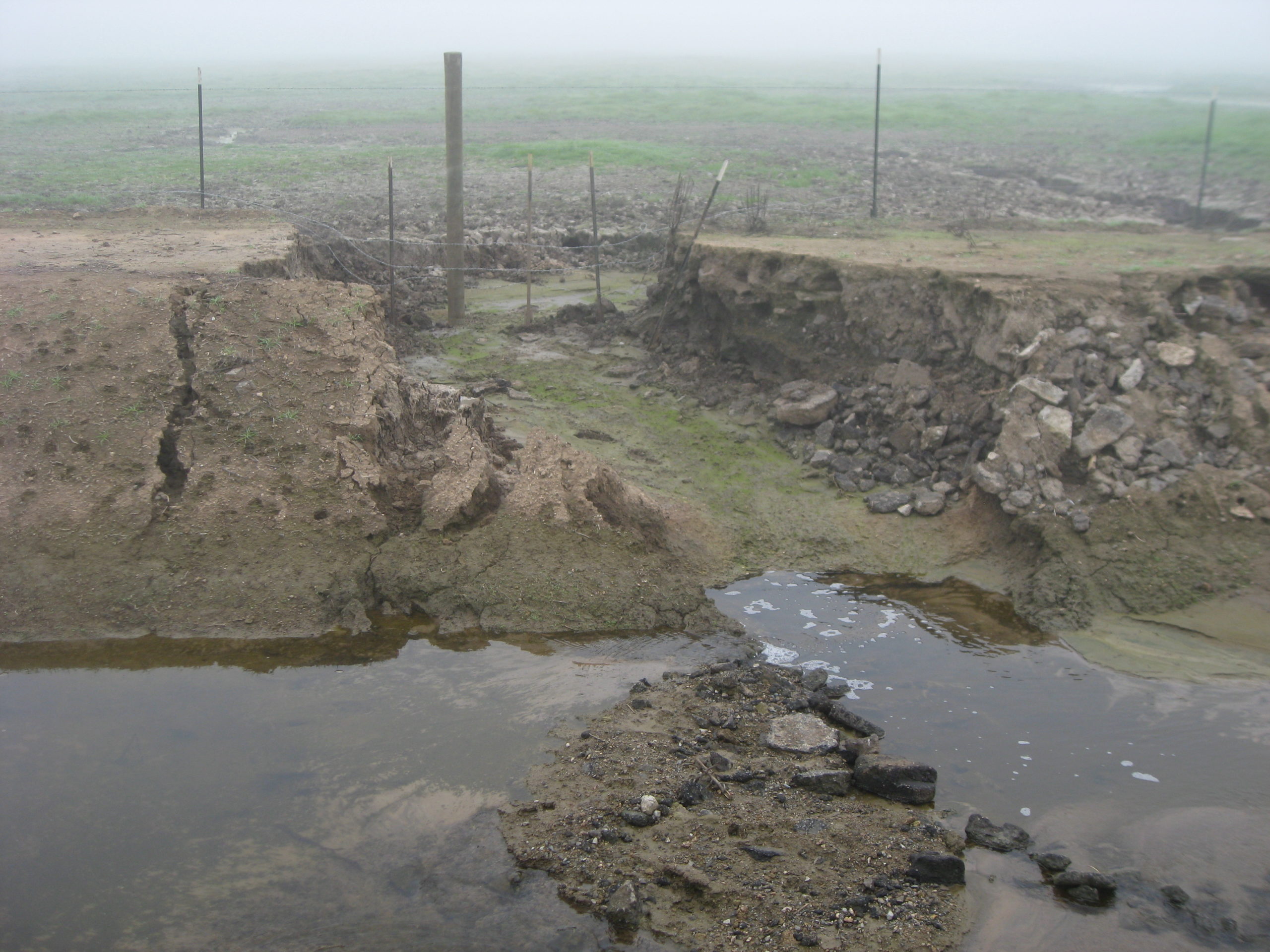
“When the re-contouring work was done in October 2002, the 83-acre site was devoid of vegetation, but a new meandering channel (since dubbed Sellers Slough in honor of Carol Sellers Herbert, one of the original owners) and three ponds had been excavated and were just awaiting a ‘wetting’ invitation. Native grasses had been planted along Sellers Slough and needed rain and a christening flow of water down the new channels into the new ponds in order to green up the restoration site.” — Rob Hansen
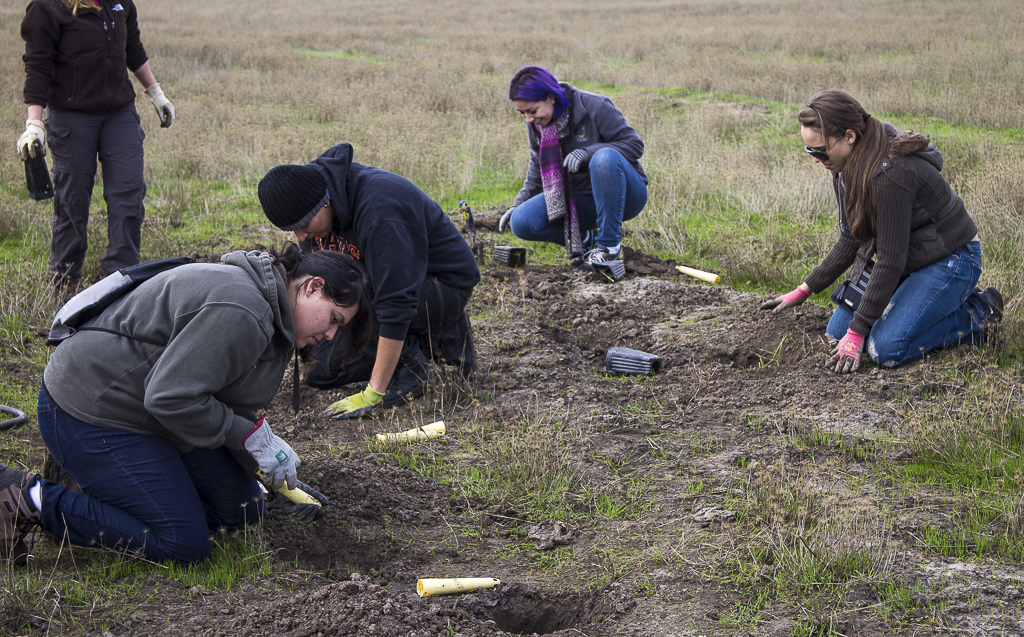
“Young riparian trees and shrubs (valley oaks, willows, cottonwoods, button willow, elderberry, and blackberry) that have been planted along Sellers Slough near the northwest corner of the preserve are now getting tall enough that I fully expect that on one of my next birding visits, I will be lucky enough to find a western wood-pewee, a western bluebird, phainopepla . . . or a black-headed grosbeak perched in these plants (which are irresistible to migrating songbirds like these).” — Rob Hansen
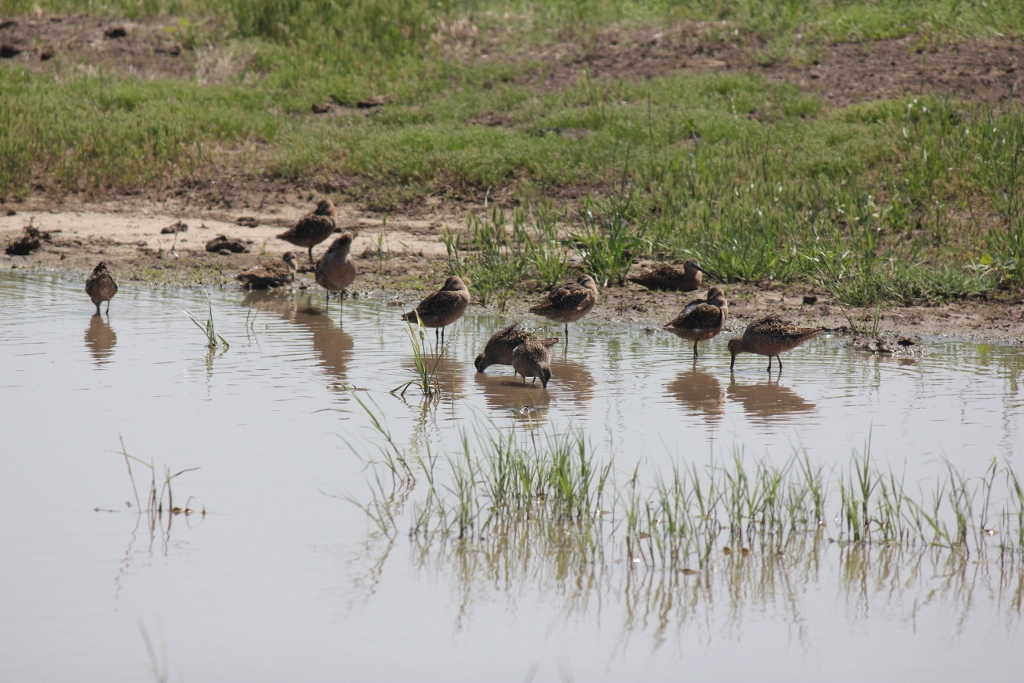
“During the entire post-wetting and restoration/re-vegetation period (November 14, 2002 to July 27, 2011) 75 additional bird species have been added to the avian inventory at the Preserve. This is a remarkable testament to the effectiveness of ecological restoration: if you build it, if you wet it, they will come!” — Rob Hansen
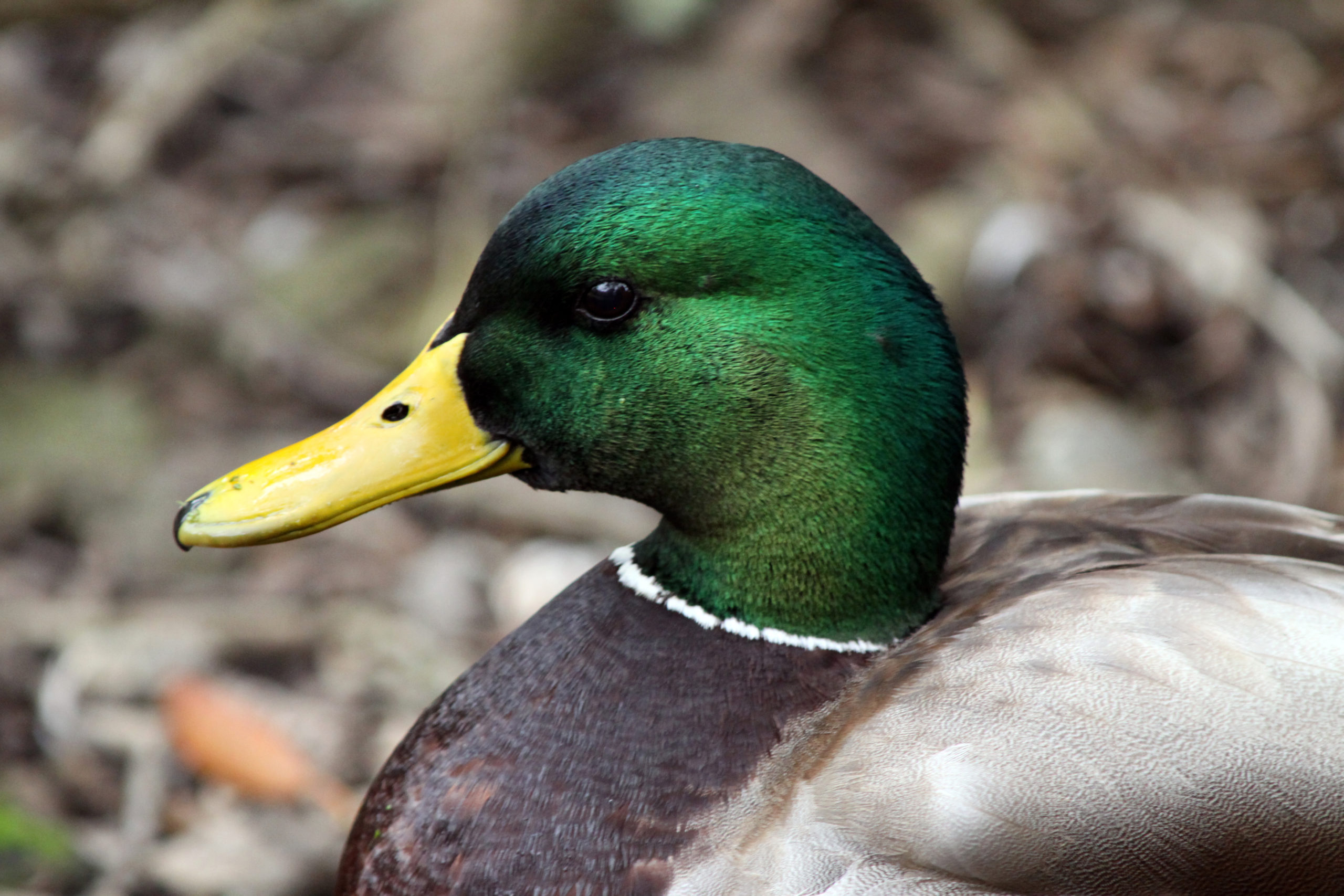
“It’s so great to be able to walk along the edge of the preserve and look over the mounds where the vernal pools are and see flocks of mallards and widgeons and green-winged teal, sometimes even Canada geese out in the wetlands.” — Rob Hansen
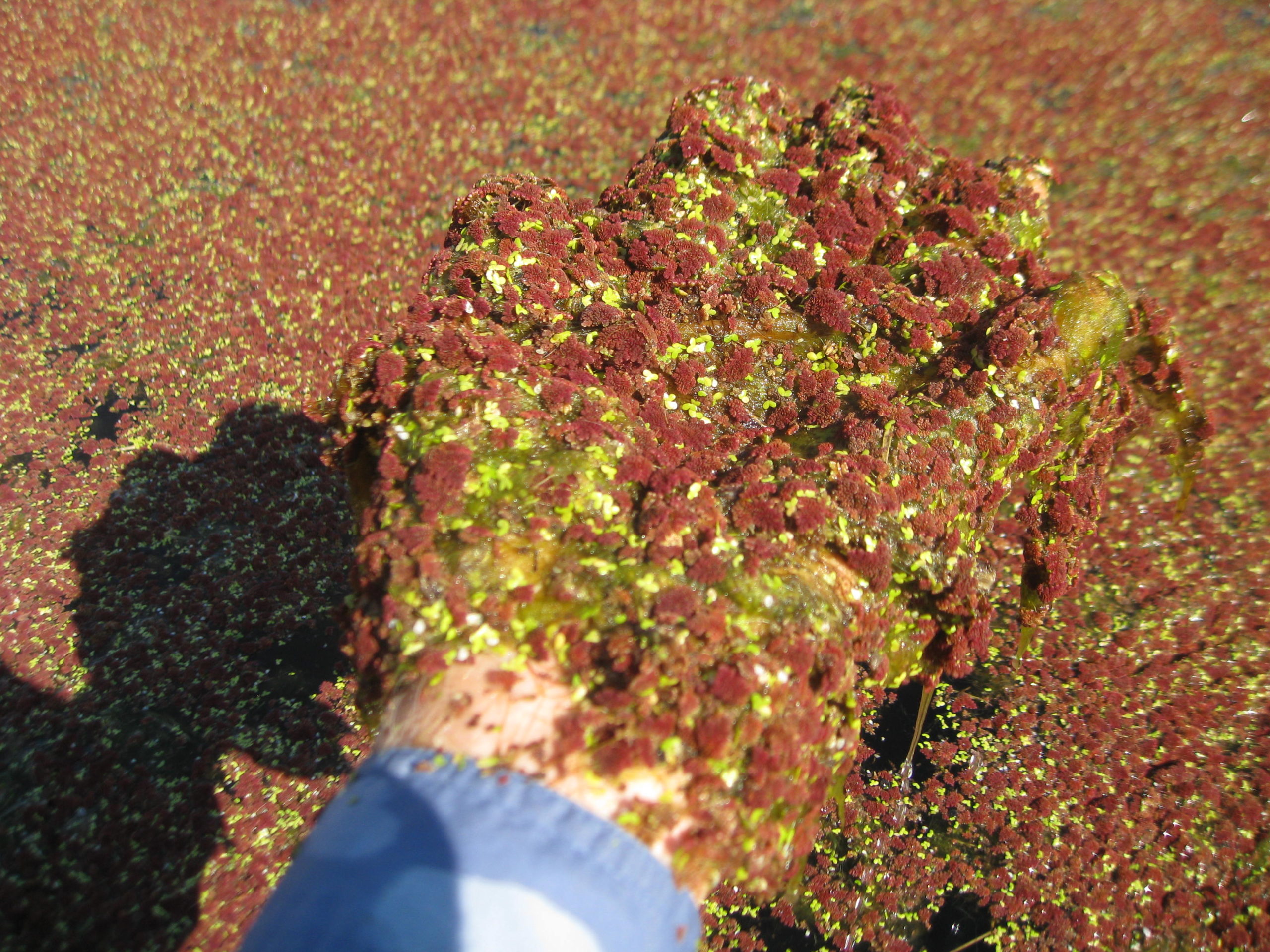
“If you truly love nature, you will find beauty everywhere.” — Vincent Van Gogh
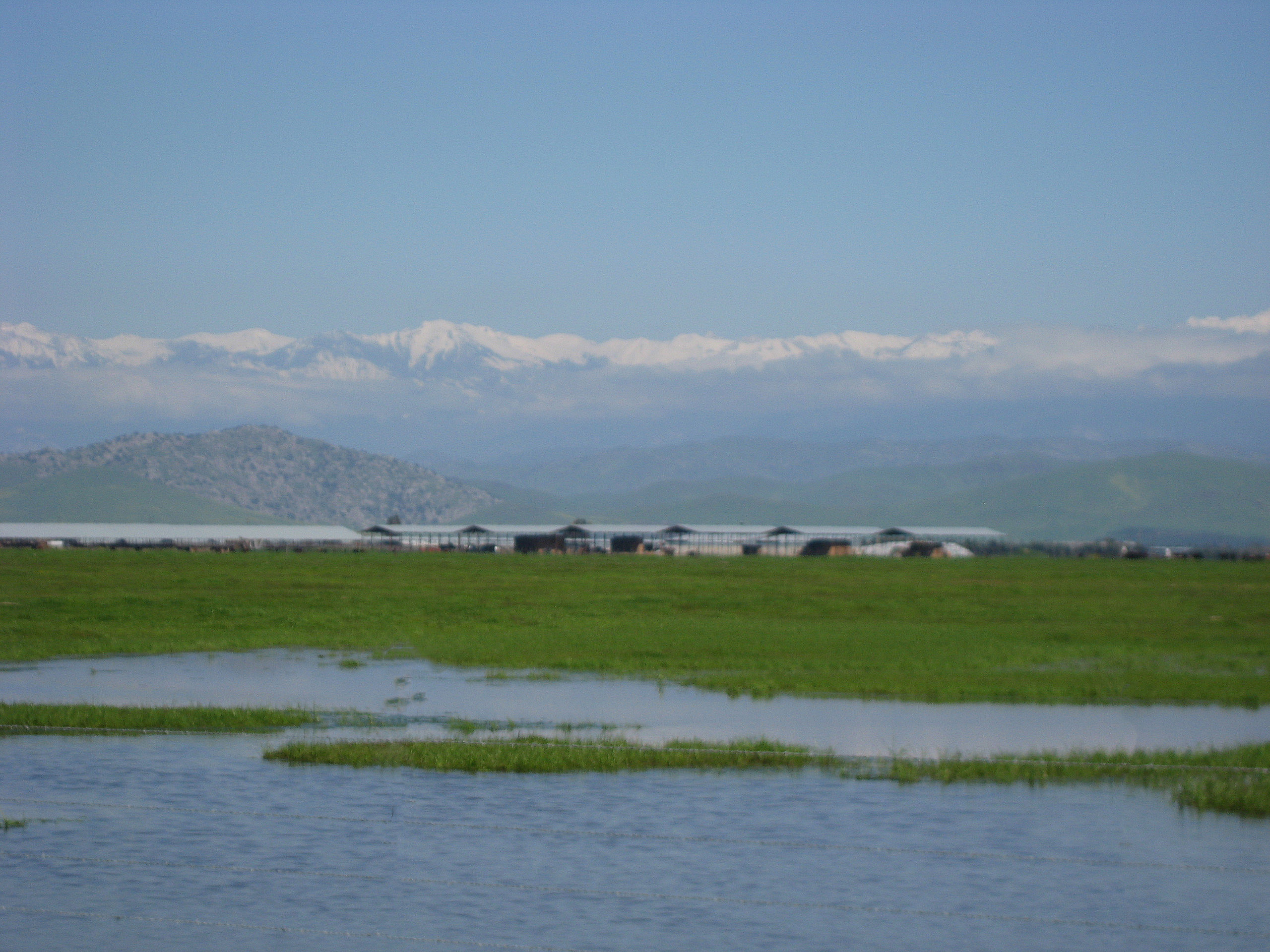
“The land around the Herbert Preserve . . . will change as crops change and as communities grow. But we’re hopeful that this large patch of wild open land will continue to provide recreation and solitude and scenic beauty and all the things that go along with wild land and the organisms, the critters that live there.” — Rob Hansen
Address: On Hwy 137 (the Tulare-LIndsay Hwy), at its junction with Road 168, between Tulare and Lindsay.
Coordinates: 36.2113518, -119.1989383
From Visalia, take Hwy 198 east four-and-a-half miles to the Farmersville exit.
Turn south on Farmersville Boulevard (AKA J23/Road 164).
Several miles south, this road becomes Road 168, and ends (after eight miles total) at its T-junction with Hwy 137. The Preserve is directly across Hwy 137, on the south side of the highway.