Click on photos for more information.
The Story of the Kaweah Delta Water Conservation District
by Terry Stafford
If there’s one thing the residents of Tulare County understand, it’s the importance of water. The fact that there is sometimes too much or often too little of it is the norm for our most unpredictable climate. Water is the lifeblood of Tulare County’s agricultural economy and communities. The heart and the arteries that regulate and move that lifeblood to these critical components in the Kaweah River watershed is a water management concern that has been evolving for decades — the Kaweah Delta Water Conservation District.
Commercial farming began in the San Joaquin Valley in the early 1800s. Although the valley averages only ten inches of rain per year, the meltwater from the Sierra Nevada’s snow pack enabled farmers to irrigate their crops, greatly expanding production.
Shortly after California became a state, in 1850, its legislators adopted laws to insure riparian water rights were maintained, allowing property owners along rivers and streams to divert water for their own use. But relatively few farms were close enough to the rivers and streams to take advantage of them; and often this surface water was available only during the wet season. As the population increased, and farming exploded, water began to be collected and funneled to key distribution points through a vast network of channels, canals, and ditches. However, there was no “beneficial use” mandate at the time for farmers, and the water could essentially be wasted at the landowners’ discretion, and often was. Soon the farmers were also pumping water from the valley’s underground aquifers, to meet ever-greater demand in the dry season. Aquifer levels dropped alarmingly, forcing the ever-growing population to recognize that local water was a very precious and limited resource.
In 1927, California’s Water Conservation Act was adopted, to better manage the state’s water. The Act allowed for the establishment of Water Conservation Districts across the state, and local citizens were quick to respond. The Kaweah Delta Water Conservation District (KDWCD), encompassing 337,000 acres of Tulare County and parts of Kings County, was voted into existence that same year.
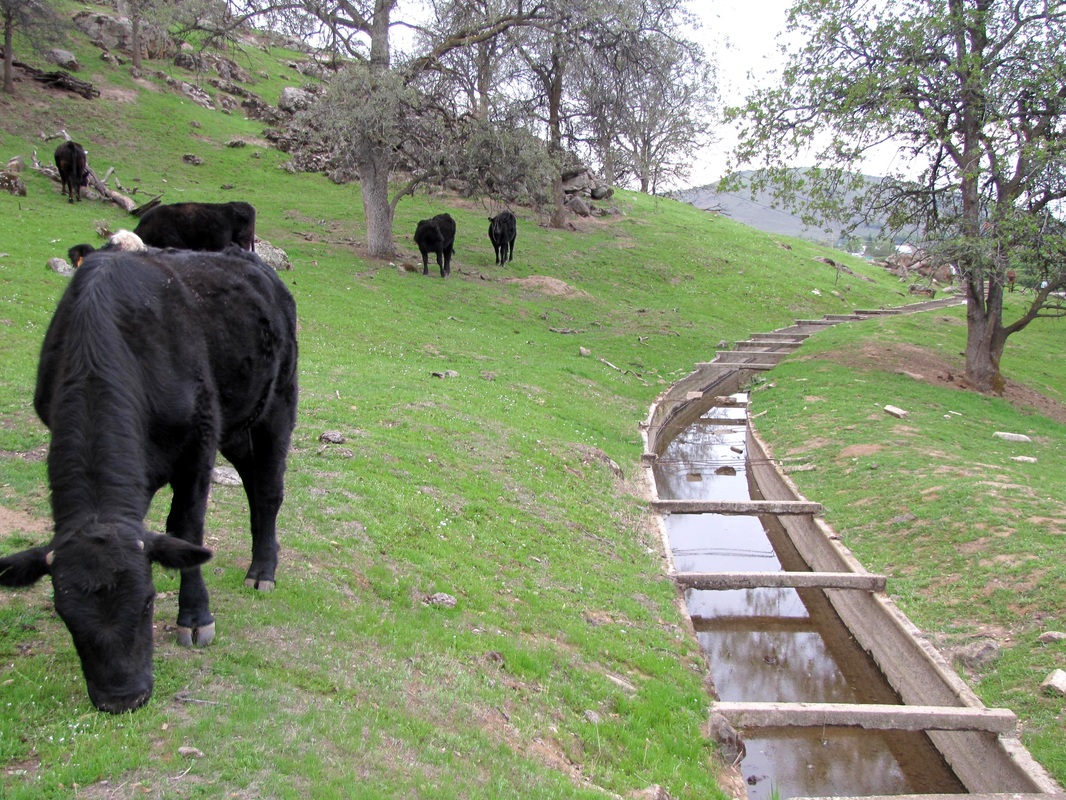
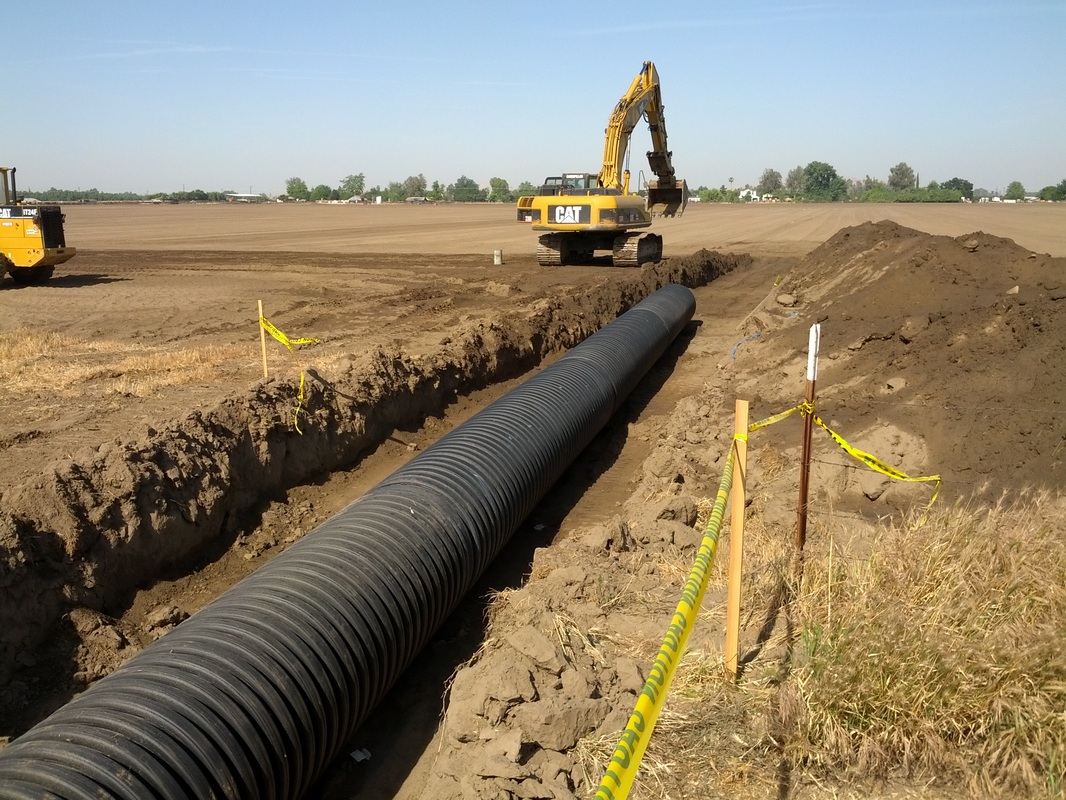
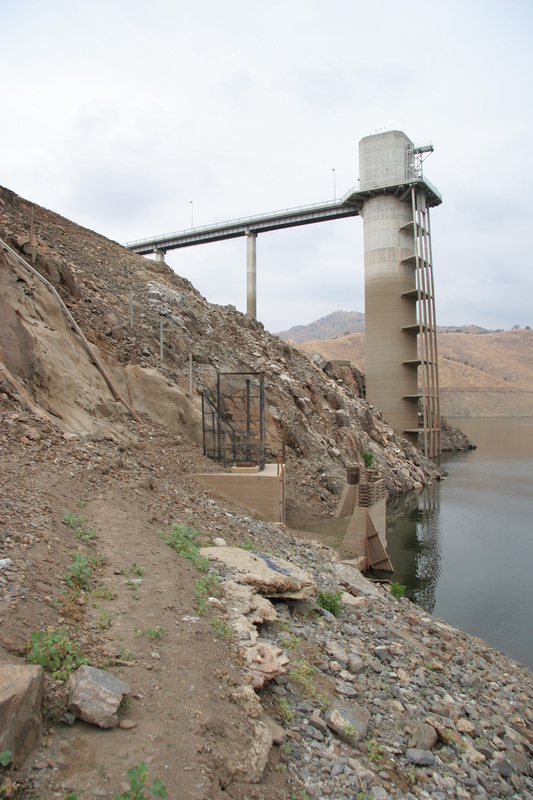
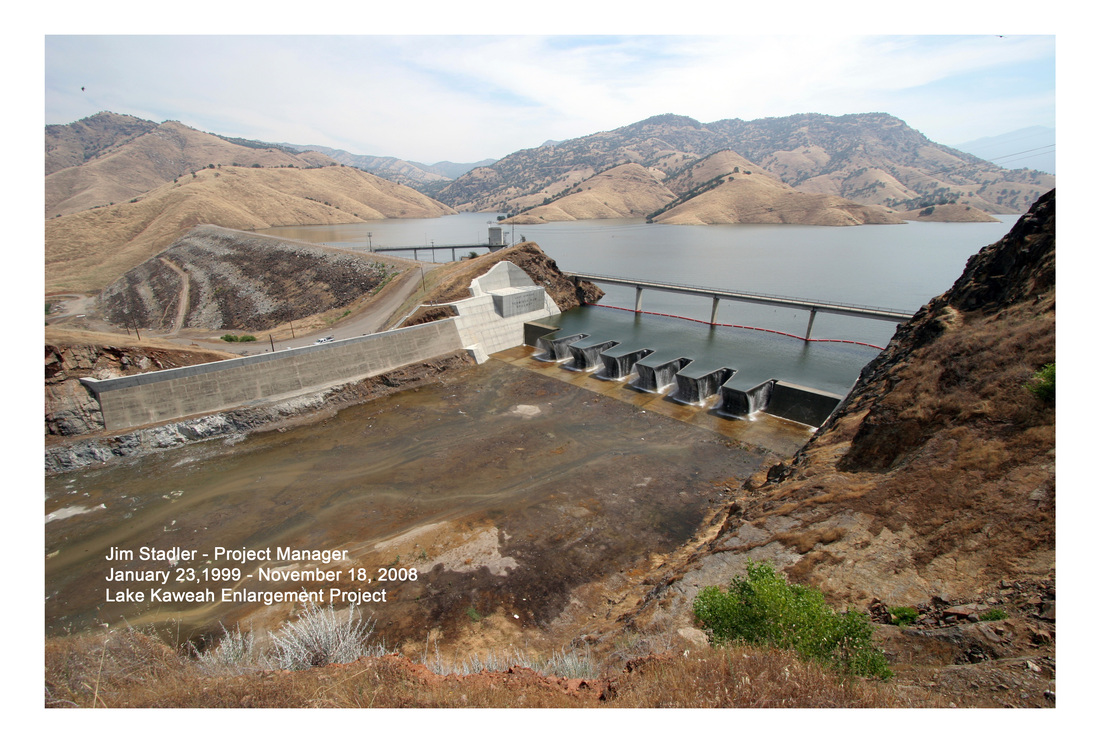
Since its inception in 1927, KDWCD has worked hand in hand with the U.S. Army Corps of Engineers and the many area irrigation districts and ditch companies on important matters such as flood control; development of the Terminus Dam (forming Lake Kaweah) for flood control, irrigation, and power generation; and ensuring that the agricultural needs of the valley are met by maintaining over 200 miles of waterways and hundreds of acres of recharge basins. While both the dam and Lake Kaweah are federal resources managed by the Corps, KDWCD was instrumental in sponsoring the lake enlargement project and developing environmental mitigation sites in surrounding areas to help ensure that affected plant species are preserved.
Over the years, the District’s responsibility has grown beyond maintaining and distributing local water resources to encompass the role of enhancing them. It is incumbent on the District to manage surface water allocations and to oversee the importing and exporting of water during dry and wet years to ensure there is no net loss of the precious resource to our residents. More recent discussions have focused on the need for managing our shrinking ground water resources and what role the District might play in that critical arena.
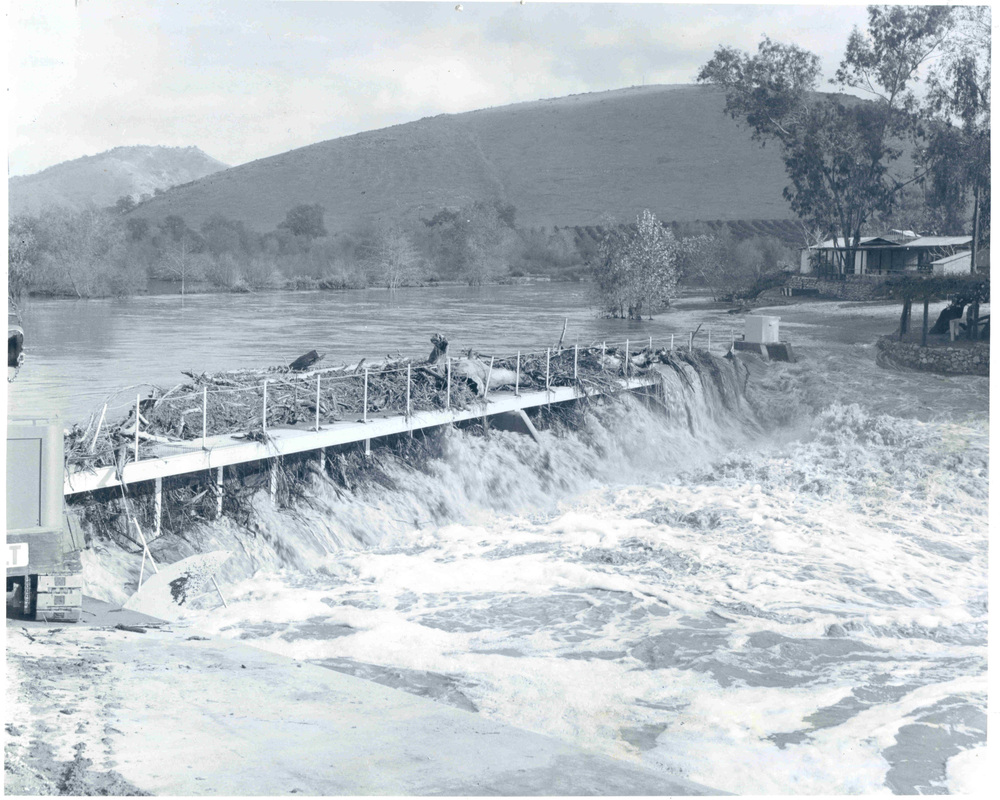
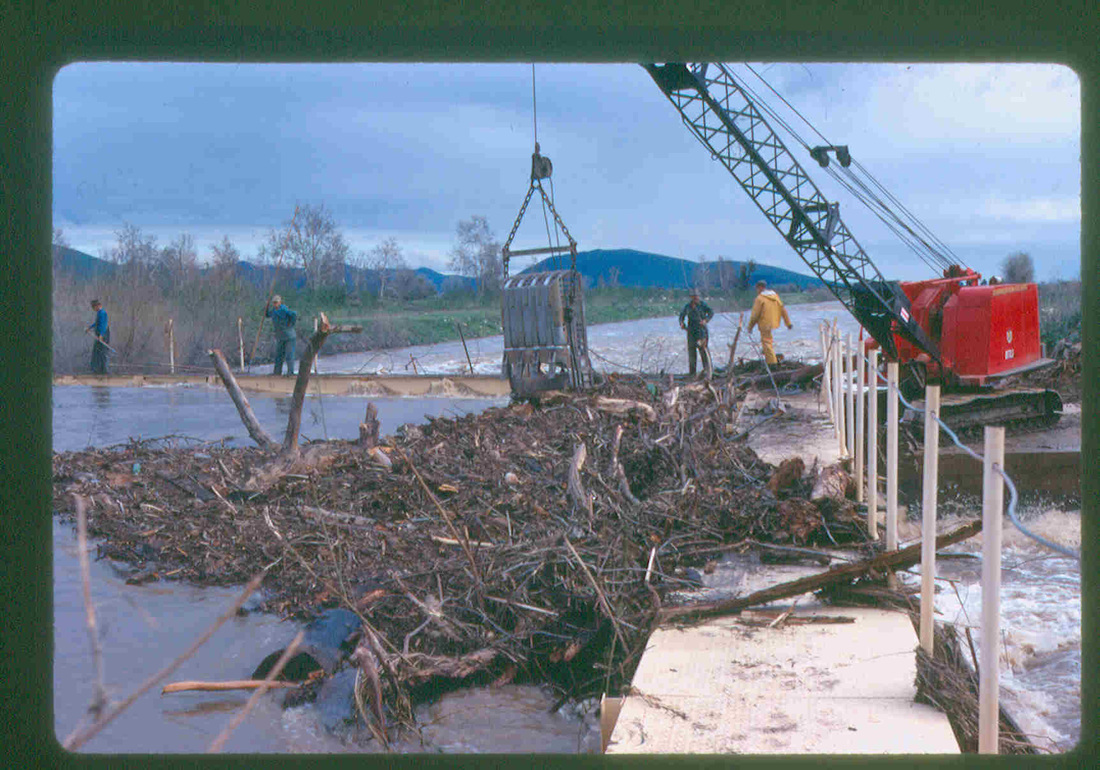
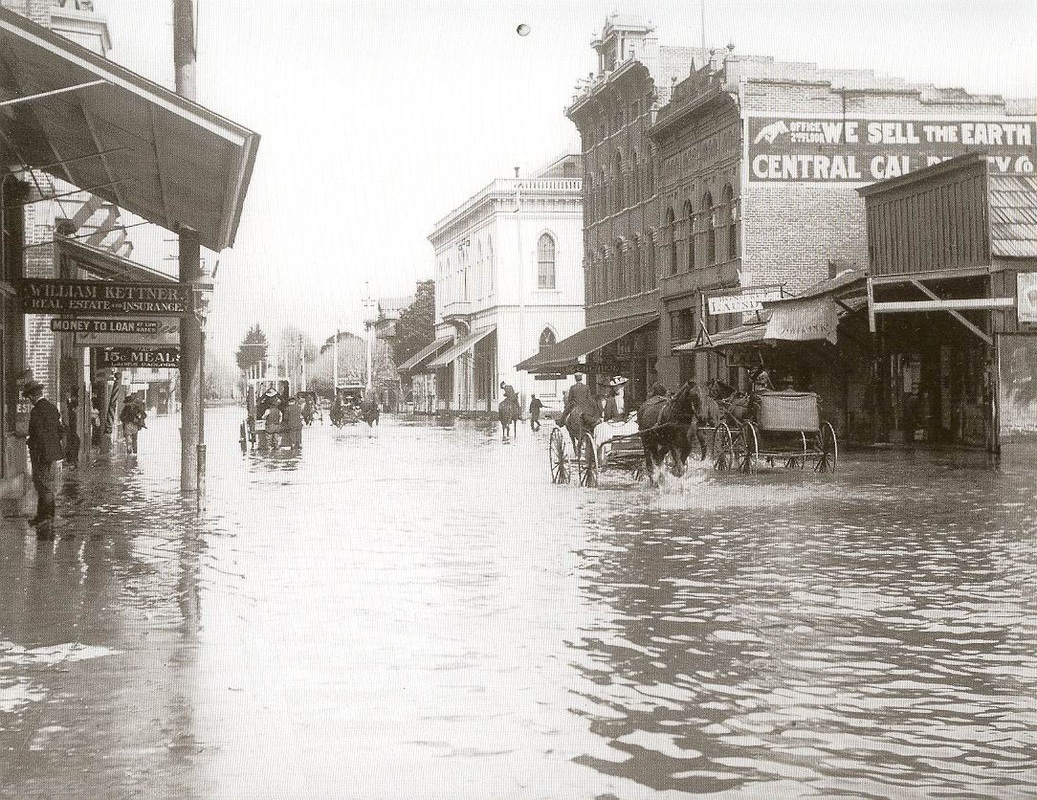
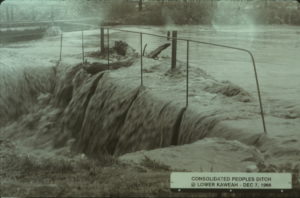
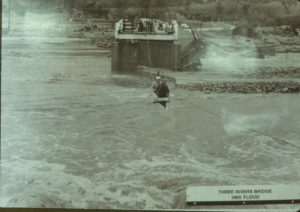
In addition to regularly maintaining and clearing primary rivers and channels in the district, KDWCD responds to flood events during major rains. By moving and storing water in the many basins owned by the District, KDWCD can reduce potential damage downstream in Exeter, Visalia, and surrounding areas. You will also find KDWCD employees out in the rain, shoulder to shoulder with the irrigation district employees, clearing mounds of debris from the many gates, diversions, and other restricted flow areas around the county. (There have been 36 major flood events in and around Tulare County from 1950 to 2010.) Many lessons have been learned since the floods of 1861-62 and 1955. Terminus Dam itself is a product of those lessons.
In the decades since its beginning, KDWCD has acquired over 5000 acres of land around Tulare County for the purpose of developing recharge basins and to assist with flood control. These basins are used primarily to capture rainwater and return it to the aquifers, but some are configured to receive water diversions during high water years to help reduce the effects of flooding.
KDWCD has also purchased the 5000+ acre Davis Ranch north of Lake Kaweah as well as a 40-acre parcel alongside Dry Creek, just south of Homer Ranch, for the purpose of mitigating the environmental impacts of the lake enlargement project. The District sponsored that project in 2001 to increase the lake’s capacity from 150,000 acre-feet to approximately 185,600 acre-feet. These parcels will remain in their natural state in perpetuity and are inspected regularly to ensure that protection. Davis Ranch is leased to local ranchers for raising and grazing cattle, and many other parcels owned by the District are leased back to farmers for raising crops.
Employees of KDWCD also manage the Kaweah River Power Authority to operate and maintain the Terminus Power Plant, a 20- megawatt hydropower facility that was constructed just below the dam in 1990 through a partnership between KDWCD and the Tulare Irrigation District. The plant generates power during flood releases in the winter and agricultural releases during the summer growing season. The release of water is strictly controlled by the Corps of Engineers. The power is currently sold to Southern California Edison, providing additional funds for maintaining and improving the waterways and properties throughout the district.
While the district offices and the power plant are not generally open to the public, arrangements can be made for group tours and site visits by calling the office. Annual open houses and water education presentations for schools and civic groups are under consideration by the District.
March, 2014
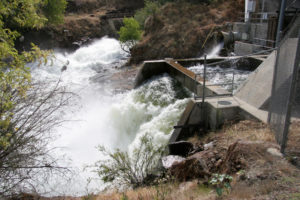
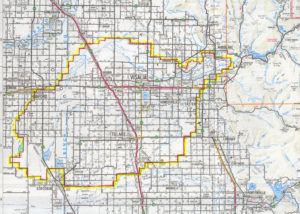

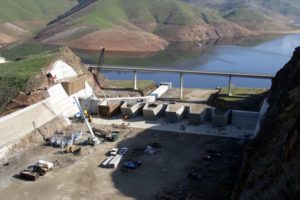
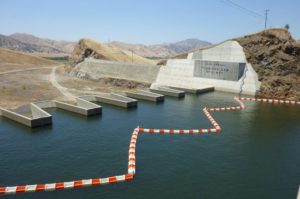
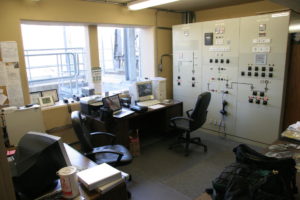
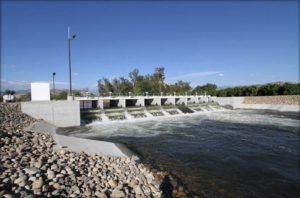
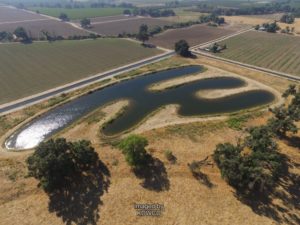
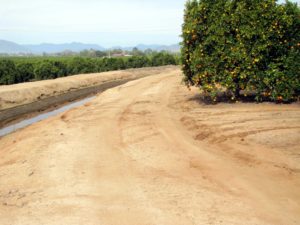
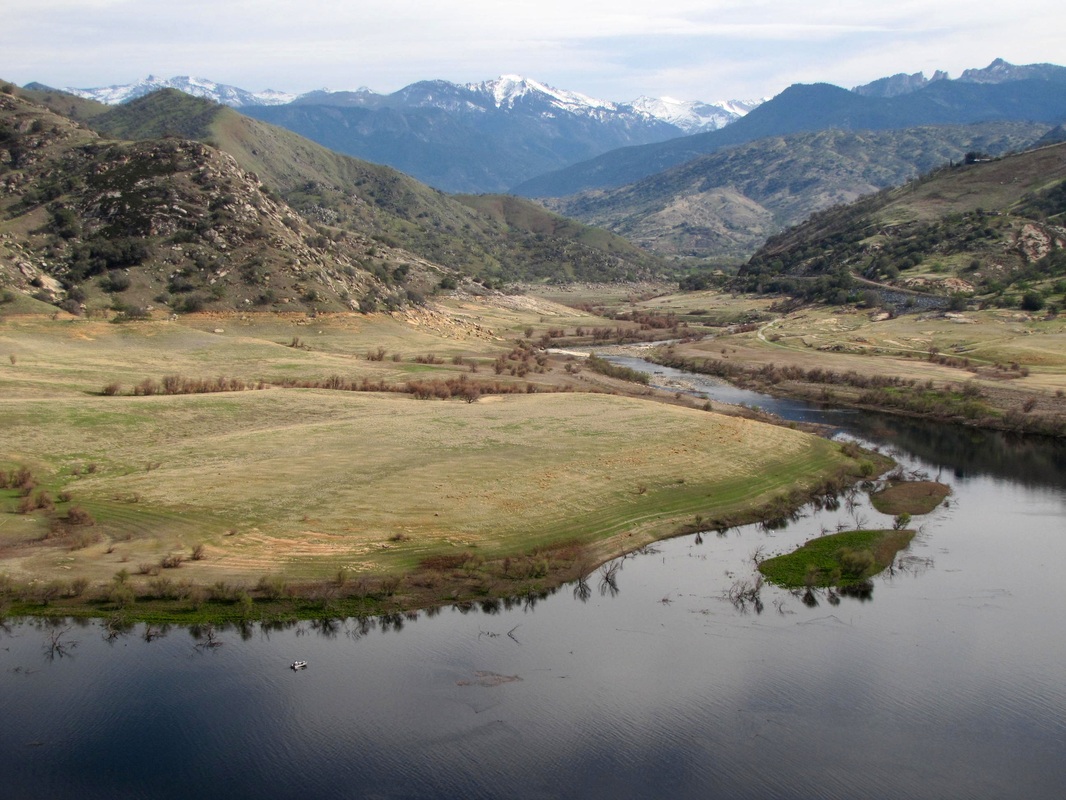
“The Kaweah River flows westward 32 miles from the Sierra Nevada to the Central Valley, where it flows into Lake Kaweah and is managed for flood protection and stored for irrigaion purposes.” — Kaweah Delta Water Conservation District
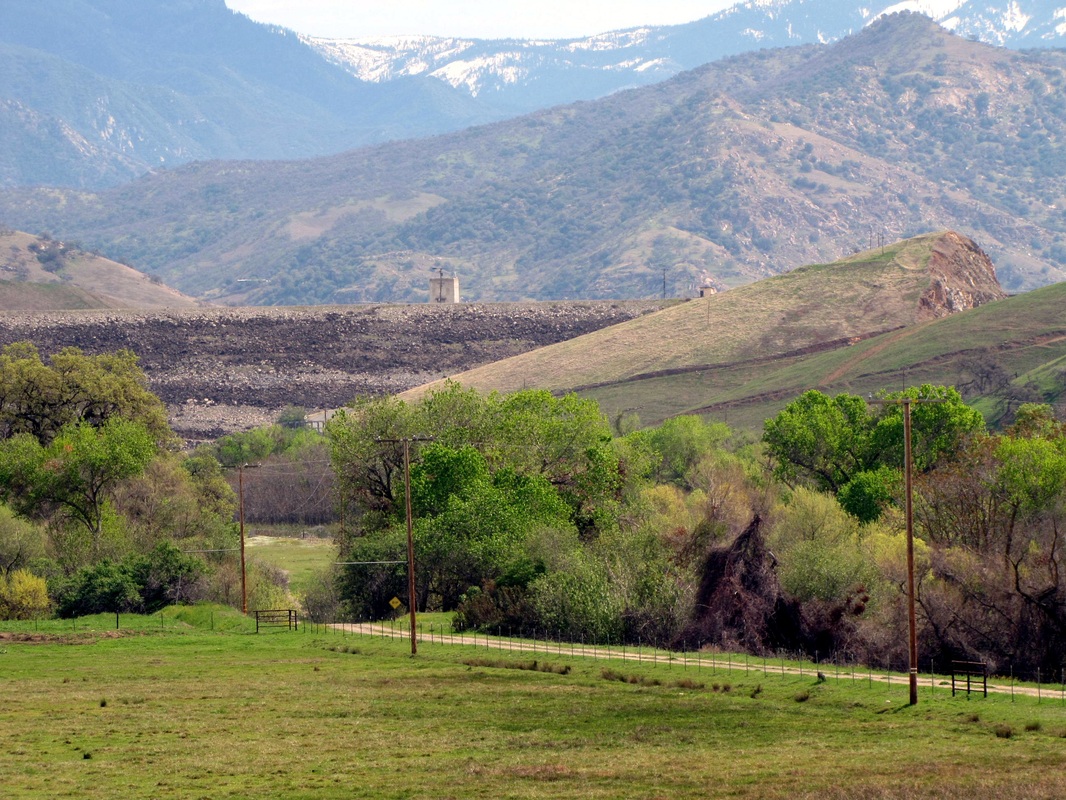
“To irrigate the eastern portion it is but necessary to construct dams at the foot of the low hills on the different rivers and lead the water through channels to any portion of the plain desired.” — James H. Carson, 1852
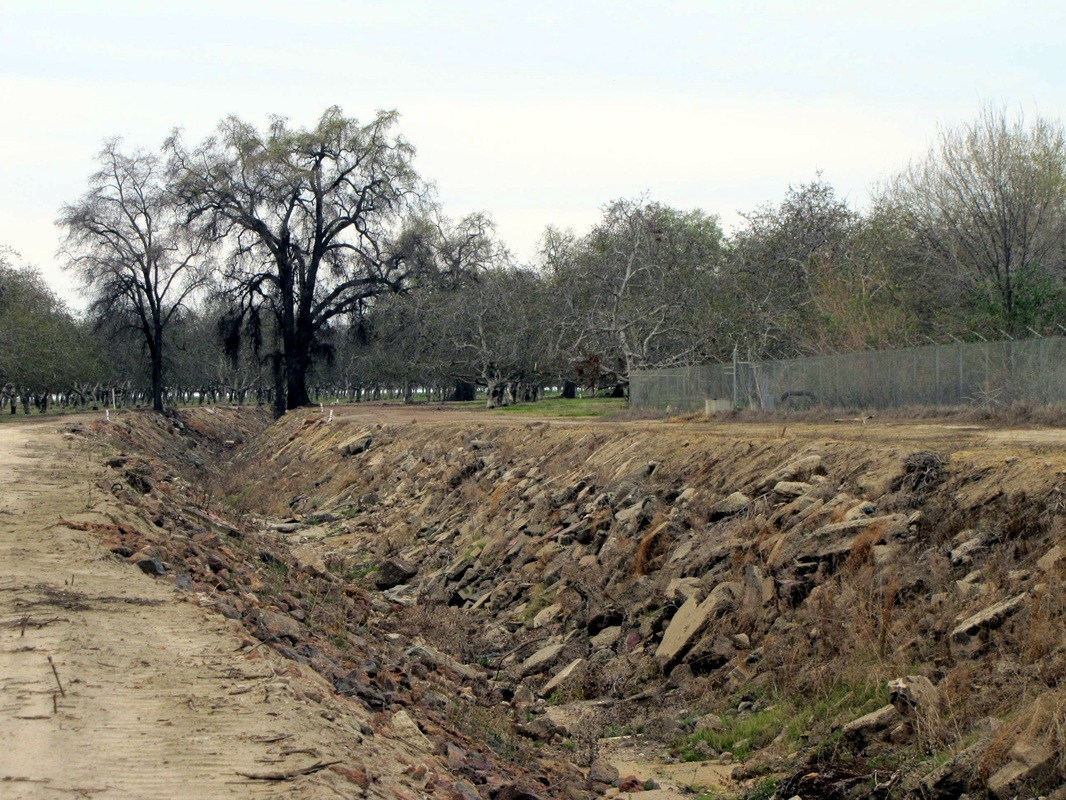
“As early as 1854 an irrigation project was begun near Visalia, the first such project in the entire San Joaquin Valley and the first step in a new episode of environmental alteration that would ensure the spread of settlement throughout the basin.” — William L. Preston
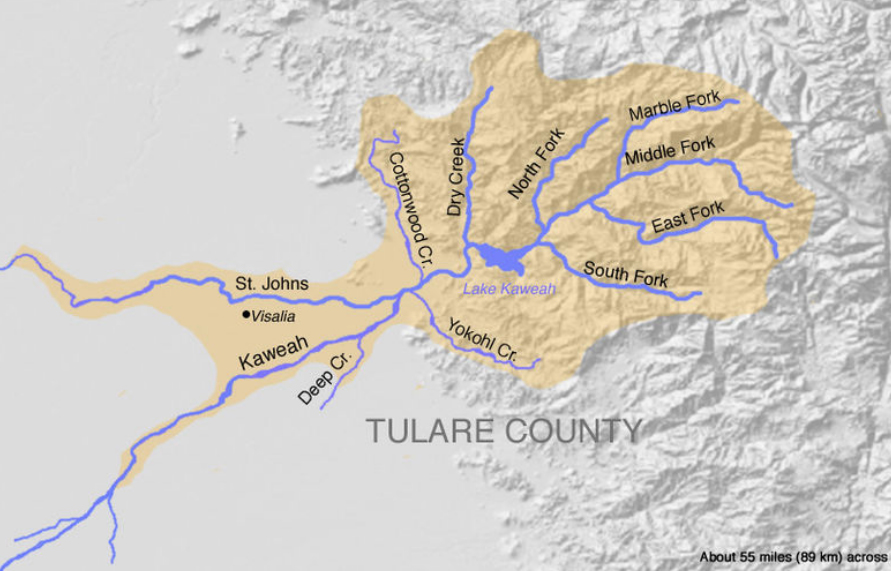
“At first . . . water was cheap and plentiful. The late 1920s and early 1930s brought dramatic price increases as demand rapidly outpaced the supply of irrigation water, and a severe drought in the mid-1920s also encouraged basin farmers to turn to the development of groundwater resources. The capacity of pumped wells trebled by 1929, until well production amounted to about twelve times the volume of summer stream discharge from the Sierra Nevada into the basin.” — William L. Preston
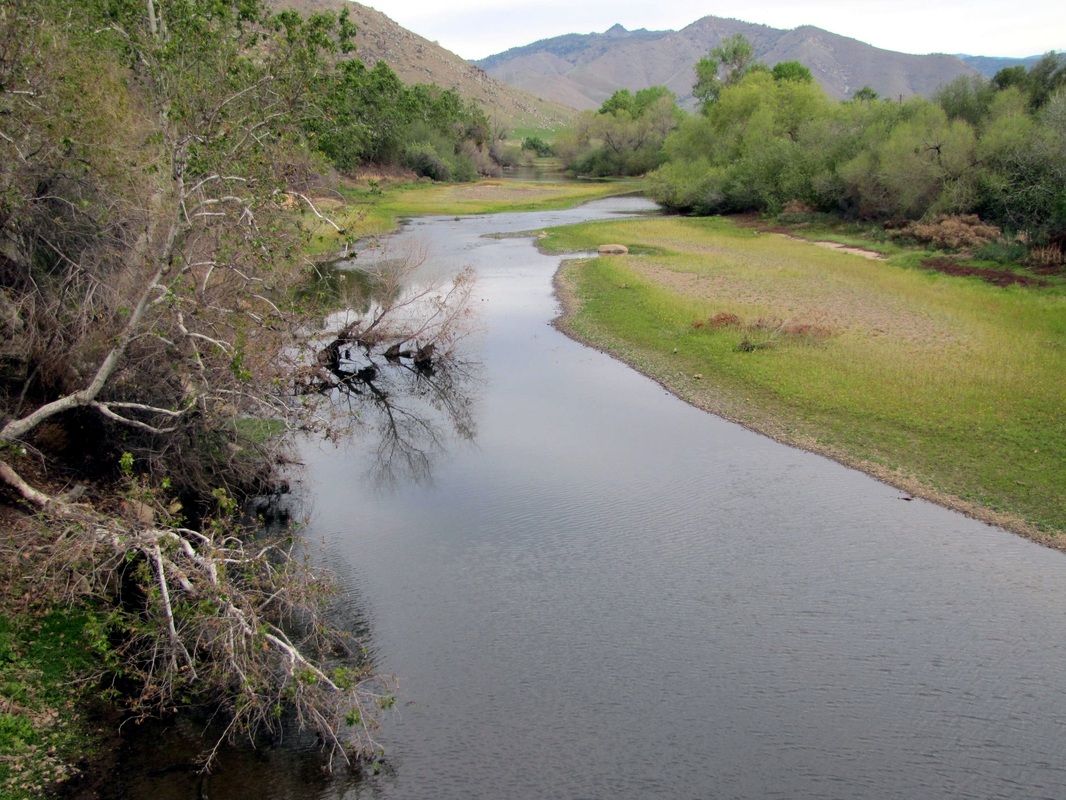
“Whenever fifty or more owners . . . shall desire to conserve the waters of such stream or unnavigable river, they may propose the organization of a water conservation district under the provisions of this act . . . .” — State of California Water Conservation Act of 1927
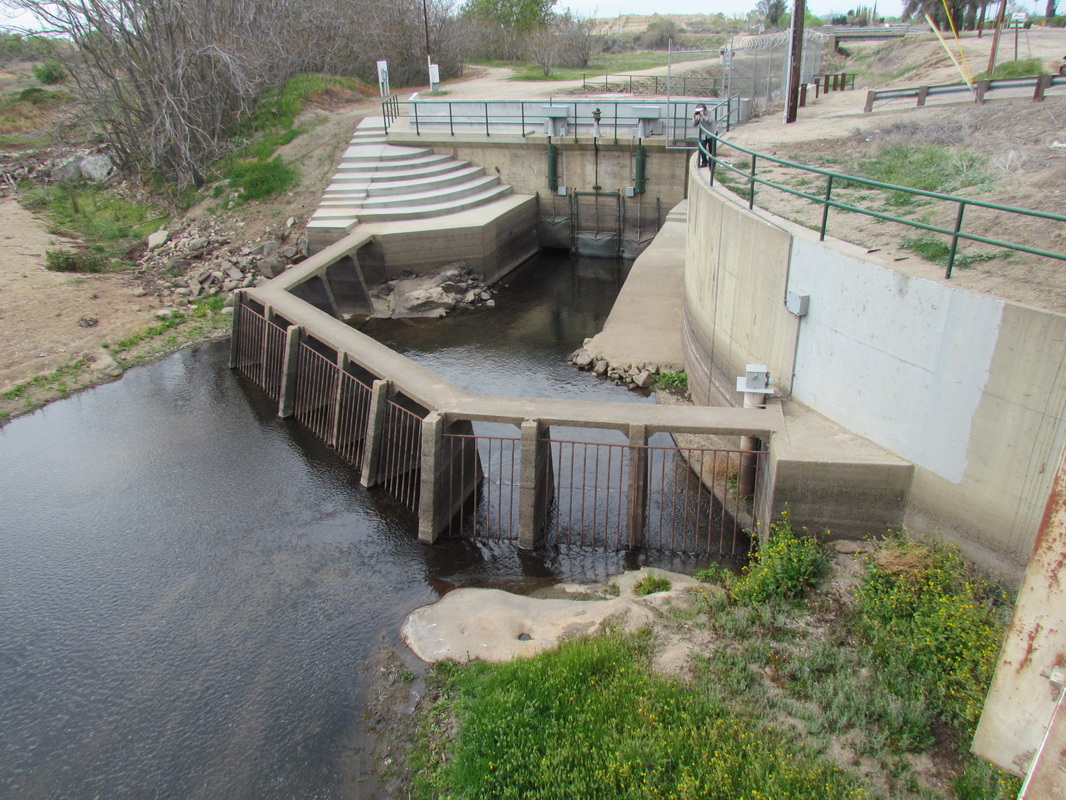
“. . . to conserve and store water by . . . constructing dams and reservoirs for storage of water, and by spreading and sinking water . . . [and] to prevent . . . diminution of the natural flow of any stream or unnavigable river, including the natural subterranean supply of waters therefrom . . . .” — State of California Water Conservation Act of 1927
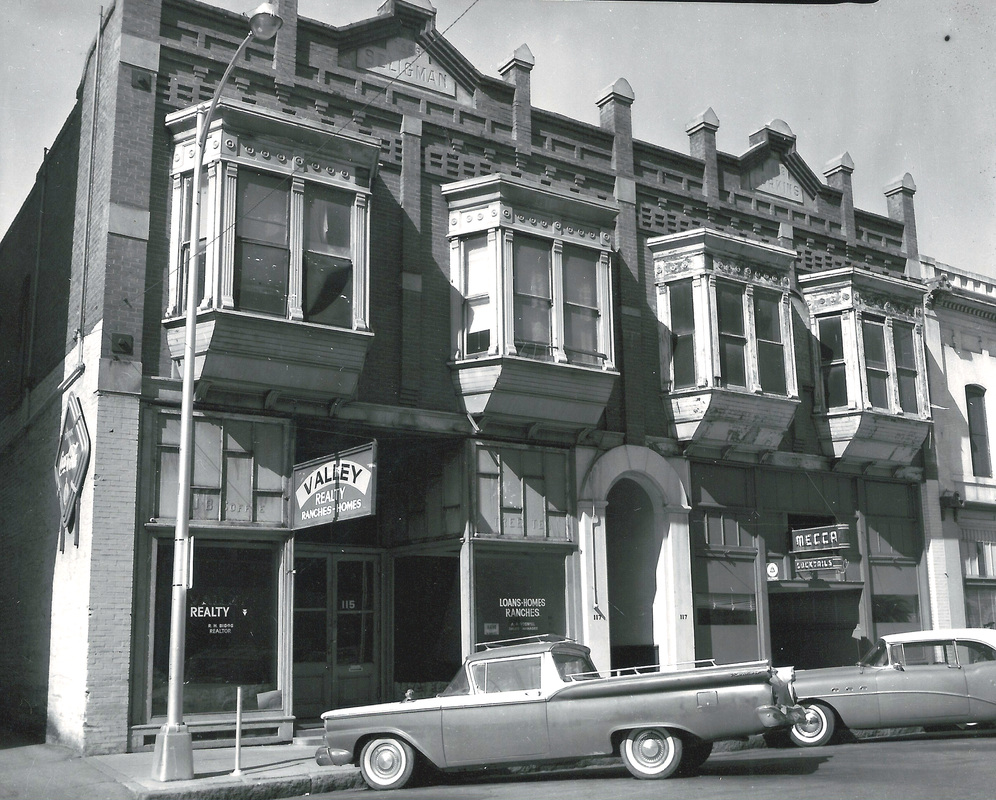
“Pursuant to the provisions of the ‘Water Conservation Act of 1927,’ the Board of Directors of the Kaweah Delta Water Conservation District met . . . on . . . the 22nd day of November 1927 . . . in the Larkins Building, at No. 117 North Church Street, in . . . Visalia . . . . The following Directors were present: E.F. Hart, Chas. A. Kimble, A.C. Rosenthal, J.N. Hagler, U.D. Switzer, W.B. Parr and Alex Whaley.” – – Minutes of the organizational meeting of the KDWCD
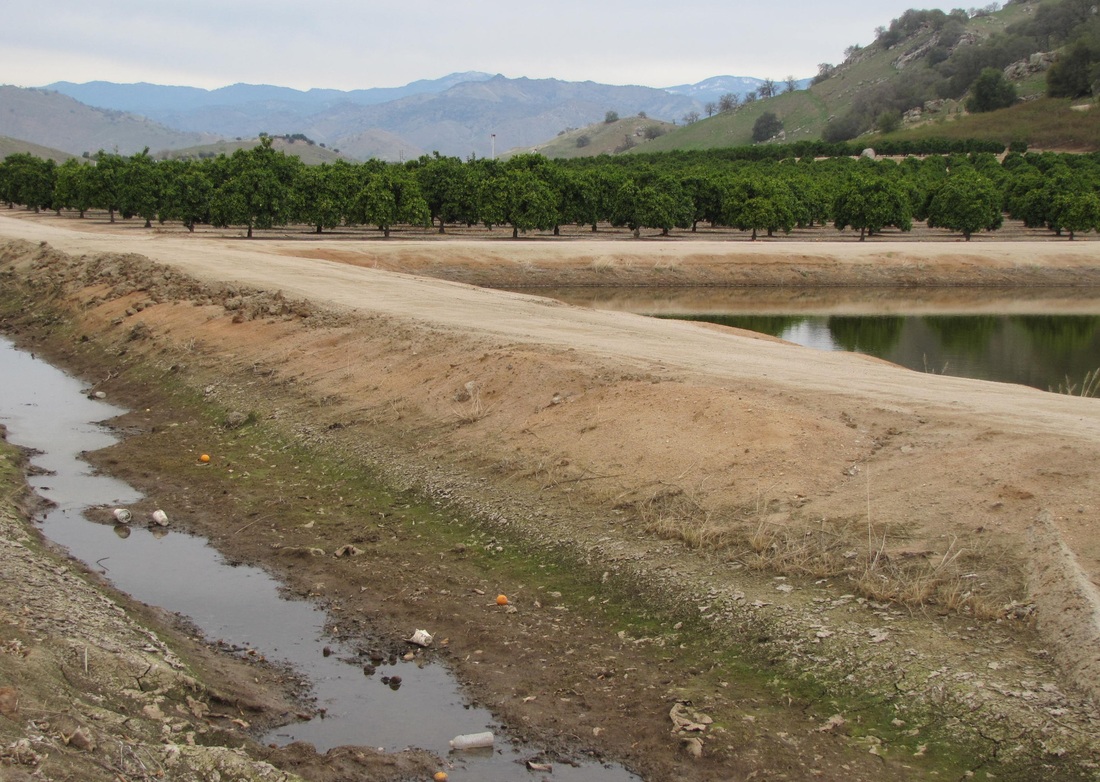
“We never know the worth of water ’til the well is dry.” — Thomas Fuller
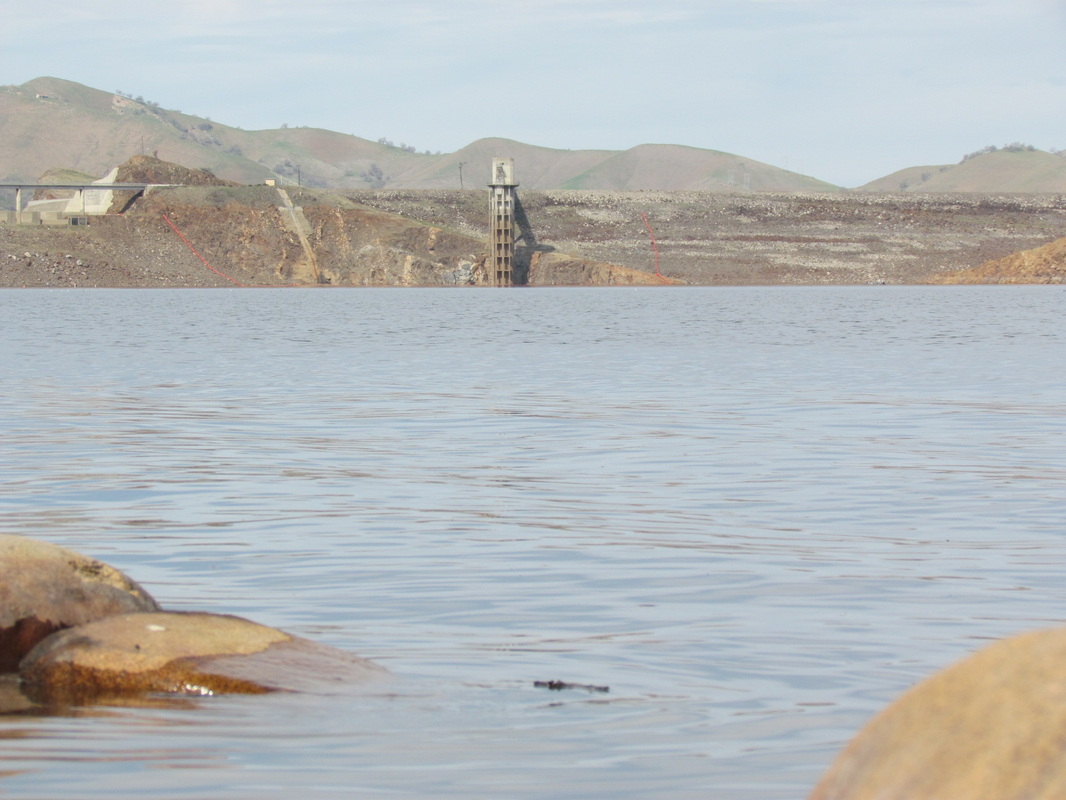
“No matter how many reservoirs, dams, and aqueducts, we lived and prospered in California at the sufferance of the natural elements and the ability of our institutions to maintain huge public works.” — Philip L. Fradkin
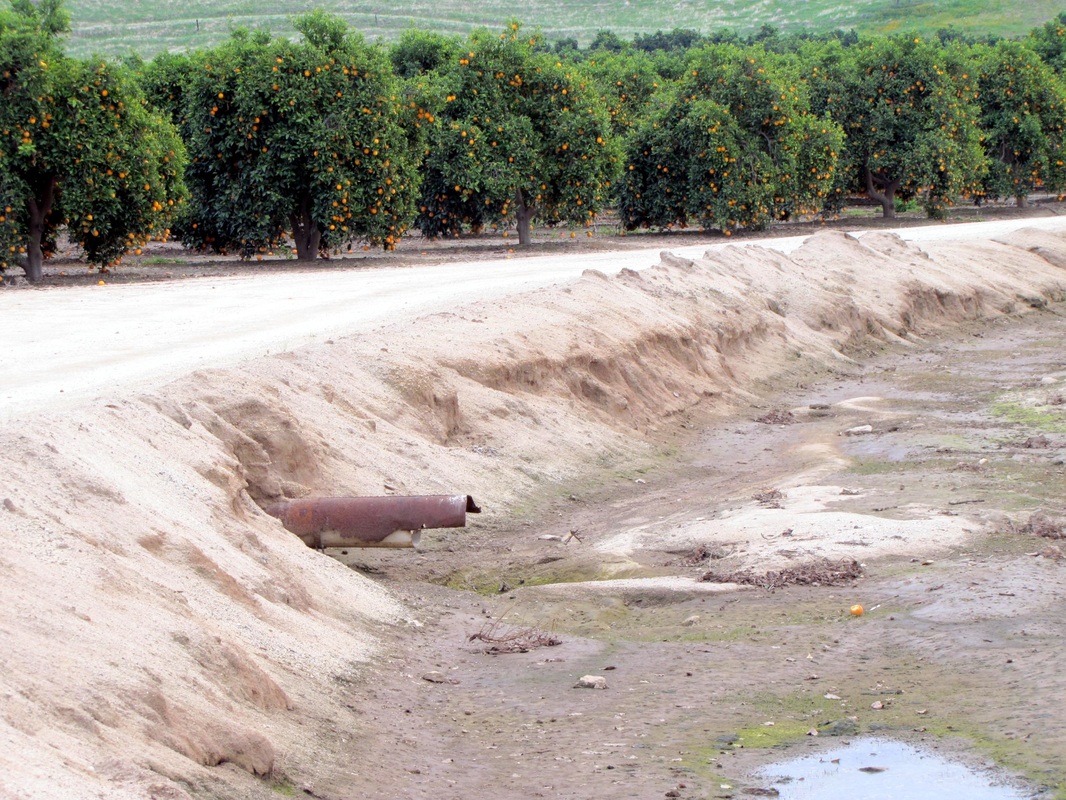
“The District and the Kaweah River groundwater basin have experienced long-term groundwater overdraft estimated in 2007 to be as much as 40,000 acre-feet per year.” — KDWCD website
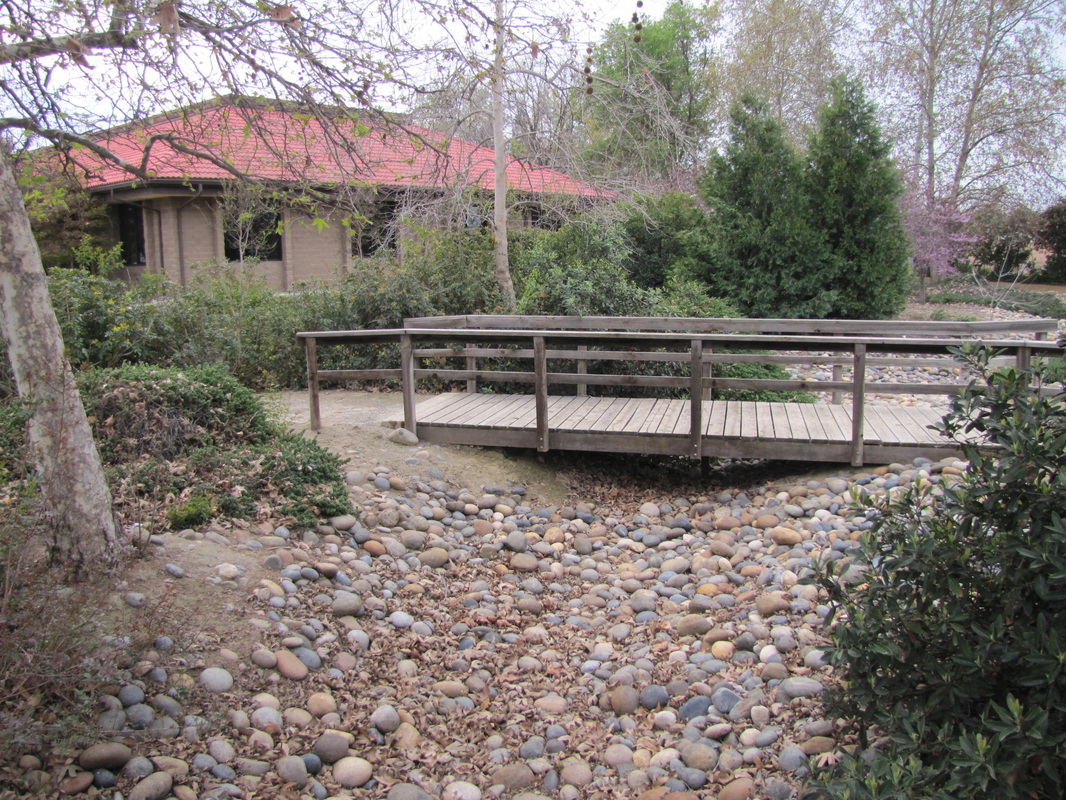
“The old Incas used to say, ‘The frog does not drink up the pond in which he lives. — Donald Worster
Directions:
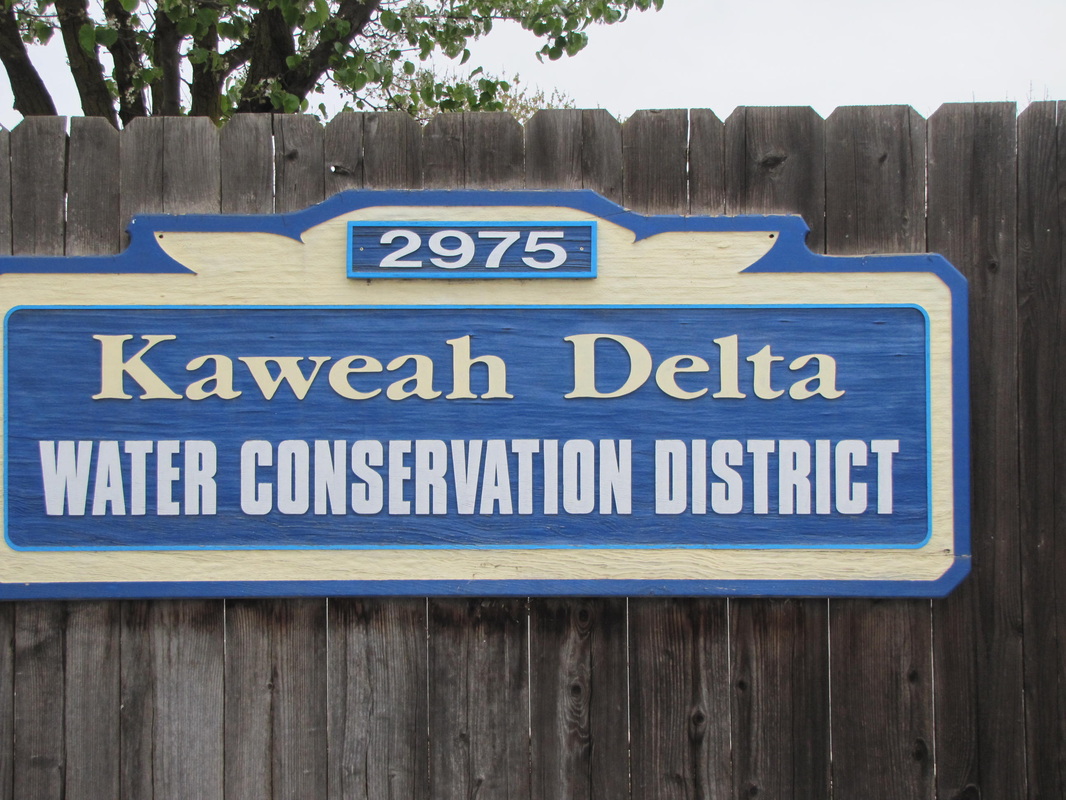
Address: KDWCD District Offices, 2975 Farmersville Rd., Farmersville, CA 93233
Latitude/Longitude: Latitude: 36°19’25.78” N, Longitude: 119°12’24.90” W
Decimal Degrees: Latitude: 36.323827, Longitude: -119.206890
From Visalia, take Hwy 198 east onto the Farmersville exit. On the first roundabout, exit east toward the second roundabout. On the second roundabout, exit right (south) onto Farmersville Rd. In a few hundred feet, the KDWCD offices will be on your right.