Click on photos for more information.
The Springville Historical Museum: A Dream That Wouldn’t Die
by Louise Jackson
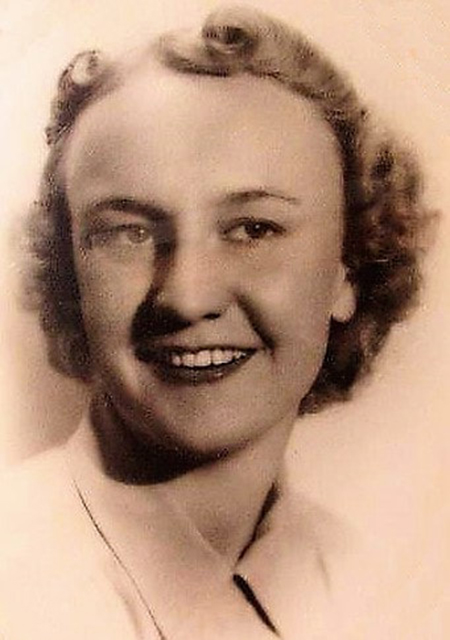
It can be hard to know when an important idea is conceived. To ninety-eight-year-old Virginia Radeleff the concept of a community museum is simply part of a small town’s unique history. Raised from birth in the foothill community of Springville, California, Miss Virginia grew up and spent most of her adult life living her community’s history.
“I think I realized from the time I was a little kid, that the town was a little bit different, that it needed to be preserved.” she reflects. “It wasn’t quite like other towns.” Born in 1919, Virginia left Springville to attend two universities, obtain two teaching credentials, and to work in an aircraft factory during World War II. But she always returned home.
“People knew from the time I started teaching when I was about 21 years old, that I was working for a museum. We talked about it. They knew it. The way youngsters grow up in a town like this needs to be preserved.”
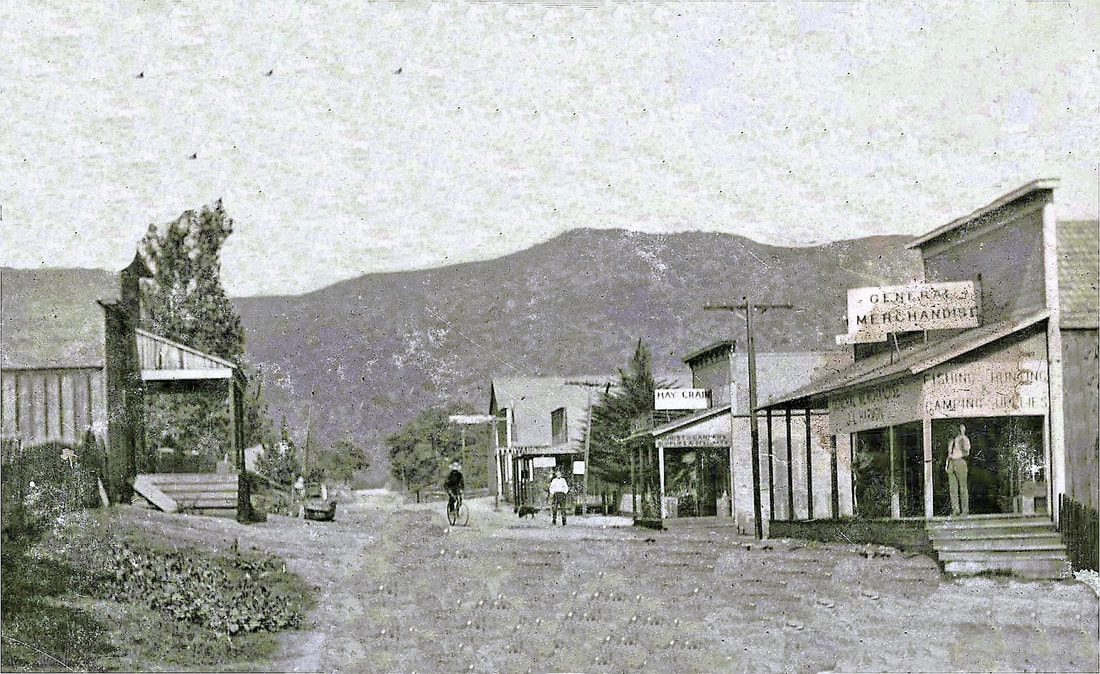
The way they grew up in Springville was indeed special. Small by any community standards, it was a foothill town without borders, with few fences or restrictions. Its children of the early 1900s played, ate, and grew up together under the direction of all their neighbors. According to Virginia, “Everybody had a garden and a milk cow and lived within their means.”
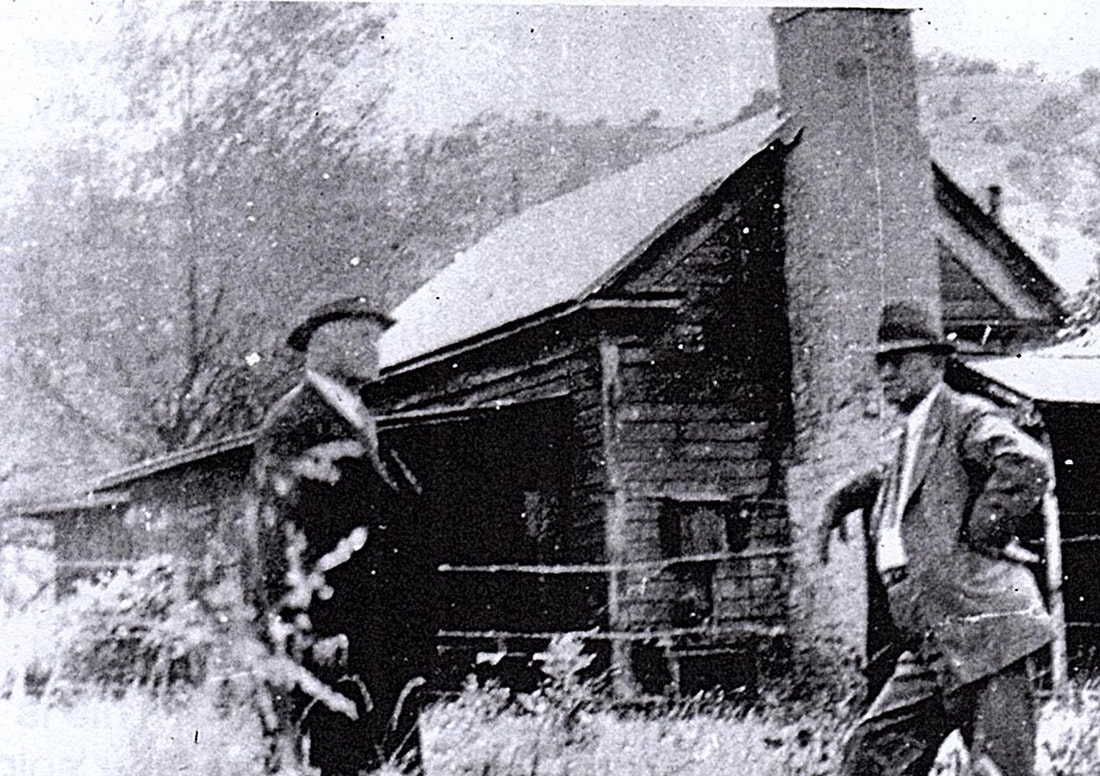
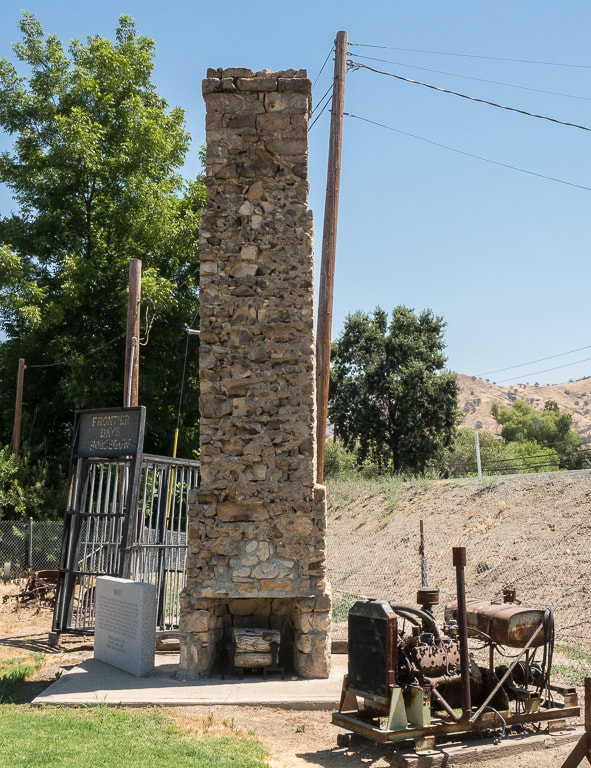
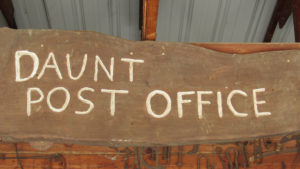
The original town was formed when John Crabtree, one of the first settlers on the Tule River, sold a piece of his 1856 land patent to William G. Daunt. In the 1860s, Daunt built the area’s first combination store and post office, which served the growing area for many years. That piece of property, sitting beside today’s rodeo grounds, and still supporting the original post office/store chimney, became the eventual home of Springville’s Tule River Historical Museum.
The story of Springville’s museum is a tale of vision, determination, cooperation, perseverance, and hard work. Its very existence stands as a testimonial to the kind of community Springville is, and to the woman who made it happen.
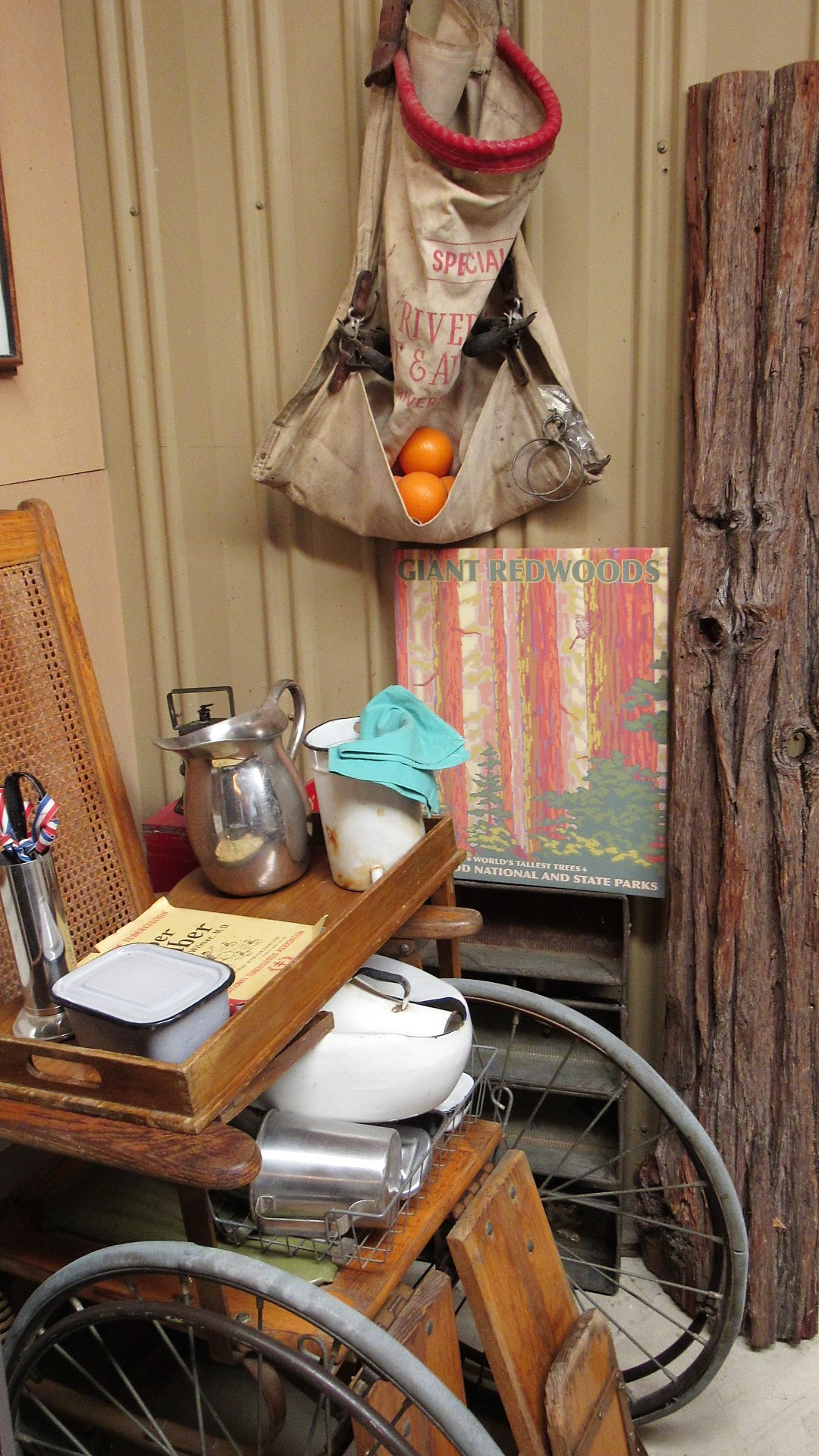
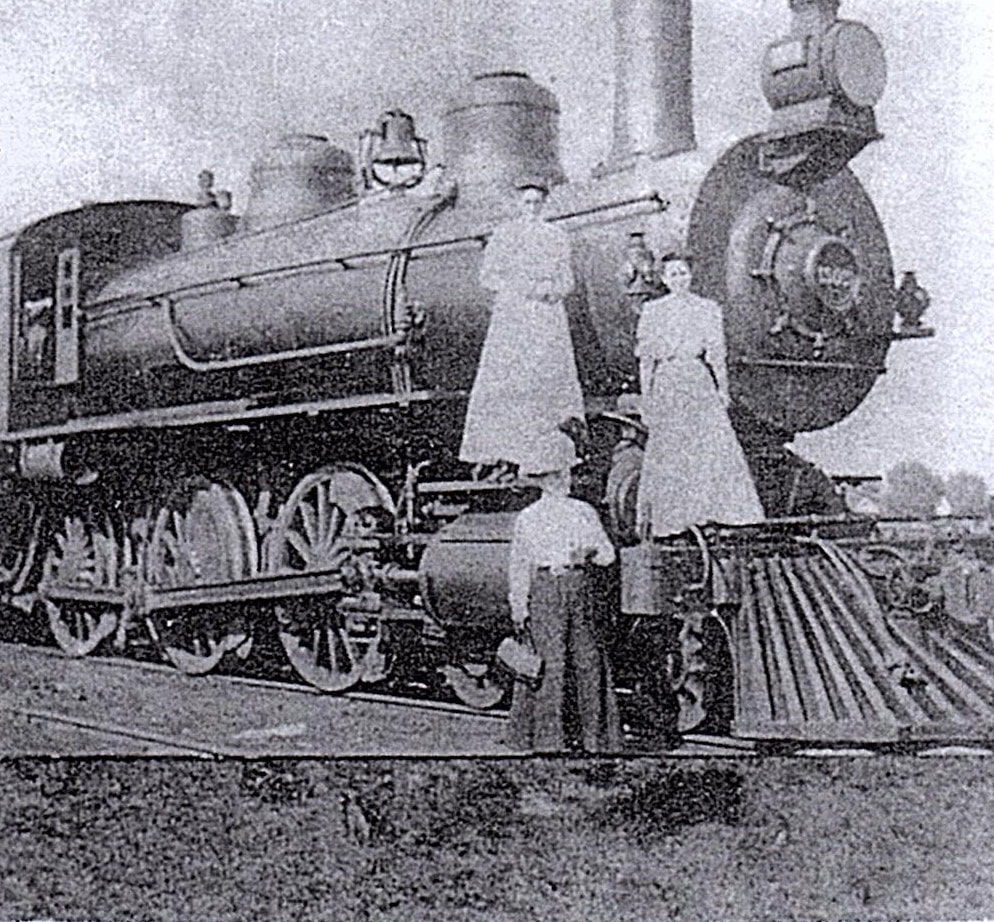
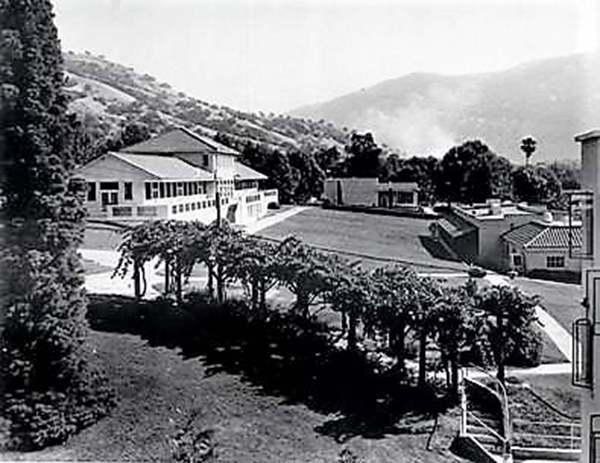
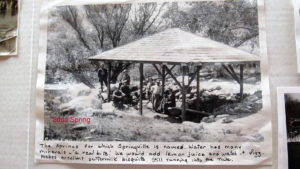
Virginia Radeleff constantly gathered its history. The heritage of its prehistoric Yokuts people who thrived in the lush landscape of its clear springs. Its early years as an important way station for southern Sierra Nevada hunters, trappers, miners, stockmen, and sheep herders. Its years as a major lumber mill town, with a railroad line to serve it. Its evolving role in ranching and farming. Home to a major regional hospital facility during a pandemic of tuberculosis that ravaged the nation for over 50 years. Its importance as a gateway to the Sierra Nevada’s recreational opportunities on both federal and private lands.
Every time someone had something they thought should be in the museum, they gave it to Virginia to store. Finally, in the 1970s, she had to tell the town, “It’s time for us to hunt for a museum because we can’t just keep putting it in Miss Virginia’s garage!”

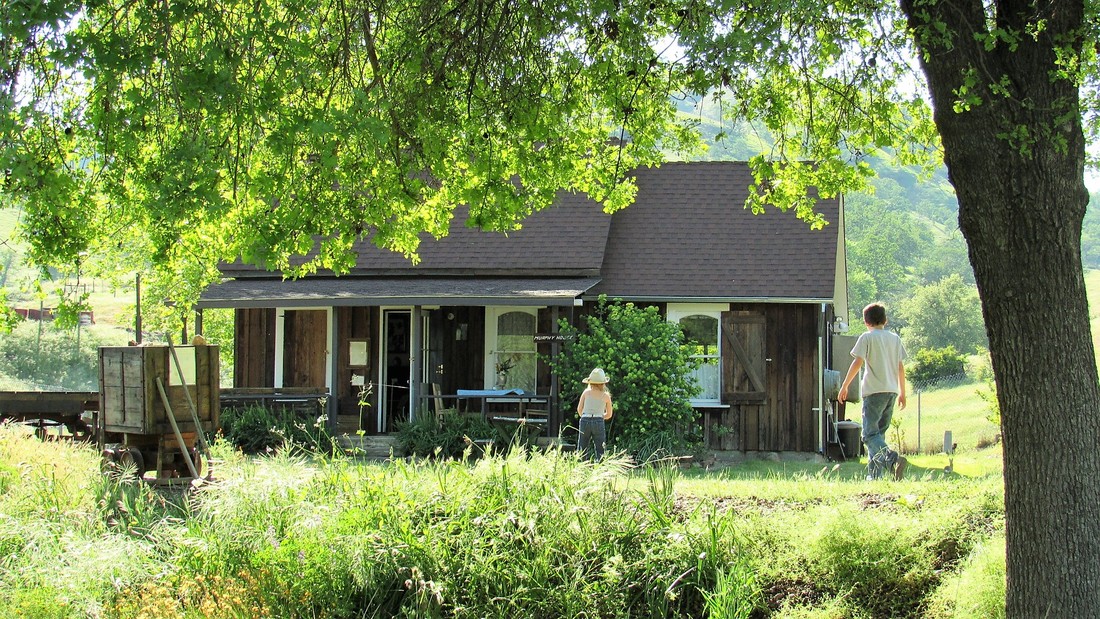
The first places the community approached—the closed hospital, an old railroad right-of-way site, and the property of the Springville Hotel that had burned down—all proved unworkable. Then an interesting offer came. Lindsay dentist Dr. Franklin Baughman and his wife were going to build a new house on the property of one of the area’s early homesteads. The historic Murphy House was in the way, so they offered it for use as a museum. But there was one caveat; the old building had to be hauled away.
On September 13, 1981, the Tule River Historical Society became a legal non-profit entity with two stated goals: to research and preserve the history of the area—and to move and preserve the Murphy House.
Four years later, with the Baughmans ready to build but still without a home for the building or the capability to move it, a crew of volunteers started taking the structure apart. Piece by piece, they numbered each one and stored them all in nearby turkey sheds, a sea cargo container, and a barn. It took almost ten years before the Society found a place to re-assemble them into a house. That place turned out to be the property of the old Daunt store and post office.
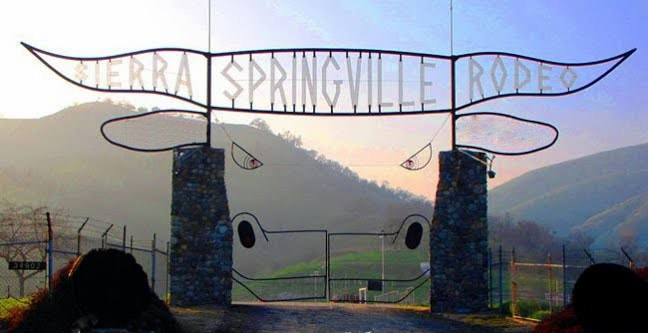
Daunt’s one acre site, its location by the rodeo grounds, and its history made it a perfect location for the museum. The Historical Society approached Mariann Sanders, who owned the property, but, once again, there were problems. Funds to buy the property, access to it, water and electrical connections were all missing.
A committee of the Historical Society went to work on the funding first. It offered to handle the sales of local historian Jeff Edwards’ book, 100 Year History of the Tule River Mountain Country, in return for a donation to buy the property. When the donation reached over $4,000, negotiations with Mariann Sanders began in earnest, and in 1988 an agreement was reached in which she donated the land in exchange for payment of back taxes.
The next few years were busy. The Rodeo Association granted access to the site, the Lions Club donated over $5,000, and in 1990, after the Tulare County Planning Department issued a building permit and approval of the site plans, the Southern California Edison Company brought in an underground electrical conduit. The Historical Society repaired the Daunt chimney, fenced the site, and poured the slab for its first building. Finally, in 1994, the Murphy House was reassembled in its new home and its restoration began.
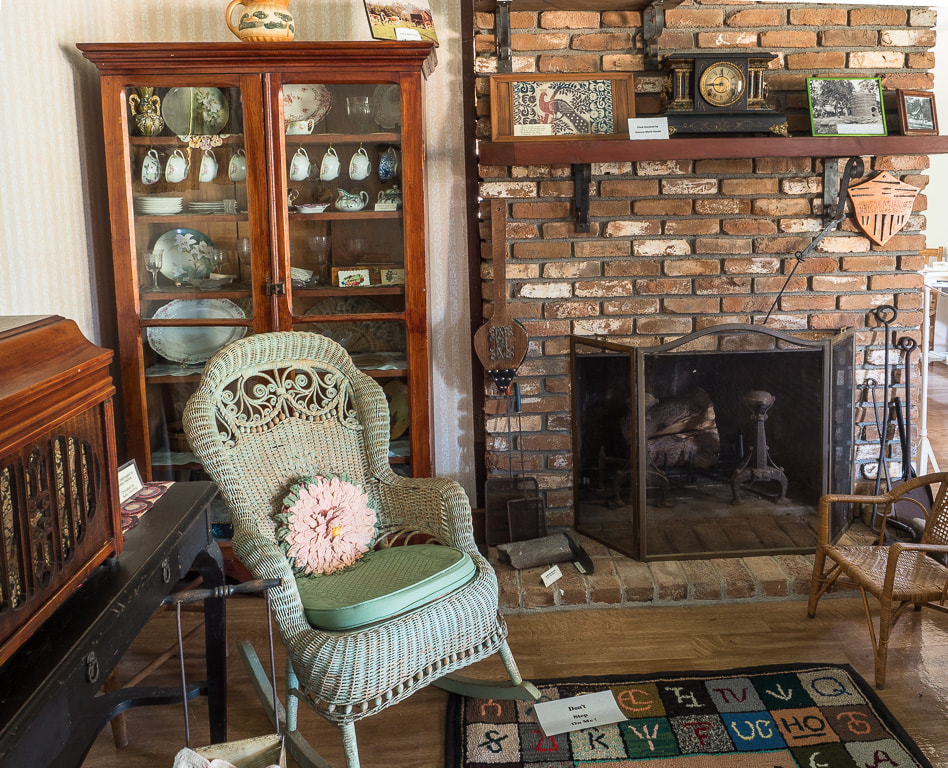
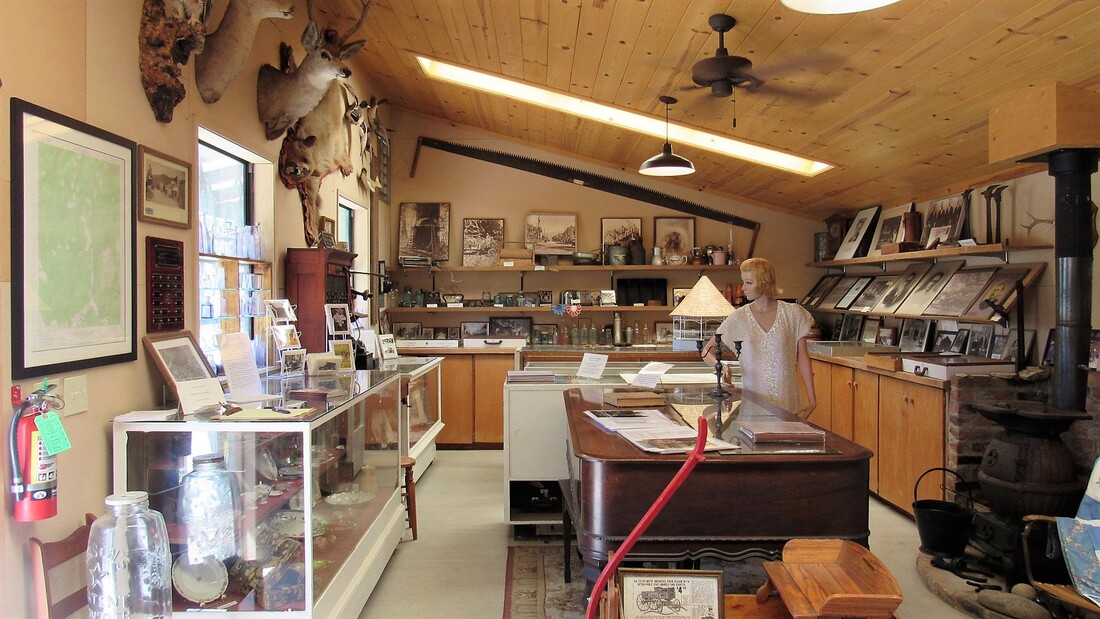
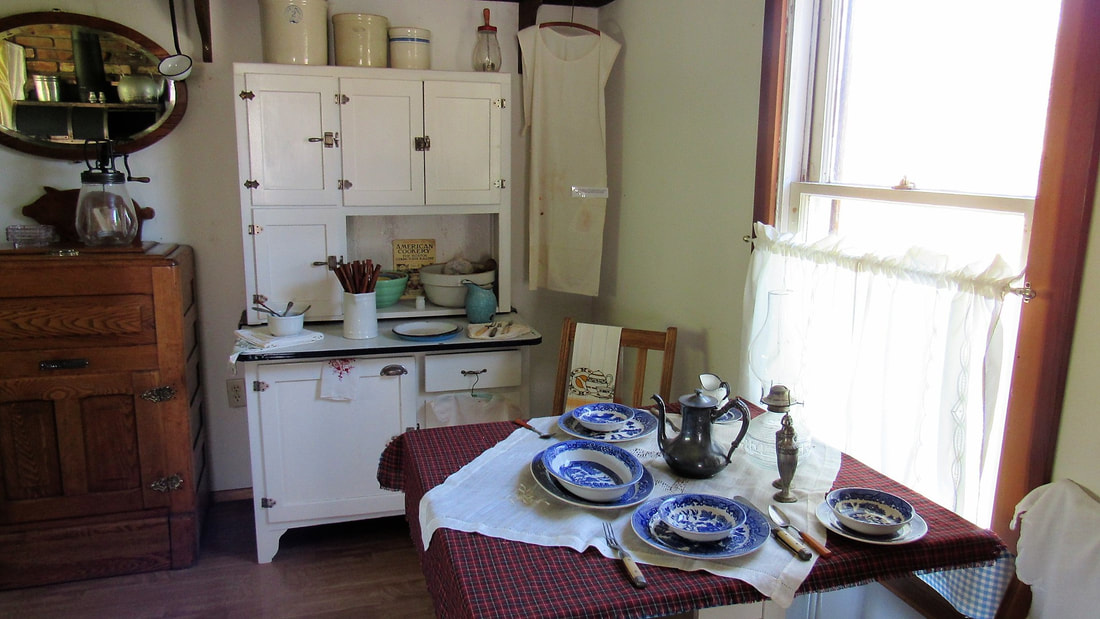
Today, Springville’s Historical Museum stands as a wonderful repository for all the artifacts and historic records of the upper Tule River region that Virginia Radeleff and the Tule River Historical Society have gathered through the years. The fully restored Murphy House is a museum in itself, filled with pioneer furnishings, fascinating artifacts of early America, interpretive photos, stories, documents, and genealogies.
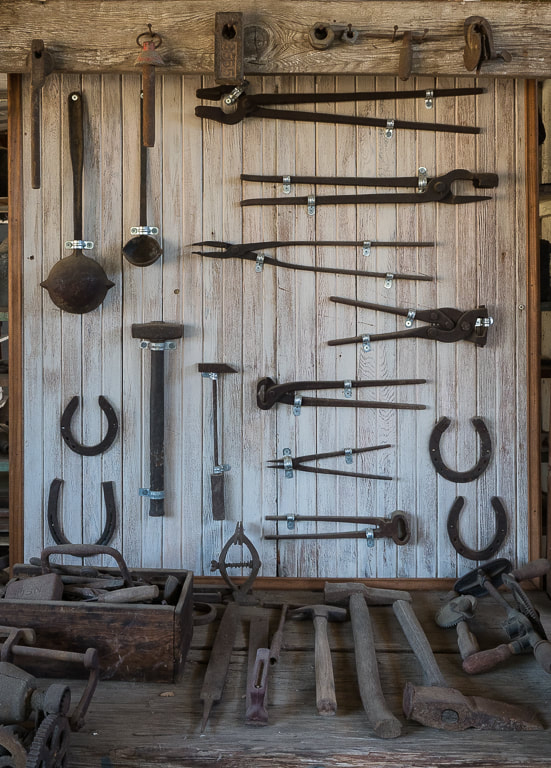
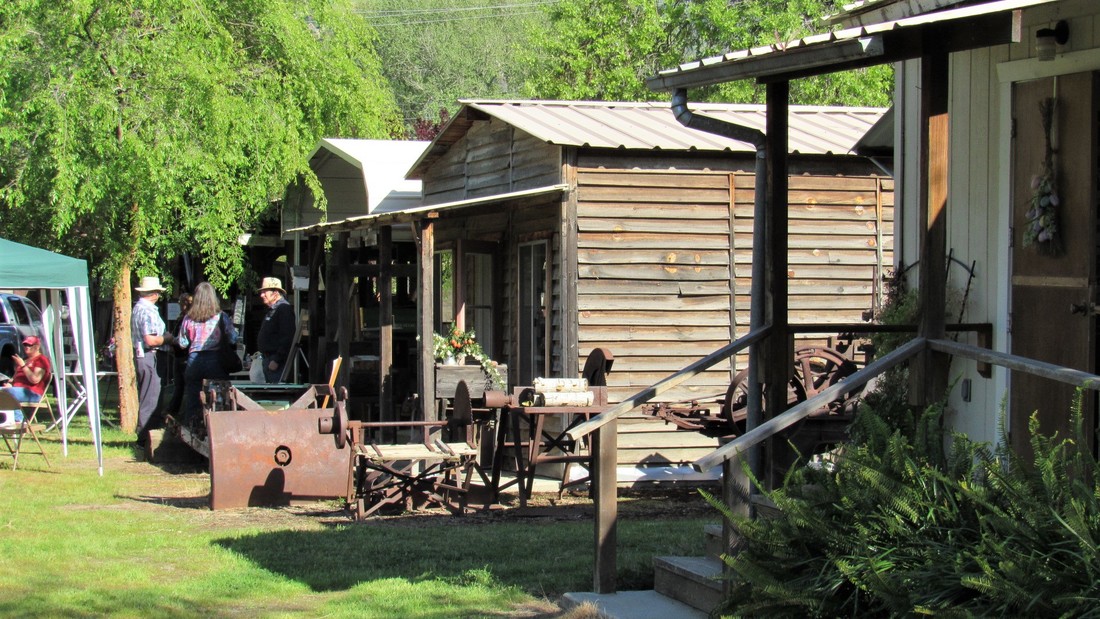
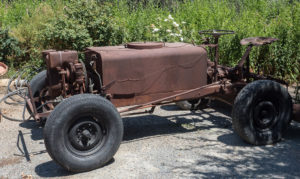
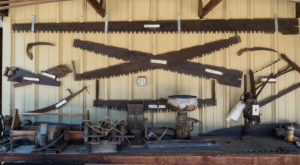
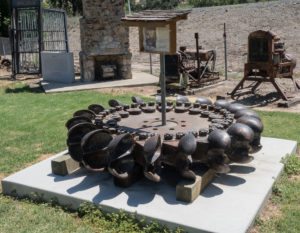
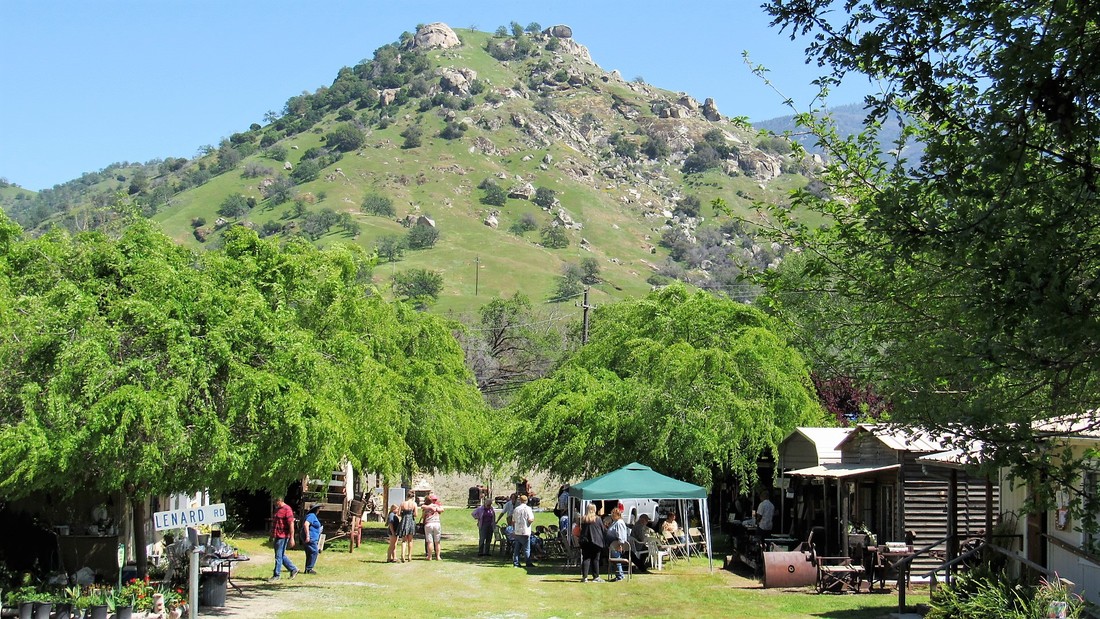
The museum grounds display restored and refurbished artifacts seldom seen in a rural museum. A full blacksmith shop, freight wagons, a covered wagon, historic trucks and cars; early lumbering and water power equipment, farm and ranch equipment, a replica post office and stores; and the original Daunt chimney standing tall, as a witness to the passing times.
One of Miss Virginia Radeleff’s goals for the future is for the Tule River Historical Society to collect the modern industrial and personal technologies that are changing rural America’s way of life today. To maintain and grow the Springville Museum as continuing testimony to an ever-evolving community and its special can-do people.
October, 2017
UPDATE: On Sunday, January 26, 2025, Miss Virginia Radeleff died peacefully in her sleep at the age of 105. Her dedication to the education of generations of Springville’s students and to the collection, preservation, and dissemination of the community’s (and its region’s) history has left a lasting legacy that is truly a Tulare County Treasure.




“[A museum] is an opportunity for a community to do things together . . . a museum can be a focus, not only of children but their parents and even grandparents . . . they not only take a part in life now, but they want to show their descendants what it was like.” — Miss Virginia

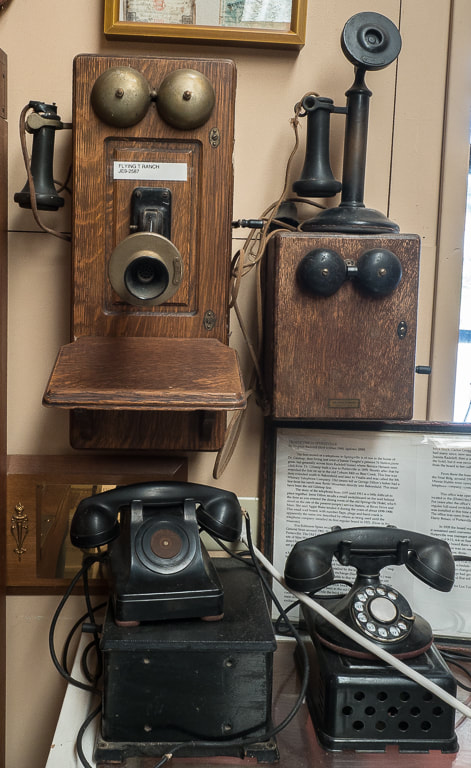
“My mother had the . . . telephone company switchboard in our living room, and the county library. That was her job. And my dad had a service station down the street. And no one was making any money. . . . But the one thing that both my parents always insisted was that every one of us was going to go to college. . . . So we grew up with education being at the heart of everything.” — Miss Virginia

“. . . I found that working with youngsters was what I wanted most, and I thought I could help the town the most that way. There are at least six families here now that I taught four generations in their family.” — Miss Virginia
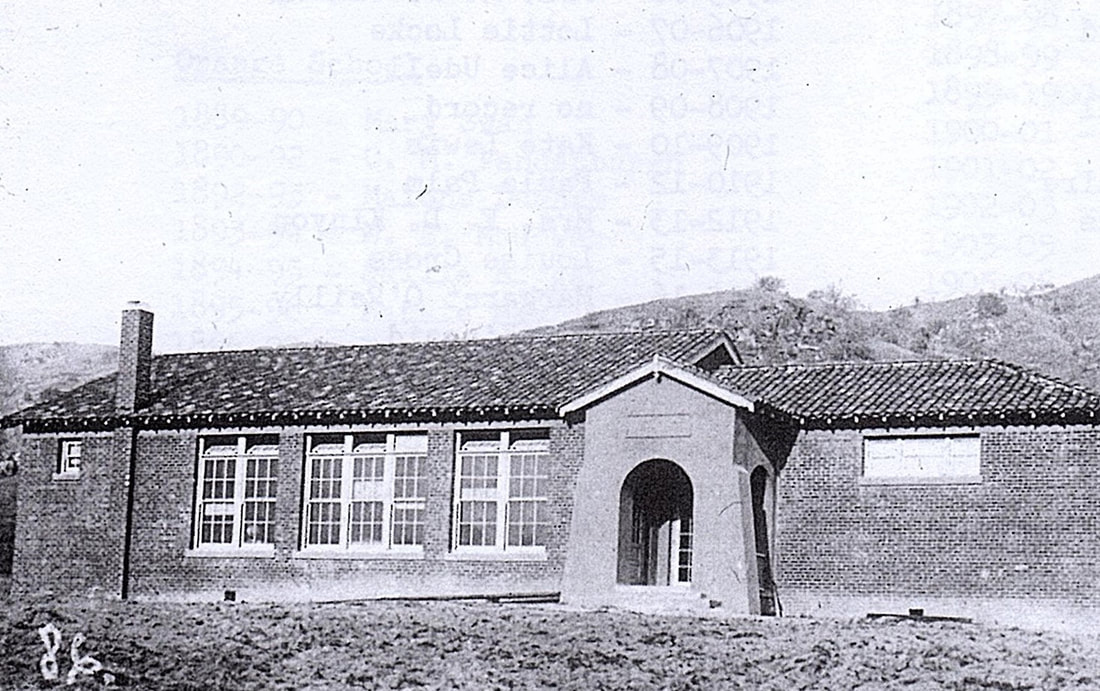
“The janitor over at school, when I first started to teach, every day when he came to school, he brought his milk cow with him, and tied her out along the fence, and she ate the grass along the road, and when he went home for lunch, he took her home, and then back.” — Miss Virginia

“The name of Springville was never official until 1911. At this time the name was changed from Daunt to Springville.” — Jeff Edwards
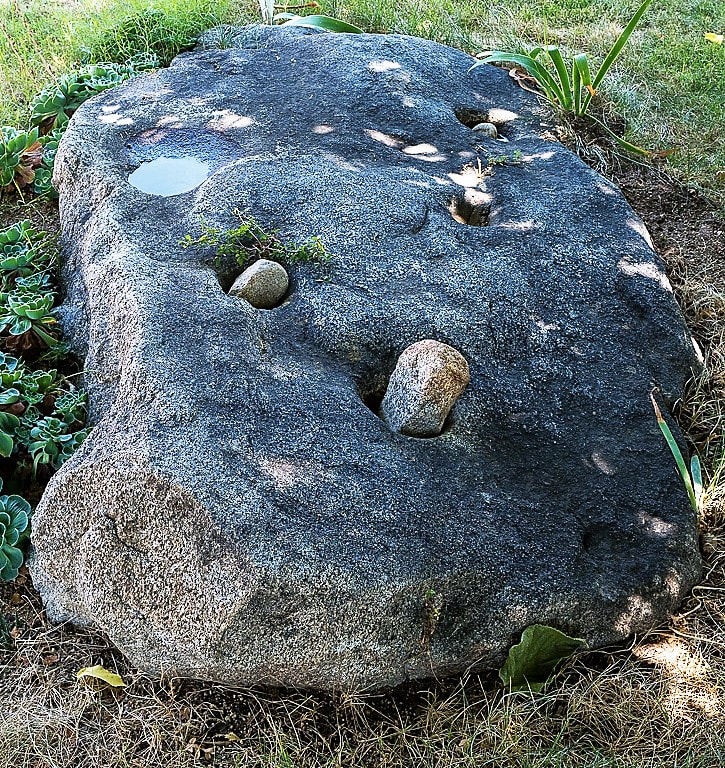
“To the Indians this was a spot for good living, and many significant signs show that they used it. The depth and size of the many potholes indicate the Indians ground a lot of acorns here. Game was plentiful, as were fish, fowl and vegetables.” — Jeff Edwards
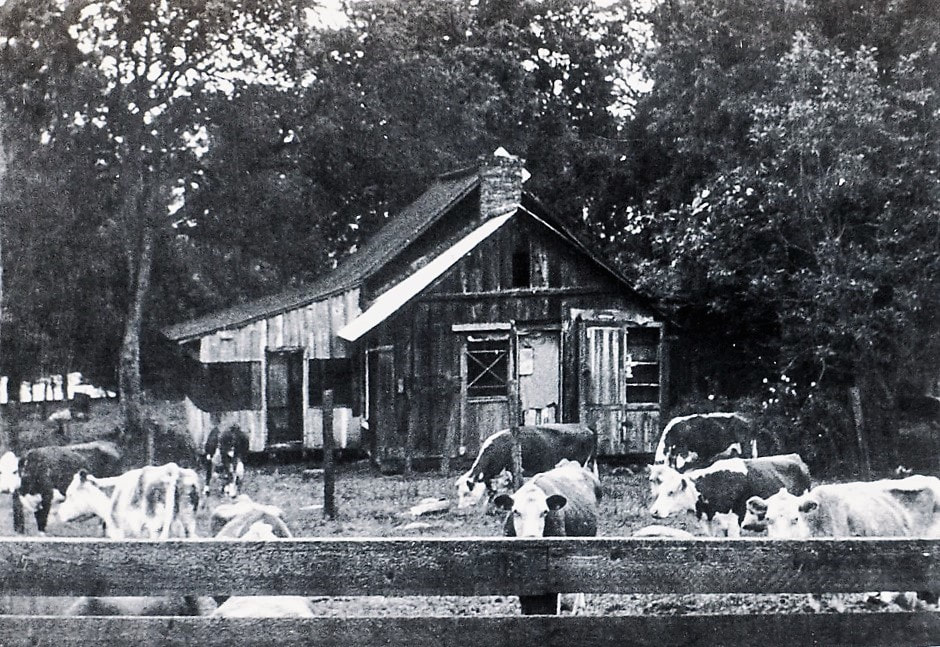
“Murphy House is local, and it was actually built here . . . . about Civil War time, 1850s . . . . and it was pretty well put together.” — Miss Virginia

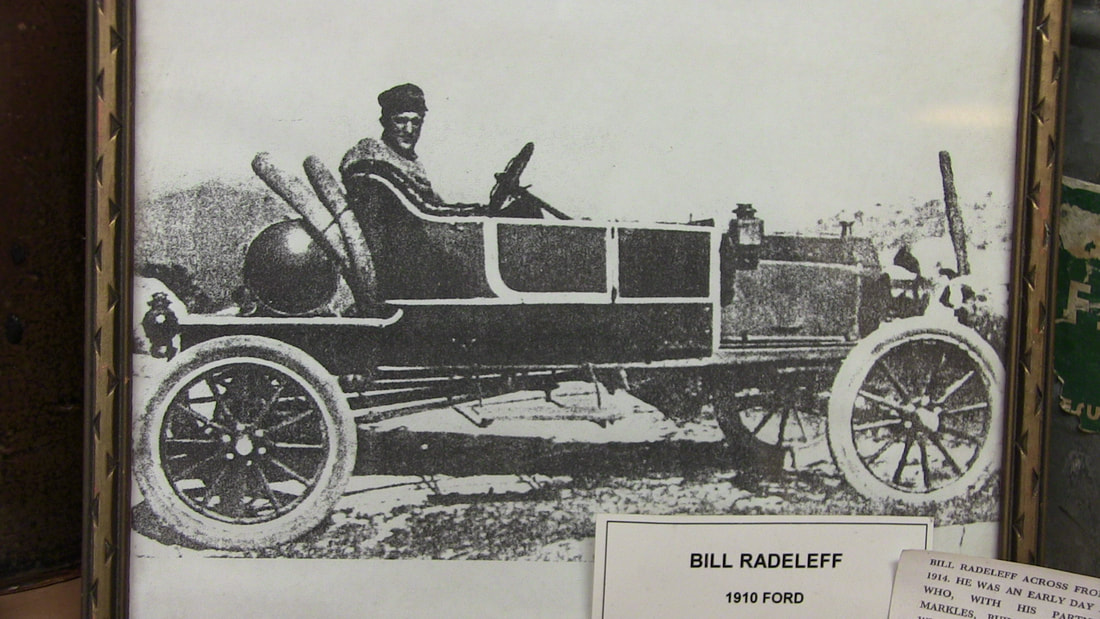
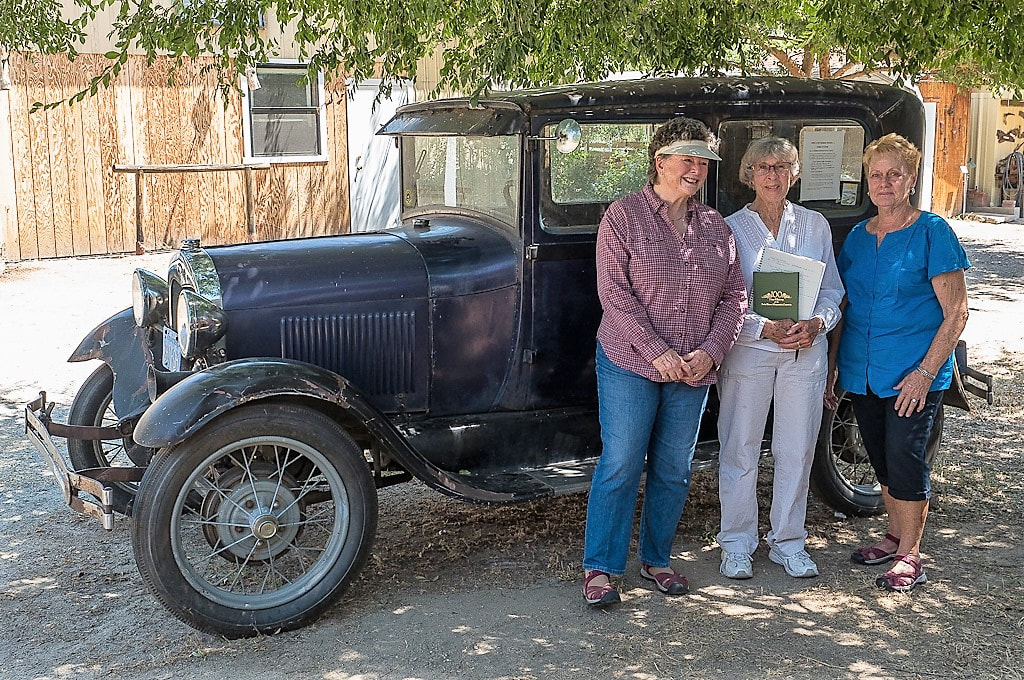
“The stove in the kitchen . . . is out of the family that just recently gave us the Model [A] Ford. Somebody gave us the bathtub, made out of wood. The little organ that you can carry was given to us by a family from up there. The minister used to carry it in a little suitcase up to the mountain on Easter morning and we had sunrise services.” — Miss Virginia

“Also what happens in a small town that you can take advantage of when you want to start a museum is that people are used to doing their share. They don’t sit back and wait for someone else to do it.” — Miss Virginia
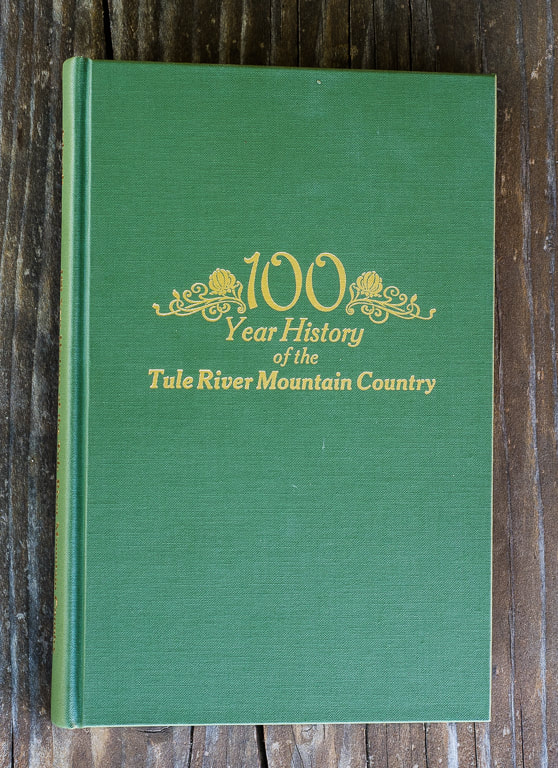
“That first year, everybody in Springville, or relatives, when Jeff put his book out got a copy; that was their Christmas present.” — Miss Virginia
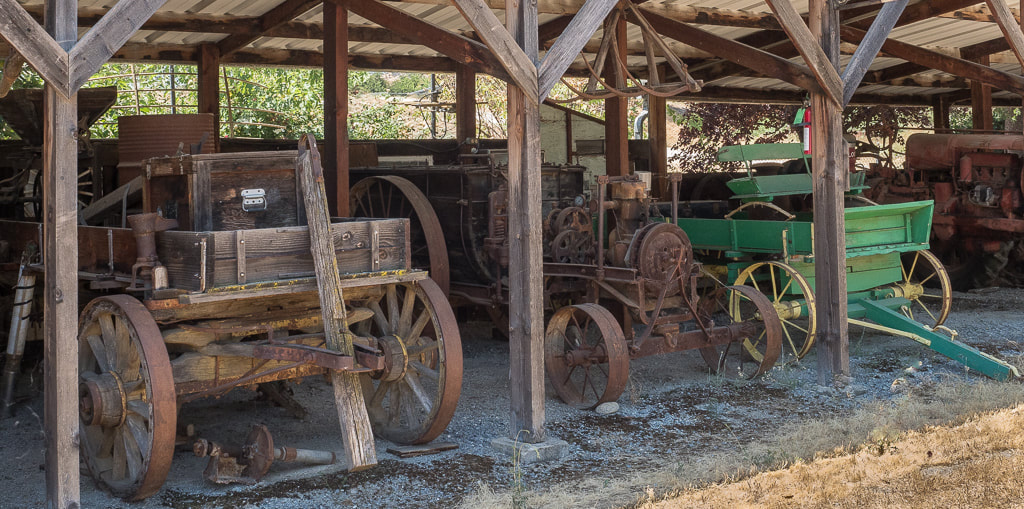
“We’ve had some pretty nice big pieces of machinery from the mills and from the ranches. PG&E and Edison have both donated really hard-to-find heavy equipment, so some really good things from the power houses are in there.” — Miss Virginia
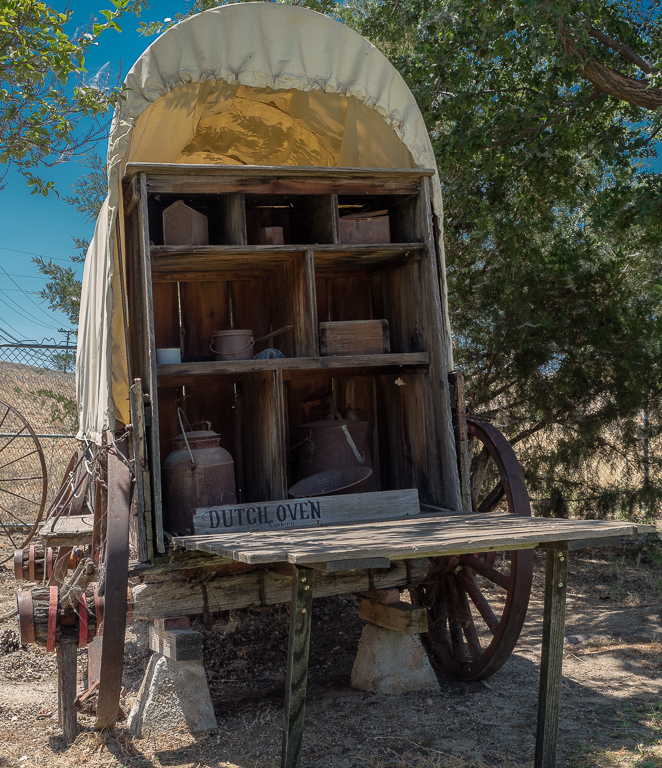
“You’re not only saving a thing, you are saving an idea and an effort and showing younger people what you can do for the town. . . . You’re generations of people, but there’s also generations of artifacts and of things and of attitudes . . . . Everything to do with a town and families and history is a living thing, and you just are preserving what’s available . . . .” — Miss Virginia
Address: 34902 Hwy 190, Springville, CA 93265
From Visalia, take Hwy 198 east. Turn right (south) onto Road 204/Spruce Rd. At the stoplight at the “T” intersection, turn left (east) onto Hwy 65 south toward Porterville. Turn left (east) onto County Route J28 through Strathmore to the junction with Hwy 190. Go left (east) on Hwy 190 toward Springville. Nearing the west end of Springville, watch for the Springville Rodeo grounds entrance on your left. Turn in through the gate and immediately turn right and go downhill to the gateway to the museum.