Click on photo for more information.

Visiting the Squatters Cabin in Sequoia National Park

by Laurie Schwaller

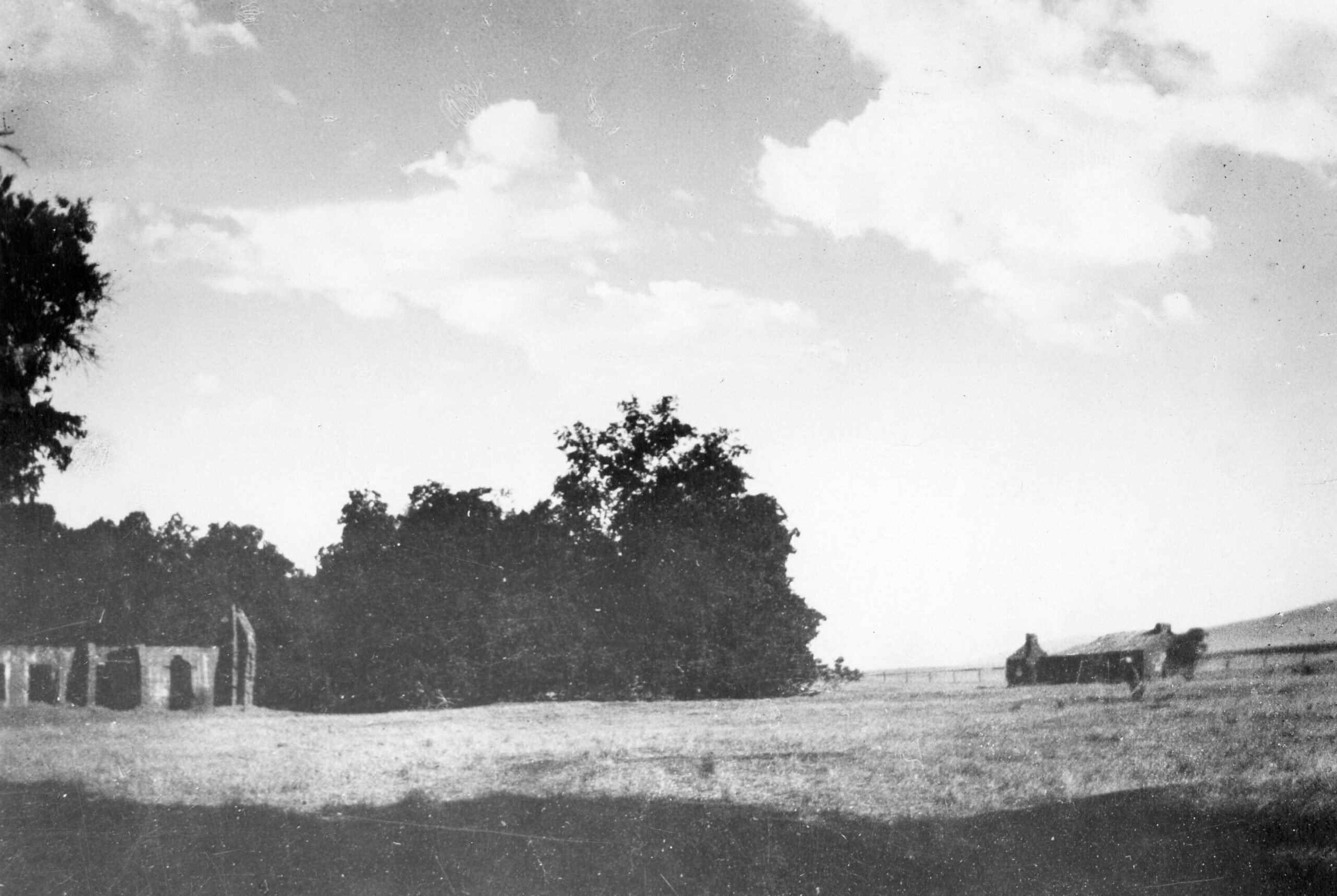
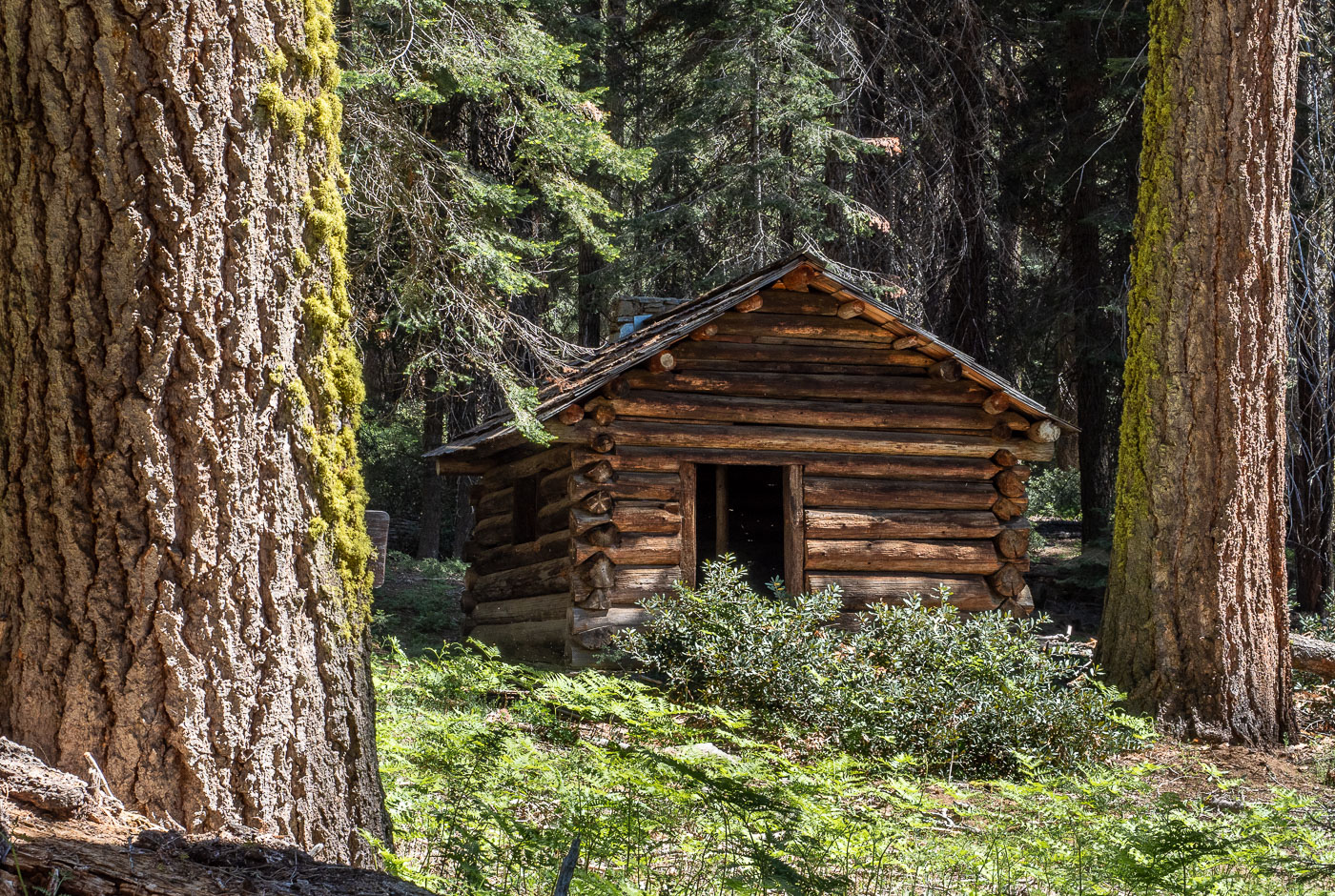
     The Squatters Cabin, one of Sequoia National Park’s oldest remaining buildings, is also one of only two known remaining structures of the historic Kaweah Colony (along with the Colony Mill Road, now a hiking trail). The fascinating stories of this ill-fated idealistic, socialistic colony and the founding of our nation’s second great national park are deeply intertwined, centering issues, trends, philosophies, and controversies that are still very much alive today. This homestead cabin beside peaceful Huckleberry Meadow amid the ancient giant sequoias, stands literally and figuratively at a nexus of these ongoing conflicts. Read this history!

December, 2025

NOTE: The Project Team will be conducting research for a full article as volunteer time allows.  Contact us if you’d like to help research, write about, and/or illustrate this Treasure!  


Maps & Directions:


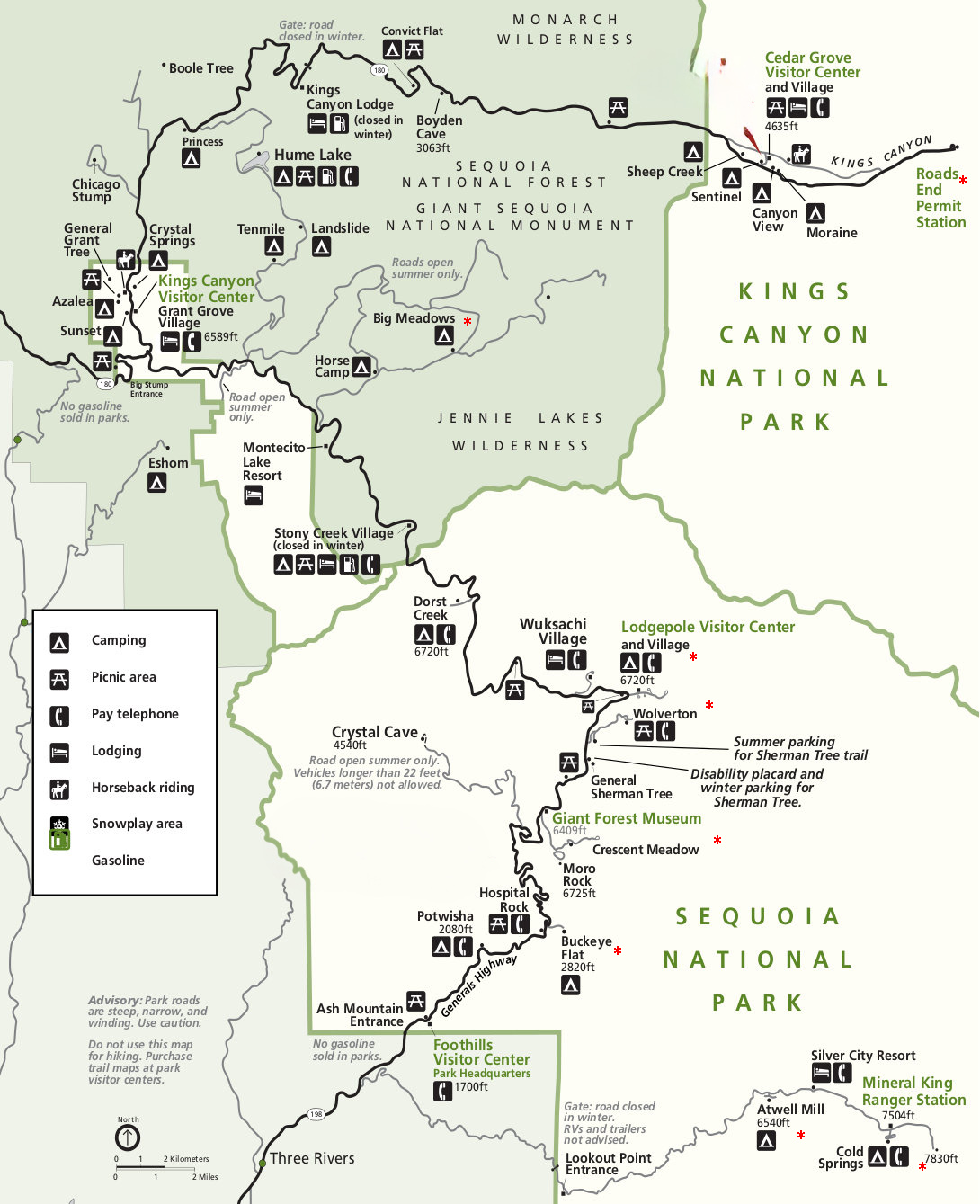
From Visalia, go east on Hwy 198 through Three Rivers to the Sequoia National Park entrance station (fee), where Hwy 198 becomes the Generals Highway.

Continue up the mountain on the Generals Highway to just before the Giant Forest Museum, where you will turn right onto the Moro Rock/Crescent Meadow Road.

Follow this road (bearing left where the road to Moro Rock bears to the right) to the Crescent Meadow parking lot and the trailhead on the west (left-hand) side of Crescent Meadow going to Huckleberry Meadow.

(NOTE: Crescent Meadow Road may be closed in peak season (typically mid-May to mid-September) to automobile traffic; if so, you can park across the highway from the museum and then catch the Gray Route 2 shuttle to Crescent Meadow).


Maps & Directions:


Take the Crescent Meadow trail on the left (west) side of the meadow and go north to the first trail junction, where you’ll go left (west) toward Huckleberry Meadow.

At the next junction, go straight (west) toward Huckleberry Meadow. Soon you’ll see the Squatters Cabin, sitting just a bit above the meadow, on your left.

Nearby TreasuresTharp’s Log, near the northwest edge of Log Meadow, trailhead at Crescent Meadow;  Moro Rock Stairway, just a short loop drive off the Crescent Meadow Road.


Site Details & Activities:

Environment:  giant sequoia grove, mixed conifer forest, lush meadows, creeks, rock outcrops, wildlife, many trails; carry a good map
Activities:  birding, botanizing, hiking, history, photography, wildflower and wildlife viewing (NOTE: no water is available on the trails [any water in creeks, etc. must be purified before drinking]; water and restrooms are available at Crescent Meadow, except in snow season)
Open:  daily, weather permitting (Crescent Meadow/Moro Rock road closed to vehicle traffic in snow season; road is open to hikers, snowshoers, and cross-country skiers), except in emergency conditions; park entrance fee
Site Steward:  National Park Service, Sequoia National Park, 559-565-3341
Opportunities for Involvement:  donate , volunteer, Sequoia Parks Conservancy
Links:  Sequoia Kings Canyon National Parks (NPS Site); Visit Sequoia.comPlan Your Visit, Permits, Current Conditions
Books:
1)  Kaweah Remembered: The Story of the Kaweah Colony and the Founding of Sequoia National Park, by William C. Tweed (Sequoia Natural History Association, 1986)
2)  Co-Operative Dreams – A History of the Kaweah Colony, by Jay O’Connell (Raven River Press, 1999)
3)  Challenge of the Big Trees -The Updated History of Sequoia and Kings Canyon National Parks, by William C. Tweed and Lary M. Dilsaver (University of Virginia Press, 2017)
4)  King Sequoia: The Tree That Inspired a Nation, Created Our National Park System, and Changed the Way We Think about Nature, by William C. Tweed (Heyday, 2016)
There are also many articles online about the Kaweah Colony and its lasting significance.


Click on photos for more information.

Visiting Sequoia-Kings Canyon Wilderness

by Laurie Schwaller

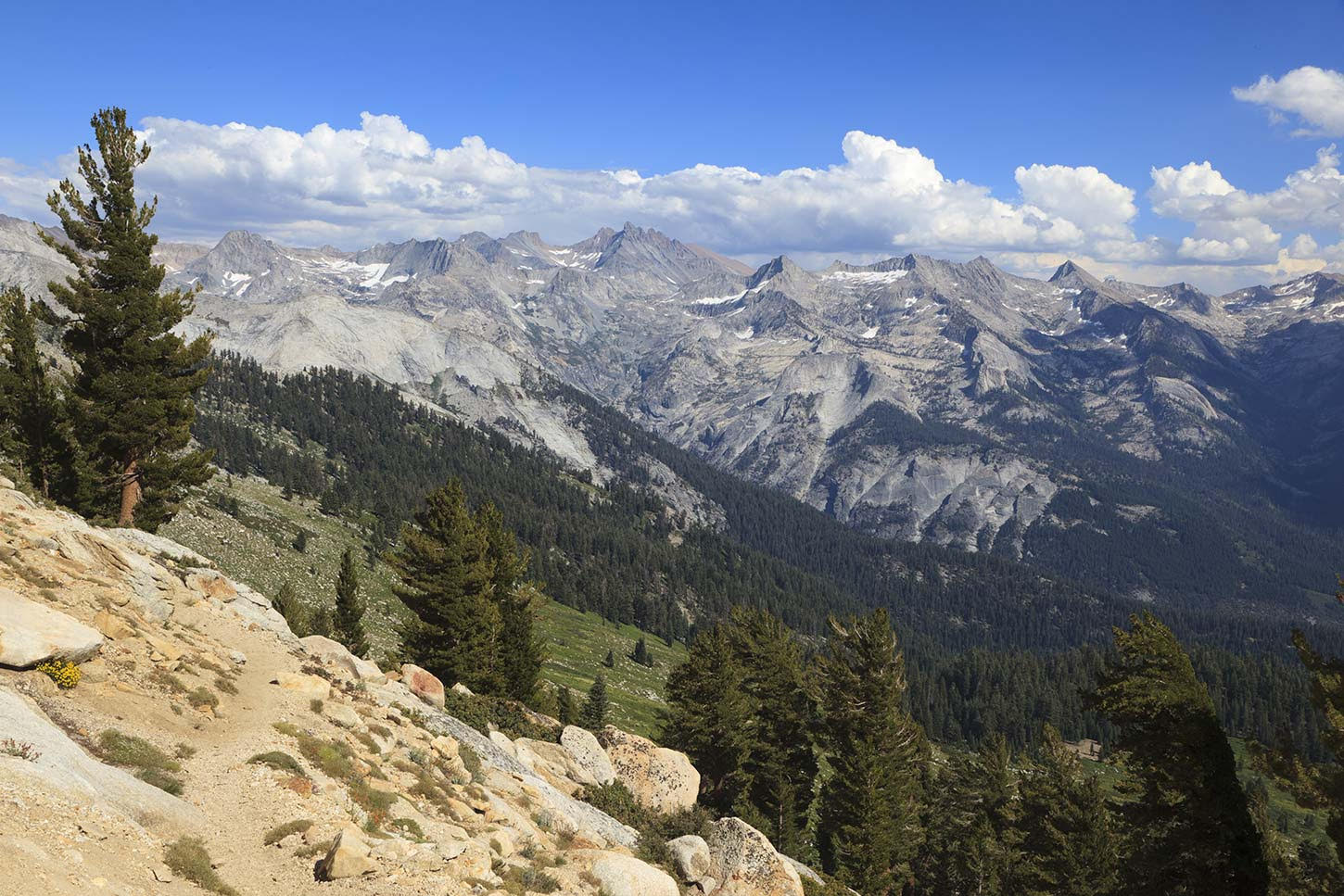
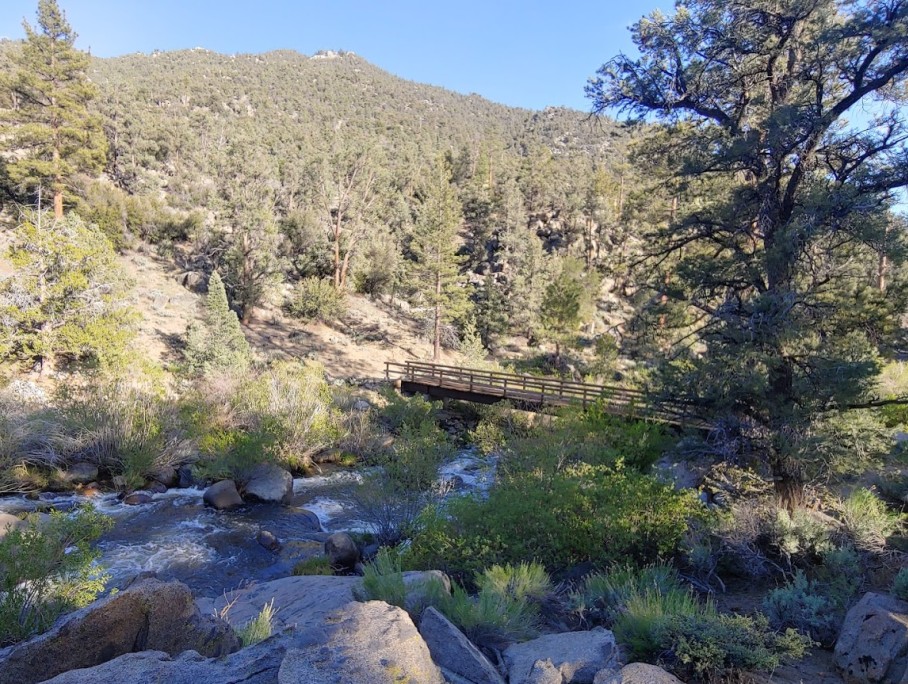
     The glorious Sequoia-Kings Canyon Wilderness is huge (over 800,000 acres) and dramatically diverse, with elevations ranging from under 2,000′ to 14,505′ atop Mt. Whitney, threaded by over 800 miles of challenging trails traveling from foothill oak woodlands through varied coniferous forest belts over high passes and along rushing creeks and rivers, through flower-bright meadows, past hundreds of lakes and tarns, into the alpine zone and up to the top of the tallest mountain in the 48 contiguous U.S. states. The scenery is spectacular, the night skies sublime, wildlife abounds, the experience is life-changing, indelible.

December, 2025

NOTE: The Project Team will be conducting research for a full article as volunteer time allows.  Contact us if you’d like to help research, write about, and/or illustrate this Treasure!  


Maps & Directions:


There are many points of access into the huge Sequoia-Kings Canyon Wilderness.  Here are most of the ones going north on, or not too far off, the Generals Highway:

From Visalia, go east on Hwy 198 through Three Rivers to the Sequoia National Park entrance station (fee), where Hwy 198 becomes the Generals Highway.  Stop at the Ash Mountain Visitors Center and Wilderness Office for maps, current conditions, and your Wilderness Permit.

Access points to the Sequoia-Kings Canyon Wilderness trailheads include: Buckeye Flat road off Hospital Rock; Crescent Meadow road’s end (in Giant Forest); Wolverton parking lots; Lodgepole parking lots; Forest Road 14S11 east to Big Meadows, Rowell Meadow, and Horse Corral to Marvin Pass trailhead for access via Jennie Lakes Wilderness; at the junction with Hwy 180 to Grant Grove, leave the Generals Highway and follow Hwy 180 down into Kings Canyon all the way to Roads End and trailheads there into the Wilderness.

You can also access this Wilderness from the Mineral King Road out of Three Rivers. There are trailheads at Atwell Mill, Cold Springs Campground, and road’s end in Mineral King.


Site Details & Activities:


Environment:  well over 800,000 acres, giant sequoia groves, extensive mixed conifer forests, lush meadows, creeks, rivers (including Wild and Scenic), waterfalls, lakes, tarns, vast areas above tree line, dozens of high peaks (including Mt. Whitney, the highest in the contiguous U.S., at 14,505′), huge canyons, wildflowers galore, wildlife at every elevation, over 800 miles of trails in all kinds of terrain (including about 100 miles of the John Muir Trail and the Pacific Crest National Scenic Trail, and all of the High Sierra Trail), and tremendous areas with no trails, for cross-country hikers seeking space, solitude, and the great gift of only natural sounds; carry good maps, plan your trip carefully and well in advance (Wilderness Permit required; quotas apply on many trails late May-late September)
Activities:  backpacking, birding, botanizing, camping, caving, hiking, history/historical sites, horseback riding and packing, kayaking, fishing (license required), mountaineering, photography, rock climbing, stargazing, wildflower and wildlife viewing (Wilderness Permit required for overnight stays; no pets allowed)
Open:  Sequoia and Kings Canyon National Parks are always open, weather permitting , except in emergency conditions; park entrance fee; Wilderness Permit required for overnighting; quotas apply on many trails, generally late May through late September, with Recreation fee required for entry during quota season; reservations may be made 6 months to 1 week before entry date; campfire permits may be required (NOTE that campfires are not permitted in some areas), maximum group sizes (including stock) apply.
Site Steward:  National Park Service, Sequoia and Kings Canyon National Parks, 559-565-3341; Wilderness Office, 559-565-3766
Opportunities for Involvement:  donate , volunteer, Sequoia Parks Conservancy
Links: Sequoia and Kings Canyon National Parks (NPS Site)
Visit Sequoia.com
Plan Your Visit, Permits, Current Conditions;
Sequoia Park Shuttle
Books:  1)  Challenge of the Big Trees – The Updated History of Sequoia and Kings Canyon National Parks,
by William C. Tweed and Lary M. Dilsaver (University of Virginia Press, 2017)
2)  Granite Pathways: A History of the Wilderness Trail System of Sequoia and Kings Canyon National Parks, by William C. Tweed (Sequoia Parks Conservancy, 2021)