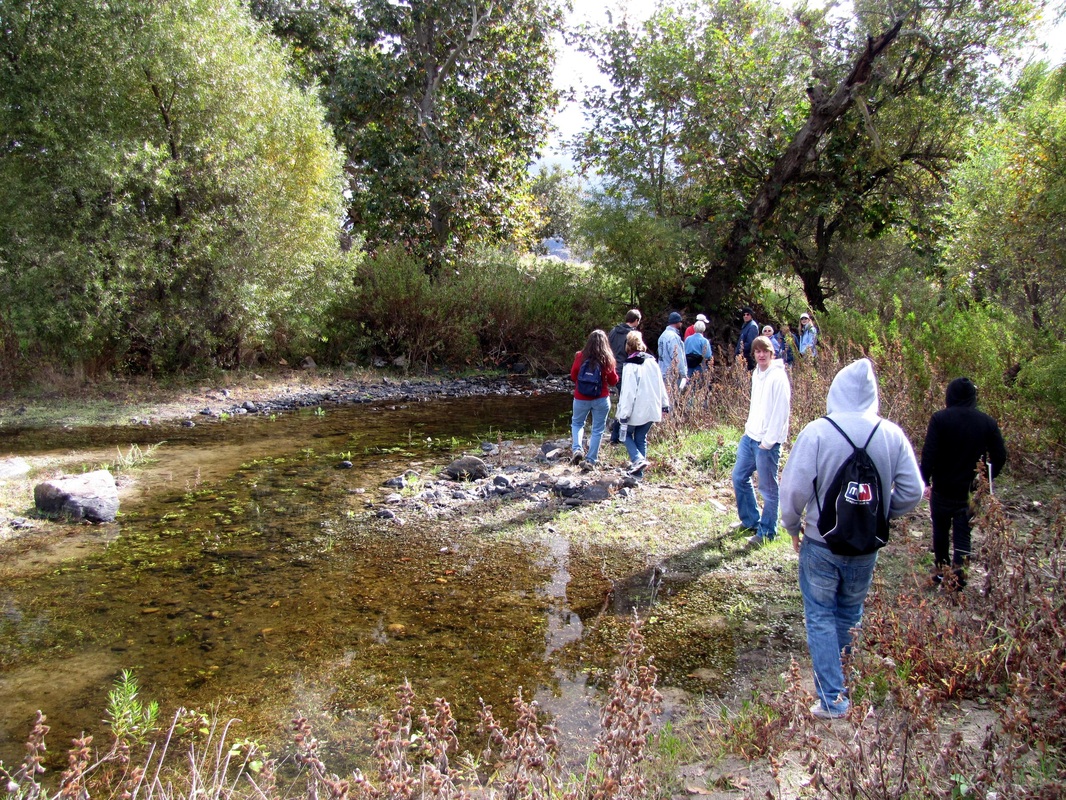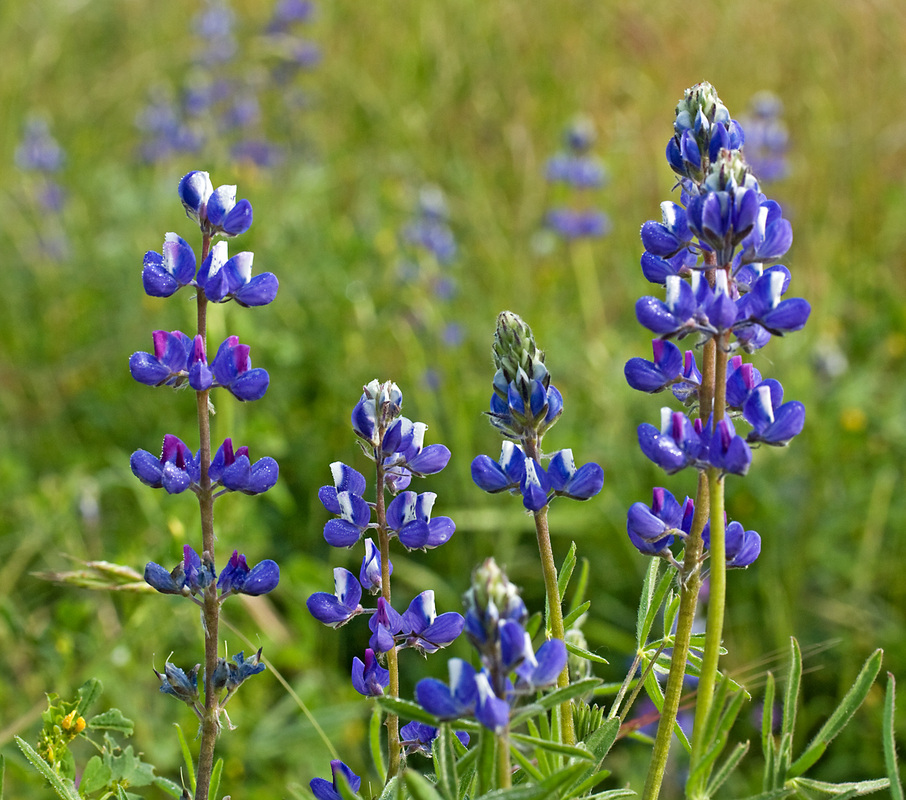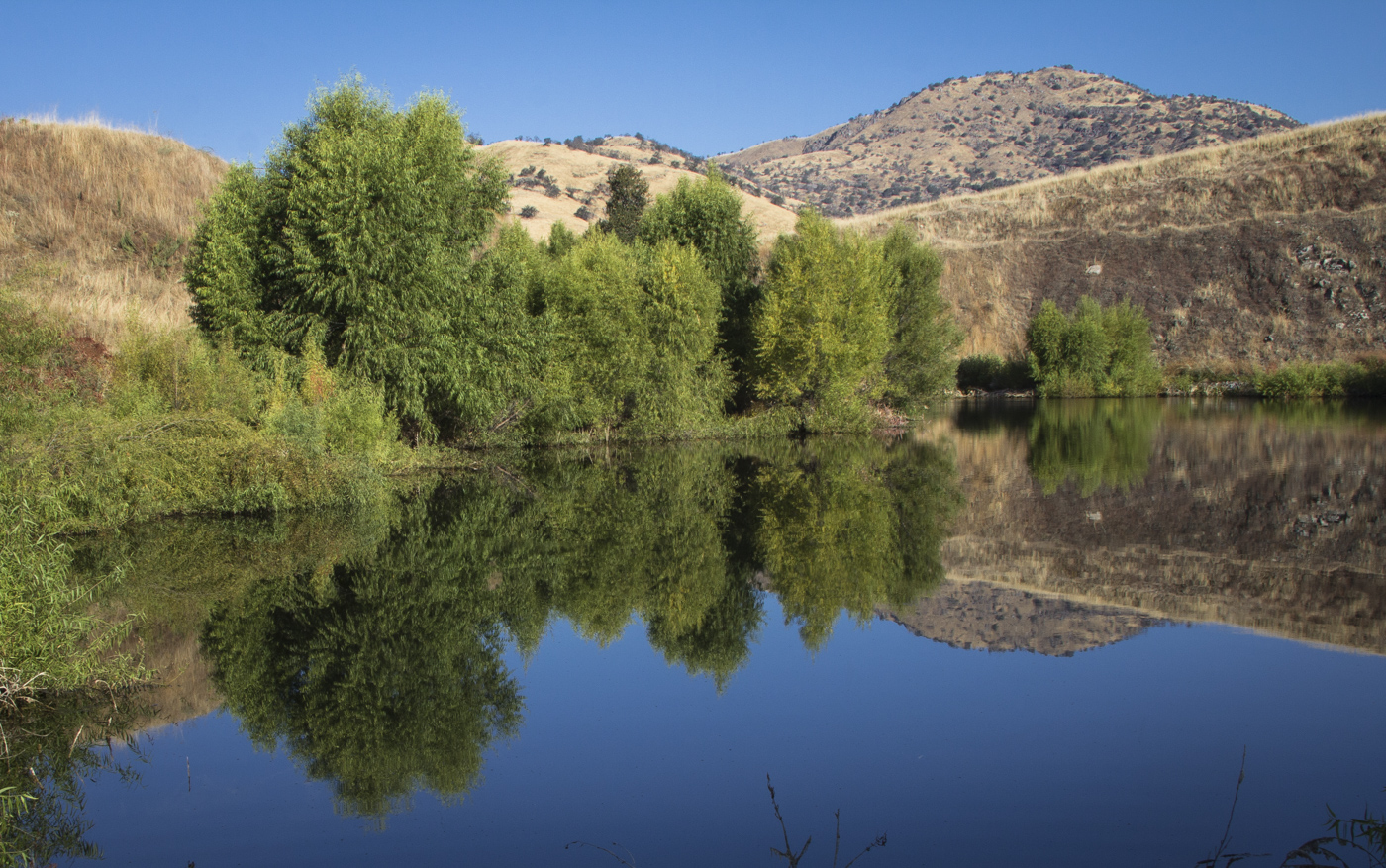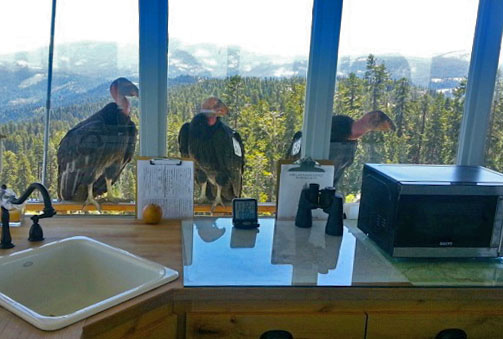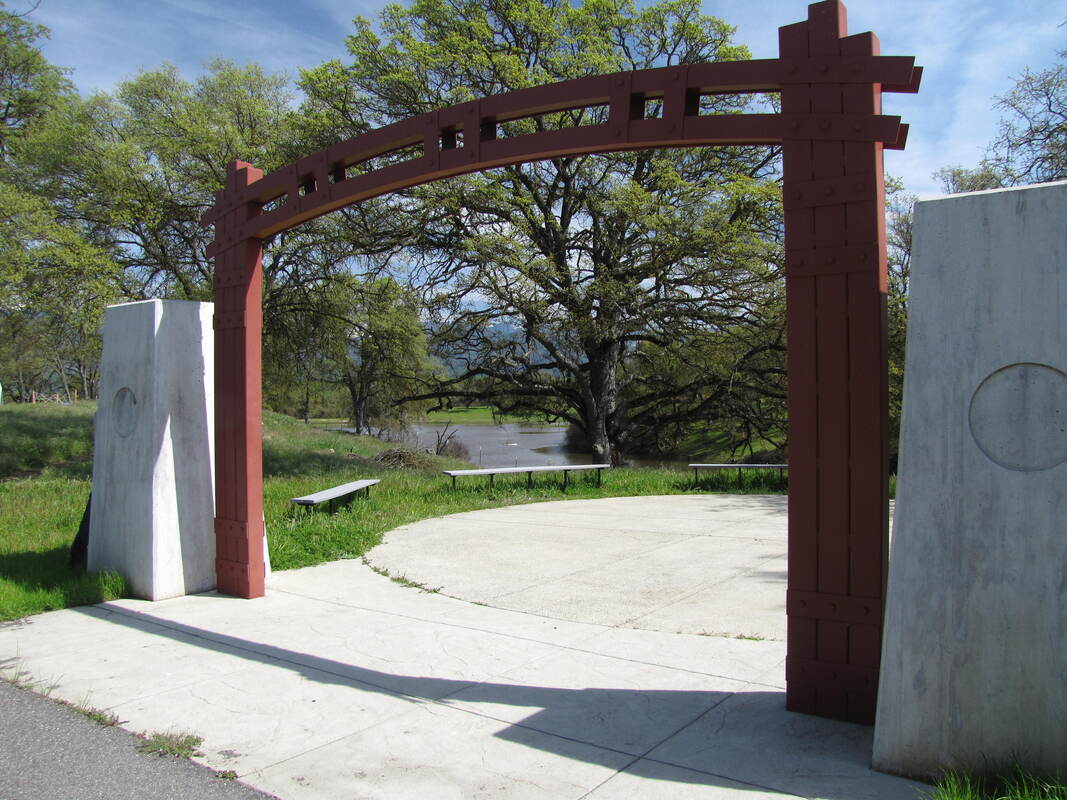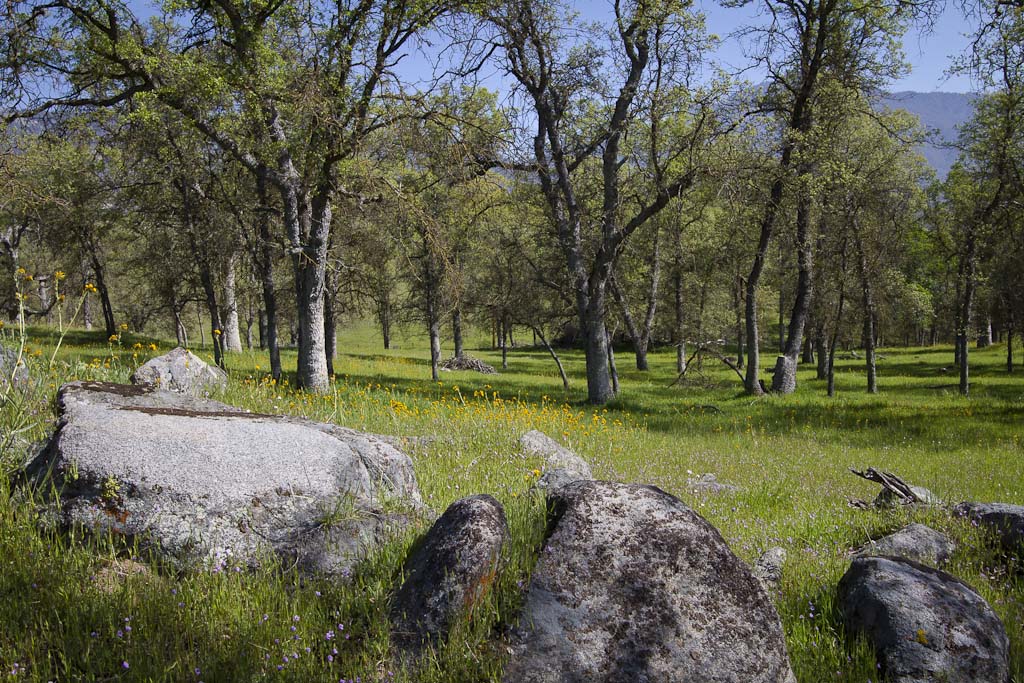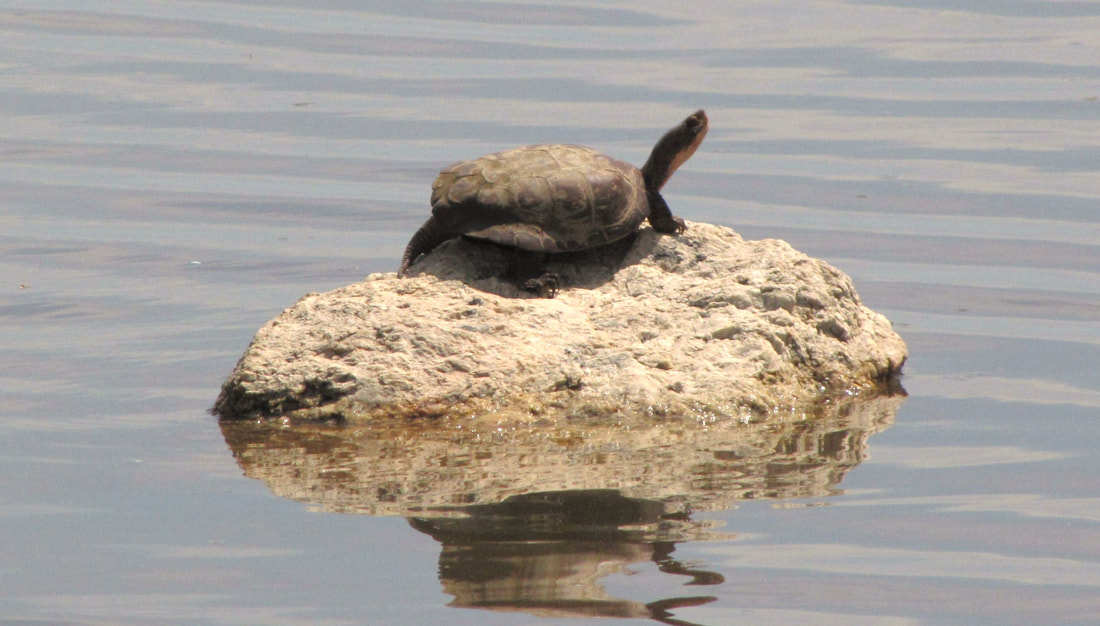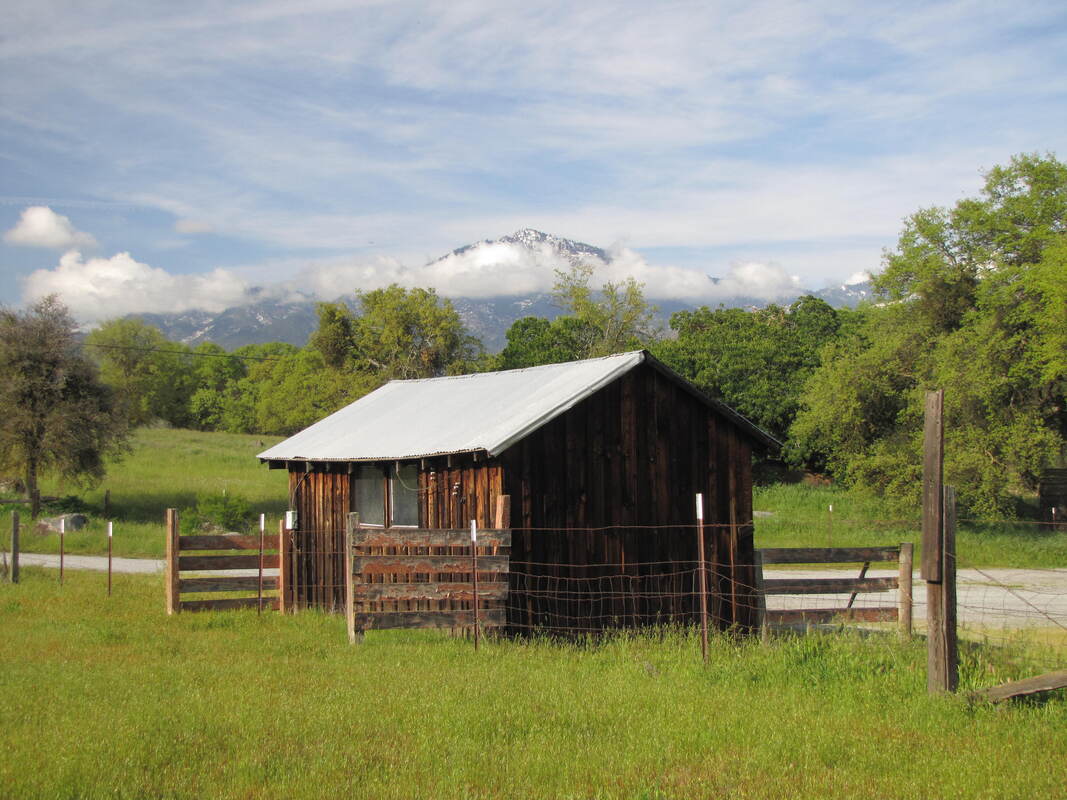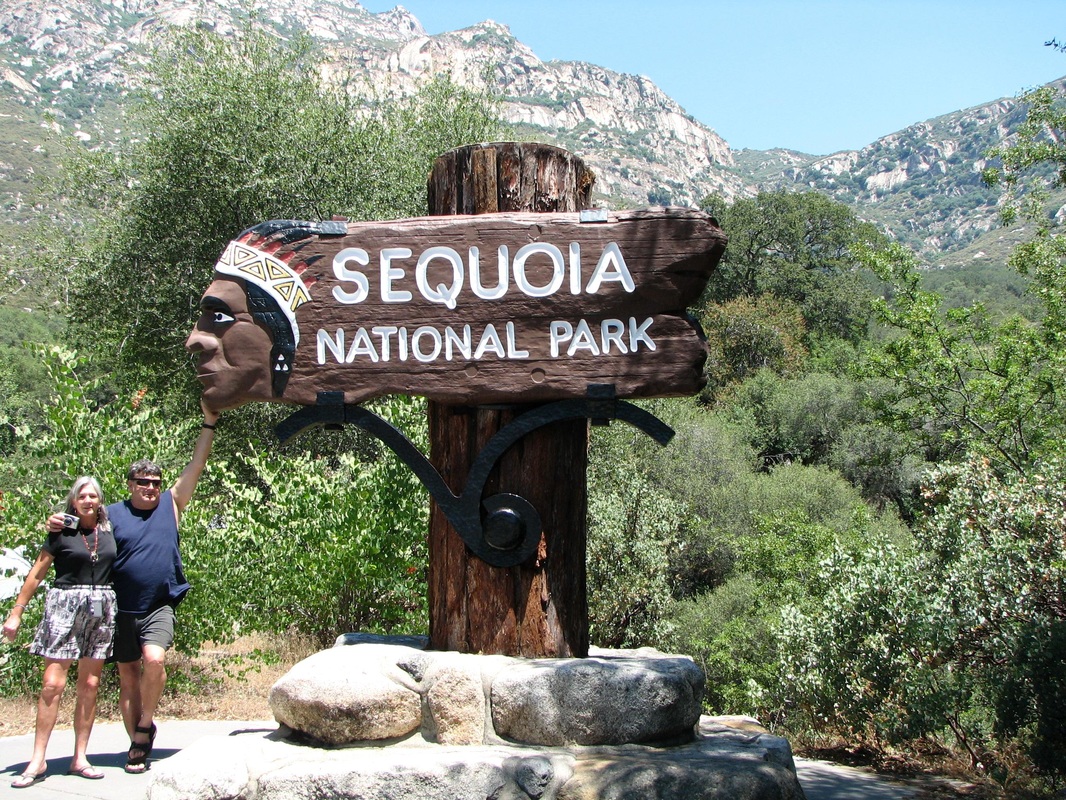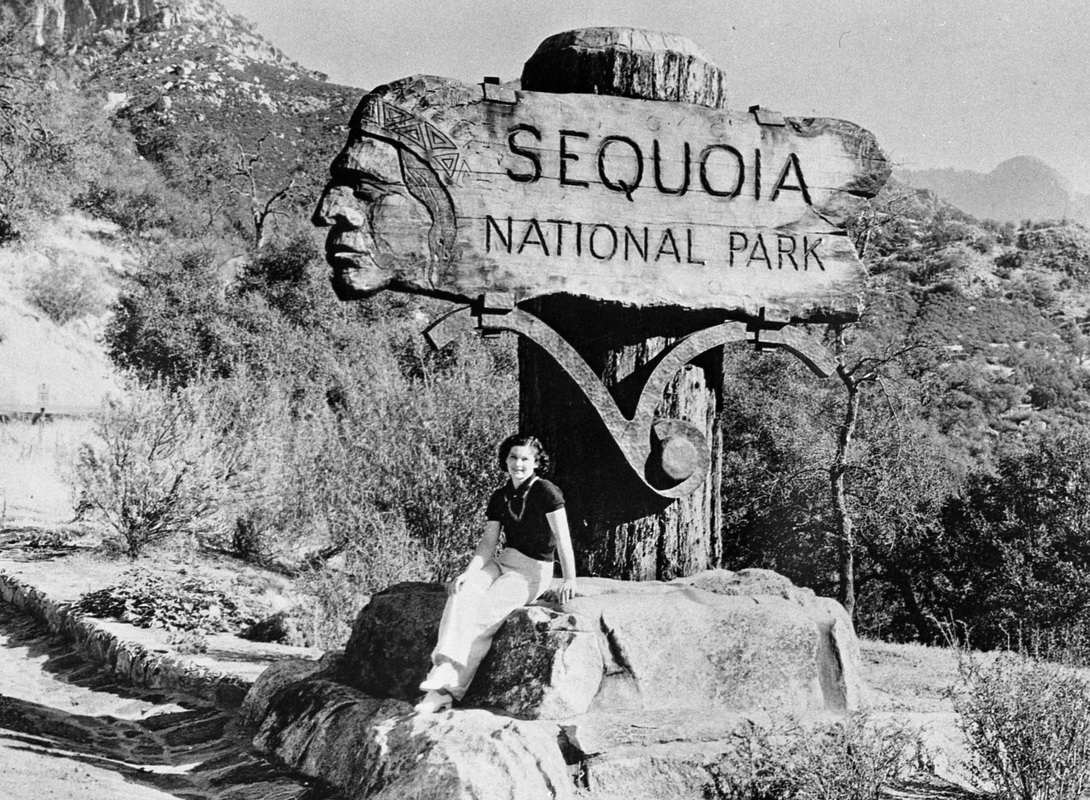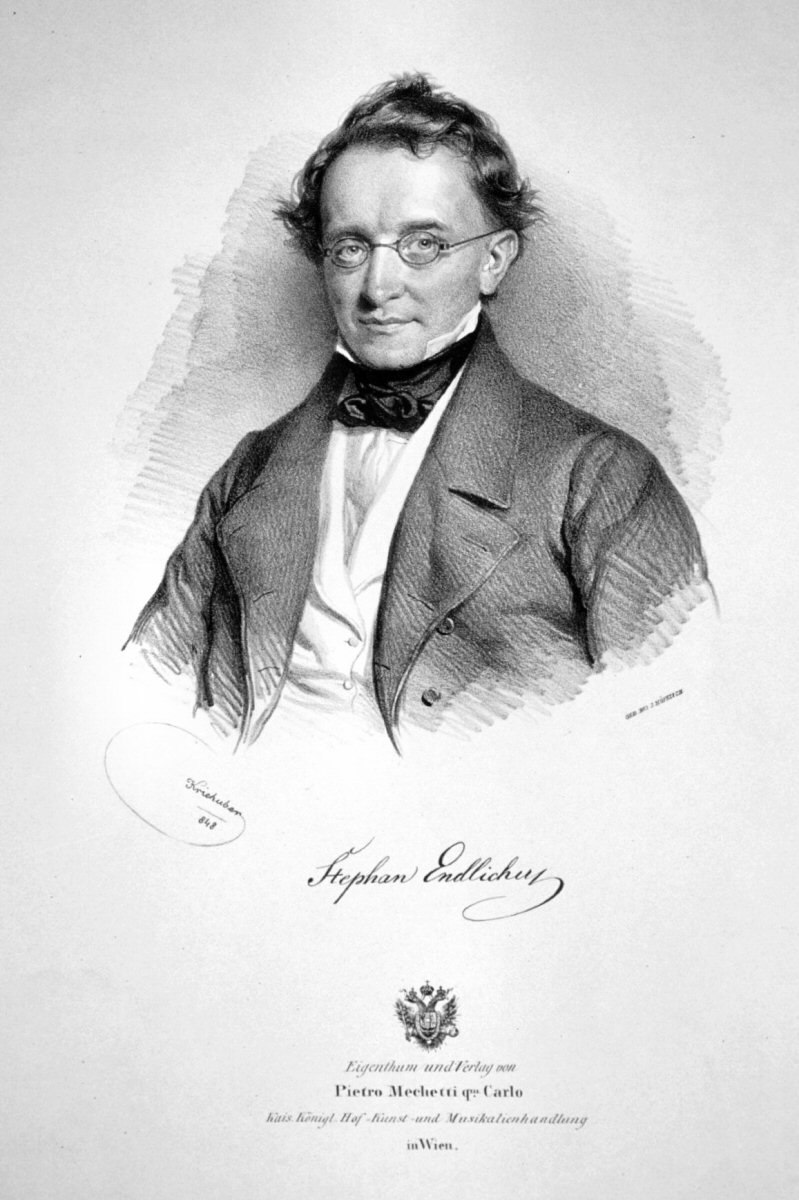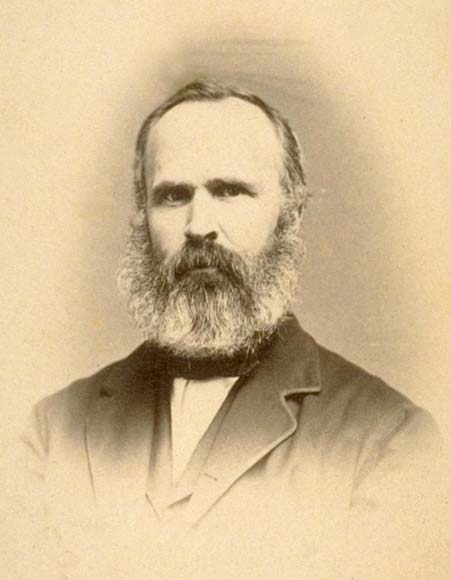
Click on photos for more information.

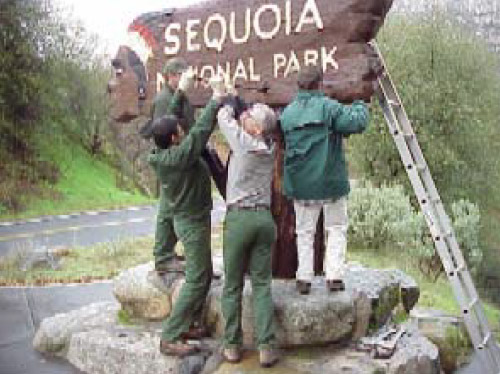
Backcountry Wilderness Rangers in Sequoia and Kings Canyon National Parks

by Laurie Schwaller

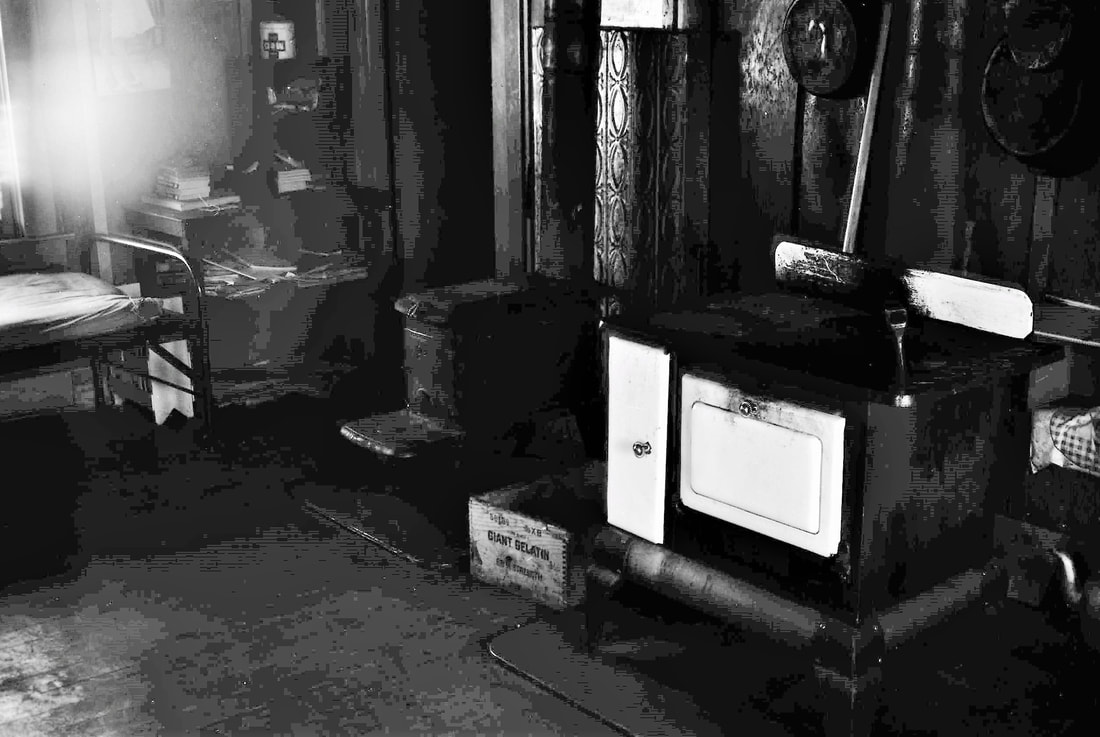
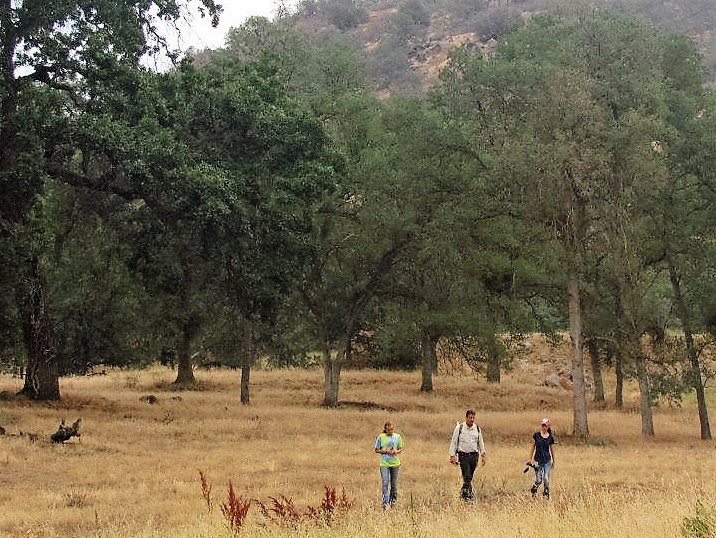
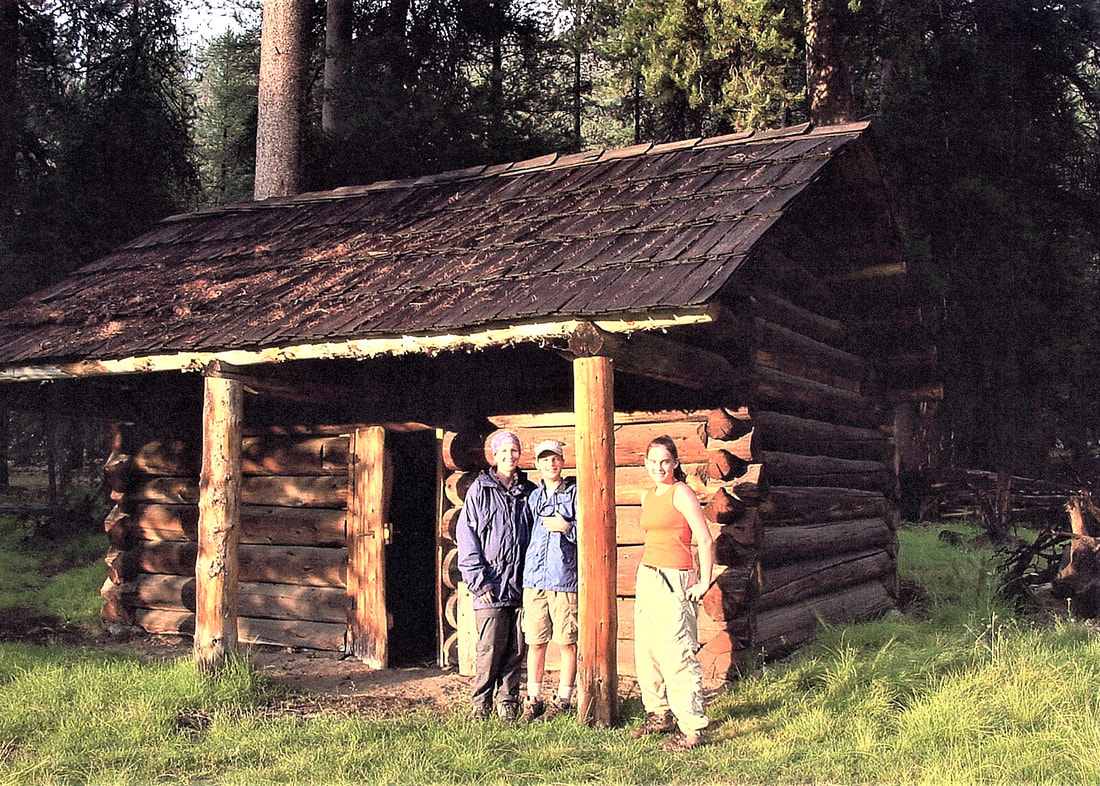
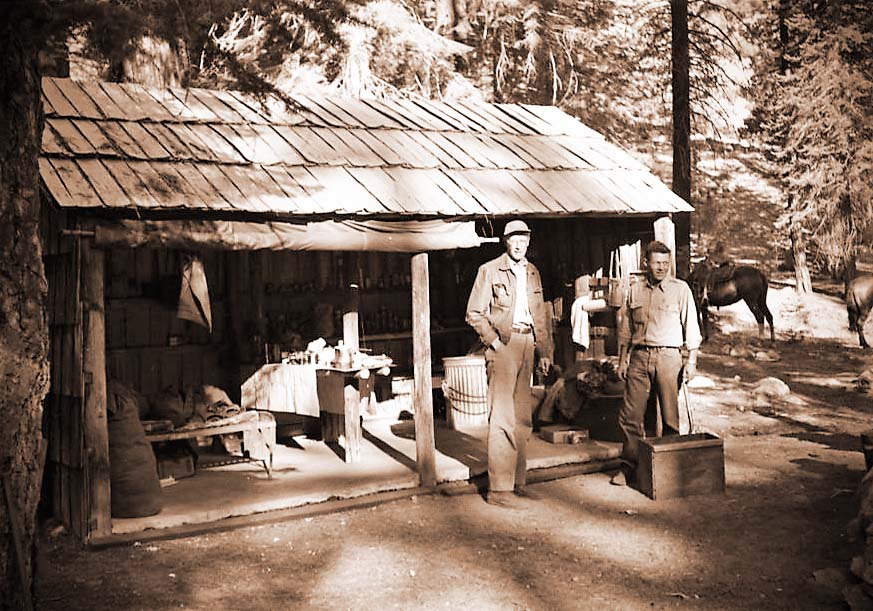
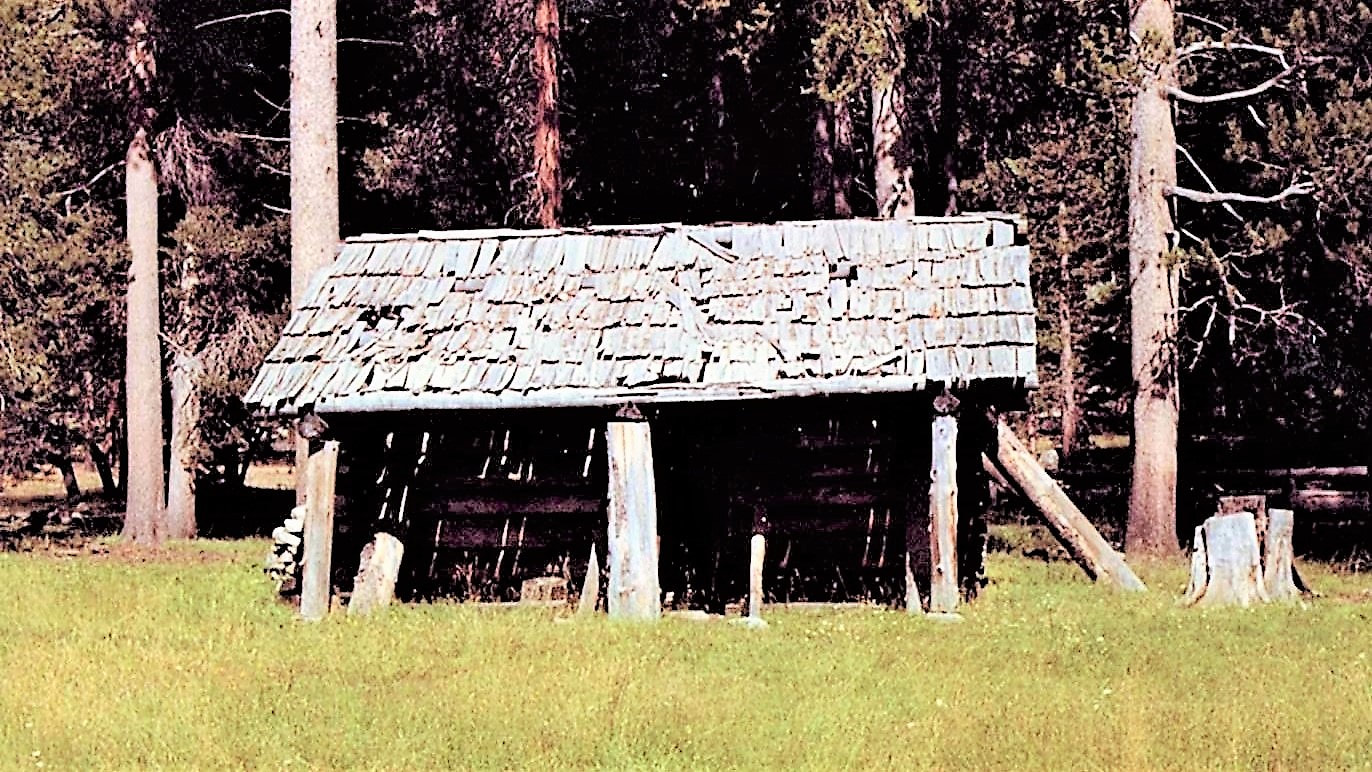
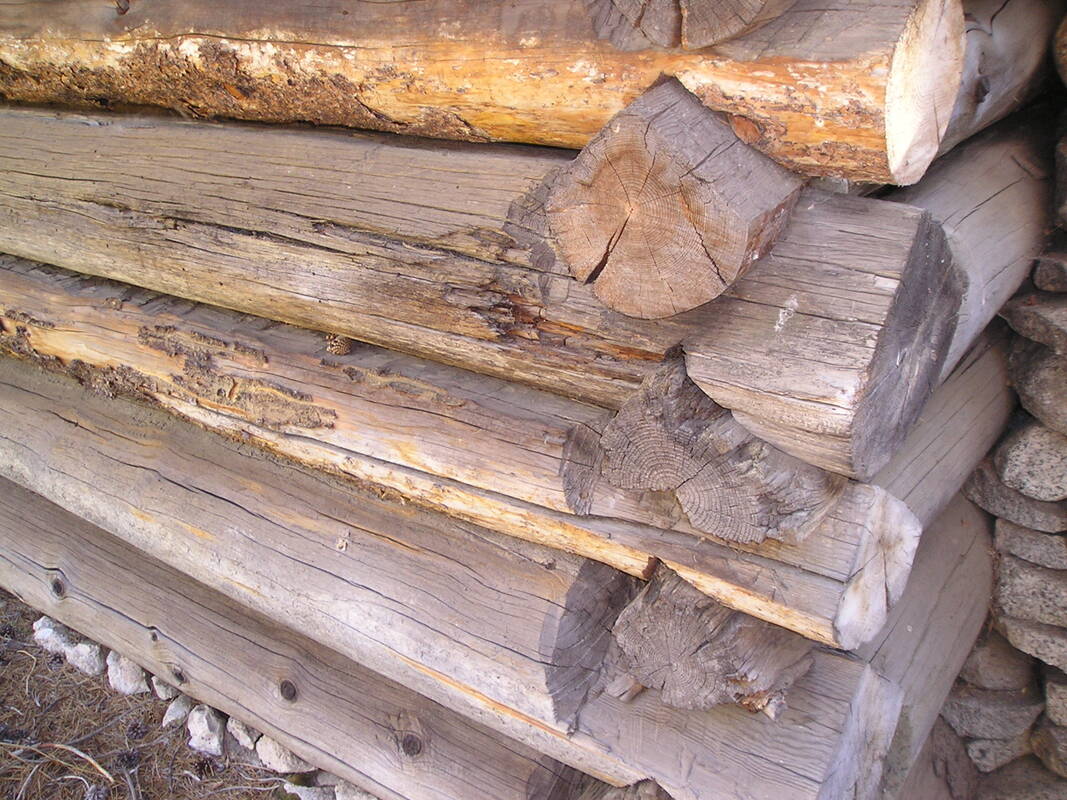
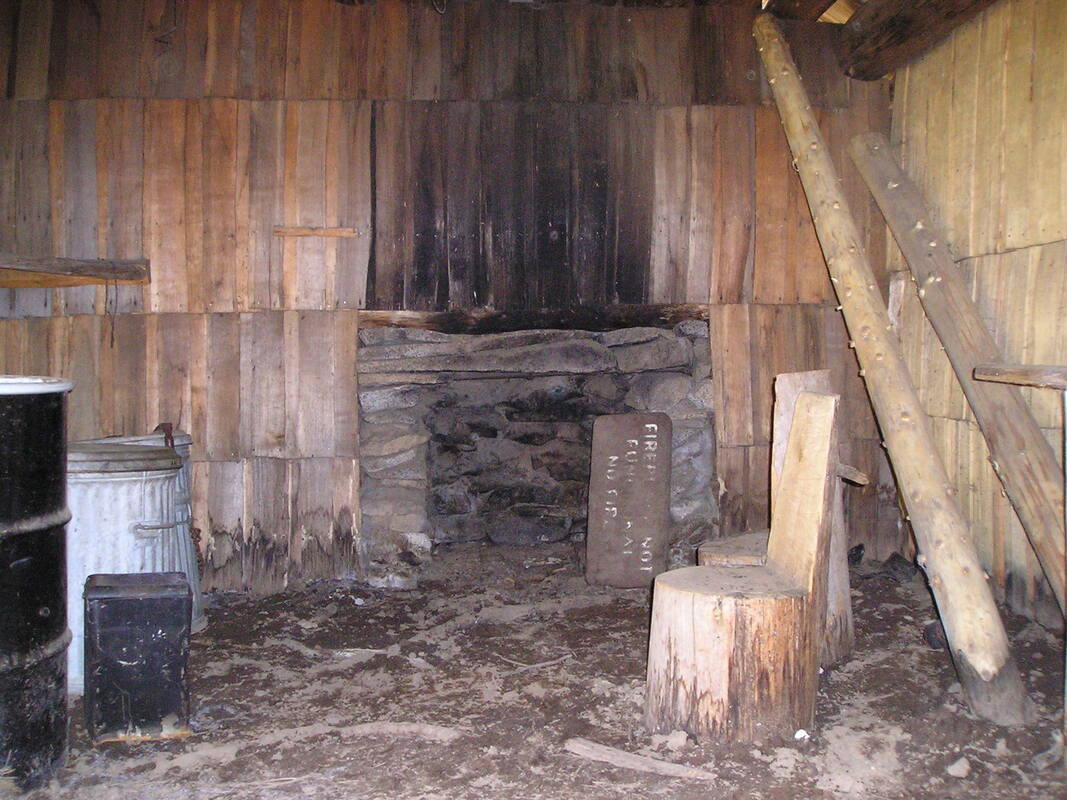
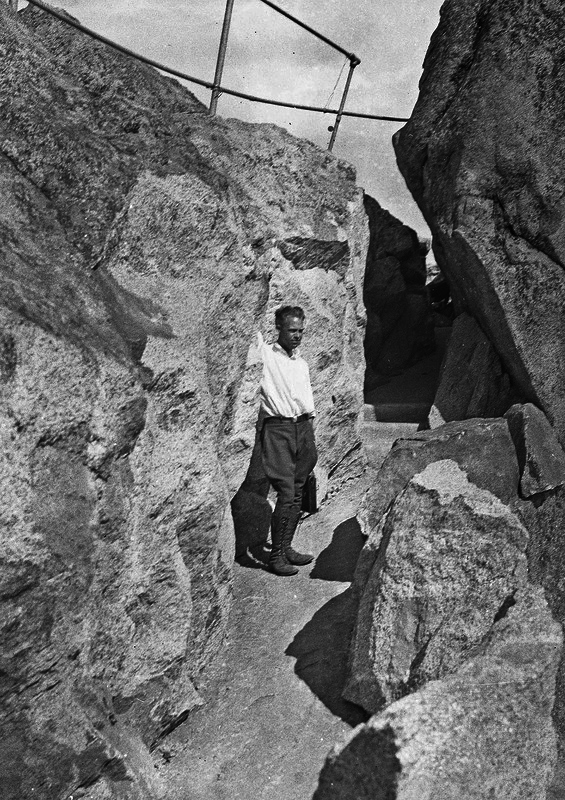
     Sequoia National Park’s historic backcountry ranger stations and their adjacent barns, meadows, and nearby campsites serve the parks and the public in many ways. They accommodate not only rangers, but also trail crews, cultural resources crews, snow surveyors, occasionally monitors of meadows, water, wildlife, wildfires, and weather stations, and sometimes backcountry visitors in distress.

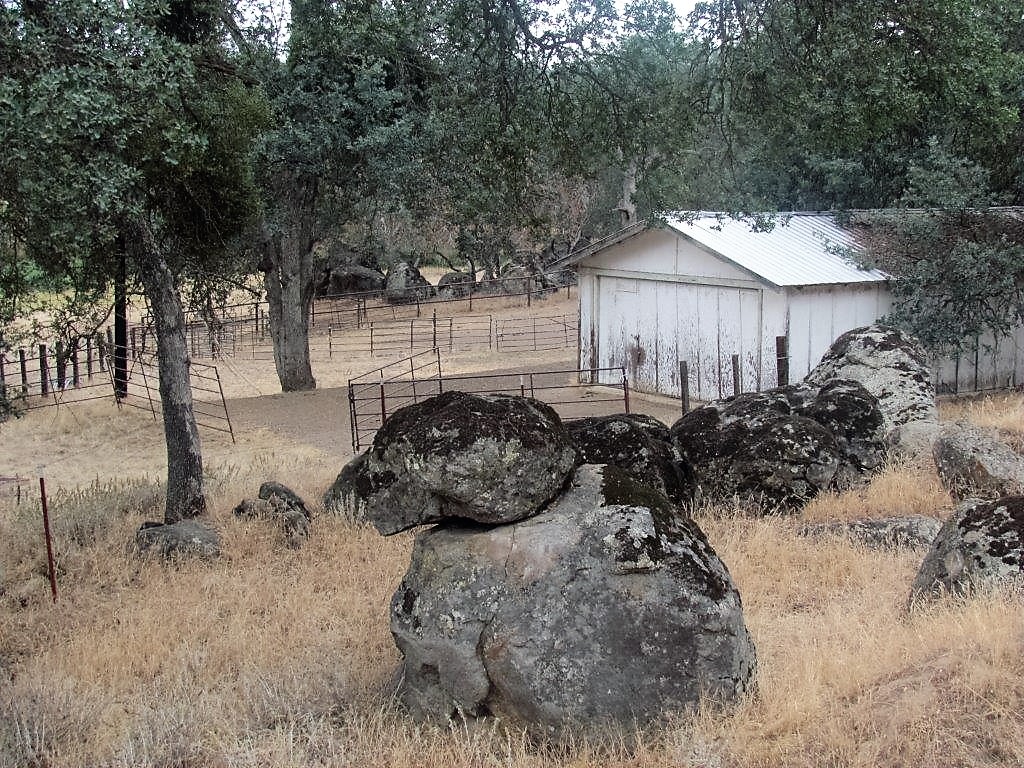
     Their barns (also called tack sheds) store equipment and supplies used by these personnel, and their pastures provide grazing for their stock and, when conditions allow, for visitors’ animals also. Most of today’s backcountry visitors spend only a night or two in the campsites near these iconic cabins, but seasonal backcountry Wilderness rangers may be stationed in them or patrolling to them from May into October.
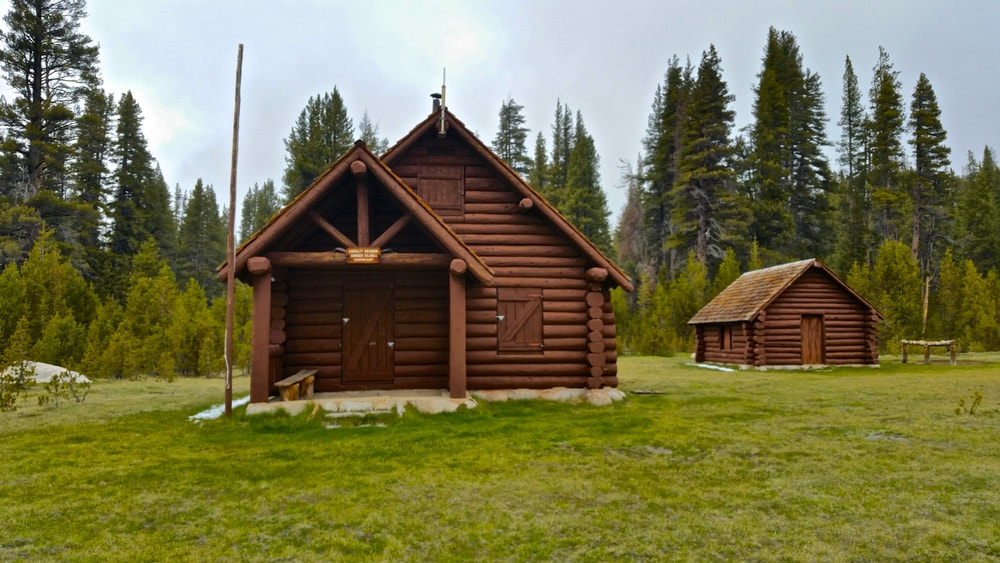
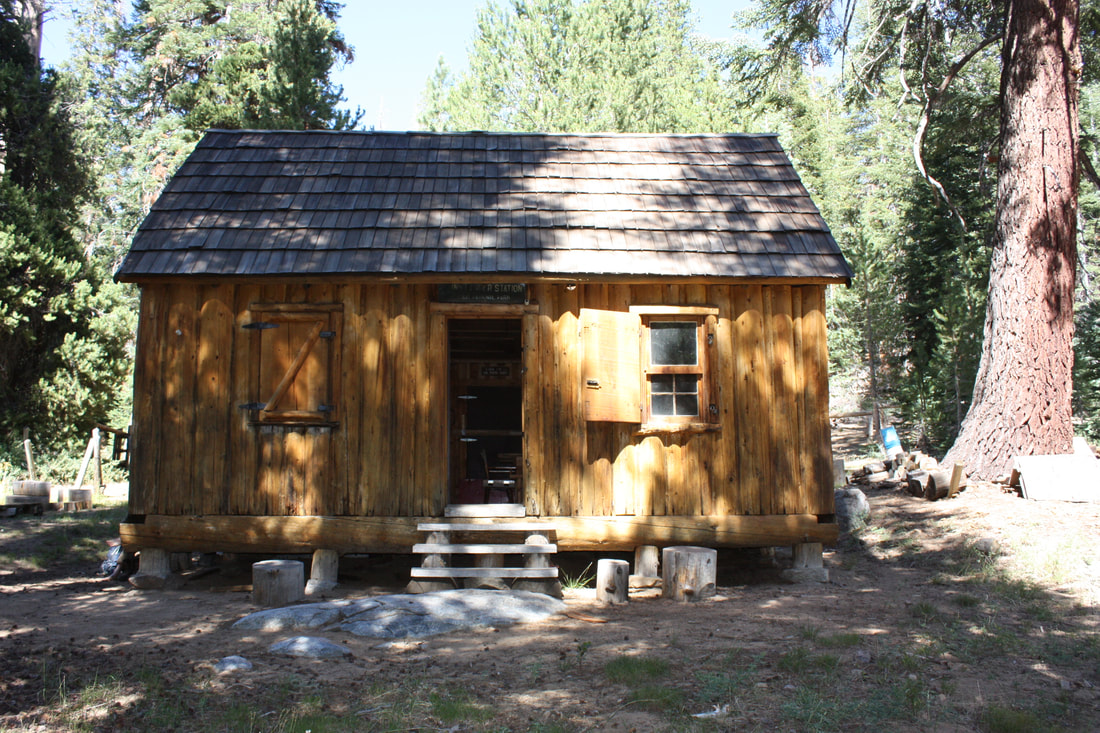
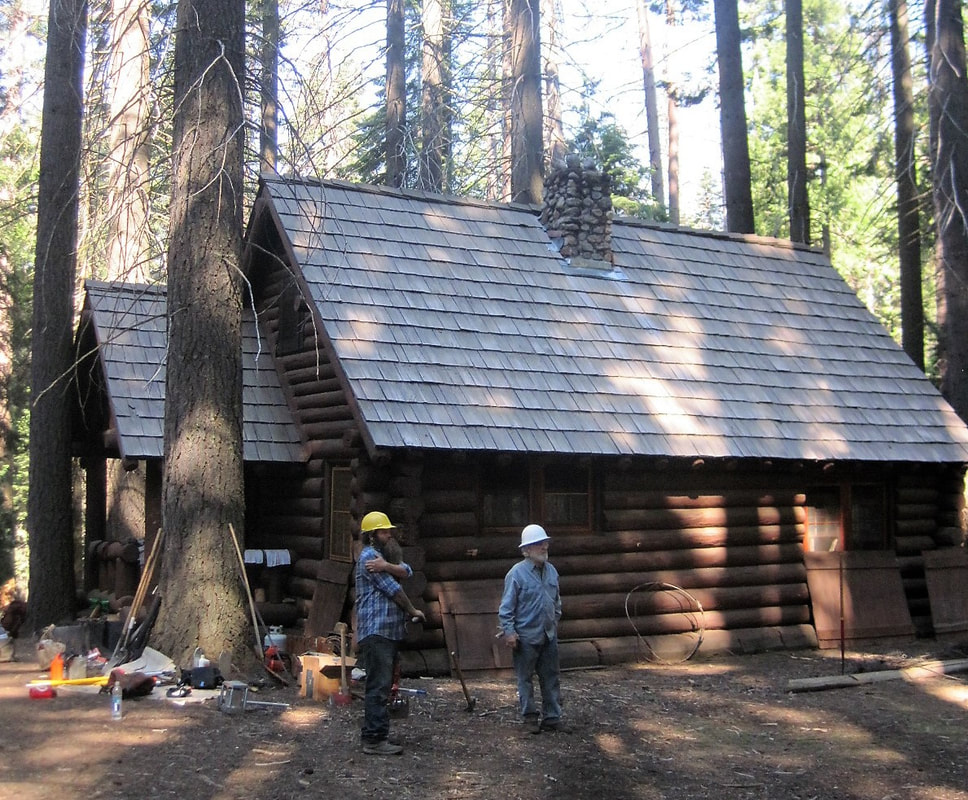
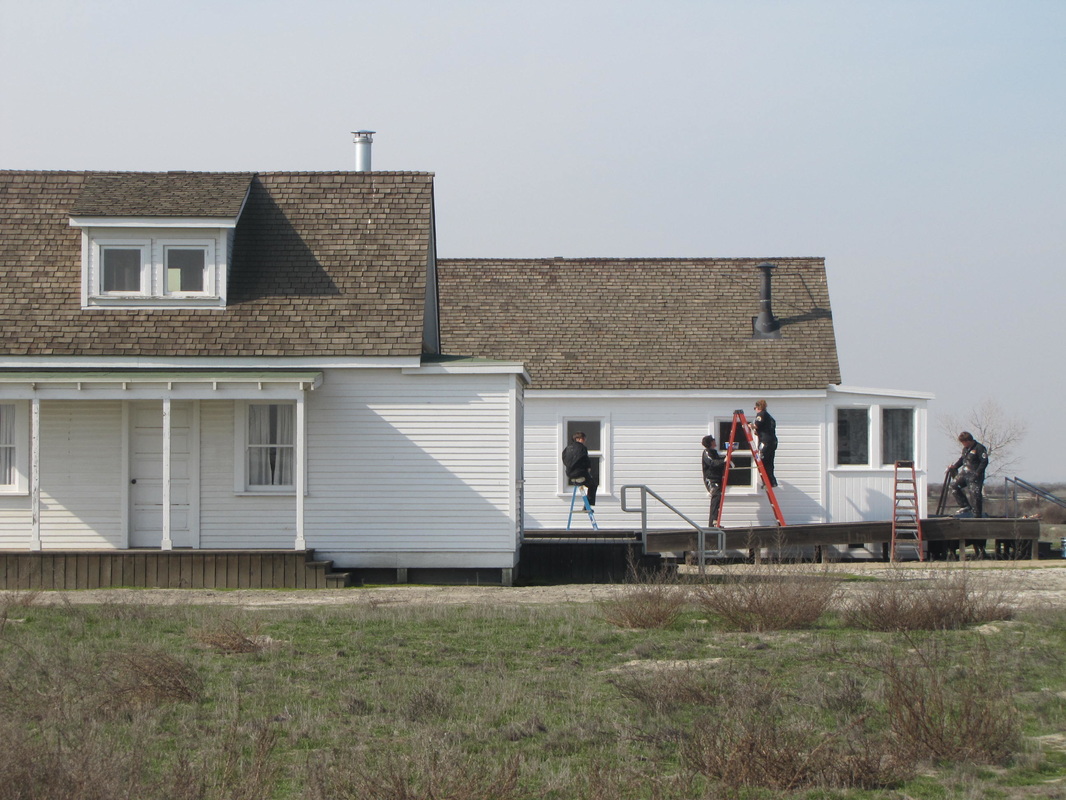
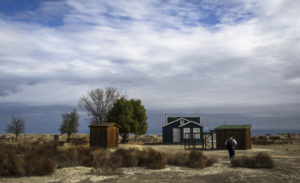
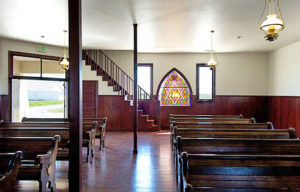
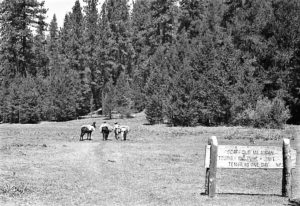
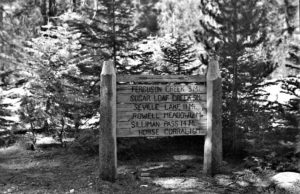
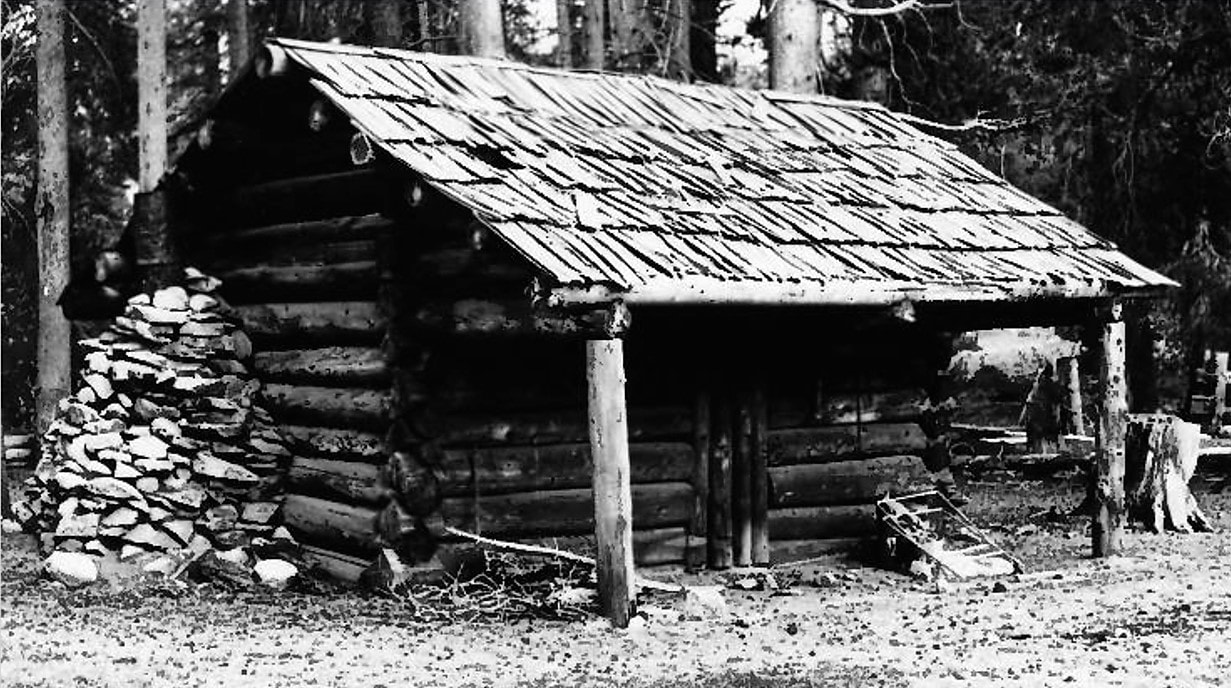
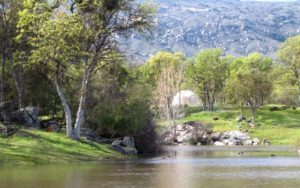
Redwood Meadow Ranger Station

     This strenuous backcountry work is often carried out far from many comforts, conveniences, and sometimes even company. It can be dangerous, sometimes cut off from communications, and often far from help. Many of these Park employees are seasonals, whose paychecks start and end depending on when the snow melts enough to allow access to their work sites — and when autumn weather once again closes the trails. Yet many return year after year to the wilderness.

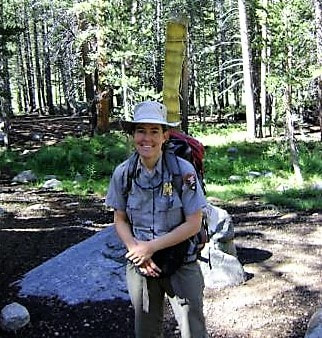
     Like all Park employees, backcountry Wilderness rangers are charged under the National Park Service’s mission to preserve unimpaired the natural and cultural resources set aside by the American people for future generations. Rangers also strive through their visitor contacts to promote appreciation and stewardship of these resources and compliance with the regulations designed to protect them.
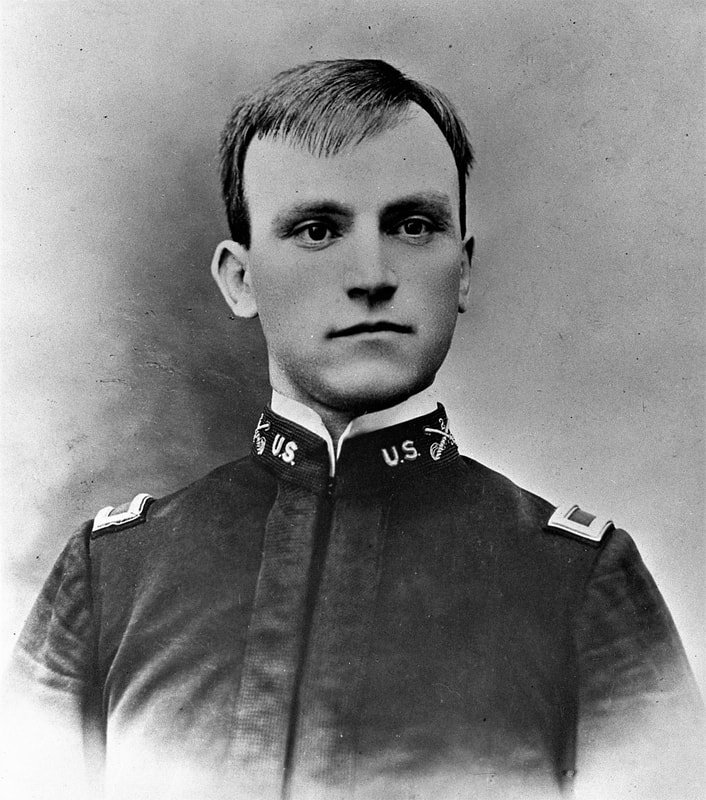
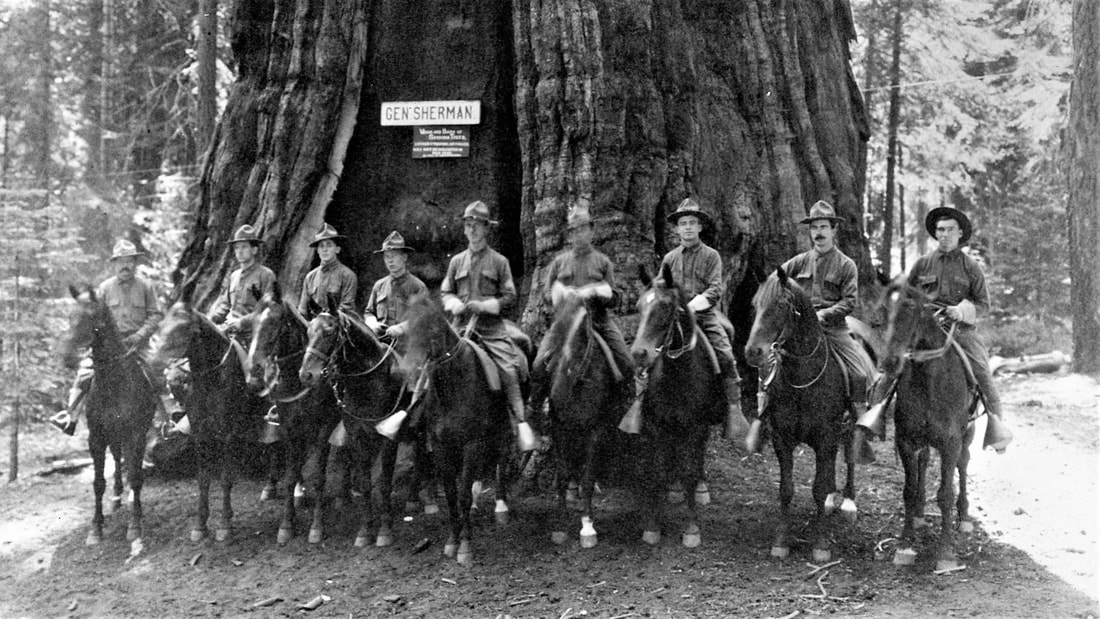
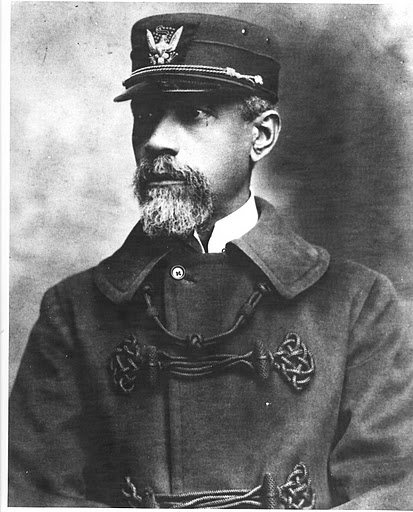
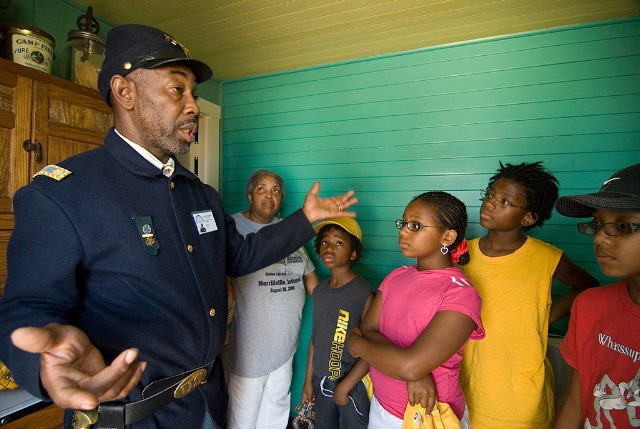
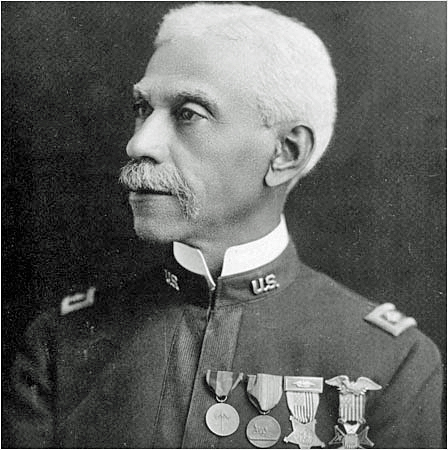
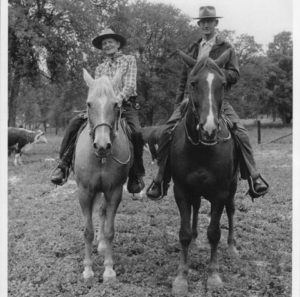
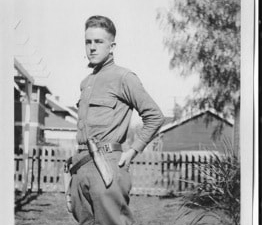
Captain Cornelius C. Smith, 14th Cavalry
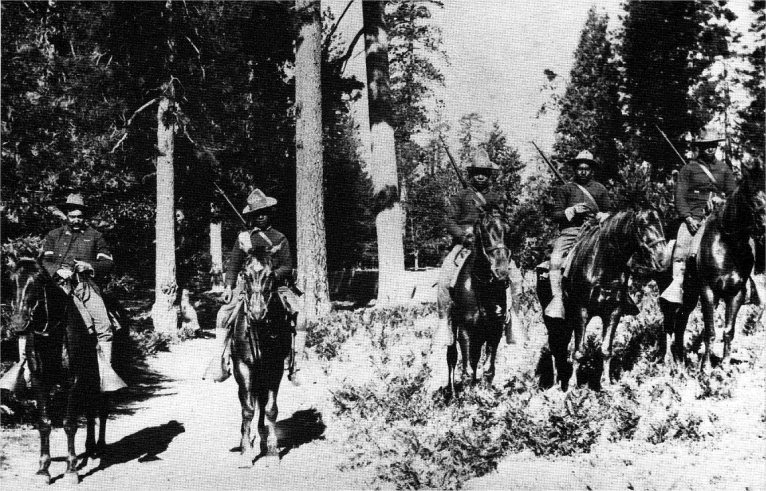
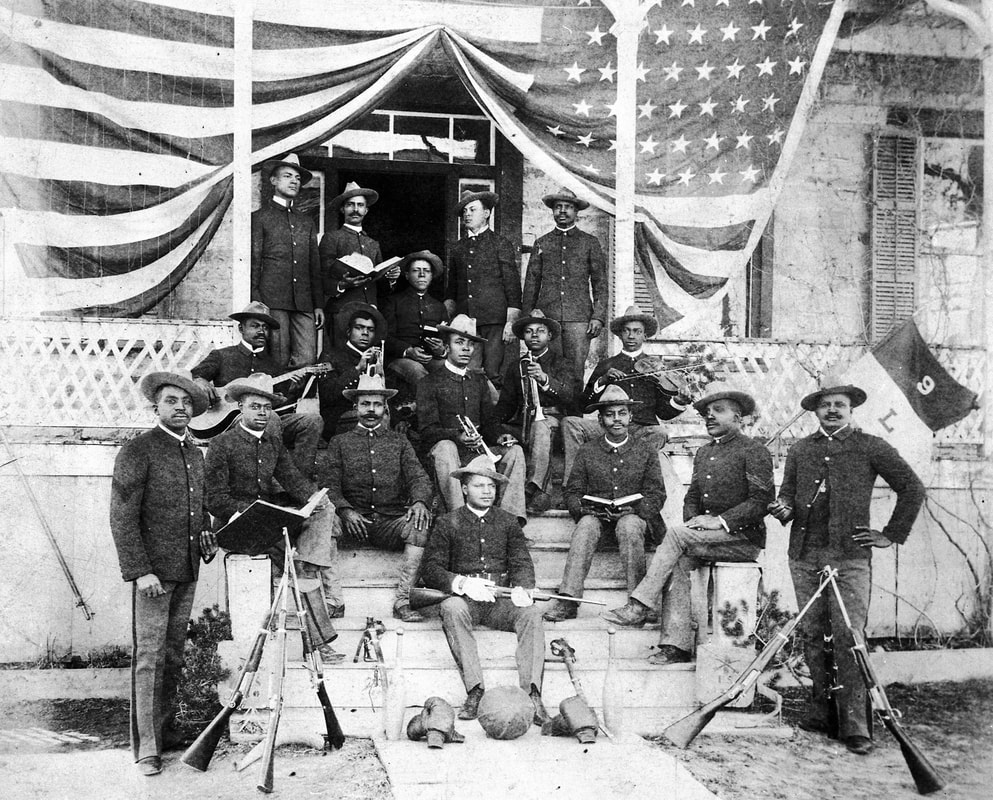
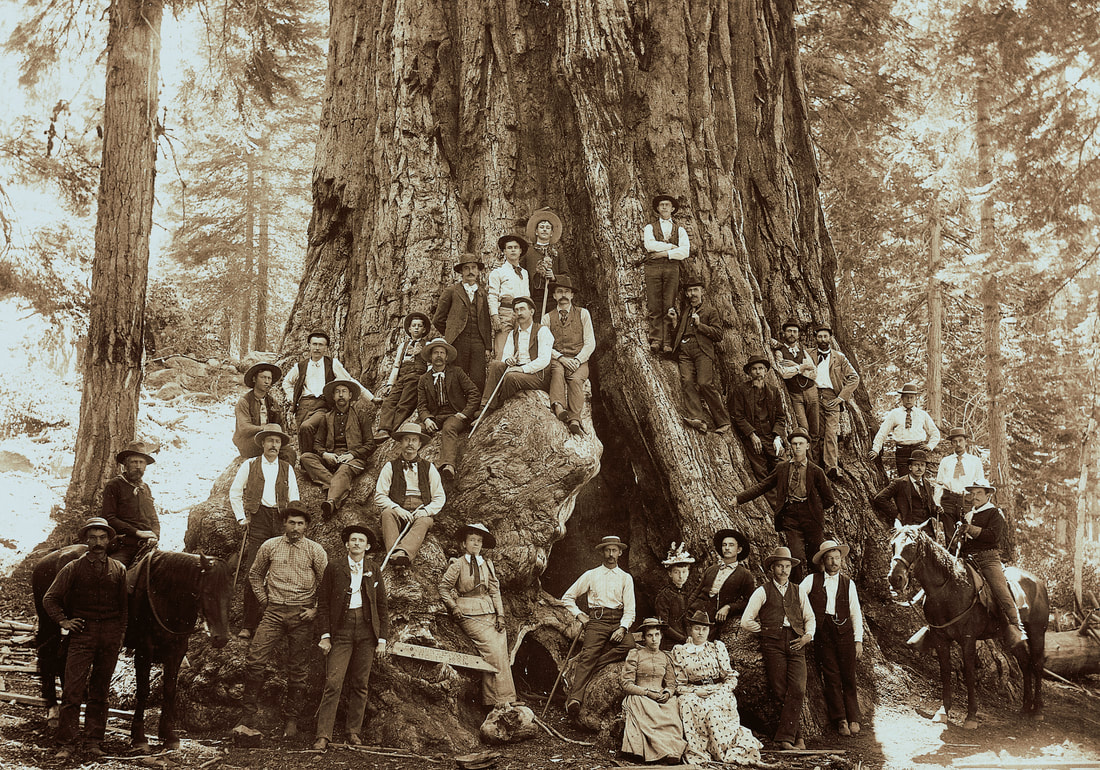
Soldiers of the 14th Cavalry at the General Sherman Tree

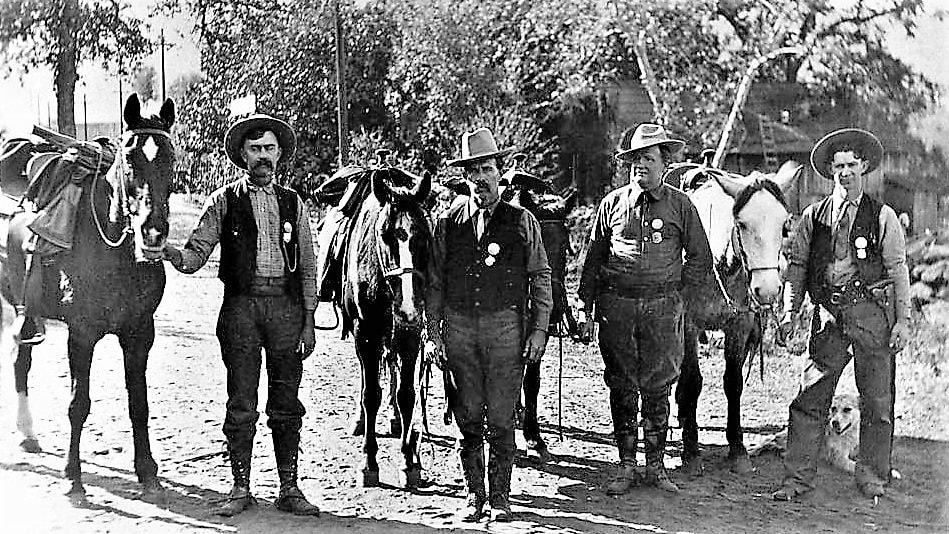
     In 1906, when the national parks were still administered by the U.S. Army, prior to the creation of the National Park Service, Captain C.C. Smith, 14th Cavalry, Acting Superintendent of Sequoia and General Grant National Parks, defined the ranger’s qualifications to be “somewhat as follows: He must be an experienced mountaineer and woodsman, familiar with camp life, a good horseman and packer, capable of dealing with all classes of people; should know the history of the parks and their topography, something of forestry, zoology, and ornithology, and be capable of handling laboring parties on road, trail, telephone, bridge, and building construction. These men, in the performance of their duties, travel on horseback from 3,000 to 6,000 miles a year, must face dangers, exposure, and the risk of being sworn into the penitentiary through the evil designs of others.” In addition to the troops, four civilians were working as rangers in Sequoia and General Grant National Parks at that time.

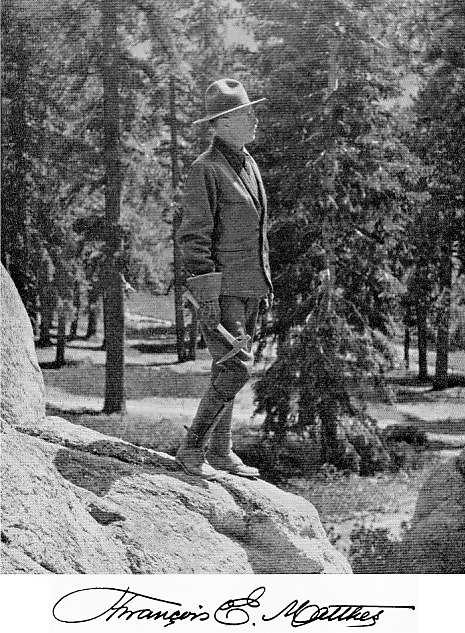
     Stephen T. Mather, first Director of the National Park Service (established in 1916), described the early NPS rangers this way: “They are a fine, earnest, intelligent, and public-spirited body of men . . . . Though small in number, their influence is large. Many and long are the duties heaped upon their shoulders. If a trail is to be blazed, it is ‘send a ranger.’ If an animal is floundering in the snow, a ranger is sent to pull him out; if a bear is in the hotel, if a fire threatens a forest, if someone is to be saved, it is ‘send a ranger.’ If a Dude wants to know the why, . . . it is ‘ask the ranger.’ Everything the ranger knows, he will tell you, except about himself.”
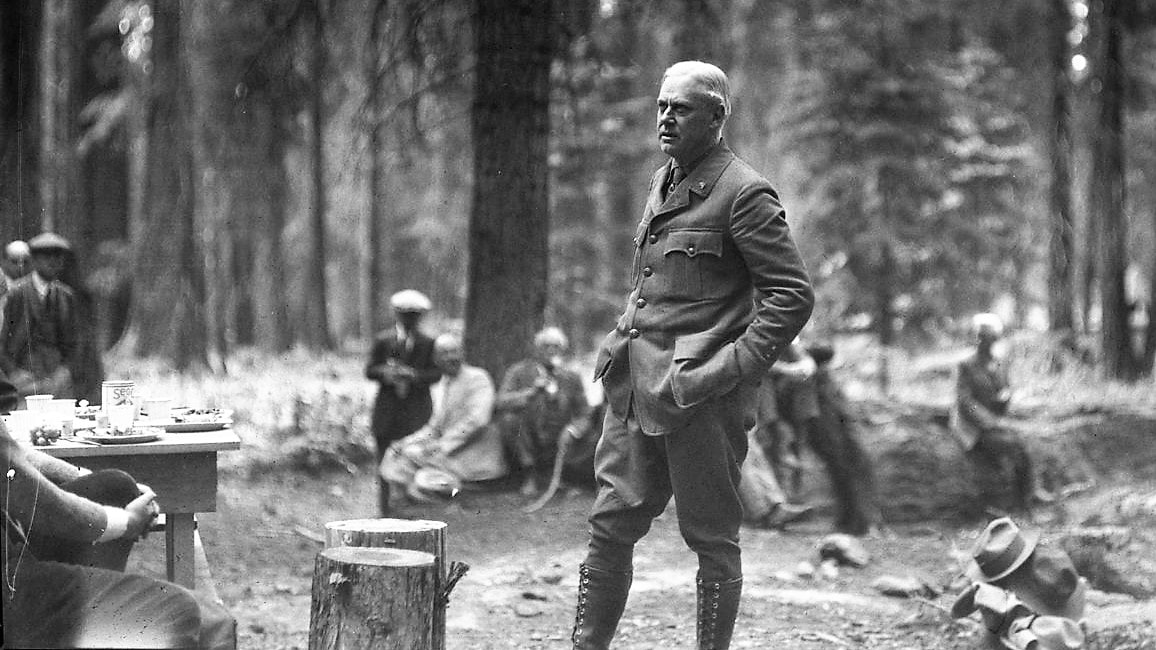
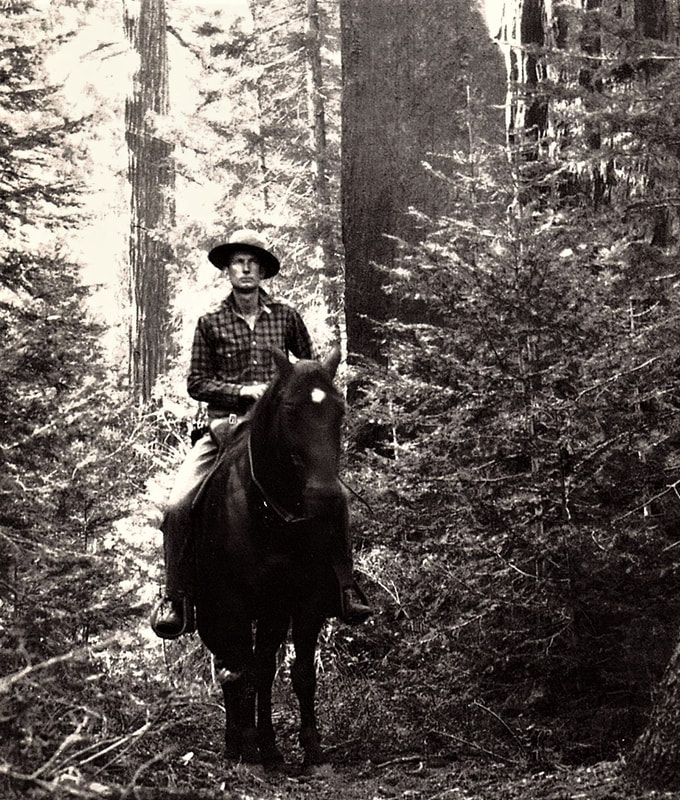
First NPS Director Stephen T. Mather, 1927

     Author Eric Blehm describes the diversity of Sequoia’s modern seasonal backcountry Wilderness rangers and their commitment and dedication to their work: “[They] held master’s degrees in forestry, geology, computer science, philosophy, or art history. They were teachers, photographers, writers, ski instructors, winter guides, documentary filmmakers, academics, pacifists, military veterans, and adventure seekers who . . .were drawn to wilderness. In the backcountry, they were on call 24 hours a day as medics, law-enforcement officers, search-and-rescue specialists, and wilderness hosts. They were interpreters who wore the hats of geologists, naturalists, botanists, wildlife observers, and historians. On good days they were ‘heroes’ called upon to find a lost backpacker, warm a hypothermic hiker, or chase away a bear. On bad days they picked up trash, extinguished illegal campfires, wrote citations, and were occasionally called [bad names] simply for doing their jobs. On the worst days, they recovered bodies.

     “Park Service administrators often referred to these rangers as ‘the backbone of the NPS.’ Still, they were hired and fired [laid off] every season. Their families had no medical benefits. No pension plans. They paid for their own law-enforcement training and emergency medical technician schooling. And . . . each one of them knew the deal when he or she took the job.”
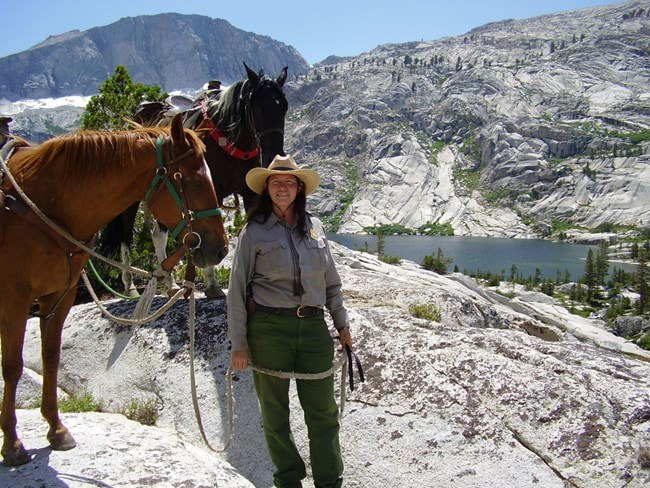
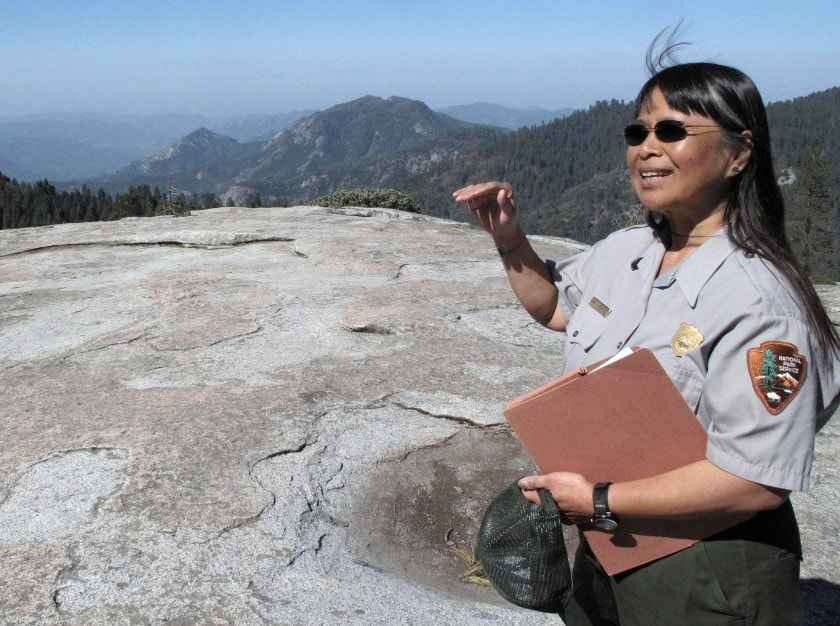
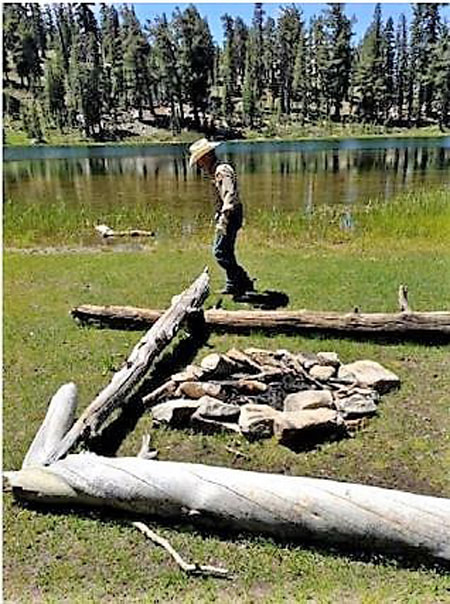
     In their end-of-season reports, the Wilderness rangers describe their patrols (miles on horseback, miles on foot, areas and sites patrolled), visitor services (contacts: backpackers, day hikers, park staff, private and Park stock users, and commercial stock users, both spot and full-service trips), law enforcement (contacts, warnings, education, citations). They report on search and rescue and medical incidents, opening and closing times and condition of the ranger station and grazing areas, signage issues, meadow health, and fencing. They discuss natural resources (wildlife, vegetation, water), cultural resources (historic and prehistoric sites, historic structures), and backcountry facilities (ranger stations, barns, outhouses, water and electrical and solar systems), sanitation (campsites, fire rings, pit toilets, “TP roses”), and food storage cables and bear boxes. Other areas covered include supply and equipment inventories and needs lists, aircraft observations, interface with area trail crews, and special projects and recommendations.

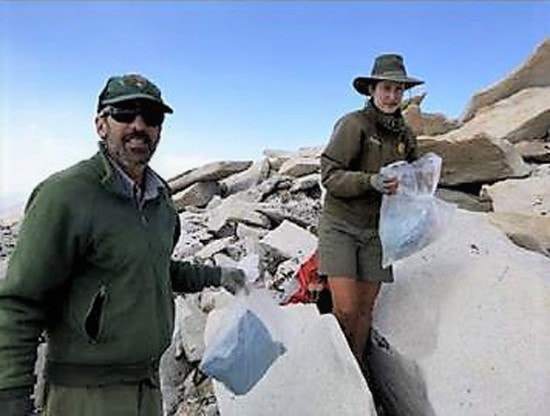
     Backcountry Wilderness rangers also do their own cooking, clean and maintain their cabins and barns, trap hordes of invading mice, cut firewood for their cabin stoves, build and repair fences, doctor and shoe horses and mules, help to clear and maintain trails, and assist park scientists with projects such as residual biomass monitoring on meadows. Rangers remove hundreds of pounds of trash from trails and campsites, break up illegal fire rings and restore abused camp areas, look for lost stock and missing hikers, conduct hunter patrols in the fall, and rarely work an eight-hour day, as they are on call as long as they are in the backcountry.
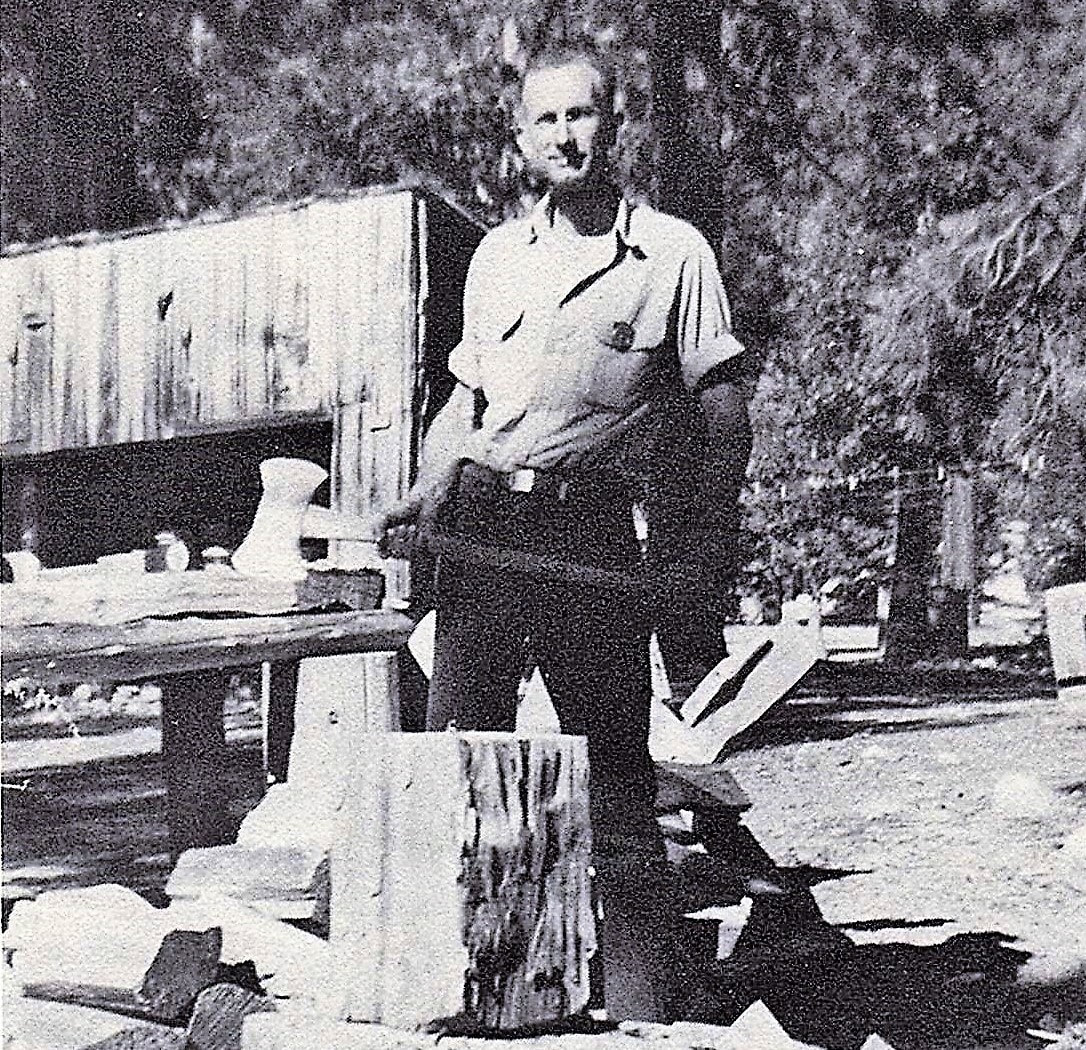
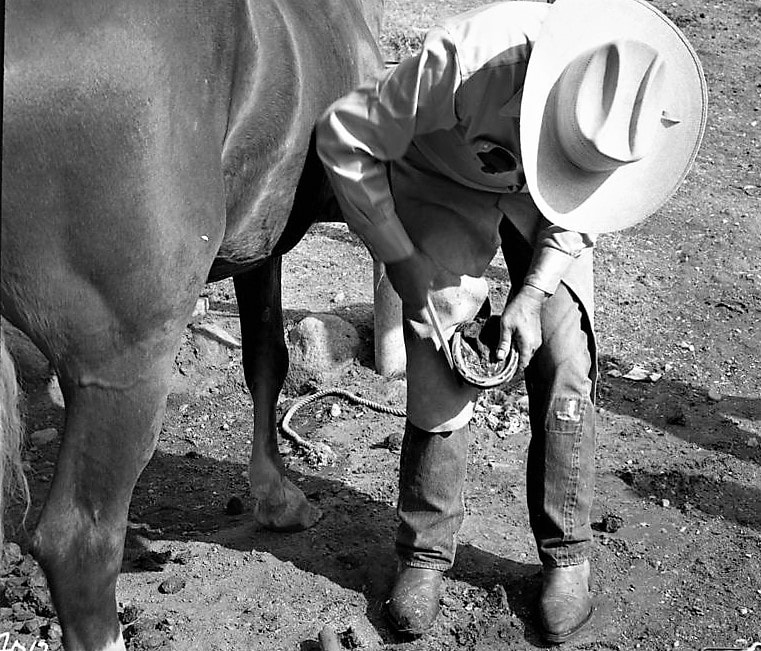
     Their work can be exhausting, and it goes on no matter what the weather. Bad weather or trail conditions are often when rangers’ aid is needed most, leading to some longer work days. And yet many of the parks’ Wilderness rangers return for duty repeatedly, as long as they can afford to. They love their jobs and the country they work in. There are hundreds of applicants for each opening every season.
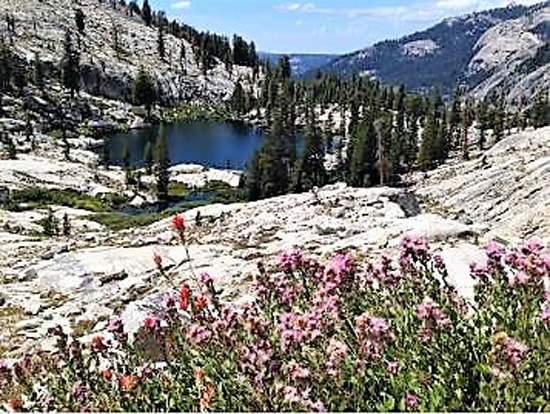
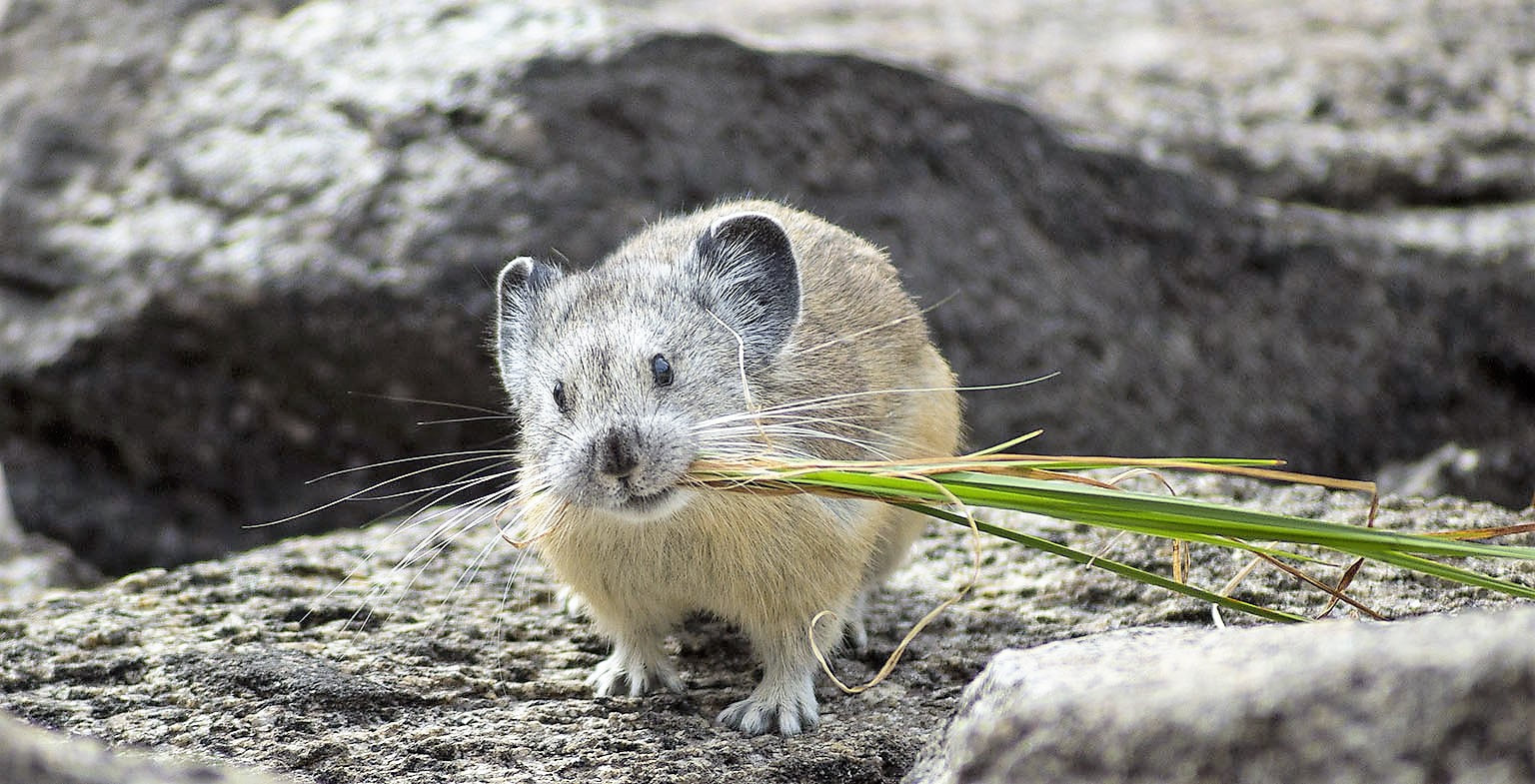
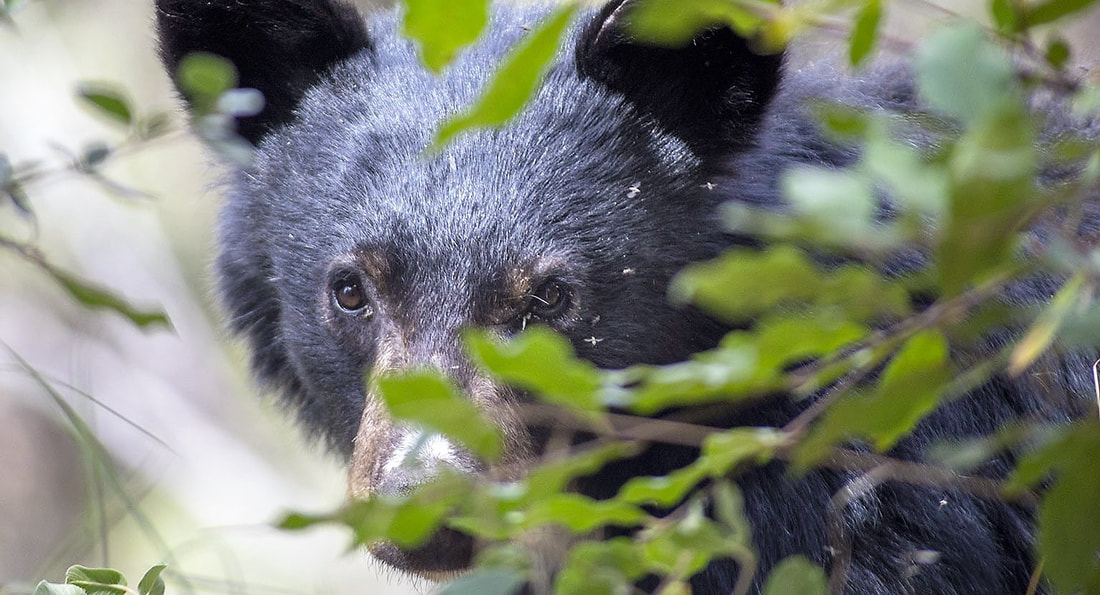
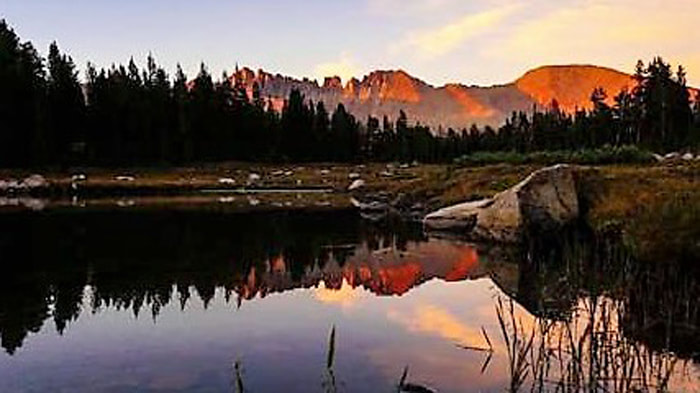
     Many cite the beauty of their surroundings, their wholehearted support of the Park Service mission, the pleasure of working with their dedicated colleagues. They care deeply about the health of the backcountry, its lakes and streams, grasses and trees, wildflowers, birds, insects, fish, and animals from little haystack-making pikas to big black bears. They appreciate the opportunity to meet and interact with park visitors, sharing their knowledge of and joy in the backcountry, and keeping the parks safe from the people and the people safe from the parks. And, as Ranger Randy Morgenson said, backcountry rangers get paid in sunsets.
 “. . . July and August saw several days each of excellent afternoon thunderstorms complete with hail and strong winds. A family of six . . . were caught in one of the storms as they hiked back from Evelyn Lake to their camp at Hockett. At 6:30 pm the group had still not returned and I went out looking for them. I found the 8 year old and her 13 year old brother running down the trail about a half-mile from the station. . . . I sent these two who were soaked and shivering to the station where I had a fire going. . . . I continued up the trail and located the 10 year old and 16 year old . . . and a few minutes later I located [their parents].
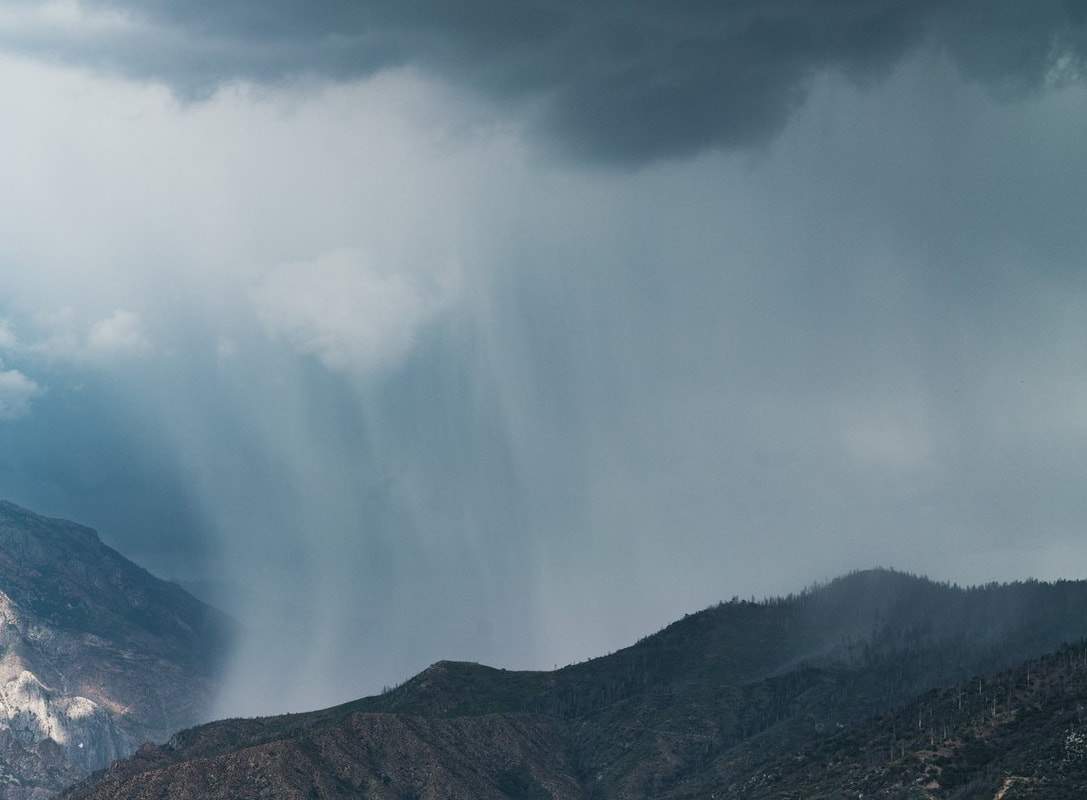
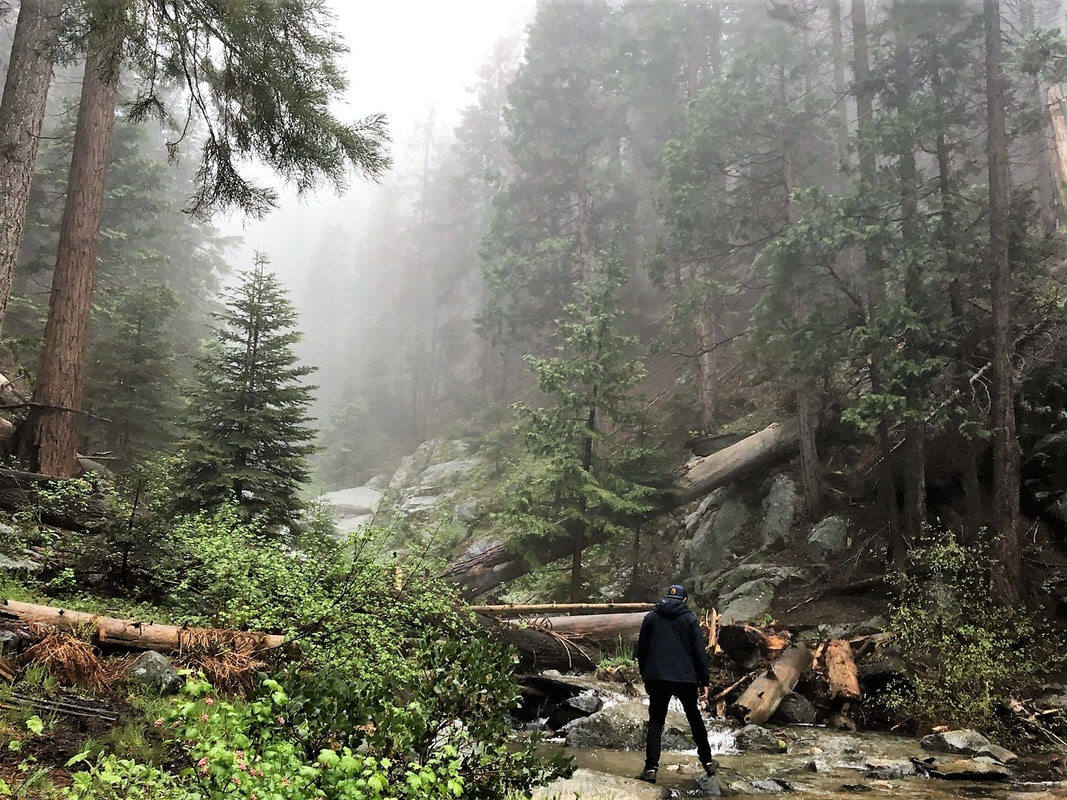
 “On the way back to the station I came upon two other backpackers, both soaked and cold. The cabin was crowded that evening with everyone crowded around the stove, drying wet clothing and attempting to keep warm. The trail crew served up some pasta and sauce for everyone and by 9 pm the rain had stopped. The family went to their respective tents and the two backpackers spent the night in the tack shed.” — Joe Ventura, Hockett Meadow Ranger, 2008

May, 2020

Quotes & More Photos:

In Their Own Words — Excerpts from Sequoia and Kings Canyon National Parks
Backcountry Wilderness Rangers’ reports and articles:


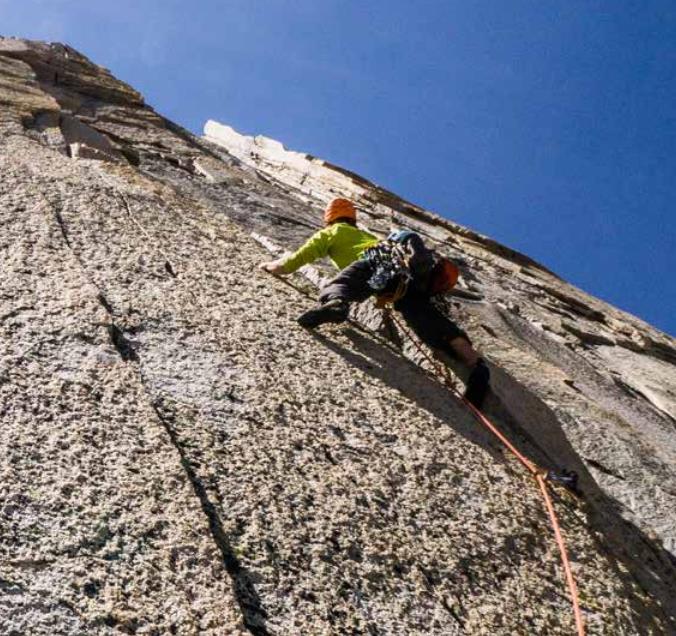
” The backcountry ranger job is a very coveted park position and the one in Sequoia has got to be one of the best in the nation. . . . To get the gig, you have to . . . [g]o to USAJobs.com, fill out the resume . . . . score very well on the questionnaire . . . . [Y]ou have to have past experience . . . living in the wilderness . . . not to mention a lot of past time in the High Sierra or a comparable environment. You have to be an EMT, you have to qualify for the GS-5 using education or past government employment . . . . It’s actually a very difficult job to get.” — Chris Kalman, 2015
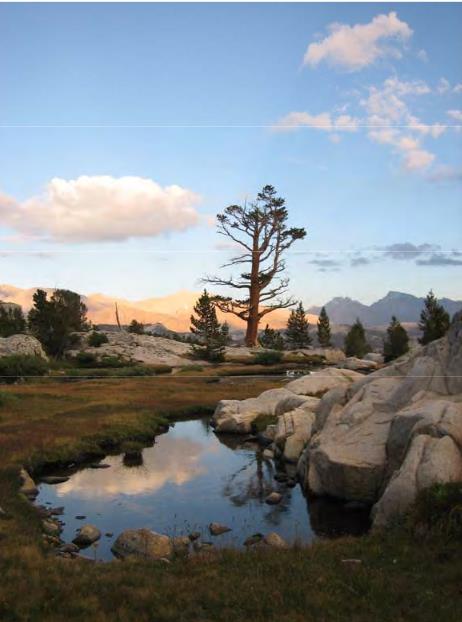
“[W]e are all visitors here in the parks . . . because we love their astounding beauty. Every time I met someone on the trail, I tried to engage them in conversation that would help them reach, recall, or revel in that conclusion on their own. . . . ” — Chris Kalman, 2015
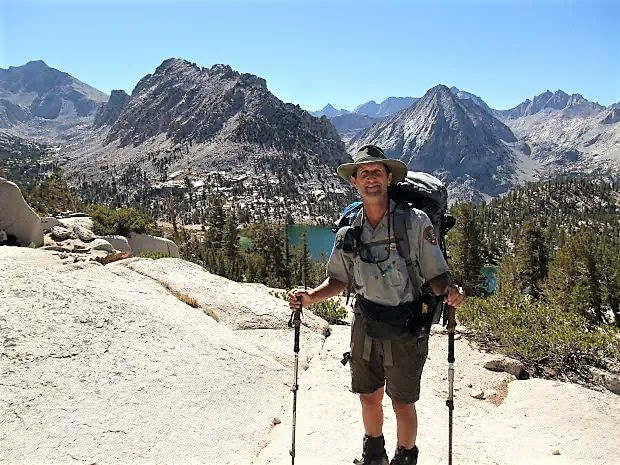
“I felt connected to people from around the world. I eased visitors into the spirit of the place, offered route suggestions, passed on weather forecasts, repaired boots, supplied a little extra food, or just lent a compassionate ear. Under the open sky, people’s hearts come out to play.” — Rick Sanger, 2019
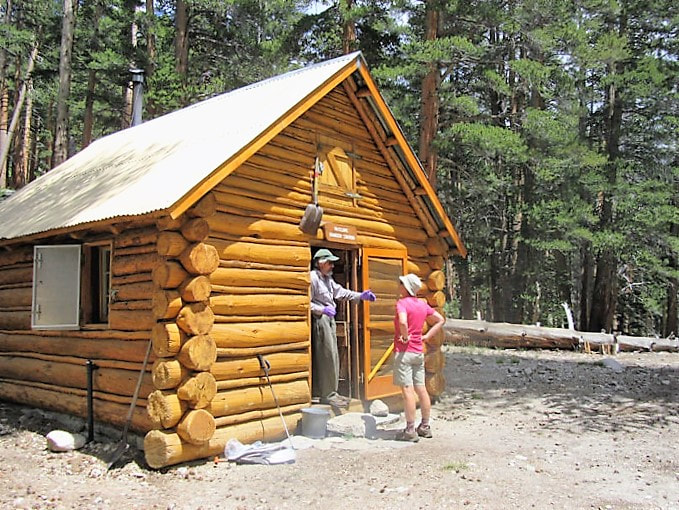
“Most visitors either want a weather forecast or just to visit the ranger and see the ranger station, and of course take a picture of the station and/or ranger.” — Dario Malengo, McClure Meadow Ranger, 2014
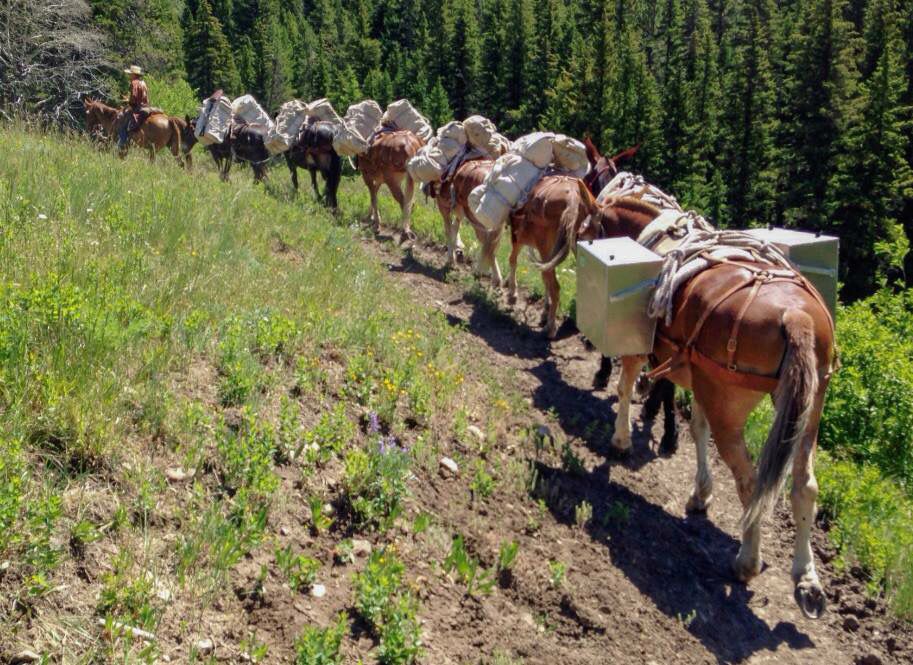
“We met with the Little Five ranger and collected nearly 800 pounds of his food and gear, and the next day Don and I saddled up 6 mules and our horses, and headed for Little Five via Pinto Lake.
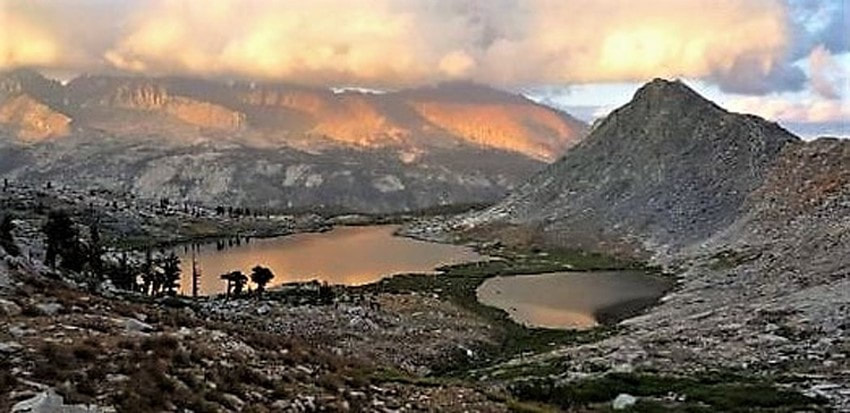
“Chris did not tell us that there were 6 dozen fresh eggs in the loads. We packed it all up at Mineral King, rode to Pinto, unpacked for the night, repacked in the morning, rode over Blackrock Pass arriving at Little Five, without breaking a single egg.” — Joe Ventura, Hockett Meadow Ranger, 2015
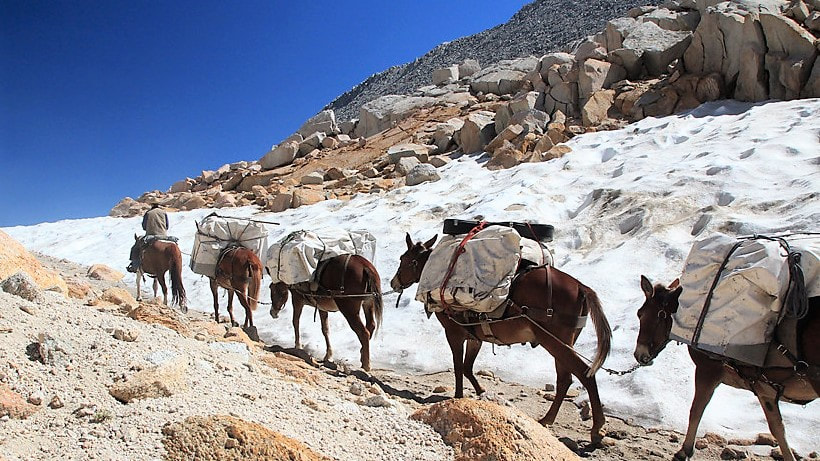
“Training Curriculum for Level III certification requires the rider to overnight in the wilderness, and catch, pack, and lead a string of up to 4 pack animals . . . . Mineral King Trailhead Ranger Cody Cavill traveled to [Hockett] with me and led a string of pack animals. . . .
“Cody assisted in the search and capture of overdue stock, led three head cross-country from Wet Meadow to Quinn Patrol Cabin. He set up an electric fence there, took the stock to water and put three head in the fenced area and turned out the others.
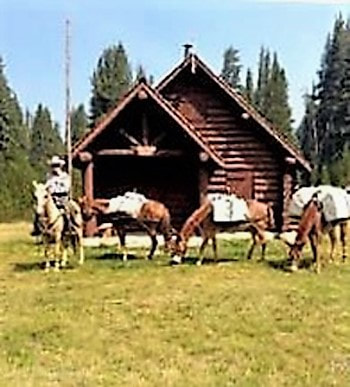
“He caught the stock the next morning, saddled and packed and led the string back to Hockett. His training covered approximately 63 miles of riding and he is certified as a Level III rider.” — Joe Ventura, Hockett Meadow Ranger, 2015
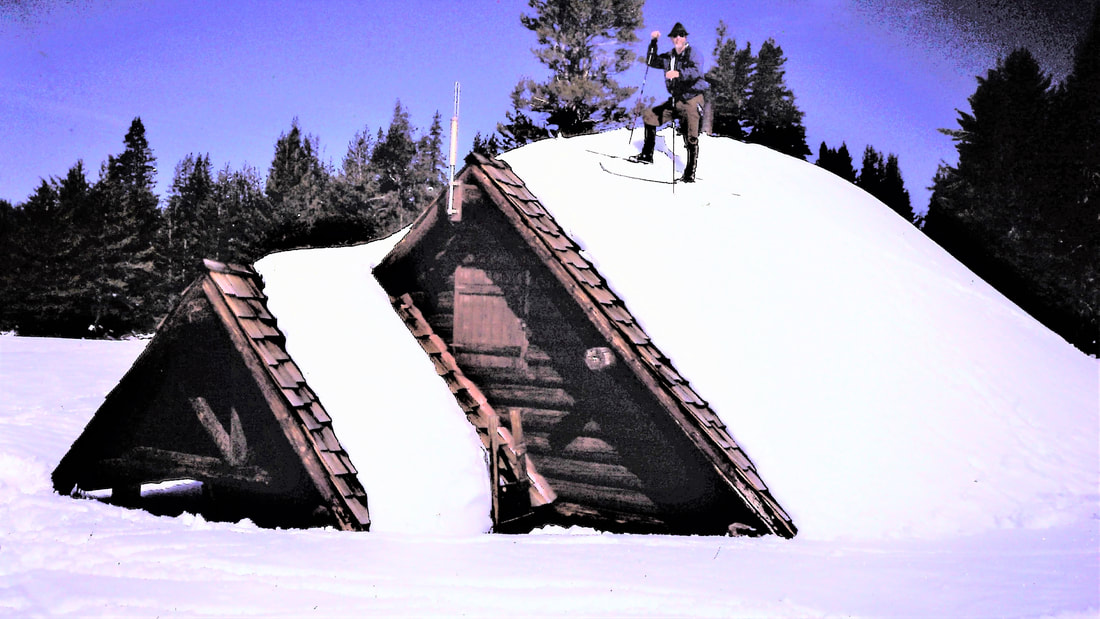
“Due to heavy spring snow, I was flown into the Hockett Ranger Station on June 19th. . . . There was three to four feet of snow on the meadow and six to eight feet of snow covering the trails on the plateau with drifts to twelve feet.” — Cindy J. Wood, Hockett Meadow Ranger, 1995
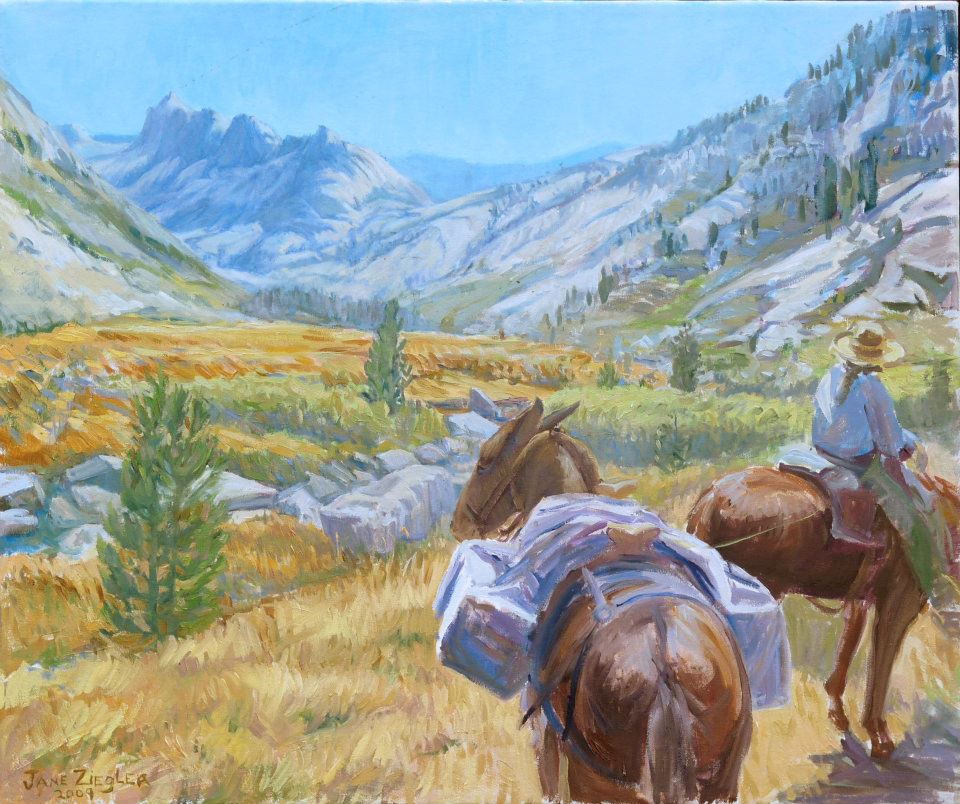
“I brought my three head of stock into the backcountry on August 4th when the Atwell-Hockett trail was opened to stock. During the season, I patrolled 913 miles of trail. (527 miles patrolled on stock and 386 miles on foot.)  I contacted 892 visitors this season. (5 day hikers, 517 backpackers, 6 hunters and 364 stock users with 550 head of stock.)” — Cindy J. Wood, Hockett Meadow Ranger, 1995
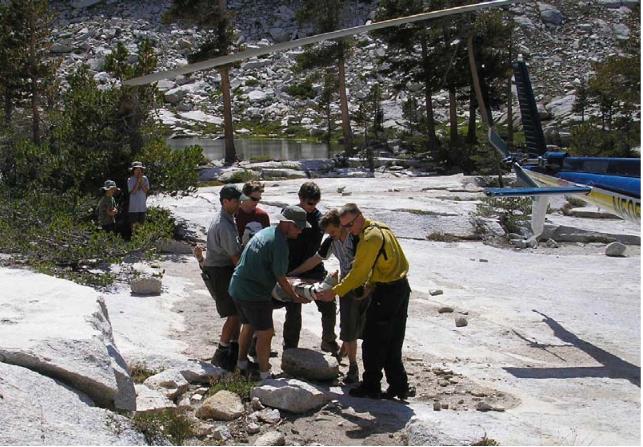
” On July 23 two pack mules and an 80 year old male on horseback went off the trail at Cabin Creek, about 1 mile from Atwell Mill. . . . The injured party was carried out by litter to Atwell Mill . . . and flown by Life Flight to UMC. By 10:30 pm I had the equipment, mules, and fellow companion of the injured party out to Atwell.” — Joe Ventura, Hockett Meadow Ranger, 2006
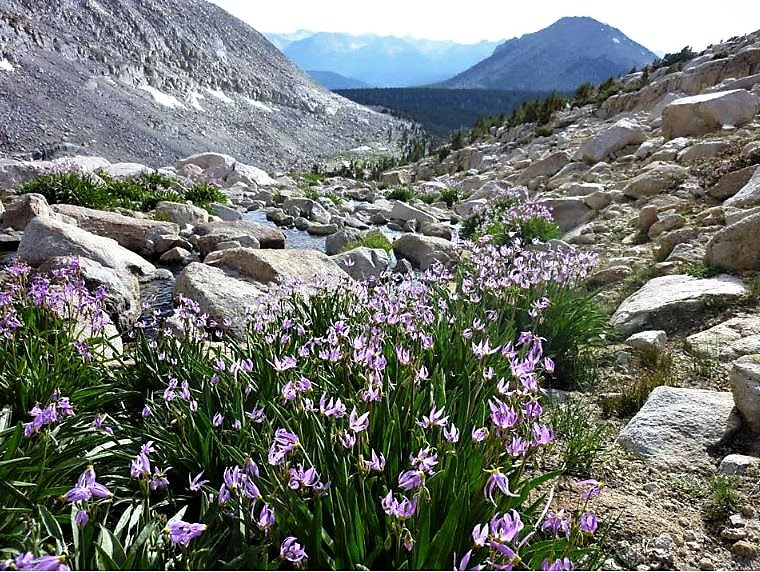
“It was a life steeped in beauty. . . . I woke with the chickaree’s chatter and eased into each morning with anticipation for the day’s adventure, whether a mellow exploration or a grand challenge. The summer’s passing was ticked off by the early season song of the hermit thrush, the bloom and fade of Jeffrey shooting stars, the height of the corn lilies, the late season calming of the stream’s frenzy.” — Rick Sanger, 2019
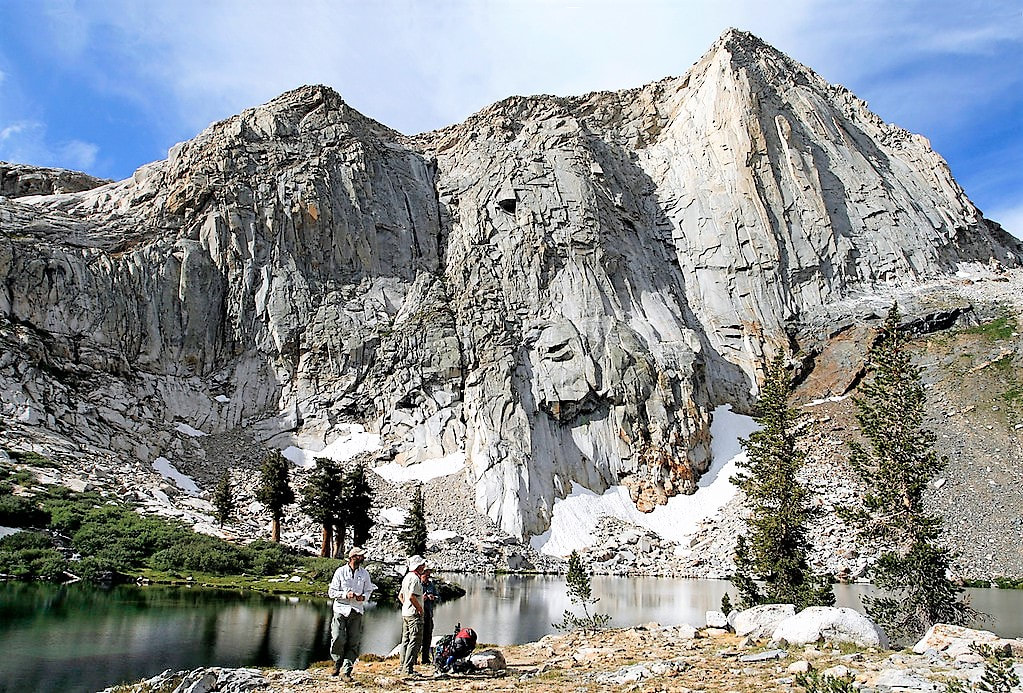
“The National Park Service preserves unimpaired the natural and cultural resources and values of the national park system for the enjoyment, education, and inspiration of this and future generations.’ I stand by that, and I believe it is one of the most important things the United States of America does as a nation.” — Chris Kalman, 2015
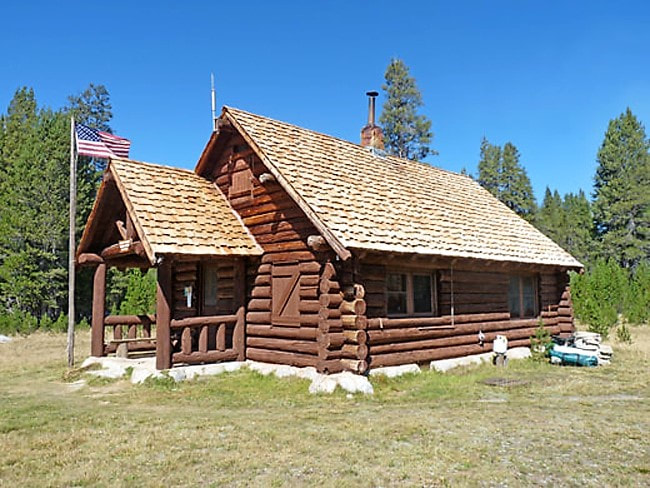
“There was never a U.S Flag in the cabin. I always brought in a new one each season . . . . The cabin just looked more handsome with the flag flying.” — Joe Ventura, Hockett Meadow Ranger, 2008
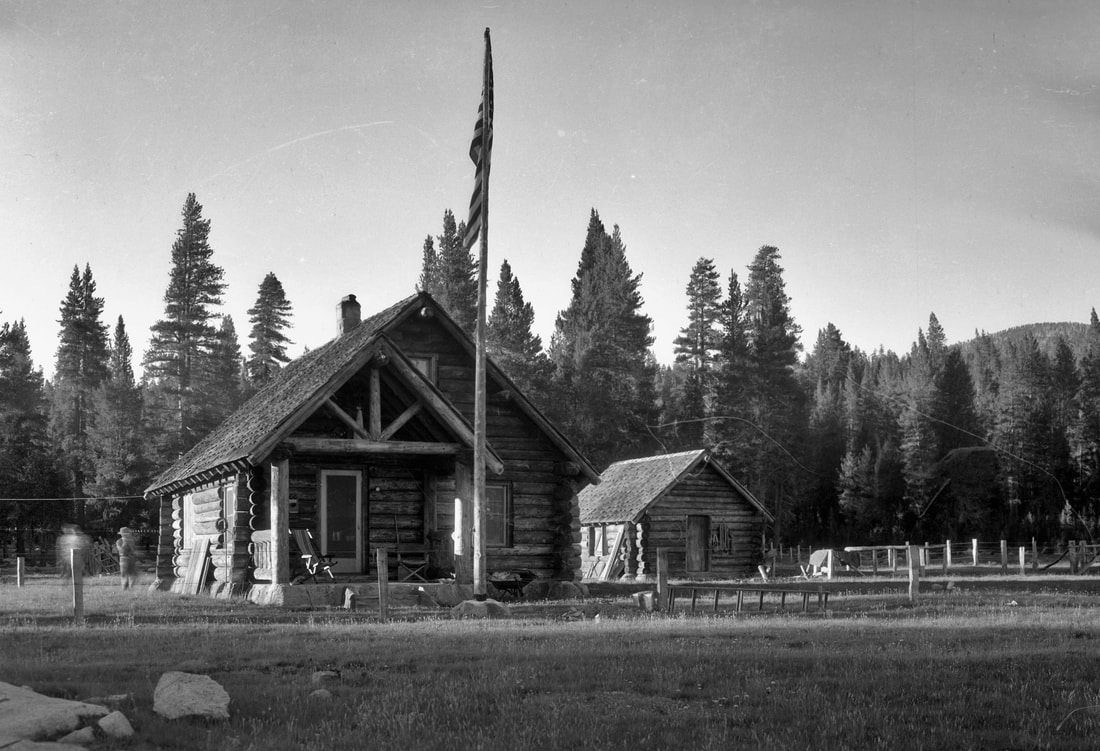
“I have told many of you of the times when sitting on the porch of the Hockett in the evening, . . . someone hikes in from the trees, views the meadow and the cabin, looks at me and says, ‘Wow, how does a person get a job like this?’
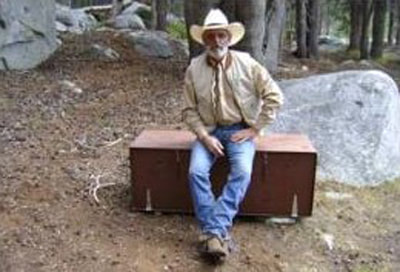
“So thanks to all of you for allowing me to enjoy the experience ‘of a job like this.’ It has been a genuine pleasure working for and with all of you.” — Joe Ventura, Hockett Meadow Ranger                                                                        

 

Click on photos for more information.

COLONEL ALLENSWORTH STATE HISTORIC PARK

by Nancy Bruce

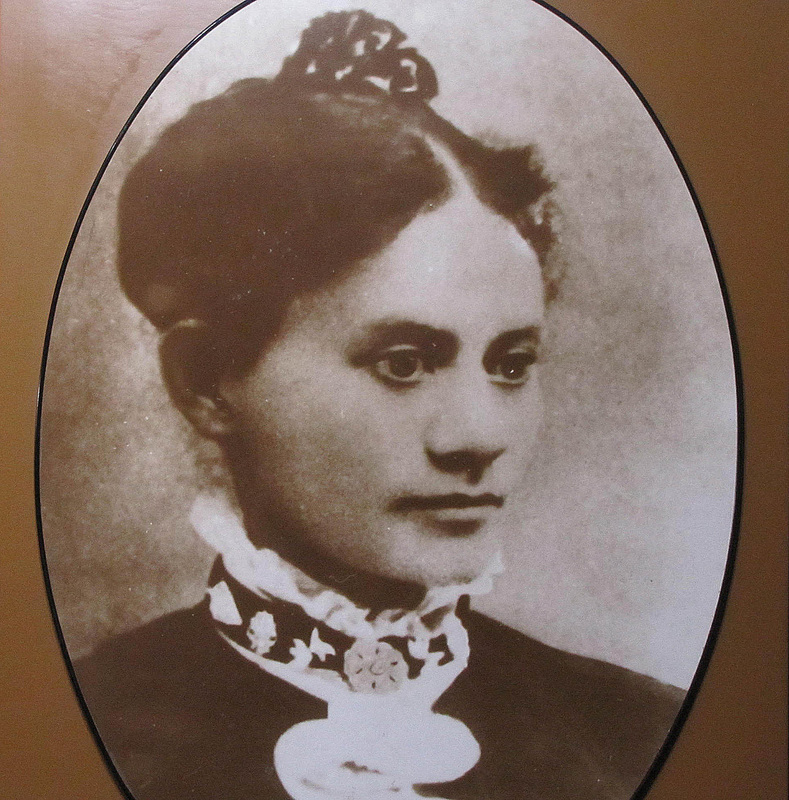
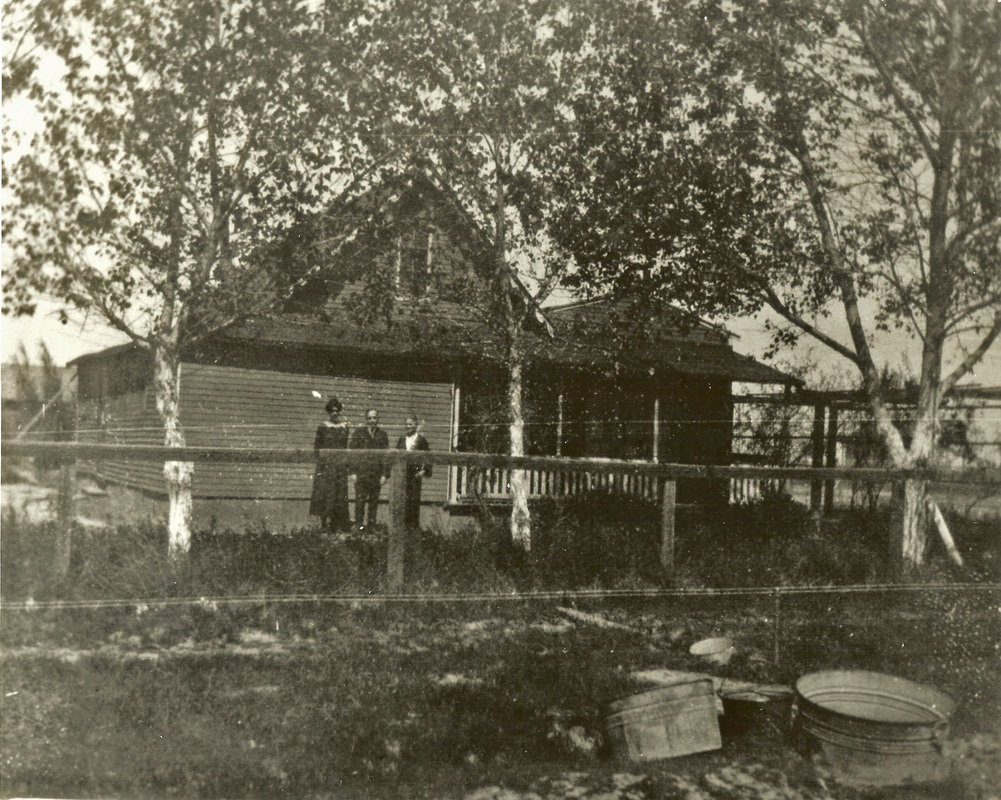
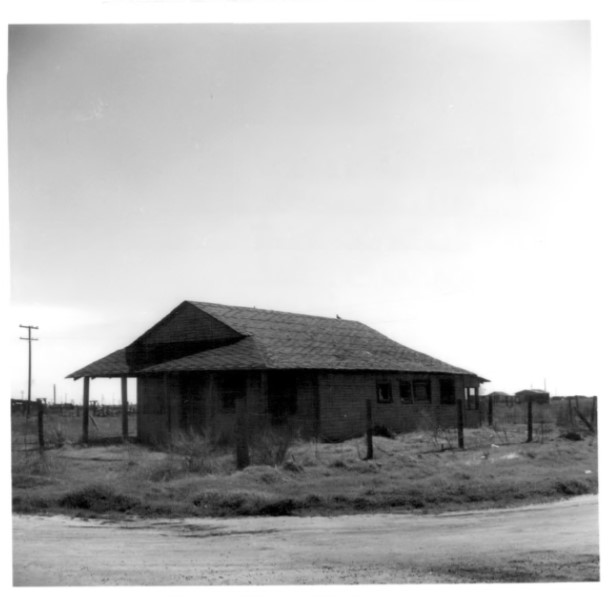
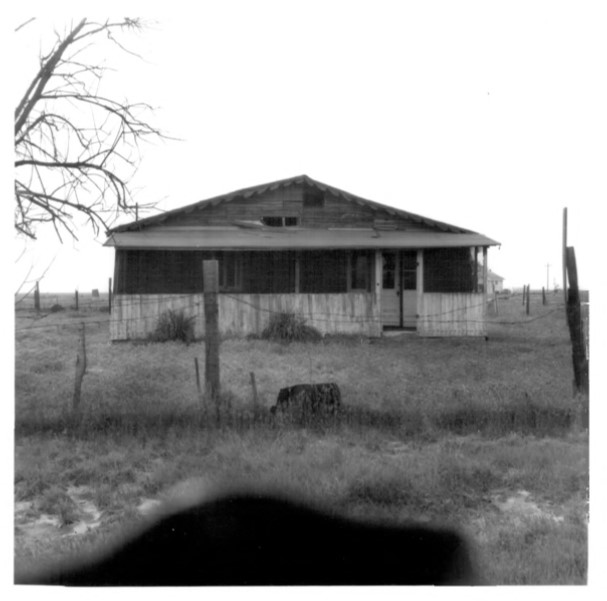
     Allensworth is the only town in California that was founded, financed, built, populated, and governed by African Americans. This pioneering venture in the ongoing struggle for freedom and opportunity resulted from the vision and determination of Lieutenant Colonel Allen Allensworth. Today, a hundred years after its heyday, visitors to the historic townsite are still inspired by the Colonel’s ideals and accomplishments and by his town that refuses to die.

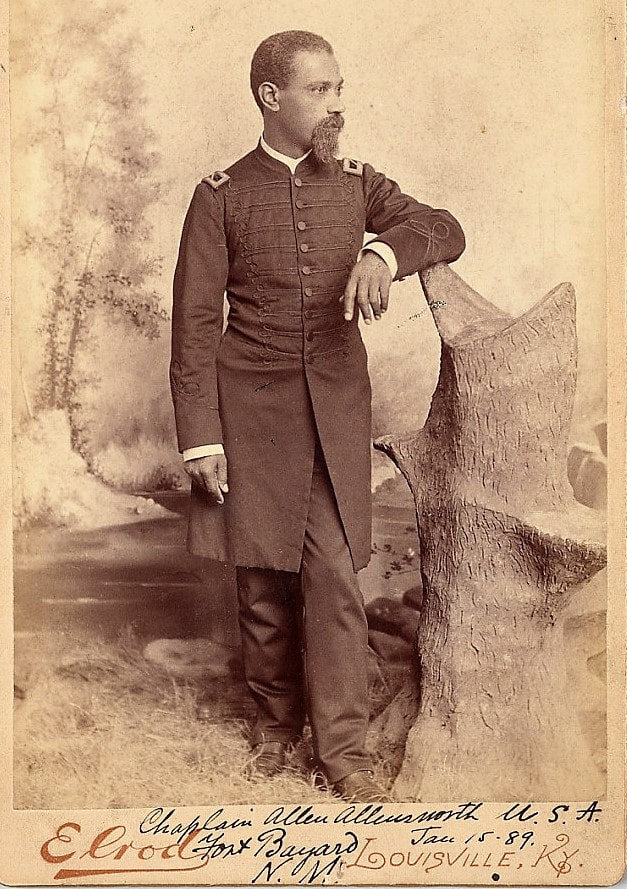
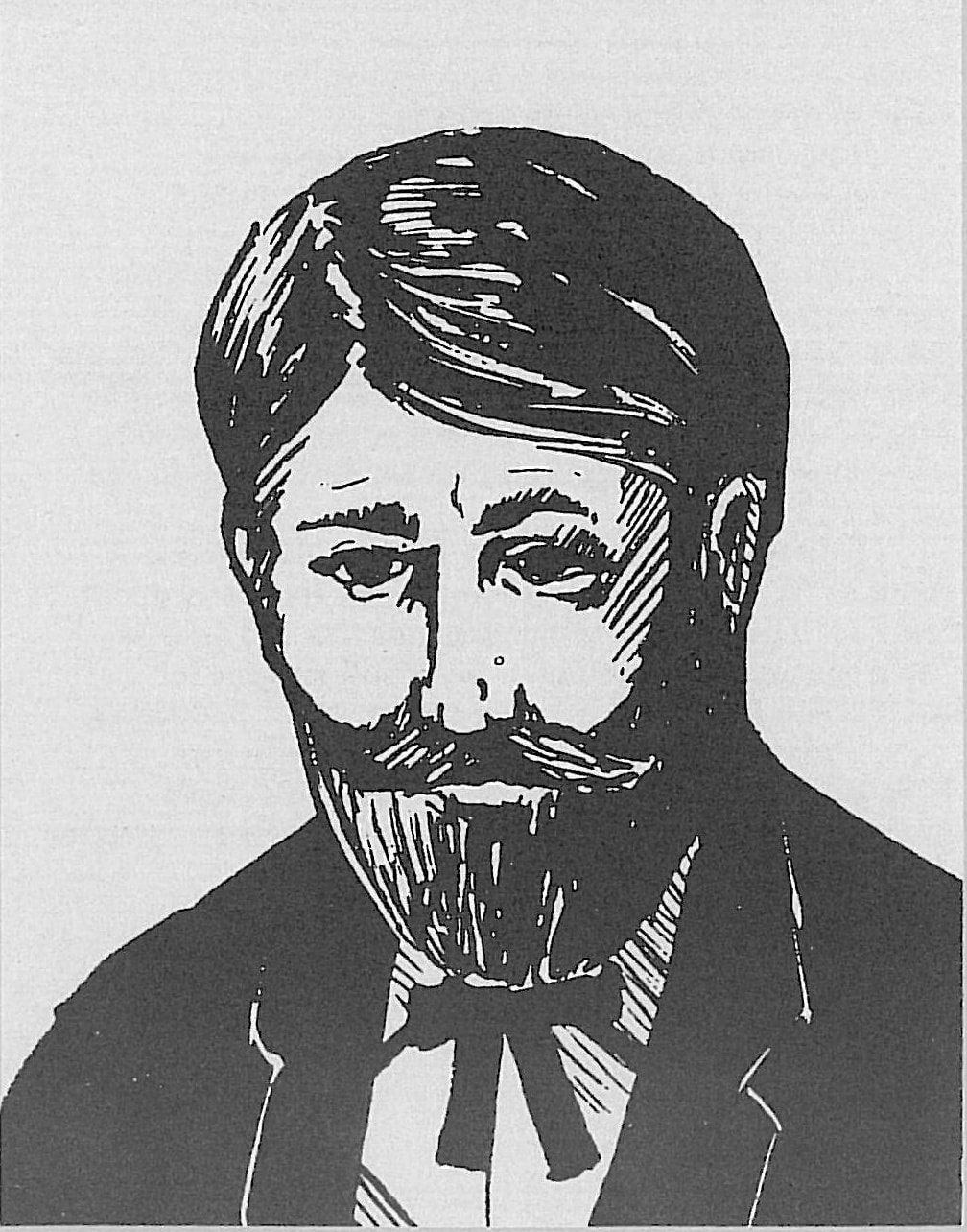
     Born into slavery in 1842, Allen Allensworth learned to read and write as a young man. He eventually escaped slavery by joining the Union forces during the Civil War. He enlisted in the U.S. Navy, and quickly rose through the ranks. In 1886, after civilian careers in teaching and business, and earning a doctorate in theology, he re-entered the military as the U.S. Army’s first Black chaplain, guiding the spiritual well-being and moral education of the soldiers serving in the 24th Infantry, one of several army units comprised of all African Americans (the renowned Buffalo Soldiers). Twenty years later, Lieutenant Colonel Allensworth retired, the first African American to achieve such high rank. His vision and vigorous leadership continued into the next phase of his life.

     In a series of lectures he delivered, Allensworth stressed the importance of self-determination and urged African Americans to develop economic, social, cultural, and political self-sufficiency. During his extensive travels, he noticed thousands of Blacks migrating to California in order to free themselves from systemic prejudice — the South’s segregation policies and the North’s discriminatory policies and practices.

     He moved his family to Los Angeles, the seeming land of opportunity for his dream. But it was in the southern San Joaquin Valley that he found all the right elements for pursuit of that dream — affordable land, rich with good soil, ample water, and a railroad stop that promised transportation and freight business.

     He joined forces with other like-minded individuals, including Professor William Payne, Rev. William Peck, Rev. John W. Palmer and Harry A. Mitchell, to form the California Colony and Home Promoting Organization. With Colonel Allensworth as president, the group purchased 800 acres and filed a township site plan in August 1908 for a town called Allensworth. It would be an all-Black community where families could prosper free from the crippling effects of discrimination and unfair governance.

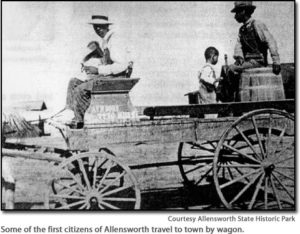
     The town’s founders highly valued education, scholarship, self-governance, and hard work. Those who shared this vision were attracted to Allensworth and contributed to its growth. Within a year, thirty-five families called Allensworth home.

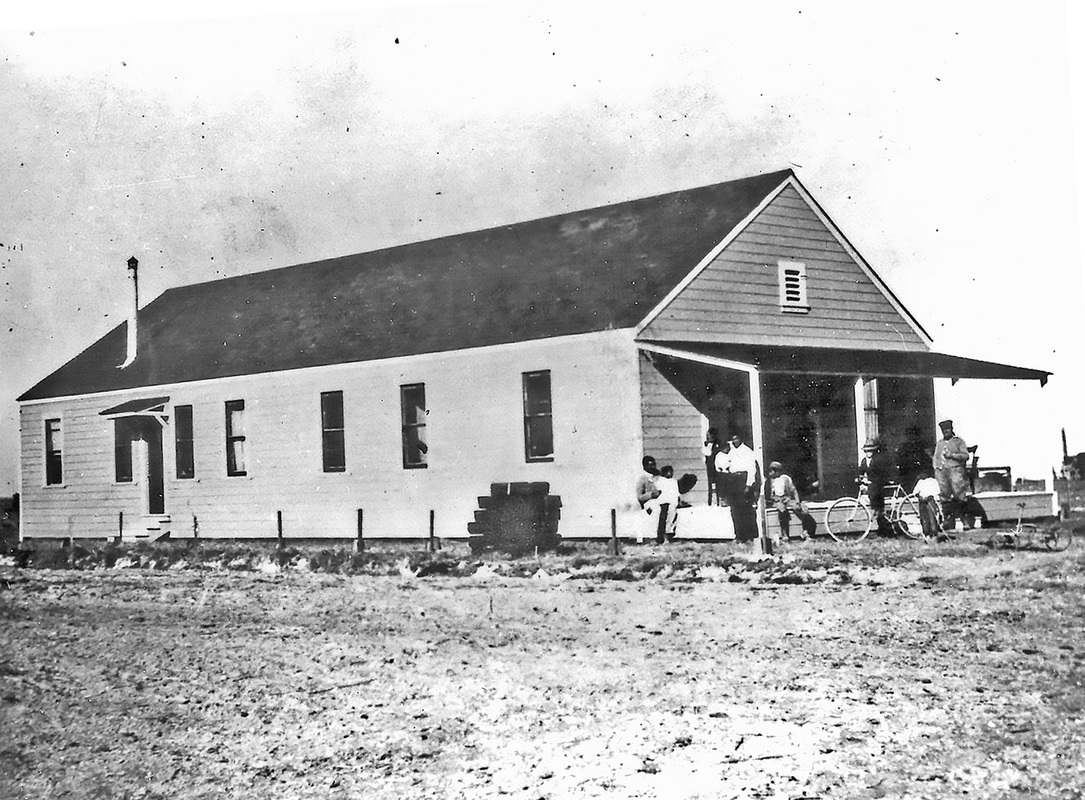
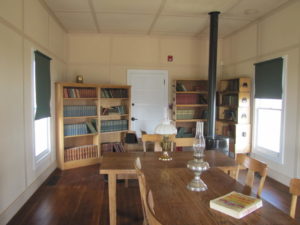
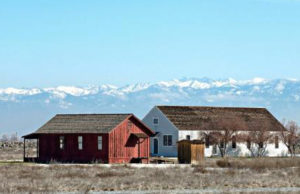
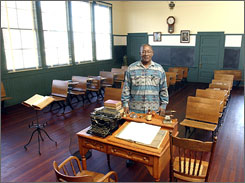
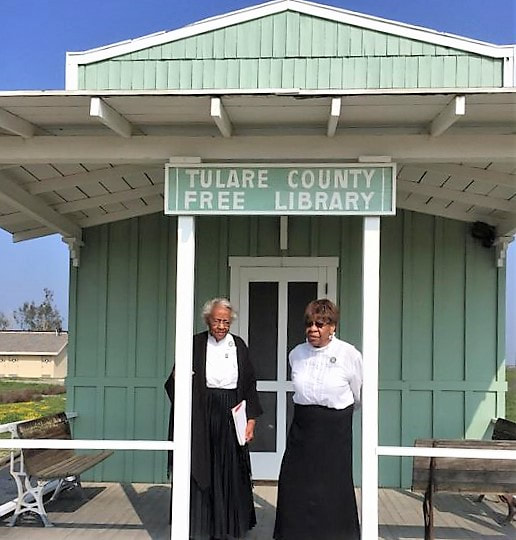
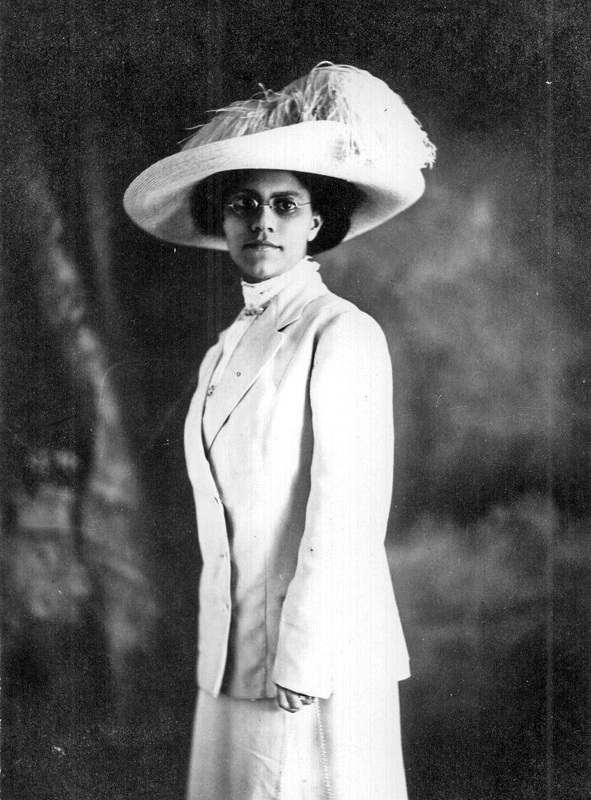
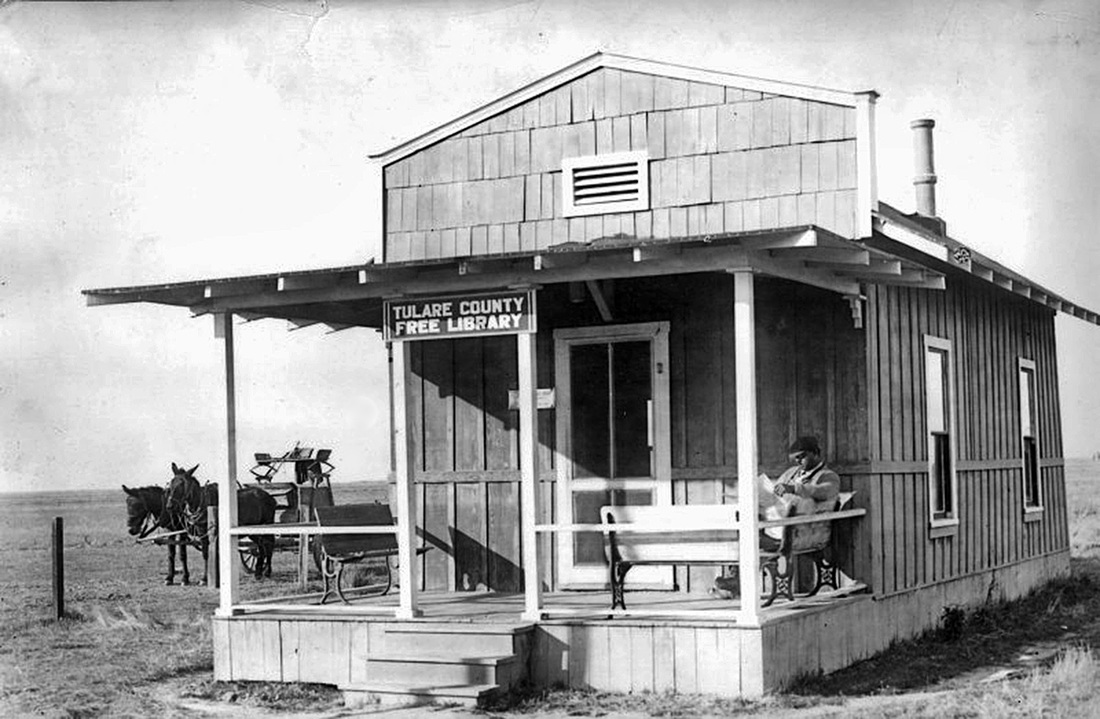
     Artesian wells supplied water to the growing town and farming operations, and the Allensworth Rural Water Company was formed to provide community water services. The town built a beautiful schoolhouse and hired Professor William Payne as teacher. Mrs. Josephine Allensworth, the Colonel’s wife, started a library with books donated by Colonel Allensworth and other residents. It was Tulare County’s first free library.

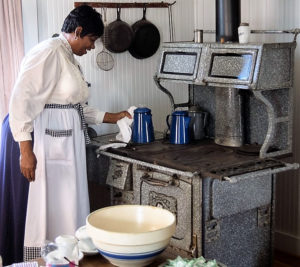
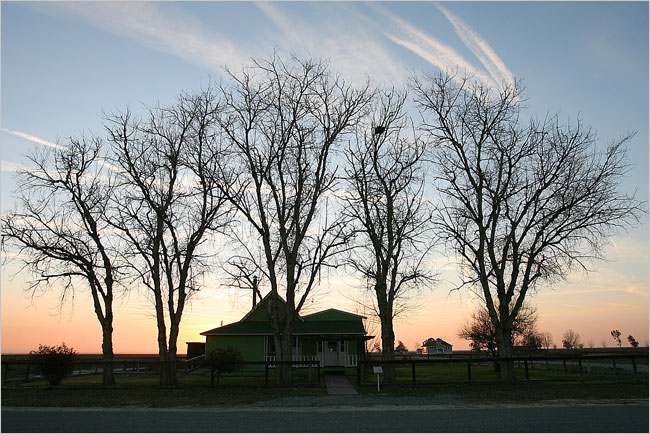
Allensworth Hotel

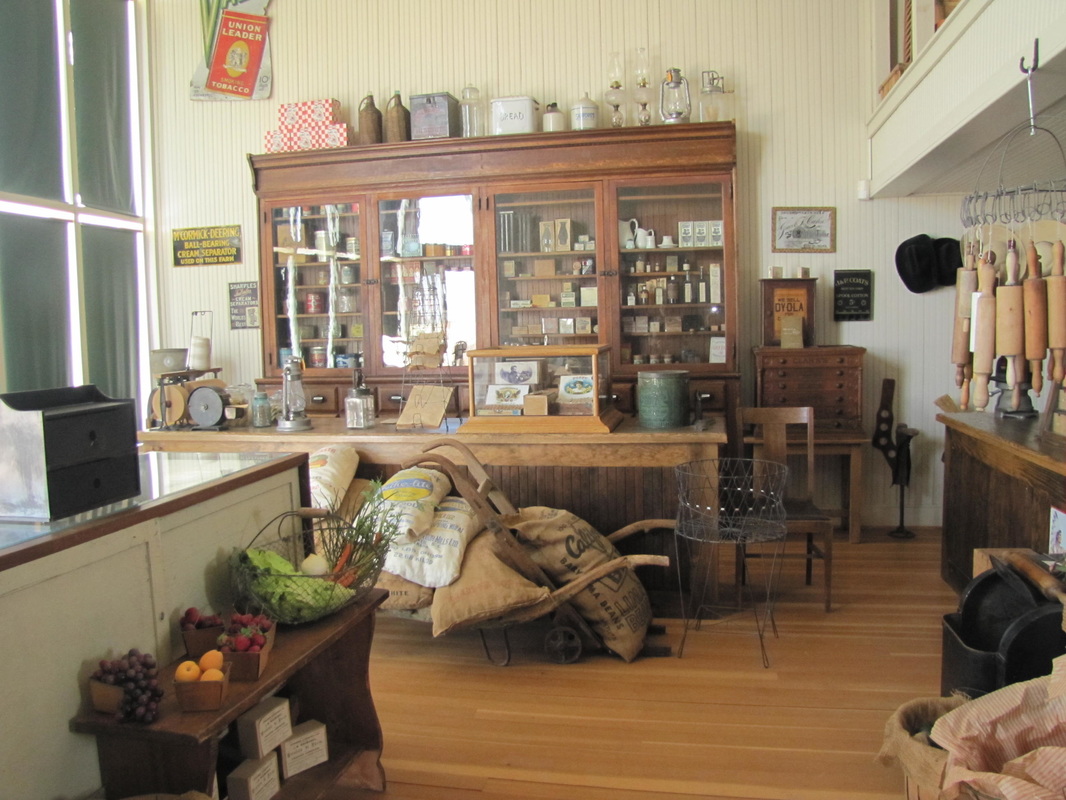
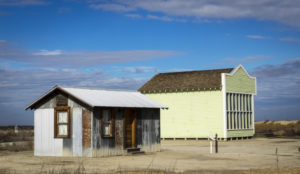
     The town expanded to include a post office, several businesses, a hotel, churches, and two general stores. The American Dream seemed to be thriving in Allensworth, and the Colonel proposed the establishment of a Vocational School, a “Tuskegee of the West,” to provide higher education.

     But, starting in 1912, a series of circumstances created setbacks for the Allensworth community. The artesian wells dried up and a legal battle ensued with the Pacific Farming Company over water rights. Though the people of Allensworth eventually prevailed, water shortages continued to plague the area, a serious problem for the town’s agriculture-based economy.

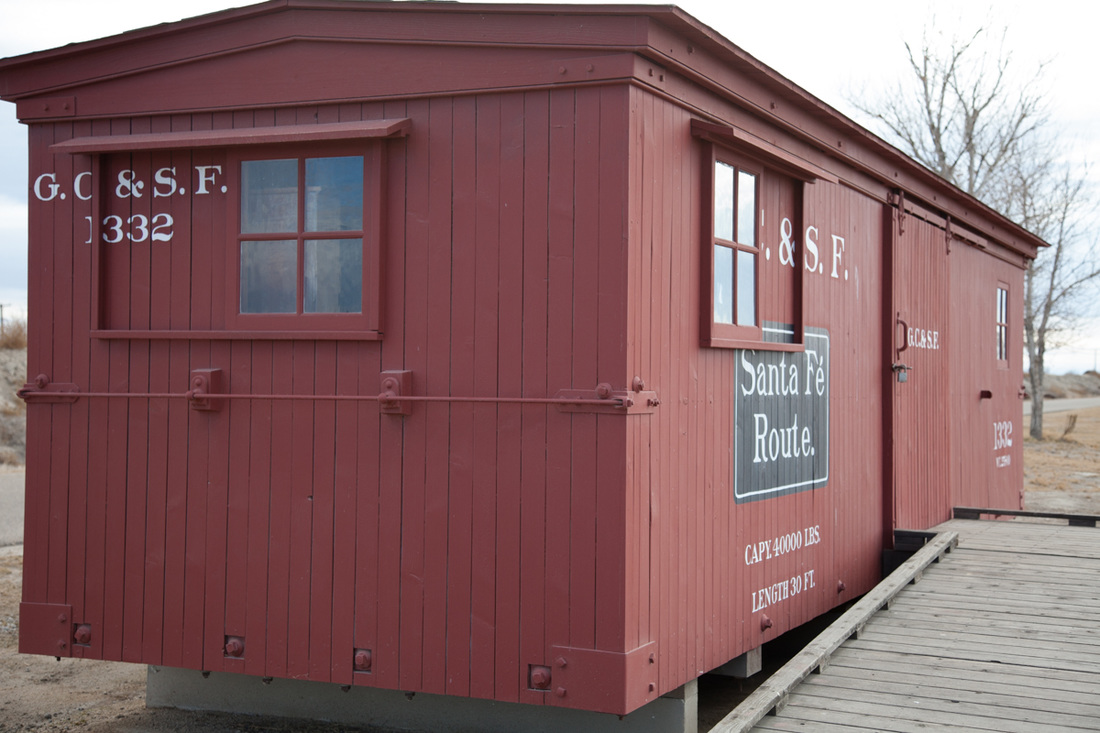
     A second setback occurred when the Santa Fe Railroad built a spur line to Alpaugh, just 7 miles away, and discontinued its stop at Allensworth, taking away the lucrative freight loading business and greatly reducing income for Allensworth.

     Then disaster struck in September, 1914: Colonel Allensworth died suddenly when he was struck by a speeding motorcyclist as he crossed the street in Monrovia, where he was to speak at a church.

     Shocked at the loss of their dynamic leader, the community nevertheless rallied and two new leaders took up the fight for a vocational school, a venture that promised a new source of income for Allensworth. Things seemed to be going well until the State legislature declined the project, handing a bitter defeat to the town.

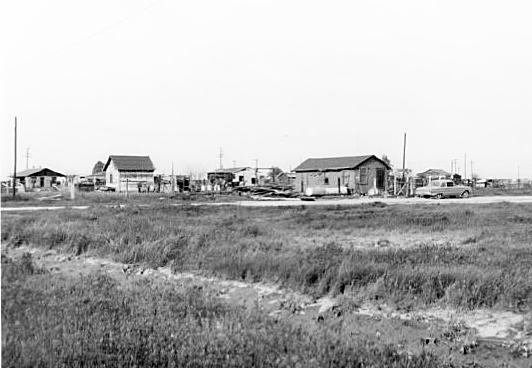
     Some people held on living there, trying new ideas and innovations to keep the town alive, but gradually most people moved on and only a handful of dilapidated buildings remained. A water crisis occurred in the mid-nineteen sixties when dangerous levels of arsenic were found in the town’s drinking water supply and a mass exodus began.

     All hope of reviving the town seemed to be lost. Buildings were torn down as residents fled. But in that turmoil, two brothers saw the face of opportunity. George Pope and his younger brother Cornelius “Ed” Pope had grown up in Allensworth. As the town was being dismantled, they talked about raising public awareness of the African American experience in California and the possibility of preserving the community.

     Pain, anger, and devastation following the 1968 assassination of Rev. Dr. Martin Luther King created an aching void in the heart of Ed Pope and galvanized him into action. “I had to do something . . . . And I remembered Col. Allensworth and the town he founded.”

     Pope helped prepare a proposal to restore Allensworth as an historical site and he pitched it to his employer, the State Parks department. Why not make Allensworth a park to celebrate Black achievement?

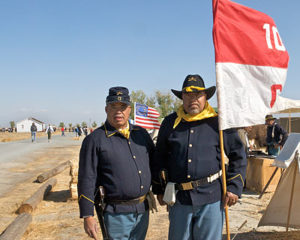
Buffalo Soldier Re-enactor and Visitors

     A groundswell occurred as the African American community stood up and began advocating for the creation of a State historic site. The NAACP, Urban League, and Black Historical Societies from far and wide pledged their support. In the nineteen seventies the State planned to set up an historic marker, but those involved wanted much more than just a marker. They got busy. They lobbied for support from the local county Supervisors, State Senator Mervyn Dymally, and all the way up to Governor Ronald Reagan.

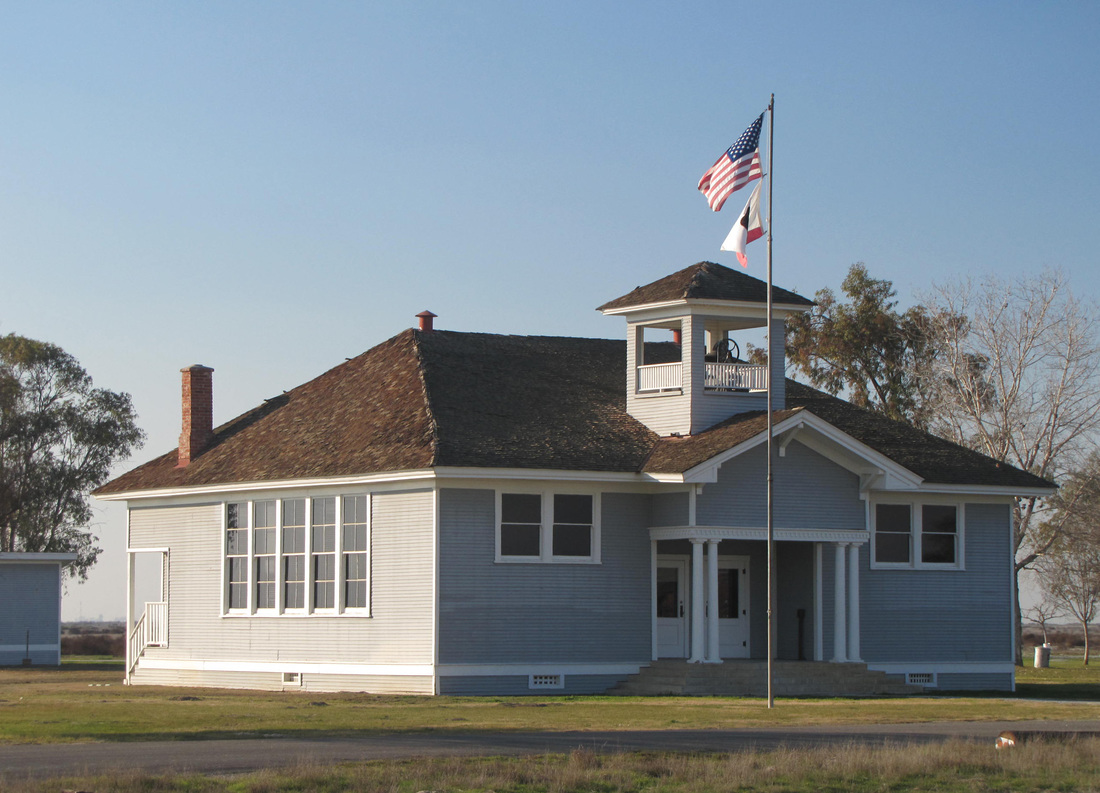
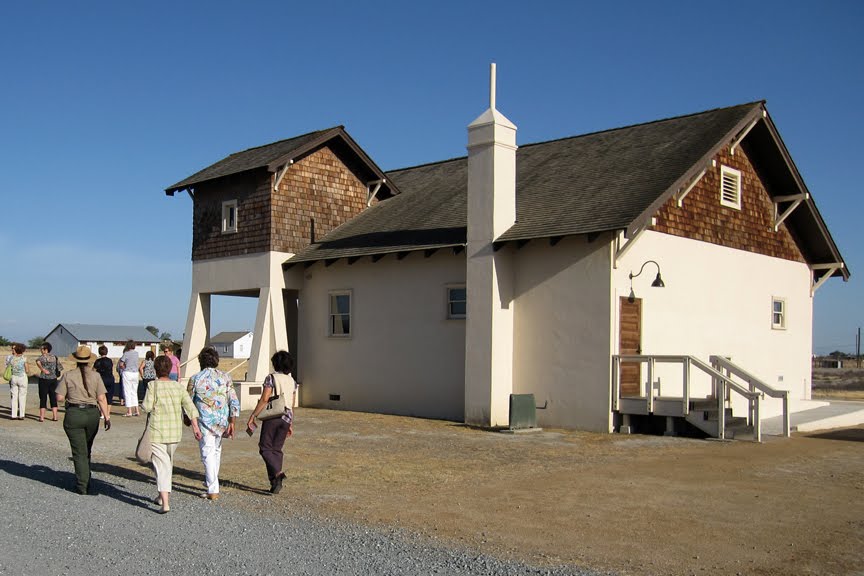
     In 1972, the Allensworth Historic District was listed on the National Register of Historic Places. In 1974, California State Parks acquired the 240-acre parcel of the historic townsite, and Colonel Allensworth State Historic Park was born! Since then, many of the town’s significant buildings have been lovingly restored. Though often quiet, the place comes alive for special events throughout the year that are well attended, full of activities, and supported by churches and community groups from all over California and the West.

     Allensworth, a community built by African Americans, deeply rooted in values of resourcefulness, dignity, and self-determination, is the town that refuses to die!

June, 2016


Slideshow:


Quotes & More Photos:

“Somewhere, sometime, your dream has been to have a home” – Colonel Allen Allensworth

“Comb out from your mind the degrading aspects of slavery, there is a life you will make for yourself” – from “Allensworth: A Piece of the World”

” Even though California did come into the Union as a ‘free state,’ immediately thereafter laws were passed that relegated Afro-Americans to a status a little above that of a slave. Blacks could not vote[,] . . . join the militia[,] . . . attend the same schools as Whites[,] . . . frequent the same places of public accommodations as Whites[,] . . . testify against Whites. . . . Allensworth represented for its inhabitants a refuge from the White-dominated political structure and an opportunity to gain access to the land which had been denied them for so long.” — California DPR

“Out of this community came people who believed at a time when they shouldn’t have believed that anything is possible . . . It was a moment of optimism that permeates to this day that not only is change possible, but that America can live up to its stated creeds.” — Dr. Lonnie Bunch

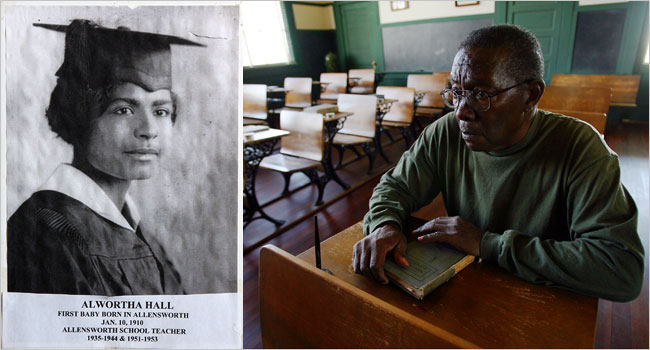
” . . . many individuals purchased lots but lived in other areas, intending eventually to settle in Allensworth. By 1912, Allensworth’s official population of 100 had celebrated the birth of Alwortha Hall, the first baby born in the town. The town had two general stores, a post office, many comfortable homes, . . . and a newly completed school.” — Kenneth A. Larson

” . . . residents believed that education brings success and made the school the largest building in town, then taxed themselves for an additional teacher beyond the one paid for by the state. They built the first free public library in Tulare County”— Associated Press

“The wheat fields, the barley and oats . . . are as fine as I have witnessed anywhere in the country. The Allensworth people are a cheerful, happy people, and they are on the road to great prosperity.” — Chas. Alexander in “The Sentiment Maker” newspaper, Allensworth, California, May 15th, 1912

“Over the 12 years it thrived, the town elected California’s first black justice of the peace and the first black constable. Women had an equal voice in town affairs. Farmers in the Valley shipped their crops from the Santa Fe Railroad stop here. ‘They earned $5 a day loading grains’, said park interpreter Steven Ptomey, ‘at a time when $12 a week was the average wage statewide, so that was a lot of money.'” — Associated Press

“‘I call the Allensworth pioneers “Genius People,” because they had a vision that would uplift an entire race of people,’ said Alice Calbert Royal, born here in 1923 at the insistence of her grandmother . . . ‘What I saw in this school . . . was the beauty and culture of the African American experience at the turn of the century, which is so totally opposite what they teach in the textbooks, even today.'” — Associated Press

“. . . the colony drew pilgrims like Cornelius Pope, who recalls his sense of revelation upon entering the two-room schoolhouse, where everyone was black and photographs of Abraham Lincoln and Booker T. Washington hung on the walls.. . . ‘She taught me how to read and write,’ he said of Alwortha Hall, his teacher, who was named after the town. ‘It was the first true happiness I’d ever known.'” — The New York Times

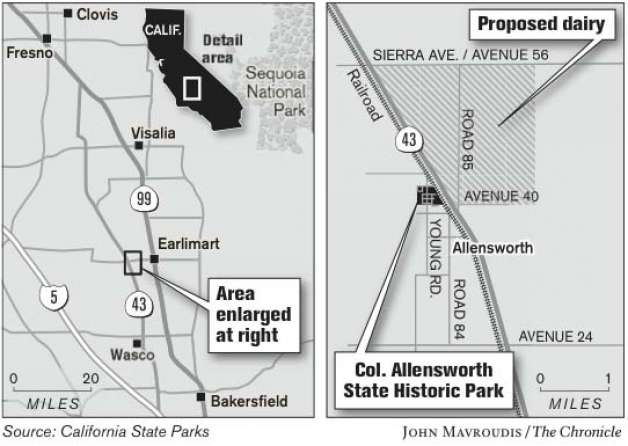
“In more recent times, Allensworth activists have fought back encroaching commercial development — like a turkey farm and an industrial food grease dump. Just last year a couple of mega-dairies . . . threatened the park. . . . After months of negotiation, Allensworth was saved — again.” — California DPR

‘You can relocate cattle,’ said Nettie Morrison, the mayor of the adjoining hamlet named for the colony. ‘You can’t relocate history.'” — The New York Times

“Colonel Allensworth State Historic Park was established for the primary purpose of providing to all Californians and all Americans an example of the achievements and contributions Black Americans have made to the history and development of California and the nation. Its aim is to perpetuate for public use and enjoyment the township called Allensworth, dedicated to the memory and spirit of Colonel Allen Allensworth, a distinguished Black pioneer of California.” — California Department of Parks and Recreation


Maps & Directions:

Directions:

GPS Coordinates: 35.8627° N, 119.3904° W

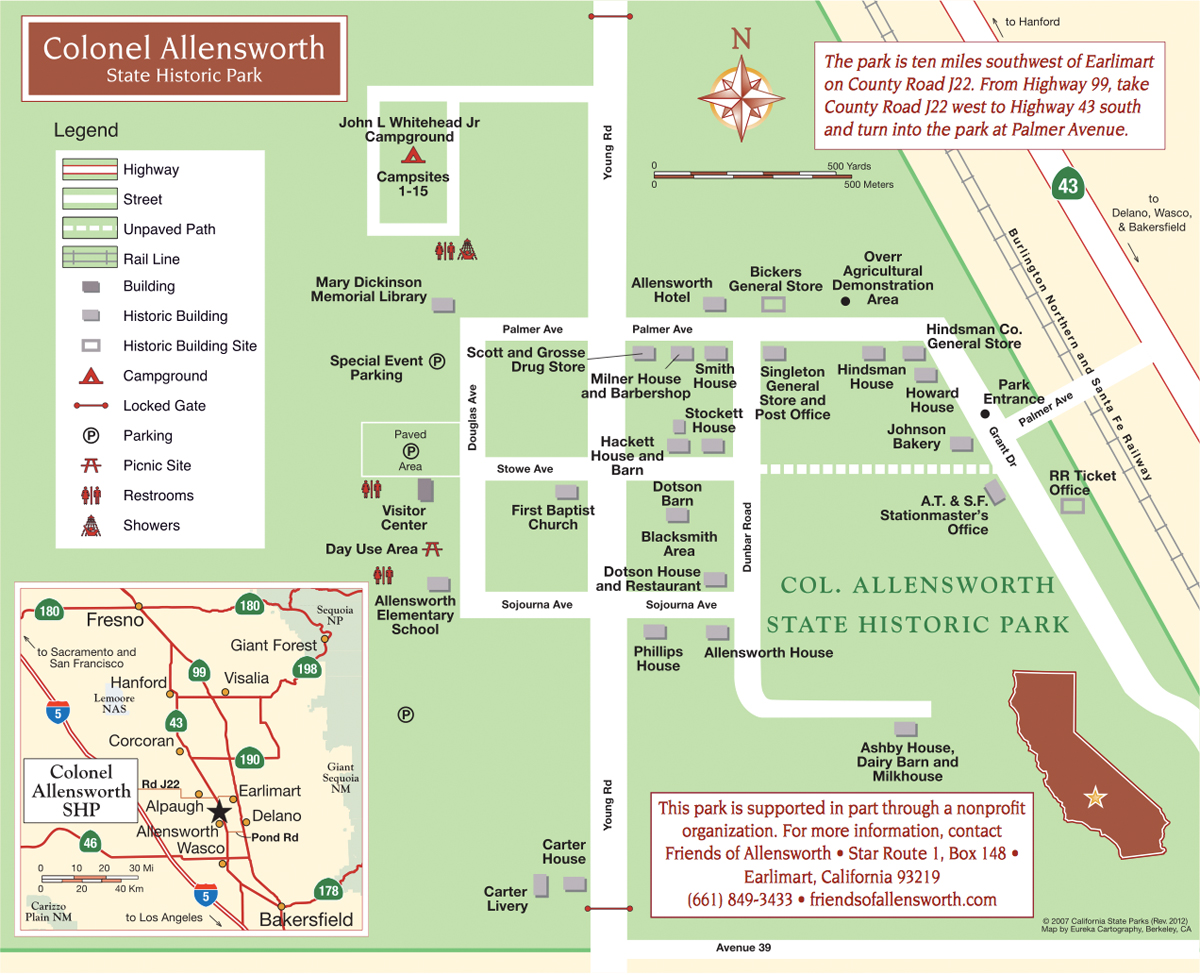
From Visalia, take Hwy 99 south to near the town of Earlimart. Take Exit 65/ Avenue 56, then turn west toward Alpaugh and go 7.4 miles on County Road J22 (W. Sierra Ave.) At Hwy 43, turn left (south) and proceed 2 miles to the intersection of Palmer Ave. Turn right (west) onto Palmer Ave., cross the railroad tracks, and proceed to the park entrance.

Colonel Allensworth Park Brochure Map

Site Details & Activities:

Environment: Valley, historic townsite
Activities: bicycling, camping (15 sites, max. trailer length 27 ft., max. camper/motorhome length 35 ft.), educational activities, events (Black History Month, May Jubilee, Juneteenth, Annual Rededication), history, photography, picnicking, tours (arrange in advance), volunteering
Open: Monday-Sunday, 9:00-5:00; Visitor Center, Monday-Sunday, 10:00-4:00; and as scheduled for special events
Site Steward: California Department of Parks and Recreation, Colonel Allensworth SHP, 661-849-3433
Opportunities for Involvement: donate, volunteer
Links:
Books: 
1)  Allensworth, The Freedom Colony, by Alice C. Royal with Mickey Ellinger and Scott Braley  (Heyday Institute, 2008)
2)  Battles and Victories of Allen Allensworth, by Charles Alexander (Sherman, French & Company 1914, e-version UNC-CH 2000)
View online at
3) It Happened at Allensworth, by Alice La Murle Smith (Mountain Printers, 1997, limited edition)
4) Out of Darkness: the Story of Allen Allensworth, by Evelyn Radcliffe (Inkling Press, 1998)

Click on photos for more information.

The Story of McCarthy Blue Oak Ranch Preserve

by Laurie Schwaller
with John Greening and Skip May

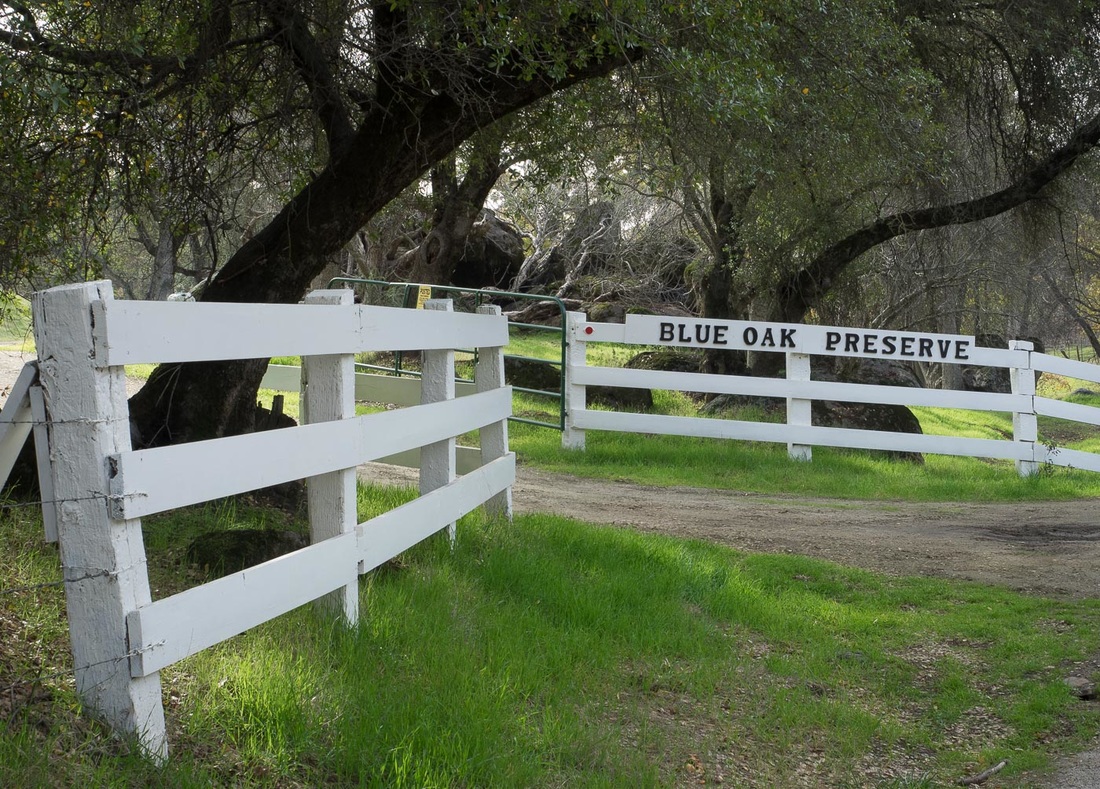
     When the staff and directors of Sequoia Riverlands Trust (SRT) learned in 2005 that a nearly two-square-mile portion of the 4,000 acre Golden Sierra Ranch just five miles north of Springville was coming up for sale, they knew they had to find the funds to buy it.

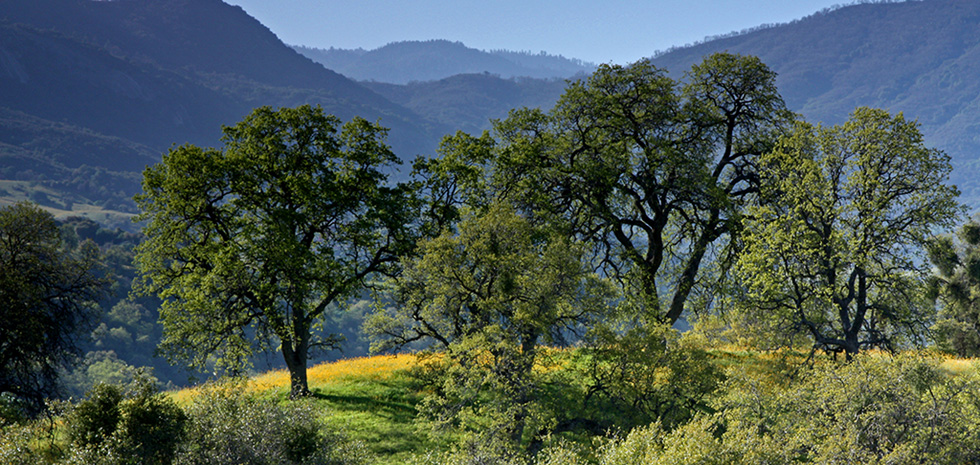
     Bordered by Dennison and Sycamore creeks and the north fork of the Tule River, this beautiful land supported biologically rich riparian areas and extensive blue oak woodlands. Cattle had grazed its grasslands for over one hundred years, and all kinds of wildlife visited its ponds and springs. Substantial elevation changes provided varied habitat and marvelous 360-degree views. Rising from the river up the slopes toward Giant Sequoia National Monument, the ranchland also served as an important travel corridor enabling wild creatures such as mule deer, black bears, mountain lions, bobcats, and Pacific fishers to move unhindered between the foothills and the mountains.

     Both Harris Road and Bear Creek Road provided easy access to the property, and just across Bear Creek Road, SCICON, the Tulare County Office of Education’s Clemmie Gill School of Science and Conservation, protected 1,000 similar acres. Historic ranch structures and prehistoric artifacts added cultural values to the site. In short, the parcel was a perfect fit with the land trust’s mission of permanently protecting the productive land and healthy natural systems that promote our county’s vitality and prosperity.

     Along the north fork of the Tule, Sequoia RIverlands Trust already held conservation easements on other key landscapes, including River Ridge Ranch and SCICON’s Circle J-Norris Ranch. But on the Golden Sierra Ranch, hundreds of homesites had been mapped out on one- and two-acre lots. Fortunately, a loan from the Packard Foundation enabled SRT to make the purchase, with the goal of managing the newly-named Blue Oak Ranch as a permanent nature preserve.

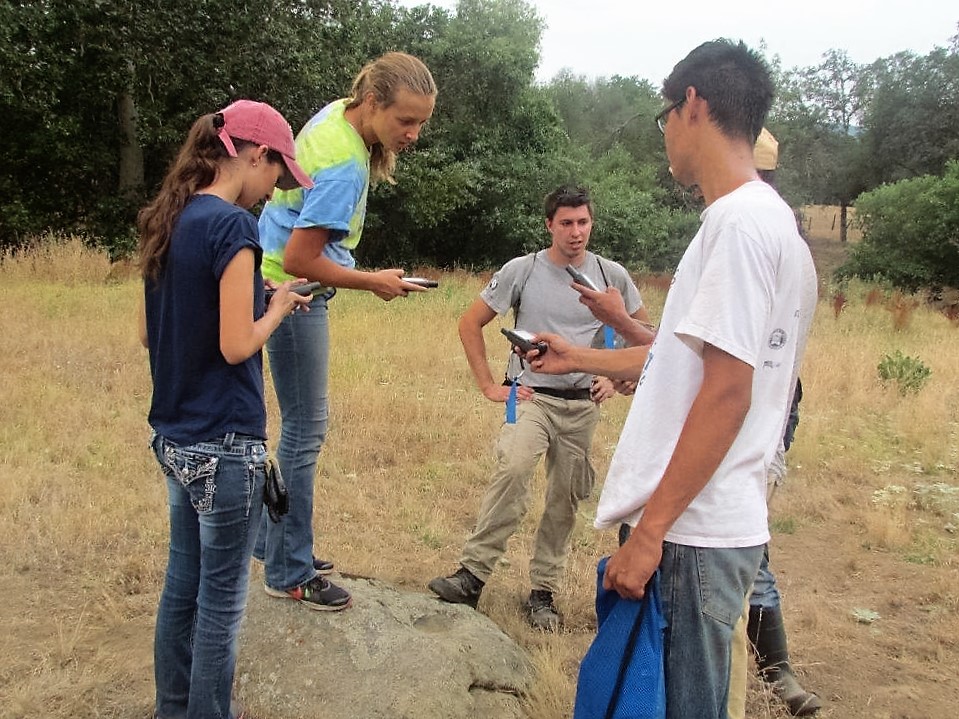
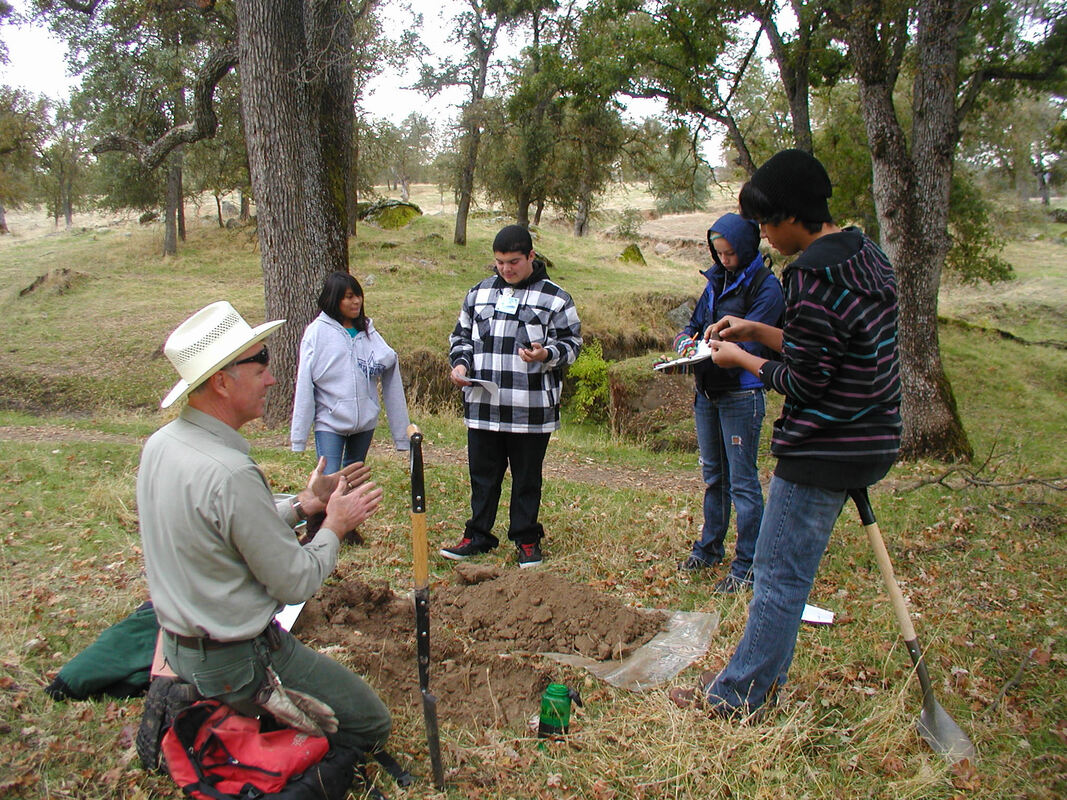
     Opening the new preserve to the public was a priority, but detailed planning and multiple projects had to be completed first. Since education is another SRT priority, the land trust reached out to involve local students of the Environmental Sciences Academy (ESA) career-based learning program at Porterville’s Monache High School in these processes. The first idea was to work over the summer with some engineering student interns, who would have the opportunity to plan and build trails to lead visitors into the ranch. Then Geographical Positioning System (GPS) and Geographic Information System (GIS) training became important, then communications skills, then creating a video record of the students’ work.

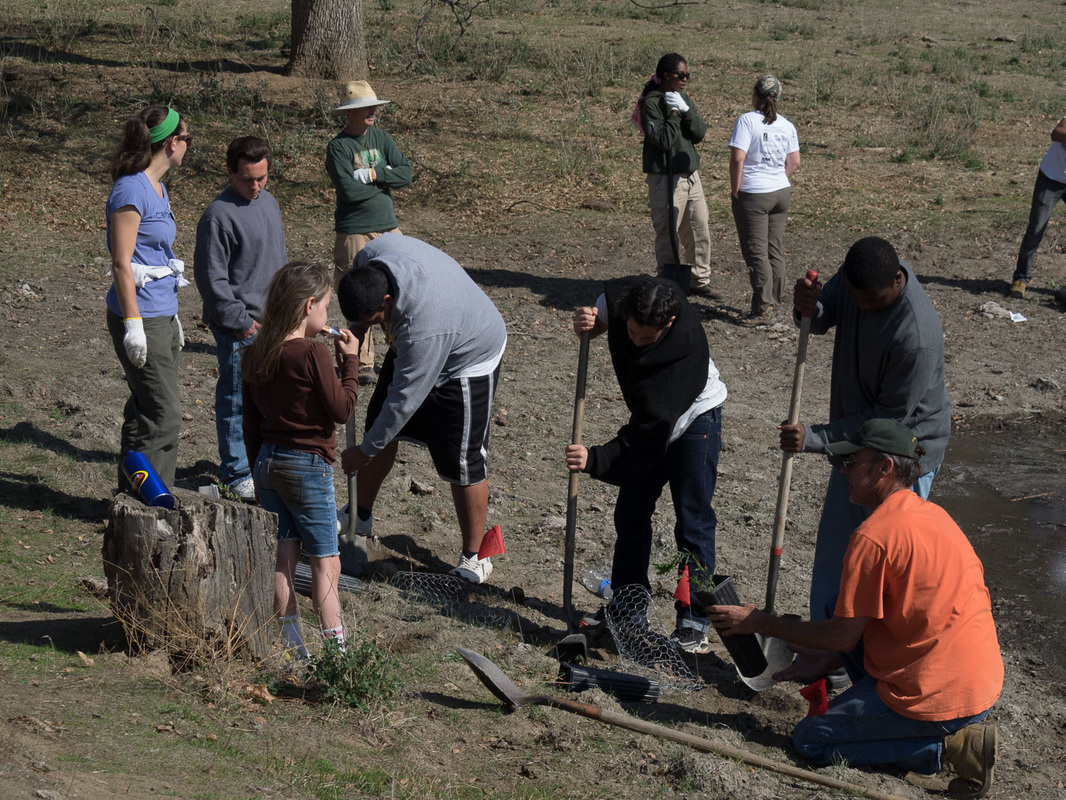
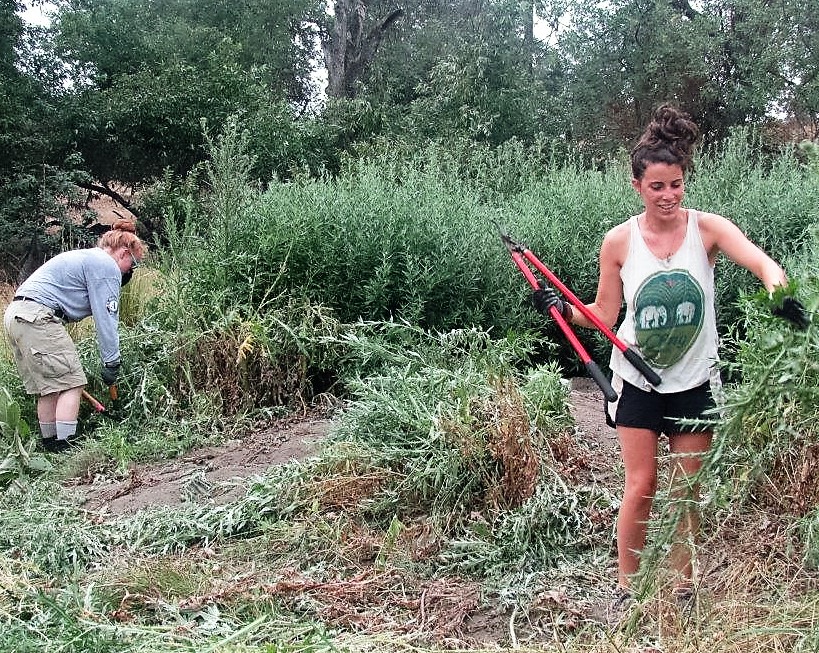
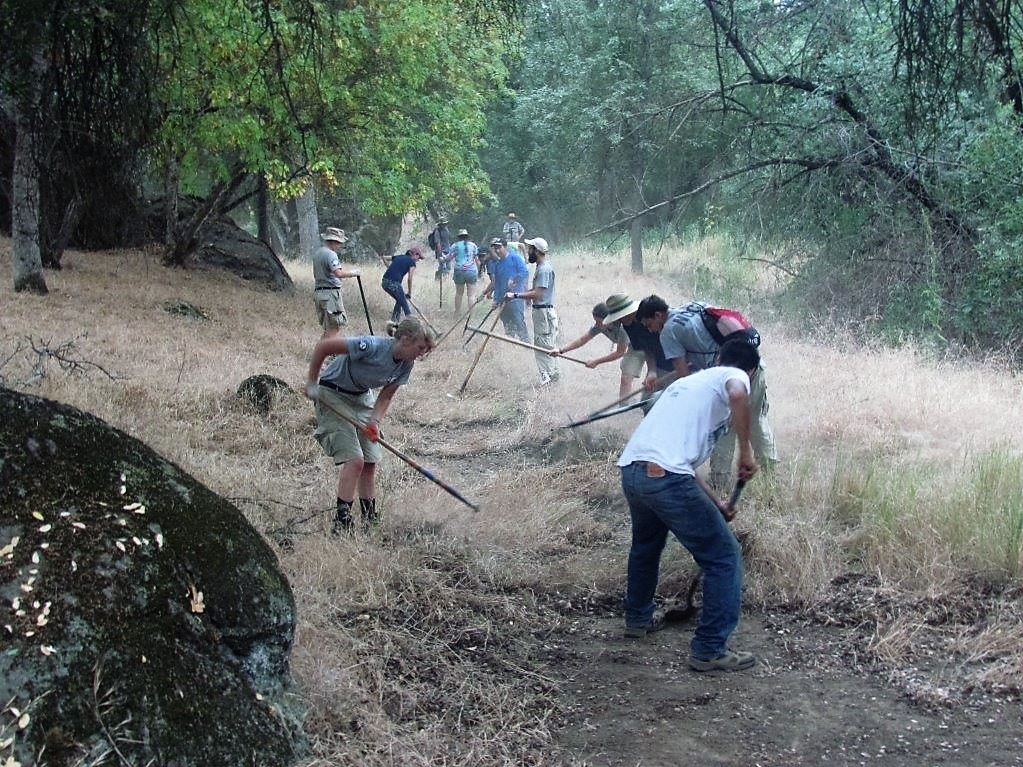
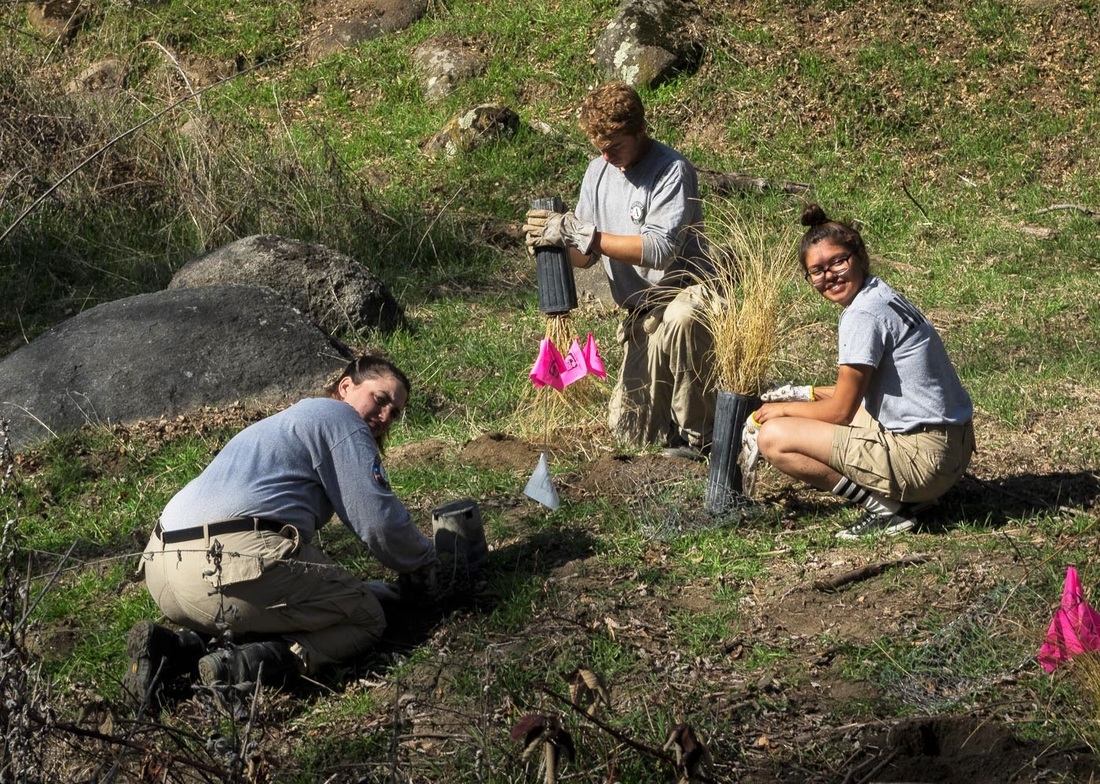
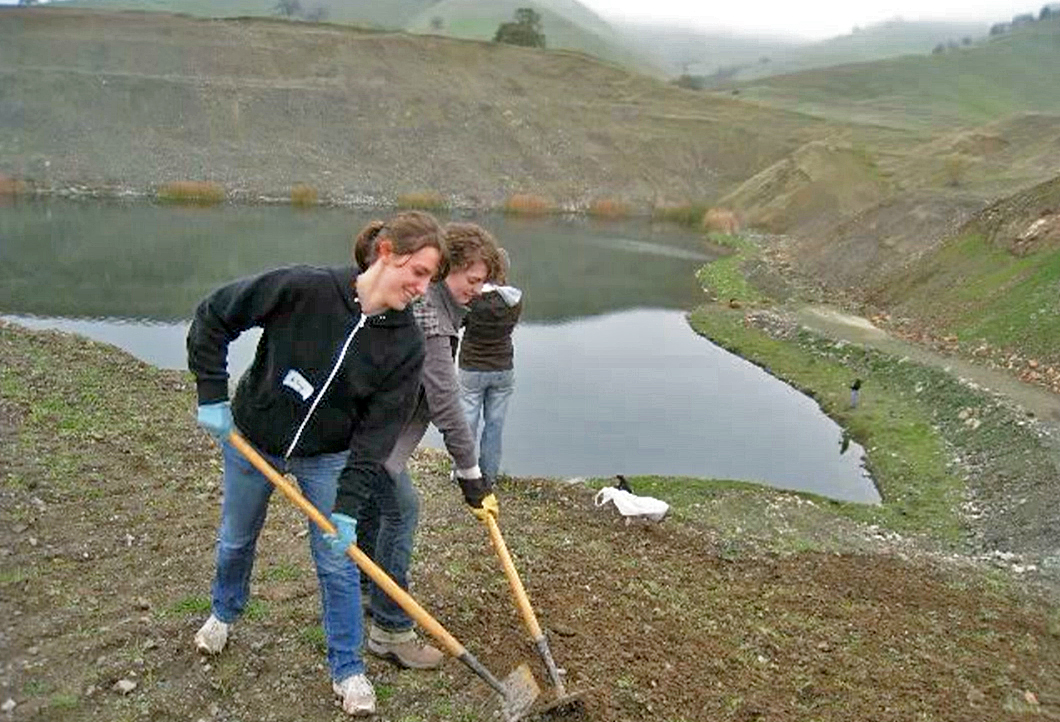
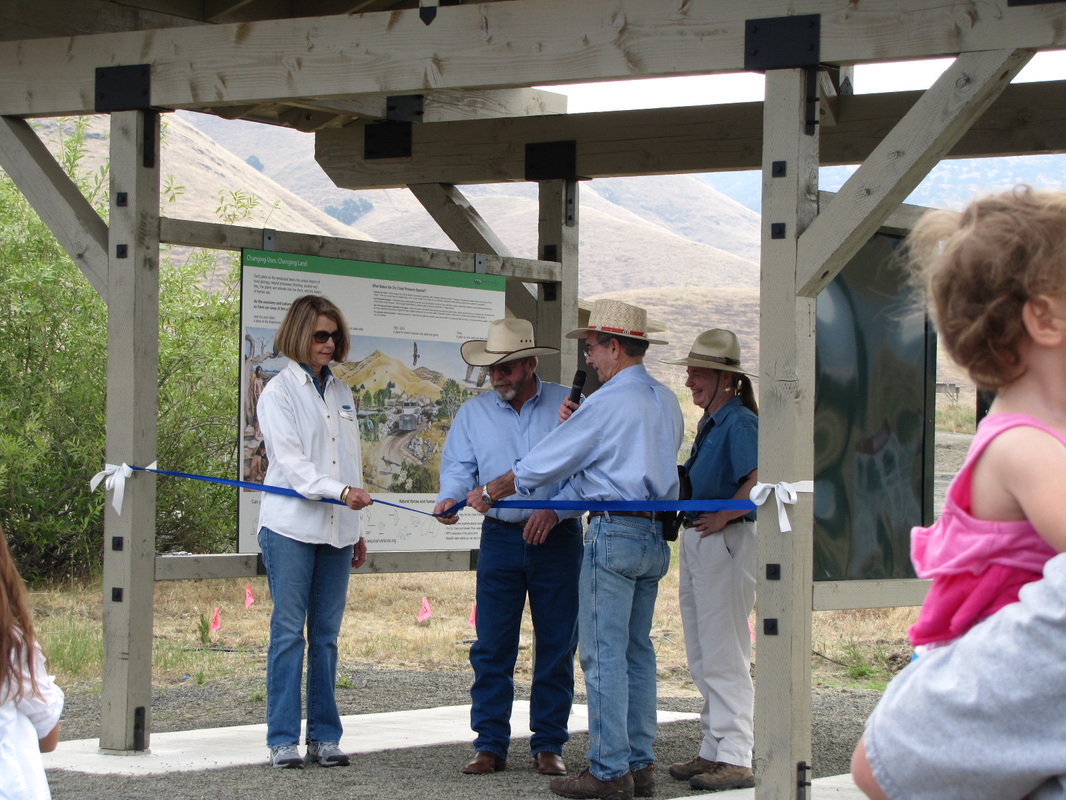
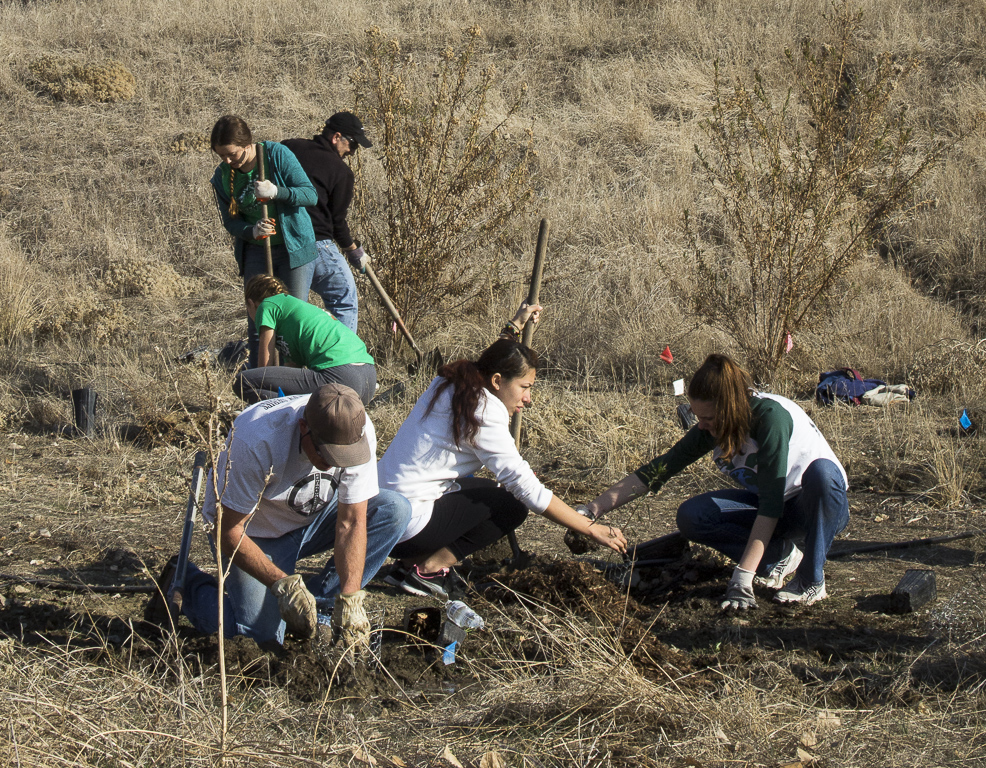
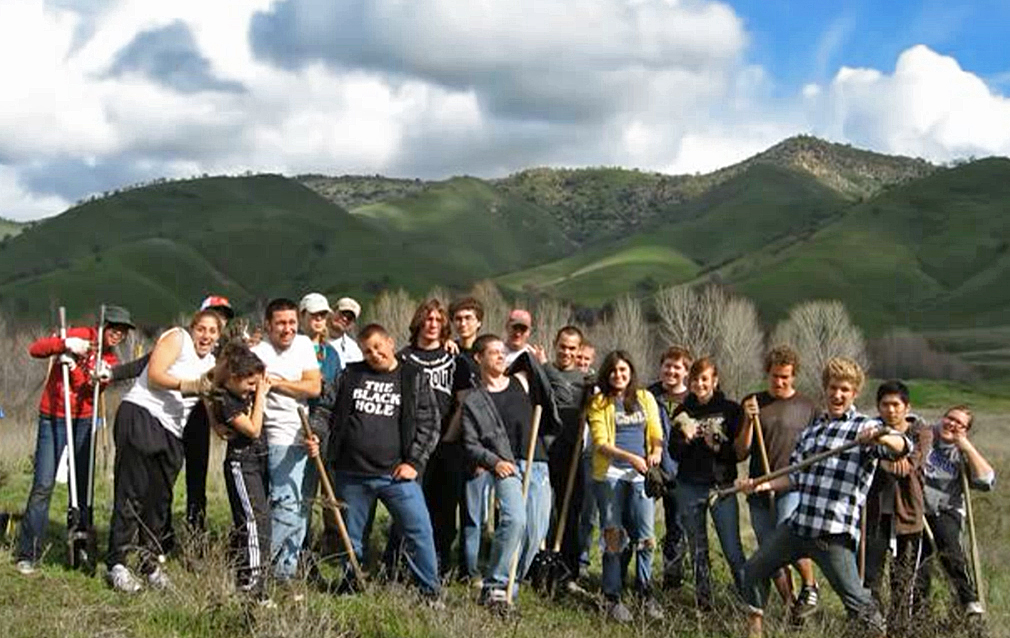
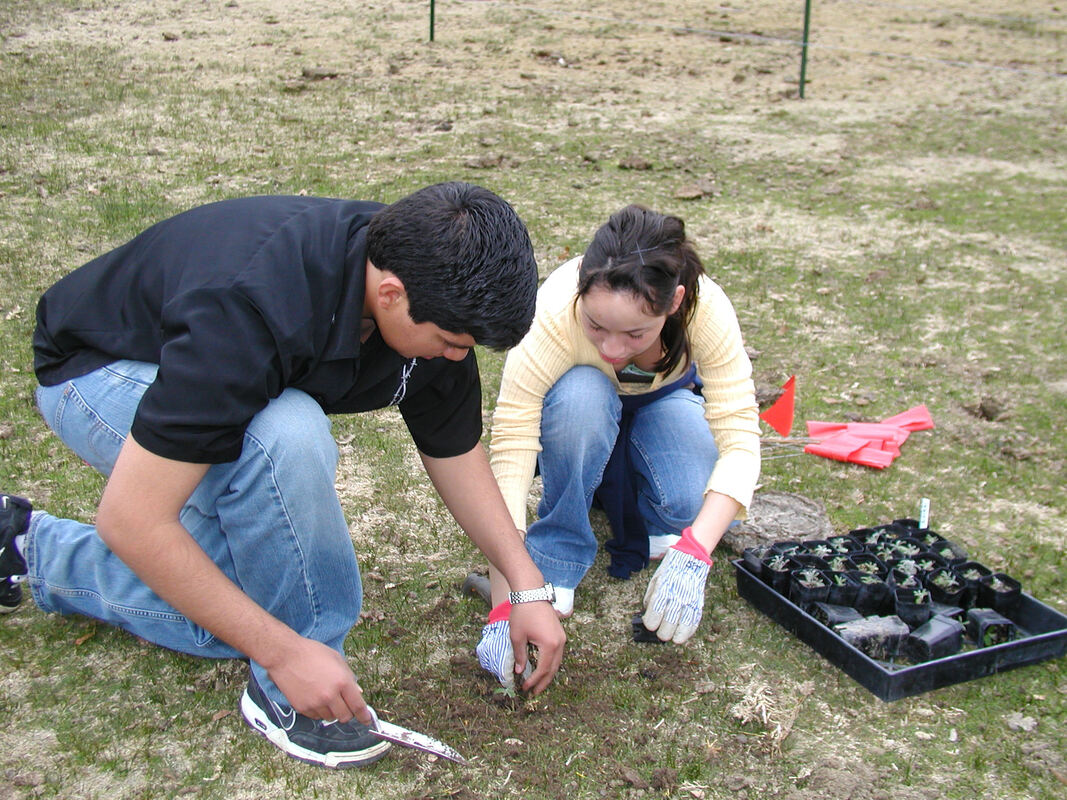
     Over several summers, the ESA student interns were joined by AmeriCorps volunteers, working closely with SRT project leaders to design and carry out the tasks at Blue Oak that would gradually return the land to its natural balance as a healthy riparian oak savannah and make it more visitor-friendly. The volunteers dedicated thousands of hours under the hot summer sun to removing stubborn invasive species such as the Himalayan blackberries that had overrun and blocked the riparian areas, and the massive patches of Italian and bull thistles that were degrading the grasslands.

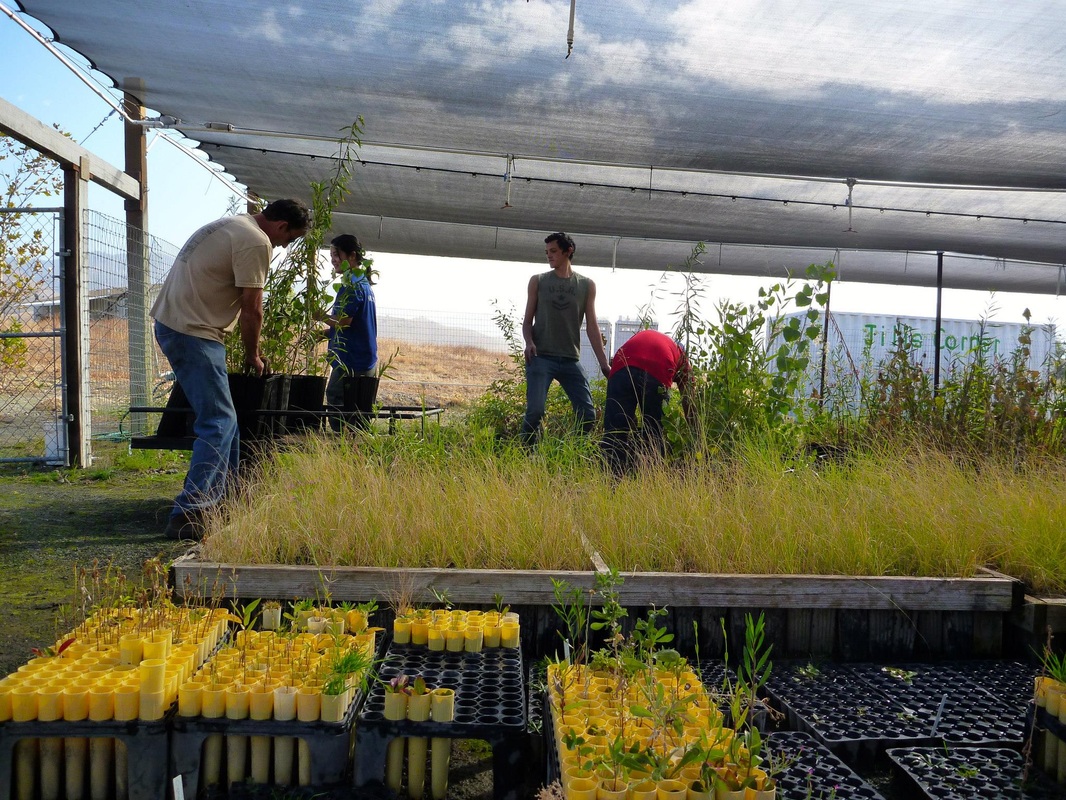
     They planted appropriate native species in the salvaged spaces. With GPS and GIS, they located and mapped significant biological, archaeological, and historic sites on the preserve and determined where trails should go. Then they shouldered their shovels and set out to build the trails they had designed for the public to follow and share in the riches of Blue Oak Ranch Preserve.

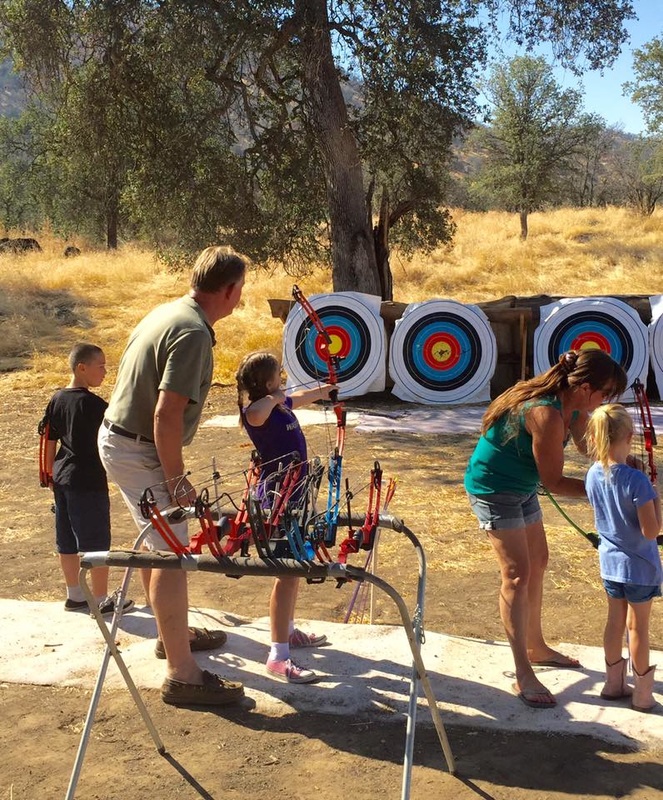
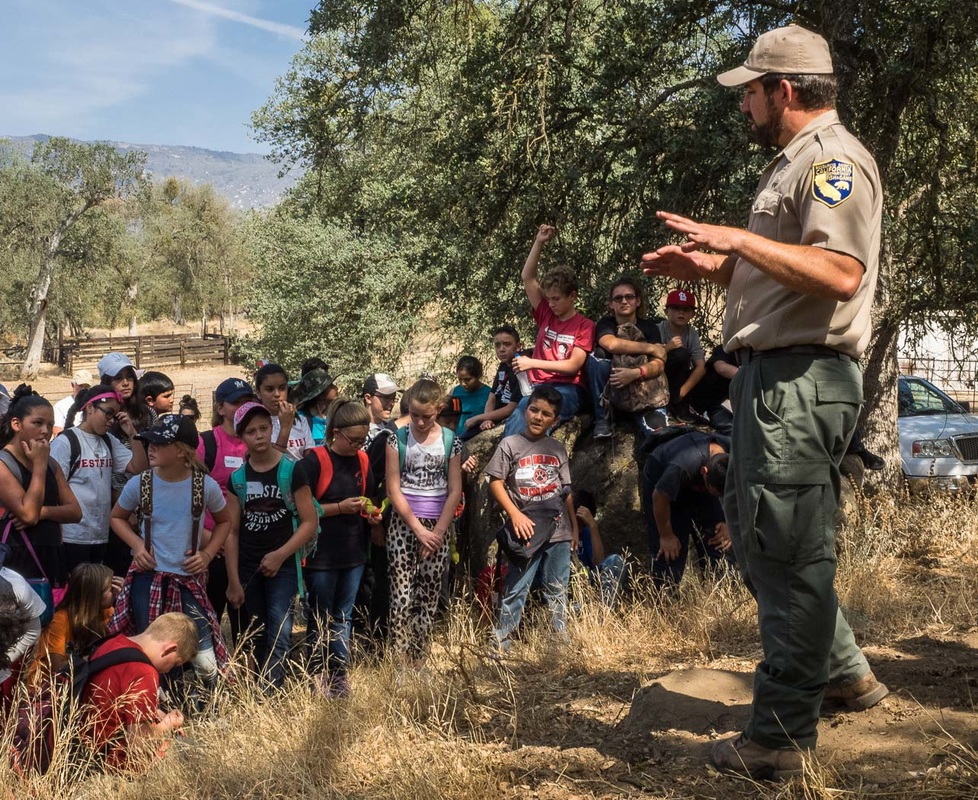
     Armed with their ever-increasing knowledge of the preserve’s resources, the young volunteers helped plan a preview day for Blue Oak Ranch held on December 4, 2014. They proudly served as docents, led interpretive tours, and introduced visitors to the many recreational activities to be enjoyed there, including hiking, birdwatching, photography, horseback riding and biking at special events, and even archery on a parcel leased to the Springville Archery Club.

  While Blue Oak is presently open to the public only on first Saturdays and for special events, students continue to regularly work there, volunteering both during the school year and in a specialized summer program, carrying out research, monitoring the Western Pond Turtle population, creating phenology records, enhancing maps and trails, and increasing their knowledge and skills related to preserve management. During their senior year, in cooperation with their teachers, local officials, and various non-profit organizations, the students continue to design projects for the preserve.

     This resource-rich new link in the chain of preserves protecting a vital watershed is well on its way to becoming a key environmental, educational, and recreational asset to Tulare County. SRT is planning to house residential caretakers on the ranch, establish a sustainable cattle grazing operation, develop interpretive signage and other features to help the public learn more about the blue oak woodlands, and increase the days that the preserve is open to the public.

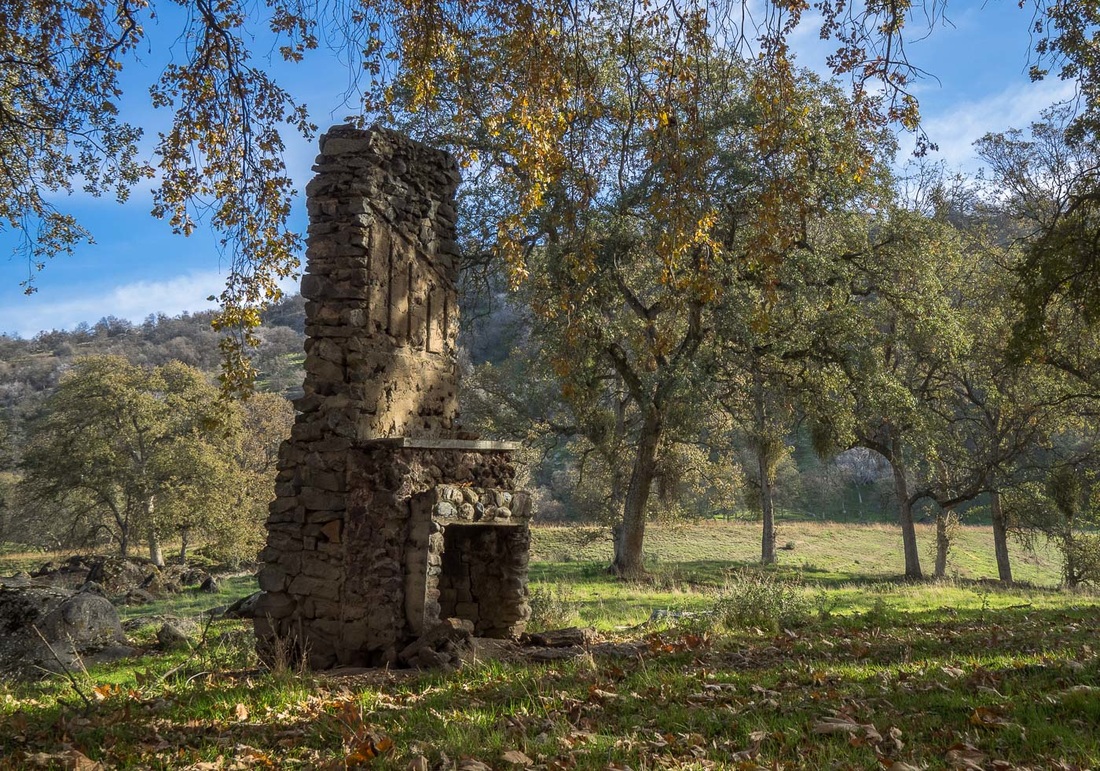
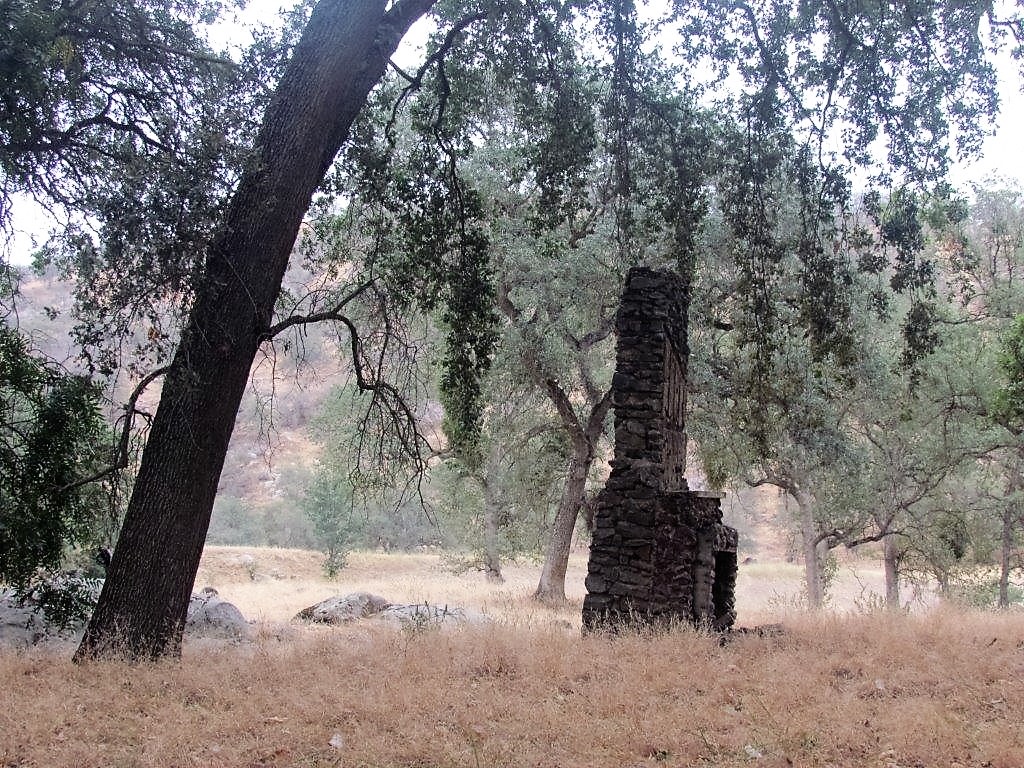
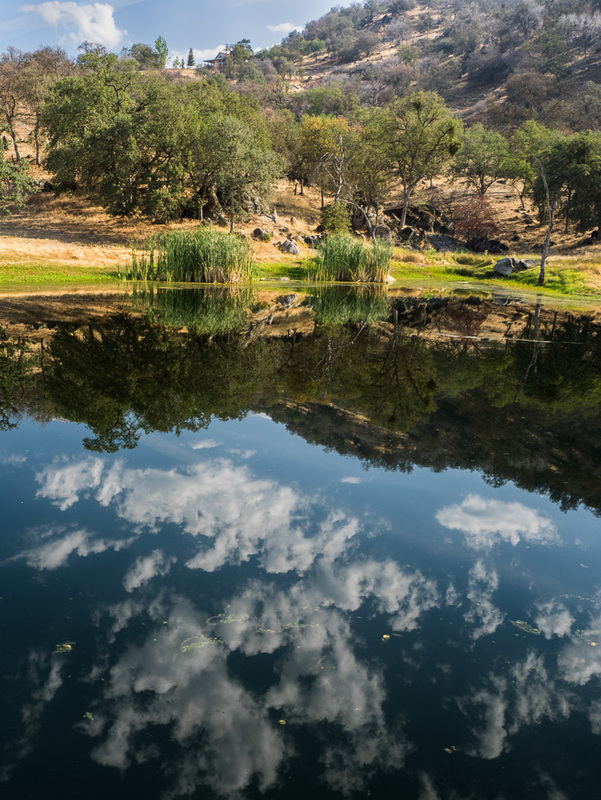
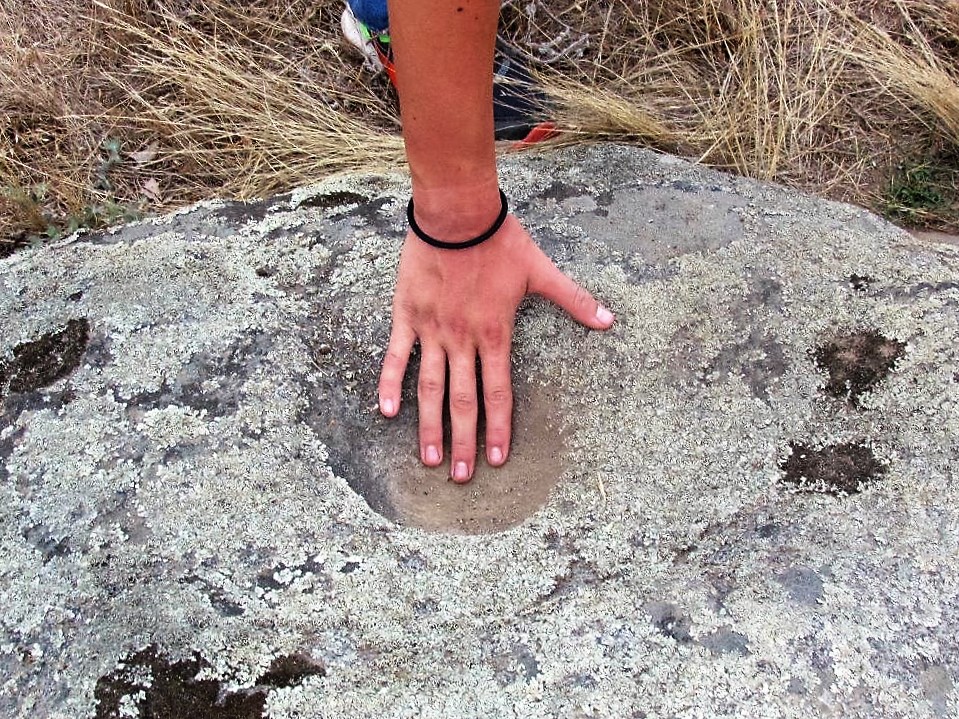
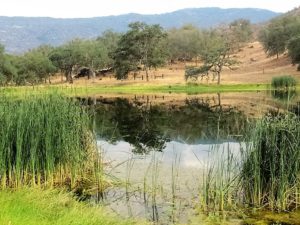
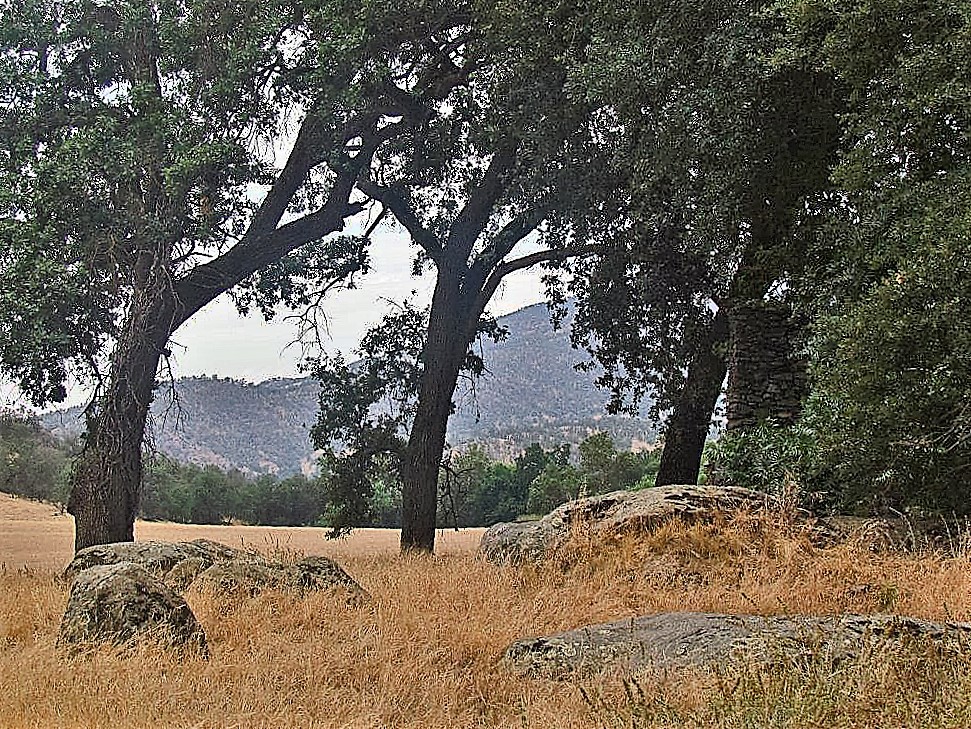
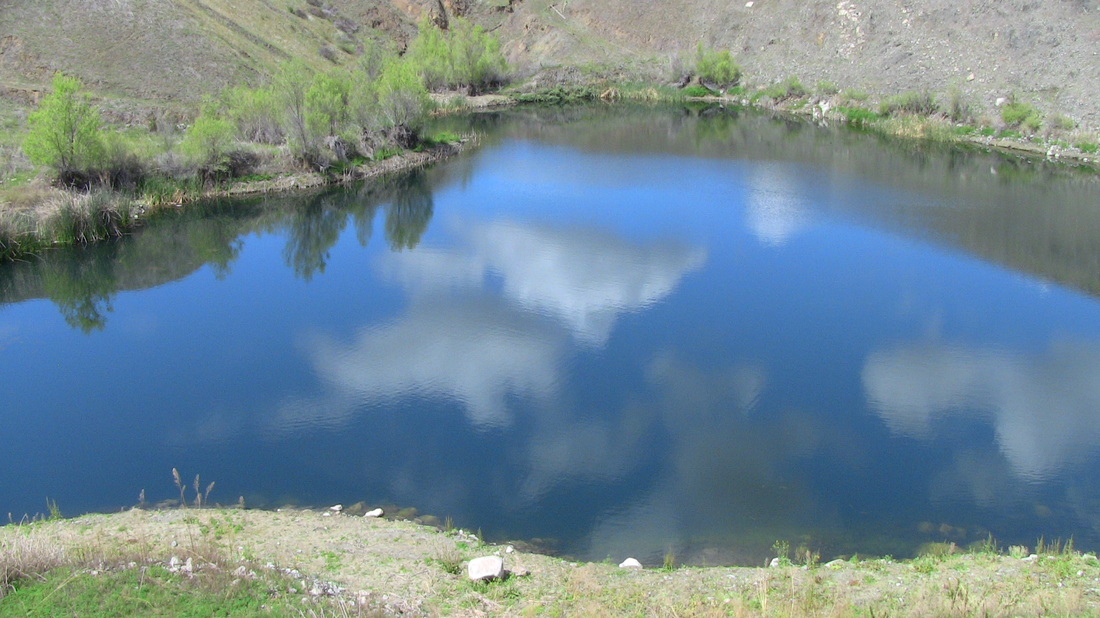
     On open days, visitors can take a short, easy walk from the parking area by the old corrals to a shady oak grove where a tall granite chimney is all that remains of a historic ranch house. Just a few hundred feet from there are bedrock mortars etched into the big boulders where generations of native Yokuts women ground acorns into nutritious meal. Take the quick path up a gentle hillside and you’ll find a beautiful pond, perfectly reflecting the bordering oaks and hillsides and the sky above. Adventurous hikers can make their way to the top of the peak for a real workout and a tremendous view.

     On a lucky day, you might see a rare Swainson’s thrush or black swift flying by. And if you spot some students at work, stop and ask what they’re doing. What you learn from them will add to your appreciation of this vital foothill landscape that still looks much as it did when the first Euro-American settlers arrived, 175 years ago.


                                                                                                                                                                                                               September, 2016

UPDATE: In 2023, this preserve’s name was shortened from Sopac McCarthy Mulholland Blue Oak Ranch Preserve to McCarthy Blue Oak Ranch Preserve.


Slideshow:


Quotes & More Photos:

“Conservation and rural-life policies are really two sides of the same policy; and down at the bottom this policy rests upon the fundamental law that neither man nor nation can prosper unless, in dealing with the present, thought is steadily given for the future.” — Theodore Roosevelt

“Throughout California’s history, people have lived among the oaks, raised families in homes shaded by oaks, worked and played around these generous natural and cultural icons. Oaks have played a crucial role in supporting the health and well being of people, plants, and animals across the state for decades.” — Janet Cobb

“[A]n intimate awareness of the continuity between our lives and the rest of life is the only thing that will truly conserve the earth — this wonderful earth that we rightly love.” — Lyanda Lynn Haupt

“I’m proud of [Porterville Unified’s Environmental Sciences Academy students’] accomplishments, . . . amazed at their growth, knowledge, and confidence. [They] sacrificed their weekends, free time, summer vacation . . . to come work in the . . . preserve . . . .” — Bud Darwin

“I feel like Blue Oak Ranch is my second home because I was out here GPS mapping and trail walking all summer long. It was a great experience for me, and made me want to pursue a career in environmental science.” — Luis Galvan

“Come forth into the light of things, let nature be your teacher.” — William Wordsworth

“Don’t judge each day by the harvest you reap but by the seeds that you plant.” — Robert Louis Stevenson

“There is new life in the soil for every man. There is healing in the trees for tired minds and for our overburdened spirits, there is strength in the hills, if only we will lift up our eyes. Remember that nature is your great restorer.” — Calvin Coolidge

“These old Blue Oaks, charcoal gray after rain, gathered to the shady side of every draw, have seen all kinds of weather, evolved to survive and give back more than they take away.” — John Dofflemyer

“I wandered among the oaks, sat on their roots, and observed their changing moods in different light and different seasons. Slowly, I began to hear their whispers.” — William Guion


Maps & Directions:

Directions:

Address:  40865 Harris Rd., Springville, CA  93265

From Visalia, take Hwy 198 east. Turn right (south) onto Road 204/Spruce Rd. Turn left onto Hwy 65 south toward Porterville.  Turn left onto County Route J28 through Strathmore to the junction with Hwy 190.  Go left (east) on Hwy 190 into Springville. Turn left (north) onto J37/Balch Park Dr. Watch carefully for the right turn in about 5 miles onto Harris Rd. Proceed about 1/2 mile on Harris Rd. to the entrance to Blue Oak Ranch Preserve on your right.


Site Details & Activities:

Environment: Foothills, near Springville; 928 acre blue oak woodland with pond, streams, and trails; working ranch featuring sustainable cattle ranching practices
Activities: archaeology, birdwatching, botanizing, dog-walking (on leash; scoop poop), educational activities, events, hiking, history, photography, picnicking, wildflower and wildlife viewing
Open: on weekends sunrise to sunset, and as announced for events; check Sequoia Riverlands Trust website for open hours and events; no fee for entry, but donations are greatly appreciated
Site Steward: Sequoia Riverlands Trust; 559-738-0211 
Opportunities for Involvement: donate, volunteer
Links:


Click on photos for more information.

Barton-Lackey Cabin
AKA Barton Cattle Camp, Lackey Cattle Camp

by Laurie Schwaller

     If you would like to see one of the most interesting and seldom-visited mountain cabins in Tulare County, take a long day’s hike or horseback ride on a scenic trail to the Barton-Lackey cabin. Built as headquarters for a long-term summer cattle range, it preserves the history of both an important mountain industry and a prominent early Tulare County family.

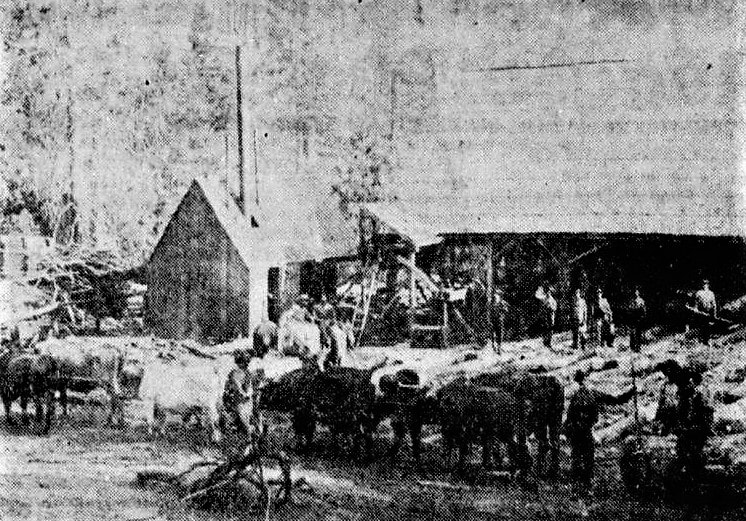
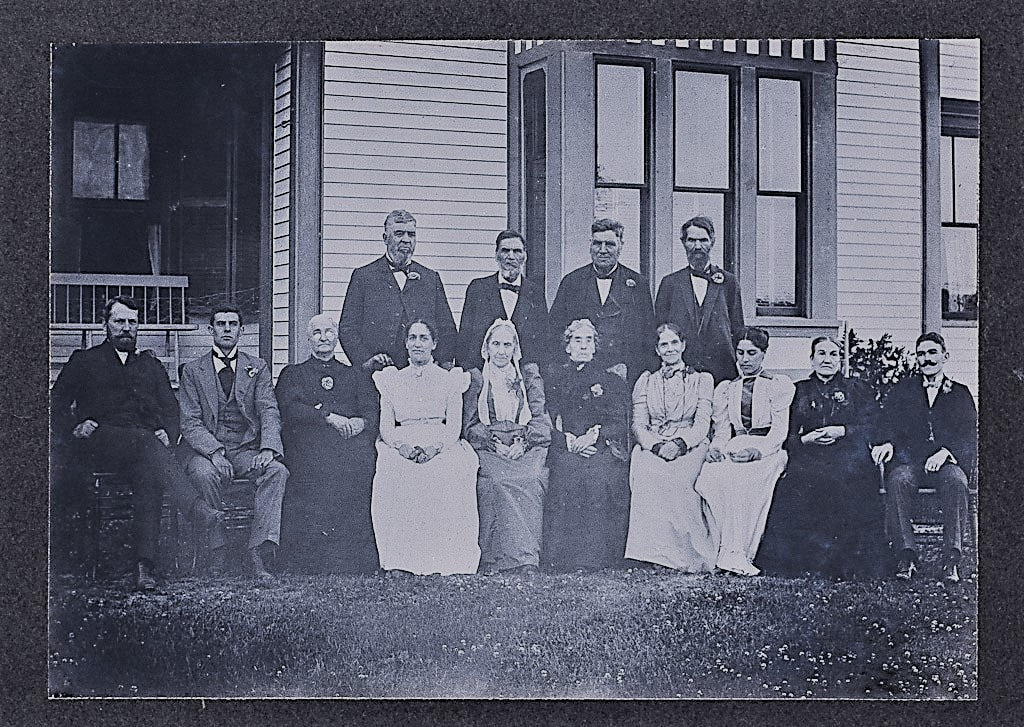
     The Bartons were typical Tulare County pioneers in many ways. In 1865, James T. and Susan Barton, natives of New Jersey, crossed the plains from Illinois with their ten (sometimes reported as 9 or 11) children, and arrived in Visalia in October. Soon they took up land at the site of Auckland, a settlement on the old Millwood Road (now Highway 245) that runs north up to Badger and on to the sawmills and high country meadows beyond. The little town was an important stop for hundreds of teamsters on their journeys to and from the busy mills that supplied wood products to many growing Tulare County communities.

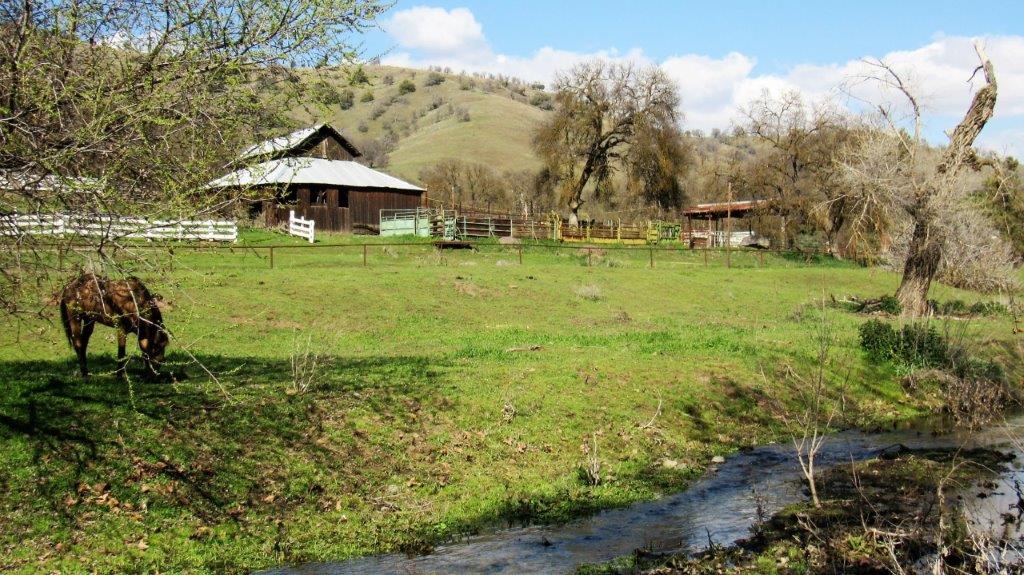
View of a horse and a stream with farm structures in the background.

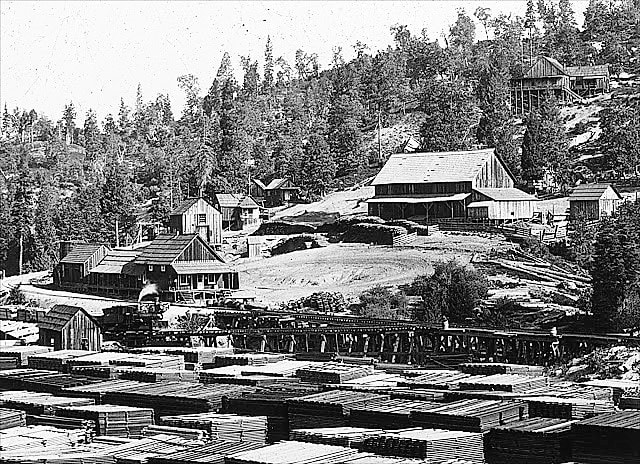
View of a sawmill

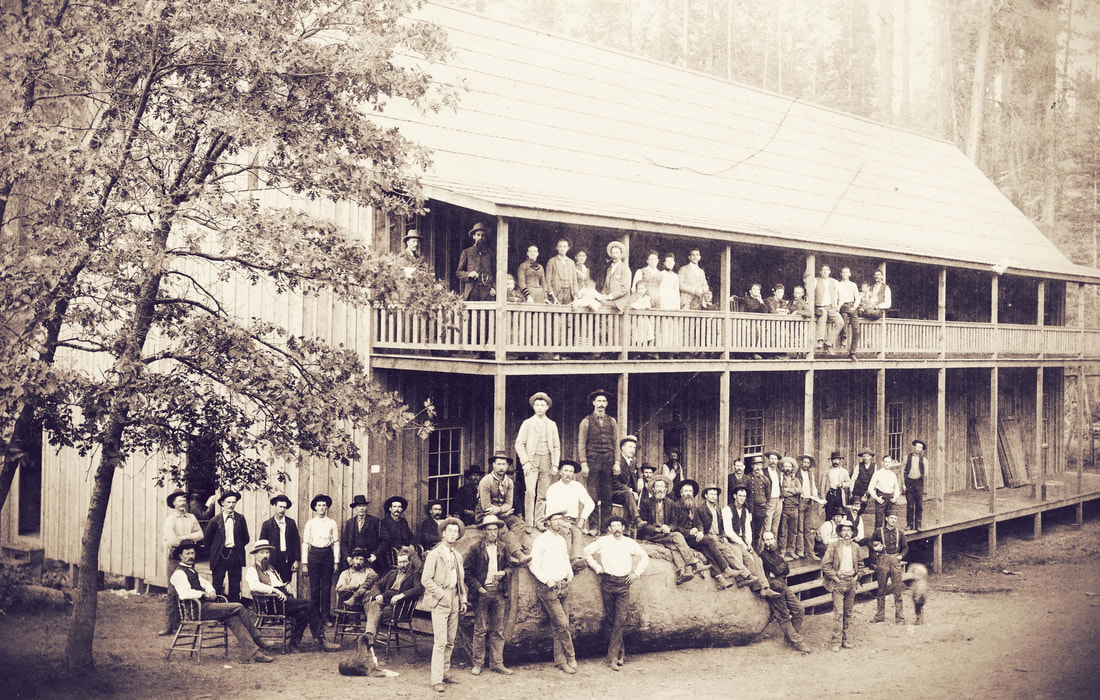
View of a two-story hotel with numerous people standing and sitting in front of it and on the balcony

     Four generations of Bartons lived at Auckland. James T. Barton raised cattle there on 440 acres for 14 years, then moved to Three Rivers in 1879.

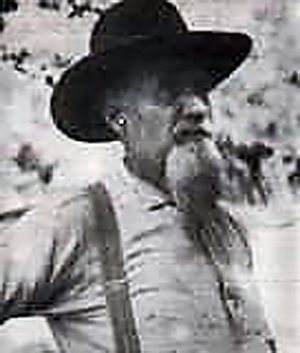
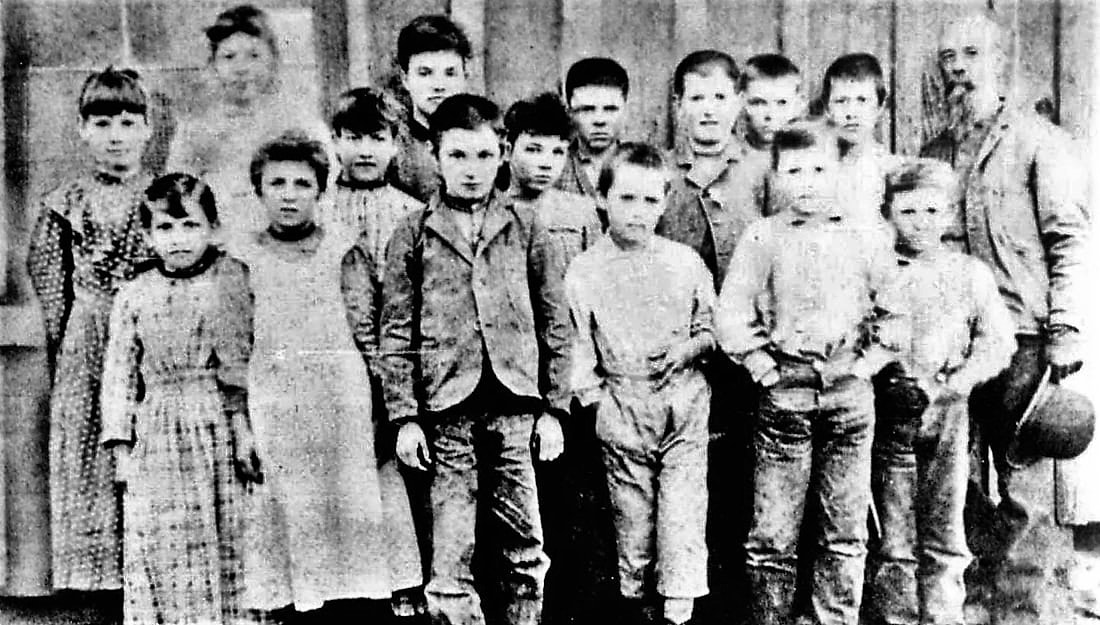
     James and Susan’s sons Hudson (“Hud”) DeCamp Barton and Orlando Barton stayed in Auckland, where they ranched with their father and brothers and worked at the local sawmills. Hud, born in 1844, homesteaded land just above the village. He and Orlando built Auckland’s school and Hud was its first teacher. Over the years, he was also a rancher, sawmill owner, miner, hotel owner, orchardist, and carpenter. In his later years, he wrote many letters, a number of which were published in local newspapers, about his journey across the plains to California and events in our local mountains.

Group photo of school children

Image of a sawmill with livestock in front

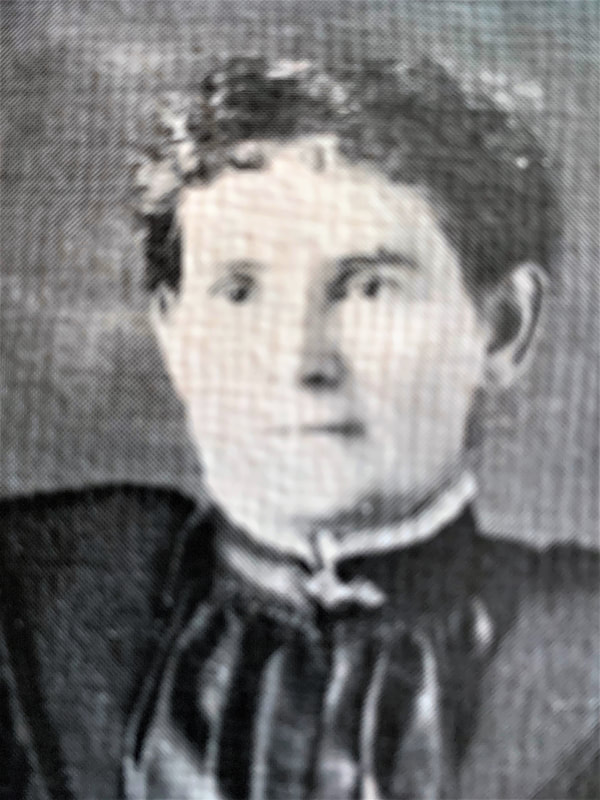
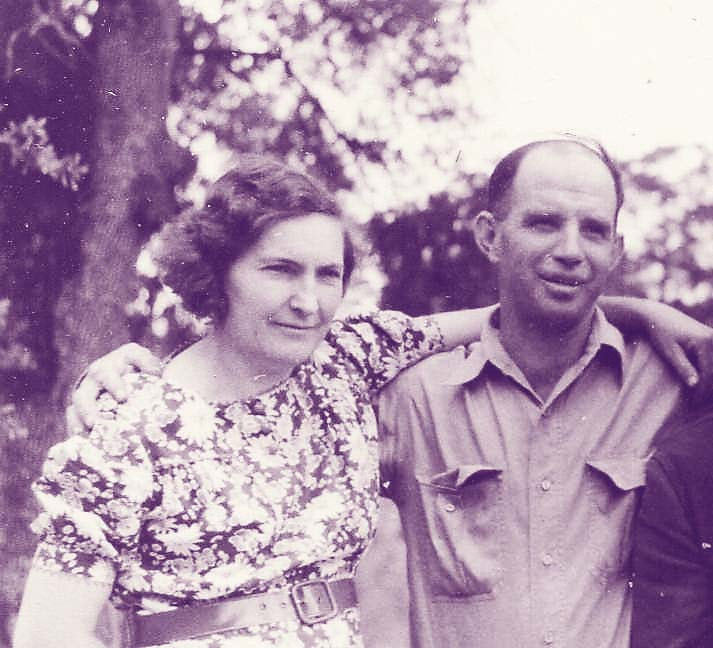
     Hud married Sarah Jane Harmon in 1870, and they had eight children. Their first son, James DeCamp (Jim) Barton, was born in Auckland in 1871. He married Nellie St. Clair in 1893, and they had two daughters. Early in life Jim acquired and lived on the property homesteaded by his grandfather (James T.), then gradually acquired much adjoining property, becoming a prominent cattleman. He also worked as a contract logger and owned a big bull team that hauled heavy freight. To advance his logging and ranching operations, he built many of the mountain roads leading into the high country.

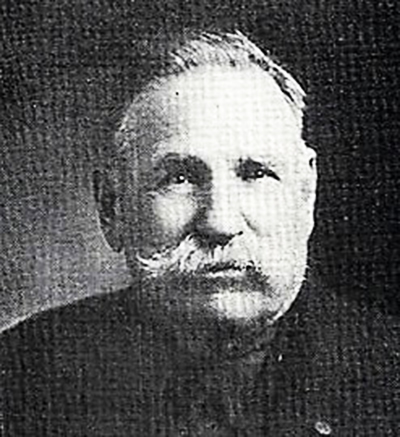
Portrait

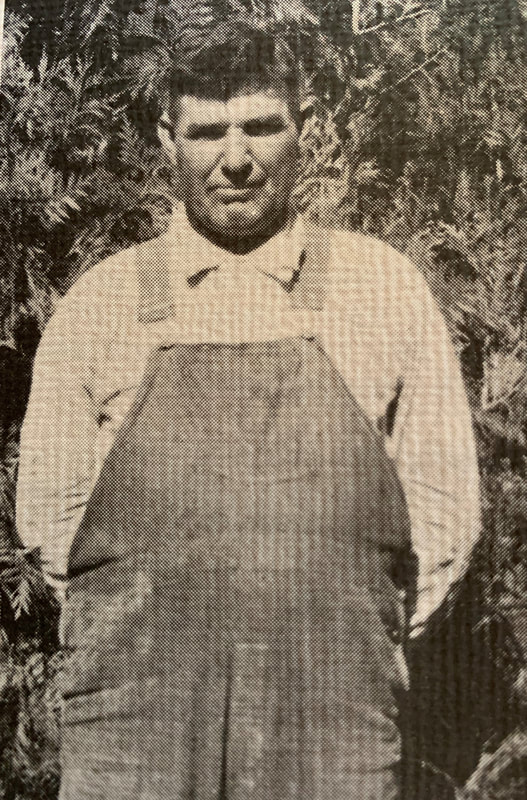
Newspaper photograph of a man in overalls

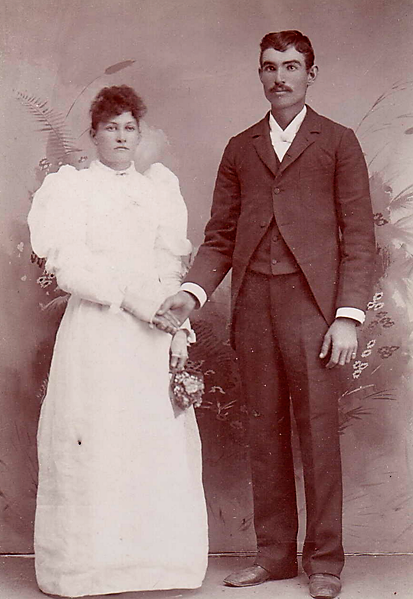
Photo of Nellie St. Clair and James Barton on their wedding day

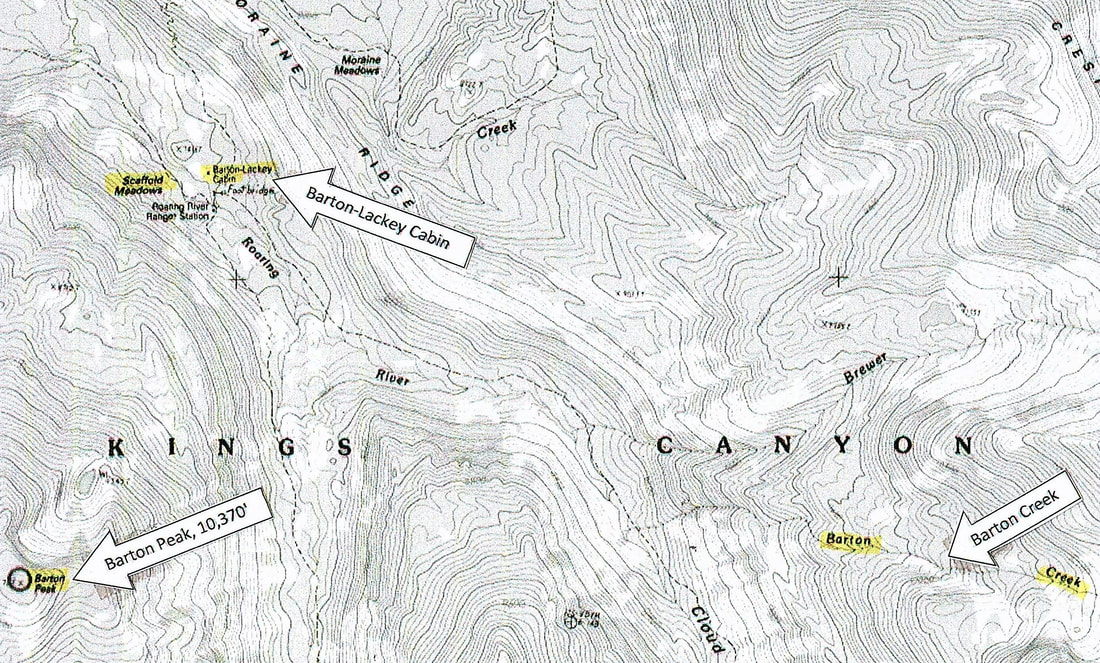
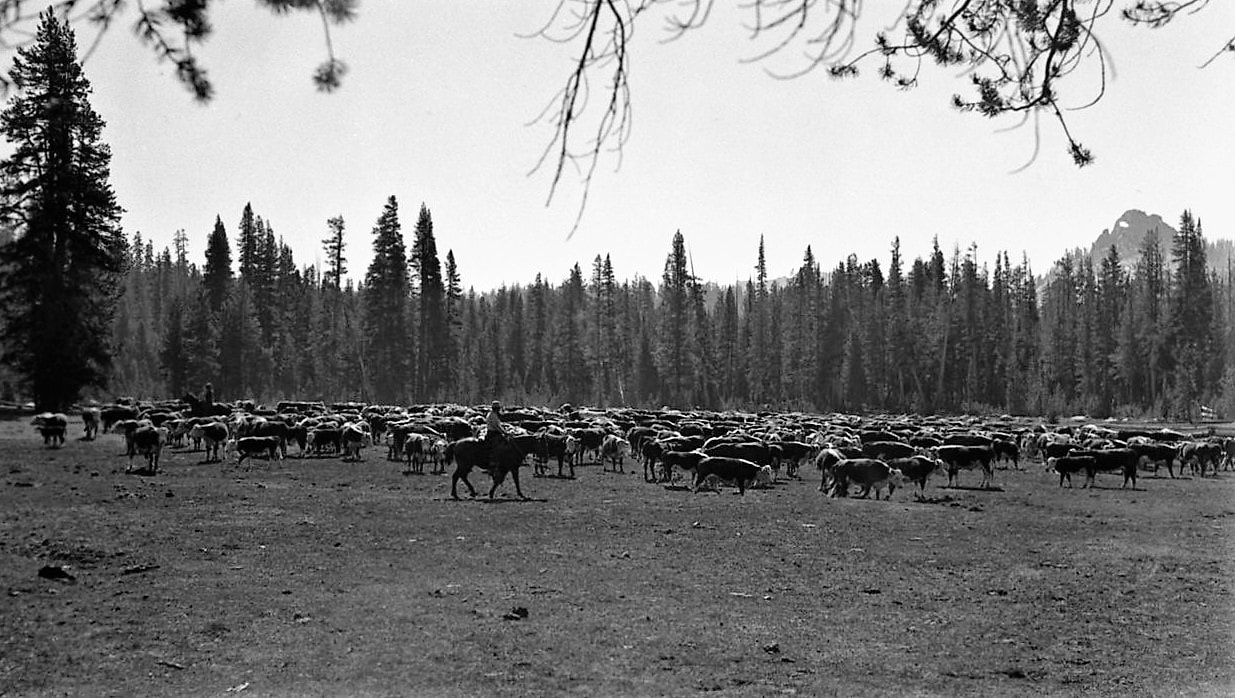
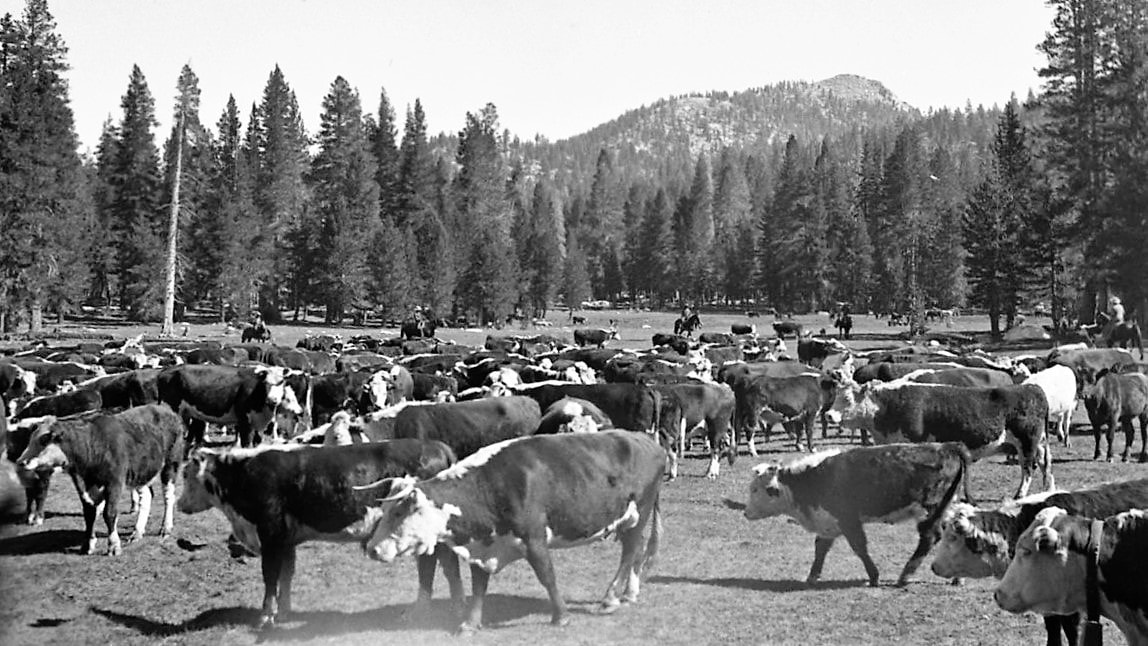
     By 1904, the Bartons were driving cattle over these roads and trails to summer pasture on Federal Sierra Forest Reserve land. They chose the remote meadows at 7400′ along Roaring River in what is now Kings Canyon National Park, very near the present Roaring River Ranger Station.
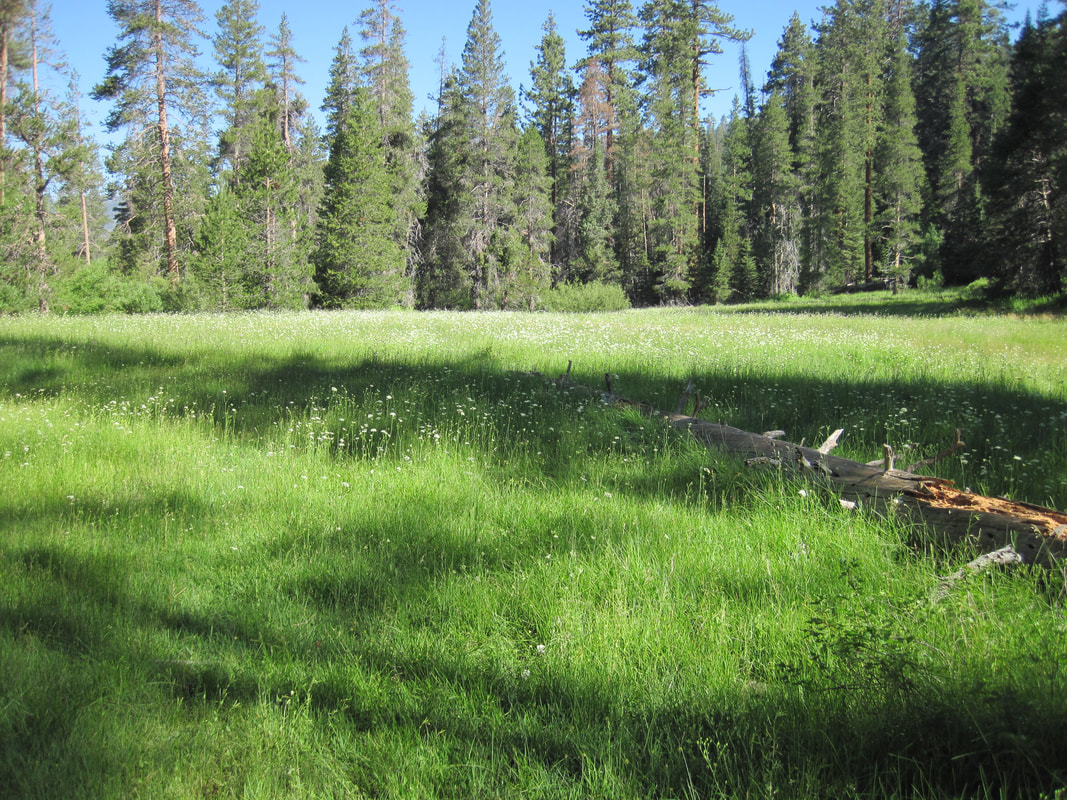
View of a grassy meadow

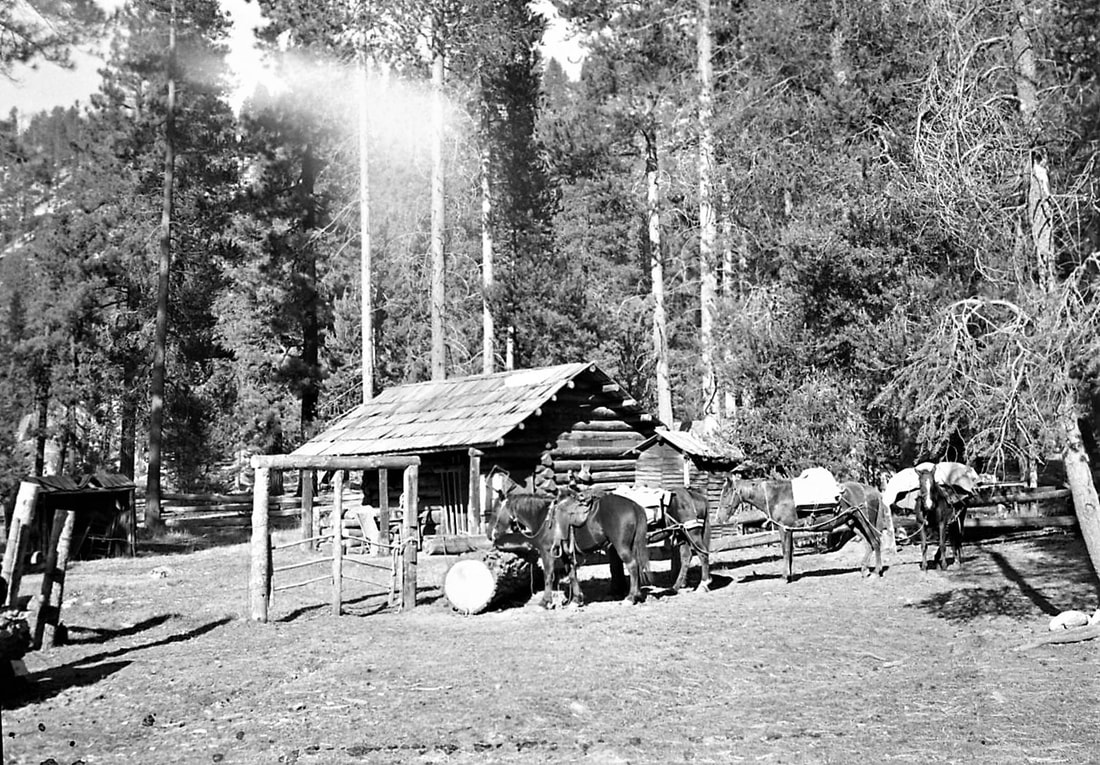
View of cabin with saddle horse and pack train in front

Stan Bechtel, 520000, Roaring River, KCNP, Ranger stations. Roaring River Ranger Station. Individuals unidentified.
     Around 1910, the Bartons began constructing a number of improvements at their Scaffold Meadows cow camp. These included a one-room log cabin with a fireplace, a covered porch, a dirt floor and no foundation, along with corrals and hitching posts, and several outbuildings to house tack, tools, food, equipment, a kitchen, and summer herdsmen.

     In 1915, Hud wrote one of his many letters to the newspapers. Alarmed by rumors of a proposed enlargement of Sequoia National Park, he railed against the parties whose sole purpose, he claimed, was “getting the cattle shut out of the mountains and thereby letting vast quantities of feed go to waste for the selfish satisfaction of knowing that no one else can get any benefit from that which they cannot use or destroy themselves.”

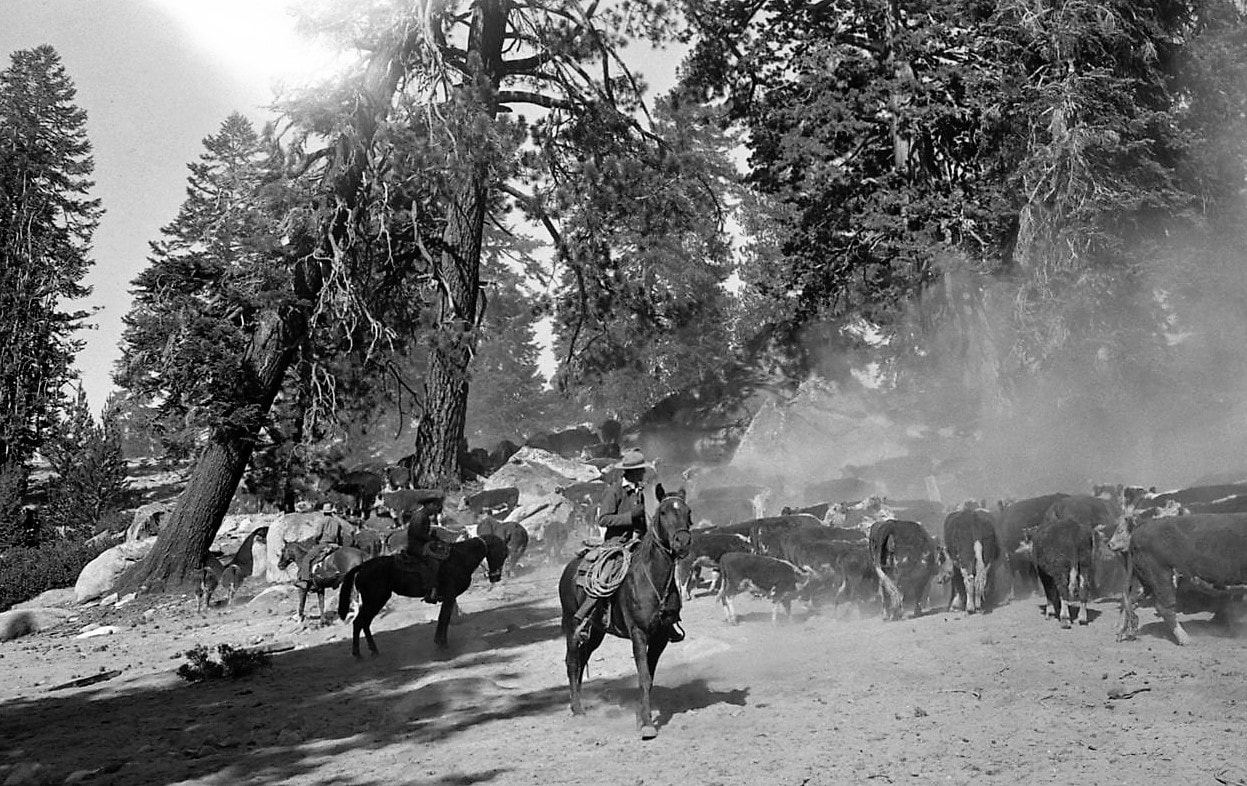
A herd of cattle in a meadow with two people on horseback

     He emphasized that the cattlemen were “always ready and willing to help the rangers in case of fire and also to help the fish and game wardens in stocking barren lakes and streams” and lauded the forest rangers as “men of intelligence, always on the lookout for the interests and welfare of the tourist.”

     Meanwhile, Hudson and Jim, father and son, continued to graze their livestock at Scaffold Meadows, and their children and friends often accompanied them on the annual trail drives. In 1922, they met the new administrator of their summer range. Forest Ranger Albert Roswell Lackey had transferred from the Sierra National Forest to take charge of the Kings Canyon District of the Sequoia National Forest. In March, 1923, Jim’s daughter Sylvia married Al Lackey, who took over the Barton family’s cattle business after Hud and Jim died.
A herd of cattle in a meadow with people on horseback

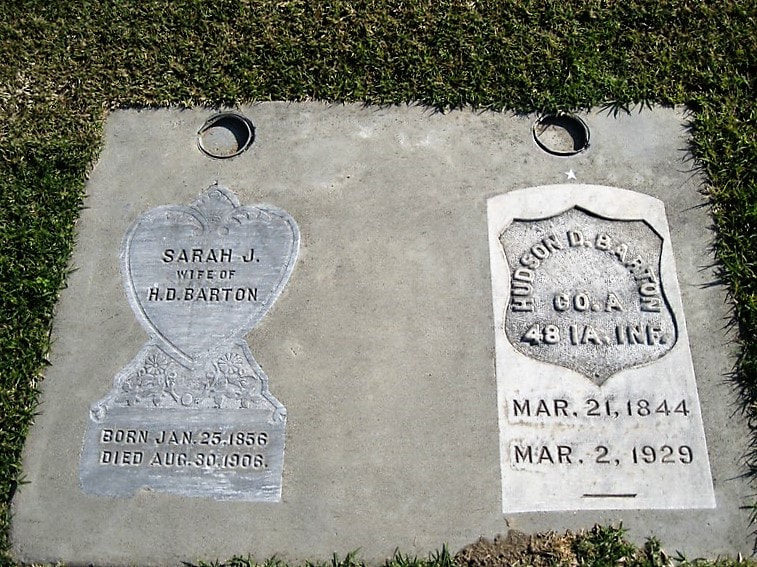
Headstone of Sarah Jane Harmon Barton and Hudson D. Barton

     Hud died in 1929, at age 84, followed by Jim in July, 1931, at age 61. In accordance with his wishes, Jim’s body was cremated, and his ashes were scattered in the Roaring River country, “which he loved so well.” Al Lackey continued to take the cattle there every summer.

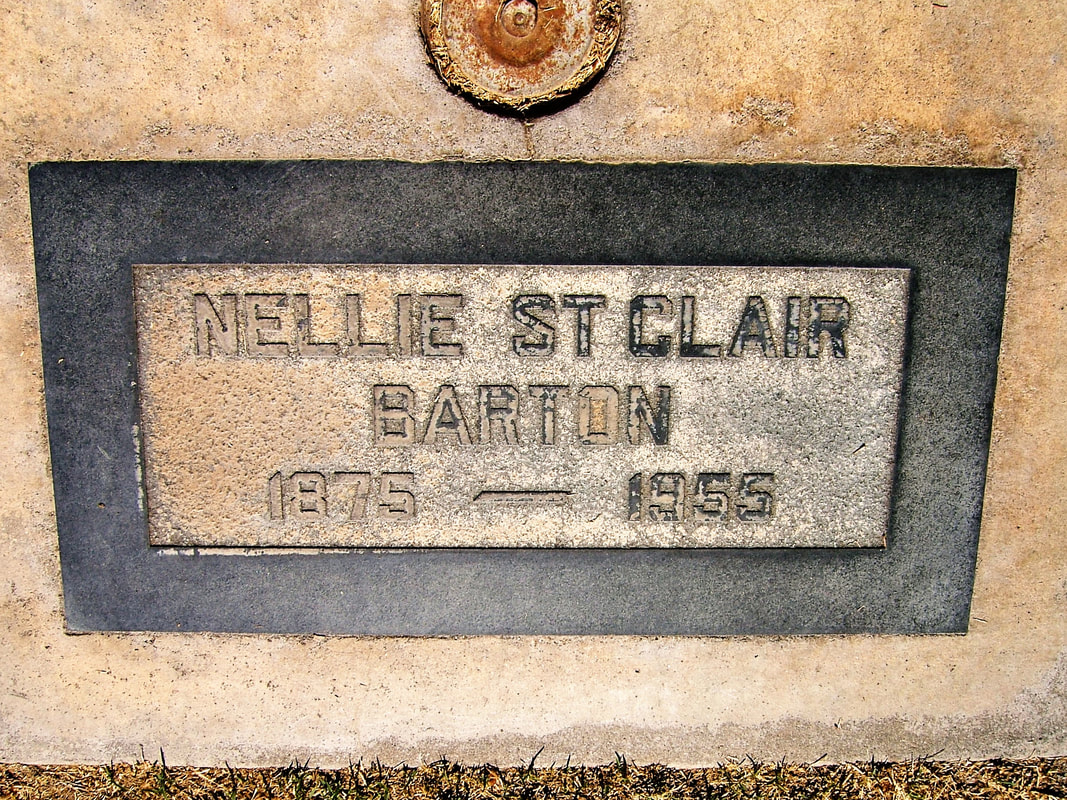
     Then Kings Canyon National Park was established in 1940, and grazing was to be phased out. However, life-time use permits were granted to historic users of the area, including the Barton-Lackey cattle operation, since Nellie Barton was still alive. When she died, in 1955, Al Lackey obtained an extension of the grazing permit, but by 1960, the Barton-Lackey cattle had left the Roaring River country for good. Al continued the business in the Badger area until he retired three years before his death in 1967. (Sylvia died young, in 1953, of cancer.)
Headstone of Nellie St. Clair Barton, wife of James DeCamp Barton

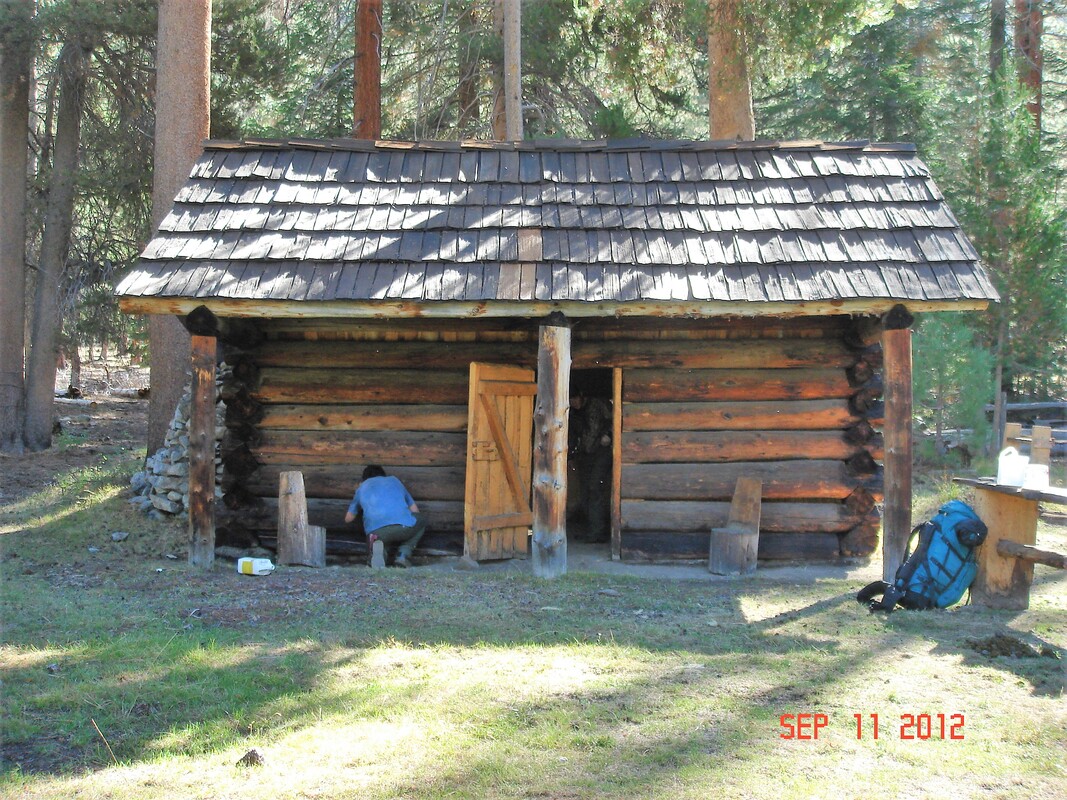
Image of the Barton-Lackey Cabin in Scaffold Meadow before it was restored

Corner of a log cabin
Interior of the Barton Lackey Cabin before it was restored
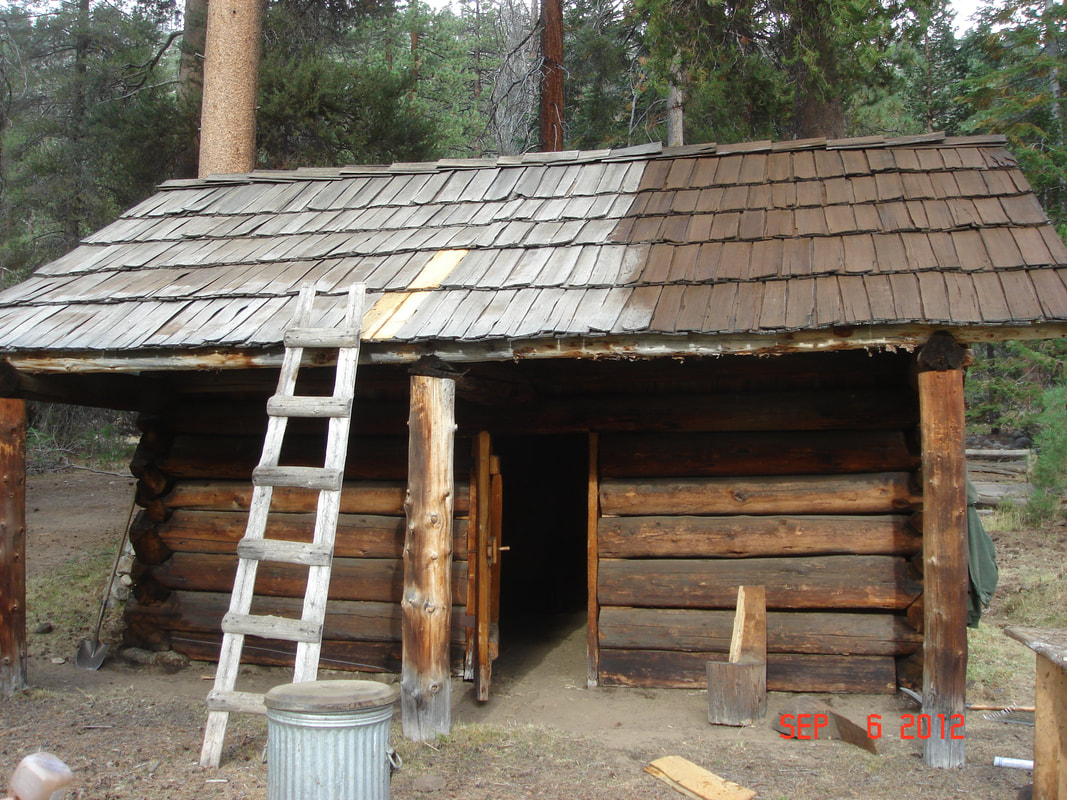
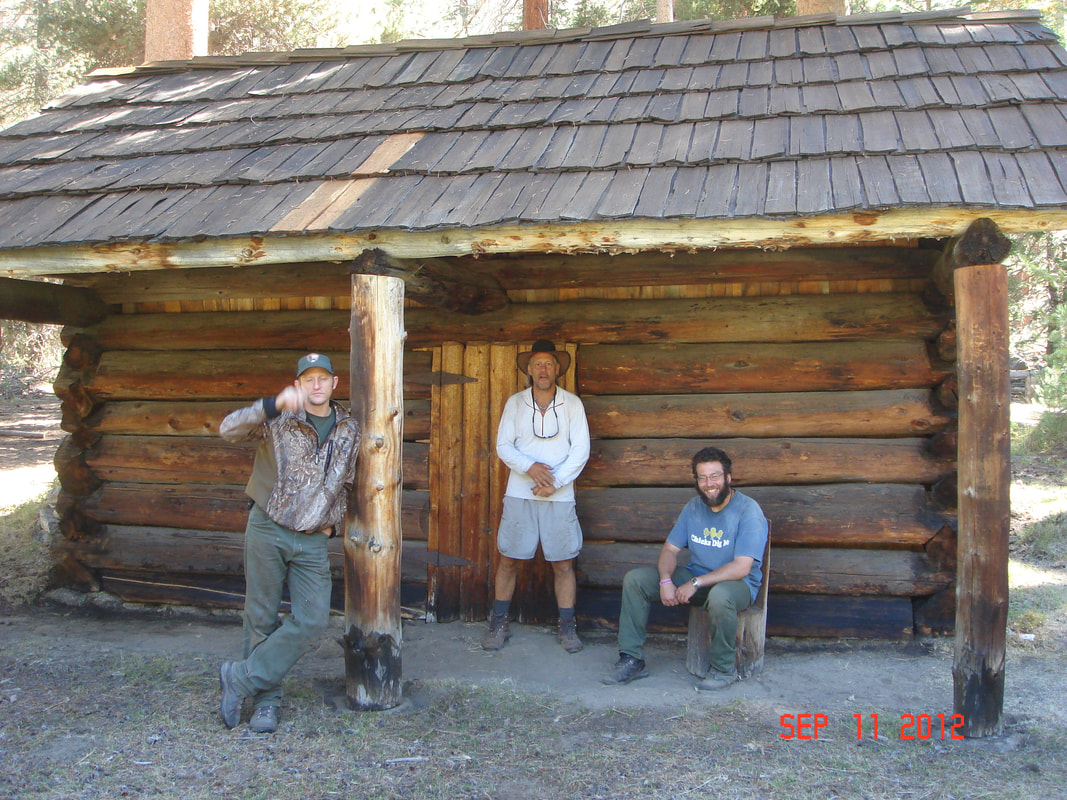
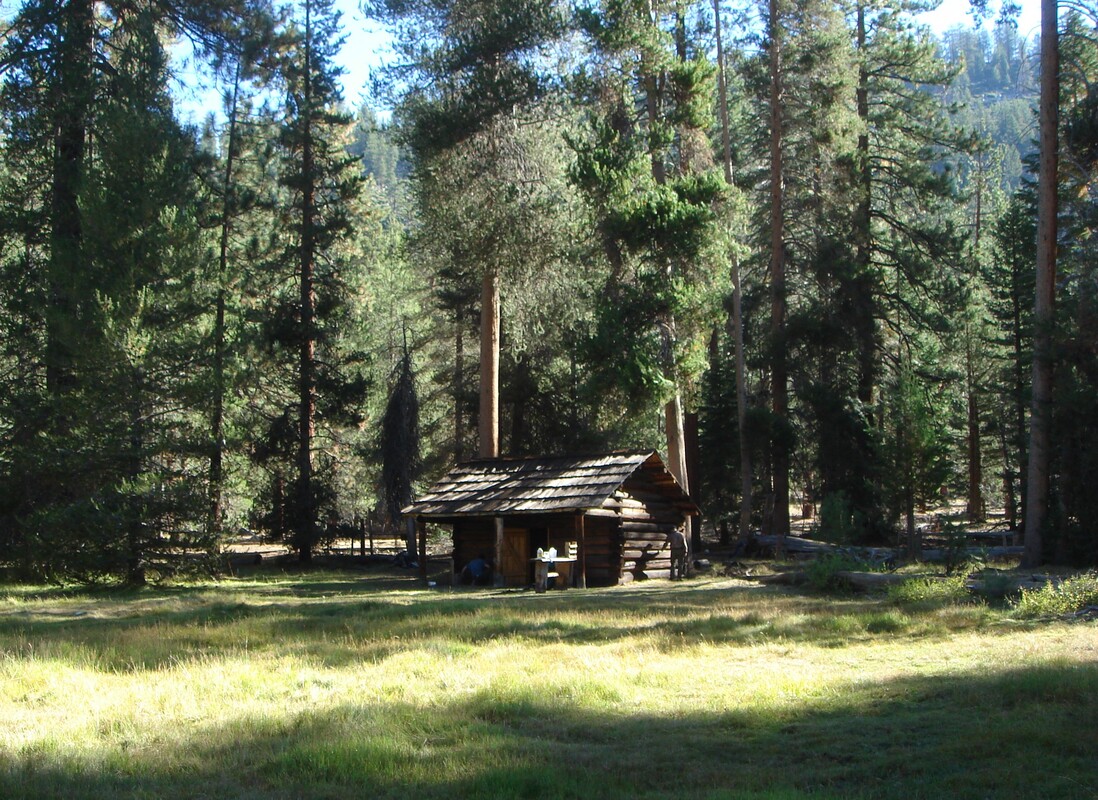
     The National Park Service took over the fifty-year-old Barton-Lackey cabin and used it for many years as a storage shed. By the time Park staff nominated it for the National Register in 1977, the old fences and out-buildings were all gone and the historic cabin, which had never been altered from its original appearance, needed significant repairs and reconstruction. That work was done in the early 1980s and was accomplished again authentically in 2012 by the Parks’ Historic Preservation crew, led by Thor Riksheim.

Image of front of cabin with a person working on restoration

Image of cabin with a hand-made wooden ladder in front and partially-restored roof shingles

Men sitting and standing in front of the cabin

Bartin Lackey Cabin in the tree shadows

     Into the twenty-first century, Barton descendants, along with thousands of backpackers and trail riders, have continued to visit the family’s summer cabin and to recall its long history in Tulare County. While mining, logging, and domestic livestock herding are not allowed in the National Park, the Park Service preserves the Barton-Lackey cabin as a visible reminder of the Euro-American pioneers’ presence on and uses of this land, which sustained Native Americans’ summer uses for thousands of years before them and will be protected for as long as the national parks endure.

June, 2021


Slideshow:


Quotes & More Photos:

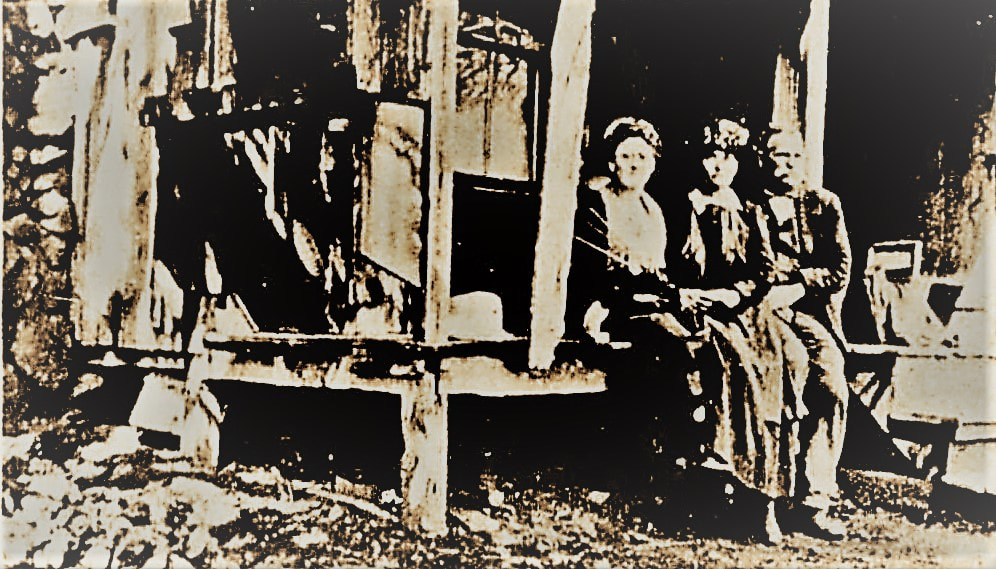
Image of three adults sitting on the edge of the front porch of the old Auckland store

“Auckland was located just north of Cottonwood Creek on the old Millwood Road . . . . Phillip Sweet, a native of Aukland, New Zealand, built a dry goods store there around 1860. . . . A post office was established on August 24, 1889, and lasted until November 19, 1912, by which time there was little left of Auckland but memories.” — Chris Brewer, 2002

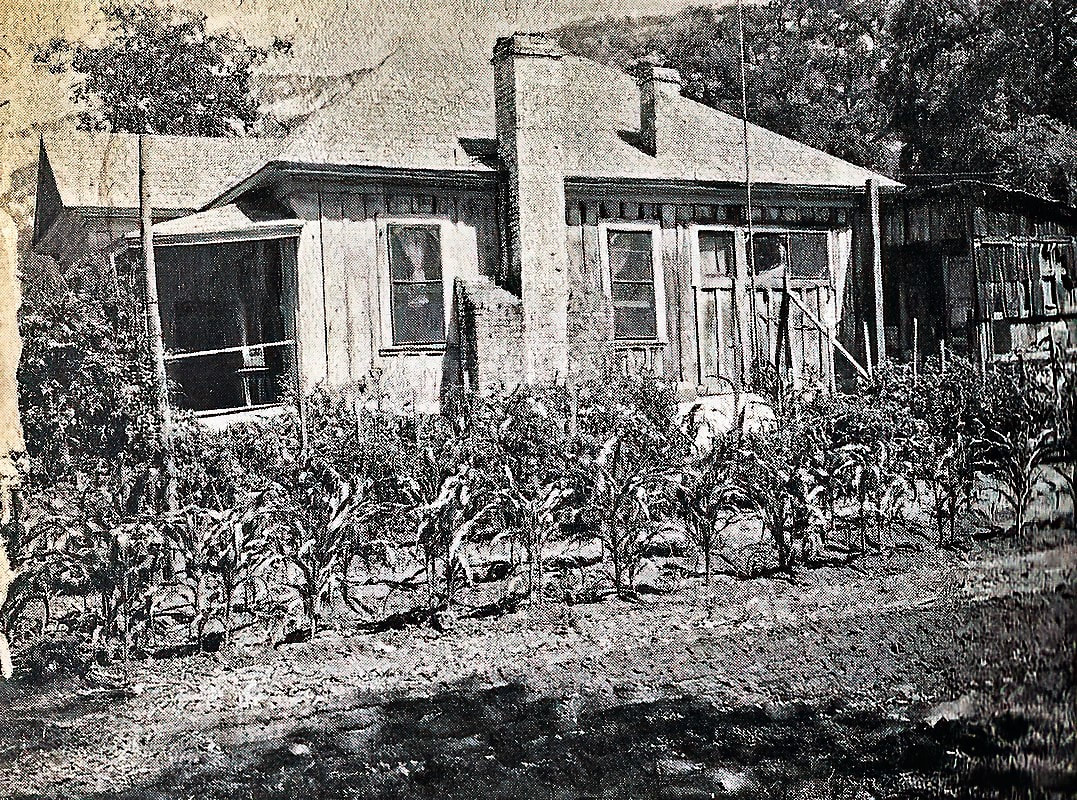
Image of a vegetable garden growing adjacent to the Barton home in Auckland

“Crossing Cottonwood Creek was the feed yards for the many teamsters and then, the old town of Auckland. [O]n the right was the Hud Barton homestead. . . . The Jim Barton place is where the Orlopp turkey ranch later was. . . . Again on the left was the Auckland School. To the right and across the road was the Ansel [sic] Smith place. . . . Ansel’s wife was Lottie, the daughter of Jim Barton.” — Crawford Osborn, 05/10/1920, via Pat Hart & Larry Jordan

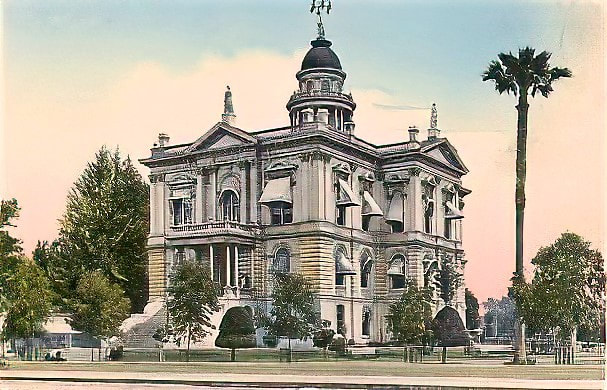
Colored illustration of the original Tulare County Courthouse

James T. Barton served five terms as a Tulare County Supervisor between 1869-1892; the county courthouse was built in 1876 under his supervision. He died in Three Rivers in 1912. His son Orlando also later settled on a ranch in Three Rivers and raised cattle and hogs on the site of what became the River Inn. He became a well-known writer of articles about Western subjects.

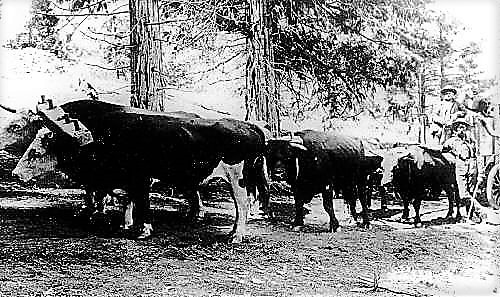
Image of a team of three bulls pulling a wagon

“One of the last bull teams to be used around our mills, in the mountains. This ‘power house’ belonged to Jim Barton, of Auckland, and his partner, Dave Wortman. . . . It was those teams along with the mule teams that started Auckland on its way.” — Pat Hart, 02/18/1975, in Dinuba Sentinel

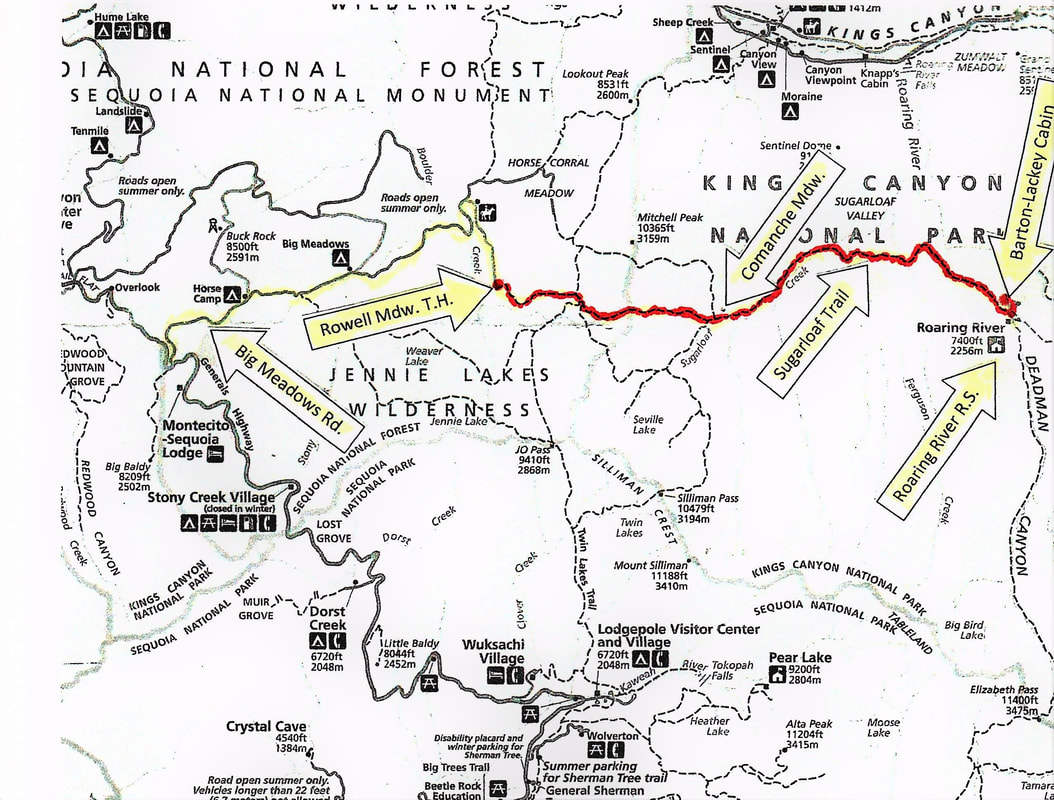
Map of a portion of Kings Canyon showing the location of the Barton-Lackey Cabin

“The early stockmen realized that the only way to save their animals from the recurring droughts was to drive them up to the Sierra high country [where] the grassy meadows provided relief . . . during the summer. Each year, the stockmen return[ed] to meadows they often claimed as their own. Within the rugged Kings River drainage, . . . their names became affixed to the high . . . Kings Canyon area . . . . ” — Gene Rose, 2011

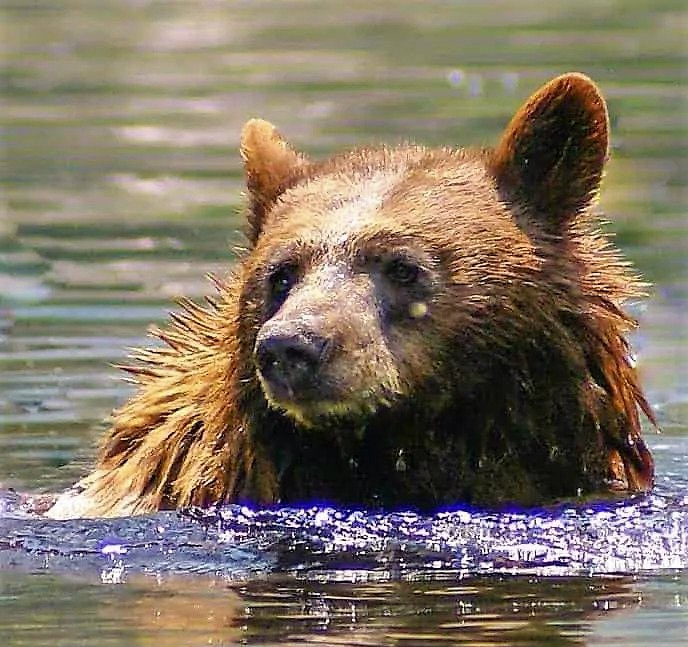
Image of a brown bear swimming in a river

“Neal Barton, [while] spending the summer at Jim Barton’s cattle camp . . . killed a brown bear [that] weighed 450 pounds, being six feet six inches from tip to tip. . . . The animal visited the camp of Ralph Merritt, president of the Sun Maid Raisin Growers on several occasions. . . . While . . . keeping watch alone, . . . Barton fired with a heavy rifle, the shot striking the animal which fell into the river, swam to the opposite shore, and there fell dead.” — Visalia Times Delta, 08/11/1927

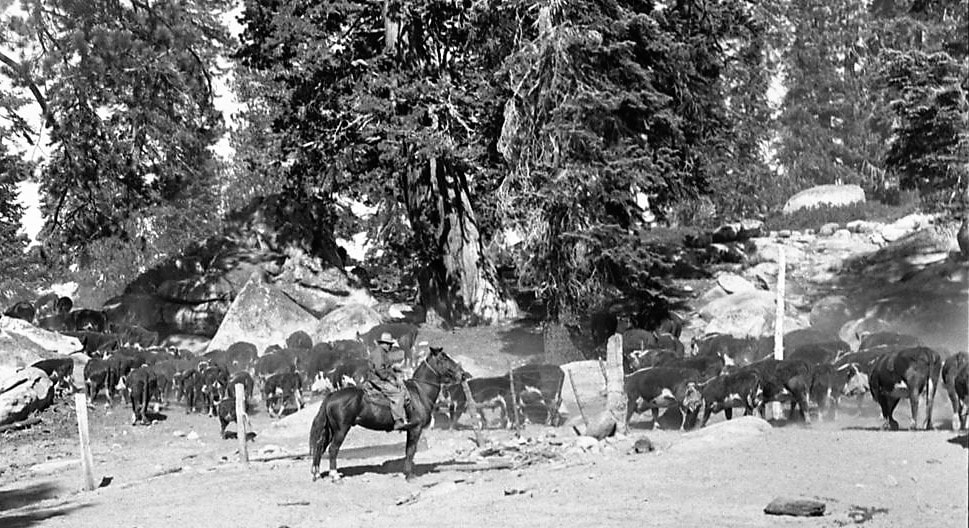
Image of a rider on a horse putting cattle onto the trail in 1941

“Most early stockmen saw the Sierra as open range, that is, public land and forage available to whoever got there first. Gradually they claimed ‘proprietary rights’ to certain meadows based on their established use — a de facto seniority system. But as the demand for forage increased, so did the competition for the mountain meadows.” — Gene Rose, 2011

Image of women, men, and horses in front of the General Grant Tree

Numerous cattlemen were now bringing their animals to the summer range, and the Roaring River area was also popular with tourists and long-term campers (Tulare County residents had been escaping the Valley’s searing summer heat for decades by spending weeks and even months in the high country, and General Grant and Sequoia national parks had been established in 1890).

Image of group of people

“Those summer and fall cattle drives to the high country and back each year will long be remembered. It was always a thrill for the young people to make the trip back to Roaring River, Big Meadows, Quail Flat, and Zumwalt Meadows just for the sport of the trip, plus some nice fishing when they arrived.” — Pat Hart, 02/18/1975

Image of a meadow with a fence and a forest in the background

The Bartons’ compound was located on land that since 1893 had been part of the Sierra Forest Reserve, which had set aside four million acres of land for permanent public ownership. In 1905, the U.S. Forest Service was established to administer these public lands, the Tulare County portion of which had been named Sequoia National Forest in 1908. In 1913, the Bartons and their neighbors the Cutlers fenced one of the Scaffold Meadows at their own expense for the use of tourists and campers, to be managed by the local forest ranger.

Image of a small log cabin

The Bartons’ traditional one-room log cabin measures 12 by 20 feet inside. Its covered porch runs the length of the southwest side, making the overall exterior size 17 by 21 feet. The wall logs rest directly on the ground without benefit of foundations. It has a shake roof. The northwest wall includes a large fireplace and chimney and a small window. — from William C. Tweed, NRHP Nomination Form, 1977

Image of two riders herding cattle (1941-3)

“Most of the cattle will be brought out of the forest reserve between the first and the middle of October, permits being granted until October 15.” — Dinuba Sentinel, 1913

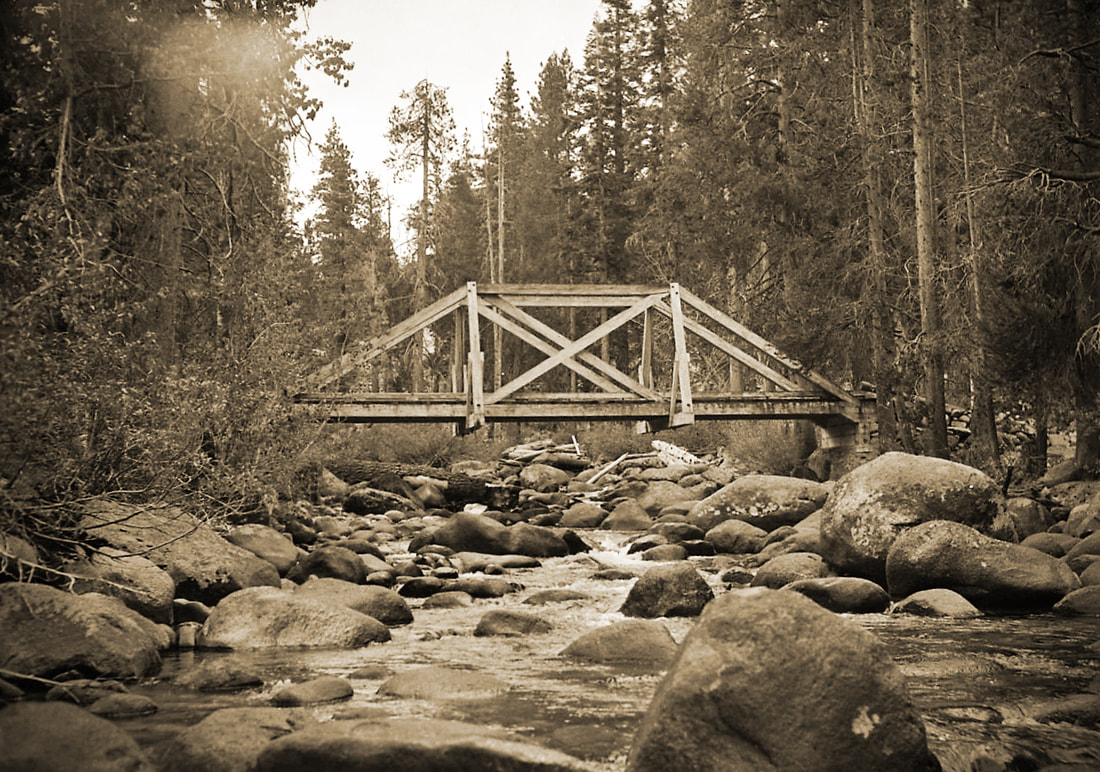
Image of a wooden bridge ove a rocky river

“To prove that the cattle men are not vandals,” Hud enclosed with his 1915 letter to the Visalia Daily Times opposing the expansion of Sequoia National Park “a picture of a bridge across Roaring River, built by cattle men by request of the ranger for the benefit of the public, which will very probably not be kept in repair if taken into the park.”

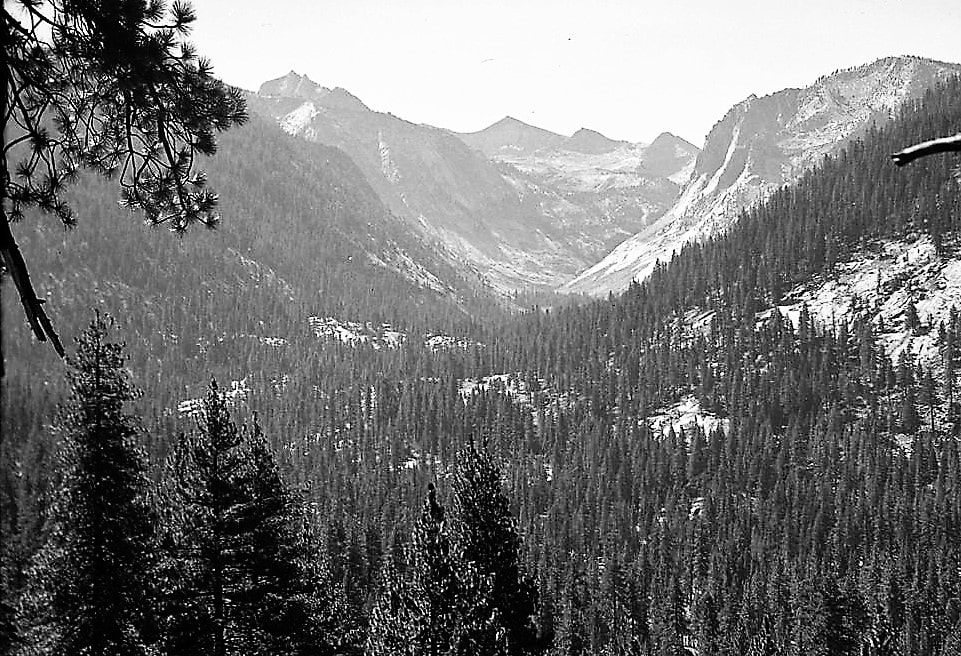
View up a glacial valley

“The Barton-Lackey cabin is a surviving remnant of the period when cattle grazing was the major industry of the Roaring River portion of the Kings Canyon country. The Barton-Lackey clan . . . were one of the first cattle families to enter the area and one of the last to leave. They are remembered in the name of Barton’s Peak which towers on the southern rim of the canyon near their old cabin.” — William C. Tweed, NRHP Nomination Form, 1977


Maps & Directions:


Directions:


From Visalia, take Hwy 198 east past Three Rivers and into Sequoia National Park, where it becomes the Generals Highway.

Follow this highway to the Big Meadows turn-off in Giant Sequoia National Monument.

Follow this road (Forest Rte. 14S11) past the Big Meadows Campground to the Marvin Pass/Rowell Meadow trailhead parking at the end of the Sunset Meadow spur road (Forest Rte. 13S14) from Horse Corral Meadow.

Take the trail (about 14.5 miles; see map below) via Rowell Meadow and Comanche Meadow to the Sugarloaf Trail to the Roaring River Ranger Station.
Cross the bridge over Roaring River, turn left, and follow the obvious use trail to the cabin.


Map showing the route to the Barton Lackey Cabin in Kings Canyon National Park
                                            Click to enlarge map


Alternate Hiking Directions:

The Barton-Lackey cabin can also be reached out of Lodgepole via the Twin Lakes Trail, which quickly enters Kings Canyon NationalPark, and then via the Sugarloaf Trail (about 24 miles).

The Barton-Lackey cabin can also be reached from Roads End at the bottom of Kings Canyon via the Bubbs Creek and Avalanche Pass trails (about 15 miles and very scenic, but a very challenging 5,000 foot climb over the pass).


(Note that you can visit one of Shorty Lovelace’s cabins by starting from the Roaring River Ranger Station and hiking up nearby Cloud Canyon on the Colby Pass Trail about 6 miles to the area of Shorty’s cabin near the Whaleback.  See https://www.tularecountytreasures.org/shorty-lovelace-historic-district.html)

Site Details & Activities:

,

Environment: Scaffold Meadow, mixed conifer forest, Kings Canyon National Park, elevation about 7400′, accessible only by foot/stock trail
Activities: backpacking, birding, botanizing, camping (nearby), fishing (California fishing license required), hiking, history, photography, stock packing, wildflower and wildlife viewing
Open: The National Parks are always open, weather permitting, unless closed due to emergency conditions; park entrance fee; Wilderness Permit required for all overnight trips.
Site Steward: National Park Service-Sequoia and Kings Canyon National Parks; 559-565-3341; www.nps.gov/seki
Opportunities for Involvement: Donate, volunteer
Links:


Click on photos for more information.

The Story of Dry Creek Preserve

by Paul Hurley

     Nature rules again at Dry Creek Preserve.

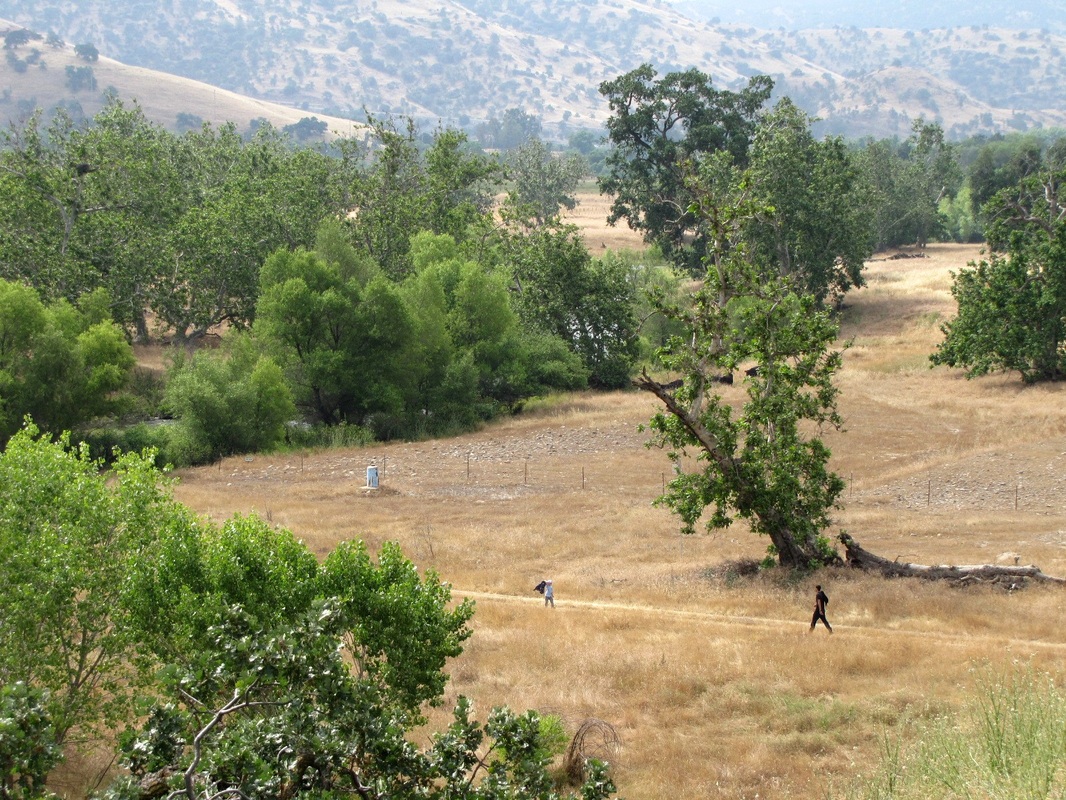
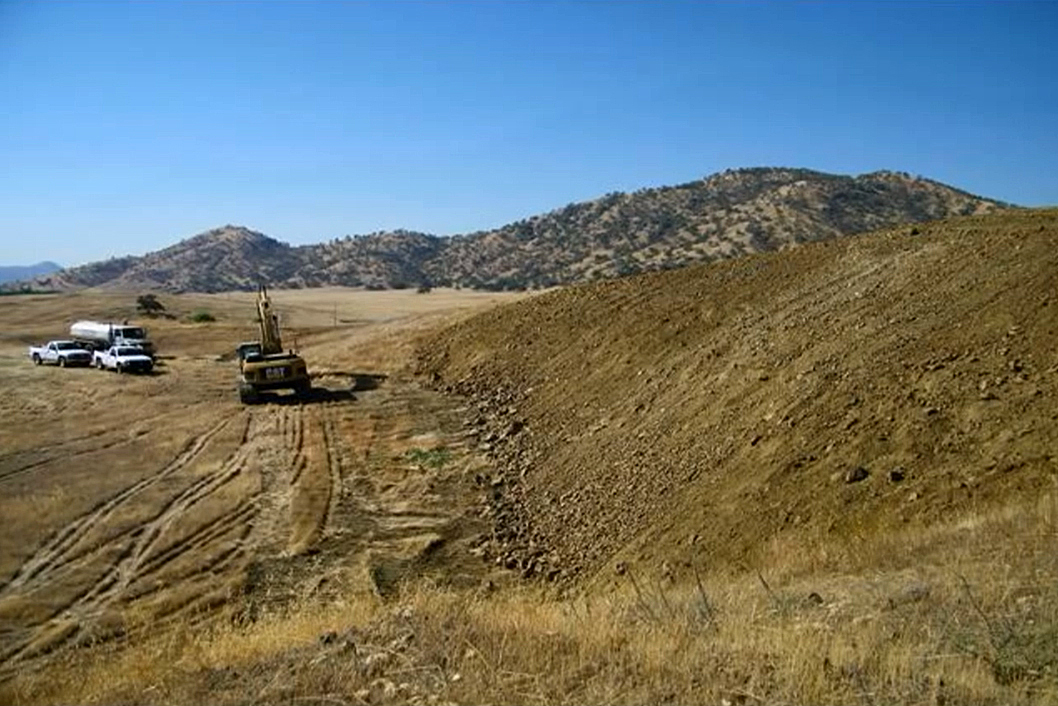
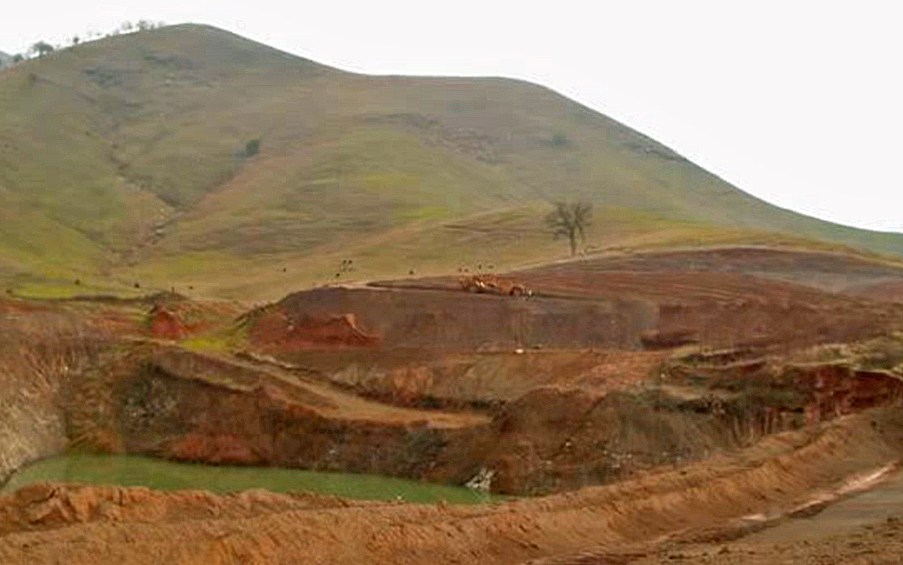
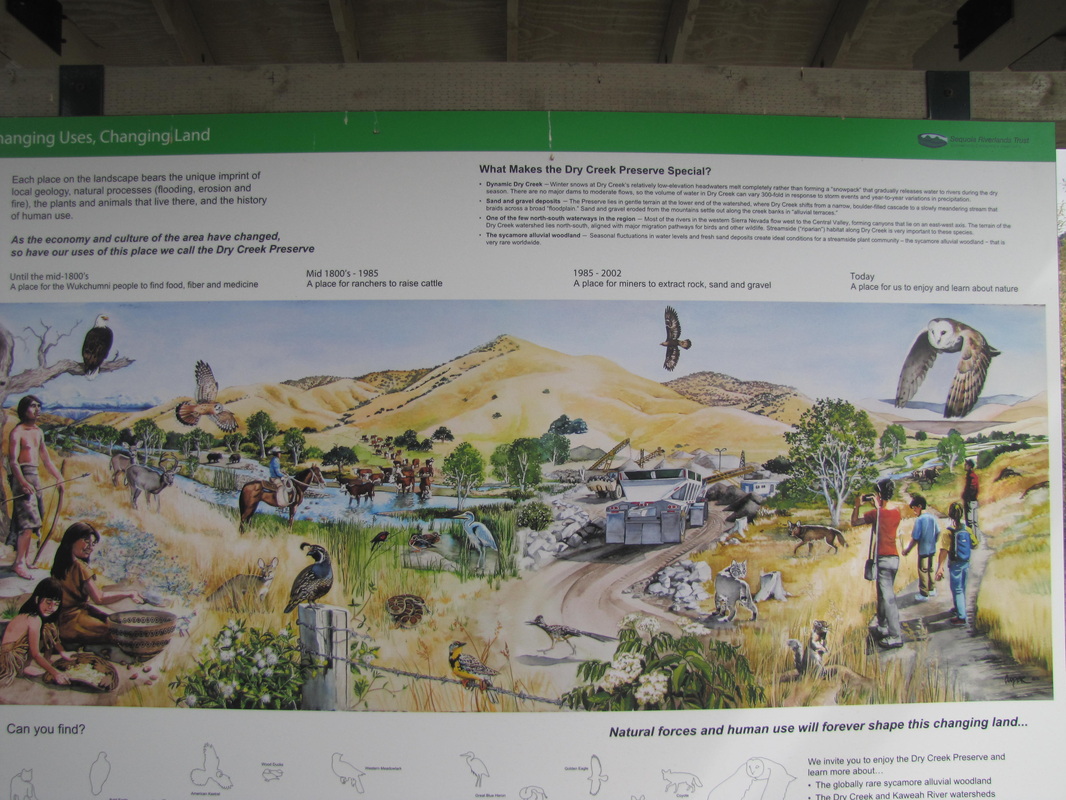
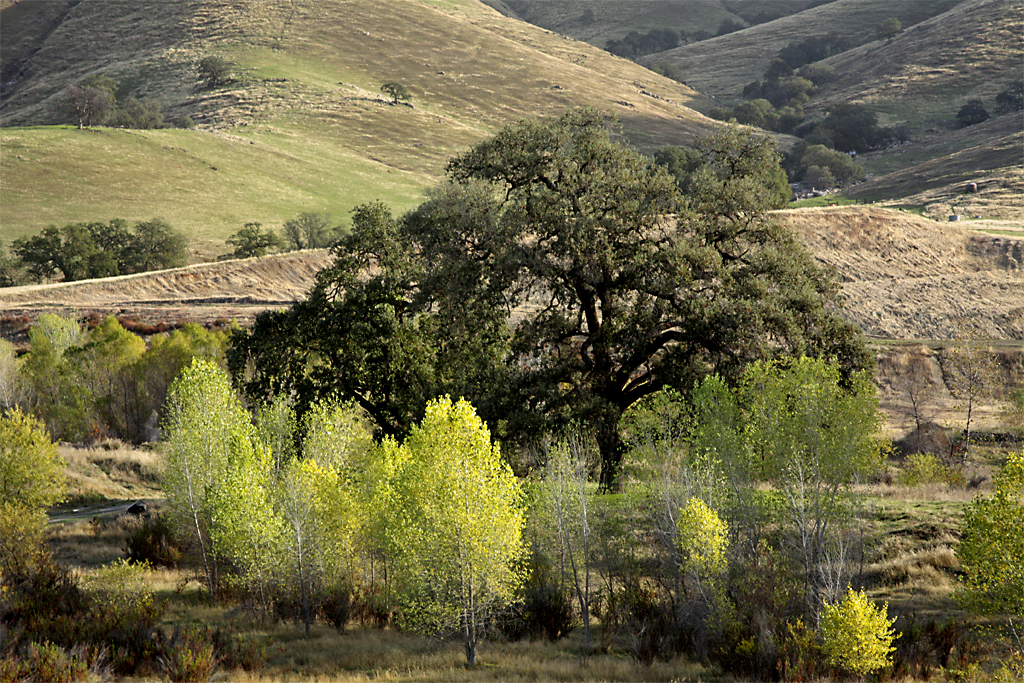
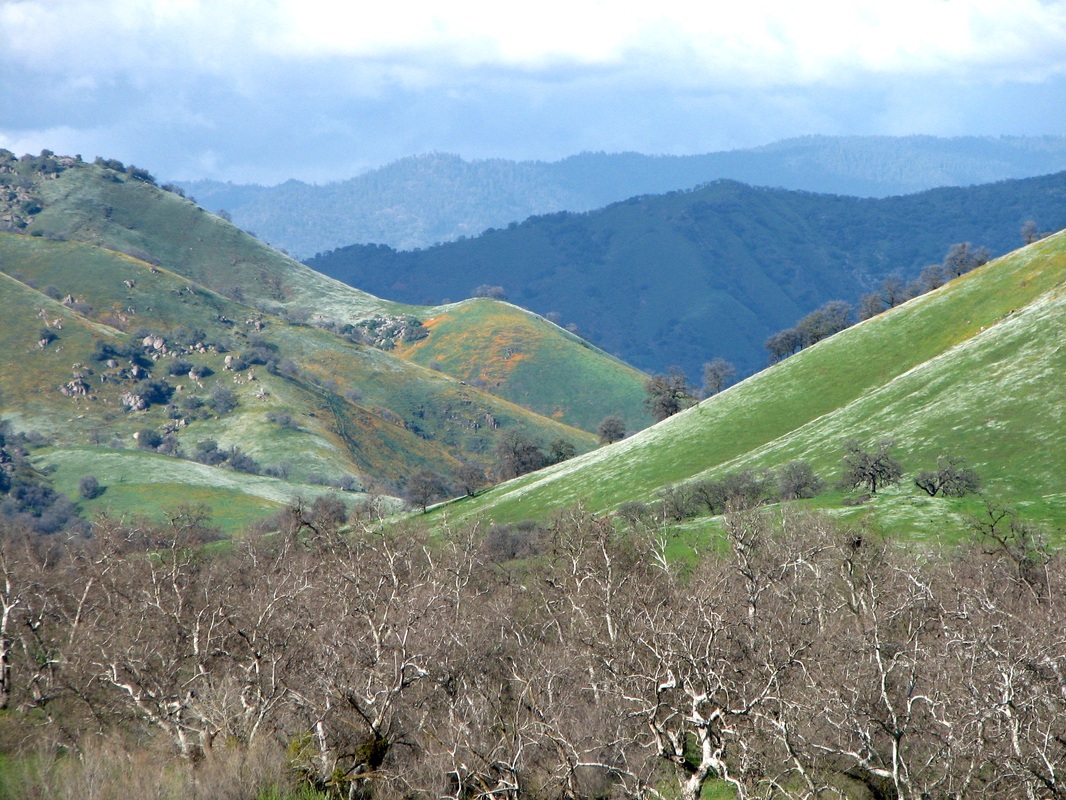
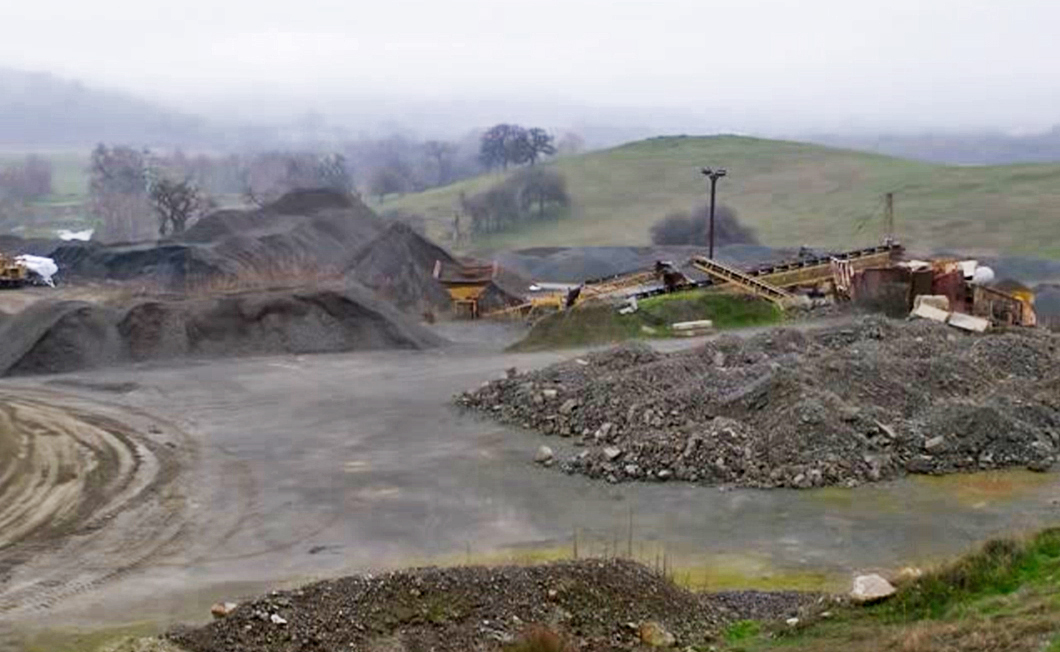
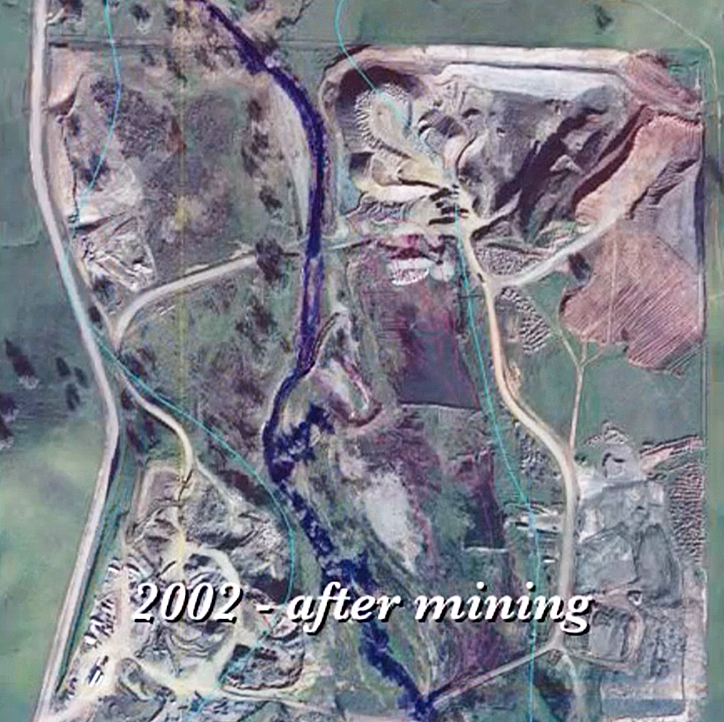
     Situated on 152 acres of a former gravel quarry on a mostly dry stream bed north of Lemon Cove, Dry Creek is ecologically significant as a sycamore alluvial woodland. It is one of only seventeen such environments scattered through Central California and one of the largest. It was home to a thriving settlement of the Wukchumne tribe in pre-European-American times. Then it was used for cattle grazing. More recently, it was a rock and gravel mine for twelve years until that use was nearly exhausted by the end of the twentieth century.

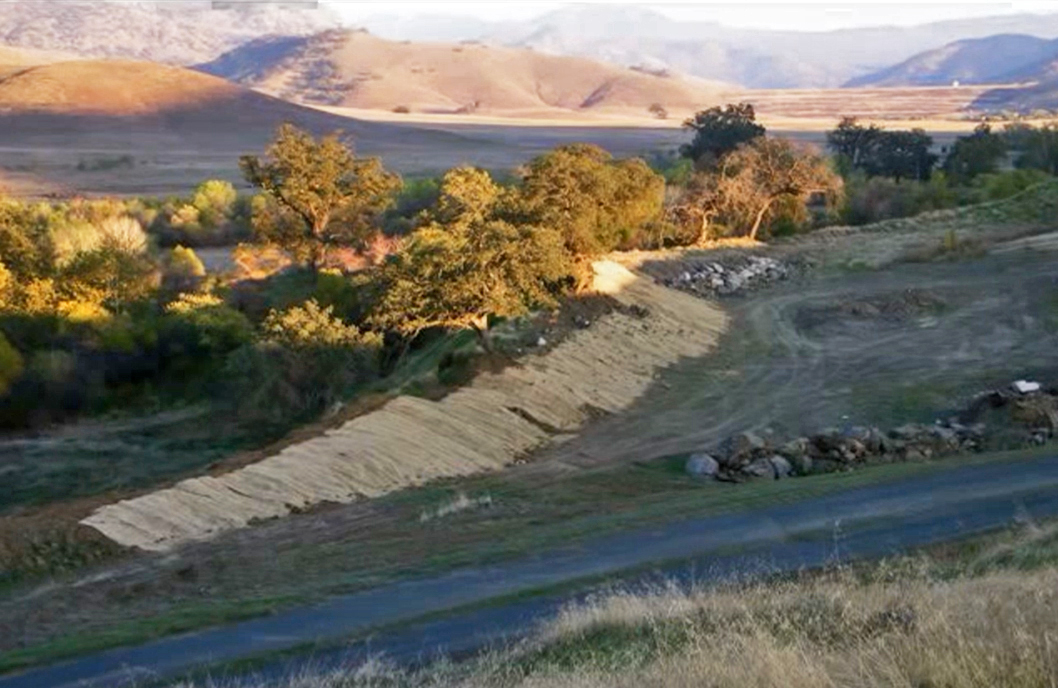
     Dry Creek was restored to its natural – although not original – condition by a partnership led by Sequoia Riverlands Trust (SRT). It is the first such mining reclamation site in Tulare County and is singular because the restoration effort used the damage caused by the mining operations to create unique and enhanced habitat.

     Hilary Dustin, conservation director of Sequoia Riverlands Trust, worked on the restoration from its beginning in 2004. The first time she saw Dry Creek, it was so desolate and gloomy it reminded her of Mordor in “Lord of the Rings.”

     “This mine had affected virtually every square foot of the property,” Dustin said in an extensive video interview with Tulare County Treasures. “You would think, this is devastation, you know, it’s ruined; we can never do anything with it.”

     The multi-year mining operation at Dry Creek had never been popular with the neighbors. When the owner, Artesia Mining Company, eventually foundered, one of its creditors, California Portland Cement, took over the property and was considering what to do with it. One of the neighbors urged Sequoia Riverlands Trust to talk with the new owner. The land trust contacted the cement company and initiated a meeting.

     No longer viable as a mine, the property was subject to expensive reclamation work mandated by the state of California. After only weeks of deliberation, California Portland Cement decided to turn the property over to SRT. Both sides had seen an opportunity: California Portland Cement shed its obligation to clean up the mine site, and SRT saw a chance to restore a unique natural habitat. That was in 2004, and it began more than eight years of restoration to return Dry Creek to something resembling its natural state.

     Shortly after acquiring the property, SRT received a $200,000 grant from a private foundation to begin planning and restoration. That same year, the trust added another $100,000 from the Natural Resources Conservation Service, a federal agency, to pay for the reclamation. More assistance arrived in short order: The Nature Conservancy offered its services and connected SRT with experts at University of California, Berkeley and UC, Davis.

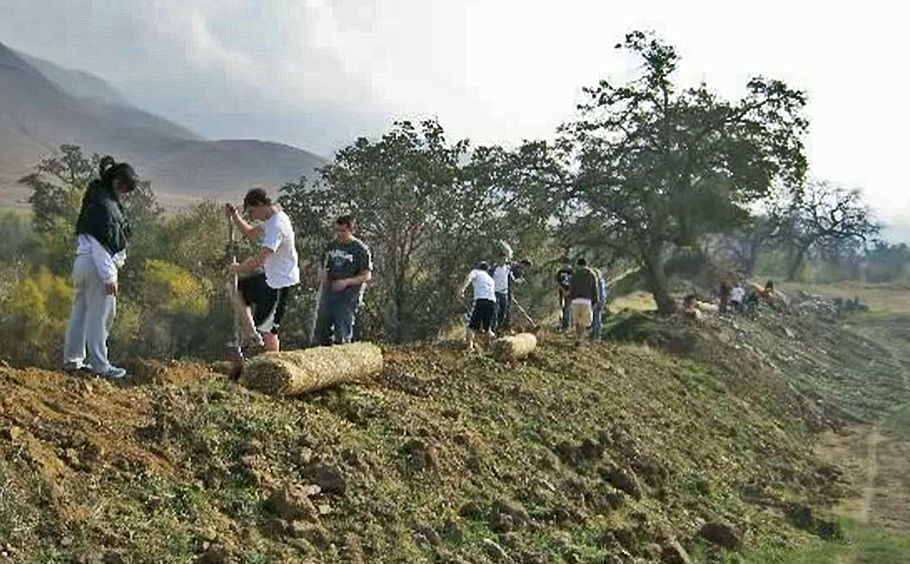
     Landscape students from California State Polytechnic University, Pomona supported the project. Kaweah Delta Water Conservation District extended its expertise. Two grants from the state of California helped pay for visitor amenities such as signs and restrooms. Volunteers showed up to help move rocks, clear trails, and plant trees.

     Dustin estimates that about $1.2 million in donations contributed to the Dry Creek Preserve restoration, and of that about a half million dollars was from in-kind donations of professional and volunteer work.

    “The vision for the reclamation was not just to get back to the way things were before mining,” Dustin said, “which was essentially open grazing land, but to actually do what we could to enhance the values out there for wildlife habitat and also for people to come and enjoy the place and to make it a wonderful outdoor classroom as well.”

      The restoration created opportunities to improve upon what nature had created. In some cases, the restoration project removed berms and ditches so that the water returned to its natural courses. Mining had also disrupted the water table, and some deep quarries created pools, including a small lake that wasn’t there before. With the natural habitat restored, oaks and sycamores began to return. Bird and animal species took hold in the newly restored environment.

    “There’s a lot of volunteer cottonwoods, willows, and other vegetation that came back on its own, once mining stopped,” Dustin said. “But we’re kind of nudging it along, trying to help the sycamore alluvial woodland come back a little faster than it might otherwise.”

     It’s a case of nature getting by with a little help from its friends.

   “We actually have more native plants out there now than we did before and we have a more natural stream flow,” Dustin said.

     Dry Creek was also established as a kind of open-air laboratory, with nature as the scientist in charge. SRT envisions it is as a place for field study and natural experiments. The trust has already established a native plant nursery and a native plant demonstration garden.

     The preserve welcomes what Dustin calls “citizen scientists”: visitors who make observations about habitat or wildlife and record them. It also encourages students to use the site as a classroom.

     Dry Creek has been a tribal village site, a cattle grazing site, a unique natural habitat, and a mine. Now a reclaimed site, it still shows evidence of all those uses in its past. And all of them have something to teach people.

    “Many people would have considered this place trashed, if they had gone out to Dry Creek ten years ago,” Dustin said in 2014. “If they go out there today, I think they would say, Wow, look what happened when we sort of got back out of the way of nature, and we helped a little bit to do some restoration.”

July, 2014


Slideshow:


Quotes & More Photos:

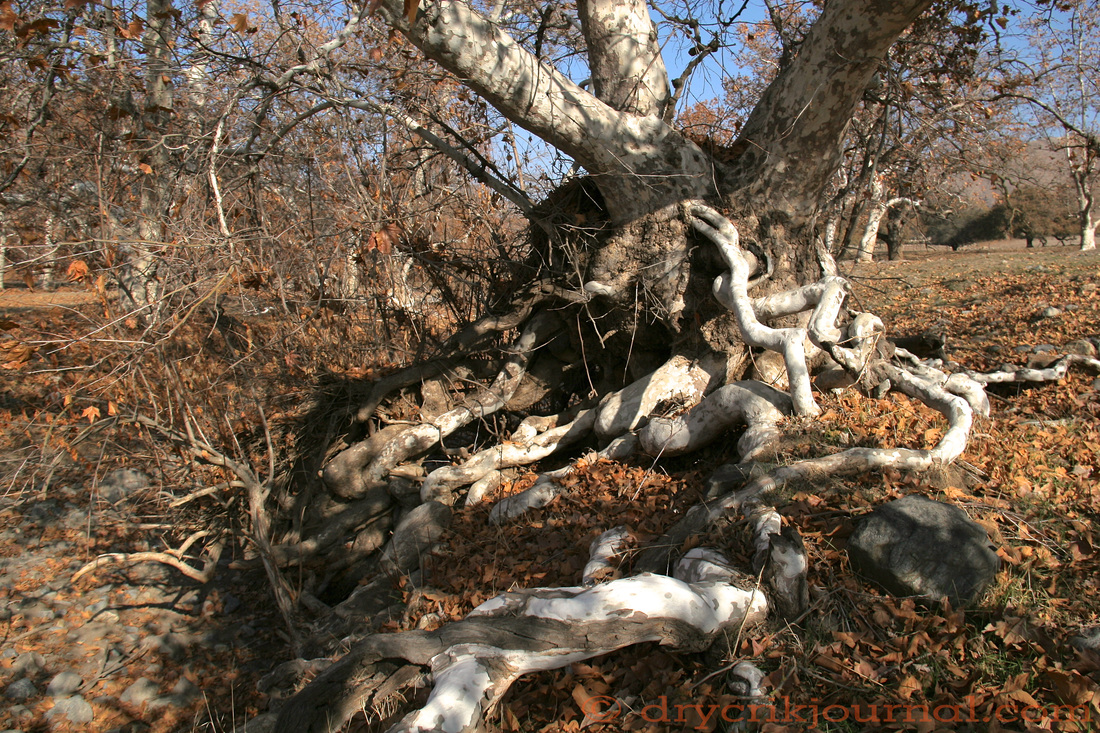
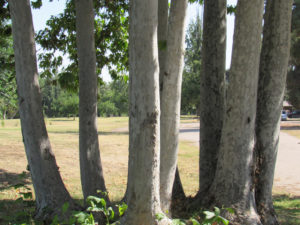
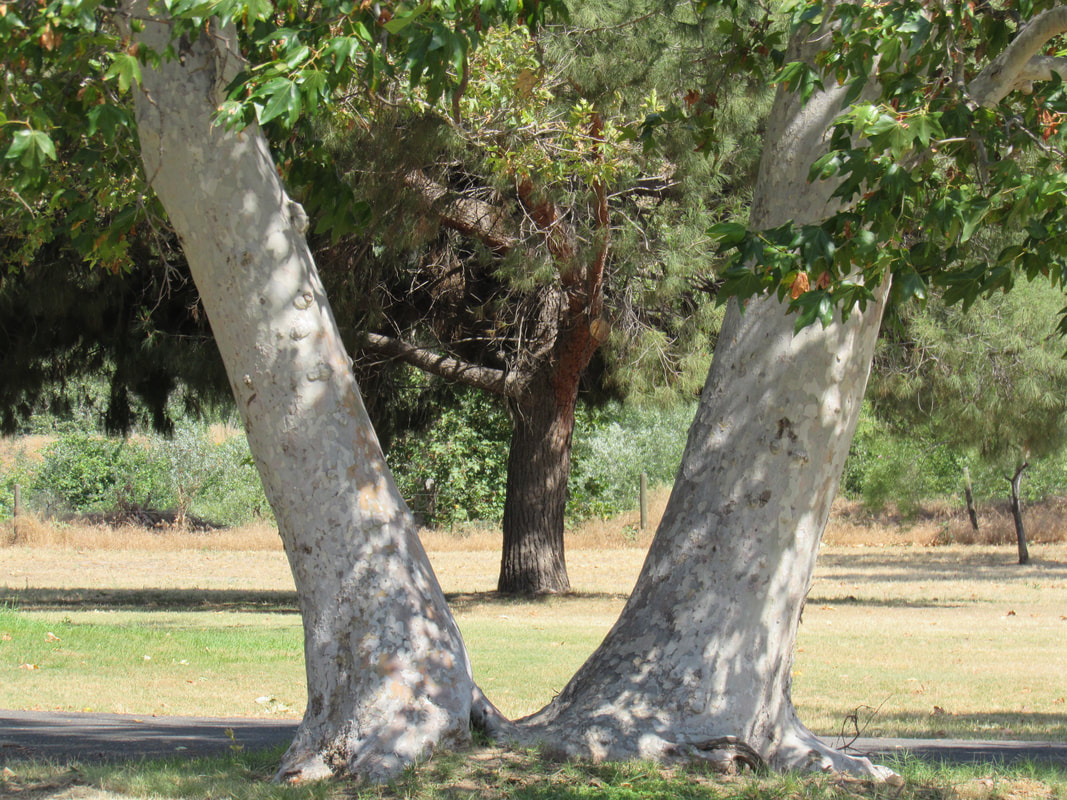
“This family of sycamores (Platanus racemosa) is among the largest Sycamore Alluvial Woodlands in the Sierra Nevada ecoregion and one of 17 stands over 10 acres remaining on the planet.

It is connected by a common root ball. Rarely exposed, some root balls measure 15 feet in diameter and have been pushing new stems for centuries. Some stems here are three to four hundred years old—alive, perhaps when Sir Francis Drake claimed California for Spain. Imagine how old the root balls must be!” — John Dofflemyer

“Mining is a necessary art, but it does not tend to beautify the face of nature.” — Horace Greeley

“Mountains of white and empty pits where the gravel miners quit pulling the last dollar out of ground we irrigated for thirty years, when it cost too much to dig.” — John Dofflemyer

L-R: Sopac Mulholland McCarthy, John Dofflemyer, Scott Spear, Hilary Dustin

“One of the neighbors who had been very involved in the opposition to the mine came to Sequoia Riverlands Trust and said, ‘Hey, we ought to go talk to them. They’re not going to be able to make money on this mine. . . .  Maybe they should just give you the property.'” — Hilary Dustin

“We started a native plant nursery at Dry Creek. And we got to thinking. We’ve got restoration going on at Kaweah Oaks Preserve, at the Herbert Preserve, why don’t we start growing more things? And then NRCS, which works with other land owners doing restoration projects, asked if we would raise plants for them. So now we are providing tens of thousands of plants to these other projects.” Hilary Dustin

“He who plants a tree plants hope.” — Lucy Larcom

“Now we’re really shifting our focus to ways that people can continue to be involved out there, whether it’s in a formal learning setting, like school tours for kids, or a service learning project, helping kids meet their community service hours, but also getting them outdoors and learning the story of our area and how they can become involved in conservation, in caring for the land.” — Hilary Dustin

“The environment is where we all meet; where all have a mutual interest; it is the one thing all of us share. It is not only a mirror of ourselves, but a focusing lens on what we can become.” — Lady Bird Johnson

“Earth laughs in flowers.” — Ralph Waldo Emerson


Maps & Directions:

Directions:

Address: Dry Creek Preserve, 35220 Dry Creek Drive, Woodlake, CA 93286

GPS Coordinates: 36.43188, -119.02469300000001

From Visalia, take Hwy 198 east to Lemon Cove. Turn left onto Hwy 216 toward Woodlake. Cross the bridge in 1/2 mile and turn right onto Dry Creek Drive. The Preserve is 2 miles north, on the right.


Site Details & Activities:

Environment: Foothills, sycamore alluvial woodland, seasonal stream, pond
Activities: birding, botanizing, disc golf, dog walking (on leash; scoop poop), educational activities, hiking, native plant nursery and trail, photography, picnicking, wildflower and wildlife viewing
Open: daily 8:00 a.m. to sunset, EXCEPT open on weekends only during summer months due to fire danger (check dates with Site Steward)
Site Steward: Sequoia Riverlands Trust (SRT), 559-738-0211
Opportunities for Involvement: donate, volunteer
Links:


Click on photos for more information.

The Story of the Buck Rock Fire Lookout — The Place to Go For High Adventure

by Terry Ommen

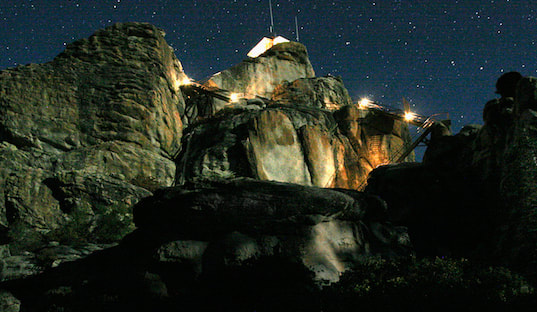
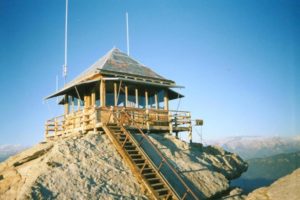
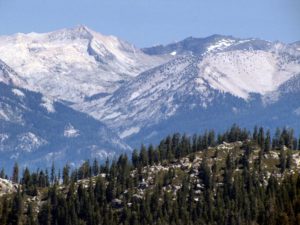
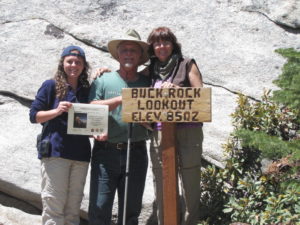
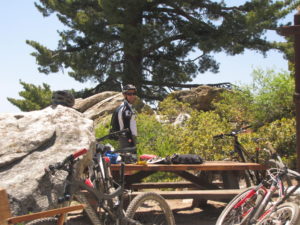
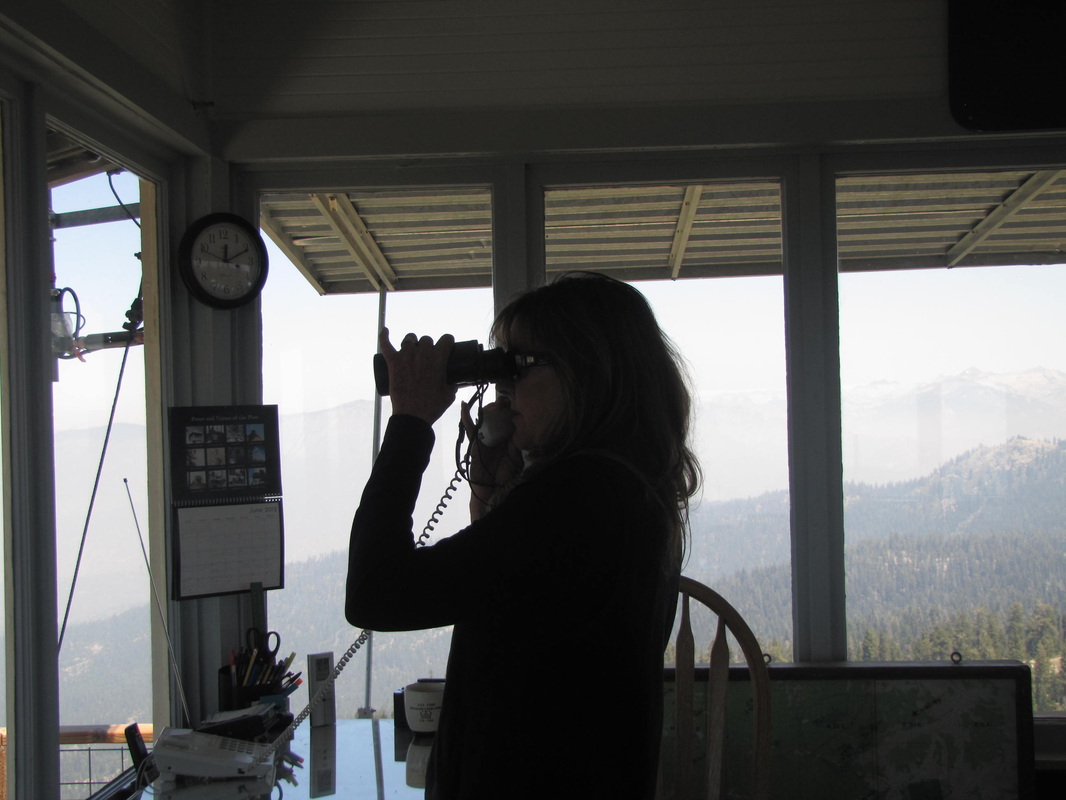
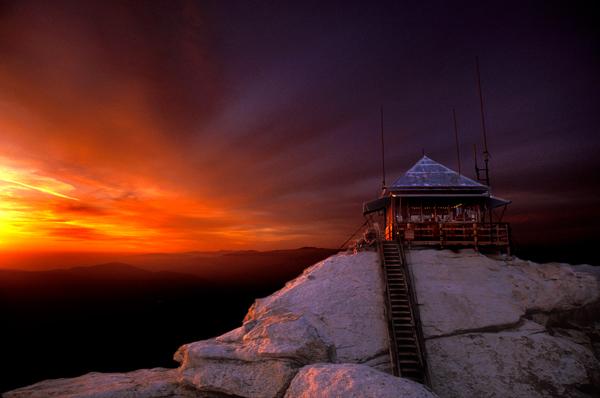
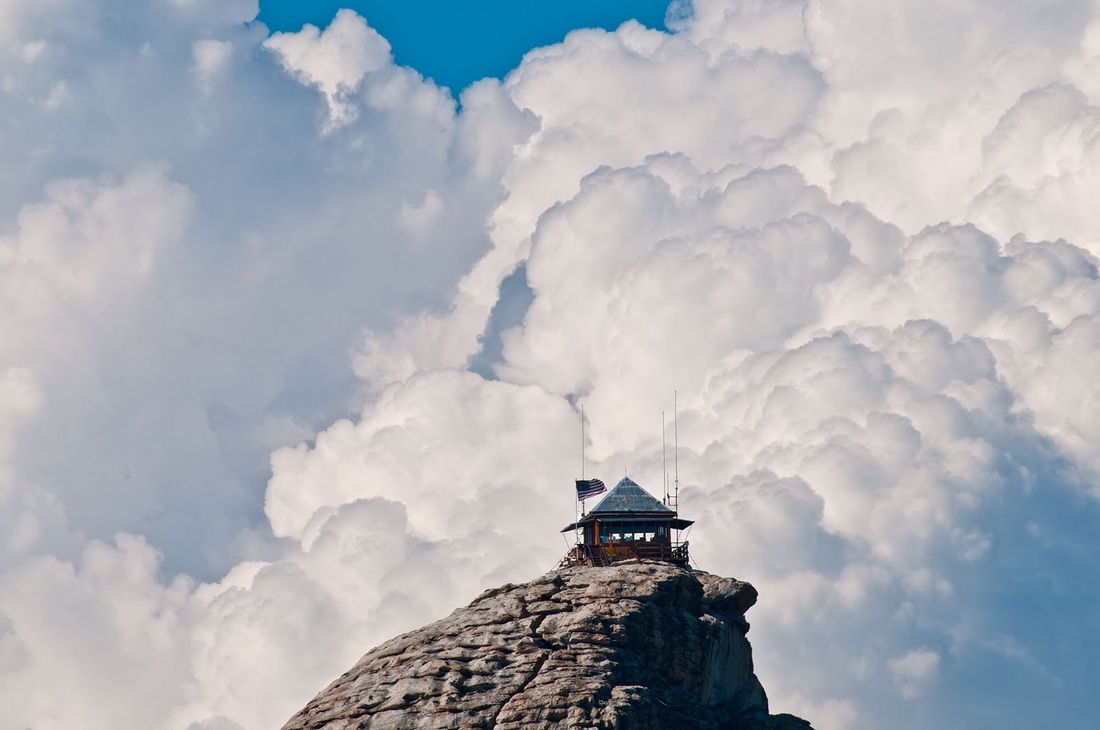
     Perched atop an enormous granite rock on the northern boundary of Tulare County is a historic building called the Buck Rock Fire Lookout. It is a working lookout, but it is much more. At an elevation of 8,502 feet, this observation post is an amazing place … one that Huell Howser, host of the hit television show “California’s Gold,” strongly endorsed, saying, “For high adventure, this is the place to come.”

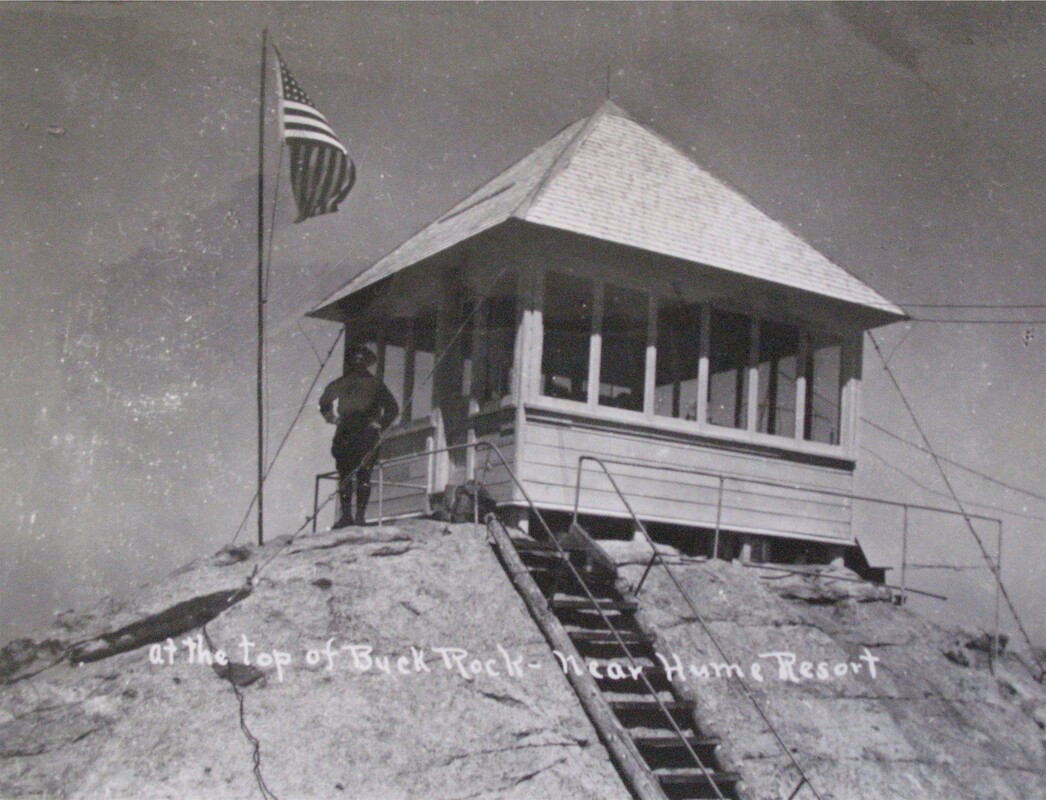
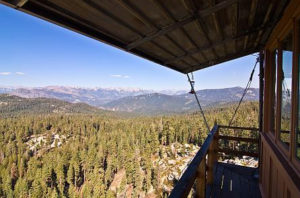
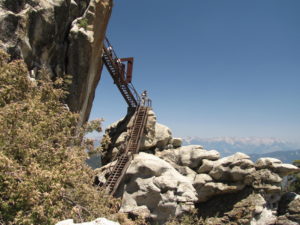
     This granite outcropping first served as a lookout post for fires in 1912. To get to the top, early fire watchers had to scramble up a tree trunk that leaned against the rock, and then, using a series of makeshift ladders, make their way up the steep face to the summit and its 360-degree panorama of a vast portion of the southern Sierra. Not only did they have a great vantage point to spot fires, they had an amazing view of a spectacular section of a mountain range known for its beauty.

     In 1923, a one-room cabin, or cab as it is called, was built on top of the rock, and this live-in style structure became the prototype for many other lookouts that followed.

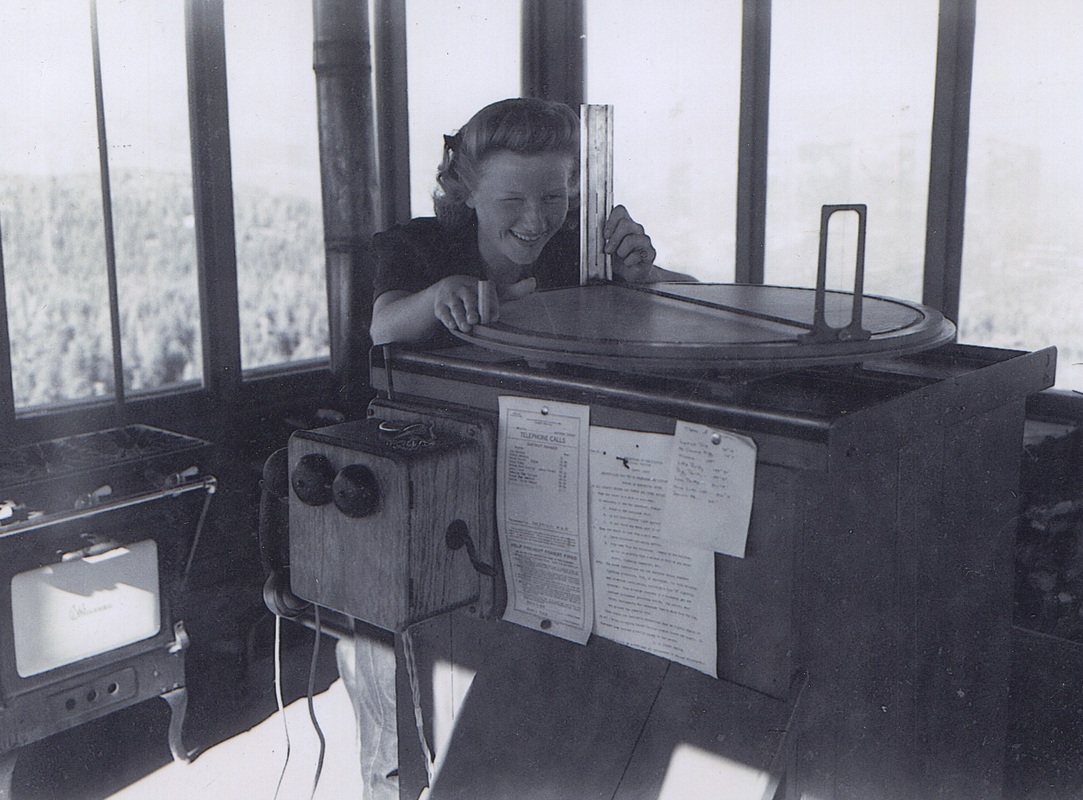
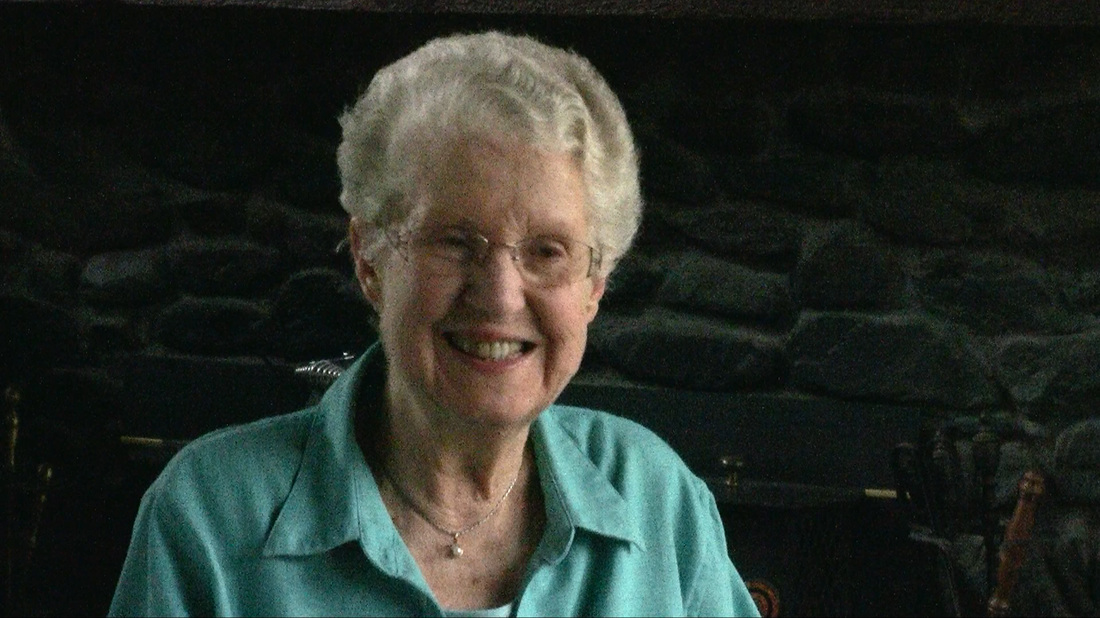
     Hundreds of fire watchers have served lookout duty at Buck Rock over the years, but none has been involved with it any longer than Leatrice Evinger Dotters. She started as a fire lookout on June 6, 1944. While most men were off to war, Lea took over what was traditionally a man’s job, and did it for $120.00 per month—the first female firewatcher at Buck Rock. She worked there the entire fire season and has been connected to this special place ever since.
     At one time about 600 fire lookout facilities served California, with about 8,000 nationwide. Over the years many have disappeared.

     Buck Rock might have been lost too, had it not been for U. S. Forest Service employee Kathryn (Kathy) Ball Allison.

     In 1997, in anticipation of a major lightning storm, Kathy was moved from Delilah Lookout to Buck Rock, which had been staffed only during emergencies since 1987. The reassignment decision was a good one. While at Buck Rock, Kathy reported multiple fires, made weather observations, relayed radio transmissions, and monitored the fire well after the firefighters left the scene. The Choke Fire, as it was called, proved to be a big one, involving hundreds of firefighters. Once it was out, Kathy returned to Delilah, leaving Buck Rock unstaffed again.

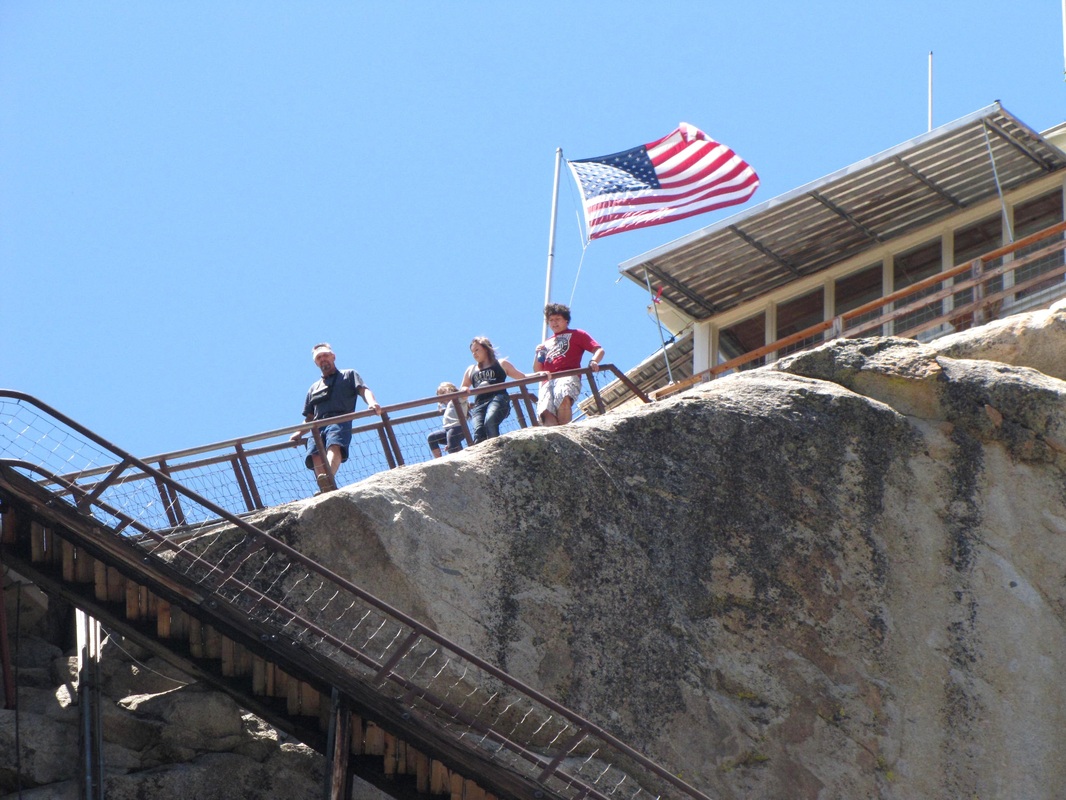
     But Kathy didn’t forget Buck Rock. Saddened by the prospect of its closing, she led an effort, with help from co-workers, to create an advocacy organization that would support not only Buck Rock, but all lookouts. From that, the Buck Rock Foundation, www.buckrock.org, was formed, a non-profit corporation “dedicated to preserving the tradition of forest fire lookouts and other historically significant buildings.” In 1999, with the help of the Buck Rock Foundation, Buck Rock was re-established as a primary location for fire detection and has been staffed seven days a week ever since during fire season by Forest Service personnel in partnership with Foundation volunteers who provide relief. Visitors can climb the safe, but thrilling, 172 steps to the cab and its catwalk when the lookout is open.

     Buck Rock has been nominated for the National Register of Historic Places. Kathy has been the foundation’s only president. Lea Dotters credits Kathy’s effort in the creation of the foundation and keeping Buck Rock a working lookout. “I just can’t say enough about her and her tireless work on behalf of Buck Rock and all the lookouts,” she said.

September, 2012


Slideshow:


Quotes & More Photos:

“In the morning, she was the first to watch the sun emerge from the hills to the east, and in the evening, when it was dark beneath her, the valleys and ridges gripped by the insinuating fingers of the night, she was the last to see it set.” — T. Coraghessan Boyle

“I’ve got a great office with a great view and a deluxe built-in Stairmaster.” — Helen Roe

“If a fire lookout does his or her job well, few people will ever know. The primary objective is to spot a fire — ‘a smoke,’ in lookout lingo — while it is still small and help fire crews extinguish it before it races across the landscape. The only way to do that is to climb the tower and watch, hour by hour, day by day, from the time the snow melts until it returns.” — Shaun McKinnon

“Somewhere in the history of fire watches, the tower and the lookout acquired an almost mythic quality, immortalized and romanticized by writers who spent a season or more climbing the stairs, looking for smokes.” — Shaun McKinnon

“Once only utilized for the detection of fire, lookouts are now considered functional for non-traditional uses and are being restored to serve as museums, interpretive centers, wildlife observation posts and vacation rentals.” — Buck Rock Foundation

“[T]he sheer bubbling joy of living on the crest of the sky . . . It was like floating untethered, drifting with the clouds, like being cupped in the hands of God.” — T. C. Boyle


Maps & Directions:


Directions:

Address: 2.5 miles north of Horse Camp USFS Campground

Latitude/Longitude:

N36° 43.9038’/W118° 51.7474′

36.731730400/-118.862457300

From Visalia, go north on Hwy 63; turn right (east) onto Hwy 180 into Kings Canyon National Park.  At the “Y” turn right (south) onto CA-198/Generals Hwy.

Exit Generals Highway left (east) onto Big Meadows turn off (FS Road 14S11), and drive 3 miles to Horse Camp; turn left onto FS 13S04.

Follow the signs, driving 2-½ miles along an often narrow, rough dirt road to parking areas near the tailhead to Buck Rock Lookout.

Note: You can enjoy a great loop trip by going south on Generals Highway through Sequoia National Park to Three Rivers and back to Visalia on Hwy 198 west.


Site Details & Activities:

Environment: Mountains, fire lookout, elevation: 8,502′
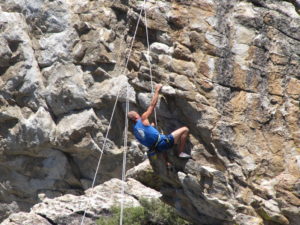
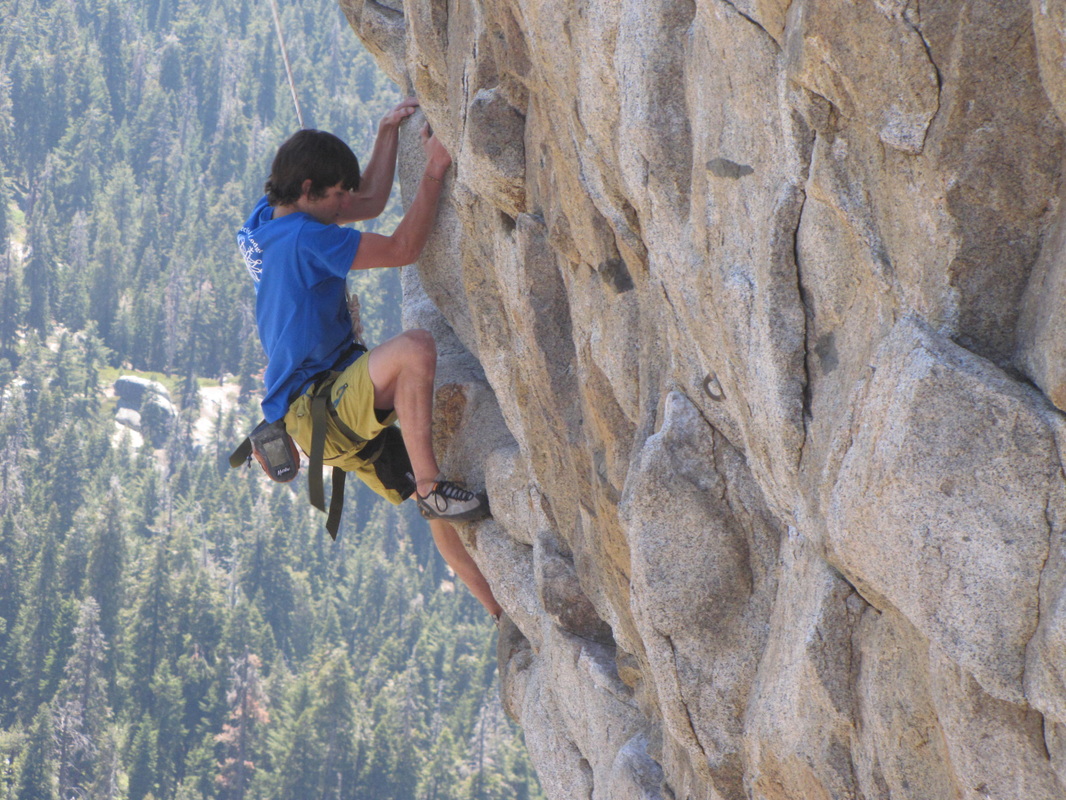
Activities: birdwatching, camping near by, dog walking (on 6′ leash; scoop poop), hiking, horseback riding near by, photography, picnicking (picnic tables and restroom near lookout, but no water), rock climbing, visiting lookout, volunteering
Open: 10:00 a.m. to 5:00 p.m. daily during fire season, usually June to October, but may be closed due to fire activity or adverse weather conditions. A sign below the lookout informs visitors if the tower is open. No more than six people at a time are recommended on the lookout as there is very little room on top. Please keep in mind that the lookout is used as office and residence for the firewatcher on duty.
Site Steward: Buck Rock Foundation:  559-920-6824, hello@buckrock.org; U.S. Forest Service/Giant Sequoia National Monument/Hume Lake Ranger District:  559-338-2251
Opportunities for Involvement: membership, donate, volunteer
Links:


Click on photos for more information.

A Dream Come True: The Story of the Circle J-Norris Ranch

by Eleanor Norris

     The Circle J-Norris Ranch lies in the foothills of the Southern Sierra Nevada, 25 miles northeast of Porterville and seven miles north of Springville. Its 620 acres of rolling oak woodland was owned and ranched by one family, the Marion and Julia Gill Andersons and their offspring, for nearly eighty years. But in 1997, while still home to cattle, the ranch began to serve also as an outdoor classroom for children of all grade levels to study the amazing workings of the natural world they find there. This is the story of how that came to be.

     It all began with a dream – a dream I shared with my mother – that the Circle J would remain as open space, and never be broken up into many parcels with big houses, instead of cattle and wildlife, dotting its hills. I had no idea how the ranch could be preserved, but when my mother, Cora Norris, died in 1991, and left the ranch to me, I began to learn how to turn our dream into reality.

     That challenge led me to draw together a group of people to help create a land trust so that I could place legal restrictions on how the land could be used, now and “in perpetuity.” It took well over a year, but with the help of many friends and a few experts, we at last got our Tule Oaks Land Trust established as an official non-profit organization, and I got a conservation easement placed on the ranch, specifying that it could be used only for conservation, cattle ranching, or education. (Later, our Tule Oaks Land Trust merged with two other Tulare County land trusts to become the Sequoia Riverlands Trust, which stewards a number of preserves and other properties today in and beyond Tulare County.)

   While I was thinking about how the ranch should be used, SCICON came to mind, the Clemmie Gill School of Science and Conservation. Since it began, in the 1960s, SCICON has provided all Tulare County sixth-graders with a week of outdoor education on its residential campus, located just six miles from the Circle J. The campus’s original 35 acres were a gift to SCICON from my great-aunt Clemmie Anderson Gill.

     That led me, in 1992, to ask Jim Vidak, Tulare County Superintendent of Schools, “Do you need any more land for outdoor education?” “Yes!” said Jim immediately. They wanted to expand SCICON to include a day-use program for all grade levels. Soon we began meeting in my living room, with school teachers and administrators, dreaming into being the new life for the ranch.

     I explained that I loved the land, it was part of my family, and I wanted to keep it in open space. We walked over the ranch and saw it as a place where kids could come and experience being in the open, where many have never been — in the foothills, studying the oaks and the wildflowers, the streams and the pond, the wild creatures, and the long story of human use of that land.

     In 1997, this exciting educational endeavor got underway, with first graders from Springville as our first students. Dedication to outdoor education for young people must run in my family!

     In 2004, with the outdoor education program growing steadily, I sold the ranch to the Tulare County Office of Education (TCOE). TCOE manages the ranch as a second campus of SCICON, available for children of all grades, from pre-school through high school and into college, who come by bus for day use or, occasionally, for special weekend studies. With 600 acres protected under permanent conservation easements, cattle continue to graze there, as they have for close to 100 years. And so, my dream has come true.

     In closing, I want to tell you the story of how the Circle J-Norris Ranch got its name. When I was getting near to reaching my goal of protecting the ranch as open space, I wanted to give it a name that would honor both sides of my family. My Grandpa and Grandma, Marion and Julia Anderson, first owned the land, and their cattle were all branded with the Circle J.

     The Circle J brand was on cattle that belonged to Grandpa Anderson’s mother, Martha McDaniel Graham, and her first husband, John Graham, when they came across the plains in a cattle drive from Texas to California n 1859. They settled near Farmersville, but in 1866, John died from pneumonia. So it was Martha’s second husband, Garland Anderson, who registered the Circle J brand in Tulare County in the Anderson name in 1868.

     Martha and Garland Anderson were my great-grandparents. All four of their children, including my grandpa, Marion, were born in the old Anderson homestead in Yokohl Valley (where the family had moved to escape the wet flatlands of the Central Valley floor). Many years later, my mother, Cora Anderson, was born there, too.

     In the 1920s, my grandparents bought the land that I have named the Circle J-Norris Ranch. It was deeded to my grandmother, Julia Gill Anderson, in 1927. My grandparents,who made their year-round home in Porterville, ranched it, and they spent a few weeks there every summer, out of the valley heat. Then, in the late 1940s, my family moved to the ranch, and it was my dad, Norman Norris, and my mother, Cora Anderson Norris, who kept the place going for so long, until it came to me. So there you have it, the story of how the Circle J-Norris Ranch got its name.

October, 2012


Slideshow:


Quotes & More Photos:

“May all who come to this land carry on the heritage begun by the first People who lived here from ancient times, and the settlers who came after, love and stewardship of all the Earth and the creatures who inhabit it.” — Eleanor Norris

Conservator: “One who conserves or preserves; a protector; a guardian; a custodian.” — Webster’s Dictionary

“The ultimate test of a moral society is the kind of world that it leaves to its children.” – Dietrich Bonhoeffer

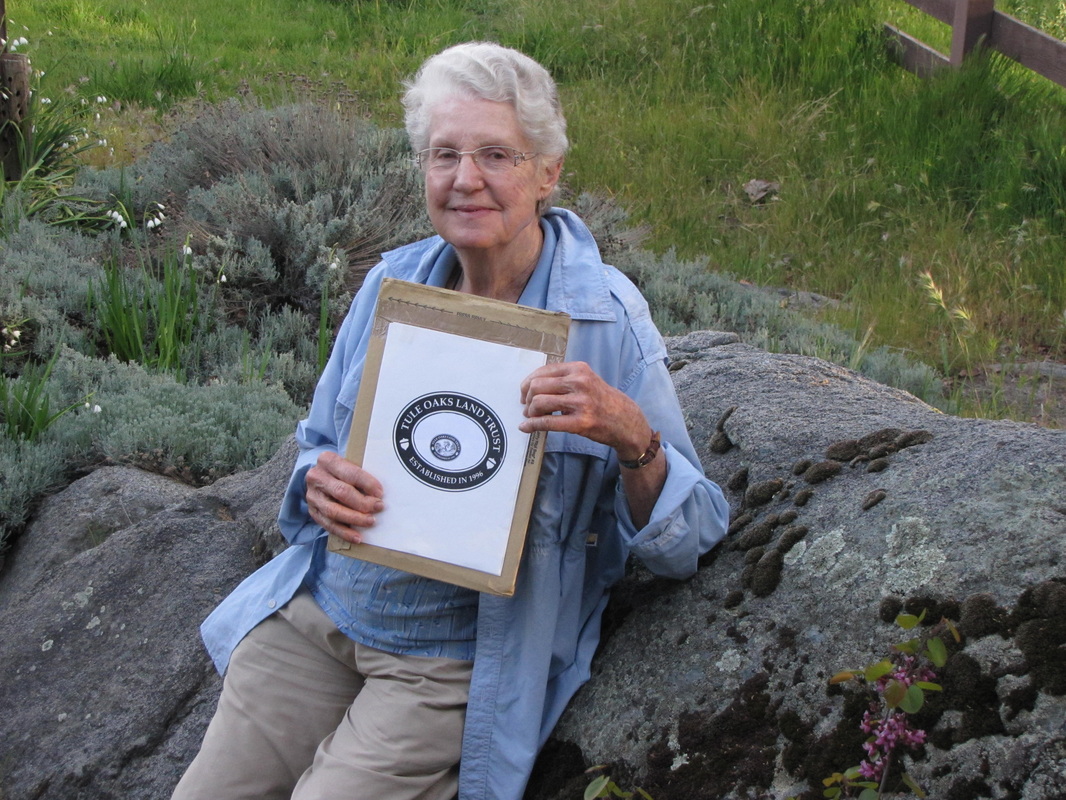
Elli holding the logo for the Tule Oaks Land Trust.

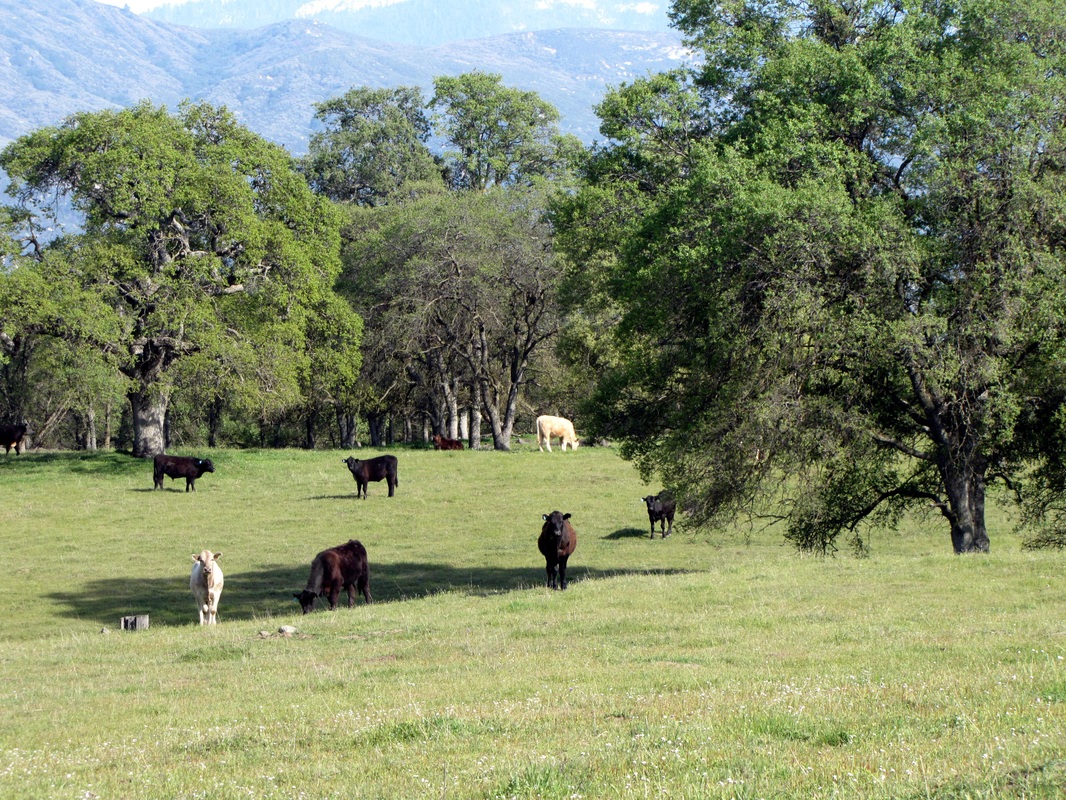
Cattle grazing on the ranch.

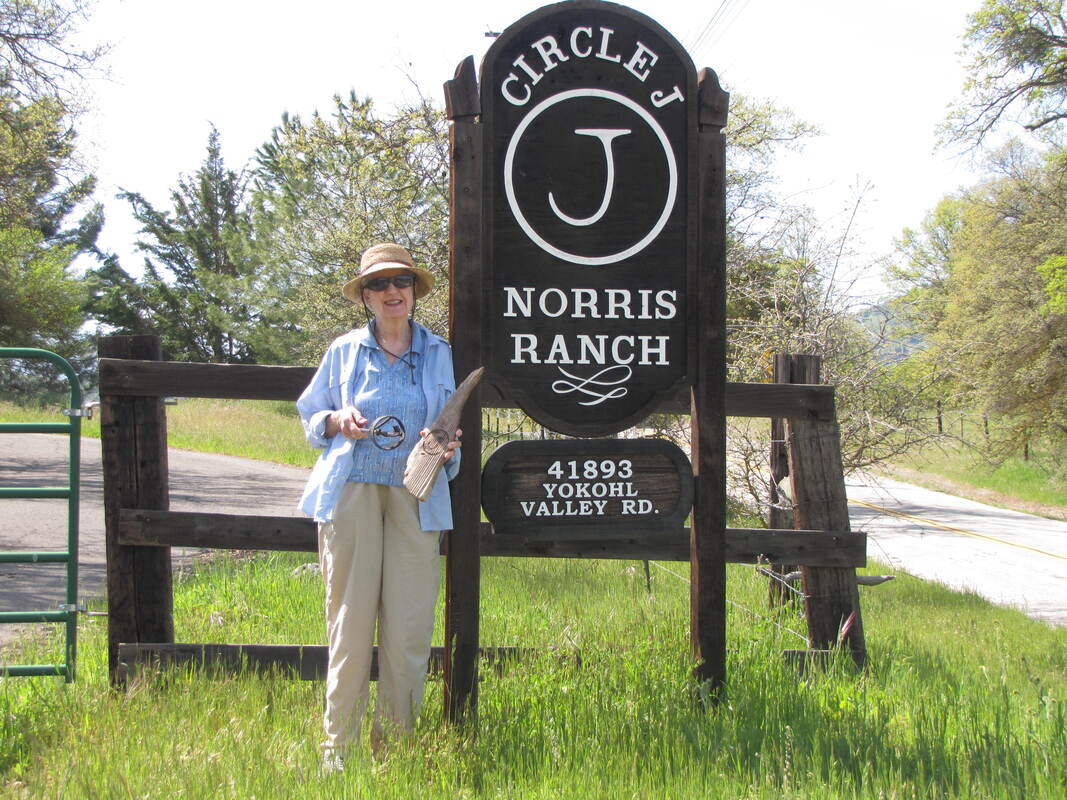
Circle J Ranch brand.

Elli with the Circle J-Norris Ranch branding iron.

“As we take care of the land, the land takes care of us.” – – Canadian First Nations


Maps & Directions:

Address: 41893 Yokohl Valley Rd., Springville, CA 93265

Latitude/Longitude:

N36° 13.4031’/W118° 49.7658′

36.223385/-118.829429


From Visalia: Head east on Hwy 198.  Turn right (south) onto Road 204/Spruce Rd.  Turn left (east) onto Hwy 65 south toward Porterville.  Turn left (east) onto County Route J28 through Strathmore to the junction with Hwy 190 into Springville.

Turn left (east) onto Hwy 190 into Springville, then turn left (north) at the big white barn onto Balch Park Road/County Route J37. 

Drive 6 miles and turn left onto Yokohl Valley Road.  In about 3/4 of a mile, see the gate on your left with the Circle J sign and turn into Circle J-Norris Ranch.


NOTE: Visits to Circle J-Norris Ranch must be arranged in advance (see Site Details below).


Site Details & Activities:

Environment: Foothills, oak woodlands, working cattle ranch, ponds, education center
Activities: birdwatching, botanizing, photography, school field trips, wildflower and wildlife viewing
Open: Students’ field trips are scheduled by their schools; open to the public by appointment, and during Student and Family Events (pre-registration required).  To pre-register, contact Amanda Driver, Circle J-Norris ranch Education Coordinator, 559-539-2263, or circlej@tcoe.org.
Site Stewards: Tulare County Office of Education (TCOE)/Clemmie Gill School of Science and Conservation (SCICON), 559-733-6300; Sequoia Riverlands Trust (SRT), 559-738-0211
Opportunities for Involvement: Audubon Christmas Bird Count, donate, volunteer
Links:


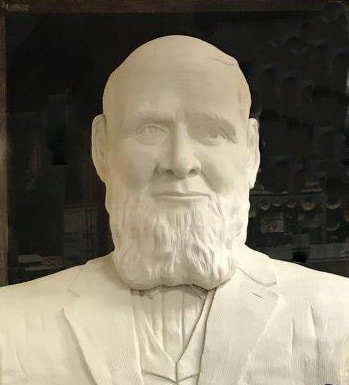
THE LASTING LEGACY OF WILLIAM PITT BARTLETT

by Laurie Schwaller


“Your town, your schools, your community spirit and your newspaper will be just what you make them.” — W.P. Bartlett

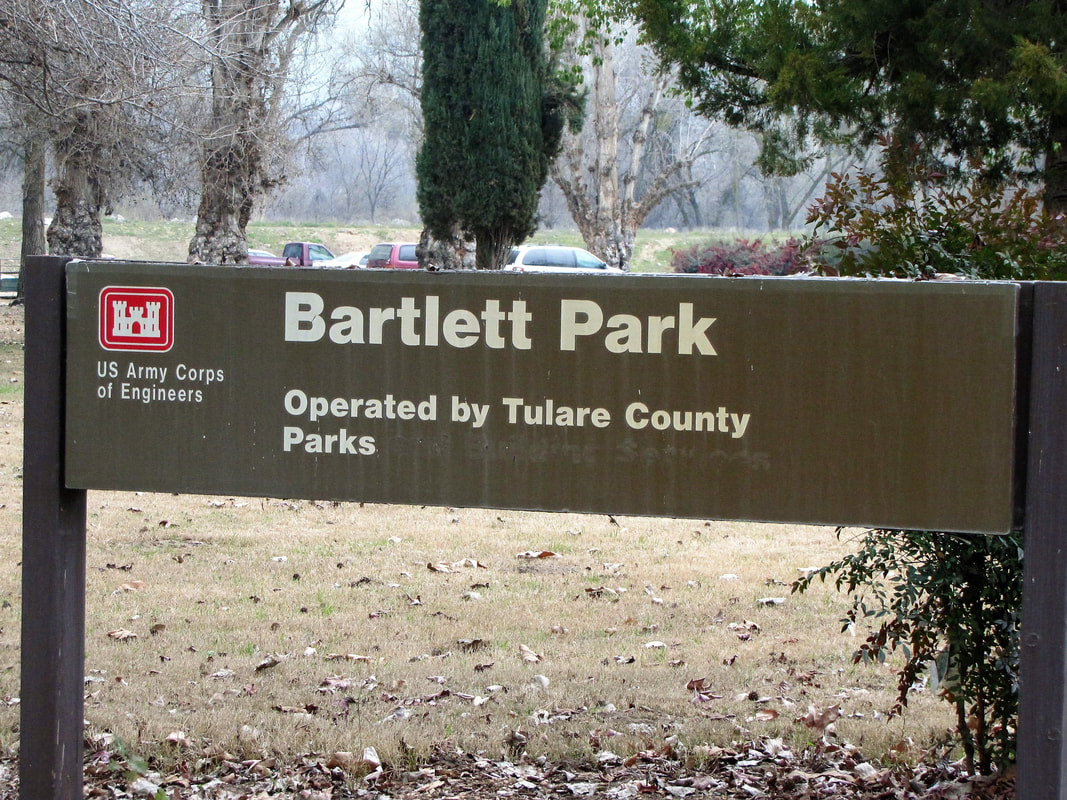
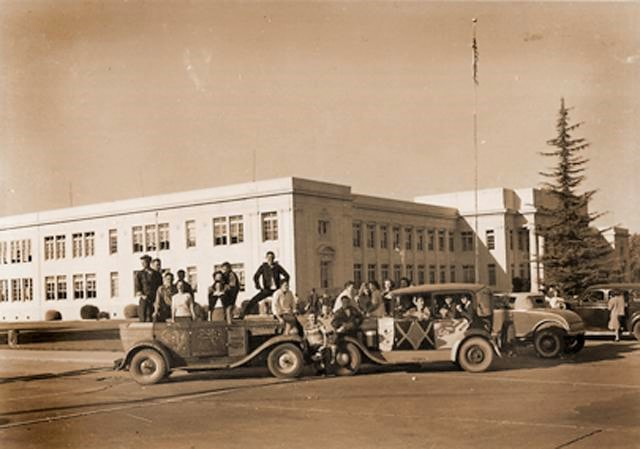
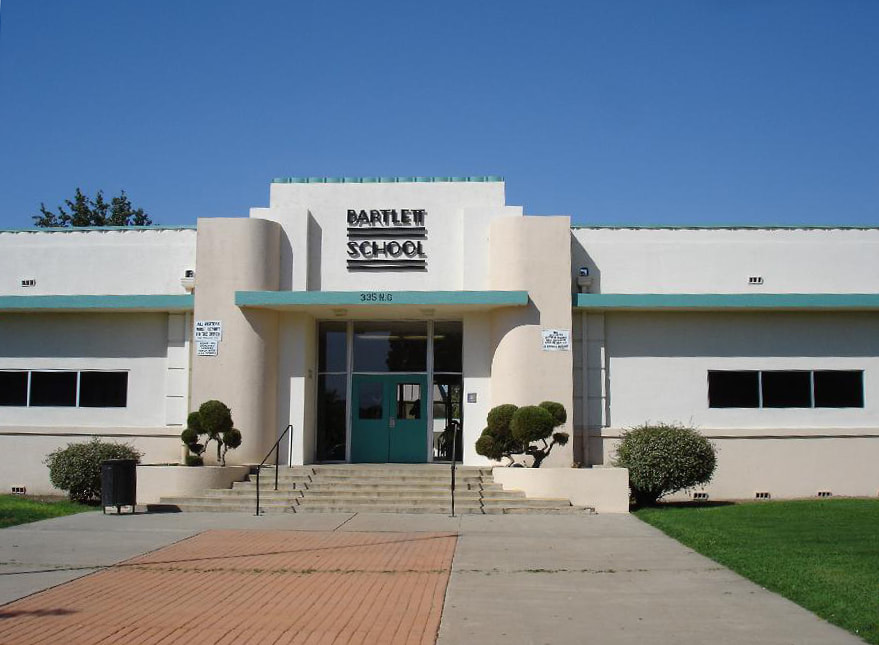
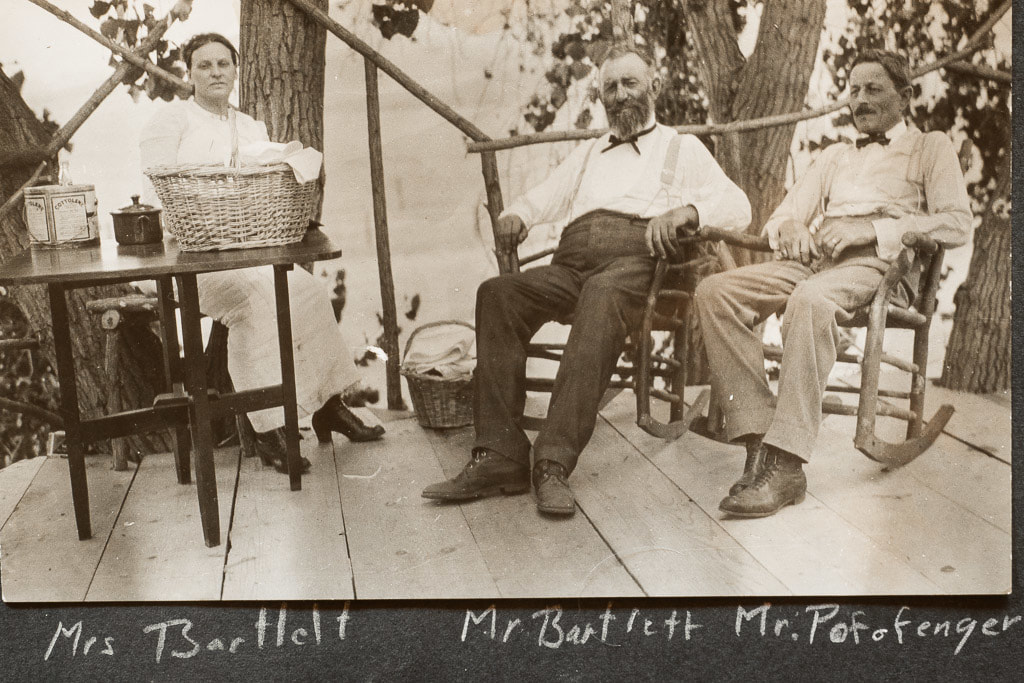
  William Pitt Bartlett left Tulare County a lasting legacy. He was not only a prime and tireless mover in establishing and developing several of the public parks that we still enjoy today; he also secretly aided deserving Porterville students, and his generous scholarships continue to be awarded every year in that city.

  Born in New Portland, Maine, in 1855, Bartlett moved to California as a young man and at age 22 became a newspaperman. He acquired the Livermore Valley paper, renamed it The Herald, and for the next 15 years worked to better the valley through the paper. Always interested in civic, conservation, and beautification activities, he used this platform to advocate for the valley’s agricultural and economic possibilities and to encourage environmentally friendly projects such as spreading gravel over dirt roads to keep down dust and plowing stubble under instead of burning fields. He got hundreds of drought-tolerant locust trees planted along the city’s streets and the roads leading into town.

  The Herald took a prominent part in the introduction of many new industries to the area, including vine and fruit growing, manufacturing, and coal and chrome mining. Bartlett also campaigned for better roads, pushed the growth of the local wine industry, and urged a prominent local farmer to take his wines to an international competition in Paris, where he won the gold medal and made the Livermore Valley famous.

  In 1891, Bartlett sold the paper and moved with his wife, Anna, to the Mojave Desert to spend the next five years in borax mining. He traveled all over California, constantly curious about its plants, people, landscapes, and industries, then moved to Porterville in 1901, to manage the local magnesite mines for the Willamette Pulp and Paper Company. The company built a house for him at the end of Sunnyside Avenue, and he and Anna lived in it the rest of their lives.

  Bartlett soon became involved in community affairs, especially in parks and conservation. He contributed material and money to the construction of “El Granito,” the Porterville high school built in 1905. In 1907, he helped to form the Porterville Chamber of Commerce, which he served as both director and president. He was appointed a member of the Porterville Park Commission, a position he held until he died. The commission soon got the Pioneer Land Company to donate 20 acres for a city park, and the people of Porterville subscribed $6,000 to improve the site. As a member of the Park Board, Bartlett was vitally active in the development and continuing improvement of the new Murry Park (originally named Burbank Park); 110 years later, the people of Porterville still flock to it.

  In 1910, as another life-long, unpaid appointment, Bartlett was named to the new Tulare County Parks Commission. Renamed the Board of Forestry in 1913, the commission was charged with developing and managing 100-acre Mooney Grove Park, which the county had purchased in 1909. Roads, bridges, and amusement areas were installed, and Bartlett was instrumental in creating its small lake. An avid gardener and botanist, he also implemented a large nursery there, where trees, shrubs, and other plants were grown to beautify county and community roadsides and parks. The Forestry Board published his illustrated booklets on “Roadside Trees” and “Sun-loving Trees and Flowers,” and planted over 600 miles of roadside trees, including grevillea, acacia, palms, peppers, and Arizona ash, to beautify the county.

  By the time Bartlett retired from the mining operation in 1921, the Forestry Board was in charge of two big parks, having been given the land for 52-acre Cutler Park in 1919. Another park was added in 1923, thanks in large part to Bartlett’s efforts. The Porterville Chamber of Commerce sponsored a successful fundraising drive to buy land along the Tule River for a city park, with the understanding that it would be donated to the County and the Forestry Board would develop and maintain it. The goal was to acquire the best, most easily accessible place to swim and to beat the summer heat.

Purple Lupine Blooming

  Bartlett planned and supervised much of the work of developing and landscaping the new 34-acre park for the public — clearing brush, enhancing the swimming area, building picnic tables, planting trees and shrubs from the Mooney Grove nursery, constructing two dressing room buildings, and digging wells. The new Tule River Park was very popular, so the next year, a caretaker’s cottage was built, along with a pavilion, tables and seats set in concrete for 400 people, fencing, and a rock dam to increase the depth of water in the 400 foot long swimming area.

  Bartlett wrote of his innovative planting plan that the Forestry Board was including only wild trees, shrubs, plants, and flowers, such as wild lilac, manzanita, mountain mahogany, bush monkey-flower, toyon, and more than 100 other species. The wild grape vines were being trained into arbors above the picnic tables, “making, with the California sycamores, delightful picnicking grounds the entire length of the park.” He thought that Tule River Park was unique, “probably the only wild plant park in the State,” and that its beauty would “soon begin to appeal to all visitors.”

Mimulus Flower

  All his life, Bartlett kept writing, and not just about plants. He published two books, Happenings and More Happenings in California, about California history and personalities and his travels in the state. As a senior member of the Quiller’s Club, a local writers’ group, he contributed both prose and poetry. He loved the California mountains and had a second home, called Tumbling Waters, above California Hot Springs. He extensively landscaped the area around this cabin as well as the property around Green Acres, his Porterville home. He also farmed citrus.

  In 1923, Bartlett’s beloved wife, Anna, died. They had no children. Bartlett, despite failing health, continued his civic activities, especially those that engaged his special interest in nature.

  Then, in 1925, he undertook a significant new project. As an anonymous “Unknown Friend,” he began awarding scholarships every year to deserving Porterville students, with the condition that his name would not be revealed until he died. The Reverend John Milligan bestowed these gifts as Bartlett’s agent, keeping the benefactor’s secret.

Park Sign
Porterville H.S., 1940s with Bartlett’s Tree

  In February, 1929, to honor his many years of service to the parks and people of the county, and in response to a petition from the Porterville Chamber of Commerce and many other local organizations and citizens, the Board of Supervisors renamed Tule River Park as Bartlett Park. Bartlett died on July 5th. Businesses and city offices closed for his funeral. The services were conducted by Reverend Milligan, who revealed during his eulogy that Bartlett was the scholarship students’ “Unknown Friend” and that the bulk of his estate would be placed in a trust to continue the annual awards.

  The Quillers Club planted a tree on the front lawn of the high school in Bartlett’s memory, and in 1938, a new Porterville elementary school (now Bartlett Middle School) was named in his honor. In 1960, Bartlett was named to the California Newspaper Hall of Fame, which honored him as a community builder, publisher, author, mining man, and nature lover. For close to a century, Murry, Mooney Grove, Cutler, and Bartlett parks have continued to provide beauty, recreation, and relaxation to Tulare County residents, and Bartlett’s scholarships are still given to Porterville area (including Springville, Terra Bella, and Strathmore) students every year. It was indeed a fortunate day for Tulare County when William Pitt Bartlett moved to Porterville.

                                                                                                                                                                                               August, 2018                                                                                                                                                                                                                                               

“In recognition of the fact that during many years past, Mr. W.P. Bartlett has served as a member of the Forestry Board of Tulare County, and with great ability and untiring zeal given of his time and means for the development of our County Parks, and the adornment of our public highways, and, Further, in recognition of the fact that Mr. W.P. Bartlett has been incapacitated by illness and may not remain long with us to inspire us all to a more devoted citizenship and interest in things beautiful, and while still able to appreciate our recognition of his worth as a citizen, and his work for the interests of our county that is a distinct and lasting contribution to the interests of the whole State of California, and that will ever remain as the best memorial of his work and worth;

“WE, THEREFORE, REQUEST your Honorable Body to change the name of the ‘Tule River Park’ to the name of ‘Bartlett Park’ . . . .”  — February, 1929, petition to the Forestry Board and County Board of Supervisors, signed by Rotary Club, 20-30 Club, Lions Club, Porterville Chamber of Commerce, Inter-Circle, Prerian Club, Quiller’s Club, Porterville Women’s Club, Porterville Citrus Association, First National Bank, Springville Sanatorium, Porterville’s Mayor, and many other organizations, businesses, and individuals.


                                           For current information about the W.P. Bartlett scholarships for Porterville

                                        area students, contact the counselors at area high schools or Porterville College.                                                                                                                                                                                                                                                                                                        


Quotes & More Photos:

“[Bartlett] became interested in the manufacture of newsprint. One of the filler ingredients was calcined magnesite. Bartlett invested in magnesite mines in Northern California, and in 1892 came to Porterville where he and George Stanley bought magnesite mines northeast of Porterville. . . . In 1900 the Willamette Pulp and Paper Company bought the mines in Porterville and hired Bartlett as resident manager.” — Tulare County Library, Annie R. Mitchell History Room

“Although the Bartletts had no children, they were very much interested in their community’s schools. . . . A few years after Bartlett moved to Porterville bonds were voted to build a new High School. Mr. Bartlett suggested that the best building for the money available could be built of native granite and he offered to oversee the job and guarantee the costs.” — Los Tulares #44, June, 1960

The granite was quarried on the west side of Porterville Rocky Hill just south of Bartlett’s magnesite mine. . . . Magnesite workers were used in the quarry . . . . Bartlett was unable to complete the building for the stipulated amount and paid some two thousand dollars of the cost himself. . . . The Porterville High School publication El Granito memorializes this old granite structure.” — Los Tulares #44, June, 1960

“It was interest in the people and especially for families of children, that, in response to his vision of what could be accomplished in providing recreation grounds enabled him to use his genius and without any compensation whatsoever to give liberally of his time and energies to the establishment of our county parks and the Porterville city park.” — Rev. John A. Milligan

He watched with interest the improvement of these public playgrounds because he was a lover of the beautiful, and the more because the people, and especially the children, were to enjoy these privileges.” — Rev. John A. Milligan

“Beginning with two massive stone pyramids covered with lichen and flowers at the south entrance near Success bridge, wild shrubs and flower gardens line either side of the driveway for several hundred feet, with shaded table[s] and seats for visitors. The boundary fences are planted with wild clematis.”– W. P. Bartlett

“Within are six kinds of wild lilac ranging in color from white to deepest blue, the crimson-flowered sweet shrub, the sumac, the California coffee-berry, manzanita, mountain mahogany, bush monkey-flower, toyon, perennial aster, golden rod, wild fuchsia, wild rose, tree lupine, annual lupines, ash, elder, and more than 100 other kinds of shade trees, shrubs, and perennial flowers.” — W. P. Bartlett; “(Thus Mr. Bartlett planted not only for beauty but also for conservation.)” — Ira H. Stiner

“His formal education had ceased after grammar school, but he continued to educate himself through an encyclopedia.” — Bartlett Bio 4 from Tulare County Library, Annie R. Mitchell History Room

“A great nature lover, he possessed a decided fondness for mountain scenery. He made frequent trips through the Coast Range and Sierras, each of which added to a fund of information for use in subsequent literary work. A series of his articles on the scenery of the high Sierras was published in San Francisco newspapers and later copied by numerous journals on the east coast and in Europe.” — Bartlett Bio 4 from Tulare County Library, Annie R. Mitchell History Room

“I have for many years been greatly interested in young men and young women of special talent and industry, and I hope by means of the trust fund hereby created to serve the public interest and welfare by the development of talent and ability.” — from Bartlett’s Will in Decree of Distribution


Click on photos for more information.

The Story of the Dinuba Southern Pacific Depot Museum

by Laurie Schwaller

   In the mid-1800s, people from all over the world began settling in the great fertile valley of Tulare County. Most hoped to make their living by farming or ranching. They needed reliable water supplies to grow their crops and cattle, and efficient transportation to get their produce to market. Soon they were forming irrigation districts to lead water from the rivers to their land. Thus, in the early 1880s, the 129,000-acre Alta Irrigation District was established in the northern end of what was then a much larger Tulare County.

     Meanwhile, communities sprang up and grew, and as construction of the Southern Pacific Railroad moved south down the valley in the 1880s, all the little towns’ boosters vied to become stops on the railroad line. Joining forces, the boards of trade in Dinuba, Sanger, and Reedley managed to change the route of the Southern Pacific to come through their communities, and when the trains began to run in February of 1888, Dinuba built a depot to accommodate them.

     That depot burned down in 1911, but it was promptly replaced. The handsome new depot served the town until the last stationmaster retired, in June, 1978. Fortunately, the Alta District Historical Society (ADHS), had been formed before then, in 1962, initiated by Dinuban W. N. Davis. Its purpose was to encourage and promote the study of the history and culture of the Alta District and surrounding environs, and to collect, classify, and publish related historical information, data, facts, and folklore.

     Recognizing the depot’s historic value, ADHS purchased it in 1979. However, as a condition of its sale, the building had to be moved. After an extensive search, in November of 1982, the society paid $40,000 for a large corner property, now known as Heritage Square, at Ventura and K streets in Dinuba, and in January, 1984, moved the depot to its new home. Having played such a critical part in the area’s history, the depot was to become the repository for that history — a museum for the Alta District, whose boundaries roughly followed those of the still-operating historic Alta Irrigation District and included the towns of Dinuba, Cutler, Orosi, Yettem, Monson, and Reedley.

   In July, 1984, Dinuban Evelyn Dopkins Corr donated the 1912 “White House” to the ADHS. She, too, required that her building be moved, but she included a $10,000 donation to cover the cost, so in January, 1985, this large historic home joined the Depot at Heritage Square.

     From 1976 through 1989, through volunteer and youth program efforts, as well as dues, donations, memorials, raffles, food booths, dinners, auctions, fireworks sales, and other fundraising efforts, ADHS was able to pay for substantial renovation work on the White House and the Depot, and numerous improvements on Heritage Square.

     Fundraising and construction projects have continued apace ever since. The White House gained a library, named in honor of donor Evelyn Dopkins Corr, in 1990. In 1991, Rose Ann Vuich of Dinuba (born in Cutler), the first woman to be elected a California State Senator (in 1977), donated $50,000 to ADHS, which greatly contributed to additional major work on the White House.

   This fine example of American Foursquare/Prairie architecture now serves as a cultural center for the community, and houses, in addition to the library, historical exhibits, art displays, and the ADHS offices. It hosts ADHS meetings and cultural and community celebrations, such as the annual Christmas at the White House.

   Exhibits have included photography, quilts, Depression glass, wedding gowns, art from local schools, and Japanese, Armenian, Filipino, Mennonite, Cowboy, Korean, and Native American cultures. An exclusive highlight is the striking private collection of textile art and art on paper created by Dinuba resident Katchidor “K” Boroian, which he donated to ADHS in 1983. The White House can also be reserved for public and private functions.

   The first display to be installed in the restored and refurbished Southern Pacific Depot Museum building was the Rutan Brothers Aviation Exhibit, in November, 1997. World-famous aviation pioneers Burt and Dick Rutan grew up in Dinuba, and graduated from Dinuba High School. Among many other innovations, Burt designed, and his brother Dick and partner Jeana Yeager piloted, the Voyager, the first plane to fly around the world without stopping or refueling. Burt also designed the sub-orbital spaceplane SpaceShipOne and the BiPod, a hybrid flying car.

     The Rutan brothers arrived for the 1997 grand opening of the Depot in Burt’s experimental “Boomerang” plane. Since that grand opening almost 20 years ago, many exhibits on a wide range of subjects have been installed. Community members have donated hundreds of interesting items, including those comprising a veterans’ display, a Native American display, the Orosi Room, a kitchen from the early 1900s, a Rose Ann Vuich display, and a blacksmith shop.

     Recently, ADHS began searching for more exhibit space. In 1997, Burt Rutan donated to the museum another of his experimental aircraft, the “Solitaire” sail plane, “a product of the genius who lived among us.” The Society hopes to find a place in which to permanently display this exciting gift where it can be seen by the public.

     Additionally, the Society partners with schools and other organizations, making the Heritage Square facilities available for events, such as the Dinuba Festival of the Arts sponsored by the ADHS, the Chamber of Commerce, and the city.

     ADHS has also been working with the school district, the city, and local service clubs to bring third-graders on field trips to Heritage Square. The service clubs finance the bus transportation, and volunteer docents guide the students through the exhibits and the blacksmith shop. The youngsters get introduced to 100-year-old technology such as wringer washing machines and to old-fashioned toys and games like jacks and horseshoes, then join in singing historical songs played by Brad McCord and Ron Jefferson on guitar and harmonica.

     Another innovative ADHS outreach project is volunteer Nancy Hoyt’s delightful “Museum in a Trunk.” Nancy visits classrooms with a trunk full of treasures to introduce students to the history and cultures that have created the community that they live in today.

  “Remembering the past, working for the future,” the ADHS strives “to preserve the cultures that have joined talents and customs to form the Alta District, and to educate and develop appreciation of their importance to present and future generations.”


                                                                                                                                                                                                                                    August, 2015

Slideshow:


Quotes & More Photos:

“The railroad depot was the social and commercial center of many small towns and villages across America. The fortunes of many cities would be made or broken by the passing of two steel rails through their limits.”–William J. Manon, Jr.

“The railroad provided a market for goods, grain and cattle and it brought the mail and other news of the outside world. It was also the primary mode of transportation in those pre-automobile days.” — William J. Manon, Jr.

“[T]oday, railroad depots are once again emerging as community centerpieces. After years of neglect, the buildings are being reclaimed, and now enjoy new lives as retail centers, museums and even transportation centers.” — William J. Manon, Jr.

“That’s why we have the Museum, . . . to remind us of how we came, and why: to start fresh, and begin a new place from what we had learned and carried from the old.” — Lois Lowry

“Museums provide places of relaxation and inspiration. And most importantly, they are a place of authenticity. We live in a world of reproductions – the objects in museums are real. It’s a way to get away from the overload of digital technology.” — Thomas P. Campbell

“She was sworn in at this desk, used it for her four terms and received it as a gift on her retirement. With her bell she wrought many changes in Senate procedures. Her work and her heart were always for her district.” — ADHS Rose Ann Vuich plaque

“The election of Rose Ann Vuich, the farm kid from the Central Valley, marked the beginning of positive change when subsequent women legislators joined her in shaping the past quarter century. She will forever remain as a symbol of great leadership to all women.” — Terry McHale

“Burt [Rutan] had a gift for being able to create model airplanes that were really works of art. His bedroom was a world full of Exacto knives, balsa wood, and glue. Lincoln School was our ‘airport,’ and helping Burt with takeoffs was the biggest thrill you could have.” — Richie Hachigian, Burt Rutan’s neighbor in the 1950s

“We knew that our friend was someone special, but we never guessed his creative genius would someday lead to aviation history.” — Richie Hachigian, Burt Rutan’s neighbor in the 1950s

“We can tell ourselves we will never forget and we likely won’t. But we need to make sure that we teach history to those who never had the opportunity to remember in the first place.” — Dan Rather


Maps & Directions:


Address: 289 South K Street, Dinuba, CA 93618

From Visalia, travel west on Hwy 198 to the Plaza Drive exit, just prior to Hwy 99. Exit north onto Road 80/J19/Alta Avenue. Proceed north about 15 miles to Dinuba. Continue north to W. Tulare Street. Turn right (east) and go to South K Street. Turn right (south) and proceed one and one half blocks to the museum at 289 South K Street, on the right.


Site Details & Activities:

Environment: Valley, downtown City of Dinuba
Activities: Tours of museum, cultural center, blacksmith shop, and grounds; special events; facility rental
Open: First Saturday of each month, 10:00-2:00; Tuesdays and Wednesdays, 9:00-noon and 1:00-3:00; or by appointment.
Tours can be arranged through the Alta District Historical Society (ADHS) office, which is open on Tuesdays and Wednesdays, 9:00-noon and 1:00-3:00: call 559-591-2144 or email altahistorical@yahoo.com.
Admission free; Donations greatly appreciated.
Site Steward: Alta District Historical Society–ADHS, 559-591-2144;
Opportunities: Donate, membership, volunteer
Links:
Publications: Dinuba Historical Tour Map (available at the museum)


Click on photos for more information.

Cutler Park

by Laurie Schwaller

     On June 3, 1919, the people of Tulare County received a wonderful gift. John Cutler, Jr., and his wife, Mary, donated to the county approximately 70 acres of splendid oak woodland along the St. John’s River, stipulating that “Said lands shall be used and maintained forever by the [County] as and for a public park and public pleasure ground, and for no other purpose.” Thus our county acquired the land for its second park, for free, just ten years after purchasing the 100 forested acres of Mooney’s Grove for $15,000.

     The donated land was part of the Cutler family’s 1854 home ranch, where John, Jr.’s generation had been born and raised. He gave the gift as a memorial to his parents, John and Nancy Cutler, pioneer settlers and leading citizens of Tulare County, requiring that “Said lands and premises shall forever thereafter be named . . . Cutler Park.” The deed also emphasized the new park’s importance as a preserve for posterity, specifying that “None of the oak trees now growing on said premises shall ever be cut down, destroyed, or removed from said premises, so long as the same shall remain in a healthy, growing condition, excepting only such trees as it shall be found necessary to cut down or remove for the purpose of erecting buildings or structures on said premises for the convenience and pleasure of the public.”

     Land to the center of the St. John’s River was included, to provide the public with boating and swimming opportunities. The county envisioned the new park as a picnic ground as attractive as Mooney Grove that would relieve the pressure of heavy use on its first park. It even considered moving some of its growing population of zoo animals from Mooney to Cutler. But first, it set to work to fence the new park, build an attractive entrance gate, and improve accessibility to the property.

     By July, 1920, two 12-foot driveways were under construction, leading into the park through the impressive new entrance and looping through the grounds. A well had been dug, brush cleared, trees pruned, and with comfort stations and picnic tables installed, it was expected that “The new park will be a delightful camping spot for motorists passing on to the mountains during the summer.”

     A year later, a large water tank, pump, and waterlines were installed, enabling 400 oak saplings, uncovered in the brush clearing, to be watered and cultivated for posterity. The Pomona Grange organized a big ceremony and all-day picnic on October 1 to celebrate the dedication of Cutler Park to the public. The whole county was invited to attend, with a special invitation to the old surviving pioneers to come and talk about early life in the area and their memories of John Cutler, Sr.

     Superior Judge W. B. Wallace, who had taught many of the Cutler children at the little school near the parkland, gave the dedicatory speech. Chairman Newman of the Board of Supervisors then formally accepted the park for the county and promised funding for its development and maintenance. “The gift of this fine grove of oaks constitutes one of the greatest acts anyone can do,” he said. “As we grow older as a county we find that more playgrounds are needed and must and shall be provided.”

     The next day, the Visalia Morning Delta announced that the County Supervisors had cut the tax levy for park purposes in the new county budget from two and one-half to two cents. The funds raised would not be sufficient to carry out the park’s development program, with the possible exception of a few swings and some road work. The paper noted later that week that as of the first of September, 100,000 people had visited Mooney Grove in 1921, and 37,000 had come to Cutler Park (out of a total county population of just over 59,000).

     Despite its continuing lack of facilities, the park continued to serve many outdoor recreational interests. In addition to picnicking and river play, it hosted statewide archery tournaments, training exercises by the Visalia Infantry Regiment, the sheriff’s pistol practice, and many Girl Scout and Boy Scout day camps and overnight Camporees.

     At last, in April, 1951, the county supervisors adopted a master plan for Cutler, with a number of proposed enhancements. Unfortunately, since park funding had been slashed, the planned improvements would be delayed.

     By 1954, none of them had been made. (Furthermore, the park was now described as comprising only 50 acres, far less than the 70 acres donated in 1919.) A Visalia Times Delta article in August described the park’s condition as “so poor as to render the area offensive to sight.” Declaring Cutler “unfit for public use due to lack of facilities and its generally run-down condition,” the Ivanhoe Chamber of Commerce, American Legion Post, Garden Club, Elbow Creek Grange, and Visalia Chamber urged the Supervisors to get a plan approved and funded and get to work on the park.

     Earl Ingrim, County Planner, outlined several proposed long-term developments, but emphasized that, unlike crowded Mooney Grove, “a commercial and carnival-type park suited primarily to mass recreation facilities,” Cutler should feature casual, family-type recreation.

     In December, 1954, the Supervisors unanimously adopted the amended plan, which included adding a youngsters’ fishing pond and upgrading the roads. By September, 1956, the Times Delta was able to report that “Improvements Make Cutler Park Popular Recreational Spot.” The roads had been paved, nineteen acres of lawn planted for a children’s play area, and a third picnic arbor completed. And the new park superintendent, Merle Harp, had more plans for Cutler: irrigation sprinklers, barbecue pits, new playground equipment, more arbors, and eventually a bath house and rest rooms near the river.

     In six months, his work was underway, and by 1959, Cutler boasted horseshoe pits, 82 picnic tables, five arbors, twelve fire pits, the ball diamond, swings and merry-go-rounds, a new shop building, and parking space for 210 cars (but no pond or bath house). It was one of our county’s most popular parks.

     Sixty years on, it still appeals to people of all ages. Eleven hundred cars filled Cutler on Easter Sunday in 2017. The mile-long loop of the park’s road through the picnic areas under the big trees and along the river on the levee hosts strollers, joggers, cyclists, and cars taking slow scenic drives. Children race to explore the two big modern sets of play equipment. In 2018, the County, working with Kaweah Delta Water Conservation District, built a beach to enhance enjoyment of the river. Rafters and waders, picnickers and bicyclists, students running cross-country meets and their elders racing in the Senior Games post photos of their good times on the park’s Facebook page.

     For those who relish the simple pleasures of being outdoors in beautiful, historic, natural, family-friendly surroundings, Cutler continues into its second century as a well-loved Tulare County treasure.

     CAUTION: The river may look calm and peaceful, but it can be running very fast, especially when water is being released from Terminus Dam at Lake Kaweah. Enjoy it carefully, and never leave children unattended.

June, 2019


Slideshow:


Quotes & More Photos:

Born in Indiana in 1819, John Cutler became “one of Tulare county’s most venerated pioneers.” He earned his medical degree, came overland to California in 1849, and settled in El Dorado county, where the local miners elected him to represent [the] county in the state legislature. In 1852, Dr. Cutler came with a settlers to the Four Creeks area in newly-formed Tulare County and took up land and built up his holdings until he became one of the county’s largest landowners. In 1853, he was elected to “the most important office in the county, that of county judge,” serving from 1853 to 1858.” — Annie R. Mitchell

“Dr. Cutler was a profound student of the Bible and of Shakespeare and could quote at length from either source. . . . he did not live in the past but was well read and constantly alert to the events of the community, state and nation. This interest in education carried over again into official life for he served an appointive term as county school superintendent and served as trustee in his own school district.” — Annie R. Mitchell

“When the Santa Fe Railroad came through the valley in 1897, Dr. Cutler deeded a right of way through his property and the railroad named the new community Cutler. In 1919 his son, John Cutler, Jr., donated seventy-six acres of the home ranch as a memorial park for his parents. Cutler Park has many oak trees and the Saint John’s River flows through it, making it a beautiful spot for picnickers.” — Annie R. Mitchell

“[O]n this . . . quarter section, in 1854, . . . Mr. John Cutler, Sr., located [after] arriving in Tulare County with the first pioneers. He was here at the time of the organization of the county and took part in the deliberations under the Charter Oak, two or three miles from Cutler Park.” — Visalia Morning Delta, 02/07/1919

“[T]he county’s vast groves of oaks are rapidly disappearing — now nearly all gone — and such groves as there should [sic] be preserved for future generations. Not many years ago Visalia was known as the ‘City of Oaks’ and today finds the oaks all gone save a few here and there.” — Visalia Morning Delta, 05/11/1919

‘”It is the wish of . . . all of us,’ said Mr. Cutler, ‘that this park shall be always filled with laughing, happy faces, with men, women and children to whom and of whom we of recent years have just begun to realize are entitled to the great playgrounds nature provided and of which we have played such havoc but now preserve.'”– Visalia Morning Delta, 10/02/1921

“Superior Judge W. B. Wallace, making the address of the day, ably expressed the sentiments of all the people when , . . he said, ‘This will always be known as Cutler park and justly so, but the name appearing on the gate there is not alone symbolic of the Cutler family but of all those sturdy, noble, heroic pioneers whose work, energy and perseverance started Tulare county on the upward grade from the barren plains which once were traversed by naught but cattle.'” — Visalia Morning Delta, 10/02/1921

“[Judge Wallace] praised the character of Judge Cutler . . and directed a fitting tribute, also, to John Cutler, Jr. . . . as having made the greatest gift to Tulare county the county ever has received. ‘Would that other wealthy men would but follow his example,’ he said.” — Visalia Morning Delta, 10/02/1921

“Throughout California’s history, people have lived among the oaks, raised families in homes shaded by oaks, worked and played around these generous natural and cultural icons. Oaks have played a crucial role in supporting the health and well being of people, plants, and animals across the state for decades.” — Janet Cobb


Maps & Directions:

Directions:

15520 Ivanhoe Dr., Visalia, 93292

From Hwy 198 in Visalia, take Hwy 63/North Court St. north to Oval Park. Turn right onto N.E. 2nd Ave., then right again onto Hwy 216/E. Houston Ave. and follow it east past Golden West High School and then past 5th Ave. The park entrance will be on your left (north side of Hwy 216).


Site Details & Activities:

Environment: Valley, riparian Valley oak grove, St. John’s river access
Activities: biking, birding, disc golf, dog walking (on leash, scoop poop), hiking, photography, picnicking (arbors available via reservation), playgrounds, special events (fee for permits), water play
Open: Year-round, daily, except always CLOSED on Tuesday and Wednesday; check seasonal hours: Winter (Nov. 1 – Feb. 28), 8:00 a.m. – 5:00 p.m.; Spring (Mar. 1 – May 31), 8:00 a.m. – 5:00 p.m., except 8:00-7:00 on Sat. and Sun.; Summer (June 1 – Sept. 8), 8:00 a.m. – 8:00 p.m.; Fall (Sept. 9 – Oct. 31), 8:00 – 5:00, except 8:00 – 7:00 on Sat. and Sun.; entrance fee $5.00 per vehicle.
Site Steward: Tulare County Department of Parks and Recreation/General Services Agency, 559-205-1100; tularecountyparks@co.tulare.ca.us. Contact Site Steward for current fees
Opportunities for Involvement: donate, volunteer

Click on photos for more information.

COLONEL ALLENSWORTH STATE HISTORIC PARK

by Nancy Bruce

     Allensworth is the only town in California that was founded, financed, built, populated, and governed by African Americans. This pioneering venture in the ongoing struggle for freedom and opportunity resulted from the vision and determination of Lieutenant Colonel Allen Allensworth. Today, a hundred years after its heyday, visitors to the historic townsite are still inspired by the Colonel’s ideals and accomplishments and by his town that refuses to die.

     Born into slavery in 1842, Allen Allensworth learned to read and write as a young man. He eventually escaped slavery by joining the Union forces during the Civil War. He enlisted in the U.S. Navy, and quickly rose through the ranks. In 1886, after civilian careers in teaching and business, and earning a doctorate in theology, he re-entered the military as the U.S. Army’s first Black chaplain, guiding the spiritual well-being and moral education of the soldiers serving in the 24th Infantry, one of several army units comprised of all African Americans (the renowned Buffalo Soldiers). Twenty years later, Lieutenant Colonel Allensworth retired, the first African American to achieve such high rank. His vision and vigorous leadership continued into the next phase of his life.

     In a series of lectures he delivered, Allensworth stressed the importance of self-determination and urged African Americans to develop economic, social, cultural, and political self-sufficiency. During his extensive travels, he noticed thousands of Blacks migrating to California in order to free themselves from systemic prejudice — the South’s segregation policies and the North’s discriminatory policies and practices.

     He moved his family to Los Angeles, the seeming land of opportunity for his dream. But it was in the southern San Joaquin Valley that he found all the right elements for pursuit of that dream — affordable land, rich with good soil, ample water, and a railroad stop that promised transportation and freight business.

     He joined forces with other like-minded individuals, including Professor William Payne, Rev. William Peck, Rev. John W. Palmer and Harry A. Mitchell, to form the California Colony and Home Promoting Organization. With Colonel Allensworth as president, the group purchased 800 acres and filed a township site plan in August 1908 for a town called Allensworth. It would be an all-Black community where families could prosper free from the crippling effects of discrimination and unfair governance.

     The town’s founders highly valued education, scholarship, self-governance, and hard work. Those who shared this vision were attracted to Allensworth and contributed to its growth. Within a year, thirty-five families called Allensworth home.

     Artesian wells supplied water to the growing town and farming operations, and the Allensworth Rural Water Company was formed to provide community water services. The town built a beautiful schoolhouse and hired Professor William Payne as teacher. Mrs. Josephine Allensworth, the Colonel’s wife, started a library with books donated by Colonel Allensworth and other residents. It was Tulare County’s first free library.

Allensworth Hotel

     The town expanded to include a post office, several businesses, a hotel, churches, and two general stores. The American Dream seemed to be thriving in Allensworth, and the Colonel proposed the establishment of a Vocational School, a “Tuskegee of the West,” to provide higher education.

     But, starting in 1912, a series of circumstances created setbacks for the Allensworth community. The artesian wells dried up and a legal battle ensued with the Pacific Farming Company over water rights. Though the people of Allensworth eventually prevailed, water shortages continued to plague the area, a serious problem for the town’s agriculture-based economy.

     A second setback occurred when the Santa Fe Railroad built a spur line to Alpaugh, just 7 miles away, and discontinued its stop at Allensworth, taking away the lucrative freight loading business and greatly reducing income for Allensworth.

     Then disaster struck in September, 1914: Colonel Allensworth died suddenly when he was struck by a speeding motorcyclist as he crossed the street in Monrovia, where he was to speak at a church.

     Shocked at the loss of their dynamic leader, the community nevertheless rallied and two new leaders took up the fight for a vocational school, a venture that promised a new source of income for Allensworth. Things seemed to be going well until the State legislature declined the project, handing a bitter defeat to the town.

     Some people held on living there, trying new ideas and innovations to keep the town alive, but gradually most people moved on and only a handful of dilapidated buildings remained. A water crisis occurred in the mid-nineteen sixties when dangerous levels of arsenic were found in the town’s drinking water supply and a mass exodus began.

     All hope of reviving the town seemed to be lost. Buildings were torn down as residents fled. But in that turmoil, two brothers saw the face of opportunity. George Pope and his younger brother Cornelius “Ed” Pope had grown up in Allensworth. As the town was being dismantled, they talked about raising public awareness of the African American experience in California and the possibility of preserving the community.

     Pain, anger, and devastation following the 1968 assassination of Rev. Dr. Martin Luther King created an aching void in the heart of Ed Pope and galvanized him into action. “I had to do something . . . . And I remembered Col. Allensworth and the town he founded.”

     Pope helped prepare a proposal to restore Allensworth as an historical site and he pitched it to his employer, the State Parks department. Why not make Allensworth a park to celebrate Black achievement?

Buffalo Soldier Re-enactor and Visitors

     A groundswell occurred as the African American community stood up and began advocating for the creation of a State historic site. The NAACP, Urban League, and Black Historical Societies from far and wide pledged their support. In the nineteen seventies the State planned to set up an historic marker, but those involved wanted much more than just a marker. They got busy. They lobbied for support from the local county Supervisors, State Senator Mervyn Dymally, and all the way up to Governor Ronald Reagan.

     In 1972, the Allensworth Historic District was listed on the National Register of Historic Places. In 1974, California State Parks acquired the 240-acre parcel of the historic townsite, and Colonel Allensworth State Historic Park was born! Since then, many of the town’s significant buildings have been lovingly restored. Though often quiet, the place comes alive for special events throughout the year that are well attended, full of activities, and supported by churches and community groups from all over California and the West.

     Allensworth, a community built by African Americans, deeply rooted in values of resourcefulness, dignity, and self-determination, is the town that refuses to die!

June, 2016


Slideshow:


Quotes & More Photos:

“Somewhere, sometime, your dream has been to have a home” – Colonel Allen Allensworth

“Comb out from your mind the degrading aspects of slavery, there is a life you will make for yourself” – from “Allensworth: A Piece of the World”

” Even though California did come into the Union as a ‘free state,’ immediately thereafter laws were passed that relegated Afro-Americans to a status a little above that of a slave. Blacks could not vote[,] . . . join the militia[,] . . . attend the same schools as Whites[,] . . . frequent the same places of public accommodations as Whites[,] . . . testify against Whites. . . . Allensworth represented for its inhabitants a refuge from the White-dominated political structure and an opportunity to gain access to the land which had been denied them for so long.” — California DPR

“Out of this community came people who believed at a time when they shouldn’t have believed that anything is possible . . . It was a moment of optimism that permeates to this day that not only is change possible, but that America can live up to its stated creeds.” — Dr. Lonnie Bunch

” . . . many individuals purchased lots but lived in other areas, intending eventually to settle in Allensworth. By 1912, Allensworth’s official population of 100 had celebrated the birth of Alwortha Hall, the first baby born in the town. The town had two general stores, a post office, many comfortable homes, . . . and a newly completed school.” — Kenneth A. Larson

” . . . residents believed that education brings success and made the school the largest building in town, then taxed themselves for an additional teacher beyond the one paid for by the state. They built the first free public library in Tulare County”— Associated Press

“The wheat fields, the barley and oats . . . are as fine as I have witnessed anywhere in the country. The Allensworth people are a cheerful, happy people, and they are on the road to great prosperity.” — Chas. Alexander in “The Sentiment Maker” newspaper, Allensworth, California, May 15th, 1912

“Over the 12 years it thrived, the town elected California’s first black justice of the peace and the first black constable. Women had an equal voice in town affairs. Farmers in the Valley shipped their crops from the Santa Fe Railroad stop here. ‘They earned $5 a day loading grains’, said park interpreter Steven Ptomey, ‘at a time when $12 a week was the average wage statewide, so that was a lot of money.'” — Associated Press

“‘I call the Allensworth pioneers “Genius People,” because they had a vision that would uplift an entire race of people,’ said Alice Calbert Royal, born here in 1923 at the insistence of her grandmother . . . ‘What I saw in this school . . . was the beauty and culture of the African American experience at the turn of the century, which is so totally opposite what they teach in the textbooks, even today.'” — Associated Press

“. . . the colony drew pilgrims like Cornelius Pope, who recalls his sense of revelation upon entering the two-room schoolhouse, where everyone was black and photographs of Abraham Lincoln and Booker T. Washington hung on the walls.. . . ‘She taught me how to read and write,’ he said of Alwortha Hall, his teacher, who was named after the town. ‘It was the first true happiness I’d ever known.'” — The New York Times

“In more recent times, Allensworth activists have fought back encroaching commercial development — like a turkey farm and an industrial food grease dump. Just last year a couple of mega-dairies . . . threatened the park. . . . After months of negotiation, Allensworth was saved — again.” — California DPR

‘You can relocate cattle,’ said Nettie Morrison, the mayor of the adjoining hamlet named for the colony. ‘You can’t relocate history.'” — The New York Times

“Colonel Allensworth State Historic Park was established for the primary purpose of providing to all Californians and all Americans an example of the achievements and contributions Black Americans have made to the history and development of California and the nation. Its aim is to perpetuate for public use and enjoyment the township called Allensworth, dedicated to the memory and spirit of Colonel Allen Allensworth, a distinguished Black pioneer of California.” — California Department of Parks and Recreation


Maps & Directions:

Directions:

GPS Coordinates: 35.8627° N, 119.3904° W

From Visalia, take Hwy 99 south to near the town of Earlimart. Take Exit 65/ Avenue 56, then turn west toward Alpaugh and go 7.4 miles on County Road J22 (W. Sierra Ave.) At Hwy 43, turn left (south) and proceed 2 miles to the intersection of Palmer Ave. Turn right (west) onto Palmer Ave., cross the railroad tracks, and proceed to the park entrance.

Colonel Allensworth Park Brochure Map

Site Details & Activities:

Environment: Valley, historic townsite
Activities: bicycling, camping (15 sites, max. trailer length 27 ft., max. camper/motorhome length 35 ft.), educational activities, events (Black History Month, May Jubilee, Juneteenth, Annual Rededication), history, photography, picnicking, tours (arrange in advance), volunteering
Open: Monday-Sunday, 9:00-5:00; Visitor Center, Monday-Sunday, 10:00-4:00; and as scheduled for special events
Site Steward: California Department of Parks and Recreation, Colonel Allensworth SHP, 661-849-3433
Opportunities for Involvement: donate, volunteer
Links:
Books: 
1)  Allensworth, The Freedom Colony, by Alice C. Royal with Mickey Ellinger and Scott Braley  (Heyday Institute, 2008)
2)  Battles and Victories of Allen Allensworth, by Charles Alexander (Sherman, French & Company 1914, e-version UNC-CH 2000)
View online at
3) It Happened at Allensworth, by Alice La Murle Smith (Mountain Printers, 1997, limited edition)
4) Out of Darkness: the Story of Allen Allensworth, by Evelyn Radcliffe (Inkling Press, 1998)

Click on photos for more information.

The Story of the Ash Mountain Entrance Sign,
Sequoia National Park

by Laurie Schwaller

   Of the tens of millions of photographs taken in Sequoia National Park each year, perhaps the most popular man-made subject is the iconic Indian Head sign that welcomes visitors to the park about a quarter mile up the road from the Ash Mountain entrance station. But why does the sign depict an Indian instead of a Big Tree? And what does this Indian have to do with a sequoia?

  Part of the answer might be traced to Stephan Friedrich Ladislaus Endlicher. A leading Austrian botanist, ethnologist, and linguist, Endlicher, in 1847, scientifically classified the coast redwoods and published Sequoia as their genus name. However, he left no record of the reason for this name, leading to much speculation ever since.

  When the massive redwoods of the Sierra Nevada were discovered in the early 1850s, they were originally given the scientific name Wellingtonia gigantea, but after further study revealed their similarity to the coast redwoods, the Sierra’s Big Trees became known as Sequoia gigantea. (The coast redwoods are now known as Sequoia sempervirens, and ours as Sequoiadendron gigantea.)

   In 1868, Josiah Dwight Whitney, California’s state geologist (for whom Mt. Whitney is named), published The Yosemite Book. In its chapter on “The Big Trees,” Whitney wrote, “The genus was named in honor of Sequoia or Sequoyah, a Cherokee Indian . . . known to the world by his invention of an alphabet and written language for his tribe.” In a footnote, Whitney explained that Endlicher had seen an article about Sequoyah in a magazine, “The Country Gentleman,” which led him to use the name Sequoia. However, that magazine’s first issue did not appear until 1852, three years after Endlicher died, and scholars have been unable to document Whitney’s conclusions.

   More recently, it has been argued that Endlicher named the genus “Sequoia” because it is derived from the Latin for “sequence,” and the new genus fell in sequence with the other four genera in his suborder. But unless long-lost papers of Endlicher’s turn up stating his reasons for the name, these theories will remain speculation.

   Nevertheless, the idea that this great American tree was named for a great Native American has been widely repeated since Whitney’s time. And that’s why the Sequoia National Park entrance sign features an Indian, although he looks nothing like the real Sequoyah.

   Portraits of Sequoyah depict him in a red, striped turban, a white shirt, and a blue jacket or coat, often wearing a red cravat and his silver medal, holding a copy of his syllabary, and smoking a small pipe with a long slender stem. So, where did the image of the Indian wearing the feathered head-dress on the Sequoia sign come from?

   In 1931, while working in Sequoia as a National Park Service Landscape Architect, Merel S. Sager designed an entrance sign for Ash Mountain featuring an Indian, possibly Sequoyah. This sign, like the current one, was carved out of redwood, but was only about a third as big — and it was soon replaced.

Indian Head Nickel
Muno Signed his Work, “Geo Muno 1935”

  By 1935, the next Sequoia National Park landscape architect, Harold G. Fowler, decided to improve the entrance sign. To execute his idea, he looked to the Civilian Conservation Corps (CCC) enrollees employed in Sequoia at the time. (Hundreds of thousands of unemployed young men across the nation were enrolled in the CCC, established by President Roosevelt’s New Deal in 1933 to provide relief from the Depression by putting them to work in conservation projects on public lands.)

  In CCC Company 915, Fowler found George Walter Muno, a native of nearby Lindsay. Muno had demonstrated woodworking skills in his high school industrial arts class, had taken a wood carving class offered to the CCCers, and had carved the High Sierra Trailhead marker at Crescent Meadow.

  Muno agreed to carve the big new sign. Up in the Giant Forest the two men found a piece of fallen sequoia wood large enough to hold Fowler’s idea. Then Fowler outlined on it in blue chalk the image he wanted Muno to carve. The model for it was in his pocket — the iconic profile of an American Indian on the obverse side of the “Buffalo Nickel,” first issued by the U.S. Mint in 1913.

  Muno spent several months in Giant Forest, carving the Indian head and routing out the foot-high letters on the massive redwood slab, that was ten feet long, four feet high, and a foot thick. Meanwhile, the park machinist at Ash Mountain made the beautiful curved metal bracket to hold up the sign and CCC crews prepared the supporting log pylon and masonry. The pylon, a fifteen-foot sequoia trunk, four feet in diameter, rests on a two-tiered boulder masonry platform approximately ten feet square. Early in 1936, all the pieces were put together and “Sequoyah” began welcoming visitors to Sequoia National Park. Many stopped to have their pictures taken with the monumental Indian.

Steve Esson at Work in Sign Shop
Shop Staff Returning Restored Sign

   In 1978, the Ash Mountain “Indian Head” Entrance Sign was listed on the National Register of Historic Places for its significance in the fields of art, landscape architecture, and social humanitarian endeavor. The nomination form concluded that, “Excepting required maintenance, no alterations should be allowed.”

  However, the sign has been altered more than once since it was erected. Originally unpainted, it was stained a redwood color in the 1950s and Sequoyah’s face was painted. In 1964, the sign was moved about 100 yards, due to construction work on the entrance station, and a second log pylon, which had originally stood across the road from the Indian sign’s pylon, was destroyed.

  From January to May, 2002, the sign was removed from its support for major restoration work, carried out by Steve Esson, Park Sign Maker, assisted by painters Bill Robertson and Jim Dennis. First, its paint was stripped off and the sign was allowed to dry out; it shed about 100 pounds of water weight that had accumulated over 65 years outdoors. Rot damage was removed. Cracks and insect damage were repaired. Epoxy was carefully applied to fill the voids and seal the 450-pound slab while maintaining its weathered character.

  After being painstakingly repainted, the sign was re-installed on May 24, 2002. And so “Sequoyah” — whether or not he was known to Endlicher, or considered by Sager or Fowler — continues to greet the millions of visitors streaming into the park at Ash Mountain, many of whom will stop to record their encounter with this famous face of Sequoia National Park.

                                                                                                                                                                                June, 2016
UPDATE: On November 29, 2017, the iconic “Indian Head” sign had to be removed once again for restoration work to be done at the Park’s sign shop at Ash Mountain headquarters. Water damage has been found on the top of the sign, along with a dangerous crack through its center. The shop is estimating that the known repair work needed will take four to six months, but more damage may yet be discovered. Meanwhile, an interpretive sign has been installed by the base of the famous sign, explaining what’s happening with “Sequoyah.”
UPDATE: The sign was re-installed on May, 18, 2018!

Note: See related article on Sager’s enduring work: Moro Rock Stairway.


Slideshow:


Quotes & More Photos:

The growing popularity of automobile travel led to the building of the Generals Highway in 1926 opening up the Giant Forest to increased visitation. The Ash Mountain entrance became the main gateway to Sequoia . . . . — National Park Service

Merel S. Sager pioneered “National Park Service rustic” architecture. He began working for the Park Service in 1928 and became Chief Landscape Architect. His works for General Grant National Park and Sequoia National Park in the 1930s included the Moro Rock Stairway and several structures at Giant Forest Village-Camp Kaweah Historic District.

“The sign is . . . an example of monumental wood sculpture . . . common to government work of the 1930’s, especially that done by the CCC in the national parks and monuments.” — NRHP Nomination Form

“After graduating from Lindsay High in 1931, George Muno did odd jobs for local farmers until the Civilian Conservation Corps was founded in 1933 to aid young men between the ages of 18 and 21.” — Mary Anne Terstegge

“George Muno began with KP duty then served successively as dining room orderly, road worker, truck driver, truck master, and tool, equipment and supply clerk. Because of his swimming ability, George was given the assignment of diving below the surface of the river to plant dynamite prior to bridge construction.” — Mary Anne Terstegge

“[Muno] also served as packer and aide to Dr. Francois Matthes when the professor made an extensive geological study tour of Sequoia National Park; this included a trip to Mt. Whitney.” — Mary Anne Terstegge

The famous Buffalo/Indian Head nickel was designed by sculptor James Earle Fraser. Coincidentally, Fraser’s best-known work, “The End of the Trail” statue, has been standing since 1920 in Visalia’s Mooney Grove Park.

“. . . when I was asked to do a nickel, I felt I wanted to do something totally American — a coin that could not be mistaken for any other country’s coin. It occurred to me that the buffalo, as part of our western background, was 100% American, and that our North American Indian fitted into the picture perfectly.” — James Earl Fraser

The Native American visage sculpted by Fraser for the coin was a composite, combining features from several portraits he had done of North American Indians, none of whom were Sequoyah, although one was a Kiowa named Big Tree. Presumably, Fowler added the head-dress, something Sequoyah never wore.

Sequoyah, aka George Gist, born in Tennessee, never attended school or learned to read or write English, but became a talented blacksmith and silversmith, and then fought under U.S. General Andrew Jackson in the War of 1812. In business and in the military, he saw the tremendous advantage of the “talking leaves,” the pieces of paper covered with writing that carried clear messages across distance and time.

Sequoyah determined to create a written Cherokee language. After 12 years, despite many false starts, and laboring under ridicule and accusations of witchcraft, he demonstrated a phonetic syllabary of 85 symbols, each representing a unique syllable and sound. In 1821, the Cherokee Nation adopted Sequoyah’s system. Soon thousands of Cherokee people learned to read and write in their own language. Over 20,000 people speak Cherokee today, and Sequoyah’s syllabary is still in use.


Maps & Directions:


Coordinates: 36°29′15″N 118°50′9″W / 36.48750°N 118.83583°W / 36.48750


From Visalia: take Hwy 198 east through Three Rivers to the National Park entrance station (fee).

The historic Ash Mountain (Chief Sequoyah) Entrance Sign is on the right, about 1/4 mile up the road.


Site Details & Activities:

Environment: Foothills, Sequoia National Park entrance sign beside Generals Highway
Activities: art, history, photography, wildlife and wildflower viewing
Open: Sequoia National Park is always open, weather permitting, unless closed due to emergency conditions; park entrance fee
Site Steward: National Park Service, Sequoia National Park; 559-565-3341
Opportunities for Involvement: donate, volunteer; Sequoia Parks Conservancy membership
Links:

Click on photos for more information.

The Story of the Bank of Italy Building – A Visalia Landmark Since 1923

by Paul Hurley

     For most of the 20th century, the tallest building in Visalia was also its leading bank. The Bank of Italy building is now a landmark on the National Register of Historic Places. It is still a working bank, although it is no longer the Bank of Italy nor the tallest structure in downtown Visalia. Since its inception as the Bank of Italy in 1923, the stately brick edifice at the northwest corner of Church and Main streets has been home to several other banking institutions, but it has remained true to its origins: customers can still enjoy the charms of the original construction — its marble floor, neoclassical arches, vaulted ceiling, and decorative appointments.

     The Bank of Italy building (also known by its successor institution, the Bank of America) has a historical provenance that predates the building itself. The Bank of Visalia, Tulare County’s first incorporated bank, was founded in 1874 and occupied a converted saloon building – the Gem Saloon – at the northwest corner of Church and Main streets. That old building gave way after a couple of years to a new bank that was also the city’s tallest structure and a local landmark. The bank’s clock tower presided over downtown and was visible from miles away.

Amadeo Peter Giannini
L. Scatena and Co. and A. Galli Fruit Co.

     The Bank of Visalia was the county’s leading financial institution for decades, and was connected with some the most prominent individuals of early Visalia, whose names persist on the city’s streets and institutions to this day: The founding directors were W. J. Owen, Tipton Lindsey, Cuthburt Burrell, R.E. Hyde and A.H. Broder. Hyde was president and J.W. Crowley was the cashier.

     The story of the Bank of Italy, both the bank and the building, begins with a visionary entrepreneur named Amadeo Peter Giannini. The son of immigrant parents, Giannini made his fortune as a produce broker and retired from that career at the age of 31. As a director on the boards of several banks, he made a revolutionary observation: banks at that time served only the rich. He intended to provide banking services for the growing working and middle classes. To that end, he founded the Bank of Italy in San Francisco in 1904. Thanks to its innovations and booming business resulting from the San Francisco earthquake of 1906, the Bank of Italy flourished. By 1921, it had 24 branches throughout California.

Bank of Italy in San Francisco, 1904
San Francisco Earthquake, 1906

     In that year, the Bank of Italy bought the Bank of Visalia (which had been renamed the National Bank of Visalia in 1908) and the Visalia Savings Bank and Trust Co., and combined them into a new Bank of Italy branch that opened in the old Bank of Visalia building on April 16, 1921. The Visalia Delta welcomed the new business with an editorial noting that the Bank of Italy placed “at the disposal of the community the entire $300,000,000 resources of that wonderful organization.” Later that year, Giannini himself visited Visalia and announced plans for a new building.

     Bank of Italy branches constructed in this period were typically designed in a Classic Revival style, with elaborate fixtures and appointments. Seven Bank of Italy buildings built during this period later were listed on the National Register of Historic Places. The same spirit was invested in the Visalia branch.

     Construction required the banking operation to move to temporary quarters. Happily, the S. Sweet furniture business had recently moved from Center Avenue to a new store on Main Street. The Bank of Italy moved to the old furniture store to make way for the demolition.

     Excavation began in late 1922, and by early 1923, 186 piles had been sunk into the ground to provide the foundation for what would be Visalia’s largest and tallest building, with five stories, a basement and the capacity for expansion.

     R. F. Felchlin & Co. of Fresno, famous for its classic design of public buildings including the 1918 Bank of Italy in downtown Fresno, provided the architectural, engineering, and contracting services.

     The designers and builders sought to make an impressive statement that reflected their vision of stability, classic proportion, and elegance. Today, both the exterior facade facing Main Street and the east facade facing Church still present a vision of a stately public building, including fluted pilasters, tall windows and imposing cornices around the roofline.

     The ground floor rests on a granite base rising into a sandstone facade “evoking Greek Doric classical order,” as the NRHP registration form attests. Among the decorative touches are sculpted leaves, rosettes and a row of semicircular medallions at the top of the building.

     Even more impressive is the interior. Visitors are greeted with a long, vaulted space that runs nearly the length of the building. Six octagonal pillars rise to the ceiling, which is decorated with moldings and panels that include animal motifs and classical designs.

     The building included the latest in early 20th century technology, some of which still remains: Two elevator shafts were constructed, although the second elevator was not put in until the 1940s. A brass mailbox and mail chute were installed. The main lobby was illuminated with impressive chandeliers and had 12 windows for customer service, with brass grilles, alphabetized to organize those waiting in line by their last names.

     Construction of the building took six months, with more than 25 contractors and about 100 laborers working on the building every day. The entire project cost $375,000.

Wall and Ceiling Decoration

     The new Bank of Italy was dedicated on Sept. 1, 1923, amid great fanfare, with an outpouring of congratulatory letters and testimonials from dignitaries. It officially opened for business on Sept. 24, 1923.

     It became the Bank of America in 1930, after Giannini merged the Bank of Italy and the Bank of America in 1928 and then renamed his whole financial enterprise. Many Visalians still refer to the landmark structure as either the Bank of Italy or the Bank of America building, even though B of A sold it in 1972 for $360,000, about what it cost to build, and moved across Church Street in 1976.

     Visalia Community Bank moved into the historic building in 1979. The current tenant, Bank of the Sierra, moved in in 1995.

     In 1981, Pat Clevenger and Betsy Bradley of the Visalia Historical Preservation Board began the process of nominating the Bank of Italy building to the National Register of Historic Places. It received the designation on April 1, 1982.

     Visitors to the Bank of Italy building today can see most of the same features that impressed customers in 1923. The handsome exterior is virtually unchanged. Inside, the chandeliers and the brass-grilled wickets are gone, replaced with modern lighting and features. But remaining are the tall windows, the marble floor and columns, and the mail chute, among many other elegant touches.

     On the outside of the building is a brass plaque noting the building’s historic status. It contains the name of only one person: Amadeo Giannini.

February, 2017


Slideshow:


Quotes & More Photos:

“Preservation is simply having the good sense to hold on to things that are well designed, that link us with our past in a meaningful way, and that have plenty of good use left in them.” –Richard Moe

“Sense of place gives equilibrium; extended, it is sense of direction too.” — Eudora Welty

“How will we know it’s us without our past?” — John Steinbeck

“. . . [H]e founded the Bank of Italy in San Francisco in 1904 as an institution for the ‘little fellows’ — the hardworking immigrants other banks would not serve. He offered those ignored customers savings accounts and loans, judging them not by how much money they already had, but by their characters.” — PBS

“In the days after the disaster [San Francisco’s 1906 earthquake], . . . [w]ith a wooden plank straddling two barrels for a desk, he began to extend credit ‘on a face and a signature’ to small businesses and individuals in need of money to rebuild their lives. His actions spurred the city’s redevelopment.” — Daniel Kadlec

“. . . he expanded the Bank of Italy across California, breaking with an American tradition of independent local banks by providing his egalitarian banking services to the ‘little fellows’ in the Yugoslavian, Russian, Mexican, Portuguese, Chinese, Greek, and other immigrant communities. By the mid-1920s, he owned the third largest bank in the nation.” — PBS

Once the basic needs of existence and survival are met, humanity needs more to enhance its experience. There is a need to enrich the everyday experiences of living and working with a sense of history, time and art.” — A Preservation Handbook for HRPandD

“Old places have soul.” — Sarah Anderson

“We regret much of what we’ve built; we regret much of what we’ve torn down. But we’ve never regretted preserving anything.” — Daniel Sack

“Historic resources are finite and cannot be replaced, making them precious commodities that many people hold in high regard today.” — A Preservation Handbook for HRP&D


Maps & Directions:


Directions:

Address: 128 E. Main St, Visalia, CA 93291

Phone: (559) 740-4200


Site Details & Activities:

Environment: Valley, downtown Visalia, historic building
Activities: Architecture, history, photography. (Note: This is a working business.
  Please do not disturb business activities.)
Open: Monday through Thursday, 9:00 a.m. to 4:00 p.m.; Friday, 9:00 a.m. to 6:00 p.m.
Site Steward: Bank of the Sierra, (559) 740-4200

Click on photos for more information.


Bartlett Park: The Park that Moved

by Laurie Schwaller

     Just eight miles east of Porterville, there’s a big, beautiful, shady park named in honor of William Pitt Bartlett. This park offers amenities for everyone: plenty of picnic tables, group arbors, playgrounds, a little fishing lake with a picturesque fishing platform for kids and seniors and folks with disabilities, a disc golf course, fields for sports, volleyball poles, horseshoe pits, restroom facilities, scenic views, a lake right above it, a river running through it, and lots of room to roam.

Family Picnic

     But it’s not where it used to be. The original park site now lies under the waters of Success Lake, which covered it in 1961. The “new” Bartlett Park stretches along the river below Success Dam.

     In 1923, the citizens of Porterville wanted to secure the best easily-accessible swimming area along the Tule River for recreation and relief from summer’s heat. In response, the city’s Chamber of Commerce began a fundraising drive in early January of that year and collected the purchase price for the desired land before the month was out. The 34-acre parcel extended for a quarter to a half a mile along both banks of the Tule on the north side of what was then called Success Highway (now State Route 190), near the little dot then on the map named Success.

     Tulare County had established two county parks by that time — Mooney Grove, which it had purchased in 1909, and Cutler Park, donated to the County in 1919 by the family of Judge John Cutler. These were managed by the County’s Board of Forestry, which in 1913 replaced its previous Park Commission. Prominent Porterville businessman and gardener extraordinaire William Pitt Bartlett headed the Forestry Board in 1923.

Boating at Mooney Grove
Cutler Park Entrance, 1926
1890 Murry Park Bridge

     The Board had agreed to develop and maintain Porterville’s new river park if the Chamber purchased it and then donated it to the County. As soon as this was accomplished, Bartlett went to work, directing the development of the land to his specifications. By the last day of April, the Odd Fellows were initiating Tule River Park with a picnic, and the next week, a group of Porterville boys was at the park all day being instructed in forest lore, woodcraft, wildlife, and first aid, and participating in athletic events and hikes on the trails.

     The park land was heavily forested, with sycamore, cottonwood, willow, and other trees and shrubs. The first year’s improvements included clearing brush, scooping out a swimming hole, erecting two buildings containing 16 dressing rooms each, putting in two driveways, and constructing picnic tables and seats. The park proved very popular, so in 1924, a caretaker’s cottage was added, along with a pavilion, tables and seats set in concrete to accommodate 400 people, more parking areas, fencing, and arbors over which to train the wild grapes to shade the picnic tables. When the river went dry that summer, the Forestry Board cleared its bed for 400 feet and built a rock dam that would fill the river to a depth of six feet in its middle.

     Bartlett’s design for the planting made the park unique. Only native plants — trees, shrubs, flowers, and vines — were used. In 1925, a new cemented swimming pool was opened, along with more dressing rooms. Another well was drilled, a water system was installed, and electric lights were put in so that the park could be safely enjoyed into the night.

Fremontia Flower

     In 1929, in response to a petition signed by many organizations, businesses, and citizens of Porterville, the Board of Supervisors changed the name of Tule River Park to Bartlett Park, as a “perpetual memorial to W.P. Bartlett, pioneer citizen . . . [who] was largely instrumental in developing this beautiful park.” Just a few months later, Bartlett, age 74, died.

     But Bartlett Park continued to serve the residents of Porterville and all of Tulare County for the next three decades, until the tremendously damaging flood of 1955 generated huge demand for a dam on the Tule River. By 1957, planning for the new dam made it clear that beloved Bartlett Park would be inundated by Success Reservoir. Two years later, the County was awarded $16,975 and the right to remove from the park’s premises “the items of improvement and equipment,” which by then included the caretaker’s residence, a laundry and garage, a pump house with pump and pressure system, more than 4,000 feet of pipe, picnic pavilions, storage sheds, a tool shed, and a concession stand.

     Meanwhile, the U.S. Army Corps of Engineers had prepared a license agreement to transfer to the County the administration of recreational purposes at the two new reservoirs it was creating — Success Lake and Lake Kaweah. By mid-1960, the Corps and the County had agreed that the County would lease and develop Area 11C below Success Dam into a 110-acre County park, to be named Bartlett Park at the urging of the County Historical Society and the City of Porterville.

     Success Dam was completed in June, 1961, and dedicated in May the following year. The Army Corps finished its work in Area 11C in February of 1961 and permitted the County to begin construction there. In its cost estimates to develop the new Bartlett Park, the County itemized funds for rest rooms, a bath house, fire pits, pipe, picnic arbors, roads, and wells, but listed nothing for trees and shrubs, since staff had determined to follow Bartlett’s example and use only native plants: oaks, sycamores, cottonwoods, and willows.

     The new Bartlett Park was soon as popular as the original. In 1965, more than 136,300 people visited its delightful grounds. Then, in early December, 1966, another disaster struck. Heavy rains washed out the levee along the spillway of the dam, causing major flooding that destroyed 78 picnic tables, pipelines, 500 feet of road, part of the parking lot, large and small trees planted in the spring, and 10 acres of new lawn.

     Undeterred, the County went back to work on the park. By 1969, its developed portion was being doubled, necessitating the hiring of an additional groundsman to assist the two who were maintaining the 50 already-developed acres, including 45 acres of lawn. Two more restrooms were being added, bringing the total to four. In the last 50 years, the ponds, playgrounds, and baseball field were added, and almost the entire property has been groomed and made accessible. This is our third-largest County park, but many residents have never heard of it. Bartlett Park is definitely worth discovering!

August, 2018


Slideshow:


Quotes & More Photos:

“Parks are works of art just as a painting or sculpture is.” — Thomas Hoving

“Here [the] lure of ‘ye old swimmin’ hole’ combines with inviting shade of trees, suggesting picnics and day dreams. Oaks, alders and large grapevines form rustic retreats. Two large swimming-pools have been formed in the bed of the stream. Along each is found dressing-rooms for men and women. Tables, seats and fern nooks are found at vantage points.” — Los Angeles Times, January 31, 1926

“With plenty of shade, and high enough in the foothills to escape the valley heat, the park is attracting hundreds of visitors every Sunday from all parts of Tulare county.” — Los Angeles Times, January 26, 1925

“To him, trees did not look well in shorts. He wanted to see them in full foliage as flowing robes touching the ground, so planted and kept to provide places of seclusion where one might feel as if they were among the virgin growth of the hills, where beauty and peace reign.” — Terra Bella News, June 12, 1942

“As the leading member of the Porterville Park Commission, he supervised the development of Murry Park and influenced the city in the beautification of many streets, and as a member of the Tulare county Forestry Board, he planned the development of Mooney Grove, Cutler Park, and the Tule River Park, which now bears his name.” — Terra Bella News, June 12, 1942

“The Tulare County planning commission has called a public hearing . . . . on the proposed rezoning of the Success and Terminus dam sites to permit recreational area developments.  The largest development will be a 110-acre downstream site to be named Bartlett Park . . . . ”  Los Angeles Times, August 17, 1960

“The Tulare County planning commission has called a public hearing . . . . on the proposed rezoning of the Success and Terminus dam sites to permit recreational area developments. The largest development will be a 110-acre downstream site to be named Bartlett Park . . . . ” Los Angeles Times, August 17, 1960

“A federal grant of $36,337 has been awarded to the city for development of 35 acres in Bartlett Park at Success Dam . . . through the Land and Water Conservation Fund, . . . . The money will be used for development of turf, sanitary facilities and improved access and play areas for children.” – Los Angeles Times, September 7, 1967

“You can’t tell a kid that it’s time to exercise; that’s a turn off…you have to say, “Let’s go to the park and have some fun! Then you get them to do some running, play on the swings, practice on the balance beam, and basically get a full workout disguised as play.” – Arnold Schwarzenegger


Maps & Directions:


Bartlett Park Address: Located 8 miles east of Porterville at 28801 Worth Dr.

From Visalia, take Hwy 198 east. Turn right (south) onto Road 204/Spruce Rd. Turn left onto Hwy 65 south toward Porterville. Take Hwy 190 east toward Springville.

At the roundabout, exit left (north) onto Rd. 284. At the T intersection, turn right (east) onto Worth Dr. Park entrance is ahead on your right.

Link to Bartlett Park Map


Site Details & Activities:

.

Environment: Valley, near Porterville by foothills; 127-acre park with disc golf course, ponds, river, trails, picnic tables and shelters, developed playgrounds, horseshoe pits, softball field, restrooms
Activities: biking, birding, disc golf course, dog walking (on leash, scoop poop), fishing (restrictions apply), hiking, horseshoes, photography, picnicking (group picnic shelters can be reserved), playgrounds, softball, wildflower and wildlife viewing
Open: Summer (June 1 – September 8): 8:00 a.m. -8:00 p.m. except closed on Tues. and Wed.; Fall (Sept. 9 – Oct. 31): 8-5:00 on Mon., Thurs., and Fri.; 8 – 7:00 on Sat. and Sun.; closed Tues. and Wed.; Winter (Nov. – Feb.): 8-5:00, except closed Tues. and Wed.; Spring (Mar. 1 – May 31): 8-5:00 on Mon., Thurs., and Fri.; 8-7:00 on Sat. and Sun.; closed on Tues. and Wed.   (This park was closed in 2023 due to major damage from extreme flooding.  Reopening was announced March 13, 2025.)
Site Steward: Tulare County Department of Parks and Recreation; 559-205-1100; same number for reservations. Contact Site Steward for current fees.
Opportunities: donate, volunteer


Click on photos for more information.


THE STORY OF BALCH PARK

by William Tweed

     The largest trees in the world grow in the mountains that dominate the eastern half of Tulare County. Most of these trees can be found in two large federal reservations – Sequoia National Park and the Giant Sequoia National Monument, which is a part of the Sequoia National Forest. But nestled amongst these vast and famous places is a unit of the Tulare County park system – Balch Park. How is it that Tulare County came to protect this beautiful piece of land?

     The story goes back to the late 19th century and a pioneer entrepreneur named John Doyle. Taking advantage of the generous land sales statutes of the times, Doyle took control of the 160 acres of sequoias in the middle 1880s. He intended to develop the property, which he called “Summer Home,” as a mountain resort. Doyle hoped to sell up to 125 lots to families seeking relief from the summer heat of the San Joaquin Valley.

     The lot sales never happened, however, and Doyle maintained control of the entire tract until he finally sold it in 1906 to the Mt. Whitney Power Company. This corporation, which was developing hydroelectric facilities on the Tule River, intended to cut the sequoias and use the lumber to build a flume to carry water to a new power plant. (Just a few years earlier the company had done the same thing on the Kaweah River, where it cut sequoias at Atwell’s Mill to build a flume to provide water to Kaweah Power Plant Number One.)

Fishing Hands Free
Dragonfly by Pond
Checking the Tackle Box

     Now fate intervened. A major figure in the power company was engineer John Hays Hammond, and it was Hammond’s wife, Natalie Harris Hammond, who, after visiting the property, convinced her husband not to allow the harvesting of the 200 large sequoias on the site. So the Mt. Whitney Company cancelled its logging plans and held on to the property. Eventually it was purchased privately in 1923 by Allan C. Balch of Los Angeles, president of the San Joaquin Light and Power Company. (San Joaquin Light and Power had taken over the Tule River power plant project from the Mt. Whitney Company; today, its facilities are part of the Pacific Gas and Electric system.)

     Allan Balch and his wife Janet purchased the property with the express intent that it be given to the County of Tulare as a public park, and that donation was finalized in December 1930. In subsequent years, an attempt was made to transfer the property to the State of California for addition to the surrounding Mountain Home Demonstration State Forest, but the terms of the Balch donation made such a transfer impractical.

     Eventually, the county parks department installed a number of recreational improvements on the property, making it a comfortable place to camp, and confirmed the identity of the site as “Balch Park.”

     Now, more than eighty years after Tulare County took title to Balch Park and its campgrounds, the small park offers exactly what John Doyle dreamt about so long ago: a “Summer Home” in the green, cool forests of the Sierra for those seeking relief from the heat of summer. For that we can thank Natalie Hammond and Allan and Janet Balch.

September, 2012


Slideshow:


Quotes & More Photos:

“. . . the “premises hereby conveyed shall forever be and remain in their present state and condition so far as may be possible and, subject to this controlling purpose, shall be made available for the use, pleasure and enjoyment of the general public.” — from Deed conveying title of Balch Park from A. C. and Janet Balch to Tulare County, December 10, 1923

“Come to the woods, for here is rest. There is no repose like that of the green deep woods.” – John Muir

“. . . [we] felt the power of the trees, trickling into our bodies, mingling like the smokes of two campfires, like spirits reunited after being separated for much too long. It was always hard to leave the grove.” — Joe Medeiros

“Mr. and Mrs. A.C. Balch deserve full credit as the godparents of Balch Park, but John J. Doyle was its natural Father. . . he was instrumental in getting them to buy his old Summer Home from the Power company for the purpose of donating it to the County as a park.” — Floyd L. Otter


Maps & Directions:

Address: 48200 Bear Creek Drive, Springville, CA

Latitude/Longitude:

N36° 14.0971′, W118° 41.709′

36.2349516 ,-118.6951494

From Visalia:  Take Hwy 198 east to Hwy 65 south.  Follow Hwy 65 to Strathmore and turn left (east) onto Road 276 toward Springville.  At the junction with Hwy 190, turn left (east) toward Springville. 

In Springville, turn left (north) onto County Road J37, and then go right (east) onto Bear Creek Road (M-220) and follow it up the mountain to Balch Park.

To return via Porterville:

Retrace your route back to Springville and then take Hwy 190 west to Porterville.  At the junction with Hwy 65, go north back to Hwy 198, and then west on Hwy 198 to Visalia.


Site Details & Activities:

Environment: Mountains, lakes, giant sequoias, mixed oak and conifer forests at over 6000′ elevation. Balch Park is completely contained within Mountain Home Demonstration State Forest.
Activities: birdwatching, botanizing, camping (first come, first served, no reservations, no RV hookups, check-in at 8:00 a.m., check-out at noon), dog walking (on leash; scoop poop) fishing (license required), hiking, historic sites, museum, photography, rock climbing, wildflower and wildlife viewing
Open: approximately mid-May to mid-November, depending on weather
Site Steward: Tulare County Parks and Recreation, 559-205-1100. Contact Site Steward for current fees ($20/night in summer, 2024)
Phone 559-539-3896 for current information when the park is open (approximately mid-May to mid-November, depending on weather).
Books: 1) A Guide to the Sequoia Groves of California, by Dwight Willard (Yosemite Association, 2000)
2) The History of A Giant Sequoia Forest: the Story of Mountain Home Demonstration State Forest, by Floyd L. Otter and David Dulitz, 2007 (see Save the Redwoods League – Mountain Home Demonstration State Forest)
3) The Men of Mammoth Forest: A Hundred-year History of a Sequoia Forest and its People in Tulare County, California, by Floyd L. Otter, 1963 (see Save the Redwoods League – Mountain Home Demonstration State Forest)
4) King Sequoia: The Tree That Inspired a Nation, Created Our National Park System, and Changed the Way We Think about Nature, by William C. Tweed (Heyday, 2016)


Click on photos for more information.

The Story of Bravo Lake Botanical Garden

by Paul Hurley

     From tiny seeds, great things grow.

     In Woodlake, the Bravo Lake Botanical Garden has grown fruits and vegetables, flowers, trees, and samples of the San Joaquin Valley’s agricultural bounty since 2003. Its 13 acres of plantings extol the area’s botanical diversity, teach people about the value of natural resources, and promote community pride.

     “We sort of knew that we wanted to create the first agricultural botanical garden in California,” said its co-founder and director, Manuel Jimenez.

     Manuel and his wife and garden collaborator, Olga Jimenez, both lifelong Woodlake residents, trace the origin of the botanical garden to 1972, when they first began beautification projects and planting community gardens in Woodlake, with the help of youth volunteers. “Our premise was that we would grow kids by planting gardens,” Manuel said.

     The Jimenezes had almost 30 years of experience planting community gardens when the city of Woodlake approached them in 1999, wondering if they would be interested in a barren stretch of ground near Bravo Lake that had been the Visalia Electric Railroad right of way. “The city had an empty area that was available,” Olga said, “and we had been doing beautification projects in different parts of the little town.”

     The couple launched into the large project with their Woodlake Pride youth as grass-roots collaborators with the city of Woodlake. They sought funding from service clubs, including the Woodlake Rotary. They received donations of plantings from nurseries, notably L.E. Cooke for fruit trees and Monrovia Nurseries for ornamentals. They visited other botanical gardens throughout California. They appealed to local businesses and farms for financial and technical support, including carpenters, plumbers, and electricians for infrastructure. Grading and grooming the site took a couple of years.

     They planted tens of thousands of annuals with the help of a labor force composed mostly of volunteering teenagers. When they began planting, they solicited experts to lay out specific areas of the garden. They planted 1,700 rose bushes in 130 varieties. The garden began to take shape, not just as a ground for growing plants but as a complete ecosystem.

     “The botanical garden was just a piece of dirt that was barren,” Olga said. “Now, if you go and visit it, you will see that not only have we got plants growing, kids growing, but we also have a variety of birds that have come to visit us. We have cottontails that are there, and turtles, and doves, and lizards. Things that were never there. And since we put the plants down, we see a lot of variety of wildlife just existing in our area.”

     The garden officially opened in 2003, and welcomes the public on weekends. Visitors walk a 1.2-mile trail that takes them past fruit trees and vegetable patches, ornamental shrubs and rose gardens, row crops and flower beds. Young people plant between 10,000 and 20,000 specimens a year.

     The garden is organized to show off not only the plants that grow in California, but the abundance of its agriculture and the heritage of farming in the San Joaquin Valley. “Once we did that, the next phase was to begin to include the key things that we thought were important for the community to learn, and that was conserving the natural resources that we have,” Manuel said.

     Water conservation was a priority, so the Garden installed several different efficient irrigation systems. They encouraged wildlife, and gradually observed snakes, frogs, birds, small mammals, and insects using the garden.

    We share our resources with the wildlife,” Manuel said. “So we plant fruit trees, you know. Fifty percent is for us, and fifty percent is for the wildlife. We let them feed.

     At the gardens, we let nature take its course.”

     The Bravo Lake Botanical Garden is a place for hands-on learning. People are encouraged to taste the produce. “You don’t have to visit 10 farms to see 10 crops. Our goal is eventually to plant everything that’s grown in the state. And so, I believe that people do seek to visit a facility like ours.”

     As complete as the garden is, it is not finished, Olga said. “I know that the seed, that it comes from the seed, but then the good Lord provides the water and all these beautiful plants that come up,” she said. “So, it’s been a learning experience, having this garden, and I’m sure that there’s more to be learned.”

October, 2012

 2017 Update: The City of Woodlake has changed the garden’s name to Woodlake Botanical Garden, and management, maintenance, plantings and purpose of the garden may be subject to change.


Slideshow:


Quotes & More Photos:

“You’re only as happy as your surroundings. And by planting gardens, we thought that people would be happy, and they were. They saw the gardens, and they would stop and say, you know, ‘This is beautiful.’ And they would tell the kids, ‘This is an awesome project that you guys have.'” — Manuel Jimenez

“And I think I haven’t found one lazy child yet, or one bad kid yet, and I’ve been doing this volunteer work over at the botanical garden for almost nine years.” — Olga Jimenez

“People from a planet without flowers would think we must be mad with joy to have such things around us.” — Iris Murdoch

“Tu, que caminas acaso con pensamientos perturbados, en entra aqui y reposa; y que la dulce serenidad de las cosas que brotan y la paz celestial, se reflejen en tu alma. You who walk, maybe with troubled thoughts, come, enter here and rest; and may the sweet serenity of growing things, and the heavenly peace be mirrored in thy soul.” — Doxis M. Palmer

“If we do not permit the earth to produce beauty and joy, it will in the end not produce food, either.” — Joseph Wood Krutch

“The legacy that I’d like to leave Tulare County and its residents is mostly the beauty, the beauty that can be.” — Olga Jimenez


Maps & Directions:

Directions:


Address: Naranjo Blvd. just east of Hwy 245, Woodlake, CA 93286


Latitude/Longitude:

36-24’28” N, Longitude: 119-05’49” W

36.4077273, -119.0970507


From Visalia, take Hwy 198 east to Hwy 245 (Valencia Blvd.).  Go left (north) on Hwy 245 about 5 miles into Woodlake, and take the first right turn on the roundabout to go east on Hwy 216 (Naranjo Blvd.).  Woodlake Botanical Garden is quickly on your right (south); parking is available along the street and in a parking lot.


Site Details & Activities:

Environment: Valley, in Woodlake, community agricultural botanical garden
Activities: birdwatching, botanizing, dog walking (on a 6′ leash; scoop poop), educational activities, photography, picnicking, produce tasting (during events), walking (1.2 mile trail, wheelchair accessible), wildlife viewing
Note: To schedule a group tour of the gardens, contact Manuel Jimenez at 559-280-2483
Open: The rose garden on the west side of the parking lot is open daily, year-round. The eastern, gated part of the garden is open Thursday, Friday, & Saturday 9:00 a.m.-3:00 p.m. Note: Please check the Garden’s Facebook page for any changes to Open days and for current hours and announcements of special events – (https://www.facebook.com/WoodlakeBotanicalGardens/)
Site Stewards: Woodlake Pride, Manuel and Olga Jimenez, 559-280-2483; City of Woodlake, 559-564-8055
Opportunities for Involvement: Donate, volunteer
Links: