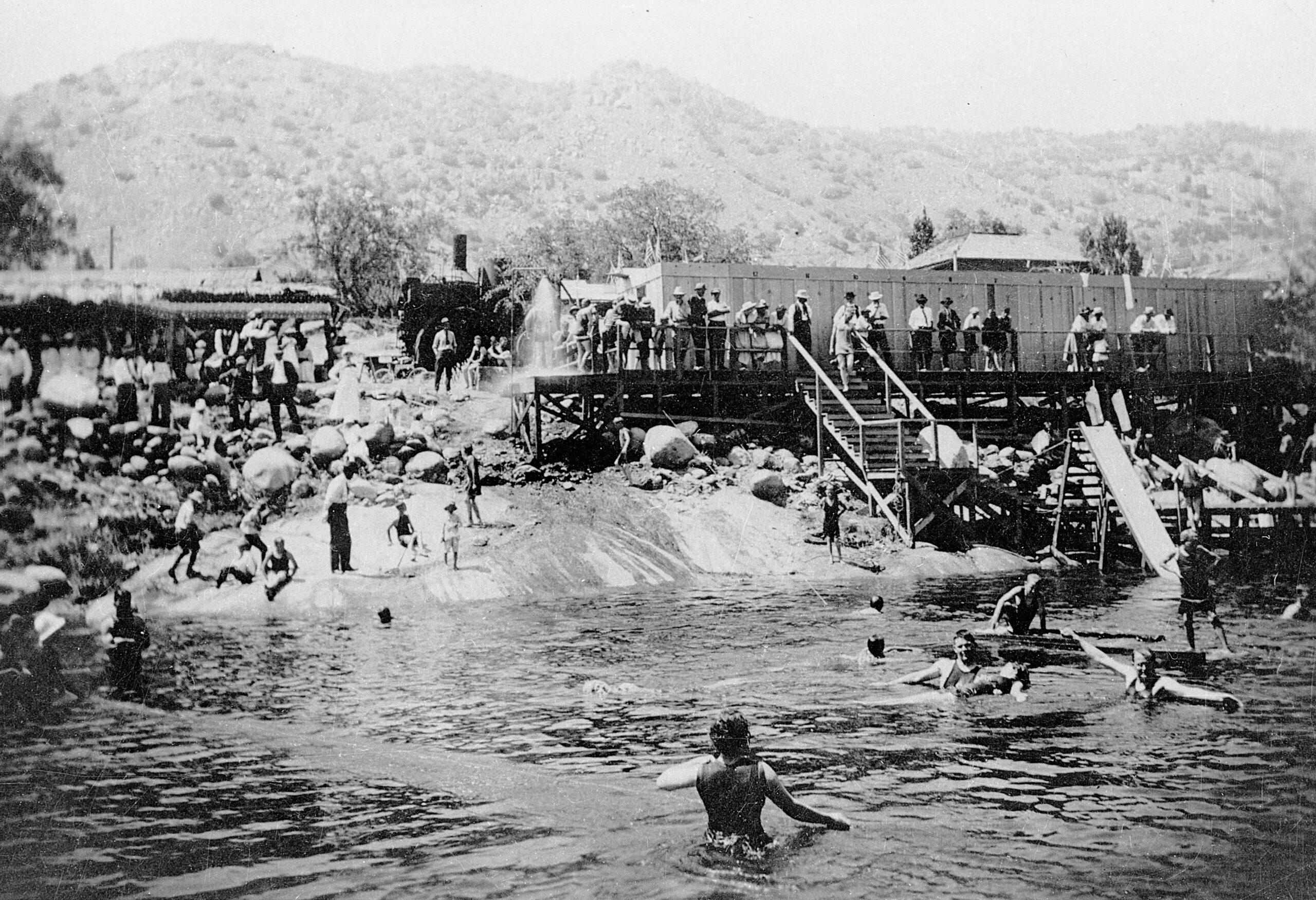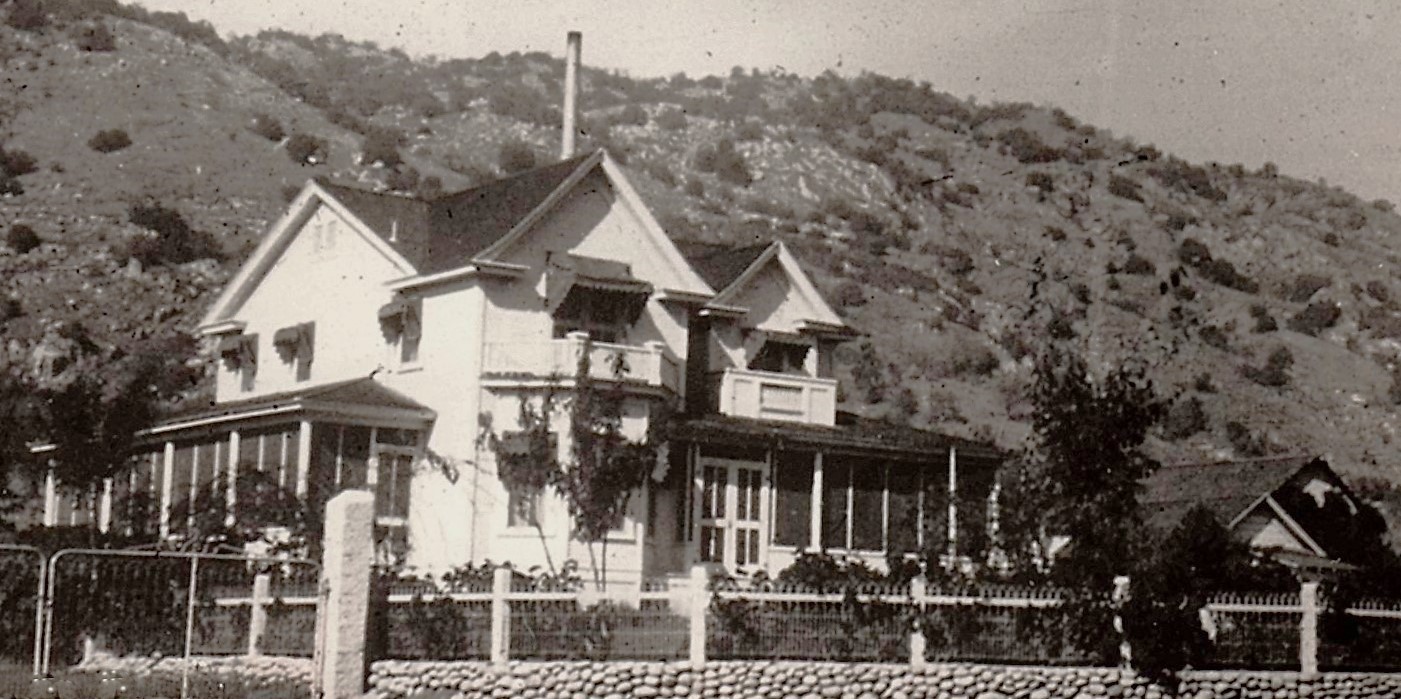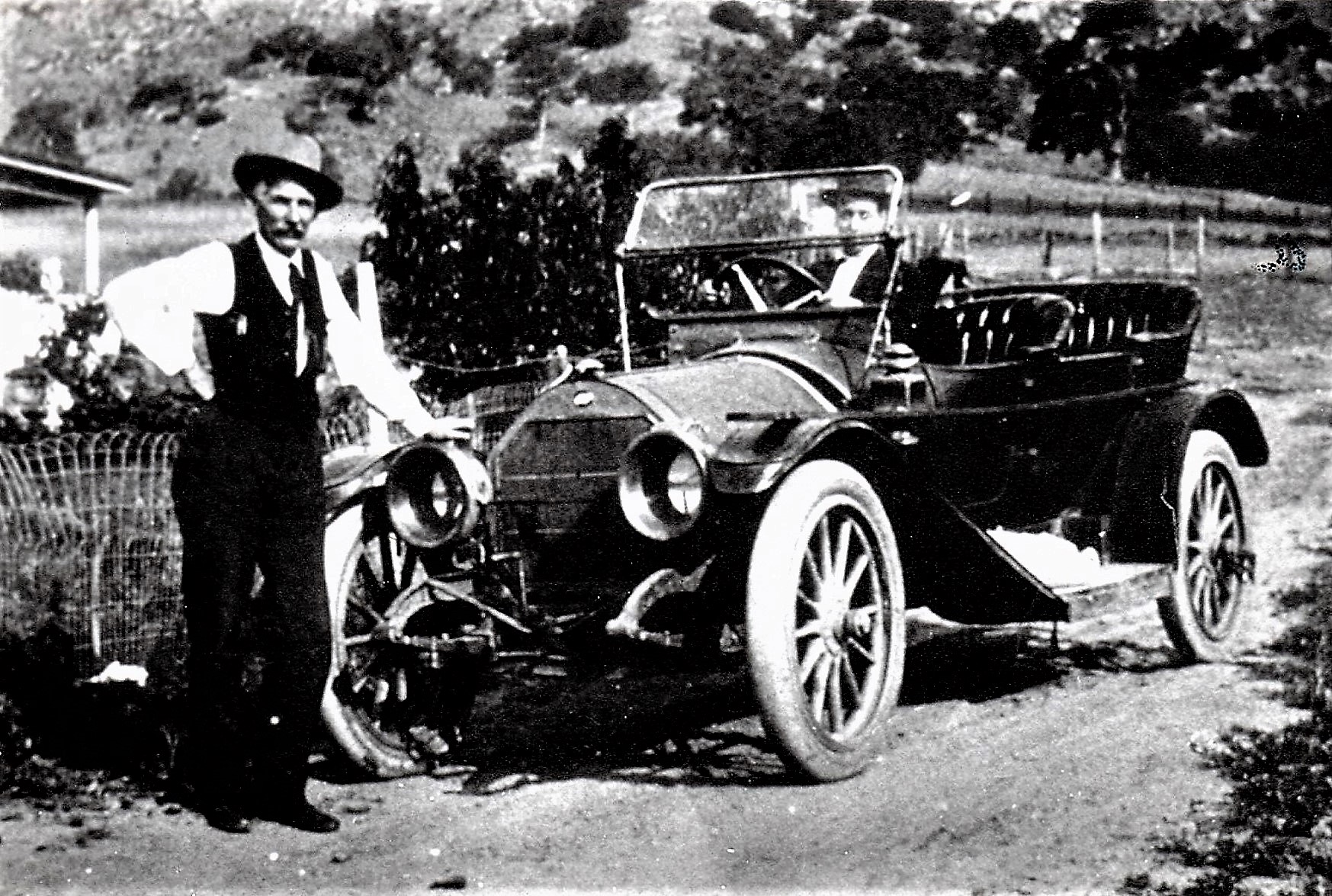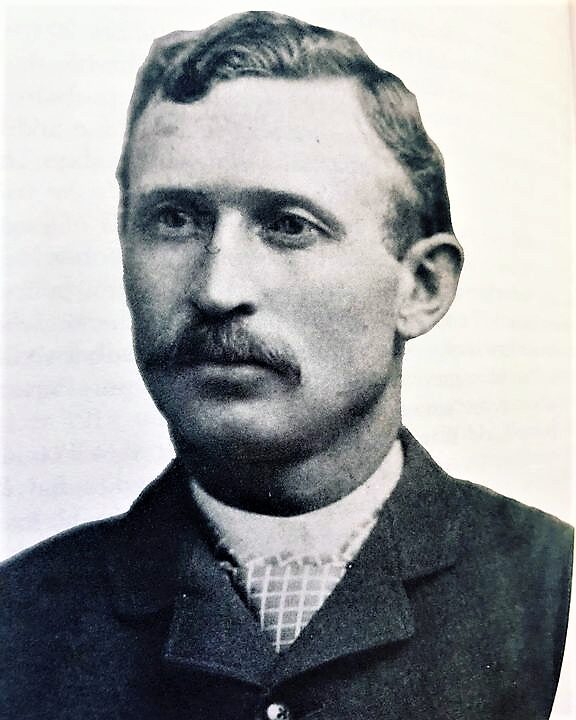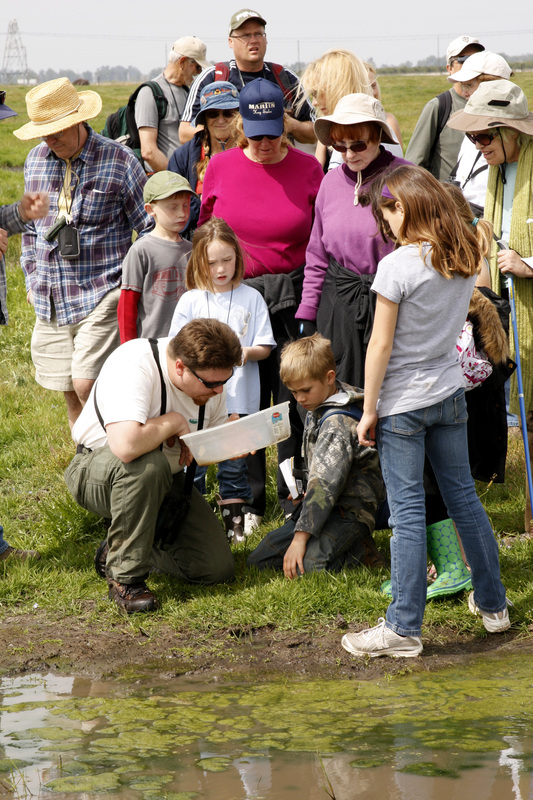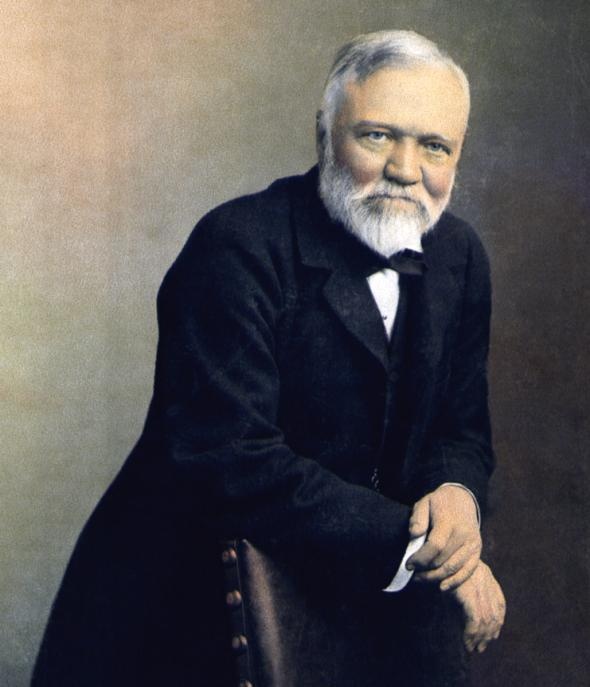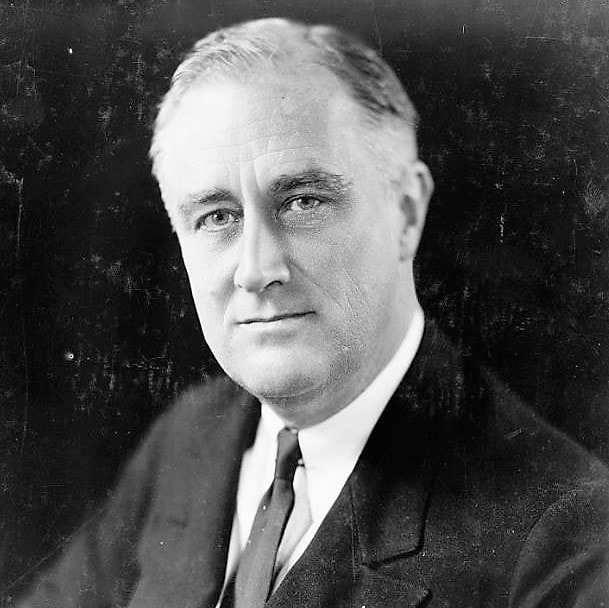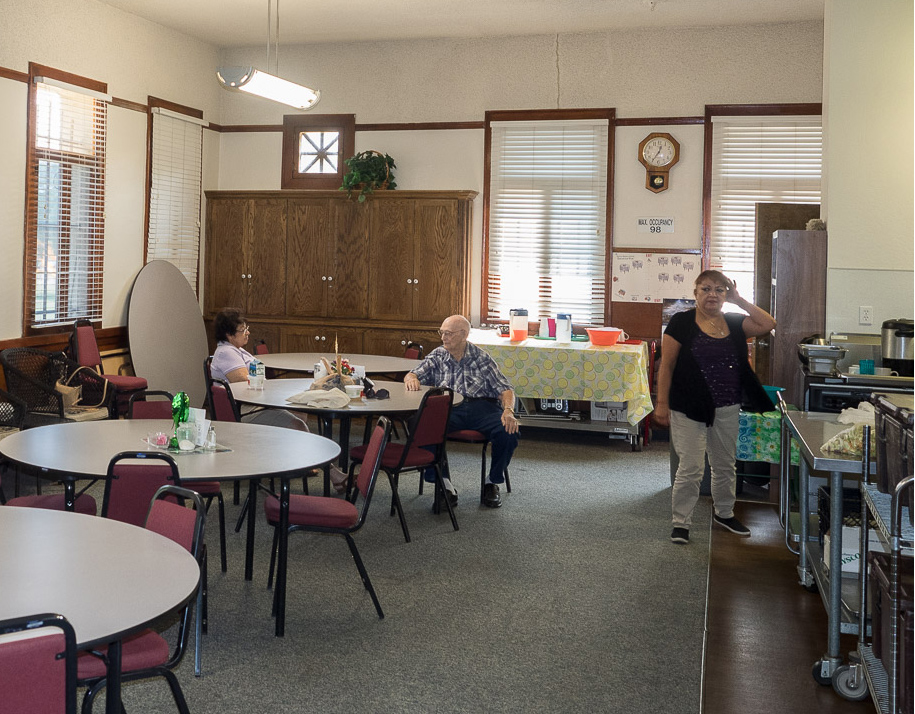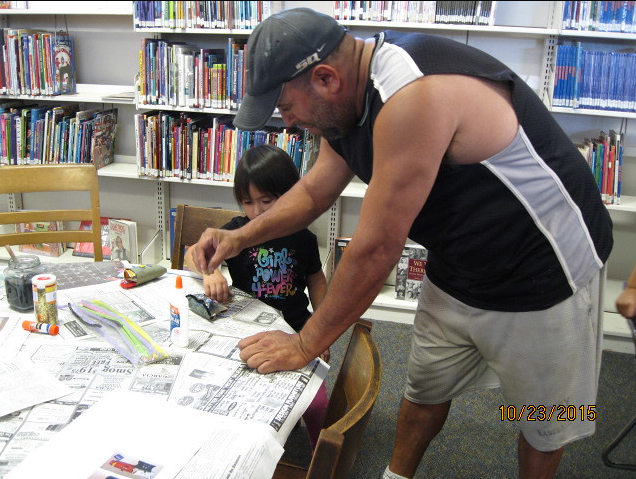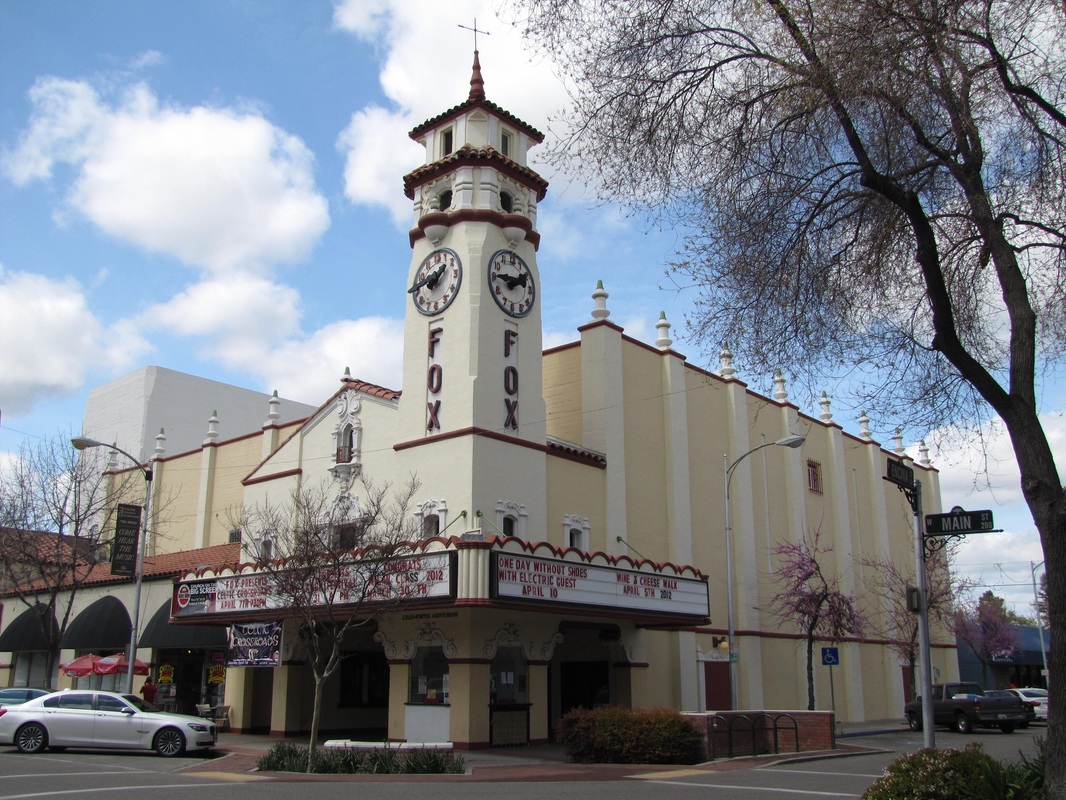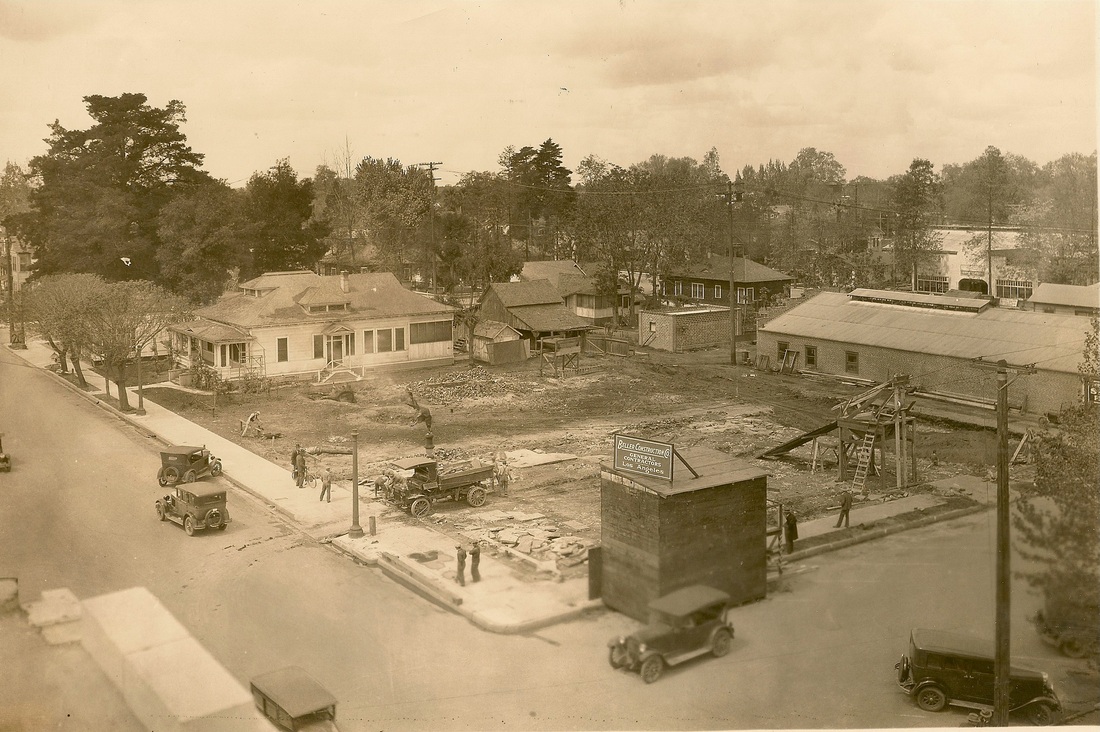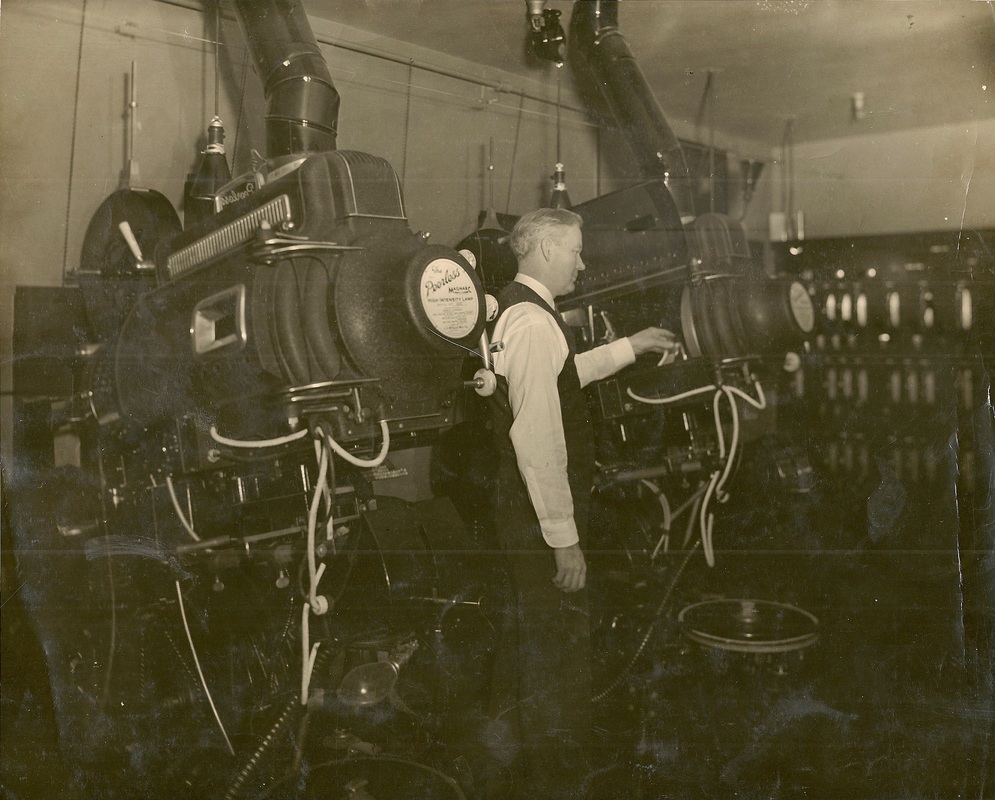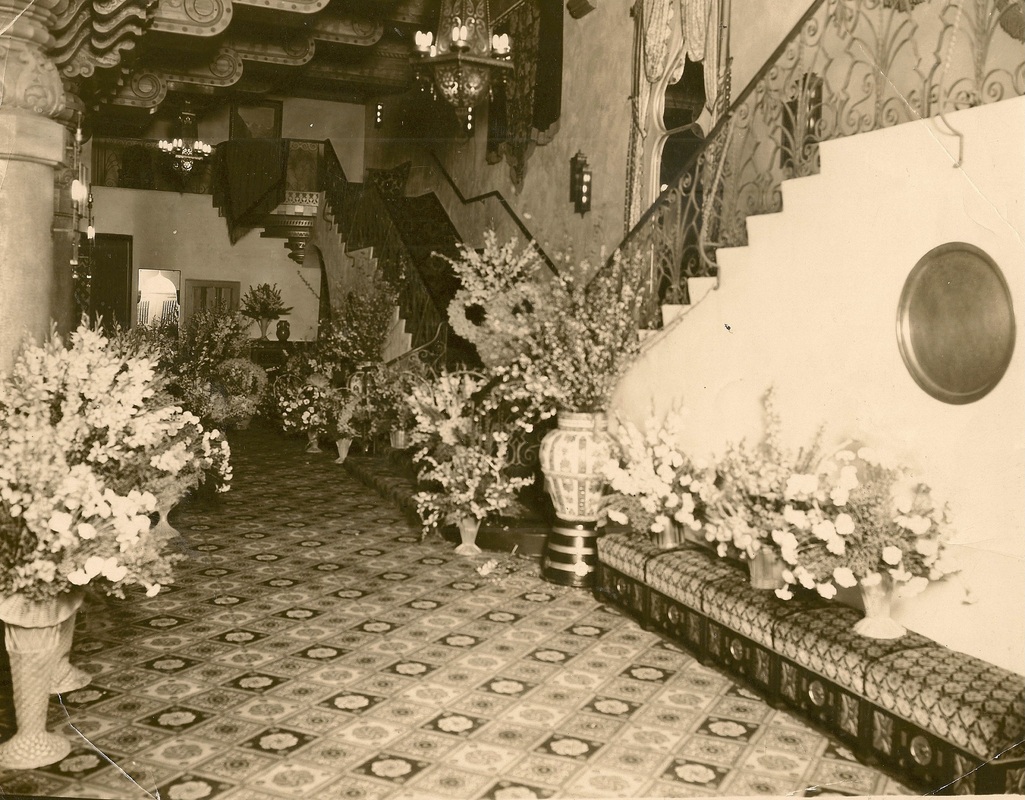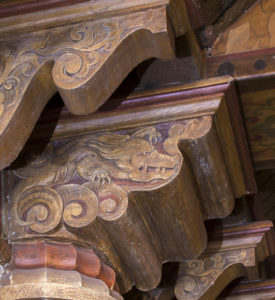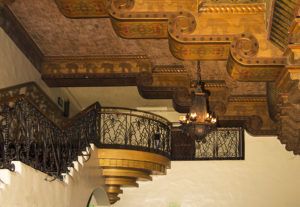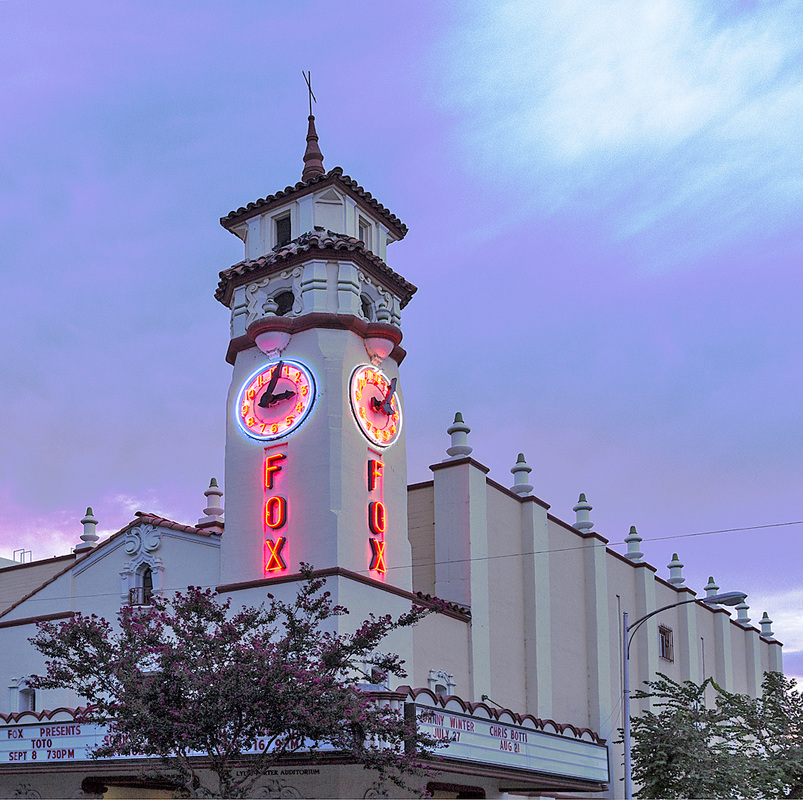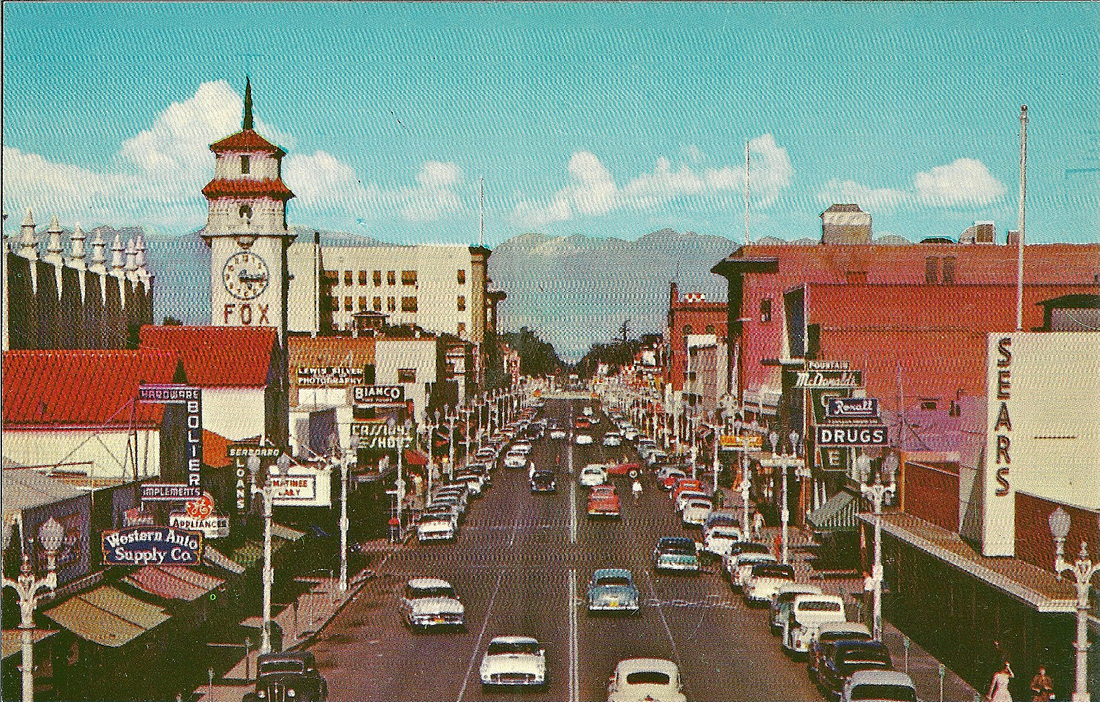
Click on photos for more information.

The Classic 1912 Elster Building, Springville’s Retail Center Then & Now

by Laurie Schwaller

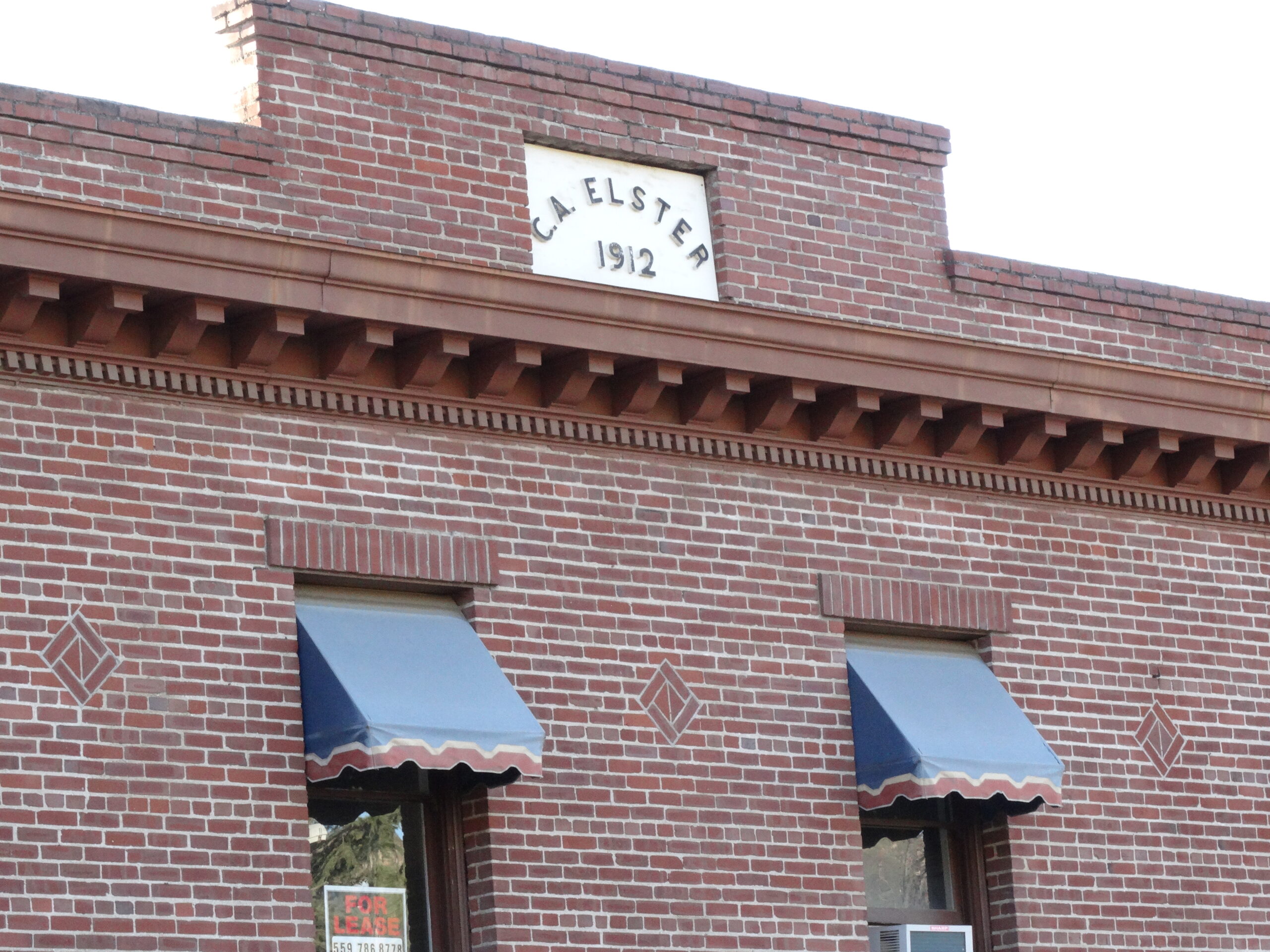
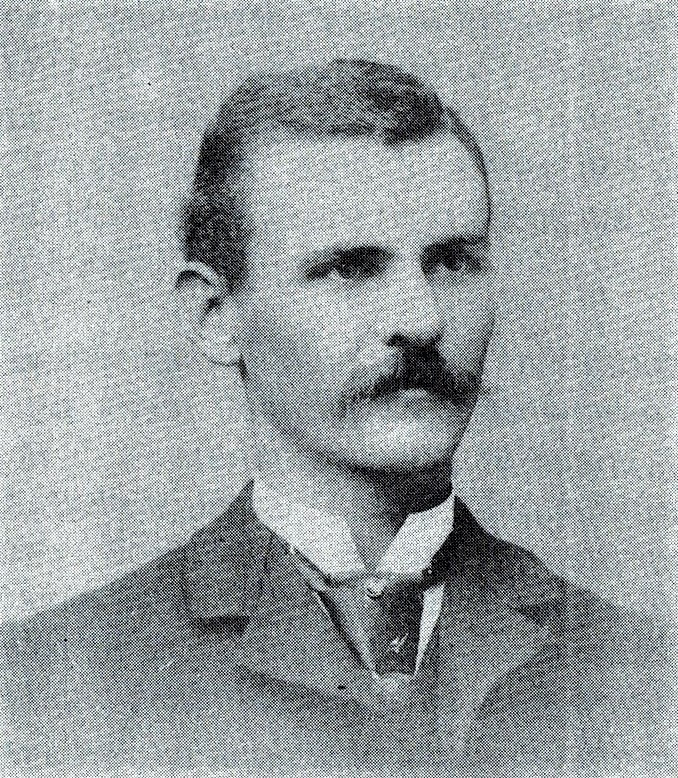
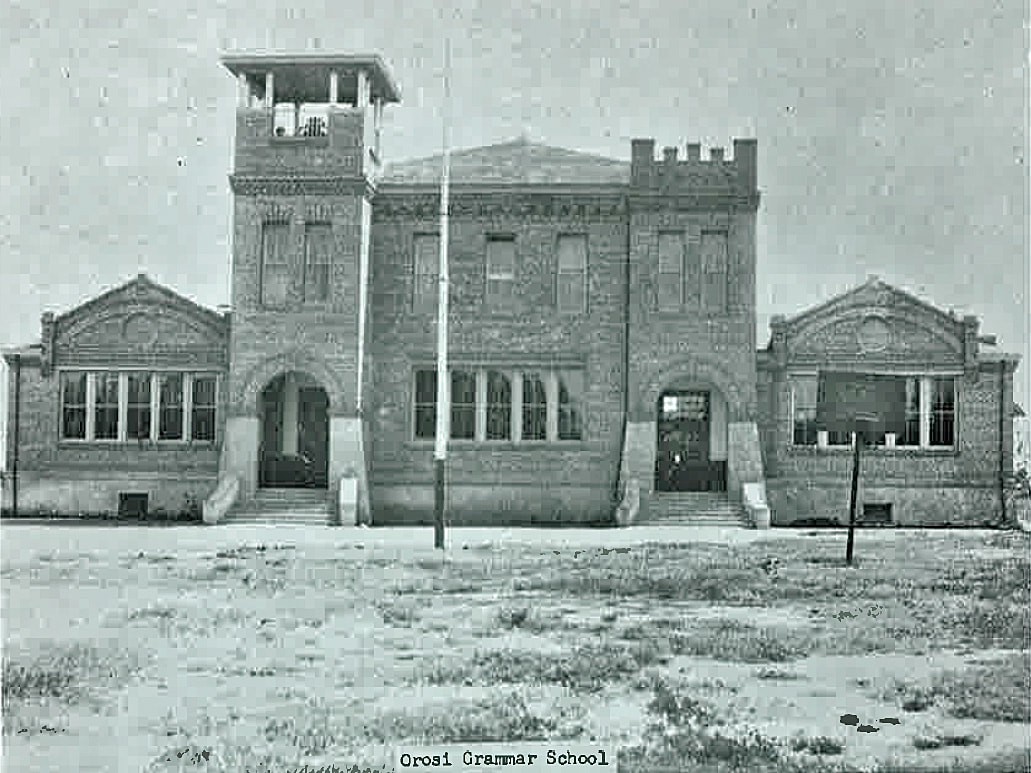
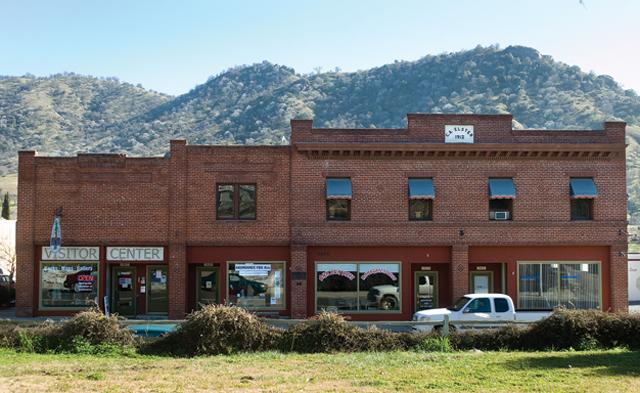
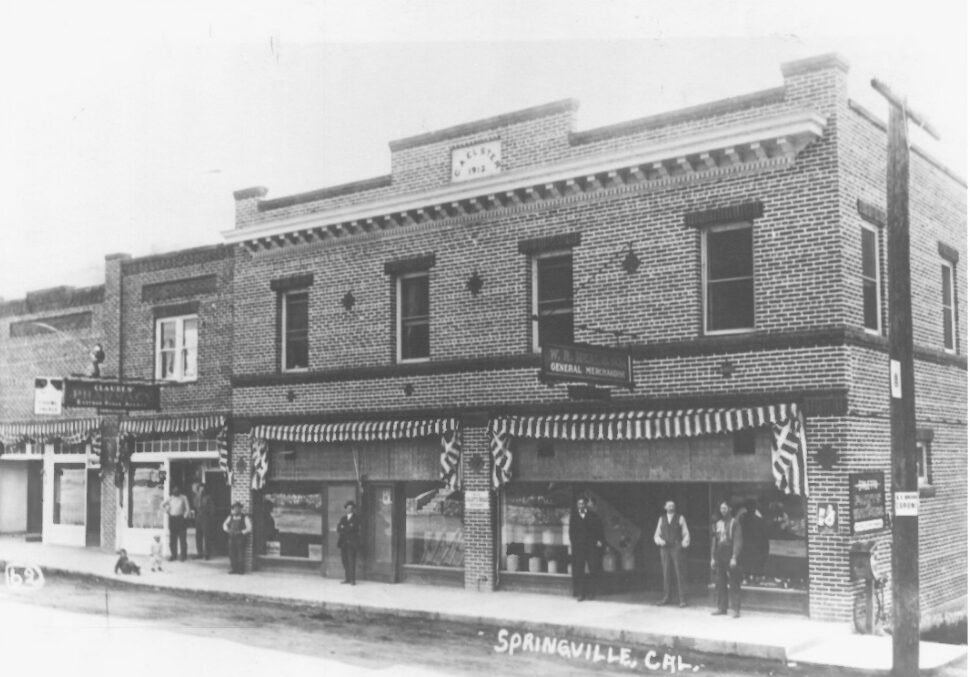
     Charles Augustus Elster built a two-story brick business block on Main Street in the little foothill community of Springville in 1912. For well over a hundred years now, this classic structure has anchored Springville’s “downtown.” It has had many different owners and tenants and survived two fires, but its handsome Main Street exterior remains almost unchanged from the long-ago day of its grand opening, and it continues to house a variety of businesses serving locals and visitors alike.

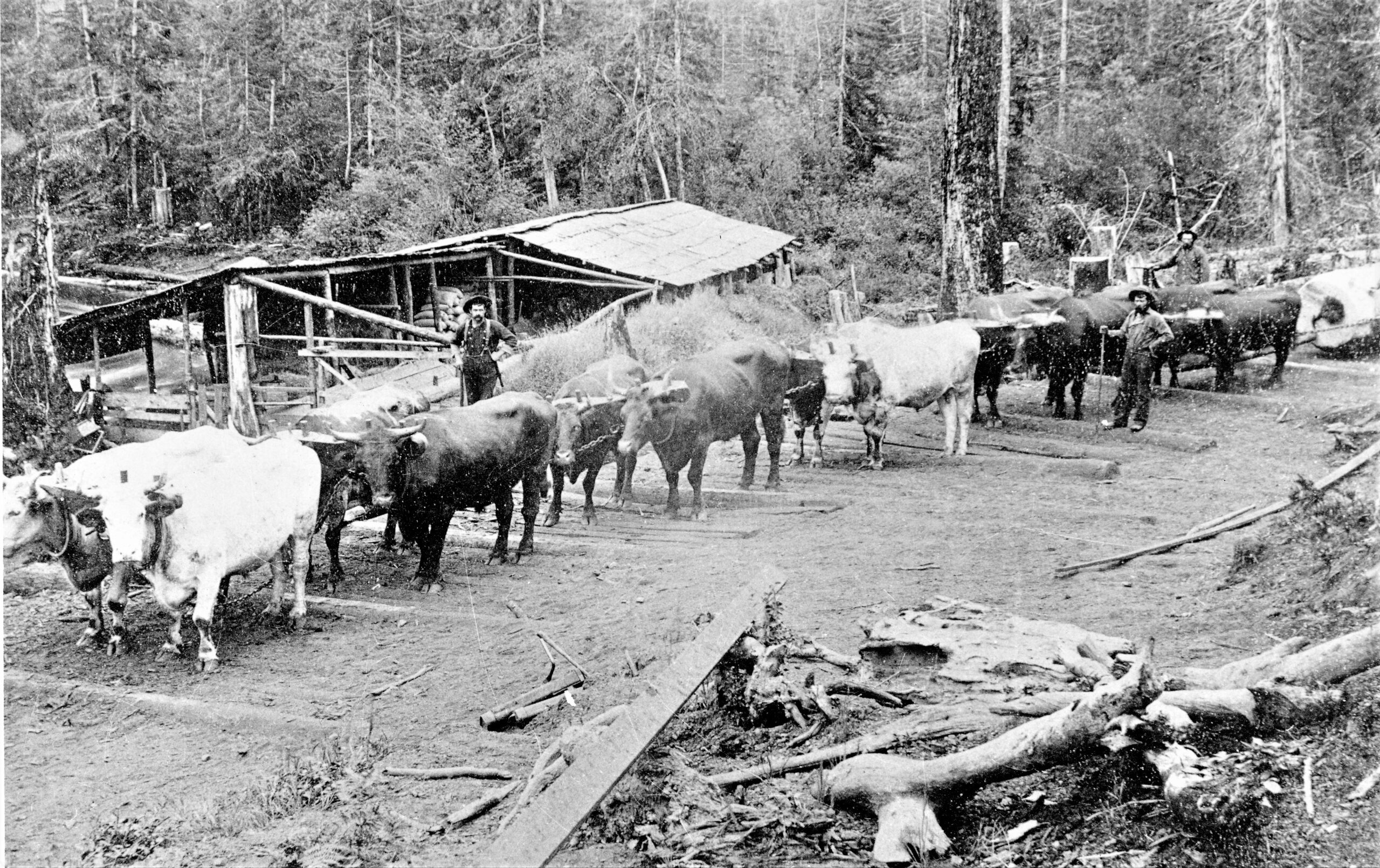
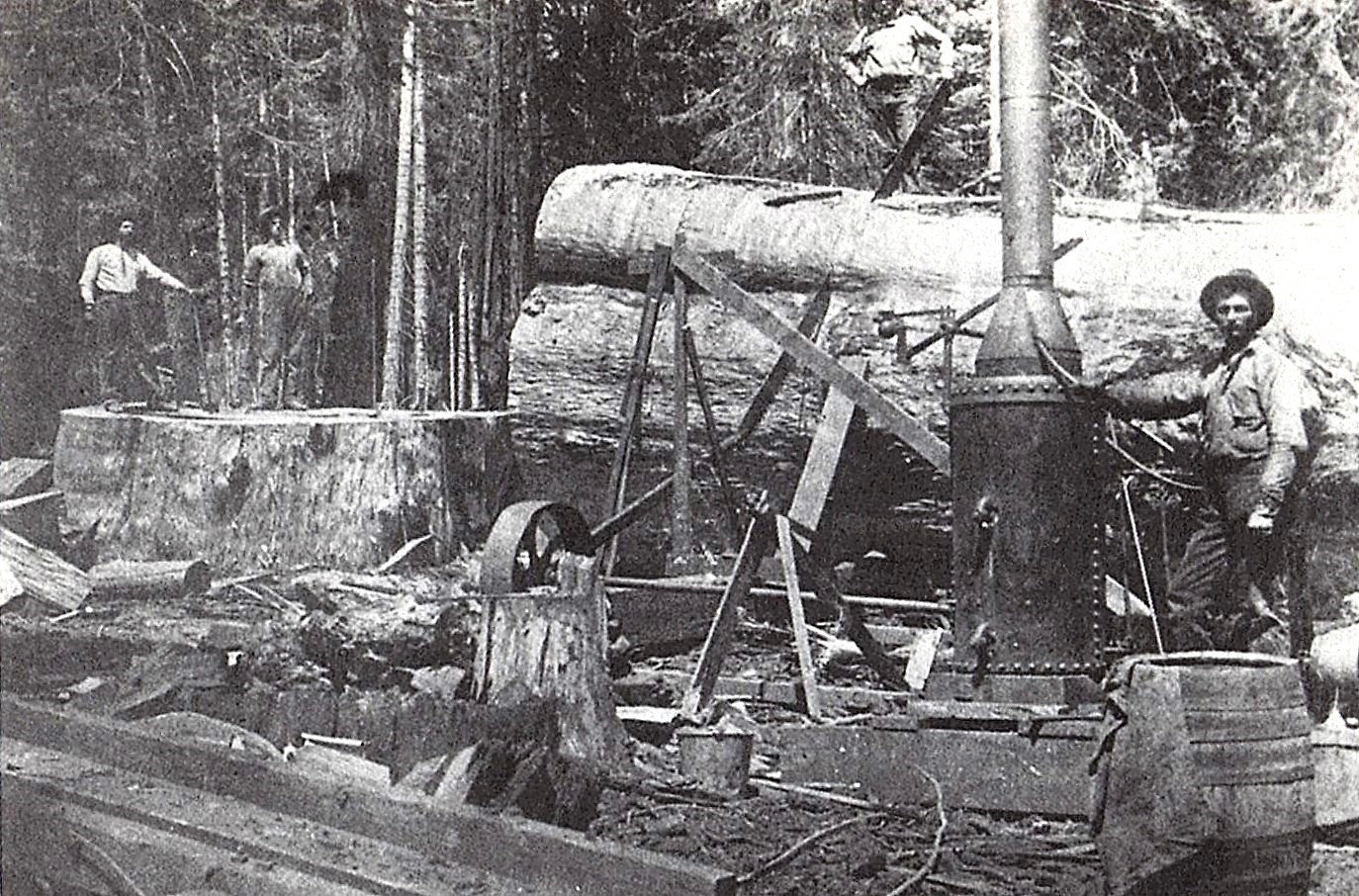
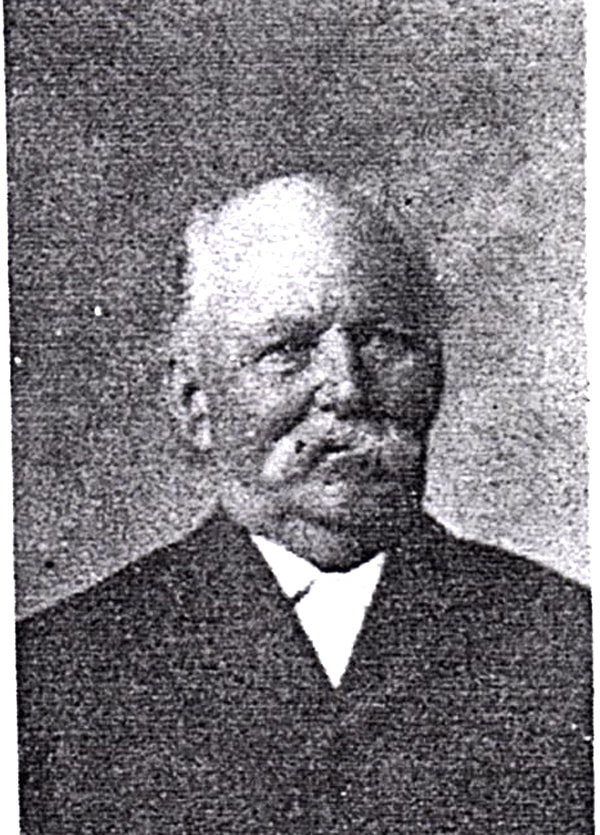
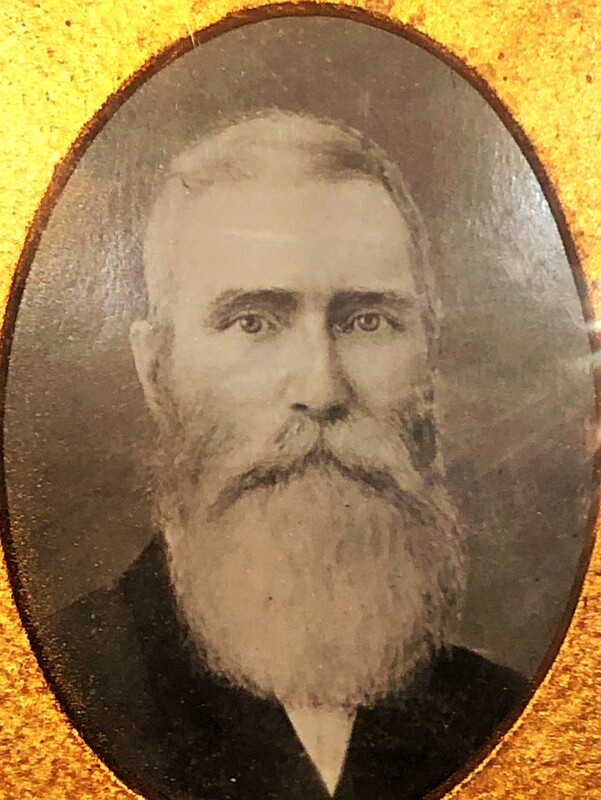
     Charles’s parents, Alonzo and Rebecca Elster, arrived in Tulare County with their eight children in 1866, when Charles was three. They settled first in Visalia, then moved to the foothills of the Tule River watershed to engage in logging, milling, and ranching, which, for over forty years, through booms and busts, were staples of the area’s industries.

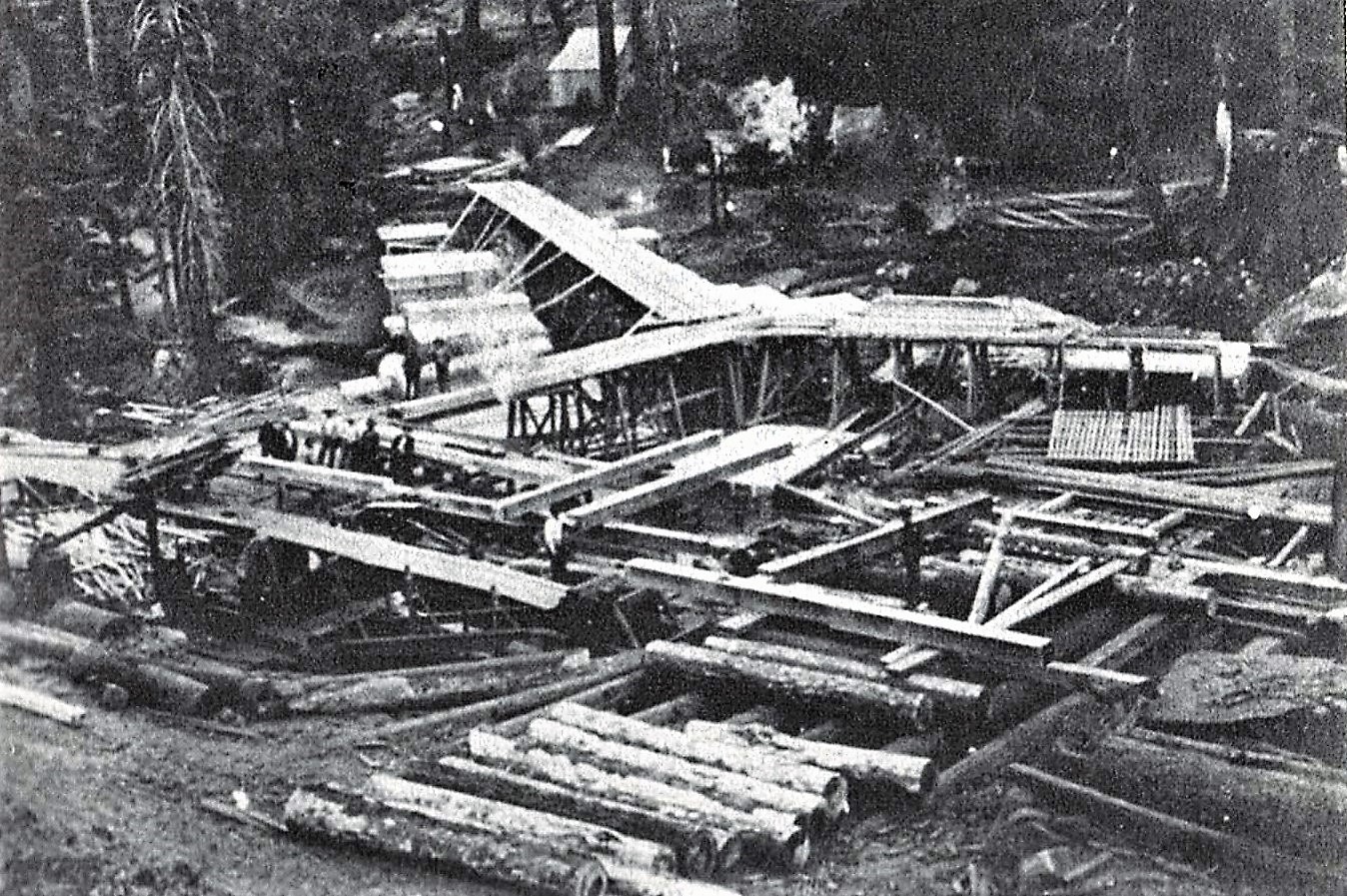
     Charles bought his first land claim before he was 21, labored hands-on and learned his way up through the hard jobs in the forest, and in 1903, built his own mill just a few hundred yards above the old Mountain Home Hotel.
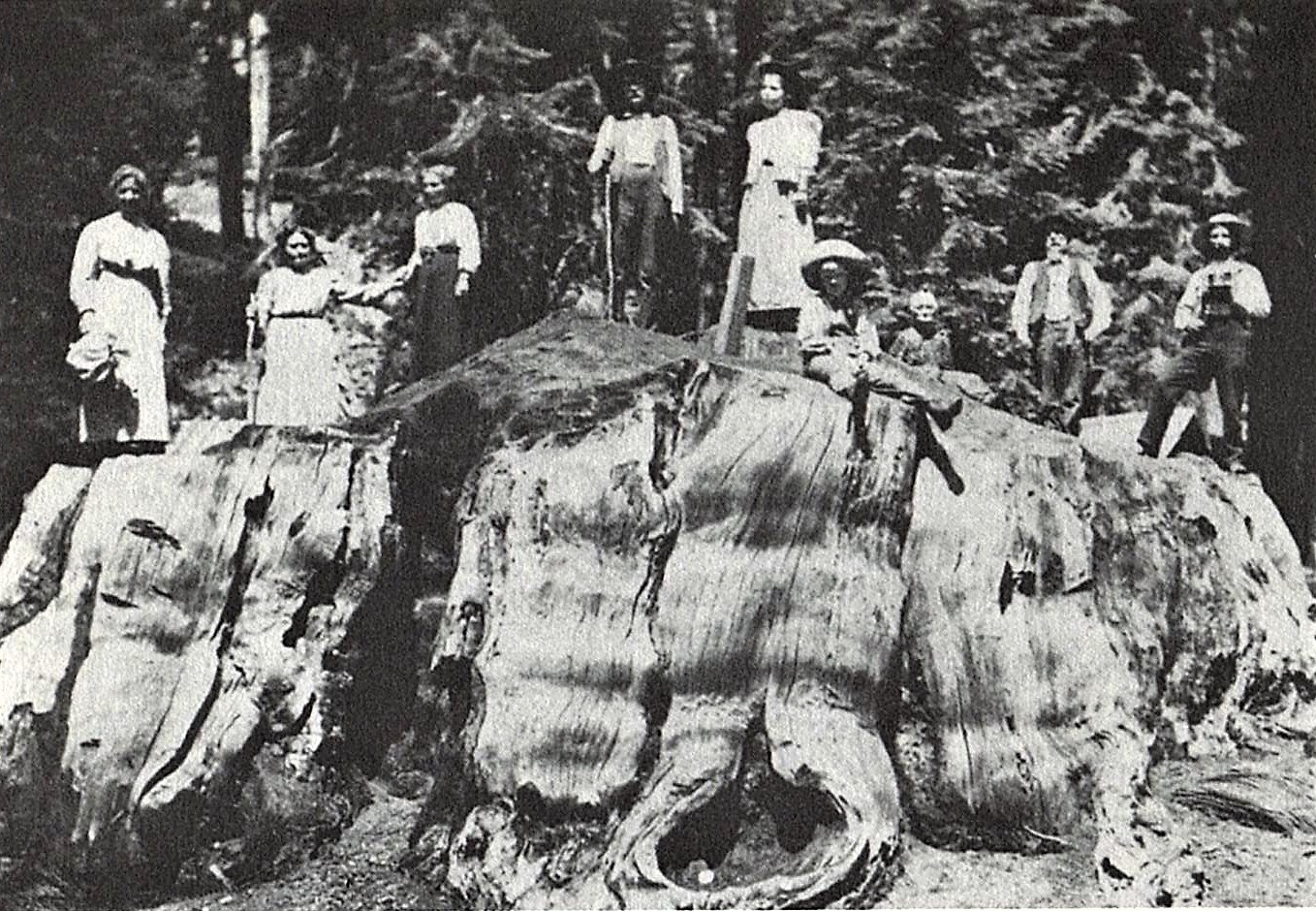
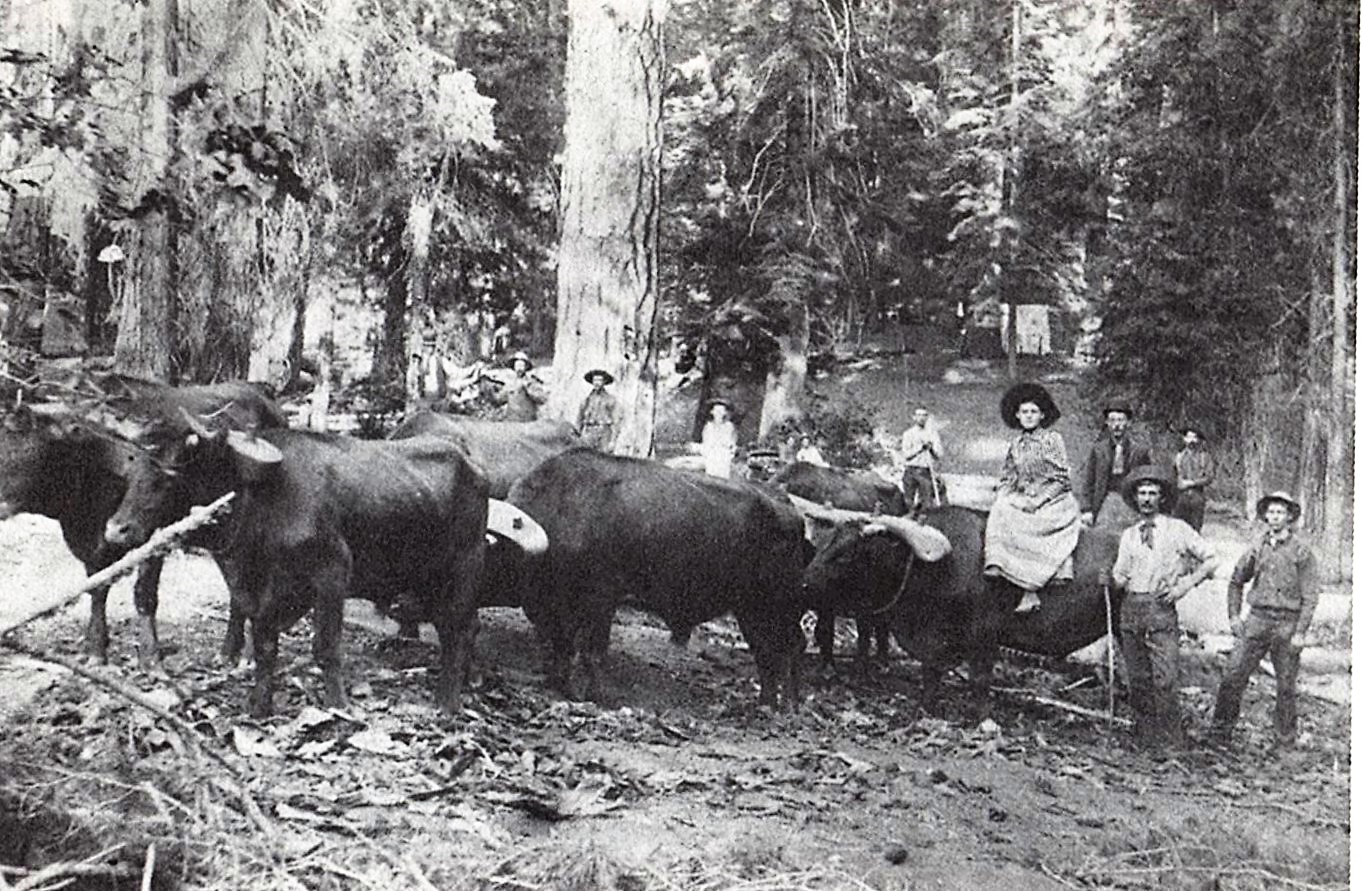
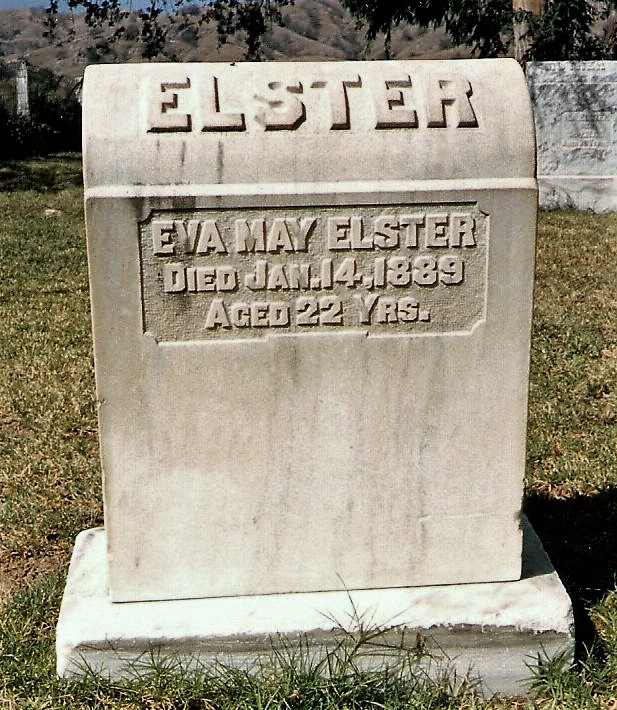
     In 1888, he wed 20-year-old Eva May Hubbs, daughter of local pioneer timber man James R. Hubbs. Two years later, Eva May died soon after birthing Charles’s only son, Irvy. In 1892, he married Eva’s younger sister, Mary Arminda “Minnie” Hubbs, age 17, who bore Charles’s only daughter, Lora, in 1894.

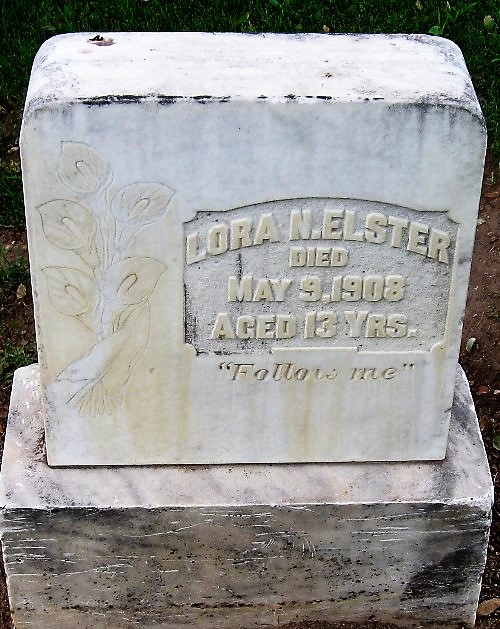
     Despite financial difficulties as the area’s limber industry began shutting down in 1904, the amputation of most of son Irvy’s right leg in 1902, and the death of daughter Lora, age 13, in 1907, Charles and his family persevered. Charles turned to ranching and stock raising and became active in large enterprises, including developing reliable water supplies and distribution, rail transportation, electric power — and Springville as a business center — all essential to the commercial success of these industries and the Springville region.
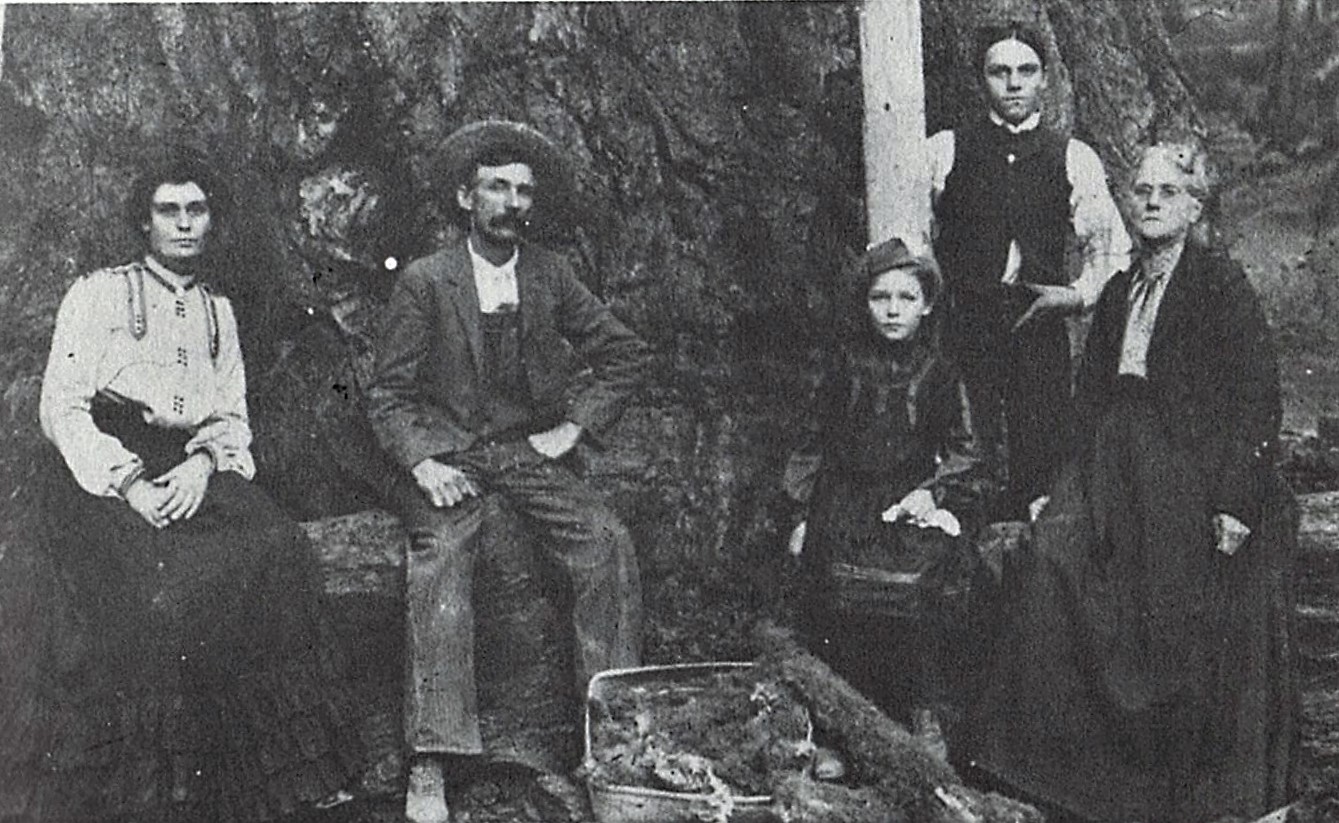
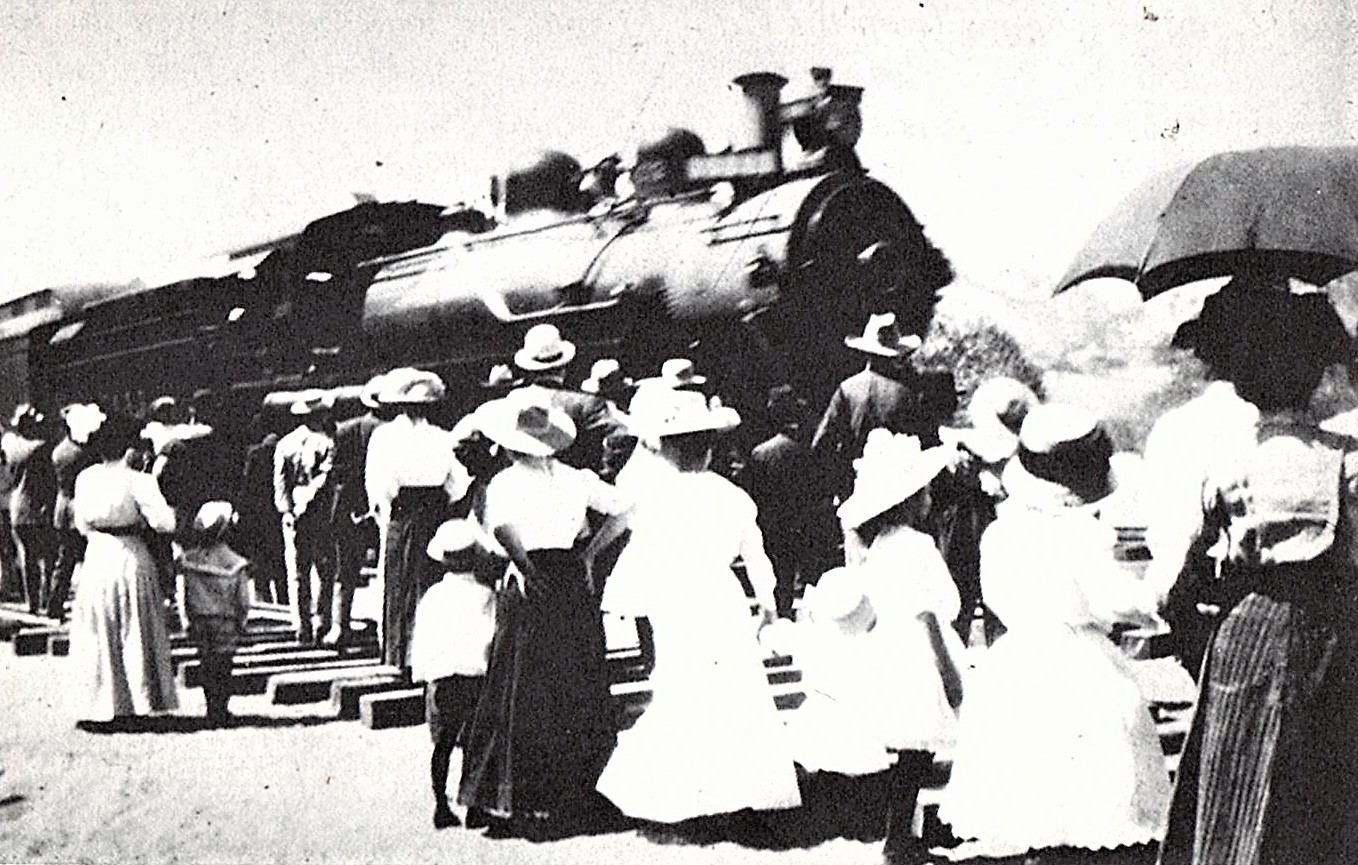
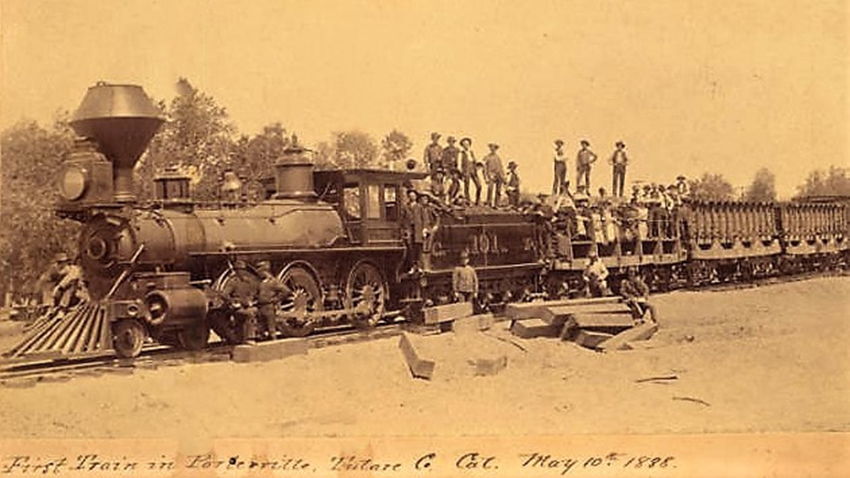
     He and other visionaries formed the Tulare County Power Company and secured valuable water rights on the Middle Fork of the Tule, which would be developed to provide electricity to the growing town. Their corporation also worked to bring an electric railroad to Springville, but a competing, steam-powered line, the Porterville Northeastern Railroad, got there first, with its inaugural engine rolling into town on September 9, 1911.

     The advent of electricity and rail transport boosted Springville into the modern age. In 1911, the community’s first “permanent” structure, the Wilkinson Building (now the Springville Inn) was erected on Main Street (now Highway 190). In 1912, Charles, having acquired 47 acres of property in the townsite, built the prominent, two-story, brick Elster Building right across the street.

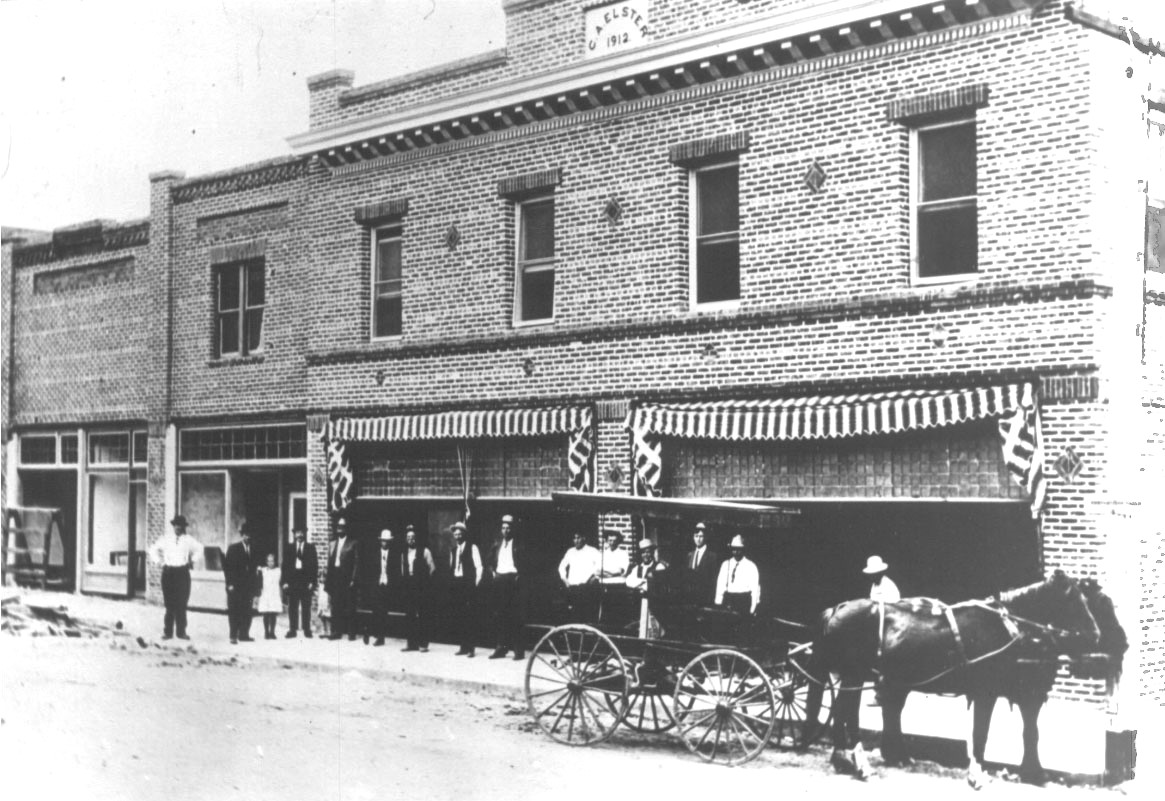
     Springville became a weekend resort destination as the train and improving local roads sped visitors from the valley up to the dance halls on Main Street and at the nearby Soda Spring, tennis courts in town, and regular baseball games that drew large crowds. The new Elster Building became the retail center of Springville, and Charles became one of the largest taxpayers in the community. (He also owned an olive nursery, an orchard, and a large, comfortable residence near by.)

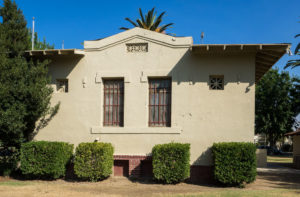
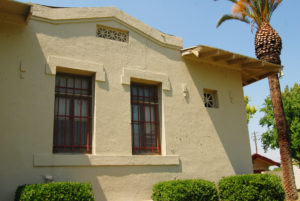
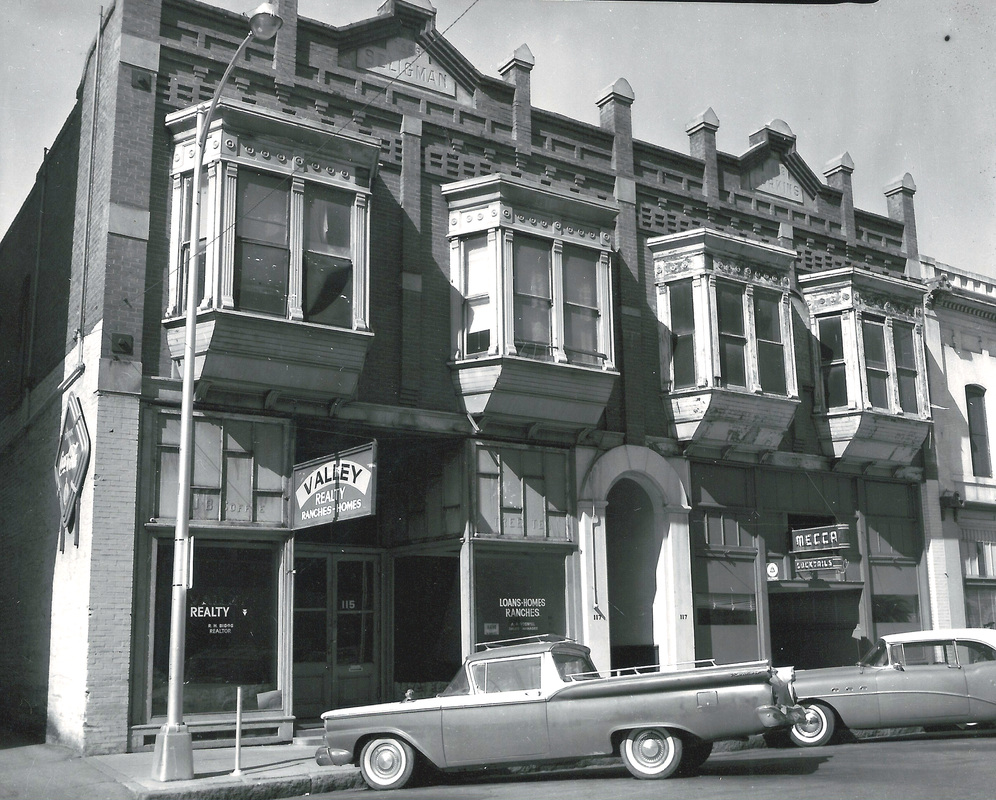
     Located on a main corner, the 48′ x 60′ Elster building cost $12,000. It was designed in an impressive architectural style found in many small California towns of the period, and its handsome front and east facades remain virtually unchanged today.

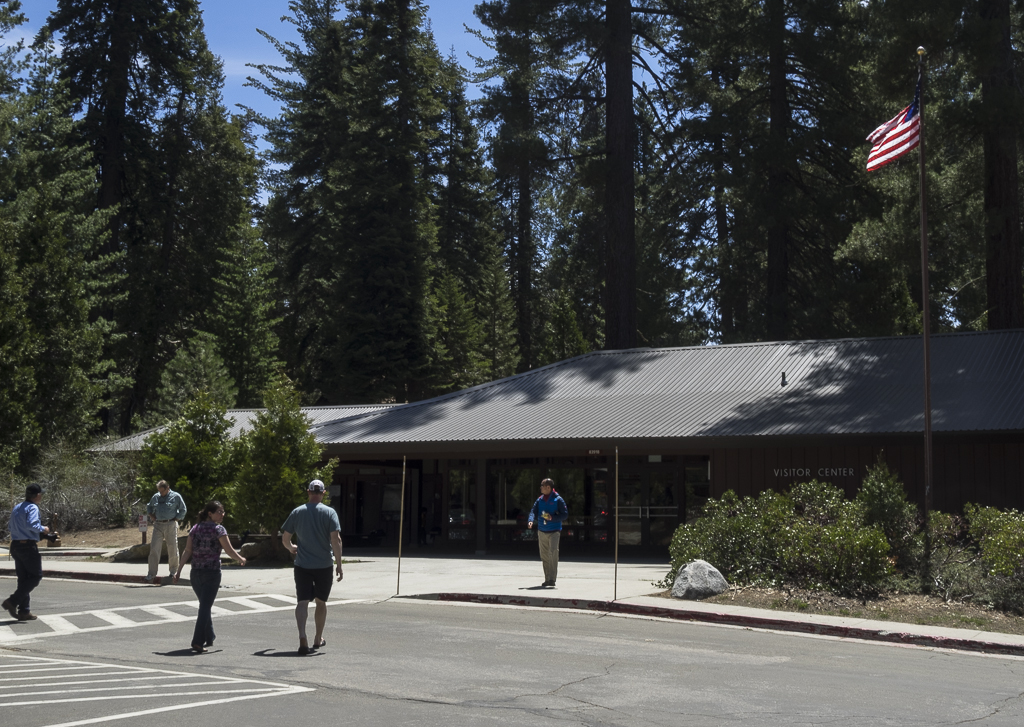
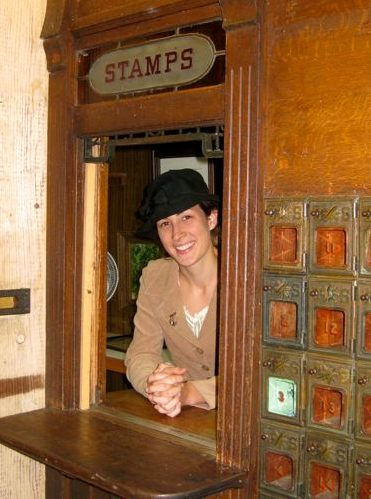
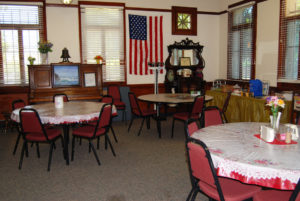
     Its various tenants have included the Pioneer Bank (1912-1918), the post office, the Odd Fellows Fraternal Hall, a drug store, the first telephone in town (1912), a meat market, a restaurant, many different professional offices, a bar, a drywall company, a real estate office, a personal trainer, a grocery store, and the Springville Visitors Center. Its basement housed the first ice plant in town. Its second floor provided lodging for tourists and new arrivals to Springville. The solid, attractive, busy building marked the prosperity and growth of its community and rural Tulare County.
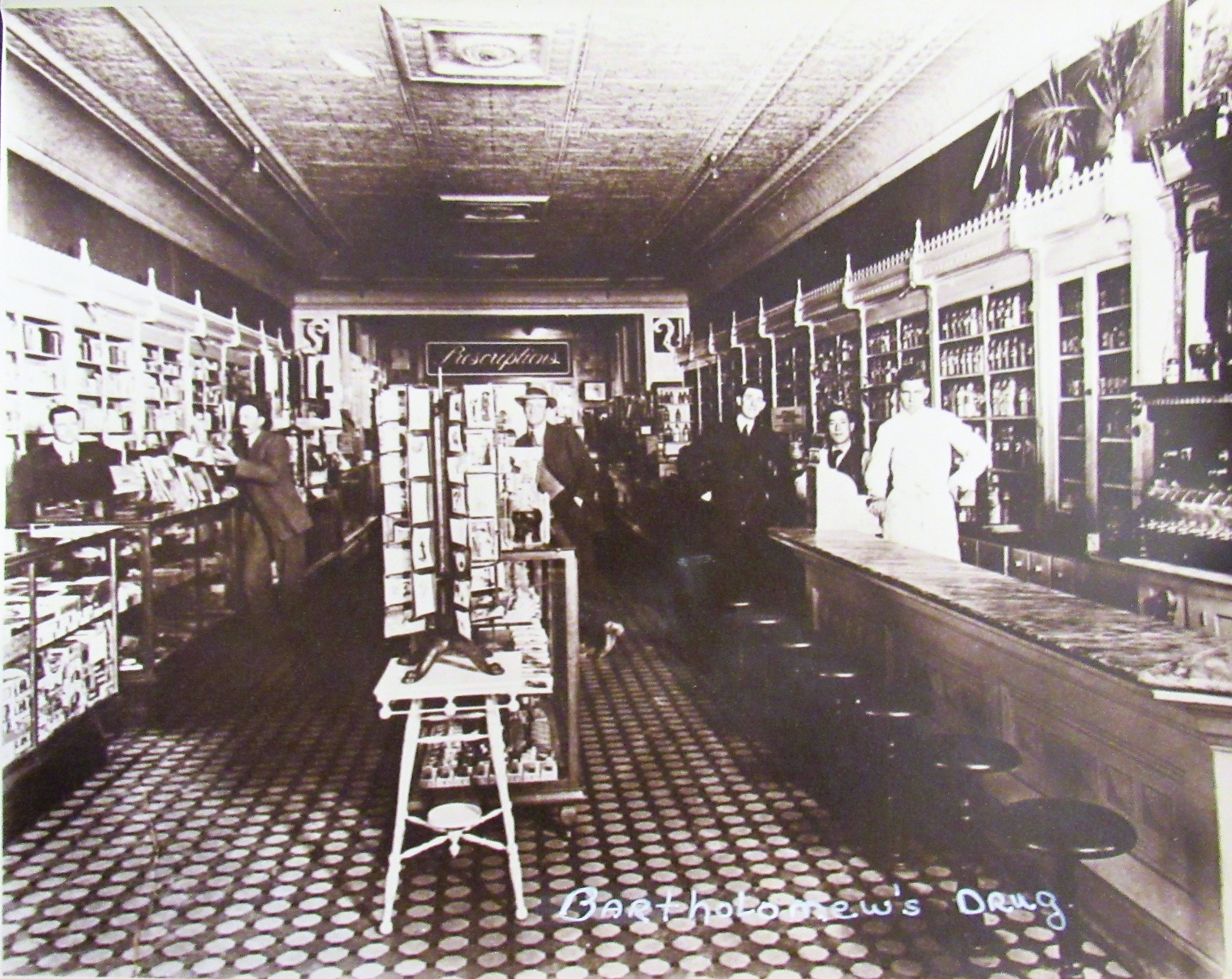
     Charles got back into the lumber business with his Hot Springs sawmill by 1914, and then, in 1920, a new sawmill at Harper’s Point, near Mountain Home, that he established with A.M. Coburn. But hard times came again. Coburn died in an auto accident in 1921. Charles’s wife, Minnie, only 54, died of pneumonia in 1929. Less than three weeks later, the Elster Building was owned by the J.D. Miller Realty Company.

     As America sank into its Great Depression in 1930, Charles and his son, Irvy, were regularly receiving delinquent tax notices on their Springville properties, including the Elster Building, which they no longer owned. Charles sold his mill property in 1941 and died two years later, at age 84. (Irvy, known today mostly as the storied “Hermit of SCICON,” never married; he was found dead in his mountain cabin in 1965.)
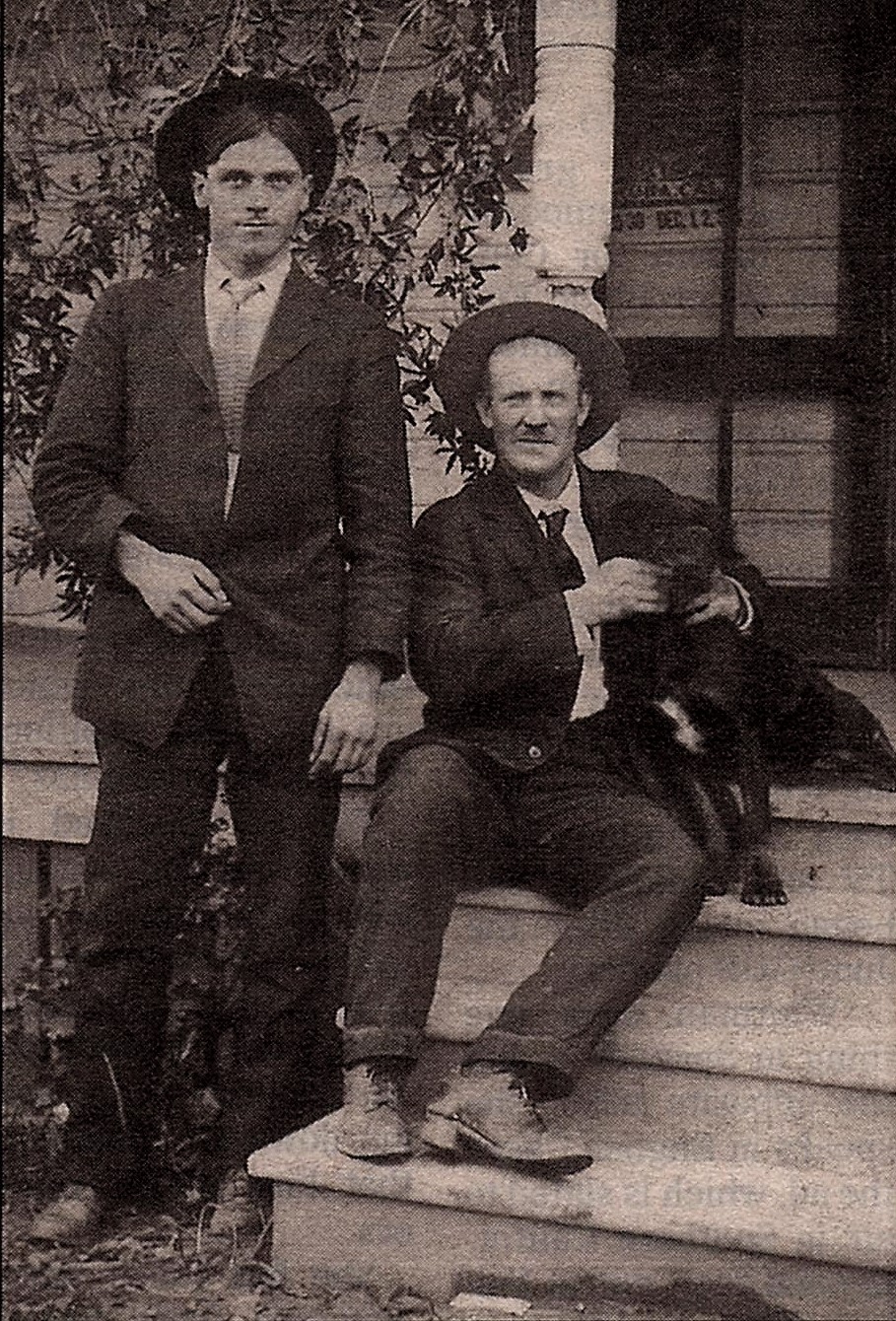
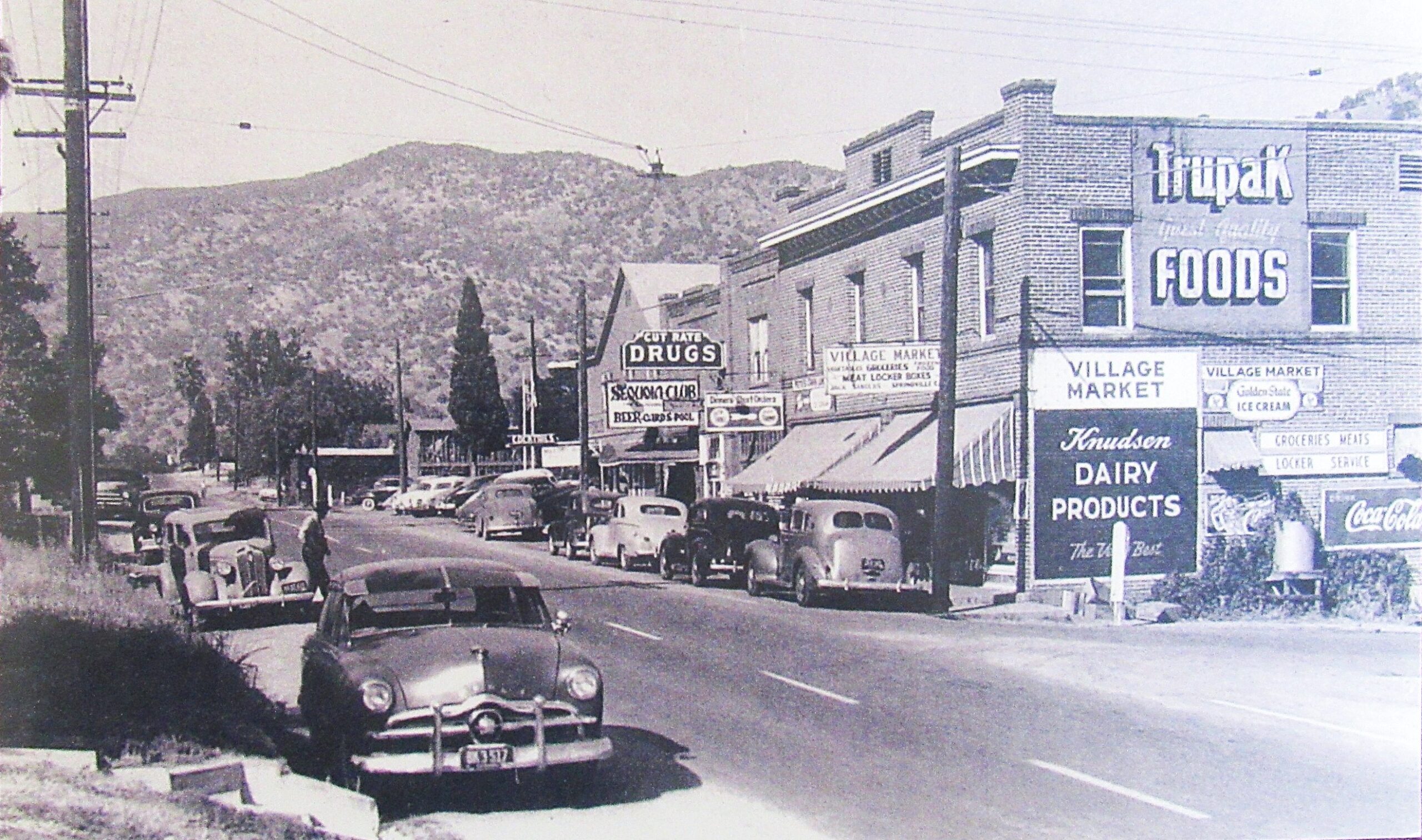
 

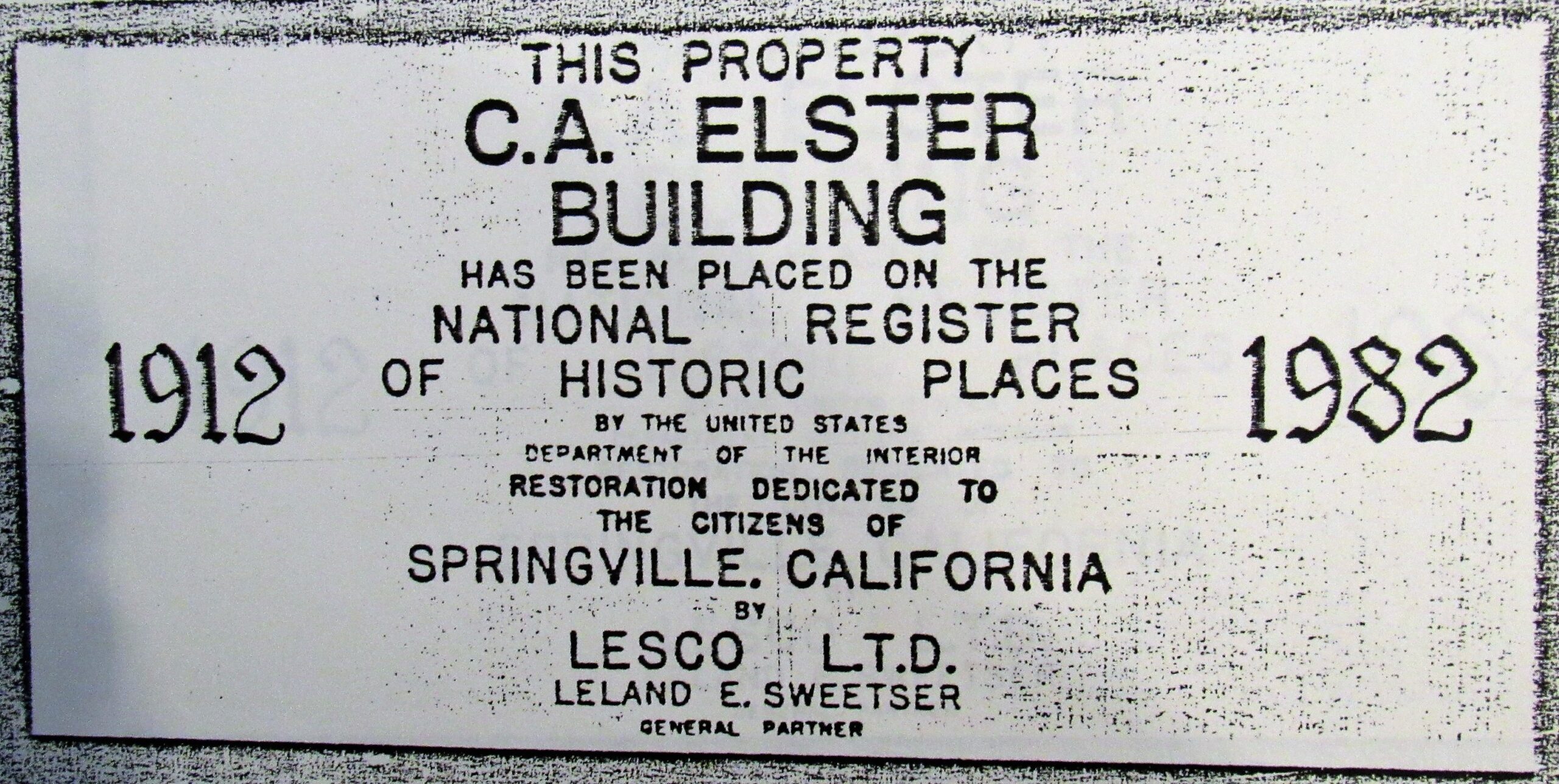
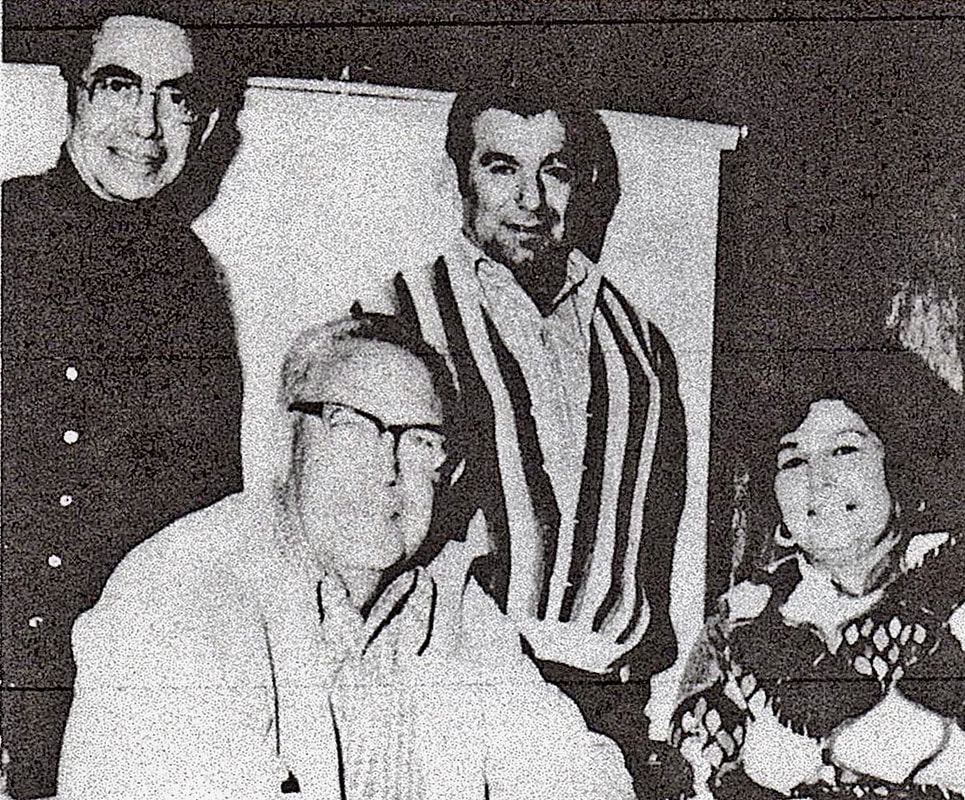
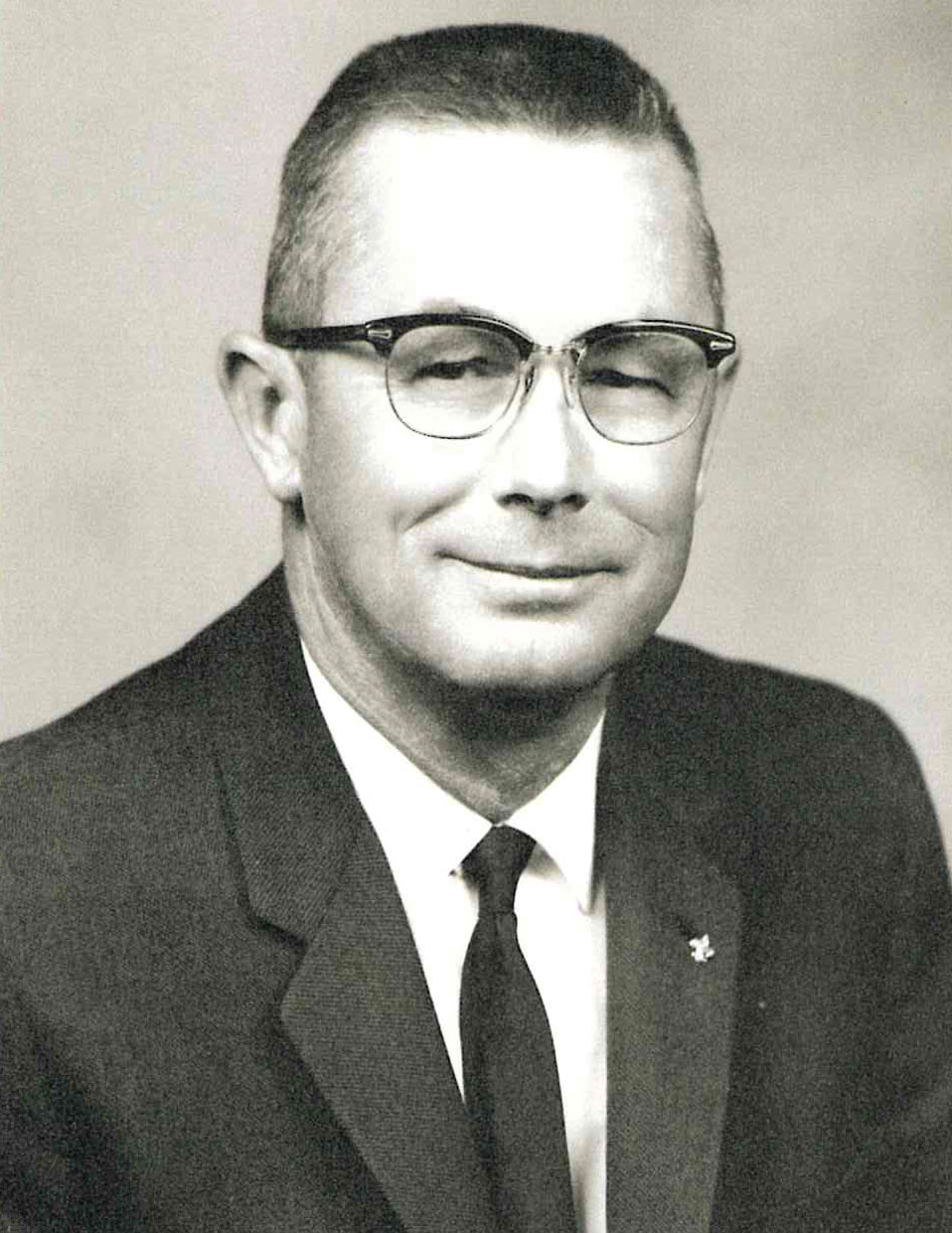
     The Elster Building continued to change hands, in 1930, 1931, 1932, 1939, 1959, and 1964. In 1974, it was acquired by Leland E. Sweetser, an officer of Lesco Ltd., of Compton, California (who may have been urged by Springville residents to save the town’s principal building by acquiring and restoring it), and then by Lesco Ltd. in 1976.

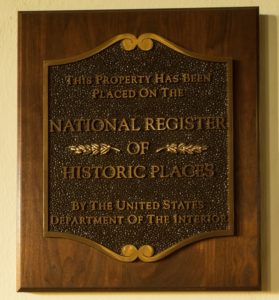
     When Lesco purchased the Elster, then known as “the old Palace Hotel,” it had been condemned by the County and required major renovation to meet building codes for safety, plumbing, structural, and electrical requirements. Lesco spent over $250,000 on a new foundation, exit stairwells, structural support, and reconstructed office space, ensuring that the work would comply with the standards of the National Register of Historic Places, on which it got listed in 1982.
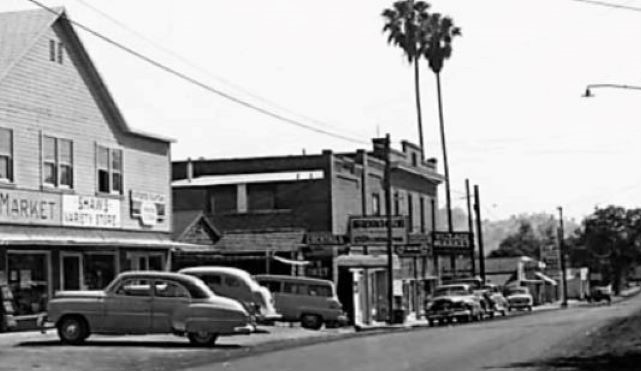

     Fire damaged the building in 1983, but Lesco again restored it to NRHP standards, and in 1985 quitclaimed the deed back to Sweetser. In 1997, Robert Gillett of Porterville purchased the Elster, then sold it in 2003 to Max and Valerie Walden, the developers of Hanford’s Courthouse Square.

     The Elster Building is currently owned by Bob Tucker, who had been coming to Springville since boyhood and loved the small community. In the 1970s, he bought a ranch nearby, and in 2019 he bought the building that he had long admired and considered to be a Springville focal point. “The building has good bones,” says Bob, who taught Industrial Decoration Arts for decades and enjoys doing historical restoration work himself. Bob’s nephew, Derrick Usher, a realtor, is managing the Elster from his upstairs office onsite. And so it appears that this classic edifice is once again in good hands for the next chapter of its long life as Springville’s landmark commercial center, still linking its community’s past to its future.

September, 2025


Maps & Directions:


The Elster Building is located on the southeast corner of Hwy 190 and Tule River Dr. in Springville, 32588 CA-190, Springville, CA 93265.


From Visalia, go east on Hwy 198 to its junction with Hwy 65 (near Exeter). Go right (south) on Hwy 65 to its junction with Hwy 190. Exit onto Hwy 190 and go east toward Springville. In Springville, see the Elster Building on the right (south) side of the highway, at its junction with Tule River Drive.


Nearby Treasures Springville Historical Museum, River Ridge Ranch & Institute, McCarthy Blue Oak Ranch Preserve, Circle J-Norris Ranch Preserve, SCICON, Success Lake.


Site Details & Activities:

Environment: At the historic center of the small foothill town of Springville, 2 blocks north of the Tule River, across the street from the Springville Inn (built in 1911)
Activities: Architecture study, history, photography, picnic facilities nearby in Veterans Memorial Park, 35638 CA-198 (Main Street)
Open: The various businesses in the Elster Building have various open hours.
Site Steward: Derrick Usher, a realtor, is managing the Elster Building from his upstairs office onsite 559-719-0304
Links: National Register of Historic Places Nomination Form (npgallery.nps.gov/Asset Detail/NRIS/82002279)
Books: The Men of Mammoth Forest, A Hundred-year History of a Sequoia Forest and its People in Tulare County, California, by Floyd L. Otter; printed by BookCrafters, Inc., 1963, 1964, 1976, 1982, 1986, 1995


ndi

Click on photos for more information.

A Stroll Through History

by Amy L. King-Sunderson

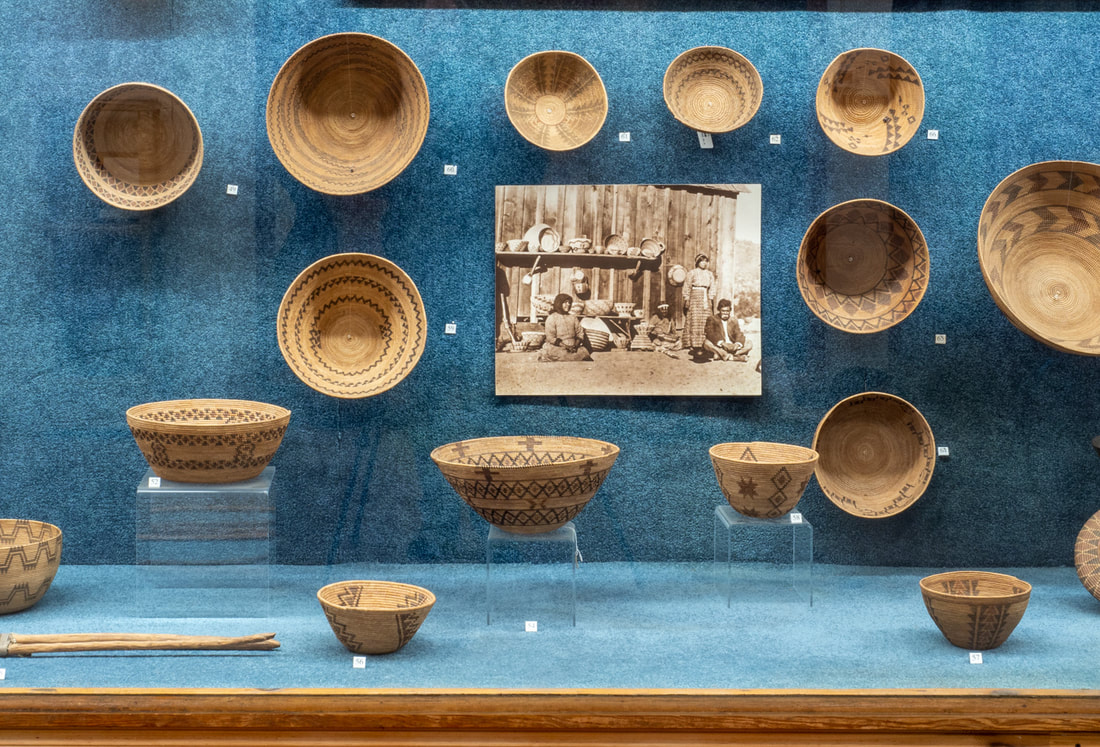
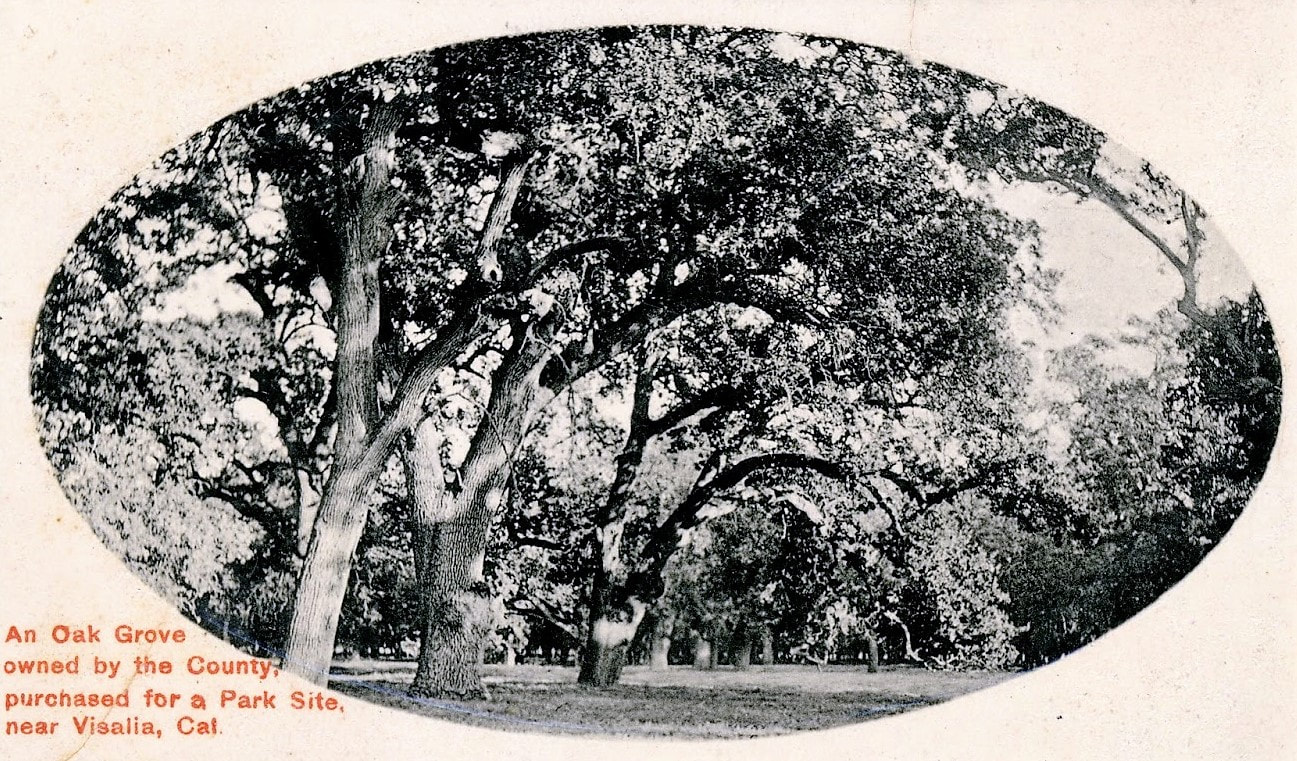
     Nestled within the oak preserve protected by Visalia’s Mooney Grove Park, the Tulare County Museum complex holds a vast collection of our county and state’s history, including one of the largest Native American basket collections in California. It also displays a great variety of artifacts of the pioneer era, a trove of historic agricultural equipment, dozens of restored structures from the late 1800s on, and many other treasures, appealing to all ages, that tell the history of Tulare County.

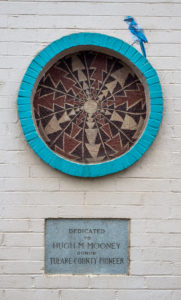
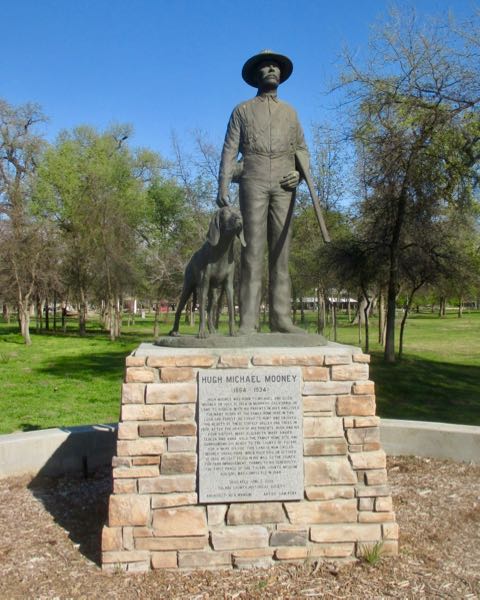
     The seed of the Museum was planted in 1934, when Hugh Mooney and his family donated five thousand dollars to fund the building of a museum in Mooney Grove, which had itself been sold to the county in 1909 by his parents and is the oldest county park in California. But it wasn’t until 1947 that approval was given by the county Board of Supervisors to begin building the museum on the specified site.

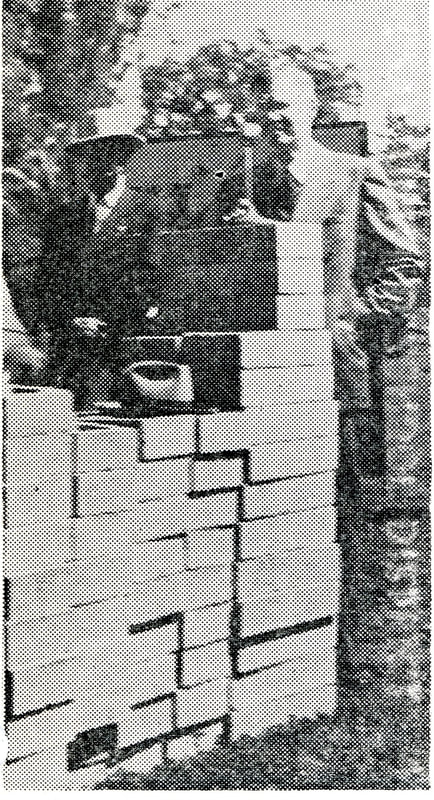
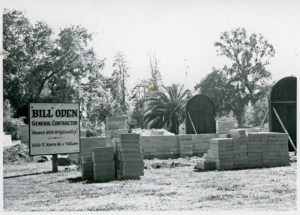
     In 1948, construction began with the laying of corner stones and a dedicatory address by Dan McFadzean, who was one of the County Historical Society’s first members and also the attorney who had prepared the legal papers for the County’s acquisition of the park from the Mooneys in 1909. The museum was opened to the public on July 1, 1949, and the Tulare County Historical Society ran its operations from 1948 to 1956, when the county took over that responsibility.

     For almost three quarters of a century, the Tulare County Museum has actively partnered with the County Board of Supervisors, the County Historical Society, members of the county’s varied and historic cultures and communities, and many other local organizations and institutions “To protect, preserve and promote a shared understanding of Tulare County’s past and its place in the future by providing the community with innovative, diverse, and engaging exhibits and events.”

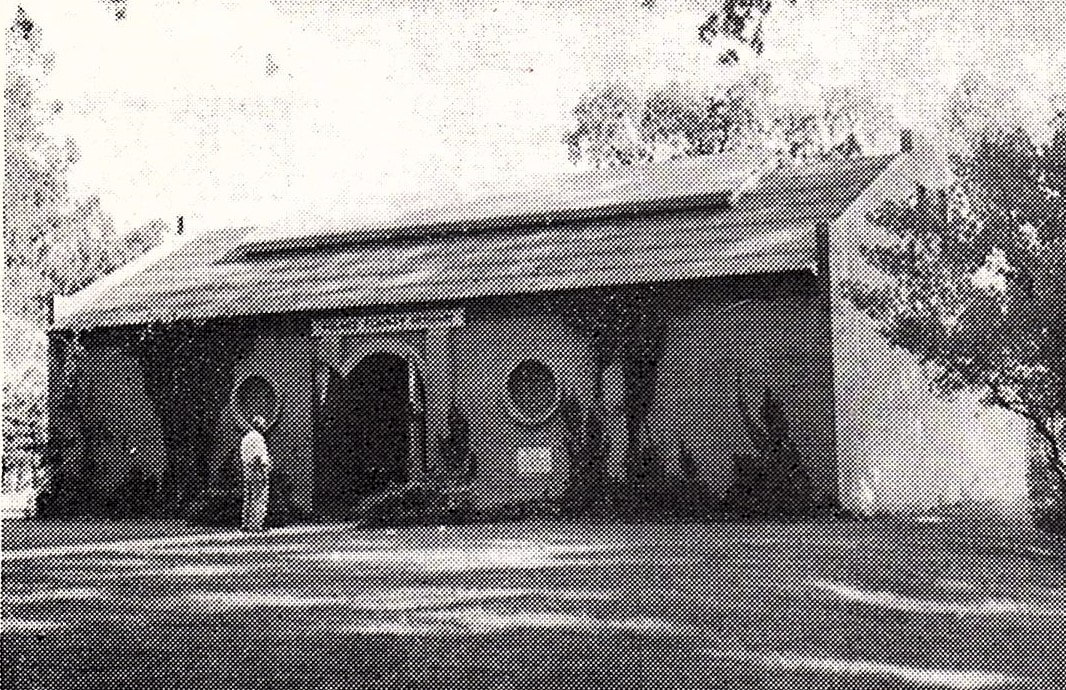
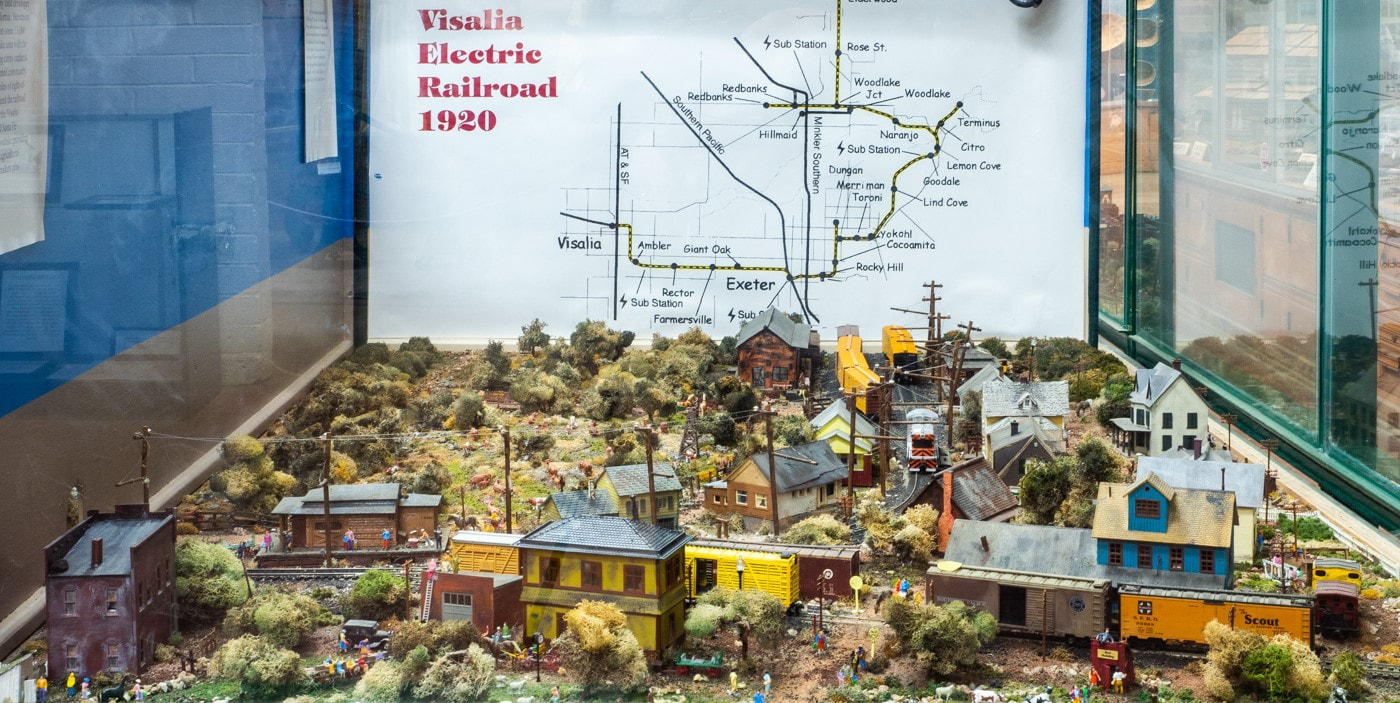
     The 1948 structure was originally a single gallery, now known as the Middle Room. Today, it houses a military display, tractor exhibit, Sequoia and Rankin fields aviation display, a Visalia Electric Railroad model train, and the Mountain Connection exhibit, which highlights the Sierra Nevada mountains.

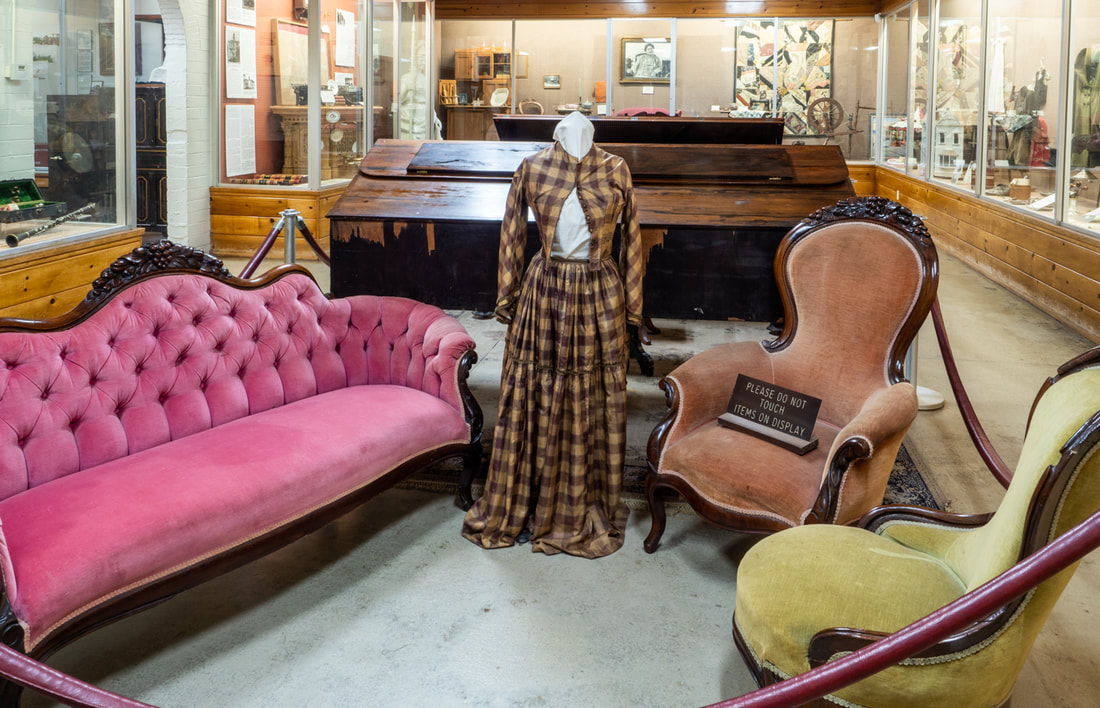
     The East Wing, holding the native basket collection, was added in 1956 and the West Wing, or Annie Mitchell Room, with displays of living styles and early county families was added in 1967, making a total of three galleries. Around 1970, the Gun and Saddle gallery was added onto the main gallery to house the growing collection of firearms and tack, including several of the famous Visalia Saddles.

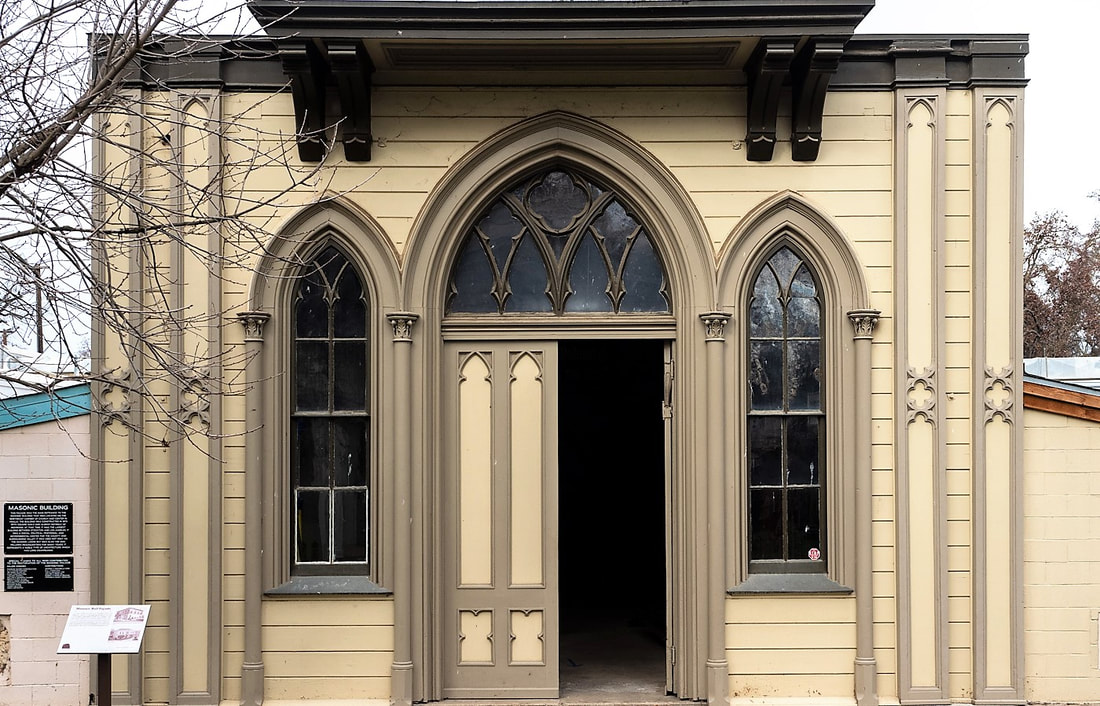
     The beautiful Masonic Building Façade was donated in 1961 and placed behind the original museum building to create an enclosed space for the Main Street gallery, which holds life-sized replicas of historic business establishments. During the 1960s, many structures, such as the Surprise School, the Emken House, and Visalia’s first jail, were added to a Pioneer Village of original historic buildings and preserved on the museum grounds.

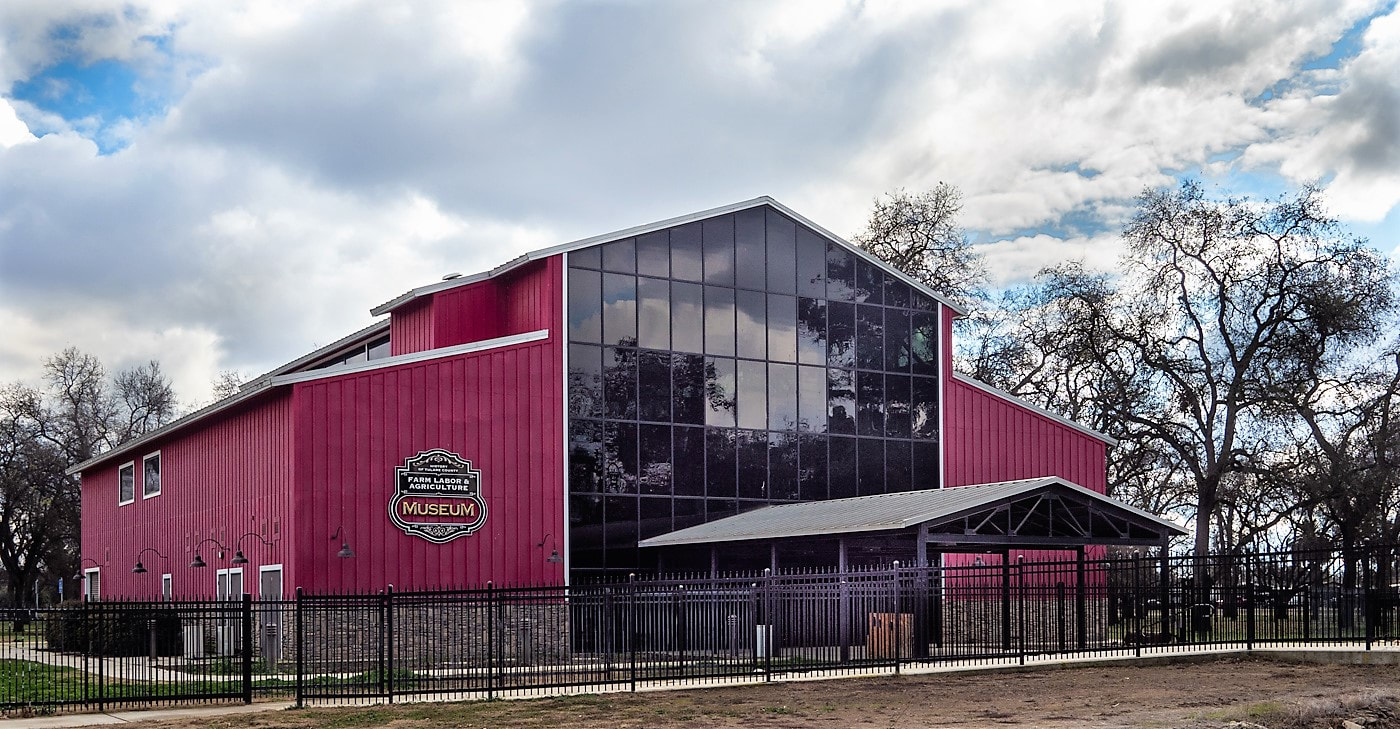
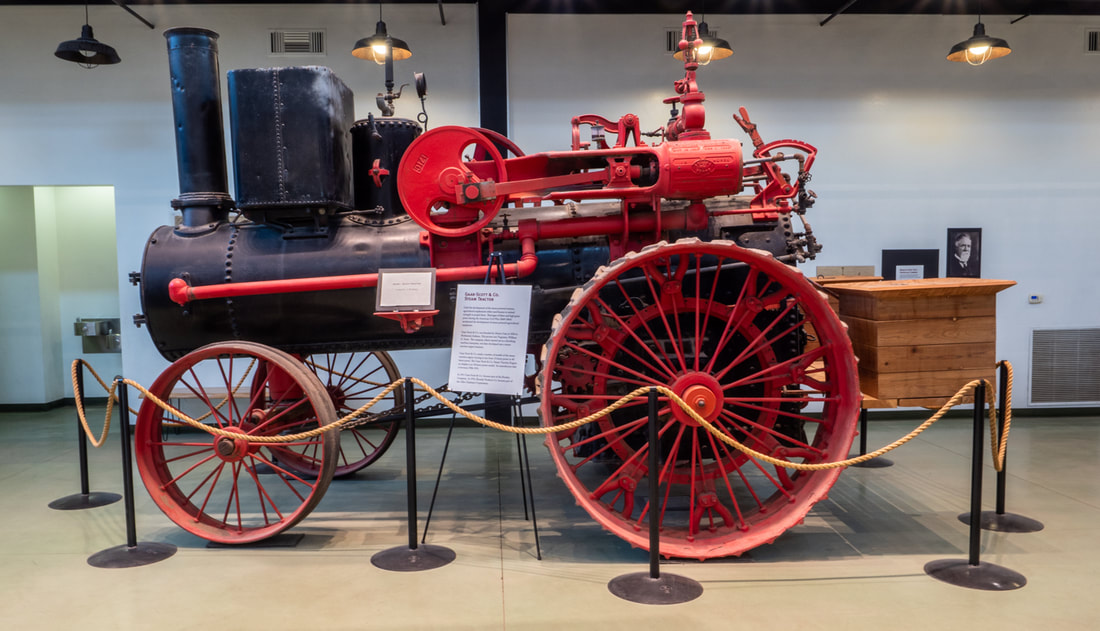
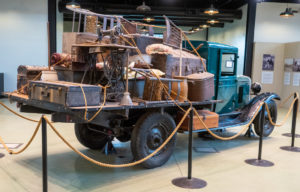
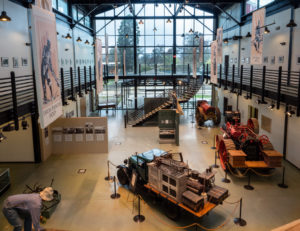
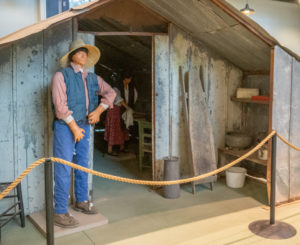
     The museum’s newest addition is the History of Tulare County Farm Labor & Agriculture Museum. This building’s displays include a large steam tractor and a Hackney Auto Plow, along with a reconstructed Linnell Camp house that was used to shelter migrant farm workers. But the main focus of this Museum is its cultural gallery that highlights, one at a time, each of sixteen different cultural groups and their contributions to our county’s agricultural history.

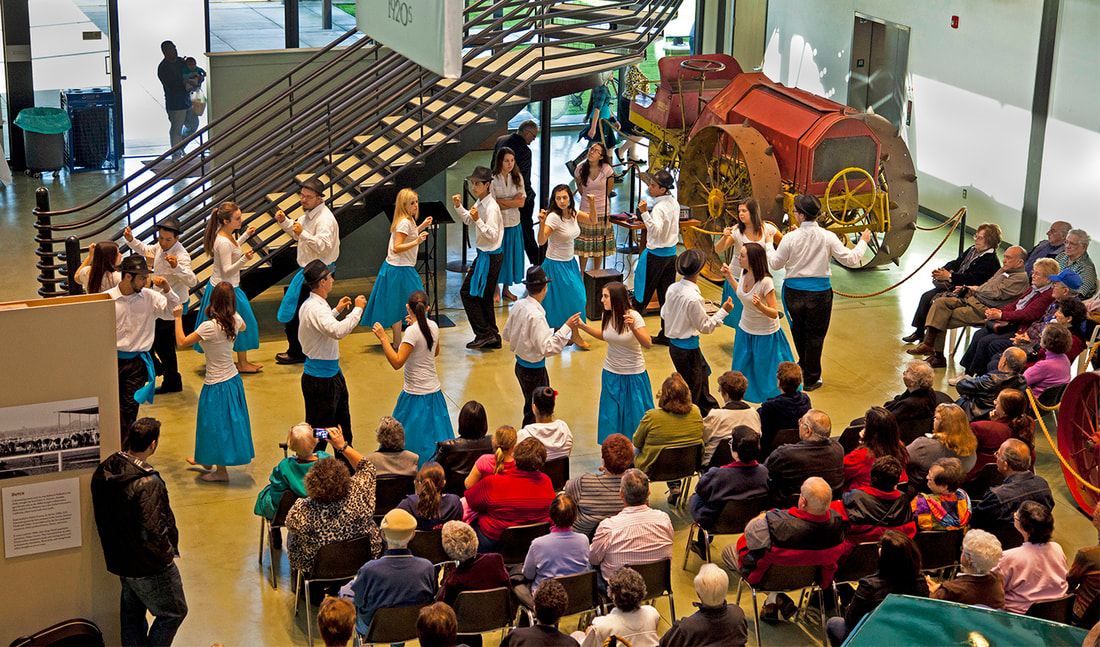
     Each new exhibit brings new involvement in the museum as members of each group provide many of the photos and items on display. The Tulare County Office of Education also produces a video to accompany each exhibit, featuring interviews of local members of the highlighted group. An opening reception with food, guest speakers, and often music offers another opportunity for the Museum to connect with each community in a wonderful way.

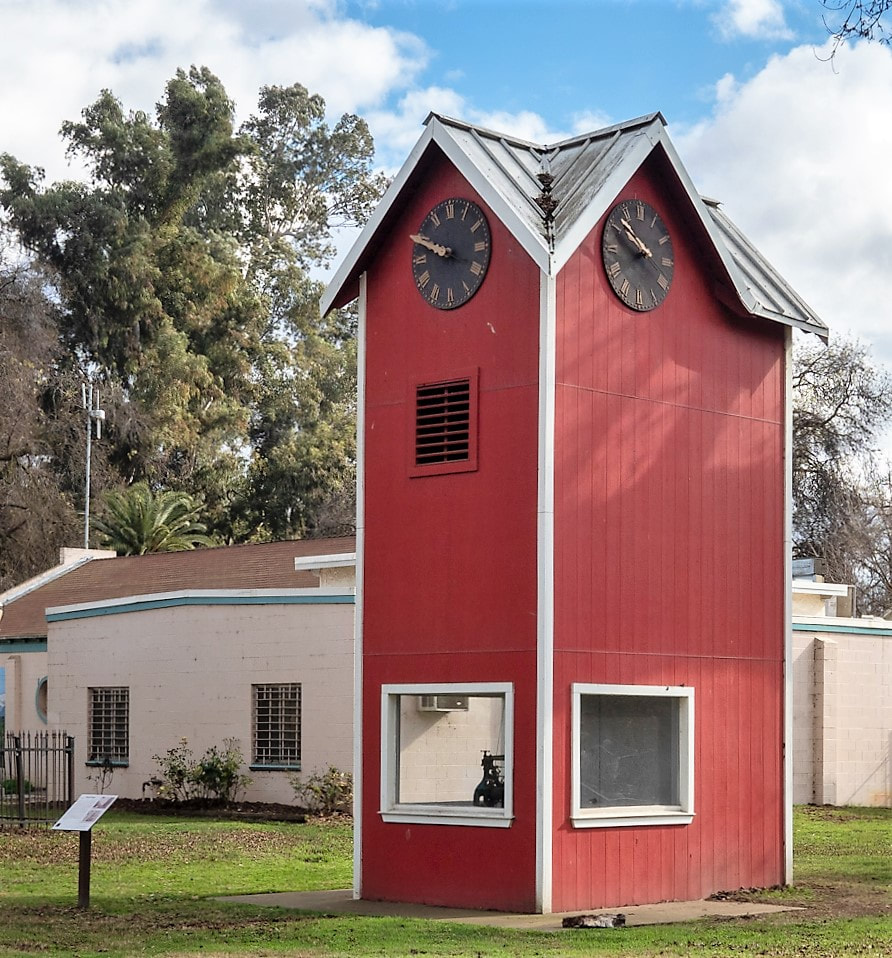
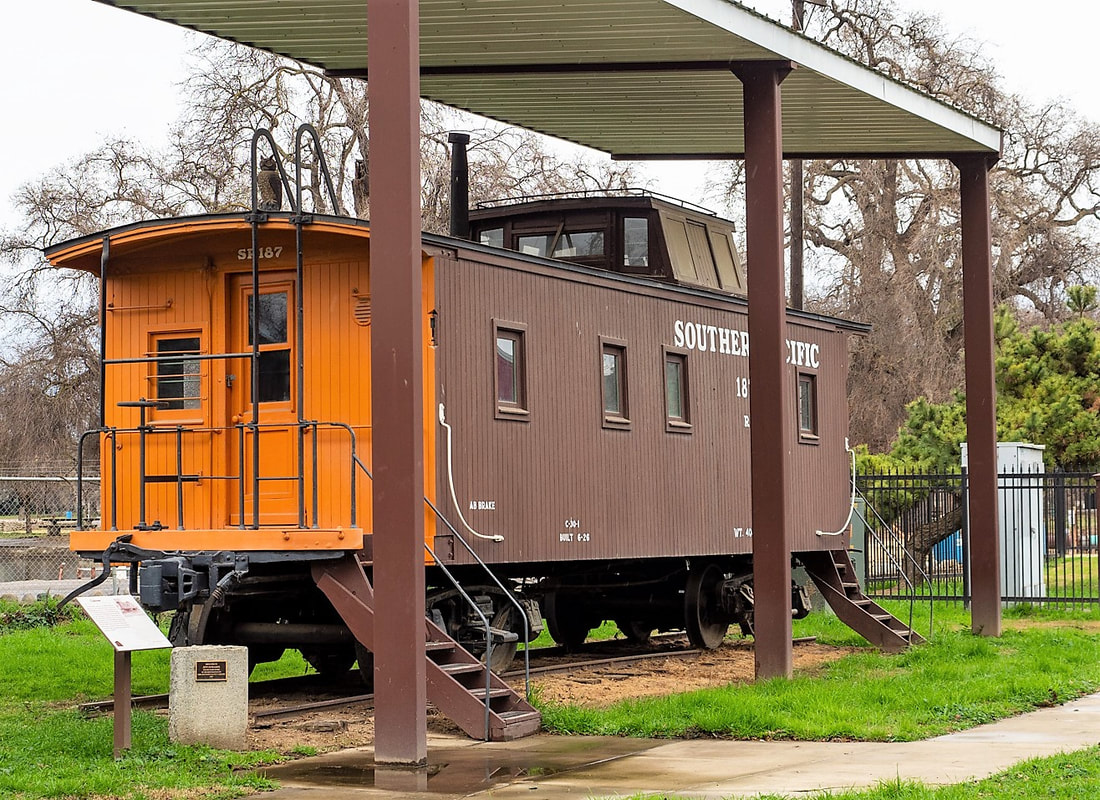
     Over the years, the Museum has collaborated closely with the Tulare County Historical Society to acquire historical items for display and to host fundraising events that support vital restoration projects throughout the museum complex. The Clocktower that houses the clock that used to be in the Bank of Visalia building downtown, the Southern Pacific Caboose that was used on the Visalia Electric Railroad, the facade of the Masonic Building that used to be in downtown Visalia, the Main Street gallery, and recently the Agricultural Equipment project have all been funded by these events.

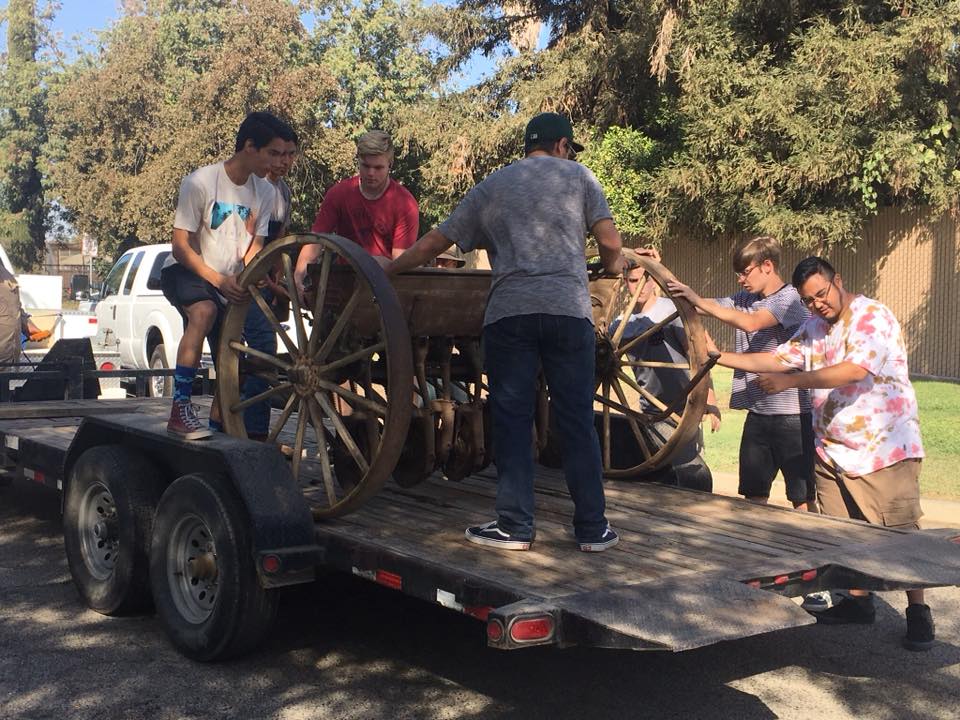
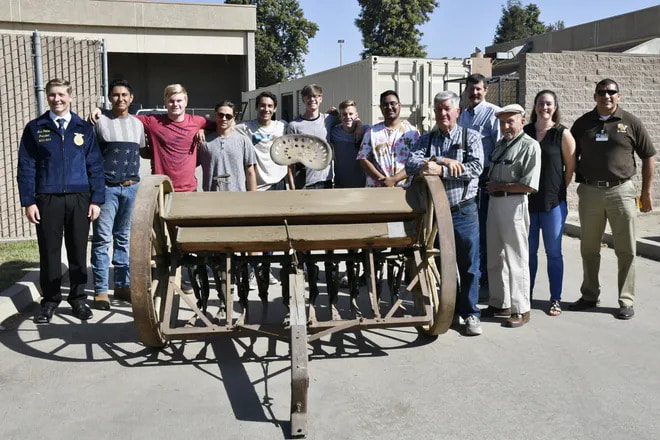
     The Agricultural Equipment Project has been in the works for several years with two components – restoration of displayed equipment, and construction of a building in which to showcase it. Don Vieira and Carl Switzer, members of the Tulare County Historical Society, have been integral in the conception of the project as well as bringing it to fruition.

   Through their efforts, the Museum has partnered with local high schools whose students have been working to restore several pieces of equipment from the collection that have been weathered by the elements over the years. The students’ research on each piece of restored equipment will contribute to the timeline of the history of local agriculture, a main focus of the new building.

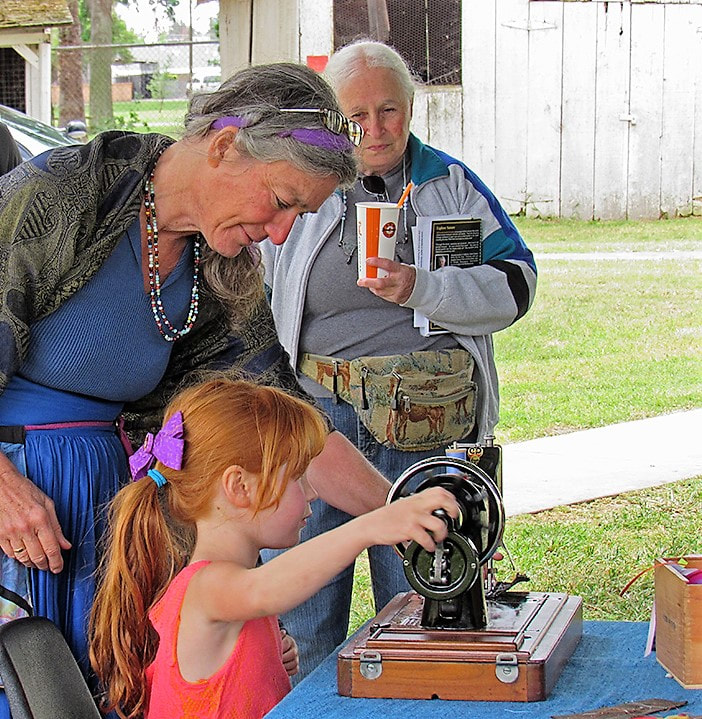
     As the Tulare County Museum continues to expand its collection and its educational programming — including yearly classroom tours, lectures, publications, and events — community engagement is vital in making those efforts successful. The Main Street Jamboree is one such free and fun event for the whole family that has helped to connect the museum to the community. Held each year on the last Saturday in April, the Jamboree provides many new and fun ways for visitors to learn about Tulare County history and its important part in the life and growth of California.

     The Tulare County Museum, with its constantly growing and improving displays and events, lies at the core of our county’s history. Set in one of the most beautiful oak groves in Tulare County, it is the perfect place to discover the wonderful preservation of our fascinating past. History can be intriguing. It can be fun. Come join us!

March, 2021


Slideshow:


Quotes & More Photos:

“The location itself is historic, being part of the great oak forest that extended from the foothills to old Tulare Lake along the delta of the Kaweah River.” — Joseph E. Doctor

“A statue depicting Mooney and his favorite hunting dog was dedicated to his memory in June, 2006, by the Tulare County Historical Society.” — Visit Visalia

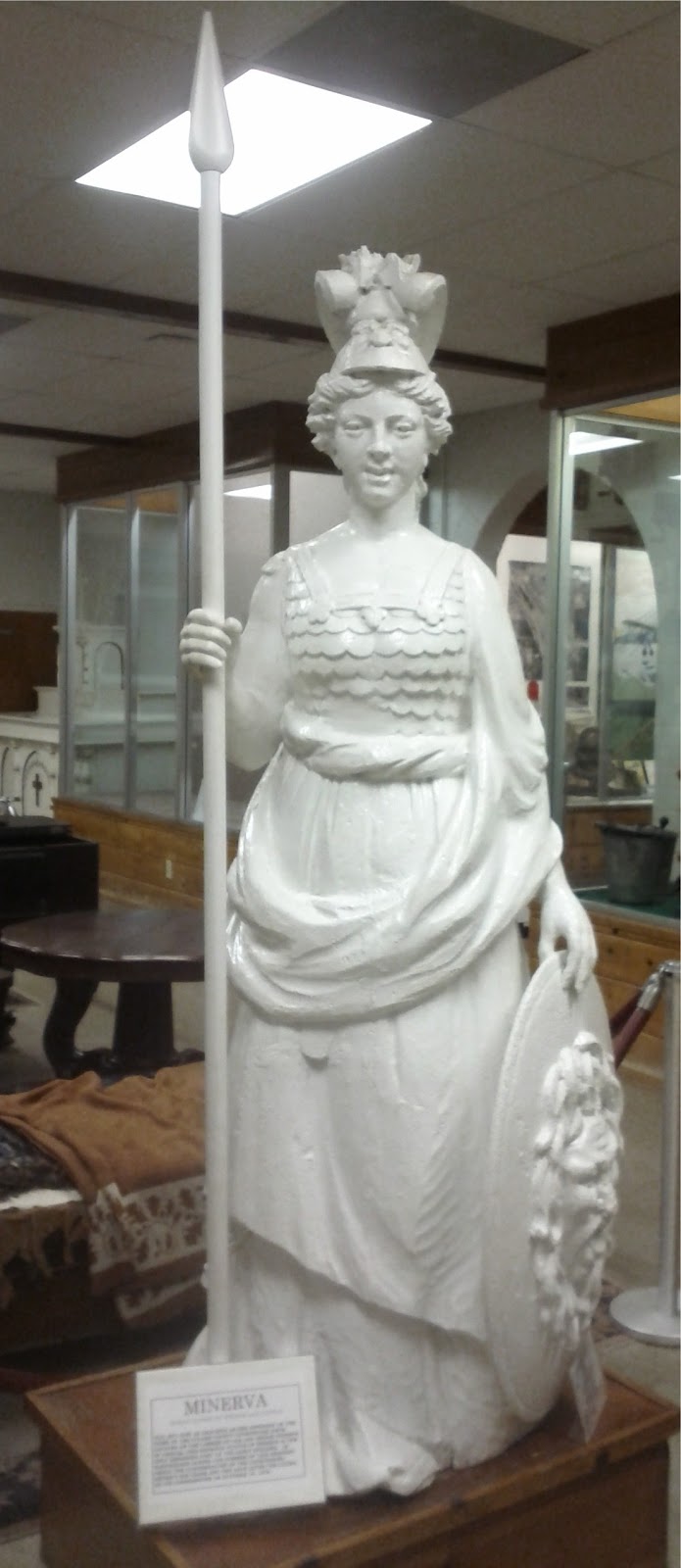
Entering the museum, one is met by a seven-and-a-half-foot tall statue of Minerva, the goddess of wisdom. She stood atop the dome of the old Tulare County courthouse from when it was built in 1876-77 until it was razed after the 1952 Tehachapi earthquake. — from Terry Ommen and Tulare County Historical Society, in Los Tulares, March, 1968

Alsalio Herrera and Ricardo Mattley worked with Juan Martarel at his Visalia saddle shop in 1869. Martarel radically changed the Mexican stock saddles used by the California vaqueros, making them lighter, stronger, and more comfortable for both rider and horse. Herrera, a skilled silversmith, made bits, spurs, ornaments, and metal parts for saddles and bridles, while for 20 years Mattley made all of the saddle trees used by Martarel and his successor, David E. Walker, who bought the business in 1870. — from Annie R. Mitchell, in Los Tulares, September, 1959

“D.E. Walker . . . was something of a merchandising genius and made ‘Visalia’ a by-word among stockmen.” — Tulare County Historical Society, in Los Tulares, March, 1968

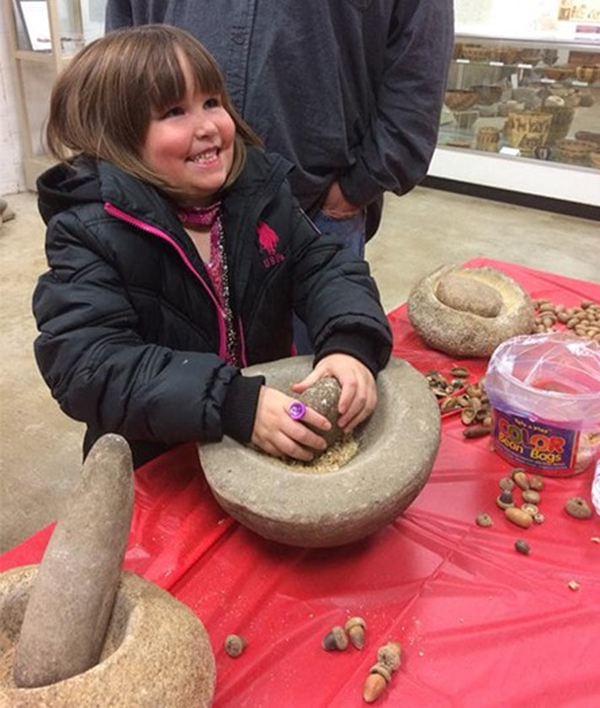
“The Yokuts Indians were among the best basket weavers and until recent years a few were still being made. In other cases are displayed arrow points, charm stones, arrow straighteners, ceremonial blades, [and]. . . portable rock mortars and metates. In the center case is a display showing how acorn flour was prepared . . . .” — Tulare County Historical Society, in Los Tulares, March, 1968

“”[T]he old Masonic building in Visalia . . . was constructed in 1873 and 1874 and at the time was the largest building between Stockton and Los Angeles. It was a social, political, fraternal, and governmental center for much of the county and the valley. . . . It represents a noble type of architecture which has virtually disappeared from California. . . . a magnificent example of the work of the old-time builders in wood . . . constructed almost entirely of redwood . . . .” — Joseph E. Doctor, President, Tulare County Historical Society, 1957

“The Tulare County Historical Society was privileged in 1961 to receive a donation of the Emken house from Marcus and Victor Emken. This lovely typical farm house was moved [from its original location west of Strathmore] into the historical village. The village is a delight to history buffs and is greatly used by various schools in Tulare and surrounding counties.” — Tulare County Historical Society, in Los Tulares, March, 1994

“The Farm Labor and Agriculture Museum recognizes the importance of the farmers . . . those special hardy men, women, and children from the many cultural and ethnic groups that tilled the soil. Well worth a visit.” –Terry Ommen

“It is difficult for the present generation to realize how people lived without high speed automobiles, TV, radio, even without electricity for any purpose. When chores meant filling the wood-box after school every day, when mom had to wash and polish the lamp chimneys and when kids’ spending money might be a penny or two.” — Tulare County Historical Society, in Los Tulares, March, 1968

“From the beginning, the Tulare County Historical Society has been involved in the development of the museum, donating money for additions and repairs to the museum, as well as members’ time and effort. It would be impossible to think of the Tulare County Museum without thinking of Annie Mitchell. In 1947, . . . [she] was appointed Museum Curator. She was a member of the Board of Directors longer than anyone, and it was with regret that she resigned in January 1998 due to ill health.” — Tulare County Historical Society, in Los Tulares, September, 1998

“A historical society . . . fundamentally . . . is a trustee of the past and its culture. As such, it faces the challenge of preserving not only what obviously has value now, but also what will have significance in the future.” — William B. Osgood; June, 1957

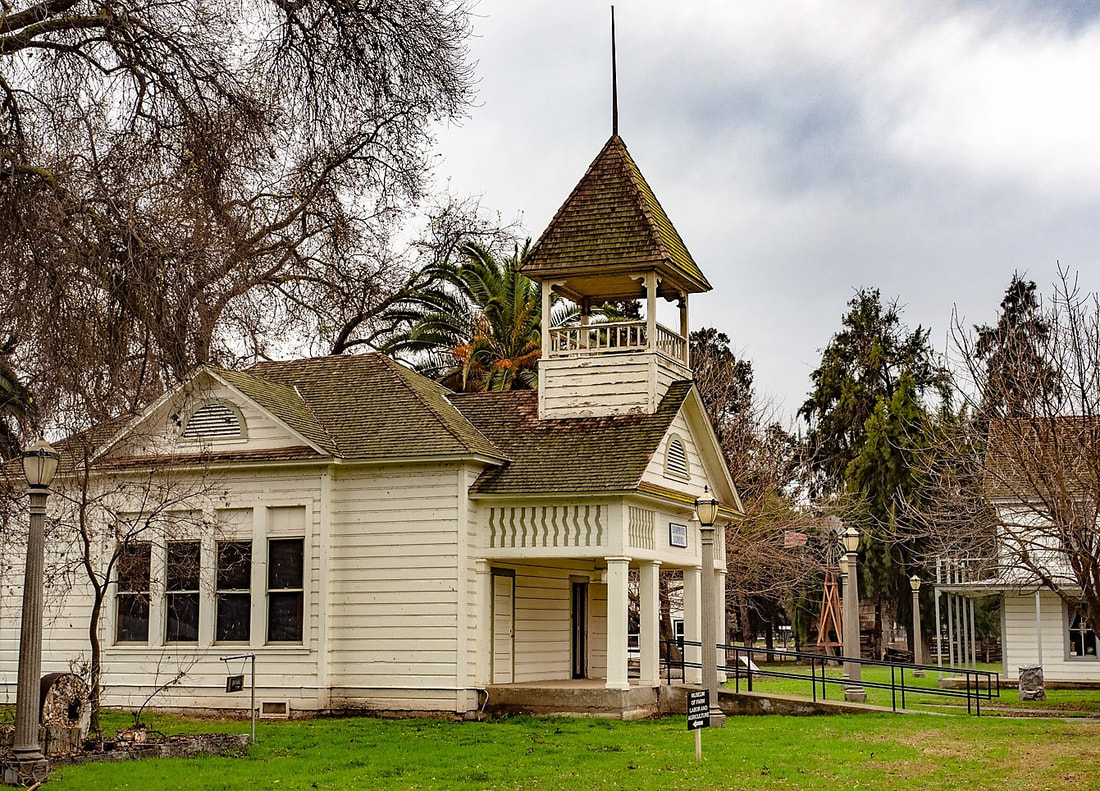
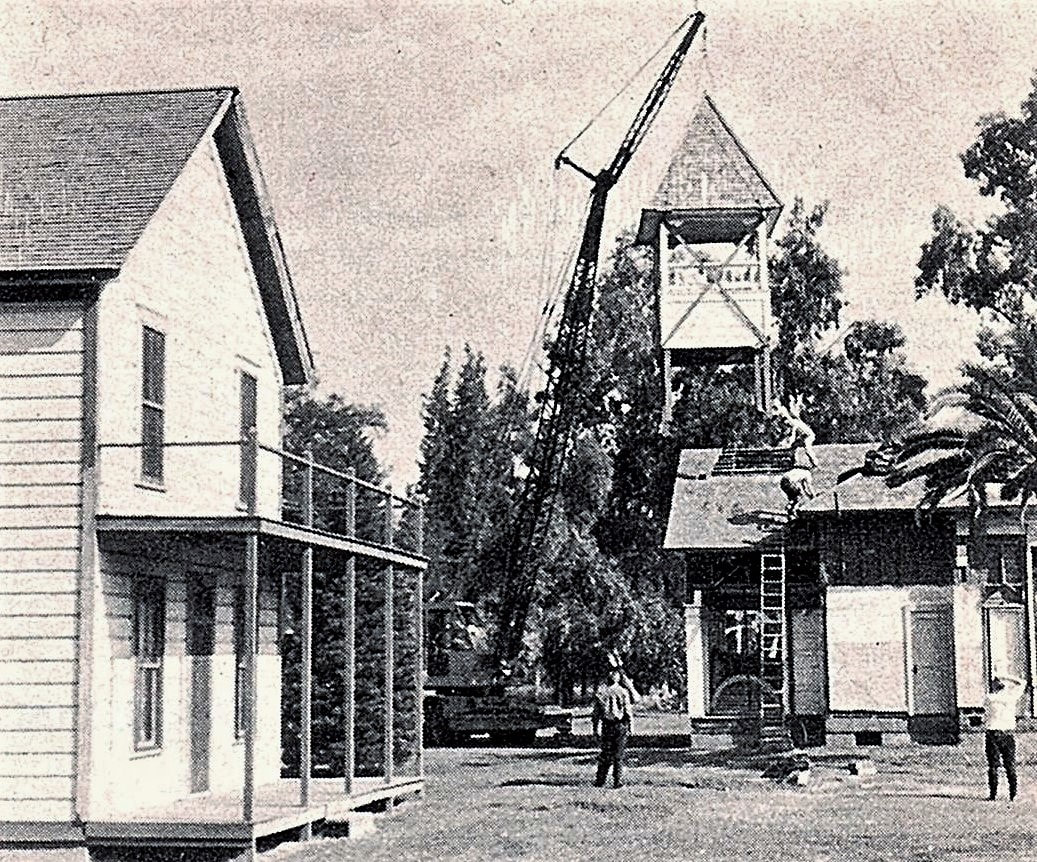
The first Surprise School dated back to 1876. It was replaced in 1906. When use of the 1906 school was discontinued in 1962, the Surprise Community Club raised money to move it from near Woodville to the Museum. “The belfry was lifted off and the roof removed to avoid cutting utility lines.” — Tulare County Historical Society, in Los Tulares,  March, 1968


Maps & Directions:

Directions:


Address: 27000 South Mooney Blvd., Visalia, CA 93277


From Visalia, go south from Hwy 198 in downtown Visalia on Mooney Blvd./Hwy 63 for 3.5 miles and turn left (east) into Mooney Grove Park.

Follow the park road to the original Museum building, which will be on your right.


NOTE:  Admission to the Museum (as well as the Farm Labor & Agriculture Museum) is via the office in the original Museum building (except during special events).


Site Details & Activities:

Environment:  Valley, outskirts of City of Visalia, inside Mooney Grove Park
Activities:  Pioneer village, cultural center, tours of museum for schools, special events
Open:  Thursday – Monday 10:00 a.m. – 4:00 p.m. April through October; in November through March weekend hours are reduced to noon — 4:00 p.m. School tours can be arranged by calling the office during open hours at 559-624-7326, or email aking1@tularecounty.ca.gov (reservations are required for school field trips; admission fee: $1.00/student [no charge for teachers or chaperones], plus $6/vehicle other than school bus).  Admission: free for the public (included in Mooney Grove Park entrance fee:  $6/vehicle, $3 for seniors, collected at park entrance gate Friday-Sunday during March-October).  Donations greatly appreciated.
Site Steward:  Amy L. King-Sunderson, curator, 559-624-7326, aking1@tularecounty.ca.gov
Opportunities for Involvement:  Donate, volunteer
Links:


Click on photos for more information.


The Story of the James K. Herbert Wetland Prairie Preserve

by Laile Di Silvestro

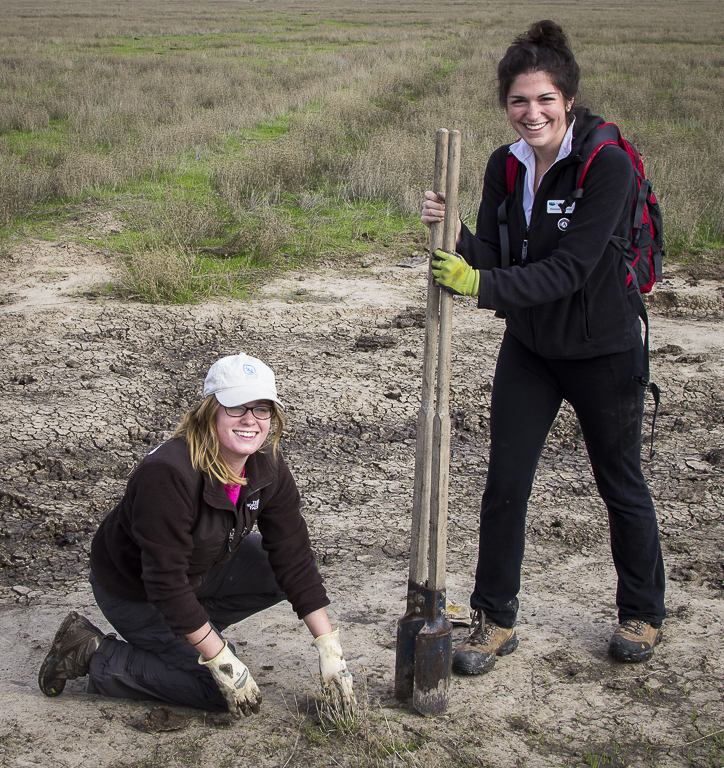
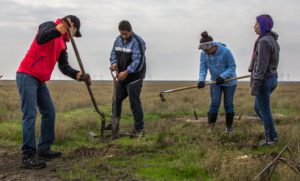
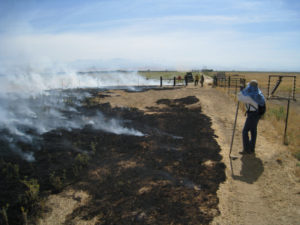
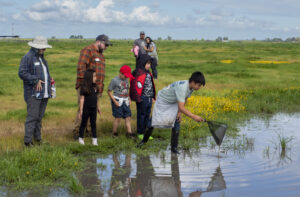
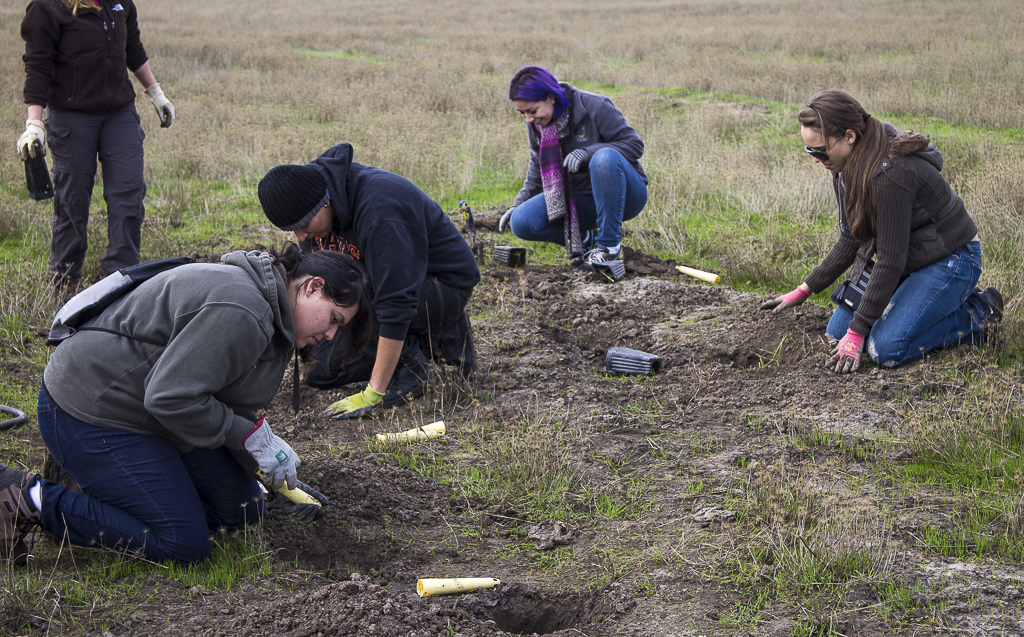
     On the first planting day of the 2013-2014 rainy season, several students from College of the Sequoias spent hours bent over soil scoured by a prescribed burn. They dug holes and patted small seedlings of oak, willow, cottonwood, and elderberry into the ground before watering them thoroughly.

     The students’ activity might not have seemed unusual to the Yokuts, the indigenous peoples of the Tulare Basin who lived off the land for thousands of years. They actively managed it by setting fire, by pruning dead undergrowth, by tending seedlings, and by transplanting some edible flora. Their resource management supported a diverse diet of seeds, roots, herbs, and meat, and helped them to maintain an adequate food supply despite variations in weather and water availability.

     Less than 150 years ago the Tulare Basin held the largest freshwater lake west of the Mississippi. The shallow lake, the rivers that fed it, and the miles of tule marshes and wetland prairie around it nurtured a rich diversity of plant species and wildlife.

     The first Euro-American settlers, who arrived in the 1850s, recognized the land’s agricultural potential and proceeded to drain the lake and marshes and divert its water sources to irrigation canals. By the early twentieth century, the lake had been reduced to small seasonal pools, and the basin was divided into a vast grid of intensively farmed land.

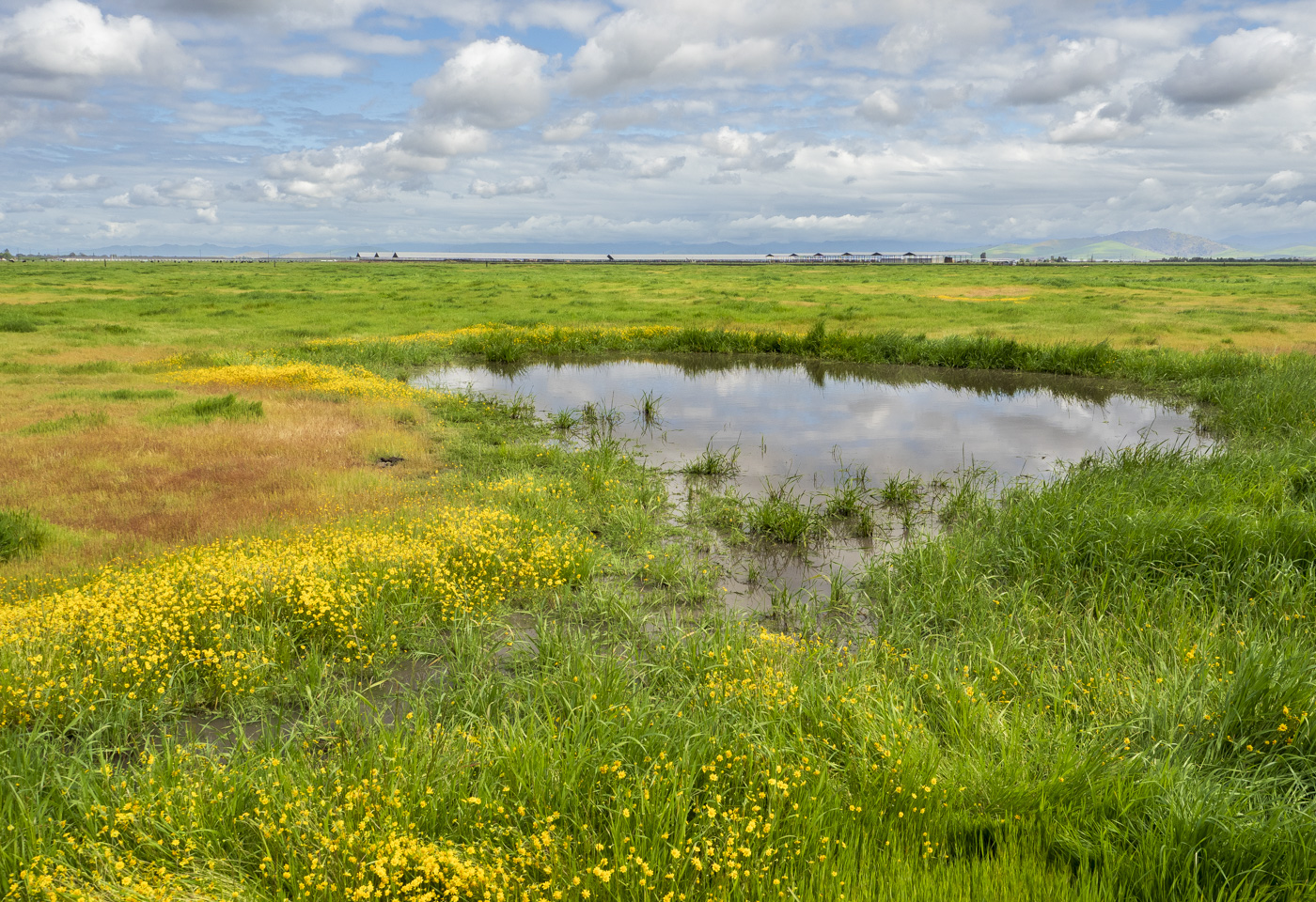
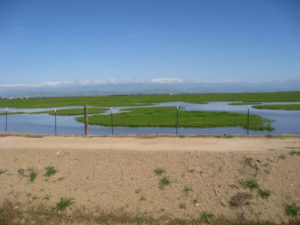
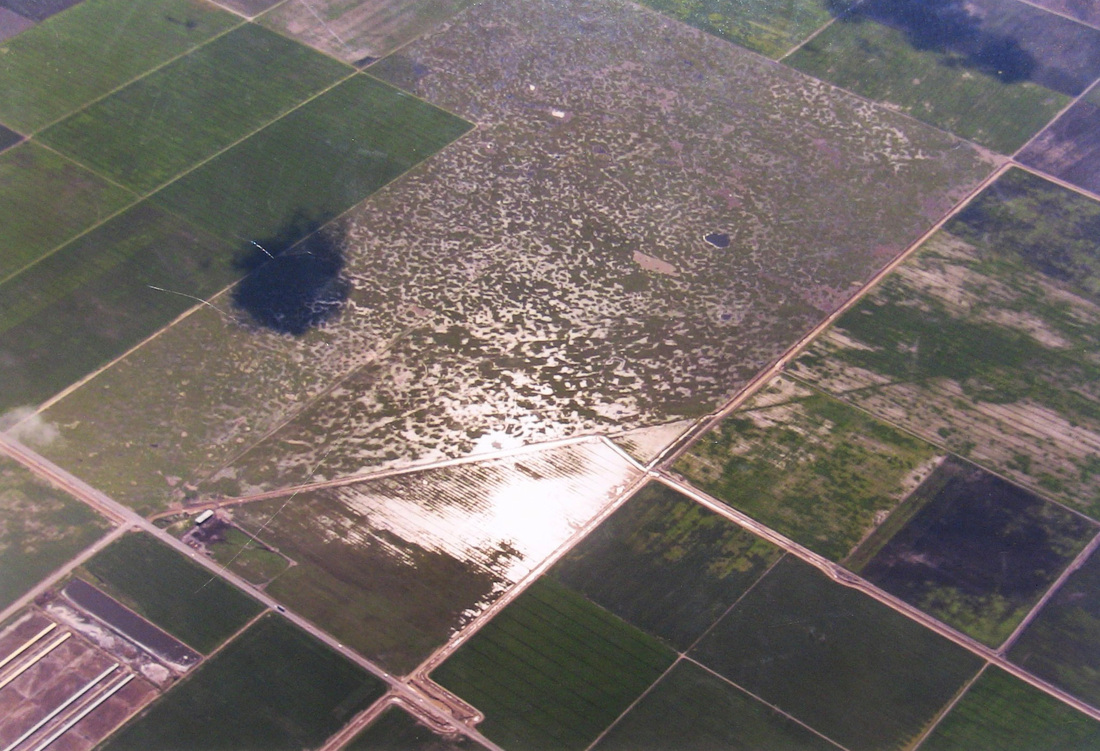
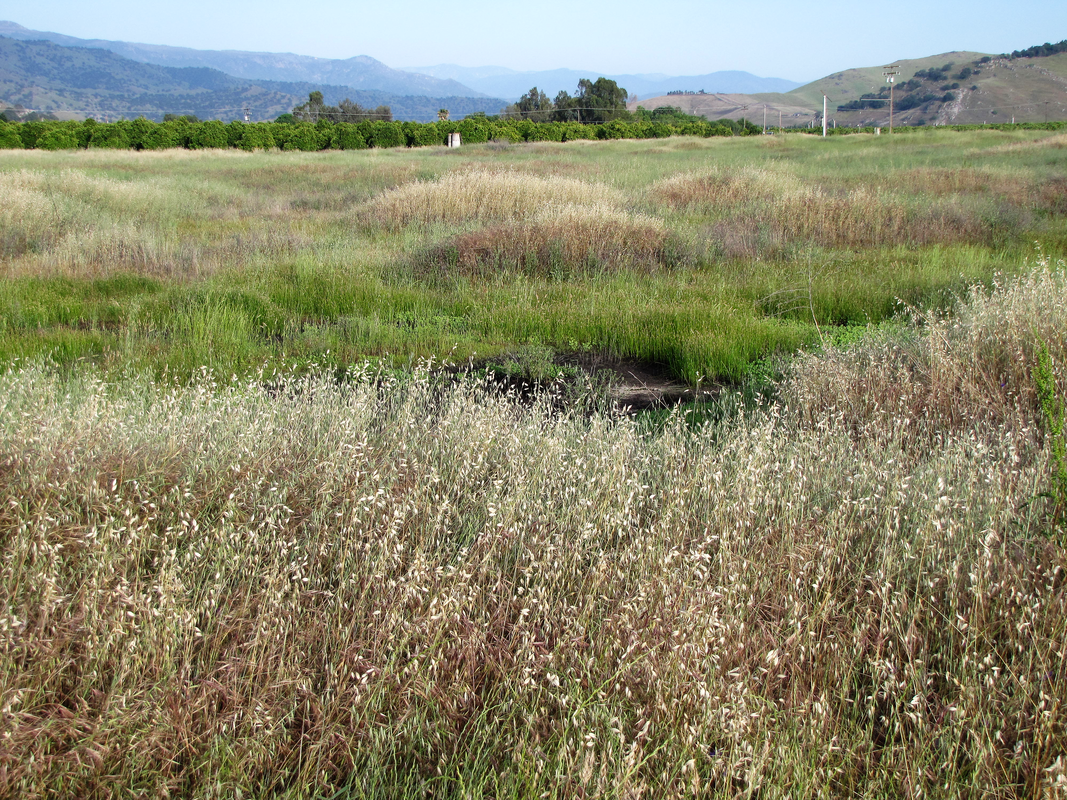
     Yet, about four percent of the original landscape remains, and an invaluable portion of that is enclosed within the fences of the James K. Herbert Wetland Prairie Preserve. This 725-acre site lies to the east of the vanished Tulare Lake shore, between the Kaweah and Tule Rivers, and protects the largest remaining piece of natural prairie in Tulare County.

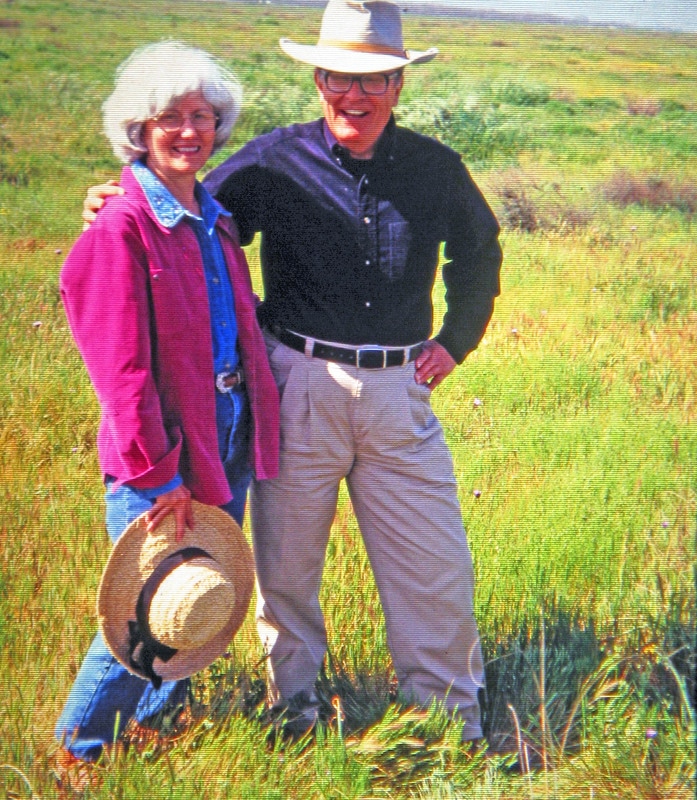
     Its preservation is due to the efforts of biologist Robert Hansen, and the vision of farmers James and Carol Herbert. The Herberts hired Hansen in 1992 to assess the potential of the property. Hansen found a remnant of the land as it was before the Euro-American settlers arrived. It was ideally situated to serve as an important segment of the Oaks to Tules Wildlife Corridor and, if restored, could help preserve threatened plant and animal species while mitigating local flood and fire risk.

     After several years of study, Hansen recommended that the land be conserved, rather than converted into a dairy farm or orchard. The Herberts embraced the idea of protecting this vanishing habitat, which they fondly called their “wilderness.” In 2000, a coalition of government and private organizations provided the funds necessary for the Sequoia Riverlands Trust to purchase the land from the Herberts at less than market value.

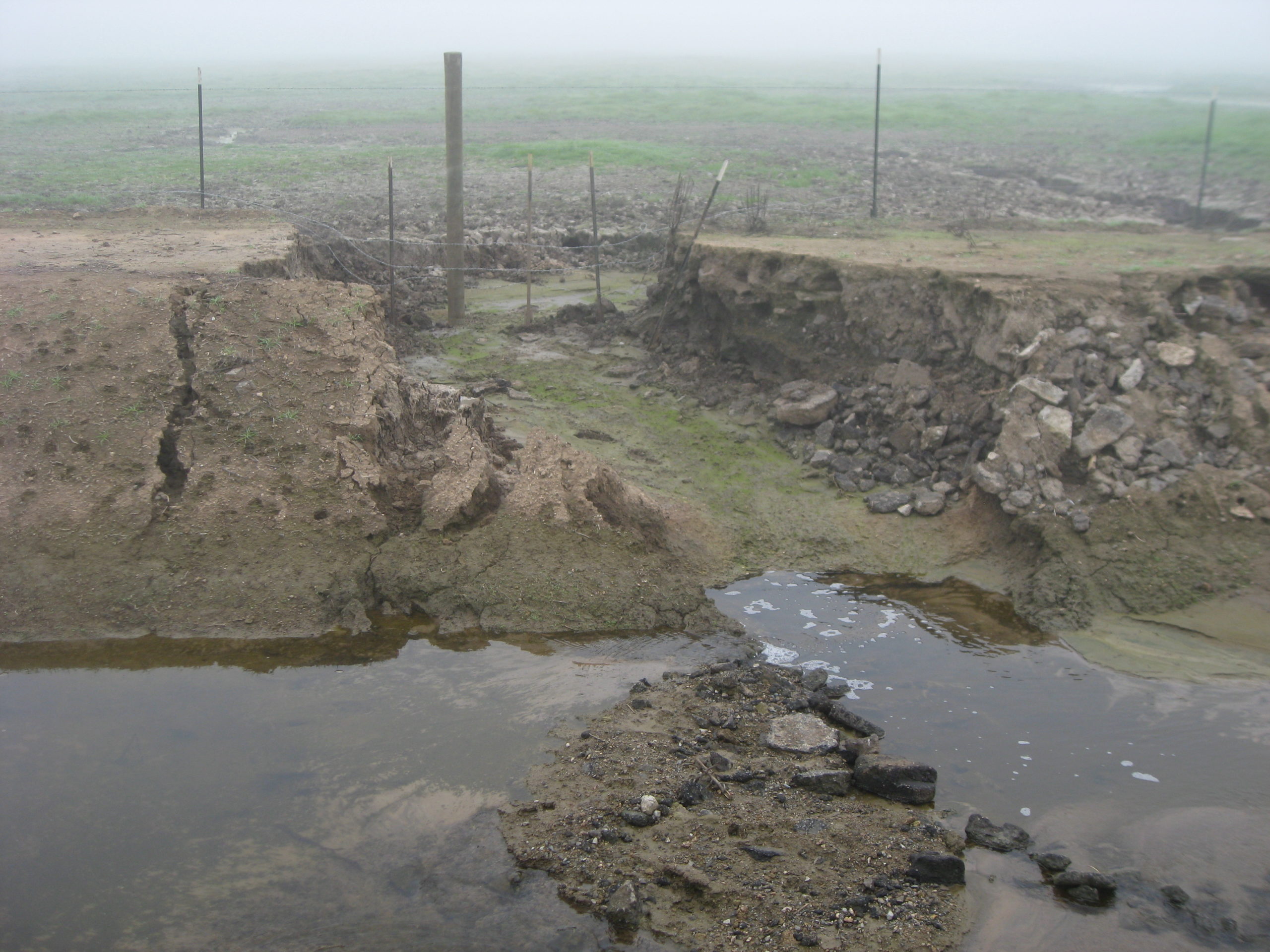
     Two years later, the Trust took on restoration of the land with a rigorous scientific approach. With the help of the National Resource Conservation Service and the California Wildlife Conservation Board, the Trust began returning 83 acres of the site’s irrigated pasture to wetland.

     They restored vernal pools, dug three shallow ponds, constructed a meandering slough, and seeded the slough with native grasses. From 2005 to 2010, with a grant from the Central Valley Project Conservation Program, the Trust and dozens of volunteers continued wetland restoration while systematically monitoring how the native species respond to management programs that include prescribed fire and livestock grazing.

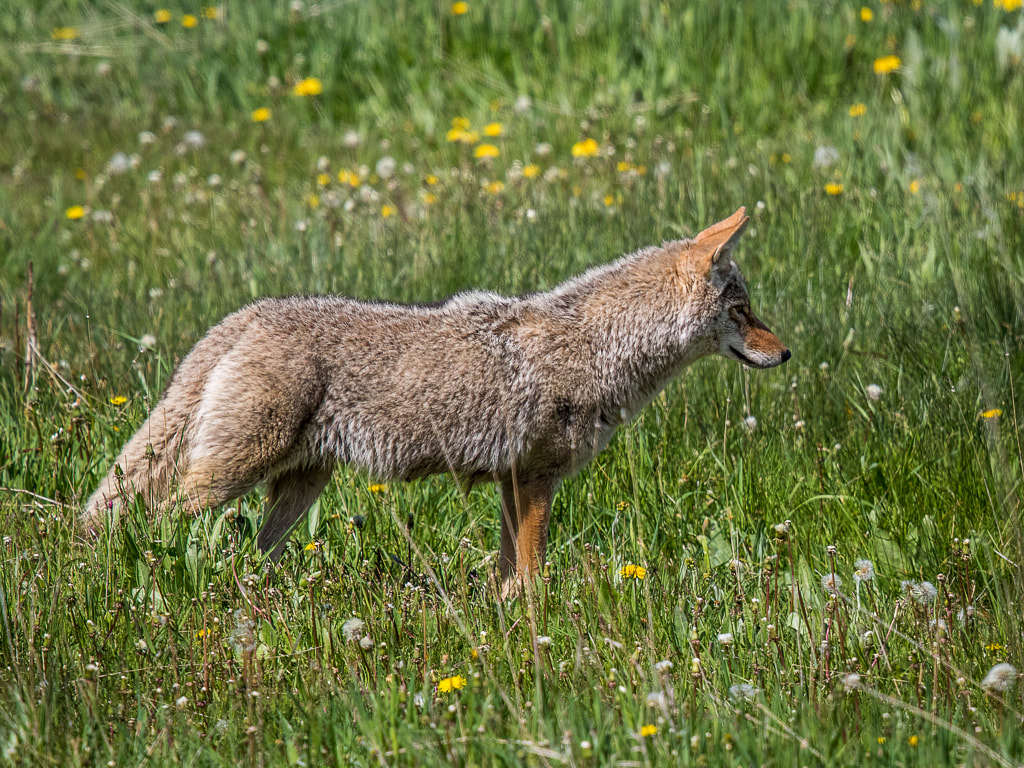
     The results are astounding. The diversity and abundance of native wetland prairie plants has increased. As a result, western spadefoot and freshwater invertebrates abound (seasonally). With the restored habitat, the long-tailed weasel, coyote, Golden eagle, and Swainson’s hawk come to forage. Ducks, grebes, and redwing blackbirds have returned to feed and nest. In all, the number of bird species on the property, including burrowing owls, has increased from 76 to 153.

     Of the animals that have returned to this land, perhaps none are more important than humans. Volunteers tend to return to the site again and again to see how the plants are doing and to enjoy the beauty of a thriving wetland prairie. “Human beings are a huge piece of the puzzle,” says project biologist Bobby Kamansky, “because we value biodiversity, and we, as a society, derive direct benefit.”

July, 2014

Note:  Now read Rob Hansen’s SOME BIRDS OF THE HERBERT PRESERVE and MYSTERIOUS LIFE OF VERNAL POOLS.  For more about hogwallows (Mima Mounds), see THE STORY OF THE HOGWALLOW PRESERVE.


Slideshow:


Quotes & More Photos:

“Good farmers, who take seriously their duties as stewards of creation and of their land’s inheritors, contribute to the welfare of society in more ways than society usually acknowledges, or even knows. These farmers produce valuable goods, of course; but they also conserve soil, they conserve water, they conserve wildlife, they conserve open space, they conserve scenery.” — Wendell Berry

“When the re-contouring work was done in October 2002, the 83-acre site was devoid of vegetation, but a new meandering channel (since dubbed Sellers Slough in honor of Carol Sellers Herbert, one of the original owners) and three ponds had been excavated and were just awaiting a ‘wetting’ invitation. Native grasses had been planted along Sellers Slough and needed rain and a christening flow of water down the new channels into the new ponds in order to green up the restoration site.” — Rob Hansen

“Young riparian trees and shrubs (valley oaks, willows, cottonwoods, button willow, elderberry, and blackberry) that have been planted along Sellers Slough near the northwest corner of the preserve are now getting tall enough that I fully expect that on one of my next birding visits, I will be lucky enough to find a western wood-pewee, a western bluebird, phainopepla . . . or a black-headed grosbeak perched in these plants (which are irresistible to migrating songbirds like these).” — Rob Hansen

“During the entire post-wetting and restoration/re-vegetation period (November 14, 2002 to July 27, 2011) 75 additional bird species have been added to the avian inventory at the Preserve. This is a remarkable testament to the effectiveness of ecological restoration: if you build it, if you wet it, they will come!” — Rob Hansen

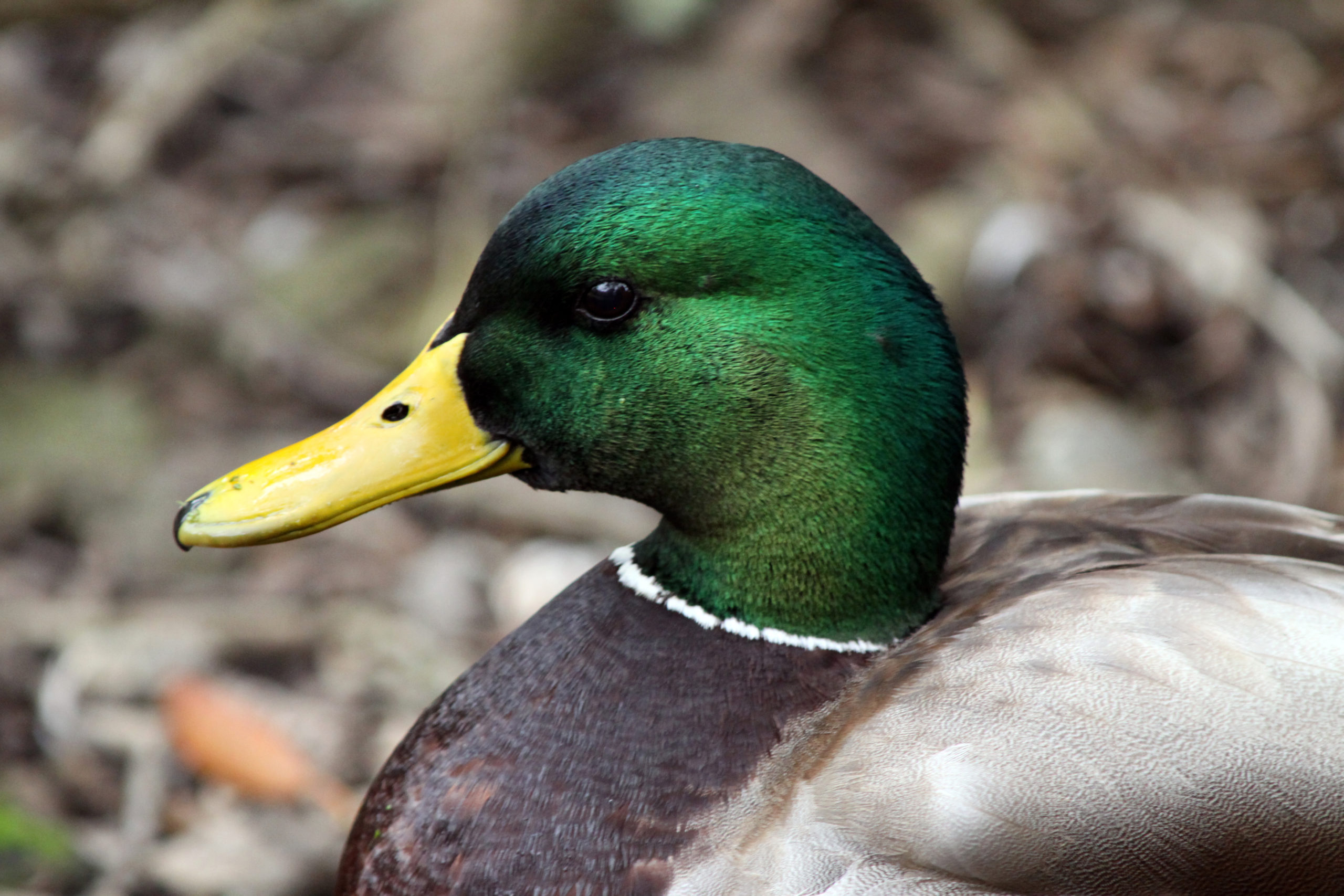
“It’s so great to be able to walk along the edge of the preserve and look over the mounds where the vernal pools are and see flocks of mallards and widgeons and green-winged teal, sometimes even Canada geese out in the wetlands.” — Rob Hansen

“If you truly love nature, you will find beauty everywhere.” — Vincent Van Gogh

“The land around the Herbert Preserve . . . will change as crops change and as communities grow. But we’re hopeful that this large patch of wild open land will continue to provide recreation and solitude and scenic beauty and all the things that go along with wild land and the organisms, the critters that live there.” — Rob Hansen


Maps & Directions:


Address: On Hwy 137 (the Tulare-LIndsay Hwy), at its junction with Road 168, between Tulare and Lindsay.

Coordinates: 36.2113518, -119.1989383


From Visalia, take Hwy 198 east four-and-a-half miles to the Farmersville exit.

Turn south on Farmersville Boulevard (AKA J23/Road 164).

Several miles south, this road becomes Road 168, and ends (after eight miles total) at its T-junction with Hwy 137.  The Preserve is directly across Hwy 137, on the south side of the highway.


Site Details & Activities:

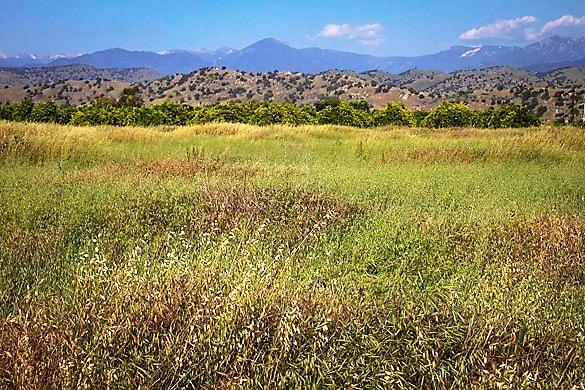
​Environment: Valley, prairie, mima mounds (hogwallows), wetland, vernal pools (seasonal)
Activities: birdwatching, botanizing, guided tours (contact SRT), hiking, photography, wildlife and wildflower viewing
Open: Due to the rarity and fragility of its ecosystem, the Herbert is open to the public primarily on only one or two days each year, for special tours and events.  Individuals or organizations wishing to visit at other times must contact SRT for permission to access the Herbert.  There is no fee for access, but donations are greatly appreciated.  And NOTE:  Birders can enjoy good birding opportunities from outside the Herbert’s long fence almost anytime.
Site Steward: Sequoia Riverlands Trust, 559-738-0211, info@sequoiariverlands.org
Opportunities for Involvement: donate, volunteer
Links:


Click on photos for more information.

The Mysterious Life of Vernal Pools

by Rob Hansen

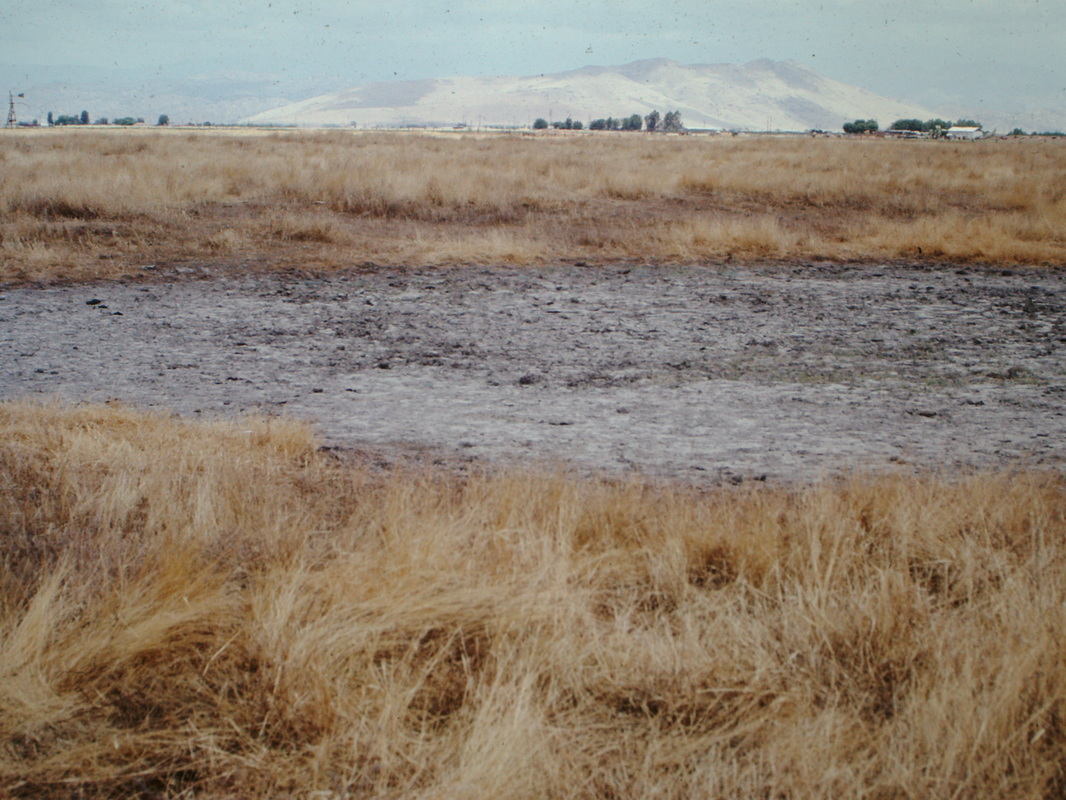
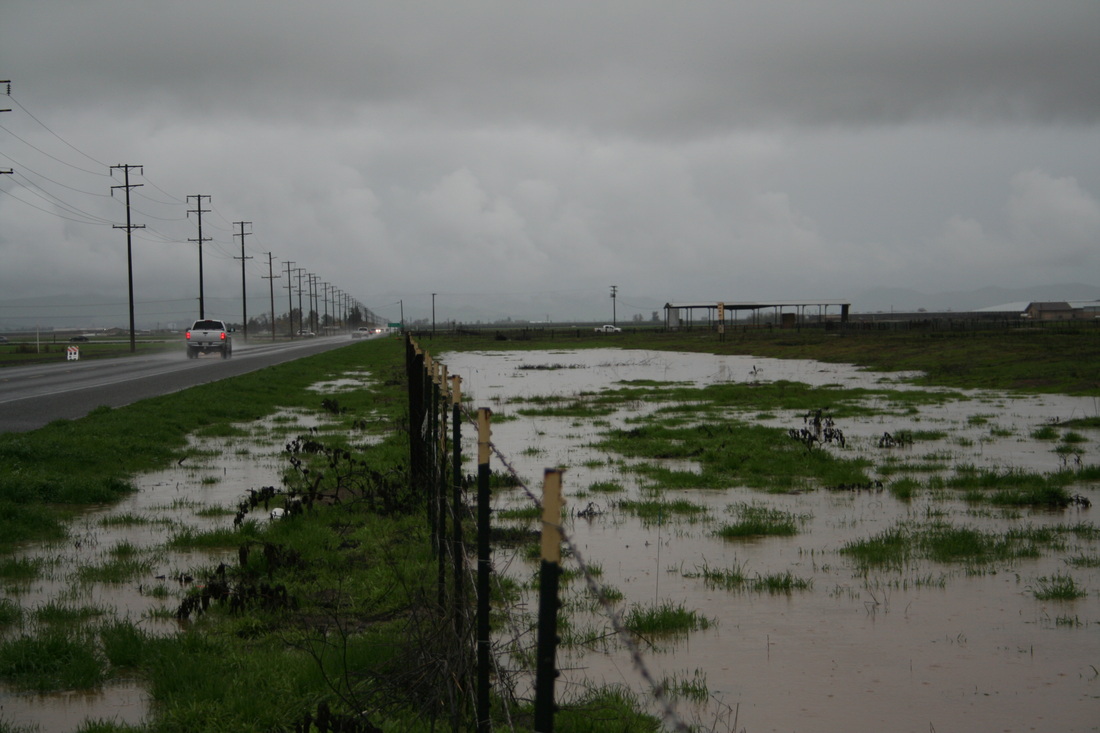
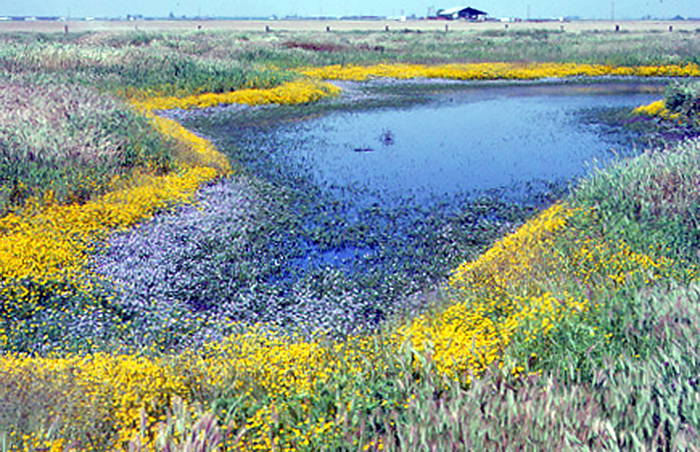
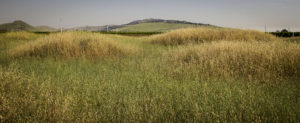
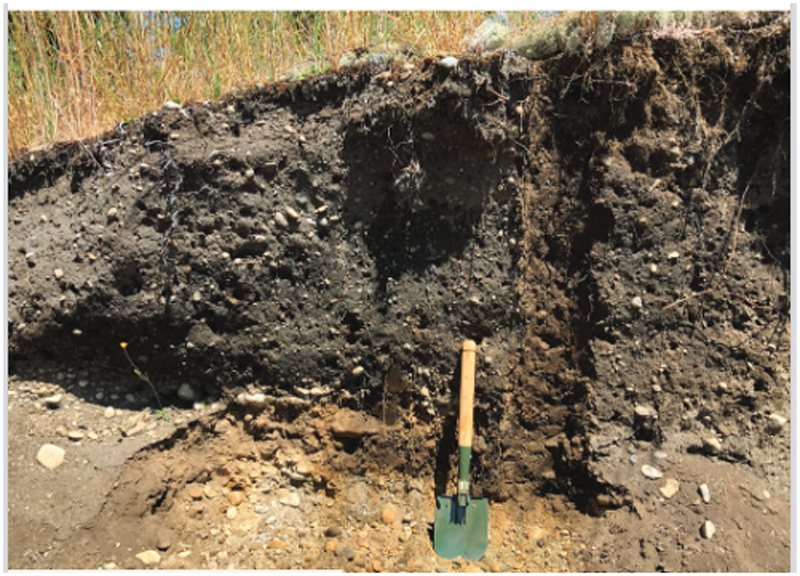
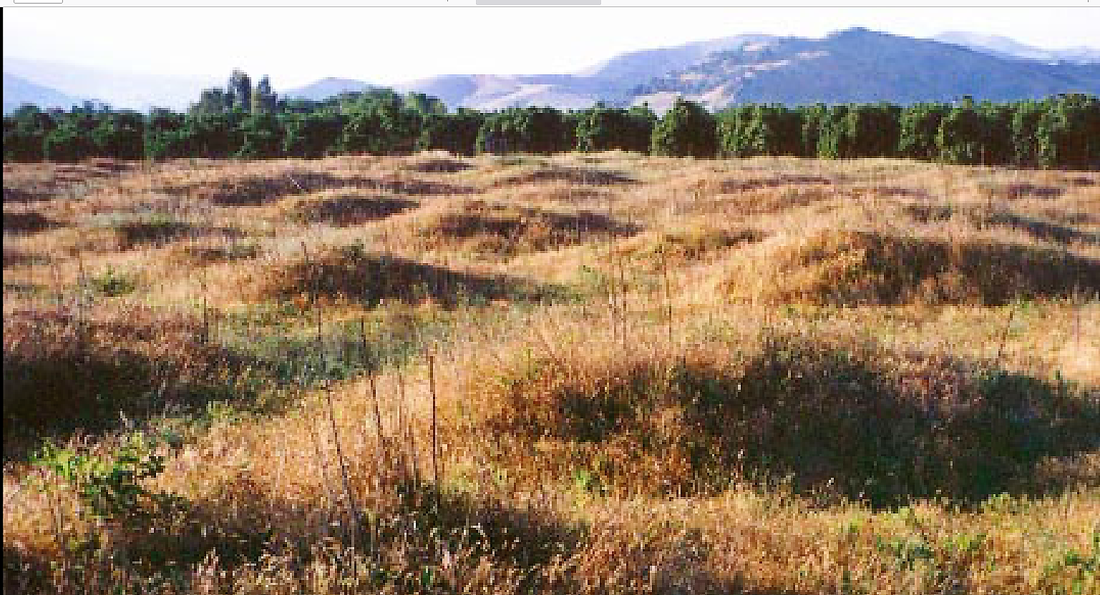
     Just beneath the surface of the Herbert Preserve is a layer of very tough clay, called durapan, which is largely impervious to water. Plentiful rains can create springtime vernal pools atop this clay in the low “hogwallows” between the preserve’s hummocky mima mounds. Typically at their largest from March to May, the pools gradually evaporate as the hot weather comes on.

     During their short lives, these vernal pools provide a rich aquatic habitat that is almost unique to California, and home to some amazing life forms.

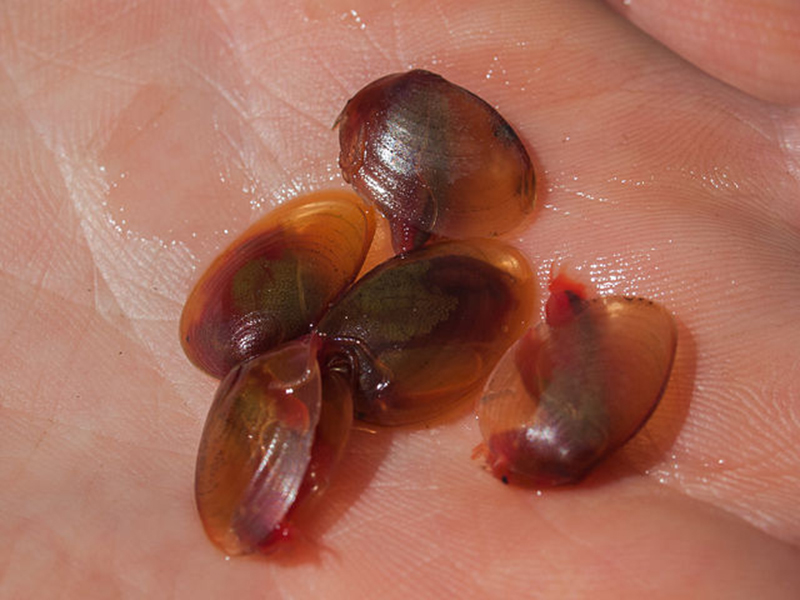
     For example, the pools support paper-clip-sized fairy shrimp. These are crustaceans, like shrimp in the ocean, but the fairy shrimp are living in the Central Valley desert, far from the sea. During most of the year, when the pools are dry, the shrimp are not alive. They are enclosed in tiny, durable cysts, like hard little eggs, waiting in the arid clay for rain to fall.

     As soon as there’s enough water, the cysts wet and hatch. If their vernal pool is deep enough long enough, the hatched shrimp will live for a brief month or two, during which they will mate and lay eggs. The eggs will hatch and develop into adults, and the adult shrimp will encase themselves in their cysts once more as the pools dry again into clay.

     Fairy shrimps’ ancestors lived in the world’s salty ocean. As land began to form above the ocean, water on the land turned fresh, and some shrimp ancestors adapted to living in it. Creatures — such as fish –developed that could eat these little shrimp.

     But no fish live in vernal pools, because these unusual freshwater ecosystems are filled by rain and have no connection to a stream. So the tiny shrimp thrive in the vernal pools. They are in a sense celebrating life as it was on the planet before there were fish to eat them. If we put these fairy shrimp back into the ocean now, they’d be fish snacks in moments.

     The vernal pools also house miniscule clam shrimps and very small crustaceans called copepods, which most people call “Cyclops” because they look as if they have a little red eye in the middle of their head. Thus, the vernal pools create amazingly rich storehouses of food and provide wonderful meals, not for fishes, but for many different kinds of birds.


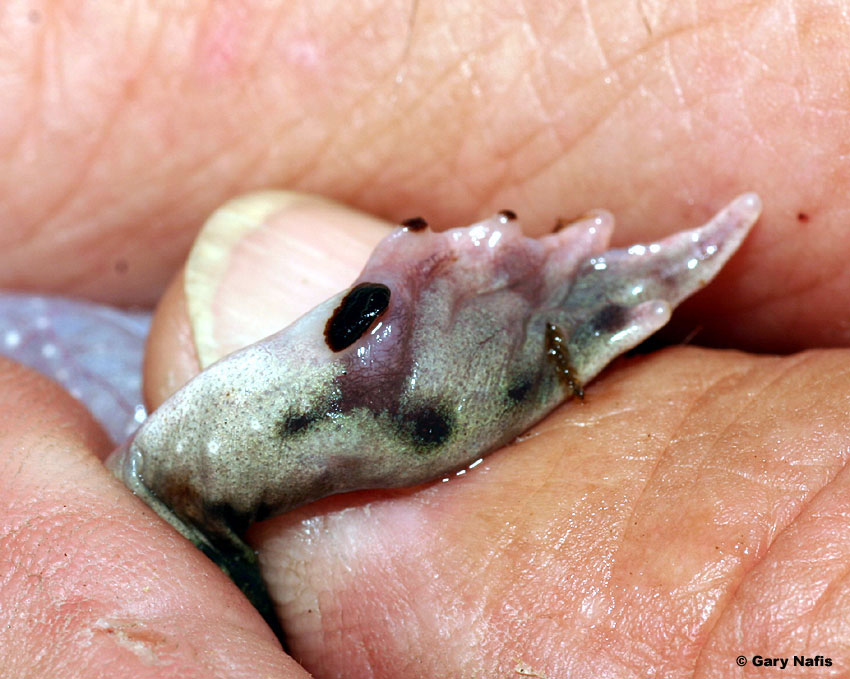
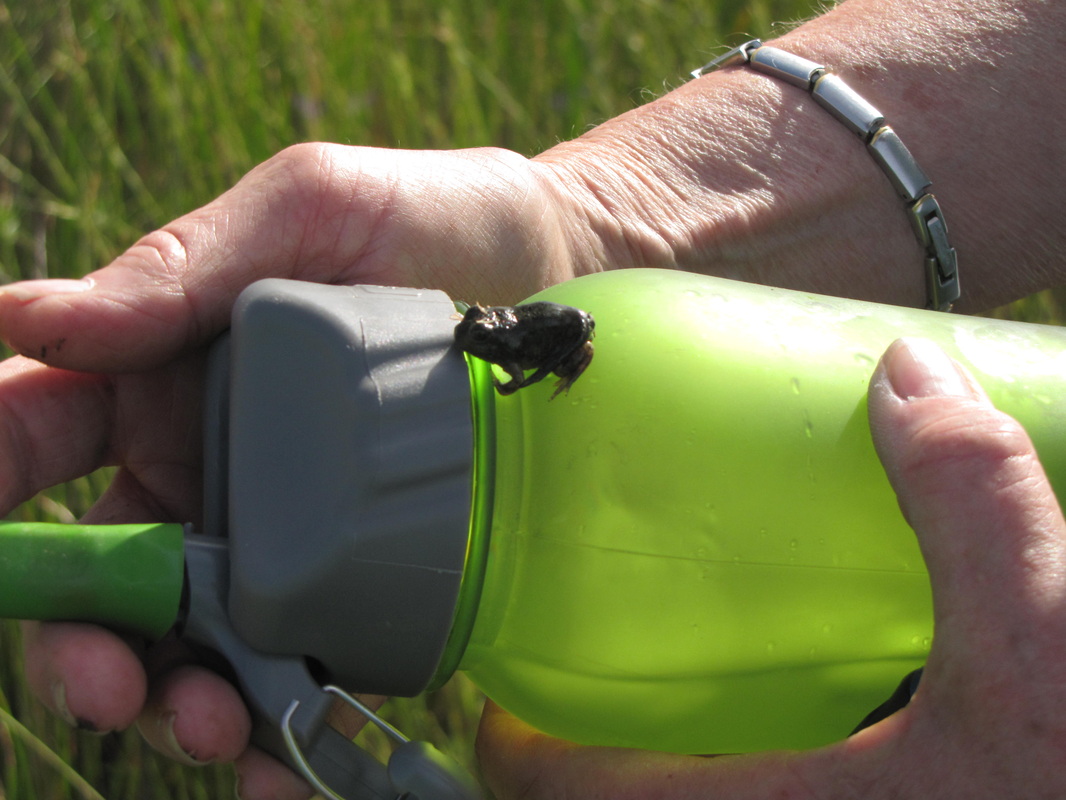
     The pools also host the western spadefoot, a toad reminiscent of a science fiction creature. The hind foot of this intriguing amphibian is equipped with a spade, a very tough, callused little black triangular area that the toad uses to dig in the mud.

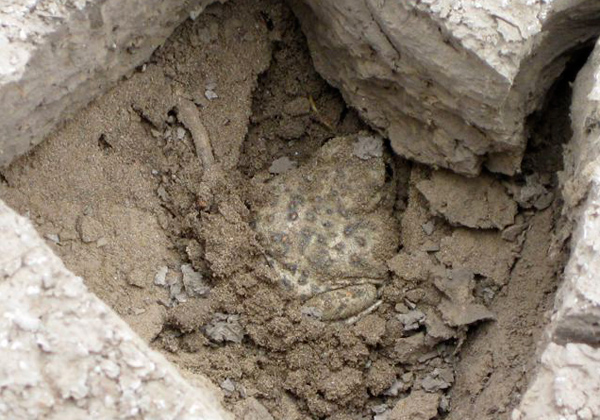
     For most of the year, though, these toads aren’t digging. They’re living underground in a state that is very near death, rather like suspended animation. Their heartbeat is near zero. They are barely respiring. When they go underground, they have to bring with them in their body tissues all the moisture needed to sustain themselves for sometimes over a year, but usually from about May to November.

     Imagine that you’re a toad and it’s November, and the first winter storm is arriving in the Valley. In your little chamber below the dry bed of a vernal pool, you are listening for the sound of raindrops.

     Spadefoot toads don’t just respond to the soil getting moist; they literally have to hear the rain falling long enough to feel assured that there will be enough water to allow them to break out of their little tombs, get back above ground, find another toad, and mate and lay eggs.

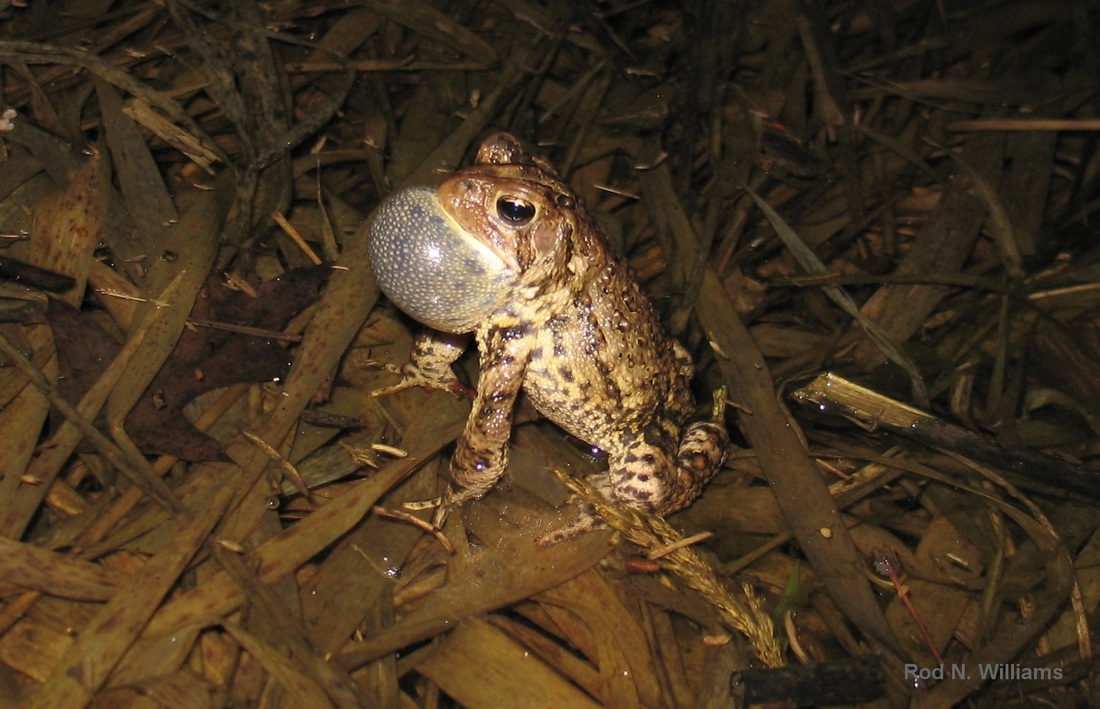
     Suddenly, almost miraculously, as soon as the dry pools get wet again, adult toads are swimming about, looking for a mate. They give a “brrrrrrrrrt” call, like the sound of running your finger over the tines of a metal comb (Spadefoot Toad Mating Call).

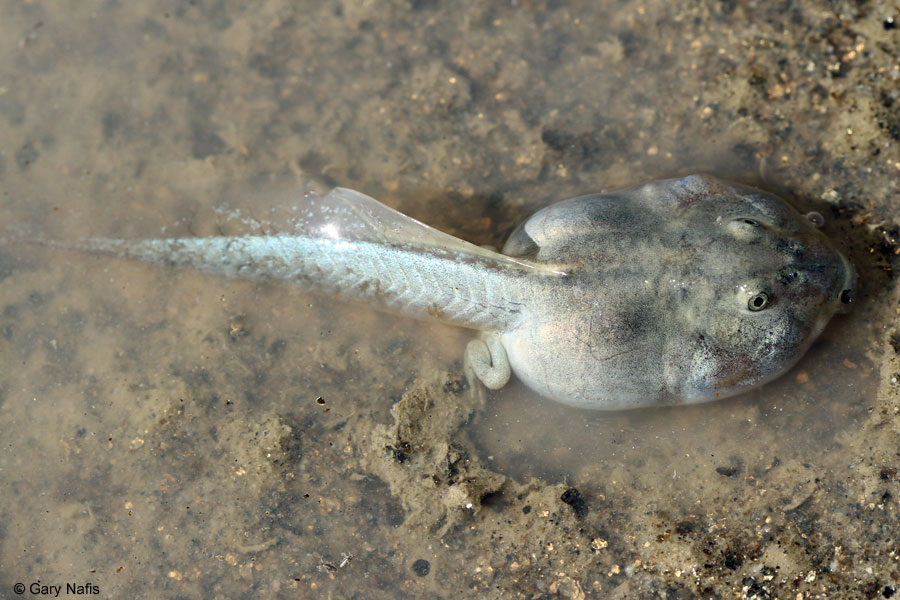
     When the toads are calling, it’s a good indication that they’re going to have a successful year. Their eggs will hatch, and their tadpoles will grow, lose their tails, and turn into adults.

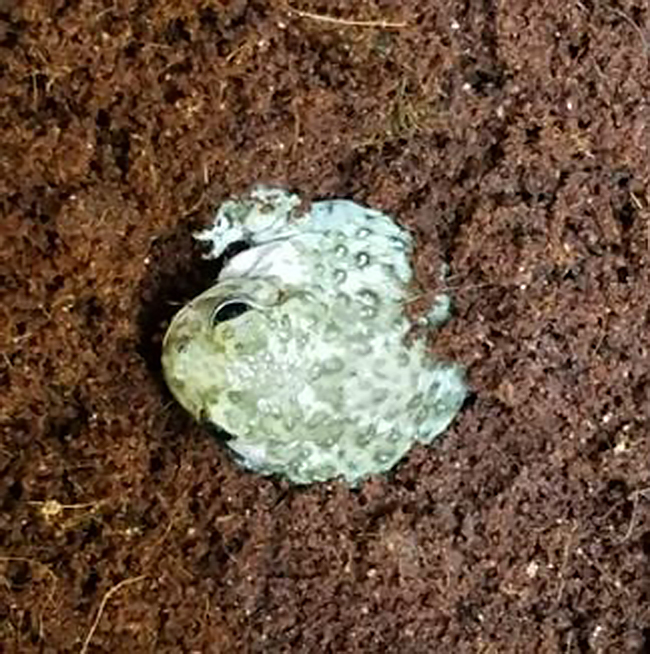
     And then, when the all the water has evaporated from the vernal pools, the mud that was solid, smooth like a bathtub bottom, will begin to dry and shrink and crack. And in those little cracks, you can see the heads of little toads backing down with the spade on their hind foot digging, digging, digging to bury themselves in the mud.

View A SPADEFOOT BURYING ITSELFScroll down just a little to “Watch video”.  Then Be patient.  Spadefoots need to rest while digging.


FAIRY RINGS


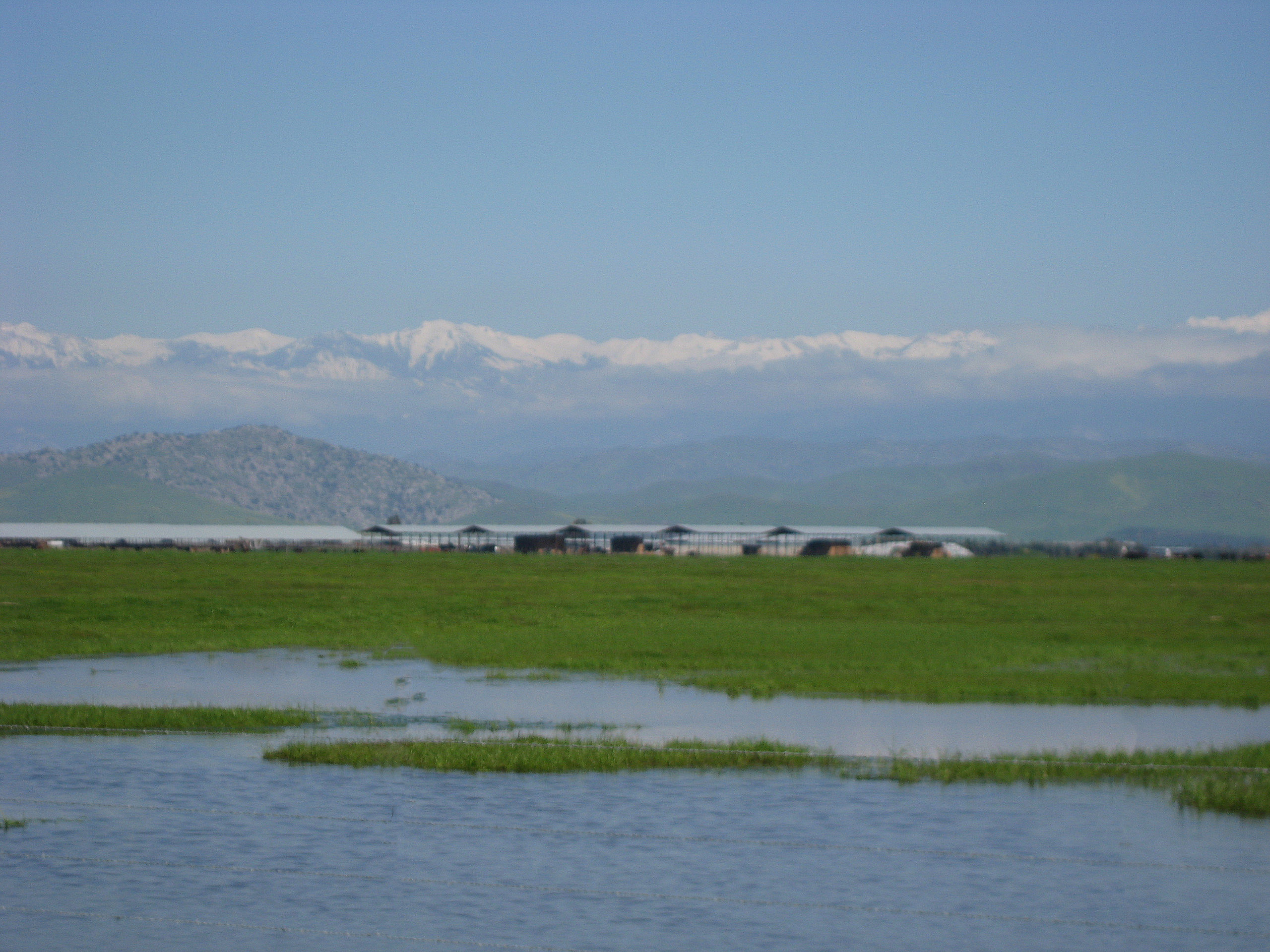
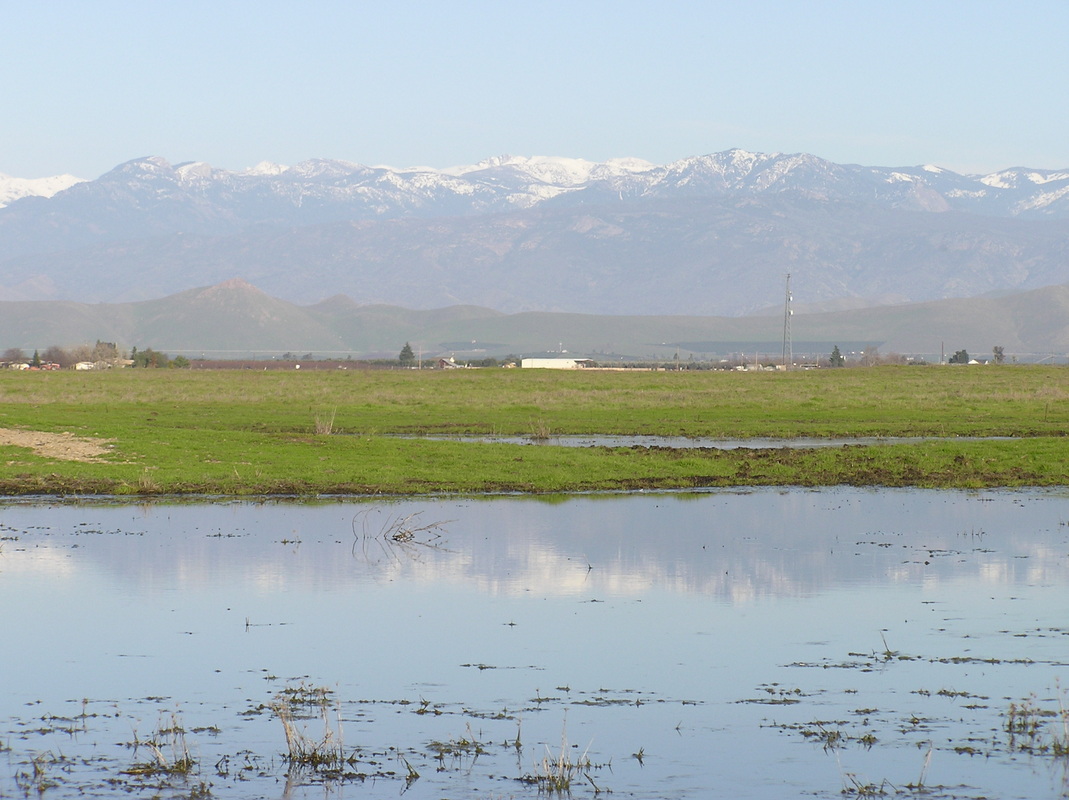
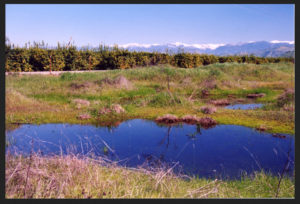
     In the springtime of wet years, hundreds of vernal pools may form in the Herbert Preserve, attracting myriads of birds and reflecting the snow-capped Sierra in their still surfaces. The water arrives from the clouds, falls to the ground, and fills the pools. But the water doesn’t sink into the ground because of the impermeable clay layer at the surface, and it doesn’t drain away down a channel because the land is comprised of mounds and swales. Instead, the water disappears by evaporation.

     Once a pool has formed, it will be at its maximum size for a fairly short time; then the water will begin to evaporate, and the shallow pool will slowly shrink until it’s all dry.

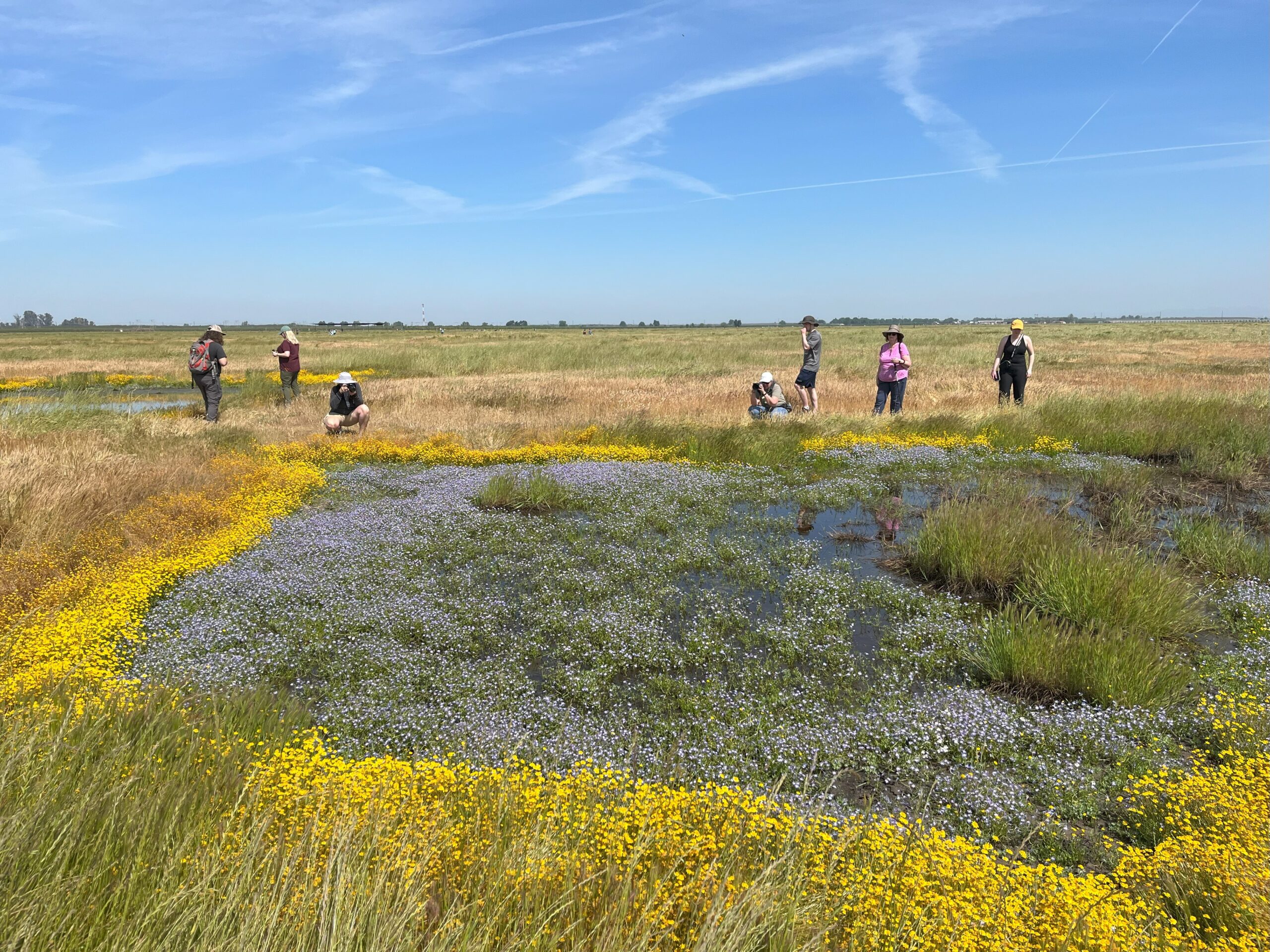
     Several flower species have adapted to this shrinking progression: some like very shallow water, others prefer it a bit deeper, and still others like to grow just at the edge of the pool. As the pool recedes throughout the spring, rings of these colorful flowers follow the retreating water.

     The Herbert Preserve’s location in Tulare County, near the southern, desert end of the Central Valley grassland, limits the variety of vernal pool flowers that can grow here. But when rain is abundant, we get to see rings of Downingia, a beautiful little purple flower; rings of tiny yellow “goldfields”; and in the years when things work their very best, small rings of white vernal pool “popcorn.” The colorful, delicate fairy rings don’t last long, and they need a good wet year to form at all, so you must time your visit carefully to witness these magical floral displays at their loveliest.

February 2015

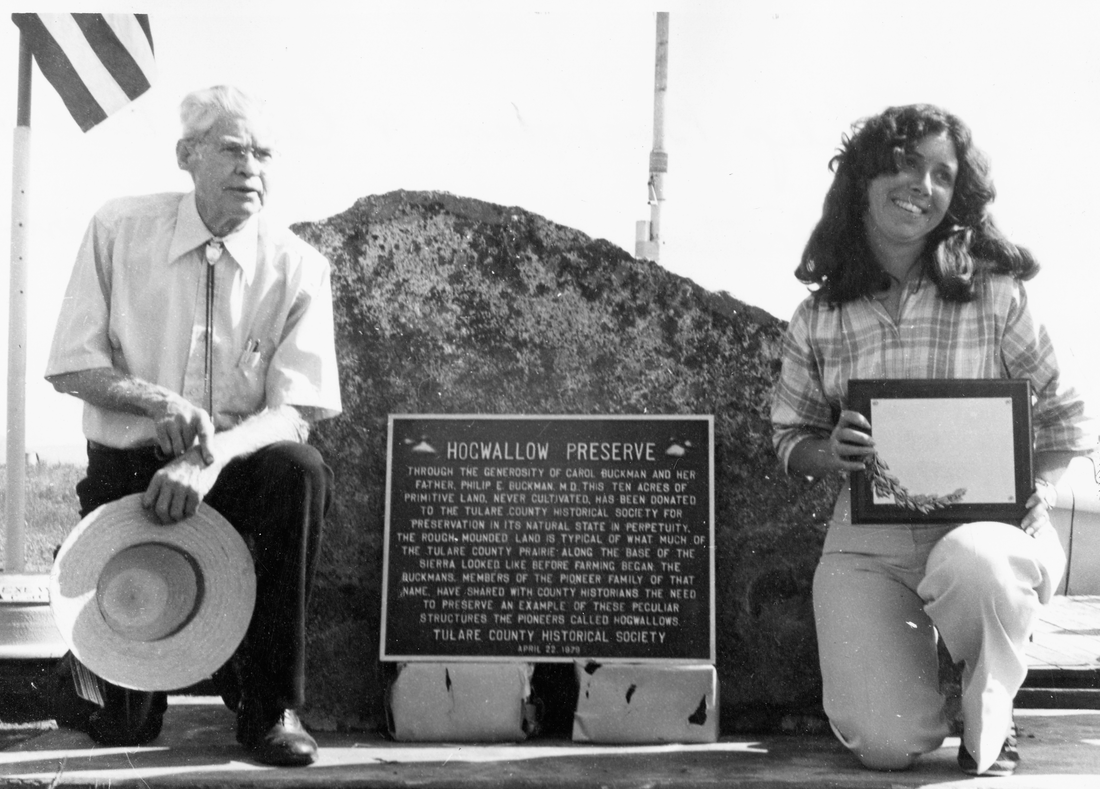
UPDATE December, 2024: In December of 2022, Greg Collins purchased the Hogwallow Peserve from the Tulare County Historical Society. A life-long Visalia resident , with a strong affinity for the land, Greg spent his career here in city planning and promoting sustainable land management policies and practices. Upon retiring, he fulfilled his dream of buying and protecting some natural Valley land, and greatly enjoyed many days spent exploring and studying the Hogwallows’ ten acres. In December, 2024, Greg donated the preserve to Sequoia Riverlands Trust, as he had always intended, for its permanent preservation. SRT is now developing a management plan for its special habitat and policy for public access to the Hogwallows. 

Click on photos for more information.

Some Birds of the Herbert Preserve

by Rob Hansen

     The 725-acre Herbert Wetland Prairie Preserve protects the largest remaining piece of natural prairie on the floor of Tulare County. It provides food and shelter for dozens of different kinds of birds, which in turn provides wonderful opportunities for even beginning birdwatchers to enjoy the sights and sounds of avians flying, feeding, courting, hunting, and sometimes even vanishing underground.

     Chances of seeing lots of birds are especially good in wet winters and springs, when the preserve’s seasonal vernal pools produce exceptionally abundant food for residents and migrators alike.

     The migrating birds, including ducks and sandpipers, can easily see the little vernal pools even from a great distance as they fly over the Valley, because the pools reflect sunlight at all different times of the day. They form the most productive wetland food ecosystem for birds in the Central Valley, more so even than a freshwater marsh, because there are no fish in these vernal pools to take any of this food away.

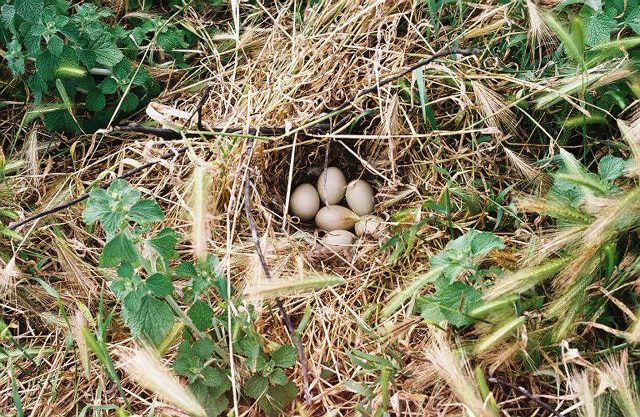
     If good rains keep the pools wet long enough, a pair of ducks can lay eggs in a nest near a vernal pool, raise a brood of young, maybe ten or twelve ducklings, and then they can do it again, raising two broods in one season. That would be really unusual in a freshwater marsh, but a vernal pool is so productive that it creates exceptionally valuable wetlands.

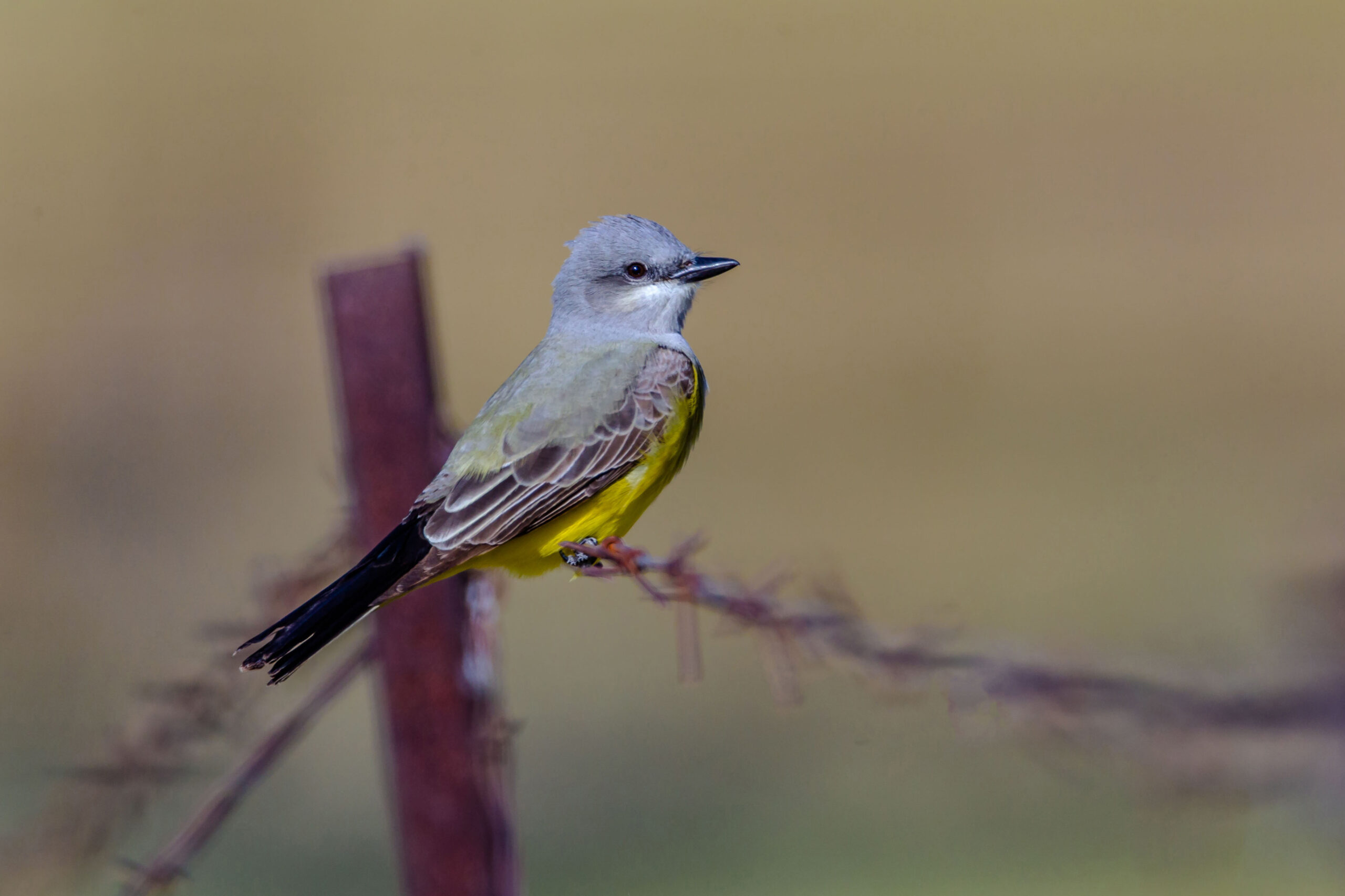
     Not all the birds that visit and reside at the Herbert are there every day, but visitors can almost always find watchable birds at the preserve, from delightful burrowing owls, to powerful raptors, to wetland species like egrets, herons, and sandpipers. Migrators pass through the area in spring and fall, winter species spend the wet months there, and summer birds come to nest.

     Burrowing owls are there year round, and are seen most easily and in the greatest numbers during drier years. Also called “ground owls,” these small owls live in the earth, but they don’t dig their own burrows; they just take over old squirrel holes.

     When my grandfather was a young man in the Valley, folks called burrowing owls “howdy owls,” because when a flying burrowing owl lands near you, on its long legs, it will quickly bob its head up and down to triangulate on you and figure out how close you are.


   In our best year so far, we had seven pairs of burrowing owls on the Herbert, and each pair can raise five to eight young. To be able to see twenty to thirty small owls on a single piece of property on a single day is truly remarkable.

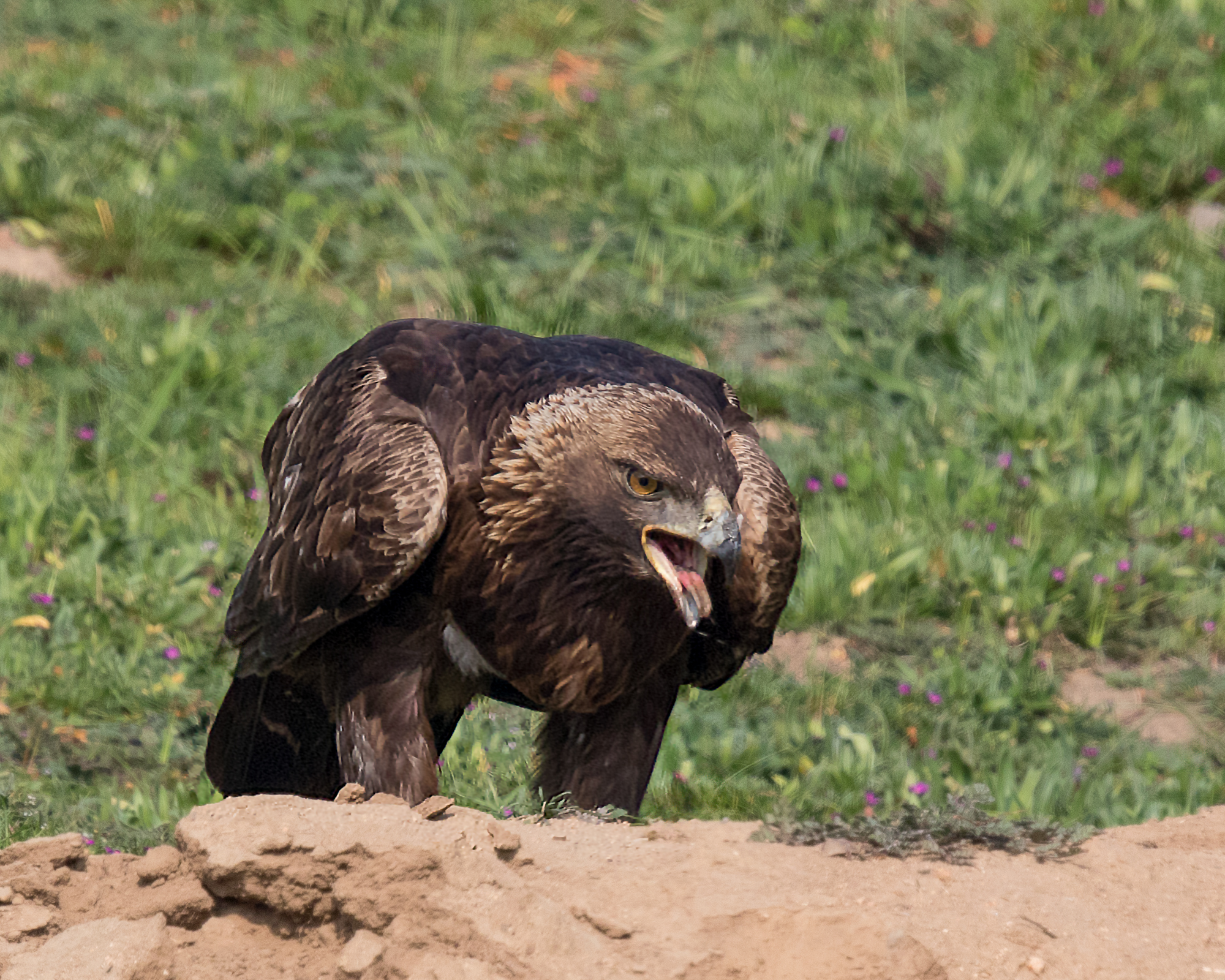
     The preserve is large enough to attract several kinds of birds of prey. We’ve seen as many as three golden eagles at once foraging over the prairie for ground squirrels. Those squirrels end up as food for red-tailed hawks, as well. The white-tailed kites eat mostly a small brown meadow mouse that is related to the voles and lemmings of the Arctic.

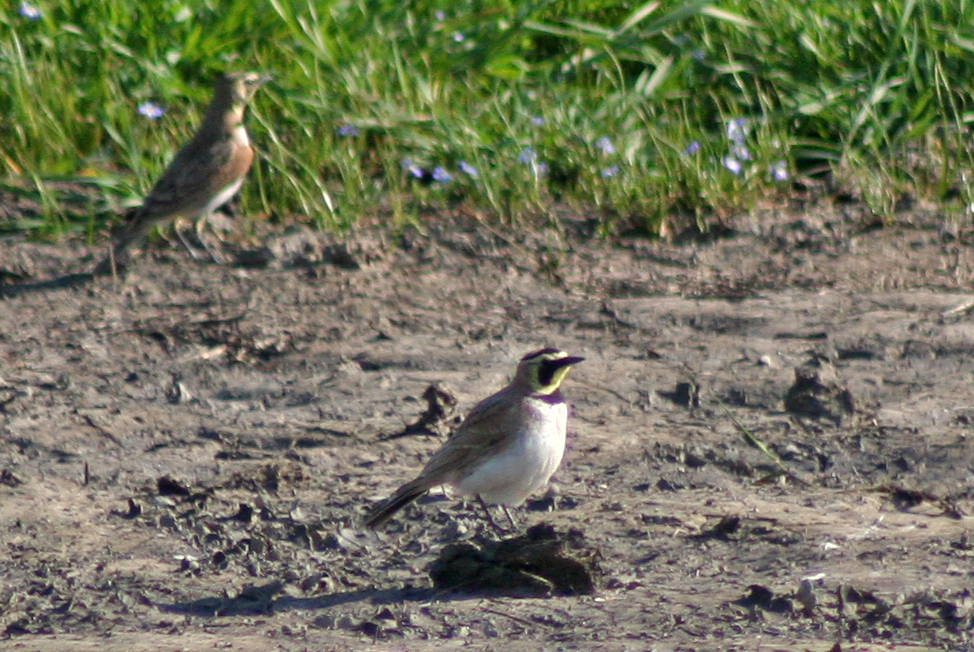
     Harriers, including a small falcon called a merlin, also hunt on the Herbert. Merlins are in California only during the winter months; they don’t nest in our state at all. But the Herbert’s open prairie is their perfect hunting ground. They go after small birds like horned larks, sparrows, and other birds that flock in fields, like blackbirds. To see a merlin hunt is a most memorable wildlife experience. Selecting its target, the merlin accelerates with blinding speed, closes unbelievably quickly on its prey, catches it in mid-air, and then brings it swiftly to the ground to feed on it.

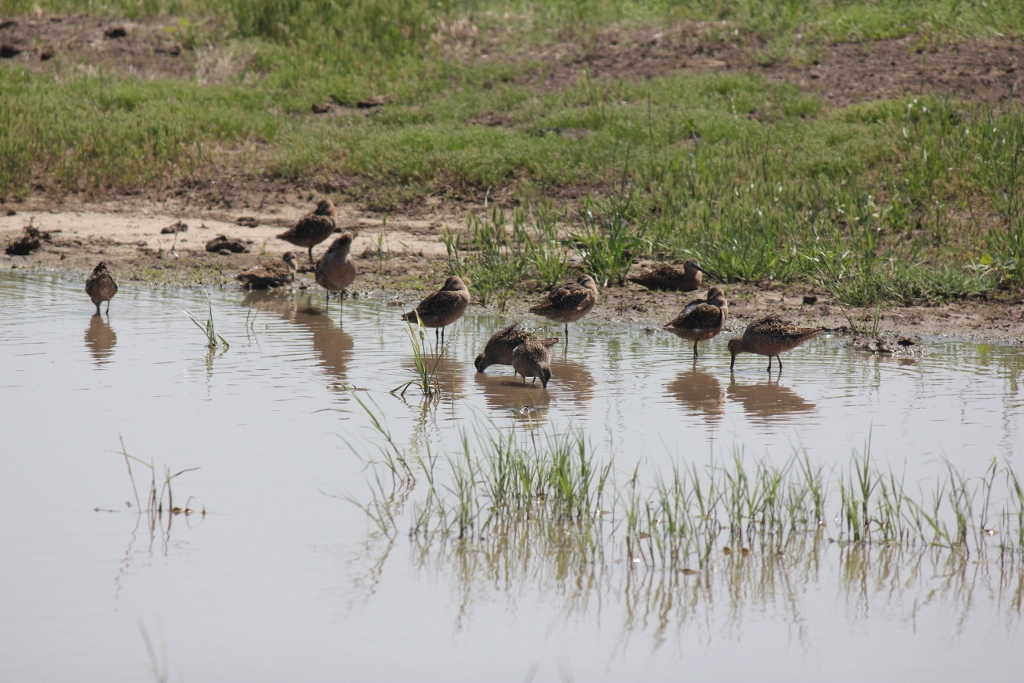
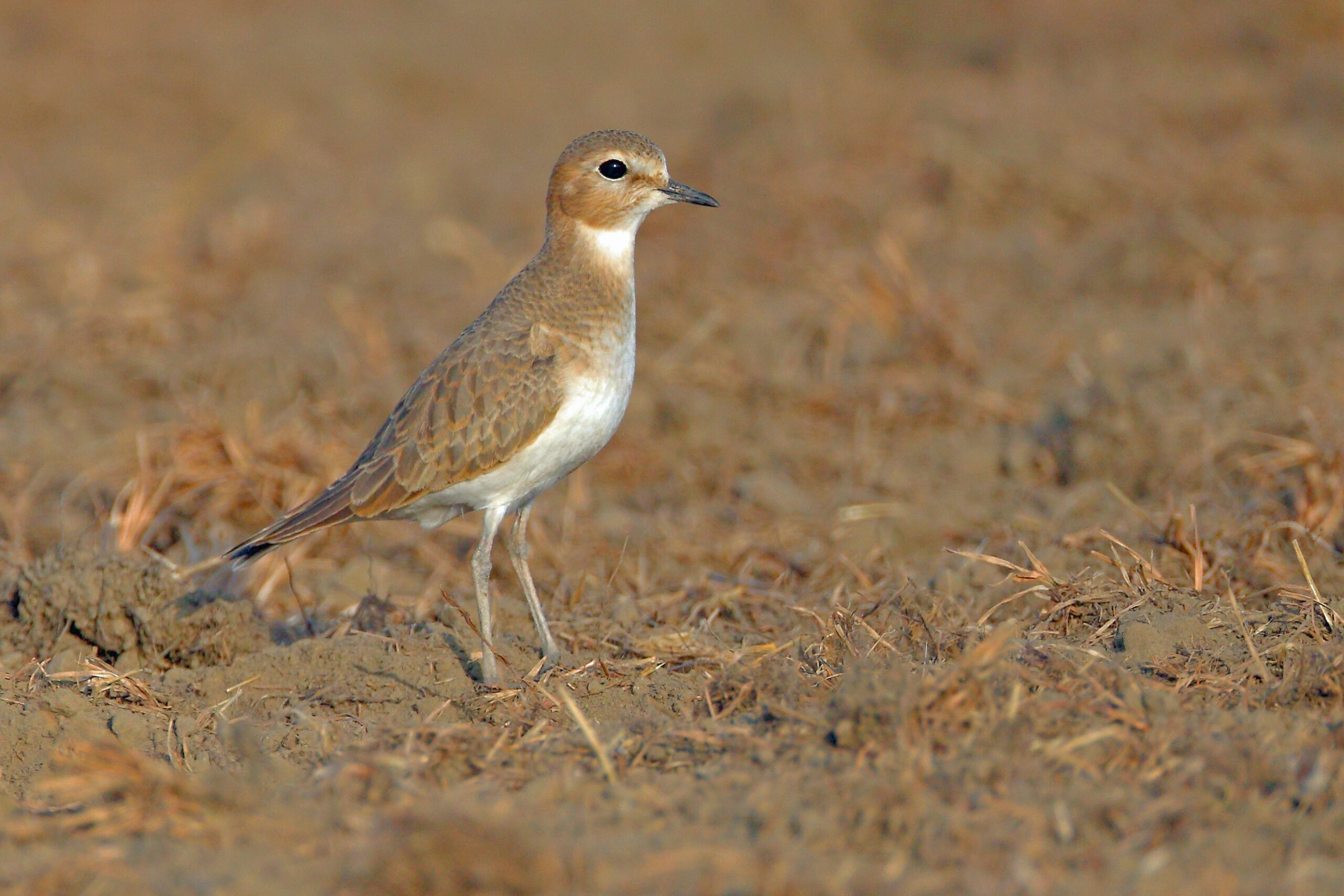
     Just walking along the edge of the preserve in a good wet season, you can look over the mounds and see flocks of mallards and widgeons and green-winged teal, sometimes even Canada geese. Over fifteen different kinds of sandpipers and plovers and phalaropes have visited the pools and the slough.

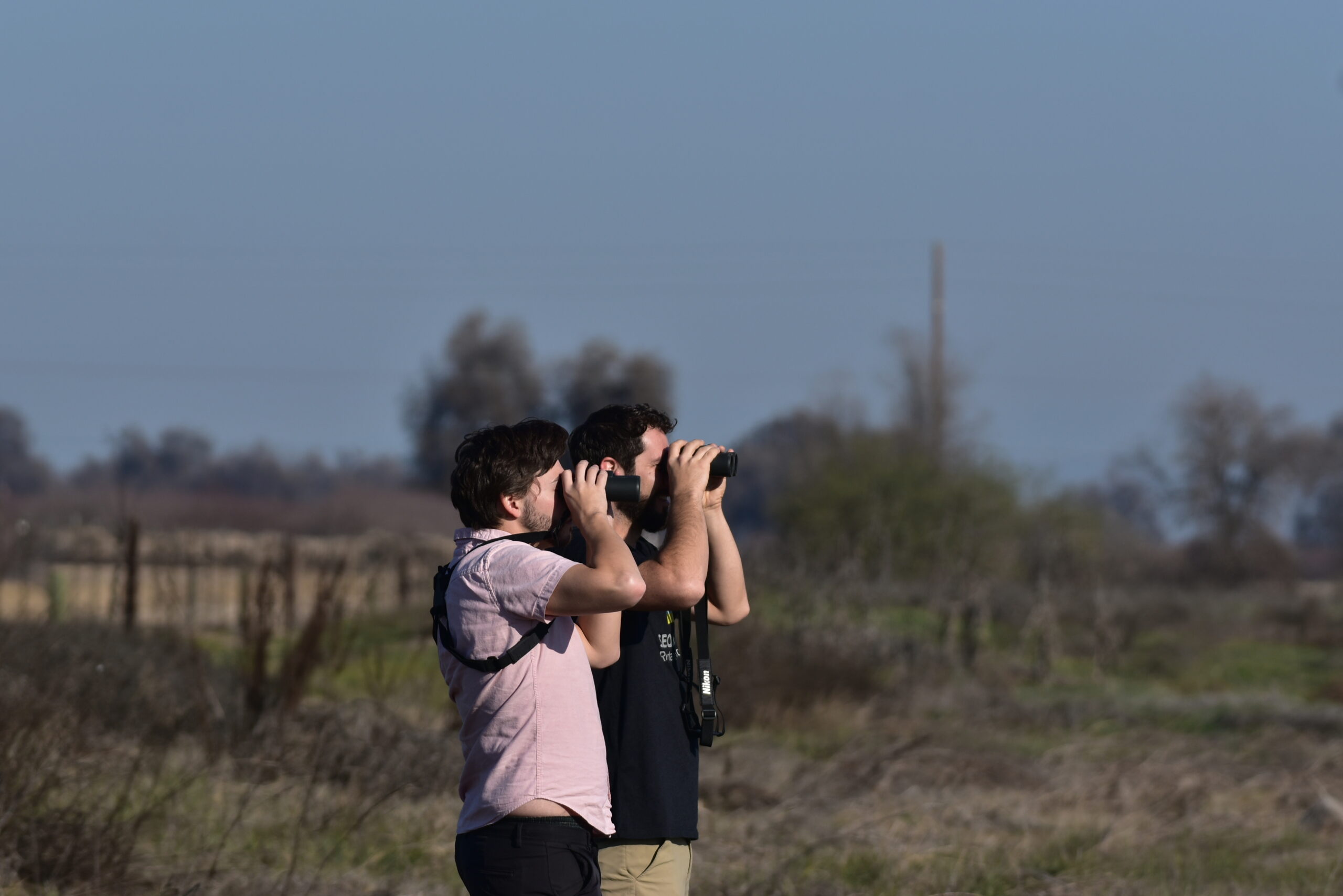
     So far, more than 150 different avian species have been counted at the Herbert. Bring your binoculars and a field guide and see what flies in on your day at this fascinating wetland prairie preserve.

January, 2015

NOTE:  Now read Rob Hansen’s MYSTERIOUS VERNAL POOLS


Site Details & Activities:

Open:  Due to the rarity and fragility of its ecosystem, the Herbert is open to the public primarily on only one or two days each year, for special tours and events.  Individuals or organizations wishing to visit at other times must contact Sequoia Riverlands Trust for permission to access the preserve.  There is no fee for access, but donations are greatly appreciated.  And NOTE:  Birders can enjoy good birding opportunities from outside the Herbert’s long fence almost anytime.
Links:


Click on photos for more information.


The Story of the James K. Herbert Wetland Prairie Preserve

by Laile Di Silvestro

     On the first planting day of the 2013-2014 rainy season, several students from College of the Sequoias spent hours bent over soil scoured by a prescribed burn. They dug holes and patted small seedlings of oak, willow, cottonwood, and elderberry into the ground before watering them thoroughly.

     The students’ activity might not have seemed unusual to the Yokuts, the indigenous peoples of the Tulare Basin who lived off the land for thousands of years. They actively managed it by setting fire, by pruning dead undergrowth, by tending seedlings, and by transplanting some edible flora. Their resource management supported a diverse diet of seeds, roots, herbs, and meat, and helped them to maintain an adequate food supply despite variations in weather and water availability.

     Less than 150 years ago the Tulare Basin held the largest freshwater lake west of the Mississippi. The shallow lake, the rivers that fed it, and the miles of tule marshes and wetland prairie around it nurtured a rich diversity of plant species and wildlife.

     The first Euro-American settlers, who arrived in the 1850s, recognized the land’s agricultural potential and proceeded to drain the lake and marshes and divert its water sources to irrigation canals. By the early twentieth century, the lake had been reduced to small seasonal pools, and the basin was divided into a vast grid of intensively farmed land.

     Yet, about four percent of the original landscape remains, and an invaluable portion of that is enclosed within the fences of the James K. Herbert Wetland Prairie Preserve. This 725-acre site lies to the east of the vanished Tulare Lake shore, between the Kaweah and Tule Rivers, and protects the largest remaining piece of natural prairie in Tulare County.

     Its preservation is due to the efforts of biologist Robert Hansen, and the vision of farmers James and Carol Herbert. The Herberts hired Hansen in 1992 to assess the potential of the property. Hansen found a remnant of the land as it was before the Euro-American settlers arrived. It was ideally situated to serve as an important segment of the Oaks to Tules Wildlife Corridor and, if restored, could help preserve threatened plant and animal species while mitigating local flood and fire risk.

     After several years of study, Hansen recommended that the land be conserved, rather than converted into a dairy farm or orchard. The Herberts embraced the idea of protecting this vanishing habitat, which they fondly called their “wilderness.” In 2000, a coalition of government and private organizations provided the funds necessary for the Sequoia Riverlands Trust to purchase the land from the Herberts at less than market value.

     Two years later, the Trust took on restoration of the land with a rigorous scientific approach. With the help of the National Resource Conservation Service and the California Wildlife Conservation Board, the Trust began returning 83 acres of the site’s irrigated pasture to wetland.

     They restored vernal pools, dug three shallow ponds, constructed a meandering slough, and seeded the slough with native grasses. From 2005 to 2010, with a grant from the Central Valley Project Conservation Program, the Trust and dozens of volunteers continued wetland restoration while systematically monitoring how the native species respond to management programs that include prescribed fire and livestock grazing.

     The results are astounding. The diversity and abundance of native wetland prairie plants has increased. As a result, western spadefoot and freshwater invertebrates abound (seasonally). With the restored habitat, the long-tailed weasel, coyote, Golden eagle, and Swainson’s hawk come to forage. Ducks, grebes, and redwing blackbirds have returned to feed and nest. In all, the number of bird species on the property, including burrowing owls, has increased from 76 to 153.

     Of the animals that have returned to this land, perhaps none are more important than humans. Volunteers tend to return to the site again and again to see how the plants are doing and to enjoy the beauty of a thriving wetland prairie. “Human beings are a huge piece of the puzzle,” says project biologist Bobby Kamansky, “because we value biodiversity, and we, as a society, derive direct benefit.”

July, 2014

Note:  Now read Rob Hansen’s SOME BIRDS OF THE HERBERT PRESERVE and MYSTERIOUS LIFE OF VERNAL POOLS.  For more about hogwallows (Mima Mounds), see THE STORY OF THE HOGWALLOW PRESERVE.


Slideshow:


Quotes & More Photos:

“Good farmers, who take seriously their duties as stewards of creation and of their land’s inheritors, contribute to the welfare of society in more ways than society usually acknowledges, or even knows. These farmers produce valuable goods, of course; but they also conserve soil, they conserve water, they conserve wildlife, they conserve open space, they conserve scenery.” — Wendell Berry

“When the re-contouring work was done in October 2002, the 83-acre site was devoid of vegetation, but a new meandering channel (since dubbed Sellers Slough in honor of Carol Sellers Herbert, one of the original owners) and three ponds had been excavated and were just awaiting a ‘wetting’ invitation. Native grasses had been planted along Sellers Slough and needed rain and a christening flow of water down the new channels into the new ponds in order to green up the restoration site.” — Rob Hansen

“Young riparian trees and shrubs (valley oaks, willows, cottonwoods, button willow, elderberry, and blackberry) that have been planted along Sellers Slough near the northwest corner of the preserve are now getting tall enough that I fully expect that on one of my next birding visits, I will be lucky enough to find a western wood-pewee, a western bluebird, phainopepla . . . or a black-headed grosbeak perched in these plants (which are irresistible to migrating songbirds like these).” — Rob Hansen

“During the entire post-wetting and restoration/re-vegetation period (November 14, 2002 to July 27, 2011) 75 additional bird species have been added to the avian inventory at the Preserve. This is a remarkable testament to the effectiveness of ecological restoration: if you build it, if you wet it, they will come!” — Rob Hansen

“It’s so great to be able to walk along the edge of the preserve and look over the mounds where the vernal pools are and see flocks of mallards and widgeons and green-winged teal, sometimes even Canada geese out in the wetlands.” — Rob Hansen

“If you truly love nature, you will find beauty everywhere.” — Vincent Van Gogh

“The land around the Herbert Preserve . . . will change as crops change and as communities grow. But we’re hopeful that this large patch of wild open land will continue to provide recreation and solitude and scenic beauty and all the things that go along with wild land and the organisms, the critters that live there.” — Rob Hansen


Maps & Directions:


Address: On Hwy 137 (the Tulare-LIndsay Hwy), at its junction with Road 168, between Tulare and Lindsay.

Coordinates: 36.2113518, -119.1989383


From Visalia, take Hwy 198 east four-and-a-half miles to the Farmersville exit.

Turn south on Farmersville Boulevard (AKA J23/Road 164).

Several miles south, this road becomes Road 168, and ends (after eight miles total) at its T-junction with Hwy 137.  The Preserve is directly across Hwy 137, on the south side of the highway.


Site Details & Activities:

​Environment: Valley, prairie, mima mounds (hogwallows), wetland, vernal pools (seasonal)
Activities: birdwatching, botanizing, guided tours (contact SRT), hiking, photography, wildlife and wildflower viewing
Open: Due to the rarity and fragility of its ecosystem, the Herbert is open to the public primarily on only one or two days each year, for special tours and events.  Individuals or organizations wishing to visit at other times must contact SRT for permission to access the Herbert.  There is no fee for access, but donations are greatly appreciated.  And NOTE:  Birders can enjoy good birding opportunities from outside the Herbert’s long fence almost anytime.
Site Steward: Sequoia Riverlands Trust, 559-738-0211, info@sequoiariverlands.org
Opportunities for Involvement: donate, volunteer
Links:


Click on photos for more information.

Its Mighty Wurlitzer Still Sings

 Adapted from “Porterville First Congregational Church Pipe Organ History,” by Eleanor Foerster

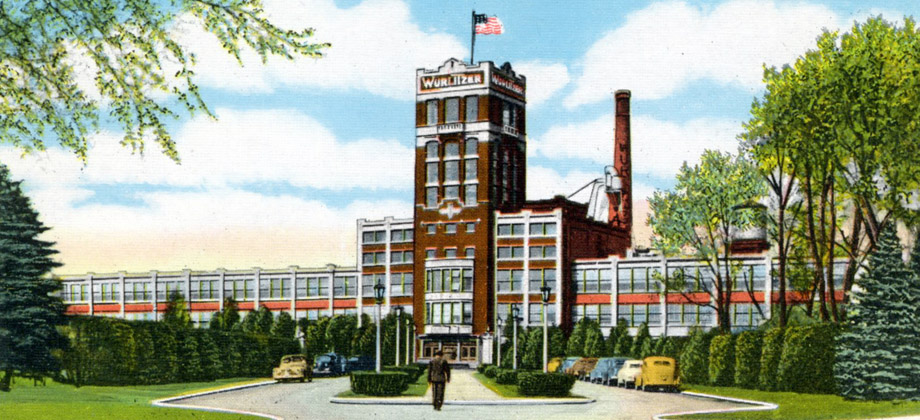
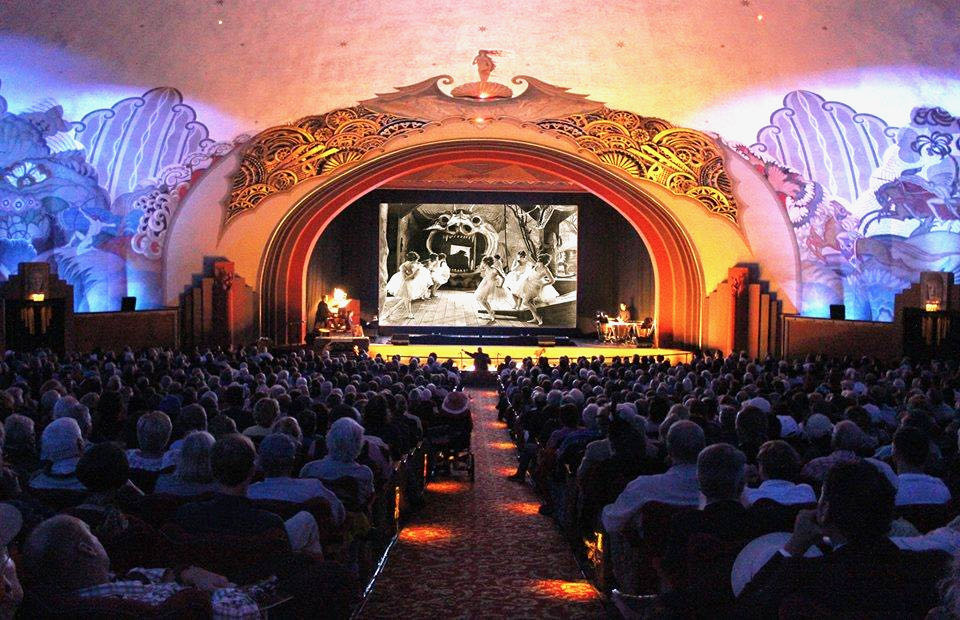
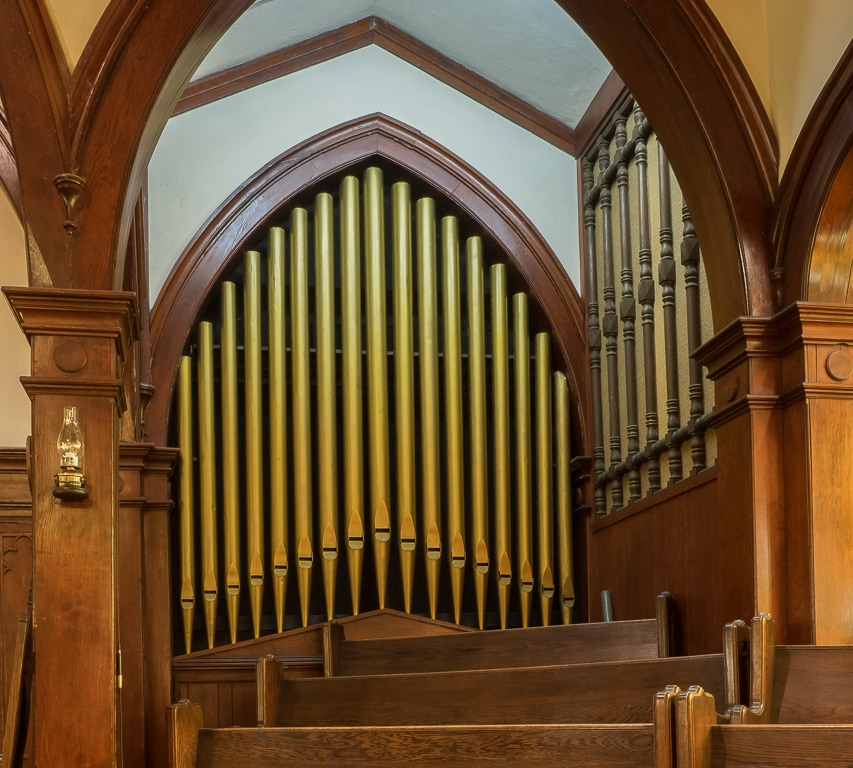
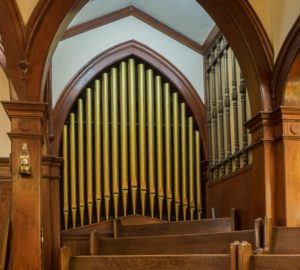
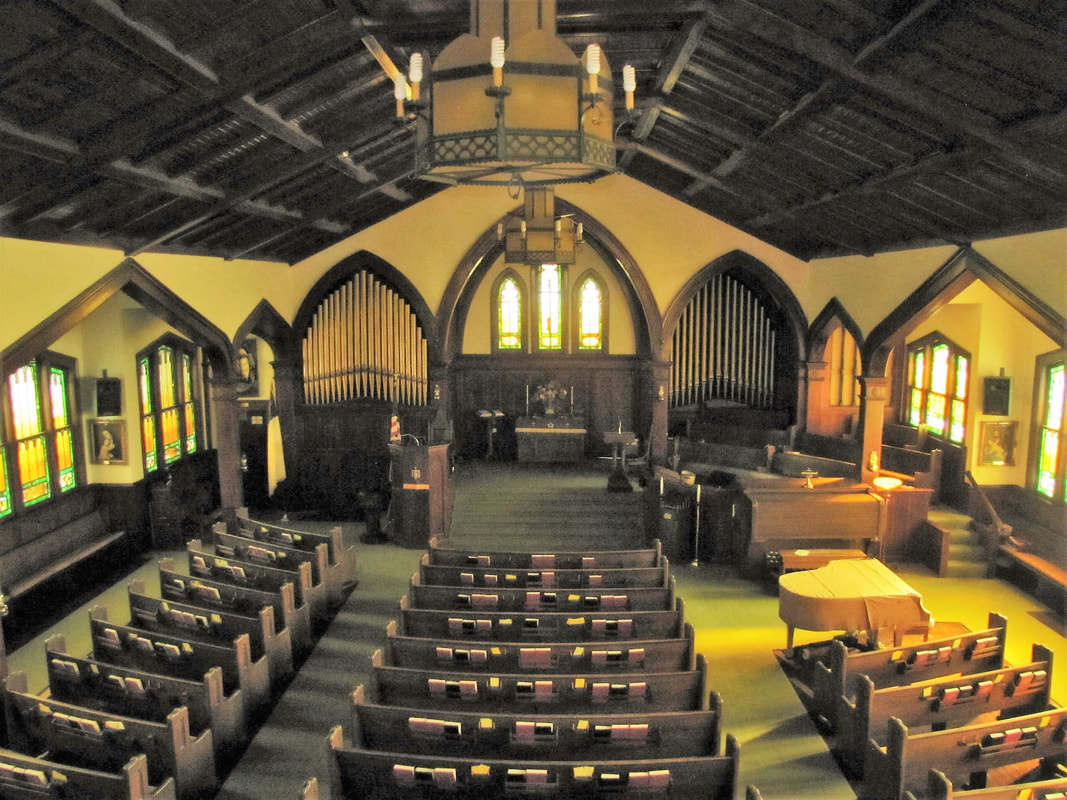
    The First Congregational Church’s pipe organ is considered to be the oldest functioning Wurlitzer in California. It was built in 1916 to accompany silent films of the day in a Los Angeles movie house.

  That day passed when “talkies” took over in the late 1920s. The only large market left for the theater organs would be churches. But it was then considered “improper” for churches to use theater organs which had provided music for entertainment and sometimes risqué vaudeville shows.

     With their sales value rapidly dropping, the now almost worthless organs were stripped of their “toy ranks” that produced the sound effects — such as drums, whistles, and horns — for the movies. Their remaining ranks were renamed to sound more ecclesiastical, their consoles were stained darker to look more ecclesiastical, and the instruments were rebranded as “Robert Hope-Jones Concert Organs” and given false provenances that would make them more saleable to conservative churches.

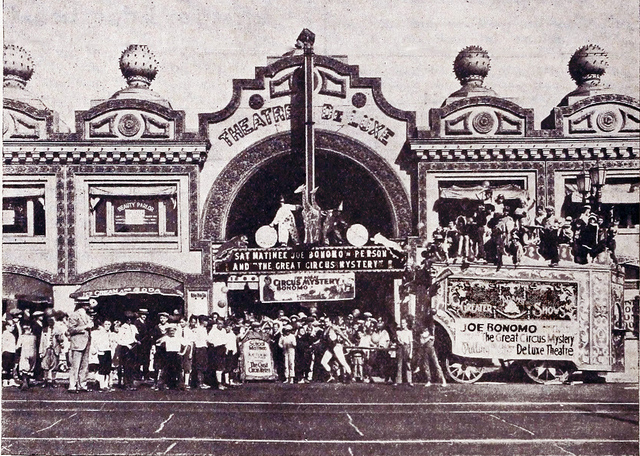
     The First Congregational Church’s pipe organ was delivered in 1931, church officers having been told that it came from a large church in Chicago. But when the Crome Organ Company of Los Angeles came to rebuild the organ after it was damaged in the 1936 fire, the workmen recognized it as the old Wurlitzer from the Los Angeles Deluxe Theater.

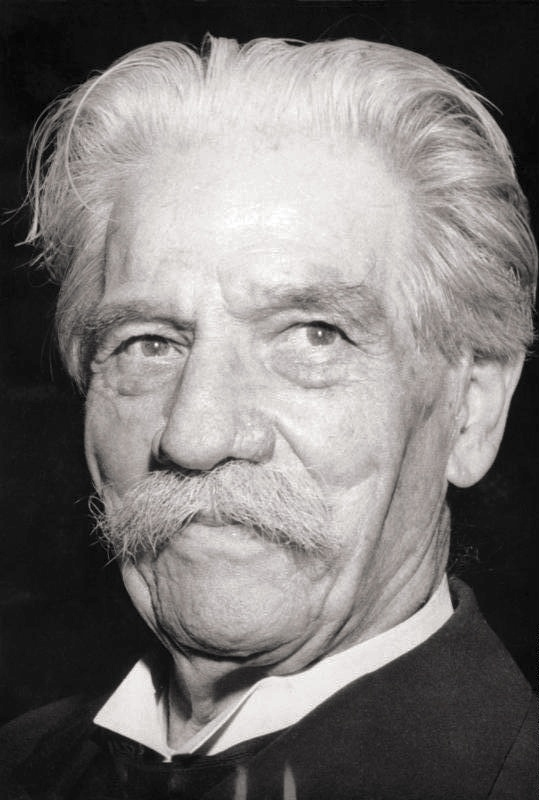
     In 1963, a four-manual [keyboard] Moller console with a full AGO pedal board was purchased from Pomona College’s Little Bridges Hall of Music. Famous organists have played on this console: Albert Schweitzer and E. Power Biggs. Over the years, the church has methodically added back the stripped toy ranks so that silent films can be shown in the sanctuary with full accompaniment for the community’s enjoyment.

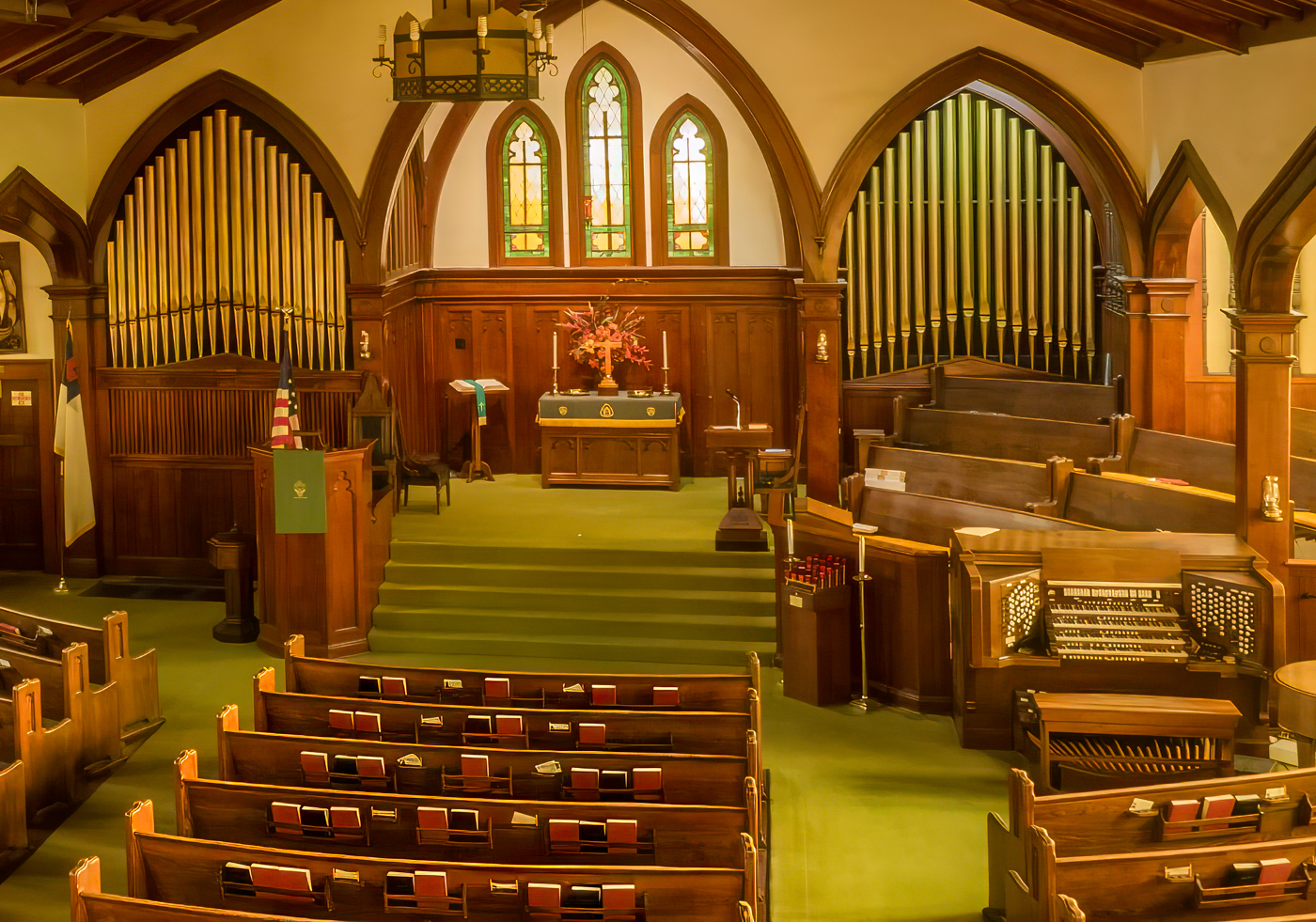
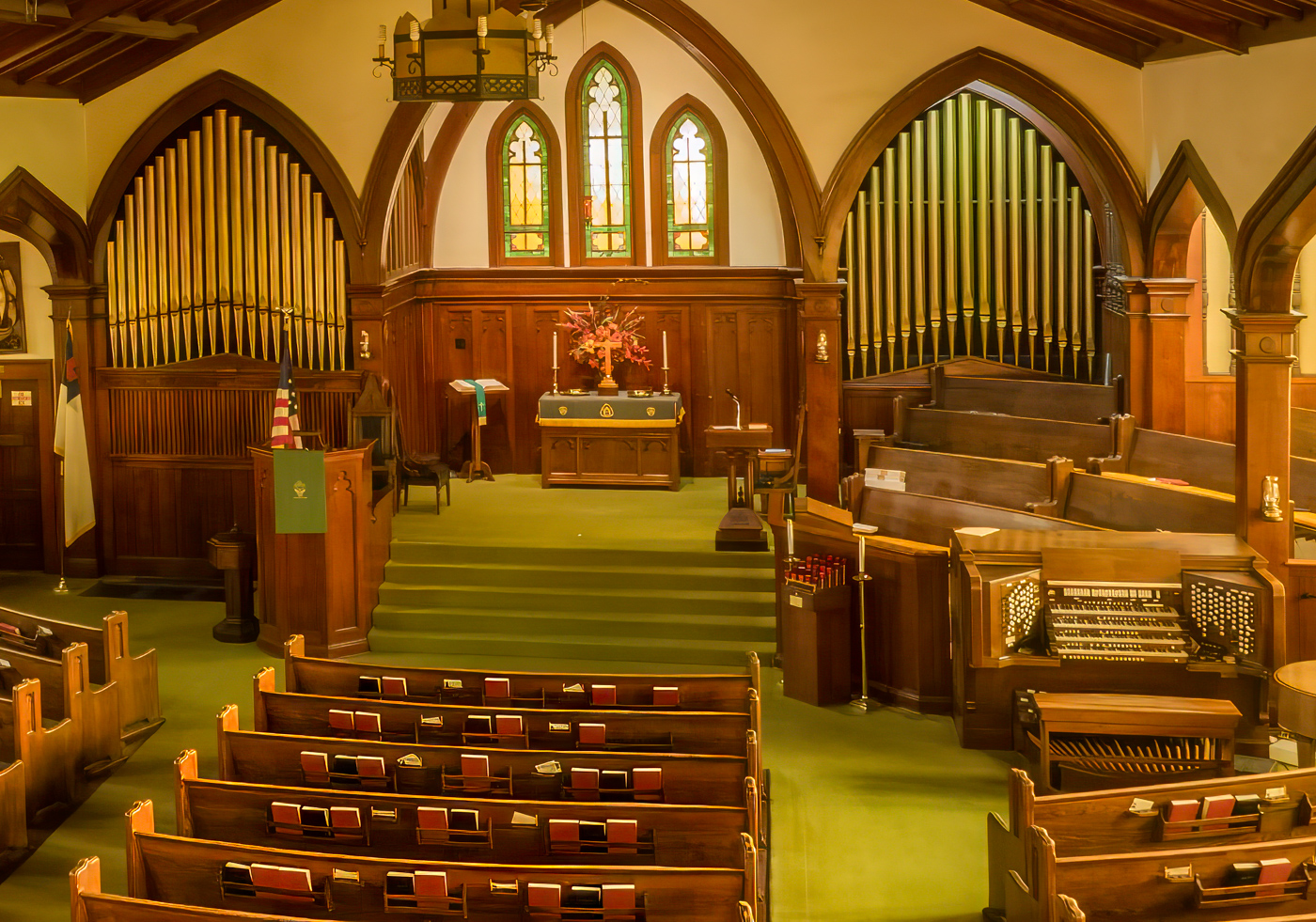
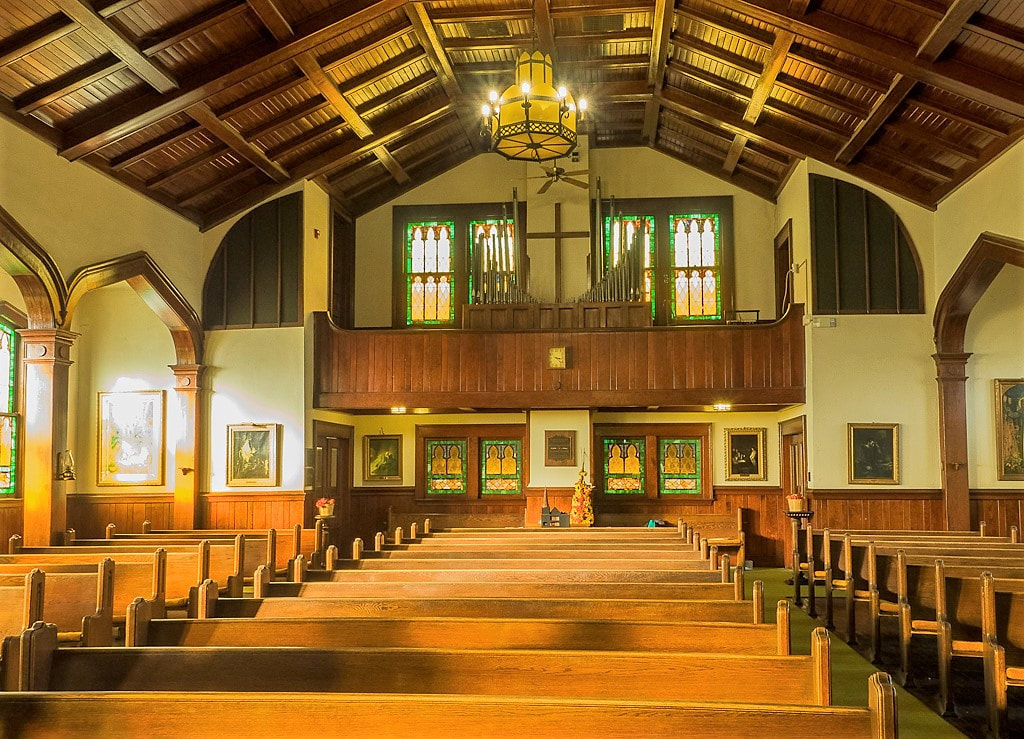
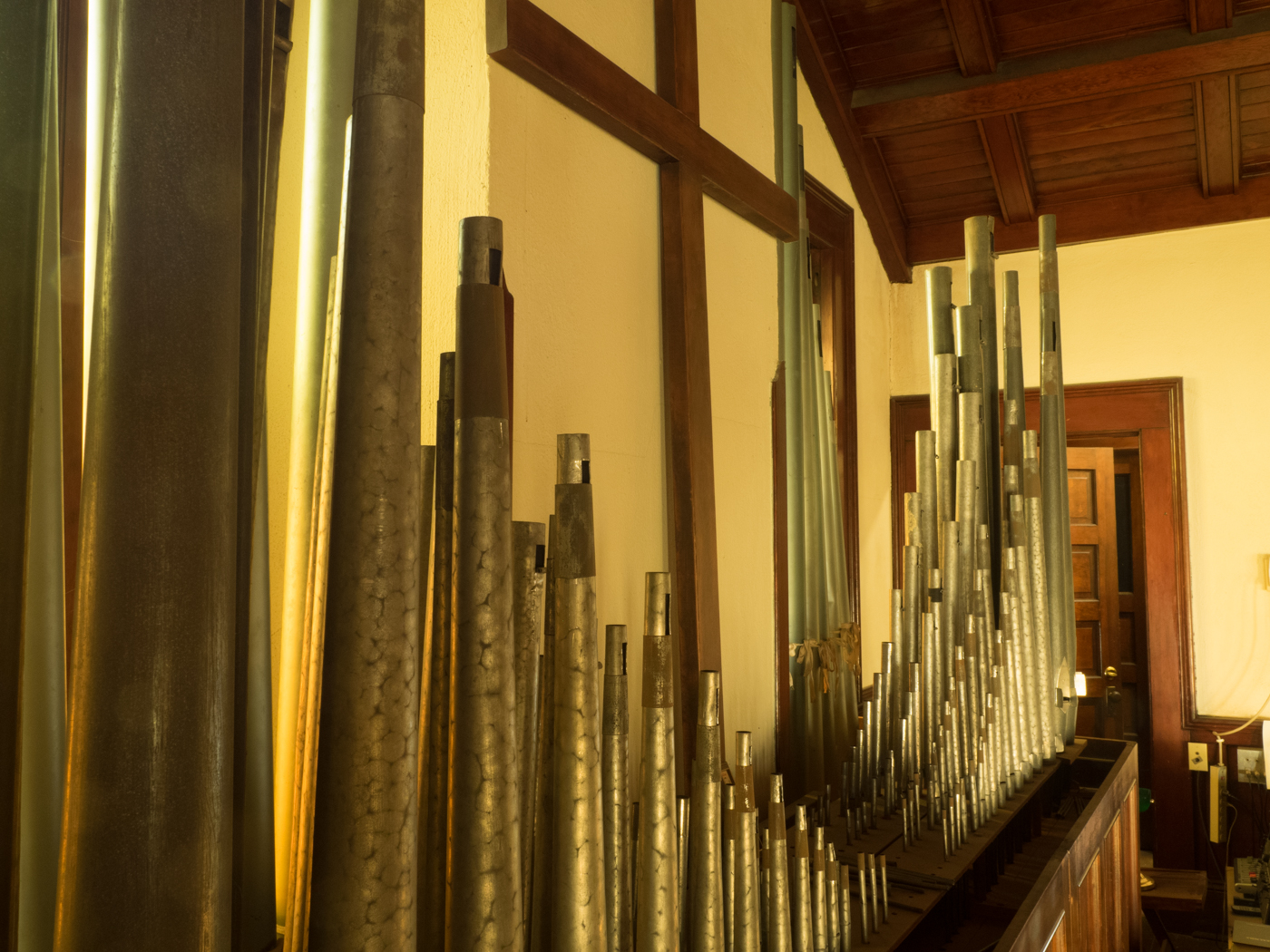
     A major organ funding drive in 1991 raised over $45,000. In addition to upgrades, an endowment fund for future maintenance was established. The organ now has 24 ranks (rows of pipes) which can be expanded to thirty eight in the future. While false pipes have been added as architectural features behind the choir loft and pulpit, operating pipes are spread throughout the sanctuary.

     Many generous congregation members — musicians and technicians, fundraisers and donors — have worked tirelessly to keep this great organ singing. Its magnificent voice may well resound for another hundred years.

April, 2017


Click on photos for more information.

First Congregational Church of Porterville — An Important Feature in the City’s Life for Over 125 Years

by Shirley Kirkpatrick

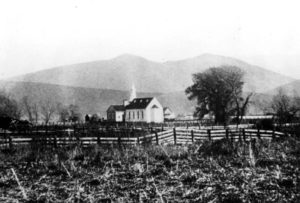
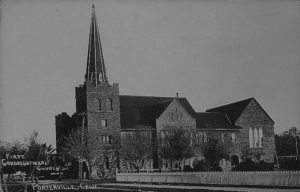
     As the peals of the carillon bells from the First Congregational Church steeple drift over Porterville’s downtown, residents are reminded daily that the church is a longstanding element in the city’s life.

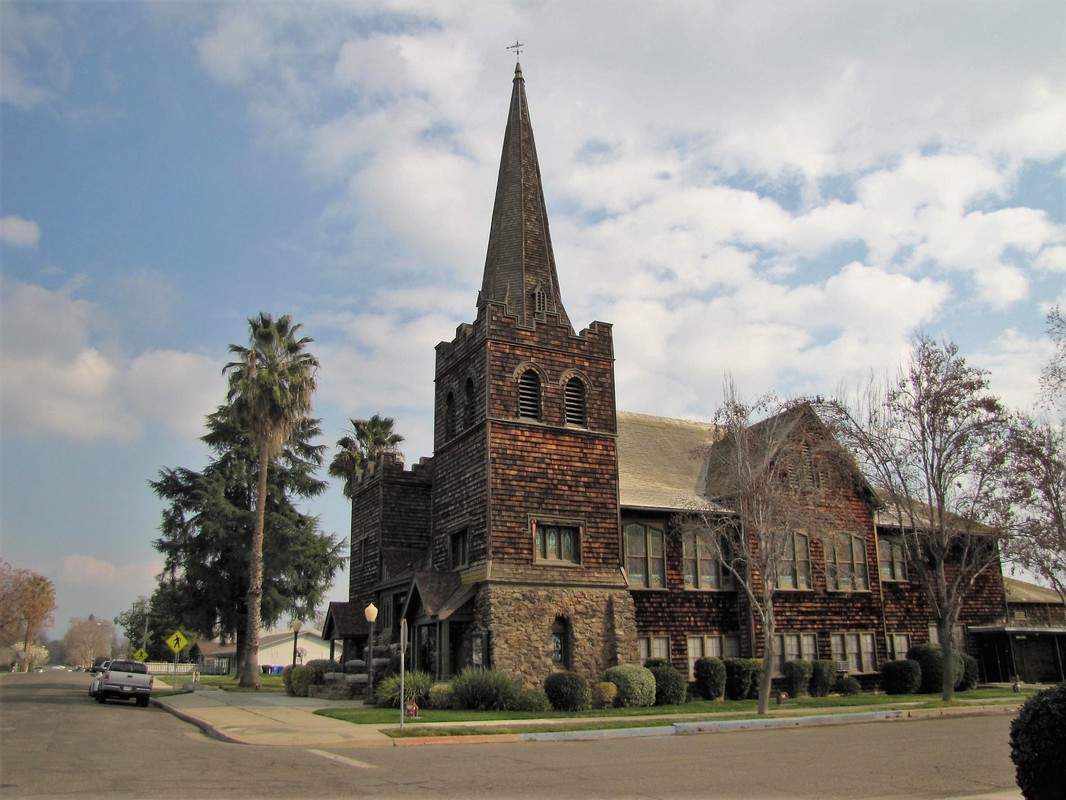
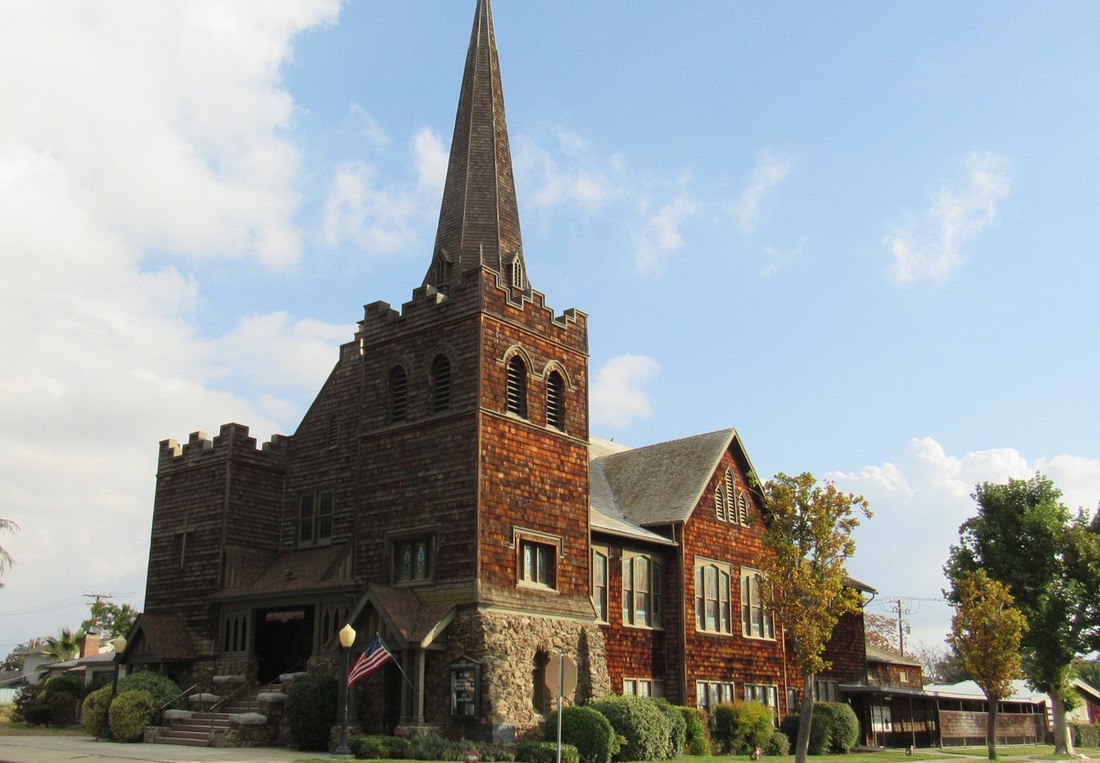
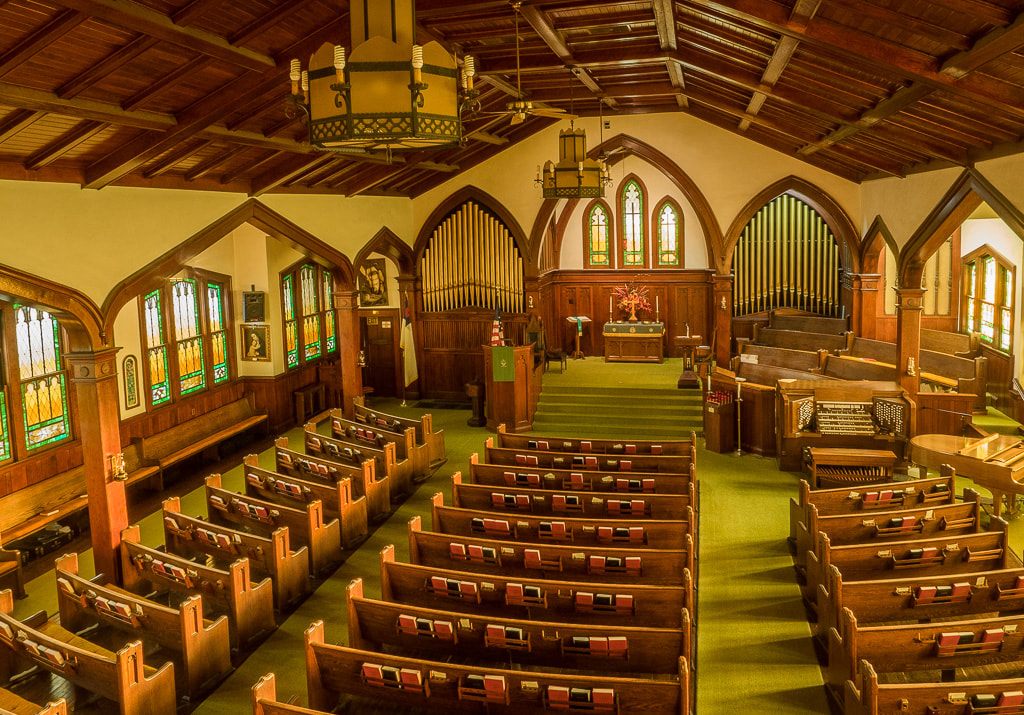
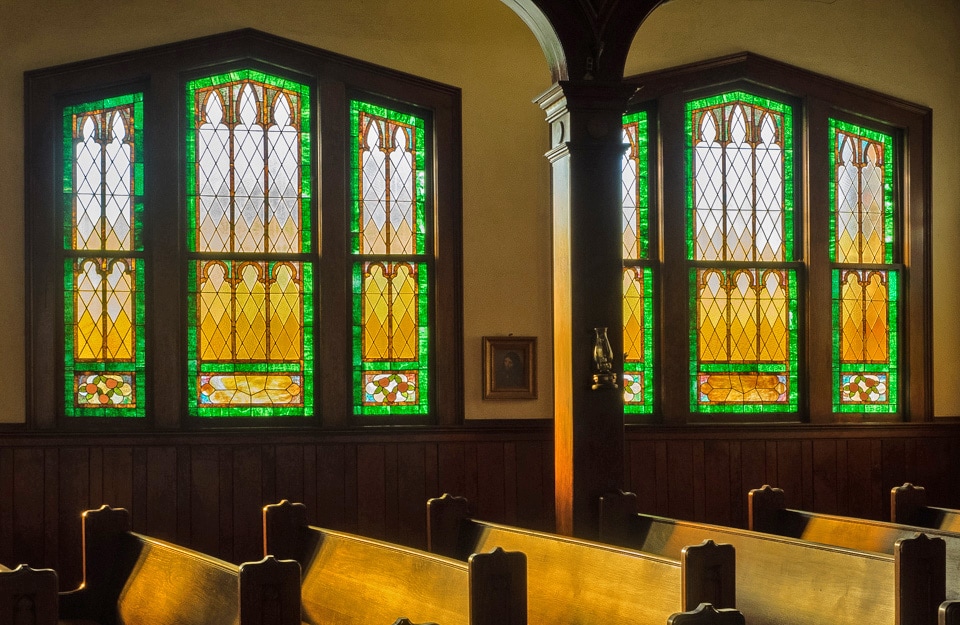
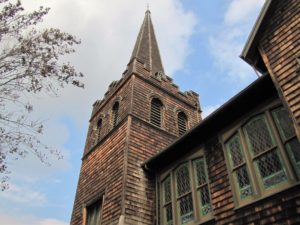
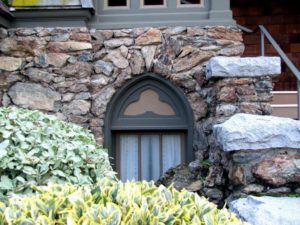
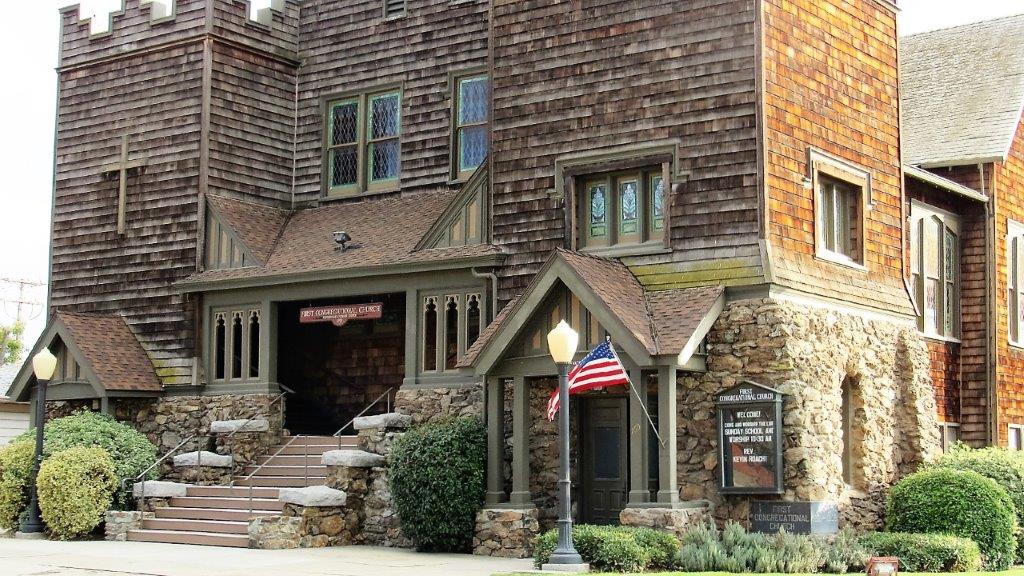
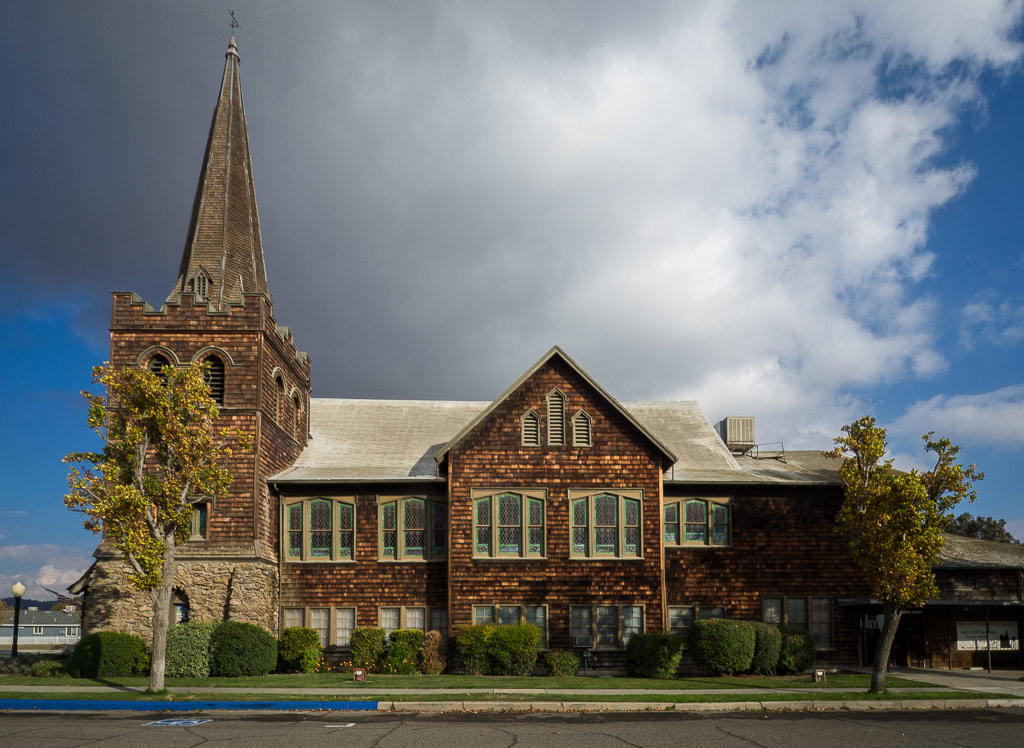
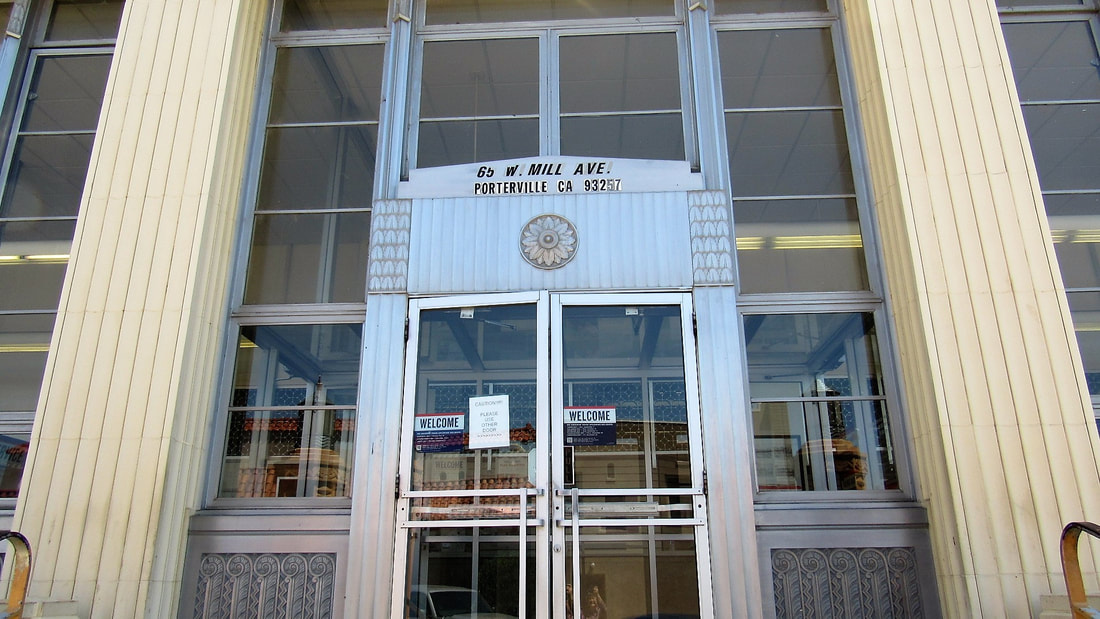
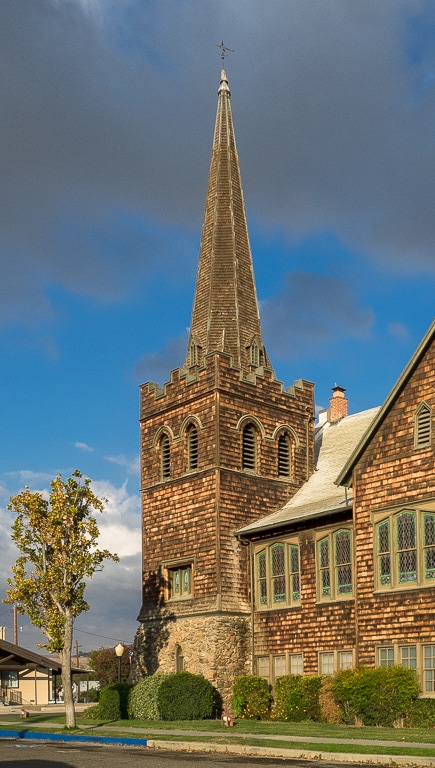
     The nationally recognized structure sits on three city lots east of downtown at the southeast corner of Mill and Fourth streets. With no nearby buildings, the church is clearly visible with its distinctive Late Gothic Revival architecture, arched stained-glass windows, cedar shingle siding, native stonework, and soaring steeple. It was approved for recognition on the National Register of Historic Places in 1998, ninety years after its construction.

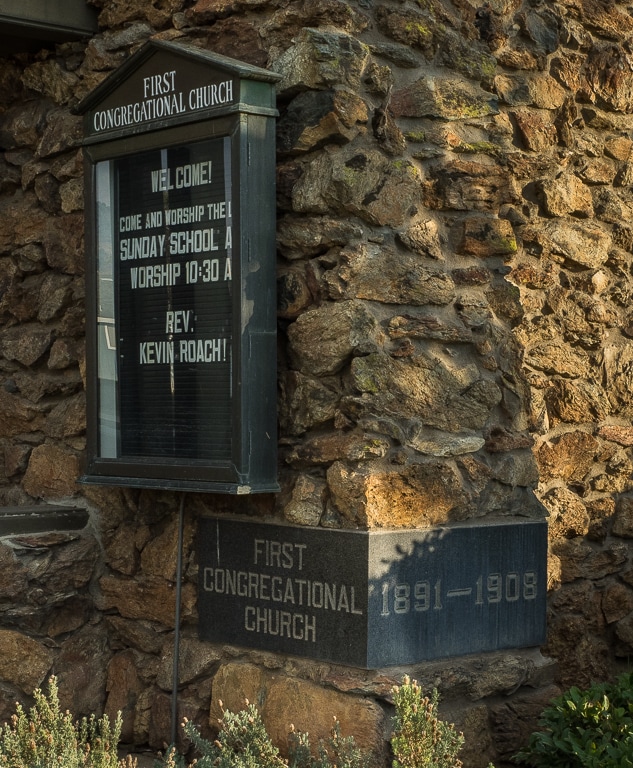
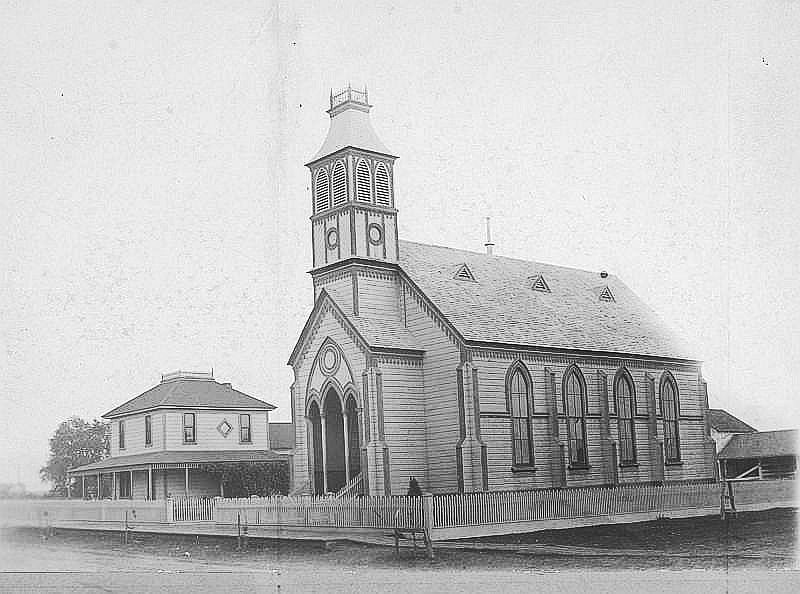
   Still, the story of the First Congregational Church dates farther back and is uniquely linked to the history of the Porterville. A cornerstone marker on the building is dated 1891-1908, marking the church’s establishment before construction of the current facility.

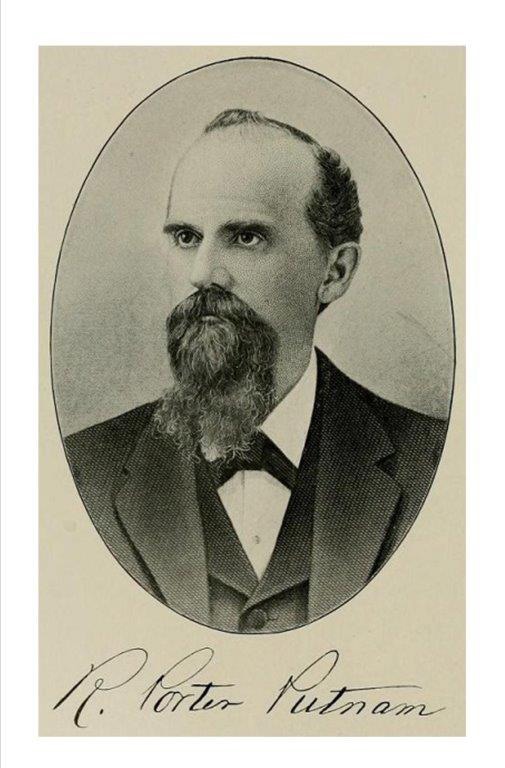
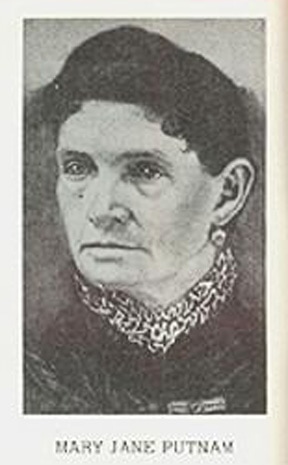
     Church member Joe Faure is a frequent tour guide for visitors who want to see inside the building. As he explains it, the city was first just a cluster of houses, saloons, and shops serving as a stopover for land schooners carrying newcomers eager to search the gold fields farther north. When Royal Porter Putnam, a shopkeeper and owner of 40 acres on the banks of the Tule River, began laying out a grid for streets and lots for a new town in 1864, his wife, dismayed by the “wild west” feel of the village, insisted he set aside three lots for churches.

     As settlement in the area by farmers began, it brought an influx of mid-Westerners, many of them of the Congregational faith. Sharing similar theological views, they merged with a dwindling Presbyterian church at the site, and in 1891 the congregation became affiliated with the Congregational Church. It was identified as an “institutional church” — providing not only religious services but multiple uses for the entire community, with culture, education, recreation, and respectable entertainment – meant to help tame the rough and tumble town.

  Thus, they built a multi-level edifice in 1908 where young people could develop body, mind, and spirit with physical fitness, mental training, religious ideals, citizenship, and service. They brought the first daily kindergarten to the area, provided an indoor swimming pool with a gymnasium on the second story – the first in southern Tulare County, and a 250 seat sanctuary that doubled as the town’s only auditorium. The church even bought two additional lots south of the building in 1915 to construct the first tennis courts in town for public use.

     Some alterations have been made over the years, but the church building today is essentially unchanged from its original plan, as attested to by the framed blueprints on display, the work of San Francisco Bay Area architects George C. Meeker and Francis W. Reed. Its design is in the Shingle/Bay Tradition of the Gothic Revival style. It is now the only site representative of this architectural style in the south San Joaquin Valley – others of the era having been mostly destroyed by fire.

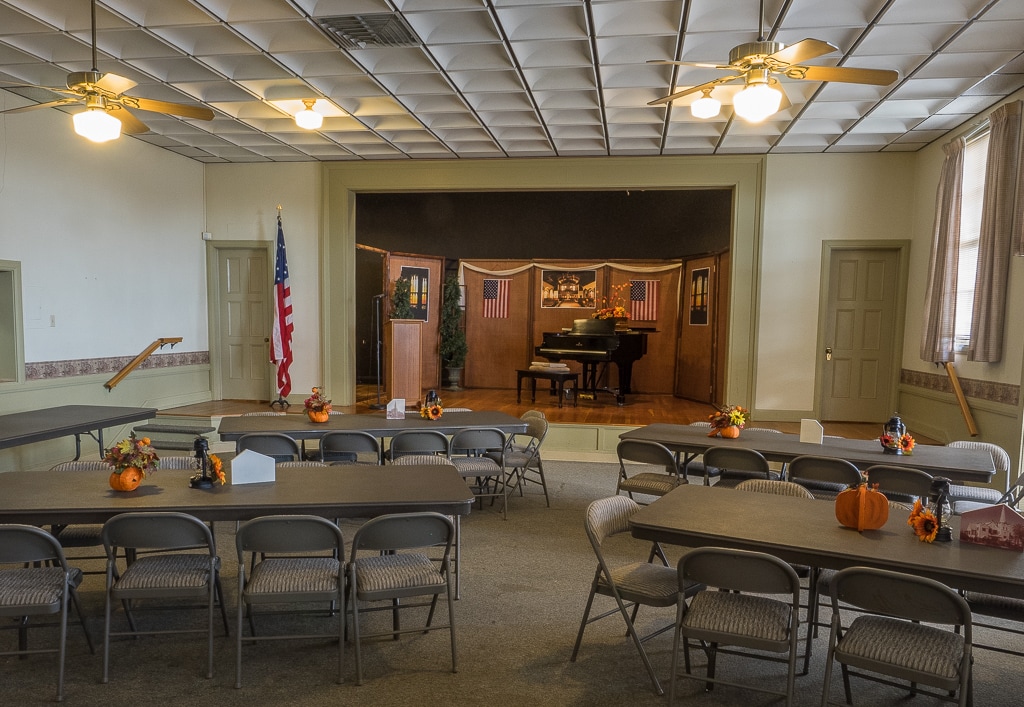
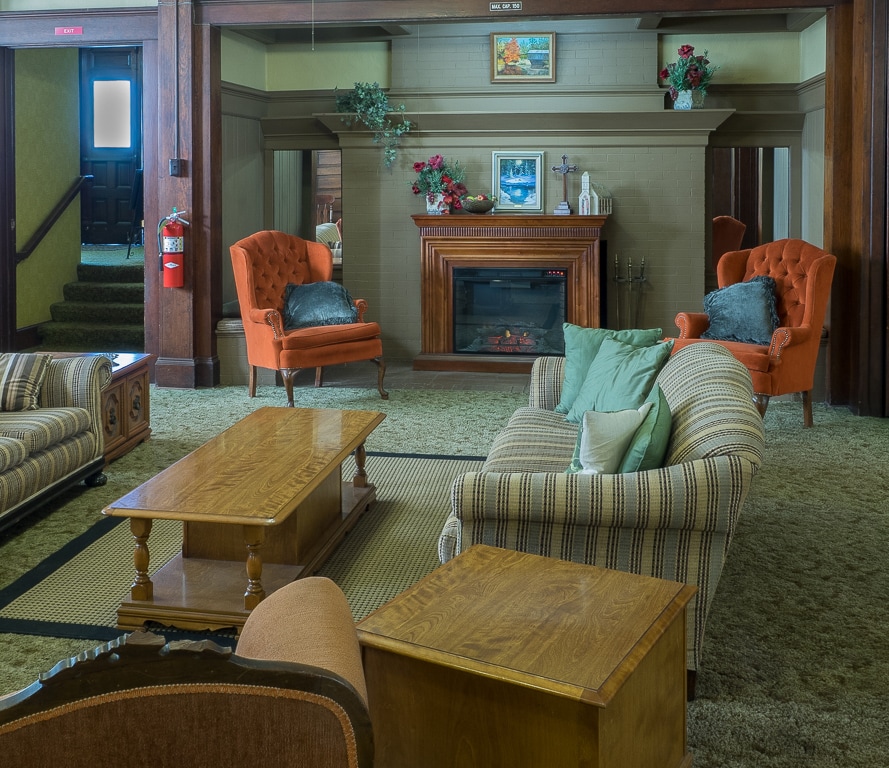
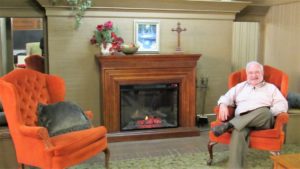
     However, fire did significantly change the church in 1936, burning the south wall of the sanctuary, a portion of the altar and recessed chancel, and the entire gymnasium. Since area high schools were now providing swimming, gymnasium, and tennis venues to the public, the Congregationalists replaced theirs with a social hall, complete with a modern kitchen and raised stage over the original swimming pool. This lower level addition adjoins the Fireside Room, a large area with comfortable seating and a fireplace.

     In 1961, a separate building south of the church was built for classrooms; and in 1978, an elevator was installed from the ground level Mill Street entrance side to the upper vestibule for wheelchair access. The church still provides a home for gatherings of community groups such as Girl and Boy Scout troops, quilters, and Alcoholics Anonymous, and for entertainment in the form of plays and musical concerts.

     Music has been an important part of the Congregational church since its beginning. The church maintains two Steinway pianos, a magnificent pipe organ, and its original pump organ, which is still used for special occasions, such as the church’s 125th anniversary celebration in 2016.

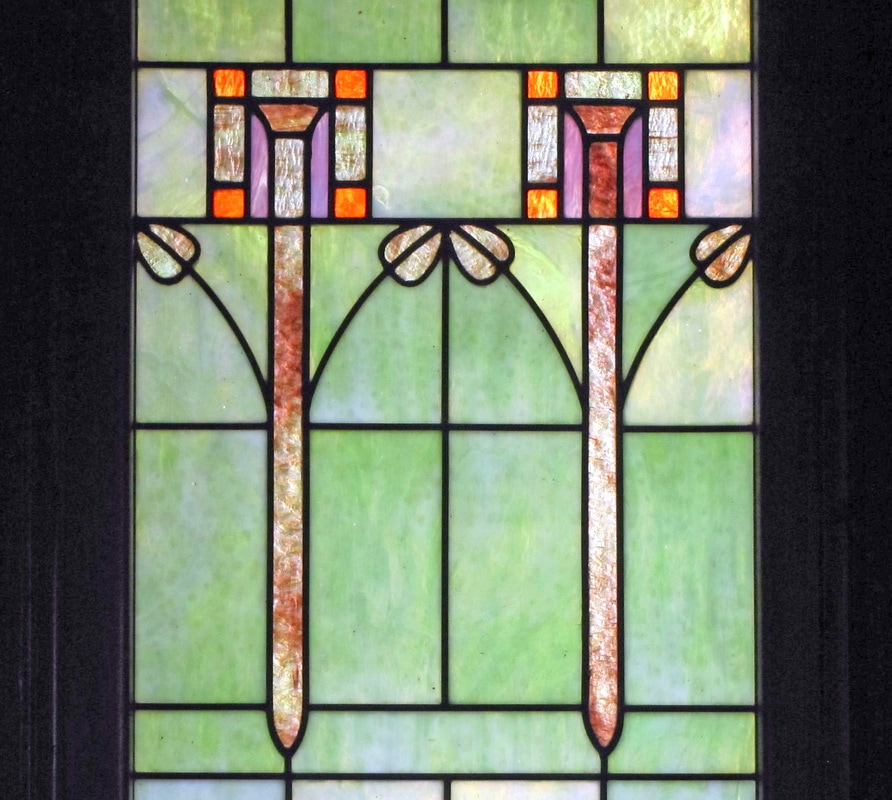
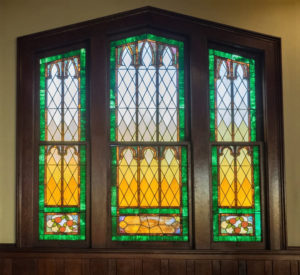
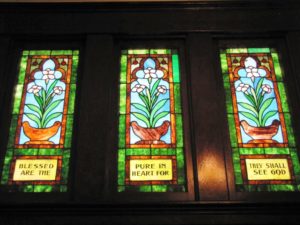
     Another source of pride and contributory factor in the church’s selection for National Register recognition are its outstanding stained glass windows. The unique windows were designed by a San Francisco artisan who was unfamiliar with the region and was fascinated by its changing seasons and the emerging citrus industry on the nearby hillsides. Thus, the windows feature the greens and golds of spring and fall, and each is anchored at the bottom by a panel featuring a cluster of three oranges and leaves. This motif, many congregants believe, suggests the Christian doctrine of the Trinity.

     This brings us full circle in our tour of the church and back to the carillon system. It, too, has a story. The sound system was a gift to the church in memory of Richard Moore from his family and friends. It was first installed in 1957 by the Maas-Rowe Company of Escondido. It served well for twenty two years, when the installing company was re-hired to upgrade the parts and system. Once again the carillon sounds marked the passage of time for the city, with songs at 8 a.m., noon, and 5 p.m., and chimes on the hour in between — a fix that lasted until 2001.

     After 15 years of silence from the carillon, the family of the late Harry and Virginia Falconer pledged the entire sum for the carillon replacement project in their memory, providing a modern, digital system with over 600 songs to choose from. And so, just before Christmas 2016, the familiar musical interludes once again emanated from the First Congregational Church spire daily and for special occasions. It is an audible indicator that the church continues to serve its community well into its second century.

April, 2017


Slideshow:


Quotes & More Photos:

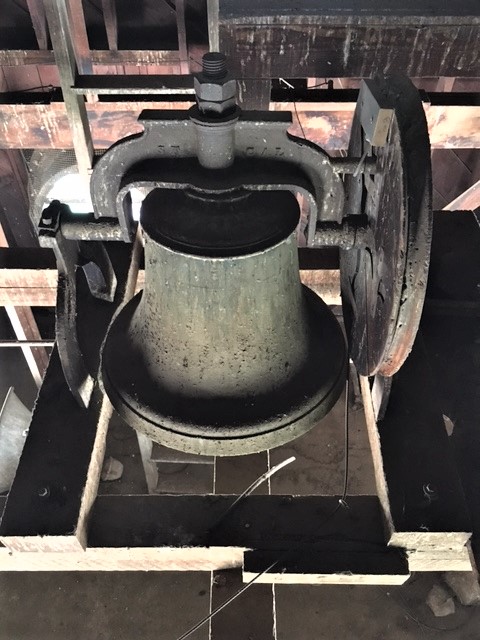
“‘W.T. GARRATT & CO. SF CAL 1870’ is cast around the top of a[n] 18 inch high, 24 inch diameter bell, which is still rung by hand for celebrations such as the church’s centennial in 1991. This bell is from the earlier 1873 church on this site. . . . The 1873 church was torn down and construction of the present church, finished in 1908, began at this bell tower corner.” — Joe Faure

“Lavish use of elegantly crafted wood in interiors also reflects the New England heritage of early families.” — Joe Faure

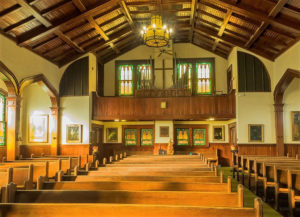
“The grand space [of the nave], 54 feet by 74 feet, is flanked on both sides by an arched colonnade and narrow aisles. … The floor is tongue and groove vertical grain [D]ouglas fir. All woodwork throughout this auditorium displays elegant craftmanship.” — Joe Faure

“Blacksmiths were essential in a community that depended on horses. . . . Local craftsmen were available to provide church ornaments such as the light fixtures.” — Joe Faure

“Several local rock quarries provided roughly cut blocks and slabs such as were used on the front face, and for the foundation and steps of the church. The cornerstone itself was hauled from a nearby hillside.” — National Register of Historic Places (NRHP) Nomination Form

“You could never rebuild this church the way it is now. The craftsmen aren’t available. The construction materials aren’t there. You could not afford to build this today.” — Joe Faure

“Periods of architecture like this one, and like the Art Deco period that the post office represents . . .”

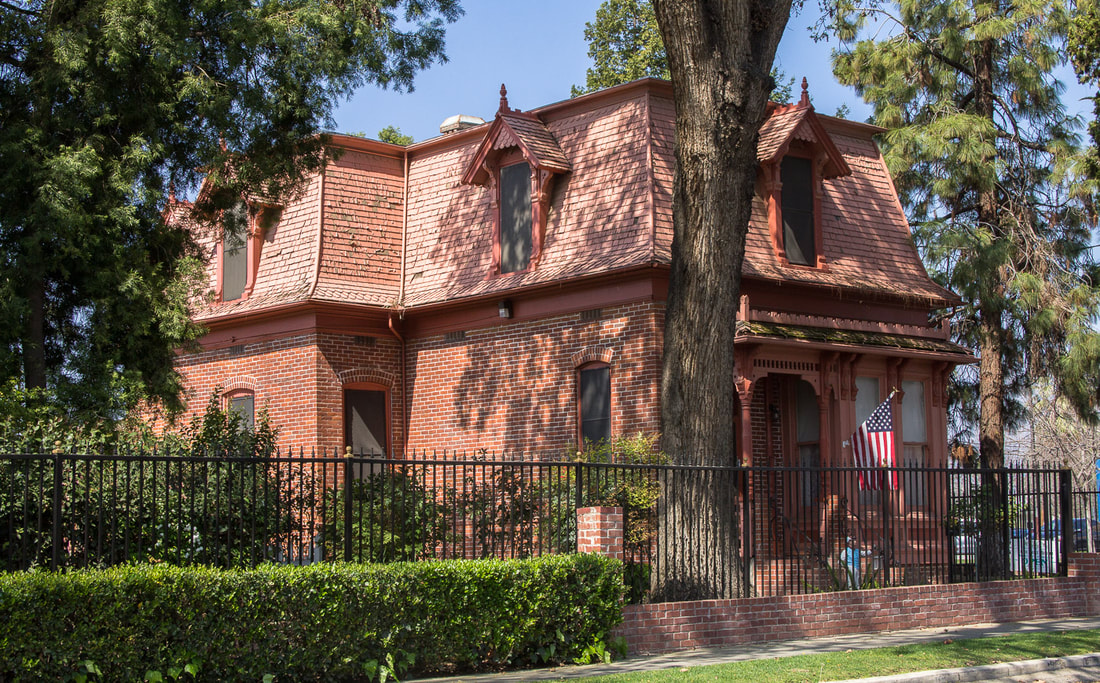
“. . . and the Victorian era that Zalud House represents, those periods aren’t going to come again. We’re fortunate in Porterville:  we have three of those periods represented, going clear back to the 1890s. They need to be preserved if at all possible.” — Joe Faure


Maps & Directions:

Directions:

Address: 165 E. Mill St., Porterville, CA 93257

From Visalia, take Hwy 198 east to Hwy 65 south to Porterville. Exit east onto W. Olive St., then go north (left) on N. 3rd St. and turn east (right) to 165 E. Mill St.


Site Details & Activities:

Environment: Valley, historic church in Porterville
Activities: attend services, arrange tour
Open: for worship services (Sunday, 10:30-11:30 a.m.) and study, and for tours by appointment only
Site Stewards: First Congregational Church, 559-784-5340, 559-784-5340; portervillefcc@att.net
Opportunities for Involvement: donate, volunteer
Links:  


Click on photos for more information.

The Story of Lewis Hill Preserve

by Paul Hurley

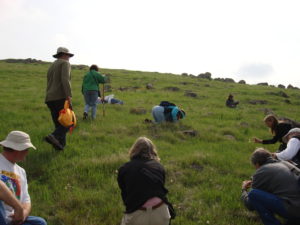
     Two elusive plants and the love for flowers of a rancher/naturalist were the factors in a formula that conserved 110 acres of Lewis Hill as a nature preserve in the Sierra Nevada foothills of Tulare County. Cole Hawkins is the rancher, and his family once owned 600 acres of Lewis Hill. From his childhood fascination with plants, through his developing interest in conservation and persistence in preserving a site he loved, Hawkins worked with many others to protect what he saw as miracles of nature.

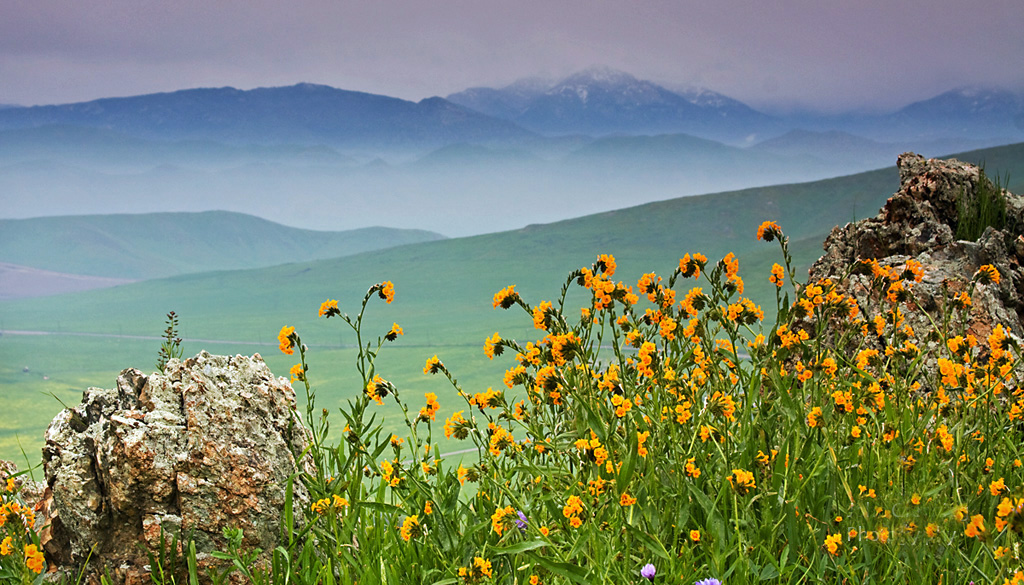
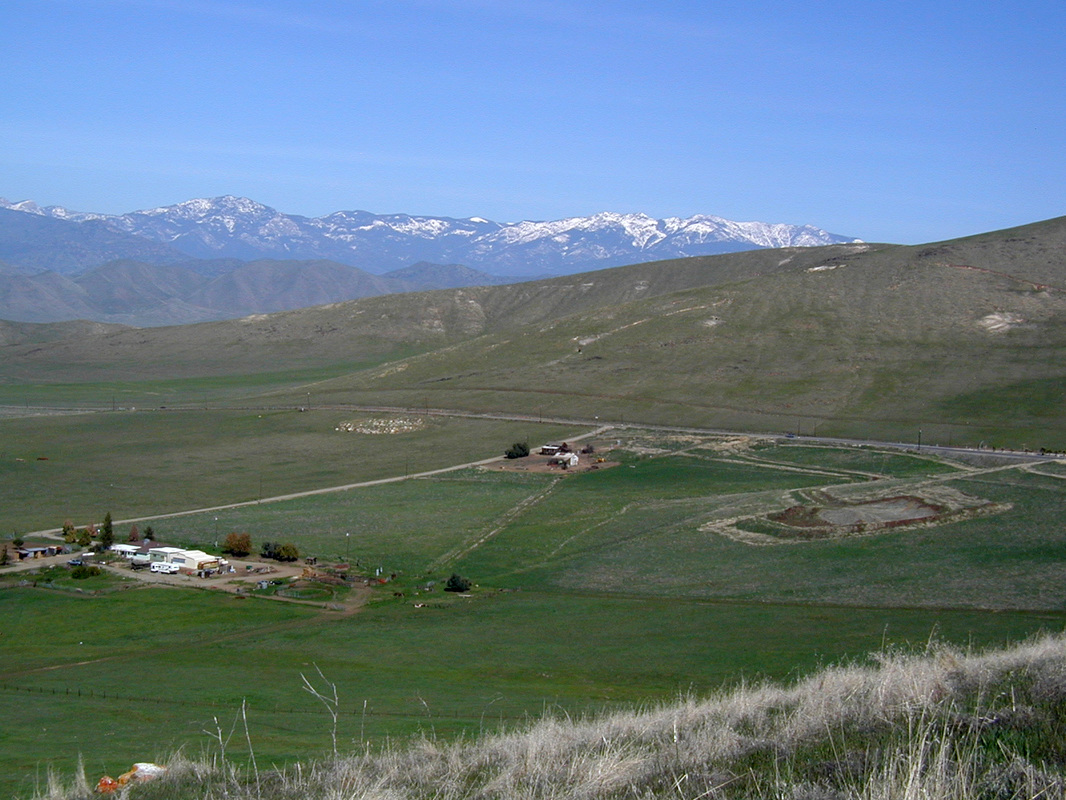
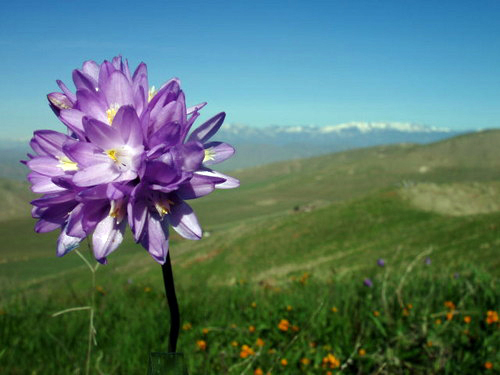
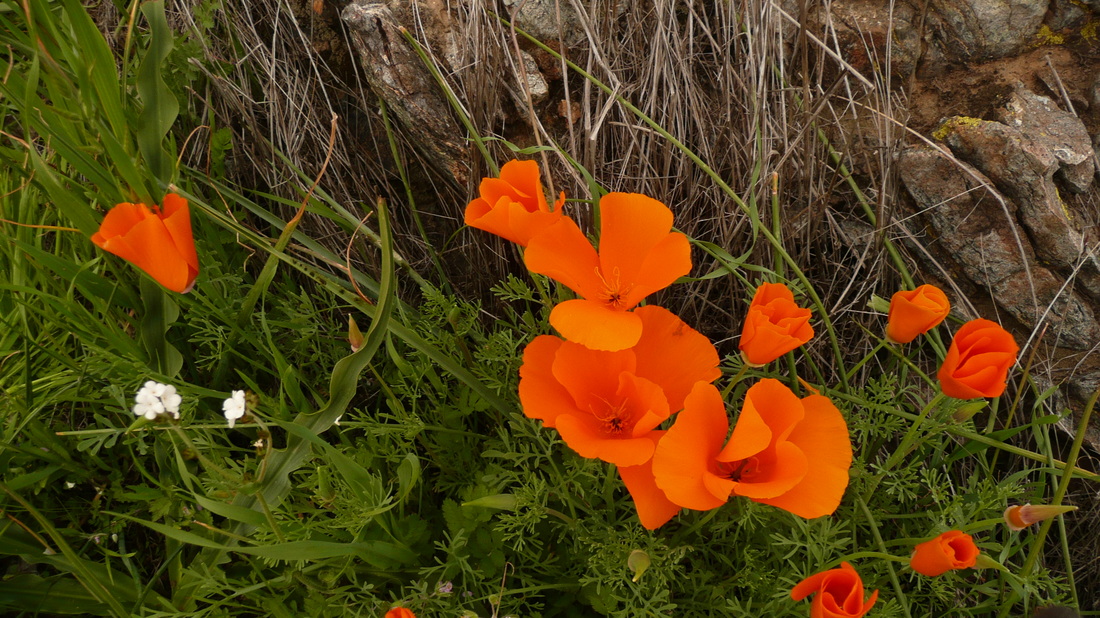
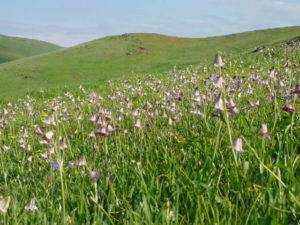
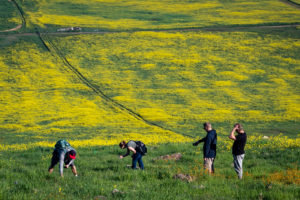
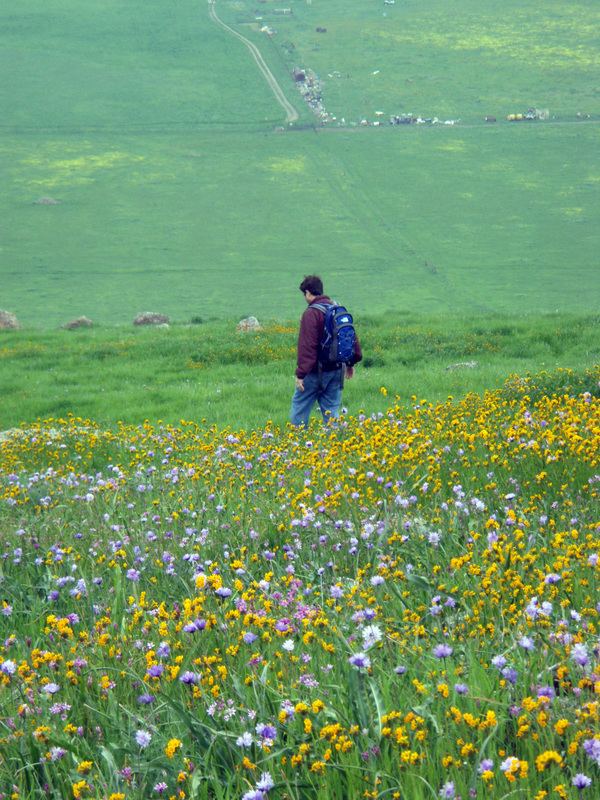
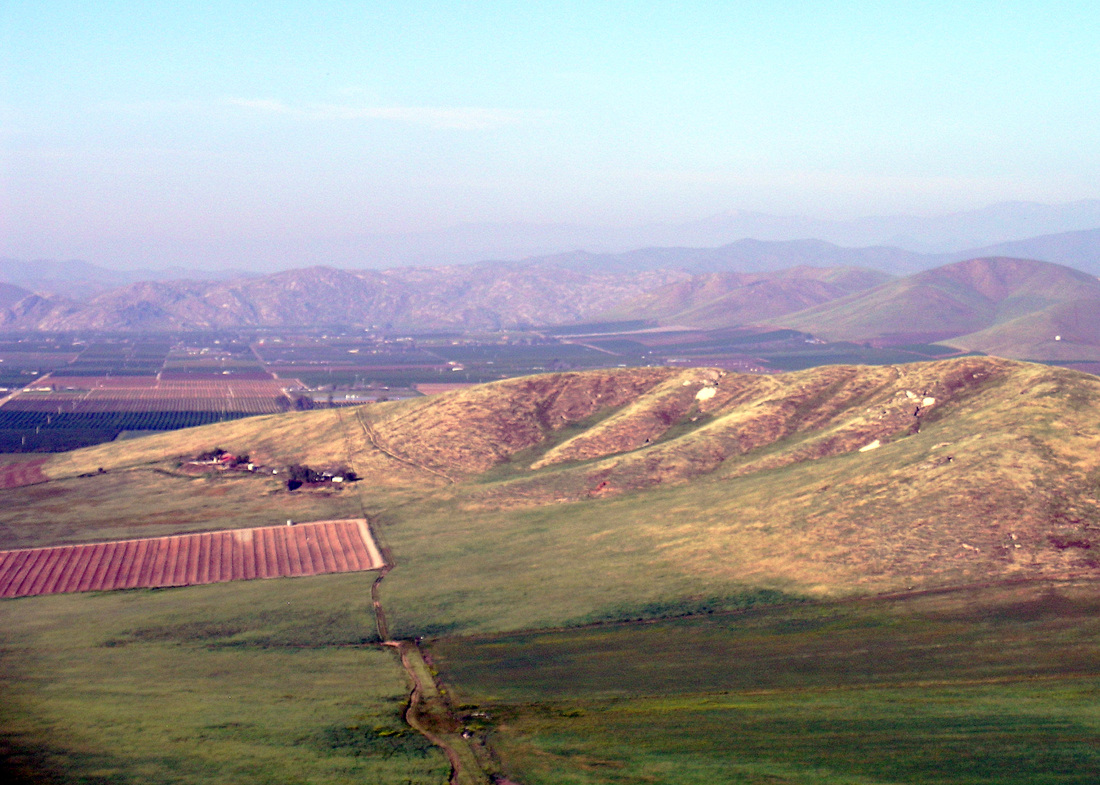
     Set in rocky foothills north of Porterville, Lewis Hill is an unprepossessing, grassy hump that rises to 1,028 feet in the middle of grazing country. Arid and speckled with random outcroppings of rock, it is typical of foothills grassland and blue oak habitat, although treeless. Each spring the hill supports an enticing mix of wildflowers: California poppy, wild hyacinth, miner’s lettuce, blue dicks, fiddleneck, popcorn flower, milk thistle, and cluster lily among them.

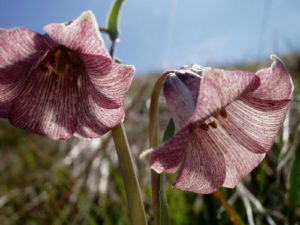
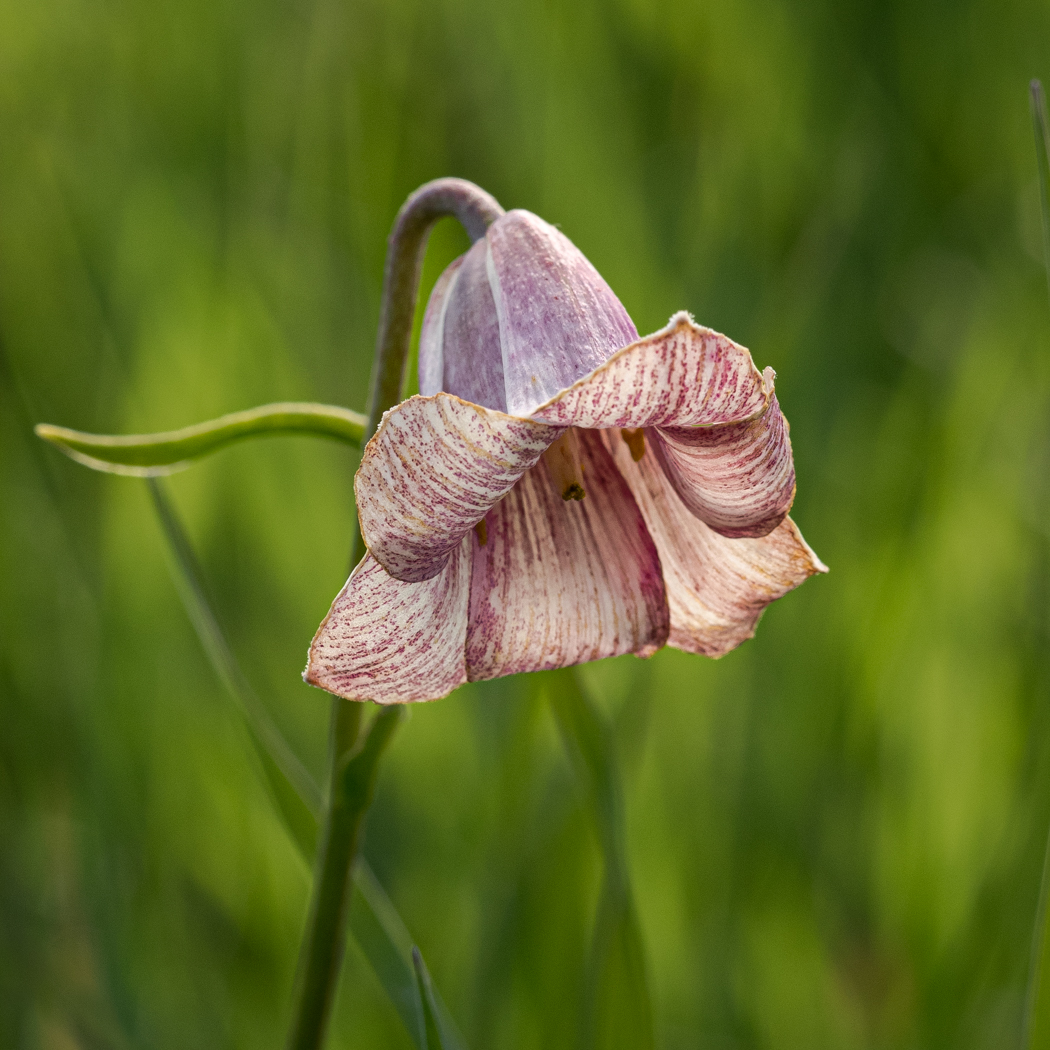
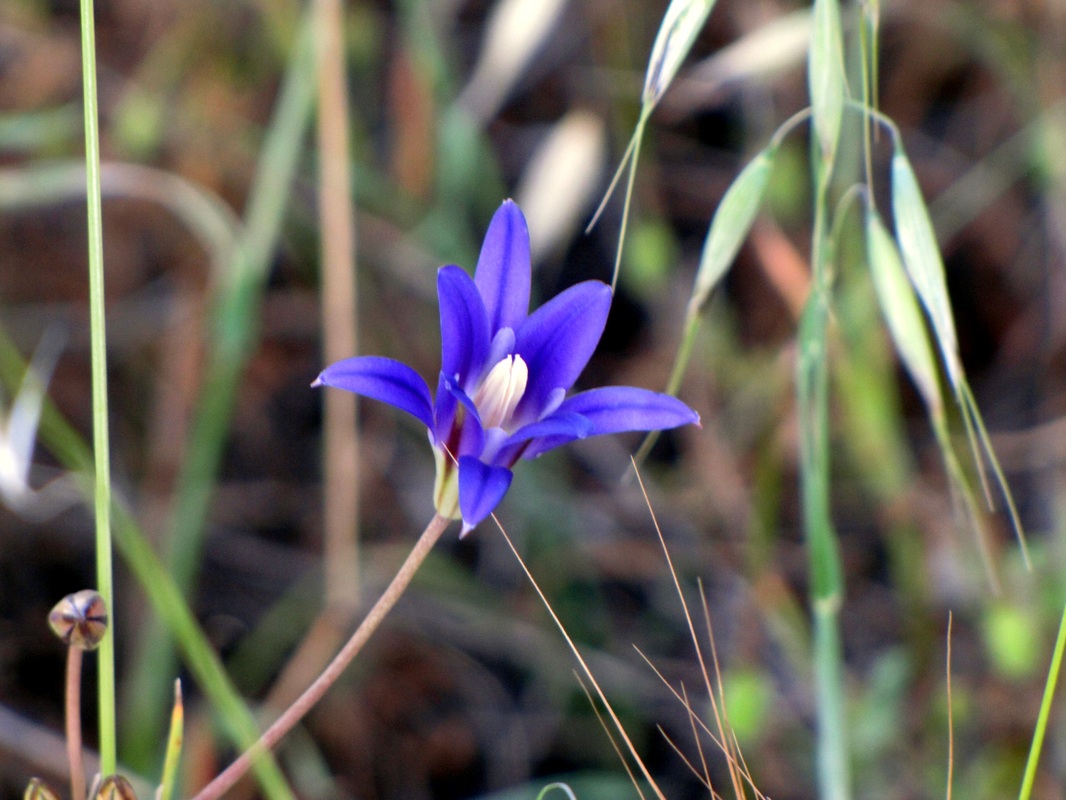
     Two flowers are imperiled: the San Joaquin adobe sunburst (Pseudobahia peirsonii, classified as endangered) and the striped adobe lily (Fritillaria striata, classified as threatened). The common names of both plants indicate they grow only in rocky, clay-based soil called adobe, Lewis Hill is one of the few places on Earth with the appropriate soil and climate for these species to thrive. They flower on Lewis Hill briefly from mid-January into early spring, and disappear the rest of the year. In this ephemeral botanical environment, Cole Hawkins fell in love.

    I‘ve always had a real interest in plants and animals,” Hawkins said. “I think I was born with it. I was just amazed by plants.” Hawkins grew up in citrus orchards in Southern California. His family bought the Beatty Ranch, which included much of Lewis Hill in Tulare County, in 1953, when Cole was three years old. His father named it Hermosa Tierra, “Beautiful Land.” They grew citrus and olives and ranged cattle on about 600 acres bisected by Plano Road and rising from the base to the peak of Lewis Hill.

     From spending his early years there off and on, Hawkins became enchanted with the place. At first he was more taken with the animals than the plants – bobcats, coyotes, squirrels, the occasional mountain lion, deer, fox, and striped and spotted skunks. But gradually he started noticing the plants, too, especially the bright indigo cluster lilies. “One of my milestones of the year was when the first brodiaea would bloom,” he said. “And brodiaea is a beautiful small blue lily. I was always excited when that happened.”

     Hawkins started working on the ranch in 1969, but took time off to pursue his college degree. Although he enjoyed the natural wonders of the property, the purpose of the farm was to raise food. The focus on the ranch was to suppress plants that weren’t citrus and olives, Hawkins said. “My uncle was afraid they were competing with the trees for water and nutrients.”

     They knew that grazing cattle on the ranch would suppress the wild oats, an introduced species that competed with the native plants. Hawkins said his interest in managing the land and encouraging the native plants started with his experiments in selective grazing. And that led to the conservation of Lewis Hill.

     Hawkins worked toward a Master’s degree in biology at California State University, Fresno while he nurtured his interests in botany. He would roam the fields of Lewis Hill, armed with a Munz guide to California plants, cataloging the various species he found.

     He decided he needed to learn more about what was on his ranch, so he asked for help from biologist Dave Chesmore and botanist Howard Latimer at Fresno State. He conferred with Bob Barnes of the Tulare County Audubon Society and biologist Rob Hansen. He called on another local farmer, Jack Zaninovich, who was active in the California Native Plant Society. They eventually determined that Lewis Hill had two threatened or endangered species, the striped adobe lily and the San Joaquin adobe sunburst.

     Hawkins began managing the ranch when his uncle retired in 1978. A few years later, he met a self-described “city girl,” a musician from Detroit named Priscilla Haapa. Priscilla moved to Porterville in 1972, where her daughter, Shanda Lowery, was born. Priscilla played principal cello in the Tulare County Symphony, taught private cello students, and started the string instrument program in the Porterville schools in 1973. She met Cole Hawkins at an Audubon Society meeting in 1981. He was looking for a volunteer for his water conservation booth at the Porterville Fair.

    I was the only one who signed up for helping him at this booth,” Priscilla said. “So that was the start of us realizing how much we really had in common. “About six months after that, I was going to leave Porterville, because I thought, ‘Oh, this is just too small of a town and all that.’ But by then I had already realized that Cole and I had something very special going.” Cole and Priscilla married in 1982. Two years later they moved into a house they built on Lewis Hill on 25 acres of ranch property the Hawkins family gave them.

     They both knew they wanted to keep Lewis Hill just as it was. They reveled in their views of wildlife, sweeping vistas, and delicate flowers. The fact that some were threatened or endangered was an asset. They would share strategies to preserve the place, talk to dozens of other people, and explore their options. Family events forced their hand.

     Hawkins’ mother, who owned a majority of the ranch, died in 1989, and the Hawkins family made plans to sell the property. Cole Hawkins was eager to pursue a Ph.D. in wildlife and fisheries science, and Priscilla wanted a place where she would play her cello and teach. They moved to Davis in 1991.

     Meanwhile, they continued their plans to preserve some of Lewis Hill. His brothers and sister donated 90 acres to the project, and Hawkins donated 20 of his 25 acres. Cole gives Priscilla the credit for coming up with the idea of a conservation easement for the property. They approached various organizations that could take the land in trust. For a time, the Nature Conservancy was interested, but the project eventually wasn’t big enough for them.

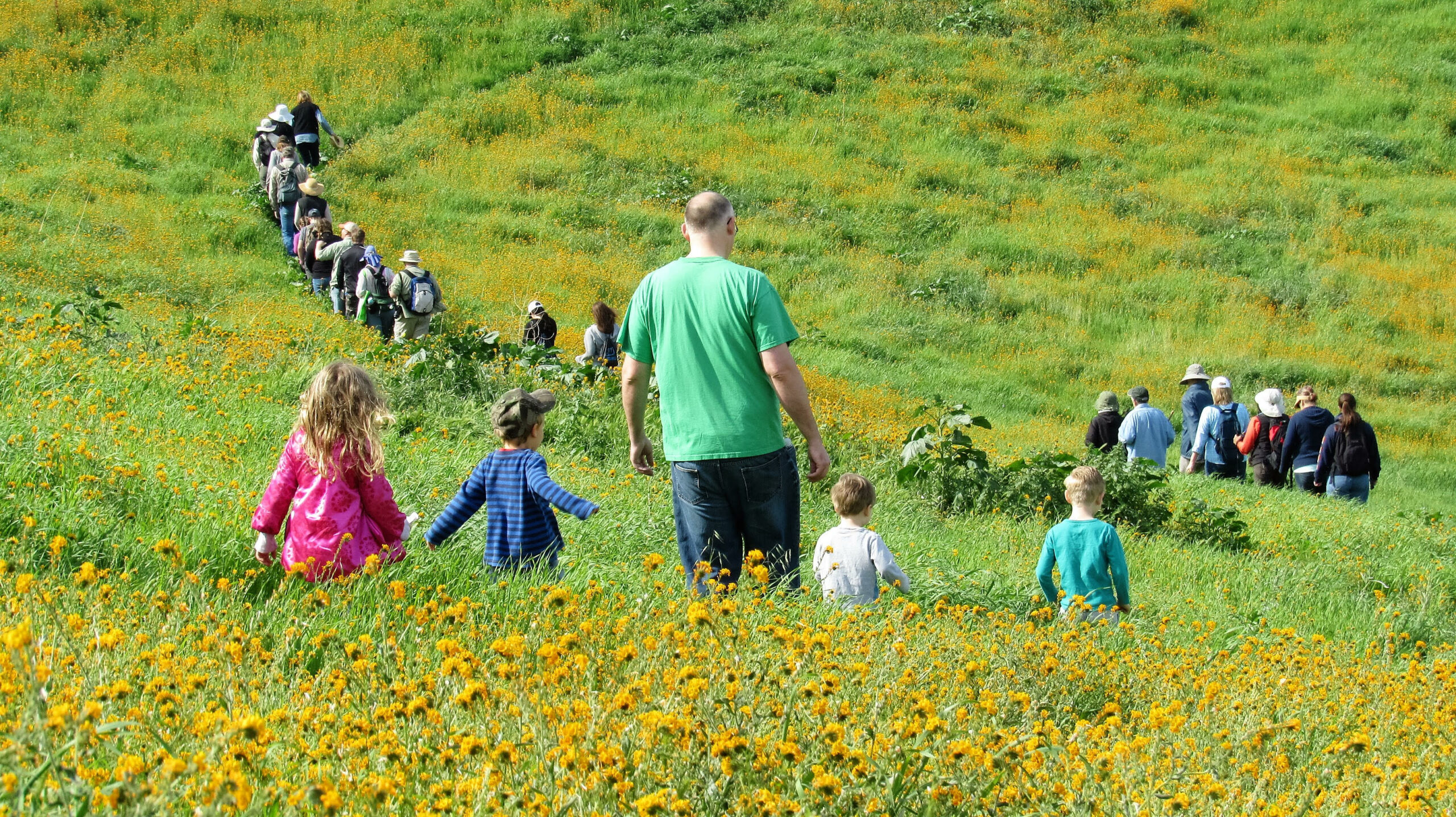
     Finally, in 1994, the family donated 110 acres to the Kern River Research Center, which Bob Barnes had helped to establish. Six years later, Lewis Hill was acquired by the Tule Oaks Land Trust, which has become part of the Sequoia Riverlands Trust (SRT). Each spring, SRT conducts a guided wildflower walk on Lewis Hill. Other times the property is open to groups for study and research only by arrangement with SRT.

     Cole and Priscilla Hawkins still return to visit Lewis Hill and Hermosa Tierra. The farmer who bought the ranch has kept it in citrus production, allaying the Hawkines’ fears that the property would be developed. “We just loved Lewis Hill and we wanted to keep it for other people to be able to enjoy it the way that we did.”

     Lewis Hill remains a preserve for the unique natural habitat of the Southern San Joaquin Valley and Sierra Nevada foothills, just the way Cole and Priscillla Hawkins wanted it to be.

February, 2016


Slideshow:


Quotes & More Photos:

“Join us for a Saturday stroll and wildflower immersion experience at Lewis Hill Preserve. We will be taking a guided tour of wildflowers including the rare striped adobe lily . . . . Bring your friends, bring your family!” — Sequoia Riverlands Trust

“Here there are two very rare flowers including the striped adobe lily (Fritillaria striata). This flower only grows on a few scattered hills in the area and nowhere else on earth. Why? Because it prefers a certain type of soil that comes from a certain type of rock. [T]he Sierra Nevada . . .  in its central and southern portions is mostly granite. . . Lewis Hill is made instead of a mix of dark volcanic and metamorphic rocks. And wherever this rare rock type occurs in this part of the world you may find this rare lily growing on it in late February and early March.” — Tarol

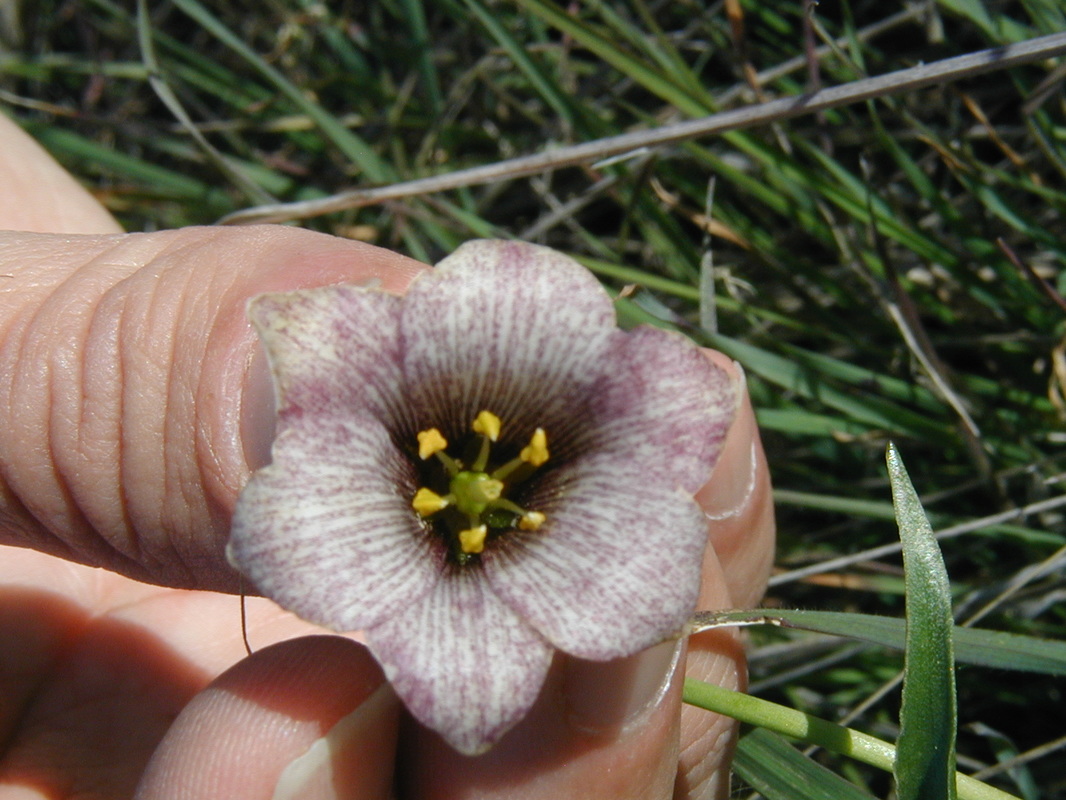
“Fritillaria striata produces an erect stem 25 to 40 centimeters tall and bearing pairs of long oval-shaped leaves 6 to 7 centimeters long. The nodding flower is a bell-shaped fragrant bloom with six light pink petals each striped with darker pink. The tips roll back. In the darker center of the flower is a greenish-yellow nectary surrounded by yellow anthers.” — iNaturalist.org

“I can show you how beautiful the lilies are by showing you a photograph, but oh how I wish I could let you get a whiff of them! They smell heavenly! They are closely related to the leopard lilies that grow higher in the mountains and like them exhibit one of the best wildflower smells that I have ever smelled. So be sure if you ever get a chance to meet this flower to get on your hands and knees and smell them, too.” — Tarol

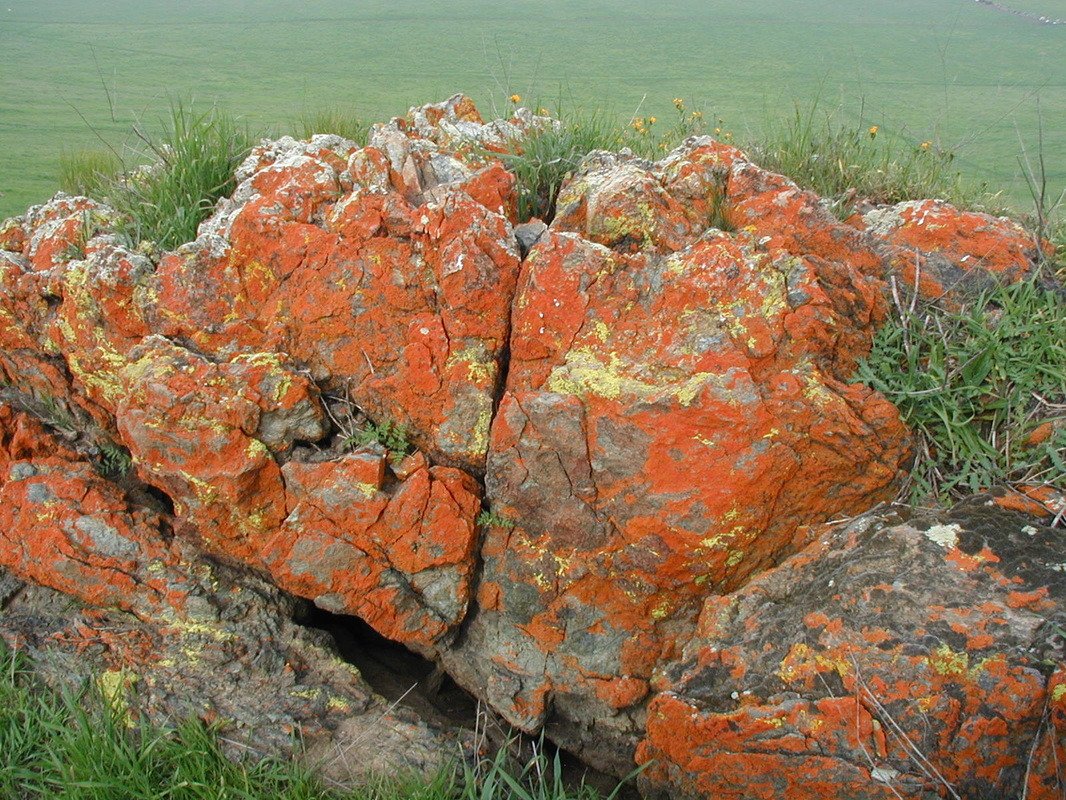
“Along with the adobe lilies we saw blue dicks . . ., lomatium, poppies, wild onion, fiddlenecks, popcorn flower, soaproot, and a lone rare white shooting star. And some very cool rock outcroppings with very colorful lichen. [T]he views of the Sierra Nevada were drop dead gorgeous . . . .” — Tarol

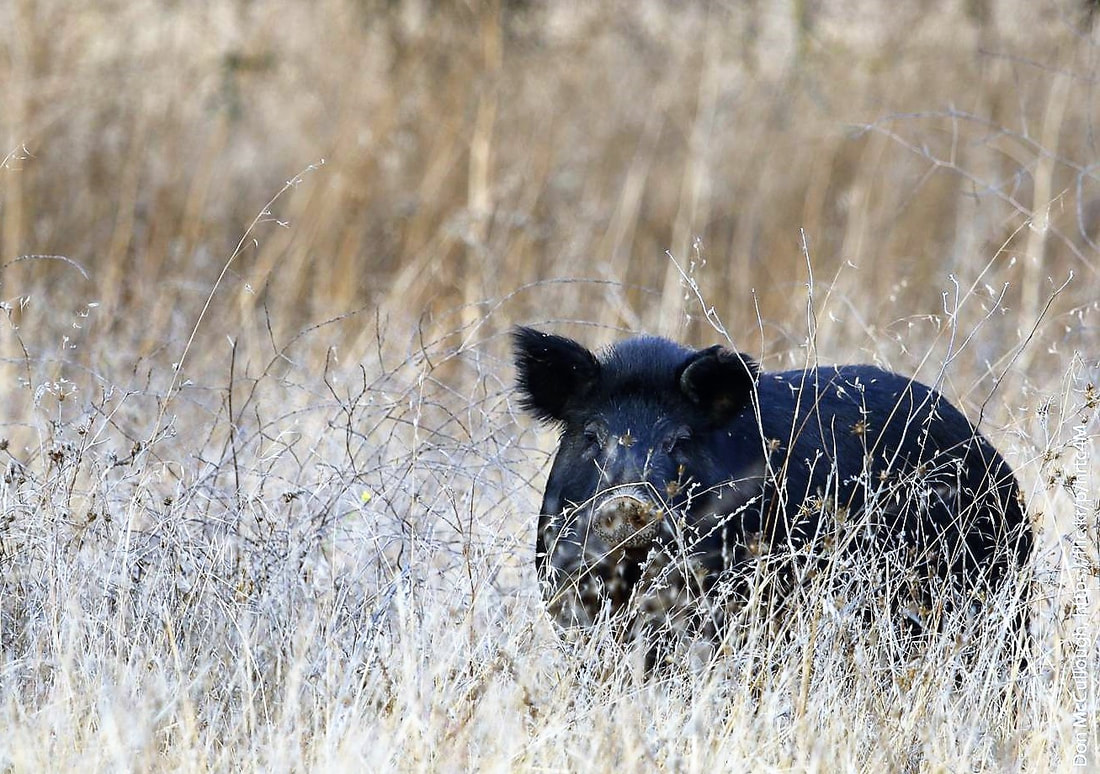
“The main threat to the [striped adobe lily] plant is cattle grazing, wild pigs, and invasive species of grasses. Fritillaria striata is listed by the State of California as a Threatened species, and is on the California Native Plant Society Inventory of Rare and Endangered Plants of California, listed as Seriously Endangered in California.” — iNaturalist.org

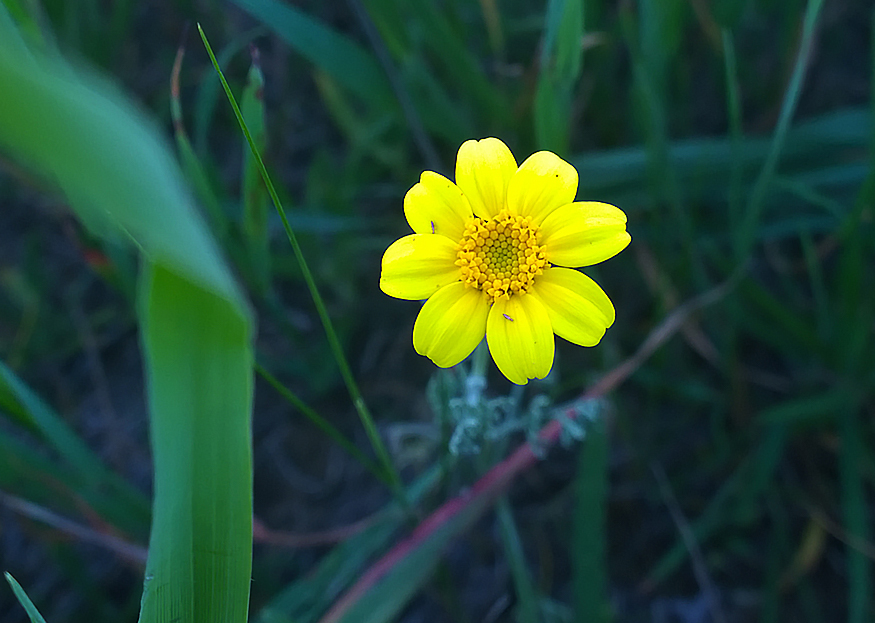
“San Joaquin adobe sunburst is a member of the Asteraceae family. It is an erect annual herb about 1 to 6 decimeters (4-18 in.) tall, loosely covered with white, wooly hairs. Its alternate leaves are twice divided into smaller divisions (bipinnatifid), triangular in outline, and 2 to 6 centimeters (1 to 3 in.) long. Flower heads, which appear in March or April, are solitary at the ends of the branches. The ray flowers are bright yellow and equal in number to the subfloral bracts. They are about 3 millimeters (0.1 in.) long with many disk flowers. The dry fruits, called achenes, are black.” — U.S. Fish and Wildlife Service

“Conversion of natural habitat to residential development is the primary threat to San Joaquin adobe sunburst. In addition, road maintenance projects, recreational activities, competition from nonnative plants, agricultural land development, incompatible grazing practices, a flood control project, transmission line maintenance and other human impacts also may threaten the species.” — U.S. Fish and Wildlife Service

“There are a lot of people who take really good care of their lands. And it would be really nice if more people would become aware of conservation easements and land trusts and preserve the habitats that these plants and animals grow in.” — Cole Hawkins


Maps & Directions:

Directions:

Note: Usually open only one day per year, as scheduled by Sequoia Riverlands Trust. Please do not visit the Preserve without express permission from SRT and do not trespass on the private land surrounding the Preserve.

From Visalia, take Hwy 198 east to Hwy 65 south toward Porterville. Exit onto Henderson going east toward Plano Road.  Take Plano Road south to the crest of the first hill. Lewis Hill is on the west side of the road.

(Alternatively, continue south on Hwy 65 and exit east on Hwy 190 into Porterville.  Exit Hwy 190 north onto Plano Road, about one-and-a-half miles east of Highway 65. Drive north on Plano Road about four miles to the crest of the first hill. Lewis Hill is on the west side of the road.)


Site Details & Activities:

Environment: Foothills, just north of Porterville; peak elevation 1028′; 110 acres; rare wildflowers; great views
Activities: open to the public for special tours and events only (please contact SRT to arrange); annual guided wildflower walk with Sequoia Riverlands Trust (suggested donation $15; $10 for SRT members), usually in February; dogs are not allowed on this preserve
Open: usually only once each year, in the spring, usually in February; check with Sequoia Riverlands Trust
Site Steward: Sequoia Riverlands Trust, 559-738-0211
Opportunities: donate, volunteer
Links:


Click on photos for more information.

The Story of the Kaweah Oaks Preserve

by Louise Jackson

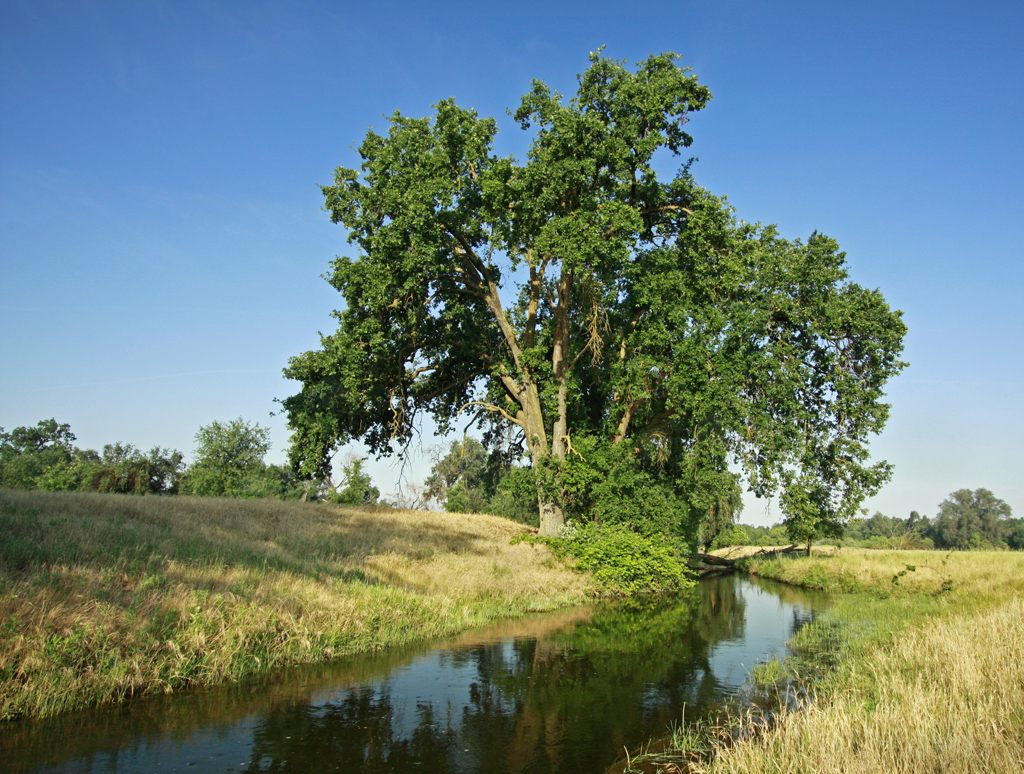
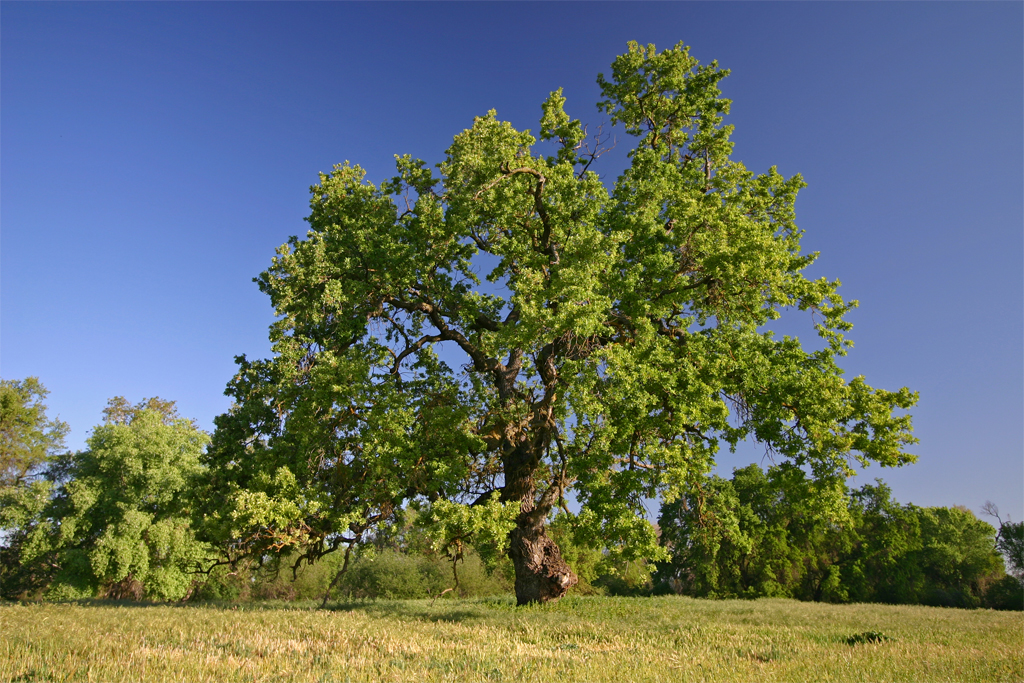
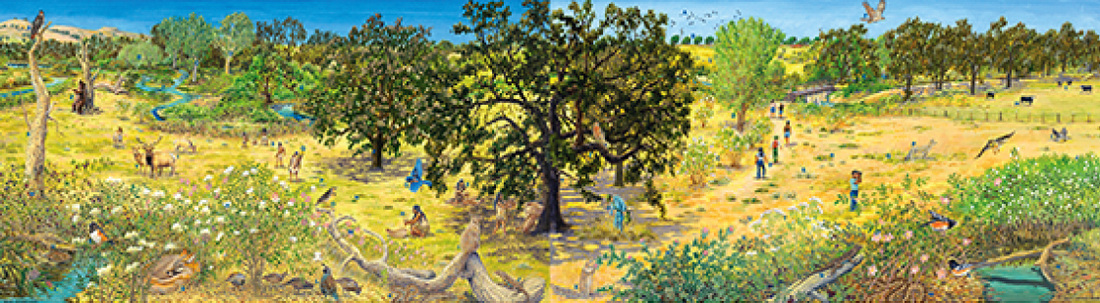
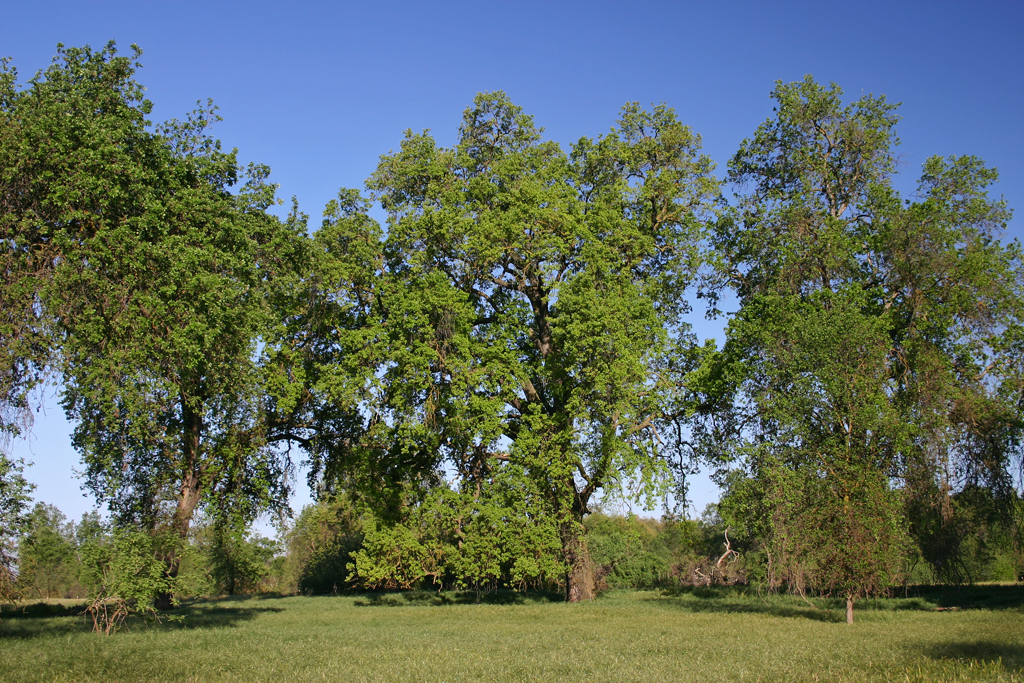
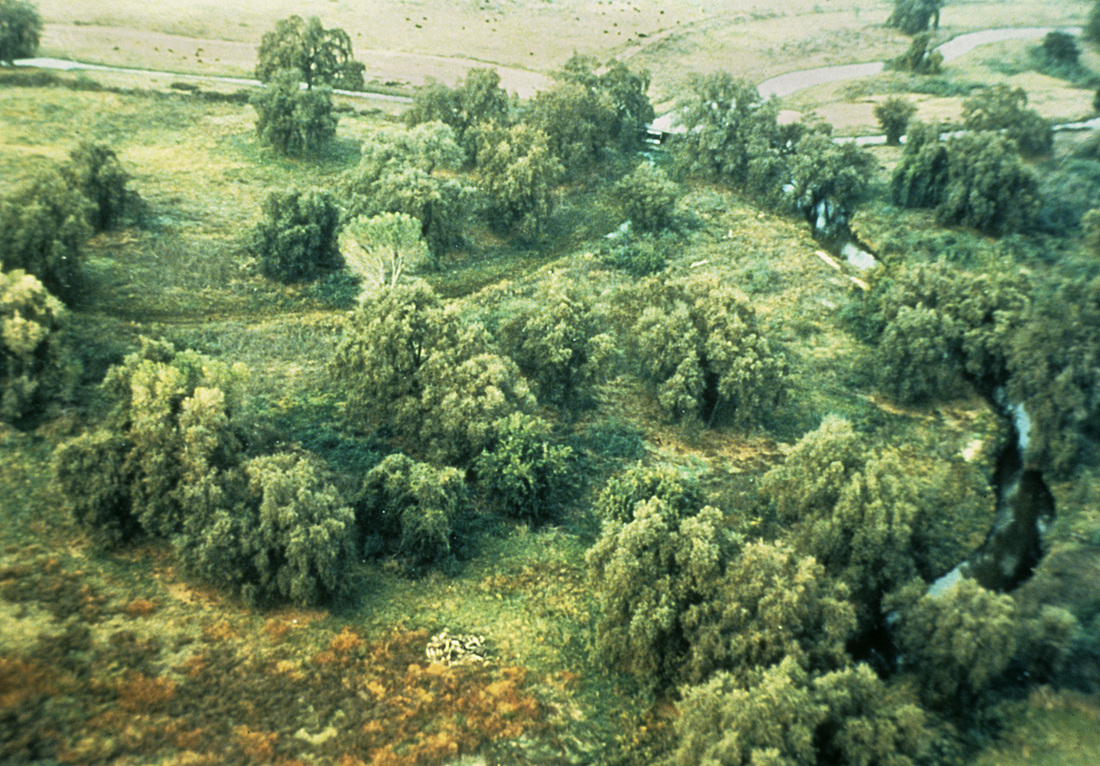
     As far as the eye could see, there were oak trees — over four hundred square miles of woodlands stretching westward from the Sierra Nevada foothills to the vast Tulare Lake. When the first Spanish and American explorers came into the southern San Joaquin Valley almost two hundred years ago, they struggled for days through a maze of rivers, wetlands, and towering trees.

     The riparian landscape of the Kaweah River delta was especially formidable with thickets of willows, tangled wild grape vines, elderberries, and blackberries. It was so marshy, particularly during the annual winter flood season, that the local Yokuts people could not live in it. They fished in its ponds and streams, hunted its great variety of wildlife, and harvested its abundance of plants and acorns, but they located their villages on higher, drier ground.

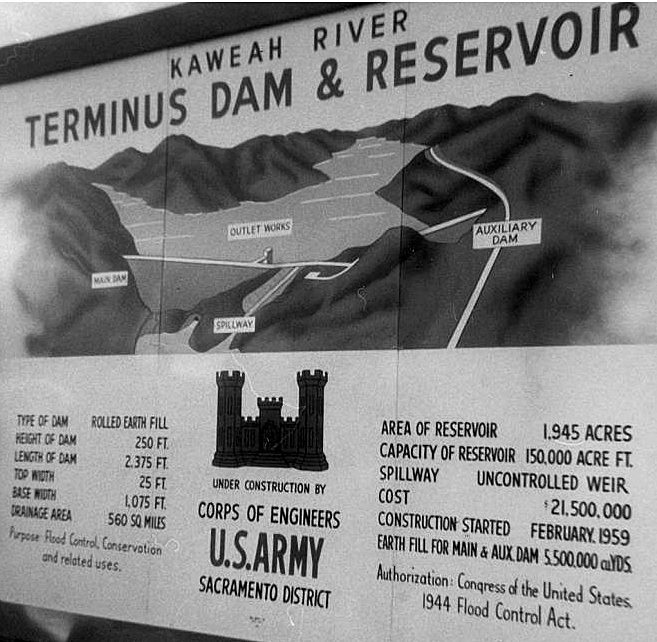
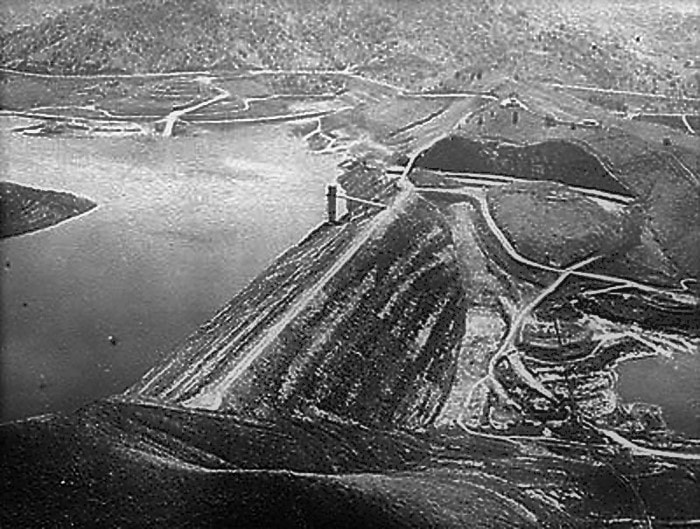
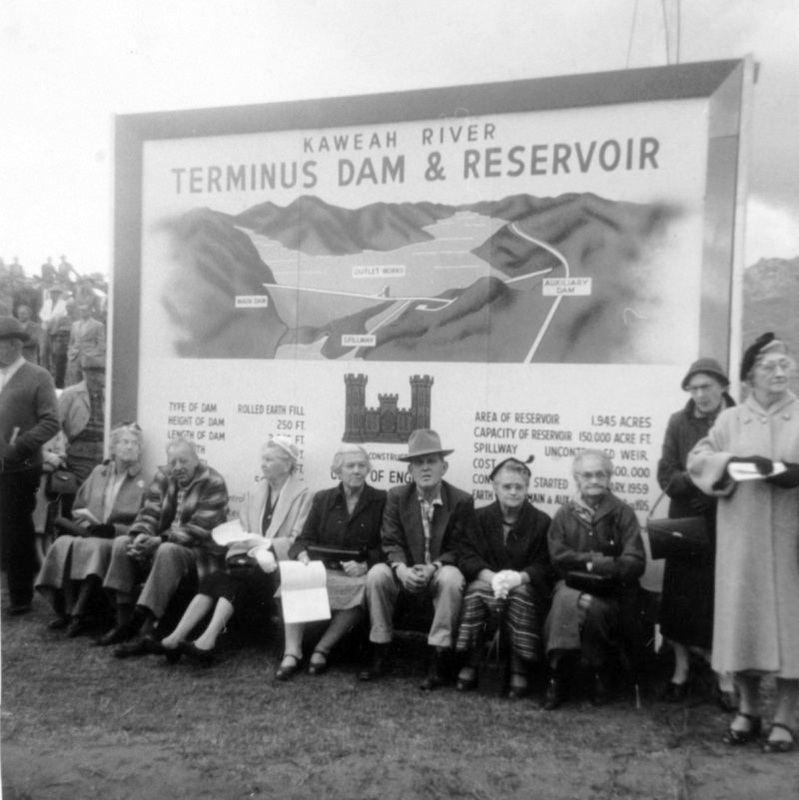
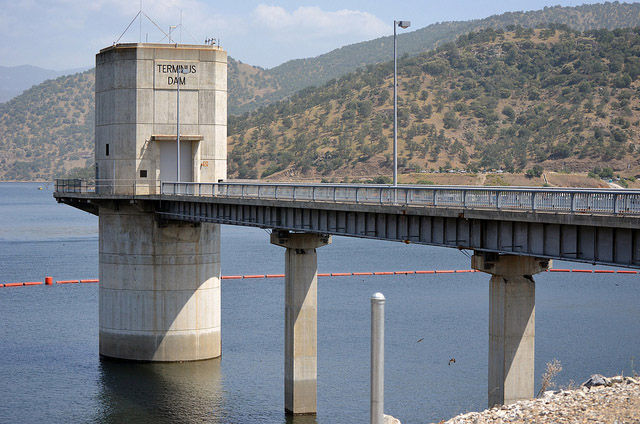
     Then the European and American settlers arrived. They created the town of Visalia on the flood plain of the Kaweah River and began to farm the area. They cleared the surrounding land of oak trees so they could grow grain crops, orchards, and vineyards, and also use the oaks for firewood. Decade after decade, farmers channeled the river and streams into ditches and canals until only one large area of wetlands to the east of Visalia survived. “The swamp” flooded each winter and its water table was too high for successful farming. However, even there the land began to dry, especially after Terminus Dam was completed in 1962 to control the Kaweah River’s flooding.

     In the mid 1900s, the Davis family of Woodlake gained title to this land and for three generations grazed cattle in its meadows. In 1982, young Myrtle Davis Franklin inherited the 324-acre property. It was no longer a swampland and she decided she wanted to clear it and turn it into a walnut grove. On friends’ recommendations, Myrtle sought the advice of the University of California’s Tulare County Farm Advisor, Alan George. Surveying the land, Alan found that the water table was still only about eight feet below the surface. He advised Myrtle that her property was suitable only for high-maintenance field crops.

     Alan then asked Myrtle if she might consider preserving the land. He and his friend, educator Max Cochran, had discussed the fact that the area was one of the few Valley Oak woodlands still in its near-natural state, and they felt it should be preserved. Nevertheless, Myrtle wanted to pursue farming and declined Alan’s suggestion. Later, however, she reconsidered. Alan promptly contacted Jack Zaninovich of Delano, a farmer and also a Director of the Nature Conservancy. Jack referred Alan to Steve McCormick, chairman of one of the Conservancy’s acquisition projects. Steve hurried down to inspect the acreage and immediately knew it was prime conservation land.

     A few months later, after extensive negotiations, the Nature Conservancy bought the land for $1,010,000, about $3,000 an acre. In a drive organized by Alan George, the people of Tulare and Kings Counties raised over $100,000 through community donations to help The Nature Conservancy pay for the 324-acre oak woodland.

     In 1998, The Nature Conservancy turned over control of the preserve to the newly formed Four Creeks Land Trust, made up of local volunteers who had been successfully managing it for several years. (Four Creeks merged with two other local land trusts in 2003 to become today’s Sequoia Riverlands Trust.)

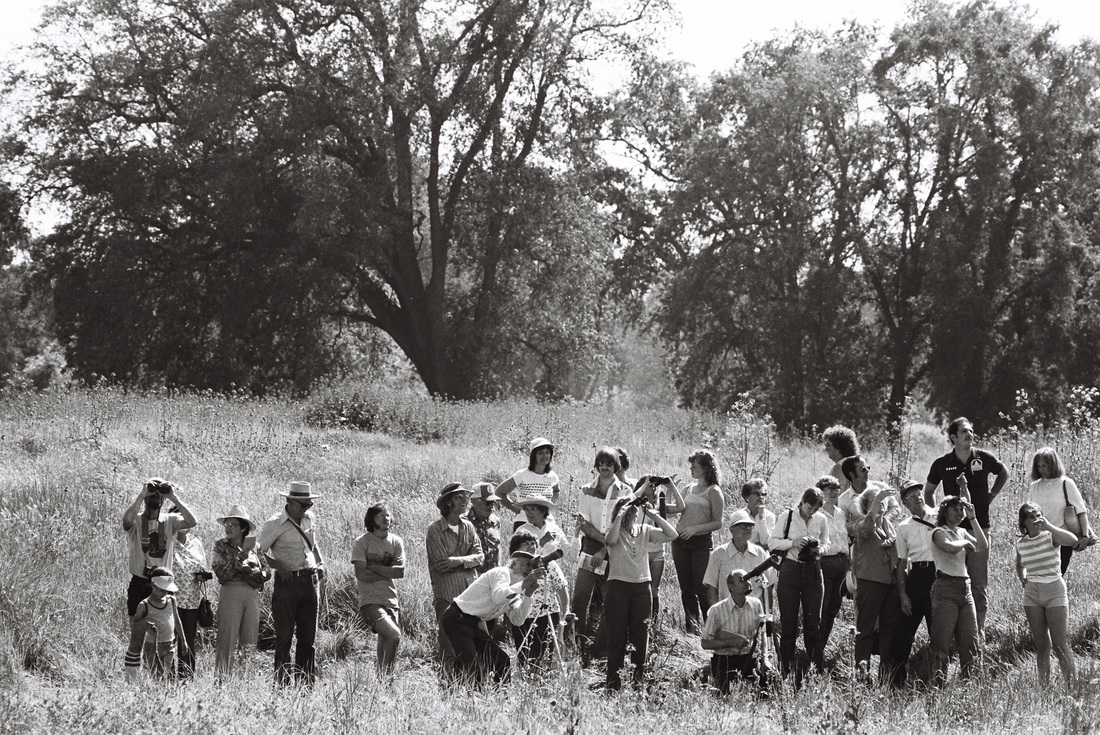
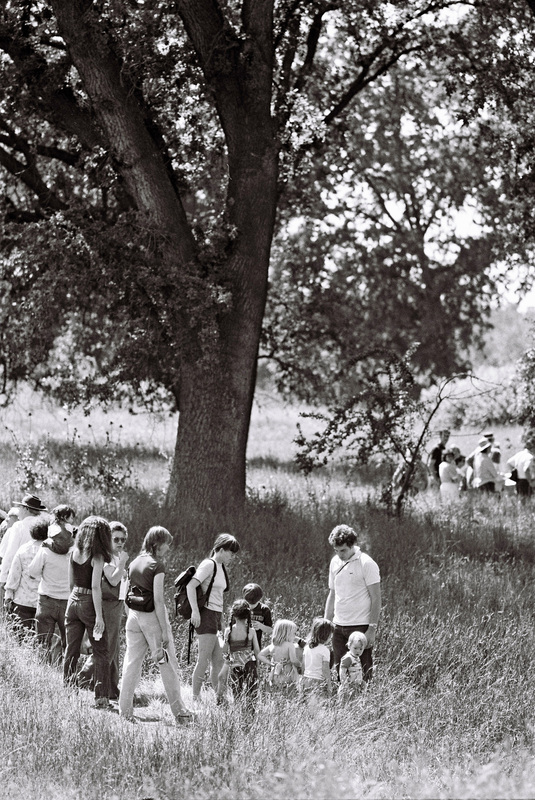
     Now thousands of visitors enjoy Kaweah Oaks Preserve every year. Education is a major emphasis of activities at the preserve, highlighted by school tours, guided public walks on its trails, interpretive materials, and historical information. As Alan George tells us, if we could see “all the young people that go out to Kaweah Oaks to enjoy the beauty of this area and to imagine what the area was like before the white man came in,” we would fully understand the preserve’s importance.

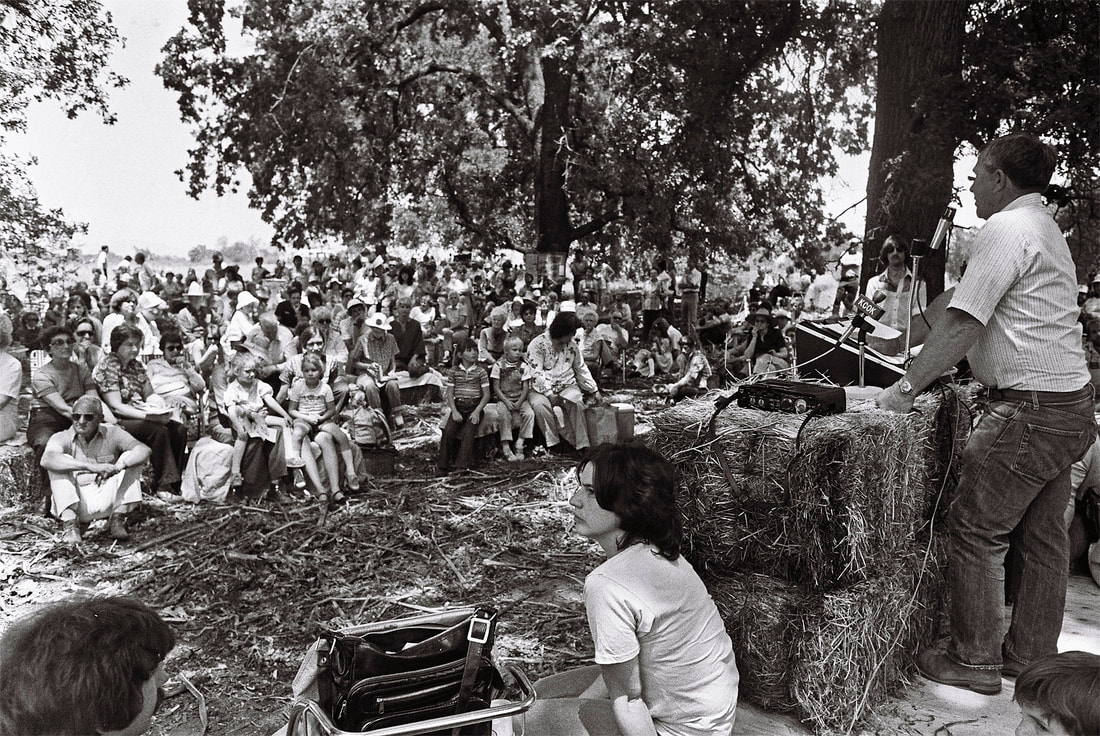
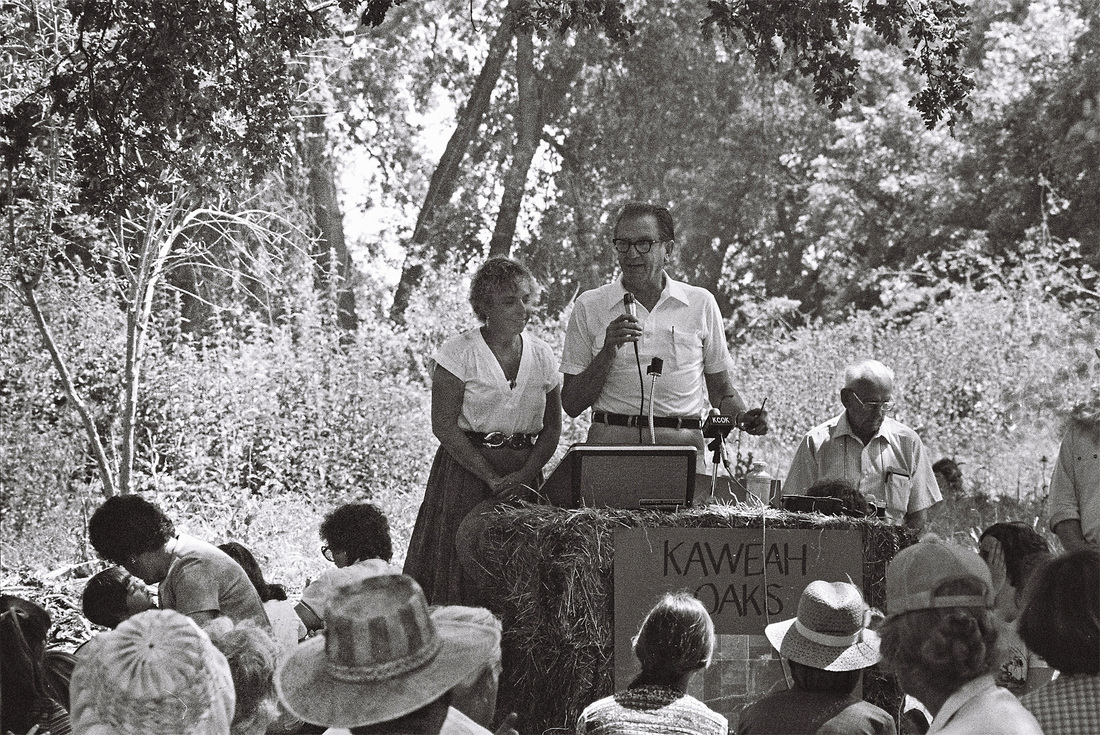
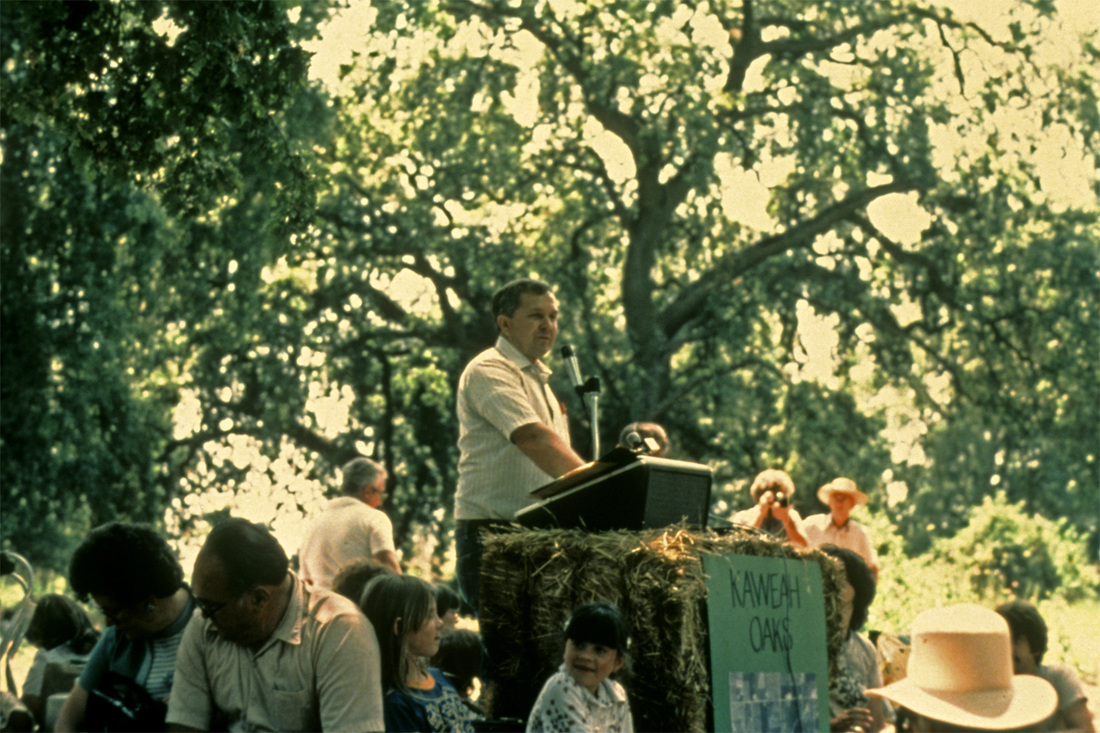
     More than 400 people attended the dedication of the Preserve on May 15, 1983. Many of them had worked hard to contribute to the success of one of the most unique preserves in our nation. However, none of them could feel the joy that Myrtle Davis Franklin felt. “You don’t know what this means to me,” she exclaimed to Alan George that day. “This is one of the most exciting things I’ve done in my life.”

                                                                                                                                                                          October, 2012

     Note: Now read Alan George’s first- person account of the origins of the Kaweah Oaks Preserve: “A Lucky Day in the Office.”


Slideshow:


Quotes & More Photos:

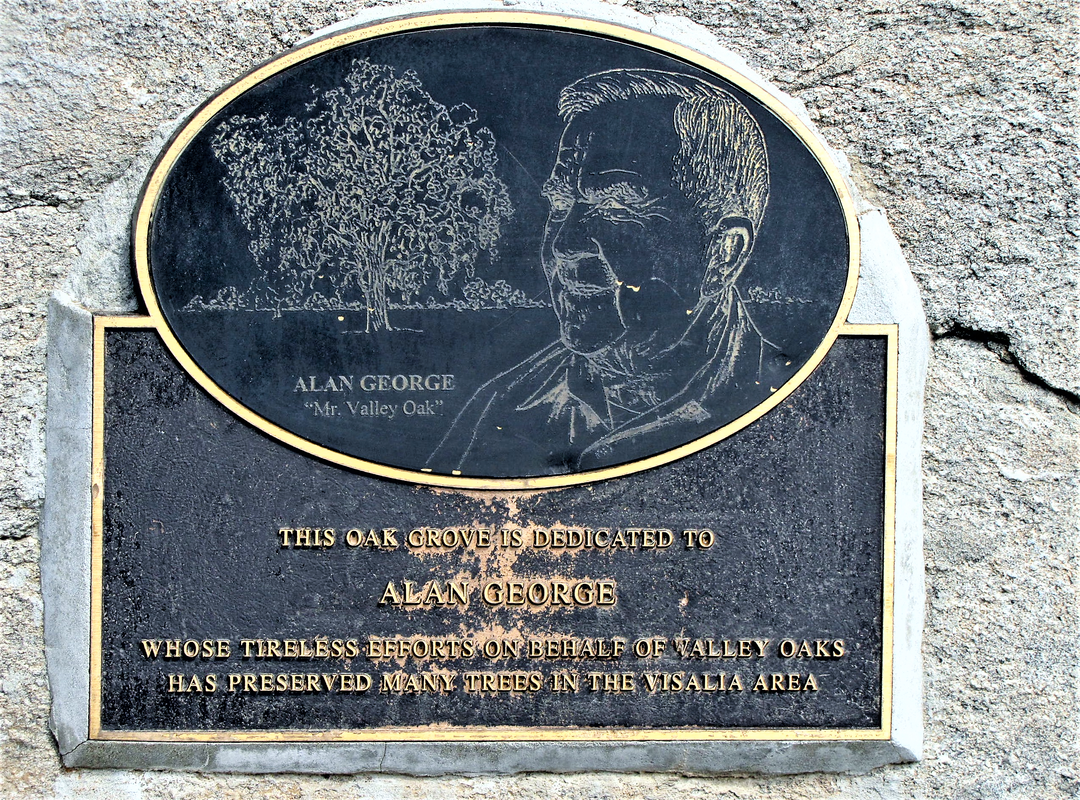
Alan George, Tulare County’s “Mr. Oak”

“And the world cannot be discovered by a journey of miles, no matter how long, but only by a spiritual journey, a journey of one inch, very arduous and humbling and joyful, by which we arrive at the ground at our feet, and learn to be at home.” — Wendell Berry

“Around me the trees stir in their leaves, and call out, ‘Stay awhile.’ The light flows from their branches. And they call again, ‘It’s simple,’ they say, ‘and you, too, have come into the world to do this, to go easy, to be filled with light, and to shine.'” — Mary Oliver

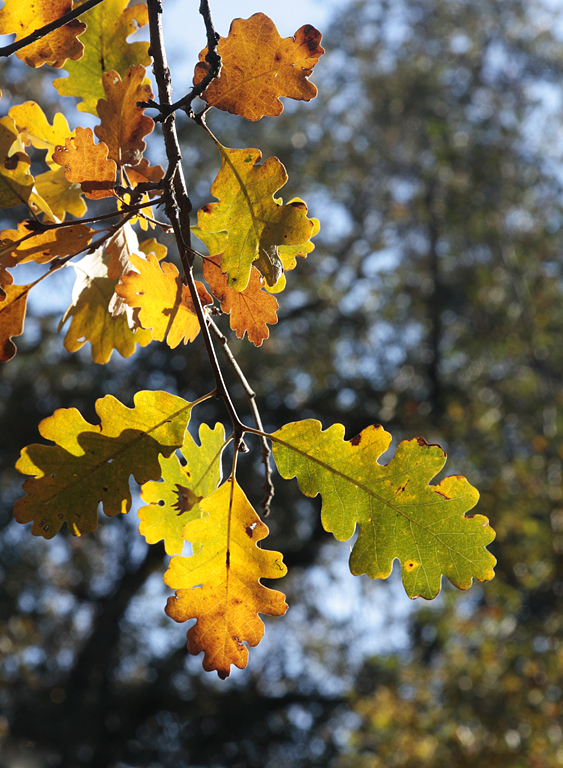
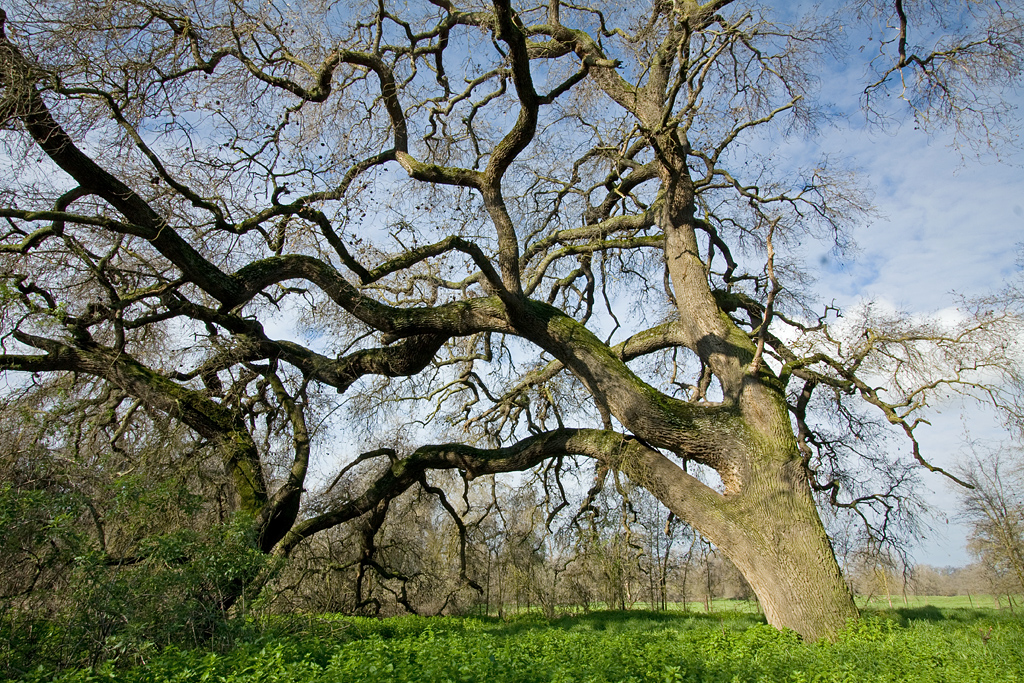
“In a place where recorded history is so short and the people so transient, the few remaining valley oak trees stand out with their deep-rooted pasts. Some are six hundred years old. Their trunks, which reach diameters of nine feet, are strong enough, considering the sail effect of their large canopies, to withstand the spring winds that sweep across the valley. The trees are huge and many-limbed in a graceful, drooping sort of way.” — Philip L. Fradkin

“As for myself, I swung the door open. And there was the wordless, singing world. And I ran for my life.” — Mary Oliver


Maps & Directions*:

Kaweah Oaks Preserve Address: 29979 Road 182, Exeter, CA 93221

Latitude/Longitude:

N36° 19.9403’/W119° 9.977′

36.332338, -119.166283


From Visalia, go east on Hwy 198 about 7 miles to Road 182; go north on Road 182 about ½ mile to Kaweah Oaks Preserve parking lot on the west (left) side of the road.


*To visit the Alan George Grove at Seven Oaks Park: from Visalia, take Hwy 198 east to S. Ben Maddox Way. Go north on Ben Maddox to E. Mineral King Ave., west on E. Mineral King Ave. to S. Burke Street. Go south across 198 to E. Noble Ave. Go east on E. Noble Ave. to S. Edison St. Go south on S. Edison St. to Seven Oaks Park at 942 S. Edison St. (on the east side of the street). The Park also features a children’s play area, covered picnic tables, and a disc golf course.


Site Details & Activities:

Environment: Valley, riparian, Valley oak woodlands
Activities: birdwatching, botanizing, dog walking (on a 6′ leash; scoop poop), educational activities, hiking, photography, picnicking, special events
Open: Winter: 8:00 a.m. – 5:00 p.m., Summer: 8:00 a.m. – 7:00 p.m., Spring/Fall: 8:00 a.m. – 6:00 p.m.; free admission (donations accepted)
Site Steward: Sequoia Riverlands Trust (SRT), 559-738-0211
Opportunities: donate, volunteer
Links:

Click on photos for more information.

A Trip to the Great Canyon of the Kings

by Laurie Schwaller

     The southern part of Kings Canyon National Park is in Tulare County, including readily-accessible sequoia groves, such as the southern part of General Grant Grove, the Redwood Meadow Grove, and the Buena Vista Grove. Take the trail to the top of Buena Vista Peak, an easy day hike, for terrific views.

     For a wonderful backcountry experience, hike from the Lodgepole Visitor Center area in Sequoia National Park into the spectacular Sequoia Kings Canyon Wilderness section of Kings Canyon National Park, where peaks, meadows, lakes, streams, and many beautiful trails await you. (You can also hike out of Wolverton and over the Tablelands into this wilderness portion of Kings Canyon National Park.)

     However, if you’re here during the three seasons when the road to it is open, you must see also the great canyon of the Kings River for which Kings Canyon National Park was named, and to do that, you must leave Tulare County (although that tremendous canyon was within our county, until boundary changes in the 1870s put it into Fresno County). From the Kings Canyon Visitor Center in Grant Grove Village (in Tulare County), take Highway 180 north, cross the county line, and drive through the northern section of Giant Sequoia National Monument (where you’ll glimpse the effects of the logging over 100 years ago in the sequoia groves that impelled the campaigns to save these giants).

     After winding steeply down the flanks of the vast canyon (on a good, paved 2-lane road with many curves), stop for sensational views of the Wild and Scenic Kings River at Junction Vista and again at Horseshoe Bend, just before you finally reach the level of the river, where you can tour beautiful Boyden Cavern (guided tours only; fee).

     Now follow the tree-lined Kings River up-canyon and stop to visit marvelous Grizzly Falls, just a few steps from the roadside picnic tables.

     Soon after that, you’ll re-enter Kings Canyon National Park, with several campground options, a lodge, a restaurant, a ranger station, a riding and packing stable, picnic areas, abundant wildlife, trails for people of all abilities and inclinations, ranger programs, and some of the most sensational scenery in the nation.

     John Muir called Kings Canyon “another Yosemite,” and the forests, flowers, meadows, rivers, creeks, waterfalls, lakes, cliffs, and peaks calling you to explore and enjoy them make spending at least one night, and preferably several, in this richly rewarding environment a must.

     Be sure to take the short walk (paved trail) to Roaring River Falls, the easy walk along the river at Zumwalt Meadows, and the quick walk to the huge rock in the river where John Muir spoke. The trails on the canyon floor are almost flat, and you’re sure to see wildlife along them.

     When other commitments force you to leave this gigantically grand and yet invitingly intimate canyon, there’s only one road out: take Highway 180 back to Grant Grove and be amazed all over again by the views going the other way.

May, 2014


Susan Thew and Sequoia and Kings Canyon National Parks:

“Susan Priscilla Thew[‘s] . . . enthusiasm and energy left a lasting impact on Sequoia and Kings Canyon National Parks. . . . [In 1923] Thew [resident of Exeter] hoped to capture a still untouched landscape in images and words that would make clear the need for its preservation. Little did Thew know that her work would succeed in nearly tripling the park’s acreage . . . .” — National Park Service/Sequoia and Kings Canyon National Parks

“She spent several summers traversing some of the most rugged terrain in the continental United States . . . photographing the landscape in hopes of conveying . . . its beauty.” — National Park Service/Sequoia and Kings Canyon National Parks

“With these images, the largest and most complete photographic record of the region to date, Thew produced a publication for distribution to members of Congress promoting the park idea. . . .” — NPS/Sequoia and Kings Canyon National Parks

“Shall we place under the supervision of the National Park Service for Federal protection a distinctive scenic area, whose greatest value to you – the people – is for the advancement of science in various forms, for the protection of watersheds, the perpetuation of the oldest living family of trees, the preservation of wild life, and as an incomparable wilderness playground.” – – Susan P. Thew

“This is an appeal to you to help save for posterity one of the most splendid portions of the High Sierras, the wild country to the north, northeast, and east of the present Sequoia National Park, by expanding this park to larger boundaries.” – – Susan P. Thew

“After passage of the bill, the director of the National Park Service sent a telegram to Susan in recognition of her efforts. . . . her persuasiveness and ardor were undoubtedly the deciding factor in the push for park expansion.” — NPS/Sequoia and Kings Canyon National Parks

“During the campaign to create Kings Canyon National Park in 1940, Thew’s approach was used again. Photographer Ansel Adams created a portfolio of stunning images for distribution among members of Congress and, like Thew, his efforts contributed to success in passing an expansion bill.” — NPS/Sequoia and Kings Canyon National Parks

“If you are weary with the battle, either of business or the greater game of life, and would like to find your way back to sound nerves and a new interest in life, I know of no better place than the wild loveliness of some chosen spot in the High Sierra in which, when you have lost your physical self, you have found your mental and spiritual re-awakening.” — Susan P. Thew (1920s)

“In 1918, Susan Thew discovered something she loved and devoted all her efforts to making a change. She not only found a new source of personal energy in the parks, she ensured that generations to come would have the same opportunity.” — NPS/Sequoia and Kings Canyon National Parks

“To honor her efforts on behalf of Sequoia National Park and her love of the High Sierra, in 2023 the newly-renovated theater inside the parks’ Lodgepole Visitor Center was dedicated as the Susan Thew Wilderness Theater.” — National Park Service/Sequoia and Kings Canyon National Parks


Maps & Directions:

Directions:

Latitude/Longitude:

36°47′27″N 118°40′13″W

From the Kings Canyon Visitor Center in Grant Grove Village in Kings Canyon National Park, take Highway 180 north down into Kings Canyon, the Cedar Grove area, and Road’s End (Kanawyers Loop).


Click on photos for more information.

The Story of the Kaweah Post Office
Kaweah, CA 93237

by Shirley Kirkpatrick

     For more than 120 years, the tiny Kaweah Post Office has served the folks on the north fork of the Kaweah River. A rustic wooden cabin, just 10 feet by 12 feet, it has withstood time and the elements to carry out its mission.

     It has also withstood periodic challenges to its very existence. Many times the U.S. Postal Service has pursued closure and each time loyal supporters from far and near have defended this historical gem. It has become more than a post office; it is a gathering place, a vestige of the community’s idealistic roots and a touchstone to history.

     The building is tangible evidence of the once-famous Kaweah Cooperative Colony – an effort to form a Utopian community that garnered international attention but only lasted from 1886 to 1892. The post office was first established in 1890 in a tent at Advance, the name chosen as the townsite of the Kaweah colonists. In 1890 the office was moved a short distance away and the name changed to the Kaweah Post Office.

     When the cooperative dream failed, many colonists stayed in the area. They kept the postal connection, moving the location several times to suit their needs.

     As the area became more populated, the post office outgrew this portable system. In 1910, local ranchers pitched in $2.50 each, along with their labor, to build the sturdy little redwood building in use today.

     For awhile, it sat at Bartlett’s Dairy on North Fork Drive, the road constructed by the Kaweah Colonists to reach the higher elevations for their planned lumbering business. Tourists used it as well, since it served as the entrance to Sequoia National Park until a new road on the Kaweah’s Middle Fork was built in the 1930s.

     In 1926, Ida Purdy, whose family were colonists, was appointed postmistress of the Kaweah Post Office. Since she was also the Kaweah Branch librarian and the library was in her home, she asked that the post office be moved there too. No problem. Neighbors put the building onto logs and rolled it down North Fork road about 800 feet to where it remains firmly planted under a towering oak tree to this day – still serving as a community gathering spot where box holders share greetings and news as they gather their daily mail.

     Often called quaint and picturesque, on October 24, 1948, the Kaweah Post Office had its historical status officially recognized by the California Centennial Commission and the Tulare County Historical Society. A special cachet was designed by a local artist for the occasion and 4,000 letters from far and near were posted that day.

     The operating post office has always gone with the land it sits on. Still, it came as a surprise to Kathleen McCleary when she bought her 32-acre ranch in 1999 and was told that she also owned and was responsible for the structure. She has taken that responsibility seriously.

     And, in the cooperative spirit of the early colonists, a whole host of other people took it seriously every time closure threat was imminent, especially in 1953 and 1975.

     The 2010 closure threat came as residents were gearing up for the building’s 100th birthday celebration. School children painted a large “Save the Kaweah Post Office” banner; a special cachet cancellation was welcomed by stamp collectors from around the world; the birthday party featured food and craft booths and music and, as Kathleen put it, “people came in droves.” Beyond public support, the event generated some income – enough to trim the big oak tree for the safety of the building and its patrons.

     The latest appeal for the endangered little building was made as recently as March, 2013. In a letter to the editor of The Kaweah Commonwealth, Kathleen urged more people to sign up as box holders to create a larger revenue stream. The office is now staffed by a volunteer who puts up the mail daily for the 50 box holders and is “open” for counter work one hour a day on weekdays.

     Knowing we cannot always count on tourist appeal and historical nostalgia to convince the government to continue service at the small post office, Kathleen worries about what might become of it when she’s gone. She and others are beginning to research how a permanent land easement could be placed on the property on which the building sits. “It would be nice to preclude somebody from developing the land in a different way. My dream would be to have the post office fully operational again, with a paid postmistress,” says McCleary.

     Pipe dream? Who knows. As we’ve seen before, dreams do come true in Kaweah country.                                               

                                                                                                                                                                                                 September, 2013                                                                                                                                                                                                                                                                                                                  

Update: In 2021, Kathleen McCleary sold the parcel containing the Kaweah Post Office to her neighbors Ramon and Maria Rodarte, who have vowed to maintain it in its vintage condition and treasure it in honor of their grandchildren and all the generations to come. Mail is still picked up at the post office, but, alas, it can no longer be postmarked “Kaweah.”


Slideshow:


Quotes & More Photos:

“When I came to Three Rivers and Tulare County, I immediately loved the feeling of history. You had ranchers who had been here all their lives, and you just had that feeling. And so I adopted that. I loved that feeling of you belonging.” — Kathleen McCleary

“When I became the owner of this little bit of history, that was my chance to actually participate and feel like I really, really belonged to a place. And it had a vibrant history, a socialist, Utopian, colony history. That’s how it got started.” — Kathleen McCleary

“One of our major projects for the past year or so has been the registration of points of historical interest. The first such marker under this program will be placed at Kaweah Post Office later this month. The Centennials Commission furnishes the bronze tablet and the Society has undertaken to erect the monuments and place the markers.” – Tulare County Historical Society “Bulletin No. 1,” October, 1948

“People come from all over the world. It’s on an A to Z list for the Harley Davidson motorcycle group. There’s a little hidden box around the corner for a group of stampers. They have their own little stamps and they put their name in this book, and stamp with the Kaweah stamp, saying they’ve found this spot. It’s a spot on people’s wish lists, and bucket lists.” — Kathleen McCleary

“Our school children come. They’ve had watercolor classes here. One artist had them painting little birdhouses to look like the Kaweah Post Office. A woman who teaches photography in Visalia has brought her children here, for photo lessons on a field trip.” — Kathleen McCleary

“And every day, people come to get their mail. It’s a social experience. I’ve watched some of these people getting older along with the building. And then there’s some young families that have started to get boxes. . . . a new group coming up that still wants to get mail in this little tiny community.” — Kathleen McCleary

“If you’re not financially productive, the business commercial world sometimes doesn’t see any reason for your existence. But people look at this little building and they say, ‘Oh, yes, but you have to keep this one going.'” — Kathleen McCleary


Maps & Directions:


From Visalia, head east on Hwy 198 into Three Rivers. Turn north onto North Fork Drive, cross the river, drive about 3 miles up North Fork, and the post office and its historic marker will be on your left.


Site Details & Activities:

Environment: Foothills
Activities: history, photography, picnicking, scenic drive; 100 years old May 19, 2010; was third? smallest and oldest continuously operating P.O. in U.S.
Open: The inside of the building is no longer open to the public, but the porch, exterior, and picnic area are always accessible.
Site Stewards: Ramon and Maria Rodarte; Kathleen McCleary, 559-561-4055; katmccleary@att.net
Opportunities: donate, volunteer
Links:
Books: 1) Co-Operative Dreams: A History of the Kaweah Colony, by Jay O’Connell (Raven River Press, Van Nuys, CA, 1999)
2) Kaweah Remembered: the Story of the Kaweah Colony and the Founding of Sequoia National Park, by William C. Tweed (Sequoia Natural History Association, 1986)


Click on photos for more information.

The Story of the Hogwallow Preserve

by Delora Buckman

     The Buckman family were Tulare County pioneers, arriving here in the late 1800s. The journey of those early settlers in covered wagons through mile upon mile of rough, uneven primitive land is an important part of our heritage; and it led to the creation of the Hogwallow Preserve – to protect in perpetuity some of that wild hogwallow land as it appeared for hundreds of thousands of years before intensive farming began.

     My father, Dr. Phil Buckman, purchased 40 acres of hogwallow property near Lindcove sight unseen in 1943. But he knew what he was getting. He knew the region well, having traveled through it every summer from his boyhood home in Exeter to the cool High Sierra country of Mineral King. He supported his college education by operating the Mineral King Pack Station during the summer months before graduating and eventually returning to Exeter to practice medicine.

     To him, the hogwallow land was much more than just a piece of property. It was one of his favorite places. He was humbled by the panoramic view of the Sierra Nevada that included Homer’s Nose and Sawtooth Peak. He used the clay soil to make the adobe bricks for his impressive home. He grazed livestock on the hogwallows’ mounds and swales and hunted quail. He appreciated the unique land’s rare plants, animals, and vernal pools, and its changing beauty in each season. He enjoyed its peace where he could sit quietly and hear birds sing.

     Hogwallows, also called mima mounds, are land forms of mounds and swales; some of the mounds are three or four feet high. Vernal pools appear in the low areas between the mounds in wet seasons, producing uncommon vegetation and providing habitat for wildlife. Mariposa lilies and brodiaea bloom during the spring; in the summer months the hogwallows are mostly covered with dried grasses.

View Toward High Sierra

     When we were children, my brother, sister, and I loved playing there, running up and down the mounds and discovering treasures like four-leaf clovers, frogs, and tiny, delicate plants. In really wet years when the vernal pools were very full, our hired man built a Tom Sawyer-type raft that we navigated across the pools by pushing with a long stick.

     As nearby property owners leveled their parcels of native land to plant grapes and citrus, my father grew even more appreciative of the hogwallows. They once had covered thousands of acres in Tulare County, and soil scientists estimated them to be as much as 150,000 years old. He knew the mounds and swales were disappearing and he wanted to preserve an example of them for future generations. To him, the land was more valuable in its natural state than a cash crop or the profit from a sale.

     And so, on a beautiful day in April, 1979, the Hogwallows were formally dedicated to the Tulare County Historical Society to be preserved in perpetuity, through the generosity of Dr. Phil Buckman and his daughter, Carol Buckman.

     I am very appreciative that my father and sister had the foresight to donate the ten acres of hogwallows to the Historical Society. Soil scientists continue to visit the preserve to study and evaluate the phenomenon of this ancient and remarkable landform. I hope that you, too, will visit the Hogwallow Preserve and enjoy seeing this piece of Tulare County as it once was.

June, 2013

                                                    Note: For additional information, see the Origins of the Hogwallows.

                                                      Read more about vernal pools at Mysterious Life of Vernal Pools.


Slideshow:


Quotes & More Photos:

“For years people have said that a little patch of good ‘hog wallows’ ought to be preserved. They used to cover a considerable part of the valley near the foothills, but at the present rate of leveling they will soon be gone. The Society has done some work looking toward securing a few acres of these mysterious mounds. Should this effort be intensified?” — TCHS “Los Tulares,” #1, October 1948

The Buckman family were pioneers, coming to Tulare County in the late 1800s, and homesteading property; the whole family farmed.” — Delora Buckman

“If future generations are to remember us with gratitude rather than contempt, we must leave them something more than the miracles of technology. We must leave them a glimpse of the world as it was in the beginning, not just after we got through with it.” — Lyndon B. Johnson

“[O]ne’s first appreciation is a sense that the creation is still going on, that the creative forces are as great and as active today as they have ever been, and that tomorrow’s morning will be as heroic as any of the world. Creation is here and now. . . . It is as impossible to live without reverence as it is without joy.” — Henry Beston

“Through the generosity of Carol Buckman and her father, Philip E. Buckman, M.D., this ten acres of primitive land, never cultivated, has been donated to the Tulare County Historical Society for preservation in its natural state in perpetuity. The rough, mounded land is typical of what much of the Tulare County prairie along the base of the Sierra looked like before farming began . . . . [T]hese peculiar structures the pioneers called hogwallows.” — Tulare County Historical Society, Preserve dedication plaque, 04/22/1979


Maps & Directions:


Directions:

From Visalia, take Hwy 198 east to turn left onto Road 245 north; turn right (east) onto Avenue 314 and in about 1.5 miles see the Hogwallows on the south (right) side of the road (note dedication plaque).


Site Details & Activities:

Environment: Valley, hogwallows landforms (AKA mima mounds), seasonal vernal pools
Activities: birdwatching, botanizing, exploring vernal pools (seasonal), hiking, photography, special events
Access:  Due to the rarity and fragility of its ecosystem, this preserve is open to the public primarily on only one or two days each year, for special tours and events.  Individuals or organizations wishing to visit at other times must contact SRT for permission to access the preserve.  There is no fee for access, but donations are greatly appreciated.  The preserve may be viewed easily from outside the perimeter fence.  The stile permits access to the historic plaque only. 
(Note: Site Steward may allow periodic cattle grazing to manage vegetation.)
Site Steward: Sequoia Riverlands Trust (SRT), 559-738-0211
Opportunities: donate, membership, volunteer
Links:


Click on photos for more information.

The Story of the Exeter and Orosi Carnegie Libraries

by Shirley Kirkpatrick

Emerging Towns and Inquiring Minds Garner Carnegie Libraries — The Story of the Exeter Public Library/Carnegie Community Building/Senior Center and the Orosi-Cutler Branch Library

     At the turn of the twentieth century, no one in Tulare County had a radio. Such electronic marvels as television, computers, and cameras as we know them had not even been dreamed of. There were few schools with sufficient supplies, and many households could not afford to buy much in the way of books or magazines. Yet, as small towns across America grew, their residents were hungry for knowledge. They yearned for schools and libraries.

     Scottish-born American industrialist and philanthropist Andrew Carnegie fully understood this. Between 1889 and 1929 his Carnegie Corporation funded construction of 1,681 public library buildings in the United States, as well as many more in Africa, the Caribbean, Canada, and Europe. Rural Tulare County received six of them.

     Of those six, only two remain in use today. The Orosi Carnegie still serves as a free public library. The Exeter Carnegie building serves as a community center for senior citizens. Both have achieved listing on the National Register of Historic Places, Orosi in 1983 and Exeter in 1990.

     Tulare County established its own library system in 1910. This added stimulus and encouragement for cities to submit grant applications to the Carnegie Foundation to fund their own buildings. To qualify for the Carnegie grant each city had to meet four requirements: it had to demonstrate need for a library, provide the building site, provide ten percent of the grant amount annually for operational expenses, and provide free service to all.

     The Exeter and Orosi proposals moved forward nearly simultaneously. Both communities had to deal with James Bertram, Andrew Carnegie’s private secretary and fellow Scotsman, who was in charge of the library grant program and who monitored – some might say gave an undue amount of attention and advice to – even a small library

   Exeter’s Carnegie approval was not without some testy correspondence.

     Exeter became an incorporated city in 1911. Two years later, with a population of 1,500 in the city and 1,000 more in the surrounding rural area, Exeter made its first application to the Carnegie Corporation for a library. There was no response. Undaunted, the city made a new request the next year (1914) with a letter of support from the county librarian. This brought an almost immediate offer of $5,000, subject to the above-listed contingencies.

     Soon the first disagreement arose. A controversy over the location of the library was reported to Bertram, and he urged that the whole community be satisfied. He required that the lot be large enough for light all around, plus room for future expansion. Thus, the location at the northwest corner of the new one-block square City Park at the corner of Chestnut and E Streets seemed a natural and was finally chosen.

     When the City Clerk sent Bertram plans from three separate architects, a flurry of correspondence ensued. The first letter from Bertram said, “… it is about as much as we can do to go over one set of plans which has been tentatively decided by a community, without having to take up the points for, or against, three different sets.” He then proceeded to comment on all three, suggesting revisions. He also cautioned that lack of a basement might prejudice against any request for future expansion funds.

     The Carnegie library, which combined Mission and Spanish Colonial Revival style elements – and yes, it has a basement – was completed in 1916. When it was outgrown, the city built a new, larger library nearby on city park land in 1975. The Carnegie building was then renovated, with the only major revision being the addition of a wheelchair accessible ramp on the back side, and has been used as a gathering place for senior citizens since that time.

     Orosi’s construction was delayed until the end of World War I

     As in many other unincorporated communities, the first lending library in Orosi served the area from a private building, initially in a room of Ryan’s Cyclery beginning in 1911. Three more moves were made, each time to a small room in an otherwise occupied building. Then, in 1914, a group of enthusiastic women organized The Improvement Club for Orosi “for the general welfare of Orosi and vicinity.”

     Through creative fundraising efforts they were able to pay $250.00, one-half the purchase price, for the corner lot at 12646 Avenue 416 (El Monte Way), where they proposed to build a library. The owner took a mortgage for the balance, to be paid in three years, and in 1917 a Carnegie grant of $3,000 was obtained. Construction was delayed because of World War I, but the Improvement Club went on to raise $2,000 more to match the grant funds, and provided some materials and labor. In 1921, the library, the last Carnegie library to be built in California, became a reality.

     Planners of the Orosi building, like those in Exeter and all others, had to deal with James Bertram, who published his “Notes on Library Buildings” in 1911. The leaflet detailed his requirements – that each community obtain the greatest amount of usable space consistent with “good taste in building.” He also advised that the edifices should be plain and dignified structures, not Greek temples.

     The Orosi library reflects Bertram’s advice faithfully and is one of only three in California designed in the simple style of a Craftsman bungalow. Key features of the Orosi building were two fireplaces, one at each end of the two main rooms that comprise the T-shaped structure. It has shiplap siding, and all masonry, both inside and out, is random stone with an unusual overlaid tubular grouting.

     Large double-hung windows on all sides allow ample light into the rooms and, in pre-air conditioning days, provided good air circulation. The fireplaces are no longer in use, with the stonework of just the one on the east side still in view.

     In 1978, the Orosi library’s service was expanded to the nearby community of Cutler, so in the county’s library system the branch became known as the Orosi-Cutler Branch Library. It was given a remodel in 2013 with new carpeting and fresh paint. “The Orosi-Cutler Library represents the history of libraries and the strength of the community,” said the county librarian at the time of the branch’s grand re-opening. “The work performed on this renovation will ensure the library will provide the same great service for many more years.”

December, 2015


Orosi Library Slideshow:


Exeter Library Slideshow:


Quotes & More Photos:

“A library outranks any other one thing a community can do to benefit its people. It is a never failing spring in the desert.” — Andrew Carnegie

“A man’s . . . duty . . . is to contribute to the general good of the community in which he lives. . . . To try to make the world in some way better than you found it, is to have a noble motive in life.” — Andrew Carnegie

“It was from my own early experience that I decided there was no use to which money could be applied so productive of good to boys and girls who have good within them and ability and ambition to develop it, as the founding of a public library in a community.” — Andrew Carnegie

“. . . Carnegie . . . believed that in America, anyone with access to books and the desire to learn could educate him- or herself and be successful, as he had been. Second, Carnegie, an immigrant, felt America’s newcomers needed to acquire cultural knowledge of the country, which a library would help make possible.” — Carnegie Corporation of New York

“When you are growing up, there are two institutional places that affect you most powerfully: the church, which belongs to God, and the public library, which belongs to you.” — Keith Richards

“When I got [my] library card, that was when my life began.” — Rita Mae Brown

“When I graduated from high school, it was during the Depression and we had no money. I couldn’t go to college, so I went to the library three days a week for 10 years.” — Ray Bradbury

“I like libraries. It makes me feel comfortable and secure to have walls of words, beautiful and wise, all around me.” — Roger Zelazny

“Books permit us to voyage through time, to tap the wisdom of our ancestors. The library connects us with the insight and knowledge, painfully extracted from Nature, of the greatest minds that ever were, with the best teachers, drawn from the entire planet and from all our history, to instruct us without tiring, and to inspire us to make our own contribution to the collective knowledge of the human species. I think the health of our civilization, the depth of our awareness about the underpinnings of our culture and our concern for the future can all be tested by how well we support our libraries.” — Carl Sagan

“[A library] is a space ship that will take you to the farthest reaches of the Universe, a time machine that will take you to the far past and the far future, a teacher that knows more than any human being, a friend that will amuse you and console you — and most of all, a gateway, to a better and happier and more useful life.” — Isaac Asimov

“Libraries store the energy that fuels the imagination. They open up windows to the world and inspire us to explore and achieve, and contribute to improving our quality of life. Libraries change lives for the better.” — Sidney Sheldon

“There is not such a cradle of democracy upon the earth as the Free Public Library, this republic of letters, where neither rank, office, nor wealth receives the slightest consideration.” — Andrew Carnegie

“I have an unshaken conviction that democracy can never be undermined if we maintain our library resources and a national intelligence capable of utilizing them. — Franklin D. Roosevelt

“Civilized nations build libraries; lands that have lost their soul close them down.” — Toby Forward


Maps & Directions:

Exeter Senior Center Directions:

Address: 301 South E St. (corner of Chestnut and E), Exeter, CA 93221

From Visalia, take Hwy 198 east to Hwy 65 south to Exeter. Turn west (right) onto East Chestnut St. and go three blocks to the corner of South E St.


Maps & Directions:

Orosi Library Directions:

Orosi Address: 12662 Ave. 416 (corner of El Monte Way and Eddy Street), Orosi, CA 93647-2018

From Visalia, take Hwy 63 north to Orosi. Take Ave. 416 (El Monte Way) west (left) to 12662 Ave. 416, at the corner of Eddy St.  Library is on the north side of El Monte Way.


Site Details & Activities:

EXETER SENIOR CENTER:
Environment: Valley, downtown Exeter; this Carnegie library has become the Exeter Senior Center
Activities: history, photography; for seniors (age 60 or older): lunch at 11:30, computers, crafts, exercise, games, monthly health checks, socializing, talks, etc.
Open: Monday-Friday 8:30 a.m.-1:30 p.m. (closed weekends); seniors lunch at 11:30
Site Steward: CSET, 1-800-321-2462; Site Manager: Benny Rodriguez, 559-592-5960; email csetseniorservices@cset.org
Opportunities: volunteer
Links:
 
OROSI-CUTLER BRANCH LIBRARY:
Environment: Valley, downtown Orosi, historic Carnegie lending library
Activities: borrowing books and other media; board games, Take and Make crafts on Wednesdays, computers (four public internet stations), educational activities, Music Day at 2:00 p.m. on Fridays, reading, Storytime at 11:00 a.m. on Thursdays, performances, etc.
Open: Wednesday-Friday, 10:00 a.m. -1:00 p.m. and 2:00 p.m.-6:00 p.m. (closed Saturday-Tuesday)
Site Steward: Tulare County Library, Orosi-Cutler Branch, 559-591-5830
Opportunities: volunteer
Links:


Click on photos for more information.

The Story of Lake Kaweah

by Paul Hurley

     Nature instigated the creation of Lake Kaweah. The story of this Tulare County treasure chronicles a classic struggle between nature and humanity, in which nature repeatedly exerts its power and humanity stubbornly shrugs it off.

     The conditions that led to the creation of Lake Kaweah might be unique in North America. From its headwaters at an elevation of 12,000 feet in the Sierra Nevada the Kaweah and its tributaries create one of the steepest cataracts on the continent. Its waters drop to the San Joaquin Valley floor more than two vertical miles over a horizontal distance of 30 miles if it were drawn as a straight line on a map.

     When tame, the Kaweah is a life-giver. Indigenous people thrived along this river for centuries before Europeans arrived. Cattleman Hale Tharp started a ranch at the confluence of the Kaweah River and Horse Creek in 1856 and lived there until his death in 1912. Prospectors, ranchers, and homesteaders pursued prosperity along the forks of the river and into its canyons and fertile flood plains.

     But the Kaweah has a wild side. When conditions are right — warm rain melting mountains of snow or sudden torrential deluges cascading down the steep slope — it is a natural flood maker that has produced a devastating inundation on average about every 10 years.

     The river’s first documented flood, in 1862, was so powerful that it created a new channel, the St. John’s River, and wiped out a new town built along a small Visalia creek. Visalia itself was immersed in four feet of water, and people used boats to get around. In 1867, it began raining on November 1 and continued almost non-stop until late December. People in Visalia again got around in boats, not for the last time. The river flooded in 1877, 1884 and 1890.

     In June, 1906, heavy winter snows rapidly melted under a spring heat wave and warm rains. The waters rose to a height of two feet on Visalia’s Main Street and stayed that way for two weeks. The Visalia Times-Delta suggested that the river be dammed to prevent future flooding. That was the first time it was proposed to build a dam, but it would not be built for another 56 years. A flood in 1914 again stirred talk of a dam, but the idea was easily quelled when the next two decades were relatively dry.

     Then came the flood of 1937. It caused more than $15 million in damage to crops and property. More than 80 people on the valley floor died. Finally, some concrete steps were taken to dam the river. The U.S. Army Corps of Engineers determined the best spot for the dam was near Lemon Cove at Terminus Beach, a popular recreation spot since the 19th century.

Horse Drawn Wagon in Visalia, 1955 Flood

     The Kaweah was only one of many rivers in the nation to flood in the 1930s. Congress passed, and President Franklin D. Roosevelt signed, a series of flood control acts, including ones in 1937 and 1944. The 1944 act was directed mainly at flooding on the Missouri River, but it also authorized the building of Terminus Dam.

     Although the Kaweah flooded again in 1943, 1945 and 1950, work on Terminus Dam stalled because of opposition by ranchers downstream over their water rights. The flood that broke the logjam of resistance arrived in 1955.

     Snowfall had been heavy early that winter, and then warm, heavy rain began falling on the evening of December 22. Twelve inches of rain fell in 12 hours. The Kaweah soon crested, and water began barreling downstream into the valley. The volume rose to 85,000 cubic feet per second, wreaking destruction on Three Rivers, Farmersville, and Visalia. Water in downtown Visalia rose to more than five feet deep, and boats were used again. Floodwaters affected more than 100,000 square miles. Damage was estimated at $12 million to $20 million.


     The 1955 flood galvanized the political will to build the dam. Newspapers demanded action. Local governments sent lobbyists to Washington, D.C. and pushed Congress to appropriate the money. The matter of ranchers’ water rights was set aside.

     In 1956, President Dwight D. Eisenhower signed the legislation that authorized construction, and money was appropriated in 1958. Construction began in February, 1959, and the project was completed in November, 1961, at a cost of $19,375,000. Terminus Dam was dedicated on May 18, 1962, and began operations in June, 1962.

     Terminus Dam/Lake Kaweah has staked its claim as Tulare County’s most successful public works project. At the dam’s 50th anniversary, the Army Corps of Engineers estimated that Terminus had prevented damage that would have totaled $373,225,000.

     But while the dam had prevented or minimized flood damage, it still could not prevent all downstream flooding. A “50-year” flood in 1997, for example, did not breach the dam, but the reservoir was filled and emptied twice. It was then decided to increase the lake’s capacity and the protection capability of the dam.

     In 2004, the Corps installed the world’s largest fusegates atop the dam. Six 21-foot high structures essentially raised the height of the dam to withhold a 1,000-year flood event (a flood so great that its statistical likelihood is once in 1,000 years). The enlargement project cost an additional $48 million and included funding from federal, state, and local agencies.

     Flood control was the initial motivation for building Terminus Dam, and the primary purpose of Lake Kaweah continues to be flood control. But it has also become an important installation for water conservation, agricultural irrigation, power generation, and recreation. Boating, water-skiing, swimming, fishing, horseback riding, hiking, and camping attract 40,000 visitors a year.

     Terminus Dam has tamed the capricious and dangerous Kaweah River. In extremely dry winters, it is nearly possible to see the river as it used to flow through the lake’s valley. It is much harder to imagine the devastating flood flows that tormented residents from Three Rivers to Tulare Lake. With the taming of nature, the Kaweah’s waters have been harnessed. It has been decades since anyone needed a boat to get around downtown Visalia.

March, 2015


                                                          For a related article, see the Kaweah Delta Water Conservation District


Slideshow:


Quotes & More Photos:

The Visalia Times-Delta in its 01/20/56 “FLOOD” edition commemorating the December, 1955, disaster, published the headline: “Terminus Dam, still only paper project after 11 years, would have saved us.” The Exeter Sun newspaper noted that the cost of the damage from any one of the previous four floods would have equaled the cost of the construction of Terminus Dam.

Terminus is an earthen core dam that rises 250 feet high. The length of the dam at its crest is 2,375 feet. Lake Kaweah inundates about 1,945 acres at maximum pool and floods nearly five miles of river.

With the 2004 enlargement, the capacity of Lake Kaweah was increased to 185,630 acre-feet. (One acre-foot is enough water to flood one acre to a depth of one foot, or about 326,000 gallons.)

Irrigation water from Terminus is administered by the Kaweah Delta Water Conservation District, which provides irrigation service to dozens of water users in 384,000 acres of farmland downstream of the dam.

In 2004, the hydroelectric power plant at Terminus Dam was retrofitted to increase its annual production to 21 megawatts as water is released for flood control and irrigation.

The Kaweah Heritage Visitor Center on Lemon Hill offers visitors dramatic vistas of the lake and fusegates as well as information about its history, archaeology, geological features, and wildlife.

Largemouth bass, crappie, bluegill, catfish and trout are popular game fish caught at Lake Kaweah. The California Department of Fish and Game continues to stock the lake with game fish, including trout.

Horse Creek campground is a popular camping destination. The area also includes more than five miles of trails for hiking, dog-walking, and horseback riding.

The lake has three, three-lane boat-launch ramps. Water skiing and personal watercraft are permitted on the lake. Slick Rock Recreation Area is suitable for swimming even at low flows.

“The rock face of Terminus Dam loomed beyond the flat across the Kaweah canyon, the only straight line this side of Blue Ridge and the Great Divide, its control tower and space age hydro plant and poles as the last attempt to train and harness the whims of weather like a dependable horse under the wildest of circumstances.” — John Dofflemyer


Maps & Directions:

Directions:

Coordinates: 36.4166° N, 119.0034° W


From Visalia, go about 20 miles east on Hwy 198 and follow the signs for the lake facilities.


Site Details & Activities:

Environment: Foothills, dam, lake, marina, campground, visitor center
Activities: biking, birdwatching, boating and boat rentals, camping, disc golf (via Slick Rock parking area), dog walking (on 6′ leash, scoop poop), educational activities, fishing, hiking, horseback riding, kayaking, marina, photography, picnicking, sailing, swimming, Kaweah Heritage Visitor Center (exhibits, bookstore, gifts, free loaner life vests for kids), waterskiing, wildflower and wildlife viewing. Note: Some activities are seasonal.
Open: daily ($10 fee for day use, $40 for annual pass, $20 for campsite, $40 for double site; make reservations through www.recreation.gov – see Link below); check with Site Steward for most current fees.
Site Steward: U.S. Army Corps of Engineers, 559-597-2301; Kaweah Heritage Visitor Center, open 10-4:00 M-F, 559-597-2005 – USACE in cooperation with Education Partner Sequoia Parks Conservancy; marina and boat rentals, 559-597-2526; Tulare County Boat Patrol Office, 559-733-6218 (non-emergency; call 911 if emergency); campground reservations, 1-877-444-6777 (see Link below before online reservations).
Opportunities for Involvement: volunteer
Links:
Books: Floods and Droughts in the Tulare Lake Basin, by John T. Austin (Sequoia Natural History Association, 2013)
Floods of the Kaweah, by Mark Tilchen (Sequoia Natural History Association, 2009)


Click on photos for more information.

Ledbetter Park — Historic Hub of Cutler-Orosi

by Laurie Schwaller

     In 1971, over 30 years had passed since Tulare County had last established a park for its residents (in Pixley, in 1938). But in 1971, thanks to Lee and Hazel Ledbetter of Orosi, and many dedicated local volunteers, that was about to change.

     The Ledbetter family forebears had arrived in Tulare County in 1876 by emigrant train, and soon established a tradition of farming, civic engagement, service, and generosity. In 1879, Lee’s grandfather James purchased the land which became the site of Orosi. Later, he traded that parcel for another half a mile south of the townsite, where he spent the rest of his life.

     Education and young people were important to James. In 1880, he was instrumental in organizing on his property the first school for the local pioneer children in what was then known as Sand Creek. His own wife was unable to read or write, but since then four Ledbetter women have taught successively in the Cutler-Orosi community — for almost 150 years. One of them was Hazel Church, who married Lee Ledbetter in 1912, when she was teaching school in Orosi.

     In the family tradition, Lee Ledbetter farmed and lived in the Cutler-Orosi area all his life. He was also a county tax assessor. While Lee and Hazel had no children of their own, Hazel taught and often served as principal in the local schools for 41 years. Both were philanthropists, who gave generously to their community in many ways. But perhaps their greatest and most lasting gift was the land for Ledbetter Park.

     In 1970, the couple began talking with then County Supervisor Fred Batkin about their desire to donate 12 acres of their property to the county for the creation of a neighborhood park to serve both Cutler and Orosi.

     That September, the Board of Supervisors authorized Batkin to work with County Park Superintendent Merle Harp, Chief Administrative Officer Dave Ogden, and Planning Director Don Woolfe to develop the park, which would be located at the southwest corner of Avenue 408 and Highway 63.

Ledbetter Park Committee Members

     In April, 1971, the Board of Supervisors gratefully accepted the deed to the parkland from the Ledbetters, calling their gift “another milestone in a long path of community service that the Ledbetters have given to the Cutler-Orosi community” and “an act of generosity which will benefit the Cutler-Orosi community for many years to come.” Supervisor Batkin announced that the park would be seeded with grass immediately and interested people would be asked to help devise a master plan for it.

     The Ledbetters, along with the Cutler Latin American Club (CLAC) and a Cutler-Orosi park committee chaired by Batkin and Orosi Union High School principal Jack Mann, worked with Superintendent Harp to plan the site. Concurrently, the County decided to build a new fire station there: A firehouse would keep responsible people on the premises 24 hours a day, and the money saved by not having to buy land for the station could be used for landscaping the park.

     By early 1973, bids had been let, and construction of the fire station and a park restroom was about to begin. A sprinkling system had been installed, and some Monterey pines had been planted. The committee appealed to Cutler-Orosi area clubs and organizations for donations to cover more trees, shrubs, and other park construction items.

     While elements in the park have changed through the years, the original grand design included parking for over 100 cars; a baseball field; a multi-use sports area for tennis, volleyball, and basketball; plus a quieter area for horseshoes and croquet to meet a broad range of recreational interests. Two picnic arbors and 25 picnic tables would be installed, and a bandstand had been designed, in hopes that it could be completed before the annual spring Tomato Festival organized by the Cutler Latin American Club.

     On July 3, 1973, following a steak barbecue sponsored by the Latin American Club, the new park was officially dedicated to the public. The ceremony was held in the new fire station, which already provided welcome shade and was scheduled to open in August. Master of ceremonies Ed Tellalian, Orosi High School civics teacher, read letters of congratulation from local, state, and national politicians, including one on behalf of President Nixon from the White House.

     Although the tennis and croquet courts never got built, the bandstand/stage was ready for the 1974 Tomato Festival’s festivities, and much has been added to Ledbetter Park in the decades since its dedication. From its conception, the Cutler Latin American Club has contributed countless hours of labor, constructed many improvements (including the bandstand), carried out maintenance work, and held dozens of community events there.

     The County’s Cutler-Orosi Senior Center, in 1984, and a County Sheriff’s substation, in 2007, have joined the fire station in offering essential services to their communities. In June, 2003, the Little Tikes fire engine playground equipment was installed. Volunteer firefighters from the real fire station helped County Parks employees put the fire engine structure together to inspire kids’ imaginations for play and to serve as a memorial to the firefighting heroes of the 9/11 attacks on New York City in 2001.

     In 2008, the Cutler-Orosi Community for Youth Organization, working with County Parks, the Cutler-Orosi School District, the Stewardship Council, and the Tony Hawk Foundation, raised the funds to build a skate park next to the Sheriff’s substation at Ledbetter Park. Spearheaded by former school district superintendent Frank Murphy, the campaign, helped by the County, which contributed matching funds, covered the total project cost of $100,000.

     Through the years, Ledbetter Park has served as its communities’ hub. It was the destination of the annual parade of the Tomato Festival (eventually re-named the Pre-Harvest Festival and then the Spring Festival). It was the venue for its booths and carnival, and its bandstand was the stage for announcements, music, and other entertainment. The park has hosted major concerts, firefighters’ training exercises, Summer Night Lights events, health fairs, thousands of basketball and baseball and soccer games, picnics and barbecues, celebrations of all kinds, and endless hours of safe and healthy play.

     Long-needed upgrades to the parks’ accessibility features and its electrical and irrigation systems were completed in 2018, helping to prepare this vital green and open space for its next 50 years of service to the enjoyment and well-being of the people of these north county communities.

December, 2018


Slideshow:


Quotes & More Photos:

Lee Ledbetter’s father, Addis Goulder Ledbetter, worked with his father (James) and brother in farming and teaming. He served for twelve years as a school board trustee, including eight as president, and was also Superintendent of the First Presbyterian Church’s Sunday school.

A.G. and his wife, Mary, along with another couple, gave the land to create the town of Cutler in 1897.

Lee and Hazel visited patients at the County’s Sequoia Home for the Aged and arranged birthday parties for the seniors. They served on the board of the Tulare County Tuberculosis Association and the Humane Society. They gave scholarships, and Hazel served for 15 years as secretary of the Orosi-Orange Cove Farm Bureau, of which they were members.

“In deeding the land to the county, Mr. and Mrs. Ledbetter expressed the hope that it would be developed into a ‘Miniature Mooney’s Grove’ for the enjoyment of family type activities.” — Dinuba Sentinel, October 19, 1972

“Noting that the site was the original Ledbetter homestead upon which Mr. Ledbetter was raised as a boy before the turn of the Century, County Supervisor Fred Batkin says that every effort is being made to help the Ledbetters realize their dream which has also become the dream of the people of the community.” — Dinuba Sentinel, October 19, 1972

“Ed Tellalian . . . read letters of congratulation from Assemblyman Gordon Duffy, State Senator Howard Way, and a letter on behalf of President Nixon from the White House. Congressman Bob Mathias wrote: ‘This very generous contribution by Mr. and Mrs. Ledbetter is a very special and selfless act.'” Mrs. Kandy Mimura thanked a number of individuals in the Cutler-Orosi Community for their donations to the park.” — Dinuba Sentinel, July 3, 1973

“The Cutler Latin American Club was established in 1956 in the pursuit of meeting the needs of the people in Cutler and Orosi. The Club’s mission is simple: ‘Get the Job Done.’ The club’s most noticeable projects are visible at Ledbetter Park.” — Pre-Harvest Festival (formerly Tomato Festival) program, April 26, 2003

“In cooperation with the county, CLAC has built and paid for the stage, planted trees, installed electrical towers, baseball diamond, fenced the perimeter of the park, installed horse shoe pits, installed modern playground equipment for the children; finally curb and gutters have been installed in front of the property with two entrance approaches. Scholarships for college bound students have been granted in the tens of thousands of dollars throughout the years.” — Pre-Harvest Festival program, April 26, 2003

“Children will be able to pretend they are firefighters, as they watch men and women nearby volunteer to risk their lives to protect their community, on Ledbetter Park’s new fire engine playground equipment. Last week the County started installing a state of the art Little Tykes [sic] fire engine, which is nearly as big as the real thing. This is the first one installed on the West Coast. The very first model went to a park near the World Trade Center in New York City.” — Dinuba Sentinel, June 19, 2003

[The] Lyons [sic] club, a Veterans group, churches and Cutler-Orosi Latin American Club are very involved. They use the park and invest in it. For example, these groups built the stage and the backstop for the baseball field. Each year four to six very large community events are held at Ledbetter Park, and during the summer, the soccer field is used every day.” — Tulare County Parks Advisory Committee minutes, report by Neil Pilegard, Tulare County Parks and Recreation, April 21, 2016

“[The Cutler-Orosi Latin-American] club, along with the community raised $10,000 to provide a stage for special activities. Driving the tractor is Pete Marquez, who does a super job maintaining the park. Pete says,”It’s just like taking care of my own back yard.” The Cutler-Orosi Latin-American Club helps to sponsor the Tomato Festival every year.” –1982 Cutler-Orosi Tomato Festival Program

“We are designed to be outdoor creatures. We need to be outside, not huddled around the TV set.” — Andrew Duxbury

“A growing body of evidence suggests that exposure to nature is an essential component of human health and well-being. The mere sight of trees . . . lowers levels of the stress hormone cortisol and decreases blood pressure.” — Katherine Ozment


Maps & Directions:

Directions:

Address: 45779 Road 128, Cutler/Orosi, CA; located 1 mile NW of Cutler on Road 124/Hwy 63.

From Visalia, take Hwy 63 north to 1 mile NW of Cutler; park will be  on your left (west).


“The outdoors is the very best place for preschoolers to practice and master emerging physical skills” — Early Childhood News


Site Details & Activities:

Environment: Valley, near Cutler; 11 acres; trees and lawns
Activities: baseball/soccer field, 2 full basketball courts, birdwatching, dog-walking (on leash; scoop poop), picnicking (arbors by reservation), photography, playground, skate park, stage/bandstand, veterans memorials
Open: daily Thursday-Monday for day use (closed Tues. and Wed.); Summer (June 1-September 8): 8:00 a.m.- 8:00 p.m.; Fall (Sept. 9 – Oct. 31): 8:00 a.m. – 5:00 p.m. on Mon., Thurs., and Fri.; 8:00 a.m. – 7:00 p.m. on Sat. and Sun.; Winter (Nov.-Feb.): 8:00 a.m.-5:00 p.m.; Spring (Mar.-May): 8:00 a.m.-5:00 p.m. on Mon., Thurs., and Fri.; 8:00 a.m.-7:00 p.m. on Sat. and Sun. No entrance fee. Reservations for picnic arbors are taken throughout the year.
Site Steward: Tulare County Parks and Recreation Division, 559-205-1100; same number for reservations. Contact Site Steward for current fees and open days and hours.
Opportunities for Involvement: donate, volunteer

Click on photos for more information.

The Story of Kings Canyon National Park

by William Tweed

     Although only about twenty percent of Kings Canyon National Park falls within Tulare County, the saga of how this superb mostly wilderness national park came to be is very much a Tulare County story. Tulare County residents, in fact, played key roles in the decades-long campaign to create the park.

     Like both Sequoia National Park and Sequoia National Forest, the area that is now within Kings Canyon National Park was placed within the original Sierra Forest Reserve in 1893. In 1908, that vast reserve was broken apart and its several portions re-designated as national forests. After that date, what later became the Tulare County portion of Kings Canyon National Park fell within the newly created Sequoia National Forest.

     From the beginning, although both were conserved as public lands for the public good, areas identified as national forests and national parks drifted in very different directions. National Forests fell under the control of the United States Forest Service, an agency in the U. S. Department of Agriculture. Forest Service management policies emphasized using land for public benefit. Potential uses included grazing, mining, and logging – all to be carried out in a responsible manner. Agency policy also emphasized dams, reservoirs, and hydroelectric development, undertakings that seemed to many to be well-suited for the mountain gorges of the Kings River portion of the Sierra Nevada.

     At the same time, areas designated as national parks evolved to have their own unique mission. In 1890, Congress had created Sequoia and General Grant national parks in Tulare County as well as Yosemite National Park to the north. All three were envisioned as nature preserves – places where natural features would be left undisturbed and human use would be limited to recreation and inspiration. Management of these federal parks fell to the Department of the Interior.

     Each of these two visions reflected the hopes and dreams of its supporters, and Congress eventually created a federal agency to manage each system. The Forest Service came into existence in 1905, and the National Park Service, an Interior Department agency, was created in 1916. The competing land management visions represented by the two agencies both made sense. Clearly, America had lands that ought to be used for the benefit of society as well as special places that ought to be protected for their beauty. Inevitably, however, these two agencies, each with its own mission, sometimes set their sights on the same places. The Kings River portion of the High Sierra was such a place.

     The battle over the fate of the Kings Canyon region began early. The men who had led the campaign to create Sequoia National Park in 1890 dreamed almost from the beginning of enlarging the park to take in more of the spectacular High Sierra. They were particularly interested in two scenic regions: the Kern Canyon/Mt. Whitney area immediately to the east of the 1890 boundaries of Sequoia National Park and the Kings Canyon region to the northeast of the existing park.

     The Sierra Club, in those days a San Francisco Bay Area-based mountaineering organization, began taking large groups into these two areas in 1902, when it brought over two hundred persons into then-remote Kings Canyon for several weeks. The club returned, always with large groups, to either the Kings Canyon or the Kern Canyon in 1903, 1906, 1908, 1910, 1912, 1913, and 1916. These trips exposed hundreds of people to the beauty of these areas and laid the foundation for political action leading towards their protection.

     In 1915, the Department of the Interior recruited Chicago businessman Stephen T. Mather to take over administration of the national park system and lead the campaign to create a national park agency – the National Park Service. Mather, a native of California, had strong ties to the Sierra Nevada and had taken part in the Sierra Club’s 1912 outing to the Kern Canyon. On that trip, like many others, he had become convinced that Sequoia National Park must be enlarged. When he joined the Interior Department in 1915, he put this enlargement high on his list of goals. In the summer of 1915, Mather organized an overtly political pack trip into the Kern Canyon/Mt. Whitney region. Visalians George Stewart and Ben Maddox met the group when it first assembled in Visalia and made clear their support for park enlargement.

     Mather became the first director of the newly created National Park Service in 1916, and in this role he continued his efforts to enlarge Sequoia National Park. The Forest Service prized the area highly, however, and worked hard to keep both the Kern Canyon/Mt. Whitney and Kings Canyon regions within the Sequoia National Forest. Finally, after a decade of contentious political debate, a compromise was struck. In July 1926, Sequoia National Park was more than tripled in size to include the Kern Canyon and Mt. Whitney areas. Kings Canyon, however, remained within the national forest systems and open to development.

High Country Horsebackers and Pack Stock

     The Forest Service, pursuing its mandate to find uses for its lands, began to make plans for the development of the Kings River region. In the late 1920s, in cooperation with the State of California, the Forest Service approved the construction of a modern highway into the region, and the following year the Federal Power Commission issued a report making clear the potential of the area as a locale for reservoirs and power plants. As early as 1920, the city of Los Angeles had also filed claims for dam sites and reservoirs on the Kings River. There were even rumors that the Los Angeles interests intended to tunnel under the Sierra Crest to divert Kings River water eastward into its Owens Valley Aqueduct.

     All these proposals eventually reinvigorated those who still wanted to place the Kings Canyon and its surrounding high country within a national park. In the middle 1930s the Sierra Club resumed its campaign. This time the goal was not to add the area to Sequoia National Park but rather to create an entirely new park centered on the great glacial canyon of the Kings River. Local opinion split between those who wanted dams and those who thought the area worth protecting for its natural beauty and spectacular scenery. Nearly everyone in Central California agreed, however, that allowing the water to go to Southern California would be a mistake.

     Eventually, the fight over whether there should be a national park in the Kings Canyon region came down to a political dispute between two local elected officials. The U.S. congressman from Fresno, a Republican named Bud Gearhart, led the campaign to create the park. He was opposed by Representative Alfred Elliott of Visalia, a Democrat.*  The Sierra Club sided with Gearhart, and the Forest Service worked hard to help Elliott. The final vote could have gone either way, but Elliott overplayed his hand when he charged that Gearhart was accepting illegal donations from national park supporters. Gearhart, in an impassioned speech on the floor of the House of Representatives, successfully demolished Elliott’s accusations, and the bill passed the House shortly thereafter.

     President Franklin Roosevelt signed the legislation creating Kings Canyon National Park in March 1940. The political deal that led to the creation of the new national park also committed the federal government to building a dam on the lower Kings River at Pine Flat. That dam was constructed between 1947 and 1954.

     The highway into Kings Canyon that the Forest Service commissioned in the late 1920s finally reached the canyon floor in 1939. Today, as California State Route 180, that route provides a scenic drive into the heart of Kings River country. The highway ends just past Cedar Grove on the floor of Kings Canyon. The rest of the main section of Kings Canyon National Park, including all of it that falls within Tulare County, remains as un-roaded wilderness. It took half a century, but the 1890 dream of Visalian George Stewart that the Kings Canyon region should be part of a national park eventually did come to pass. Today, Kings Canyon National Park stands as the great wilderness park of the Sierra Nevada.

     * Observers of contemporary politics in Central California may be surprised to read of a Republican leading a campaign to create a national park while a Democrat fought against the park. Over the decades, the two parties have changed positions several times on these matters. The greatest presidential advocate ever for public lands, for example, was Republican Theodore Roosevelt, and both the National Environmental Policy Act and the Endangered Species Act were signed by Republican Richard Nixon.

May, 2014

                                                                      Now read:  A Trip to the Great Canyon of the Kings

Slideshow:


Quotes & More Photos:

“Thousands of tired, nerve-shaken, over-civilized people are beginning to find out that going to the mountains is going home; that wildness is a necessity; and that mountain parks and reservations are useful not only as fountains of timber and irrigating rivers, but as fountains of life.” – – John Muir, 1901

“When one looks at the great trailblazers of the American preservation movement, many names grace Kings Canyon. John Muir, of course, stands at the summit with veneration. At his side stands Little Joe LeConte . . . .  There were countless other giants, among them [Theodore] Solomons, [Walter “Pete”] Starr [Jr.], [Stephen] Mather, [Horace] Albright, [William] Colby, [Ansel] Adams, and [David] Brower, all of whom heeded the call to preserve and protect the best of the American earth.” — Gene Rose

“[All} of this wonderful Kings River region, together with the Kaweah and Tule sequoias, should be comprehended in one Grand National Park. . . . Let our law-givers make haste before it is too late to set apart this surpassingly glorious region for recreation and well being of humanity, and all the world will rise up and call them blessed.” – John Muir, 1891

“[I]n 1905, [Gifford] Pinchot orchestrated the transfer of the [forest] reserves from the Interior Department to the Department of Agriculture — an event usually recognized as the genesis of the modern Forest Service . . . .  An advocate of utilitarian conservation, [Pinchot] believed that all the resources on the public lands should be available for use and development — as long as those uses were sustainable . . . centered on the magnanimous slogan, ‘the greatest good for the greatest number and in the long term.’ Multiple use was his byword.” — Gene Rose

“It was a treasure house of riches far greater than any hidden beneath the surface. Cutting the sky the most colossal of all Sierra crests reared its adamantine spires, walling a world of can[y]ons, peaks, dashing ice torrents, unassailable heights, green parks bordered and starred with exquisite Alpine flowers, which fringed even the snow banks . . . awful, austere, beautiful in its scarred and chaotic majesty. A world to behold: no pen nor brush may picture it. The transcendent glory of the mighty Sierra Nevada.” — Frank Dusy

“[I]n 1912, [Stephen] Mather, who became the first director of the National Park Service, made the first of his own mountain trips in the Sierra [where] he met Colby and other Sierra Club members. One of the highlights of Mather’s life was the opportunity to have a long talk with the legendary [John] Muir . . . [who] . . . interested him in another of his vital concerns—the addition of vast majestic Sierra areas to Sequoia National Park or, better still, the creation of a new park between Yosemite and Sequoia.” — Horace Albright

“The Mather Mountain party . . . gathered for the first time on . . .   July 14, 1915 in Visalia, California. . . . [A]t the Palace Hotel . . . a dinner party was held that first night, hosted by local businessmen. . . . After dinner, [George] Stewart [Visalia attorney and long-time editor of the Visalia Weekly Delta] gave an informative talk on the giant sequoias. [Ben] Maddox [owner and publisher of the Visalia Daily Times] followed with a summary of the proposed enlargement of Sequoia National Park. . . . Robert Marshall [Chief Geographer of the U.S. Geological Survey] . . .gave a rousing pep talk encouraging the people of Visalia to promote a bigger and better Sequoia National Park. Then Mather sent his guests off to the last indoor beds they would see for several weeks.” –Horace Albright and Marian Schenck

“[T]he Sequoia-Whitney country is God’s own country, . . . and the mountains assure me that . . . the [Mather Mountain] . . . party will sing of the ‘Greater Sequoia’ until all the world shall have heard them and will unite to preserve this really wonderful region for the ‘benefit and enjoyment of the whole people’ for all time.” — Robert Marshall (1915)

“The immediate effects of the mountain party were local: elimination of toll roads; publicity creating strong support in the San Joaquin Valley for extension of Sequoia or the creation of a new park to encompass the Kings and Kern canyons; purchase of the Giant Forest, the heart of Sequoia; fifty thousand dollars from the federal government; twenty thousand from Grosvenor and the National Geographic Society; precedent for private parties to purchase lands and donate them to the government. . .; and impetus for the U.S. government to aid in the completion of the John Muir Trail.” — Horace Albright after Mather Mountain Party expedition

“[T]he publicity about the mountain party, through newspapers and magazines, focused attention on the parks and the need for a national park service. The newly found belief in conservation and the concept of “wilderness” was generated from influential men in our group” — Horace M. Albright after Mather Mountain Party expedition

“Think of Sequoia as incomplete until the Kings River area is added, until Mt. Whitney and its soaring granite appendages are under the care of a national park, until the magnificent Giant Forest is out of private hands.” — Stephen Mather

“Maybe [creating the National Park Service is] like constructing a house . . . I have no blueprints and no architect. Only the ideals and principles for which the Park Service was created – to preserve, intact, the heritage we were bequeathed.” — Horace M. Albright, September 1917


Maps & Directions:

Directions:

Coordinates: 36° 47′ 21.41″ N, 118° 40′ 22.3″ W36.78928, -118.67286


From Visalia, take Hwy 198 east via Three Rivers to enter Sequoia National Park and proceed on the Generals Highway to the Grant Grove area in Kings Canyon National Park.  

Alternately, take Hwy 63 north from Visalia to Hwy 180 east to enter the Grant Grove area of Kings Canyon National Park.

From Grant Grove you can continue 30 miles east on Hwy 180 down the canyon to the Cedar Grove area and 6 more miles to Road’s End. 

Note the possibility here for a fine loop trip.

Note: Vehicles longer than 22 feet should take Hwy 63 to Hwy 180. The road between the Foothills Visitor Center (east of Three Rivers) and the Giant Forest Museum is too steep, narrow, and winding to accommodate longer vehicles.


Site Details & Activities:

Environment: Mountains, Foothills, forests, giant sequoias in Grant Grove area
Activities: backpacking, bicycling (on-road only), birdwatching, botanizing, camping, educational activities, fishing (license required), hiking (all-abilities-accessible trail at Grant Grove and Zumwalt Meadow), horseback riding, horse packing, photography, picnicking, scenic drives, snow play (seasonal), wildflower and wildlife viewing. Dogs allowed (on leash) in campgrounds and parking areas only; not allowed on trails.
Open: General Grant Grove Section open daily, year-round, depending on weather (snow may temporarily close roads); Canyon section typically open late April into November, depending on weather. Check Parks’ Road Conditions page or call (559) 565-3341 (press 1, 1, 1). National Park entrance fee.
Site Steward: Sequoia and Kings Canyon National Parks; 559-565-3341 (559-565-3766 for wilderness permits); www.nps.gov/seki/contacts.htm
Opportunities for Involvement: donate, volunteer
Links:
Books: 1) Challenge of the Big Trees -The Updated History of Sequoia and Kings Canyon National Parks, by William C. Tweed and Lary M. Dilsaver (University of Virginia Press, 2017)
2) Images of America – Kings Canyon National Park, by Ward Eldredge (Arcadia Publishing, 2008)
3) Kings Canyon – America’s Premier Wilderness Park – A History, by Gene Rose (Sequoia Natural History Association, 2011)
4) The Mather Mountain Party of 1915, by Horace Marden Albright and Marian Albright Schenck (Sequoia Natural History Association)
5) King Sequoia: The Tree That Inspired a Nation, Created Our National Park System, and Changed the Way We Think about Nature, by William C. Tweed (Heyday, 2016)

Click on photos for more information.

The Story of the Kaweah Delta Water Conservation District

by Terry Stafford

     If there’s one thing the residents of Tulare County understand, it’s the importance of water. The fact that there is sometimes too much or often too little of it is the norm for our most unpredictable climate. Water is the lifeblood of Tulare County’s agricultural economy and communities. The heart and the arteries that regulate and move that lifeblood to these critical components in the Kaweah River watershed is a water management concern that has been evolving for decades — the Kaweah Delta Water Conservation District.

     Commercial farming began in the San Joaquin Valley in the early 1800s. Although the valley averages only ten inches of rain per year, the meltwater from the Sierra Nevada’s snow pack enabled farmers to irrigate their crops, greatly expanding production.

     Shortly after California became a state, in 1850, its legislators adopted laws to insure riparian water rights were maintained, allowing property owners along rivers and streams to divert water for their own use. But relatively few farms were close enough to the rivers and streams to take advantage of them; and often this surface water was available only during the wet season. As the population increased, and farming exploded, water began to be collected and funneled to key distribution points through a vast network of channels, canals, and ditches. However, there was no “beneficial use” mandate at the time for farmers, and the water could essentially be wasted at the landowners’ discretion, and often was. Soon the farmers were also pumping water from the valley’s underground aquifers, to meet ever-greater demand in the dry season. Aquifer levels dropped alarmingly, forcing the ever-growing population to recognize that local water was a very precious and limited resource.

     In 1927, California’s Water Conservation Act was adopted, to better manage the state’s water. The Act allowed for the establishment of Water Conservation Districts across the state, and local citizens were quick to respond. The Kaweah Delta Water Conservation District (KDWCD), encompassing 337,000 acres of Tulare County and parts of Kings County, was voted into existence that same year.

     Since its inception in 1927, KDWCD has worked hand in hand with the U.S. Army Corps of Engineers and the many area irrigation districts and ditch companies on important matters such as flood control; development of the Terminus Dam (forming Lake Kaweah) for flood control, irrigation, and power generation; and ensuring that the agricultural needs of the valley are met by maintaining over 200 miles of waterways and hundreds of acres of recharge basins. While both the dam and Lake Kaweah are federal resources managed by the Corps, KDWCD was instrumental in sponsoring the lake enlargement project and developing environmental mitigation sites in surrounding areas to help ensure that affected plant species are preserved.

     Over the years, the District’s responsibility has grown beyond maintaining and distributing local water resources to encompass the role of enhancing them. It is incumbent on the District to manage surface water allocations and to oversee the importing and exporting of water during dry and wet years to ensure there is no net loss of the precious resource to our residents. More recent discussions have focused on the need for managing our shrinking ground water resources and what role the District might play in that critical arena.

     In addition to regularly maintaining and clearing primary rivers and channels in the district, KDWCD responds to flood events during major rains. By moving and storing water in the many basins owned by the District, KDWCD can reduce potential damage downstream in Exeter, Visalia, and surrounding areas. You will also find KDWCD employees out in the rain, shoulder to shoulder with the irrigation district employees, clearing mounds of debris from the many gates, diversions, and other restricted flow areas around the county. (There have been 36 major flood events in and around Tulare County from 1950 to 2010.) Many lessons have been learned since the floods of 1861-62 and 1955. Terminus Dam itself is a product of those lessons.

     In the decades since its beginning, KDWCD has acquired over 5000 acres of land around Tulare County for the purpose of developing recharge basins and to assist with flood control. These basins are used primarily to capture rainwater and return it to the aquifers, but some are configured to receive water diversions during high water years to help reduce the effects of flooding.

     KDWCD has also purchased the 5000+ acre Davis Ranch north of Lake Kaweah as well as a 40-acre parcel alongside Dry Creek, just south of Homer Ranch, for the purpose of mitigating the environmental impacts of the lake enlargement project. The District sponsored that project in 2001 to increase the lake’s capacity from 150,000 acre-feet to approximately 185,600 acre-feet. These parcels will remain in their natural state in perpetuity and are inspected regularly to ensure that protection. Davis Ranch is leased to local ranchers for raising and grazing cattle, and many other parcels owned by the District are leased back to farmers for raising crops.

     Employees of KDWCD also manage the Kaweah River Power Authority to operate and maintain the Terminus Power Plant, a 20- megawatt hydropower facility that was constructed just below the dam in 1990 through a partnership between KDWCD and the Tulare Irrigation District. The plant generates power during flood releases in the winter and agricultural releases during the summer growing season. The release of water is strictly controlled by the Corps of Engineers. The power is currently sold to Southern California Edison, providing additional funds for maintaining and improving the waterways and properties throughout the district.

     While the district offices and the power plant are not generally open to the public, arrangements can be made for group tours and site visits by calling the office. Annual open houses and water education presentations for schools and civic groups are under consideration by the District.

March, 2014


Slideshow:


Quotes & More Photos:

“The Kaweah River flows westward 32 miles from the Sierra Nevada to the Central Valley, where it flows into Lake Kaweah and is managed for flood protection and stored for irrigaion purposes.” — Kaweah Delta Water Conservation District

“To irrigate the eastern portion it is but necessary to construct dams at the foot of the low hills on the different rivers and lead the water through channels to any portion of the plain desired.” — James H. Carson, 1852

“As early as 1854 an irrigation project was begun near Visalia, the first such project in the entire San Joaquin Valley and the first step in a new episode of environmental alteration that would ensure the spread of settlement throughout the basin.” — William L. Preston

“At first . . . water was cheap and plentiful. The late 1920s and early 1930s brought dramatic price increases as demand rapidly outpaced the supply of irrigation water, and a severe drought in the mid-1920s also encouraged basin farmers to turn to the development of groundwater resources. The capacity of pumped wells trebled by 1929, until well production amounted to about twelve times the volume of summer stream discharge from the Sierra Nevada into the basin.” — William L. Preston

“Whenever fifty or more owners . . . shall desire to conserve the waters of such stream or unnavigable river, they may propose the organization of a water conservation district under the provisions of this act . . . .” — State of California Water Conservation Act of 1927

“. . . to conserve and store water by . . . constructing dams and reservoirs for storage of water, and by spreading and sinking water . . . [and] to prevent . . . diminution of the natural flow of any stream or unnavigable river, including the natural subterranean supply of waters therefrom . . . .” — State of California Water Conservation Act of 1927

“Pursuant to the provisions of the ‘Water Conservation Act of 1927,’ the Board of Directors of the Kaweah Delta Water Conservation District met . . . on . . . the 22nd day of November 1927 . . . in the Larkins Building, at No. 117 North Church Street, in . . . Visalia . . . . The following Directors were present: E.F. Hart, Chas. A. Kimble, A.C. Rosenthal, J.N. Hagler, U.D. Switzer, W.B. Parr and Alex Whaley.” – – Minutes of the organizational meeting of the KDWCD

“We never know the worth of water ’til the well is dry.” — Thomas Fuller

“No matter how many reservoirs, dams, and aqueducts, we lived and prospered in California at the sufferance of the natural elements and the ability of our institutions to maintain huge public works.” — Philip L. Fradkin

“The District and the Kaweah River groundwater basin have experienced long-term groundwater overdraft estimated in 2007 to be as much as 40,000 acre-feet per year.” — KDWCD website

“The old Incas used to say, ‘The frog does not drink up the pond in which he lives. — Donald Worster


Maps & Directions:

Directions:

Address:  KDWCD District Offices, 2975 Farmersville Rd.,  Farmersville, CA 93233

Latitude/Longitude: Latitude: 36°19’25.78” N, Longitude: 119°12’24.90” W

Decimal Degrees: Latitude: 36.323827, Longitude: -119.206890

From Visalia, take Hwy 198 east onto the Farmersville exit. On the first roundabout, exit east toward the second roundabout.  On the second roundabout, exit right (south) onto Farmersville Rd.  In a few hundred feet, the KDWCD offices will be on your right.


Site Details & Activities:

Environment: Valley, Foothills, seasonal streams and irrigation ditches; administration office sited in environmentally rich garden setting
Activities: educational activities by appointment
Open: Office hours are Monday through Friday, 7:00 a.m.-4:00 p.m. District facilities are generally not open to the public, but group tours may be arranged by contacting the office.
Site Steward: Kaweah Delta Water Conservation District (KDWCD), 559-747-5601
Opportunities for Involvement: none currently
Links: KDWCD


Giant Forest

Click on photos for more information.

The Story of The Giant Forest of Sequoia National Park

by William Tweed

     For more than a century, the people of Tulare County have had a special relationship with the Giant Forest, the giant sequoia grove that is the most-visited single feature in Sequoia National Park. Over the years, local residents have involved themselves in the grove in many different ways, and this involvement has made a real difference. The story reminds us that just because a place is “saved,” our responsibility for it is far from done.

     The giant sequoia trees of the Sierra Nevada grow only in very limited geographical areas called groves. The entire Sierra Nevada contains only about seventy-five such places, which vary in size from less than an acre to several square miles. Tulare County provides a home for over three-quarters of these groves, and most are to be found within either Sequoia National Forest or Sequoia and Kings Canyon National Parks.

     Only a handful of groves are larger than the Giant Forest, which covers about three square miles and contains about 2,000 sequoias larger than ten feet in diameter. Of the ten largest sequoias, five are found in this single grove, including the General Sherman Tree, the largest of them all. No other grove even comes close.

     As detailed in our Sequoia National Park story, the addition of the Giant Forest to Sequoia National Park came as a surprise to those who had campaigned in the summer of 1890 to convince Congress to create that park. George Stewart of the Visalia Delta newspaper, who led the campaign that year, knew how special the grove was but believed that the government had already made a commitment to sell the forest to the Kaweah Colony.

     A week after the original Sequoia National Park bill was signed by President Benjamin Harrison on September 25th, a second bill arrived on his desk. Among other things, this second bill, signed by the president on October 1st, added the Giant Forest to the new national park. At the time, no one stepped forward to take credit for the second wave of legislation, but modern historians give credit to attorney and railroad land agent Daniel K. Zumwalt of Tulare. In the fall of 1890, when Congress was considering these questions, Zumwalt was visiting in Washington, D.C. After his death in 1905, Zumwalt’s family felt comfortable giving him public credit for the creation of General Grant National Park, which was another part of that same bill. Without Zumwalt’s likely involvement, it is quite possible that the Giant Forest would ultimately have been sold and logged.

     A century later, it’s easy to assume that everyone immediately understood the significance of Sequoia National Park, but for the first decade of its existence, Congress allocated no money whatsoever to make the park accessible to visitors. Frustrated by this obvious omission, the residents of Tulare County sought to correct the situation. In the summer of 1899, the Visalia Board of Trade (we now call similar organizations “chambers of commerce”) organized a political pack trip into the park to show off both its potential and its needs. Playing a key role was Ben Maddox, publisher of the Visalia newspaper known as the Tulare County Times (an ancestor of the modern Visalia Times-Delta). Out of this came an annual appropriation to build roads and trails within the park.

     In 1903, using this money, the park completed a wagon road into the Giant Forest. Almost immediately, Tulare County residents started visiting the cool, green grove, especially during the hottest part of the year. Farmers and businessmen alike would take their wives and children up to the forest to camp for a month or two while they stayed in the valley to earn a living. By the 1910s, the Giant Forest sheltered a sizeable contingent of local residents each summer. To this day, old-time local families still remember stories of the many happy months they spent beating the heat in the shade of the towering sequoias.

Camp Sierra Campfire, Giant Forest, 1910

     After 1926, additional connections linked Visalia and the Giant Forest. That summer a new road opened, the Generals Highway. Suddenly, it was easy to drive an automobile up to the grove. The trip took less than three hours in a car versus the two to three days the same journey had taken in a wagon via the original road.

     Visitation soared, and a park concessioner known as the Sequoia and General Grant National Parks Company built hundreds of cabins and tents in the heart of the grove. The company would make its headquarters in Visalia for the next forty years. In these same years, Visalia adopted the descriptive slogan “Gateway to the Sequoias,” a title it maintains to this day in its municipal marketing efforts.

     In the 1970s, the size and scope of the human development within the grove became an issue. Simply put, many worried that the human footprint within the Giant Forest had become too large. In response, the National Park Service developed a proposal to remove all commercial development from the grove and relocate it a few miles away in new buildings outside the giant sequoia area.

     In August 1974, the Park Service took this proposal to the residents of Tulare County in the form of a public meeting in Visalia. At that meeting, the Park Service heard both that relocating the lodges made sense and that preserving park campgrounds was of the highest importance. This proved a key turning point in the development of the final plan. In the years to follow, all commercial development did leave the Giant Forest, to be replaced by the modern Wuksachi Lodge some six miles away. And as many Visalians had advocated, the nearby campground at Lodgepole was retained and remodeled.

     Today, the long-established relationship between Visalia and the Giant Forest continues to find new expressions. Since 2007, the city has operated a summer shuttle service between the transit center in Visalia and the Giant Forest Museum. Each summer day, buses connect these two destinations and provide an easy way for local residents to continue to do what they have done for so long – enjoy the Big Trees.

     The many residents of Tulare County continue to take a very strong interest in the Giant Forest. Since the late nineteenth century, this special place has kept its hold on the hearts of its lowland neighbors. Visitors from all over the world would agree the Giant Forest, in many ways, is Tulare County’s ultimate sequoia grove.

July, 2015


SEE related articles:  Moro Rock Stairway, Tharp’s Log, Sequoia National Park


Slideshow:


Quotes & More Photos:

“When the Mayflower arrived on the eastern shore of this continent, the great sequoias were already here. When the seal was fixed on the Magna Carta, the great sequoias were already here. They were here when the Roman Empire fell, and they were here when the Roman Empire rose. And had Christ himself stood on the spot, He would have been in the shade of this very tree.” — George W. Bush

“After a general exploration of the Kaweah basin, this part of the Sequoia belt seemed to me the finest, and I then named it ‘the Giant Forest.’” — John Muir

“It extends, a magnificent growth of giants grouped in pure temple groves, ranged in colonnades along the sides of meadows, or scattered among the other trees, from the granite headlands overlooking the hot foot-hills and plains of the San Joaquin back to within a few miles of the old glacier-fountains at an elevation of 8400 feet above the sea.” — John Muir

“Go where I would, sequoia ruled supreme. Trees of every age and size covered the craggiest ridges as well as the fertile, deep-soiled slopes, and planted their colossal shafts along every brook and along the margins of spongy bogs and meadows.” — John Muir

“. . . I discovered the majestic dome-like crowns of Big Trees towering high over all, singly and in close grove congregations.” — John Muir

There is something wonderfully attractive in this king tree, even when beheld from afar, that draws us to it with indescribable enthusiasm; its superior height and massive smoothly rounded outlines proclaiming its character in any company, and when one of the oldest attains full stature on some commanding ridge it seems the very god of the woods.” — John Muir

“Of all the forces on Earth, only man is capable of cutting down a sequoia, and only man is capable of fully appreciating its beauty. And fortunately, more than a century ago, the Government of the United States stayed the hand of all who would destroy this place and these trees. That decision . . . reflects an ethic of respect for the natural world that was once shared only by a few but is now a basic commitment of American life.” — George W. Bush

“We should boldly ask ourselves whether we want the national parks to duplicate the features and entertainments of other resorts, or whether we want them to stand for something distinct, and we hope better in our national life . . . . ” — Col. John R. White, Superintendent, 1936

“[T]here is danger unless all plans are subordinated to that atmosphere which though unseen, is no less surely felt by all who visit those eternal masterpieces of the Great Architect which we little men are temporarily protecting.” — Col. John R. White, Superintendent, 1936


Maps & Directions:

Directions:

From Visalia, take Hwy 198 east through Three Rivers to the Park entrance (entrance fee). Continue up into the Park on Generals Highway to the parking area across from the Giant Forest Museum. Giant Forest is entirely within Sequoia National Park.

 Plan Your Trip: https://www.nps.gov/seki/planyourvisit/vehicle-restrictions.htm

Giant Forest Map


Site Details & Activities:

Environment: Mountains, giant sequoia grove, Sequoia National Park, elevation approx. 6500′-7000′
Activities: backpacking, birding, botanizing, camping (nearby at Lodgepole), educational activities (Giant Forest Museum, Ranger-led programs), hiking, photography, picnicking, scenic driving, skiing (cross-country, seasonal), snow play (seasonal), wildflower and wildlife viewing
Open: daily, year-round, weather permitting, unless closed due to emergency conditions
Steward: National Park Service, Sequoia National Park, 559-565-3341
Opportunities for involvement:  donate, volunteer; Sequoia Parks Conservancy (SPC) membership
Links:
Books:
1) Challenge of the Big Trees -The Updated History of Sequoia and Kings Canyon National Parks, by William C. Tweed and Lary M. Dilsaver (University of Virginia Press, 2017)
2) A Guide to the Sequoia Groves of California, by Dwight Willard (Yosemite Association, 2000)
3) Kaweah Remembered, the Story of the Kaweah Colony and the Founding of Sequoia National Park, by William Tweed (Sequoia Natural History Association, 1986)
4) Images of America – Sequoia National Park, by Ward Eldridge (Arcadia Publishing, 2008)
5) King Sequoia: The Tree That Inspired a Nation, Created Our National Park System, and Changed the Way We Think about Nature, by William C. Tweed (Heyday, 2016)


Click on photos for more information.


A Lucky Day In The Office

by Alan George

   The 324 acres now known as Kaweah Oaks Preserve (KOP) are a remnant of one of the finest Valley Oak woodlands still left in the world. Valley Oaks grow only in California, mainly along the state’s waterways and generally below an elevation of 2500 feet. Their species, Quercus lobata, is the largest of all oaks and is generally considered the most attractive and graceful. KOP is considered one of the best examples remaining of the original 400 square miles of oak forest that thrived in the Kaweah River watershed. This forest spread from the base of the Sierra on the east to the edge of historic Tulare Lake (now drained) on the west.

   The aboriginal Yokuts Indians of the Wukchumni tribe used the acorns from this area as a primary source of food. They harvested many plants and hunted animals here but never actually lived on this site because of the annual spring floods.

     By the turn of the twentieth century, this forest was disappearing at a rapid rate and was being replaced by agriculture – grains, orchards, and vineyards. The property that became KOP, however, had been kept as grazing land for cattle, with little to no cutting of the oaks.

   Because I had long been interested in Tulare County history and the preservation of the Valley Oaks, saving 324 acres of native oak woodland was the chance of a lifetime for me. The whole process was like a big jigsaw puzzle with all the parts finally coming together to the satisfaction of all involved.

     The property had belonged to the Davis family of Woodlake for several generations and had been used for cattle grazing with no land tillage, ever. The Nature Conservancy, a national land conservation group interested in significant land preservation, had approached the Davis family previously, to ask whether they might be interested in selling their land, but the family was not interested in selling because they wanted to stay in the cattle business.

     I was employed as a Farm Advisor at that time and was somewhat familiar with this property as I have always been interested in trees, particularly the Valley Oak, since I was a small boy. During my childhood, we used to go for a Sunday ride after church dinner and often drove by this area. In the summer, the “swamp” always felt so much cooler than urban Visalia’s temperature. This property is typical of the original oak forests ranging along the Four Creeks of the Kaweah River, with Deep Creek and other native streams meandering through it.

     The Farm Advisor’s office is an educational function of the University of California, originally set up in the Land Grant Colleges to work with and advise farmers. We had office days at the direction of our County Director and on one of those days the office secretary told me there was a young lady there to see me — Myrtle Franklin of Pebble Beach, California.

     Myrtle informed me that she had just inherited the 324 acre Davis property when her mother passed away. Myrtle was interested in developing the property for farming, instead of using it for grazing as her family had done. She had come to me for advice, probably because of her cousin, Everett Welch, who was a friend, and because I was a native of the county and a long-time agriculturalist.

     Myrtle wanted to plant walnuts. I told her that was not a good choice because the water table was too high – only about 8 feet below the soil surface and walnuts are subject to “wet feet” (disease) from too high of a water table. She asked what she could plant and I suggested field crops such as cotton, corn, alfalfa, etc. I emphasized this would entail a lot of work and expense – water wells, pipelines, leveling, tree removal, and more. But, nevertheless, she was determined to farm that land. Knowing the property, I asked her if she had ever considered selling it to preserve such a beautiful, natural area. She said she was “definitely not interested.”

     Several weeks later, Myrtle surprised me. She came back to see me and said she might be interested in selling. To farm it would be a big investment and a lot of headaches. To preserve it would be a possible tax advantage.

     Knowing one of the Nature Conservancy (TNC) Directors in Delano, Jack Zaninovich, I immediately called him for advice on whom to contact. Jack told me that the timing was perfect as the Conservancy was embarking on a California Critical Areas program with 11 natural areas they were especially interested in preserving. One area was Valley Oak woodland.

     On Jack’s advice, I contacted Steve McCormick in San Francisco. He was the Chairman of the Critical Areas acquisitions project. Steve was excited and made a hurried visit to Visalia. I showed him the property and then arranged for a friend to fly him over it, as well. It was love at first sight — exactly what the Conservancy had in mind, according to Steve.

     After Steve’s visit, I arranged for Myrtle to go to San Francisco to meet with him. Steve told me later that they had the door closed to his office for several hours and his staff was beginning to wonder what was going on.

     It took awhile, but they had agreed on the next step. Steve and Myrtle, independently, had the property appraised. Unfortunately, the appraisals came in many dollars apart. I assured Myrtle that if she would stick with me, I would make sure she got a fair price. Being involved in agriculture, I knew about land values. Negotiations continued, but the parties remained far apart on the value of the property.

     I urged Steve not to let this property get away, as the Nature Conservancy would never have a better chance to buy such a property to preserve.

     After several months of negotiations, they came to an agreement, at last. Myrtle would sell the land to the Conservancy and the Conservancy would help Myrtle tax-wise on the sale and on another property investment.

     Steve phoned me from San Francisco with the thrilling news: “The Kaweah Oaks Preserve is yours!” The price was $1,010,000, or about $3,000 an acre. The Nature Conservancy put a person on the property to inventory its assets and to work with some of us locals to help raise funds to offset their investment. (Typically, the Nature Conservancy acquires a critical area and often several years later turns it over to another organization or agency to manage and maintain.)

     Before all this happened, I was in line to become the President of the Tulare County Historical Society. At one of the Board meetings, one of our Directors, Max Cochran, told me he had a project in mind when I became President. I told him, I, too, had one – the replacement of the Pioneer statue at Mooney’s Grove Park that had crashed during a small earthquake. Max was a former County Schools Superintendent and a strong environmentalist. His idea was to preserve the “Swamp” which, ultimately, was to become the Kaweah Oaks Preserve.

     Talk about a jigsaw puzzle. When all the foregoing happened with Mrytle Franklin, Max’s idea came out better than mine; the whole project was really his idea. I happened to be in the Farm Advisor’s office at the right time to follow through on his idea. Together, we established a lifetime bonding with 324 acres of native oaks woodland.

     P.S., Steve McCormick moved up to become President of the California Nature Conservancy and later became Chairman of the National Nature Conservancy in Washington D.C.

     Myrtle told me, at the dedication of the Kaweah Oaks Preserve, on May 15, 1983, that preserving this area was one of the most exciting things she had done in her life. When I retired in 1984, Myrtle took my wife, JoAnn, and me out for dinner to thank me for what I had done. With part of the proceeds from the sale of Kaweah Oaks, Myrtle bought some property on the Rogue River in Oregon. As for the people in Tulare County, we were happy she did not carry out her original idea of farming this treasure.

     [In a drive organized by Alan George, the people of Tulare and Kings counties raised over $100,000 through community donations to help The Nature Conservancy pay for the land that became Kaweah Oaks Preserve.]

September, 2012


Quotes & More Photos:

“Mr. Oak” and a favorite Valley Oak

“We are essentially a people to whom land comes first. We are its children; we have emotional ties to it that we can never forget, even way down into generations that no longer live in the old way. It is a basic part of our identity – it makes us feel who we are, and without it, we have been cut off and bewildered.” –Alfred Ketzler

“Where once there had been riparian woodlands ten miles wide, now they do not exceed a few hundred feet and are confined to preserves. Oaks once covered a million acres, but only 1 percent of that acreage is now considered pristine oak woodlands. The king of trees has been reduced to a few solitary mendicants.” — Philip L. Fradkin

Demonstration of packing for backcountry travels.

California Nature Conservancy was a vital partner in the acquisition of Kaweah Oaks Preserve

California Sycamore in the KOP meadow

Bird watching with Rob Hansen after the dedication

Myrtle Davis Franklin with Don Hillman during the KOP dedication May 15, 1983

Nature walk for visitors of all ages

Alan George speaking at KOP dedication 05/15/1983


                                                                                                                                                  ALAN GEORGE

                                                                                                                         10/06/1924 – 04/14/2019

                                                                                                                    A True Tulare County Treasure

Click on photos for more information.

The Story of Homer Ranch Preserve

by John Greening

     Big Trees, the magnificent giant sequoias growing between 5,000 and 7,000 feet in our skyscraping Sierra Nevada, have made Tulare County world famous, and justifiably so. But our county is home to some other big trees that are also well worth visiting, beautiful in all seasons, and very easy to get to, with no mountain driving required. Head north from Lemon Cove for just a few miles on a scenic rural road and discover Homer Ranch Preserve, where majestic valley oaks and splendid sycamores enhance a picturesque foothill environment conserved and managed by Sequoia Riverlands Trust.

     Spreading across 1,819 acres along Dry Creek Valley, the preserve protects one of California’s rarest habitats, a sycamore alluvial woodland, and provides critical habitat for native species such as the bald eagle, acorn woodpecker, and western pond turtle. The preserve combines historic land preservation with modern habitat-sensitive cattle ranching on its extensive grasslands and blue oak woodlands. In springtime, in most years, a spectacular display of wildflowers splashes the green hillsides with brilliant fields of yellow, orange, and purple.

     Running through the valley is Dry Creek, a seasonal stream which drains approximately 25 square miles of watershed extending from the western edge of Kings Canyon National Park to its junction with the Kaweah River. The stream is shallow and dries up in the hot months, because it is not fed by any snowpack, but in wet winters it can produce startling, rejuvenating floods.

     For many centuries, the Wukchumni Yokuts lived on and managed these lands. They used fire to stimulate the growth of useable plants. The men hunted small game such as squirrels and rabbits, and the women collected bulbs, seeds, and blue oak acorns. You can still see some of their mortar holes for grinding the acorns in two granite boulders just south of the preserve entrance. Remnants of campsites and villages in the valley give evidence of a stable, enduring population.

     In 1882, the great-great-grandparents of Richard Homer settled and began ranching here. For 120 years, generations of the family raised cattle along Dry Creek. Then, in 2002, Richard and his wife, Stephanie, inspired by a visit to the Kaweah Oaks Preserve, approached Sequoia Riverlands Trust (SRT) about selling the ranch. They were moving out of state and wanted to ensure that their land would continue the Homer heritage as a working cattle ranch, but also that it would allow people to visit and enjoy its beauty.

     SRT was immediately interested in the Homers’ offer to sell the ranch because the creek area along its western edge hosts such a significant sycamore alluvial woodland. Only 17 areas in the state still support this habitat, and Dry Creek is the second largest of these. The large size of the property prompted SRT to partner with The Nature Conservancy to raise funding for the $1.5 million purchase price. Generous support from the River Parkways program of the California Resources Agency and from the David and Lucile Packard Foundation met the goal.

     In June, 2004, SRT, in partnership with The Nature Conservancy, announced the enduring protection of the Homer Ranch lands. Cattle grazing would continue under a conservation plan as an integral part of managing the preserve, to ensure that invasive, non-native grasses would not out-compete and overwhelm the native species.

     After acquiring the land, SRT’s initial challenge was to upgrade the fencing and to develop several water sources for the cattle to keep them away from the overgrazed creek area, where they were even eating the sycamores. By 2012, the fence work was completed, and three springs and ponds in the hills to the east had been rehabilitated, allowing the cattle to be moved away from the creek in summer.

     Before cattle came to the San Joaquin Valley, elk would intensively graze an area and then move on, often not returning for several years. The elks’ hooves broke up the ground, allowing seeds, including the sycamores’, to become established. To learn what grazing patterns will be most effective today, SRT is partnering with Point Blue Conservation Science and the National Resources Conservation Service (NRCS) to establish sustainable grazing practices that are compatible with preserving the native species present.

     After completing baseline inventories of native and non-native species distributions, the land trust and Point Blue, working with the preserve’s grazier, will experiment with modern rotational grazing patterns. The results will be shared with interested ranchers, so that they can evaluate options for their own land.

     SRT completed another important project in 2012, the construction of a parking lot and a network of trails on the ranch, open on weekends all year except in summer and early fall, when fire danger is too high.

     Late November is one of the nicest times of the year to enjoy the Homer Ranch trails. Fall storms and cooler weather then are turning the grasses green and coloring the big, leathery, five-lobed sycamore leaves yellow and red-orange, striking against the trees’ sinuous white trunks and limbs mottled with exfoliating bark. Dry Creek swells and sometimes floods, bringing new alluvial soil and sycamore seeds to higher ground, and recharging the aquifer.

     At the western edge of the floodplain, live oak trees shade granite boulders. To the east, an extensive blue oak woodland climbs the foothills, densest in the rocky canyons and on the north-facing slopes, while the south-facing slopes and flatter areas are covered with native perennial bunch grasses and annual non-native grasses.

     Watch for birds and small animals, black Angus cattle, and high-soaring hawks. Savor the solitude and the aromas of autumn as you walk where Wukchumni people once flourished.

     Be sure to come again in spring, when California poppies, lupine, fiddleneck, popcorn, clarkia, madia, and other wildflowers spread sensational patches of color across the grasslands and up the hillsides. At pastoral, historic Homer Ranch, you can still experience an exceptional Tulare County landscape that is little changed from when the first European settlers arrived.

     (History Note: When Richard Homer’s great-great-grandparents and other European-American settlers such as the Pogue family arrived in their covered wagons and established homesteads there, Dry Creek and Dry Creek Valley were known as Limekiln Creek and Limekiln Valley, as they were named in Thompson’s Atlas of 1892.)

November, 2015


Slideshow:


Quotes & More Photos:

“The Dry Creek Watershed supports one of the most extensive stands of nearly pure California sycamore woodland in the world.” — Bobby Kamansky

“California’s critical watersheds count on oaks to hold soil and filter the water supply needed for a growing population. Oak woodlands — those densely wooded areas where the dominant trees are oaks — support a surprising variety of wildlife.” — Janet Cobb

“If you want to feel whole again, sit with the creek and its meanderings through the old sycamores here.” — John Dofflemyer

“It comes to me only now/That time is short for natives/Unless you are an oak/ Making shade and acorns/For the future/Adding more than/You take away /From this earth /– this tilted plain/ Of clay and rock — /sacred places/ Under oaks where we can talk.” — John Dofflemyer

“The truth is: the natural world is changing. And we are totally dependent on that world. It provides our food, water, and air. It is the most precious thing we have, and we need to defend it.” — David Attenborough

“There is new life in the soil for every man. There is healing in the trees for tired minds and for our overburdened spirits, there is strength in the hills, if only we will lift up our eyes. Remember that nature is your great restorer.” — Calvin Coolidge

“[Forests are] the ‘lungs’ of our land, purifying the air and giving fresh strength to our people.” — Franklin D. Roosevelt

“I think having land and not ruining it is the most beautiful art that anybody could ever want to own.” — Andy Warhol

“[A] group of about 120 volunteers donated their time and muscle to complete a scenic hiking trail at the Homer Ranch Preserve . . . . The trailblazing event brought together groups of volunteers from the local business community — Southern California Edison and Kawneer — as well as student groups from CSET, Redwood High School’s Pro-Youth HEART program and COS Upward Bound, in addition to other committed volunteers from the community.” — Niki Woodard

“Autumn is a second spring, when every leaf is a flower.” — Albert Camus

“A short and easy fall between summer and winter, oak trees heavy, woodpeckers overstocked for cold, every crack and post full, a left over crop drops in circles beneath the trees.” — John Dofflemyer

“Open spaces between scattered oaks hoard a springtime wealth, wildflowers flourishing with bright prodigality.” — Elna Bakker


Maps & Directions:

Directions:

Address:  37628 Dry Creek Dr., Lemon Cove, CA, 93244

Latitude:36.4724488

Longitude:-119.0245483

From Visalia, take Hwy 198 east to Lemon Cove. Turn left onto Hwy 216 toward Woodlake. Cross the bridge in 1/2 mile and turn right onto Dry Creek Drive (J21). The Preserve is 5 miles north, on the right.


Site Details & Activities:

Environment: Foothills, 1,819-acre preserve, seasonal stream, oak and sycamore alluvial woodlands; working cattle ranch
Activities: birding, botanizing, dog-walking (on leash; scoop poop), educational activities, hiking, photography, picnicking, wildflower and wildlife viewing
Open: On weekends only, from sunrise to sunset, during the cooler, wetter months (usually November 1-June 1); closed all summer and into autumn as necessary due to fire danger (phone or check SRT website for open/closed dates); free entry, with suggested donation of $3/adult and $1/child
Site Steward: Sequoia Riverlands Trust (SRT), 559-738-0211, info@sequoiariverlands.org
Opportunities: donate, volunteer
Links:


Click on photos for more information.

The Hockett Trail, Meadow, and Ranger Station – Enduring Southern Sierra Legacies

by Laurie Schwaller

     For countless centuries, Native Americans in what is now Tulare County traveled into and across the vast, rugged southern Sierra Nevada to avail themselves of its abundant resources. Following the courses and canyons of its streams and rivers, the blue and green chains of its little lakes and lush meadows, and the purposeful paths of its wildlife, they hunted and fished, gathered useful plants and seeds, escaped the San Joaquin Valley’s scorching summer heat, and visited and traded with the people who lived in the huge Owens Valley on the other side of the range.

     In the 1800s, new groups of people from far away began coming into these mountains to exploit their resources on a much greater scale. Prospectors, miners, hunters, trappers, cattlemen, sheepmen, loggers, and mule packers transformed the ancient trails and the landscapes they traveled through.

     In the 1860s, two men, John Jordan and then John Benjamin Hockett, contracted to build trans-Sierra pack trails under the authority of the Tulare County Board of Supervisors. The Jordan Toll Trail, constructed in 1861-62, extended almost 100 miles from Yokohl Valley to near Olancha at the southern end of Owens Lake. Hockett’s Toll Trail was authorized in December, 1862, and built in 1863-64 to connect Visalia to Lone Pine. It traveled up the South Fork of the Kaweah, crossed the Hockett Plateau, incorporated parts of the Jordan Trail, and finally descended near Cottonwood Pass to the Owens Valley. For the next forty years, it served as the principal trail route across the Southern Sierra.

     Harry O’Farrell, a meat-hunter for the Hockett Trail crew, discovered the Mineral King valley in 1864 while searching for game to feed the workers. Union Army troops traveled the trail from Camp Babbitt in Visalia to help protect the Coso silver mines and Camp Independence in the Owens Valley. Ranchers drove their livestock up the trail to feed on mountain meadows in the summer.

     In the 1870s, these trails and the new Mineral King road, built in 1873, were being used by increasing numbers of recreationists — campers, mountaineers, adventurers, fishermen, hunters, and nature enthusiasts. Most traveled with pack trains. Tremendous overgrazing, especially by herds of thousands of sheep, caused extensive erosion, depleted or eliminated plants and forage, and severely damaged the trails. Those who thought of the future believed that uses of the mountains and their resources would have to be regulated and even halted in some areas if their destruction were to be avoided.

     In 1890, Sequoia National Park was established (initially, only one-third its current size). Its mission was to protect the land and resources within its boundaries to provide “a public park, or pleasure ground, for the benefit and enjoyment of the people.” Clearly, the unregulated, unfettered exploitation had to be stopped inside the park. This became a chief duty of the U.S. cavalry troops assigned to administer Sequoia starting in 1891.

     Patrolling the big, rugged park meant good trails were needed. The Hockett Trail was ready-made for use by the troops guarding the park’s southern boundary. To facilitate the soldiers’ work, four civilian rangers had been hired and a series of cabins began to be envisioned along the patrol routes. By the summer of 1906, two had been constructed on the trail to Giant Forest and one was underway at Hockett Meadow, about 3-1/2 miles north of the Hockett Trail at an elevation of 8500 feet.

     This prime location was directly south of Atwell Mill and Silver City, where the Army troops were headquartered for the summer. It provided good water from Whitman Creek, good fishing, plenty of deer in the broad, lush meadow, and fine forage for pack and riding stock. The original sturdy cabin, with its shake walls and roof, glazed windows, and large rock outside the front door, served the park’s rangers until 1934, when Civilian Conservation Corps workers built a new ranger station to the east of it. The 1906 building continued to provide accommodations for work crews until it was badly damaged by the heavy winter of 1968-69, and then razed by the Park Service.

     In 1934, along with the new ranger station, the CCC constructed an adjacent barn and, in the forest near Hockett Meadow, a trail camp for tourists and a short-term (“stub”) camp for work crews. The 1934 ranger station continues in use today, serving backcountry rangers, trail crews, snow surveyors, and weather station and meadow monitors. Its companion barn provides storage space and houses tack and feed for ranger and crew livestock.

     The Hockett cabin measures 23 x 33 feet, with two bedrooms and a kitchen-living room. The wood-burning cooking range also heats the interior and vents through the stone chimney in the center of the roof. The log walls rest on a concrete foundation veneered with native stone. An inviting stone-floored porch, 12.5 feet long and 7 feet wide, frames the entry door. The gable roof was originally made of shakes. Later it was covered with aluminum, but the metal has since been replaced with shakes, returning it to its original appearance.

     The barn stands just northeast of the cabin. It, too, is built of logs supported on a stone foundation and capped with a shake roof. It measures 17 x 26 feet outside and 13 x 17 feet inside (the battered pattern of the log corner joints adds to the exterior dimensions).

     Both structures are excellent examples of National Park Service rustic architecture, also called “Parkitecture.” The natural, native materials of their exteriors — the lodgepole pine logs, hand-cut shakes, and granite rock facings on the concrete foundations — enable them to harmonize with their surrounding landscape. Their design and workmanship are compatible with the work of early pioneers in the Sierra Nevada. Recognized for their significance in both architecture and landscape architecture, the two buildings were listed on the National Register of Historic Places in 1978. They are also culturally significant, because they were constructed by workers in the CCC, the most concerted social program ever to occur in the area.

     Today’s visitors can still hike or ride on the old Hockett Trail to admire these iconic buildings. Carefully maintained and restored over the years by Park craftsmen, the cabin and barn continue to look just as they did when skilled CCC workers built them in 1934. Deer still graze together with pack and saddle stock on verdant Hockett Meadow. And the Park’s backcountry rangers continue to protect the park and its visitors, just as they have for over 100 years, by patrolling from Hockett Meadow’s ranger station

May, 2020


Slideshow:


Quotes & More Photos:

Hockett Meadow Ranger Station is centrally located on the Hockett Plateau in the southeast section of Sequoia National Park, about 11 miles south of Silver City as the crow flies. The thick dark line marks the park boundary.

“With discovery of silver in the Coso Range almost directly east of Visalia the desirability of a short cut across the mountains was obvious.” — Los Tulares, #64, March, 1965

“There is no longer a shadow of doubt that by the time the next crop is ready for market, there will be a rich, industrious population across the mountain, ready to buy and pay for everything which this valley can produce . . . . [They] . . . will be delving and blasting in these mines, taking out gold and silver in millions, and calling on the Tulare Valley to receive it, in exchange for flour, barley . . . potatoes, beef, pork, green and dried fruits, beans, eggs, butter, cheese, honey, and in fact everything which is consumed by American miners.” — Visalia Delta, November 6, 1862

John Benjamin Hockett, an Alabama native, at age 22 in 1849 when the California Gold Rush began, “wasted no time in hooking up with a westward-bound wagon train to seek his fortune. . . . Although Hockett tried his hand at mining, he quickly turned to another enterprise — packing supplies from Stockton to the mining camps, . . . ‘a business which he found very lucrative.'” — The Porterville Recorder, May 24, 2002

“By 1859, Hockett had relocated again and was running a business in Visalia. . . . He died at the age of 71 in May 1898, 10 years after bringing the railroad through town [Porterville, to which he had moved in 1864], and four years before Porterville was incorporated as a city.” — The Porterville Recorder, May 24, 2002

“The Tulare County Board of Supervisors issued a franchise December 11, 1862, to Henry Cowden, Lyman Martin and John B. Hockett ‘to build a pack trail at a point in the Tulare Valley near where the Kaweah river leaves the foothills and thence easterly across the Sierras to the foot of Big Owens Lake between Haiwee Meadows and Lone Pine.'” — Annie R. Mitchell, Sites to See, 1983
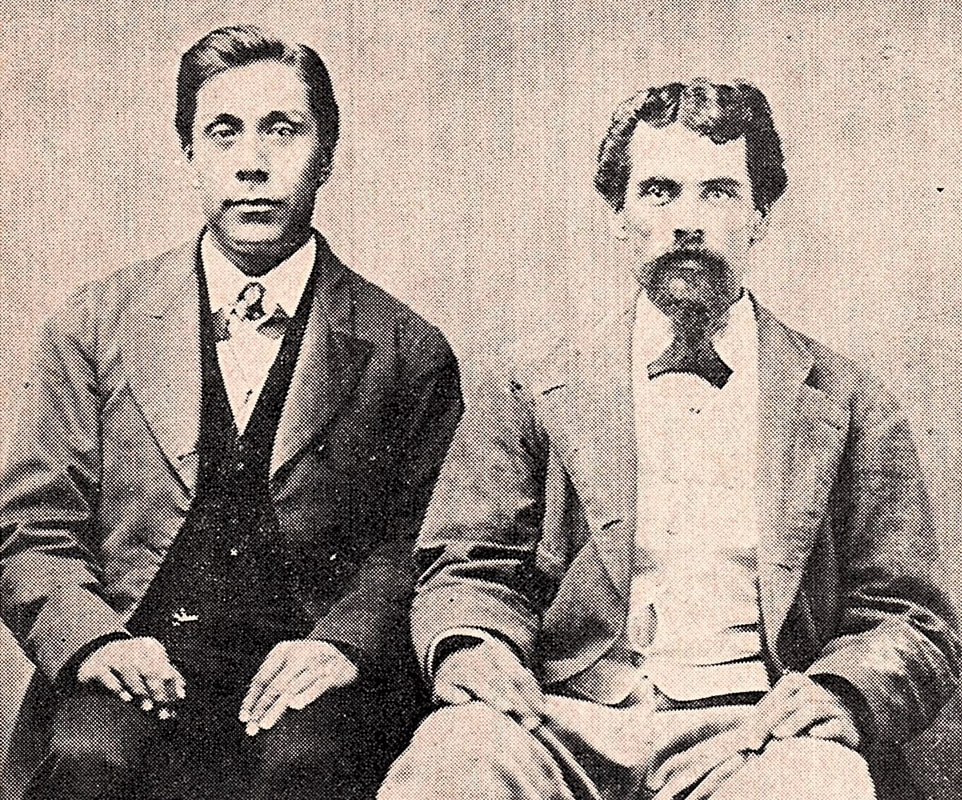
“On August 5, 1864, Cowden presented a sworn statement that the three men had finished the trail at a cost of $1,000 and asked permission to charge tolls. The supervisors set the tolls at: mule or horse, fifty cents each; head of cattle, twenty-five cents each; sheep or hogs, five cents each; man on foot, twenty-five cents each. The Hockett Trail was well marked and shortened the earlier Jordan Trail.” — Annie R. Mitchell, Sites to See, 1983

“The Hockett Plateau includes vast rolling forests of lodgepole pine surrounding spectacular subalpine meadows. The area is a favorite destination for equestrians, backpackers and anglers, people who, like all of us, like to enjoy our mountains. . . .” — House of Representatives bill H.R. 3022, March 10, 2008

“The Hockett meadows, containing about one hundred sixty acres of land lying on the plateau region near the head waters of the south fork of the Kaweah, are desirable camping places. The elevation is about eighty-five hundred feet and in consequence the climate during the summer is cool and bracing. Lake Evelyn, one of the most beautiful of mountain lakes, is distant about three miles.” — Eugene L. Menefee and Fred A. Dodge, 1913
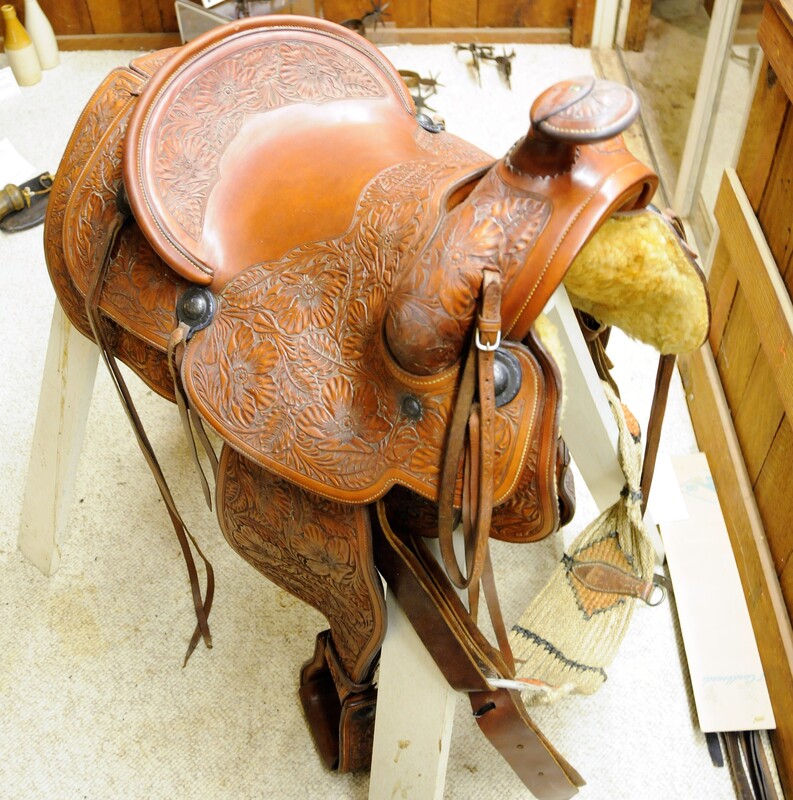
“There is excellent trout fishing in Hockett meadow creek, in Horse creek, one and one-half miles away, and in the waters of the south fork, two miles away. The park line is distant but a mile and a half, so that hunting for deer, which are here numerous, is within easy reach.” — Eugene L. Menefee and Fred A. Dodge, 1913

“[F]ive ranger cabins have been built, horse pastures for the use of rangers fenced, and one hundred and twenty-nine miles of streams stocked with trout. . . . The first ranger for park duty was appointed in 1900 [sic], and the force has since been increased to five . . . .” — Eugene L. Menefee and Fred A. Dodge, 1913

“Hockett Meadow . . . is a lush, subalpine gem that attracts an abundance of wildlife. The nearby ranger station, itself a historic structure, houses a friendly ranger who can offer support and suggestions. . . . [P]rovided you time your arrival correctly (usually late June through July), you should see a dazzling array of wildflowers. Mule deer browse through this buffet, and black bears occasionally amble by.” — modernhiker.com

“Before you spreads the impressive expanse of verdant Hockett Meadows. The vast spread of grass beyond the fenced area attracts large gatherings of deer, most often seen at dusk.” — J.C. Jenkins and Ruby Johnson Jenkins, 1995


Maps & Directions:

Directions:

NOTE: Hockett Meadow Ranger Station is accessible only by foot/stock trail. Trailheads at several starting points provide access. The ranger station is about 12 miles in from most of these trailheads. NOTE: Wilderness Permit required for overnight trips: Plan your visit/wilderness  permits

A) Most visitors start from the Mineral King area and travel via the Atwell-Hockett Trail or the Tar Gap Trail. For this approach, from Visalia, take Hwy 198 east through most of Three Rivers. Two miles before the main Sequoia park entrance, watch for the National Park mileage sign on your right, at the junction with Mineral King Road. NOTE that Mineral King Road is narrow (sometimes single lane), steep, winding, and partly unpaved, and is not recommended for RVs or trailers. It is about 19 miles from this junction to Atwell Mill campground, trailhead for the Atwell-Hockett Trail; it’s about 23 miles to Cold Springs campground, trailhead for the Tar Gap Trail. Proceed past these campgrounds to the Mineral King Ranger Station (on your left, just beyond Cold Springs campground) where you must pick up your Wilderness Permit prior to overnight stays in the Wilderness, then backtrack to the appropriate campground and your trailhead.


Directions:

B) Hockett Meadow Ranger Station is also accessible via the Garfield-Hockett Trail, which begins at South Fork campground, reached via South Fork Drive in Three Rivers.

From Visalia, take Hwy 198 east to Three Rivers and note the junction with South Fork Drive, on your right. However, do not exit here. You must first drive 5 more miles east on Hwy 198 to the main Sequoia park entrance (fee) and then continue to park headquarters, to the Wilderness Office, near the Foothills Visitor Center, to pick up your Wilderness Permit prior to any overnight stay in the Wilderness.

Then return to South Fork Drive and follow it east for 12.3 miles. The paved road ends a short distance before you reach South Fork Campground, and a rough dirt road, not recommended for vehicles with low clearance, continues to the campground area, where you will find the sign for the Garfield-Hockett Trail.


NOTE:  South Fork campground and its access road were heavily and extensively damaged by floods and landslides from 2022-2023 winter storms.  The campground is closed until further notice, the dirt road is completely impassable to vehicles, no potable water is available, and trucks and RVs are not permitted.


Site Details & Activities:

Environment: Mountains, subalpine meadow, lodgepole pine forest, elevation: about 8500 ft., Sequoia National Park (NOTE: Hockett Meadow Ranger Station is accessible only by foot/stock trail.)
Activities: Architecture and landscape architecture study, backpacking, birding, botanizing, camping (nearby; Wilderness Permit required), fishing (license required), history, photography, wildflower and wildlife viewing
Open: Sequoia National Park is always open, weather permitting (unless closed due to emergency conditions); park entrance fee; Wilderness Permit required for all overnight trips. NOTE: Park Ranger Stations serve as residences for rangers and backcountry crews. Therefore, while you may knock on the door, please respect the privacy of the cabin occupants. Knock on the door when park employees are present if you need assistance or information or have information to report (e.g., wildfire, hazardous conditions, etc.). You may also leave a note.
Site Steward: National Park Service-Sequoia and Kings Canyon National Parks; 559-565-3341; Wilderness Office: 559-565-3766: website https://www.nps.gov/seki/
Opportunities for Involvement: donate, volunteer; Sequoia Parks Conservancy membership
Links: 
NRHP Nomination Form
Books: 1) Challenge of the Big Trees -The History of Sequoia and Kings Canyon National Parks, a revised edition, by William C. Tweed and Lary M. Dilsaver (George F. Thompson Publishing in association with Sequoia Parks Foundation and American Land Publishing Project, 2016)
2) The Mule Men, A History of Stock Packing in the Sierra Nevada, by Louise A. Jackson (Mountain Press Publishing Company, 2004)
3) The Sierra Nevada Before History – Ancient Landscapes, Early People, by Louise A. Jackson (Mountain Press Publishing Company, 2010)

Click on photos for more information.

The Story of Grant Grove

by William Tweed

     Every big story starts somewhere, and it is up in the Sierra at General Grant Grove that we find the first example of Tulare County citizens taking action to protect natural resources they care about. The saga of how the Grant Grove came to be protected for public use more than 140 years ago is chapter one in a story that is still progressing today.

     By the 1860s, cattlemen, miners, and mountaineers had explored enough of the Sierra Nevada to know that the southern third of the range – located largely in Tulare County – contained numerous stands of giant sequoia trees. Of all these groves, perhaps the easiest to access were the stands located on the divide between the Kaweah and Kings rivers. Wagon roads were pushed into these woods in the middle 1860s, when logging first began in the region, and those primitive routes soon also provided access for summer visitors seeking to escape the extreme summer heat of the San Joaquin Valley.

     Tulare County residents so enjoyed camping in the cool green forests around the General Grant Tree that they began to develop protective feelings about their summer camping grounds. In 1870, when Mariposa County resident William Snediker came to the area looking for a large sequoia to cut down and remove for display purposes, local residents reacted negatively. Editor R. H. Shearer of the Tulare Weekly Times (an ancestor of the modern Visalia Times-Delta) came out against the project and talked Edward Willett, registrar of the federal General Land Office branch in Visalia, into taking action to stop Snediker.

     The Mariposa County man had already selected a tree and begun preparing it for felling. When ordered to stop, Snediker walked away from the tree, which had already been damaged sufficiently to cause it ultimately to die. The towering remains of the dead tree still stand today, more than 140 years after it was first attacked. The snag is known as the Dead Giant.

     Though Snedicker had been stopped, threats to the grove continued to multiply. In 1872, brothers Thomas and Israel Gamlin built a log cabin near the General Grant Tree and filed papers to purchase the surrounding land. Government officials apparently talked them out of the claim on the grounds that the area should be preserved for public use. (The Gamlin Cabin still stands today.)

     Worried that they would lose their summer camping grounds, Visalians began to organize to give the area better protection. Several newspaper editorials about the value of the sequoias appeared, and in January 1880, the General Land Office withdrew from sale four square miles of land in and around the General Grant Tree. A resulting field inspection disclosed that the best Big Trees were not quite where they had been thought to be, however, and on June 1st 1880, the withdrawal was shifted to better protect the trees. The boundary separating Tulare and Fresno counties now split the reserved tract in half.

     The withdrawal from sale of these 2,560 acres marked the first formal step in the preservation of what would ultimately become modern Kings Canyon National Park. For the next ten years, the four square miles around the General Grant Grove remained in government hands while nearly all the surrounding lands were sold to private parties. Ultimately, most of the land that was sold would be logged.

     In 1881, California Senator John Miller proposed a bill that would have laid a large national park over the southern Sierra, including the Grant Grove area, but the bill had little support and died. It was not until 1890 that the withdrawn lands around the General Grant Tree received permanent protection. In the summer of that year, Visalians George Stewart, R. E. Hyde, Frank Walker, Tipton Lindsay, and Daniel K. Zumwalt began agitating for the creation of a national park in the Kaweah River watershed to protect giant sequoias. Santa Barbara congressman William Vandever (who also represented Tulare County) submitted a bill to do just that. Vandever’s Sequoia National Park bill passed and became law on September 25, 1890.

     One week later, a second bill made it through the Congress. This one had as its primary purpose the creation of Yosemite National Park, but it also contained a provision to give permanent national park status to the four square miles surrounding the General Grant Tree. On October 1, 1890, this relatively small area became General Grant National Park, the nation’s fourth such reservation.

     General Grant National Park endured under that title for the next half century before it was merged in 1940 with the new and much larger Kings Canyon National Park. Since that time, the area has been known formally as the General Grant Grove Section of Kings Canyon National Park.

     Today, this island of virgin forest, together with its visitor center, campgrounds, and lodge, is one of the most-visited destinations in the southern Sierra Nevada. Numerous local residents still enjoy visiting this magnificent green forest that Tulare County residents worked so long ago to protect from destruction.

June, 2014


Slideshow:


Quotes & More Photos:

About 1650 years ago, as the Roman Empire declined and fell, the giant sequoia that is now the world’s third-largest tree began to rise toward the sky. Known since 1857 as the General Grant, this splendid tree may yet be only half way through its life span. What kind of world will it be living in 1650 years from now?

1862 — Joseph Hardin Thomas, Visalia resident, while operating a lumber mill at Shingle Flat (now the site of Sequoia Lake) “discovers” this majestic sequoia (known by then for hundreds of years to the Yokuts and Monache Indians visiting hunting and trading camps nearby).

1867 — Mrs. Lucretia P. Baker, member of a pioneer Porterville family and married to a Visalia merchant, camps with a party in the “Visalia Big Tree Grove” in August; she measures a huge sequoia and names it General Grant to honor Civil War General Ulysses S. Grant (18th President of the U.S. as of 1869).

Mrs. Baker writes to General Grant in Washington, D.C.; he replies October 4, 1867, thanking her for the “box containing branches etc. from the largest tree in California, and no doubt in the world” and for her “kind expressions of regard.”

1873 — John Muir stops at Thomas’s mill, likely visits the Grant Tree, returns in 1875 and 1887; horrified by the ever- accelerating destruction of the sequoias, he works and writes tirelessly to rally support for their protection.

1890 — U.S. Congress creates General Grant National Park, the nation’s fourth, comprising four square miles.

1907 — Visitation to General Grant exceeds 1,000 for the first time. The tremendous tree, 267 feet tall, then thought to be 3,000 to 5,000 years old, is touted as the biggest tree and oldest living thing on earth.

1922 — Over 30,000 visit.

1924 — A small girl inspires R.J. Senior, Sanger Chamber of Commerce president. While admiring the General Grant, he hears her say, “What a lovely Christmas tree that would be.”

1925 — Along with Charles Lee, Sanger Chamber Secretary, Senior starts the tradition of holiday services in the snow beside the Grant Tree.

1926 — Responding to a campaign led by Lee, President Coolidge officially designates the General Grant as the Nation’s Christmas Tree (April 28). Ever since, people have gathered beneath this giant sequoia in December “to stimulate the spirit of ‘Peace on Earth, Good Will to All Men'” and to pay tribute to this wonder of nature, with members of the National Park Service placing a big wreath at the foot of the great tree. These services (re-enacted simultaneously at Fresno radio station KMJ) were broadcast over nation-wide hookups, and Presidential messages constituted part of the program.

1936 — Internationally-renowned American composer Charles Wakefield Cadman, visiting his friend Grace Osborn Wharton at her Grant Grove cabin, composes music on his portable organ at the base of the inspiring Grant Tree. He writes “Star of the East, A Christmas Song” for the holiday celebration; Wharton writes the words.

1937 — The United Press announces that “The designation of the General Grant Tree as the nation’s Christmas Tree has added significance in the fact that a survey by the American Forestry Association revealed that the sequoias were overwhelmingly the most popular tree in the United States and the sequoia gigantea thereafter was honored as the official tree of the nation.”

1956 — By joint resolution of Congress (March 29), President Eisenhower proclaims the Grant Tree a national shrine (our only living shrine) to those who have died in service to our country. Fleet Admiral Chester Nimitz presides beside the great tree at its dedication ceremony (November 11). “Today this shrine takes its place in equal stature with that other great shrine in Arlington Cemetery — the Tomb of the Unknown Soldier.”

1990 — Grant Grove celebrates the centennial of General Grant National Park, along with Sequoia National Park (in September), while Kings Canyon National Park celebrates its Golden Anniversary (March 4).

An icon for the ages, the General Grant is truly an exceptional tree. It now stands just over the Tulare County line, but its recorded history is so entwined with Tulare Counteans that we’ve made an exception to include it as one of our Tulare County Treasures.


Maps & Directions:

Directions:

Latitude/Longitude: N36.74661 and W-118.97594

Start and end at Visalia, CA. A loop trip is a good way to travel Generals Highway through the park to visit Grant Grove.

From Visalia head east on Hwy 198, through Three Rivers to Sequoia National Park Ash Mountain Entrance Station (fee), where the road becomes the Generals Highway. Drive into and through the park on Generals Highway north to Grant Grove and Kings Canyon National Park. 

After visiting Grant Grove, you may also wish to drive on to Cedar Grove in Kings Canyon National Park.

Return to Visalia by leaving the park via Hwy 180 west and then, in about 23 miles, turning left onto Hwy 63 south to Visalia.

(Note: Hwy 245 is a scenic alternative, but it is narrow and very winding, not recommended for large RVs and trailers.)

If you don’t want to drive the loop, just take Hwy 63 north from Visalia to Hwy 180 east to Grant Grove and return via the same roads.


Site Details & Activities:

Environment: Mountains, sequoia grove, conifer forest, Kings Canyon National Park
Activities: birdwatching, botanizing, camping, cross-country skiing (seasonal), educational activities (visitor center, ranger-led programs, signed nature trails), hiking (General Grant Tree trail paved, handicapped accessible), historical sites, museum, photography, picnicking, wildflower and wildlife viewing, snow play (seasonal)
Open: daily (unless closed due to weather or emergency conditions; roads may be temporarily closed by snow in winter); park entrance fee
Site Steward: Sequoia and Kings Canyon National Parks; 559-565-5341
Opportunities for Involvement:  donate, volunteer; Sequoia Parks Conservancy membership
Links: 
Books: 1) Challenge of the Big Trees -The Updated History of Sequoia and Kings Canyon National Parks, by William C. Tweed and Lary M. Dilsaver (University of Virginia Press, 2017)
2) King Sequoia: The Tree That Inspired a Nation, Created Our National Park System, and Changed the Way We Think about Nature, by William C. Tweed (Heyday, 2016)

>

Click on photos for more information.

Mounds of Mystery

by Delora Buckman

     From the scientific perspective:

     Hogwallows. Mima Mounds. Pimpled Plains. All are names of similarly described land formations existing in great numbers in many locations in North America, South America, and Africa. In the United States the principal locations of these mounds are from Missouri to southern Texas, the plateau regions of Colorado, the northwestern states, and the Great Central Valley and southern coastal regions of California. In 1966, some 665 acres of mima mounds near Little Rock, Washington, were protected under the National Natural Landmark program of the National Park Service.

     Soil scientists around the world have spent untold hours studying these mounds and swales, resulting in more than 30 theories being posited to explain what caused their formation. These range from earthquake or glacial action, to ancient fish nests, to flooding due to giant tsunamis raised by asteroid impacts at sea. Nevertheless, their origin remains an unsolved mystery.

     One of the dominant theories of their formation is that the mounds are the work of pocket gophers, as cited in an article in “Soil Science Society Proceedings 1954,” by Rodney Arkley and Herrick Brown of the Soils Department of the University of California, Berkeley. After extensive study of hogwallows in the Merced area, they concluded that “the pocket gopher is responsible for the mounds, but he builds them only on soils where the thickness of soil is suitable for burrowing and root growth is restricted.” Thus, generation after generation of gophers, from the prehistoric to the present day, may keep building nests near the crest of any high spot in the land surface, forming the characteristic hogwallow mounds above the hardpan swales.*

     * See also: https://www.science.org/content/article/mima-mound-mystery-solved

Pocket Gopher at Work

     From the Native American Perspective:

     As part of the Creation Story related to historian Frank Latta by a Wukchumni (Yokut), this is how the hogwallows were formed: In the very old days, after the Eagle made the world, there was only Tulare Lake and the plains. Eagle called the People and told them to build a new place for him. The People got together to build high mountains for Eagle. They used their carrying baskets to take the dirt from the San Joaquin Valley and pile it up to make the mountains. When Eagle saw that the mountains were high enough to have snow on their tops, he called to the People to stop. The People took their baskets off their backs and emptied the remaining dirt onto the ground, making the little round mounds that White People call Hogwallows. The Wukchumni word for hogwallows is Pawkawkwitch.
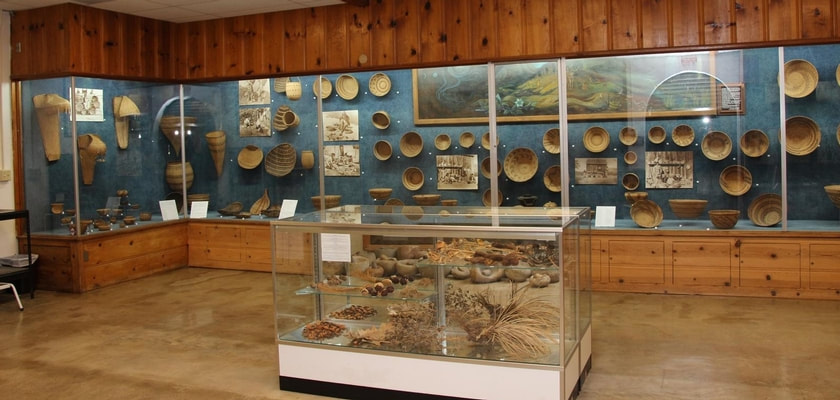
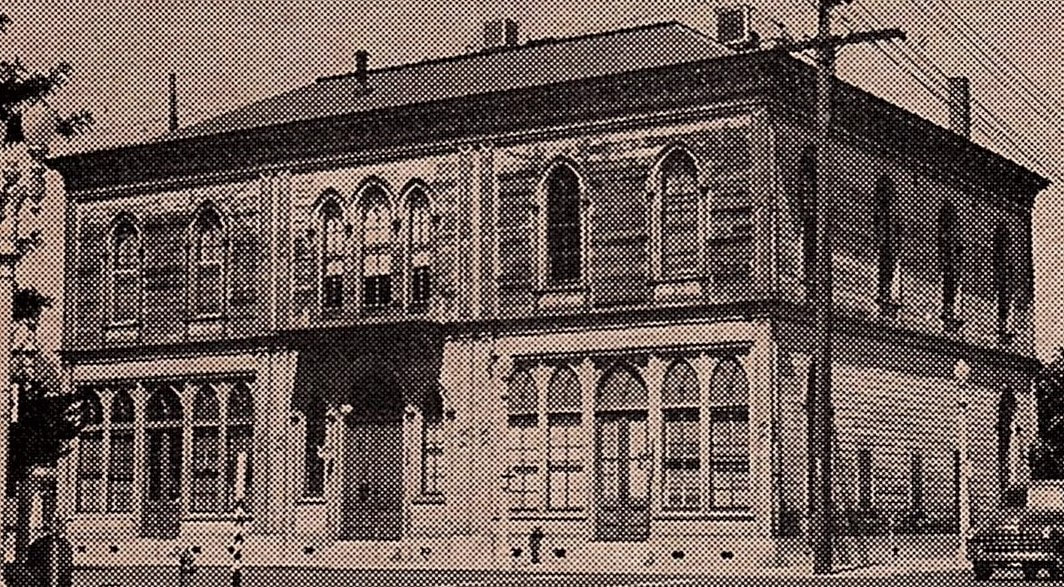
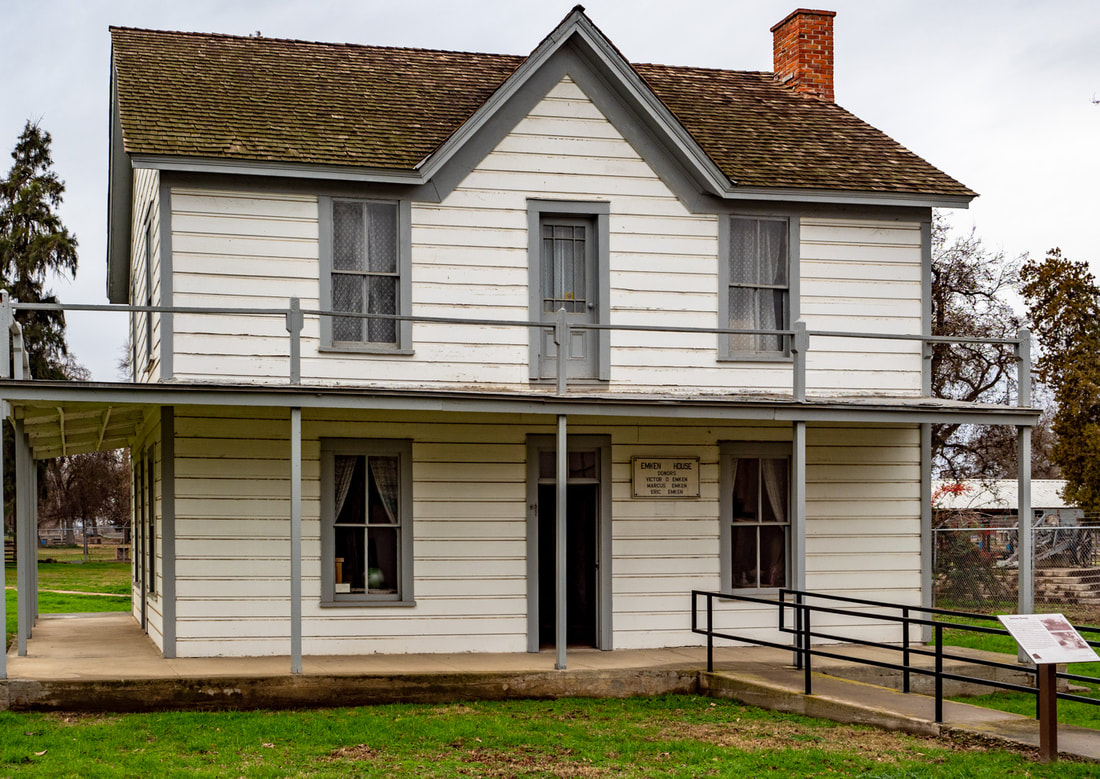
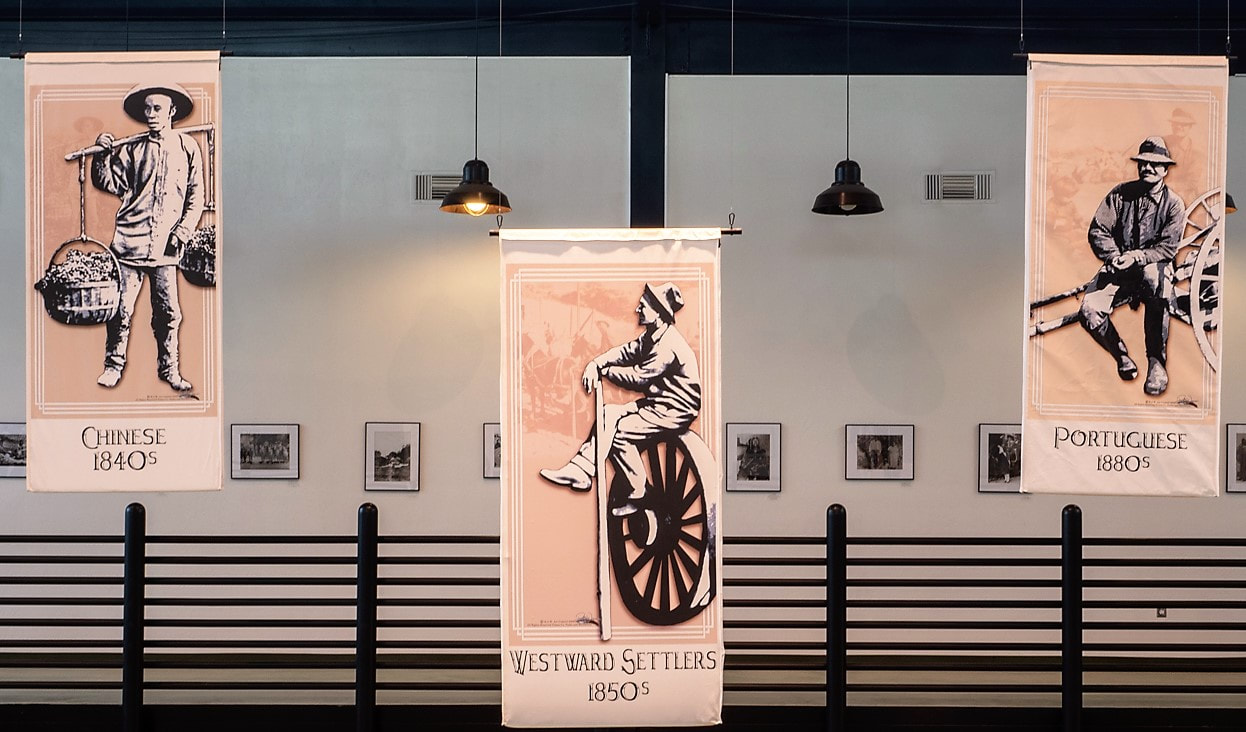
June, 2013


Click on photos for more information.

THE STORY OF THE GOLDEN TROUT WILDERNESS

by William Tweed

     Perhaps the most remote and least known of all the major geographical features of Tulare County is to be found in the county’s southeastern quadrant. Here, near the southern end of the Sierra Nevada, the range takes on a distinctive character found nowhere else. Instead of raising high peaks against the sky, this part of the Sierra takes the form of an extensive uplifted plateau. Those who know the Sierra call this region the Kern Plateau. No other part of the Sierra Nevada looks anything like it.

     A combination of altitude and aridity makes this part of the Sierra unique. Much of the undulating surface of the plateau lies between 7,000 and 9,000 feet. Usually, altitudes of this height would guarantee generous winter snowfall, but the Kern Plateau finds itself within the rain shadow of the Great Western Divide, the north-south ridge that forms the headwaters of the Kaweah and Tule rivers. To the east of the divide, exhausted winter storms deposit only a fraction of the water they dump on the mountains immediately to the west. No other part of the High Sierra is so dry.

     Those who have visited the Kern Plateau know how all this comes together. Open sandy meadows, covered with sparse grass and sagebrush, run for miles. Around them, rolling hills support open stands of Jeffrey, lodgepole, and foxtail pines. Small streams flow across the sandy landscape, and it is here that the golden trout – California’s state fish – evolved. The bright colors of the golden trout mimic the shining flakes of mica and quartz in the stream bottoms.

     Getting to the Kern Plateau country has always been difficult. Travelers coming from the San Joaquin Valley must surmount the Great Western Divide, then cross the rugged and deep canyon of the main stem of the Kern River before they can climb onto the plateau. To the east, a row of peaks — including 12,700-foot Olancha Peak, and a mile-high escarpment separate the plateau from the northwestern edge of the Mojave Desert near Ridgecrest.

     The history of the plateau reflects its remoteness. Like all the surrounding mountain country, the Kern Plateau was first set aside as public land when the Sierra Forest Reserve came into being in 1893. In 1908, when the reserve lands were re-designated as national forests, the Forest Service divided the plateau between the Sequoia and Inyo national forests, a condition that continues today.

     For the first half of the twentieth century, the Forest Service essentially left the plateau alone. Cattle ranchers’ herds grazed the meadows each summer, and hunters and fishermen packed in to enjoy the solitude. Most of these visitors arrived on horseback. Over time, the secluded country earned a small cadre of dedicated fans, people who enjoyed the quiet and beauty of this often-stark high country retreat.

     Foremost among these were Ardis Walker and his wife, Gayle Mendelssohn Walker, who grew up in Tulare County. By the early 1950s, Ardis and Gayle lived in Kernville, the southern entrance to the Kern Plateau region. There, they owned and operated the Kernville Inn. The two pursued many interests. They worked hard to establish CSU Bakersfield, and Ardis wrote poetry. The High Sierra, however, always stayed near the top of their personal lists. Year after year, they traveled into the mountains and especially into the Kern Plateau country.

     As early as the 1930s, Walker had begun to worry that the beauty of this wilderness retreat might eventually be compromised by road building and logging. In 1947, he persuaded a high-ranking Forest Service official, Regional Forester Pat Thompson, to accompany him on a prolonged trip through the heart of the Kern Plateau. Thompson was so impressed that he issued an order reserving the country for wilderness recreation.

     A decade later, however, at the height of the economic boom of the 1950s, the Forest Service reversed itself and announced that it would allow the plateau to be logged. By the early 1960s, roads were being pushed into the plateau from both east and west, and truckloads of logs were spilling out of the region.

     Ardis Walker was appalled. Now in his 60s, he recruited a new generation of activists to help him protect the landscapes he so appreciated. Schoolteacher Bob Barnes of Porterville played an important role, as did Joe Fontaine, who lived in Tehachapi. The campaign to preserve at least a portion of the plateau as wilderness went on for a full twenty years, until finally, in 1978, Congress gave protection to the northern portion of the Kern Plateau, designating more than 300,000 acres as the Golden Trout Wilderness, about 80% of it in Tulare County.

     The wilderness also included much of the rugged eastern slope of the Great Western Divide, as well as a major portion of the canyon of the Kern River. Ardis Walker celebrated the wilderness he had worked so hard to create and lived another dozen years before he passed away in 1991 at the age of 90.

     Today, the Golden Trout Wilderness protects the High Sierra country immediately to the south of Sequoia National Park. Within this Forest Service-administered wilderness, life goes on much as it has for more than a century. Cattle graze the meadows during the summer months, hikers, hunters, and fishermen come to enjoy the solitude, and the beauty of the land remains for all to enjoy.

December, 2014


Slideshow:


Quotes & More Photos:

“I pray that golden trout still haunt their magic stream.” — Ardis Manly Walker

“The largest and arguably most splendid wilderness area in the [Southern Sierra] is the Golden Trout Wilderness.” — Joe Fontaine

“I’ve never found an area I like as much as the Sierra. The granite, the light, the high elevation, the good weather, the open aspect of views — I haven’t seen that combination anywhere else. To many people, . . . the Sierra has a mystique . . . If they’ve seen it, they know it’s worth saving.” — Ardis Walker

“You could see the forest cut and not growing back, and I realized that too much would be gone if we didn’t do something about it. . . . It was a long battle, and it often seemed that we had lost. I worked on that for forty years, but other people carried [it] out. Thank God we have people like Bob Barnes and Joe Fontaine.” — Ardis Walker

“The plateau of the golden trout with its little streams, grassy meadows, and tiny boiling canyons should be preserved forever and its great old trees kept as cathedrals of the spirit. To do otherwise is to disregard its real value. The region has a vital role to play, one involved with intangible values and dreams of mankind. Here is part of America as it used to be.” — Ardis Walker

“. . . the Congress finds and declares that it is in the national interest that . . . these endangered areas be promptly designated as wilderness . . . to preserve . . . as an enduring resource . . . managed to promote and perpetuate the wilderness character of the land and its specific multiple values for watershed preservation, wildlife habitat protection, scenic and historic preservation, scientific research and educational use, primitive recreation, solitude, physical and mental challenge, and inspiration for the benefit of all of the American people of present and future generations . . . .” — Endangered American Wilderness Act of 1978

“As we topped the pass, we looked to the north over a sweep of scraggly, wind-tortured pine and fir . . . . Far beyond was Mt. Whitney, brooding as always over the plateau. Unchanged from when the mountain men came through, this is still a land of silences, ancient trees, and far vistas.” — Sigurd F. Olson

“We deeply need the humility to know ourselves as the dependent members of a great community of life, and this can indeed be one of the spiritual benefits of a wilderness experience.” — Howard Zahniser

“We simply need that wild country available to us, even if we never do more than drive to its edge and look in. For it can be a means of reassuring ourselves of our sanity as creatures, a part of the geography of hope.” –Wallace Stegner


Maps & Directions:


 NOTE:  The GTW is far too large for a useful map of it to appear on this page. USDA’s Forest Service map of Sequoia National Forest is a good aid for trip planning, and the Forest Service suggests the Golden Trout Wilderness map by Tom Harrison.

The GTW can be accessed from Tulare County via Sequoia National Park (Mineral King) on the north, and via Mountain Home Demonstration State Forest on the west. Trails for hikers and horses can be accessed from Hwy 190 (east of Porterville) near Quaking Aspen via Forest Service Road 21S50, which leads to Summit, Clicks, and Lewis Camp trailheads; Lloyd Meadow Road (Road 22S82), which leads to Jerkey and Forks of the Kern trailheads; and Balch Park Road to Mountain Home Demonstration State Forest, Shake Camp trailhead. From the south, access is via Sherman Pass Road via Nine Mile Road to Blackrock trailhead, north of the Black Rock Ranger Station, to hike down to Casa Vieja Meadow. (Horseshoe Meadow above Lone Pine is the best roadhead from the east, in Inyo County.) NOTE: These roads are closed in winter. Many of the Forest Service roads are dirt.

Scenic drives offering views of the GTW: Western Divide Highway (M107) travels 15 miles of the dramatic ridgeline that divides the Kern River watershed from the Tule River watershed, beginning at Quaking Aspen Campground and ending at the junction with M50 (take Hwy 190 east from Porterville to connect with M107 at Quaking Aspen; you can also go south from Porterville on Hwy 65 to Ducor, where you will take J22 east through Fountain Springs to California Hot Springs and Road M50 north). The Sherman Pass Road (22S05) provides access to the Kern Plateau, and a view of Mt. Whitney from Sherman Pass from the south end of the Western Divide Hwy; go east on M50 and M99 past Johnsondale and onto 22S05 over the pass. NOTE: These roads are closed in winter and are often steep, narrow, and winding; check conditions before driving.


Site Details & Activities:

Environment: Mountains, Kern Plateau, mixed conifer forest and areas above timberline, wild and scenic rivers, elevation from 4,700′ to over 12,000′
Activities: backpacking, birdwatching, botanizing, camping, fishing (license required; artificial lures with barbless hooks only), hiking, horseback riding, horse packing, hunting (license required), photography, rock climbing, skiing and snowshoeing (seasonal), wildflower and wildlife viewing.
Open: daily, year-round; free Wilderness Permit required for overnight stays; permit required for campfires; mechanized vehicles and mountain bikes are prohibited in the wilderness; note that livestock may be grazing in this wilderness area.
Site Steward:
contact steward for current, detailed information and required permits.
Opportunities for Involvement: donate, volunteer
Links:
Books: 1) Exploring the Southern Sierra: West Side, by J.C. Jenkins and Ruby Johnson Jenkins (Wilderness Press, Berkeley, revised third edition, 1995)
2) The Golden Trout Wilderness, The Forty Year Struggle to Preserve the Ancient Territory of the California Golden Trout, by Larry M. Holochwost and Gene Verbeet (Kern River Valley Historical Society, Walker Endowment, 2015)

Click on photos for more information.

THE STORY OF GIANT SEQUOIA NATIONAL MONUMENT

by William Tweed

     Without doubt, one of the most contested and argued-about pieces of Tulare County in recent times has been the portion of the Sequoia National Forest that since 2000 has been conserved as the Giant Sequoia National Monument. The story of how these more than 300,000 acres came to be a national monument provides an almost textbook example of how land management issues are defined, debated, and eventually resolved in our society. The process can be messy, to say the least.

     To understand the origins of Tulare County’s only national monument, one must know something about the Sequoia National Forest. As documented elsewhere in this website, Tulare County residents fought hard in the early 1890s to withdraw the forest lands of the Sierra Nevada from sale by the federal government and to have them instead set aside permanently as public land. This was done to protect the mountain watersheds that local farmers thought were essential to their agricultural futures. Originally a part of the immense Sierra Forest Reserve, the area was defined and named the Sequoia National Forest in 1908.

     The federal agency known as the USDA-Forest Service has now managed the Sequoia National Forest for more than a century. From the beginning, national forest policy has always called for sustainable utilization of the land, with possible uses including not only watershed protection but also timber production, wildlife management, grazing, mining, recreation, and wilderness. For the first half of the twentieth century, management of the national forest system generally proceeded in a very conservative manner, with relatively little development or logging taking place. After the Second World War, however, national expectations about national forests evolved, and management of forest lands across the nation became more active. Logging, in particular, became much more heavily emphasized on most forests.

     The Sequoia National Forest did not escape this trend. In the 1960s and 1970s, the forest became a major timber producer, a role that was confirmed in 1988 when the Forest Service issued a new management plan for the forest that established an annual timber production target of 97 million board feet. (This number equals approximately 18,300 miles of 1” by 12” boards.) At that time, the Forest Service was already achieving annual sales totals of over 70 million board feet.

     The annual production of so large a volume of lumber required that the Forest Service analyze all the forest’s acreage to determine where it could produce timber. This analysis led the forest’s managers into a consideration of the future of the forest’s thirty-three groves of giant sequoia trees. Until the 1970s, federal managers had left these groves essentially alone, allowing them to exist as de facto preservation enclaves within the larger forest. (Some of the groves had been logged much earlier by private parties prior to their being included within the national forest.)

     Meanwhile, scientific research taking place outside the national forests had reached a surprising conclusion: giant sequoia reproduction required forest disturbance. Put another way, this meant that giant sequoia trees, which grow only from tiny seeds, survived best when their seeds sprouted in bare mineral soil in open sunny places. In times past, the primary disturber of the conifer forests of the Sierra Nevada had been fire, and scientists concluded that fire had played an essential role in allowing young sequoias to sprout naturally and prosper. But logging is another form of forest disturbance, and the Forest Service knew that young sequoias also sprang up after older trees were cut. Out of this fact grew an idea — one that would both allow young sequoias to germinate and help meet the forest’s timber production goals — why not log in the Sequoia National Forest’s thirty-three sequoia groves?

     In 1981, the Forest Service began logging in the groves, and the program lasted for five seasons before it was suspended. During those years, the Forest Service conducted thirteen timber sales covering about 1,000 acres within the groves. The intensity of logging varied from site to site, but in several areas the Forest Service authorized the removal of all standing trees except a handful of large, specimen-sized sequoias.

     Logging within the sequoia groves produced sharply divided public opinion. Some appreciated the economic activity that resulted from the program. (During these years up to 240 persons worked at a sawmill in Terra Bella that received the logs cut on the Sequoia National Forest.) Others were deeply disturbed by the destruction taking place within the groves, places some saw as having near-sacred status. The controversy soon went political, and by 1986 the critics had applied enough pressure to cause the Forest Service to suspend the program.

     When the Forest Service issued a new management plan for the Sequoia National Forest in 1988, however, that document called for yet higher levels of timber harvests. As a result, the battle over the forest’s giant sequoia groves intensified. Numerous organizations filed appeals of the 1988 forest plan and, under considerable pressure, the Forest Service agreed to negotiate a mediated settlement to the dispute. The resulting agreement (signed in 1990) ended logging within the groves but did not significantly reduce timber harvest on the surrounding lands.

     By now, the fight had gone national. The Tulare County Audubon Society actually went so far as to place a full-page ad in the New York Times challenging the management directions chosen by the Forest Service. The next several years saw congressional hearings on the subject (1991), a Forest Service public symposium on giant sequoia management (1992), and a visit to the region by President George H. W. Bush (also 1992), who signed a presidential proclamation guaranteeing that sequoias would not be cut.

     The fight continued, however, with local activists like Carla Cloer, Charlene Little, and Ara Marderosian working with national environmental groups. Increasingly, the goal was to end logging both within the groves and over the larger region that surrounded them. Inevitably, a political fight of this scale reached the highest levels of government. Resolution came in the late 1990s when President Bill Clinton concluded that the preferred outcome would be one that strictly limited logging on the Sequoia National Forest.

     On April 15, 2000, Clinton visited the Sequoia National Forest and signed a proclamation that designated some 327,000 acres (27%) of the Sequoia National Forest as a national monument. Making its purpose very clear, the proclamation specified that the lands in question would no longer be subject to commercial logging and that trees could be cut within the monument only for reasons of safety or ecological management.

     Like the Mineral King controversy of the 1960s and 1970s, the creation of the Giant Sequoia National Monument deeply split the people of Tulare County. The county’s board of supervisors even filed suit to overturn the monument, a case that ultimately failed. Others, who valued the groves for their inspirational beauty, celebrated the new direction as long overdue.

     Many years after the creation of the monument, some local residents still argue about whether it represents the right direction for the management of more than a quarter of the Sequoia National Forest. What emerges from this debate with great clarity, however, no matter which side of the argument one supports, is the great power that the giant sequoia trees and the forests in which they grow exercise over us all.

     Truly, we care about these trees and their future.

March, 2014


Slideshow:

v>


Quotes & More Photos:

“For centuries, groves of the Giant Sequoia have stimulated the interest and wonder of those who behold them. The Giant Sequoia is a tree that inspires emotion like no other and has mystically entered the hearts of humanity everywhere.” — President George H. W. Bush

“[S]equoias, kings of their race . . . poised their brave domes and spires in the sky three hundred feet above the ferns and lilies…towering serene through the long centuries, preaching God’s forestry fresh from heaven.” — John Muir

“This Nation’s Giant Sequoia groves are legacies that deserve special attention and protection for future generations. It is my hope that these natural gifts will continue to provide aesthetic value and inspiration for our children, grandchildren, and generations yet to come.” — President George H. W. Bush

“Ancestors of Giant Sequoia trees have existed on Earth for more than 20 million years. Naturally occurring old-growth Giant Sequoia groves located in the Sequoia, Sierra, and Tahoe National Forests in California are unique national treasures that are being managed for biodiversity, perpetuation of the species, public inspiration, and spiritual, aesthetic, recreational, ecological, and scientific value.” — President George H.W. Bush

“Sequoias are distributed in a small number of isolated concentrations, traditionally called ‘groves’ in a narrow strip less than twenty miles wide on the west slope of the Sierra Nevada. . . . Sequoias naturally occur on an infinitesimal fraction of the earth’s forested surface…The global rarity of old growth sequoia forest cannot be overstated.”– Dwight Willard

“Two local women, Charlene Little and Carla Cloer, stumbled onto … a logged-out Giant Sequoia forest in 1986, in what they had believed were protected groves. The environmental organizations they alerted mediated for a year and a half with the Forest Service, cattlemen, millowners, and recreationists involved. . . . This logging controversy of the late 1980s was a surprise throwback to the days a century earlier, before national and state parks existed, when Giant Sequoias were heavily logged in the the southern Sierra.” — Verna R. Johnston

“. . . for over 100 years, beginning with the residents of Visalia, California, Americans have sought to save these giant sequoias. . . . We’re doing our part today to make sure that the monarchs will be here after we’re long gone, rooted strong in the web of nature that sustains us all.” — President William J. Clinton

“This is not about locking lands up; it is about freeing them up for all Americans for all time.” — President William J. Clinton

“The giant sequoia groves in Sequoia National Forest are now protected from commercial logging by the new Giant Sequoia National Monument.  . . . Future management of these groves . . . is still largely dependent upon the administrative planning processes of the U.S. National Forest Service. . . . an interested and informed public is still essential to their preservation and restoration over the long term.” — Dwight Willard


Maps & Directions:


Directions:

Giant Sequoia National Monument,

Coordinates 36.0400° N, 118.5044° W


The Monument is most easily accessible via three main highways (198, 180, and 190).


Northern Portion:

From Visalia, take either Hwy 198 east into the National Park and continue north on the Generals Highway to the Monument, or take Hwy 63 north to Hwy 180 east into the Monument.


Southern Portion:

From Porterville, take Hwy 190 east into the Monument.


Note: The monument is in two sections. The northern section surrounds General Grant Grove and borders other parts of Kings Canyon National Park and Sequoia National Park.  It is administered by the Hume Lake Ranger District.

The southern section, administered by the Western Divide Ranger District, includes Long Meadow Grove, and borders the south boundary of Sequoia National Park and the eastern portion of the Tule River Indian Reservation.


Detailed directions, maps, and additional information can be found at this link: The Giant Sequoia National Monument.


Site Details & Activities:

Environment: Mountains, forests, sequoia groves, rivers
Activities: backpacking, birding, botanizing, camping, educational activities (Trail of 100 Giants), dog walking (on 6′ leash; scoop poop), fishing, hiking (all abilities on Trail of 100 Giants; parking fee for this trail, $12/vehicle), horseback riding and camping, hunting, mountain biking, OHV (off-highway vehicle) riding and camping, photography, picnicking, scenic drives, skiing, snowshoeing, snowmobiling, snow play, wildflower and wildlife viewing
Open: seasonally (roads subject to snow closure during winter)
Site Steward: U.S. Forest Service, Hume Lake Ranger District (northern portion of Monument), 559-338-2251; Western Divide Ranger District (southern portion of Monument), 559-539-2607

Opportunities for involvement: volunteer
Books: 1) A Guide to the Sequoia Groves of California, by Dwight Willard (Yosemite Association, 2000)
2) Challenge of the Big Trees -The Updated History of Sequoia and Kings Canyon National Parks, by William C. Tweed and Lary M. Dilsaver (University of Virginia Press, 2017);
3) Giant Sequoias, by Harvey Harteveldt, Shellhammer and Steckler (Sequoia Natural History Association, 1981);
4) To Find the Biggest Tree, by Wendell Flint and Mike Law (Sequoia Natural History Association, 2002);
5) King Sequoia: The Tree That Inspired a Nation, Created Our National Park System, and Changed the Way We Think about Nature, by William C. Tweed (Heyday, 2016)


Click on photos for more information.

Treasures Beneath Your Wheels

by Laurie Schwaller

     Two beautiful bridges anchor the Generals Highway Stone Bridges Historic District in Sequoia National Park. Standing about a mile apart, the Marble Fork (Lodgepole) and the Clover Creek bridges are fine examples of the National Parks’ famous “rustic architecture” (or “Parkitecture”), which aims always “In the construction of roads, trails, buildings, and other improvements . . . to the harmonizing of these improvements with the landscape.” In their functionality, character, and quality, these bridges fulfill the Park Service’s dual mission of providing access for the enjoyment and protection of the park’s resources while leaving the park’s scenery unimpaired.

     Constructed in 1930-31 as part of a 15-year project to link Sequoia and General Grant (now Kings Canyon) national parks by road, the bridges cross the Marble Fork of the Kaweah River and nearby Clover Creek. They were designed to fit “naturally” into their scenic landscapes, to endure, and to be easy to maintain.

     Both are sturdy concrete and stone arch bridges. Although produced during the major economic and social crisis of the Great Depression’s early years, they are models of timeless design and the work of highly skilled craftsmen, made to last. The first step in their construction was to build a concrete barrel vault one or two feet thick to span each waterway. Next, walls were added on both sides of the barrel vault and along its top.

     Then the concrete walls were covered (“faced”) with native stone. Instead of being cut to regular geometric shapes and laid in careful, even rows, the walls’ masonry was “uncoursed” so that the stones have a natural, “rustic,” unworked appearance and look almost as if they have just been stacked upon each other by some natural process. The uncoursed masonry overlays the modern construction methods and materials (e.g., rebar and concrete), creating the appearance of true stone arches.

     Finally, the space between the walls and over the top of the concrete vault was filled with earth, graded, and then paved to create the 25-foot wide roadway over the bridge.

     The bridges’ “natural” appearance and careful integration into their respective environments are the result of the visionary work of the Park Service’s structural and landscape architects, and the careful craftsmen who were contracted to build them. Each construction plan followed strict guidelines to preserve the natural landscape, and the plans were carefully checked on location to ensure that they would “fit the ground.”

     Extraordinary measures were taken to minimize damage to the park’s scenery. Blasting had to be limited (even though this was a hardship in the often sloped and rocky mountain terrain), and trees and other vegetation were left standing whenever possible. Debris was disposed of as inconspicuously as conditions allowed. Sites where rock was quarried and fill dirt excavated were located out of sight of the roadway in areas that would not be permanently scarred by the removals.

     The construction camps were set up in places that could tolerate hard use and be successfully restored. After construction was finished, damaged slopes were smoothed and rounded and then replanted with native species matching those in the area (often provided by the park’s plant nursery).

     To properly admire these long-lived historic structures in their very different, well-restored landscapes, you must get out of your car. Traveling north through Sequoia National Park, you’ll come first to the Marble Fork Bridge, which carries the Generals Highway over a lively, boulder-strewn branch of the Kaweah River. Just beyond the road turning into the Lodgepole area, you’ll cross the bridge and then immediately turn left into the Lodgepole Picnic Area. Importantly, this fine spot for lunch or a snack also offers easy access to the river and an excellent view of the bridge from the bank, or, when conditions permit, from in the stream itself.

     The Marble Fork Bridge spans a distance of 45 feet and is beautifully proportioned to its intimate forested setting. Outstanding masonry work melds the bridge with its landscape. The native stone was selected to match the surrounding rocks, and precisely cut to the architect’s specifications to create a natural look.

     Drive about another mile ahead and you’ll come to the waterway crossed by the 90-foot span of the Clover Creek Bridge. Here the terrain is wide open, with the stream slicing through sheets and slabs of bare granite. Walk over the bridge to enjoy the big views and marvel at how well this timeless, rugged structure suits its environment.

     A small third “bridge,” spanning Silliman Creek just beyond the Marble Fork bridge, is included in the Generals Highway Stone Bridges Historic District. Technically, this structure, which spans a distance of only 16 feet, is a culvert, not a bridge (which by engineering definition is over six meters in length). Nevertheless, even this minor construction, a reinforced concrete slab, features rubble masonry abutments and facing to harmonize it with the very rocky creek bed it traverses, and so provides another noteworthy example of Parkitecture.

     By the summer of 1935, the great vision of linking the two national parks and their iconic sequoias — General Sherman and General Grant — via a superbly scenic, easy to drive road had been realized, and on June 23, the newly-completed Generals Highway was dedicated to the public. Cars — 669 of them — drove in, from both the Sequoia and the General Grant park entrances, bringing 2,488 people to celebrate the great accomplishment. They met for the ribbon-cutting at the highway’s halfway point: the panoramic Clover Creek Bridge.

     NOTE: See our related articles on enduring “Parkitecture” Treasures: Ash Mountain Entrance Sign, Hockett Meadow Ranger Station, Moro Rock Stairway, and Redwood Meadow Ranger Station.

April, 2021


Slideshow:


Quotes & More Photos:

“The 1920s ushered in a new era filled with greater opportunities and a desire for travel through the introduction of the automobile. . . . . [National Park Service] Administrators were exceedingly excited about the possible benefits of a connecting road between Sequoia National Park and General Grant National Park, which became Kings Canyon National Park in 1940.” — National Park Service “When Two Parks Meet: The History of the Generals Highway”

“The linking of the two ‘general’ trees gave the highway its official name, the Generals highway. The name was recommended by Sequoia National Park Superintendent John R. White and approved by Assistant National Park Service Director Horace M. Albright on 23 July 1923. The engineers building the road had at first called it ‘Halawanchi,’ a Monache expression for anything foolish, referring to the twisting, climbing nature of the road.” — Historic American Engineering Record, National Park Service

“National Park roadways . . . are planned for leisurely sightseeing with extreme care. They are often narrow, winding, and hilly — but therein may lie their appeal.” — National Park Service Park Road Standards, 1984

“A distinctive feature of park roads from the 1920s to the present is how their design and construction has been deeply influenced by landscape architects. . . . When the Bureau of Public Roads, in agreement with the National Park Service, took over control of the construction of park roads in 1926, Park Service landscape architects retained final approval for all . . . work.” — Historic American Engineering Record, National Park Service

“[T]he visitor often does not realize the amount of planning required during road design to produce the road that seems now to integrate so effortlessly into its surrounding landscape.” — Historic American Engineering Record, National Park Service

“Numerous culverts were required along the entire length of the highway to convey mountain waters beneath the road. The majority of the culverts visible from the roadway were faced with masonry, blending with and adding to the rustic appearance of the highway.” — Historic American Engineering Record, National Park Service

“Stone, the landscape architects of the Park Service believed, was a material that offered high potential for non-intrusive structural design.” — William C. Tweed, NRHP Nomination Form

John B. Wosky, the designer of the Marble Fork and Clover Creek bridges, also designed NPS buildings for decades and played a role in developing the Park Service’s signature rustic architecture. “That style included a specific color of exterior paint, referred to as ‘Wosky Brown,’ on every building.” — University of Oregon School of Architecture and Environment and NRHP Nomination Form

“Bids for the construction of the two bridges and the nearby Silliman Creek culvert were received on July 15, 1930, and the contract was awarded to the W. A. Bechtel Company [which] subcontracted . . . work to C.D. DeVelbiss of San Francisco. DeVelbiss hired Finnish stone cutters from a quarry at Porterville, California. Each exterior stone had to be cut to precise measurements set forth in the architectural plan.” — William C. Tweed, NRHP Nomination Form

“Arches and supports of carefully cut and molded stone pleased the eye and suggested coordination with the rocky streambeds and towering cliffs nearby. They also called for backbreaking and expensive labor. Bechtel and the other companies suffered from drastic employee turnover that slowed the job . . . and exacerbated the cost overrun.” — William C. Tweed and Lary M. Dilsaver

“Eagerly awaited by officials and public alike, the occasion will be an outstanding history-making episode as it will mark the attainment of a long sought goal by park officials — that of connecting the two Big Tree Parks with an easy grade, modern mountain highway; and at a cost of 2 1/4 million dollars [a] tour of outstanding scenic splendor has been provided through both National Parks.” — National Park Service, for the Generals Highway dedication ceremonies at Clover Creek Bridge on June 23, 1935

“The bridges were and are monuments to the engineers and landscape architects who designed them and the craftsmen and laborers who built them. They are among the last manifestations of the age of large, hand-crafted highway structures.” — William C. Tweed, NRHP Nomination Form

“Dollars invested by taxpayers in the 1920s are still paying nice dividends today. Those two arches [the Marble Fork and Clover Creek bridges] ought to be as durable as anything the Romans built. I don’t think there’s much manmade in the park that will be there a thousand years hence, but I’d bet on the Clover Creek bridge.” — William C. Tweed, 2021


Maps & Directions:

Directions:


The bridges are just west of Lodgepole in Sequoia National Park.

From Visalia, take Hwy 198 east through Three Rivers to Sequoia National Park (entrance fee). Continue on the Generals Highway past the Giant Forest to Lodgepole (about 21 miles from the park entrance).
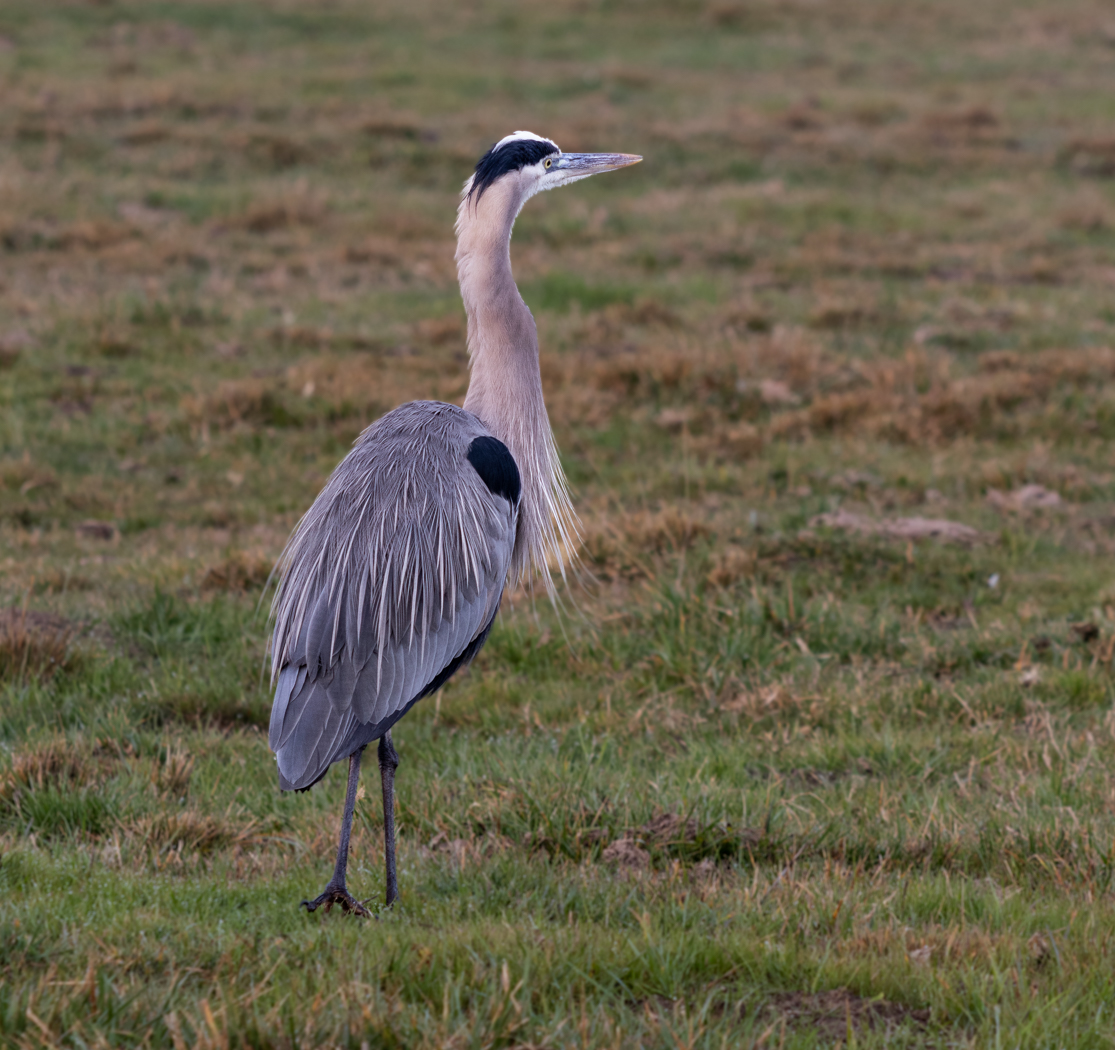
Immediately past the entrance to Lodgepole, you will come to the Marble Fork Bridge. Just after the west end of the Marble Fork Bridge, turn left into the Lodgepole Picnic Area; park and walk down to the river for good views of the bridge.

Back in your vehicle, you will cross the Silliman Creek Culvert shortly after you leave the Lodgepole Picnic Area, continuing northwest.

About one mile farther on the highway is the Clover Creek Bridge. Just after the west end of the Clover Creek Bridge there is a parking area on the left side of the road with good views.


Site Details & Activities:

Environment: Mountains, Sequoia National Park, historic bridges over Clover Creek, Marble Fork of the Kaweah River, and Silliman Creek (culvert)
Activities: architecture and landscape architecture study, birding, history, photography, picnicking (at Lodgepole Picnic Area), water play (when water flow is low and slow and safe at Lodgepole Picnic Area, Marble Fork; never leave children unattended)
Open: Sequoia National Park is always open, weather permitting, unless closed due to emergency conditions; park entrance fee
Opportunities for Involvement: Donate, volunteer
Links:


Click on photos for more information.

THE STORY OF THE FOX THEATRE

by Terry Ommen

  Movie theaters today are often built with little attention to ambiance or architectural sparkle, box-like on the outside and unadorned on the inside. But such disregard for cinematic splendor wasn’t always the case. When Visalia’s Fox Theatre was built in 1930, not only did the movie on the screen thrill the audience; the theater itself was enchanting, and an integral part of the movie-goer’s experience. Back then, just a few coins would buy a ticket to paradise.

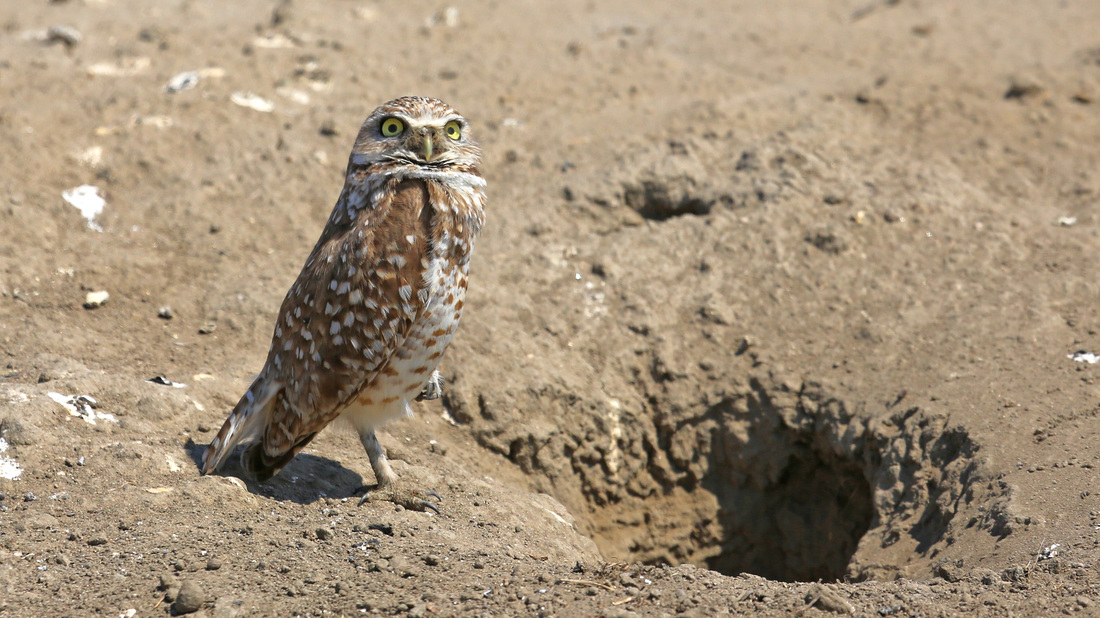
     The story of the Visalia Fox Theatre began in January, 1928, when the well-known William Fox film company announced it had acquired all 250 theaters in the West Coast Theatres, Inc. chain. One of these was the Visalia Theatre, a playhouse on the northeast corner of Court and Acequia streets that had been built in 1889 as the National Guard Armory and remodeled several times since then. After examining the tired old building, Fox officials decided to replace it with a modern movie house suited to the glitzy golden age of motion pictures.

     Fox bought land on the northwest corner of Main and Encina streets. Los Angeles architects Floyd Stanbery and Clifford Balch drew the building plans, and by April, 1929, the site was cleared and ready for the contractor, Beller Construction of Los Angeles. Howard Sheehan, Fox’s Vice President, known for his keen eye for “the new, the better and the beautiful,” made all the design decisions.

     For nine months, Visalians watched Sheehan’s Spanish-style building take shape, and when it was finished, they marveled. The tall clock tower attracted the most attention. The Visalia Times-Delta reported that it looked “like a lighthouse above a seaport.” Mounted on its dominating height were three clock faces, each over six feet in diameter, ringed with neon lights, and each facing in a different direction. The wonderful clock, touted as the largest of its type ever built, captivated the community.

     The new building’s interior was equally dramatic, with an East Indian theme contrasting with the Spanish exterior. Sheehan wanted visitors to experience the feeling of entering the garden courtyard of an Indian ruler, stepping from the “streets of Visalia to the mystic shrines of the gods.”

     But there was more to the inside than just elaborate decor. In the new Fox Theatre, built for “talkies,” the most advanced Western Electric audio gear was installed. Even the walls were shaped with acoustics in mind. And the projection room, according to Fox officials, was the “most superbly equipped booth in the state.”

     On February 27, 1930, at 6:30 p.m., with Klieg lights beaming skyward, the Visalia Fox Theatre doors opened for the first time to the public. The 1,460 seats filled quickly, as the audience was welcomed with music from the new $20,000 organ. Those in attendance enjoyed several motion pictures, including “The Lone Star Ranger,” starring George O’Brien and Sue Carol; Movietone News; a Mickey Mouse cartoon; and “Night Owls,” a Laurel and Hardy comedy. Opening night was a sensation at the beautiful $225,000 theater.

     For decades to come, the Fox served as an important Tulare County social center under a variety of owners. Not only were films shown there, but many performers entertained live on its stage.

     By the 1970s, however, single screen theaters were losing money, and more and more of them were being replaced by multi-screen or multiplex houses. In 1976, the Mann Theater Corporation, owner of Visalia’s Fox Theatre at the time, announced that the Fox would be remodeled and converted into a triplex.

     Despite this change, the aging landmark continued to struggle financially, and maintenance problems began to accumulate. In late 1996, Cinamerica-Mann, the company leasing the Fox, surprised the community by announcing that they were closing the theater doors. They had built a new 12-plex in the Sequoia Mall and were giving up on the old movie house. Soon, the vacant Fox was for sale.

     This series of decisions reverberated throughout the community. In its 66 years, the grand landmark theater had amassed a loyal fan base, and many were concerned about its future. The Tulare County Symphony began eyeing the building as a possible new home. The Visalia Times-Delta weighed in editorially and supported efforts to make it an arts center. Visalia Mayor Mary Louise Vivier publicly said she wanted the theater preserved and restored. Downtown merchants worried about the impact of the vacant entertainment center on downtown business.

     When by the end of 1996 no serious buyer had come forward, a local grassroots group called “Friends of the Fox” formed. Organized and led by Rami Cherami, a teacher in the Visalia Unified School District, the non-profit group began working on a plan to acquire the theater, restore it, and reopen it to the public.

     Then came the “Miracle on Main Street.” In December, 1997, the owners of the theater thrilled the community by donating the Fox to the Friends. The new owners spiritedly continued fundraising for its restoration. By 1999, with the help of many donations and hundreds of volunteer hours, the Friends had been able to complete many major renovation projects and to fix most of the Fox’s cosmetic needs. The Fox was again ready to receive a theater audience.

     November 20, 1999, was the date set for the “Grand Re-Opening,” featuring well-known pianist and composer Marvin Hamlisch as the guest performer. The long-awaited evening was truly a grand occasion, and a grateful and excited community flocked through the doors of the historic theater made enchanting and new once more.

     Since 1999, the Fox has been operating regularly, thanks to the Friends of the Fox, who continue to solicit financial support for the numerous expensive restoration projects yet to be completed.

     In 2011, the Friends’ Board of Directors and Paul Fry, Theatre Manager, made the decision to pursue National Register of Historic Places listing for the iconic Fox building. Chris Brewer, the architectural historian hired to complete the long application process, reports that National Register status seems assured.

     Visalia’s fabulous Fox has stood at Main and Encina since 1930. A treasured historic building that was saved by citizens of its community for future generations, it stands as a tribute to those groups and individuals who have worked so tirelessly to protect and preserve it. Thanks to them, the Fox will continue to be a magical place where memories are made for many years to come.

November, 2013


Slideshow:


Quotes & More Photos:

“Saving old buildings and neighborhoods is an enormously effective way to provide continuity in the places where we live.” — Dwight Young

“These old buildings do not belong to us only, they belong to our forefathers and they will belong to our descendants unless we play them false. They are not in any sense our own property to do with as we like with them. We are only trustees for those that come after us.” –William Morris

“We shape our buildings; thereafter, our buildings shape us.” — Winston Churchill

“A country without a past has the emptiness of a barren continent; and a city without old buildings is like a man without a memory.” –Graeme Shankland

“It’s not good because it’s old, it’s old because it’s good.” — Anonymous

“Back in 2003, Porterville native Ruth Dresser made a pair of unique donations to the Visalia Fox Theatre: a 1919 Wurlitzer pipe organ insured for $1 million and a Baldwin grand piano.” —Visalia Times Delta, September 5, 2013

“The image of a community is fundamentally important to its economic well-being. If all places look alike, there’s no reason to go anywhere.” — Ed McMahon


Maps & Directions:

Directions:


Address: 300 W. Main Street, Visalia, CA

Latitude/Longitude: 36° 19′ 48.72″ N, 119° 17′ 41.28″ W

36.3302, -119.2948


Note: W. Main Street is one-way to the east in the vicinity of the Fox Theatre.


From Hwy 198 in Visalia:

Take the Hwy 63 north (Court St.) exit and go north (right) to Center Ave. (one block north  of Main St.).

Turn left (west) onto Center, go three blocks, and turn left (south) onto Floral St. for one block.

Then turn left (east) onto Main St. The Fox Theatre is ahead on your left.


Site Details & Activities:

Environment: Valley, downtown Visalia, historic theater
Activities: events, history, photography
Open: whenever events are scheduled
Site Steward: Friends of the Fox, 559-625-1369
Links:
Books: A Walk Around Visalia, by George Pilling (Sound Stones, 2011)