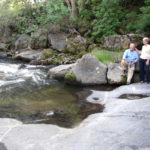
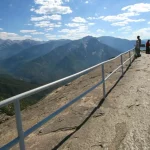
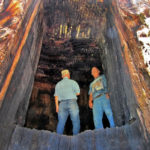
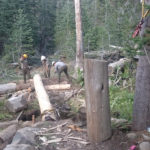
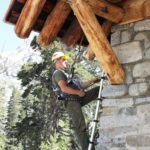
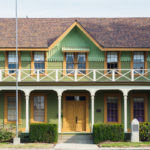
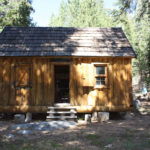
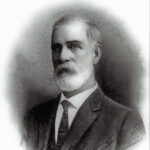
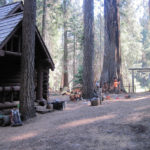
Sequoia Riverlands Trust’s McCarthy Blue Oak Ranch Preserve, still a working cattle ranch in the foothills above Springville, protects over 900 acres of blue oak woodland. Its pond, streams, trails, historical and archaeological sites, educational events and activities, wildlife, and wildflowers attract students and visitors of all ages. For spectacular scenery, backpacking, birding, camping, hiking, photography, picnicking, fishing, wildlife and wildflower viewing, fall colors, a ranger station/visitor center, historic cabins and mining sites, lakes, streams, and waterfalls — and nearby food and lodging, Sequoia National Park’s sublime Mineral King is definitely worth the steep, winding 25-mile drive from Three Rivers (road closed in winter). Videos included. In 1910, Tulare County acquired 100 acres of remnant Valley oak forest from descendants of the pioneer Mooney family and turned them into Mooney Grove Park, which today includes two major museums, a barn full of historic agricultural equipment, a baseball field, a disc golf course, a dog park, a Pioneer Village, shady picnic arbors, an inclusive playground, a lagoon, and the End of the Trail statue — for a very full day in the park. People of all ages can safely summit Sequoia National Park’s Moro Rock, thanks to the amazing Moro Rock Stairway. Built in 1931, its 400 steps lead visitors safely and steeply for a quarter mile up the great granite dome to a breathtaking 360-degree panorama of one of the finest views in the southern Sierra Nevada, from 13,000 foot peaks down a mile-deep canyon to the Valley floor. Visit Mountain Home Demonstration State Forest near Springville to enjoy archaeological and historical sites, backpacking, birding, camping, fishing, hiking, horseback riding, hunting, photography, picnicking, rock climbing, scenic drives, wildlife viewing, and observing managed logging activity on this unique forest dedicated to research, demonstration, recreation, education, and sustainability. Includes video. Sequoia and Kings Canyon national parks’ trail crews are responsible for creating and maintaining over a thousand miles of trails, working long and arduous days in every kind of weather, often in remote backcountry, at elevations ranging from 2,000 to 14,495 feet. Find out who they are, what they do, and what it takes to get on a trail crew. This job “guarantees an unforgettable experience.” Two intriguing Tulare County automobile tours — one following the Kaweah River drainage, one in the Tule River watershed — give fascinating glimpses of the lives and landscapes of the vital Yokuts and Monache people who have lived here for dozens of centuries, sustained by the Native American Conservation practices that many continue today, and that we still have much to learn from. In summertime, Sequoia National Park’s Pear Lake Ski Hut serves as a ranger station, but in snow season this outstanding CCC-built rustic alpine structure, six steep super-scenic miles in from the trailhead, provides shelter, warmth, bunks, a kitchen, a toilet, and unlimited High Sierra terrain rising right outside the door, a wonderland for snowshoers, downhill and cross-country skiers, and lovers of winter. Pixley National Wildlife Refuge provides 6,939 acres of protected habitat year-round for many species of plants and animals. From late September until early March, its skies and wetlands fill with thousands of migratory ducks, geese, and cranes, drawing birders and photographers down its nature trail to the viewing platform for the sunset fly-in spectacle that’s “one of the premiere nature events in Tulare County.” During the Great Depression, the people of Pixley and its neighbors, Tulare County officials and staff, the New Deal’s Works Project Administration, and the CCC came together to create 22-acre Pixley Park, still an oasis for locals and Highway 99 travelers, with shade trees, green lawns, picnic facilities, playground equipment, a restroom, a soccer field, a disc golf course, and some historical highlights, too. Built in 1879, the two-storey Pogue Hotel offered dining and lodging to travelers en route from the Valley to the mountains. A Lemon Cove landmark, this enduring edifice has also been a rooming house, a family home, and, since 1936, the Lemon Cove Women’s Club, promoting community service and protecting and sharing Lemon Cove’s eventful history with public events throughout the year. Both of these remarkable post offices opened in 1934, during the Great Depression, and have served their communities continuously ever since. Their distinctive Streamline Moderne architecture; classical proportions; striking details and Art Deco motifs inside and out; richly varied materials; and high quality construction continue to connect us to our history and to delight and serve us well. Sequoia National Park’s historic Quinn Ranger Station, built in 1907 beside a new “first-class” trail connecting it to Hockett Meadows, is the only ranger station remaining from when the U.S. Army administered the park. Now a patrol cabin, sturdy Quinn still serves park rangers, trail crews, pack trains, and snow surveyors seasonally. Fishing, campsites, and Soda Spring Creek are nearby. Irish immigrant Harry Quinn became a leading citizen in Tulare and Kern counties, and a major figure in the Valley’s sheep industry, whose vast flocks drastically overgrazed the high country each summer and caused endless problems for the U.S. cavalry administering Sequoia National Park in its early years. Here’s the wide-ranging story behind Quinn Peak, Quinn’s Horse Camp, and Quinn Ranger Station. Handsome Redwood Meadow Ranger Station, completed in 1939 by CCC workers, now serving mostly park trail crews, borders not only a wildflower-filled meadow but also a wonderfully remote grove of giant sequoias, offering backpackers and equestrians the rare opportunity to relax, fish, and camp in a lovely Sequoia National Park landscape which they might have almost all to themselves Stretching from the Tule River through oak woodlands to a ridge bordering Giant Sequoia National Monument, River Ridge Ranch & Institute, near Springville, offers birdwatching, camping and lodging, educational activities, fishing, hiking, hunting, nature study, photography, retreats, research and restoration, swimming, and special events on a working ranch with a mission. Includes video.McCARTHY BLUE OAK RANCH PRESERVE
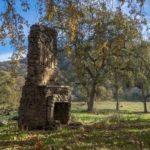
MINERAL KING
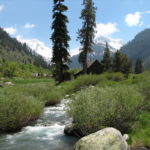
MOONEY GROVE PARK
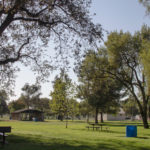
MORO ROCK STAIRWAY
MOUNTAIN HOME DEMONSTRATION STATE FOREST
NATIONAL PARKS TRAIL CREWS
NATIVE AMERICAN CONSERVATION

PEAR LAKE SKI HUT
PIXLEY NATIONAL WILDLIFE REFUGE

PIXLEY PARK

POGUE HOTEL
POST OFFICES: PORTERVILLE MAIN & VISALIA TOWN CENTER

QUINN RANGER STATION
QUINN RANGER STATION: Harry Quinn, the Early Sheep Industry, and the National Parks
REDWOOD MEADOW RANGER STATION
RIVER RIDGE RANCH & INSTITUTE