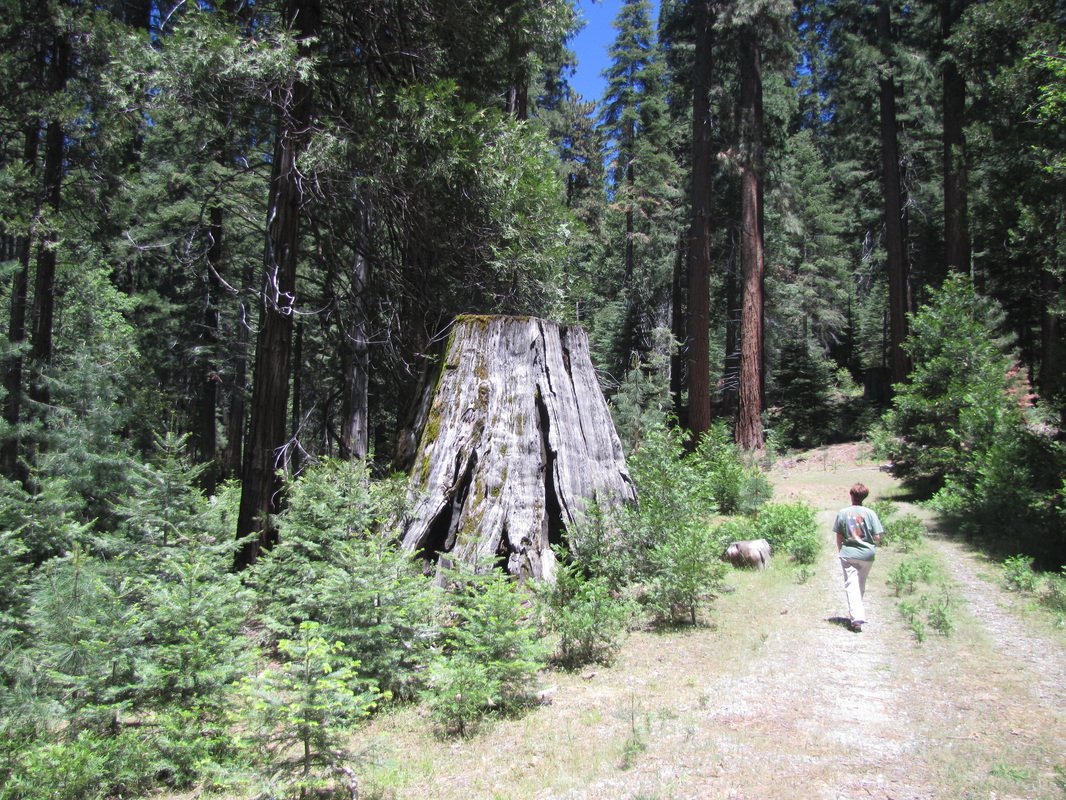
 Click on photos for more information.
The Story of Whitaker’s Forest
by John Greening
Located in a beautiful giant sequoia grove on Redwood Mountain, adjacent to Kings Canyon National Park, and now surrounded by Giant Forest National Monument, Whitaker’s Forest maintains the oldest permanent research plots (established in 1915) in California. There, the University of California, Berkeley’s (UCB) Center for Forestry studies vegetation, breeding birds, resident mammals, controlled burning, and giant sequoia growth and regeneration. At Whitaker’s Forest Research Station these types of studies will have been conducted for over one hundred years as of 2015.
In 1910, Horace Whitaker donated all 320 acres of Whitaker’s Forest to UCB, with the restriction that the land be “held in its present condition for forestry investigation and research.” Whitaker had moved from the East Coast to California in 1856, and to Tulare County in 1858. Near Orosi he established a stock ranch in Stokes Valley.
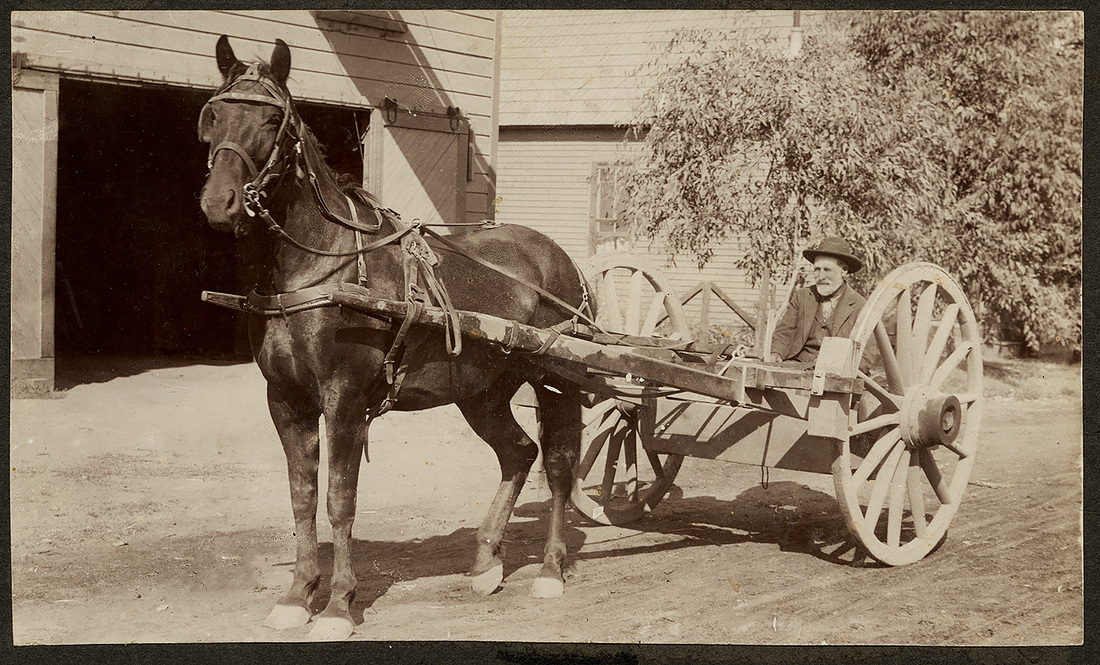
He was quite a colorful character, always driving a two-wheeled cart, forbidding dogs on his property, and sometimes putting up fences across roads. Even so, he acquired a significant amount of property. In a county tax lien sale in 1895, he bought the forested land at the end of the road leading up from Badger to the western slope of Redwood Mountain.
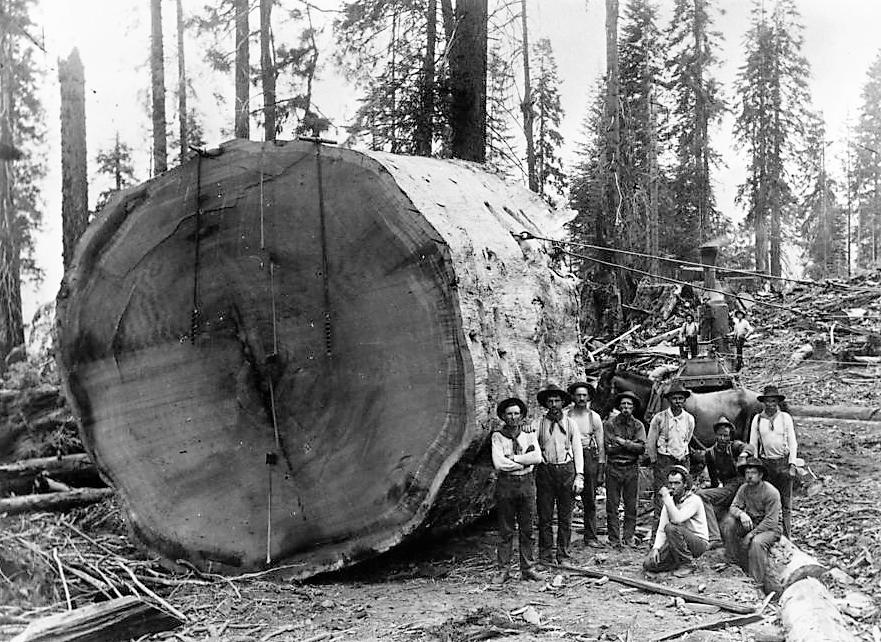
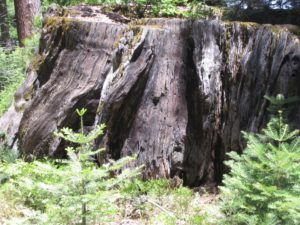
The land had been logged from 1870 to 1878 by the Hyde Mill, and Whitaker made rails and fence posts by hand from the large quantities of sequoia chunks that were left scattered over most of the property from the milling days. John Muir visited the area surrounding the Hyde Mill and Redwood Mountain in 1875 and was in awe of the magnificent trees and vistas, but was equally appalled by the mill’s “. . . forming a sore, sad center of destruction . . .” in the sequoia forest.
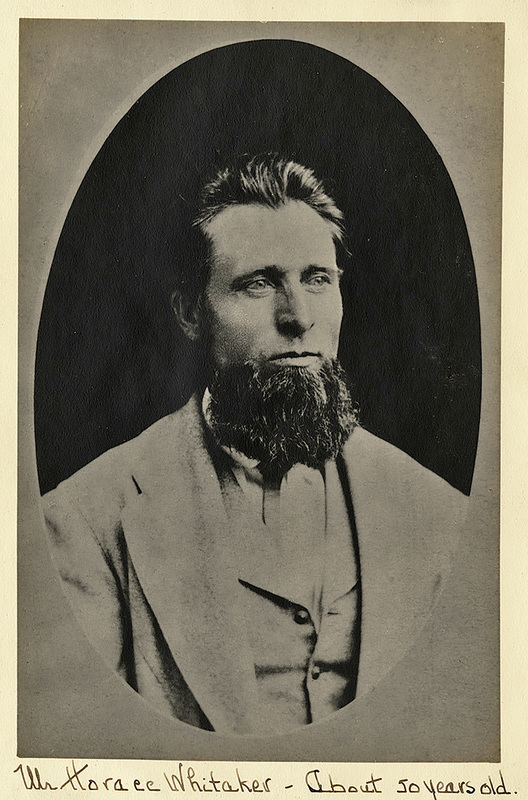
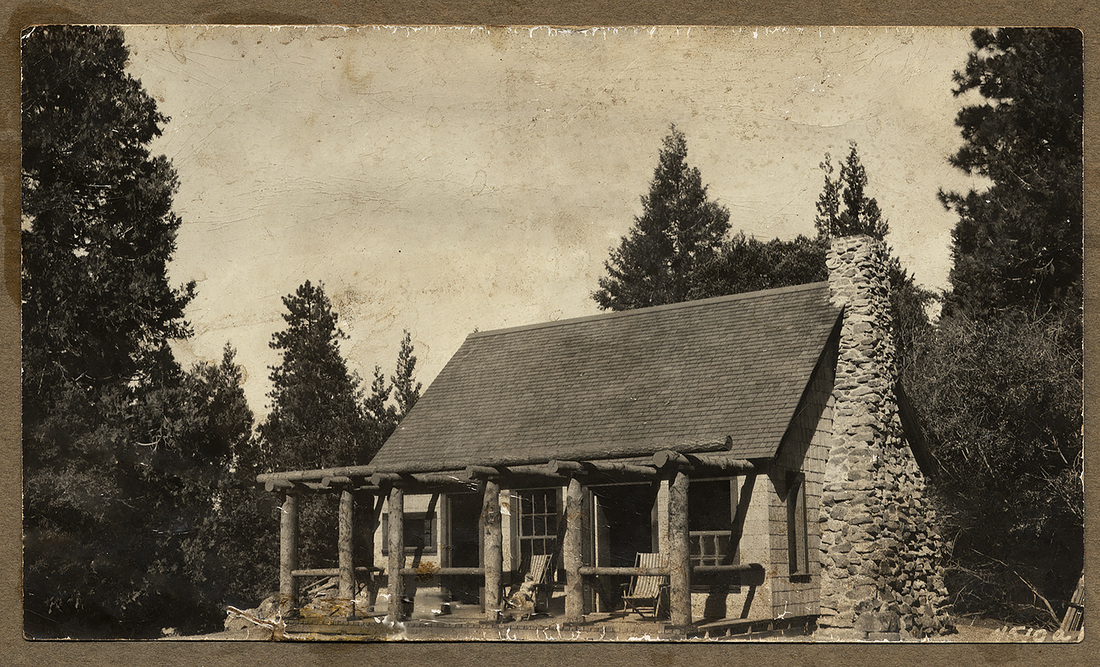
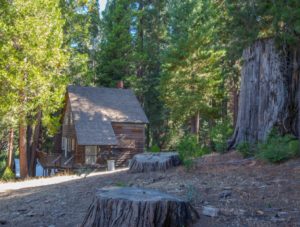
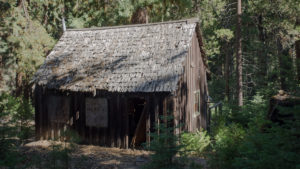
Whitaker built a cabin on the flat where the mill had stood. He became very attached to the property, spent time every summer there, and developed a strong sense of conservation and land stewardship. In 1910, in failing health, Whitaker met with the President of UCB to discuss donating his forest property to the university.
In August of that year a deed was created and signed, giving the university title to the property upon his death. Less than two months later, on October 16, 1910, Whitaker died and was buried on his ranch in Stokes Valley.
In 1914, the university’s Division of Forestry was established on the Berkeley campus, and in 1915, UCB professor Woodridge (“Woody”) Metcalf surveyed Whitaker’s Forest and began setting up study plots to monitor the growth within the sequoia groves. Some of these plots have been measured regularly ever since.
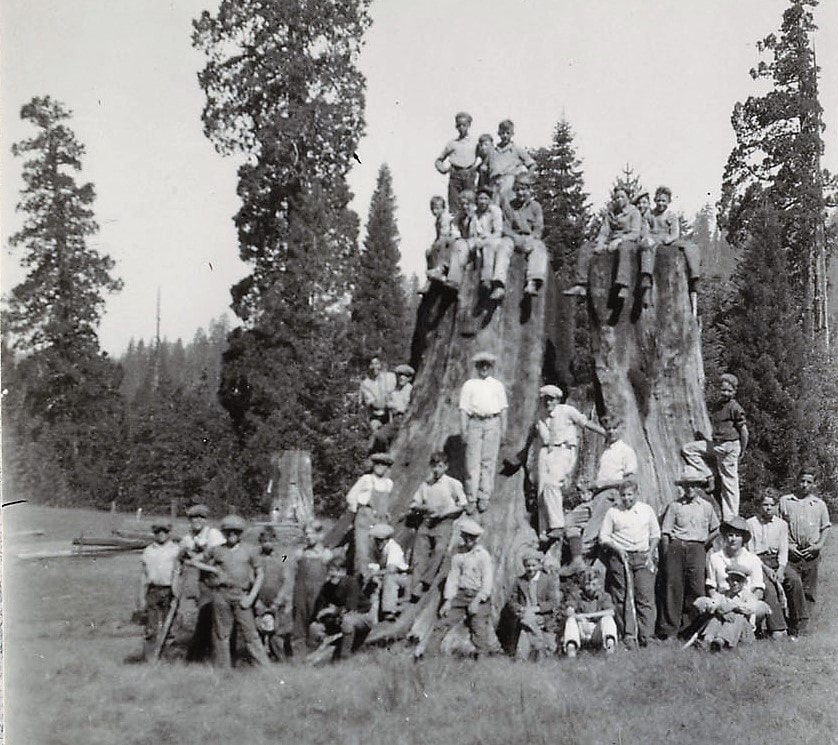
In 1926, Metcalf, along with the heads of 4-H organizations in Madera, Fresno, Kings, Tulare, and Kern counties, began to organize a summer youth camp at Whitaker’s Forest. They planned to educate the campers in forestry and conservation. Camping began in 1926, and in the late 1920s and 1930s the camp expanded to include multiple tent platforms, a bathhouse, and a swimming pool on the site of the old Hyde Mill.
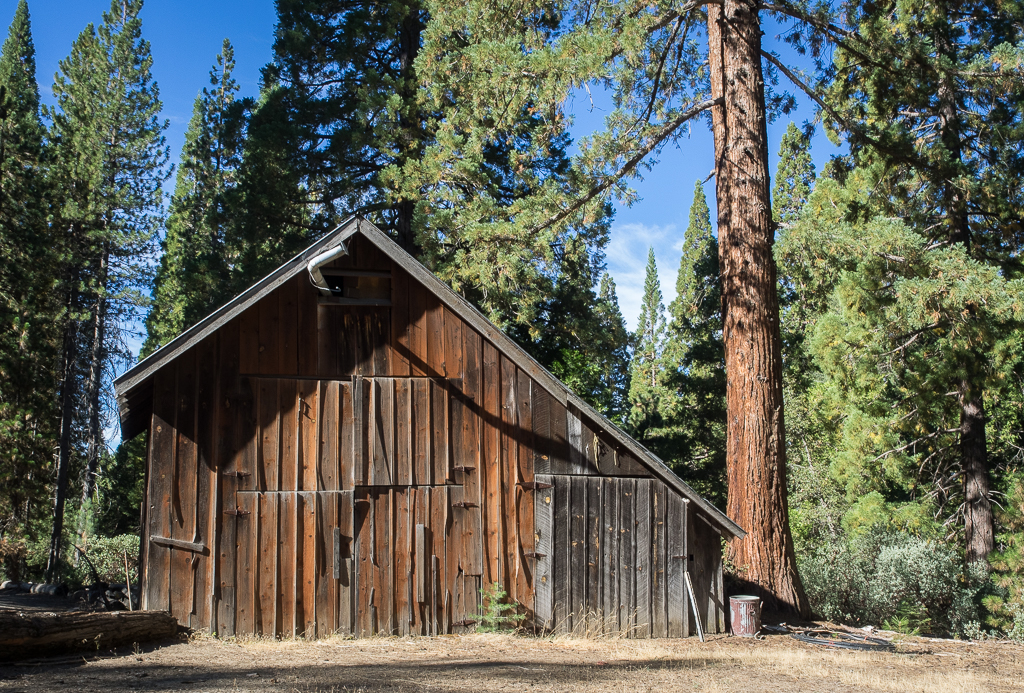
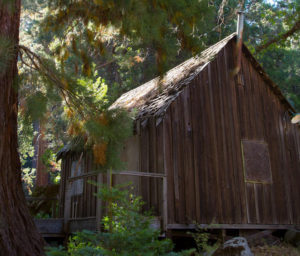
From 1945-1947, an additional camp site, the Bruin Camp, was developed on the northeast side of the road. Consisting of five buildings and 25 tent platforms, it functioned as a camp for children with diabetes. At their peak in the 1950s, the two camps served over 15,000 students a year. But the last camping season was in 1960, and in the fall of 1961, due to increasing health standards and safety concerns, and because the extensive development went well beyond Whitaker’s provision that his forest should remain a forest, almost all of the camp facilities were removed. Three cabins, a barn, two bathhouses, and a power shed from the camps remain.
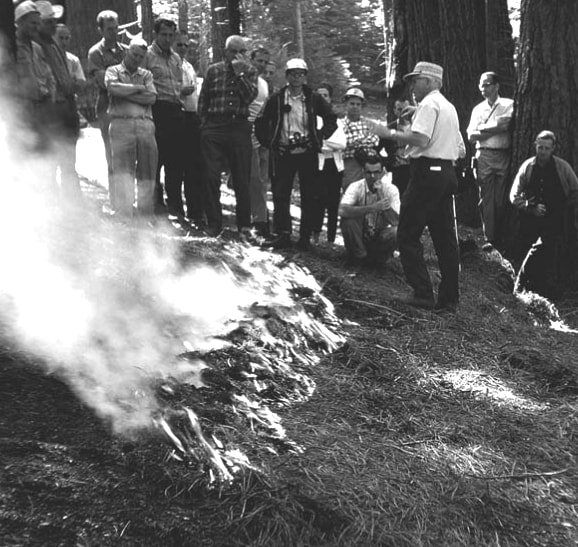
Until the early 1960s, the western national parks and national forests adhered to the old Smokey Bear philosophy of putting out all fires on the lands they managed, no matter where the fires occurred. In the late 1950s, however, Dr. Harold Biswell of UC Berkeley’s School of Forestry began research and an informational campaign that would change nearly everyone’s view of how best to manage these forests.
He and his students conducted what he called his “little burns” in the Whitaker’s Forest groves. This was the first research on the use of prescribed burns in western forests. Biswell tirelessly advocated for a more modern and beneficial method of dealing with fire in the forests, and now his doctrines are widely accepted among forest ecologists and forest managers.
Today, research continues at Whitaker’s Forest with the goals of providing methods on how best to sustainably manage sequoia forests while protecting the native flora and fauna that live there. In accordance with Horace Whitaker’s deed restrictions, the property is being maintained in its forested state in perpetuity, used for research and teaching. The public is allowed access free of charge (with reasonable regulations), but large-scale grazing activities are prohibited, along with selling or dispensing “whiskey or other intoxicating liquors.”
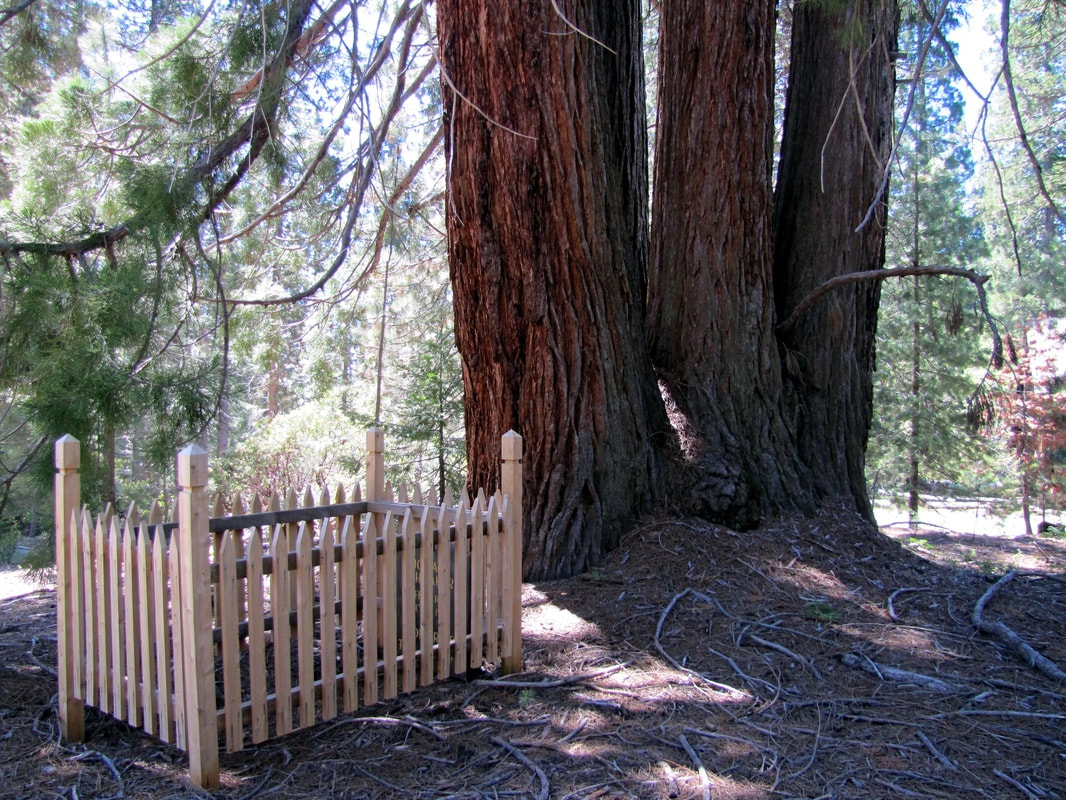
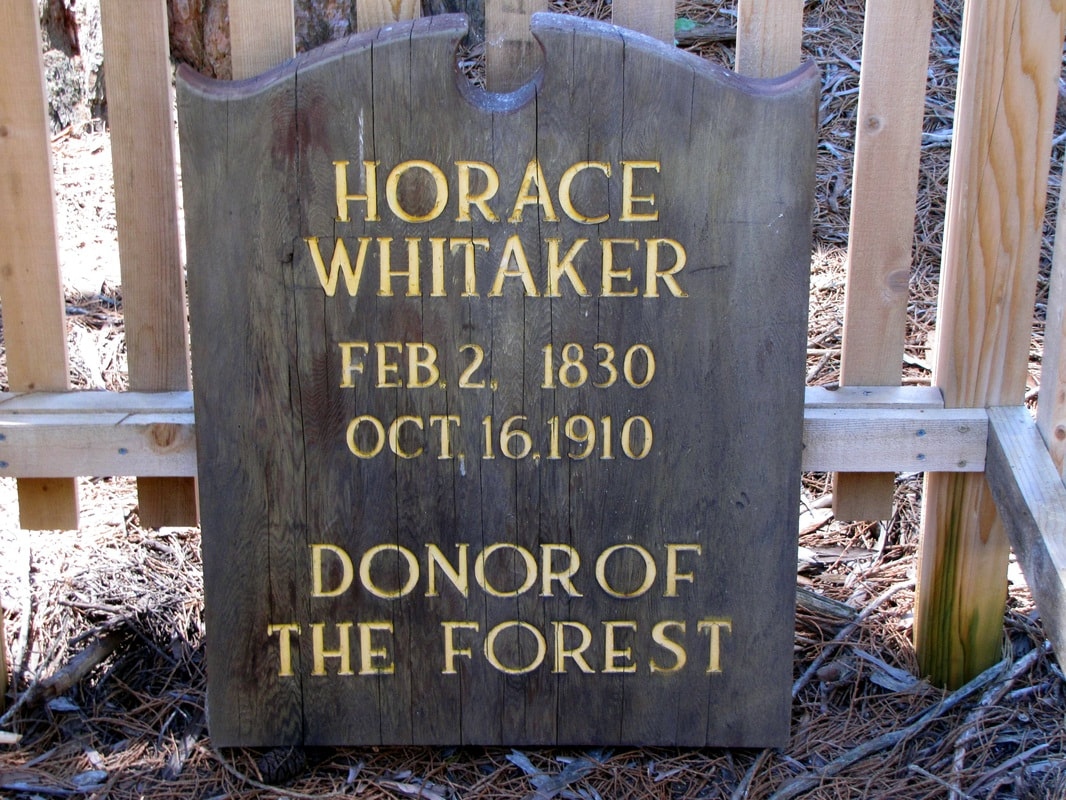
What a great gift Horace Whitaker gave to benefit his beloved forest, forestry science, and all the generations to come. You can stop and thank him for it when you visit, because, in 1936, at the request of his niece, his grave was moved from his old ranch to lie forever in his forest, beneath a fine group of young sequoias just where the road bends in the old mill clearing. There, inside a little picket fence, a sequoia wood marker commemorates “Horace Whitaker, Donor of the Forest.”
November, 2014
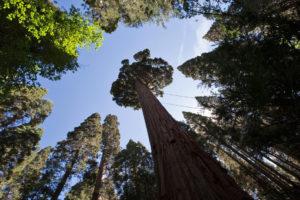
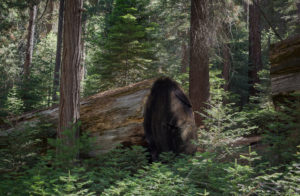
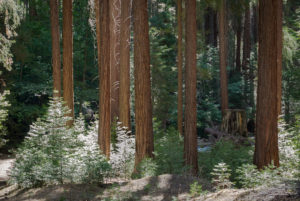
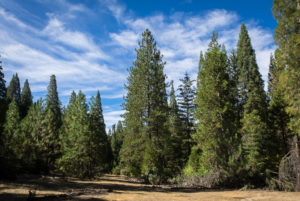
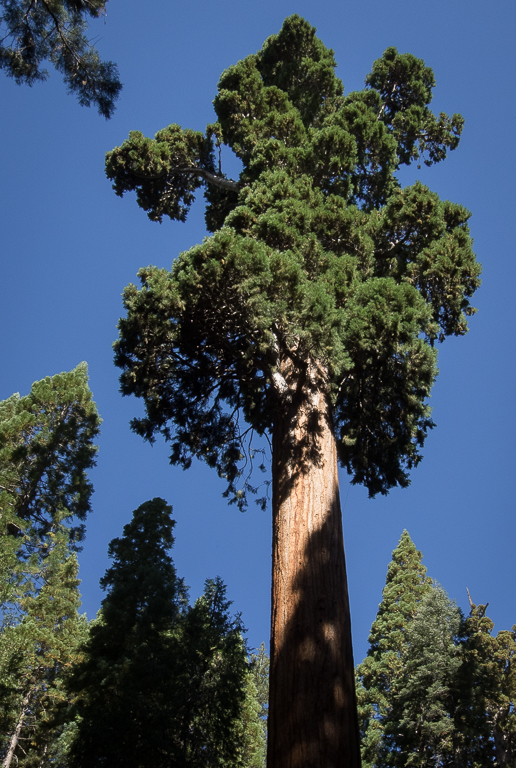
“Immediately to the south of Hyde’s mill the mountain crest is crowned with a close continuous growth of the finest big trees I had ever seen. Their noble forms [are] exquisitely outlined on the blue sky, while all the slopes leading from the very bottom of the canyon are densely forested with the same exuberant growth. The finely curved, dome-like summits of almost every tree are seen rising regularly above one another in most imposing majesty.” — John Muir
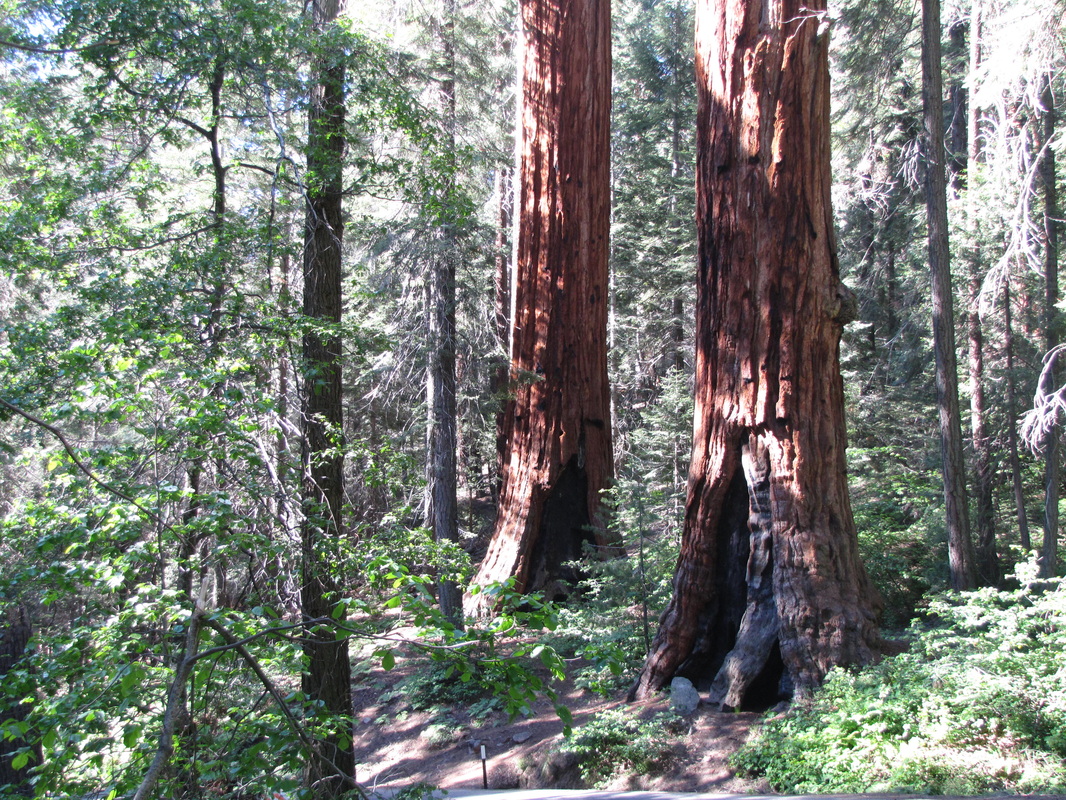
“The Redwood Mountain area, of which Whitaker’s Forest is a part, was considered by John Muir to be one of the finest giant sequoia groves. The huge giant sequoia trees were interspersed with other conifer species. The Forest had a clean, open, park-like appearance which was maintained by periodic fires.” — University of California, Berkeley, Center for Forestry
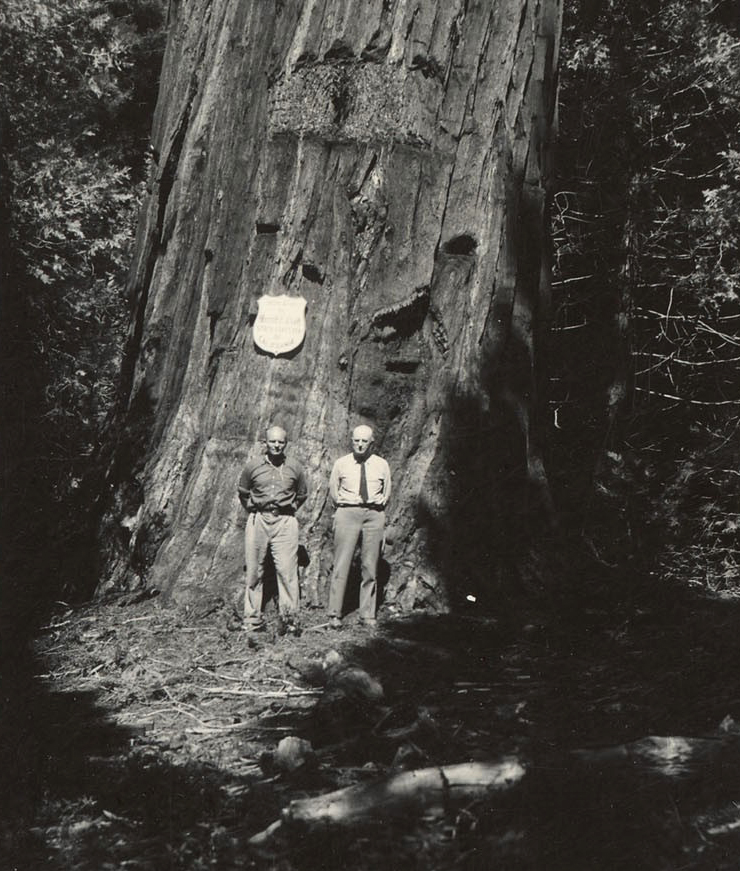
“[T]he forest was donated to the University four years before there was a forestry program at UC! The first UC representative to set foot on the property was Professor Woodbridge Metcalf in 1915, together with soon-to-be state forester Merrit Pratt. They surveyed in the property lines and established five permanent growth plots to document the growth of the plentiful 30- to 40-year-old giant sequoia regeneration that varied in height from 6-50 feet tall. Subsequent remeasurement has shown that the . . . tallest are over 200 feet tall, with the largest having a diameter of 82.6 inches.” — Frieder Schurr, 2000
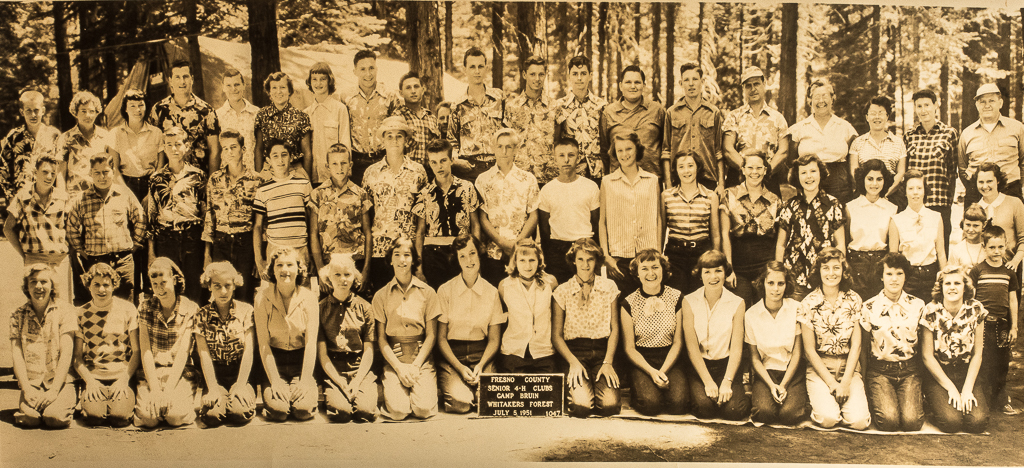
“In 1927 after the construction of a new road by the Forest Service, a start was made on what is now the finest 4-H club summer campsite in the entire State . . . enjoyed by thousands of boys and girls from the five southern San Joaquin counties.” — Woodbridge Metcalf, 1938
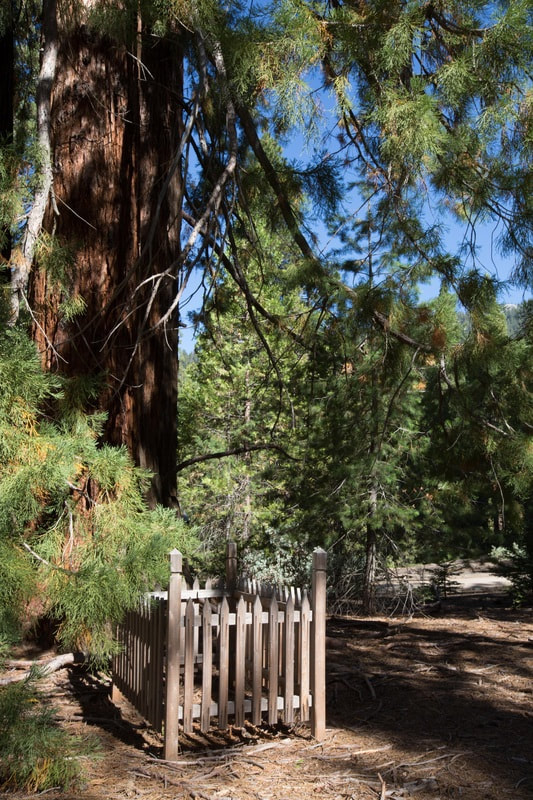
In 1938, Whitaker’s niece, Mrs. Lillian Jensen Page, of Sultana, arranged to have Whitaker’s body moved from Orosi to “a shaded spot in the forest he loved so well.” “The new grave was dug in the shade of a beautiful clump of young sequoia trees which are known as the Whitaker’s Pride group. He is said to have surrounded them with a picket fence when he first acquired the property so that they might be protected from injury by bands of cattle being driven to and from the mountain pastures.” — Woodbridge Metcalf, 1938
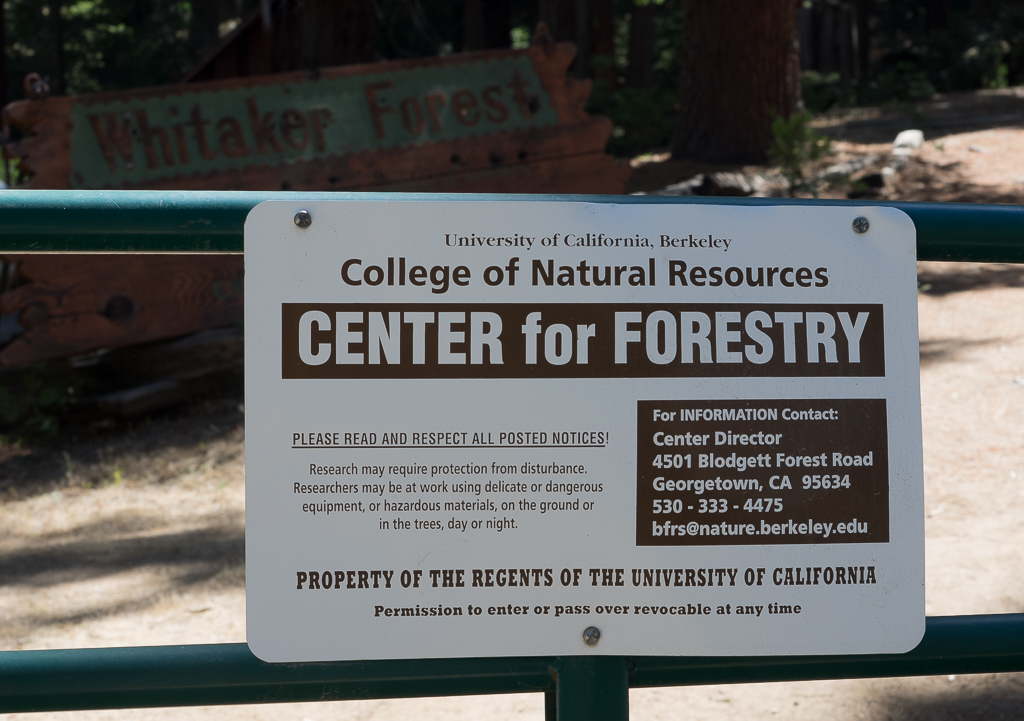
“The objective for the management of WFRS [Whitaker’s Forest Research Station] is to provide a location for research in forestry and related fields of natural resources by graduate students, faculty, and scientists from universities as well as public and private agencies. Research is expected to advance disciplines’ fields of knowledge by providing insight into theory, methodological practice, or application to management of mixed conifer-giant sequoia ecosystems.” — University of California, Berkeley, Center for Forestry, Policy for Use of Whitaker’s Forest Research Station
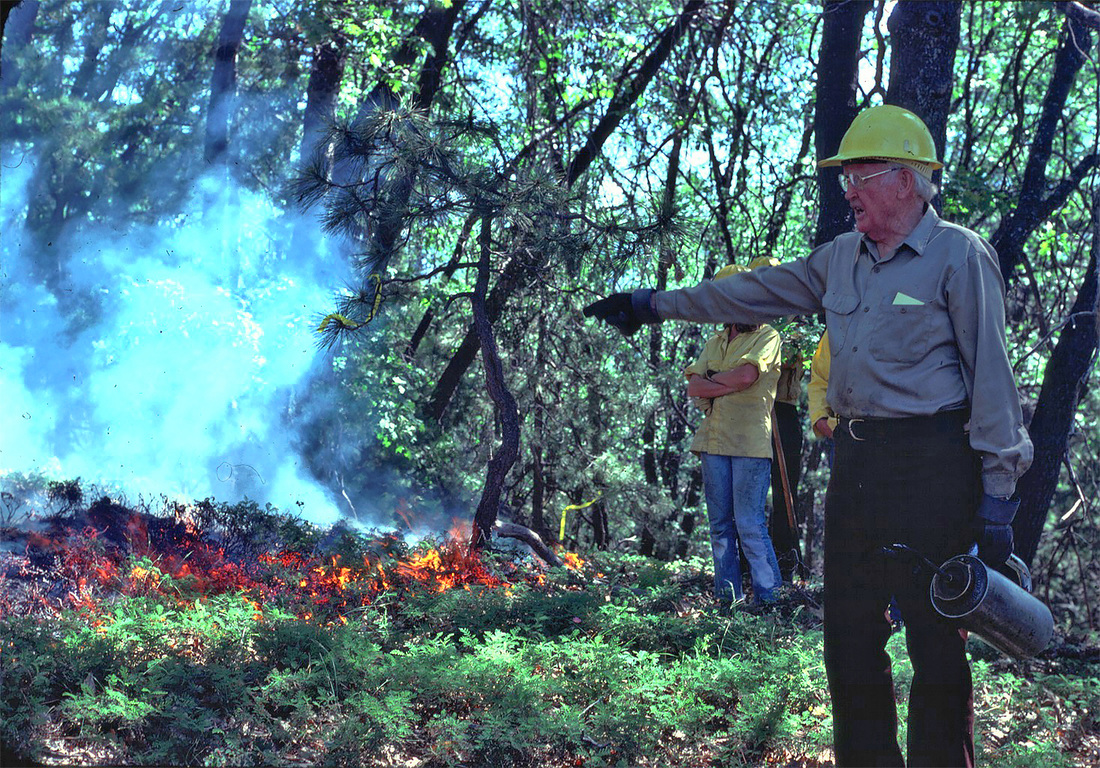
The first research into the role of fire in western forests happened in Redwood Canyon. Dr. Harold Biswell conducted research for UC Berkeley in Whitaker Forest. He took students into the field, a believer that the only way to teach about fire was to experience it. . . .” — Deb Schweizer
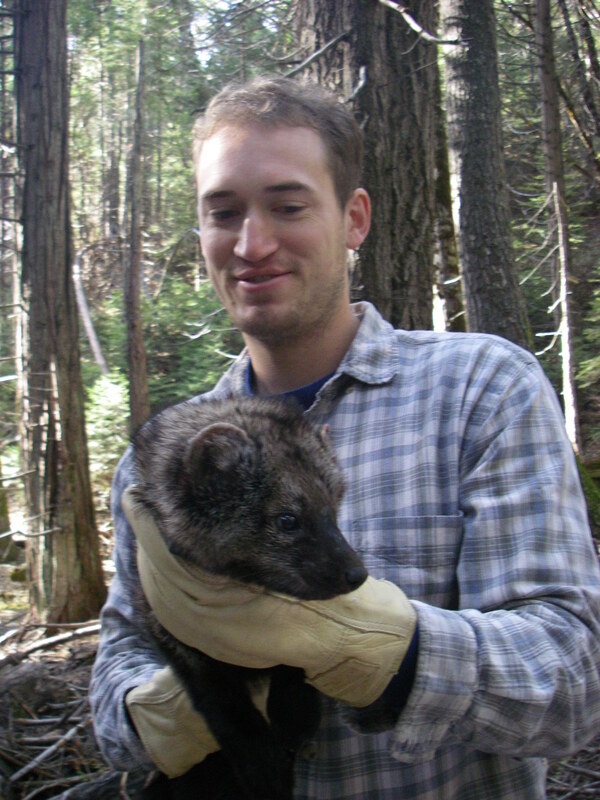
“Twelve species of mammals, three of reptiles, and 44 of birds (including spotted owls) were identified during the wildlife surveys in 1999.” — Frieder Schurr
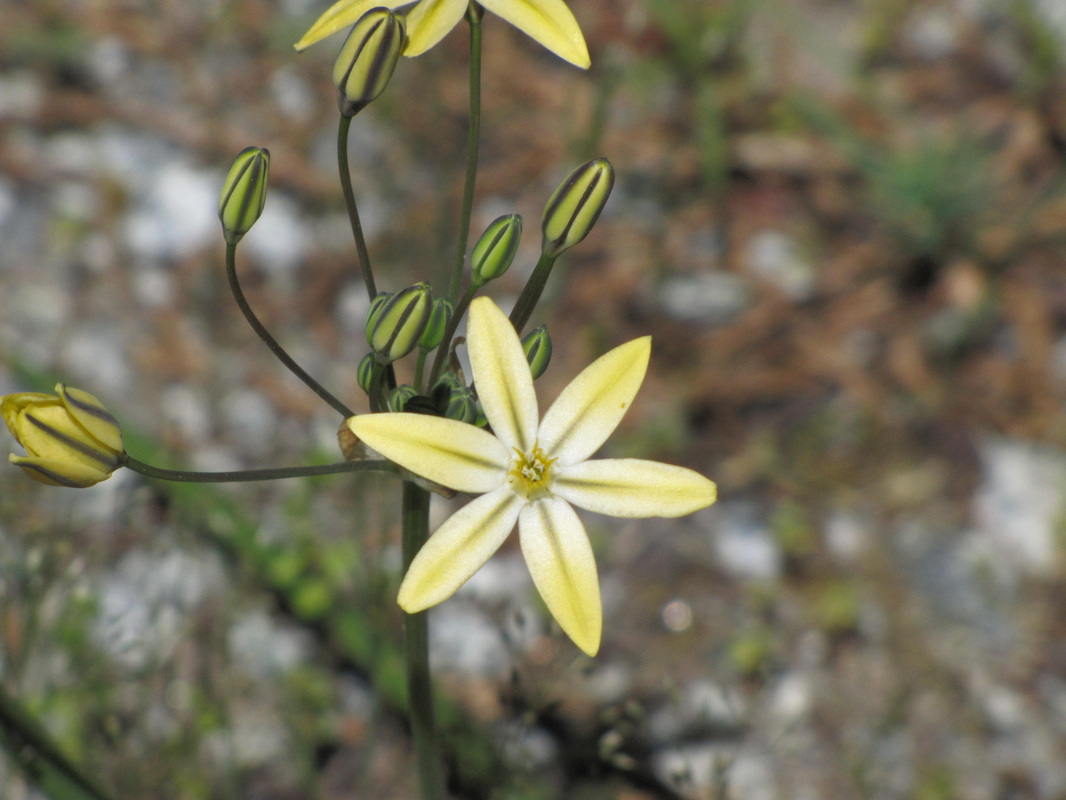
“It is the intent of the Center to manage WFRS such that these natural resources are conserved for future research in perpetuity. . . . the best known available management practices will be utilized to maintain and, where feasible, improve the capability to produce: beneficial uses of water, wildlife habitat, protection of historic and pre-historic cultural sites, wood products, aesthetic quality, and recreation.” — University of California, Berkeley, Center for Forestry
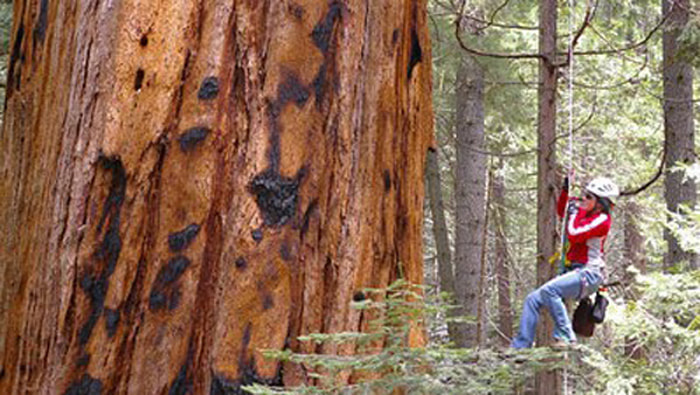
“[T]he research activity on Whitaker’s is rapidly increasing. Momentum is added by research interests from Kings Canyon/Sequoia National Parks and from being surrounded by the newly formed Sequoia National Monument. . . . We look forward to a bright future in which UC will be leading research in giant sequoia ecology and management.” — Frieder Schurr
Directions:
GPS: 36.707241,-118.9323281; on USGS General Grant Grove topo
NOTE: RVs over 22′ should not attempt the drive to Whitaker’s Forest.
From Visalia, take Hwy. 198 east to Lemoncove. Turn left onto Hwy 216, toward Woodlake. In about 1/2 mile, turn right onto J21/Dry Creek Rd. and follow it toward Badger. Approaching Badger, take Rd. M465/Whitaker’s Forest Rd. toward Sierra Glen and Eshom Campground. At the junction with Rd. 469/FS14S75, follow FS14S75 past the driveway to Eshom Campground and go about one mile farther to the entrance to Whitaker’s Forest. Park on the side of the road across from the entrance gate.*
To make a loop trip back to Visalia: when you’ leave Whitaker’s Forest, continue uphill on Forest Road 14S75 (dirt road) toward Redwood Saddle, Quail Flat, and the Generals Highway. At the junction with Generals Hwy, turn right to return to Visalia via Sequoia National Park and Three Rivers (Hwy 198), OR turn left to return via Kings Canyon National Park and Hwy 180 west to Hwy 63 south to Visalia.
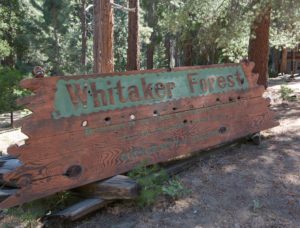
*(NOTE: The big wooden Whitaker Forest sign was stolen in about 2020! It has not been found or replaced. If you know where it is, please Contact Us.)