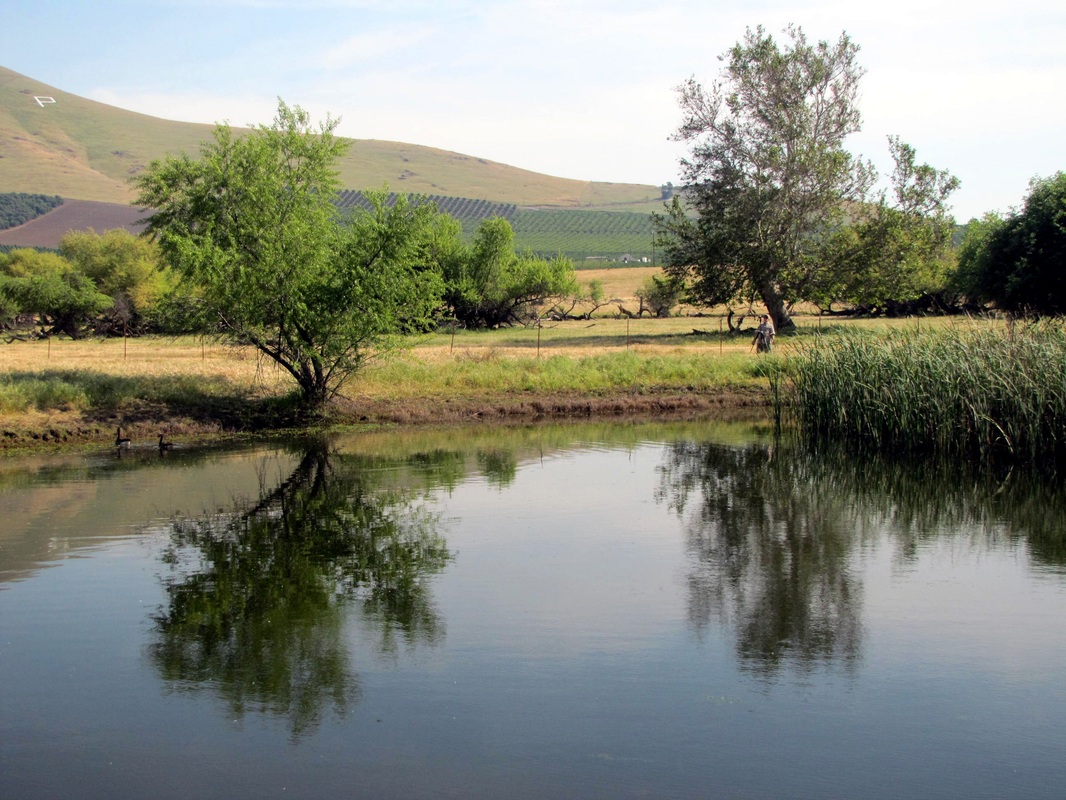
Click on photos for more information.
The Story of Yaudanchi Ecological Reserve
by Paul Hurley
Earth Day was still an infant, and the modern environmental movement was just getting its legs when the Yaudanchi Ecological Reserve was created in 1975.
Back then, when most people probably couldn’t define the word “ecological,” the folks at the California Department of Fish and Game (now the California Department of Fish and Wildlife) noticed that a patch of unused former Tule River bottomland near the Porterville State Hospital was a popular breeding site for great blue heron, a wading bird partial to wetlands and the largest species of North American heron.
That recognition became the starting point for a remarkable collaboration of interests that included the Tule River Indian tribe, state and local office-holders, local environmental activists, the Boy Scouts, the hospital, local farms and businesses, water districts, and many volunteers in creating a nature preserve.
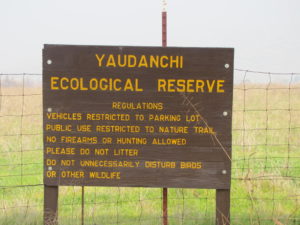
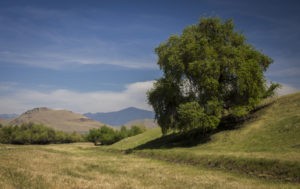
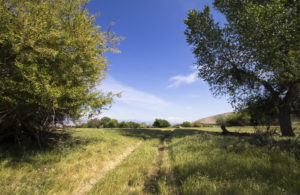
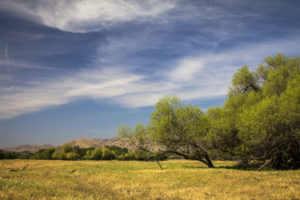
Today, the Yaudanchi Ecological Reserve continues to live up to its name on 164 acres adjacent to what is now called the Porterville Developmental Center. The account of how the site was defined and preserved comprises a series of changing players, fits and starts, and shifting motivations. The end result is a rarity in Tulare County: A sizable tract of foothills valley rangeland that is left almost entirely to the designs of nature, where indigenous animals, native plants, a pond, remnants of a riparian woodland, and migrating birds constitute the main attractions, and the public is welcome to walk among them.
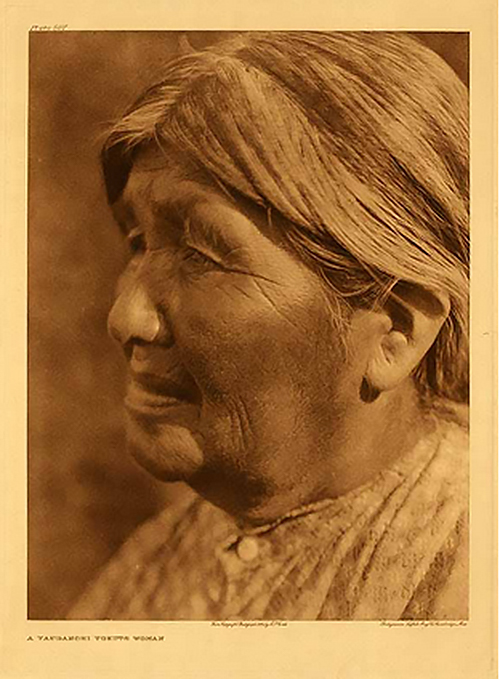
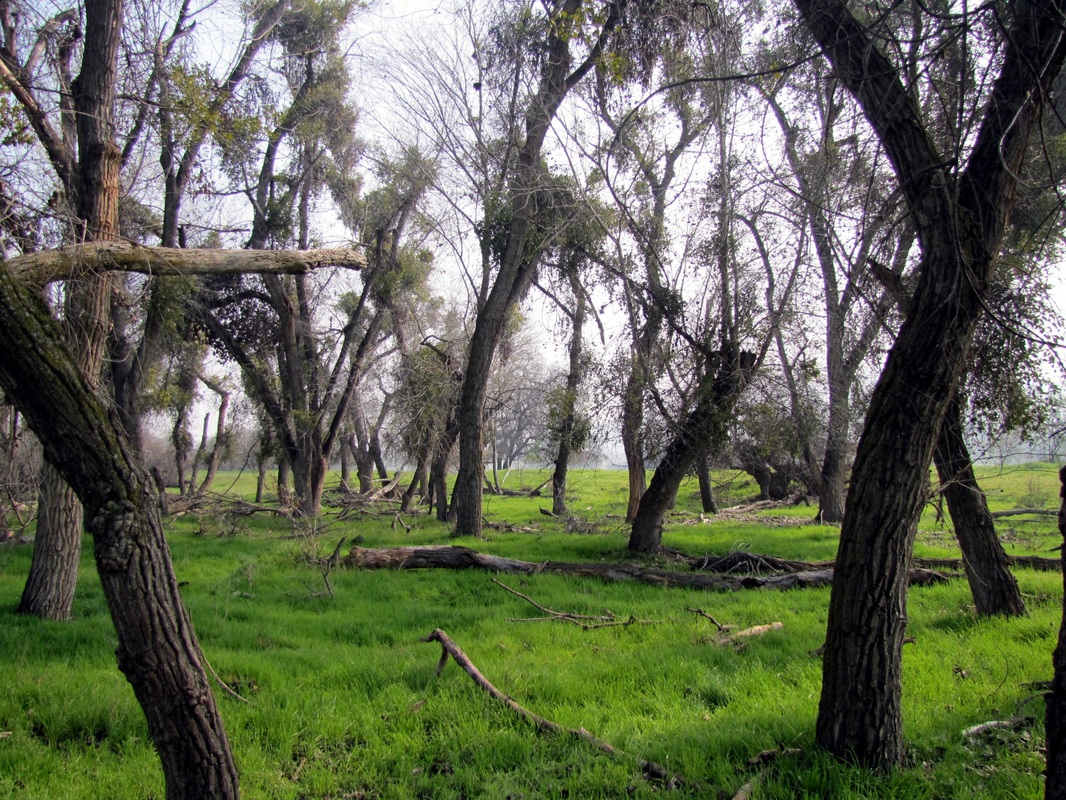
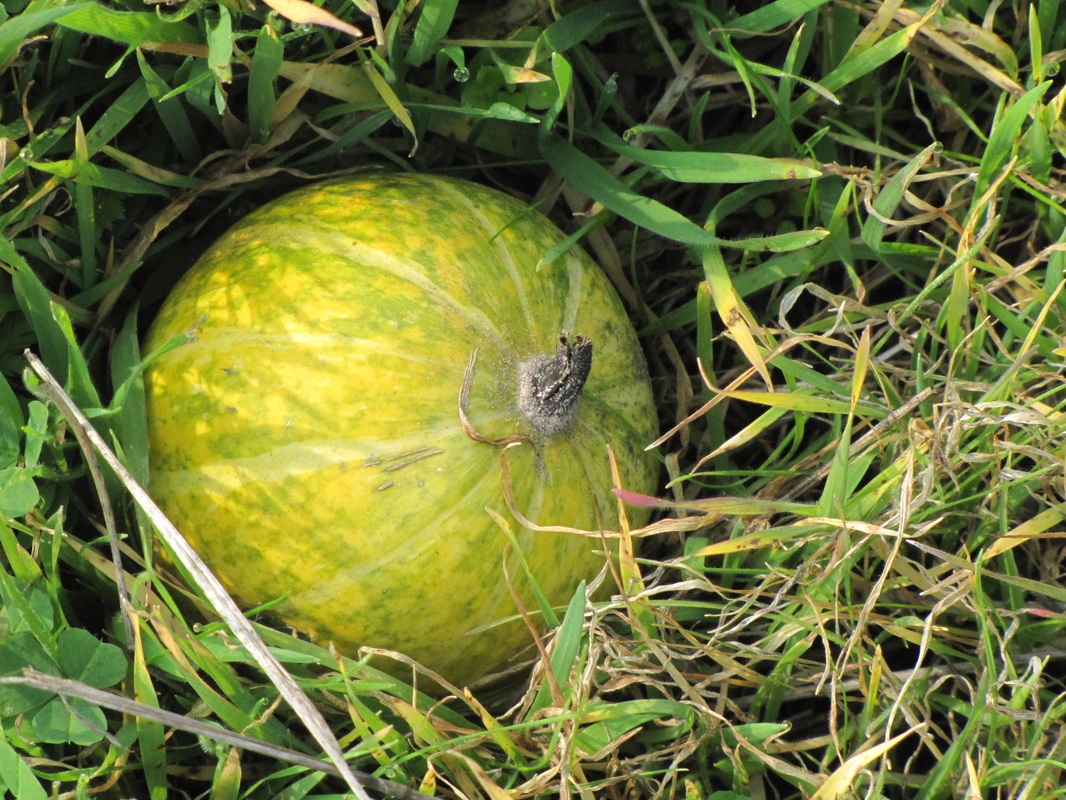
The Yaudanchi site was owned for many decades by the Porterville State Hospital, housing its sewage treatment plant and related buildings. But by the 1970s, those buildings were long gone, and the land had reverted to a wild, vacant tract. Thus, in 1975, the state of California announced its intentions to sell as surplus property the unused 88 acres next to the hospital.
The movement to make this land a preserve was initiated by a rookery of great blue heron, the Porterville Garden Club, and the Tule River Indian tribe. The Garden Club was the first to identify the site as the home to a sizable rookery of the huge birds. The Tule River Tribal Council named the site “Yaudanchi” as homage to the original native Yaudanchi Yokuts residents of the Porterville area.
Several local interests, including the Porterville Environmental Council, mobilized to preserve the heron rookery. Among community groups that joined were two local water districts, the Tea Pot Dome Water District and the Vandalia Water District; the local chapter of the Safari Club; the Boy Scouts; and eventually the Friant Water Users Authority and the California Department of Fish and Game.
An important development occurred in October, 1975, when the Porterville State Hospital advisory committee supported a resolution for a wildlife reservation and heron rookery on the property. Made up of prominent citizens and health-care professionals from throughout the San Joaquin Valley and beyond, the committee included Dr. Jack Ramos of Fresno, Sue B. Ely of Tulare, Helen Hansen of Menlo Park, Margaret Foley of Visalia, and Howard Smith of Porterville. Medical Director Dr. James T. Shelton welcomed the resolution and suggested the property be sold to a non-profit for $1.00 so that it would remain preserved.
The plan, however, needed the approval of the state Legislature. In early 1976, the Porterville Recorder reported that Assemblyman Gordon Duffy said the state would not sell the property but would retain it as a heron rookery.
By then, a great number of groups were supporters, notably the Sierra Club; the American Association of Retired Persons; the American Association of University Women; the Audubon societies of Tulare, Kern, and Fresno counties; the Tulare County Board of Supervisors; the Porterville City Council; and the Porterville Farm Bureau.
In mid-1976, the finishing touches were put on an agreement that would preserve the Yaudanchi property in perpetuity as a nature reserve. The agreement maintained that the preserve would continue to be owned by the state of California and managed by the Department of Fish and Game.
For most of the next 20 years, however, there was little management, and severe drought in the 1980s devastated the grove of cottonwood and sycamore trees that was essential to the blue heron rookery. The big birds began moving away.
Yaudanchi started on the road to its current status as a true ecological reserve with a couple of related developments in the 1990s. First, the California Sierra Chapter of Safari Club International, an organization that was among Yaudanchi’s original supporters, began some management of the site, promoting wildlife and restoring habitat.
Then in 1997, the Department of Fish and Game received a $20,000 grant from the U.S. Bureau of Reclamation to make improvements in the site’s water supply, including lining some ponding basins and directing water to and from wetlands habitat. The Sierra Safari Club matched the grant with $10,000 of its own and donated more than 400 volunteer hours to developing the site.
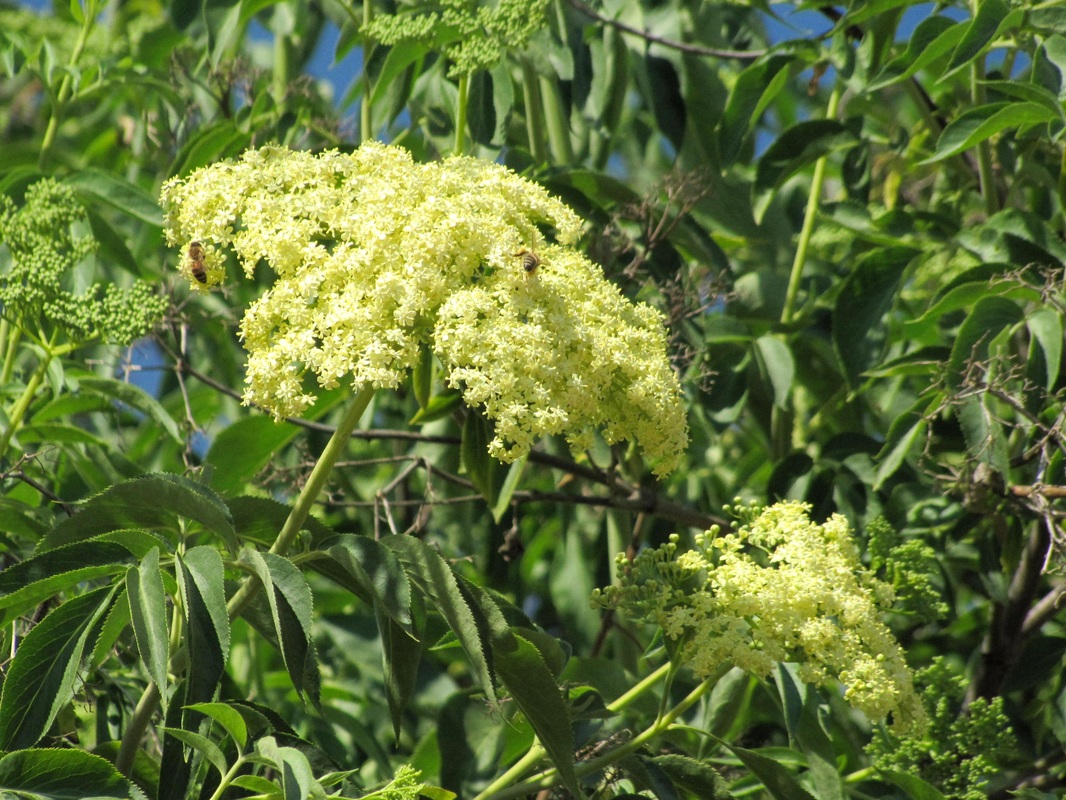
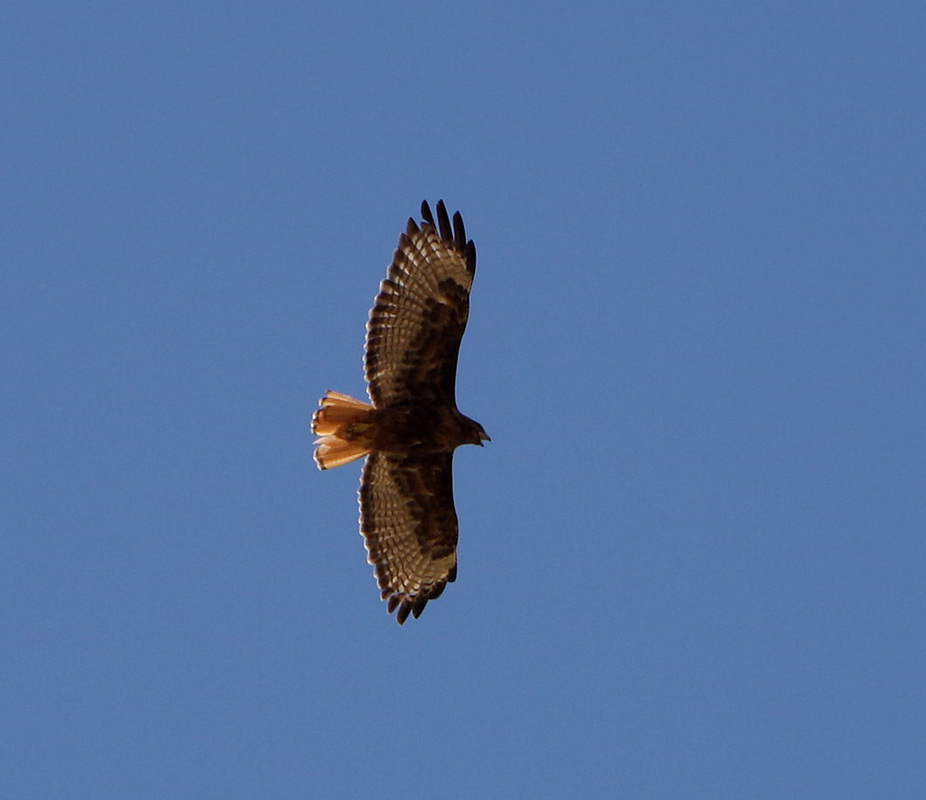
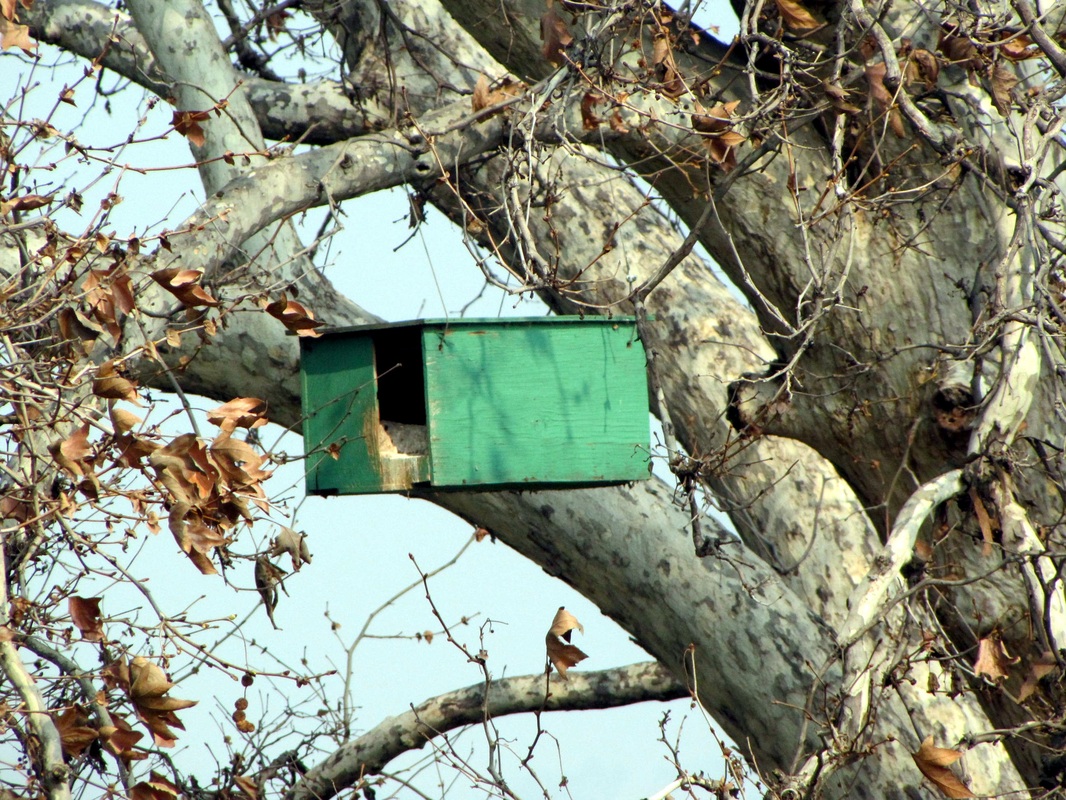
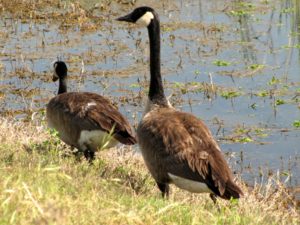
By that point, Fish and Game wildlife biologists noted that Yaudanchi was already a valuable habitat for wildlife, including bobcats, ducks, the San Joaquin kit fox, several species of hawks, great horned owls, and various wading and shore birds, including migrating species.
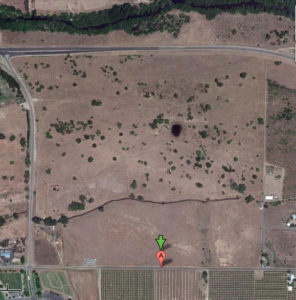
The reported size of the Yaudanchi Ecological Reserve has fluctuated over the years, because an exact survey was never made and some land was added to the original site. Several sources identified it as 88 acres in 1975. The city of Porterville’s current general plan site map defines it as 164 acres, slightly more than a quarter section.
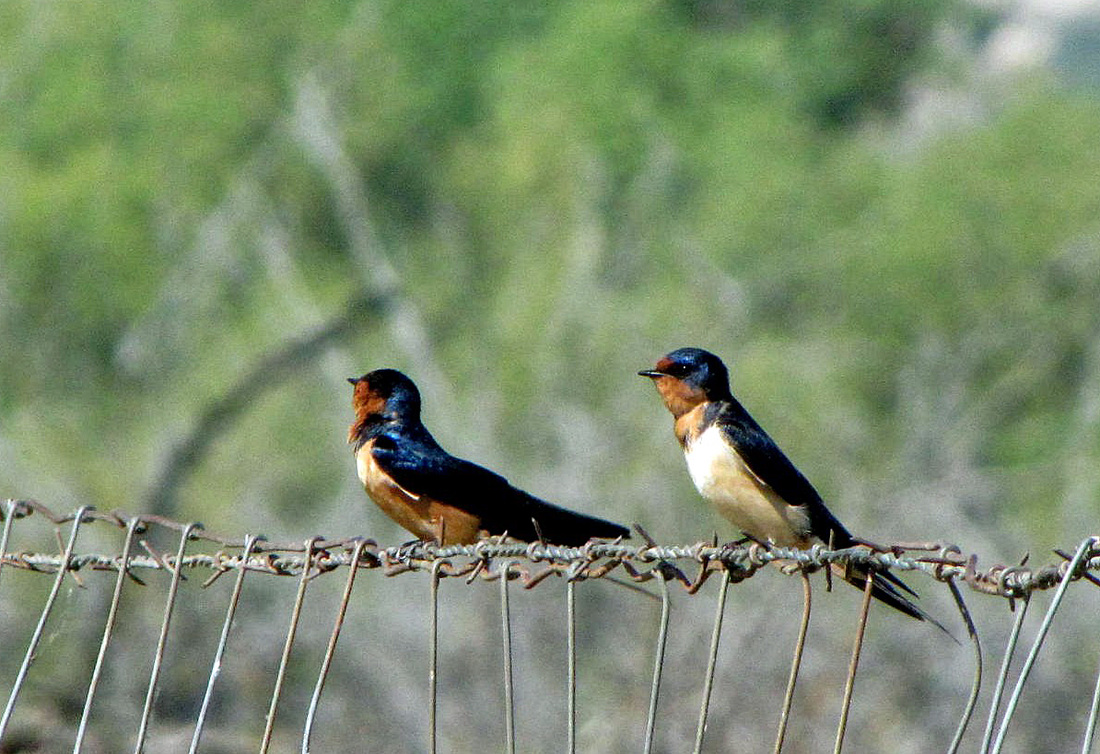
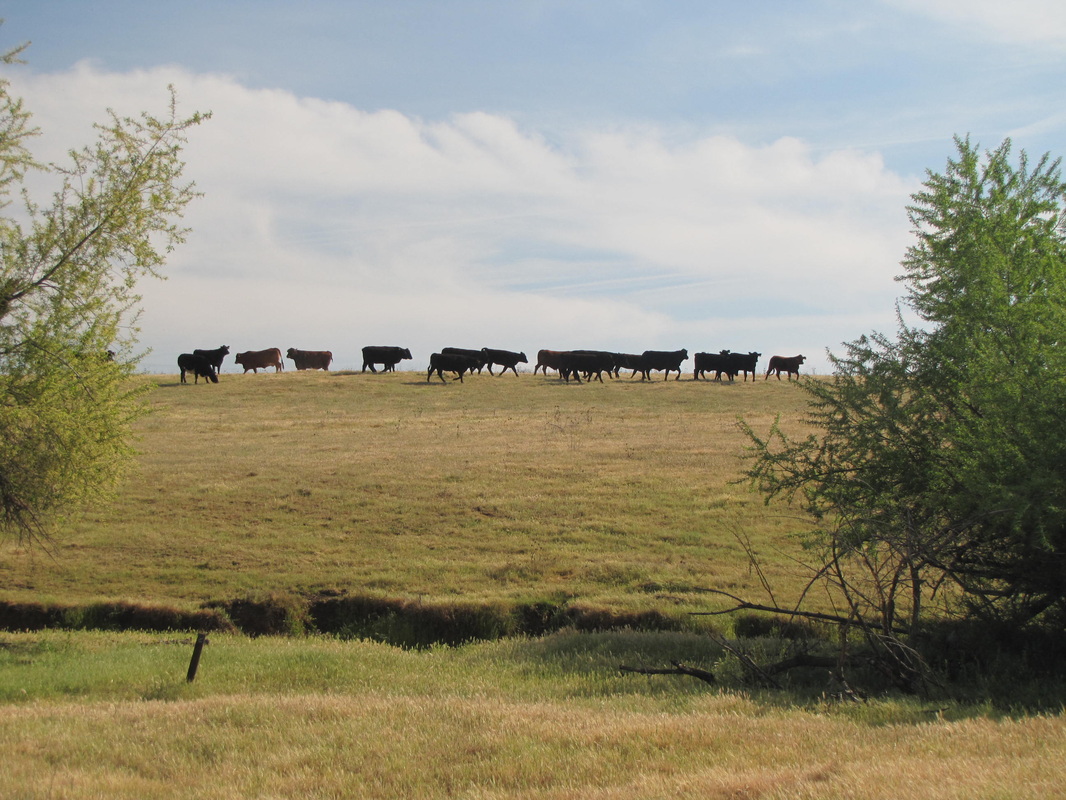
The reserve also has continued to receive assistance. The Safari Club has worked to create habitat for many local birds and animals (more than 75 species) as well as migrators. Community groups and schools are invited to help by planting trees and other vegetation. The Tule River Parkway Association donated hundreds of oaks. Volunteers from organizations such as WildPlaces have periodically removed non-native invasive species. Managed uses include cattle grazing and groundwater recharge.
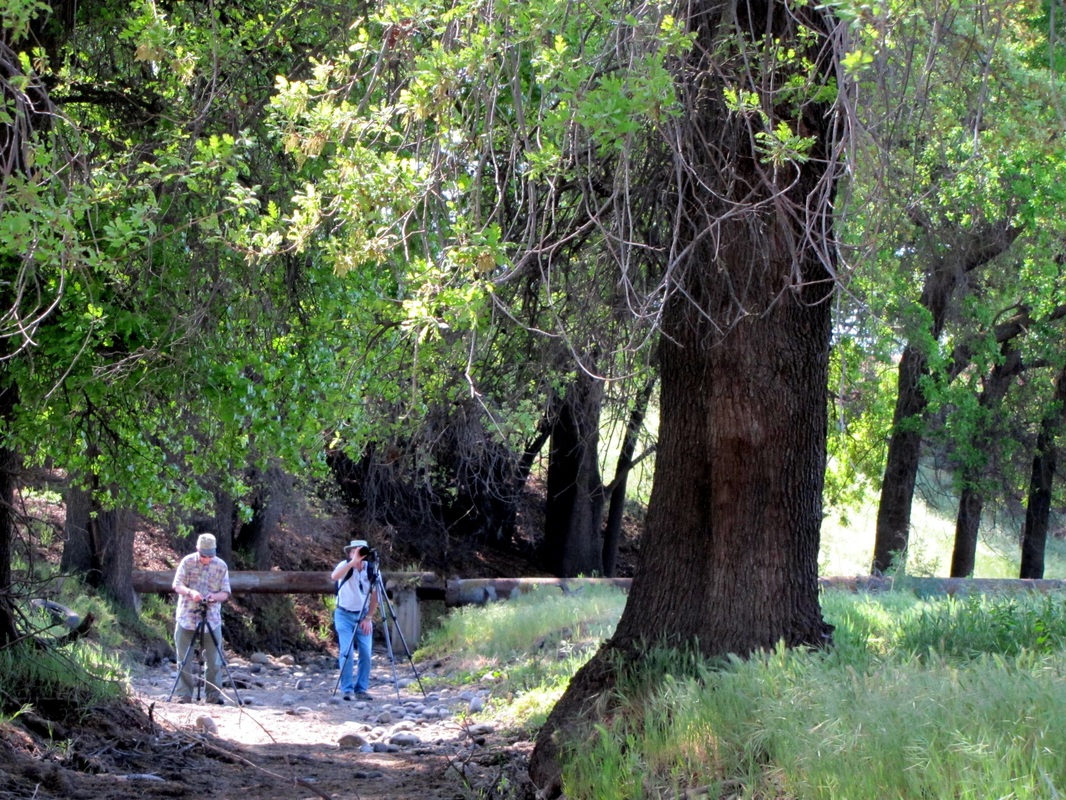
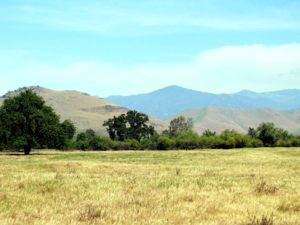
Today, Yaudanchi Ecological Reserve enables us to amble through a landscape that after many years and many changes once again resembles this countryside as it appeared over a hundred years ago, now managed to abet the land’s service to nature. Visitors are invited for nature walks, bird-watching, field studies, photography, volunteering, and exploring the habitat of one of the San Joaquin Valley’s natural treasures.
June, 2013
2017 Update: Yaudanchi Ecological Reserve is currently closed to the public. Its status as an Ecological Reserve and as a TCT Treasure is to be determined. As the TCT Project team learns more, we will post further updates.
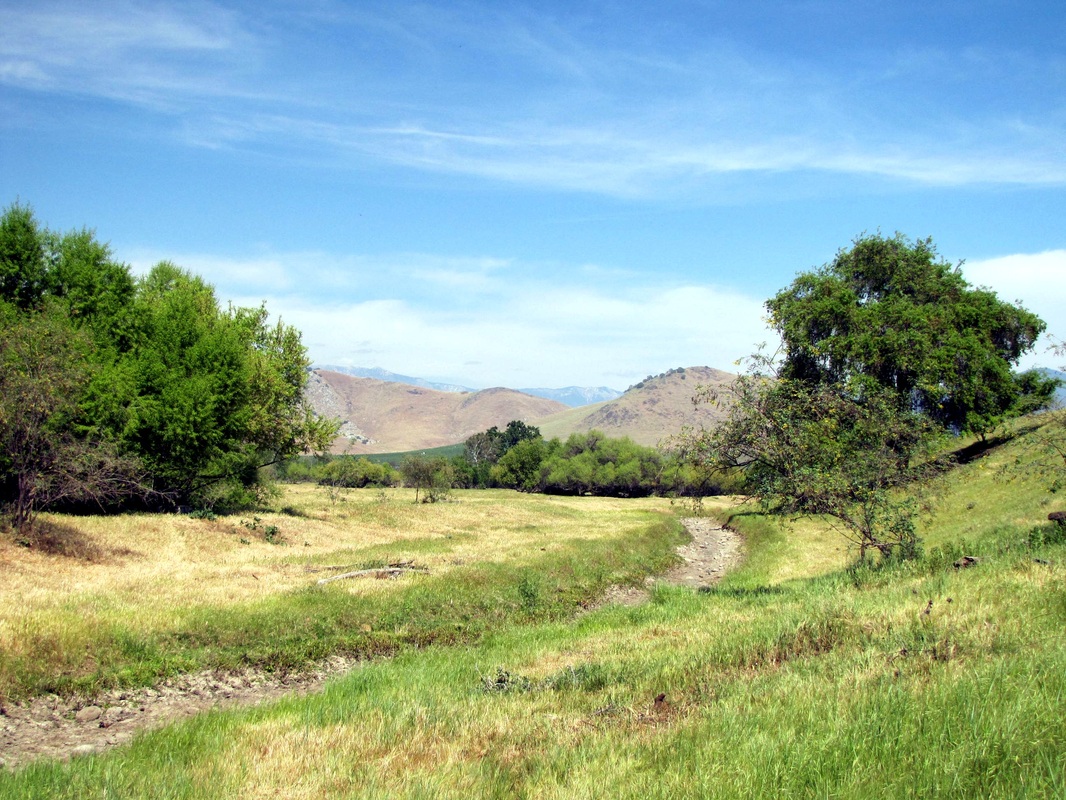
“Our duty is to use the land well and, sometimes, not to use it at all. This is our responsibility as citizens, but more than that, it is our calling as stewards of the Earth. Good stewardship of the environment is not just a personal responsibility; it is a public value. Americans are united in the belief that we must preserve our natural heritage and safeguard the land around us.” — George W. Bush
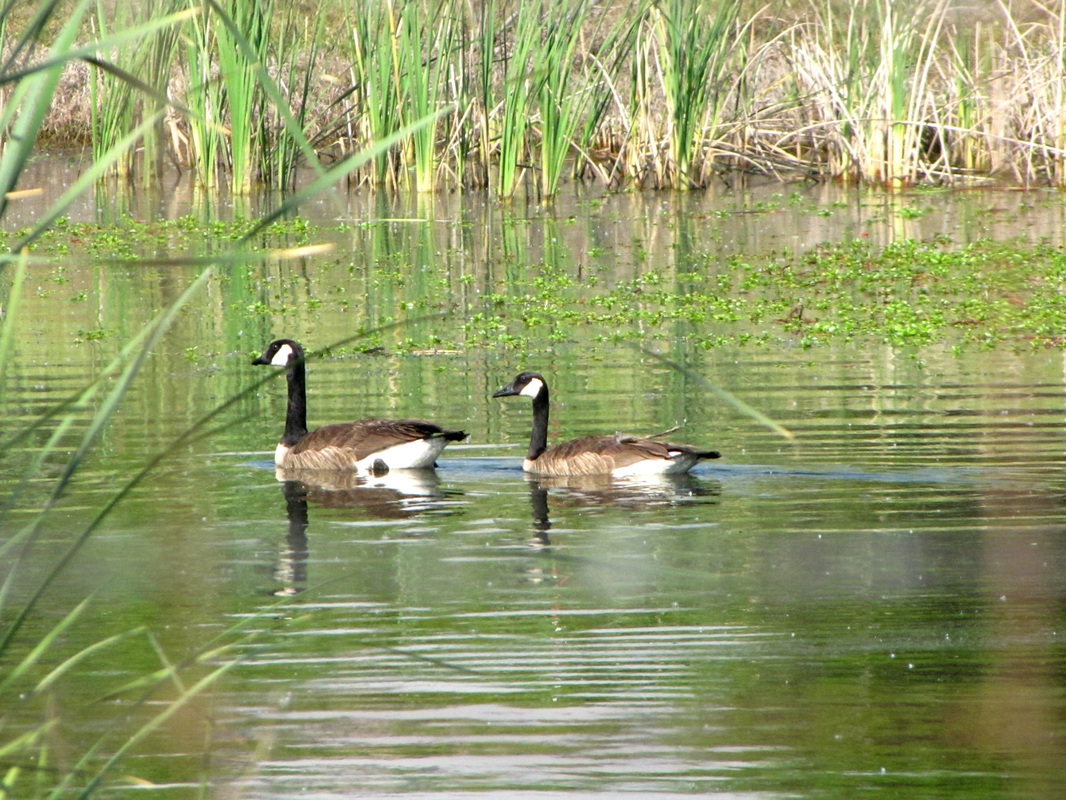
“As recent[ly] as a hundred years ago, the Yaudanchi Ecological Reserve in California’s San Joaquin Valley was part of the lush, watery home of the Yaudanchi Indians. A rich riparian habitat filled with deer, coyotes, foxes and bobcats flourished alongside the perennial Tule River. Adjacent to the river, a vast alluvial floodplain hosted a wetland oasis for millions of native and migrating waterfowl . . . that stopped over during their winter trip down the Pacific Flyway.” — “Safari” magazine, March/April 1998
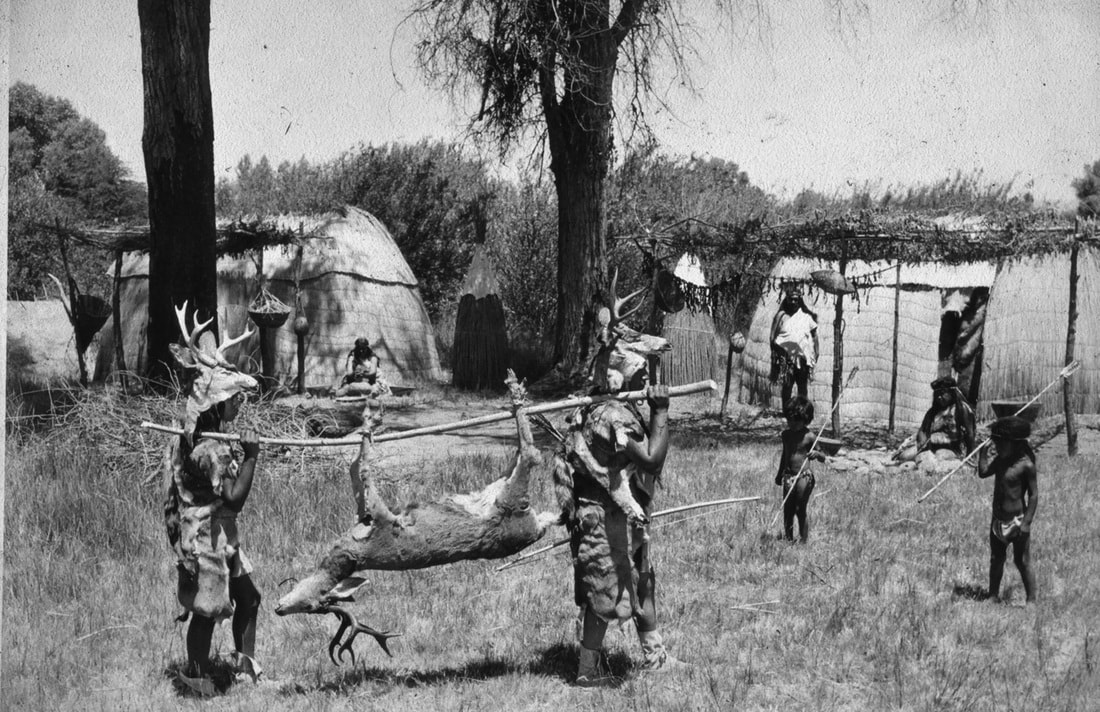
“The Tule River Tribal council has voted its approval of naming the great blue heron rookery near State hospital, the ‘Yaudanchi Wildlife Preserve,’ in honor of the Yokut subtribe of Indians which once lived in this area. . . . the proposed name will help honor the first Americans who lived in the Porterville area, perpetuating their name, and give an identity to the site . . . . ” — The Porterville Recorder, October 2, 1975
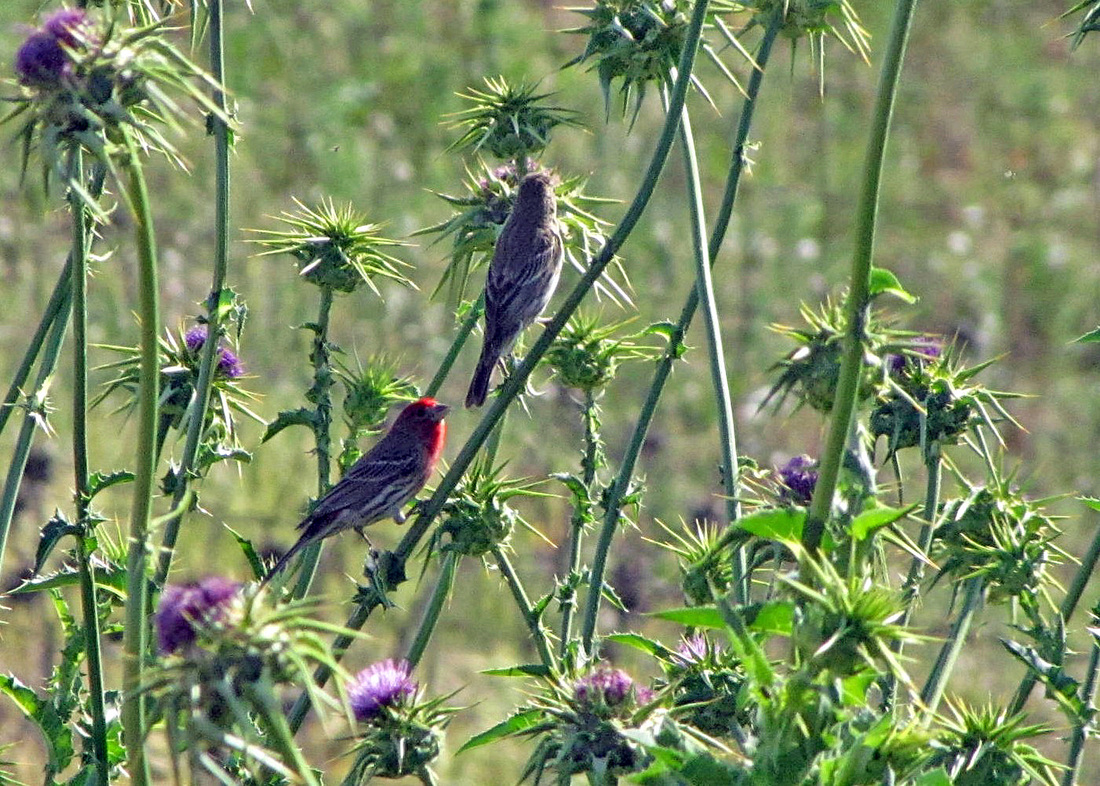
“Whenever I walk with a child, I think how much I have seen disappear in my own life. What will there be for this person when he is my age?” — Barry Lopez
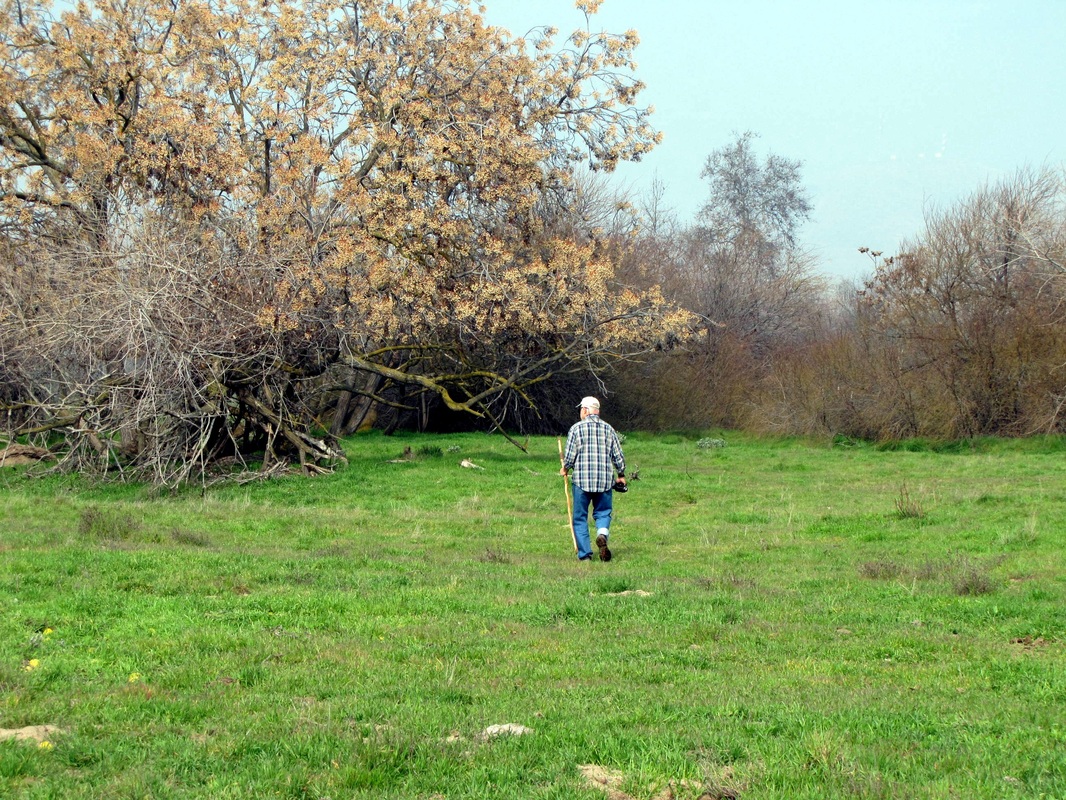
“Only in space do you understand what incredible happiness it is just to walk, to walk on Earth.” — Alexander Laviekin
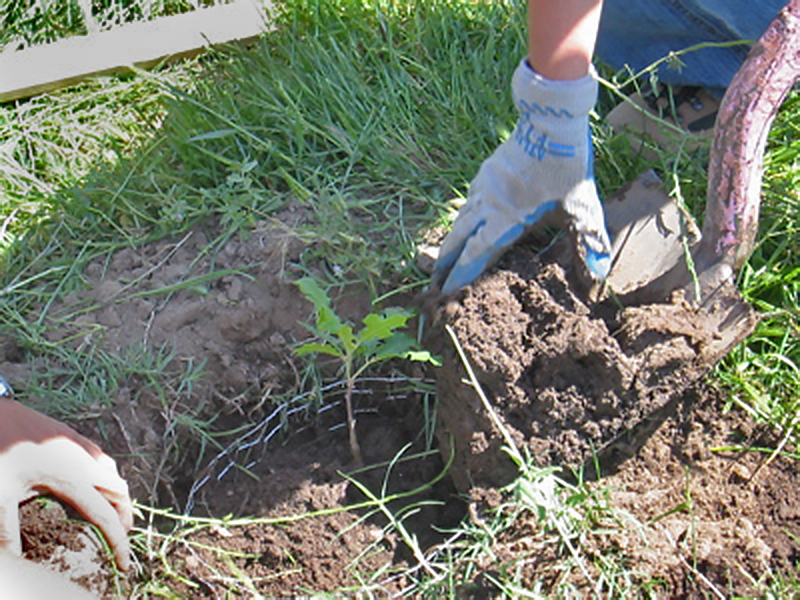
“The true meaning of life is to plant trees under whose shade you do not expect to sit.” — Nelson Henderson
Address: Intersection of Road 265 and Worth Ave. about 4 miles east of Porterville
Coordinates: 36.0444, -118.9750
From Visalia, take Hwy 198 east to Hwy 65 south to Porterville.
From Porterville, take Hwy 190 east about 4 miles to exit south on Road 265 (Blue Heron Parkway) toward the Developmental Center.
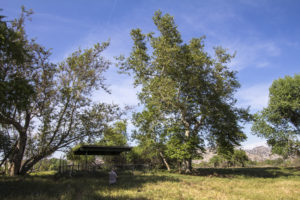
At the “T” junction with Worth Avenue (Ave. 140), turn left; the Reserve’s shelter and gravel parking lot are just ahead on the left.
NOTE: The Reserve’s shelter was removed in 2017 and the Reserve was closed to the public when the Porterville Developmental Center terminated the agreement with the California Department of Fish and Wildlife to manage the Reserve.