Click on photos for more information.
The Story of Zalud House Museum
by John Greening
On the corner of Hockett and Morton streets in Porterville sits an elegant historic home whose past involves tales of gambling, scandal, murder, bootlegging, and visitations from the spirits of those long dead. A tour of the house features these and other stories of the Zalud family members, prominent early Porterville residents who suffered a series of tragedies that by the 1960s left only one member still alive.
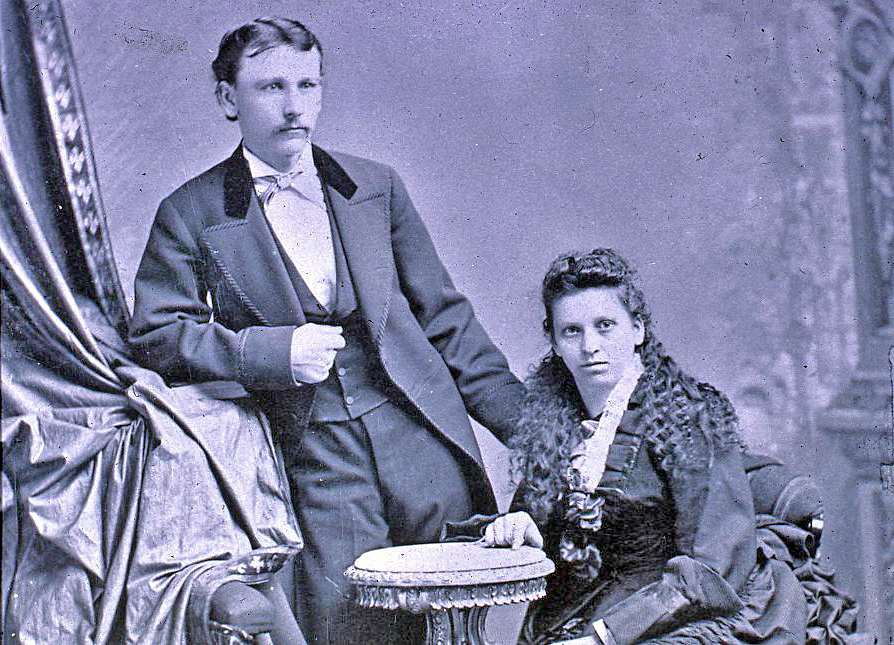
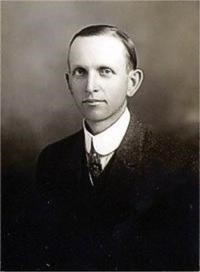
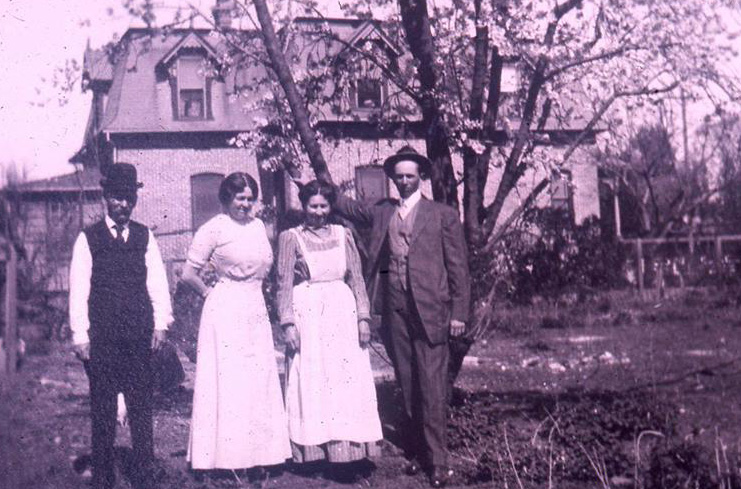
The builders of the home, John and Mary Jane Zalud, were born in Bohemia, now part of the Czech Republic, in Central Europe. As children each immigrated with their families to the U.S. In 1875, John and Mary Jane wed in San Francisco. Later, they moved to Tulare, then, in 1888, to Porterville with their family of two daughters and a son: Anna (born in 1872), Pearle (1884), and Edward (1877).
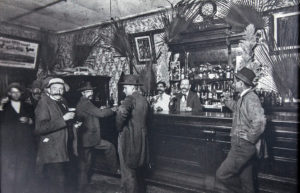
In Porterville, John opened a saloon on Main Street next door to Scotty’s Chop House, where food was served. Connecting doors joined the two establishments and both were open 24 hours a day. A card room in the back of the Zalud Saloon proved to be a lucrative source of income. After some high stakes card games, John won several south county cattle ranches. These included a 3000 acre spread near California Hot Springs, where the family often stayed.
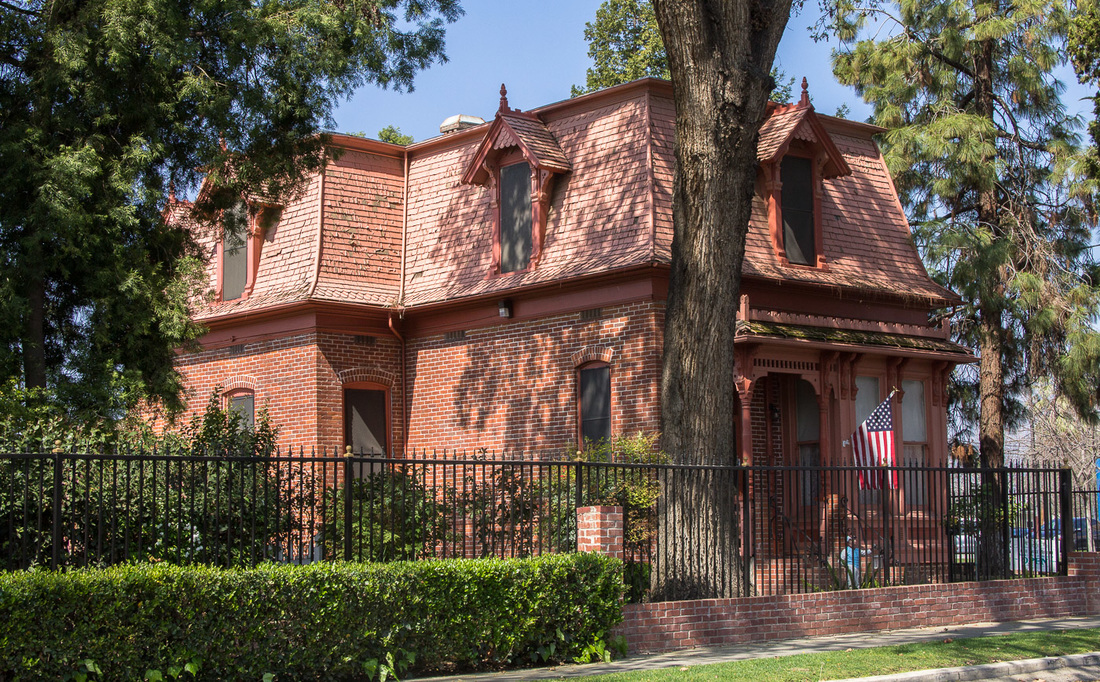
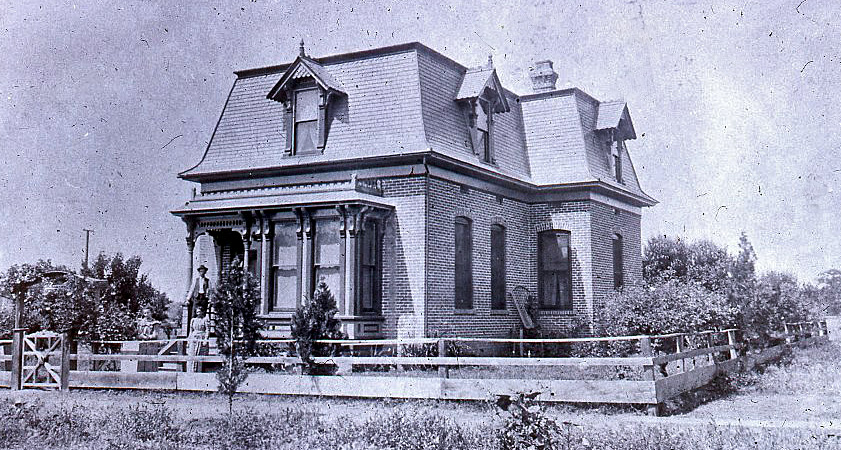
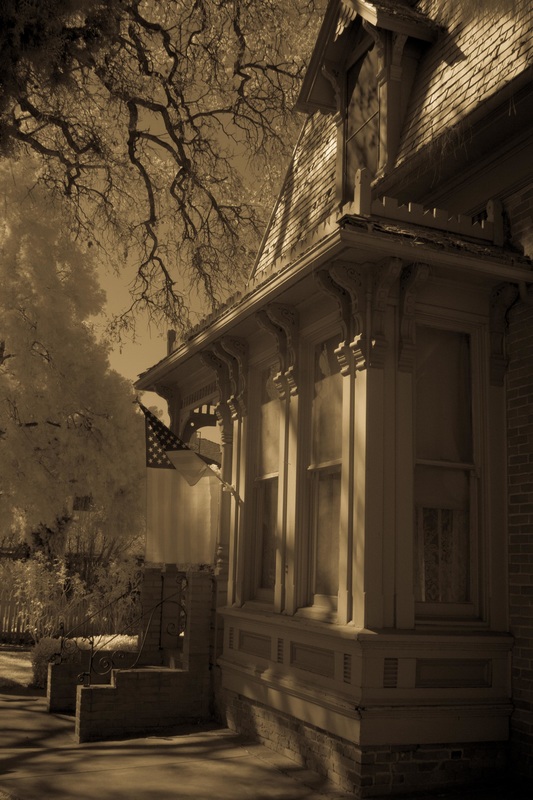
The Zaluds’ elegant Porterville home was built in 1891, featuring a mansard roof. This roof style was popular in Europe, particularly in France in the 1860’s, and may have reminded John and Mary Jane of their European homeland. In California at the time it was not a common style and was therefore very distinctive.
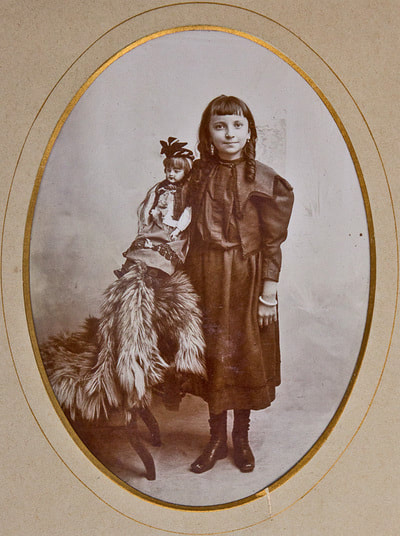
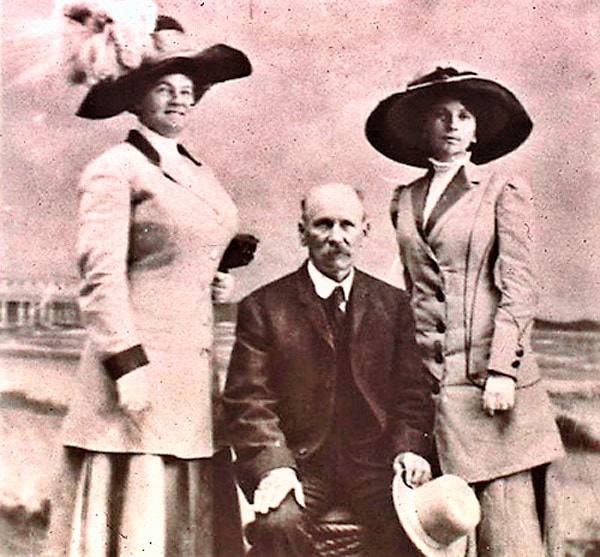
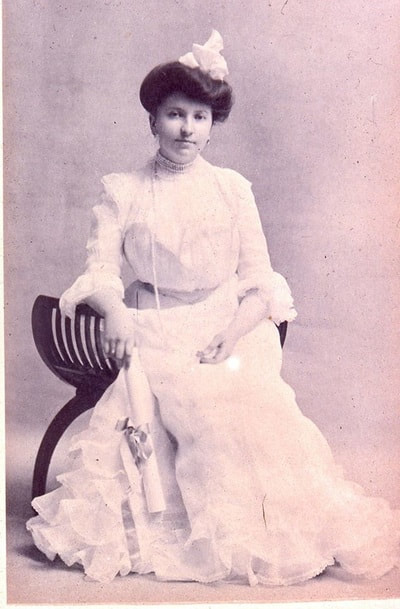
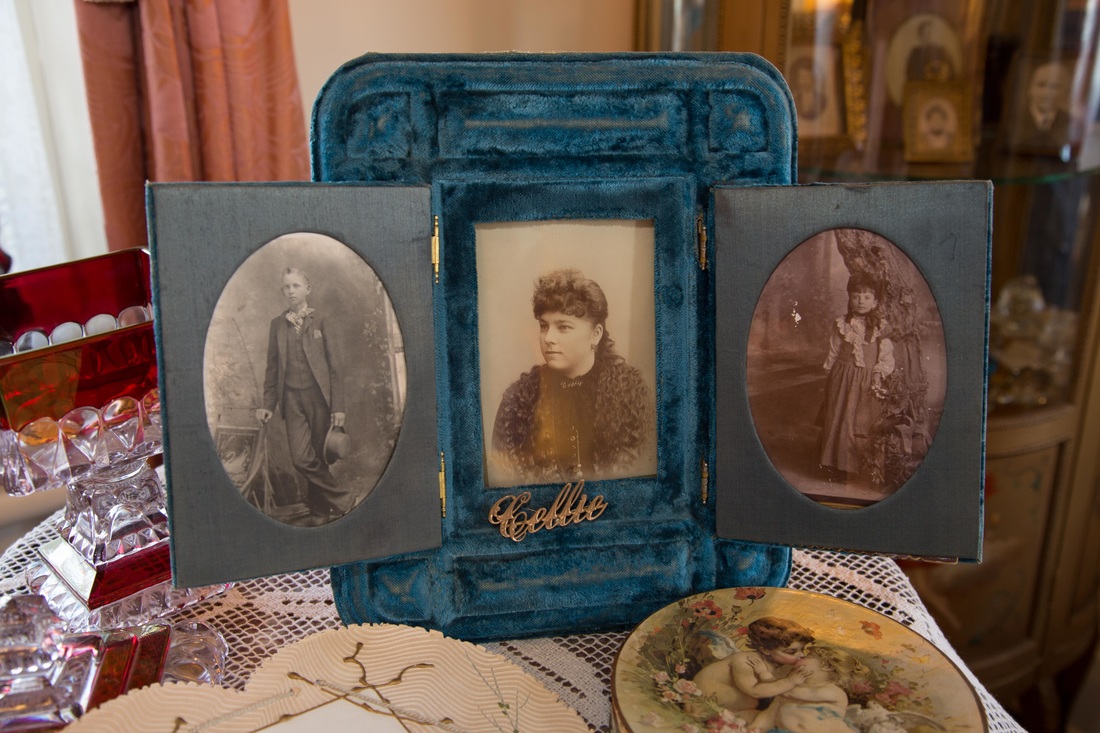
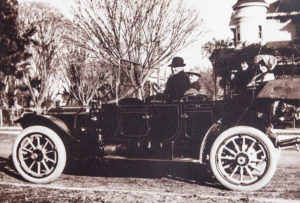
In 1912, Mary Jane died of tuberculosis. The grieving family cancelled their travel plans until, in 1913, John and the children, and Anna’s husband, William Brooks, made the first of their several trips to different parts of the world, including Bohemia, Germany, France, China, Japan, Great Britain, and Australia. The Zalud house today is filled with their photographs and memorabilia from those extensive travels.
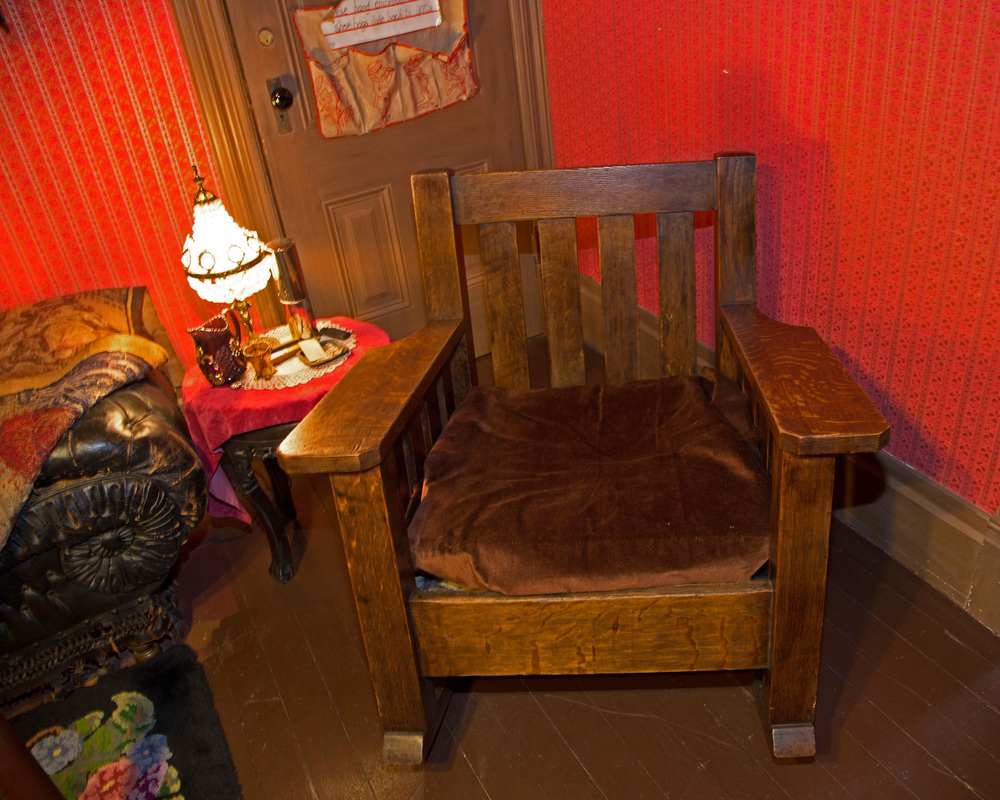
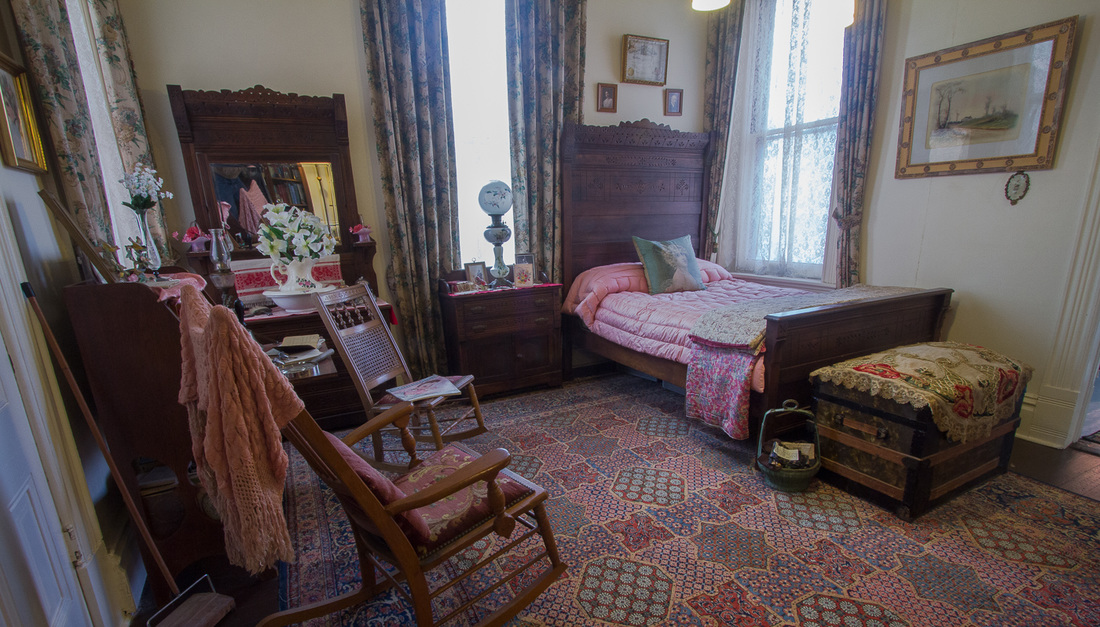
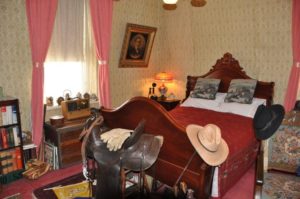
In 1917, a second, shocking tragedy stunned the family: the murder of son-in-law William Brooks. Rumored to be a man with “an eye for the ladies,” in Oakland he supposedly made advances to a Mrs. Juliette Howe, who refused him. Afterward he spread dark rumors about her morality and she subsequently had a nervous breakdown. Nearly a year later, while in Porterville on business, Juliette heard the devastating rumors circulating again. She bought a pistol, intending to kill herself. But when Juliette saw William sitting in a rocking chair in the Pioneer Hotel, she shot and killed him instead. She showed no remorse. At her subsequent trial, the killing was ruled a justifiable homicide because William was adjudged partially responsible. The rocking chair, including bullet holes, now rests in an upstairs bedroom in the Zalud house.
Tragedy struck again in 1922. When Prohibition was established, John was forced to close his saloon. However, son Edward bought all the liquor and moved it into storage out of town. For the next several years, he ran a small bootlegging business in addition to working on the family ranches. During an afternoon ride in 1922, he was thrown from his horse, kicked in the head, and died, at age 45. This accident was the third tragedy in ten years for the family. Ed was friends with some of the area’s more notorious tough men, and since his death several versions of what happened or what might have happened that day have been recounted. Was it simply an accident, or was something more nefarious going on? After Edward’s death, John and Pearle spent most of their time with Anna, at her home in Los Angeles.
Over the next twenty years, Porterville saw little of the Zaluds, although each spring and fall John and Pearle returned to check on the house and garden. In 1944, after her father’s death, Pearle began to spend more and more time at the Zalud house, and she lived there year-round from 1962 on. She lived downstairs and never married, but was convinced that the spirits of her family members came to visit her in the old family home. Today, on a special tour with a local paranormal investigation team, you can enter the house at night and find out whether they will visit you, too.
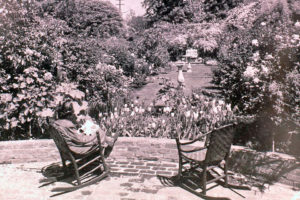
Pearle had a few close friends, but was not an active community member, although she did host the 1968 reunion of the class of 1902 in her home. She loved to sit in her garden and particularly loved its roses, but toward the end of her life she allowed the garden to become hugely overgrown.
Anna died in 1962, leaving Pearle as the sole survivor of the family — with a substantial inheritance. When Pearle died in 1970, she left an estate of $1,500,000, with the ranch properties going to various long-time friends. However, she willed fifteen acres in town, the house and all its belongings, and several hundred thousand dollars to the city.
The land was to be used for a children’s park and rose garden, named for her beloved brother. Edward Zalud Park, at El Granito and Grand streets, has now been enjoyed by decades of Porterville families. The house was to become a museum in memory of her parents, and the money was to be used as an endowment to maintain it.

Unfortunately, it took several years for the city to gain undisputed control of the house and the land for the park. Joe Witt, his brother Marcus Witt, Jr., and Marcus’s son claimed that they had become friends with Pearle in Los Angeles, and that she had written a new will, leaving them everything. Finally, this version was ruled to be bogus, and in 1973 the three were convicted of fraud and forgery, and the city took possession of the house and land.
After several years of repair work, including the replacement of its foundation, the Zalud House Museum was opened to the public on May 2, 1977. In 1986 the meticulously maintained house was listed on the National Register of Historic Places.
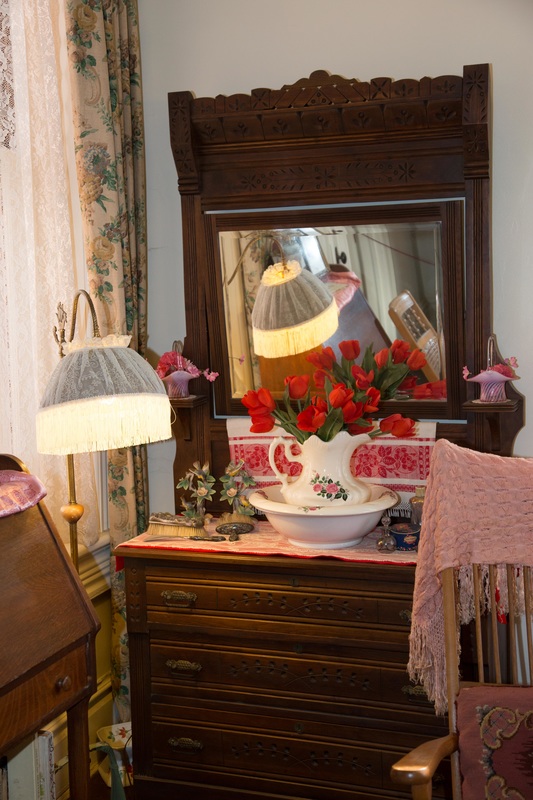
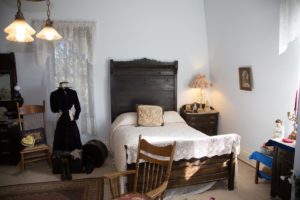
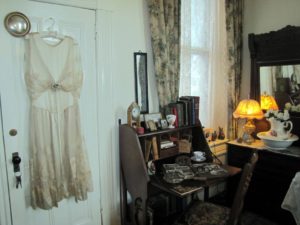
With a superb collection of historic photos, keepsakes from trips around the world, works of art, closets full of vintage clothing, and seasonally decorated rooms filled with furnishings used by the family, the Zalud House today enables visitors to immerse themselves in the lives and lifestyle of a prominent Valley family of a hundred years ago. Here, their triumphs and their tragedies, and perhaps their spirits, live on.
April, 2015
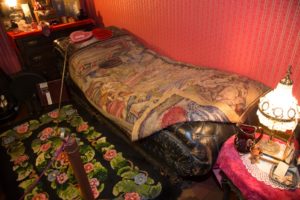
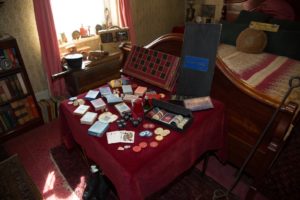
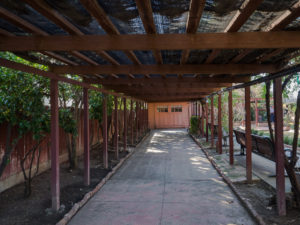
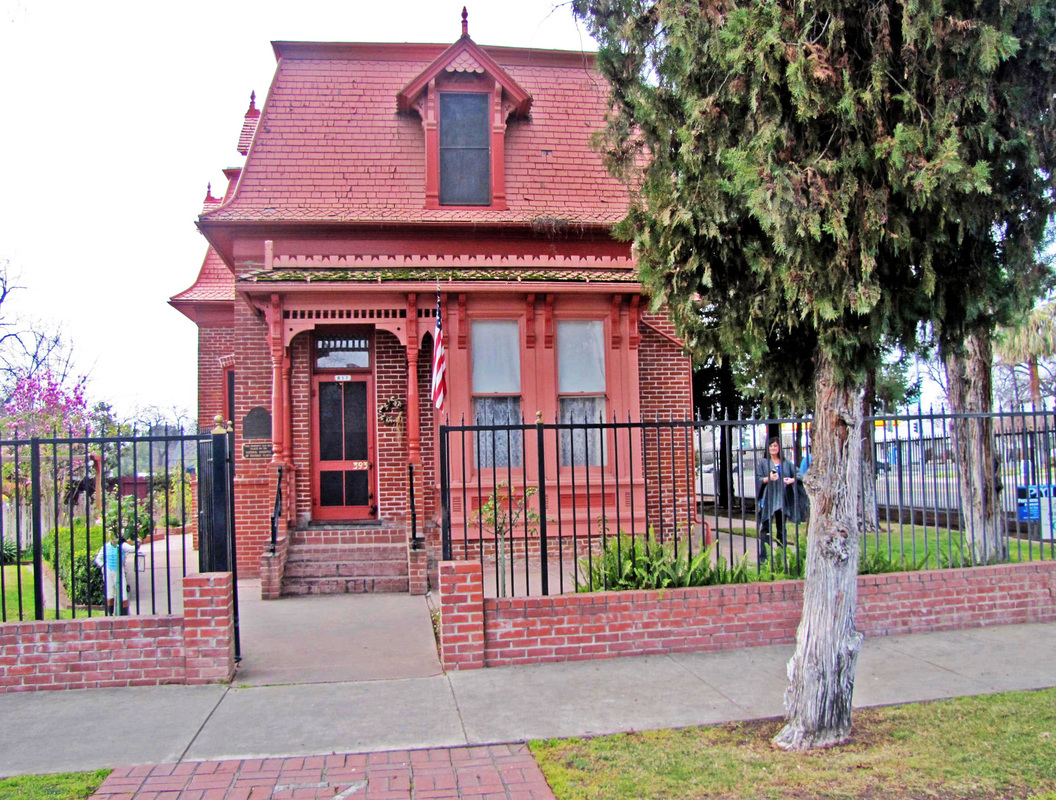
“The John Zalud house is . . . a very fine example of Second Empire styling and the only one of its type in the town of Porterville . . . It is undoubtedly the finest nineteenth century residential structure in Porterville.” — National Register of Historic Places (NRHP) Nomination Form
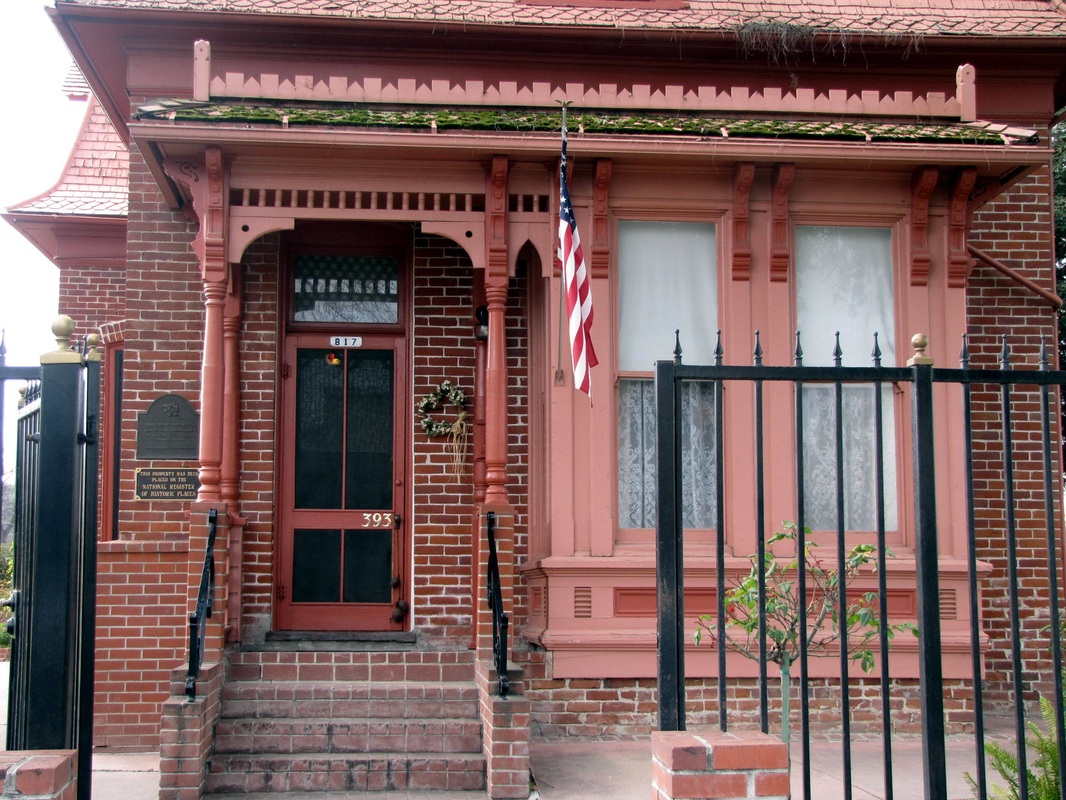
“Italianate influence is obvious in the exuberant detail of upper level fenestration. The front porch is also extravagantly decorated with finely ornamental woodwork.” — NRHP Nomination Form
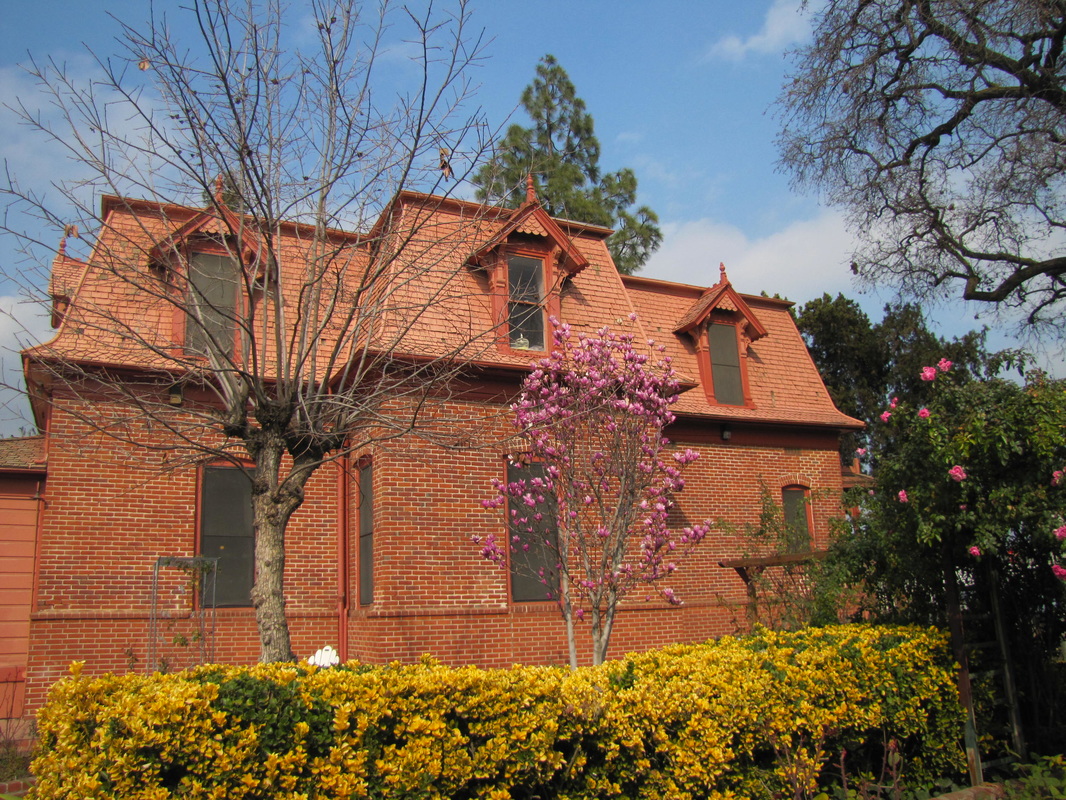
“The Zalud House is a one and one-half story brick dwelling . . . with mansard roof and double walls of brick with air space in between to accommodate San Joaquin Valley weather. Its integrity is excellent, as the structure is virtually unaltered.” — NRHP Nomination Form
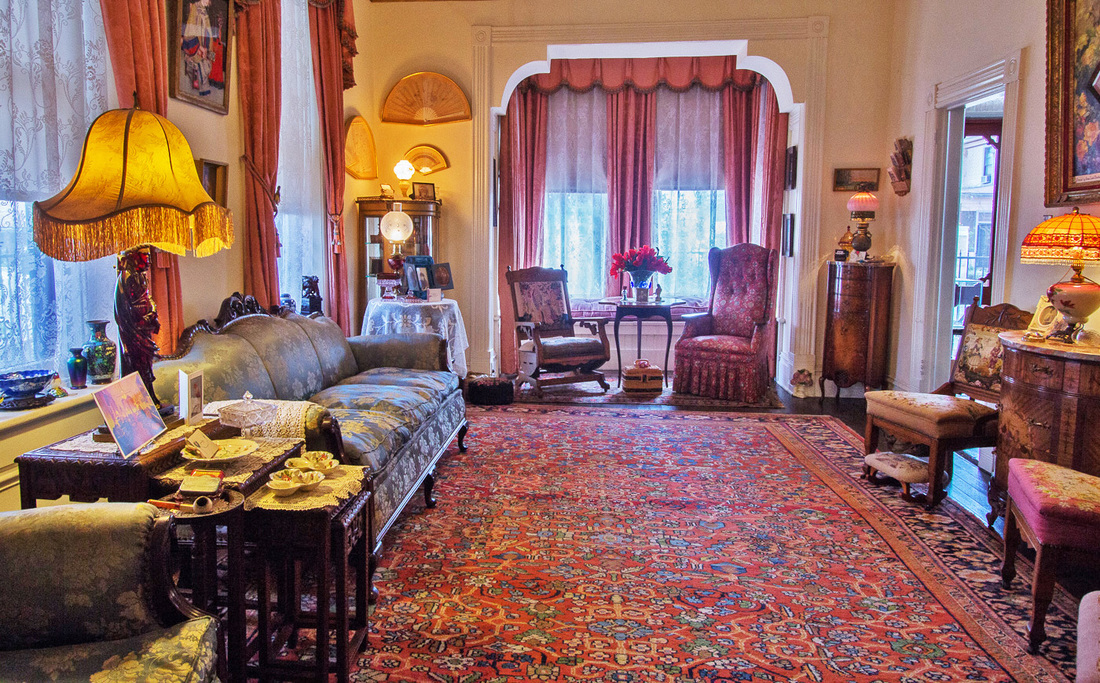
“The house also has unique properties as a museum because, unlike many other historical homes, it was owned and occupied exclusively by the original family, has undergone no major redesigns, and the furnishing and artifacts on display there are almost all Zalud family possessions.” — Darla Welles
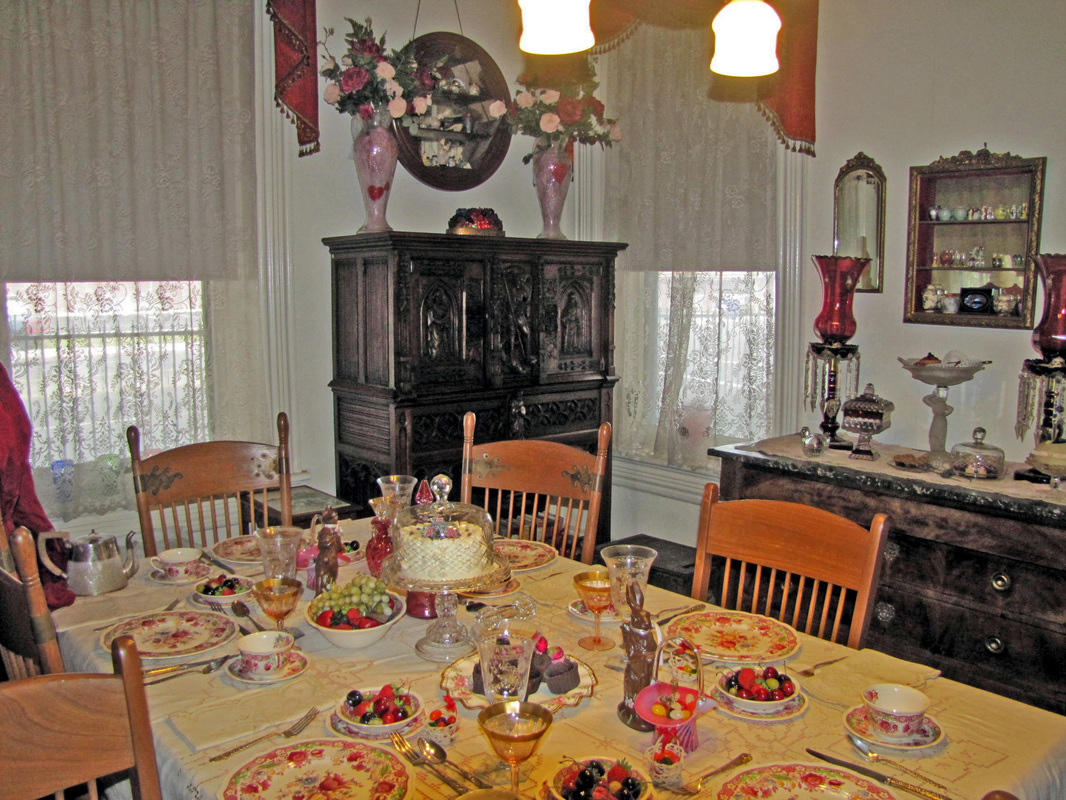
“With few exceptions, the interior is structurally and aesthetically a mirror image of its Zalud family days. Most of its rich furnishings are family items, and wallpaper-paint restoration done in 1976 duplicates the original.” — NRHP Nomination Form
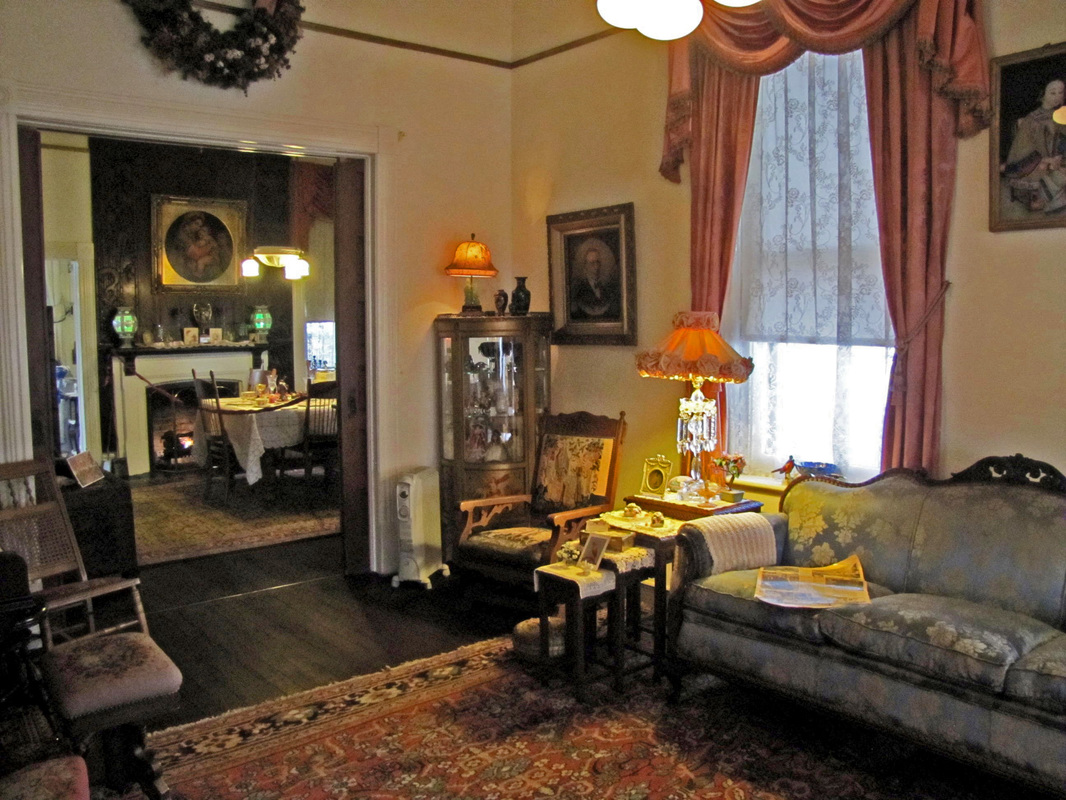
“Floors throughout are hardwood covered with oriental and Persian rugs collected by the Zaluds.” — NRHP Nomination Form
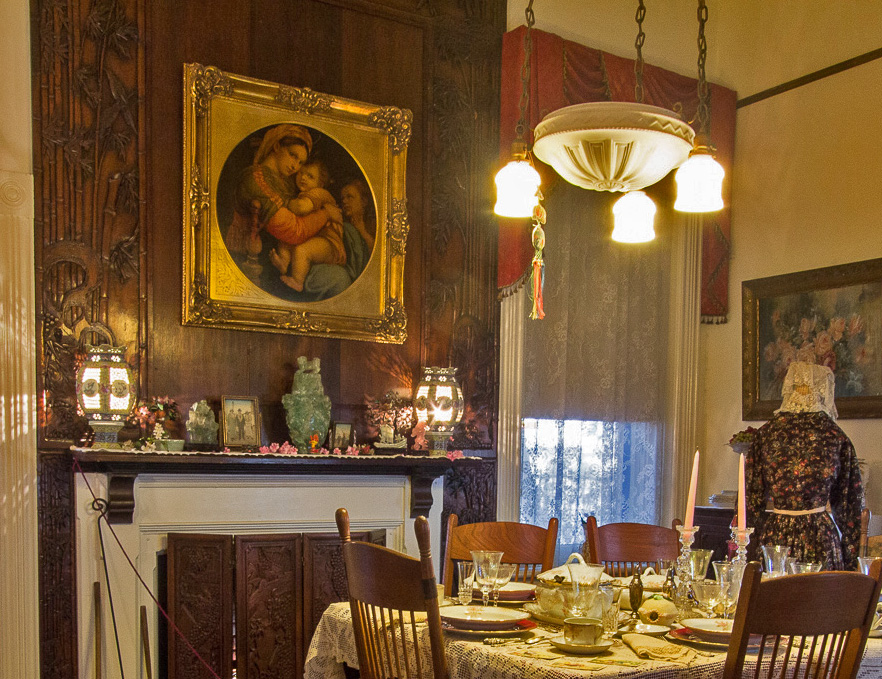
“Most significant feature of the dining room is a floor-to-ceiling rosewood wall completely hand-carved in a bamboo pattern commissioned by the Zaluds while in China.” — NRHP Nomination Form
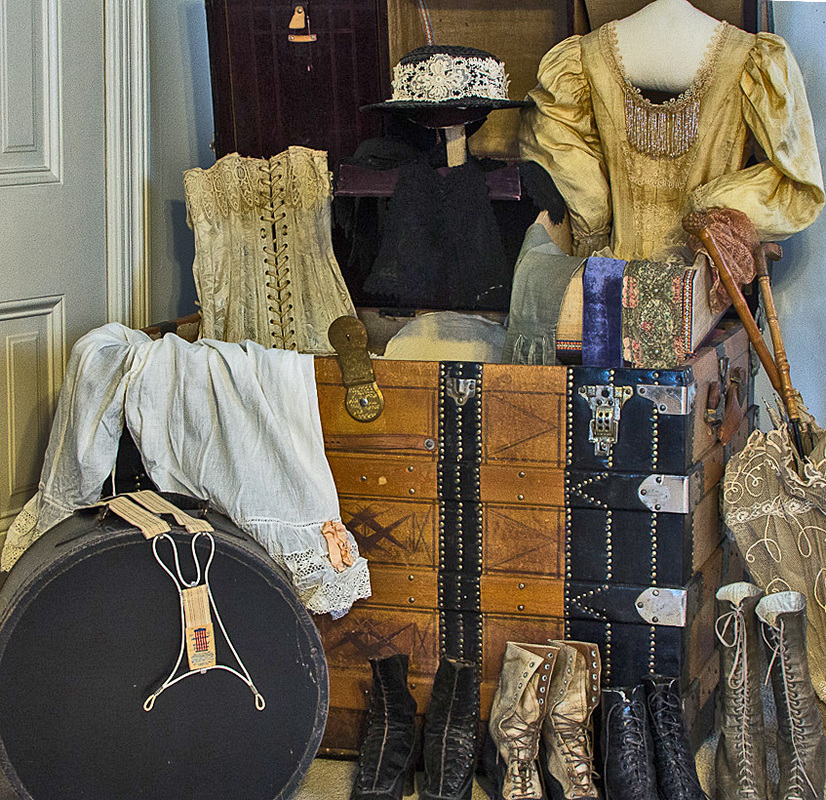
“‘With that house, we received one of the largest collections of clothing of that era (mostly women’s gowns and hats from the 1890s to the mid- 950s) to be found anywhere in the country today.” — Gil Meachum
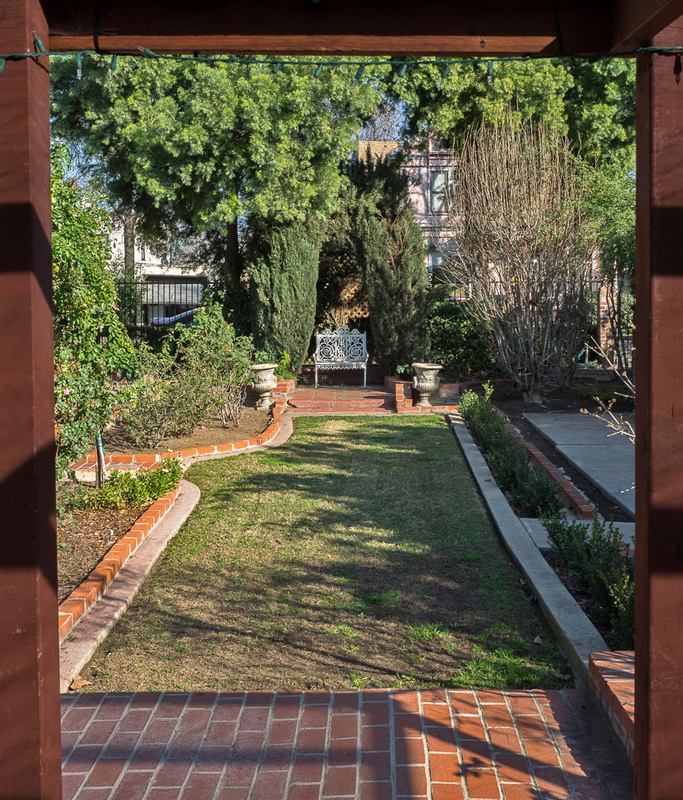
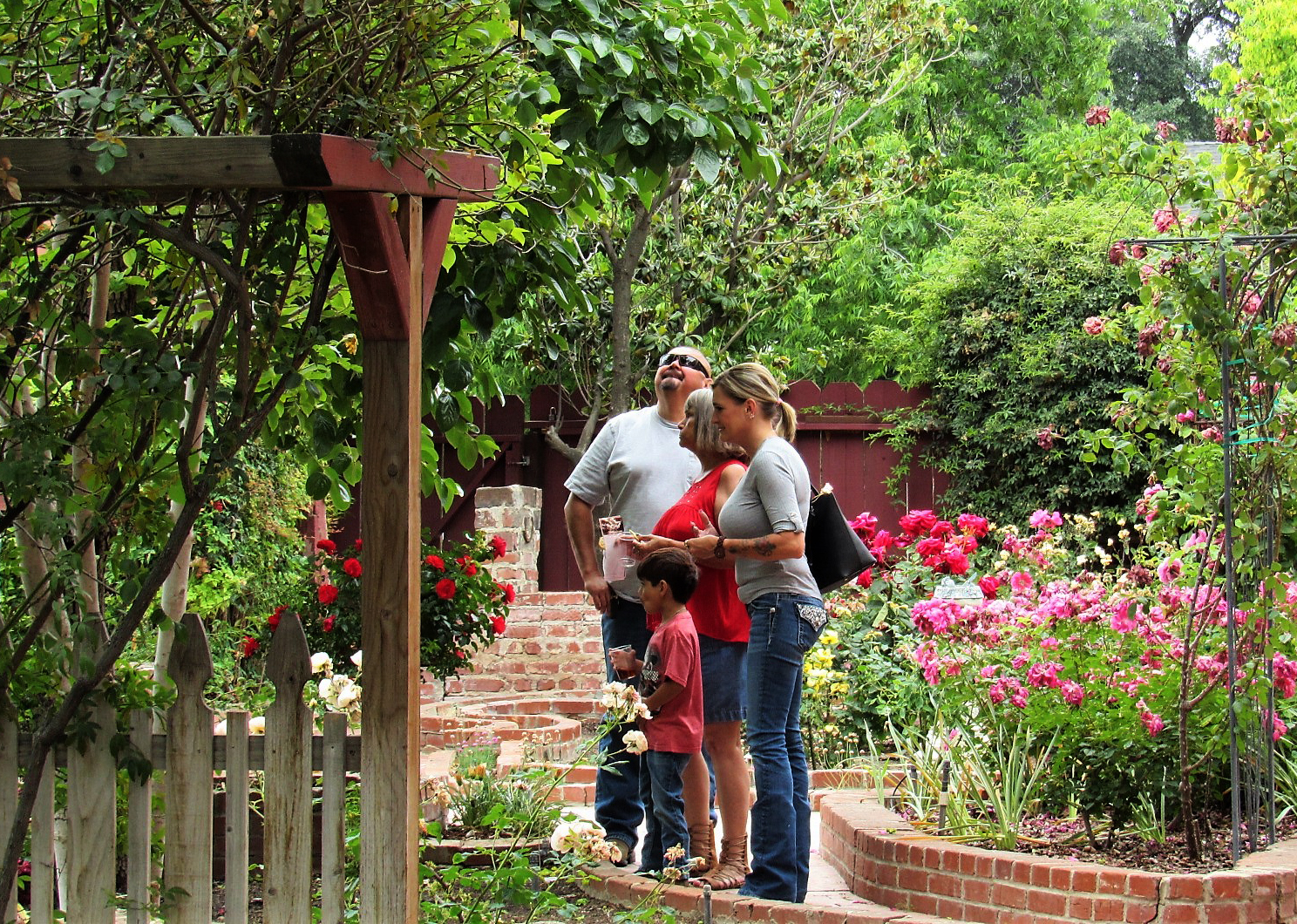
“The elder Zaluds started the garden in 1892, gradually creating a beautiful formal cultivated area. . . . It was described in garden magazines and newspaper stories and pictured in the ‘Pictorial Guide to American Gardens.'” — Annie Mitchell
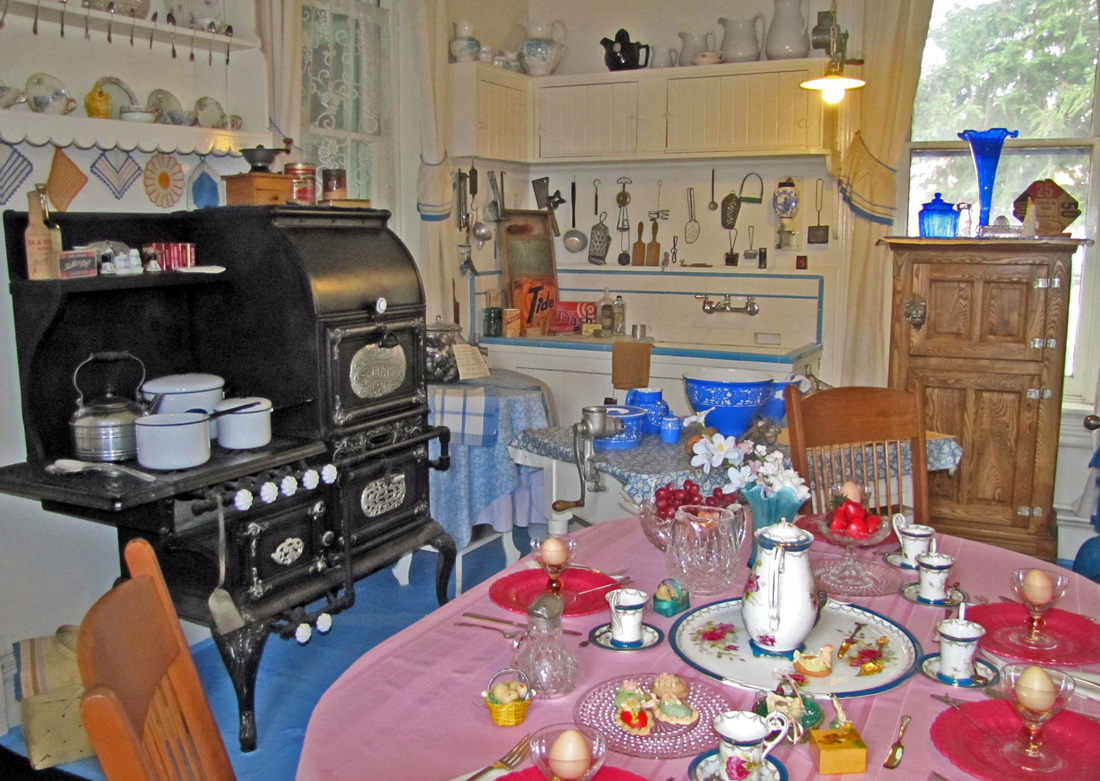
“Both John Zalud and his wife Mary Jane were good cooks, and John loved to prepare breakfast for his family, and often made them jelly tarts as desserts.” — Jeff Edwards
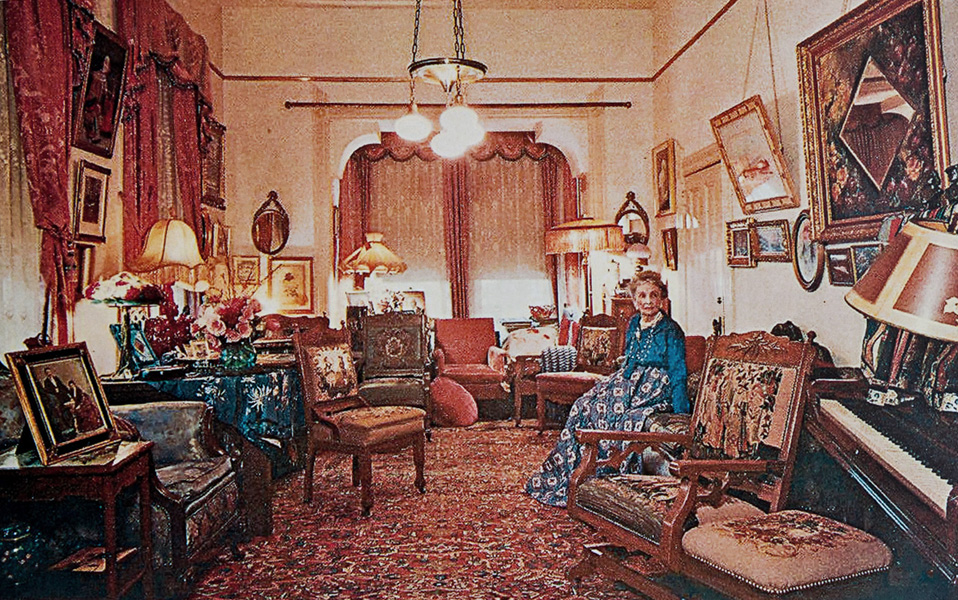
“In memory of my parents, John and Mary Zalud, pioneers of Porterville, California, I give our home . . . and all of the contents of said home, to the City of Porterville . . . to be used for an ART CENTER and Exhibits of Art . . . [S]aid home is to be kept in good repair and not demolished, and the art contents therein shall not be removed from their present site . . . . ” — from the Will of Pearle Priscilla Zalud
Maps & Directions:
Directions:
Address: 393 N. Hockett St., Porterville, CA 93257
From Visalia, take Hwy 198 east to Hwy 65 south to Porterville.
Take the West Henderson Avenue exit east to J29/North Main Street.
Go right (south) on North Main to Morton Avenue.
Turn right (west) onto West Morton Avenue, then left (south) onto North Hockett Street.
Site Details & Activities:
Environment: Valley, historic home in urban Porterville
Activities: architecture study, guided tours, Old Fashioned Christmas Candlelight Tours in December, paranormal tours, special events (garden area can be rented for weddings, etc.; contact Parks and Leisure Heritage Center Office, 559-791-7695), viewing historic furniture, furnishings, art objects, and apparel
Open: Thursday-Saturday, 10:00-4:00 (except closed the month of January); admission fee: $3/adult, $1/child
Site Steward: City of Porterville, Parks and Leisure Department, 559-782-7548
Opportunities for Involvement: Donate, volunteer
Links:
Zalud House Museum – (Facebook)
Zalud House Museum – NRHP Asset Detail
Zalud House Museum – Porterville Parks Department
Books:
1) Porterville: Facts-Legends-Fires, by Jeff Edwards (Edwards Publishing, 1996)
2) Porterville Main Street Book II, by Jeff Edwards (Edwards Publishing, 1991)
3) Sites to See: Historical Landmarks in Tulare County, by Annie Mitchell (Panorama West Publishing, 1983)
4) Zaluds of Porterville, by Jeff Edwards (Edwards Book Publishing, 1989 [first edition 1977])