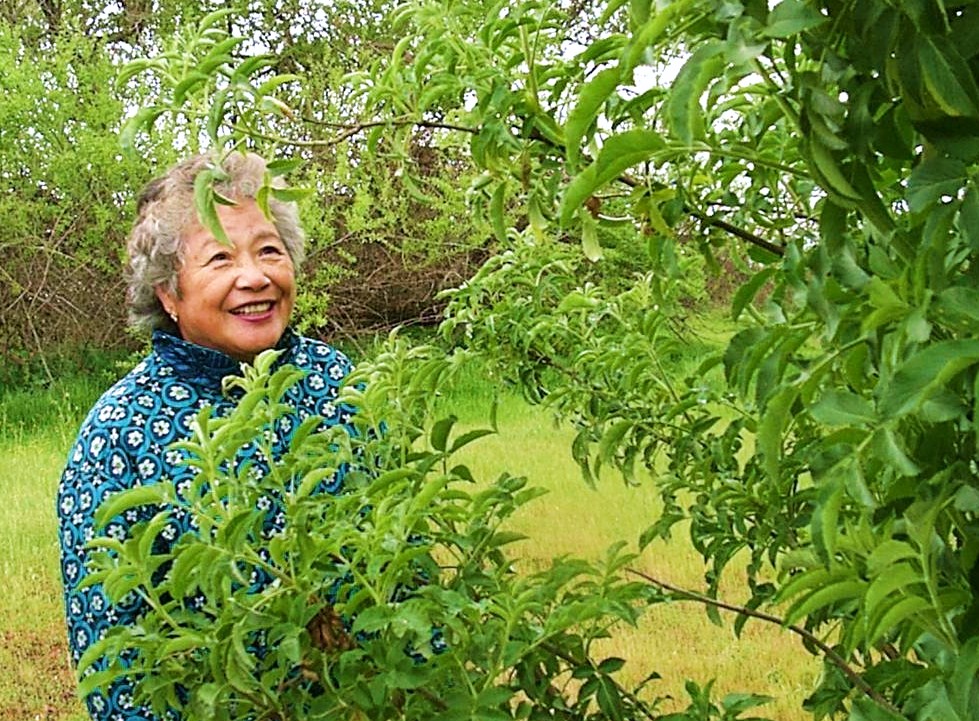
Click on photos for more information.
The Story of the Tule River Parkway
by Nancy Bruce
It all started with the vision for a river refuge — a place for the people of Porterville to access the natural world without leaving town. The Tule River Parkway Association (TRPA) was originated by Don Zuckswert, a professor at Porterville College, sometime prior to 1990 to advocate for and assist the City of Porterville in creating a pathway along the river.
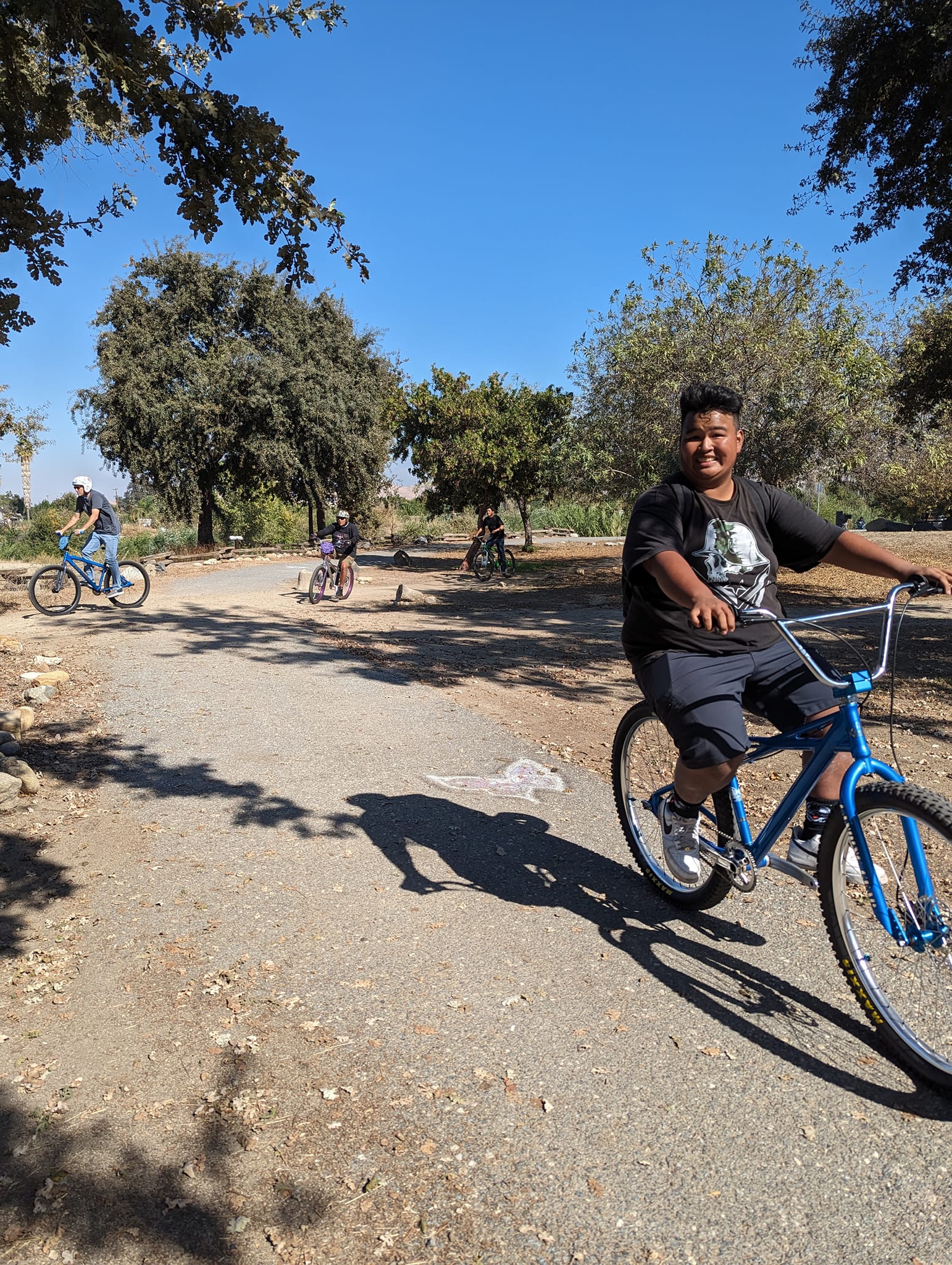
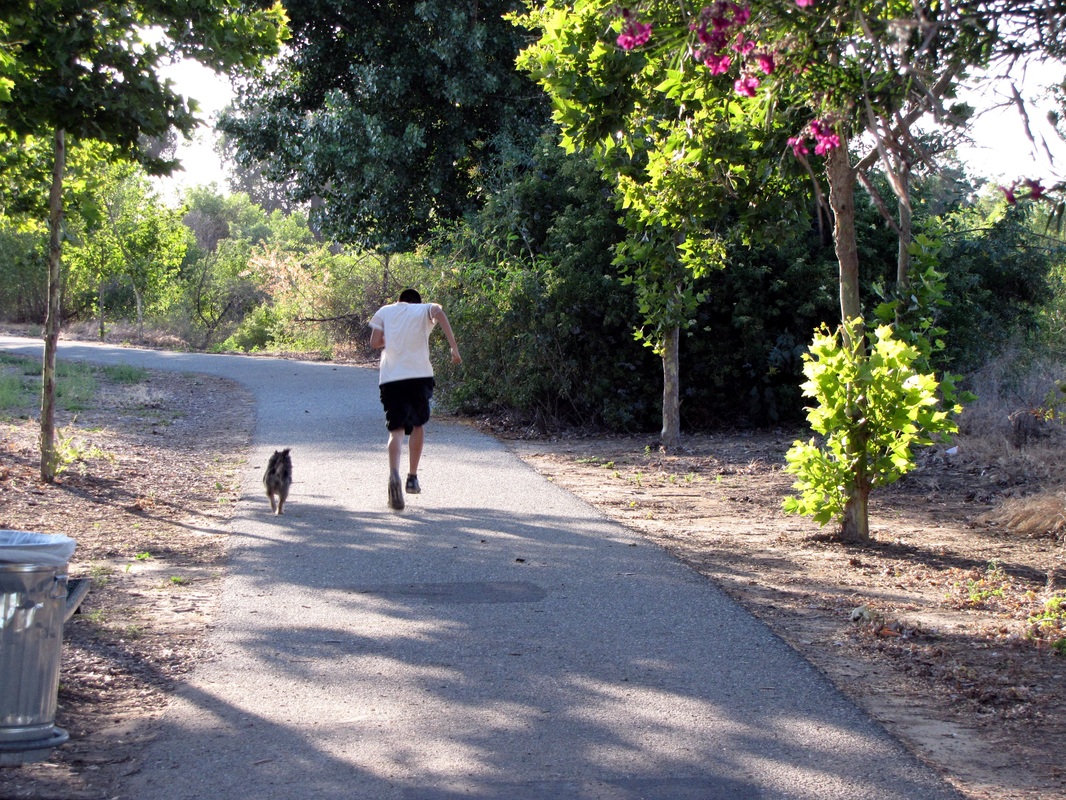
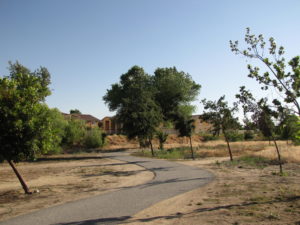
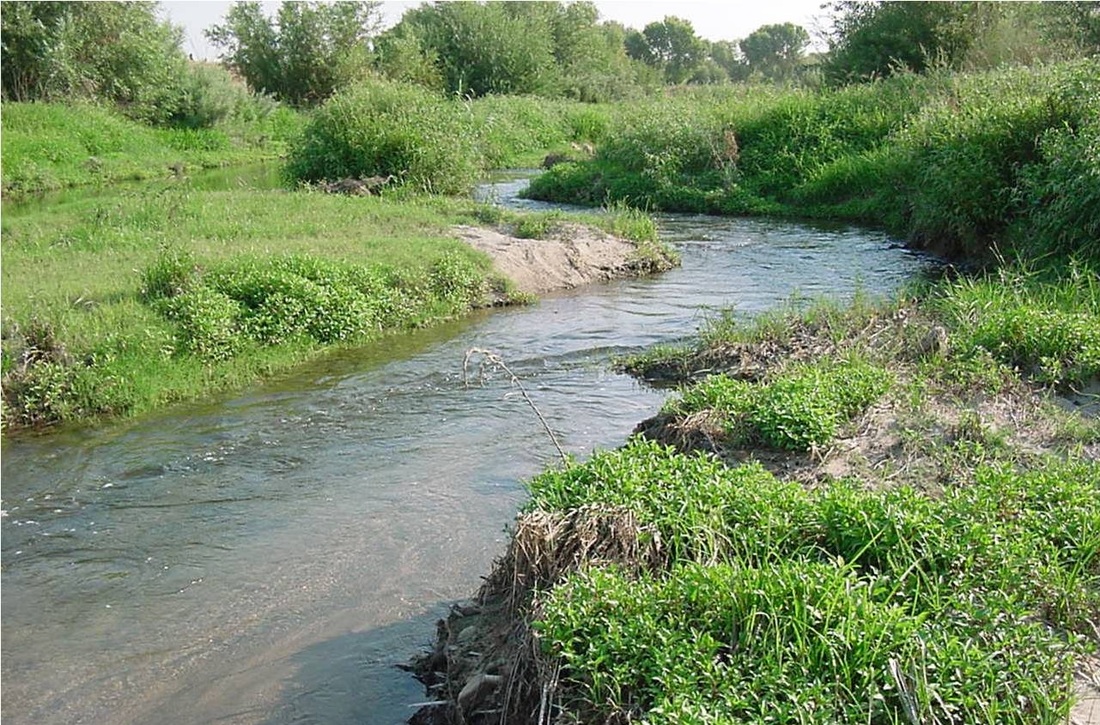
Today local residents can retreat to the 2.2–mile Tule River Parkway for a stroll, jog, bicycle or horseback ride under leafy shade trees. The more adventurous may explore a network of informal sandy trails winding along the river’s floodplain and to the river’s edge from Jaye Street to Westwood.
This story is about how the action of local residents transformed the river and simultaneously inspired a change of heart about the value of the Tule River.
The Tule had been neglected and mistreated. The river was looked upon as simply a conduit for water conveyance rather than a dynamic ecosystem. Old tires, discarded appliances, furniture, and refuse littered its path. Bulldozers scoured the riverbed to open up the channel for flood control and attempted to decrease an infestation of the noxious Arundo weed ( Arundo donax). Unfortunately, the unwanted plant thrived after bulldozing by sending up thousands of new shoots while native plants including Elderberry bushes were plowed over.
TRPA members Don Zuckswert, Don Stover, Art Cowley, Teresa Stump, and later Cathy Capone dedicated themselves to the cause of cleaning up the river and making it accessible to the public. They rallied the support of residents by holding meetings, and writing letters to city officials and editorials to the Porterville Recorder. They documented the trash-strewn riverbed, infestation of invasive plants, and bulldozing of the riverbed in a photographic slide show titled “River of Shame” – and presented it to local service clubs such as the Morning Rotary and the Garden Club in order to raise awareness and support for the parkway.
The vision for a river pathway earned the attention of Porterville’s civic leaders early on. In 1992, the City of Porterville’s Tule River Parkway Master Plan proposed a pathway stretching from the Friant-Kern Canal eastward to Bartlett Park near Lake Success– a distance of more than 12 miles. The City began the slow and tedious work of purchasing the land, acquiring permits, and obtaining funding. A break-through happened when Edward B. “Ted” Cornell and his wife, Elizabeth, of Cotton Center, donated a key 17-acre parcel. That donation fulfilled the matching funds needed to procure a $400,000 grant from CalTrans, and the trail building began.
The TRPA built momentum by activating the populace — getting hundreds of people to come down to the Tule and work together to begin transforming the river of shame into a healthy waterway ecosystem. “People did not realize that there was this potentially incredible resource right in the center of town,” stated Capone. “We had to engage them.”
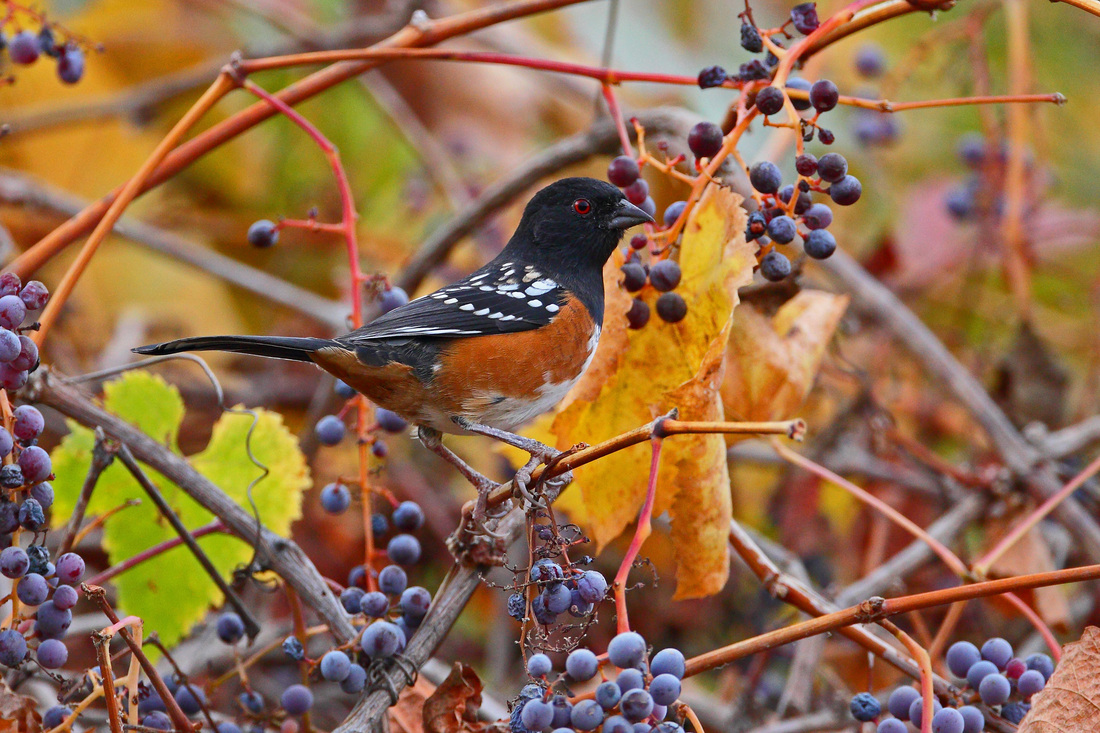
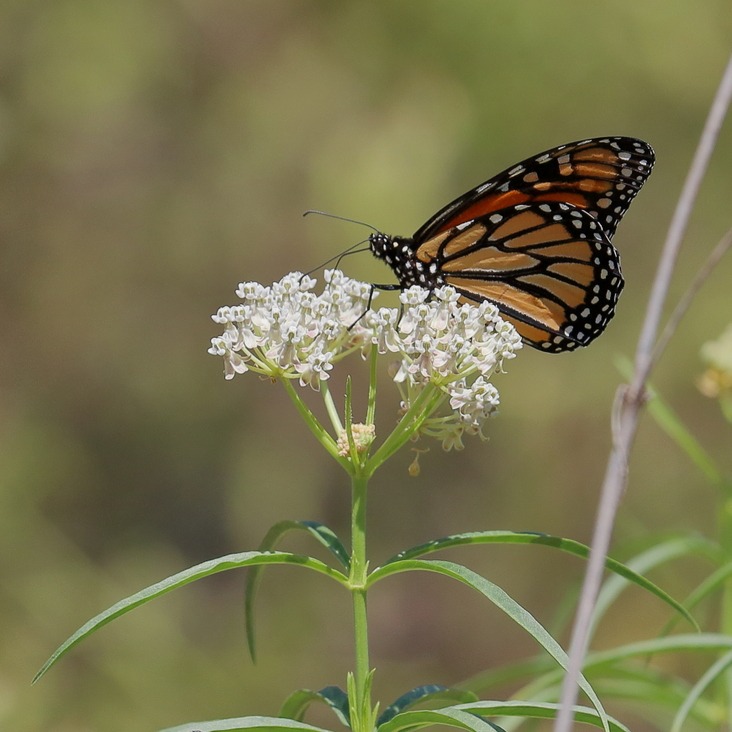
Naturalist-guided walks engaged residents in learning the importance of fostering native plants and trees along the riverbanks to provide wildlife habitat. The walks educated residents (and the powers that be) about more environmentally friendly management practices for taking care of rivers.
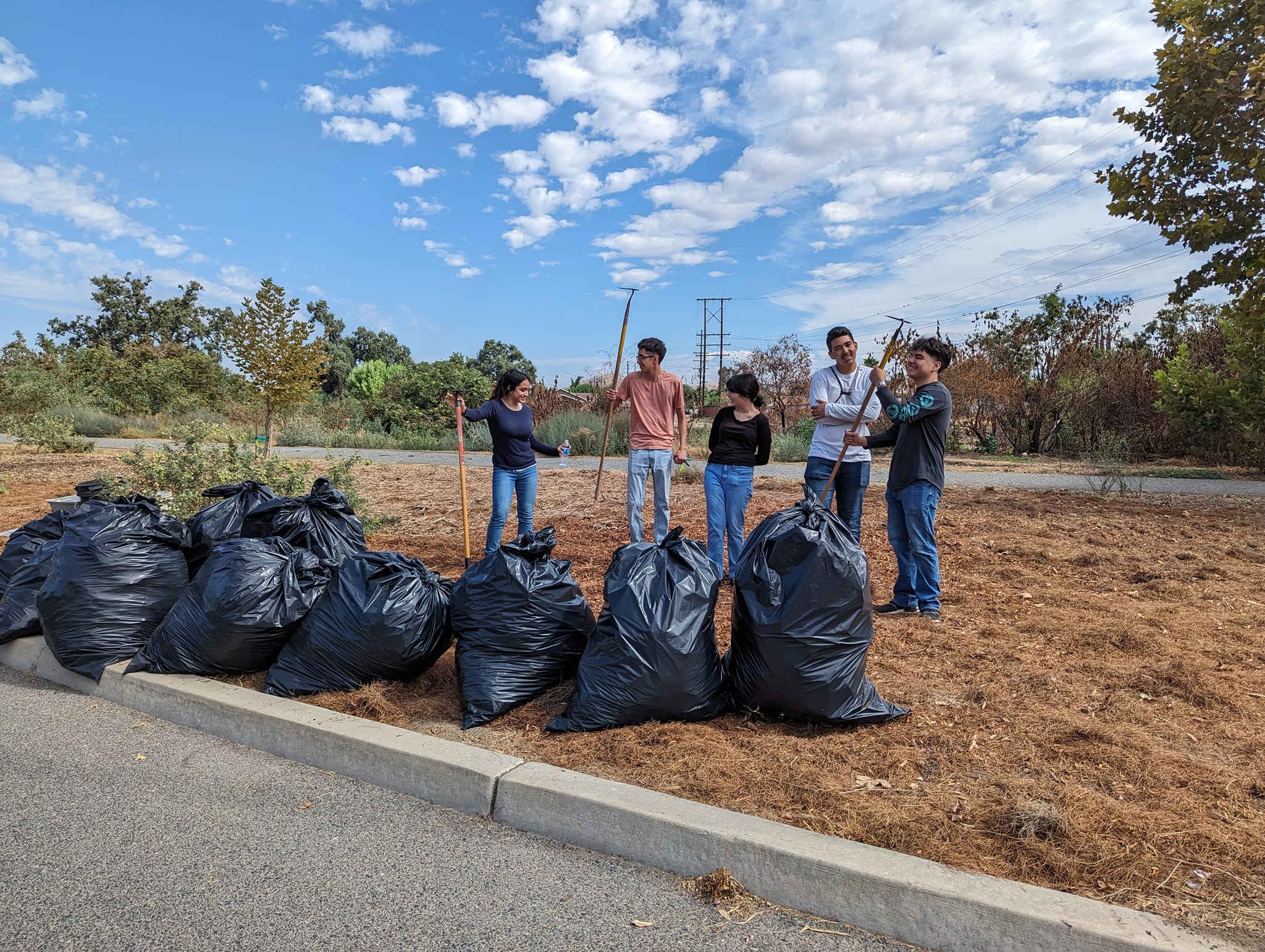
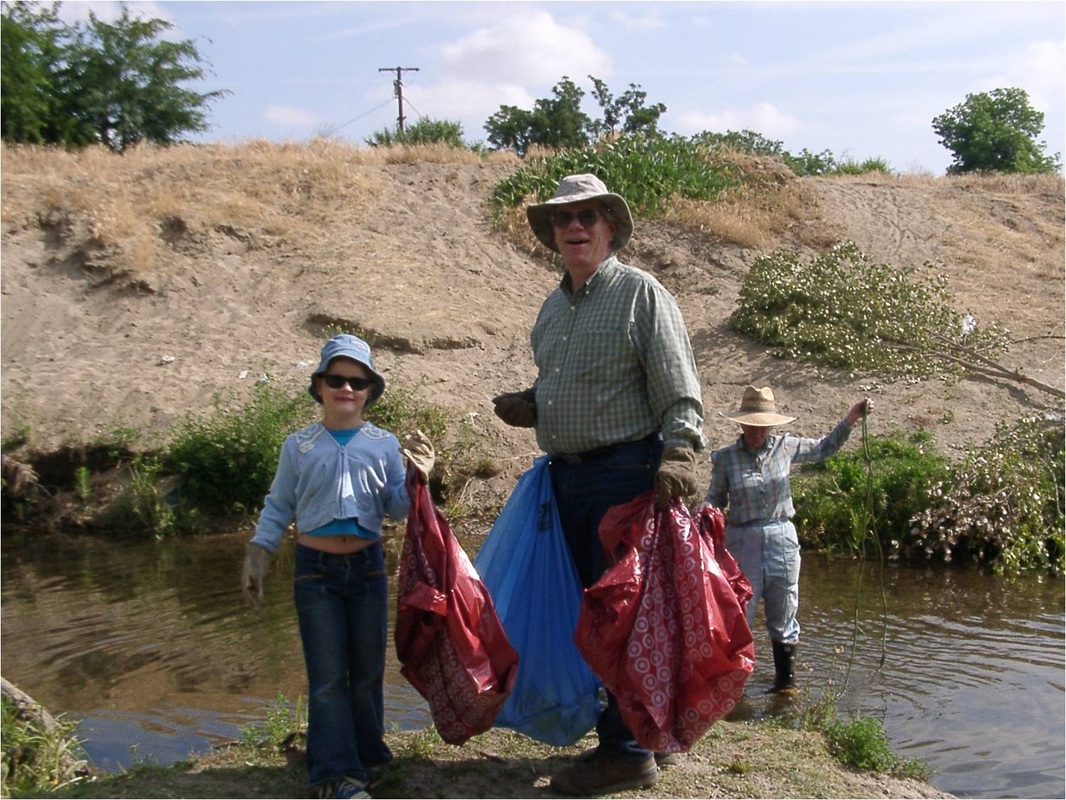
River cleanups involved volunteers from Girl Scouts, Boy Scouts, Wal-Mart Distribution Center, Unitarian Universalist Fellowship of Porterville, to hundreds of others working together to remove the heaps of trash, discarded tires, and appliances from the riverbed.
According to Cathy Capone, the slow growth of oak trees seemed, at times, to parallel the pace of progress with the river parkway. When asked about the ultimate lesson learned from her over twenty years of involvement in the project, Capone summed it up, “If we work together we can get a whole lot more done than if we work individually. Look to your city council, look to your board of supervisors, look to other organizations. Don’t give up your goal. Find partners.”
Porterville broke ground on the first section of the parkway in December, 1998. In April of 1999, the first half mile had been completed, from near the Highway 65/Highway 190 junction north and eastward to Indiana Street. In February, 2003, the next segment, from Indiana to Jaye Street (.9 mile), was dedicated. Next came the .7 mile stretch from Jaye Street to Main Street, dedicated in January, 2005.
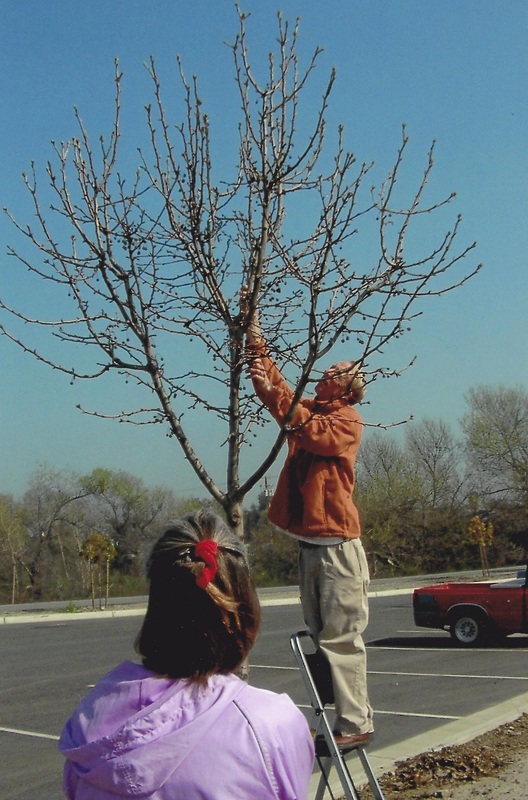
TRPA has gotten grants and donations and involved many dozens of volunteers in beautifying the parkway by helping to plant and maintain hundreds of trees along the paved trail. Improvement and expansion of the parkway continues with a new neighborhood park adjacent to the river at Plano and community interest in formal parkway paths between Westwood and Highway 65, and from Main Street east to Plano.
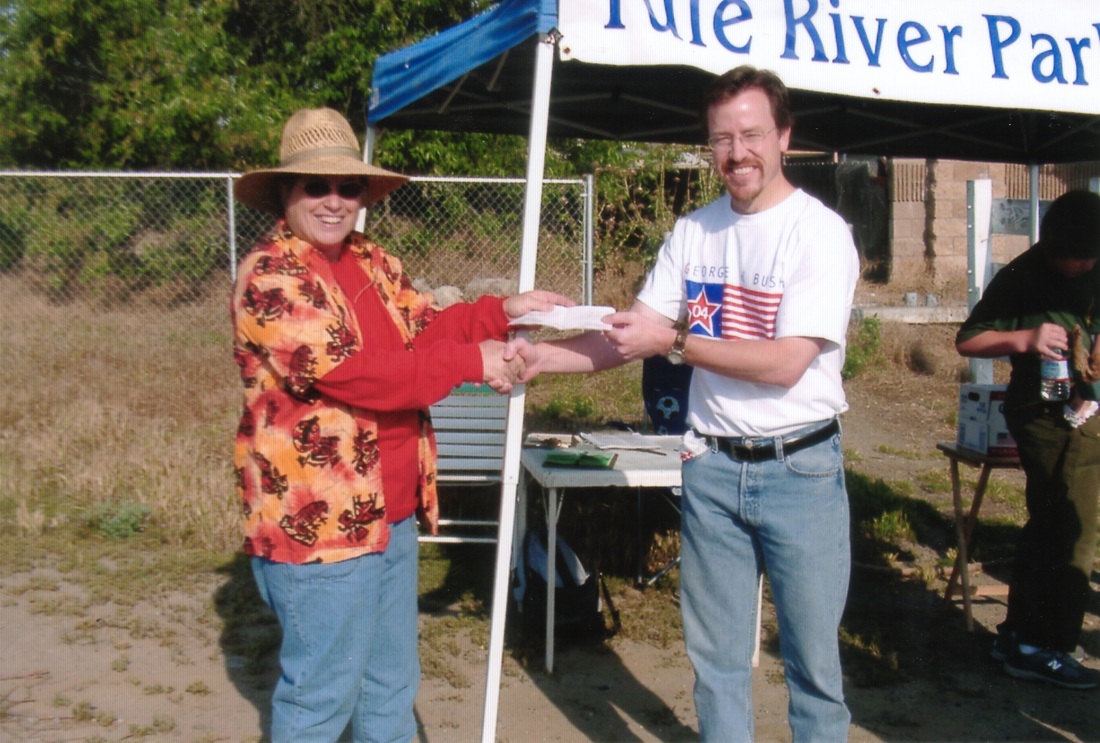
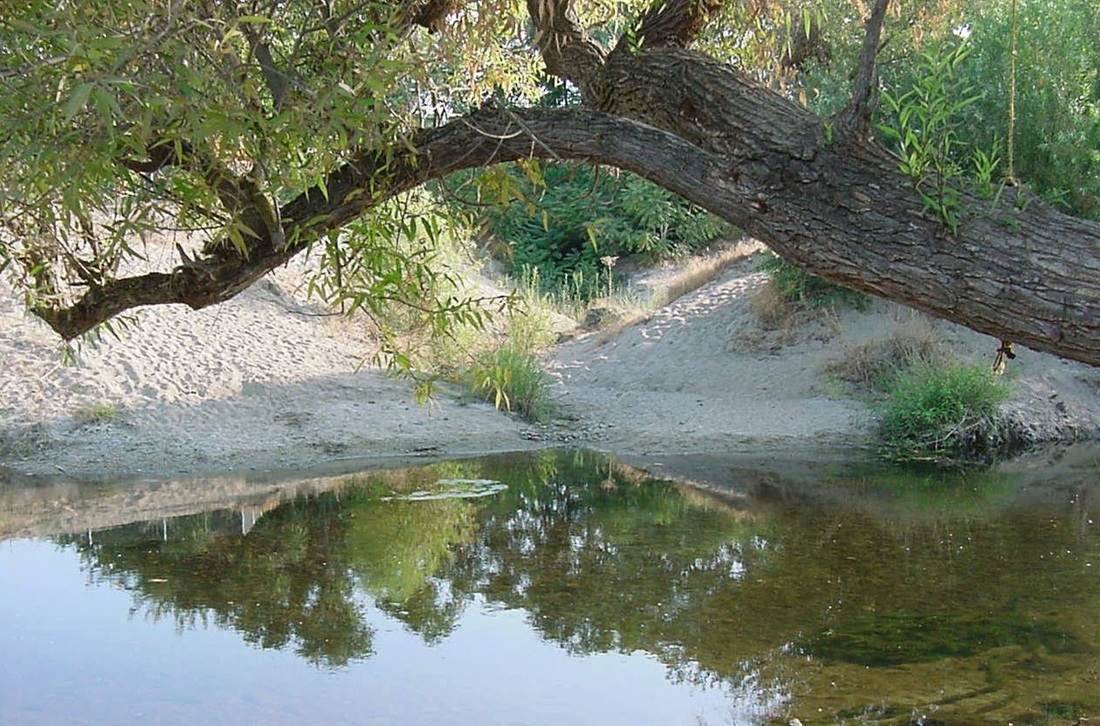
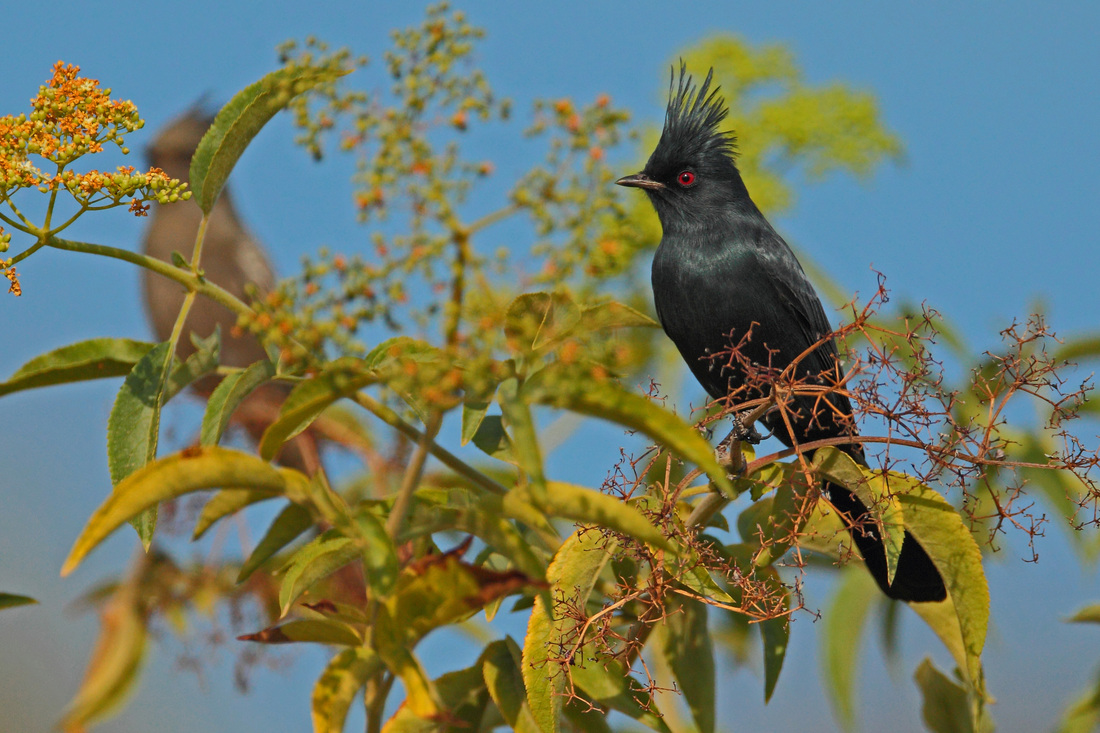
At the heart of Porterville’s General Plan 2030 are guiding policies that include protecting the Tule River Corridor as an open space resource to meet multiple needs, including bike and trail linkages, storm water drainage and treatment, wildlife habitat, and active and passive recreation.
Truly, a change of heart has occurred, and the value of a river has enriched the lives of Porterville residents. And the Tule River Parkway continues to grow. “We’d love to connect the parkway to Bartlett Park at Lake Success, and connect it going farther west also. Some of our more adventuresome members would love to see it go to the Great Divide,” says Cathy.
February, 2014
UPDATE, 09/27/24: In 2014, the City of Porterville was planning to extend the Parkway eastward from Main Street to Plano Street and westward from Highway 65 to Westwood, for a total length of 3.5 miles. Construction has now begun on the eastward extension, to take the paved pathway from S. Main Street to Fallen Heroes Park near S. Plano Street. Two bridges will connect the pathway with the large island that can be seen from the Plano Street bridge and the park. The new section will include solar lighting, retaining walls, and trail signage, and should be completed within a year. TRPA and the City of Porterville will also use U.S. Fish and Wildlife grant funding to enhance habitat for native birds and wildlife in the project area, removing invasive non-native plants and planting and tending four distinct habitat communities. (Volunteers have already created 31 wildlife-friendly gardens in the Native Plant Demonstration Project that runs east along the existing Parkway from the trailhead at the intersection of Parkway Drive and Oak View Street.)
UPDATE, 10/11/25: On this day, a ribbon cutting ceremony and 5K run celebrated the completion and opening to the public of this 1.25 mile eastern extension of the Tule River Parkway, providing a Class I bicycle and pedestrian trail (with all the features listed in the Update above), expanding the community’s safe access to nature, promoting active transportation and recreation, and protecting and enhancing the Tule River Corridor. Walkers, runners, and nature lovers of all ages and abilities can enjoy the Tule River Parkway trail system and its 30+ beautiful volunteer-created and -maintained gardens year-round. Native trees, including fast-growing sycamores, and many other native plants are being installed along the new segment. Come out and watch this Parkway grow!
-
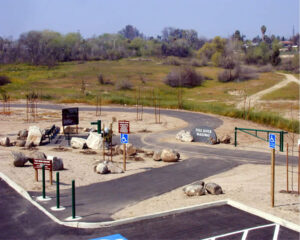
Signs Advise Visitors
-
Benches Invite Restful Enjoyment
-
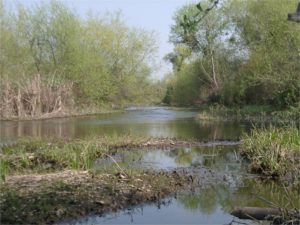
Spring Brings New Leaves
-
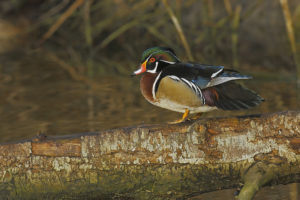
Lucky Visitors May Spot a Wood Duck
-
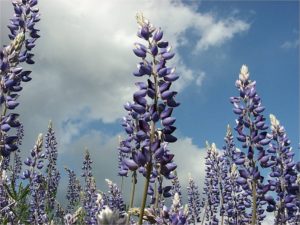
Lupines are Visitor Favorites
-
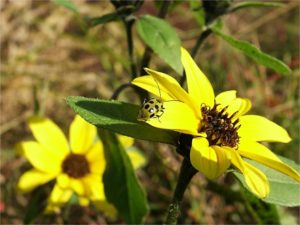
Wildflowers Abound in Native Plant Gardens
-
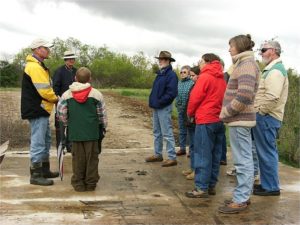
Field Trip on the Parkway
-
-
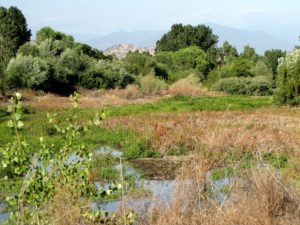
Parkway Protected Wildlife Habitat
-
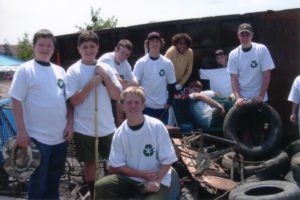
Volunteers Cleaning Up the River of Shame
-
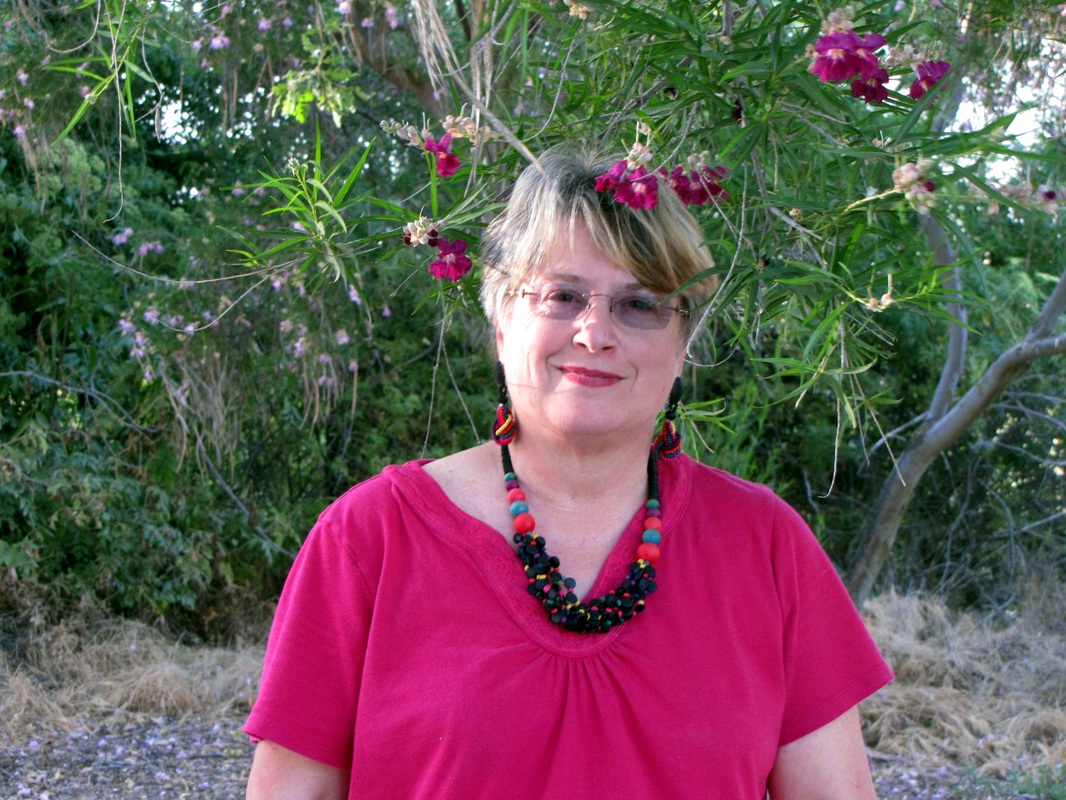
“The Parkway Association is devoted to preservation, restoration, and development of public use of the Tule River riparian corridor. This includes re-vegetating the river area with native species.” — Cathy Capone
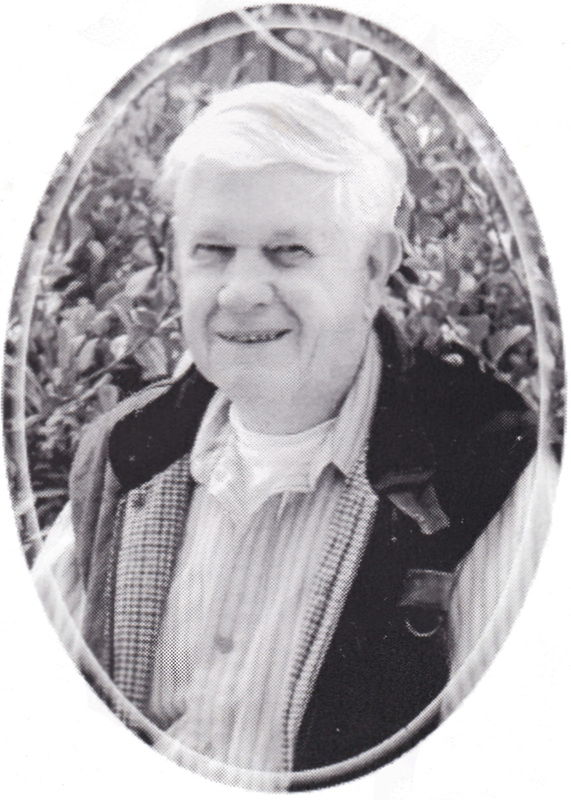
“The TRPA, led by Don Zuckswert, who was a retired college professor, really saw the potential of the Tule River to the town of Porterville.” — Cathy Capone
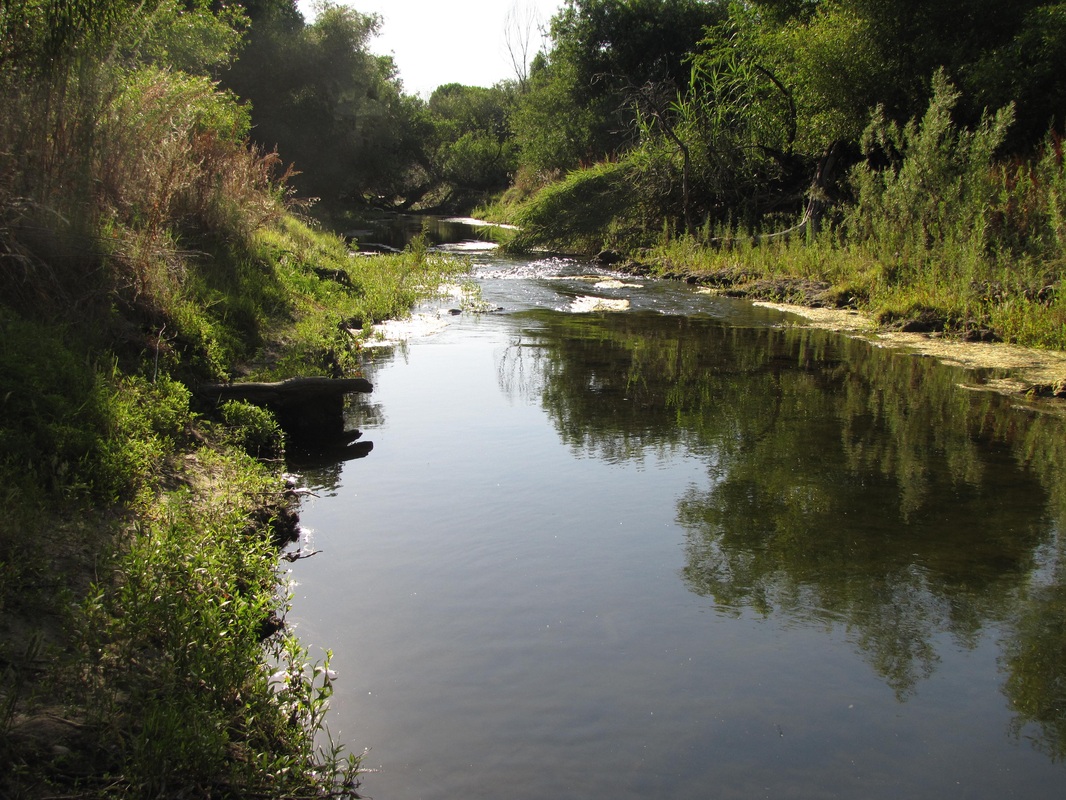
“There are many ways to salvation, and one of them is to follow a river.” —David Brower
“The care of rivers is not a question of rivers, but of the human heart.” — Tanaka Shozo
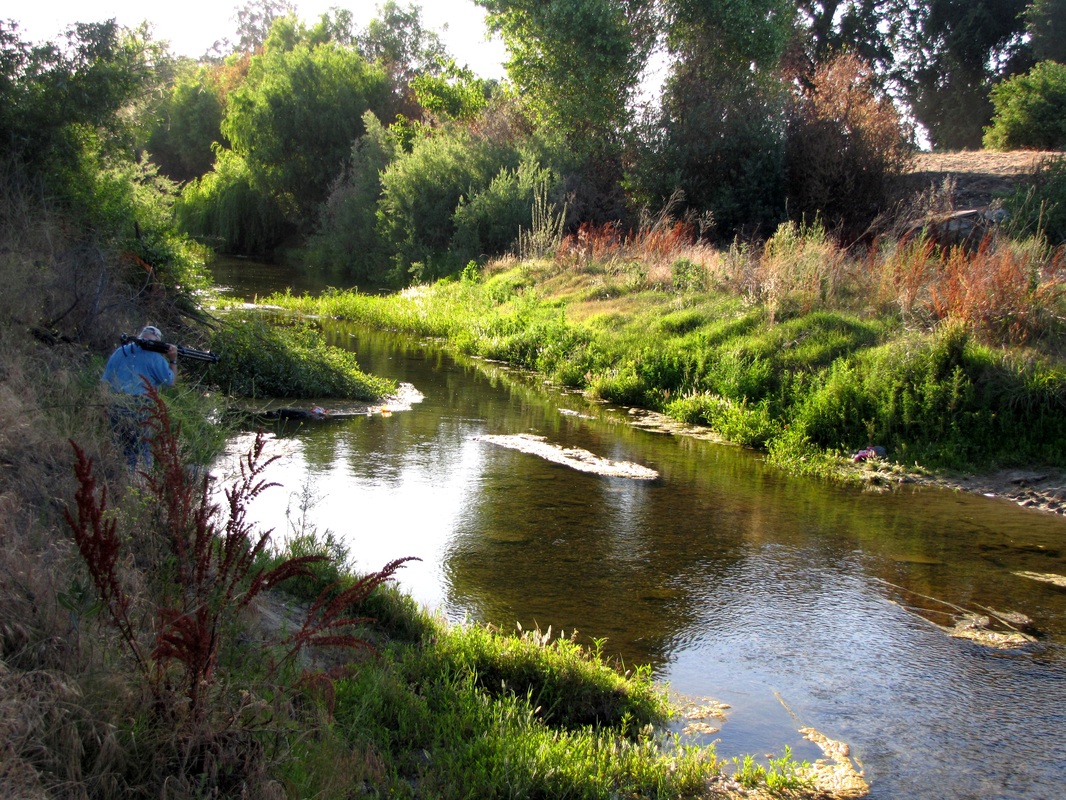
“[I]s there any task more pleasurable, or more vital, than learning to love the landscape in which we live?” — Guy Procter
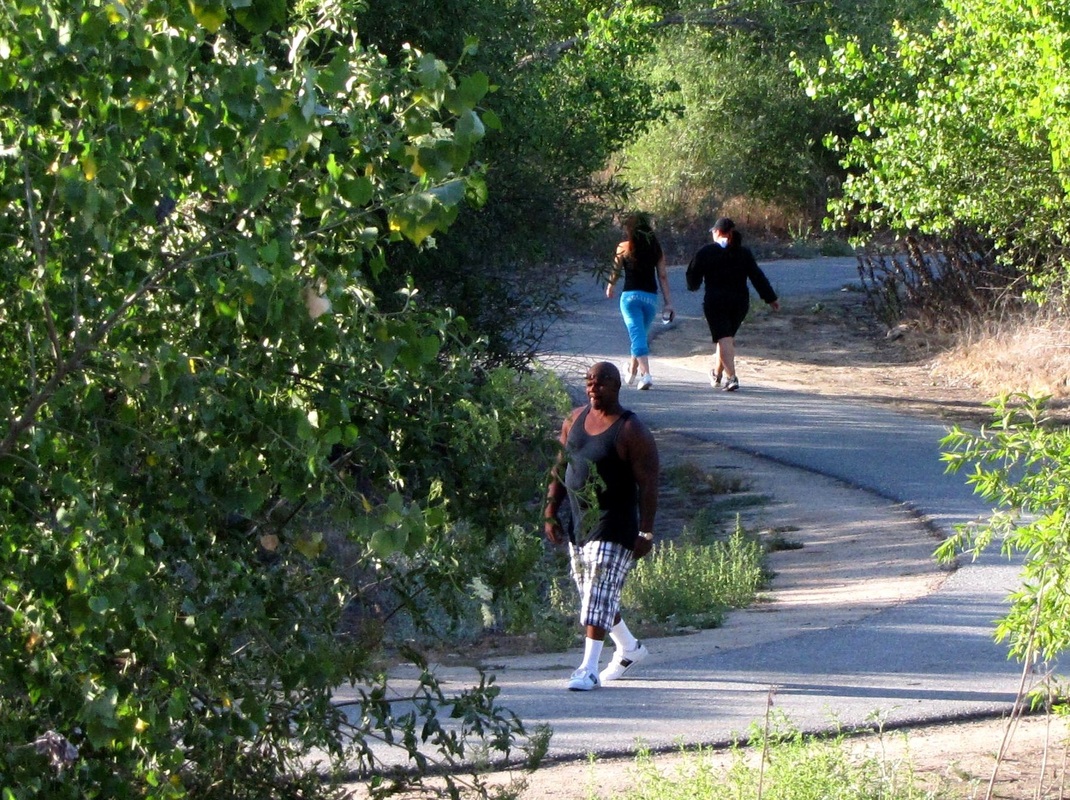
“To learn something new, take the path that you took yesterday.”—John Burroughs
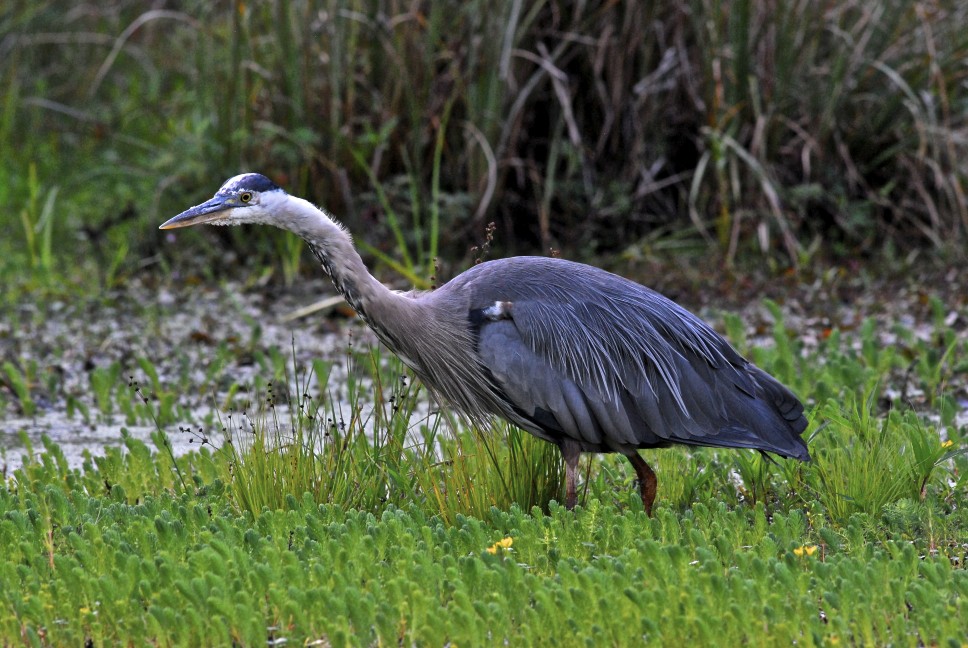
“That river monk, great blue heron, meditating behind the lightning strike of his beak in a downwater pool.” — Barry Lopez
“Look to your city council, look to your board of supervisors, look to other organizations. Don’t give up your goal. Find partners.” — Cathy Capone
“A river, to be sure, is a means to economic production, but before that it is an entity unto itself, with its own processes, dynamics, and values. In a sense it is a sacred being, something we have not created, and therefore worthy of our respect and understanding. To use a river without violating its intrinsic qualities will require much of us. It will require our learning to think like a river, our trying to become a river-adaptive people.” — David Worster
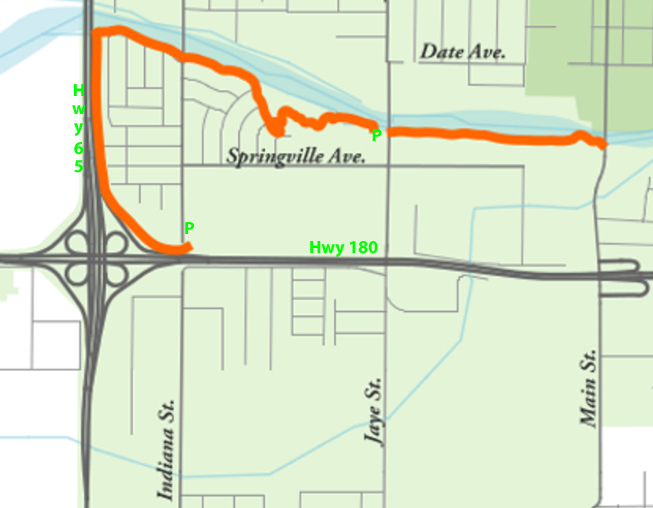
Parking for the Parkway is available at the Park & Ride lot on Jaye St., just south of the bridge over the river, and at the Parkway trailhead on S. Indiana St. near the junction of Hwy 65 and Hwy 190.
From Visalia, take Hwy 198 east to Hwy 65 south to Porterville; exit onto Hwy 190 east. Turn north (left) onto S. Jaye St. to the Park & Ride (on your left) just south of the Tule River bridge.
The map below shows the current (October, 2024) extent of the Parkway (length: ~ 2.2 miles; elevation gain ~ 25 ft.) and its current end points:
 Parkway Map